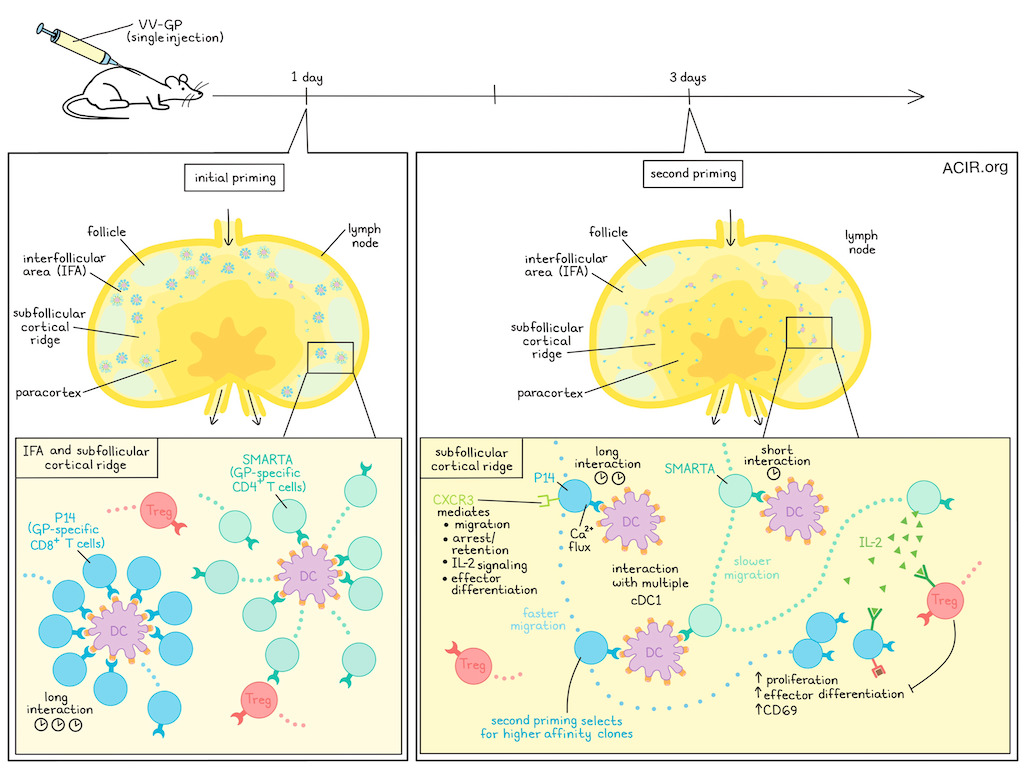
Prime time: secondary prolonged DC priming boosts high-affinity T cell responsesAfter initial priming through interaction with dendritic cells (DCs), CD8+ T cells disengage and migrate, but little is known about how cytokine signals are transmitted or received by these cells for differentiation during this migration. Jobin, Seetharama, et al. visualized the dynamics of antigen-specific CD8+ T cells, as well as CD4+ T helper... Apr 23 25April 23, 2025Article at poczta.acir.org
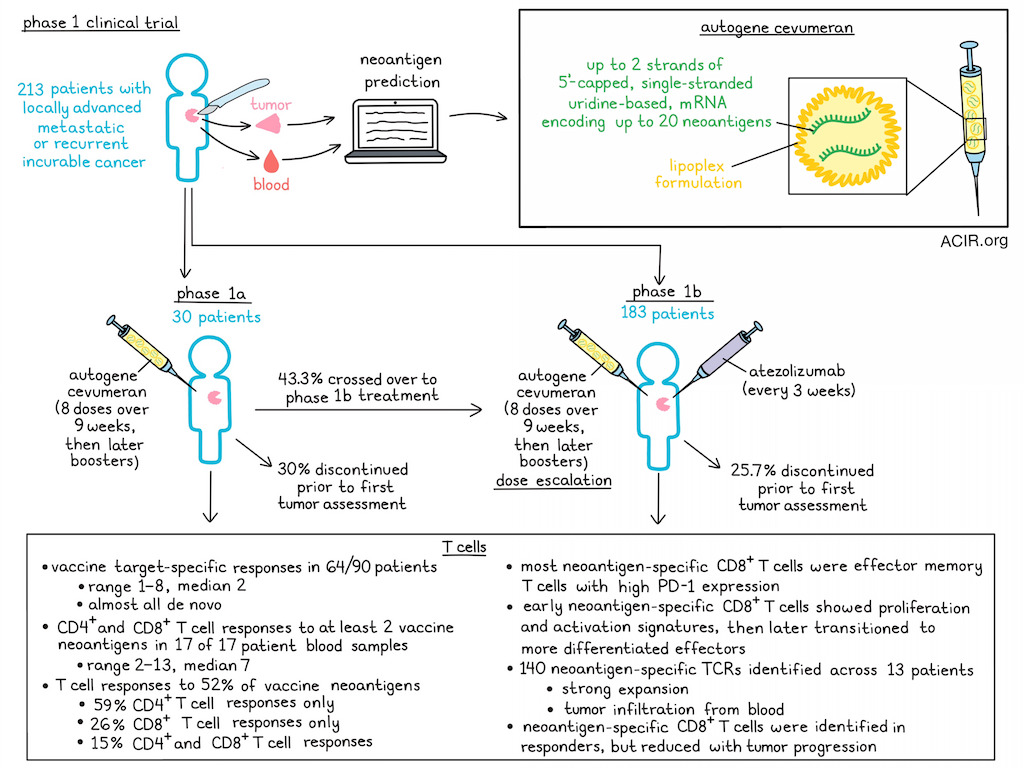
First glimpses of efficacy of personalized neoantigen vaccine plus checkpoint blockade in advanced cancersLopez et al. reported on a phase 1 trial assessing the safety and efficacy of the personalized neoantigen vaccine autogene cevumeran combined with atezolizumab in advanced cancers. Treatment was feasible and toxicities were manageable. Treatment induced de novo neoantigen-specific T cell responses that were detectable in blood and tumors. Induced T cells initially had proliferative and early activation signatures, and over time transitioned from early- to late-differentiated effector phenotypes. Some patients had objective responses, during which neoantigen-specific T cells could be observed, which lowered in number upon progressive disease. Jan 29 25January 29, 2025Article at poczta.acir.org
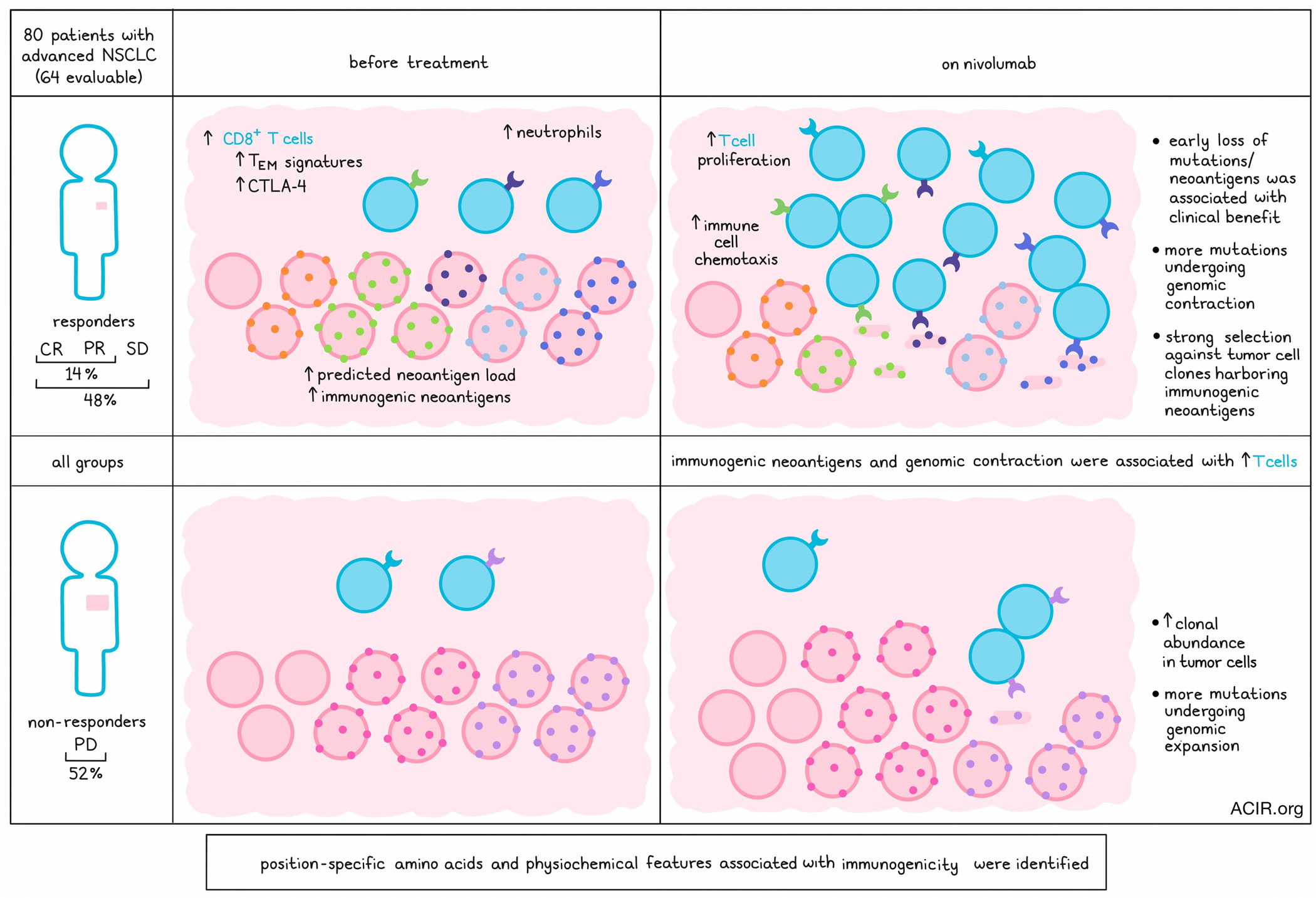
Tracking the neoantigen landscape in response to checkpoint blockadeWhile it is known that neoantigen immunoediting plays a role in immune checkpoint blockade (ICB) efficacy, it is unclear how neoantigen recognition by T cells impacts tumor presentation of antigens in response to ICB. Alban and Riaz et al. evaluated… Oct 16 24October 16, 2024Article at poczta.acir.org
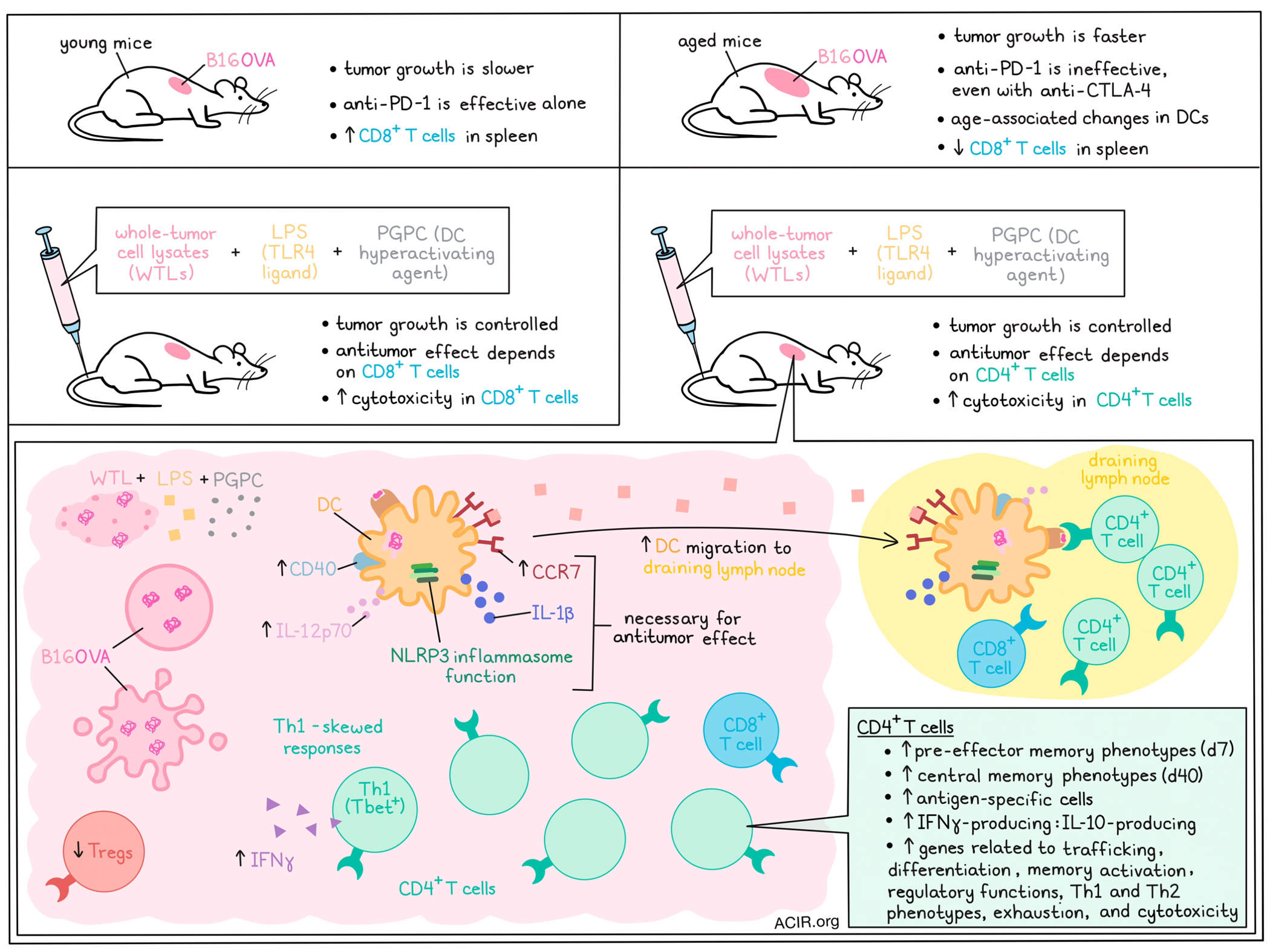
Restoring youth in DCs with hyperactivating vaccine adjuvantAging results in decreased immune system functionality, with age-associated changes to dendritic cells (DCs) limiting their migration and cytokine production. Given that such effects may induce immunotherapy resistance, Zhivaki et al. investigated a… Aug 14 24August 14, 2024Article at poczta.acir.org
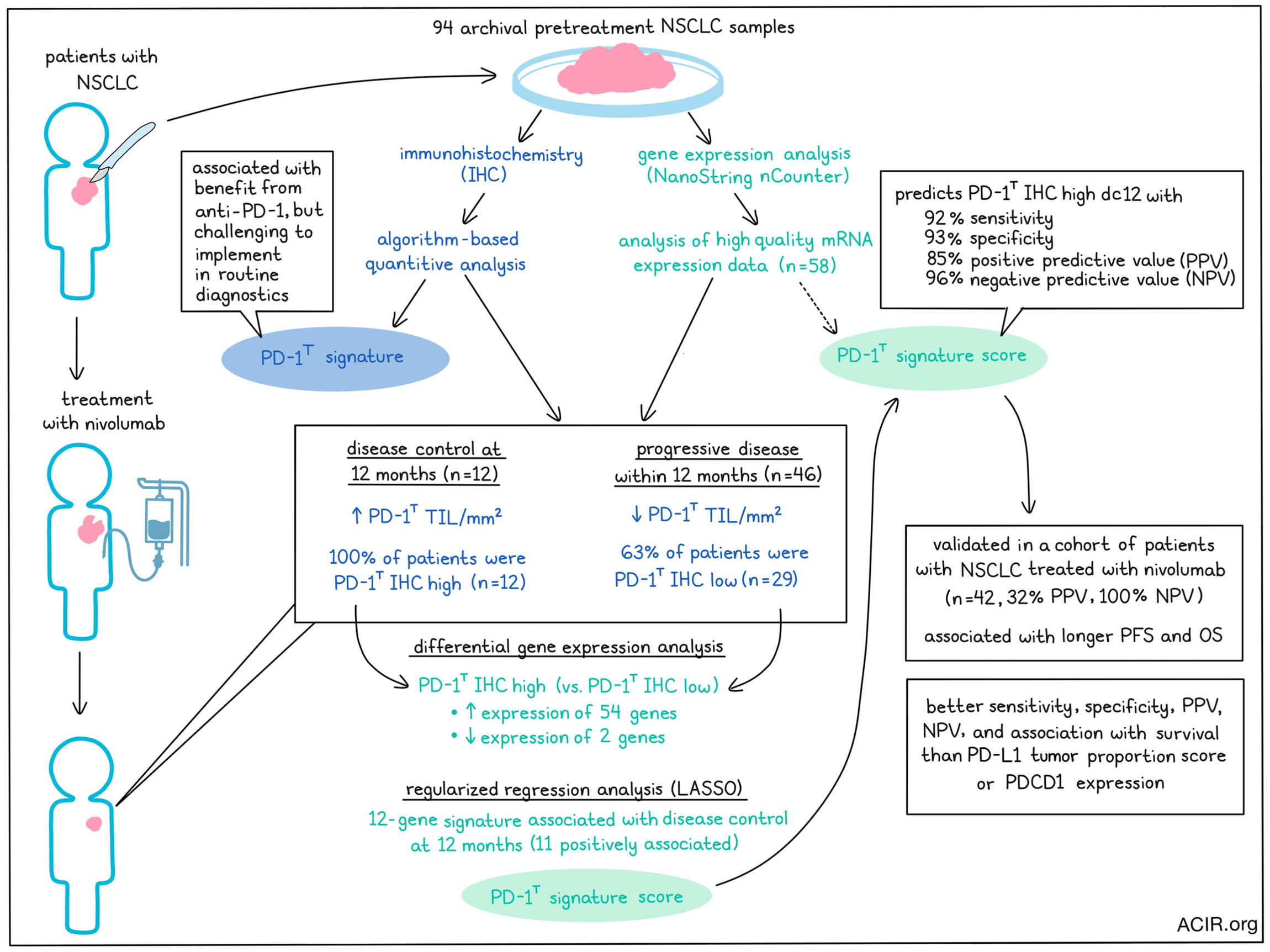
No more luck of the draw: new predictive signature for efficacy PD-1 blockadeDespite its successes in some patients, immune checkpoint blockade (ICB) targeting PD-1 is not beneficial in most patients with non-small cell lung cancer (NSCLC). Determining which patients would or would not benefit from this treatment has remained… Jan 10 24January 10, 2024Article at poczta.acir.org
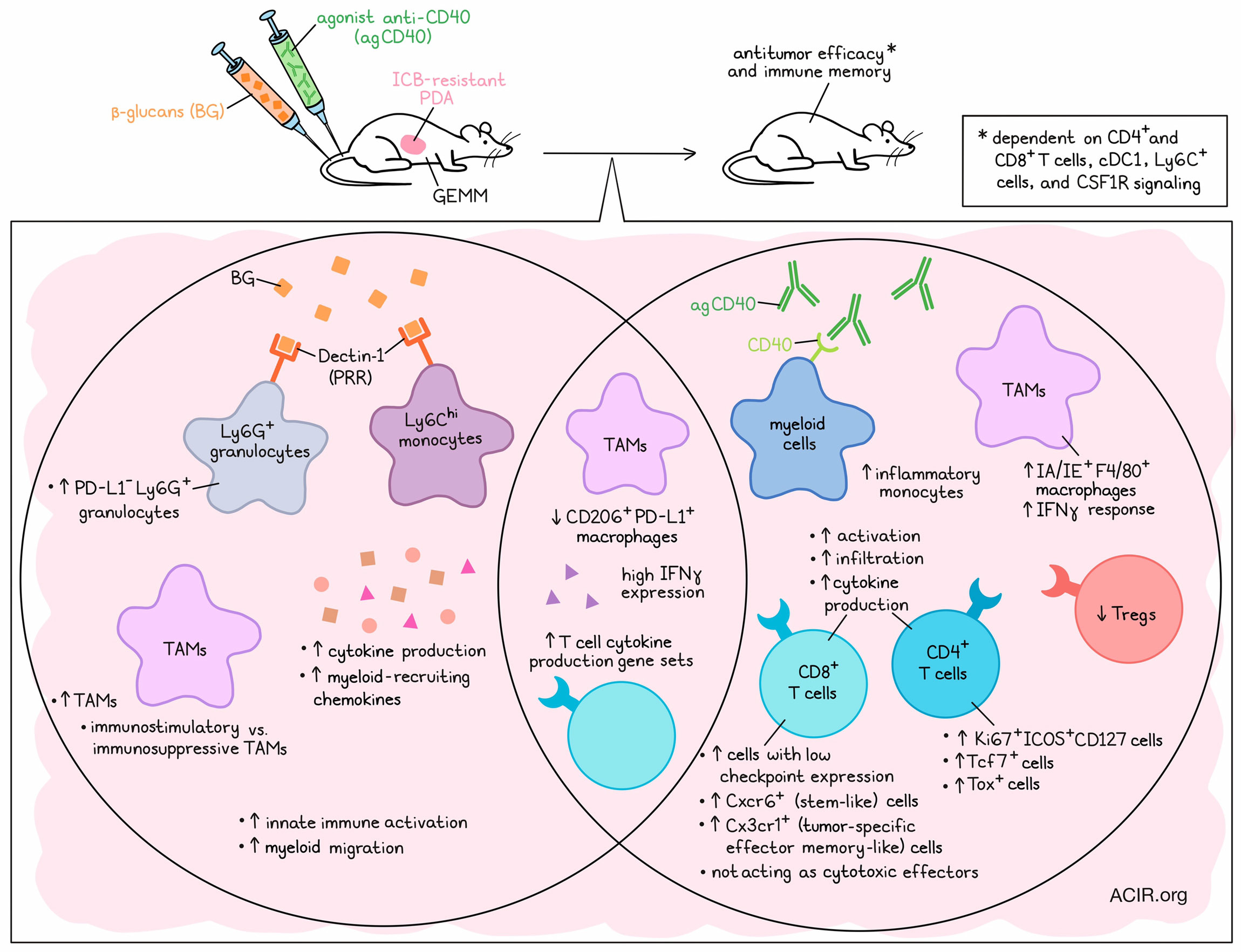
Activating macrophages to remodel the tumor microenvironmentOne of the reasons immune checkpoint blockade (ICB) may fail in solid tumors like pancreatic ductal adenocarcinoma (PDA) is a lack of T cell infiltration and extensive myeloid inflammation in the tumor microenvironment (TME). Wattenberg et al. aimed… Nov 29 23November 29, 2023Article at poczta.acir.org
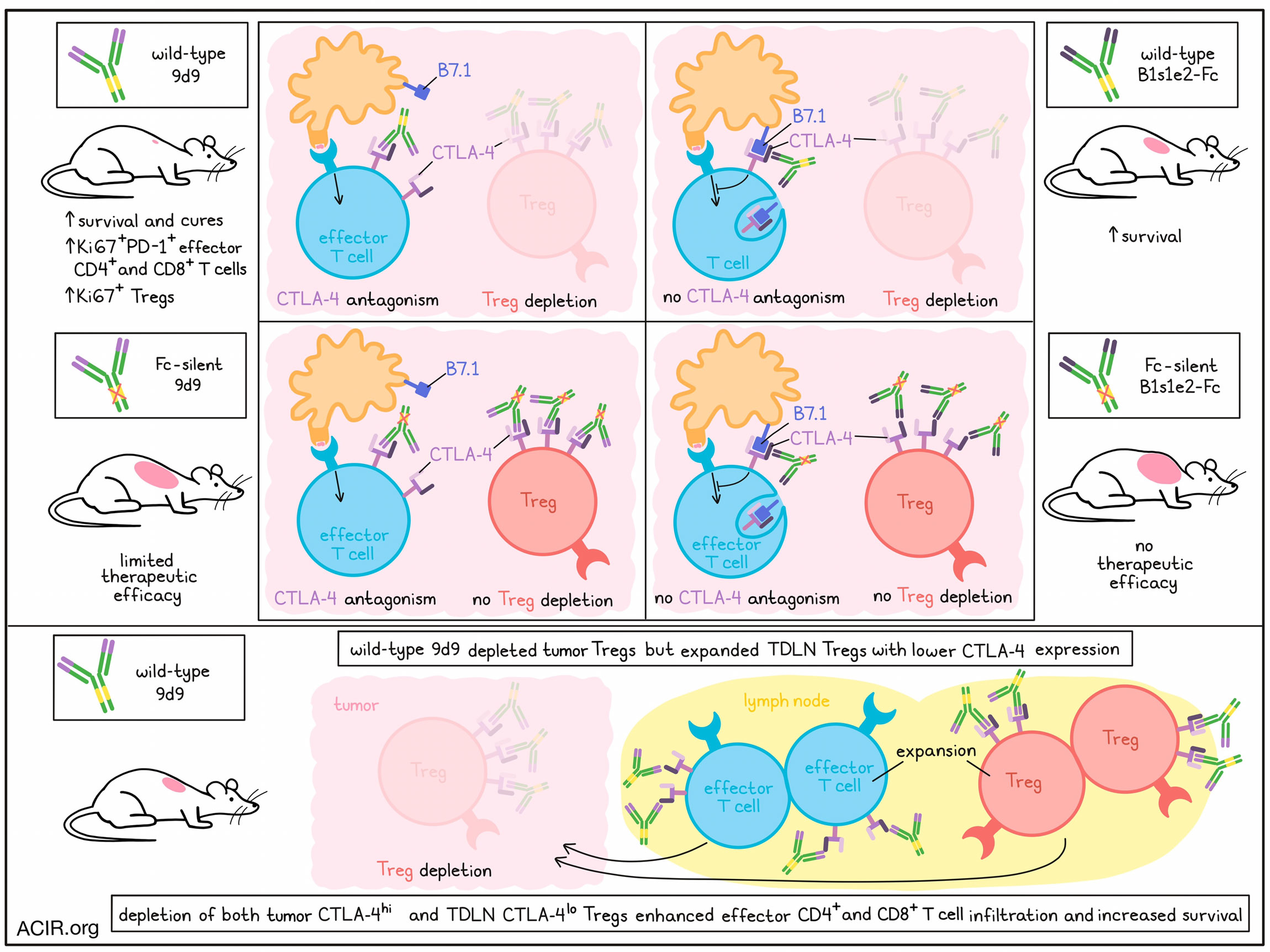
New insights on the mechanism of action of anti-CTLA-4 immune checkpoint blockadeThe mechanism of action of anti-CTLA-4 therapy remains incompletely understood. Hypotheses suggest that either antagonism of CTLA-4:B7 binding or Fc effector-mediated regulatory T cell (Treg) depletion might be responsible for the efficacy of the… Aug 09 23August 09, 2023Article at poczta.acir.org
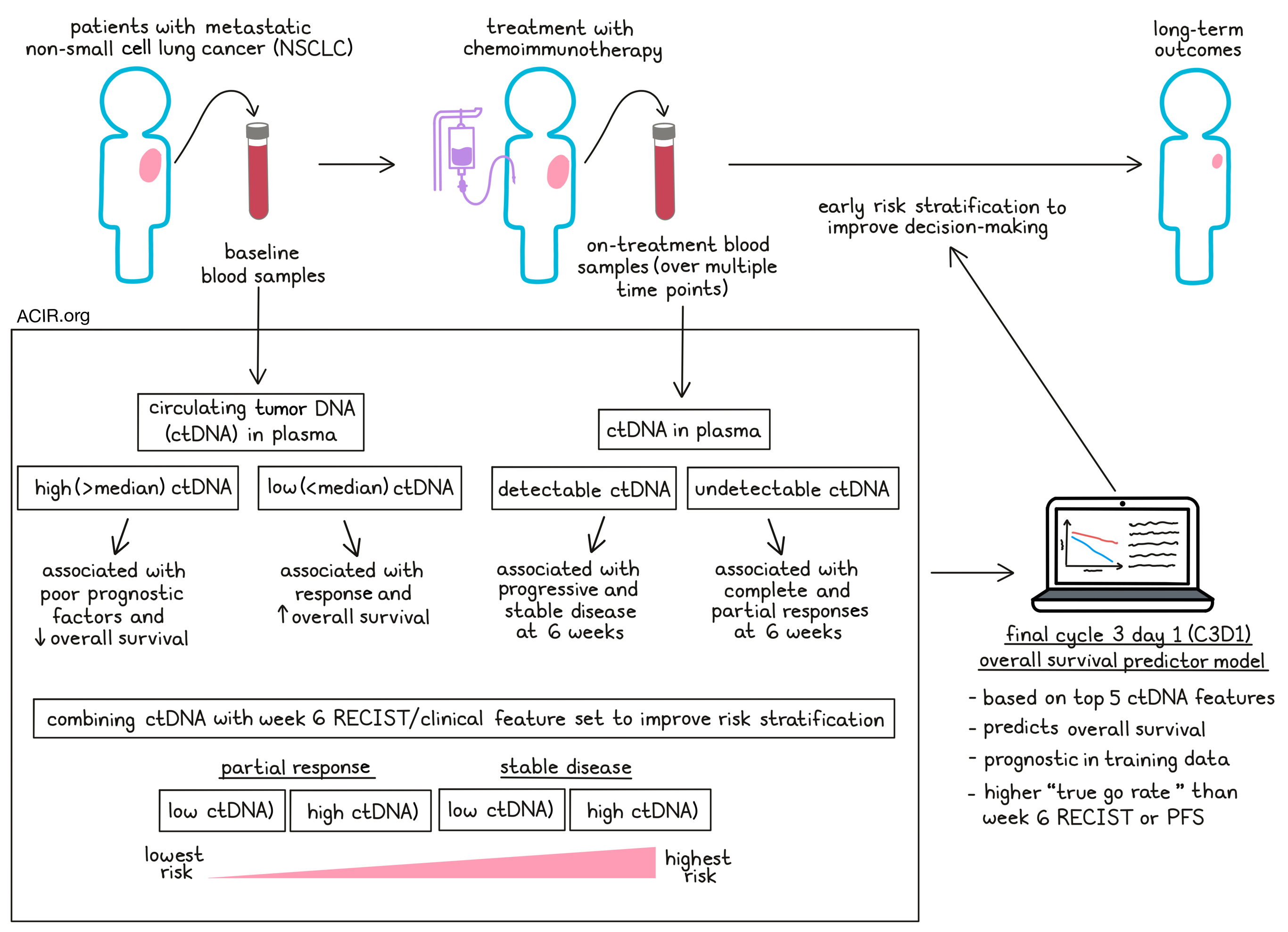
Predicting immunotherapy responses using circulating tumor DNAThe researchers made use of samples and information from the registration-driven Impower150 trial, which led to the approval of a chemoimmunotherapy combination (including ICB with anti-PD-L1) in first-line non-small cell lung cancer. Baseline and… Mar 29 23March 29, 2023Article at poczta.acir.org
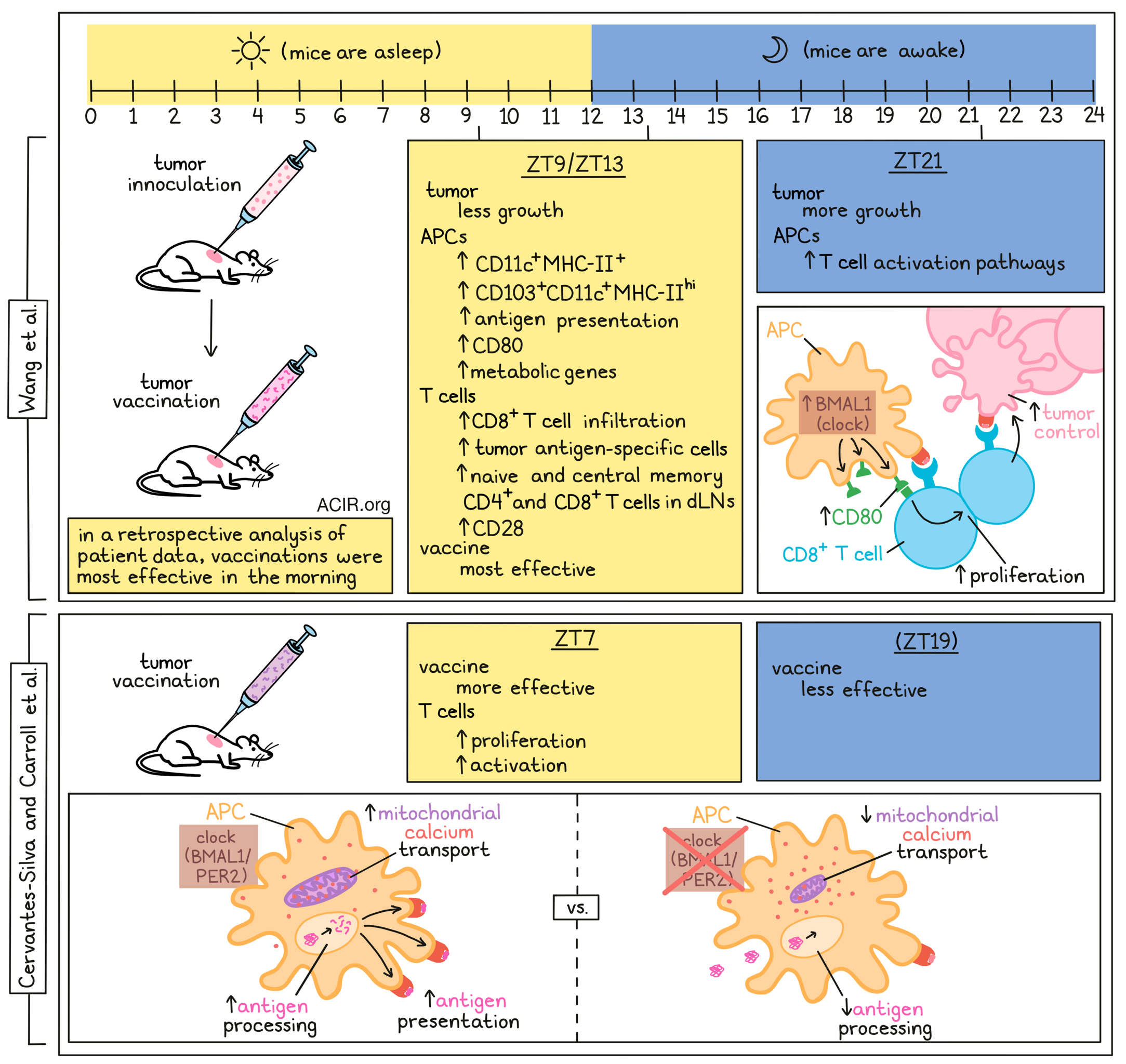
Working 9 to 5: circadian rhythm in immune cells affects immunotherapyWhile it is known that both the innate and adaptive arms of the immune system follow circadian rhythms, the mechanisms behind these rhythms and their effects on vaccination treatment efficacy, particularly in the cancer setting, remain largely… Dec 21 22December 21, 2022Article at poczta.acir.org
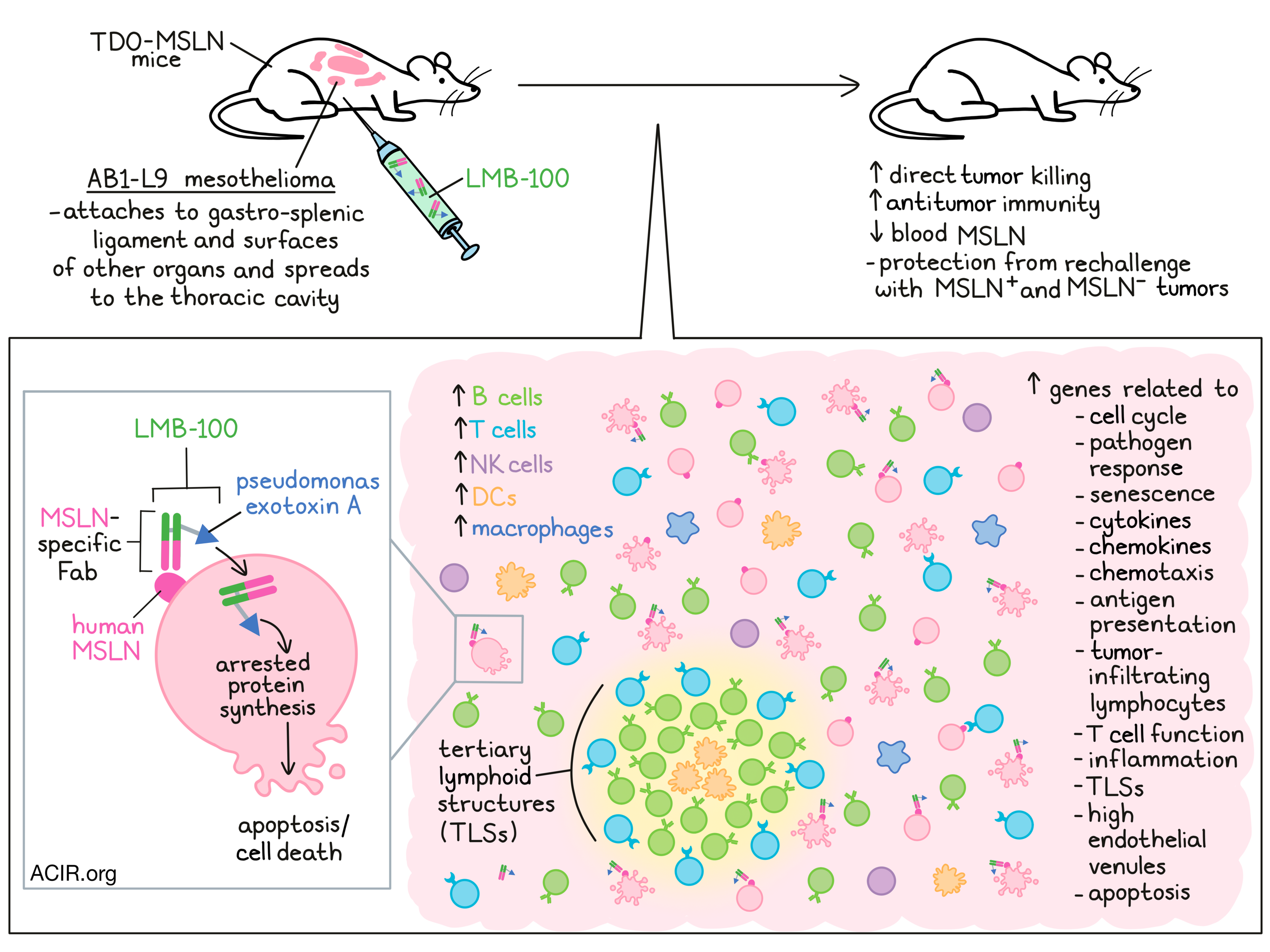
Bring in the B cells with an immunotoxinThe tumor-associated antigen mesothelin (MSLN) is expressed by mesothelioma and other types of cancer. LMB-100 is an immunotoxin consisting of a Fab recognizing human MSLN that is linked to a toxin (Pseudomonas exotoxin A), which induces direct tumor… Dec 07 22December 07, 2022Article at poczta.acir.org
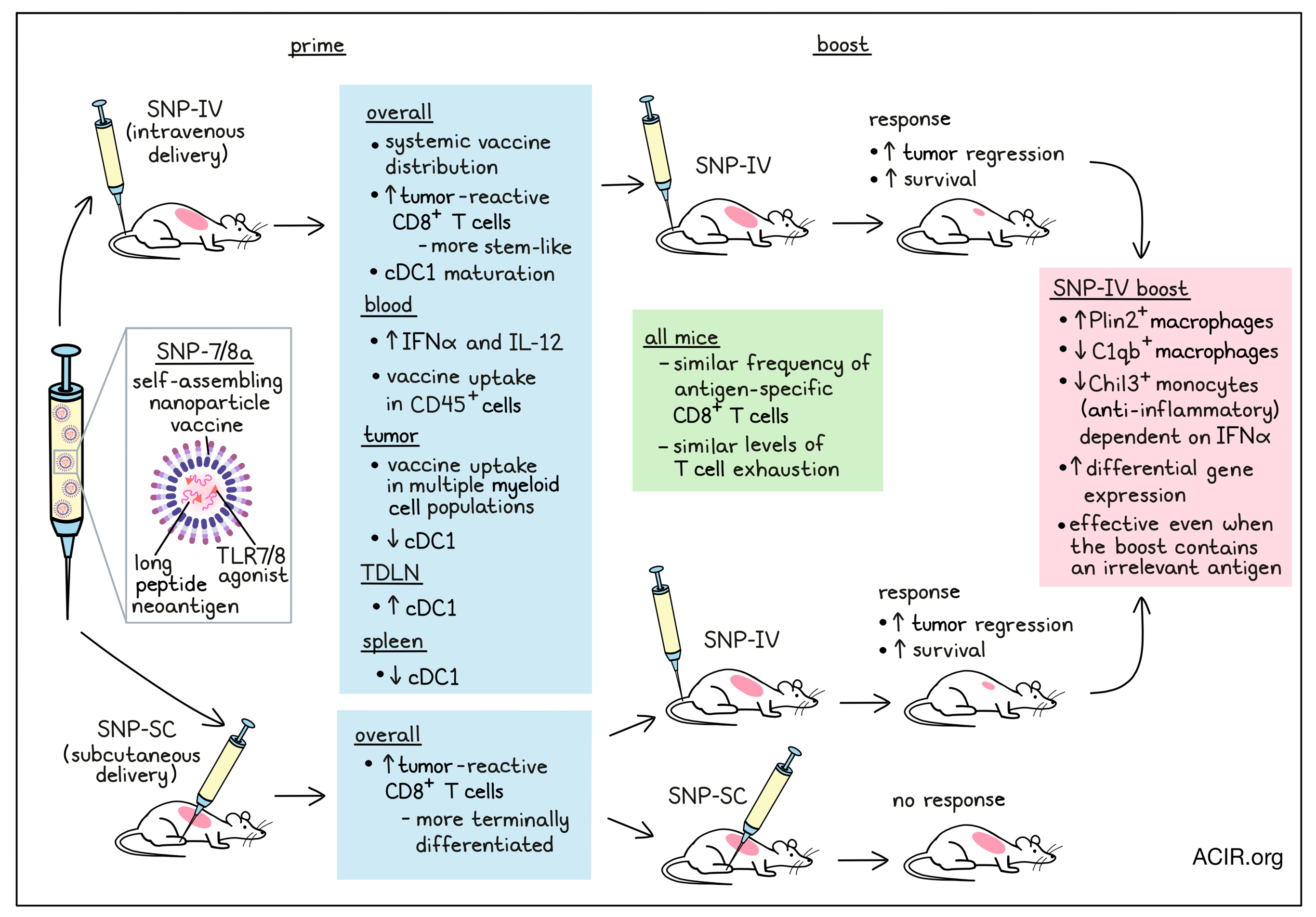
Not all routes lead to Rome: administration route affects vaccine responsesSince cytolytic T cells are critical to cancer immunotherapy, therapeutic cancer vaccines, which can induce such T cells, can be an important component of immunotherapy. However, current vaccine approaches to improve the magnitude of the immune… Nov 09 22November 09, 2022Article at poczta.acir.org
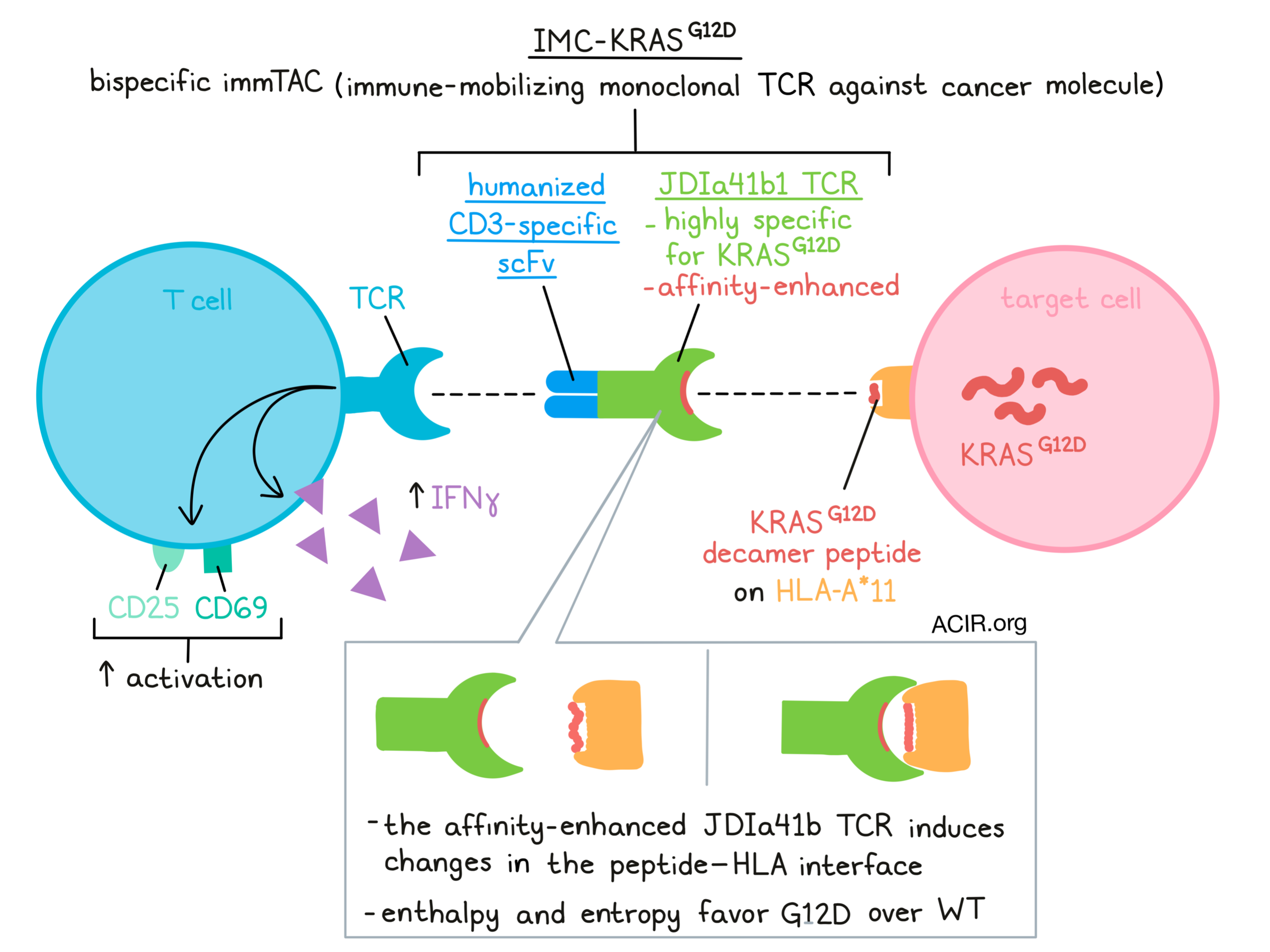
Exploiting TCR affinity for therapeutic targeting of neoantigensThe oncogene KRAS is mutated in many cancer types, with the most common mutations being G12D, G12V, and G12C. As an intracellular protein, it is inaccessible to antibody-based therapy strategies. However, T cell receptors can detect the mutated… Sep 28 22September 28, 2022Article at poczta.acir.org
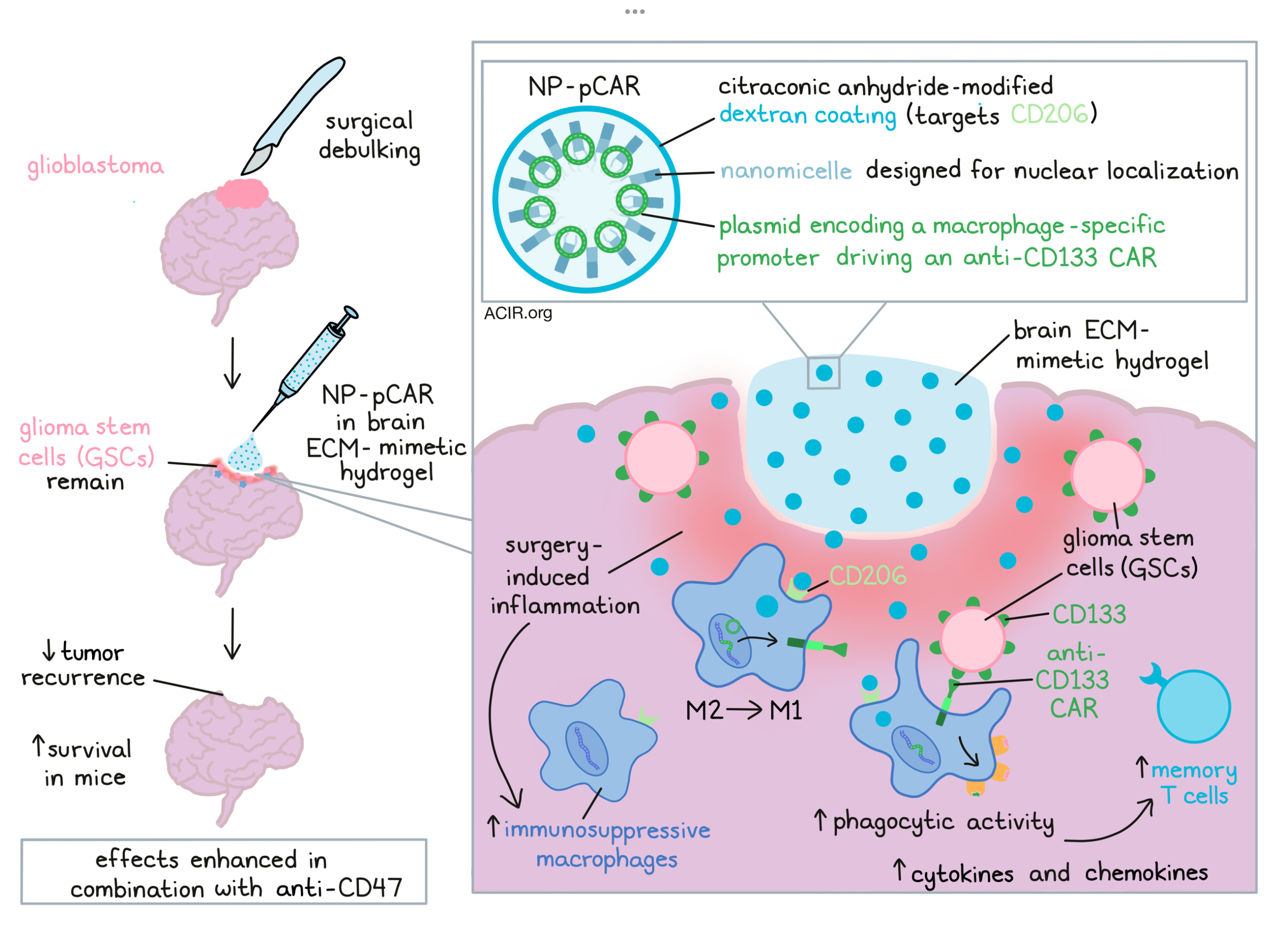
Inducing CAR-macrophages in the brain for local treatmentDespite aggressive treatment involving debulking surgery and chemoradiotherapy, glioblastoma multiforme (GBM) remains incurable. A major culprit for GBM recurrence and therapy resistance are self-renewing glioma stem cells (GSCs) that are left behind… Aug 31 22August 31, 2022Article at poczta.acir.org
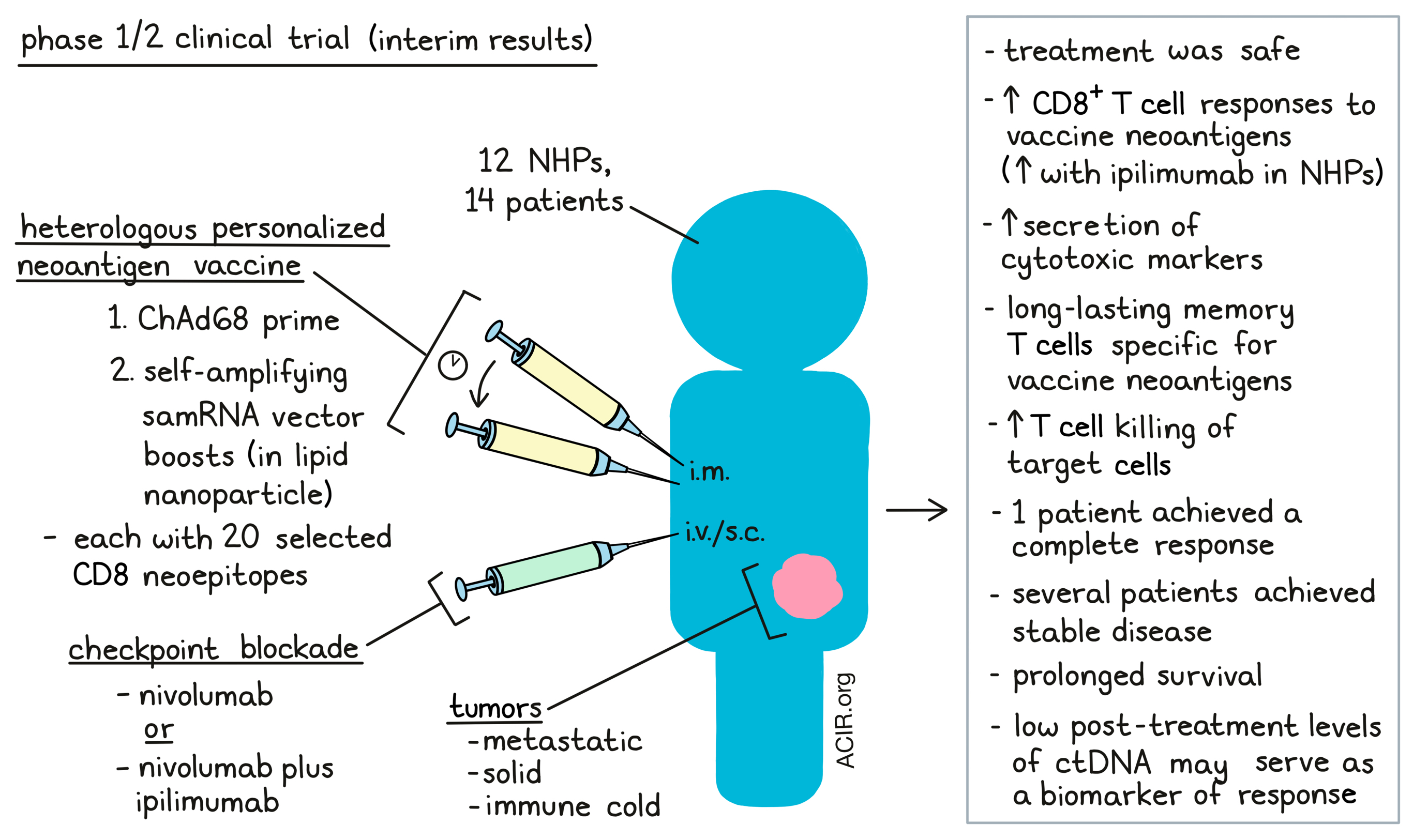
New neoantigen vaccine strategy aids checkpoint blockade in cold tumorsGiven that checkpoint inhibition therapies have limited efficacy in tumors poorly infiltrated with T cells (immune cold tumors), combining these therapies with those attempting to increase antitumor T cell responses, such as vaccines, is warranted.… Aug 31 22August 31, 2022Article at poczta.acir.org
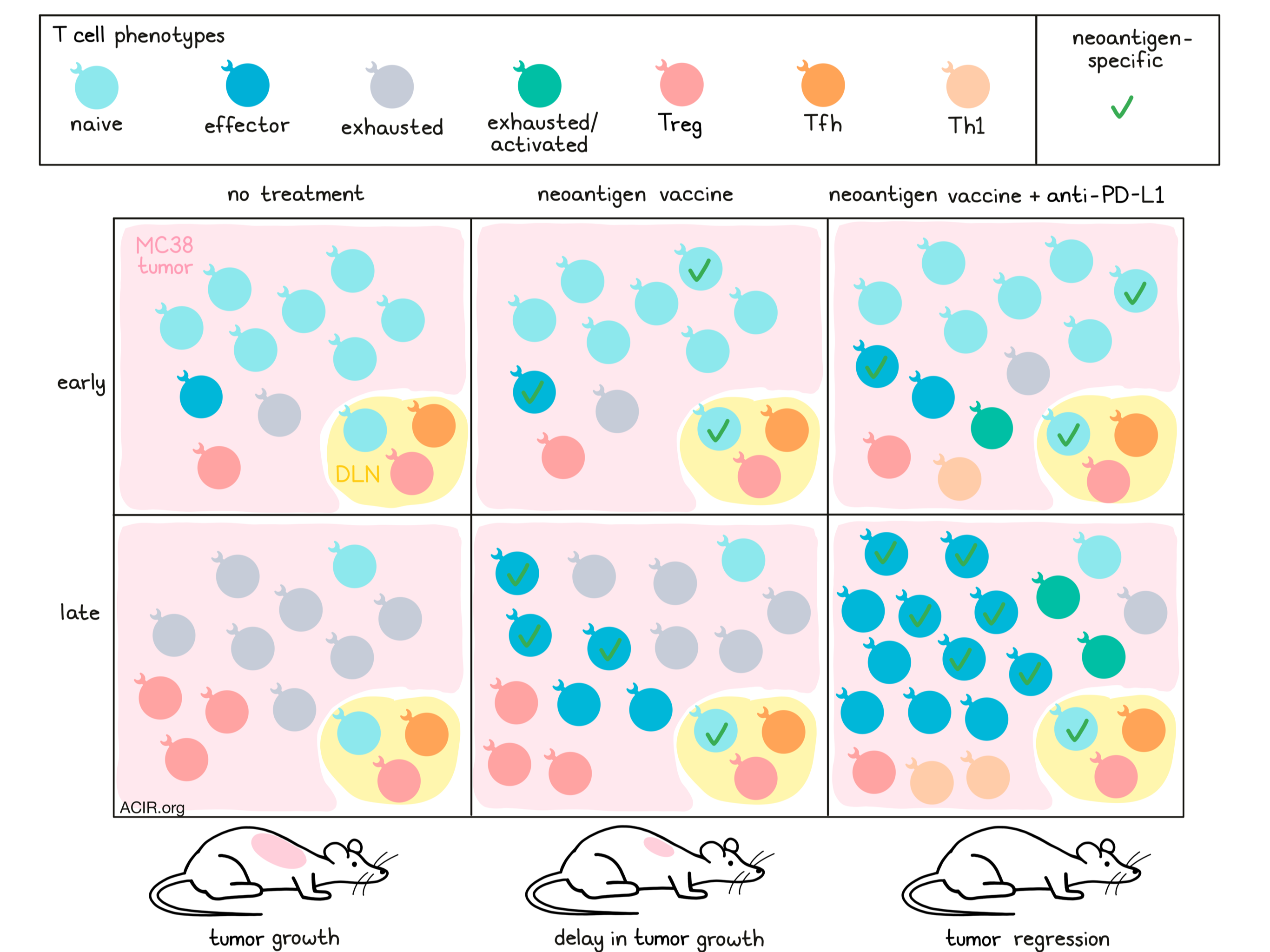
Inducing optimal antitumor T cells by combining vaccination and checkpoint therapyTumor neoantigen-specific T cells generated by vaccines can synergize with immune checkpoint blockade (ICB) for antitumor efficacy, but not much is known about the dynamics of these cells during therapy. Therefore, Liu, Chen, and Zhang et al.… Apr 27 22April 27, 2022Article at poczta.acir.org
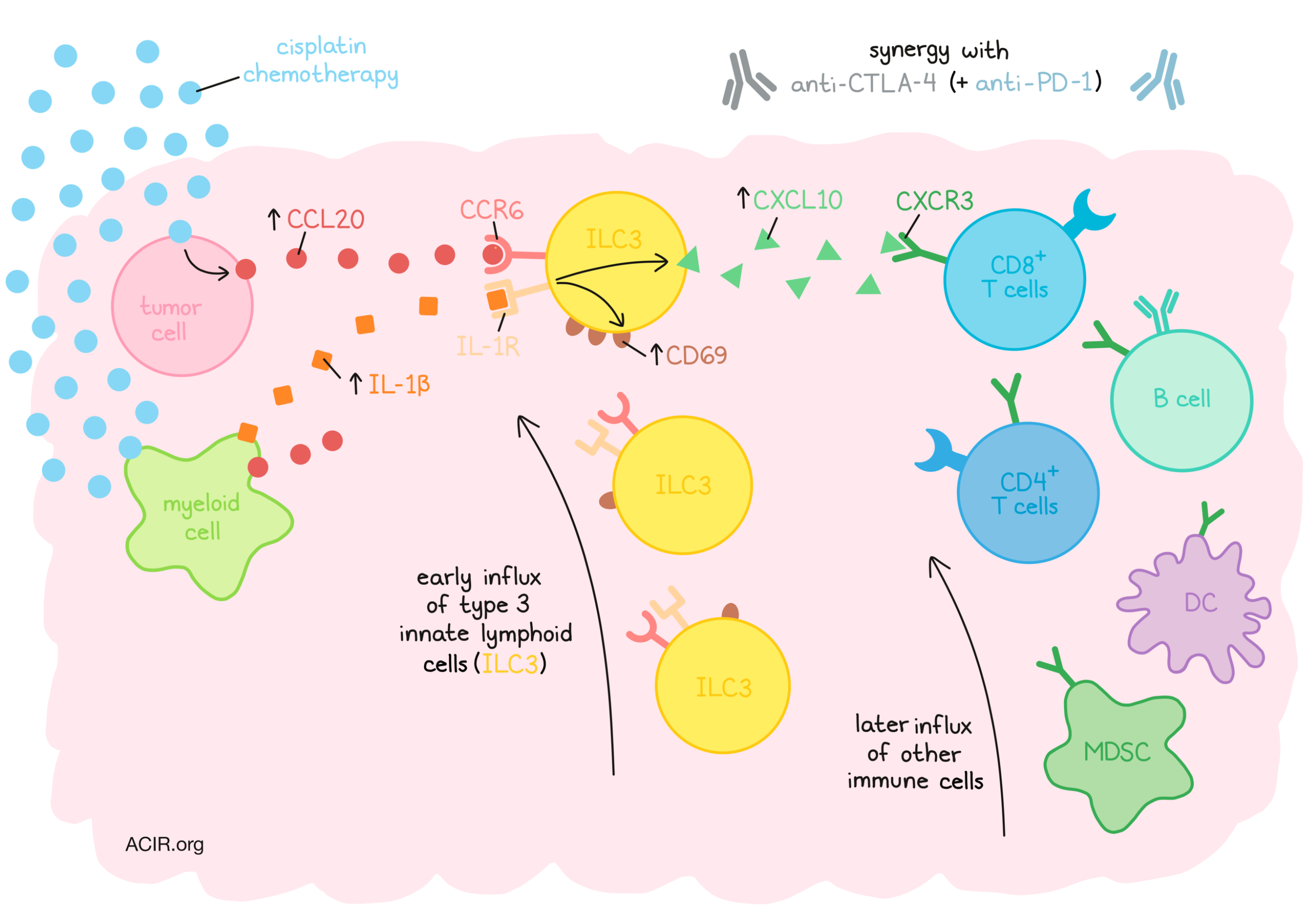
Chemo-induced innate lymphoid cells heat up the tumor environmentThe researchers made use of various cold tumor models, including the TC-1 transplantable lung, 4T1 transplantable triple-negative breast cancer, and the carcinogen urethane-induced lung cancer murine models, with a primary focus on the TC-1 model.… Feb 16 22February 16, 2022Article at poczta.acir.org
How do the AstraZeneca, Johnson & Johnson, Sputnik, and CanSino vaccines work?A group of vaccines that work in a similar way, based on a viral vector for the delivery of the vaccine information, are those developed by AstraZeneca and the University of Oxford (also named Covishield and Vaxzevria), Johnson and Johnson (J&J,… May 21 21May 21, 2021Article at pt.scientistsagainstfakenews.com
How Do the mRNA Vaccines of Pfizer and Moderna Work?The first two COVID-19 vaccines that finished clinical trials and were cleared for use in multiple countries were the Pfizer-BioNTech and Moderna vaccines. Both these vaccines use mRNA. What is mRNA? The m in mRNA stands for messenger, and RNA is an… Feb 20 21February 20, 2021Article at pt.scientistsagainstfakenews.com
Interview with Silvia Rattigan, PhD – Associate Director Clinical Quality AssuranceWe spoke with Silvia Rattigan (Torres), PhD, who works as Associate Director of Clinical Quality Assurance at MSD in Dublin, Ireland. We asked her about her job, career, education, and any advice she might have for anyone looking for a similar… Feb 11 21February 11, 2021Article at The Bio Girls
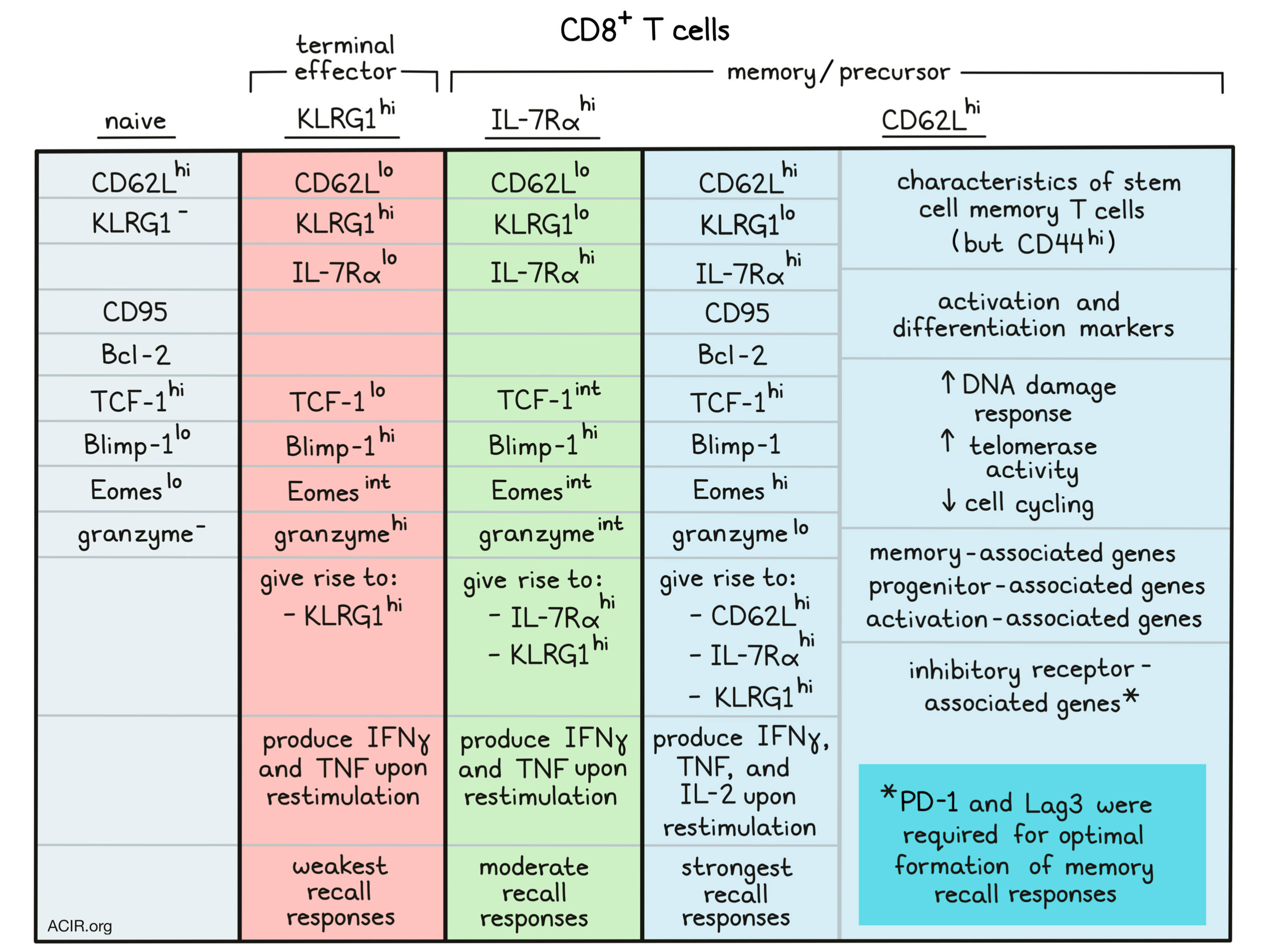
Checkpoint receptors - unexpectedly essential for forming memory T cellsEven though the importance of forming long-lived memory CD8+ T cells is widely acknowledged, the origin of this T cell subset remains largely unknown. Johnnidis and Muroyama et al. used a well established viral infection model to phenotype and… Jan 27 21January 27, 2021Article at poczta.acir.org