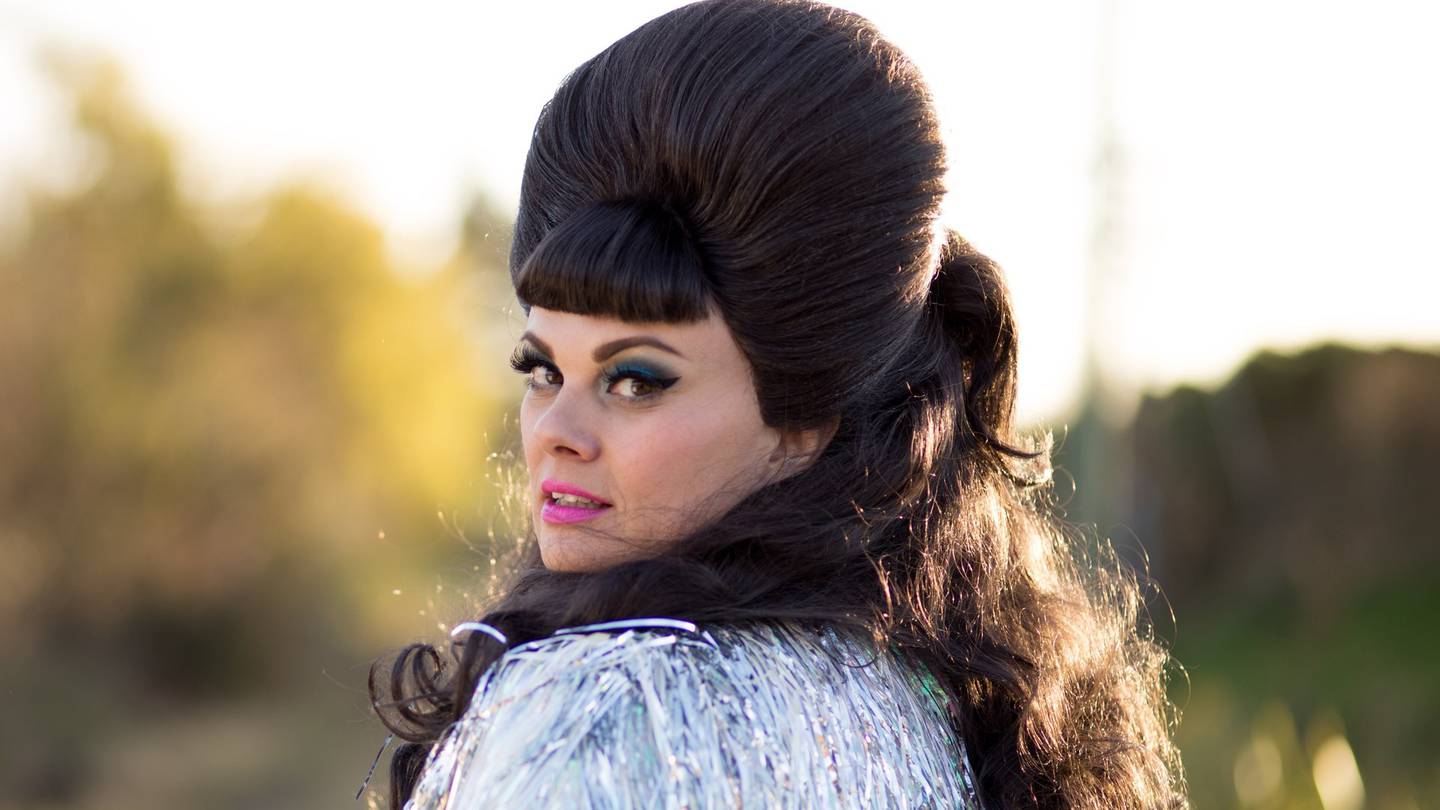
Beyond the Stars: The story behind Tami Neilson & Willie Nelson’s duetThe pandemic cloud above Tami Neilson's career has had a silver lining – a duet with Willie Nelson on her forthcoming album and the chance to sing it with him on stage in Texas. NZ Listener It's early afternoon on a spring day in the Hill Country… Apr 26 22April 26, 2022Article at NZ Herald
'Thanks NZ, you really toughened us up': Midnight Oil's fiery start in GodzoneMidnight Oil is calling it a day with one last-blast album and tour. Peter Garrett and Jim Moginie talk about the Australian group's enduring trans-Tasman relations and the loss of Kiwi bassist Bones Hillman. By RUSSELL BALLIE Midnight Oil first took… Mar 08 22March 08, 2022Article at NZ Herald
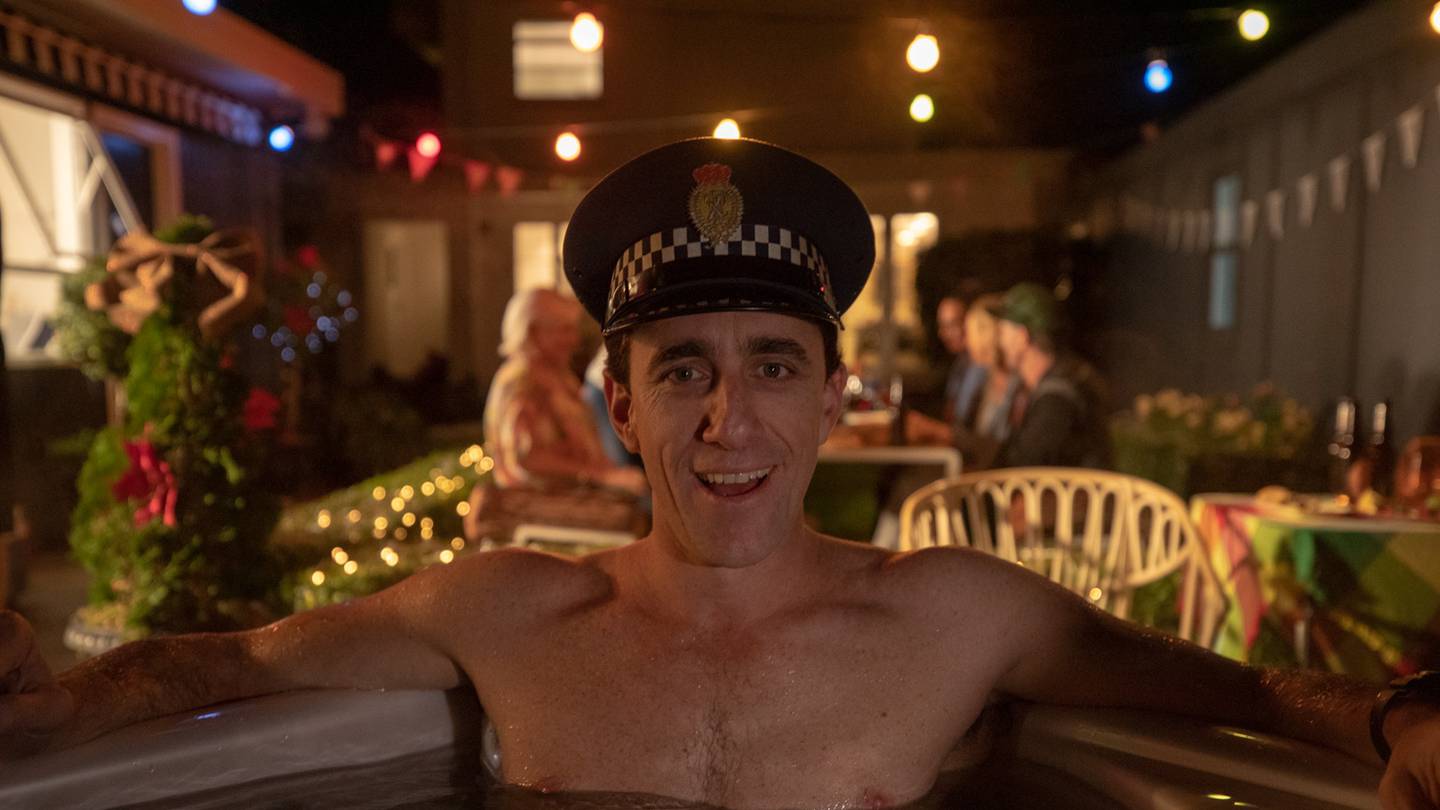
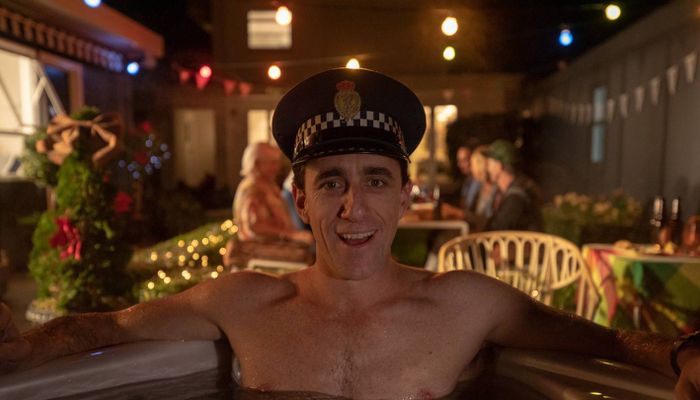
Why Mike Minogue is more than just comedy's deadpan manThere's more to Wellington Paranormal star Mike Minogue than just being the hit comedy's deadpan straight man. He's helping to create films and shows, including a new talkback-radio satire. By Russell Baillie, NZ Listener. It's the day after filming… Jul 01 21July 01, 2021Article at NZ Herald
Heavenly feature: An Angel at My Table, 30 years onThirty years after An Angel at My Table brought Janet Frame's autobiographies to the cinema in Jane Campion's acclaimed adaptation, Russell Baillie reveals the creation of a Kiwi classic.Thirty years ago, Janet Frame went to the movies. At the time,… Oct 21 20October 21, 2020Article at NZ Herald
Blowing his own trumpet: Why Red Hot Chili Pepper Flea left the band out of his memoirRed Hot Chili Peppers bassist Flea tells Russell Baillie about his intoxicating autobiography and why the story stops just as the band hit the big time. Michael Peter Balzary isn’t the first rock star to write about his childhood. He’s not even the… Jan 22 20January 22, 2020Article at Noted
Two Oscars, seven Grammys, one hit: The strange career of Randy NewmanAs he heads to New Zealand for his first tour, Randy Newman looks back at his double career — as a movie composer and a sardonic singer-songwriter — while Martin Phillipps of the Chills sings his praises. He’s scored dozens of movies and released… Dec 07 19December 07, 2019Article at Noted
Simon Winchester: But why is this land your land?The WORD Christchurch-bound bestselling history writer is also in New Zealand to research his next work – a history of land ownership. When Simon Winchester returns to New Zealand at the end of this month, he’s not just coming to talk books. He will… Aug 26 19August 26, 2019Article at Noted
How the director of Poi E took on 40 years of HerbsDirector Tearepa Kahi hoped to throw Herbs a birthday party with his movie about the band, but his unconventional documentary evolved into something sadder and deeper along the way. A few years ago, as he was considering a film about the band Herbs… Aug 15 19August 15, 2019Article at Noted
Why Generation X writer Douglas Coupland misses his pre-internet brainCanadian polymath Douglas Coupland talks to Russell Baillie about how life in the Information Age has affected his writing and his approach to visual arts. When the Listener calls the Vancouver home of Douglas Coupland, the writer who defined a… May 16 19May 16, 2019Article at Noted
Off to the big smoke: A pilgrimage to poet Sam Hunt Sam Hunt isn’t performing any more but he’s got a new book of poems and plenty of stories to go with them. (Warning: contains drug references and outbursts of poetry). You take the turn-off from the main highway. You stop in the first small town to… Aug 24 18August 24, 2018Article at Noted
How bookseller Shaun Bythell hit back at Amazon and rude customersHe turned his secondhand bookshop and its annoying clientele into a hit book and now Scottish author Shaun Bythell is heading from Wigtown to WORD Christchurch. Shaun Bythell wanders into the cool of his shop looking like a man whose natural… Aug 16 18August 16, 2018Article at Noted
Cat Stevens: The music legend gets back to his pre-Yusuf Islam rootsThe singer-songwriter who went from being Cat Stevens to Yusuf Islam and back again is making a return visit to New Zealand. Morning has broken in Dubai when Yusuf Islam finally comes on the line. The interview with the artist formerly – and again –… Dec 05 17December 05, 2017Article at Noted
The staying power of Bic Runga Having been officially christened a veteran by the music industry, Bic Runga is taking her new album on this summer's Winery Tour. Bic Runga is departing the 1960s and about to exit through the gift shop when she’s sprung. “Bic!” exclaims a young… Jan 24 17January 24, 2017Article at Noted
‘I wouldn’t have written this book if he hadn’t died’: Robert Forster on life with and without Grant McLennan On the eve of shows in Wellington and Auckland – his first in New Zealand since the death of his long-time musical partner Grant McLennan – songwriter Robert Forster talks to Russell Baillie about life in the Go-Betweens, and his new book, Grant… Nov 09 16November 09, 2016Article at The Spinoff
Prince interviewed: The 'Emancipation' years As the music world mourns the death of Prince just two months after his first and only New Zealand shows, here's a rare face to face interview with the star from the Herald archives.The Hard Rock Cafe, Tokyo. The wee small… Apr 22 16April 22, 2016Article at NZ Herald
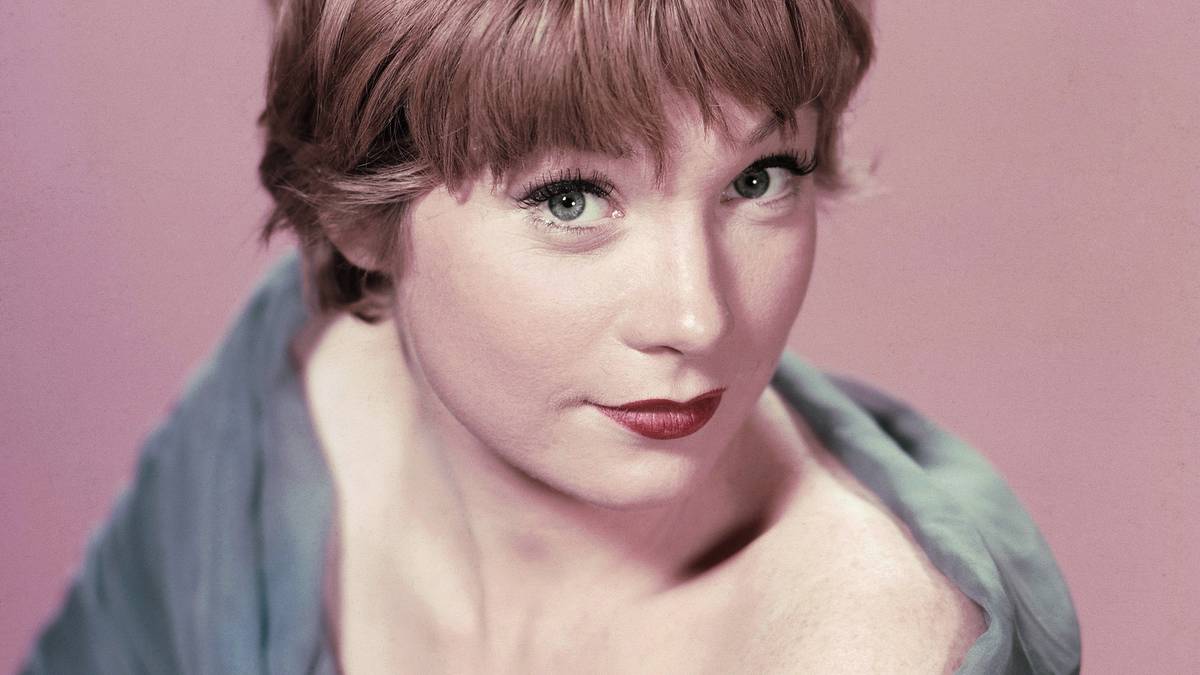
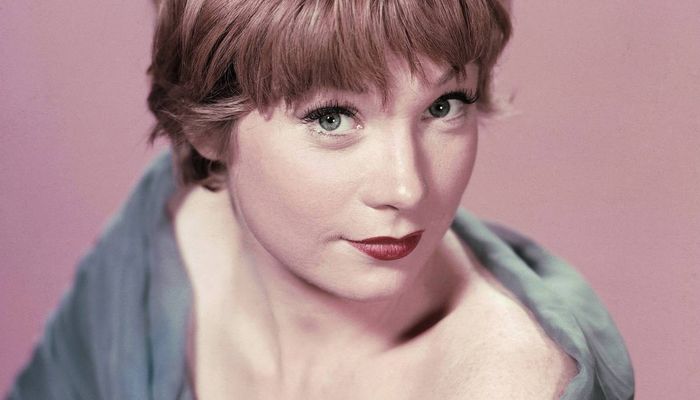
The golden age of Shirley MacLaineHollywood screen legend, prolific autobiographer and high-profile New Ager Shirley MacLaine is coming to town to talk about her 80 years of this life on this planet. But first she warmed up on Russell Baillie. Shirley MacLaine has been a star for… Sep 27 14September 27, 2014Article at NZ Herald
Rod Stewart's NZ return: My life is an open book Fresh from the Commonwealth Games in Glasgow and a Vegas residency, Rod Stewart is returning to New Zealand. He talks to Russell Baillie about his hilarious autobiography and his best album of self-penned stories in ages. Where… Sep 04 14September 04, 2014Article at NZ Herald
The Dark Horse: Cliff's edge Out comes the actor's hand. He holds it on edge, above the board. His fingers snake left and right, trying to carve an imaginary way through. His opponent's number of pieces are fast diminishing. Those he has left are protecting his king in a corner. He's already lost his queen. Out comes the actor's hand again. Left. Right. Left. Check ... and ... mate. It's been 45 minutes since the actor asked: "Dude, do you want to get at it?" That was his response to what was a promised final question: How's your chess game now? And thus Cliff Curtis, with his snaking hand, his wry grin, his compliments - "hmmm, very good, very good ... you haven't forgotten that much" - kicked my ass at chess. With me desperately trying to conjure up my inner 12-year-old who actually knew how to play, the match lasts a respectable, if headache-inducing, distance. We're in an Auckland hotel lobby where the Rotorua-based actor is familiar enough to staff that he can charm up a chess set just like that. As we wait for the board to arrive, a stranger comes over to say her mate in Los Angeles has just texted her to say she's watching Curtis on his latest American television show, Gang Related. The woman gets a photo with an obliging Curtis to send back across the Pacific. "That's hilarious," he says, adding later he never watches his own shows. Never has. The game comes at the end of two long interviews, a couple of weeks apart. They turn out to be two different interviewees. The first is the guy in The Dark Horse, the movie about to become a career touchstone for Curtis. Barely recognisable from the slim 45-year-old (46 tomorrow) in the sharp grey suit playing chess with me today, Curtis plays the real-life Genesis Potini, Gisborne chess champ and bipolar sufferer who, in the movie, fights to save himself and his nephew. Watching Curtis as Potini is an utter revelation - both about the actor and the man he portrays. The second chat, the one that precedes the game, is with Cliff Curtis, the guy born in Rotorua, who grew up on the Kapiti Coast and elsewhere, who was largely destined for nowhere. The Curtis, who, in acting, found his escape, his drive, his sense of worth. That Curtis arrives for our second interview carrying a big backpack. It's the day after he's made the news for driving while disqualified in his hometown. His original disqualification was a result of speeding ticket demerit points. He laughs when I ask: Did you walk? The film's publicists had insisted there be no questions about the case for which has pleaded guilty and taken it on the chin. But he's easily cajoled into addressing his second driving-related headline-generator. The first was 10 years ago when, driving from Wellington to the Whanganui River Queen shoot - a movie cursed by many misfortunes - he was distracted by an early morning text message and drove into an Otaki house, injuring nothing but his pride. A contrite Curtis explains the original disqualification was the result of two incidents: Not knowing that the speed limit on a stretch of road near his home had been reduced from 70km/h to 60km/h. Then driving up the Bombays in his campervan with his family during The Dark Horse shoot last year, he was provoked by another driver who had passed him then braked hard in front in retaliation for his holding up traffic - he'd driven slowly because "after 80kmh all the dishes and cupboards start to shake". Forced to swing into the outside lane, he drove at 115km/h to get away, only to be clocked doing 25km/h over the limit for campervans. As Genesis himself might say: Yes, yes, yes ... But are you a good driver? "Yeah, I'm a good driver." Are you safe? "Yeah, I'm safe." Because some would look at that and think ... really? "Yeah, but that's how you spin it. I don't in any way feel begrudged. I will accept and pay my fines and take my consequences." Curtis says all this without sounding the least bit defensive. He even laughs when I propose a possible cover line for this story: What drives Cliff Curtis (now that he can't?). But the bigger question of what drives him is a reminder that interviewing Curtis is like a chess game. You make your move. He contemplates it, quite often taking his time and letting silence reign. He eventually responds. Often you're left confounded. There are always easy questions to ask actors about being in movies, but Curtis isn't one for easy answers. He likes to talk about craft and actorly concepts. You might hold it against him if he wasn't so damn good at this job. Born in Rotorua, he lost his mum when he was 3. His late father, George, was an alcoholic and young Cliff ended up as a ward of the state when he was 12. leaving school at 14 to become, in no particular order, a labourer, glazier, cleaner, builder. Dad's enthusiasm for rock 'n' roll dancing had rubbed off on his son who took it up competitively, as well as breakdancing and choreography. From there it was amateur productions, a stint at Toi Whakaari NZ Drama School - where he famously turned up in his workboots and later wondered who was this "Bobby" De Niro his classmates kept talking about. Then it was into the theatre, where, playing Firpo in Bruce Mason's End of the Golden Weather, he was spotted by Jane Campion who cast him in a small role in The Piano. He's now met Robert De Niro enough times to call him Bobby. He was on his way. He's also acted in movies by Martin Scorsese, Michael Mann, David O. Russell, Danny Boyle and Darren Aronofksy and carved out a niche for himself as an ethnically-adaptable character actor on America's big and small screens alike. He's acted in many New Zealand movies too, many forgettable, some memorable like Whale Rider and Once Were Warriors - his child rapist Uncle Bully still haunts him: "I have been harangued about that. I have family members who, at their worst moments, that is their tagline for me ... that is annoying, to say the least." With cousin Ainsley Gardiner, he produced Taika Waititi's Eagle Vs Shark and Boy, among other projects in his other career as a producer, dealing with the dirty work of financing and distribution and marketing. "That became my bag because people don't want to do that stuff. That is kind of like the dark side." But it wasn't luck or just learning on the job that got Curtis from there to here. It was something else. "Sometime in my early-to-mid-20s I thought 'how did this happen? Why am I even here?'," he says about his first flush of success. "And it was something about love and it was something about wanting to make my world right because a lot of things in my childhood were not right. So there was a lot of momentum propelling me away from that. "I was a manual labourer. I figured out really early on that the value of my life could be determined by my hourly rate as a manual labourer digging holes. "That is really what drove me - the possibility of getting away from understanding this was the value of my life into a world where maybe there was no ceiling on what the value of my life could be determined by. So what drove me was the attraction to that. I thought 'that's shiny, that's bright, that's nice'. "People were nicer to me when I was in the arts. I experienced extreme racism in small-town New Zealand. Racism which really went away when I got into the arts." Curtis also realised that despite being an "inward-looking depressive kid", in his outlook on the world he was not his father's son. "He would always say 'never let them know how smart you are'. Really? 'How does that work Dad?' There were lots of those kinds of things but they were severely limiting to me. I couldn't see life through his lens. "He was a tough man. He was a hard man - emotionally, physically and psychologically, an alcoholic and all that kind of stuff. So I think of a lot of it was me running away from that, getting away from that view on life, which was so restrictive." As Curtis talks, his eyes become glassy. He coughs past a lump in his throat. "My mum ... my mum passed away when I was 3 so it all ties back to that. "So what drove me was running away from the anger of having a dad who was the way he was but who I loved. And a mum who wasn't there ... "That pretty much took me right up into my mid-30s. But what drives me now is very different from then. I kind of healed a lot of this stuff through my life. I achieved things I wanted to do. I exceeded my own expectations and again arrived at a place where I healed my relationship with my Dad and with my caregivers, even after some of them died. I figured a lot of that stuff out. That took me a long time. That took me into my late 30s, when I met my wife. "Even when I got to Hollywood it was weird to me. When I got into the world of the arts, that felt weird to me. That is when I started to understand that I wasn't running to something - I was running away from something." When young director and producer and ex-actor mates James Napier Robertson and Tom Hern wanted to make their second feature a movie about Genesis Potini, who they had discovered via the Jim Marbrook documentary Dark Horse, they had a problem. Potini, who died in 2011 and never met Curtis, was a big fulla. Not many actors are. Curtis was in the frame to play him but didn't have the frame to pull it off, they thought. "For us, Cliff wasn't an immediate fit, physically speaking, for the role," says Napier Robertson. "The size of Gen really mattered. I remember Gen's brother Claude telling me, 'with Genesis, a lot of people saw the freight train coming, but they never saw what the train was carrying.' But the fact that the freight train idea was a part of his image was important, he was this huge, imposing guy, to some intimidating, to others inspiring, and Cliff is a slim, svelte, leading man. "But what we knew was that Cliff certainly had the talent, and a childlike warmth that he could go into, which was extremely important." For Curtis, playing Potini was way more intimidating than anything he'd done before. Hern and Napier Robertson wanted him to go method with the role. Basically, to become Genesis for the duration of the shoot, on and off camera, like De Niro had done in his heyday in movies like Raging Bull and like Daniel Day-Lewis has repeatedly done in his roles. For Curtis, getting into the head of Potini at the troubled time of his life the movie depicts wasn't just challenging, it felt beyond him. He did it anyway. "One of the attractive things about this character was how impossible he was," says Curtis early in our first interview. "And I had no clue about how to approach it." So why do it? With Gang Related in the offing, he had gainful employment stateside. This wasn't some nice favour to young local film-makers by an industry veteran. They were expecting him to go to extremes. "You've got to have a creative touchstone. I think the risk factors were high enough. These were new film-makers ... and then the character was so unwieldy. "It was like an impossible role. I couldn't see my way into it. It's what ultimately made me think 'I am going to do it'." The film-makers suggested that he should consider spending time preparing for the role and the shoot away from his family. Curtis said no. He had discussed taking on the role with his wife, who said she'd support whatever decision he made. "The only way I am going to get through this is if I have [the support of my family]. Another role, maybe. But that role? In that state? It could be really bad, depending on how deeply into it you get. You really want to be getting as close as you can to that place without slipping off the edge." A vegetarian, Curtis had his work cut out to pile on the required kilos. He took up the sumo wrestler diet - eat heaps, sleep - as well as drinking a lot of beer. "That was quite fun actually. That was the secret sauce to putting on the weight." But once the shoot started, the nervous energy and physical demands of the performance meant the weight started to drop off. Curtis found himself in a constant state of anxiety, unable to sleep. In the opening scene of the movie, we see a manic Genesis wander out of the rain into an antiques shop, where he finds a chessboard and starts talking to the pieces as he plays a rapid solo game. Curtis hadn't slept the night before. He'd been up rehearsing the scripted board moves, again and again. He was woken up in his car on the side of the road at 5am, headed to the set and says he found himself in a hallucinatory state as the cameras rolled. "In the secondhand shop they had all these pictures and motifs of all this Maori kitsch and it was completely freaking me out that they were selling heads of ancestors on a mug ... and I got myself into this state of mind where you start to see spirits and spirits are talking to you and seeing things so yeah, that was pretty trippy stuff man," he laughs, adding "what are you going to do with that?" He's better now, thanks. But he still has a serious chess habit. "It's just the most addictive game. I think I really, really have to stop." For Curtis, The Dark Horse represents more than a performance of a lifetime. It's a marker. Yes, the American acting work will keep coming, he hopes. It looks like Gang Related, in which he plays a Mexican mob boss despite swearing off doing negative ethnic stereotypes (it's a long, funny story involving thinking he'd been cast as the show's top cop until he saw the contract) will be renewed for a second season. He's also got the Czech-shot, Korean/US-backed action-fantasy The Last Knights, with Clive Owen and Morgan Freeman, waiting in the wings. But Curtis, international character actor, is already intent on making his work fit around his family - whose names he's never been willing to drag into his publicity duties - and not the other way round. And by family he, of course, also means whanau. Although he trained in taiaha skills of mau rakau, he did a kapa haka regionals competition for the first time in his life this year with a Ngati Rongomai group initiated by a cousin. The team was from Tapuaekura a Hatupatu marae on Lake Rotoiti, drawn mostly from parents whose kids attend the kura kaupapa there. He laughs that his carbon emissions for the long-haul flights he's done are no longer being offset by iwi forestry interests, as many trees around Rotoiti have been culled. That relentless drive of his younger years has also been offset - by his need to be a family man, to contribute. It's something he sees in the character he's just played, who in the movie coaches a group of Gisborne kids in chess and hatches a scheme to take them to the national champs, and who in real life inspired many around him. "Whatever Genesis went through previously in his life before the point we meet him in the film, he's turned a corner and he's trying to pull together the strands of his life. To create love in the world. To create connections and create a family and he's contributing. He's not just wanting. He's 'I want these things and this is what I am going to contribute. I've got this. This is one thing I've got that I can do'. "So there is a parallel to where I am in my life. Now I suppose what was lacking in my life was made up for by this shiny new world where possibilities were everywhere. And now that I've got the real thing, it makes all that pale into insignificance. "So now I have to figure out: how do I rearrange my craft, my work, my profession and balance that against what I truly value? How do I extend that aroha outwards to my family, my greater family, my community? How do I grow that? Because that really is what I want my life to be about at this point." That and the occasional game of chess. He may not be at his fighting weight any more but trust me on this: If Cliff Curtis looks across the board after your first move and says to you: "That's a great opening ... " – you've already lost. He's just toying with you. That hand thing? He learned that from a master. He's just made it his own. Jul 26 14July 26, 2014Article at NZ Herald
Robert Plant: Winding on down the roadOn the eve of a New Zealand tour, former Led Zeppelin frontman Robert Plant talks to Russell Baillie. "Come on!" shouts Robert Plant a few seconds after he's come to the phone. He's calling to Arthur, his "once and future dog", out the back door of… Feb 08 13February 08, 2013Article at NZ Herald
Devo frontman still cracking the whipDevo frontman Jerry Casale talks to Russell Baillie about 40 years of having fun. It might seem incongruous: Devo, 40 years after forming, 30 years after their heyday - and their last New Zealand tour - breaking out those yellow suits and red… Dec 13 12December 13, 2012Article at NZ Herald