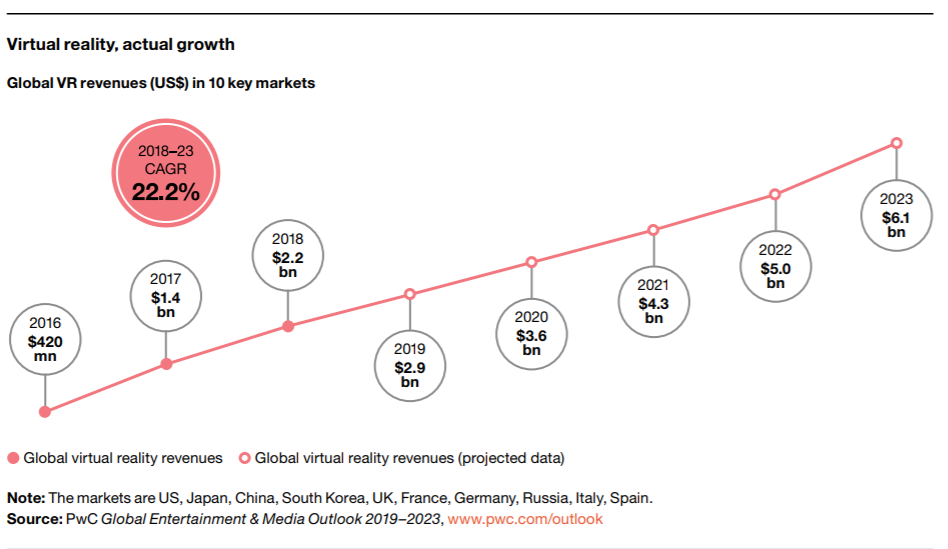
Virtual reality (VR) is not a mainstream technology by any stretch of the imagination; right now, it’s more of a novelty than anything. But that’s expected to change: PwC’s 2019-2023 Global Entertainment & Media Outlook predicts VR will be the media segment with the greatest global compound annual growth rate (CAGR) over the next five years at 22.2%.
Historically, pick-up for new media has been driven largely by advertising. (Think of commercials that air during live programming on TV or radio, and banner ads on internet news sites.) But there’s work to be done before VR takes off as a viable form of media that gains popularity beyond video gamers, who are currently the primary buyers of VR headsets. And some companies are already stepping up to lead by example, tapping VR to strengthen their brands.
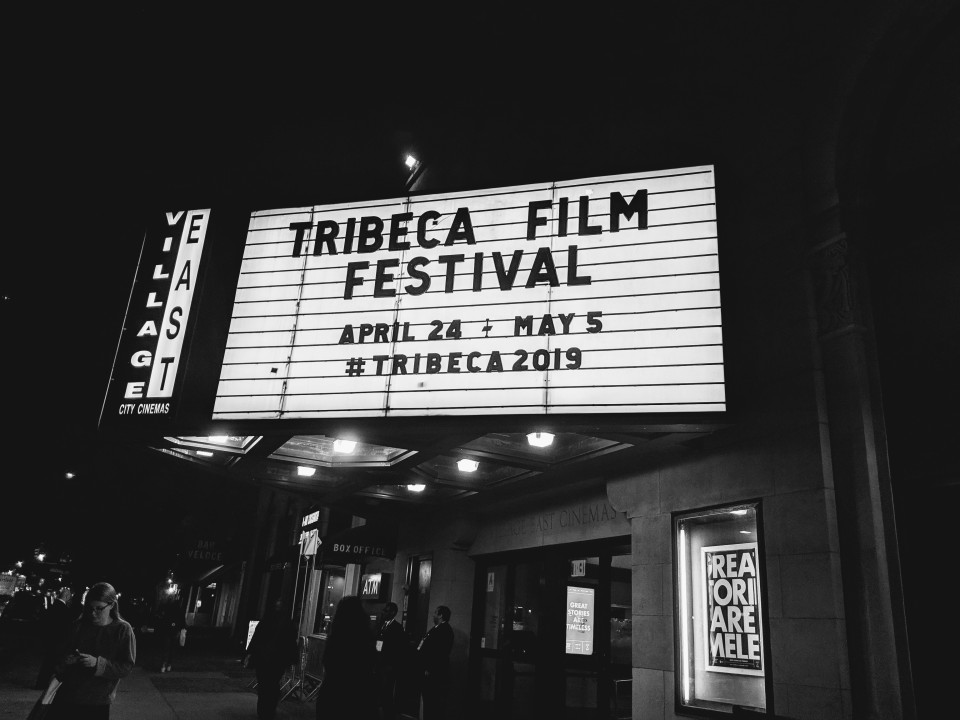
At Tribeca X, a PwC sponsored day of conversations focused on the intersection of advertising and storytelling, held at the Tribeca Film Festival in late April, innovators shared the following takeaways:
Avoid VR for VR’s sake
As happens with new technologies, companies will be tempted to use VR just because it’s cutting edge, to show off its effects. Remember how many companies tried out mobile apps, only to discontinue them shortly after release? Those who are considering VR should focus on what makes the most sense for their brands.
Before embarking on the path to VR, it could be helpful to ask these questions:
- Who are your most valued customers?
- How can you engage them in new and interesting ways while staying true to your identity and reputation?
- What hasn’t VR offered yet that your organization is in the unique position to offer?
For one global beverage company, the answers were obvious. To ensure that consumers understand the company’s role as a supporter of responsible alcohol consumption, the beverage company created first-person experiences simulating the dangers of heavy drinking.
Let 'em try on someone else’s shoes
One of the appeals of VR is that it gives us a chance to experience unique points of view--to see the world through someone else’s eyes and hear it through their ears--whether they happen to be from a different geographic location or even a different time period. Companies who take advantage of this can captivate the participant with unparalleled 360 degree experiences unavailable in any other format.
Have you ever wondered what it would be like to witness certain historical events in person? Or to travel to places that are relevant to current events, but don’t have the privilege to get to? TIME has been experimenting with this. The media company has recreated Martin Luther King’s “I Have a Dream” speech and the Pearl Harbor bombings, to educate students, and anyone who is interested in learning about those events.
Focus on space and time
At this stage, because VR headsets are not commonly owned, the best place to reach audiences is in public spaces, or at an exhibit they don’t have to pay an extra fee to access. Speakers at Tribeca X advised attendees to think about the contexts or events where your content will draw the most impact and engagement. TIME, for instance, is testing its creations at museums and in schools, where the content is more relevant and likely to attract attention. They’ve also used the school setting as an opportunity to seek feedback, which confirmed that the VR experience made the events more memorable to most of the students.
Find a way in
Not every brand will have a natural opportunity to showcase itself through a unique VR experience. But that doesn’t mean there isn’t room for them to demonstrate influence or involvement by collaborating with other companies that are taking on VR projects. Companies can also serve as sponsors for projects that involve causes they believe in. Consider what Springbok Entertainment is doing with its Springbok Cares initiative, partnering with USC’s Cancer Center to give cancer patients with VR experiences designed to help them cope with their conditions.
Getting VR right
In a culture dominated by screens, where a consumer’s attention is regularly divided between two or more devices, VR offers an opportunity to capture a viewer’s attention without interruption. But that also means the pressure is on to get VR right. Companies interested in making their mark in this new format should seek out opportunities with organizations interested in partnering on projects. The ultimate goal: To deliver on your brand promise with intriguing points of view unique to your organization.