It could be a riddle of the type, “I am a monk with many shirts, and the more you strip me, the more you cry. What am I?” An onion. “On the one hand, I obstruct change, on the other, I turn everything upside down. What am I?” Elections. This thought was prompted by the results of recent elections all over the world, and by knowing that in democracies the time available for bold decisions is limited, because elections both encourage inertia and trigger upheaval.
In Brazil, for three weeks the huge country teetered between two worlds in the contest between veteran incumbent Luiz Inacio Lula da Silva and the son of former president Jair Bolsonaro, Flavio, between populist left and populist right. In the first round, Bolsonaro won the most votes, in the second, Lula won and Bolsonaro fled to the United States, aided by Donald Trump.
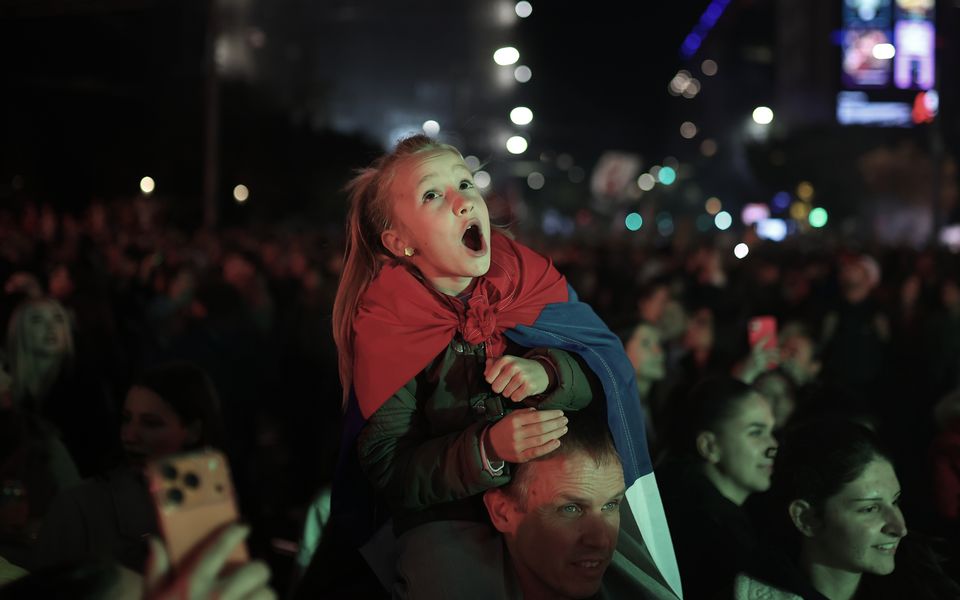
In Serbia, the students’ movement won an unexpected and comfortable victory in parliamentary elections. Now a government of neophyte politicians will have to deal with state services, institutions and other parts of the power structure that are still controlled by the old guard.
In Israel, the outcome of Tuesday’s elections is still so unclear that no one knows whether Benjamin Netanyahu will be able to remain in power or whether a new governing coalition will take over, nor whether the country’s policies will change. In the United States, next Tuesday’s elections will decide whether Trump will continue to enjoy the boundless support of Congress or whether the Democratic Party will gain the majority in the House of Representatives and the Senate. In any case, Trump will remain president and will most likely stick to his unfettered ways. In France and Germany, if the extreme right continues to rise, this will change not only these countries but all of Europe.
The fear of upheaval makes governments fear whatever makes them look bad, whatever annoys voters. This affects the war on corruption, among others. As the outgoing head of the European Public Prosecutor’s Office, Laura Kovesi, commented in an interview with Politico, “If you ask EPPO to abstain and not do anything because there are elections in Europe, we will not work at all.”