Adopting AI
Everyone has heard the hype and the horror stories about what AI can do; and the truth lies somewhere between it being the answer to everything and replacing the human workforce. “It’s incredibly powerful, but it’s not an all-knowing entity,” said Luke Giffen, business systems analyst at the Oakland Zoo in Oakland, Calif., and co-chair, the Association of Zoos and Aquariums Tech SAG. “Under the hood it’s still just software and math.”
Despite that simple definition of AI as a tool, it can be daunting to navigate a new digital landscape and related issues of usage, privacy, and security. Fortunately, AZA members don’t need to go it alone. Tech SAG members and other early adopters can offer advice and resources on how to reap the benefits of AI while avoiding the pitfalls.
“The mindset to embrace AI has to start from the top of the organization. Knowing where to start can feel overwhelming,” said Alex Mouw, principal strategic advisor for nonprofits at Amazon Web Services. Mouw is part of the working group that is creating an AI discussion guide for leaders of AZA institutions. Serving as a helpful road map, it will facilitate conversations about how to identify areas of need; create governance and ethical guidelines; address staff concerns; and evaluate vendors. And that will lay the groundwork for informed decisions about successfully integrating the technology.

Building the Foundation
“The unique challenge with this type of tool is that it is marketed and available to all at no cost,” said Tomson Karivelil, vice president of information technology at Zoo Atlanta in Atlanta, Ga. Because it is natural for people to be curious and experiment on their own, Mouw said, “You need a formalized policy and guidelines to sanction the use of different tools to make sure team members use AI safely and ethically.”
Karivelil stresses the importance of collaboration and recommends relying on colleagues who have already been through the policy-writing process. “We all have to lean on our community to share information. There are people who are happy to talk through the whole spectrum of decisions. You’re not alone.”
You can create a new policy, or simply expand an existing one, as was the case at Shedd Aquarium in Chicago, Ill. “We already had an acceptable use policy about how you can use Shedd data systems, hardware, and personal devices, so in 2025 we just incorporated the use of AI into the existing policy,” said Danielle DuMerer, Vice President, Technology at Shedd. “We have a list of approved tools and approved uses. We also have an application catalogue that now includes how AI is incorporated into each tool; and we evaluate the terms and conditions for each application.”

To avoid worst case scenarios, DuMerer adds that, ideally, AI literacy training should accompany policy integration to help staff understand how the technologies work and how to apply the policy in their day-to-day work.
“Without these components, individuals may not know enough about the technology to understand its risks. For example, an employee trying to work more efficiently may use a public version of ChatGPT or Claude to merge Excel files that contain personal identifiable information,” said DuMerer. “However, the data from the files may be used to train further versions of the AI model. The organization’s sensitive data could then be returned in responses to other people’s prompts, exposing private information and opening the organization to risk.”
Preparing the staff also involves creating a work environment that offers “psychological safety,” according to Mouw. “Teams need to know that they can experiment and fail without fear. Experimentation is the driver of innovation, and you must have a culture that supports innovation. That means making sure teams have access to the tools they need, training on how they should be used, and the time to experiment.”
Making It Work
AI integration is still new in the AZA community; and the following examples highlight several members’ strategies. At Georgia Aquarium in Atlanta, Ga., Jerry Harris, vice president of information technology and cybersecurity developed a pilot project for HR, using Copilot Studio, to build an HR agent aka PEARL, that provides a faster way to answers regarding staff policy, benefits, etc. Staff can query the HR Agent via SharePoint, Microsoft TEAMS, and Copilot Chat. Upon the successful launch of the HR Agent, the Aquarium explored other possible use cases by surveying each department on the operational challenges where AI could potentially assist. “We partnered with a third-party vendor that offered a free AI Workshop to assess our AI readiness. We took the top five use cases from the survey to assess how the use of AI could improve processes or challenges, and what the true return on investment would be. We’re currently in the process of deciding how to move forward, looking at what we believe we can do and improve; how long it will take to improve efficiencies; and what the cost will be.”
One way in which Shedd Aquarium is using the technology involves website accessibility. “We’re using Copilot to speed the creation of alternative text for images that are part of our online animal identification to assist people who are blind or have low vision,” said DuMerer. “The development of alternative text for thousands of images can be time consuming, and this tool allows us to ensure that the content is accessible more quickly.”
Karivelil opted to ease into the use of AI by first introducing ChatGPT to his senior team. “I had an informal discussion and sent an introductory email with links to discover and experiment. I now have another set of users utilizing another tool, Copilot Premium. It is still a bit of a messy experimentation.”
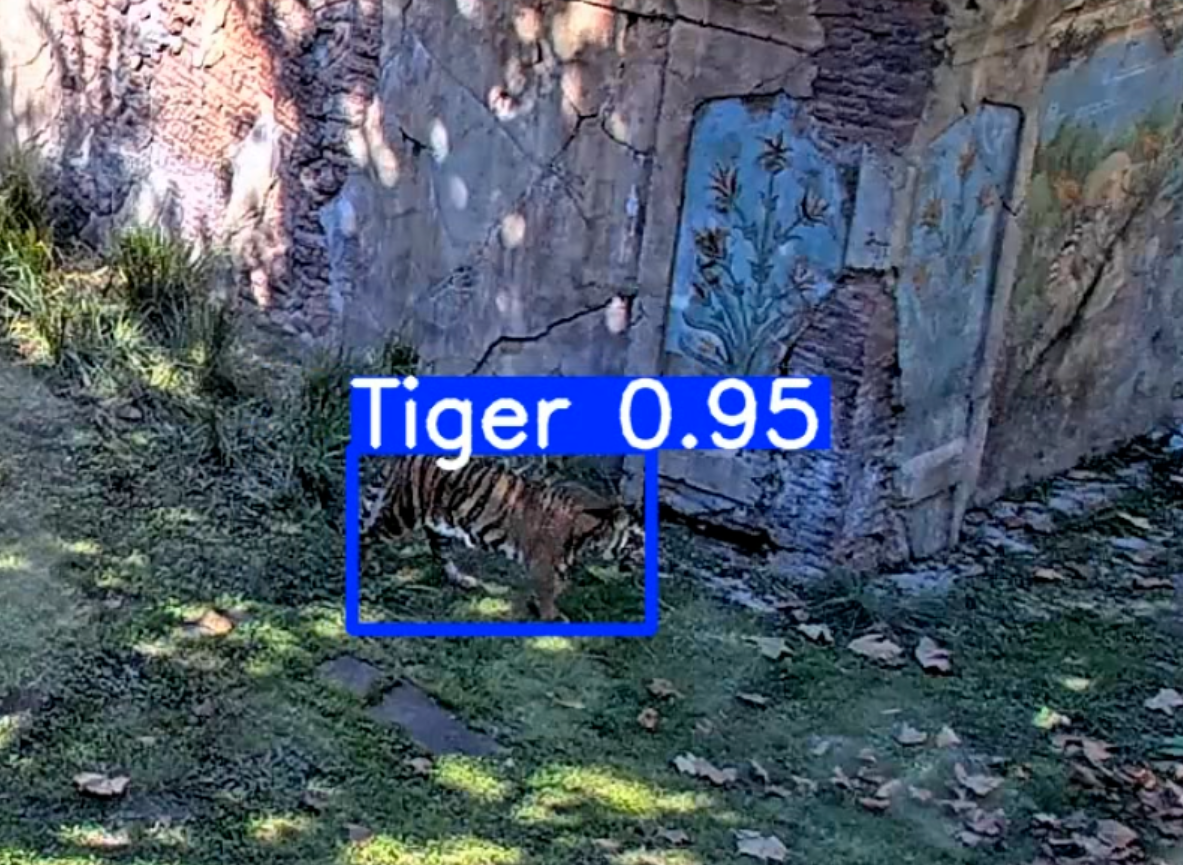
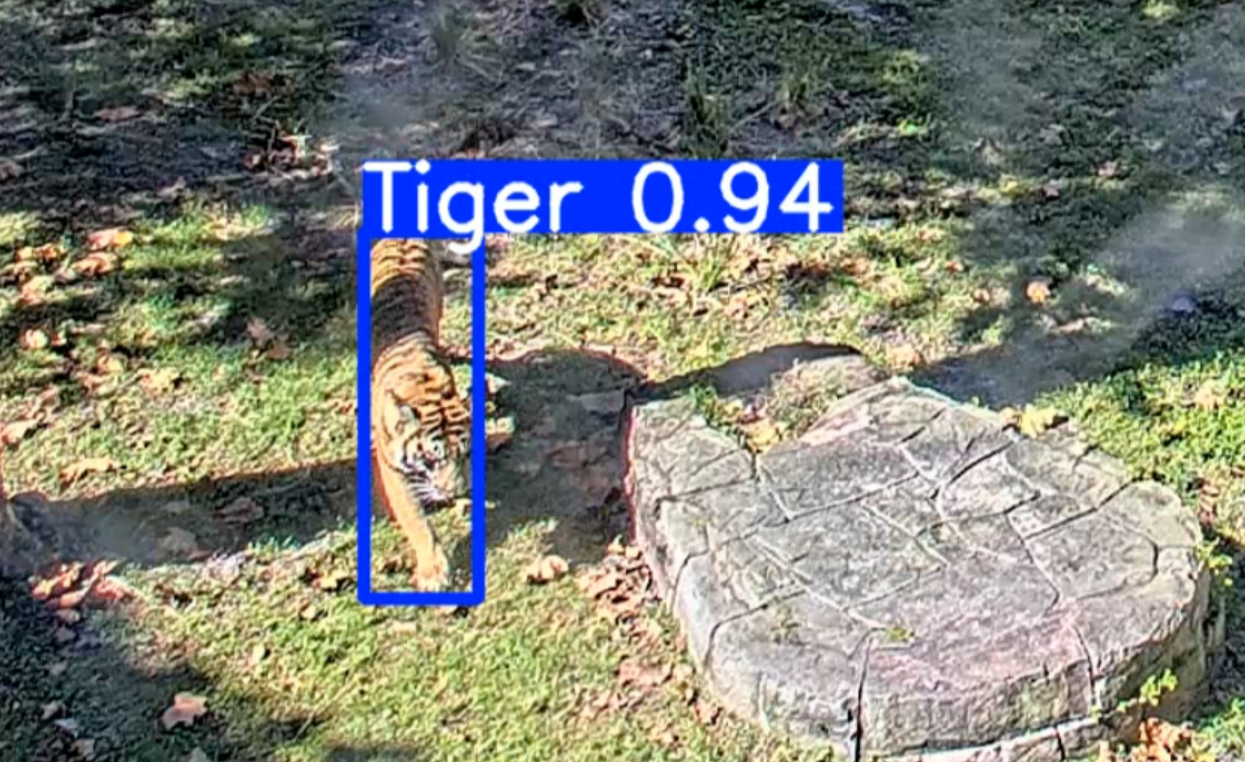
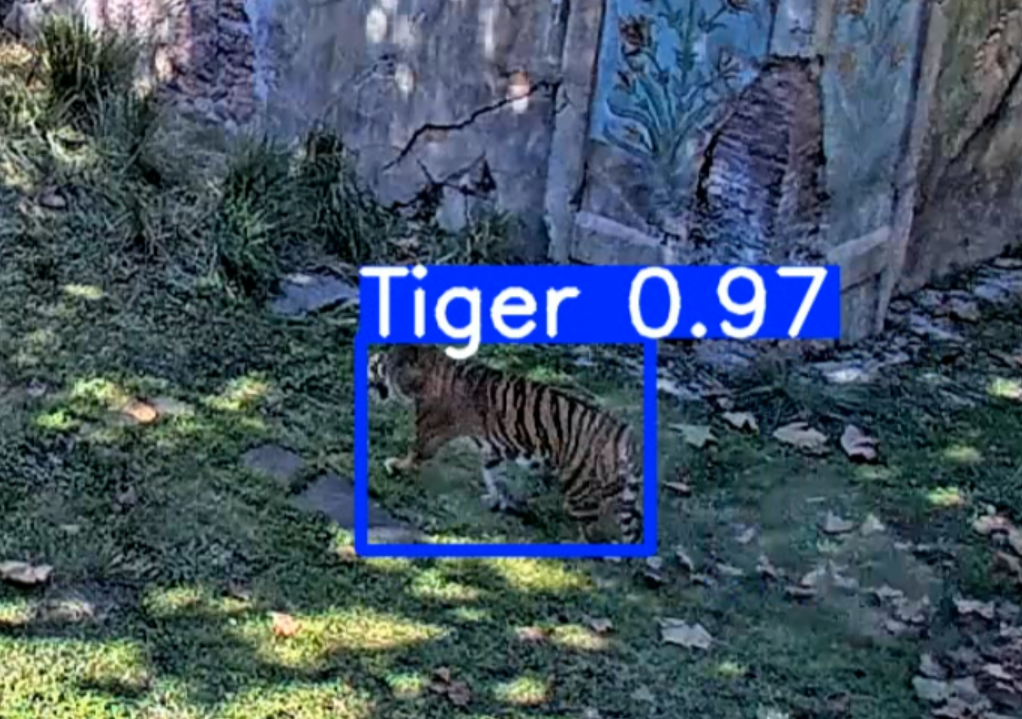
For Andrew Alba, science manager at Disney’s Animals, Science and Environment in Lake Buena Vista, Fla., a graduate course in machine learning and computer vision made him think about how it could be used to improve their animal behavioral monitoring program. “I thought we could use computer vision techniques to increase the amount of data we already collect to strategize animal management based on their behavior.”
His team started by building an object detection model that would enable a computer to detect the location and movement of a tiger from video footage. “The upfront work of training and testing these types of models is labor intensive,” he said, but they give us more information, more efficiently, once they’re trained. We can use this information to make data-informed husbandry decisions in near-real time. For example, if we saw that an animal mostly used a specific part of the habitat, we would want to determine what’s preferable about that area or figure out how to encourage them to use more of the space. If we know when a tiger is most active during the night, we can schedule timed feedings or enrichment when they’re most active.
“It used to take the keepers about an hour each day to review the video of the tiger from the night before. Now that it’s all automated, it takes about five minutes to deploy the model, and they can spend that time on other animal care-related tasks.”
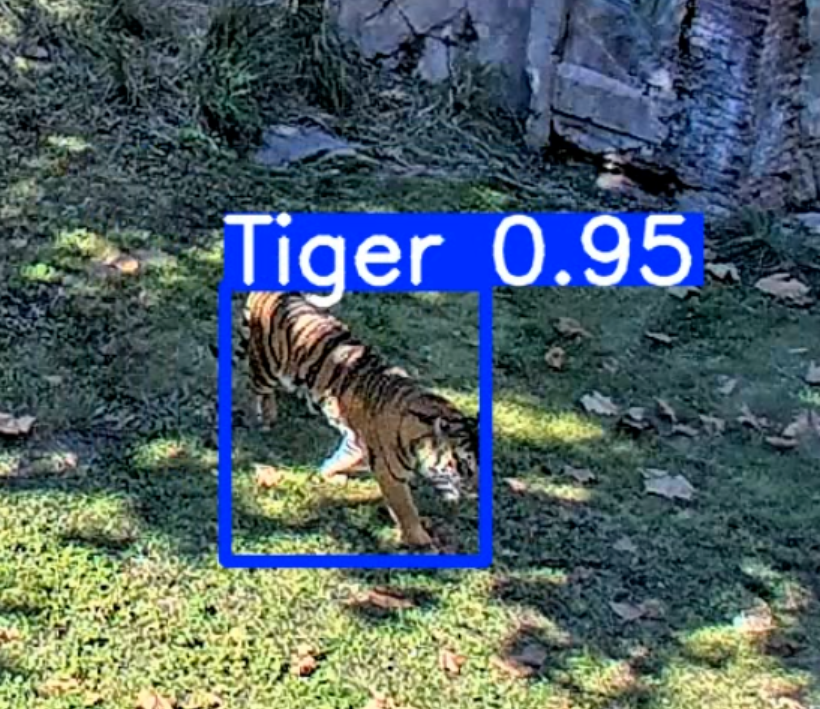
His team is in the process of creating computer vision models for several other species they are currently monitoring. Wherever you begin with AI, Mouw recommends working backwards from a problem that you want to solve. “A lot of organizations work forwards. They say, ‘I have AI, what can I do with it?’ I call that having a hammer, looking for a nail. Identify a problem and work backwards to Identify a solution.”
Cost and Conservation
When you add any new resource, cost and return on investment must figure into the decision-making process. Costs of AI services can be prohibitive, depending on the use and number of licenses needed. Although most companies have lower fees for nonprofits, there’s no guarantee those will hold. “AI companies aren’t profitable yet,” said Giffen. “They have a lot of revenue, but they’re not making much more than they spend. So, the costs are reasonable to bring in new customers. As they get more profitable, they may try to increase their costs.” Other users suggest keeping track of companies that offer grants to nonprofits.
The environmental impact of AI is also a serious concern for AZA members, all of whom share a commitment to conservation. To make sure your conservation message stays front and center, Giffen suggests including it in your usage policy. Data centers’ impact on energy supplies, water systems, and land use is a growing source of alarm across the country.
“Very large language models run by companies like Google and Open AI require a lot of computing power to train, which requires a lot of energy,” said DuMerer. “That energy generates a lot of heat. The equipment cannot continue to operate if it overheats, so the data center in which it operates must be cooled, and that requires water. There’s starting to be some pushback toward the large companies … for example, Illinois just passed a bill requiring more transparency; and removed incentives to locate data centers here. Policy is really important to where we go from here. I think there’s a great opportunity to look across the AZA community and beyond to advocate for more sustainability.” Maintaining perspective is essential when looking at potential uses of AI.
“When you’re introducing a new technology, you always consider values, ethics, responsibility, and proper care,” said Karivelil. “AI is a tool that has great promise, but it isn’t the be-all, end-all.” With that mind, creating appropriate guardrails, adequate training, and an openness to experimentation can lead to best case scenarios in all parts of your institution.