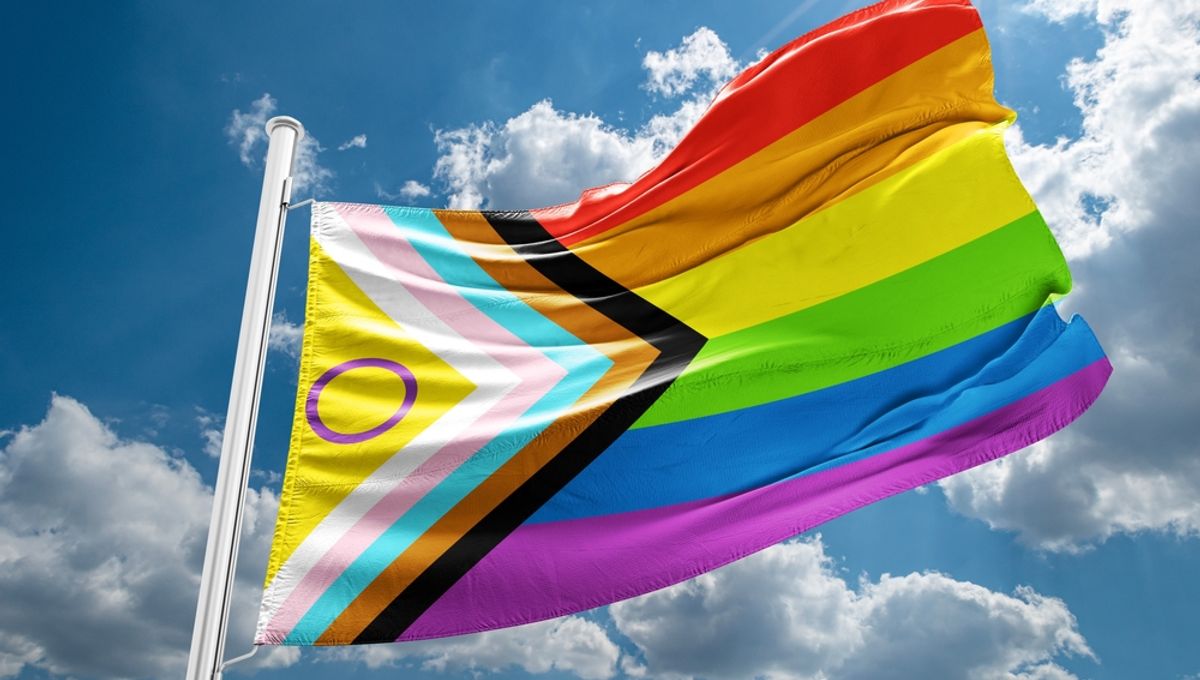
People With Intersex Traits Transcend History And CulturesTwo-Spirit, Māhūs and X-jendā are just a small example of how a “third” gender has been referred to across the world throughout time. Jun 10 25June 10, 2025Article at IFLScience
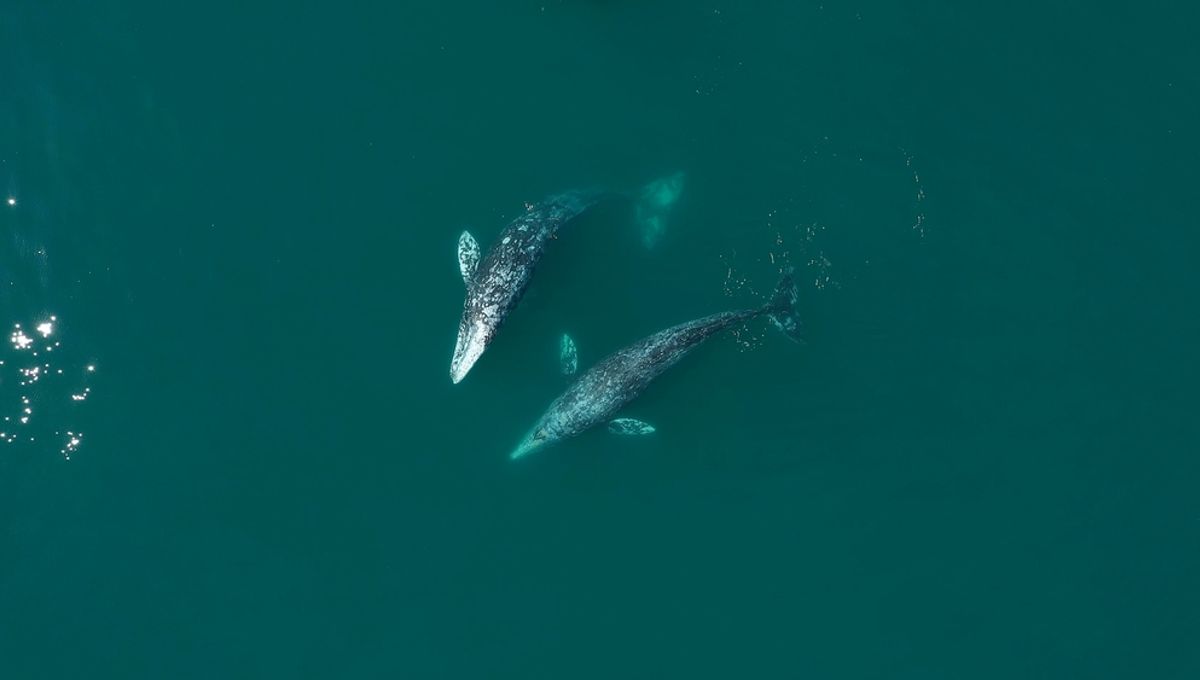
NSFW Video Shows Two Male Grey Whales Seemingly Having SexThe video’s filmmaker described the scene as “whale willies flapping all over the place.” Jun 06 25June 06, 2025Article at IFLScience
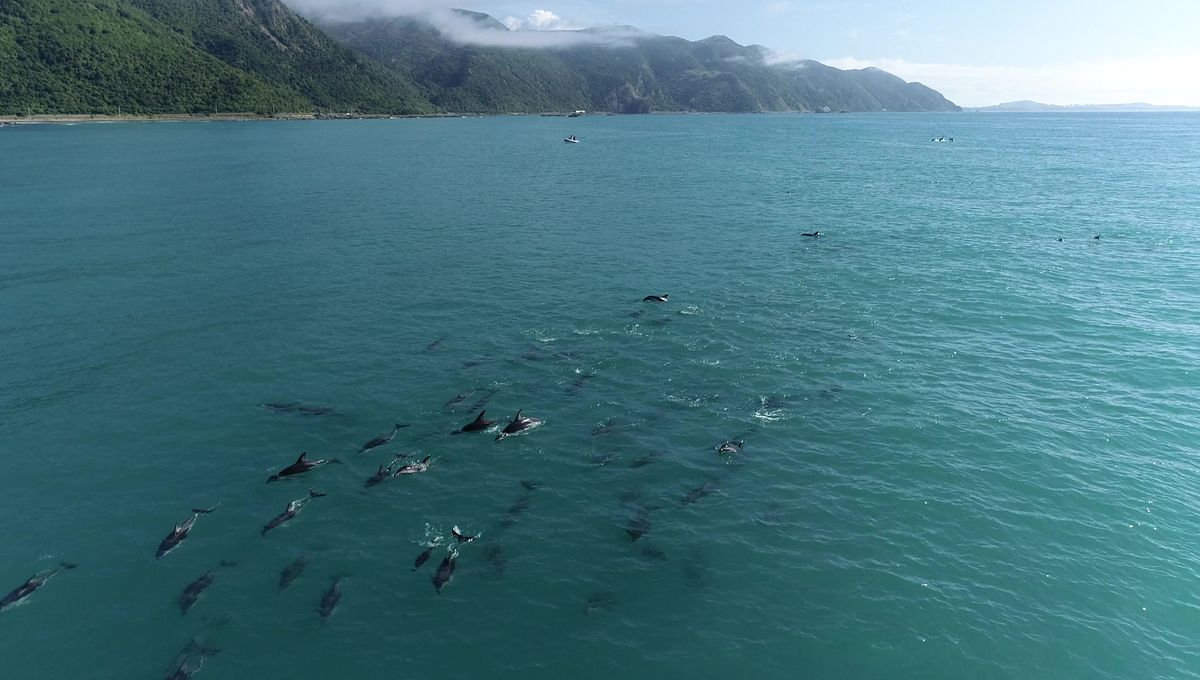
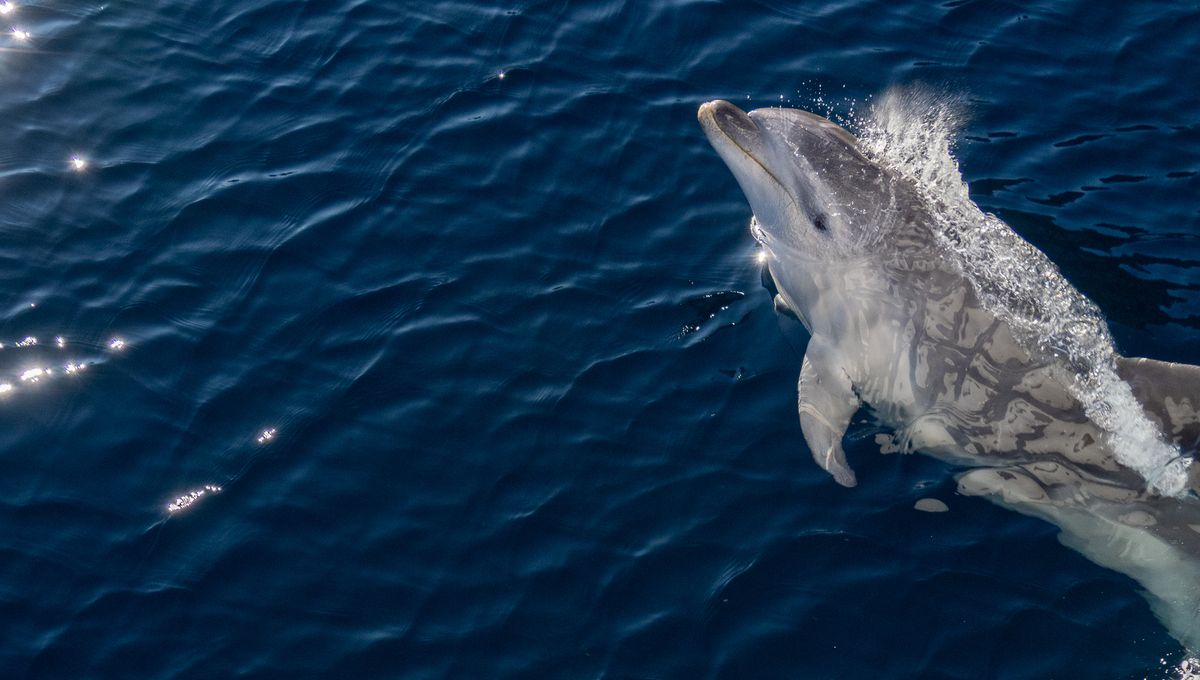
We May Finally Have Discovered Why Dolphins Love Riding Bow WavesWhy dolphins surf ship wake is a long-standing question that hasn’t been well-studied. Dec 06 24December 06, 2024Article at IFLScience
Fentanyl Traces Found In Blubber Of Wild Dolphins In Gulf Of MexicoTraces of other pharmaceuticals, including muscle relaxants and sedatives, were also found in blubber samples. Dec 05 24December 05, 2024Article at IFLScience
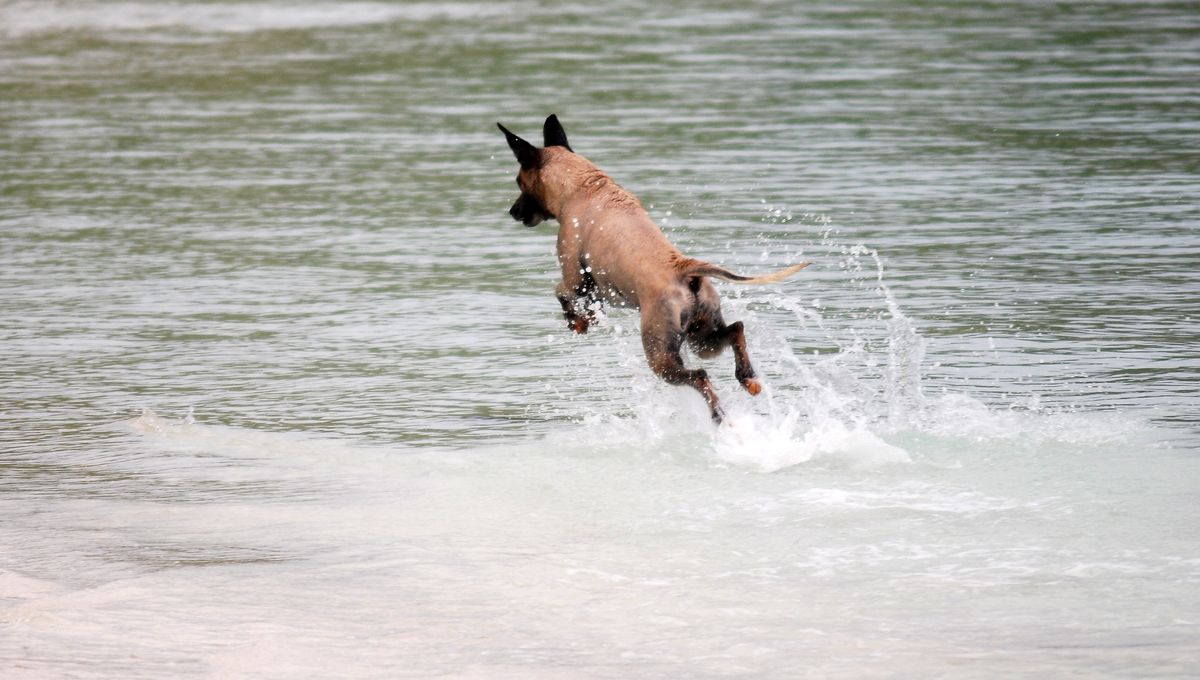
Meet Dadu: The Shark-Hunting Dog And Beloved Former Resident Of This Remote Pacific IslandDadu was stranded on one of the world’s most remote islands for nearly a year. His survival depended on a most unlikely trait. Nov 22 24November 22, 2024Article at IFLScience
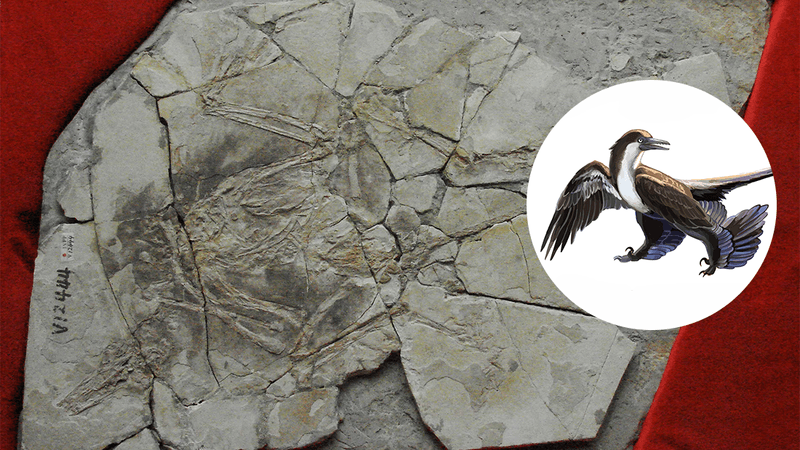
Archaeoraptor: The Dinosaur-Bird “Missing Link” And One Of Science's Greatest HoaxesHeralded as the “missing evolutionary link” that proved modern-day birds evolved from feathered dinosaurs nearly three decades ago, the Archaeoraptor liaoningensis fossil was a discovery thought to change how the world saw evolution. Advertisement… May 10 24May 10, 2024Article at IFLScience
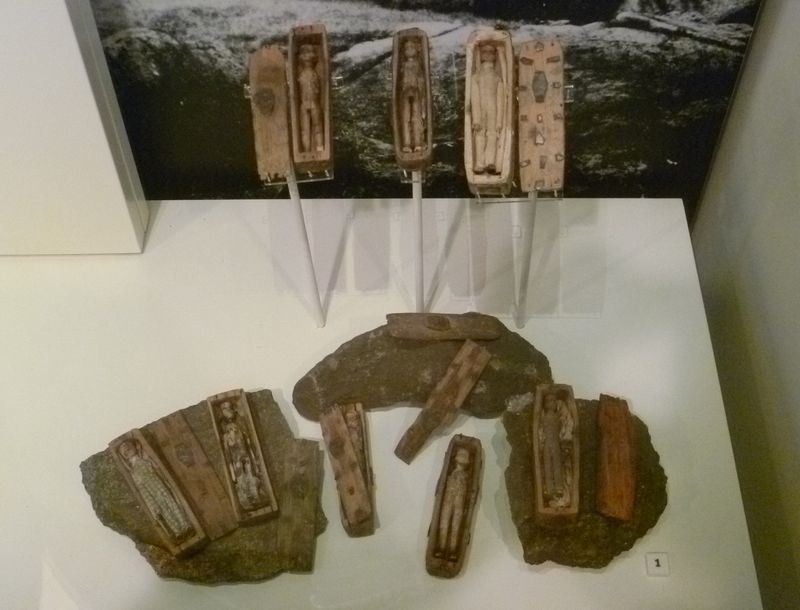
The Centuries’ Old Mystery Of The Arthur’s Seat CoffinsJust outside of Edinburgh, Scotland are the slopes of Arthur’s Seat, a small mountain once created by a now-extinct volcano. Rumored to have once been the site for King Arthur’s Camelot, the location is steeped in historical lore and mystery. In… Oct 14 23October 14, 2023Article at IFLScience
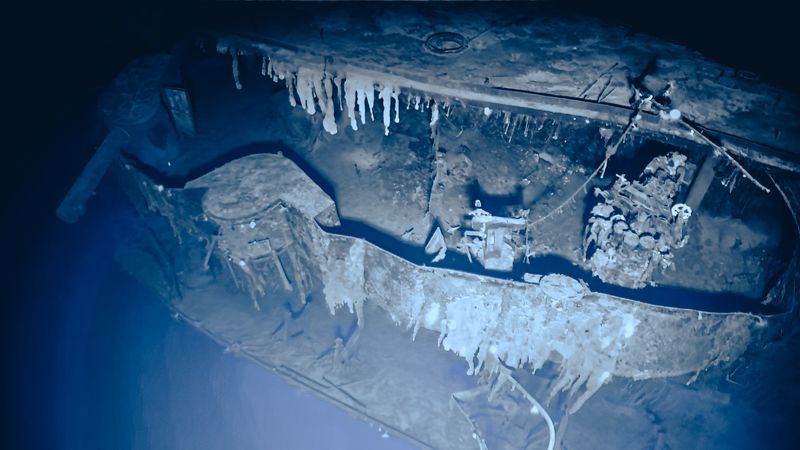
First Look: Ocean Explorers Rediscover Long-Lost Japanese WWII Vessel Akagi 18,000 Feet Below OceanIn a monumental occasion for marine archaeology and world history, explorers aboard E/V Nautilus successfully completed the first deep-water visual dive to revisit the Second World War (WWII) Imperial Japanese Navy vessel, Akagi. Seen at a depth of… Sep 16 23September 16, 2023Article at IFLScience
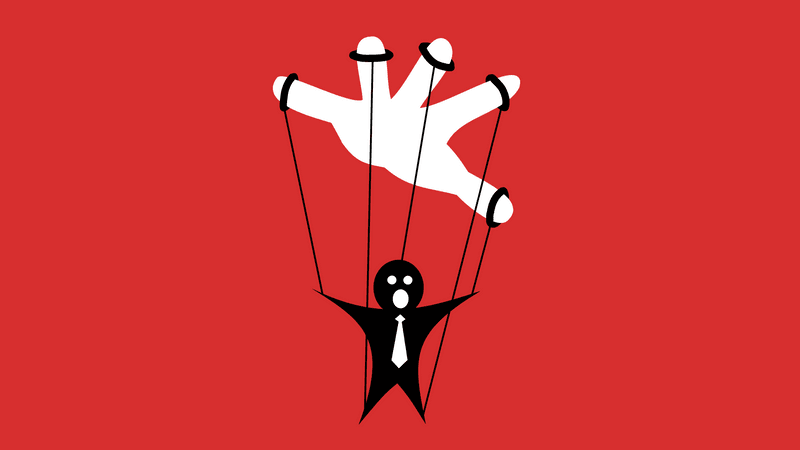
Does Power Corrupt, Or Are The Corrupted More Apt To Seek Power?Whether power corrupts a person – or if a corrupt person is more apt to pursue a position of power – has long been a question amongst the scientific community. Take, for example, the 1971 Stanford Prison Experiment, an inherently flawed study that… Aug 15 23August 15, 2023Article at IFLScience
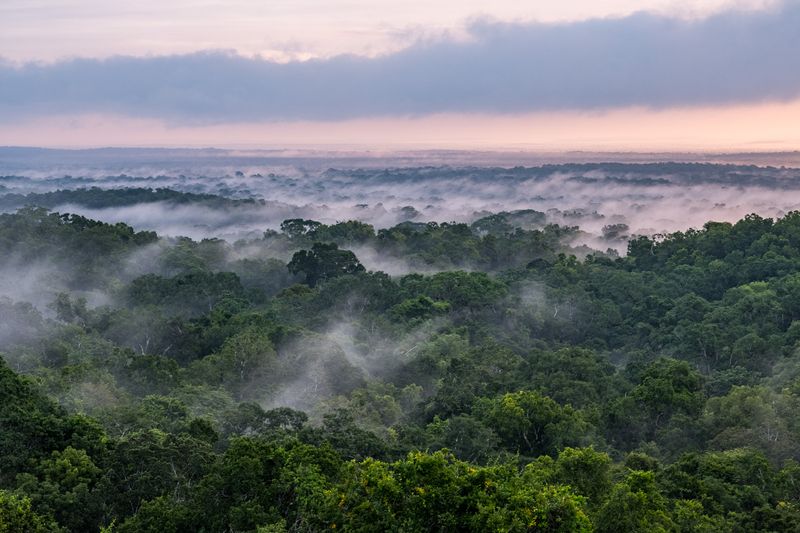
Thousands Of Ancient Maya Structures Revealed By Jungle-Penetrating LasersHidden below Guatemala's lush Petén rainforest lies an ancient city not touched by humans for more than 1,000 years, but in its heyday, it was home to millions of Mesoamericans who built a sophisticated, sprawling empire. Now, for the first time, a… Jul 28 23July 28, 2023Article at IFLScience
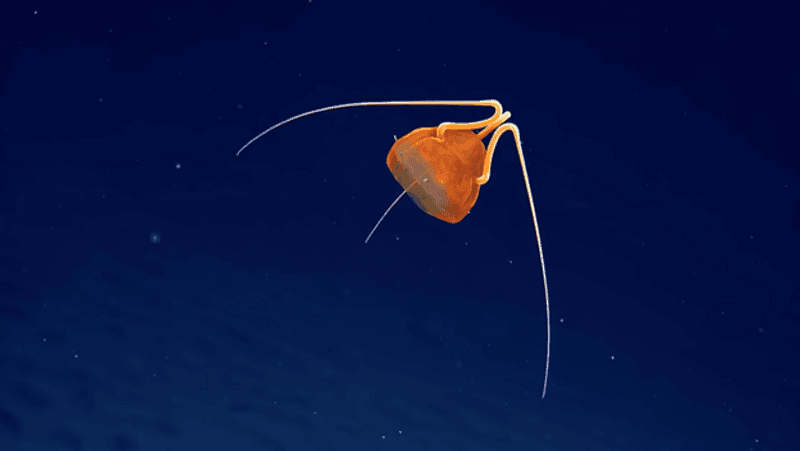
Never-Before-Seen Species of “Gelatinous Predator” Discovered in Remote Pacific OceanFor the first time, researchers have laid eyes upon a newly discovered species of “gelatinous predator” spotted in the light-deprived depths of the Pacific Ocean. Experts now believe this yet-to-be-described species of jellyfish may illuminate a… Jun 14 23June 14, 2023Article at IFLScience
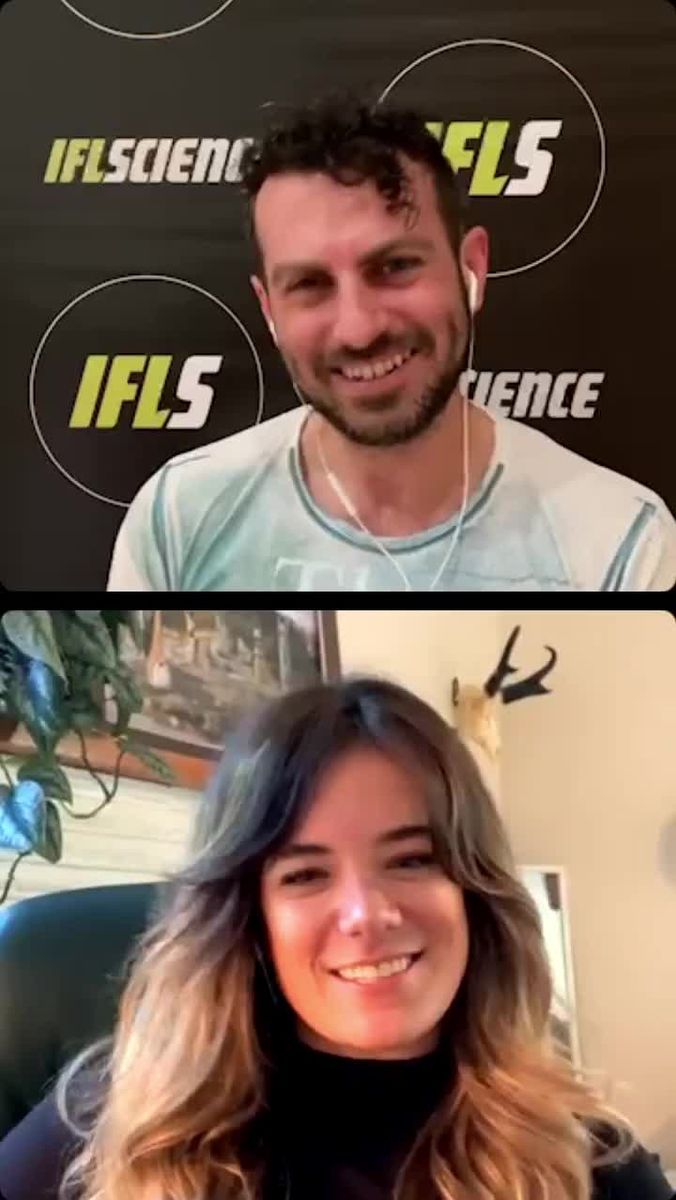
The Science of Fact-Checking With Snopes | We spoke with Madison Dapcevich from @snopes.com to discuss the art and science of fact-checking! | By IFLScience | Welcome to another Eiffel Science Instagram live and today, we're talking about the science of fat checking with Snopes.com and we are super excited to have uh a fantastic guest, uh Madison Dapcevich from Snopes.com that she should join us in just a second and hopefully, no more uh technical issues uh Okay. Wow. Wonderful. Uh okay, first of all, thank you all that you're watching for your patience over the last uh nineteen minutes. Welcome Madison. Uh so nice to see you. Yeah, it's so nice to finally see you. I've been sitting here on the other end just watching so technology is just our best and worst friend. Yes, oh well, but I am glad uh and I now can actually relax. Yeah. So glad to see you. Okay. Um before I literally just go and keep ranting uh because that's what I've been doing for the last thirty minutes. Um let's talk about uh today's topic. This size of fact checking. Can you tell us a little bit more about what you do and what Snopes does? Yeah, absolutely. So, Snopes has been around um for a couple of decades now and primarily works to fight misinformation um on the internet and as we've seen in the last year and a half, there has been just a plethora of, you know, confusing memes or maybe inaccurate science or over generalized scientific findings when it comes to COVID-19 and really, you know, with everything, I mean, we are beyond just the realm of science at Snopes. So, politics, entertainment, sports, you know, climate change and the environment and and sort of everything within that realm, you know, there Is misinformation that circulates on the internet. So, our goal is to find it. We rely heavily on viewers as well who submit um queries to us for our team to fact check and and that's how we know we're doing our job. When people find something that seems questionable online, and sends it to our team directly. So, um yeah, so really just queuing into to the world of the internet and finding what needs to have uh a light of truth shed on it. That is very wonderful and that is something very very important uh that's uh we can all appreciate. Um It's it's so it's something that is uh but obviously sometimes is very difficult to accept that we all have biases. We're all have some expectation about the world around us. The most important thing is that not pretend that we don't have those biases uh is that we keep challenging them. When it comes to science uh uh medicine uh I think one of the crucial thing is that uh we understand how to go to the sources and understand the sources which is easier said than done like I have a PHD in astrophysics and sometimes I struggle reading astrophysics paper and I'm just like I have no idea what any of this is about uh but in general for um general audience, how would you suggest they approach uh reading uh the source material in a paper? Yeah, that's a great question. I mean, as you said, science is very complex and difficult and uh there's a huge for science writers to take that information and break it down into uh more digestible sort of bite-size pieces but not every story gets covered, not every study gets covered. So, for folks that are wanting to do sort of their own um fact checking endeavors behind the scenes, there are uh uh wide variety of strategies. One of which is going to the source of the study. If we're talking about science directly and you know, betting what publication um and what institution maybe that Journal is affiliated with and making sure that it is legitimate organization. There are a lot of different uh study publications out in the world, all over the world, you know, in the US, in Europe, um in Southeast Asia and so really understanding, you know, is are are is there a board of credible um scientists on the other side of that critiquing whatever study might be published and understanding, you know, is this sound science and is it doing a good job? Has it been peer reviewed? And We've seen a lot of, you know, you and I have talked about this too. We've seen a lot of sort of confusion behind the concept of what is peer reviewed versus non-peer reviewed science and I think that's something that's really important, you know, for folks to understand, right? Because in light of covid, we had a lot of breakthroughs that were maybe bypassing the peer review process in some instances because it was so important to get that information out quickly. That doesn't mean that they won't eventually be peer reviewed and that means you know we have to as science writers and um as people who love science who live with science every single day really need to understand that process of you know peer reviewed and vetted and well researched scientific endeavors. I think uh you hit the nail uh on the head. There is um two examples that uh uh came to mind uh where I think the first uh um the first results uh the interim results of both the Moderna vaccine and the Pfizer biotech vaccine uh they were published uh on the same day as uh they were submitted for peer review which was obviously uh science journalists we had to cover that uh but we always feel a little bit uh I always feel a little bit uneasiness on uh comment something there's no peer review especially when it comes to um something like so important like medicine but we also understand that it was so important that that data was out and that well there would be official peer review also other scientists will have access to that and they could provide a sort of unofficial um peer review or at least unofficial opinion on that. See, usually my realm is astrophysics. So, there might be some questional claims about some astrophysical stuff here and there but nobody usually tends to risk their lives if somebody claims that something is dark matter or something is not dark matter. Right, yeah and and that's something that's so important too and I've had this conversation before. Health touches every aspect of everyone's lives and so when we're dealing with something like a global pandemic, right? It it's exactly what you said. It's so important to get that information out there um and it is contentious at times and it you know it could be life saving in other times and so just understanding and I think to add to that when we're looking at sort of these these um early data sets relying heavily on the external scientific community as well and and often times you know when that data was made publicly available we had expert comments um readily available to journalists as well um through different sort of communication hubs and and I think the broader Scientific community was was really available and willing to discuss what those preliminary results meant. So, you know, in addition to vetting sort of the publication or the journal or the institution that's giving this information out, also double checking with scientists who maybe aren't affiliated with the research and and seeing what they have to say about it. Um if any of uh uh you dear listener are interested, I would suggest the following scientists uh the discipline that's uh your favorite or lots of different scientists. Online is actually extremely good uh if uh uh first of all to keep a finger on the pulse if there is a specific science that occurred but also to get uh little bit on the dirt and the science when there is uh the bigger claims uh uh because they will provide the uh expertise uh when it comes uh to a specific paper that as I said there are some acidic paper that are beyond even my understanding I have a PHD in it so there's definitely gonna be it's always good to have more experts to look at things and to uh comment. I think we have a few questions from the audience. So I will uh double check uh Uh okay, this is something a little bit more. Um curious as to how fake news is any different than techniques used by advertisers for any random product they wish to sell? I mean, Red Bull doesn't give you wings, etcetera but it's up to individual to separate facts and fiction. Uh I'm afraid I can um the uh the question cuts there. Um well, I would uh I would argue and Madison you can answer too is uh that advertisement and it could be misleading and it could be sort of obscuring the truth but the goal is to sell a product. So, it's the goal is that you spend your money. The fake news that we're more concerned is things that's they want to uh the ultimate goal is create mistrust in uh um in science medicine uh and uh Um group of people like scientists or experts there's been a lot of discussion in the UK about culture war and experts and that everyone is tired of experts etcetera so I think uh fake news it's uh more maliciously targeted not defending capitalism and lying to get you to buy products but I think I would argue that that is uh the difference in my uh opinion uh but okay, I think the person Jojo Vikani finished. Yeah, is the protocol harmful to your health and environment? Yes, we've seen death with uh cigarettes. We've seen that with uh uh big uh petrol company that have been sitting on uh climate change reports for decades. So, it's something that you're on, I uh you are, I think there is very close but I think there is a slight distinction. Yeah, I think that that intention behind what what they're trying to do is is such a good point of, you know, if if the intention is to sell a product, that is the world that we live in, um and sometimes advertising and journalism go and often times they go hand in hand. So, a repeatable publication will be very transparent about any sort of ties that they have to an advertiser. As well, right? But yeah, I think you hit the nail on the head when you said that difference is in fake news is meant to create mistrust. Well, thank you very much for that. Um alright. Um so, personally, how do you approach fact checking in science? That is the million-dollar question. I mean, it depends on on sort of the topic too because there's just there's so much information out there and and I think especially right now with sort of ticktock becoming one of the primary um social media platforms that people are really using. I don't know if you all have been seeing this but um we've been seeing a huge sort of regurgitation of information. You know, scientific studies. I did one uh story a couple of weeks ago on whether asparagus cures hangovers and it was based on um a study that came out, you know, I think maybe a decade ago. So, we're seeing sort of these claims recirculating um on on TikTok and other social media platforms. So, for me, one of the big Biggest challenges is determining why this information is all of a sudden relevant again, right? When we're looking at um breakthrough research and newly published research, we know this is the the most recent information available. It was just published yesterday. It's new and breaking. Here's what we found. Um you know, when we're looking at a study from 2013 that that somebody found and and it claims that asparagus could cure hangovers. That we don't know if there's anything more recent than that. So, it really comes to finding again that source. Um first and foremost, where did this claim come from? What is it alleging? How relevant is it? Is it still accurate? You know, is there more information available? Um and then of course, seeking out experts and and trying to find somebody who can comment on it because I'm not an asparagus expert. Um so, finding somebody, you know, that that could give me a little bit more insight and and who's up to date on that information, I think is is sort of just a jumping off point. Do you, I mean, as a, you have such an interesting background too cuz you're a scientist and a journalist. You have this sort of this like double-edge, you know, sword. Do you would you argue that that's the same or or how big? I think it's very much the same. I tend to and I think I can answer uh also a question that somebody asked about for people that have no background in uh uh in science and what uh what's uh is the sort of despite senses tingling that is telling you like oh should I trust this? And I'll tell you that even with years of expertise first of all I still make mistakes but the first thing especially when it comes to big or weird claims uh it's always seeing um um the sources. There's gonna be some breakthrough discoveries that um we're gonna try to cover with like this is interesting. This is the first time that this has been shown um we're gonna wait for more confirmation and usually usually six a year or 6 months or a year or 2 years later there's gonna be more stories related to that or sometimes uh saying that was rubbish. Uh or uh like uh last week uh 2 weeks ago there was a really interesting things about a galaxy with no dark matter that it was super interesting because first came out in 2018 galaxy no dark matter. Exciting. In 2019 somebody said no you got things wrong. Uh the Galaxy had plenty of dark matter. You would measure it wrong and um 2 weeks ago instead the original team came back and say, nope, we got things right. So, drama but you see, it's something that you need to put with this is exciting or this is brand new um and but it needs to be double checked. If it's something a little bit more um historical like a few years ago, as you mentioned, or if something that is It's claiming something really big and really impactful and there's not been any other um common anywhere, you will have to start being like, oh, I'm taking a little bit of grain of salt. If it's, if there's like, for example, only a single team have made this claim even even if they made it multiple times, if nobody else in the world has looked at the same problem and found the same result. They might be Right but you need to at least put the possibility that this might not be the case. And sometimes it's difficult because maybe something that for it seems obvious to you or seems obvious to everyone but there's only one test of this or only a couple and so you need to say okay I feel this is right but we need to make sure that people understand the limitation. So we're trying in like our medical staff to um stress the importance of saying, okay, there's been this study, it's exciting. For this reason, we want you to be aware that there is the study that has potential but these are the limitation. And a lot of times in medical staff, limitation is low number of people. Limitation often is this has not been tested in humans. It's done only in animals. And you need to be aware. So, from the get go in the title in the um for paragraph, this is been done in animals and it could be fantastic it could potentially eventually be life changing but. That's, yeah, I mean, that's when I, when I look at a study that's, I read the abstract, just to, you know, get a bigger understanding of sort of the context and what exactly we've asked, and then straight to the limitations because we see that, I think a lot in science journalism is sort of these over generalizations of claims or findings and you hit the nail in the head with that too. You know, we're looking at um as a potential therapeutic that's effective in rat And that could mean eventually it has the same results in humans but we don't know. We haven't tested it in people yet or we've tested it on such a small group of humans that that it's not well vetted enough to really make those overarching claims. So, heading straight to the limitations, I think that's the number one thing I tell people like, read the fine print, know what the limitations are. Um yeah, if you are pushing a paper and uh um I would say abstract the introduction because hopefully we'll give you some context on why uh it's uh why it's important and then most of the time you can go over salt conclusions uh there's a lot of stuff about methods that might be important and we need to read this but uh um it's sometimes is very uh complex uh uh So, we um so that is uh something that uh we can all try to do better. Uh let's see if we have more question. Um okay, one for you. How long does it take to write a fact-checking article from start to finish? Oh, I wish I had a solid answer for that. Um it it really comes down to where the claim came from. Um you know, if it's based on on one study, maybe that that we can quickly jump into that study, get a good understanding of of the methodology and the context and what it means. And then, reach out to that scientific team. You know, it could be a day or two or three. There's been other pieces that there are so many moving parts and we've seen this time and time again with COVID-19 and with the pandemic and some claims on the internet pull in five to two like a meme will have five to ten different claims and often times, there's some kernel of truth to that, right? There's one thing um that if you Google it it might be like a little bit accurate but then it's completely taken out of context in terms of of what this means says or what this Facebook post says. So, you know, something like that can take a week or two or three depending on how many there are, um how intricate and and involved they are and then, of course, scientists are busy too. I mean, they have to do science. Talking to journalists is just one small part of their job. So, when we're, when we're looking for experts to comment on on these claims and allegations, it can be difficult to find somebody who who has that background and who is available. Um you know so so it can take anywhere from maybe a couple of hours to a day to a couple of weeks depending on sort of the content um and and where it originated from. Kind of a non-answer. No the I think it's the best you can do. Uh but somebody um uh just ask how do you go about finding where a claim originated uh so it's uh a lot of trying to find the source of the meme or the video and that kind of stuff. Yeah that's such a great question. Um and I should do a quick plug for the Snopes newsletter. We um we'll often send out little tips and tricks in that newsletter to help people spot misinformation um and and to find the origination of a claim and and one thing we focused on recently um is reverse image searches. So, we'll often see um a photo of something. I did one recently on Easter Island. Uh it went viral on Facebook and it was claiming that there was a new uh moisto statue that was discovered. Um so, I took the photo that was a part of the claim and did AA reverse image search. So, one um platform you can use is Tin I dot com, TI NEYE dot com and you just copy and paste in that photo and I was able with the help of my team to uh find the This particular statue actually was discovered and I think it was twenty thirteen. Um so it was an old photo. It was an old discovery. Same sort of thing. It randomly just popped back up on the internet and and people thought it was a brand new discovery and what does that mean to to what we know about um Rapanui and sort of you know the the amazing work that's been there and sort of these enigmas. Um so yeah so reverse image searches are one of our best friends. Uh another one is uh we, like I said earlier, we rely heavily on readers to send what they're seeing to us directly um and that helps immensely when you know, if you, if you're scrolling through Facebook and you see something that looks a little bit off, take a screenshot of it, copy the link, send it to, you know, a reporter or it's at Snopes.com um and then and then we can really get to the bottom of where you found that to it and that helps us to sort of reveal, you know, who posted this, what was the intention, are they an expert, um Was it just a reshare? You know, we're kind of seeing in in these social media posts. It's like the new age of um Email chains, right? Like pass this along or you'll get bad luck forever. So, we have to, we have to really queue into that and and realize what the intention is. Awesome. Uh we have the last two questions. Um the first one could be related to the second one. Uh the first one is from uh one of our audience uh about what is uh uh the weirdest stories that you fact check that turns out to be true. You Oh my gosh. Okay. I was actually just talking to my dad about this the other day. So, I'm glad that that they brought this up. Um I recently did a fact check that claimed uh the three gorgeous dam in China was shifting the the gravitational pull um of the earth and it was changing the way in which the Earth is is sort of, you know, it's access and I'm like, there's no way this is true. That is totally bananas um and it turns out there is is incredible scientific evidence. It's it's something called the moment of inertia and we've seen it multiple times. We saw it as which is a sure you know this. We saw this um with the earthquake and tsunami that struck Japan. We saw it in Indonesia as well. Um anytime there's there's sort of this massive shift of mass on the earth. It can it can affect um sort of the the access of which the earth is positioned on and it works similar to like a top. If you're spinning a top on a table um you know and and a little bit has shifted one way you put piece of gum on one side, it'll change the way that that top spins. So. That is a very good explanation. Yeah, so yeah, that was one that I was just like, there's no way and I'm sure you see all kinds of wild things when you're focusing on space and and everything out there. Hmm, I think II now try to think one weird one that turns out to be true but I will uh I will have to think about it. Yeah. While I talk. So, you see, the multitasking that I mentioned earlier, I think one of my favorites was one that's So there was this claim that this mountain that was discovered on Google Earth in Antarctica was actually a pyramid left there by aliens. So, obviously, we approached this with it's it is very unlikely that uh it's a pyramid in Antarctica built by aliens. And I'll tell you why it's uh aliens is because it's very difficult to fly away from the poles. It's so much easier to fly into orbits from uh the equator. This is why uh Cape Canal or um the um European space agency launch sites or uh um a lot of launches from um Jacksa from the Chinese is as close as possible to the equator because it's much easier. But let's assume that there is aliens in Antarctica. So how do I approach to just prove that this is just a mountain. That is just looking a little bit like uh uh Matterhorn which is the famous mountain on the toddler own. So it's just ship like this. And listen, I literally just had to uh message uh anyone or I can find online the words on geology that could tell me, yes, mountains can end up shaped like this and yes, this mountain was discovered in nineteen, I think eleven or 1913 by um British uh exploration. So, it's not has been new but it's been known to science for like over a century. If it was a pyramid, somebody would have checked. Right. And Alpha's such a good example of there's the small kernel of truth, right? We know that there is a mountain that exists. So, yes, you can find it. You could probably, I don't know. I didn't look at Google Earth but I imagine you can see it but then, it's completely taken out of context and that's what we're seeing constantly. That is such a great example. Yeah. Yeah. I'm sorry, I cannot think of a single one that's uh oh and and it puts, this is too weird but actually true and it will come to me as soon as I turn this off. That's how it always works. Well, Madison, thank you so much for this brilliant and very much um educational conversation about the science of fact checking. Uh if any of our audience want to know more about uh use Snopes and Fact Checking, where can I find you? Absolutely, Snopes dot com. Um that's where all of our fact checks live and of course where readers can submit their own uh memes or information that they're they have questions about and then of course, we're on um Instagram and Twitter@Snopes.com as well. Wonderful. Thank you very much and thank you all for uh taking your time to listen to us uh talking about the science of fact checking. Have a good night. Alright. Bye. Thanks. See ya.We spoke with Madison Dapcevich from @snopes.com to discuss the art and science of fact-checking! Jul 21 21July 21, 2021Article at IFLScience
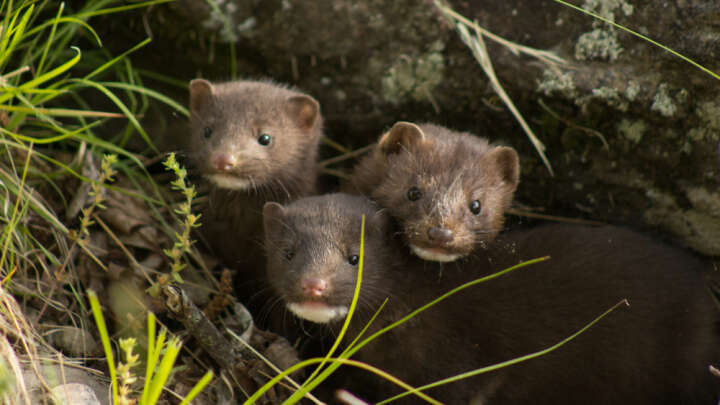
Dutch Government To Cull Farmed Mink With Covid-19 To Prevent Transmission To HumansClosely related to weasels, mink are semi-aquatic animals commercially raised for their desirable fur. Steven Flannigan/Shutterstock Dutch officials have begun culling mink from farms that have been linked to SARS-CoV-2 outbreaks after a number of… Jun 22 20June 22, 2020Article at IFLScience
Arctic Ocean Acidification Is Expected To Get Worse, Threatening Entire Food ChainsAcidification in the Arctic Ocean is anticipated to be worse than previously expected due to a greater uptake of carbon dioxide (CO2), new research suggests. This increase in CO2 causes the frigid northern waters to become more acidic, which can… Jun 22 20June 22, 2020Article at IFLScience
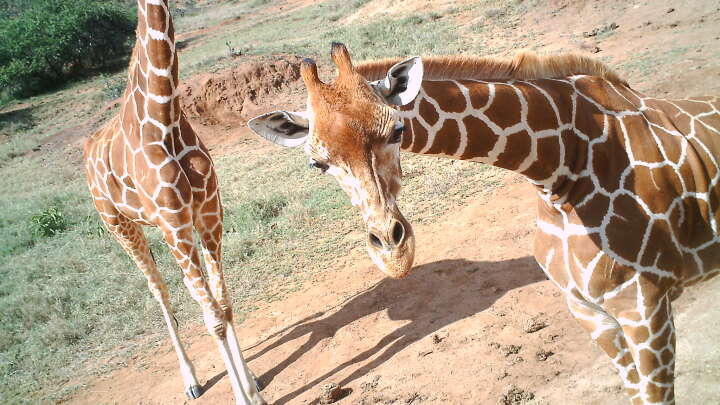
This Gallery Of Animal “Selfies” Is The Distraction We Need Right NowFrom a lazy-eyed-looking elephant to a cheeky grinning deer, the Zoological Society of London (ZSL) has released a gallery of “animal selfies” for World Selfie Day meant to bring a smile to your own self(ie). The images were taken over the last four… Jun 22 20June 22, 2020Article at IFLScience
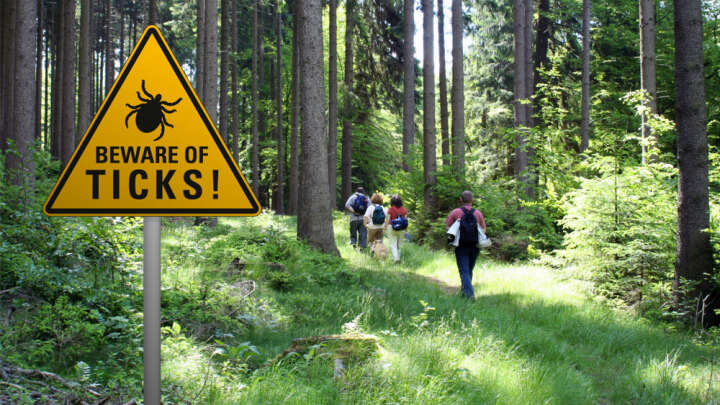
It’s Going To Be A Brutal Tick Season And Experts Warn Officials Aren’t Doing EnoughDespite a rise in tick-borne illnesses over the last 15 years, researchers warn in the that inadequate funding and standardized surveillance procedures are posing potential threats to public health. Heiko Barth/Shutterstock As parts of the United… Jun 19 20June 19, 2020Article at IFLScience
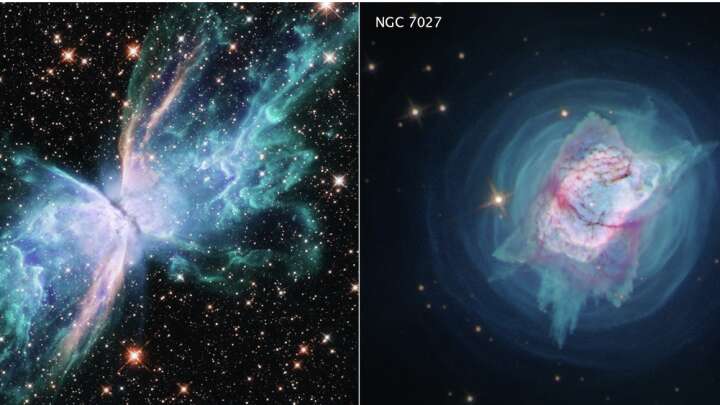
Two Stars Going “Haywire” Captured In Stunning Hubble ImageHubble was recently retrained on NGC 6302, known as the 'Butterfly Nebula,' to observe it across a more complete spectrum of light, from near-ultraviolet to near-infrared, helping researchers better understand the mechanics at work in its technicolor… Jun 19 20June 19, 2020Article at IFLScience
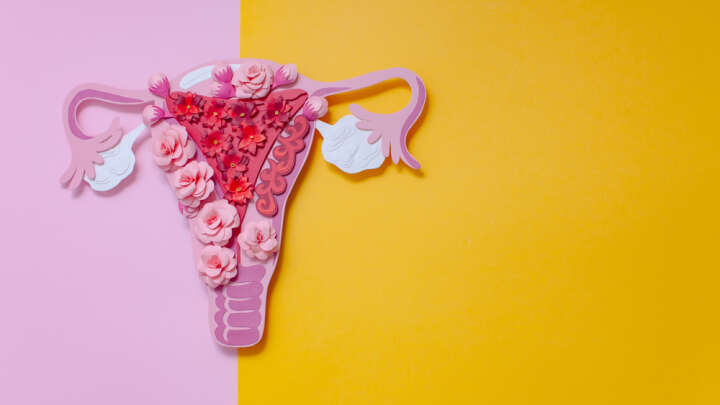
Endometriosis Linked To DNA In Uterine Cells, Study FindsWomen with endometriosis may experience different genetic and chemical changes in the uterine cells that may be influenced by hormonal fluctuations when compared with those who do not have the condition, new research finds. Endometriosis is a chronic… Jun 18 20June 18, 2020Article at IFLScience
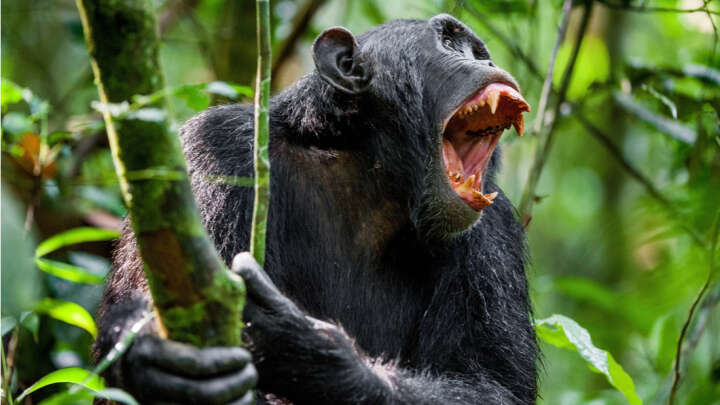
Humans Can Understand The Meaning Of Certain Chimpanzee Vocal SoundsPeople picked up on cues of “brightness” and “duration” as well as “noisiness and pitch.” Sergey Uryadnikov/Shutterstock When a cat purrs or a dog yelps, people can often contextualize the animals’ sounds to be in response to pleasure or pain. Now,… Jun 18 20June 18, 2020Article at IFLScience
How To Activate Siri Shortcut That Records Police Interactions When Getting Pulled Over“Hey Siri, I’m getting pulled over.” Those six simple words hold the power to activate an installable shortcut on iPhones that automatically records any interaction with the police. The “Getting Pulled Over” shortcut was first shared to Reddit by… Jun 18 20June 18, 2020Article at IFLScience