What Could El Niño Mean for New Jersey’s Winter?El Niño, a recurring warming of the tropical Pacific Ocean, is strengthening and expected to persist into early 2027 – raising questions about what it could mean for winter temperatures, snowfall and storms in New Jersey and throughout the United States. Nov 05 26November 05, 2026Article at Rutgers Today
Rutgers Awarded $4.2 Million To Advance Climate Resilience and Ecological Restoration in WoodbridgeRutgers and its partners aim to transform flood-prone properties into functional natural landscapes to protect communities and strengthen coastal ecosystems A $4.2 million award to Rutgers University will help transform former home sites along the… Nov 04 26November 04, 2026Article at Rutgers Today
Stars Make Oxygen for Small Galaxies. They Lose Most of It.A Rutgers astrophysicist and colleagues investigate how powerful winds driven by stars shape the galaxies around themScientists examining data collected by NASA’s Hubble Space Telescope have found that dozens of small galaxies contain far less oxygen… Nov 02 26November 02, 2026Article at Rutgers Today
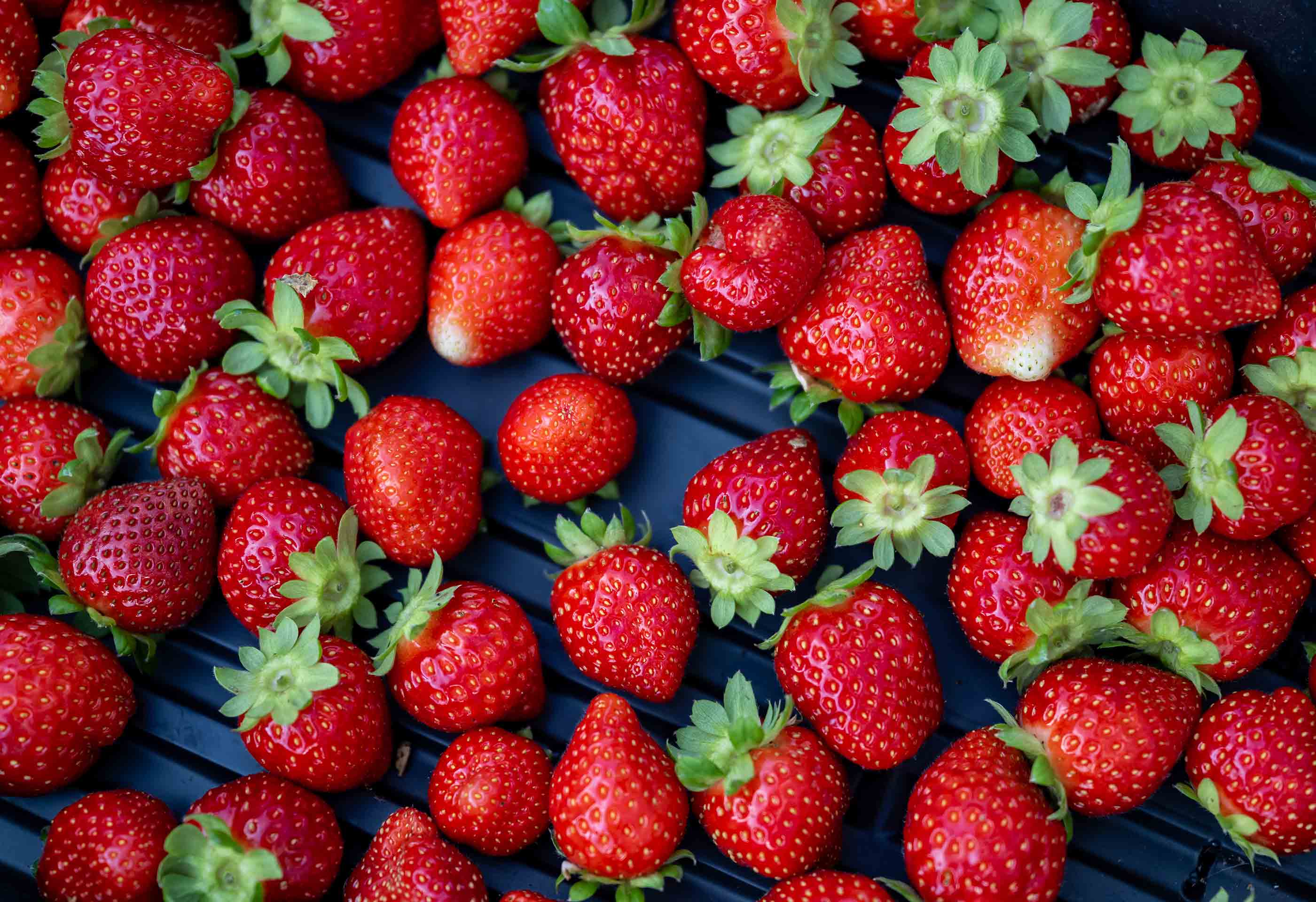
Among Strawberries and Food Scraps, Students Find ScienceAt two Rutgers research centers, the familiar inspires questions about growing food and making better use of what remainsIt was October, but inside a greenhouse at Rutgers’ research farm in Cream Ridge, N.J., strawberry plants were still flowering… Oct 29 26October 29, 2026Article at Rutgers Today
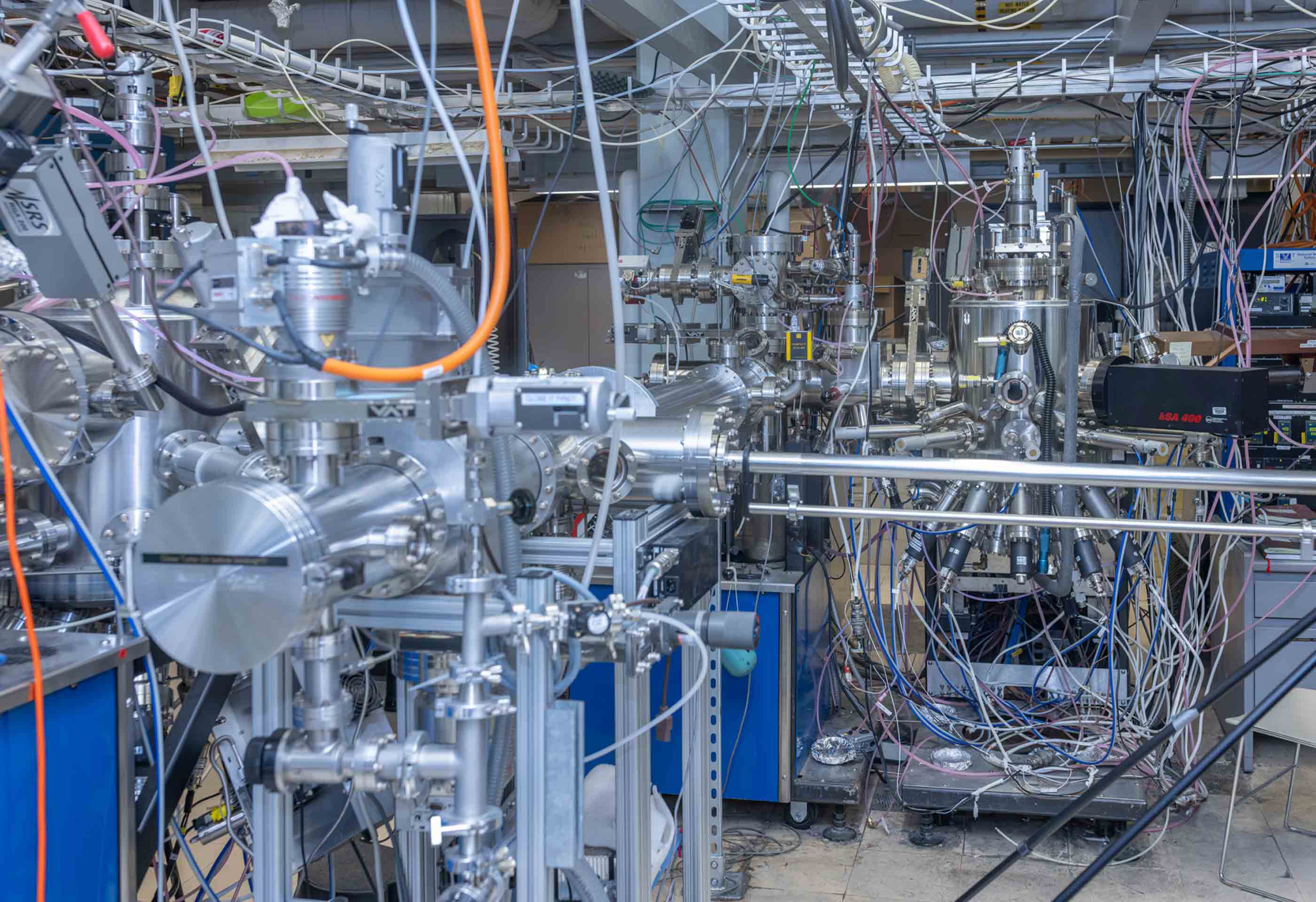
Scientists Use Light to Reveal the Hidden Workings of SuperconductorsScientists at Rutgers and in Estonia have used invisible light to look into tiny magnetic whirlpools, called vortices, inside a superconductor, revealing details that could help researchers develop better materials for carrying electricity. Oct 28 26October 28, 2026Article at Rutgers Today
Scientists Map Research Priorities for U.S. Climate AssessmentsA group of 175 scientists co-led by a Rutgers University professor have developed a research framework identifying gaps in the evidence needed to assess coastal protection, food production and overlapping climate hazards such as extreme heat and power outages. Oct 26 26October 26, 2026Article at Rutgers Today
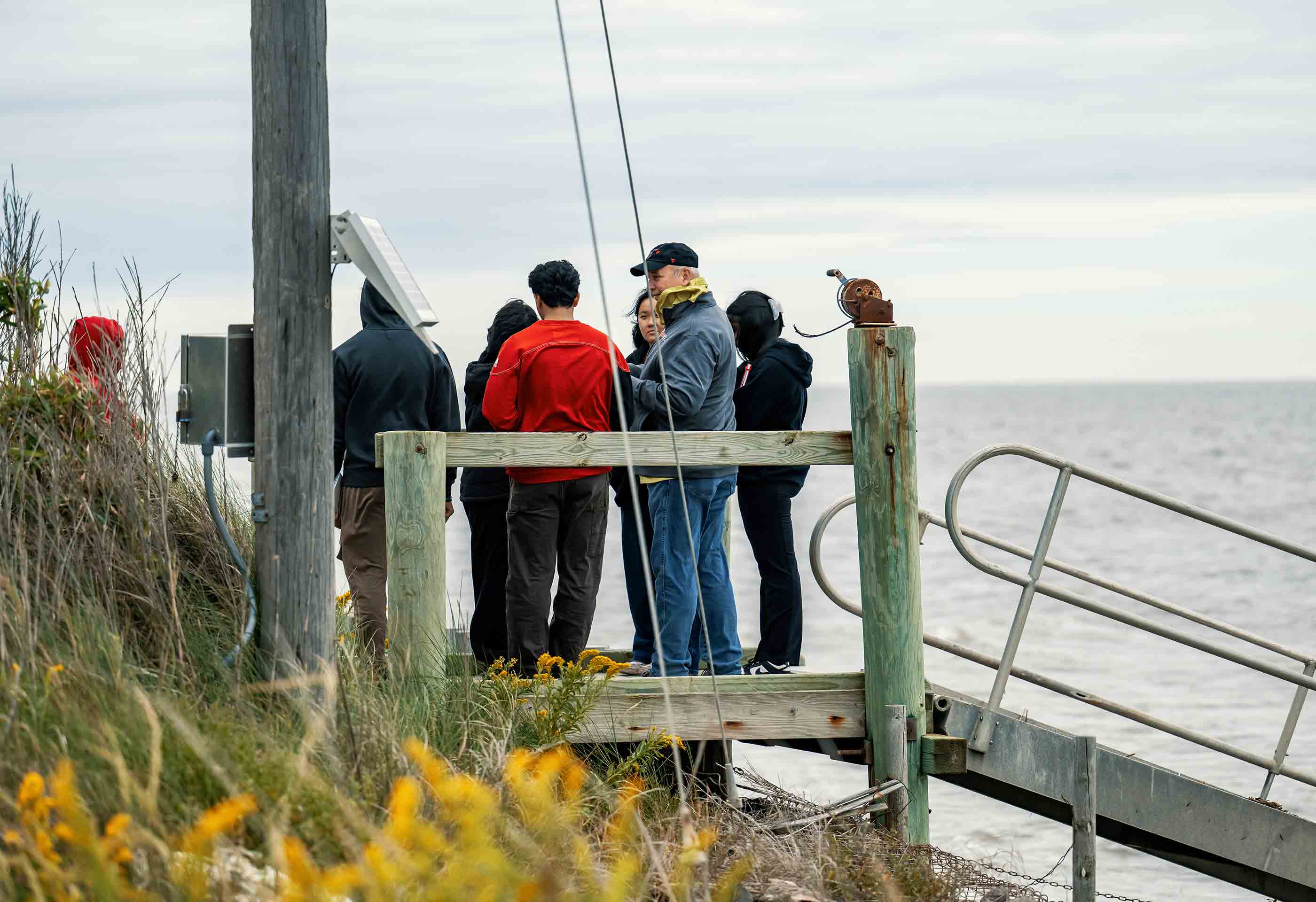
At the Cape Shore Laboratory, the Tide Sets the LessonThe first lesson at Cape Shore Laboratory began with the road in. Oct 23 26October 23, 2026Article at Rutgers Today
University Celebrates Eva Andrei’s Kavli Prize and a Career of DiscoveryRutgers physicist Eva Andrei was looking for something else when she discovered a new way to change how materials conduct electricity. Oct 16 26October 16, 2026Article at Rutgers Today
Scientists Move a Step Toward Quantum Computers That Can Correct Their Own MistakesResearchers from Rutgers, IBM and collaborating institutions have shown that a quantum computer can check what is happening inside it and respond while it is running, repeatedly resetting parts of the system to bring chaotic behavior under control. Oct 09 26October 09, 2026Article at Rutgers Today
Some of Those Ancient Sea Predators Were Built for Surprise AttacksSome of the giant marine reptiles that ruled the seas during the age of dinosaurs were better built for surprise attacks, while their relatives were better suited to chasing prey through open water, according to a Rutgers-led study. Oct 08 26October 08, 2026Article at Rutgers Today
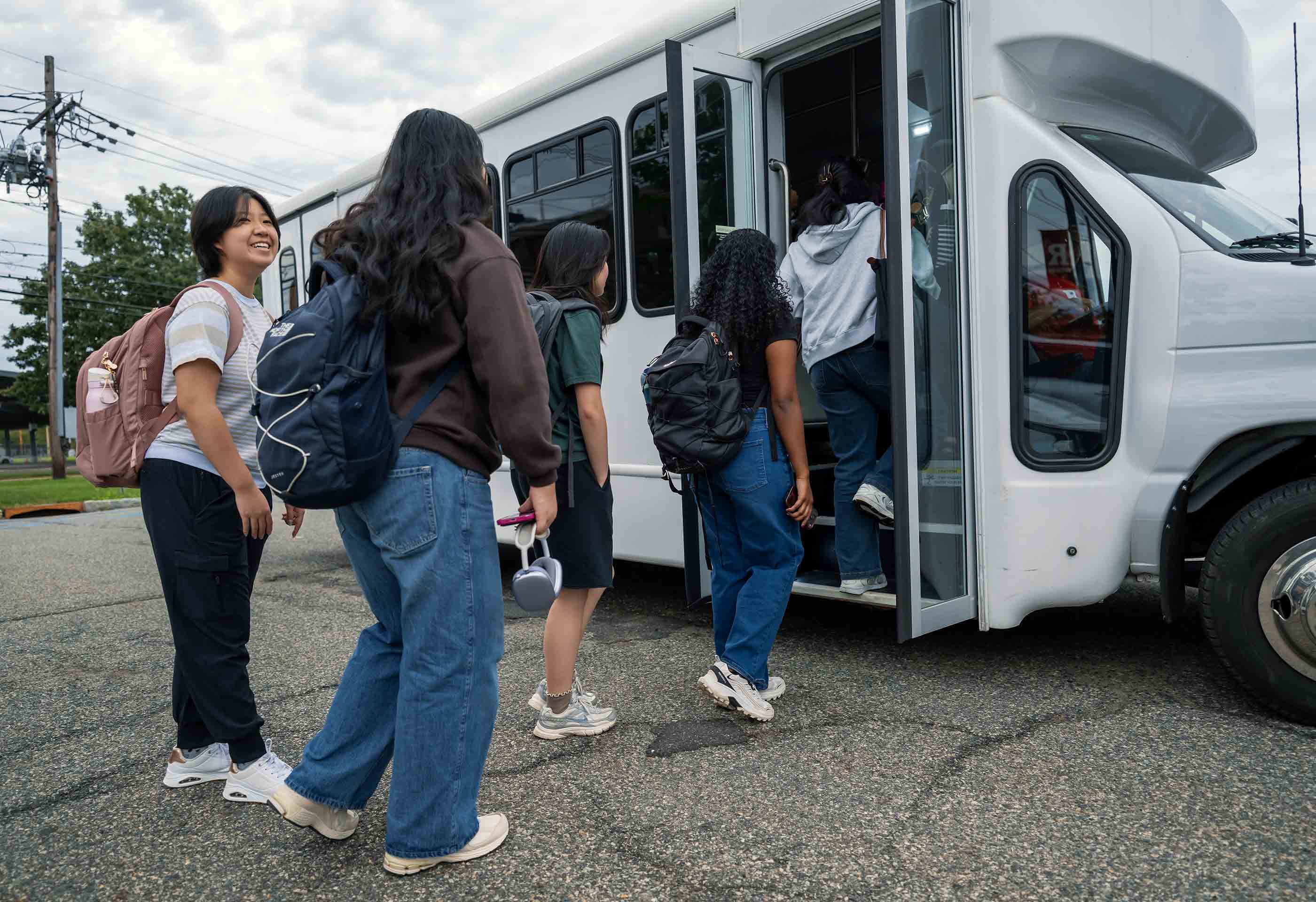
Students Take a Bus Ride to a Different RutgersFor Dave Bushek, the obstacle to bringing students to Rutgers’ field stations across New Jersey was getting them there. Oct 05 26October 05, 2026Article at Rutgers Today
How Cutting Emissions May Limit Antarctic Ice Loss and Protect CoastlinesCutting greenhouse gas emissions now may limit how much ice Antarctica loses this century and reduce the rise in seas facing coastal communities, according to findings from a new study. Sep 30 26September 30, 2026Article at Rutgers Today
A Tiny Worm Helps Scientists Unravel a Genetic Clue to Kidney DiseaseA microscopic worm that has no kidneys is helping Rutgers scientists understand a genetic change suspected of causing a serious inherited kidney disease. Sep 21 26September 21, 2026Article at Rutgers Today
New Jersey’s Hidden Dams Come to LightTo many homebuyers, a pond is a picturesque asset. But if it is held back by a dam, the property may also carry legal and financial responsibilities that can cost hundreds of thousands of dollars. Sep 15 26September 15, 2026Article at Rutgers Today
Mosquito Waste Reveals Viruses Hiding in Plain SightWhen public health researchers want to know whether diseases such as COVID-19 or polio are circulating in a community, they can look for genetic evidence in wastewater. Sep 14 26September 14, 2026Article at Rutgers Today
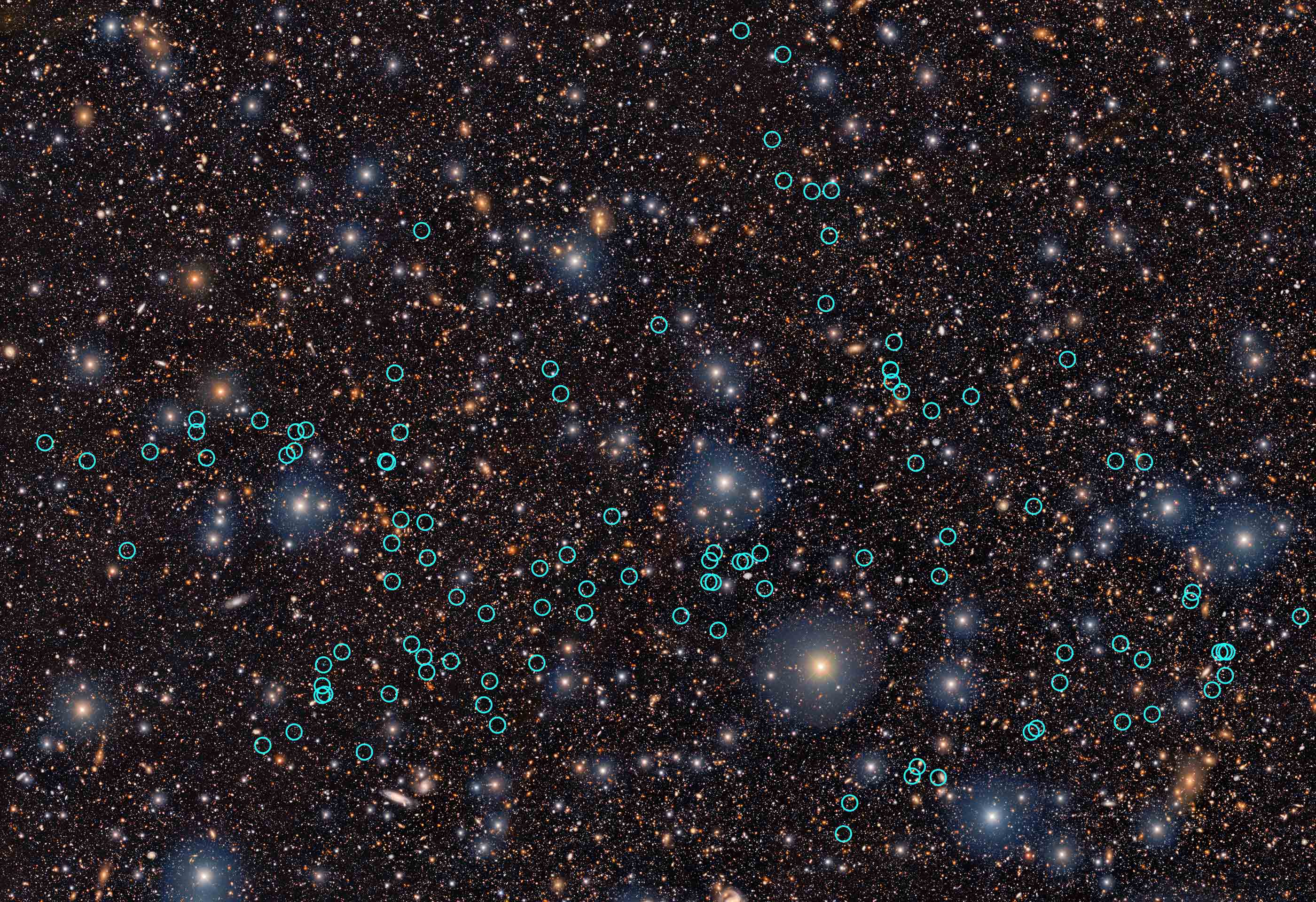
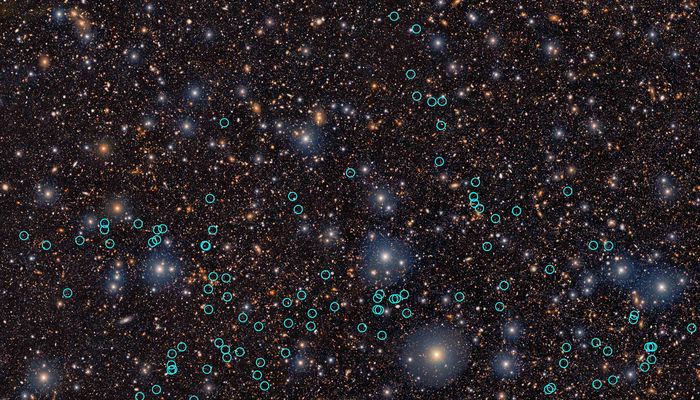
Scientists See One of the Universe’s Largest Structures Taking ShapeRutgers astronomers help identify 10 developing galaxy clusters from about 12 billion years ago Using some of the world’s most powerful telescopes, scientists have peered nearly 12 billion years into the past and found one of the largest cosmic… Sep 08 26September 08, 2026Article at Rutgers Today
Researchers Discover Dozens of Genes Tied to OCD and Tic DisordersA Rutgers-led international collaboration has identified 36 genes that substantially raise the risk for obsessive-compulsive disorder (OCD) and chronic tic disorders – providing what two researchers said is the most detailed biological understanding Aug 31 26August 31, 2026Article at Rutgers Today
NASA’s Next Great Space Telescope Begins Its JourneyNASA has successfully launched a space telescope designed not only to look deeply into the universe, but to survey it on a scale never before possible. Aug 27 26August 27, 2026Article at Rutgers Today
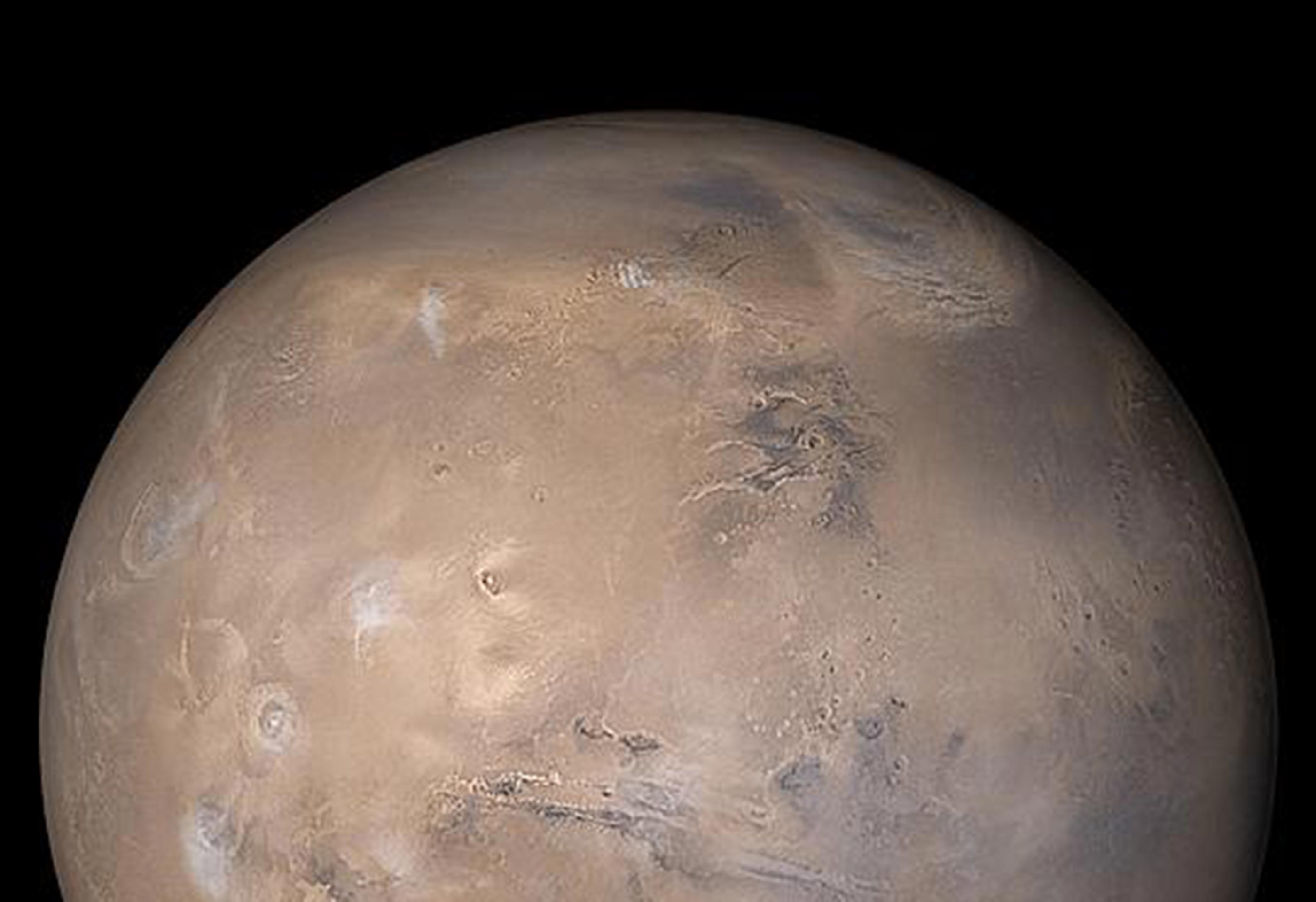
Mars Attacks: How Much Dust From the Red Planet Is Safe to Breathe?NASA has released a report recommending an initial health standard for the Martian dust that astronauts could inhale during future missions. Aug 18 26August 18, 2026Article at Rutgers Today
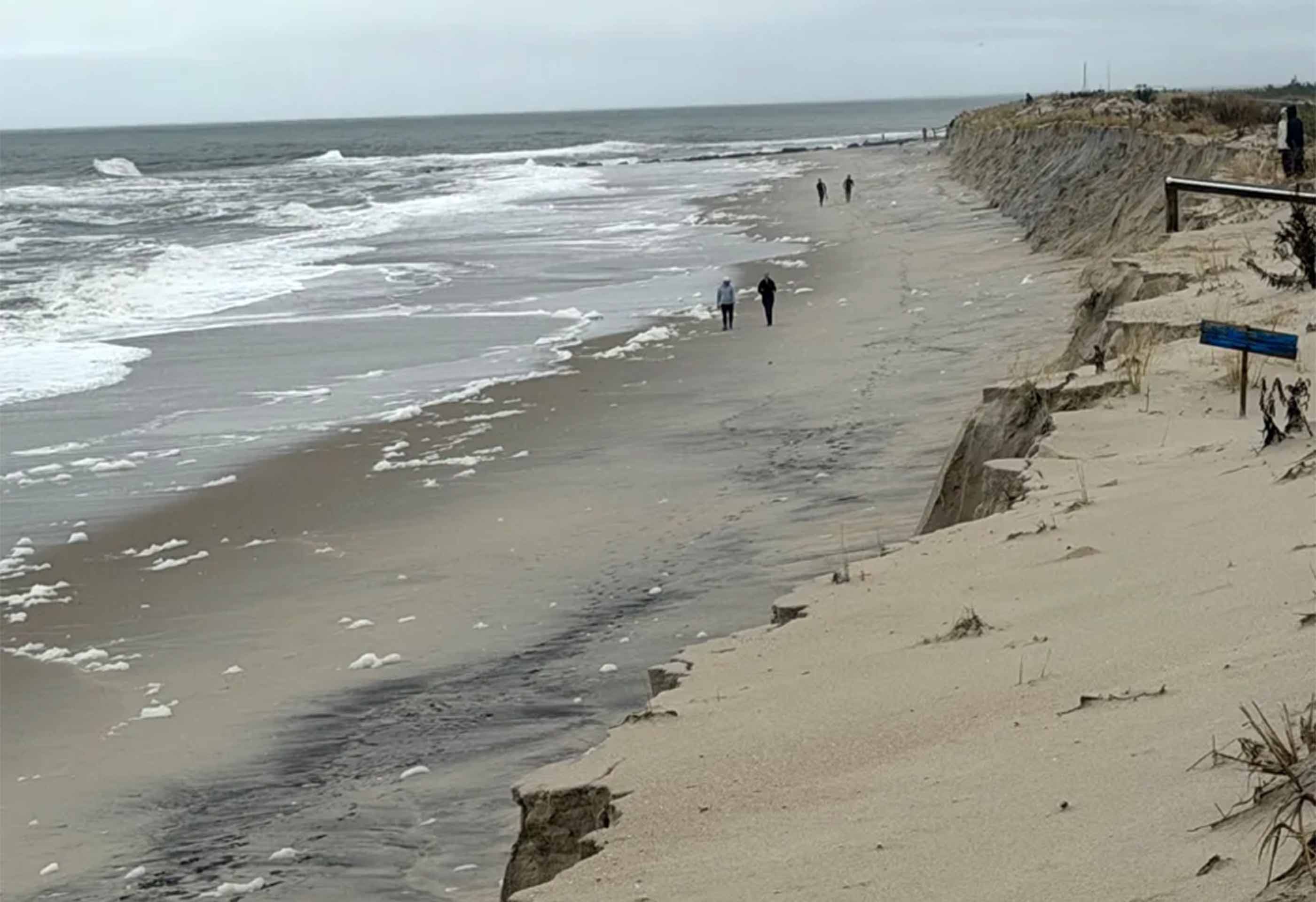
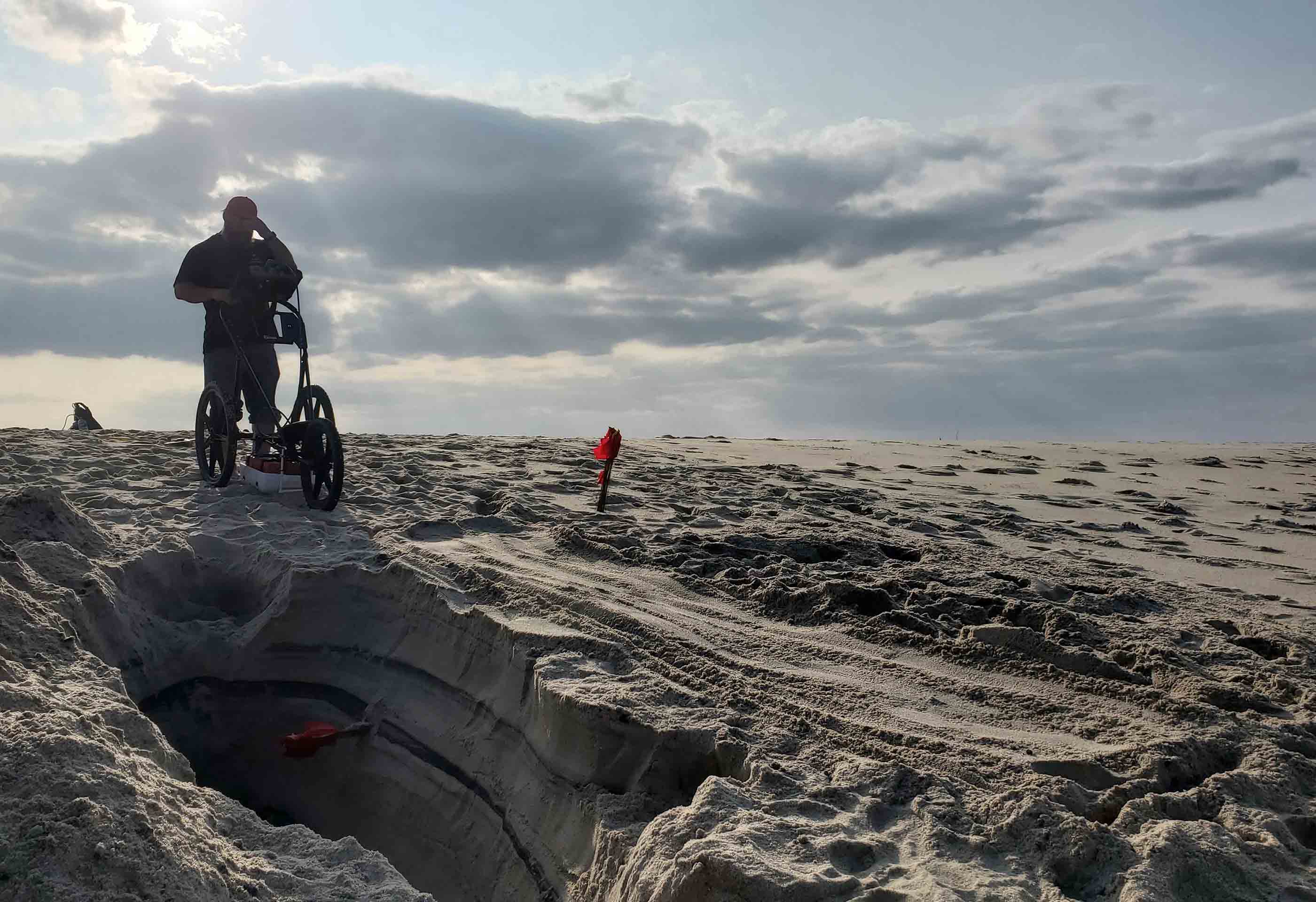
Damaging Coastal Storm Conditions Have Become Twice as Frequent at a New Jersey Beach Since 1979Storm conditions capable of causing major coastal erosion at New Jersey’s North Beach on Sandy Hook are occurring about twice as often as they did in 1979, according to Rutgers researchers. The finding offers new evidence of increasing frequency of Aug 05 26August 05, 2026Article at Rutgers Today