The electoral bloodbath suffered by United States President Donald Trump and the Republican Party in the Nov. 3 midterms goes well beyond an ordinary midterm slump. It signals the start of a prolonged structural decline that could leave the Republican Party locked out of power until 2032.
That is the core takeaway of Axios’s post-election analysis, "Behind the Curtain: The Trump Obliteration," reported by Jim VandeHei and Mike Allen. The sweep is stunning. Democrats reclaimed both chambers of Congress, broke through entrenched Republican bastions, and proved that Trump’s polarizing brand has turned into an outright electoral anchor.
Crucially, the sharpest alarm is ringing from within the conservative establishment itself. Florida Governor Ron DeSantis, a former presidential contender who knows the party’s machinery intimately, bluntly conceded that Republicans might not "have a shot at Senate control until 2032".
That is not partisan gloating from across the aisle; it is a calculated assessment by a seasoned operator who understands the grim mathematics of legislative rebuilding. His frank warning exposes a sobering truth: the damage absorbed in 2026 will hobble the Republican Party far past the final two years of Trump’s term, threatening to turn 2028 into another squandered cycle.
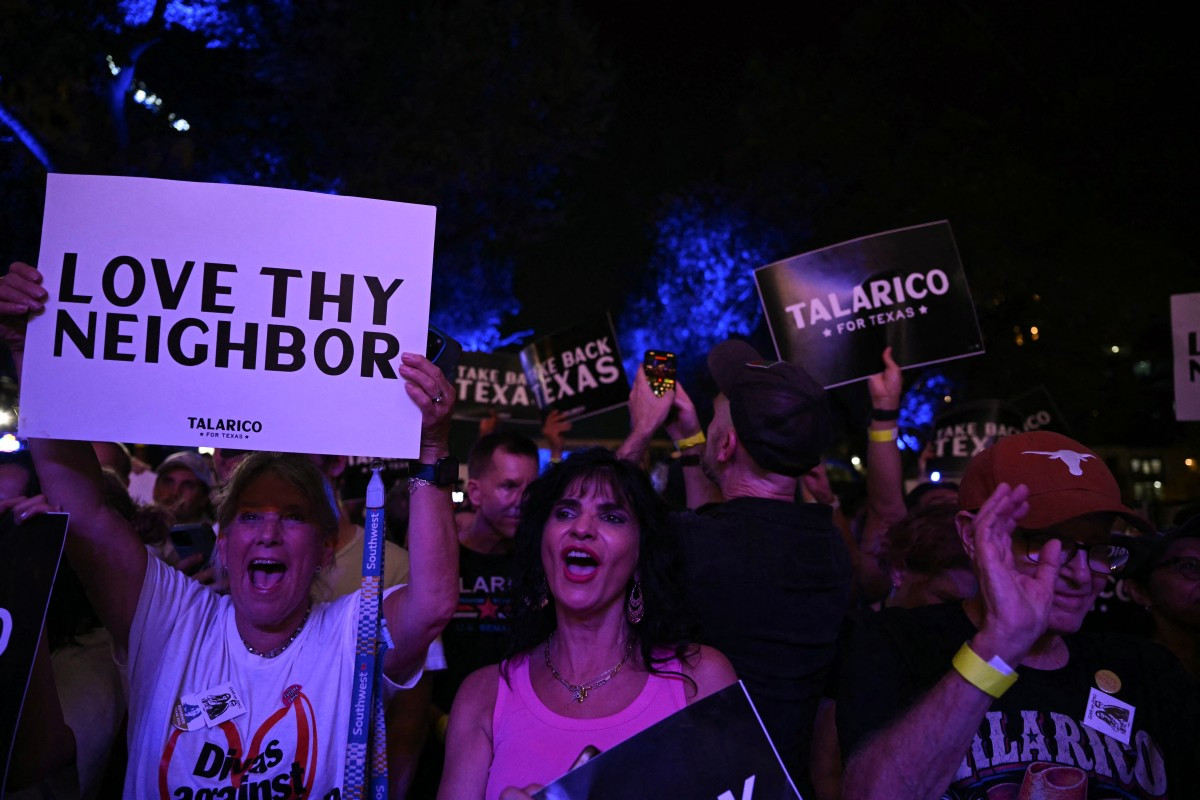
The party has not merely surrendered seats; it has suffered a total collapse of public credibility across regions that sustained it for generations. Consider Texas. Democrat James Talarico unseated Republican Ken Paxton in the Senate race by an astonishing margin of roughly 55 to 43 percent, while Gina Hinojosa captured the governorship, dismantling over three decades of uninterrupted Republican dominance.
Kansas delivered an equally seismic shock when Democrat Adam Hamilton won a Senate seat, becoming the first Democrat to accomplish that feat since 1932. With North Carolina and Georgia posting comparable Democratic surges alongside a wave of House flips in suburban districts, these results cannot be dismissed as local anomalies. The traditional Republican coalition has splintered.
Trump’s Make America Great Again movement rested on the assumption that hardline nationalism, border crackdowns, aggressive tariffs, and relentless cultural grievances could forge a lasting governing majority. For years, Trump commanded an extraordinary ability to rally voters who felt ignored by Washington elites.