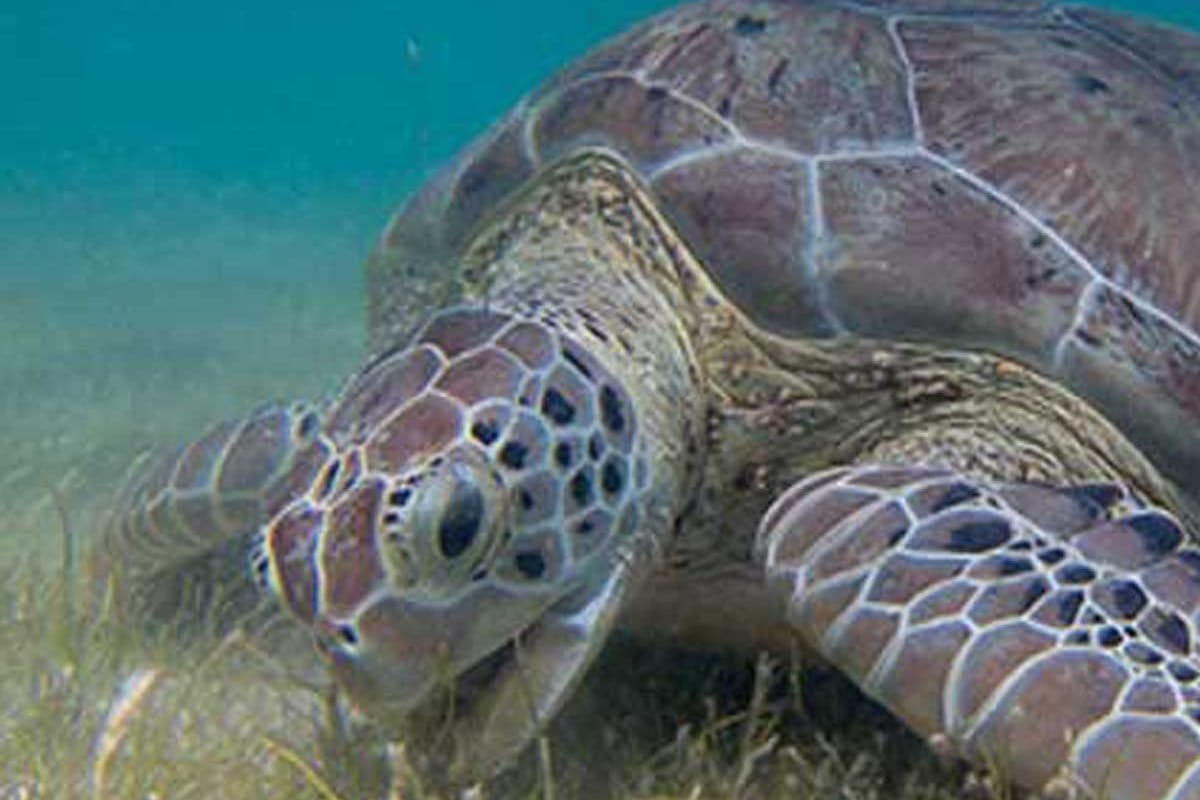
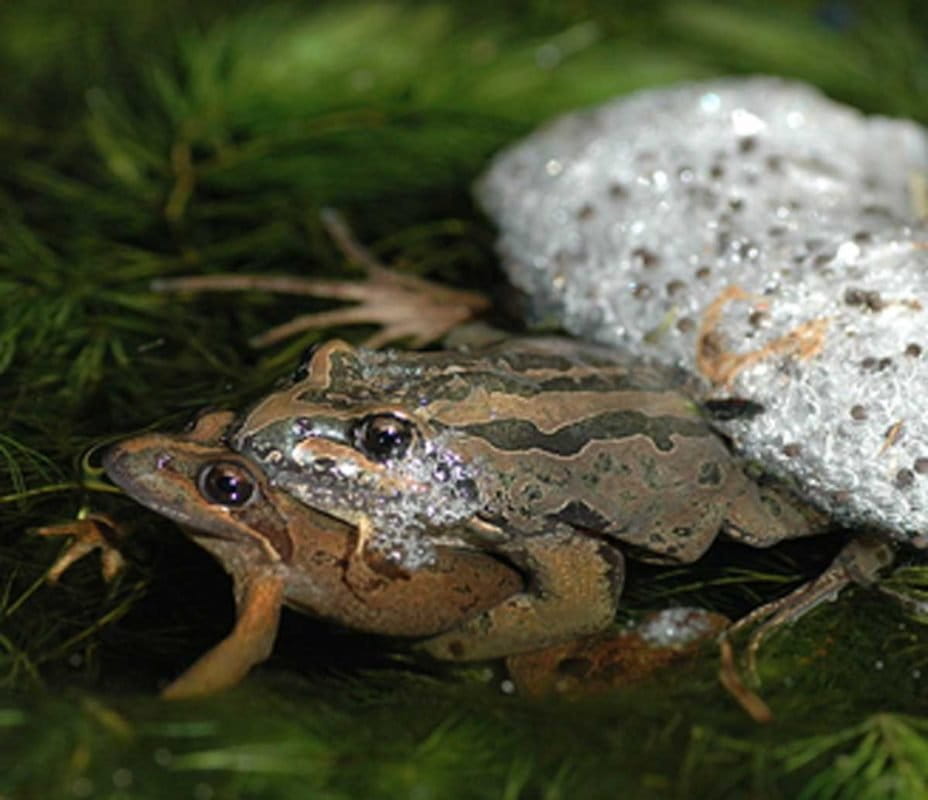
Field Notes: Pond turtle studies could help sea turtles survive toxic algal bloomsBeneath their prehistoric-looking shells, turtles conceal an extraordinary ability to hold their breath underwater, going without oxygen for hours, even months, at a time. This cellular-level capacity to survive underwater also helps turtles resist the effects of environmental pollution from harmful algal blooms (HABs), toxic events also commonly dubbed “red tides,” according to studies by […] Jun 08 17June 08, 2017Article at news.mongabay.com
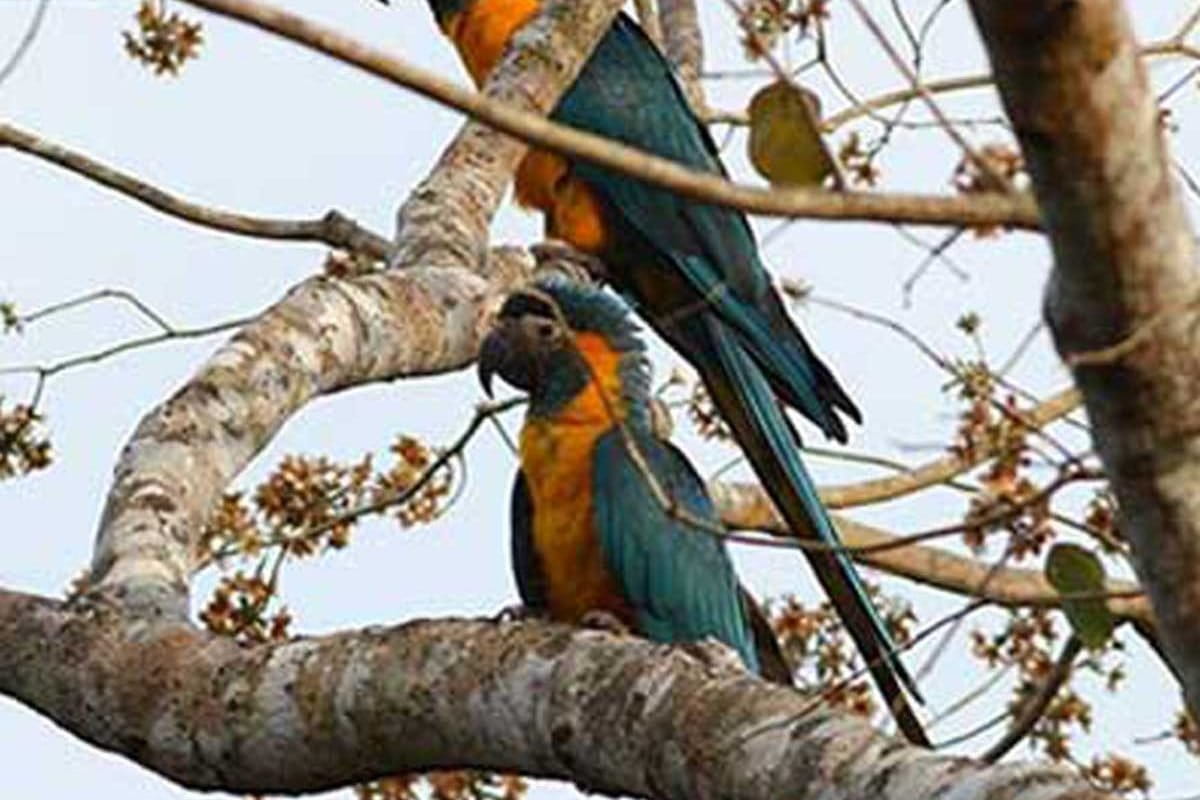
Field Notes: Reinvigorating wild parrot populations with captive birdsAfter relentless trapping for the pet trade reduced wild Blue-throated macaw populations to mere rumors, the bird was rediscovered in 1992 in a remote area of Bolivia. Endemic only to this nation, Ara glaucogularis lives in hard-to-reach places that are flooded much of the year. Unable to easily survey similar locales, conservationists could only hope […] May 17 17May 17, 2017Article at news.mongabay.com
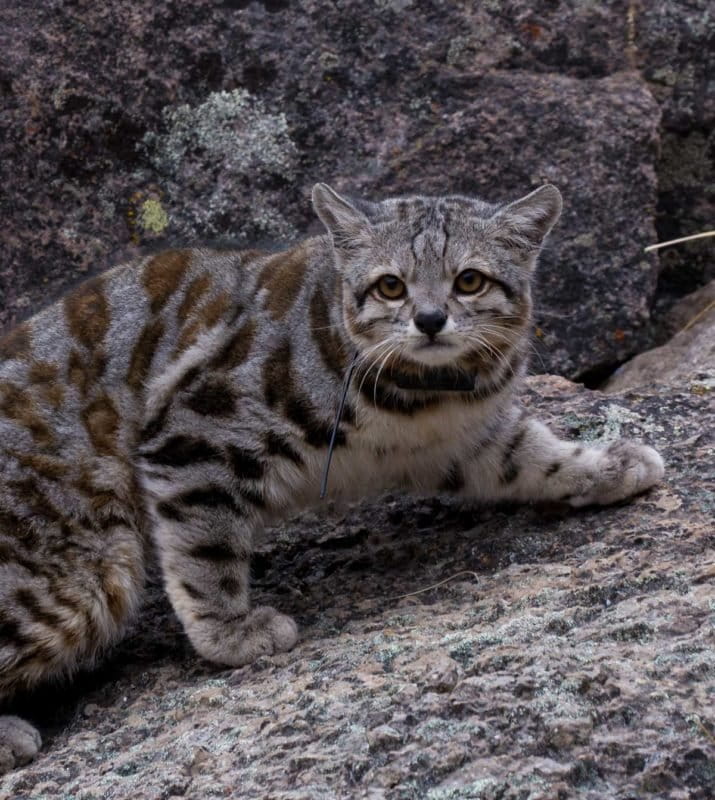
Field Notes: Finding Jacobo; an Andean cat captivates conservationistsWhen an Andean cat (Leopardus jacobita) suddenly showed up in the middle of a synthetic soccer field in Bolivia, the wild feline was far from anywhere that should have been home. Not knowing what else to do, local people put the Endangered cat in a birdcage to hand it over to authorities. How the housecat-sized feline […] Feb 28 17February 28, 2017Article at news.mongabay.com
Field Notes: Predicting how the pet trade spreads infectious diseaseThe legal commercial exotic animal trade is a booming enterprise that ships ornamental fish, mammals, birds, reptiles and amphibians around the world. These pets, livestock and other animals can carry unexpected infectious diseases from their homelands. If these non-native species escape or are released to the wild, they can create epidemics among susceptible endemic wildlife. […] Feb 13 17February 13, 2017Article at news.mongabay.com
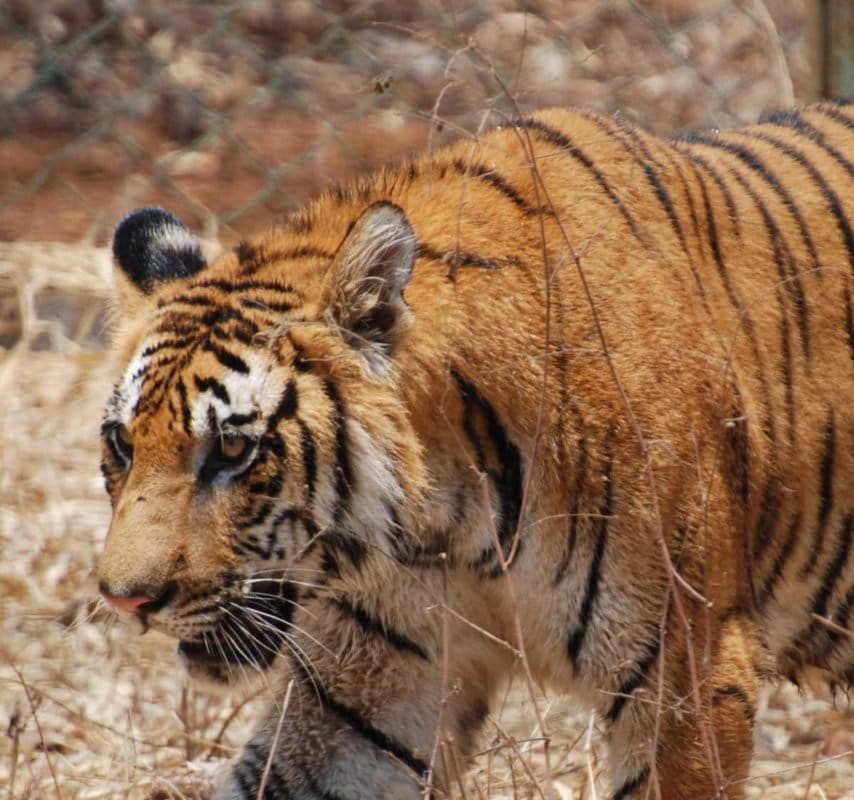
Field Notes: Boosting biodiversity by studying human values, genderThe number of Bengal tigers is growing in Nepal’s Chitwan National Park — a United Nations World Heritage Site. The endangered cats have become healthier, and their population is flourishing along with the forests that local communities have actively protected. These community forests create important buffer zones that surround protected areas of the terai; a […] Dec 01 16December 01, 2016Article at news.mongabay.com
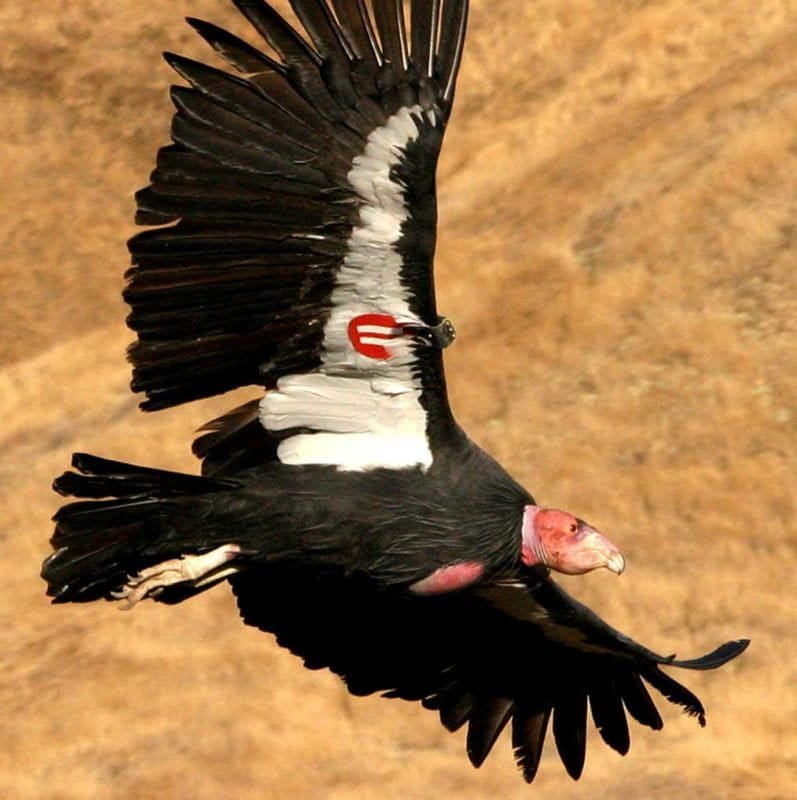
Field Notes: Mapping condor conservation strategiesVulture populations worldwide are at lethal risk from toxins that accumulate in the carcasses on which they feed — from poisonous painkillers in cattle in India, pesticides that have killed lions preying on cattle in Africa, to hunter’s lead-based ammunition in California’s wildlife. The California condor (Gymnogyps californianus), was almost wiped out in the early 1980s, […] Oct 05 16October 05, 2016Article at news.mongabay.com
Field Notes: Can we alter endangered species to be more adaptable?Scientists have long known that invasive species possess “pesty traits” that benefit their spread. But what if similar, but latent, “pesty traits” could be triggered into action in endangered species to allow them to be more adaptable, maybe improving the success rates of captive breeding programs, or of habitat reintroductions? It’s a “dangerous zoological idea,” […] Sep 28 16September 28, 2016Article at news.mongabay.com
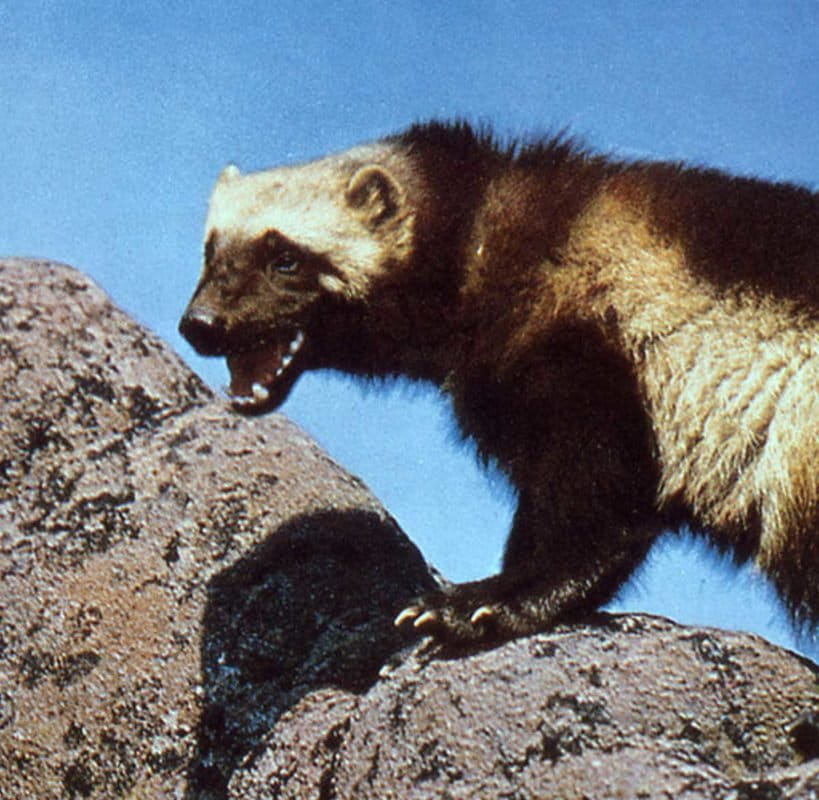
Field Notes: Wooing wolverines with high-tech luresAlmost everything about North American wolverines (Gulo gulo luscus) makes them hard to study. This reclusive mustelid — part of a carnivorous mammalian family that includes otters, badgers, weasels, martens, ferrets and minks — can traverse sprawling home ranges of up to 1,500 square kilometers (about 600 square miles) or more. In the continental US, […] Sep 21 16September 21, 2016Article at news.mongabay.com
Field Notes: Expedition to Cuba seeks out new and endemic speciesA map of Cuba doesn’t give you any feel for what it’s like to traverse the Latin American country. On paper, it’s 1,250 kilometers (780 miles) long, but never more than 190 kilometers (119 miles) wide. In reality, the landscape is full of surprises as it changes from sandy beaches to impenetrable wetlands, and rolling […] Aug 30 16August 30, 2016Article at news.mongabay.com
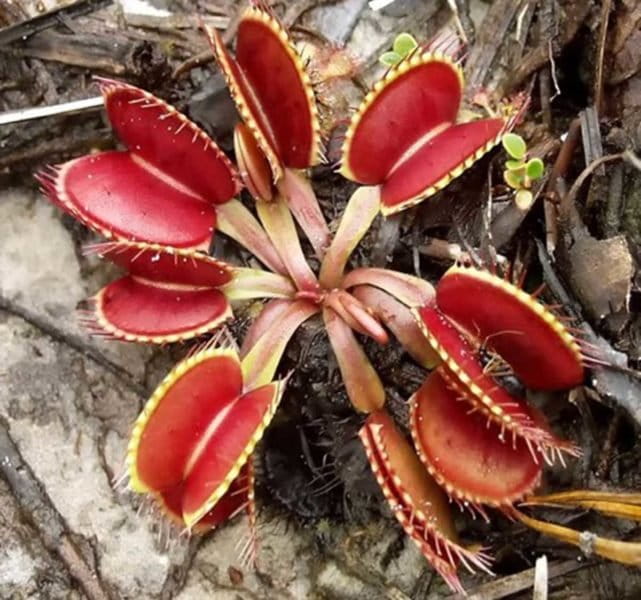
Field Notes: Saving America’s last wild meat-eating Venus flytrapsAfter more than three decades as professor of botany at the University of Wisconsin in Madison, Donald Waller is a student again. He has dived into a baffling sea of bureaucracy to learn how to petition the US government to get Endangered Species status for the Venus flytrap (Dionaea muscipula). “Only about one-fifth of remaining […] Aug 15 16August 15, 2016Article at news.mongabay.com
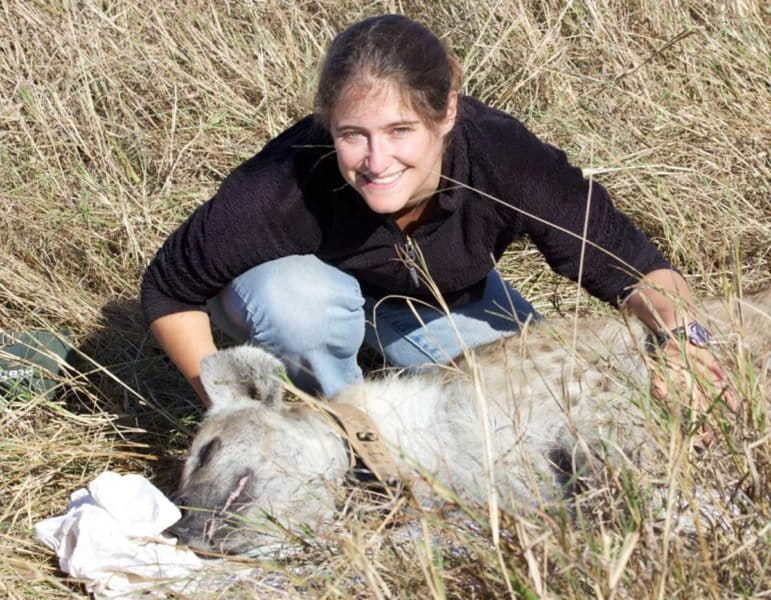
Field Notes: Scientist seeks long-term stress trends in Africa’s hyenasPoop: picking it up and studying it is one way scientists determine stress levels in animals. But it is not an ideal tool: “I quickly learned that interpreting fecal hormone measures is a lot more complicated than it first appeared!” says Julia Greenberg, a PhD candidate in the Zoology Department of Michigan State University, in […] Aug 03 16August 03, 2016Article at news.mongabay.com