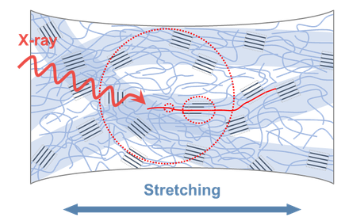
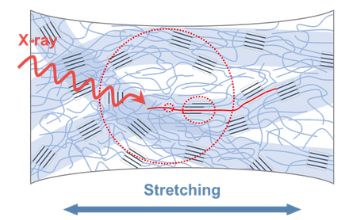
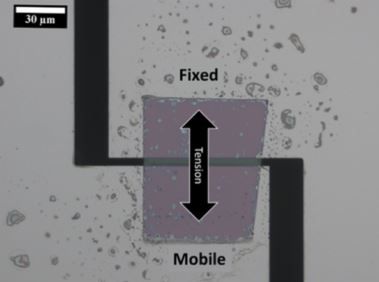
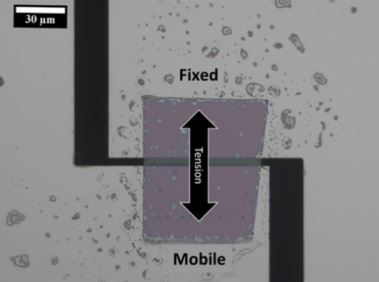
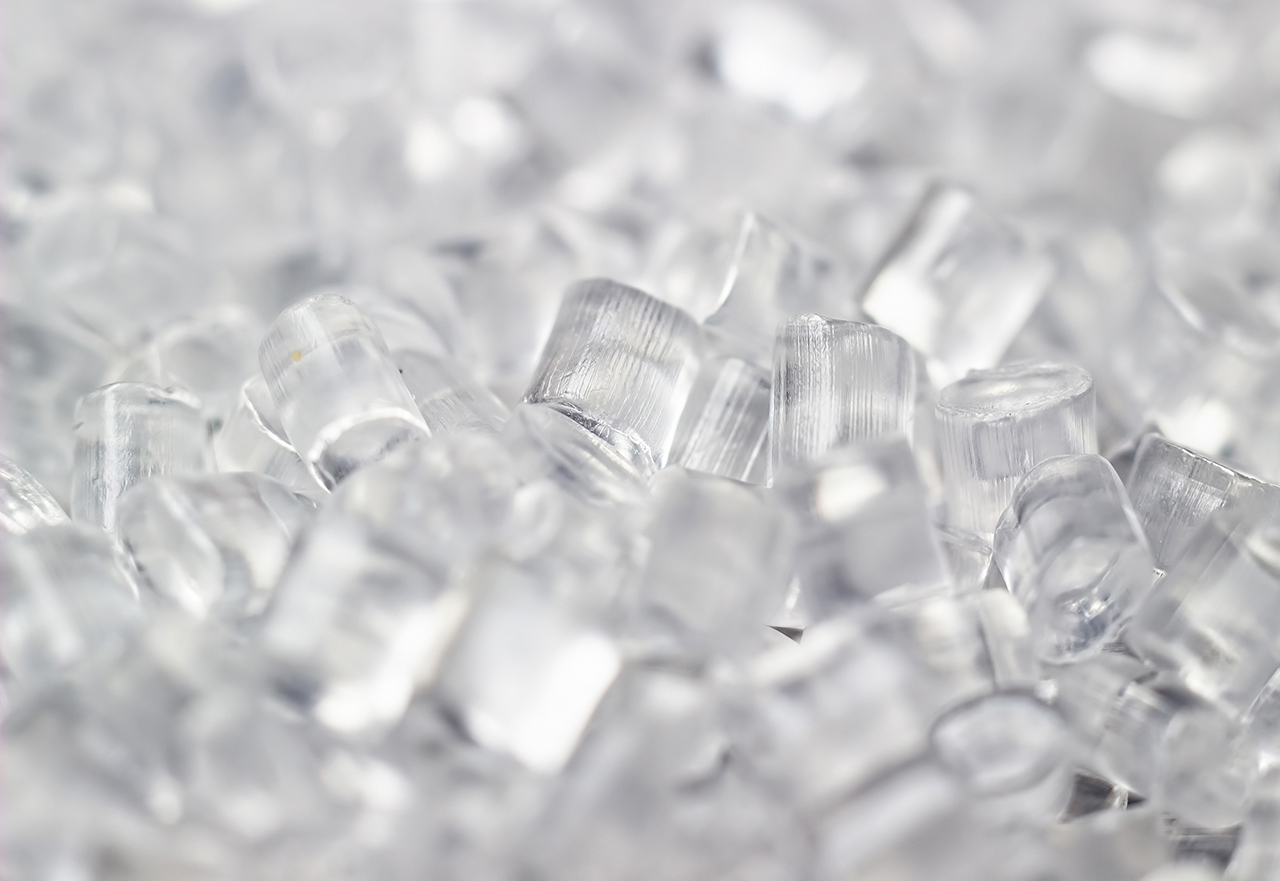
Using multimodal, in situ measurements at the ALS, researchers uncovered a two-stage process for how stretchable polymer semiconductors adapt their structure during stretching. The findings establish a multiscale design framework for conjugated polymers used in stretchable electronic devices. Read more »
Jun 26 26June 26, 2026
Article at als.lbl.gov
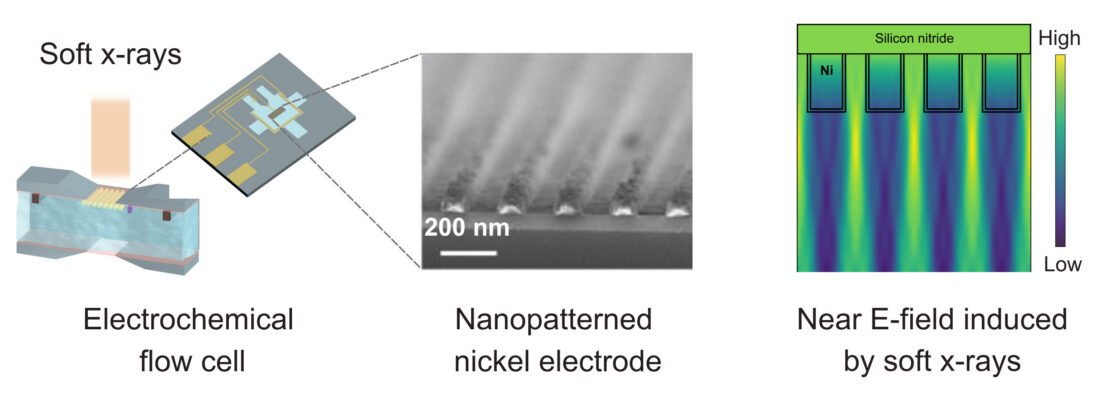
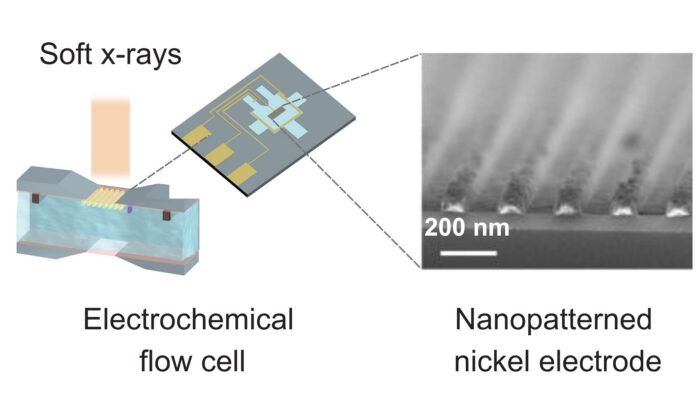
Berkeley Lab researchers developed a new x-ray technique that uses nanoscale patterns to amplify weak signals, allowing scientists to observe chemical reactions at buried solid–liquid interfaces that were previously challenging to study. Read more »
Mar 24 26March 24, 2026
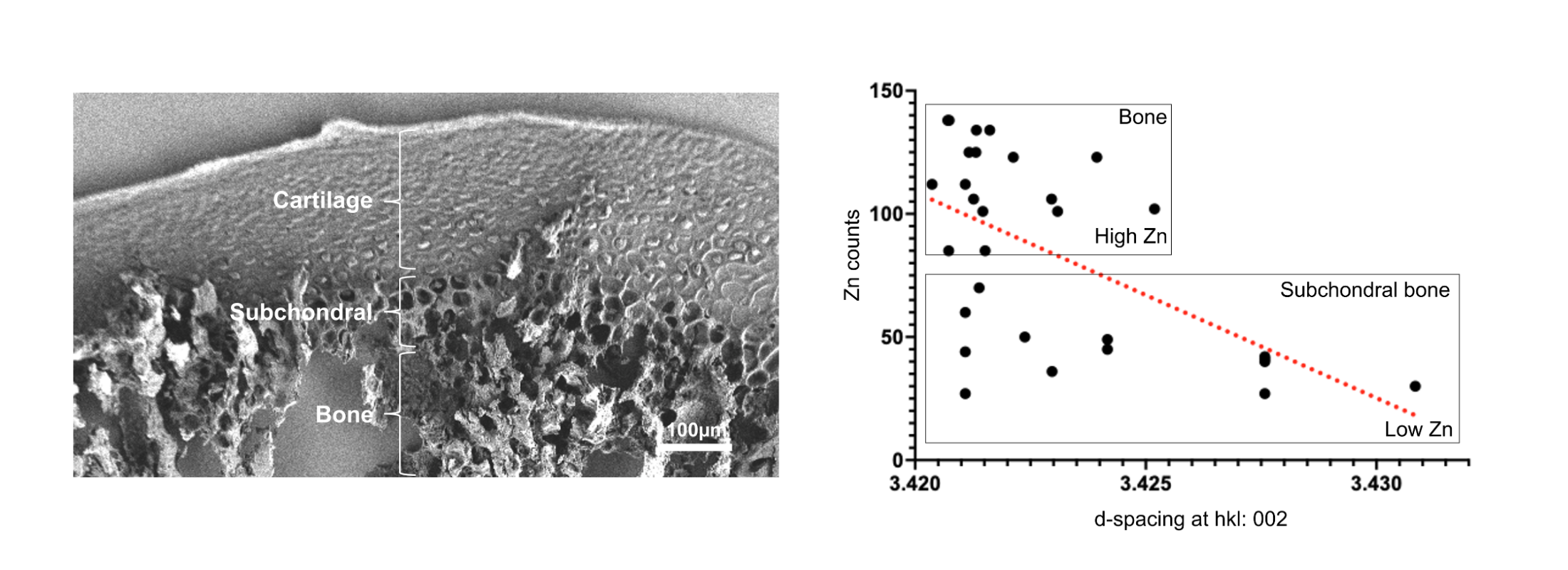
Using high-resolution x-ray techniques, researchers from UCSF, the ALS, and SSRL uncovered structural evidence that zinc subtly alters bone mineral in vulnerable joint regions, revealing early changes that may explain how arthritis begins and
Feb 24 26February 24, 2026
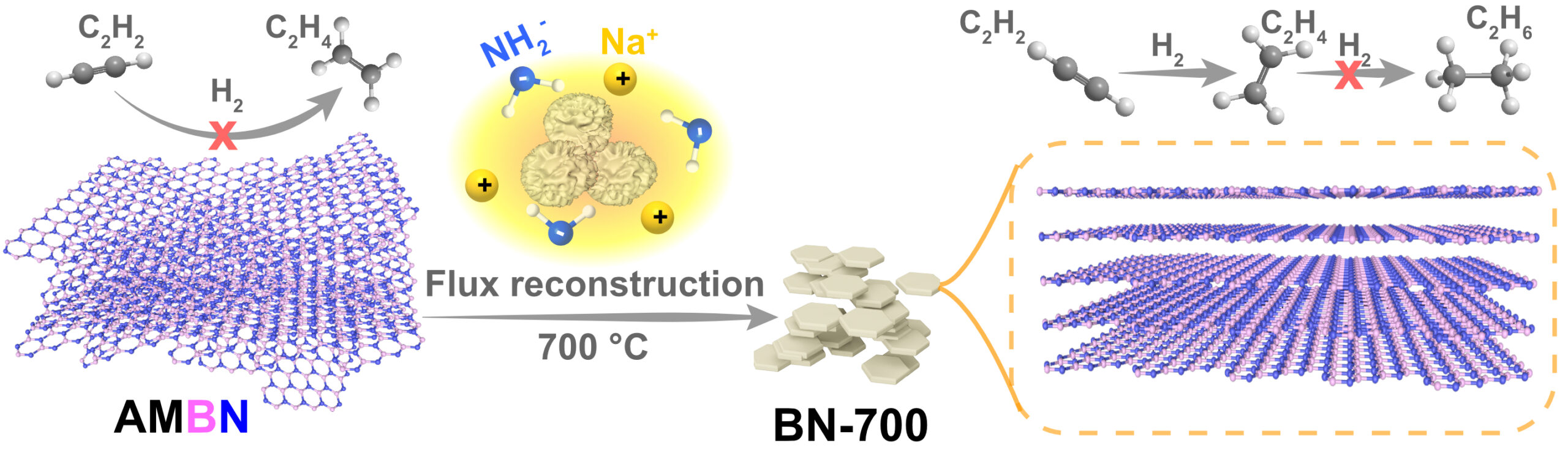
Researchers engineered defects in boron nitride to develop a metal-free route for purifying ethylene to remove acetylene. The ALS shed light on how the engineered defects were responsible for exceptional selectivity. Read more »
Jan 27 26January 27, 2026
Altermagnets are an emerging class of magnetic materials that offer the potential for energy-efficient, high-density memory chips. Researchers at Penn State, UC Santa Barbara, and the ALS demonstrated that characteristic altermagnetic band splitting
Automated electron microscopy meets supercomputing in the web-based platform Distiller
Apr 07 25April 07, 2025
Article at newscenter.lbl.gov
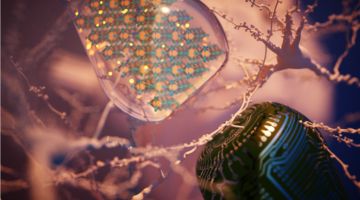
Researchers used x-ray absorption spectroscopy and resonant inelastic x-ray scattering at the ALS to uncover the atomic-level mechanism of conductance switching for a neuromorphic material that has the potential for energy-efficient computing. Read
Feb 21 25February 21, 2025
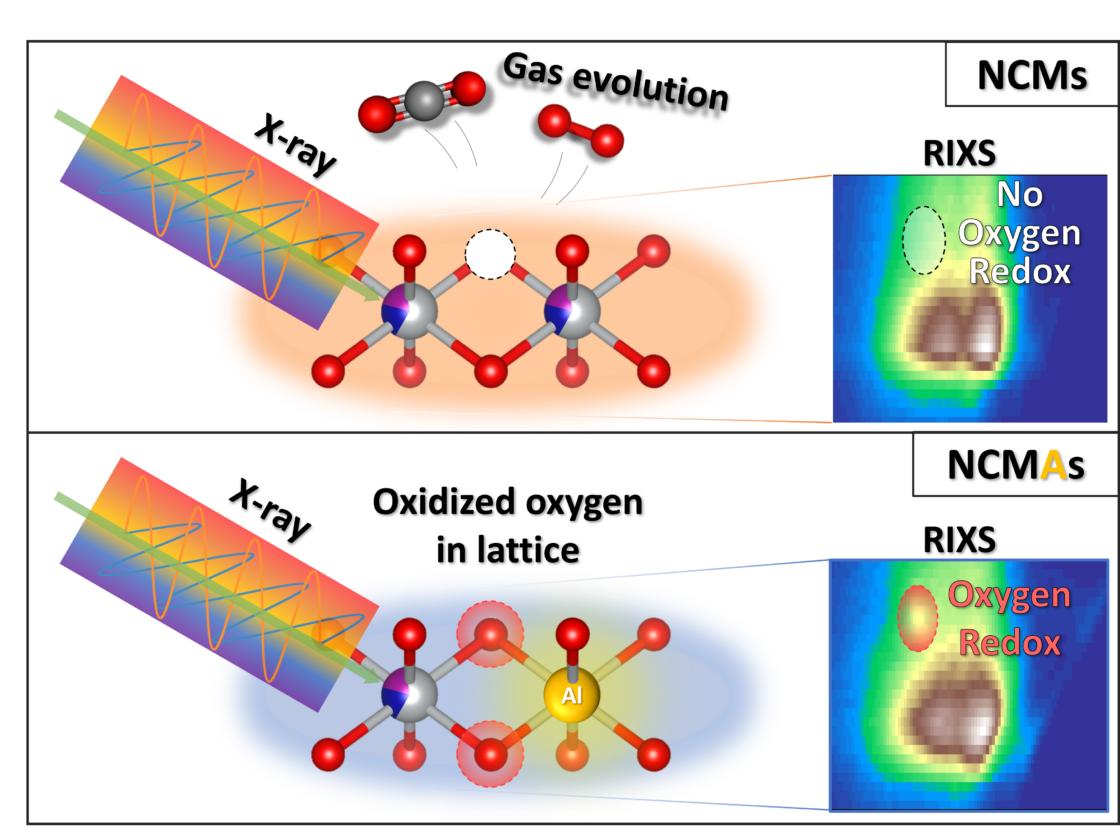
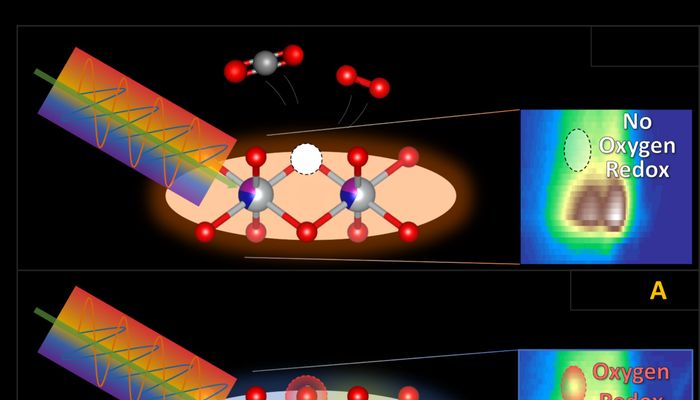
Researchers used soft x-ray resonant inelastic x-ray scattering at the ALS to understand the role of aluminum doping in improving the stability of commercially used cathode materials for lithium-ion batteries. Read more »
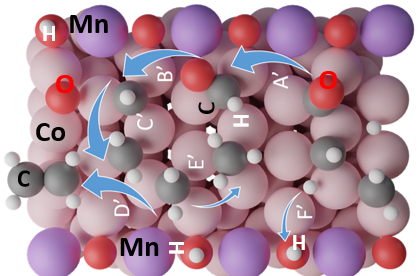
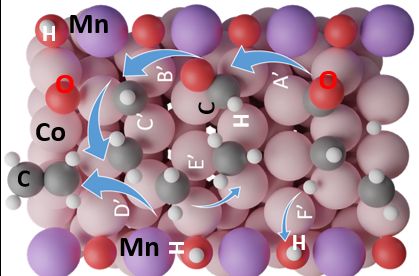
Using specialized equipment at the Advanced Light Source (ALS), including a custom-built reaction cell, researchers uncovered the role of manganese in cobalt manganese oxide catalysts used for fuel production. Read more »
Jan 22 25January 22, 2025
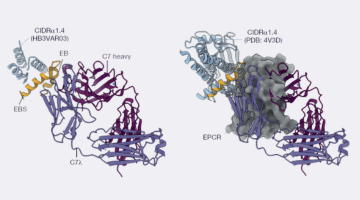
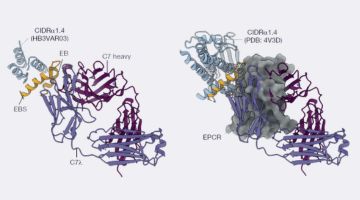
Researchers used x-ray crystallography at the ALS to characterize how two newly discovered antibodies prevent the protein interactions responsible for severe malaria. Understanding this mechanism offers novel insights for vaccine development. Read
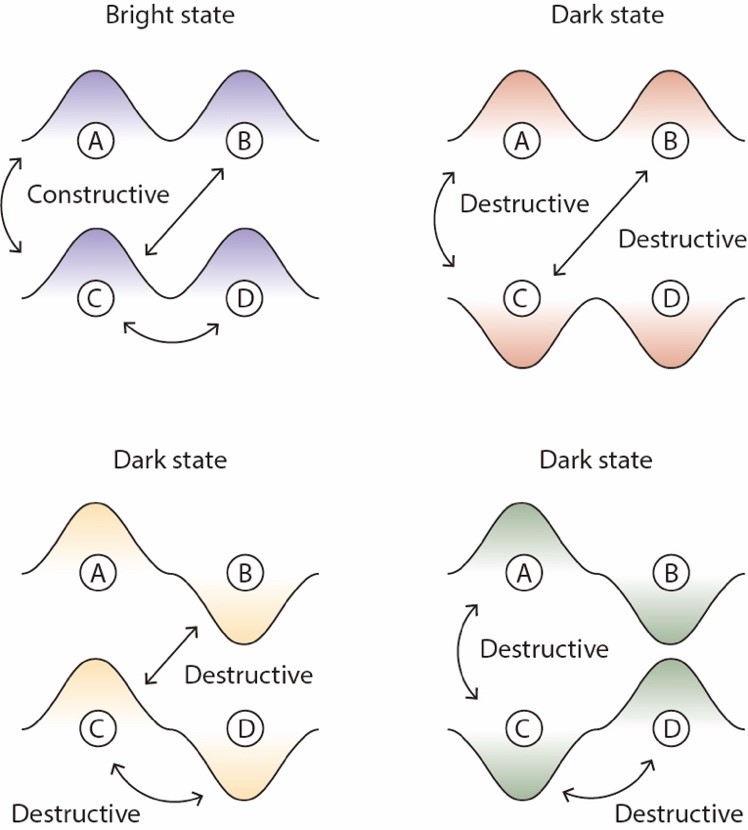
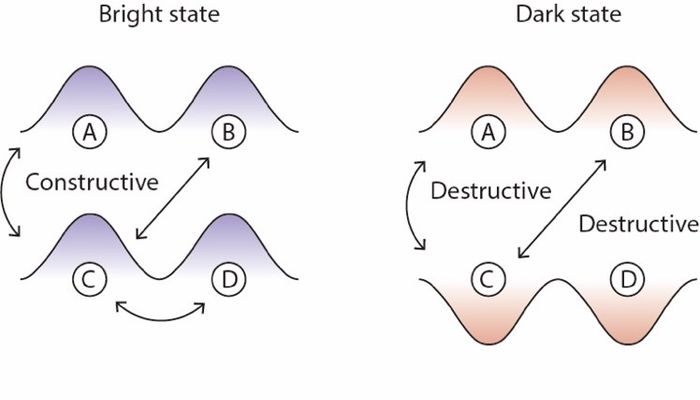
Researchers used angle-resolved photoemission spectroscopy (ARPES) at the Advanced Light Source (ALS) to demonstrate the existence of dark state electrons in solids for the first time, providing insights into complex phenomena in physics, such as
Scientists have discovered a faster, more sustainable method for making metal-encapsulated covalent organic frameworks, materials that have the potential to play a crucial role in catalysis, energy storage, and chemical sensing. Their new process,
Nov 26 24November 26, 2024
Plastics can be found almost everywhere – in trash bags, water bottles, packaging materials, clothing, and more. Understanding mechanical properties, such as why trash bags are stretchy and what prevents a phone case from breaking, is what allows…
Dec 18 20December 18, 2020
Article at foundry.lbl.gov
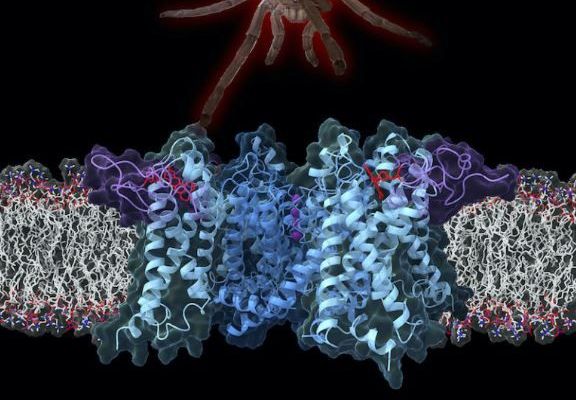
In a collaboration between the Molecular Foundry and UC Davis, researchers take advantage of tarantulas toxins to enable imaging of different ion channel structures, or conformations, in a live cell.
Sep 28 20September 28, 2020
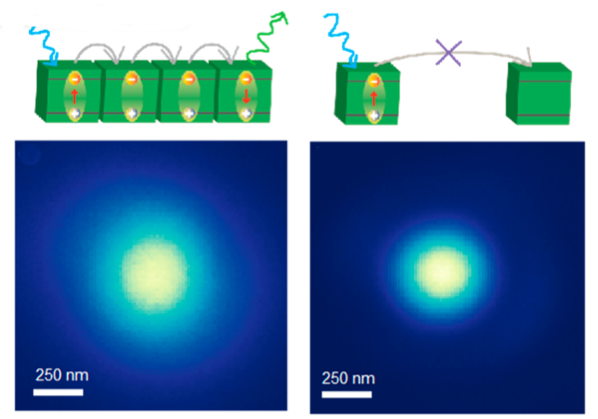
Optoelectronics – technology that gives off, detects, or controls light – are used everywhere in modern electronics and include devices such as light-emitting diodes (LEDs) and solar cells. Within these devices, the movement of excitons (pairs of…
Aug 04 20August 04, 2020
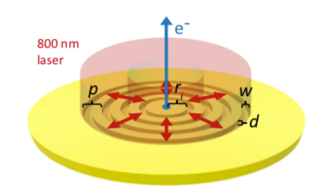
Scientists have been using electrons to probe the structure of materials for decades. In recent years, researchers have manipulated electron beams to become small enough to study materials at the scale of individual atoms – and to pulse fast enough…
Mar 02 20March 02, 2020
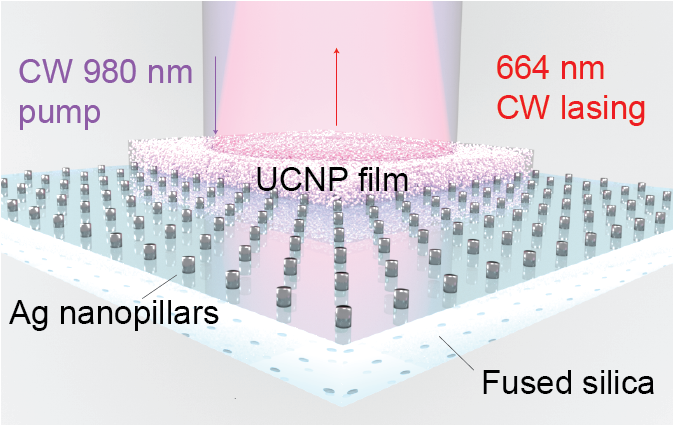
Users and staff at the Molecular Foundry have combined the properties of two tiny materials to produce ultra-stable lasers that boost the energy of light in spaces smaller than the light waves themselves. These lasers, which convert infrared light…
Nov 14 19November 14, 2019
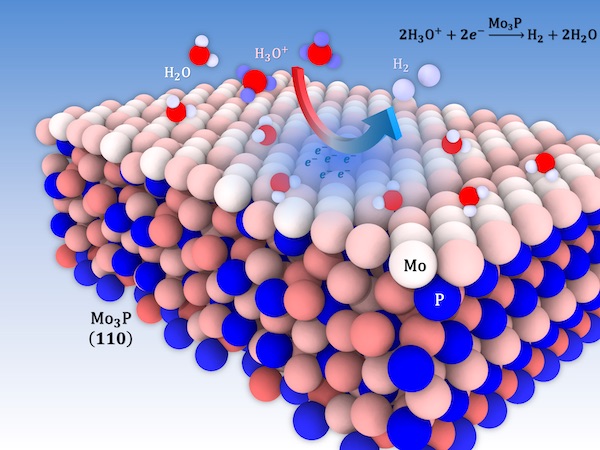
Global energy demand is expected to grow by nearly 30% from 2017 to 2040, with fossil fuels still making up the majority of energy supplies. Hydrogen fuel has emerged as an alternative energy source for sustainably meeting the world’s energy demands…
Aug 27 19August 27, 2019
In 1992, Ron Zuckermann – then a chemist at a biotech start-up and now senior scientist and former facility director of the Biological Nanostructures Facility at Berkeley Lab’s Molecular Foundry – discovered a simple way of making peptoids, a…
Jul 11 19July 11, 2019
Researchers at Berkeley Lab have developed a pulsed electron beam technique that could create a path toward sustainable plastics.
Jun 11 19June 11, 2019
Built with Authory. Get your own portfolio now!