Detroit residents are more likely to hear gunshots during the city's warmest months, but fewer shots were fired this summer than during the same period in 2024, data from 911 calls and the city's ShotSpotter gunshot detection system shows.
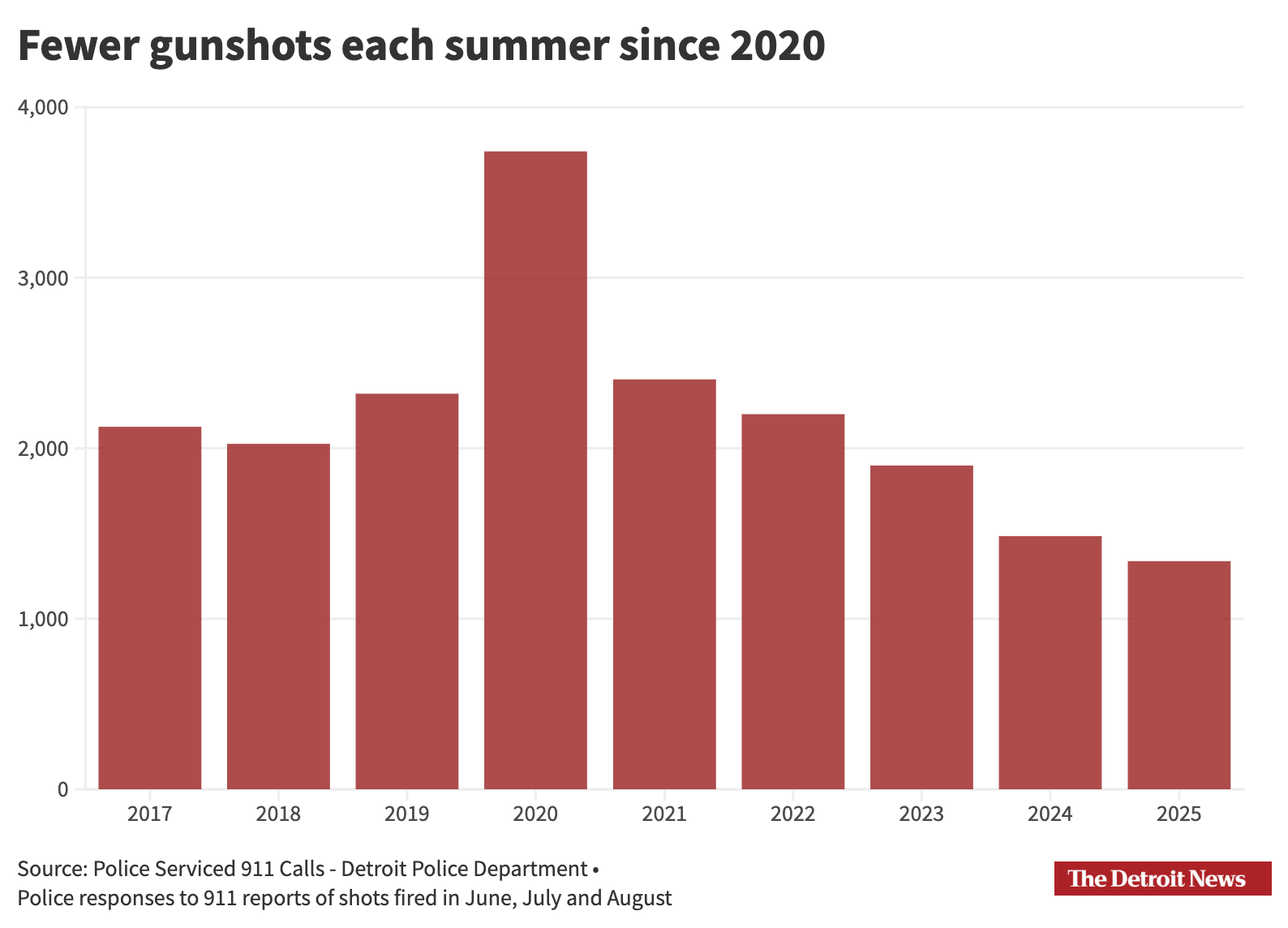
From June 1 through Aug. 31, Detroit police responded to 1,338 calls to 911 by residents who reported hearing or seeing shots fired, a 10% decline from the 1,485 shots during the same period last year. The trend was consistent across most of the city, with gunfire responses decreasing across all but one precinct.
The sharpest decline came in July, when officers responded to 13% fewer reported incidents than the year before.
The city's downward trend in homicides and non-fatal shootings has been widely reported, but not all gunshots kill or wound. Community leaders said the amount of gunfire residents hear on a typical day affects their quality of life.
911 calls reporting shots fired and ShotSpotter alerts together provide a fuller picture of how Detroit's residents experience gunfire in their neighborhoods, and when they trust police to handle it. Despite the recent downturn in violent crime, Detroit's nearly 1,800 violent crimes per 100,000 people in 2024 were second to those in Memphis among cities with populations greater than 500,000 people.
While 911 call trends cover the whole city, the data relies on the willingness of residents to report the shots they hear.
In March, then-director of crime analytics for the Detroit police Stephen Lamoreaux told the city's Board of Police Commissioners that about 30% of the shootings captured by ShotSpotter in 2024 were never reported to the police.
But ShotSpotter doesn’t tell the whole story, either.
Though ShotSpotter microphones are concentrated in neighborhoods that police determined were the most likely to experience gun violence, they cover about 39 square miles, less than a third of the total area of Detroit.
And some city leaders, such as City Council member Gabriela Santiago-Romero, who represents southwest Detroit, have criticized the "oversurveillance," saying too much interaction with the police makes some city residents feel unsafe.
Both police responses to 911 calls across the city and ShotSpotter alerts — which may capture additional gunfire in the neighborhoods where residents are least likely to report it — are down since last summer.
That's good news to community violence intervention groups like FORCE Detroit, based in the Warrendale neighborhood.
“As it relates to the community, it’s adding to the quality of life," said Dujuan "Zoe" Kennedy, the group's executive director.
Police arrived more quickly
The finding of 10% fewer reports to 911 of shots fired from 2024 to 2025 follows a downward trend in summertime police responses to gunshots that stretches back to 2020, when Detroit Police Department records show nearly 4,000 responses involving shots fired.
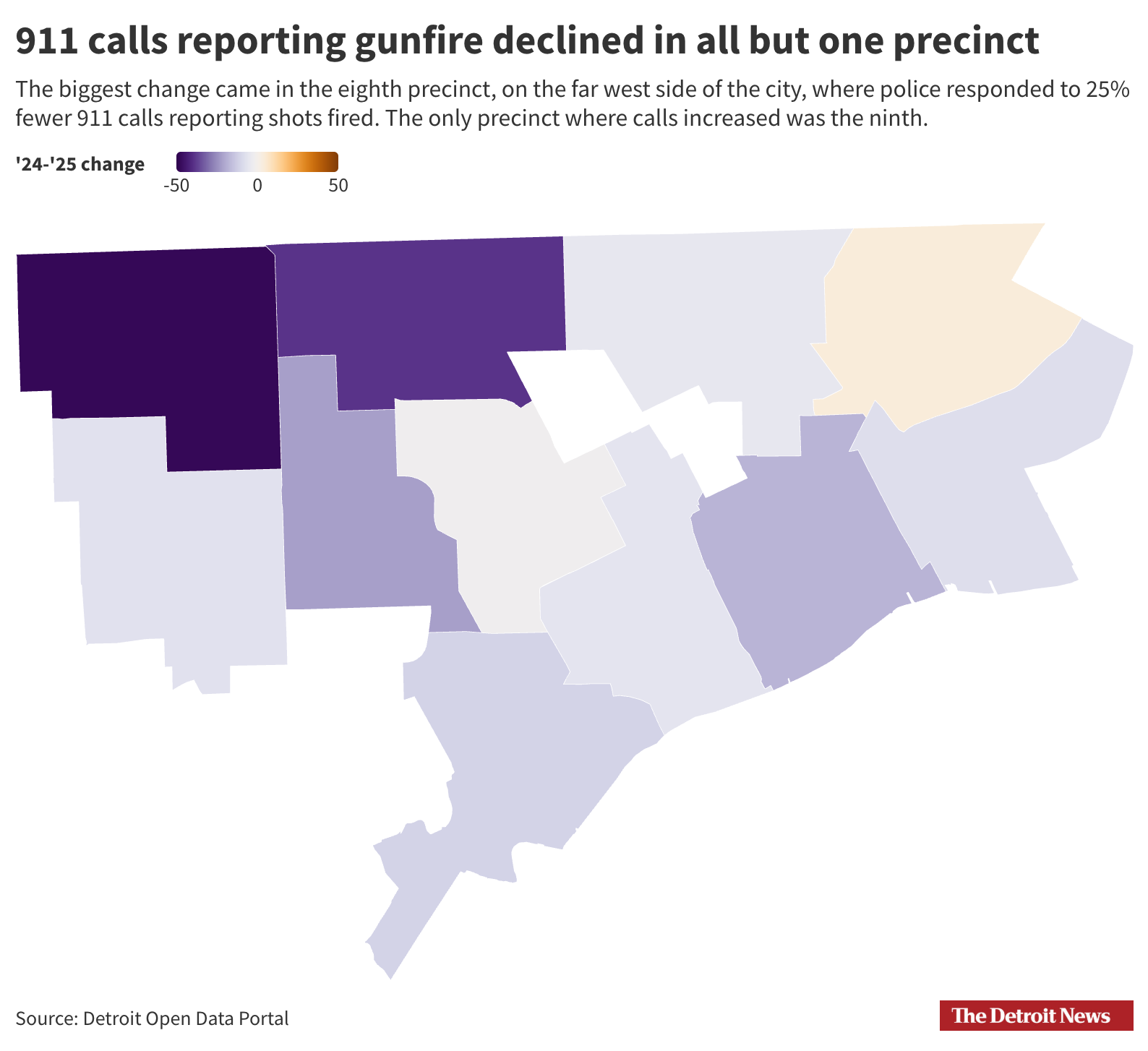
The ninth precinct, which covers the far northeastern corner of Detroit, was the only one where responses to reported gunshots increased. There, they ticked up by 3%.
The greatest decline came in the eighth precinct, on the west side, where police responded to 911 calls reporting gunshots 48 fewer times this summer than the same period last year, a 25% decline.
The data also showed that there were fewer days on which police responded to 20 or more reports of gunshots, just 11 across the three months, compared with 18 times last summer.
Though the trend affected the whole city, some neighborhoods saw greater change than others. The Seven Mile-Rouge and Morningside neighborhoods stood out: Police responded to 17 different 911 calls reporting gunshots in each neighborhood last summer but dropped down to single digits this year.
Other neighborhoods such as Bethune Community and Barton-McFarland that have faced some of the worst gun violence in the city experienced significant drops as well, with 42% and 44% fewer police responses, respectively.
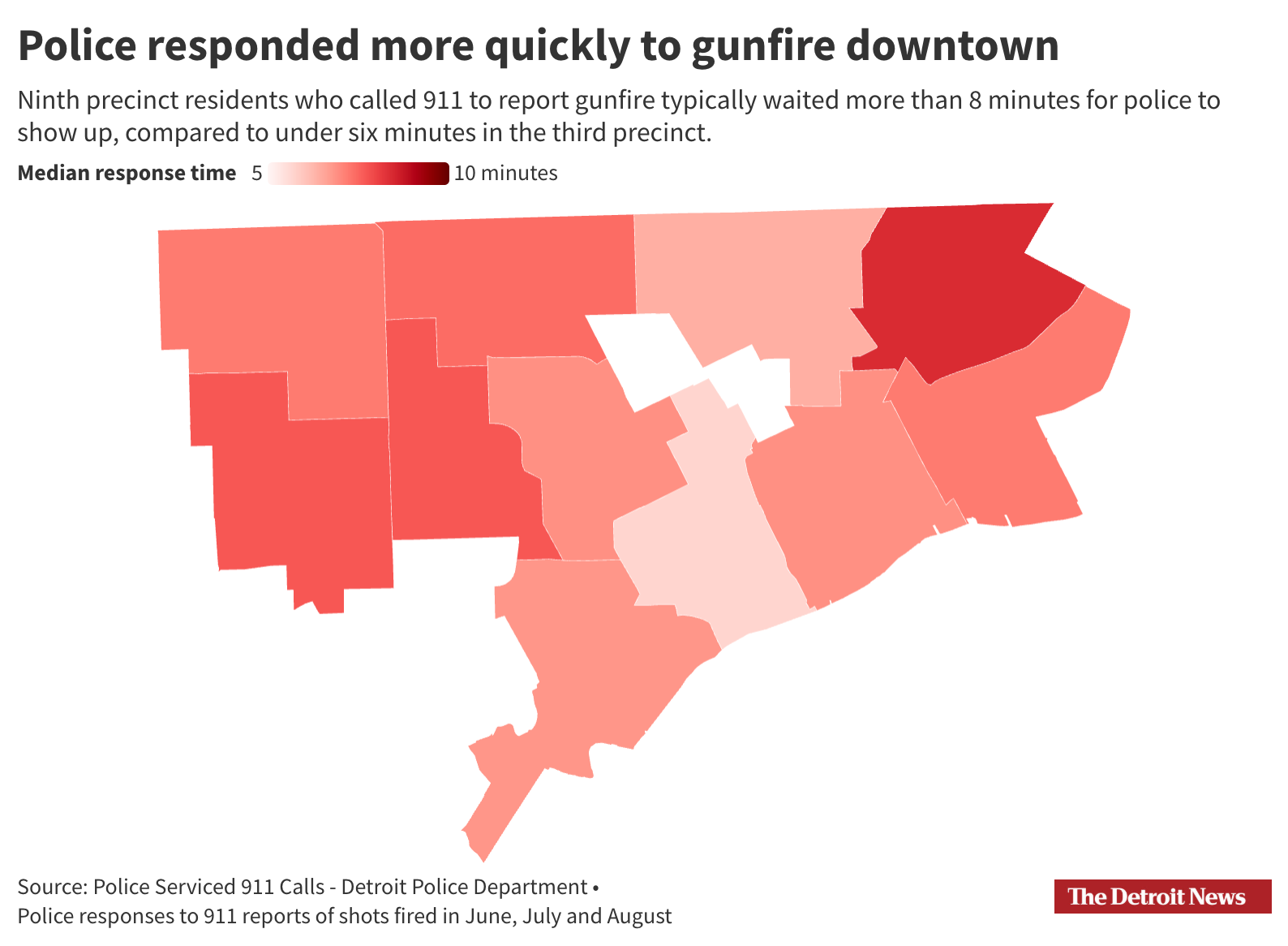
When police did respond to gunshots, their median response time was more than 30 seconds faster than last summer. Officers typically arrived in 7 minutes and 42 seconds, compared with 8 minutes and 18 seconds last summer.
Still, the response time varied by precinct. Third precinct residents calling 911 could expect police on the scene in less than six minutes, while those in the ninth typically had to wait more than eight minutes. The third precinct covers parts of downtown, Midtown and New Center, and is bordered by Highland Park and Hamtramck on its northern borders.
The 911 data included all police responses to reports of gunshots made public by the Detroit Police Department in the city's Open Data Portal. The data only included calls to which police responded, about 94% of all calls received by dispatch last year, according to the City Council's 2025-26 Police Department budget analysis.
The Detroit Police Department did not respond to The News' requests for comments when the newspaper asked if the department itself had seen a decrease in the number of gunshots this summer, if it had an explanation as to why response time was quicker, and how often it responded based on ShotSpotter.
ShotSpotter detected fewer gunshots
Since 2021, when the Detroit Police Department installed ShotSpotter with a coverage area of just two square miles, the department has claimed that the gunshot detection system allows it to respond quickly to gunfire even when no one calls 911.
Comparing last year's ShotSpotter alert numbers with this year's should provide a check on the 911 call data, helping to determine whether there really were fewer gunshots, or if people simply reported them to the police less often.
In the areas covered by ShotSpotter microphones, the decline in gunshots holds true.
Now covering 39 square miles across most of the city's police precincts, ShotSpotter detected 264 likely gunfire incidents in the most active week this summer, compared with nearly 400 at last summer's July peak.
Through September, ShotSpotter detected fewer gunshots on average each week than each of the last two years. The system detected 54,000 rounds fired in 2024 and 63,493 rounds in 2023, or more than 1,000 gunshots each week in the areas of Detroit covered by ShotSpotter microphones.
In 2025, through the week ending Oct. 5, ShotSpotter picked up 29,807 shots, for a far lower weekly average of 745.
ShotSpotter alert figures for 2025 were reported weekly to the Board of Police Commissioners. The reports were later made available on the City of Detroit website, and The News compiled them into a database.
Exact weekly totals were not publicly available for 2024, but end-of-year figures and a week-by-week chart were published as part of a presentation by Lamoreaux, the former Detroit Police crime data analytics director, to the Board of Police Commissioners in March.
Fewer gunshots means 'less conflict'
FORCE Detroit's Kennedy said hearing fewer gunshots makes people more comfortable being outside, pointing to Stein Park, on the northern edge of Warrendale, as an example. There weren't any shootings at the park this summer, Kennedy said, though DPD data shows that a non-fatal shooting occurred across the street in February.
"There are less conflicts, less shootings,” he said. "It also puts people in a mindset that things are getting better."
In Warrendale, where Kennedy lives and FORCE Detroit operates, there were 20% fewer responses to gunshots this summer than last, twice as big as the decline across the whole city.
“I engage in dealing with individuals caught up in cycles of violence, so I see more than the average community member, and I feel safe," Kennedy said.
Kennedy said he understood why residents might not report all the gunshots they hear to police.
“Some people don’t hear the noise. Some people may not call. Some people may get so used to it they may not call."
Antonio Smith, who also lives on the west side of Detroit, isn't surprised to hear gunshots in his neighborhood.
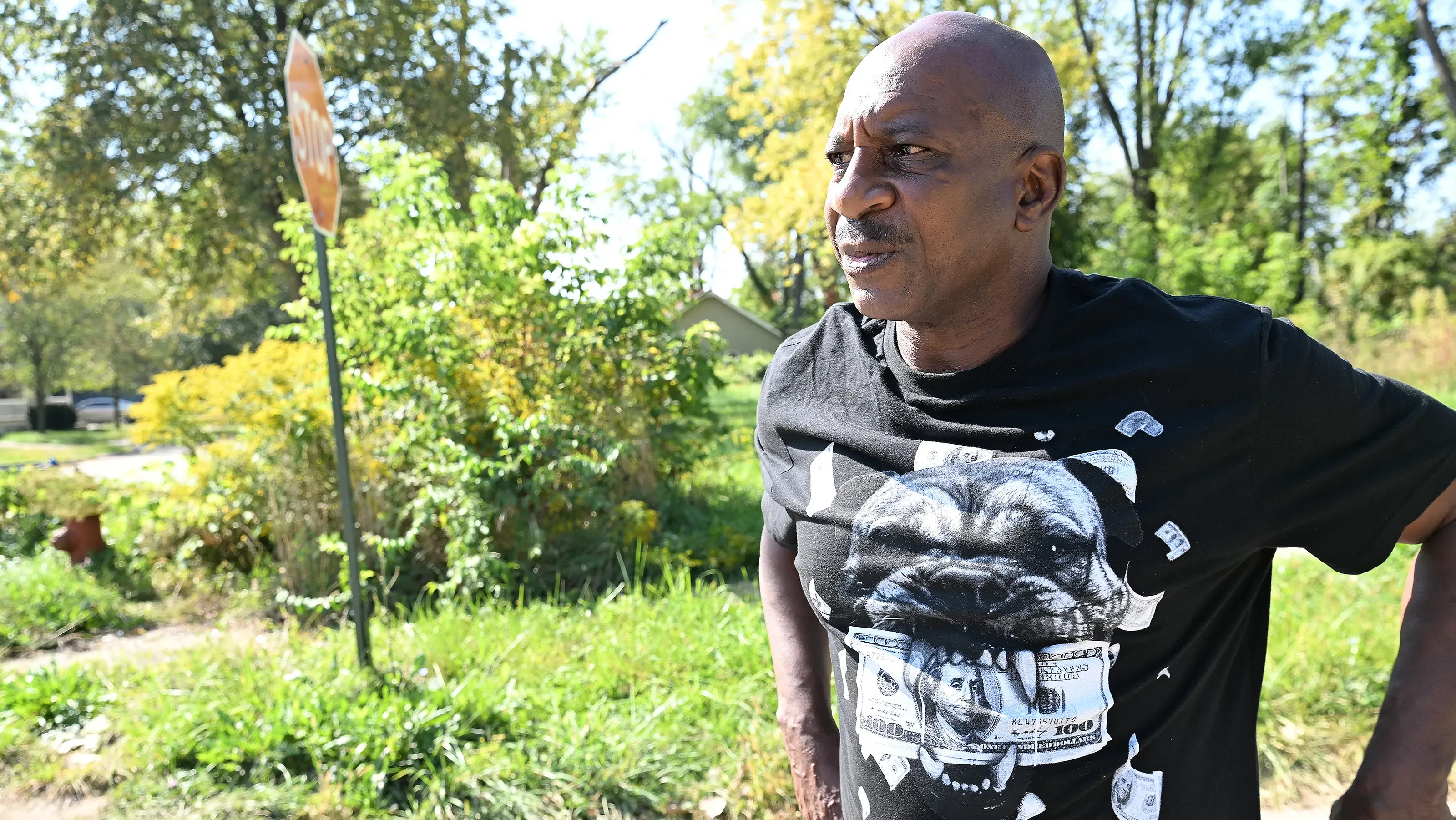
Smith said it "isn't too bad," but he quickly recounted a shooting that occurred across the street from his house last year and a February assault a block away in which someone knocked him out by hitting him in the head.
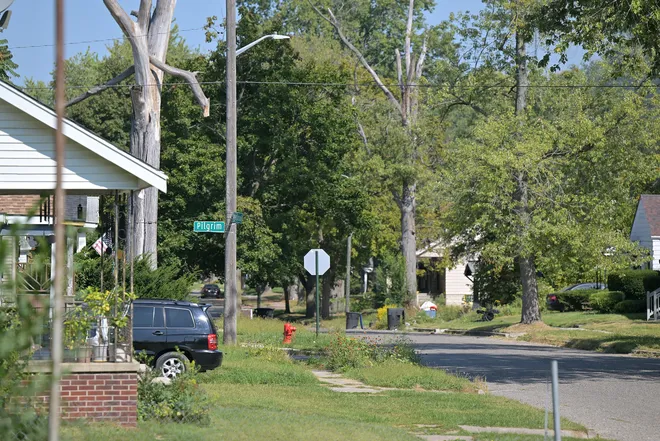
"There were some problems with the neighbors selling dope," said Smith, 63, who in 2021 moved near the intersection of Pilgrim and Westbrook, which, according to the police data, was one of the locations police responded to the most for reported gunfire.
But Kennedy said it's clear things are getting better in his neighborhood.
“It’s not just individuals feeling safe, but knowing it works. You’re not hearing gunfire. You can say they got ShotSpotter," he said. "If shots are going off, it’s going to record that, it’s not happening.”
ShotSpotter under scrutiny
ShotSpotter has been one of the Detroit Police Department's signature technology efforts in recent years, but it's not come without its share of criticism.
Some have questioned the tool's effectiveness, and whether it invades privacy or escalates tensions between residents and officers who respond to ShotSpotter runs expecting violence.
And last week, judges ruled that the city did not publicly disclose all required information about the surveillance tool before agreeing to a contract with SoundThinking, the company that operates ShotSpotter.
In a 2-1 ruling, the Court of Appeals panel of judges overturned a lower court ruling from 2023, when a judge found that the city had issued the proper disclosures. The court did not move to void the current contract, worth around $7 million.
Conrad Mallet, a lawyer for the city, told The News that the plaintiffs’ case could still be dismissed by the lower court.
Santiago-Romero said the ruling shows "the city is not following the ordinance. It needs to be enforced." She was one of four "no" votes on the 2022 ShotSpotter expansion.
"There’s reports that show that if you have surveillance, this kind of technology, you are now seeing over-policing as well," Santiago-Romero said.
The current ShotSpotter contract ends next June, and the program's future will be decided by the City Council and the mayor elected in November.
bwarren@detroitnews.com