How strategic moderation and authentic community building transformed a sensitive mental health discussion into a powerful shared experience
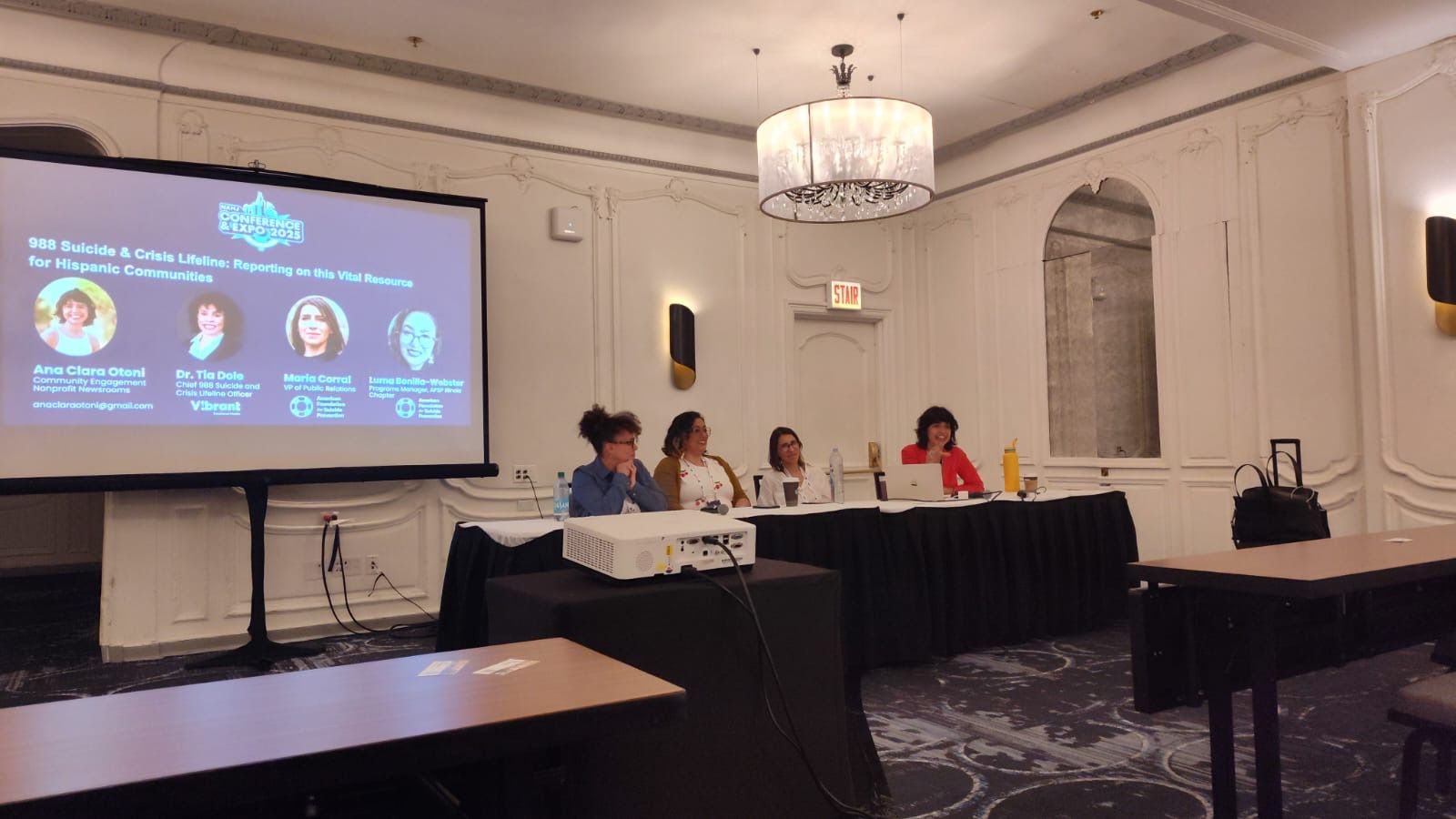
When Tat Bellamy-Walker from PEN America and Juanita I. from the International Women's Media Foundation asked me to moderate a panel on "988 Suicide & Crisis Lifeline: Reporting on this vital resource for Hispanic communities" at the National Association of Hispanic Journalists conference in Chicago, my first instinct wasn't confidence—it was fear.
"Do I have the mental capacity to talk about this?" I asked myself.
The topic felt heavy, personal, and frankly, intimidating.
But after taking a deep breath and sitting with the discomfort for five minutes, I realized something crucial: I was the right person precisely because I didn't have all the answers. Like many in our community, I was unfamiliar with the 988 lifeline.
As an immigrant, eldest child, and the only college graduate in my immediate family, I understood the weight of being everyone else's support system—and the isolation that comes with it.
But who takes care of the caretakers?
Building foundation through connection
I knew that discussing mental health in Latino communities required more than just expertise—it needed trust.
So I implemented a strategic approach:
Pre-panel preparation:
- Promoted the session on LinkedIn to drive attendance and build anticipation.
- Met with each speaker individually over coffee to build genuine rapport.
- Shared the session agenda and expected outcomes in advance.
- Ensured accurate spelling of names and contact information.
- Created clarity around roles and expectations.
- Conducted a site visit to familiarize myself with the physical space and technical setup.
- Secured technical support contact information as backup for any audio/visual issues.
Setting the tone:
- Curated a playlist of soft Brazilian music to create a welcoming atmosphere as attendees settled in.
- Chose seating arrangements that fostered intimacy rather than formal presentation style.
Creating space for shared vulnerability
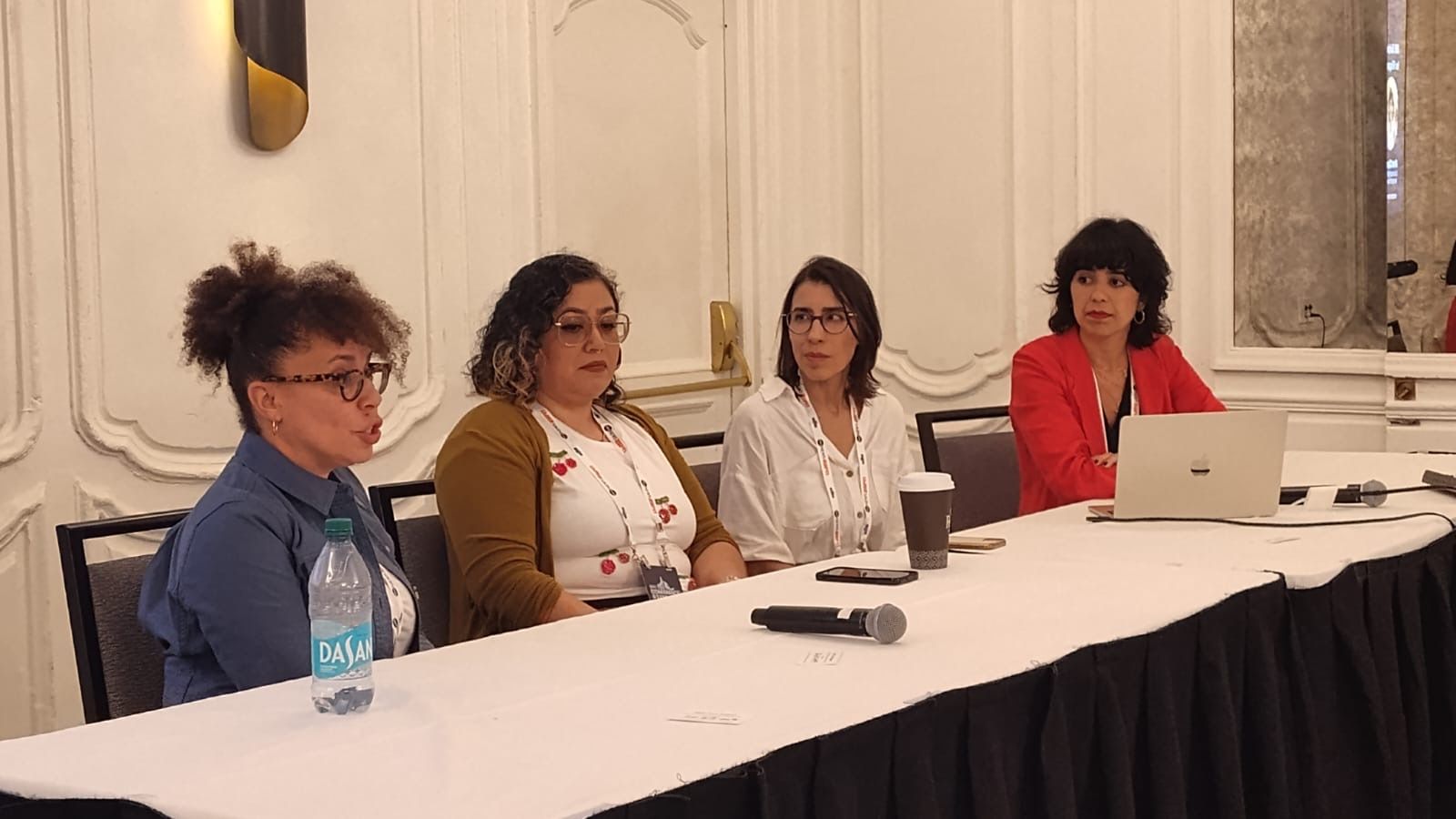
Here's where I made a decision that could have backfired spectacularly. Instead of introducing the panelists myself, I invited them to introduce themselves—because I believe people are the best ones to tell their own stories. Then I took an additional calculated risk by asking each panelist—Dr. Tia Dole, Chief 988 Suicide and Crisis Lifeline Officer, Maria I. Corral from the American Foundation for Suicide Prevention, and Luma Bonilla-Webster from the National Hispanic Suicide Prevention Network—to share something they'd been struggling with personally, something they rarely discussed publicly.
Why this was risky: It caught panelists off-guard and pushed them outside their comfort zones.
Why it worked: For a mental health discussion, I needed the audience to see panelists not just as experts, but as humans with their own vulnerabilities. This authenticity created the psychological safety necessary for meaningful dialogue.
Facilitating authentic dialogue
My moderation approach focused on creating multiple layers of connection:
- Transparent communication: I opened by sharing the agenda and expected outcomes with the audience, removing uncertainty about what they were signing up for.
- Inclusive participation: Thanks to a smaller turnout that allowed for more intimate conversation, I invited not just panelists, but every audience member to introduce themselves and share a personal struggle—transforming passive listeners into active participants.
- Strategic support: I had my friend Michael Lozano, from CalMatters, in the room as both emotional support and official photographer, ensuring I could focus on facilitation while having backup.
The results
The room transformed. What started as a formal panel became an intimate circle of shared experiences. Attendees who were already being brave just by showing up to discuss such a sensitive topic found themselves in a space where their struggles were not only welcomed but normalized.
The impact of knowledge sharing with cultural sensitivity
Beyond the community-building aspect, the panel delivered crucial, actionable information.
Here's what we learned about the 988 Suicide & Crisis Lifeline:
- Privacy protection: Unlike 911, which can track your location, 988 cannot—critical information for undocumented community members who fear being tracked and exposed.
- Accessibility options: 988 offers text service and chat options that can be accessed through private browsers. As Tia Dole, Ph.D. shared, this includes people seeking help from their closets because they have no privacy at home.
- Cultural competency: The service provides assistance in Spanish and for Native American communities—reflecting the importance of culturally and linguistically appropriate mental health support.
- Critical policy updates: The LGBTQIA+ specialized service line for 988 had just ended under the Trump administration without explanation—highlighting how mental health resources can disappear when people don't know they exist. Even though there was a lot of push back to keep this resource available.
- Expanded access: The service isn't just for people in crisis—caretakers can call simply to get help and be heard, without waiting for a crisis moment.
- Professional guidelines for journalists: Maria I. Corral from the American Foundation for Suicide Prevention shared essential reporting guidelines.
The lesson when you’re the right person for the job
Sometimes the most impactful professional moments come not from having all the answers, but from having the courage to ask the right questions and create space for others to share theirs. My initial uncertainty about moderating this panel wasn't a weakness—it was exactly why I was qualified to do it.
As caretakers in our communities, we often ask "who takes care of the caretakers?" The answer, I learned, is that we take care of each other—but only when someone creates the space for that care to happen.
This panel was part of my ongoing commitment to elevating Latino voices in media and ensuring our community has access to culturally competent mental health resources. The conversation continues beyond the conference room. I started a series on LinkedIn, where I share lessons learned for those who couldn’t attend.
Key professional skills demonstrated
Public Speaking and Stage Presence, Strategic Moderation, Community Building, Cultural Competency, Crisis Communication, Marketing and Promotion, Event Management.