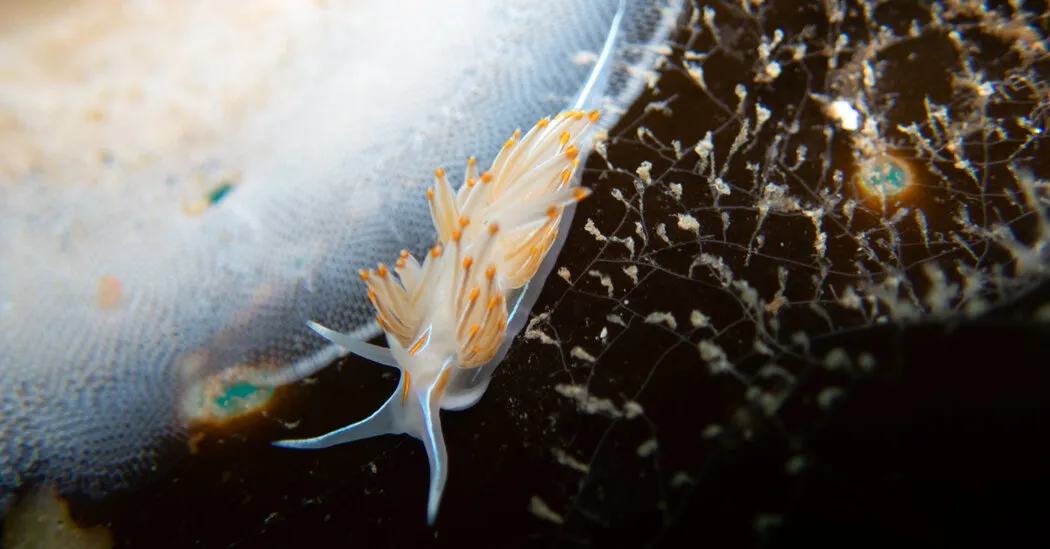
It’s Docktober. Do You Know Where the Sea Slugs Are?Where there are floating docks, there are often communities of colorful marine organisms just below — and a community of curious people just above. Oct 27 26October 27, 2026Article at New York Times
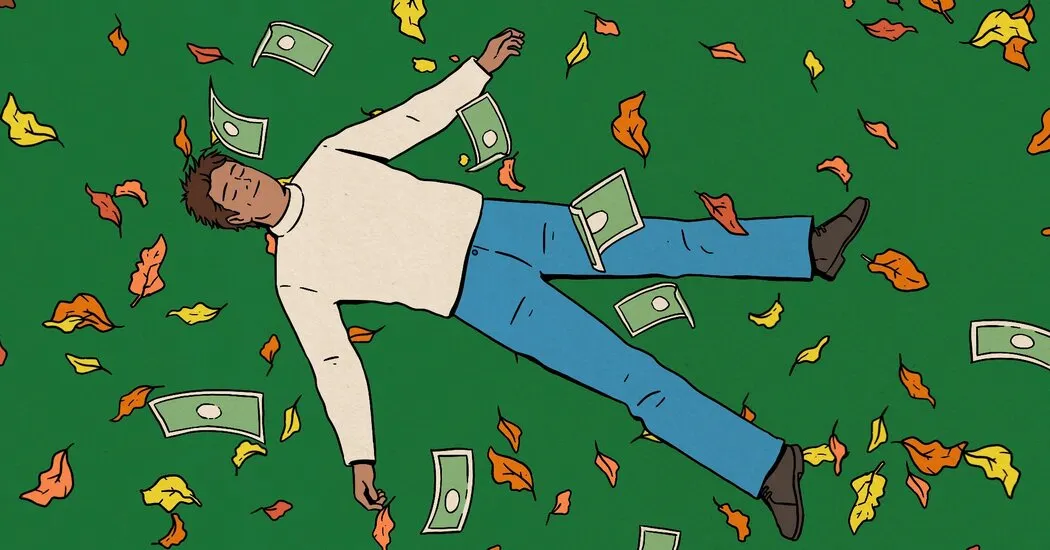
The Underappreciated Benefits of Leaving Fallen Leaves AloneTo homeowners, fallen leaves look like work. To nature, they’re an investment, with tremendous value on the secondary market as invertebrate real estate. Oct 10 26October 10, 2026Article at New York Times
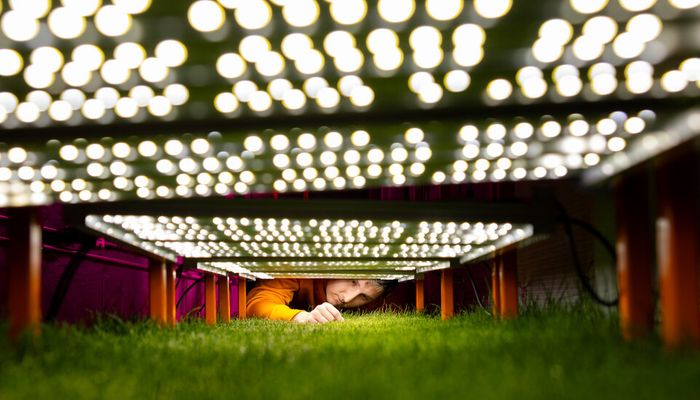
The Scientific Quest for Perfect World Cup PitchEvery match must be played on natural grass that gives players as consistent a surface as possible, no matter the venue. Cue the years of sod studies. Jun 13 26June 13, 2026Article at New York Times
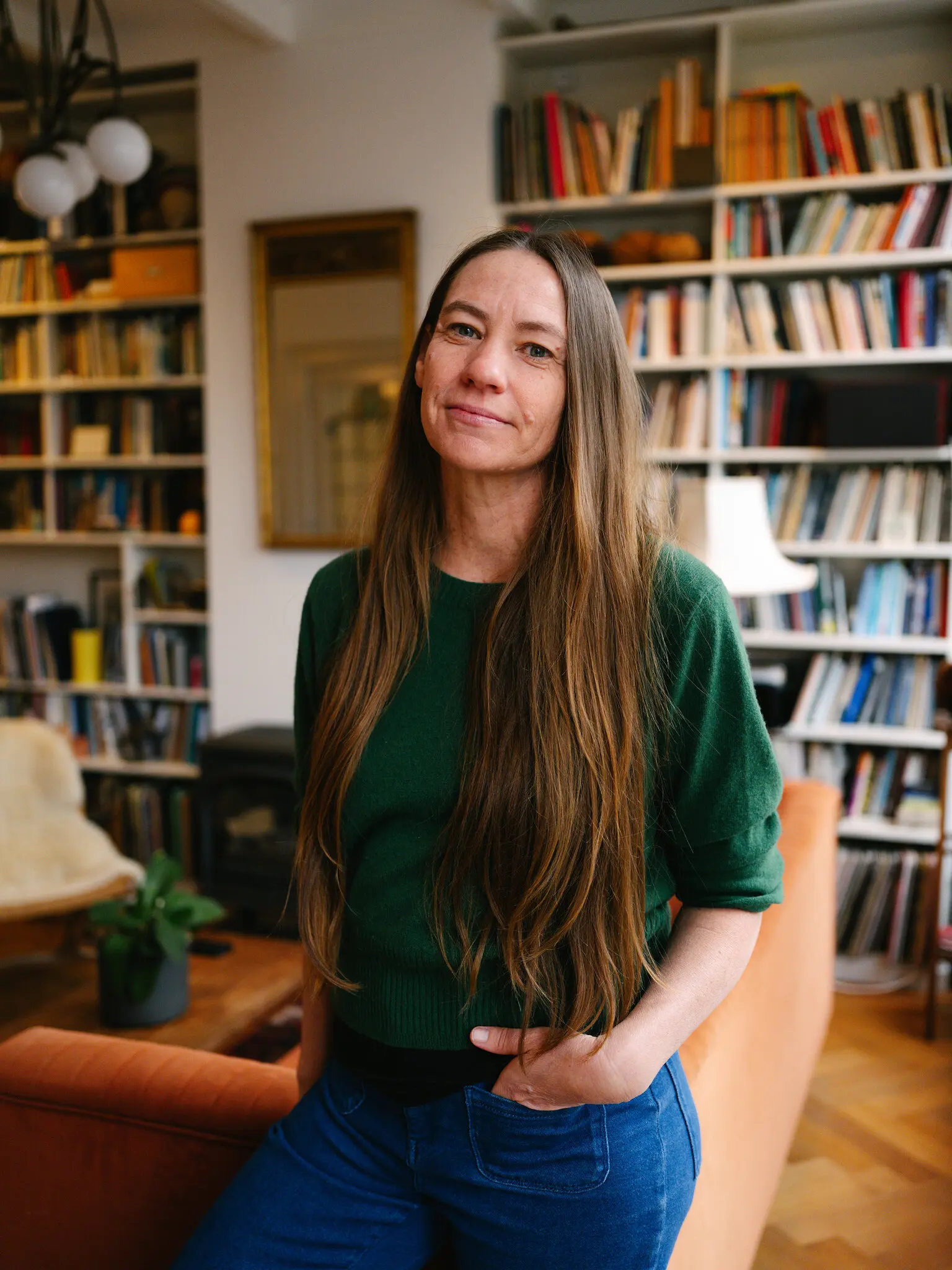
Toby Kiers, World Champion of FungusThis year’s recipient of the Tyler Prize for Environmental Achievement talks about “punk science,” microbial economics and thinking like a mycorrhizal fungus. On Tuesday, the Tyler Prize for Environmental Achievement, sometimes described as the… Jan 14 26January 14, 2026Article at New York Times
Has Your Scientific Work Been Cut? We Want to Hear.By most metrics, 2025 has been the worst year for the American scientific enterprise in modern history. Since January, the Trump administration has made deep cuts to the nation’s science funding, including more than $1 billion in grants to the… Oct 08 25October 08, 2025Article at New York Times
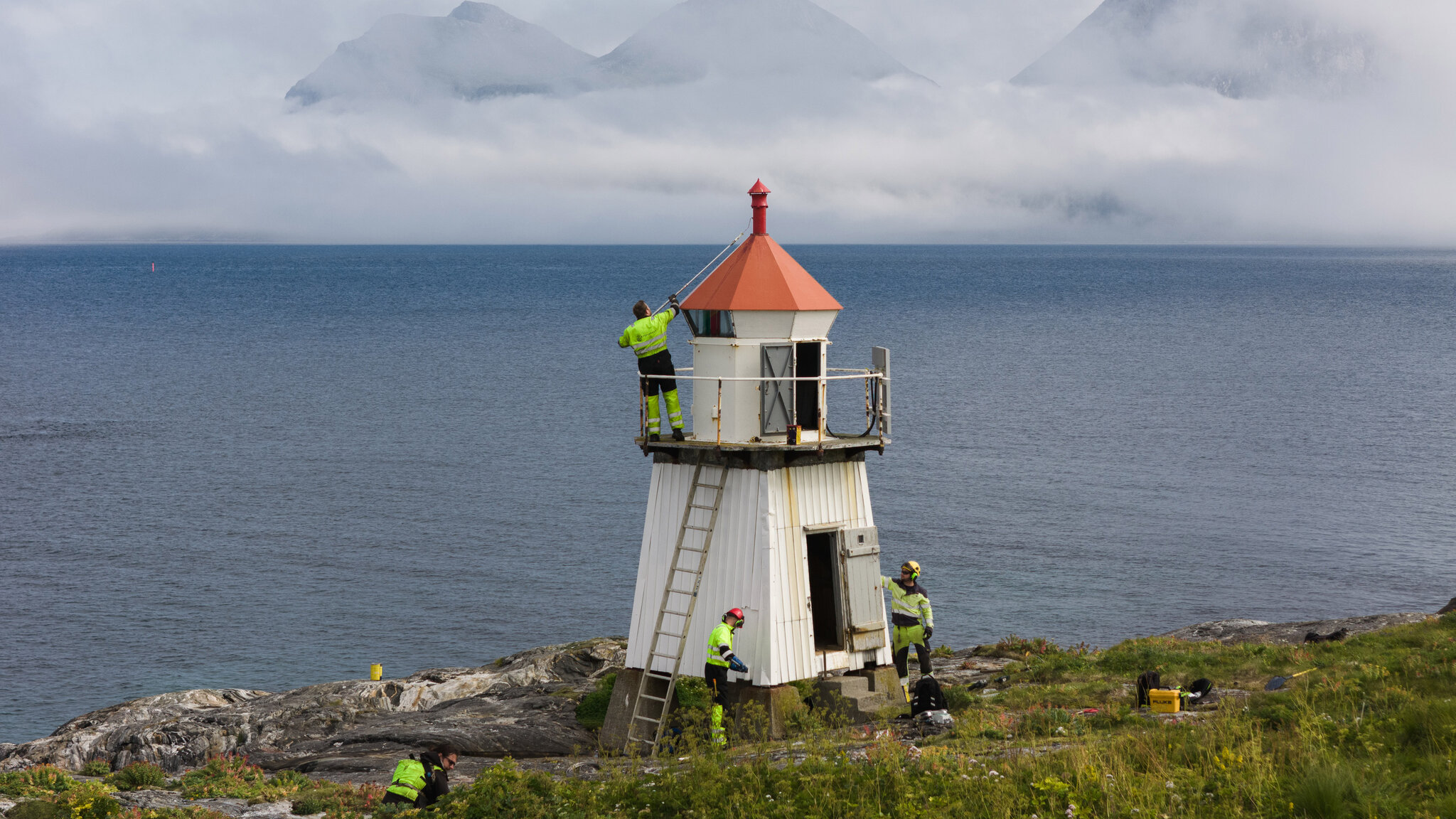
A Voyage to Bring Norway’s Lighthouses Into the 21st CenturyMore than 2,000 lighthouses large and small watch over Norway’s fractal, rocky coast. Some have stood for centuries, guiding mariners through treacherous seas and safely to port. Now they all must be updated to meet modern international standards. A… Aug 03 25August 03, 2025Article at New York Times
9 Federally Funded Scientific Breakthroughs That Changed EverythingScience seldom works in straight lines. Sometimes it’s “applied” to solve specific problems: Let’s put people on the moon; we need a Covid vaccine. Much of the time it’s “basic,” aimed at understanding, say, cell division or the physics of cloud… May 16 25May 16, 2025Article at New York Times
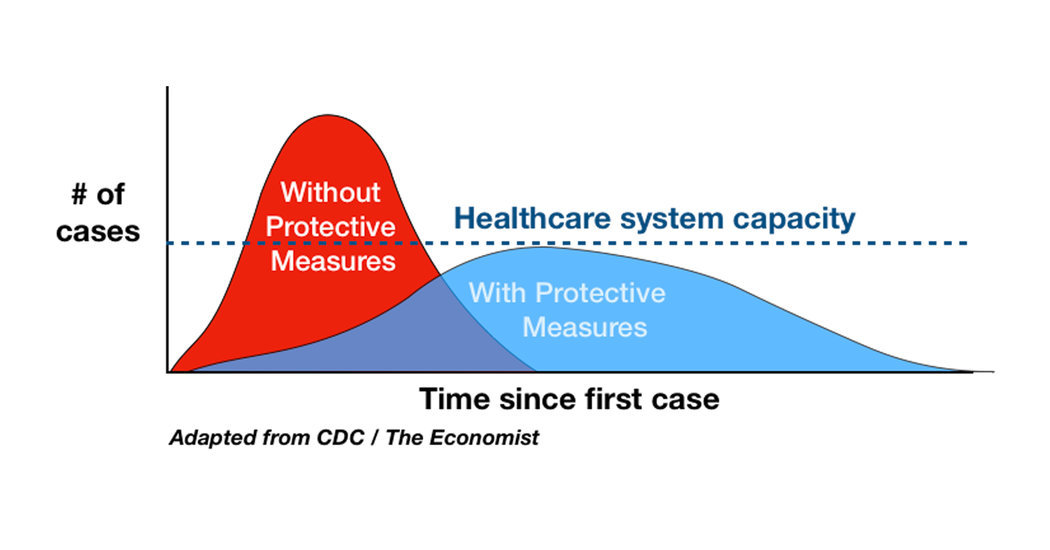
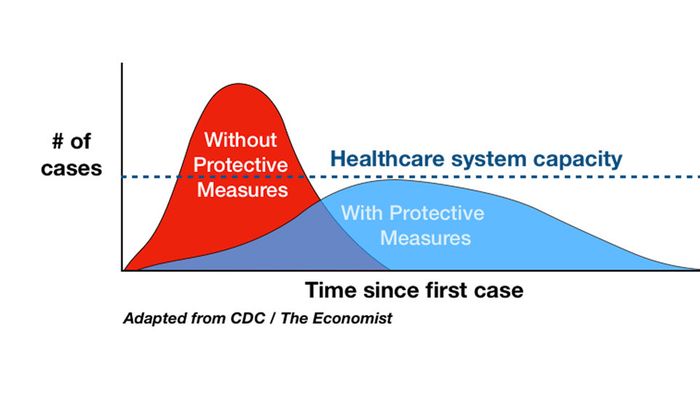
How to Flatten the Curve on CoronavirusOne chart explains why slowing the spread of the infection is nearly as important as stopping it. May 01 25May 01, 2025Article at New York Times
Trump vs. ScienceWe explain the administration’s cuts to research. Apr 25 25April 25, 2025Article at New York Times
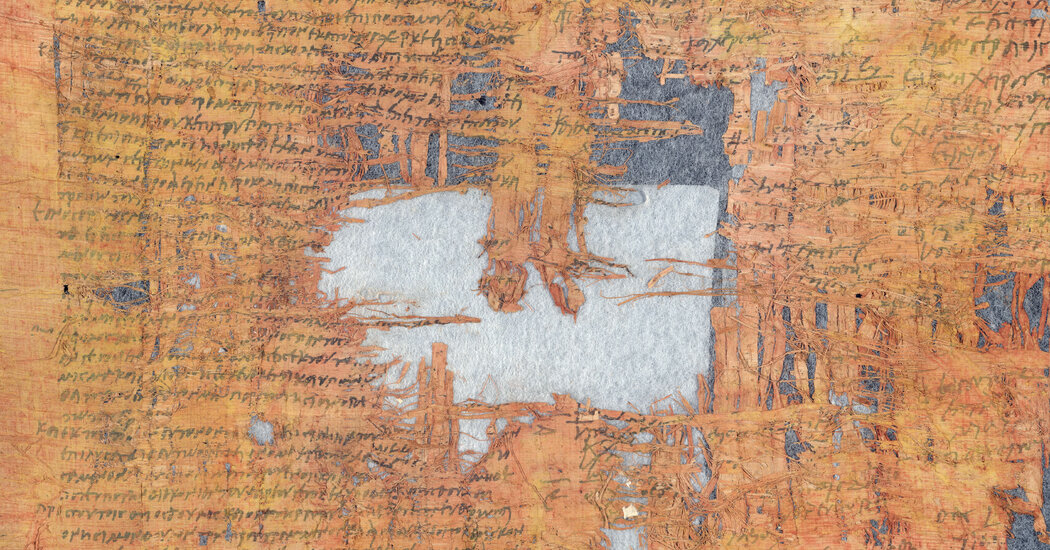
How to Evade Taxes in Ancient Rome? A 1,900-Year-Old Papyrus Offers a Guide.A manuscript discovered in the Judean desert contains trial notes on an intricate tax-evasion scheme that involved forgery, fiscal fraud and the false sale of slaves. Apr 14 25April 14, 2025Article at New York Times
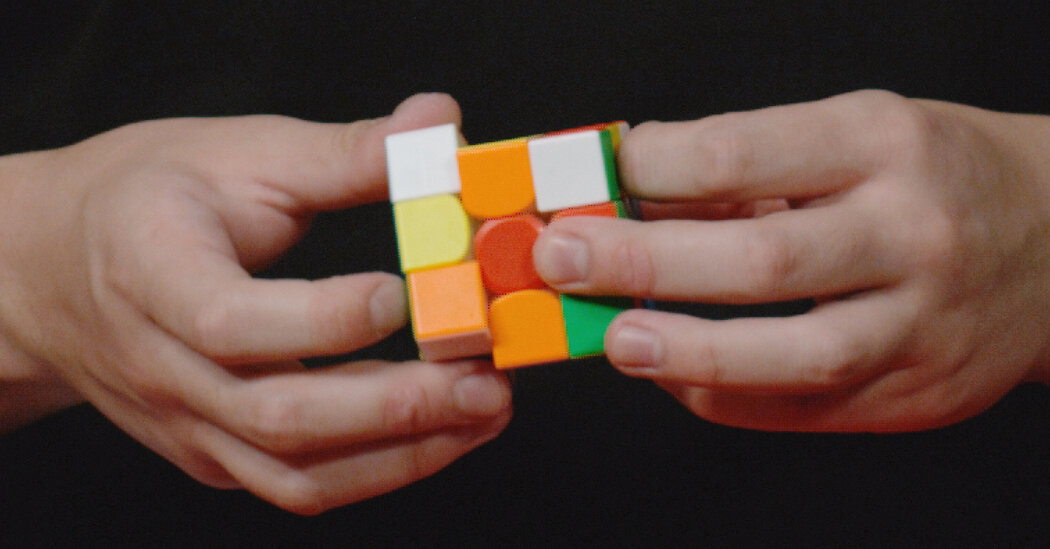
How a Speedcubing World Record Holder Does ItMax Park is a longtime speedcubing world record holder — for the 3x3x3 cube, his best official time is 3.13 seconds. Let's show you how he does it. Mar 24 25March 24, 2025Article at New York Times
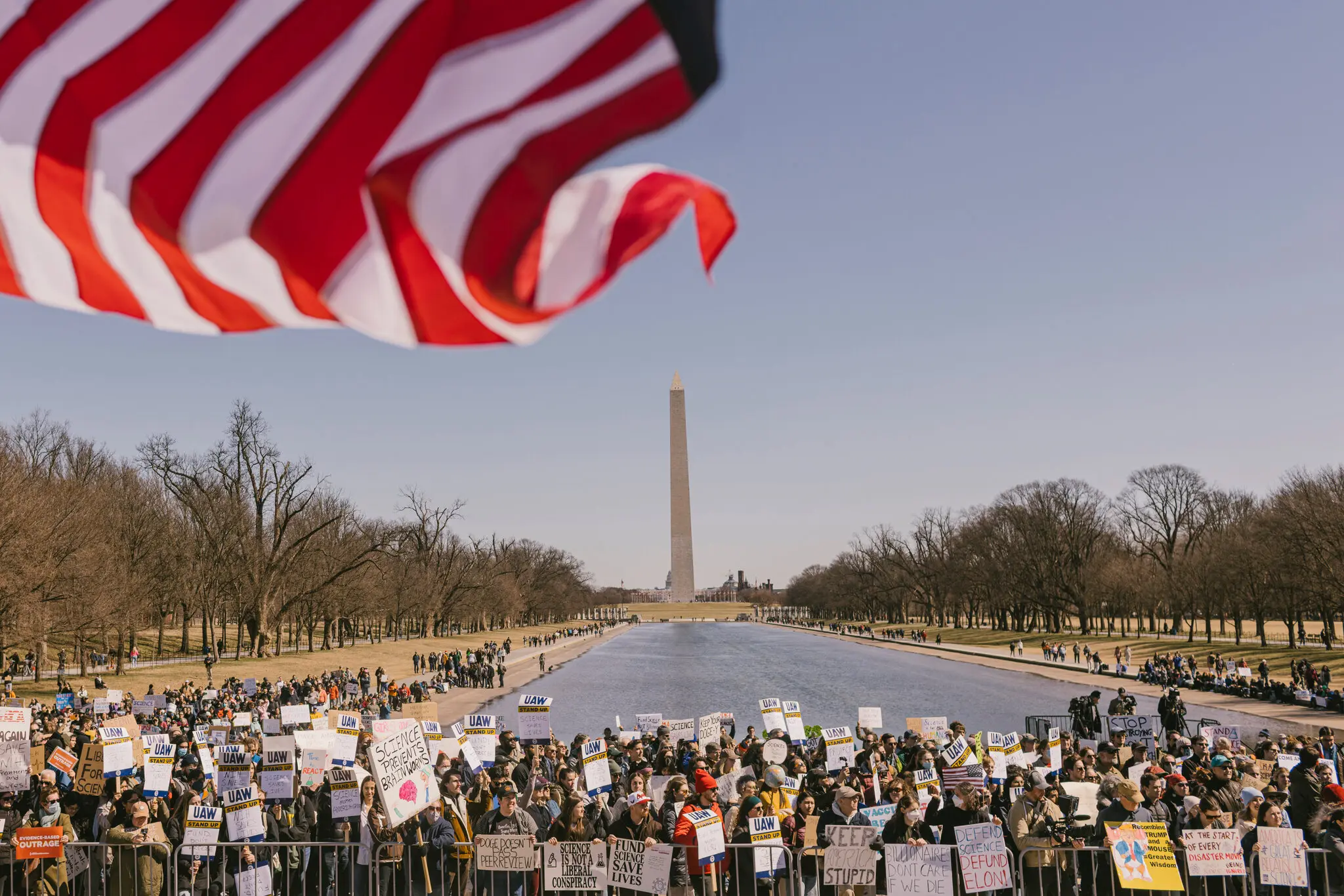
Science, Politics and Anxiety Mix at Rally Under Lincoln MemorialThousands of protesters gathered in Washington for Stand Up for Science, a rally in response to President Trump’s federal-funding and job cuts. “I never thought of myself as an activist — that’s never been part of my identity,” said Colette… Mar 08 25March 08, 2025Article at New York Times
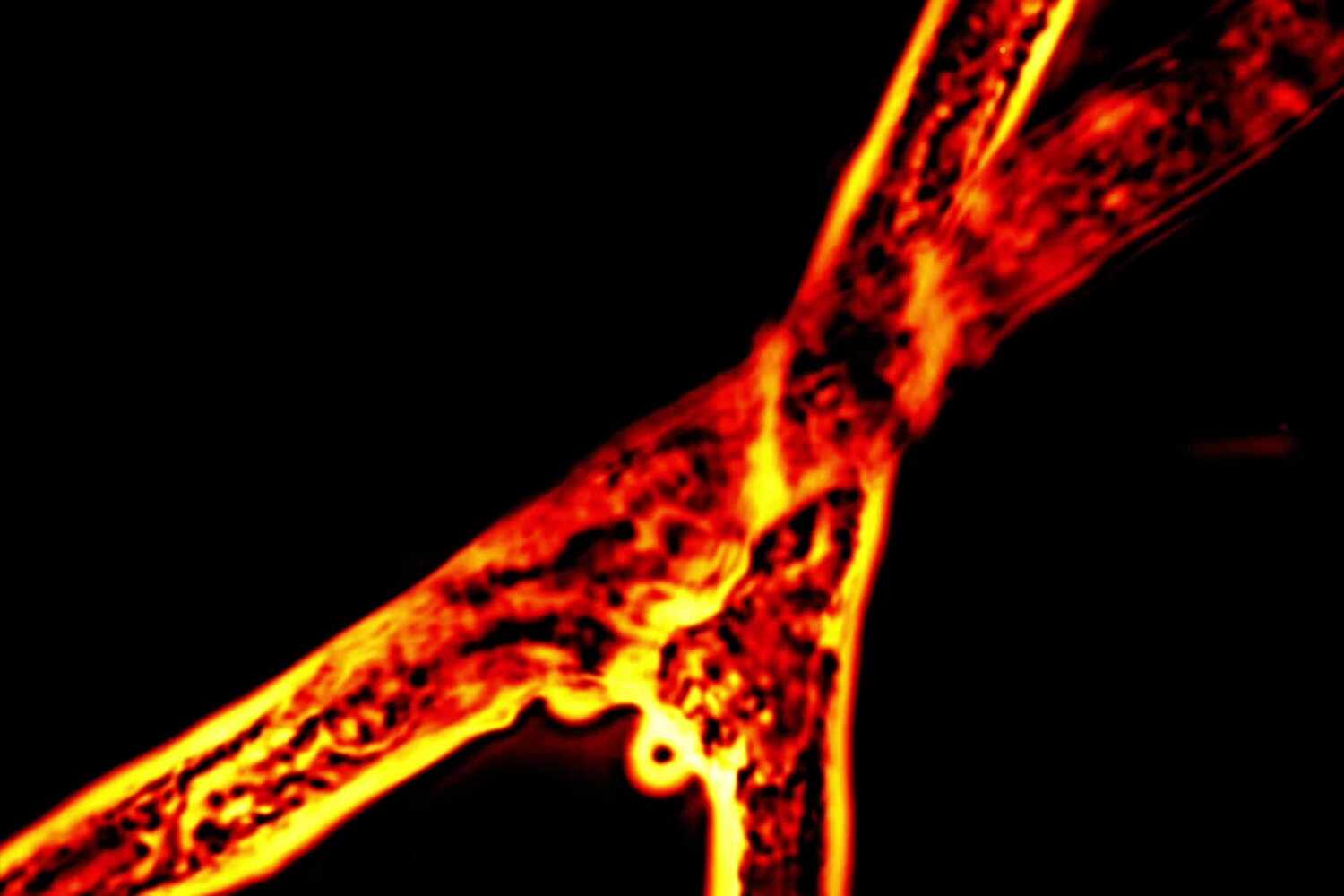
How Fungi Move Among UsUnderground fungal networks are “living algorithms” that quietly help regulate Earth’s climate. Now scientists know what makes them so efficient. By Alan Burdick Alan Burdick is an editor and occasional reporter of health and science news. March 1,… Mar 01 25March 01, 2025Article at New York Times
So You’ve Had a Hysterectomy. Do You Know What Was Removed?Patients often are in the dark about which organs remain and which were removed — particularly the ovaries, which profoundly influence lifelong health. Dec 02 24December 02, 2024Article at New York Times
A Shift in the World of ScienceNewsletter The Morning What this year’s Nobels can teach us about science and humanity. Oct. 13, 2024, 7:10 a.m. ET By Alan Burdick and Katrina Miller We are journalists on The Times’s Science desk. Technology observers have grown increasingly vocal… Oct 13 24October 13, 2024Article at New York Times
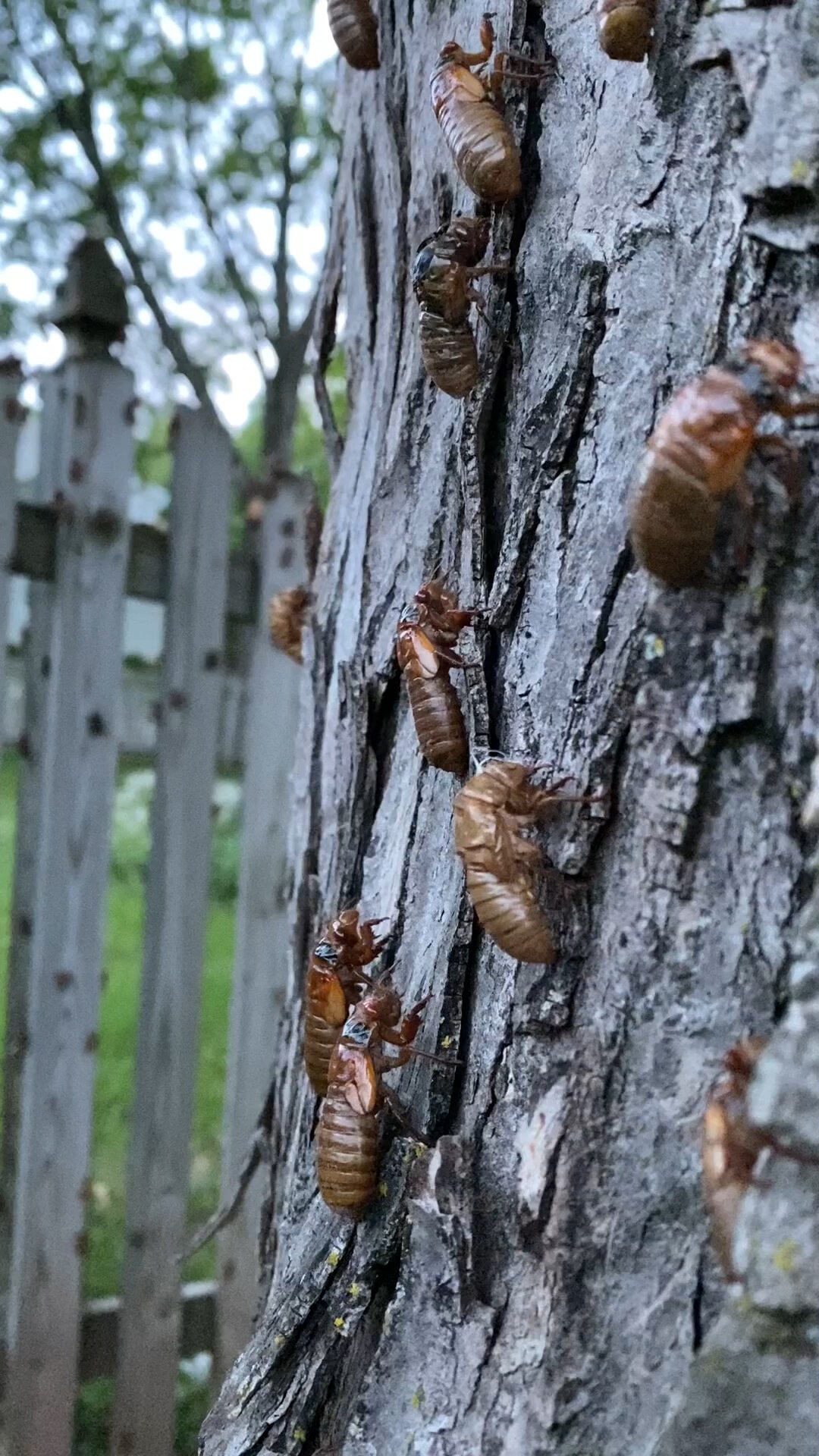
The Sex Lives of Cicadas, RevealedThe moment has arrived. After years underground, periodical cicadas — insects of the genus Magicicada — are emerging by the trillions across more than a dozen states to molt, sing, court and mate. A casual human listener could mistake their… May 08 24May 08, 2024Article at New York Times
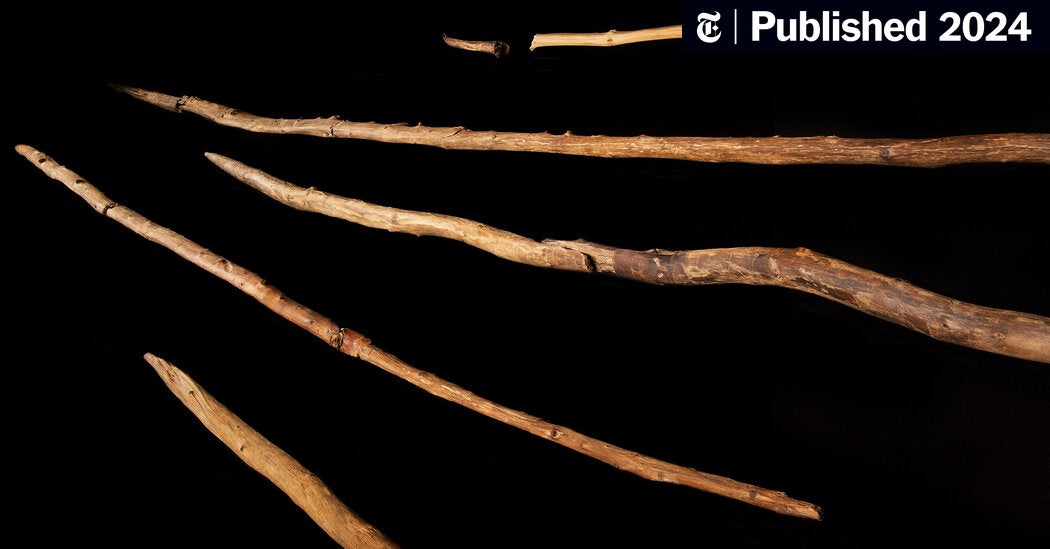
Was the Stone Age Really the Wood Age?Neanderthals were even better craftsmen than thought, a new analysis of 300,000-year-old wooden tools has revealed. May 04 24May 04, 2024Article at New York Times
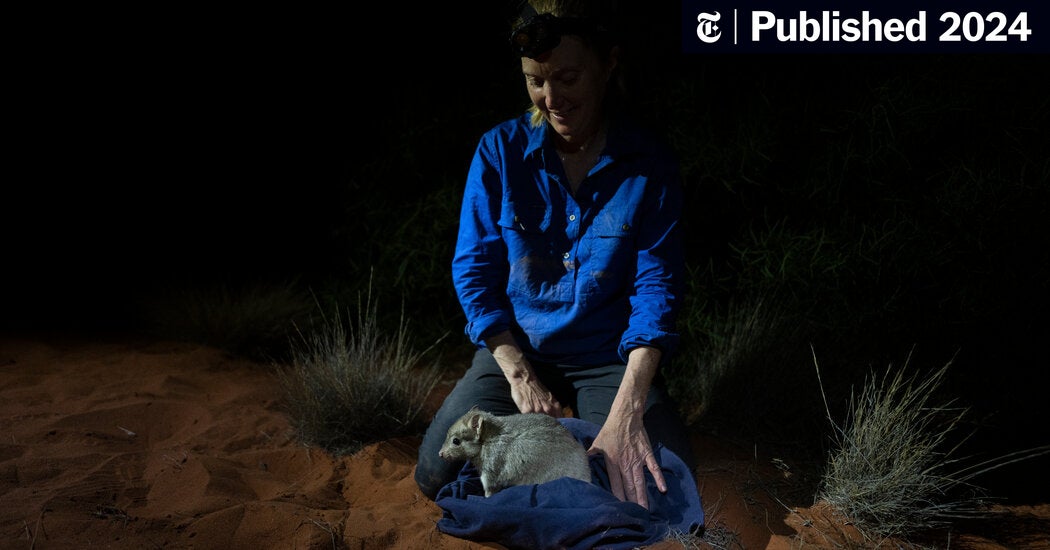
In Australia, ‘Cats Are Just Catastrophic’Feral cats take a heavy toll on the world’s wildlife, especially Down Under. The solution? Smarter traps, sharpshooters, survival camp for prey species, and the “Felixer.” Apr 16 24April 16, 2024Article at New York Times
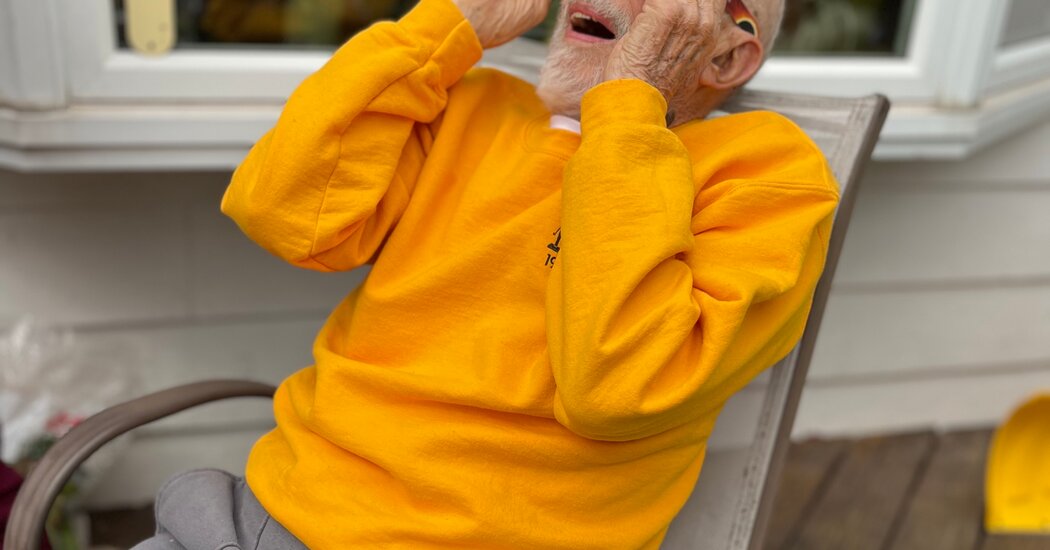
After nearly a century of life, my father saw his first eclipse.The full force of the moon’s shadow crossed the United States, Mexico and Canada on Monday, as the first total solar eclipse in seven years plunged the day into darkness and reminded all in its path of our planet’s place in the cosmos. For more than… Apr 08 24April 08, 2024Article at New York Times
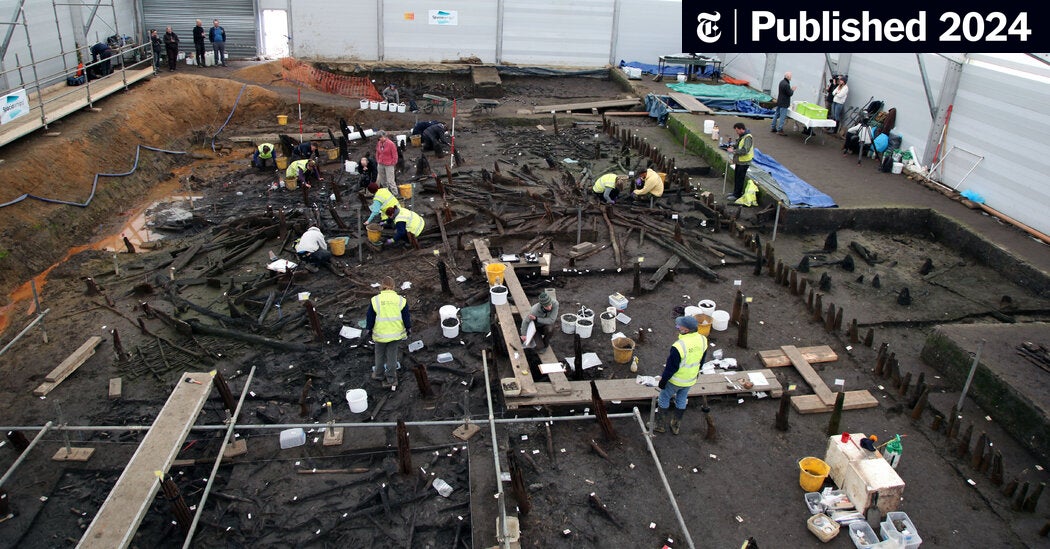
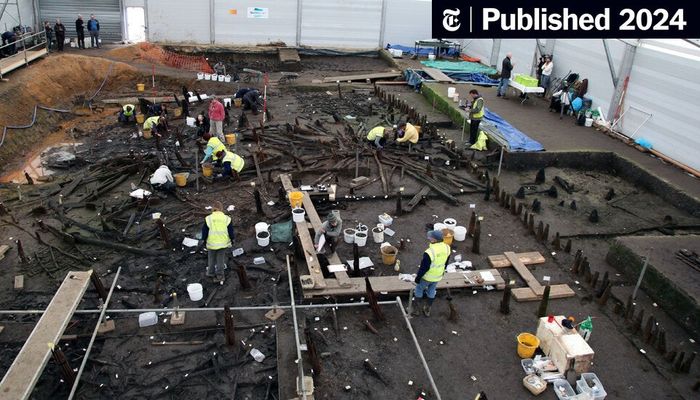
This Was Village Life in Britain 3,000 Years AgoThe superbly preserved remains of a Bronze Age settlement offer a glimpse of a “colorful, rich, varied” domestic life circa 850 B.C. Mar 19 24March 19, 2024Article at New York Times