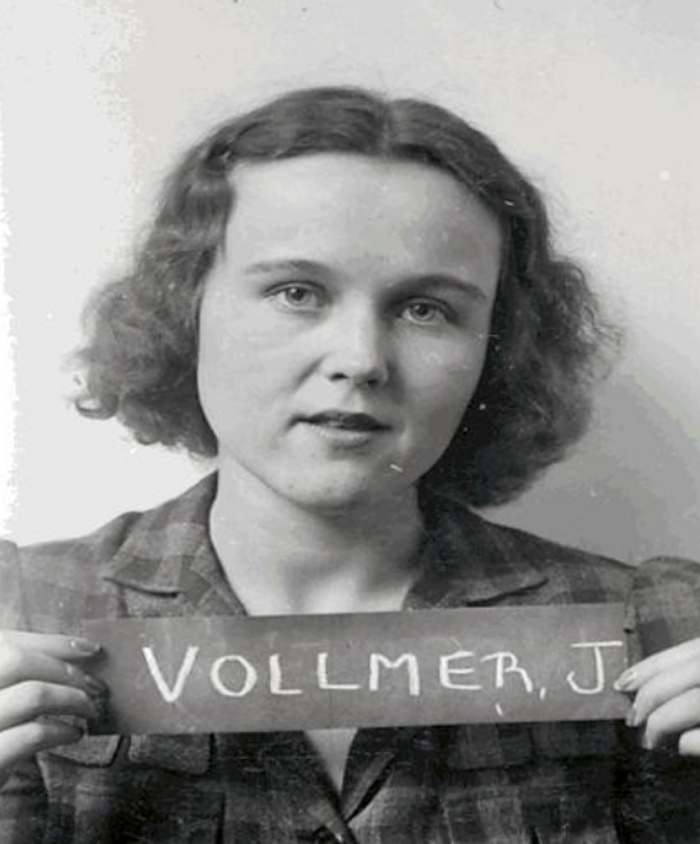
Joan Vollmer was a vital, largely overlooked force in the birth of the Beat Generation, a counterculture movement of artists, poets, and authors that sprang up during the 1940s. While studying in New York, the apartment she shared with Edie Parker became a hub for the likes of Jack Kerouac, Allen Ginsberg, and William S. Burroughs. With her sharp intellect, quick wit, literary knowledge, and rebellious spirit, this free-spirited, bisexual, proto-feminist muse and patron helped shape the movement’s ideas.
Joan's life changed when she fell in love with Burroughs, for the heroin-addicted writer would ultimately be the death of her… Today, we'll delve into her childhood, discover how she helped found the Beat movement, and how her drug-addled relationship with Burroughs led to her downfall.
WILD CHILD BOOKWORM
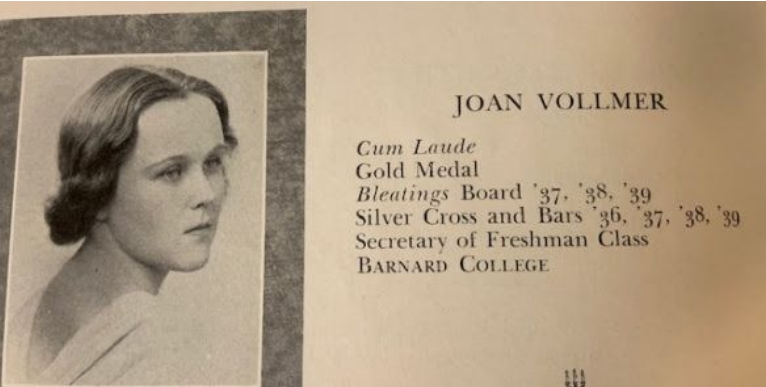
Joan Vollmer was born into an upper-middle-class family on February 4th, 1923, in Ossining, Westchester County, New York, and raised in nearby Loudonville, Albany County. Her mother, Dorothy Harding Vollmer, was a homemaker, while her father, David Wilbert (Billy) Vollmer, ran the Gevaert camera film factory, affording the family a relatively privileged life.
The creative young girl was a voracious reader, devouring dozens of books every month, often reading in the bathtub. And all that bathtub reading meant that when she became a teenager, she rebelled against her parents’ strict traditional family values.
But Joan’s acting out was far more than typical teenage angst. Even as a teen, she was a maverick whirlwind who always spoke her mind and led a wholly unconventional lifestyle. From 1936, the 13-year-old edited the school literary magazine, Bleatings.
Despite her artistic, rebellious nature, young Joan graduated from St. Agnes School in 1939. Her dream to live in the bright lights and big city of New York came to fruition when she won the school's Gold Medal for achieving the highest senior average of her year and a scholarship to Barnard College. At the same time, she studied journalism at Columbia.
Vollmer’s appetite for literature was rivaled only by her appetite for men. In 1941, while studying at Barnard and Columbia, the 18-year-old married law student Paul Adams, more to spite her family than out of love. But when Paul was drafted to fight in World War II, Joan became lonely. She spent her evenings prowling bars looking for the company of strangers. Late one night, she met Edie Parker (pictured below) at the West End Bar.
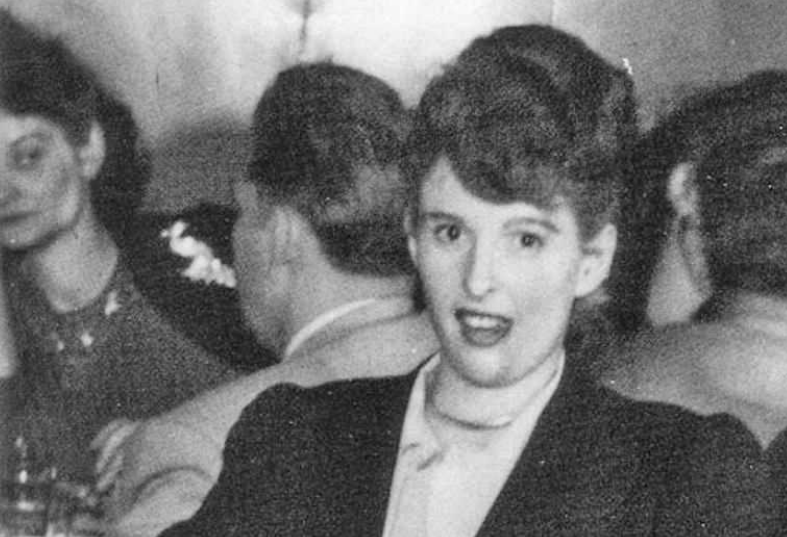
The two wild young women instantly hit it off and soon moved into an apartment at 421 West 118th Street in New York's Upper West Side. Their home quickly became a modern-day symposium for great, artistic minds. But instead of being a hub for Plato et al., to discuss philosophy, her simple apartment became the de facto home of the East Coast Beatniks.
While usually associated with the 1950s, the Beat Generation sprang up in New York and San Francisco during World War II. The USA had belatedly joined the war more than two years after it began, but a minority of the younger generation railed against their nation’s politics and narrow-minded views. Instead, these disillusioned youths expressed themselves by breaking societal norms and literary/artistic rules through spontaneous spoken-word poetry.
While a bunch of free-spirited creative hippie precursors sounds great, the fledgling movement had many downsides. They were heavily influenced by degenerate French poet Arthur Rimbaud (1854-1891), who believed artists must endure “a long, intimidating, immense, and rational derangement of all the senses.” And that involved excess drinking, taking drugs, rejecting materialism, sexual freedom, and living in squalor.
Vollmer wholeheartedly embraced Arthur Rimbaud’s spirit. She was strong, intelligent, incendiary, and belligerent. She loved sex with men and women, drugs, philosophy, and causing chaos. In short, she was the embodiment of Beat. This unyielding egalitarian was so vibrant her “electricity seemed almost palpable,” author Joyce Johnson once wrote.
Despite being married to Paul, Joan was forthright about sexual liberation, a rare stance in 1940s America. Her unique style and outspokenness meant the Big Apple’s bohemian, underground club scene and gay subculture loved her. Known for her bright wardrobe, red lipstick, and brown bob parted in the middle, often topped off with a French beret, she was open about her bisexuality. Some scholars say she popularized the beret.
Vollmer soon became acquainted with Beat founder, poet, and writer Allen Ginsberg. Like her, he studied at Columbia University. Joan and Edie’s apartment soon became the place to be seen for Jack Kerouac, William S. Burroughs, Lucien Carr, Herbert Huncke, Hal Chase, Vickie Russell, and many more. But this motley band of hedonistic artists came with a dark side… namely drugs and criminality.
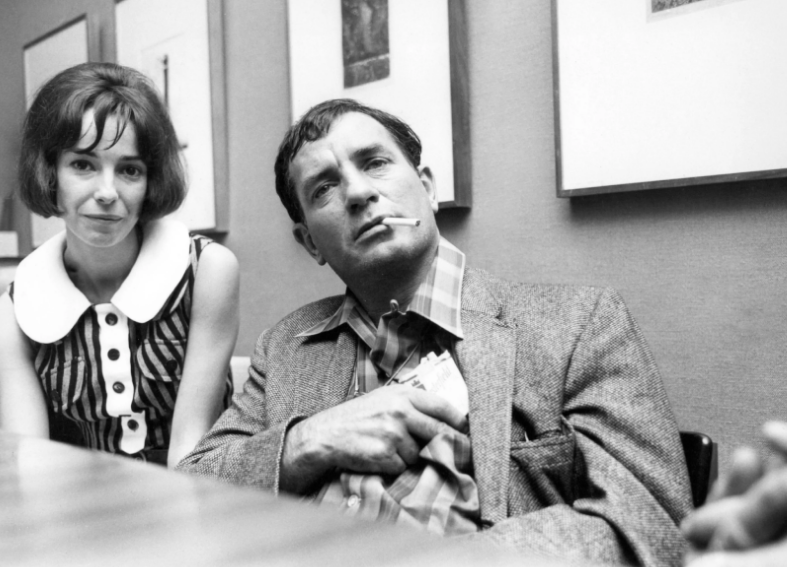
Edie (above, left) married Jack Kerouac (above, right) in 1944, but another Beatnik would change Joan Vollmer’s life forever. His name was William S. Burroughs, and he was dangerous. The two would embark on a tragic, toxic love story, and he would be the death of her. But before we find out how, let’s learn more about Burroughs and what led him to New York.
WILLIAM S. BURROUGHS
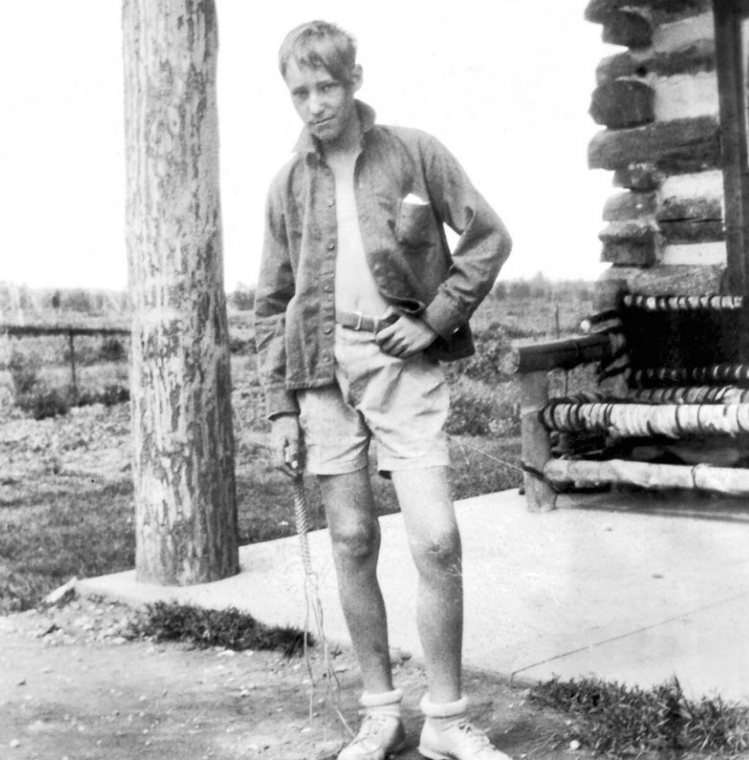
William Seward Burroughs II was born on February 5th, 1914, in St. Louis, Missouri. After inventing and patenting a practical mechanical adding machine, his grandfather founded the successful Burroughs Corporation. As such, his grandson received a generous $200 monthly stipend. Yes, folks, William S. Burroughs, gonzo novelist, short story writer, essayist, painter, spoken word performer, and psychonaut, was a trust fund kid!
Tragically, William was sexually abused at the age of four by his mad, highly superstitious Irish maid and her boyfriend. The kid lost himself in writing, and began creating crime stories aged eight. Next, he endured two unhappy years at New Mexico's Los Alamos Ranch School for Boys. Aged 14, a chemical experiment injured his hand, and he first tasted morphine, and that was that; he took to drugs like a duck to water.
He graduated with honors in English and anthropology from Harvard, then studied medicine in Vienna, where he picked up young men in Weimar-era bathhouses. In 1940, the gun-obsessed author cut off his pinkie to impress a man he loved. In 1942, Burroughs joined the army but received a psychiatric discharge for depression. He worked menial jobs, including as an exterminator, which became the basis for his 1959 novel, Naked Lunch.
A MEETING OF MINDS
William S. Burroughs followed his friend Lucien Carr and Carr’s admirer David Kammerer to the Big Apple. In 1943 or '44, Kammerer introduced the now heroin-addicted Burroughs (below, left) to Allen Ginsberg (below, right), Lucien Carr (below, middle), Jack Kerouac, Joan, and Edie. Though he’d always preferred young men, Burroughs was instantly attracted to Joan’s lightning-quick intellect and love of stirring things up.
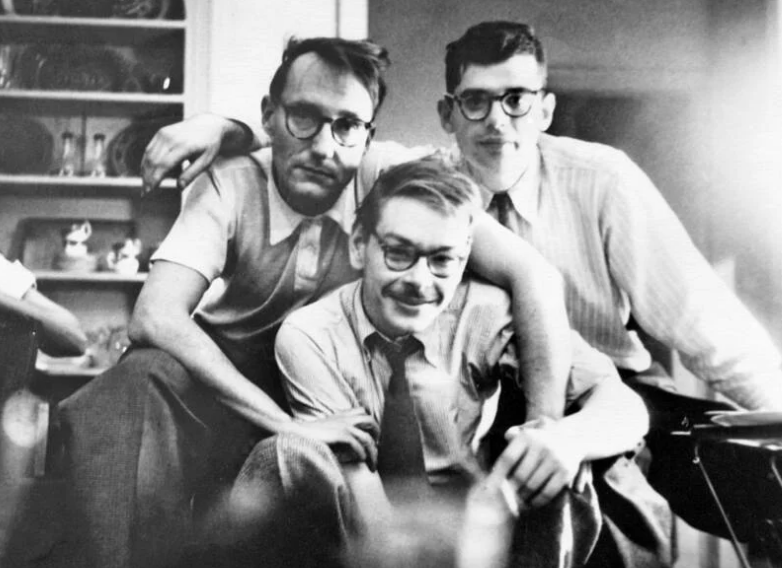
Joan fell madly in love with William's ”brilliant mind, outrageous proclamations, and vaguely sinister air.” Soon Burroughs introduced Joan and Jack to the over-the-counter amphetamine Benzedrine. Encouraged by Ginsberg, Joan and William began a turbulent whirlwind relationship. Ginsberg said she was Burroughs’ feminine counterpart, and William’s magical thinking made him believe they were telepathic soulmates.
Just two things stood in Vollmer and Burroughs’ way. First, Joan was still married to Paul. Second, she had fallen pregnant with his child. In August 1944, she gave birth to a daughter, Julie, who was presumably conceived during one of her husband’s short returns from Europe. This can be inferred because when Paul finally returned from military service in Europe, he was appalled by her drug use and new, lawless group of friends.
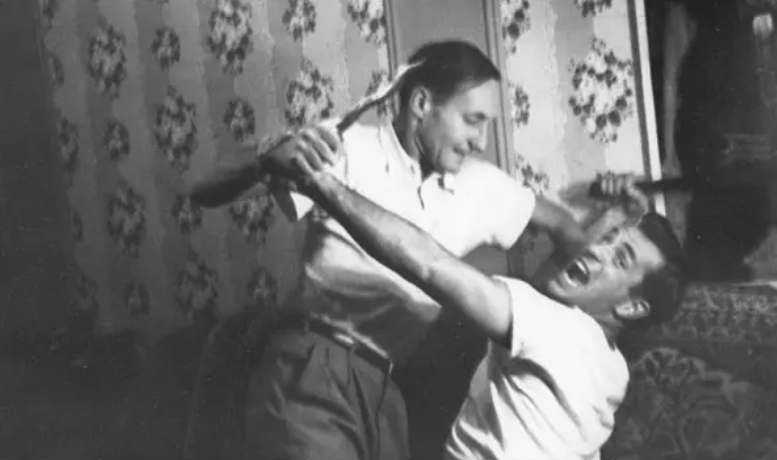
In 1945, Joan asked Paul for a divorce. He obliged as he could see the slippery slope she was on would soon become an abyss. In the summer, Burroughs (above, left) moved in with Edie, Kerouac (above, right), Joan, and Julie, and he and Vollmer began their curious, toxic dance. They never legally married, but lived together as common-law husband and wife.
By now, Burroughs was not just addicted to heroin, but surrounded by hustlers and dealers. Wherever he went, trouble was never far away. After one too many unwanted sexual advances, their friend Lucien Carr (below, right) stabbed his stalker David Kammerer to death and dumped his body in the Hudson River. Jack Kerouac (below, left) helped Lucien dispose of the knife. Carr turned himself in and pleaded guilty to manslaughter.
Burroughs and Kerouac were briefly arrested for failing to report the crime, and co-wrote a novel inspired by the event called And the Hippos Were Boiled in Their Tanks, which remained unpublished until 2008.
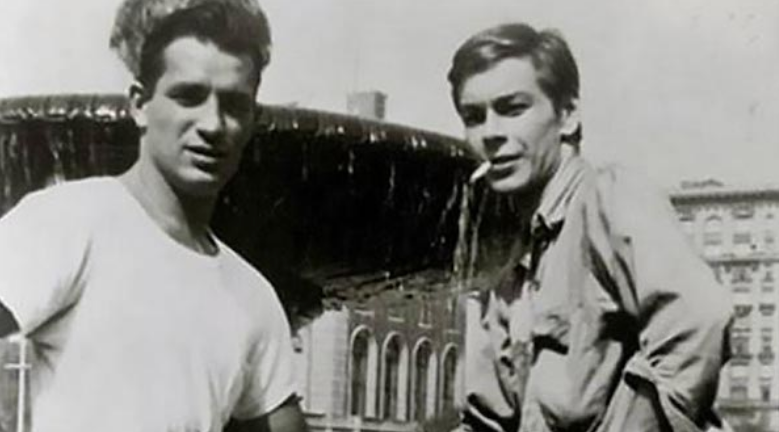
Police charged Kerouac as an accessory and Burroughs as a witness, but, amazingly, neither was prosecuted. Burroughs told Carr, “You shouldn’t blame yourself at all because he asked for it,” and quickly replaced him as the Beat Movement’s mentor. Murder would be a sign of things to come, but Joan was too loved-up and strung-out to realize she would be next.
In 1946, police arrested Burroughs and his criminal hangers-on for drug possession and forging prescriptions. Around the same time, Joan’s excessive amphetamine use caused a psychotic break that landed her in Bellevue Hospital, Manhattan. Bill arranged her release, and the odd couple soon conceived a child. After this, the two became inseparable, but they needed to escape New York and their many legal problems.
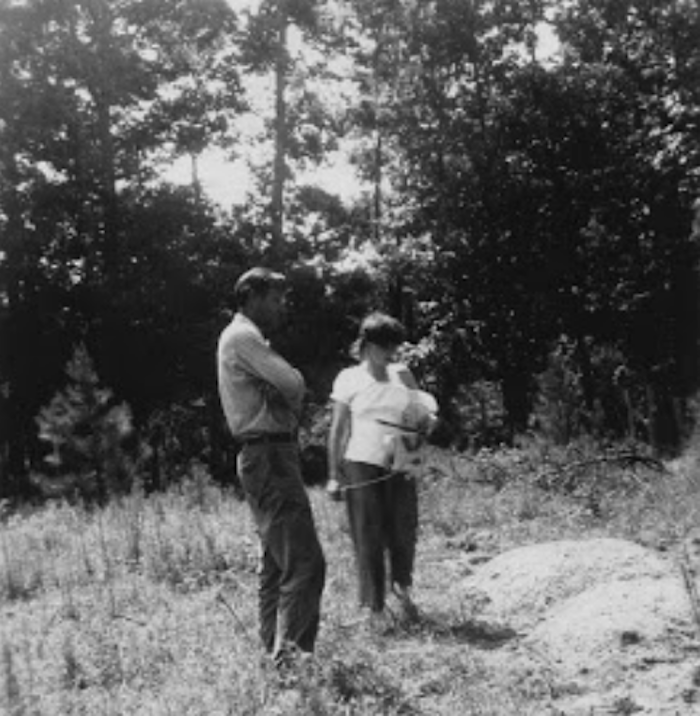
So, Burroughs invested some of his family wealth to buy a farm in New Waverly, Texas, and planned to make money by growing and selling marijuana. But he and Joan were too sketchy even to grow pot, so they spent their time entertaining guests, including their friend, New York Beat writer, poet, and "jack of all scams," Herbert Huncke. He often visited to sharecrop, get high, and play with guns. Another red flag Joan missed.
MRS WILLIAM BURROUGHS
In 1947, Joan began calling herself Mrs. William Burroughs even though she and Bill were never formally married. That July, they had a son, William Burroughs, Jr., aka Billy. Due to drug abuse, drug distribution, and lewd behavior charges – for having sex in a car – Joan and William ran away to New Orleans the following year. But while living in The Big Easy, Burroughs was once again arrested, this time for heroin possession.
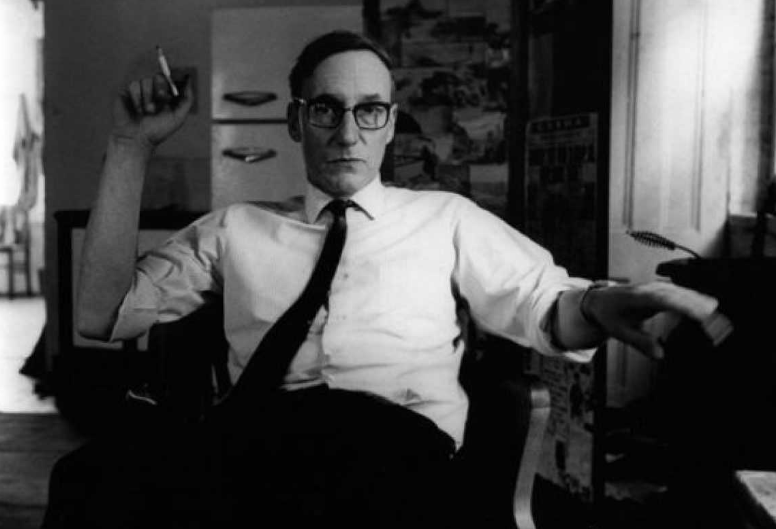
After his arrest, police searched their Louisiana home and unearthed letters from Allen Ginsberg discussing possible shipments of marijuana. If found guilty, Burroughs would serve a two-to-five stretch in Louisiana's most notorious jailhouse, Angola State Prison. So, to avoid the charges, he fled to Mexico City in 1949. Once settled, Joan, Julie, and Billy joined him.
Living in Mexico City's Colonia Roma district, Bill found the country “grotesque, sordid, and malodorous, but he liked it.” He studied anthropology at Mexico City College to help secure a visa and began writing his first novel, Junky. Conversely, Joan was unhappy because her usual amphetamine was unavailable. Heroin was cheap but difficult to find in Mexico City, so Burroughs often suffered severe detox symptoms.
Instead, he drank tequila, toured Mexican gay bars in pursuit of young men and boys, and trekked the Amazon jungle in Colombia in search of a Yagé (or ayahuasca), hoping it would cure his heroin addiction. Ayahuasca didn’t cure his addiction, but it helped him write the epistolary novel The Yage Letters, and he even played a small role in discovering DMT.
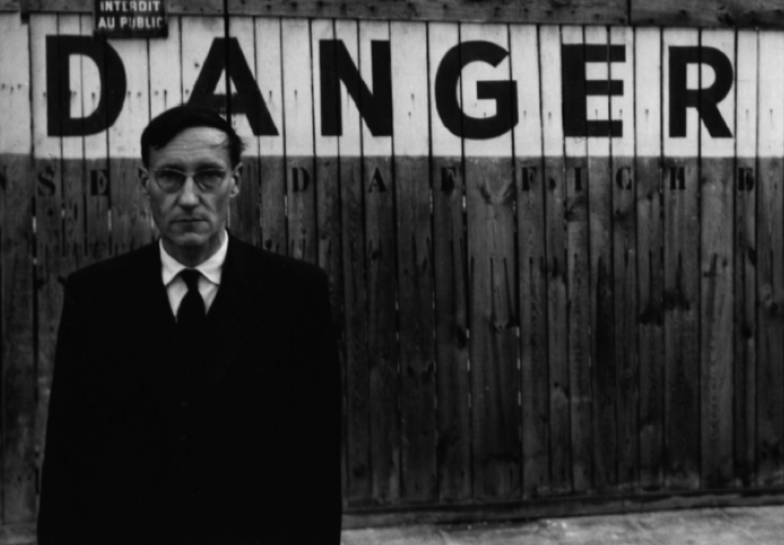
Lonely, abandoned, and humiliated, Joan fell further into the abyss of drink and drug addiction and even had a sordid love affair with Lucien Carr. As their relationship deteriorated, she delighted in mocking her common-law husband in front of his friends. Their drug-fueled fights grew increasingly hysterical, and Burroughs’ domestic violence worsened. In January 1950, Bill slapped her after she flushed his heroin down the toilet.
Thanks to a mild bout of polio in 1948 or '49, Joan became semi-lame and developed a limp. Due to drinking too much tequila and her benzedrine abuse, her face swelled, and she looked far older than her mid-twenties. Addicted to booze and drugs, she neglected her children terribly.
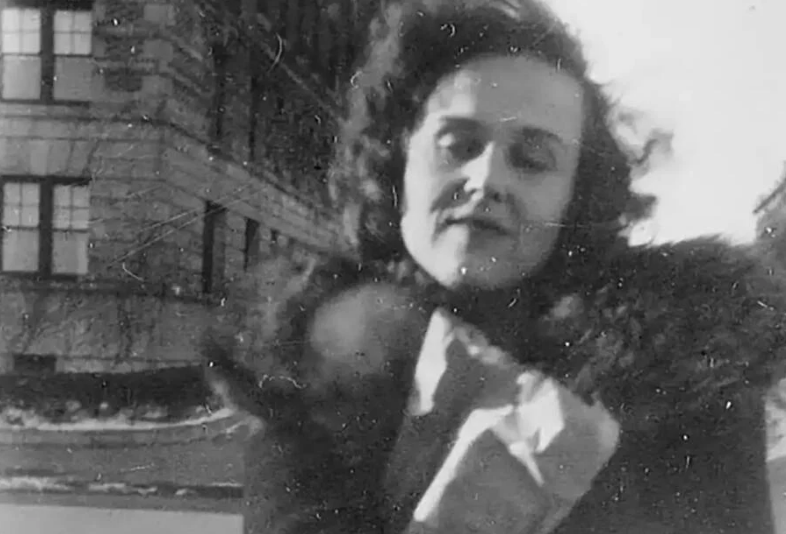
Her physical decay was noticed by Kerouac’s traveling buddy, Neal Cassidy, through their exchanged letters: "Joan is brittle, blasé brittleness is her forte. With sharpened laughs and dainty oblique statements, she fashions the topic at hand. You know these things, I need not elaborate. But you ask for an angle; well, Julie’s hair is matted with dirt…”
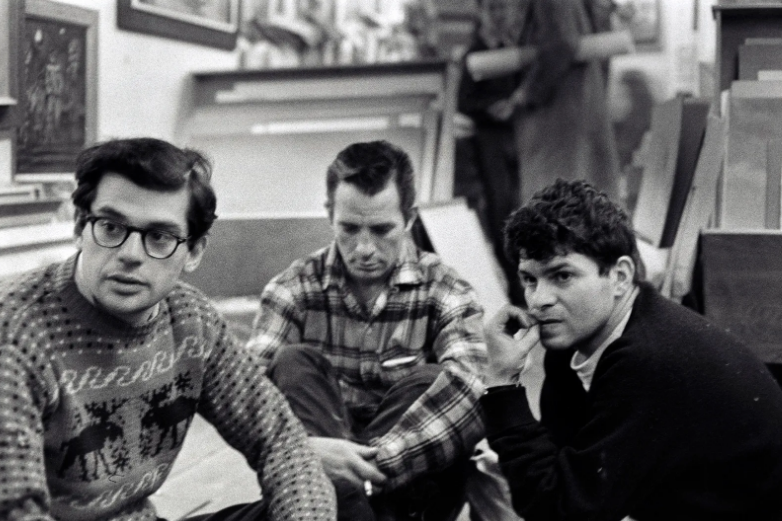
In a letter to her friend Allen Ginsberg (third from left), Vollmer confessed that she was "somewhat drunk from 8:00 am on[ward]... Bill is fine in himself, and so are we jointly. The boys are lovely, easy, and cheap (3 pesos = 40 cents), but my patience is infinite."
Burroughs' rampant homosexuality also became a problem for Joan. Their friend and guest, Herbert Huncke, stated that Burroughs, "didn't like to be annoyed with her too much." Their marriage was on the rocks.
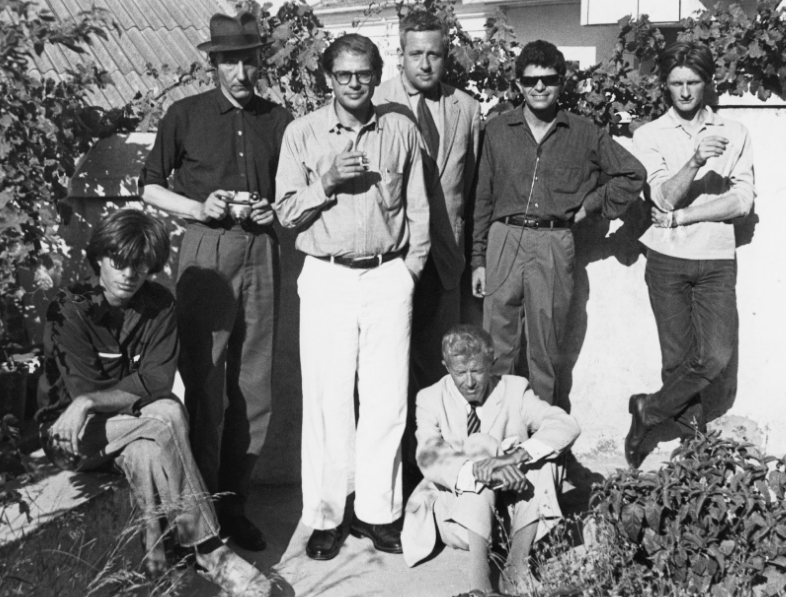
In August 1950, since Mexican law viewed common-law marriage as legally binding, they petitioned for divorce, but it’s unknown if that was Joan's or Bill's idea, but more likely the latter. However, their Mexican attorney soon withdrew the application, possibly because Burroughs wanted custody of their son. Slowly, William S. Burroughs was turning into a monster.
By February 1951, Bill had quit heroin, but continued to smoke opium, believing it less addictive. That summer, he traveled to Ecuador with friend Lewis Marker, hoping to start a romantic relationship. This experience became the foundation of Burroughs' second novel Queer.
THE WILLIAM TELL ACT
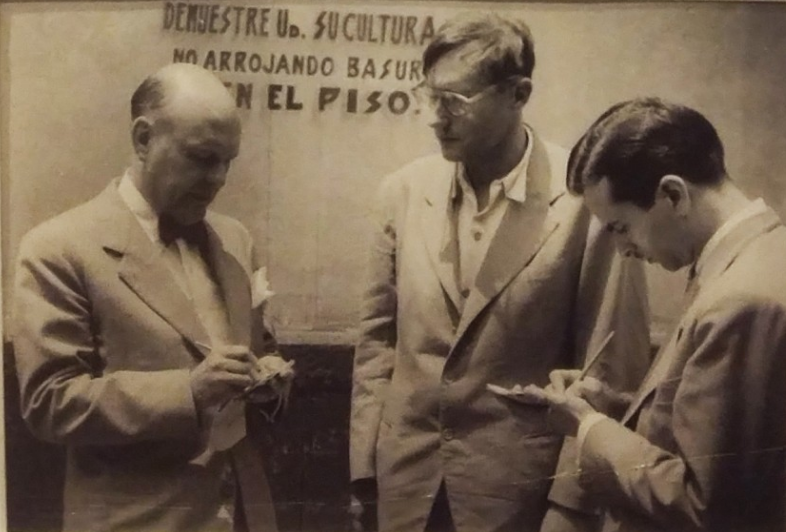
On September 6th, 1951, Joan and William were at a party in an apartment above the American-owned Bounty Bar in Mexico City. Everyone had been drinking gin for hours when a drunk Burroughs pulled a handgun from his travel bag and announced to his wife and the entire room – including their son, four-year-old Billy – "It's time for our William Tell act." Despite inferring this was commonplace, they had never played this game before.
Joan had also been drinking heavily while also going cold turkey from amphetamine withdrawal. She placed a highball glass on her head and turned her face away from her gun-toting husband, saying she couldn't stand the sight of blood… Those were the last words she would ever utter.
Burroughs had loved guns since early duck hunts with his father, and was a crack shot with a pistol. He took aim and gently squeezed the trigger. The room fell silent as the glass fell to the floor without breaking. The bullet had hit Joan in the forehead, and her limp body fell to the floor. She died in the hospital at seven o'clock the following morning.
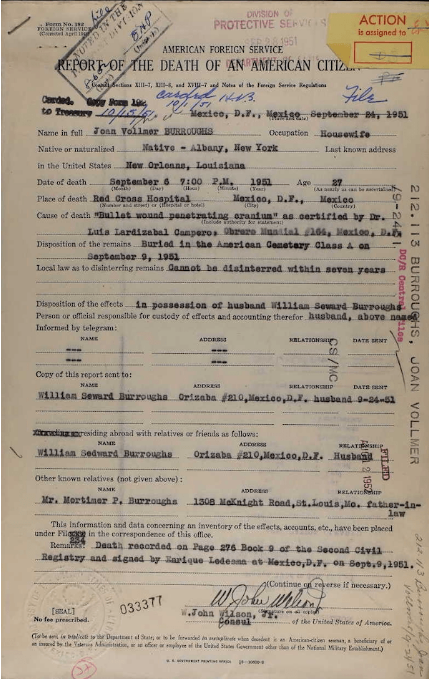
Burroughs was arrested and told police that he had been showing off his new pistol and marksmanship at a party with friends. The police report stated, “Burroughs thought she was joking” when she collapsed. He claimed that - having had eight or ten drinks - he was too drunk to realize that he had shot his wife in the forehead. However, some witnesses contend Burroughs only had two drinks, implying that he was sober.
Two days later, the Albany Times Union newspaper, which Joan would have read as a child in Upstate New York, erroneously reported, “Mrs. Joan Vollmer Burroughs, 27, formerly of Loudonville, was shot and killed by her husband Thursday night during a drinking party in a Mexico City apartment.” Though they said she was 27, Joan was, in fact, 28 years old.
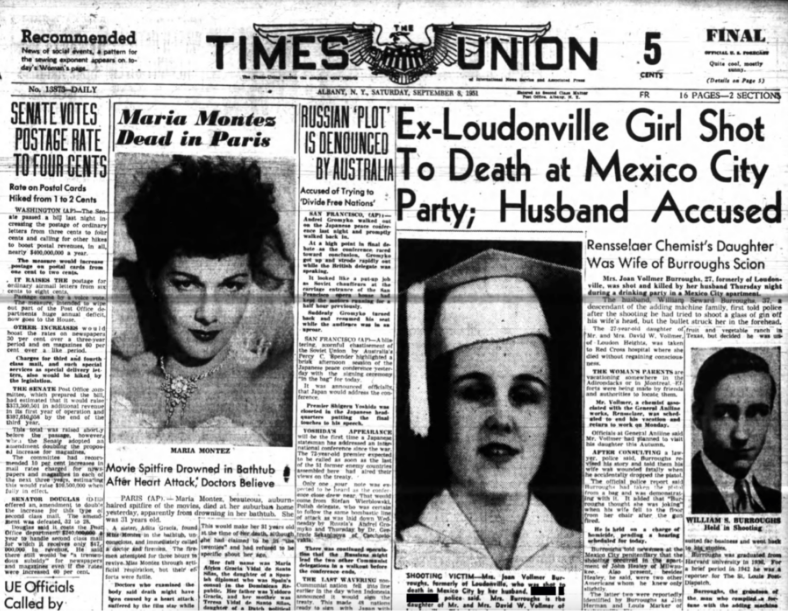
Tragically, Joan Vollmer's parents heard the unbearable news of their daughter's death from friends while vacationing in Montreal, Canada. Her father told the Albany Times Union, "I have no reason to believe the shooting was otherwise than accidental." Allen Ginsberg made sense of his friend’s death by concluding that Joan must have wanted to die.
Mexican police held Burroughs on murder charges, but he always pleaded his innocence. He told reporters, “It was purely accidental. I did not put a glass on her head. If she did, it was a joke, and I certainly did not intend to shoot at it.” He later changed his story and claimed the gun had misfired after he dropped it on the floor.
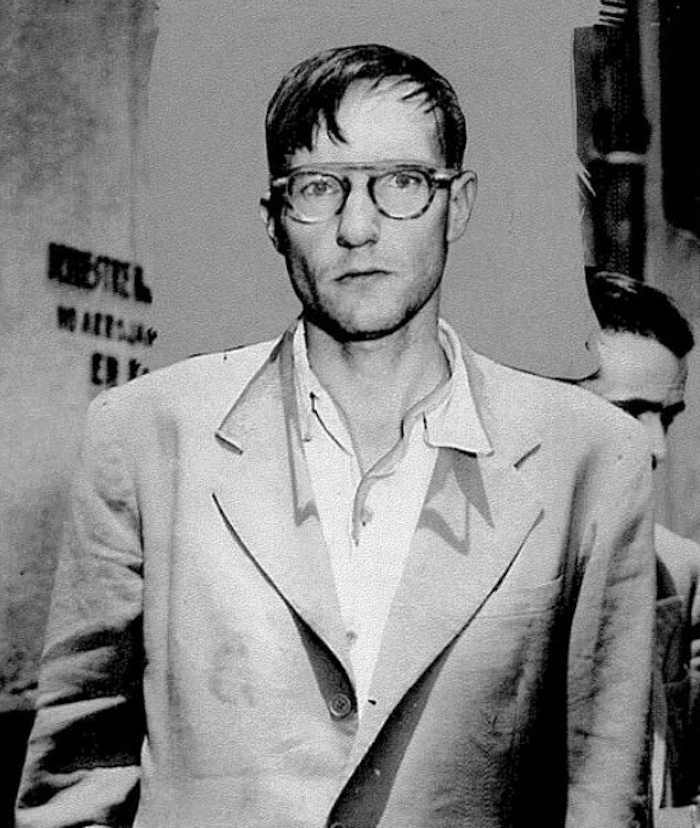
William's brother, Mortimer Burroughs, arrived from St. Louis and handed over thousands of dollars to prominent Mexican lawyer Bernabé Jurado. The lawyer used Mortimer's blood money to bribe the judge, ballistics experts, and others involved in the case. After 13 days in a Mexico City jail, Burroughs was released on bail and fled home to the United States.
Burroughs was never tried or convicted for the murder of Joan Vollmer. Mexican authorities convicted him in absentia of manslaughter, and he was given a two-year suspended sentence, but he never returned to the country. He flew to Tangiers, Algeria, to write finish first book, Junkie: Confessions of an Unredeemed Drug Addict, which was released in 1953.

In the ensuing years, Joan’s death haunted and inspired Burroughs in equal measure. He said his wife’s death was a pivotal life event that "provoked his writing by exposing him to the risk of possession by a dark and malevolent entity" he referred to throughout the rest of his life as The Ugly Spirit.
In his 1985 novel, Queer, Burroughs explains, “I am forced to the appalling conclusion that I would never have become a writer but for Joan's death, and to a realization of the extent to which this event has motivated and formulated my writing. I live with the constant threat of possession and a constant need to escape from possession, from Control. So the death of Joan brought me in contact with the invader, The Ugly Spirit, and maneuvered me into a lifelong struggle, in which I have had no choice except to write my way out.”
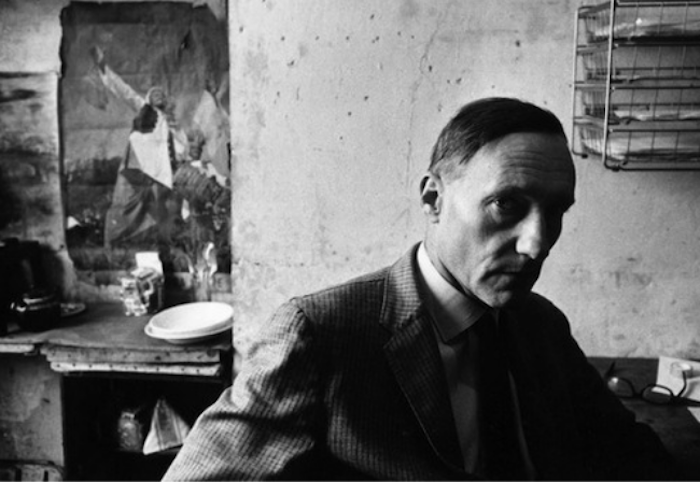
Now, when Bill says "possession," he’s not talking metaphorically. He states: "My concept of possession is closer to the medieval model than to modern psychological explanations ... I mean a definite possessing entity.”
After the death of his mother, Joan and William’s son Billy went to live with his paternal grandparents in St. Louis, Missouri. Aged 13, he lived with his father in Morocco, who introduced him to marijuana. Some years after being sexually attacked by a group of men, 15-year-old Billy accidentally shot his best friend in the neck with a rifle, almost killing him. This case of history repeating itself led to Billy suffering a nervous breakdown.
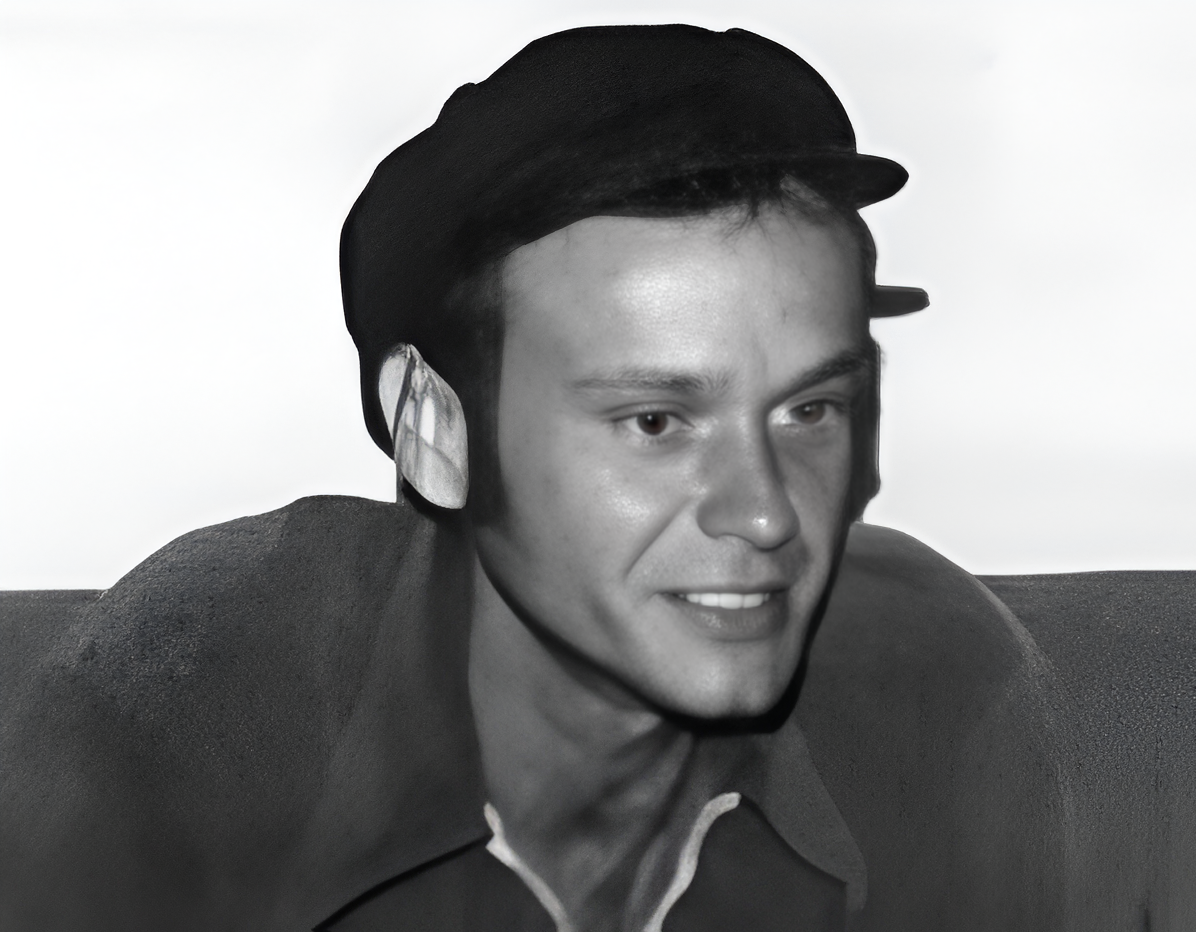
Billy became addicted to amphetamines but wrote three novels, Speed, Kentucky Ham, and Cursed From Birth. He had a liver transplant in 1976 after developing cirrhosis brought on by alcoholism. Sadly, he died from liver failure in 1981, aged 33. In the documentary Burroughs: The Movie (1983), poet John Giorno calls Billy "The last Beatnik."
As for his father, William S. Burroughs wrote 18 novels, many short stories, and satirical essays, often dealing with the mystical and occult. Equal parts nightmarish and humorous, his heavily experimental and postmodern works were usually semi-autobiographical and drew on his vast experience as a heroin addict. In 1993, he recorded a series of spoken-word tapes, Spare Ass Annie and Other Tales, with Michael Franti's hip-hop group the Disposable Heroes of Hiphoprisy.
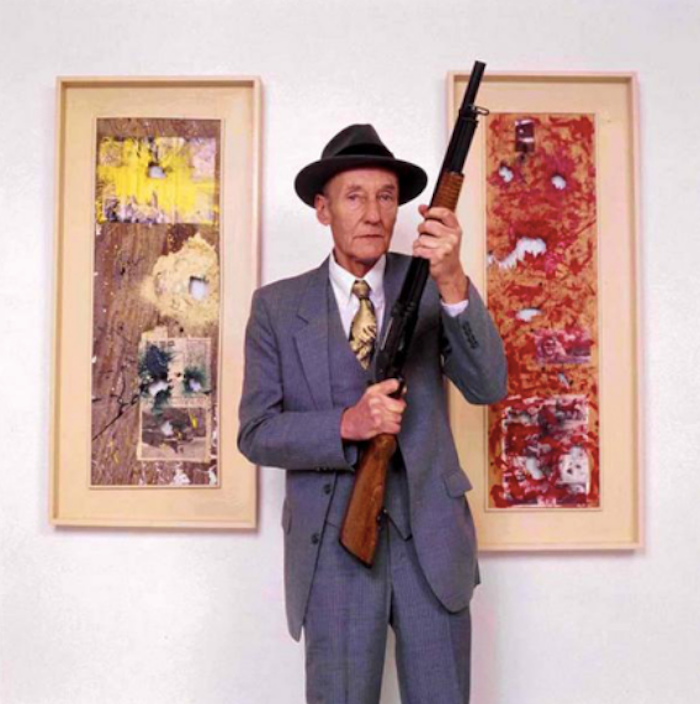
Burroughs became one of the faces of American counterculture and is one of the three seminal writers of the Beat Generation, alongside Jack Kerouac and Allen Ginsberg. His most famous work, Naked Lunch, was the last prominent American book to be prosecuted under obscenity laws. Body-horror auteur David Cronenberg dramatized the book in 1991. William S. Burroughs died of a heart attack in 1997. He was 83.
Joan Vollmer devoted her short life to the Beat artists. Her patronage brought them together, and she always stood by her delinquent friends when they inevitably messed up. If she'd not become an addict and been killed by her husband, Joan might have become a successful Beat poet in her own right. Sadly, she’s now just a footnote to Burroughs and other writers’ mythologies, but the Beatniks wouldn’t have existed without her.
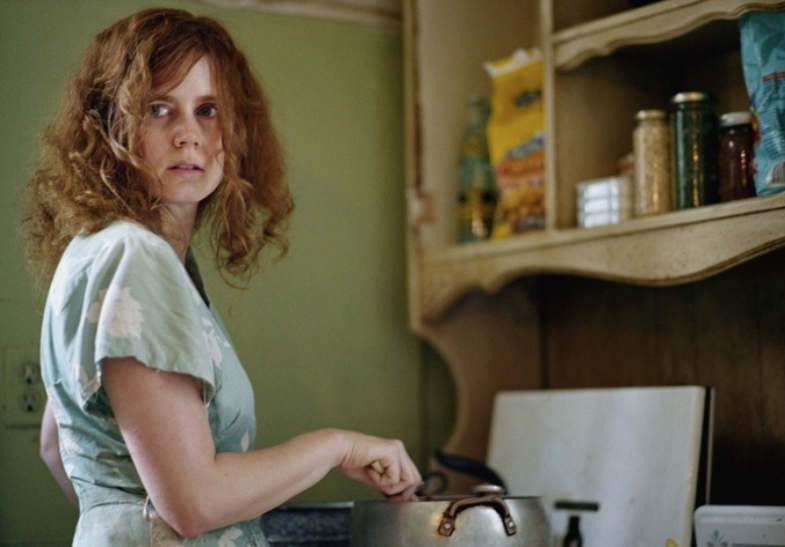
Dramatized versions of Joan’s life appeared in Kerouac’s first novel, The Town and The City (1950), and his celebrated counterculture bible, On the Road (1957). She inspired Allen Ginsberg’s most famous poem, Howl (1956), which came to him in a dream. Courtney Love portrayed Vollmer in Gary Walkow’s movie Beat (2000) before Amy Adams brilliantly played her in Walter Salles’ On the Road (2012).
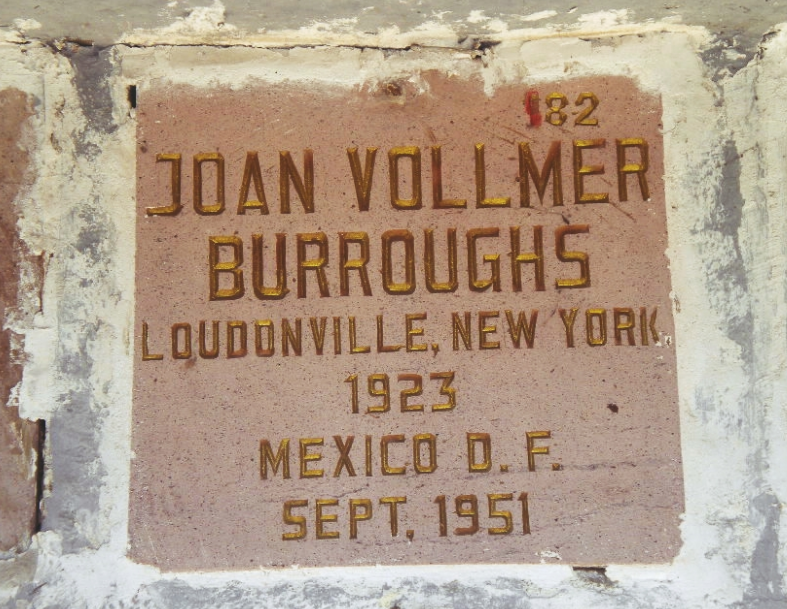
Joan was a tour de force, and a seminal influence on the Beat culture. She lived and died in chaos. But we'll leave the last word to Brenda Knight, who waxes lyrical in her 1996 book, The Women of the Beat Generation.
Brenda writes: “Joan Vollmer Adams Burroughs was seminal in the creation of the Beat revolution; indeed, the fires that stoked the Beat engine were started with Joan as patron and muse. Her apartment in New York was a nucleus that attracted many of the characters who played a vital role in the formation of the Beat."
Knight continues: “Brilliant and well-versed in philosophy and literature, Joan was the whetstone against which the main Beat writers — Allen, Jack, and Bill — sharpened their intellect. Widely considered one of the most perceptive people in the group, her strong mind and independent nature helped bulldoze the Beats toward a new sensibility.”