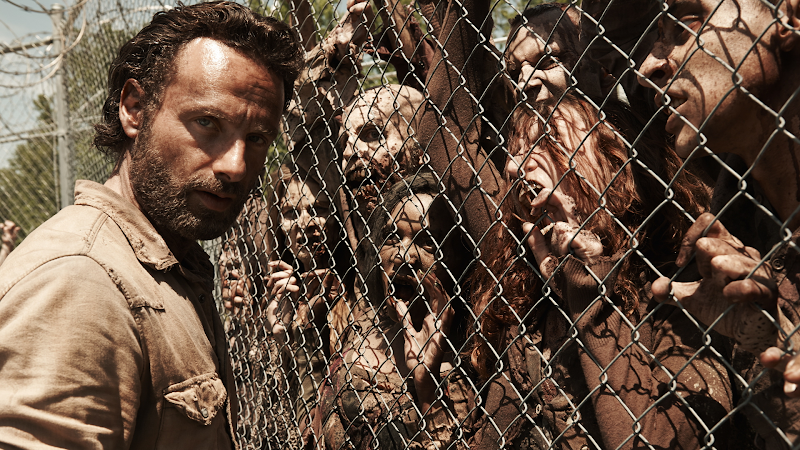
Zombies have plagued folklore for thousands of years, lurching through our nightmares, feasting on our brains and our fears. From Ancient Sumerian mythology through West African and Haitian voodoo to films and a dozen or more binge-worthy television shows, the undead have evolved from graveyard legends to modern metaphors for consumerism.
But what drives our fascination with the undead? It may be the fear of losing control of our bodies, minds, souls, or identities. Or maybe zombies show us who we really are… mindless, soulless consumers, endlessly repeating the same mundane routines, day after day, ad infinitum.
ANCIENT ZOMBIES
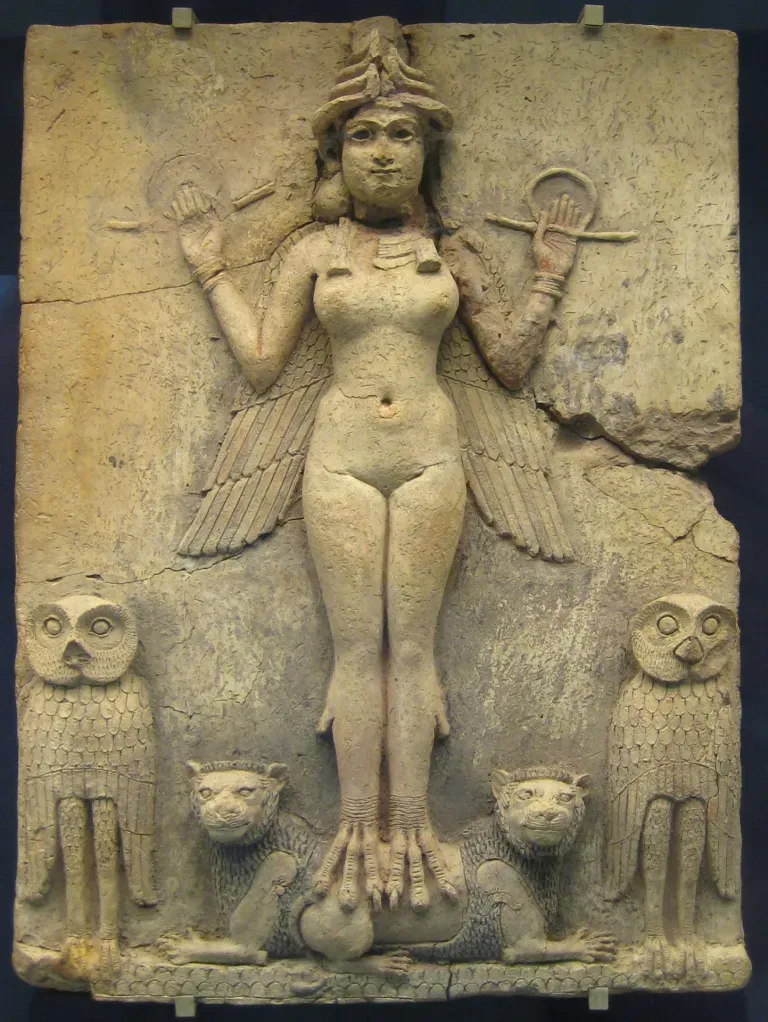
Zombie stories are as old as writing itself. The first written record of the undead rising from their graves appears in the first-ever written story, the 3,800-year-old Mesopotamian poem The Epic of Gilgamesh. Laid down in cuneiform in Iraq/Syria, it mentions the goddess Ishtar threatening the god Anu that unless he gives her the Bull of Heaven, she will "bring up the dead to consume the living" and "make the dead outnumber the living."
The above sculpture, The Queen of the Night relief or Burney Relief, dates from Mesopotamia between 1800 and 1750 BCE but now lives in London's British Museum. It is believed to be Ishtar on her trip to the underworld.
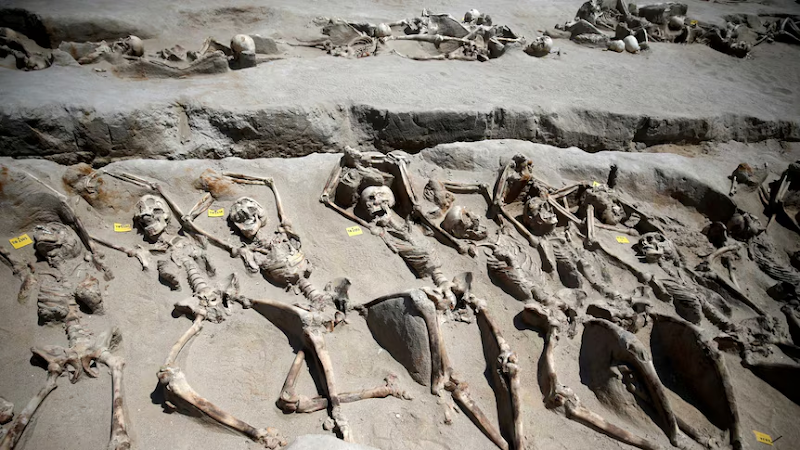
Throughout history, world cultures have told tales of the dead returning to walk among the living. Ancient Greeks feared the Revenant, a corpse that rose from the grave to wreak revenge on the living. From Sicilian necropoli to Bronze Age and Medieval European sites, archaeologists have even found skeletons pinned down with rocks, nails, grinding stones, and iron shackles to stop the dead from rising from their graves.
In Norse mythology, Draugr were undead warriors—foul-smelling, reanimated corpses who returned from the dead because of greed, malice, or unfinished business. They haunted burial mounds, guarded treasure, and attacked anyone who dared to trespass. Draugr could grow to enormous sizes, possessed the strength of many men, drive people mad, and wield powerful forms of magic.
The Chinese Jiangshi was a blind corpse reanimated by dark energy that sniffed out and then drained the life force—or qi—from the living. They wear dark Qing Dynasty official robes and round-topped hats, have pale or greenish skin, long white hair, and sharp claws, and have to hop.
Many religions believe that the dead will be resurrected on Judgment Day. Some Christians believe that upon Jesus' second coming, the dead will venture out of their graves at the sound of his voice.
In Ojibwa/Anishinaabe Native American folklore, the Baykok is a terrifying, emaciated undead entity described as "skin-draped bones". Driven by an insatiable eternal hunger, it wanders forests hunting lone travelers to consume their livers. In Japan, Gashadokuro–giant skeletons made from bones of unburied dead– terrified villagers at night.
In Mesoamerica, the Aztecs feared Cihuateteo—spirits of women who died in childbirth—who returned at night to haunt and steal the living. From Mesopotamia to Manitoba, from Miyazaki to Malmö and Mexico, these myths share a common theme: the dead don't stay dead.
21ST-CENTURY ZOMBIE MOVIES & TV SHOWS
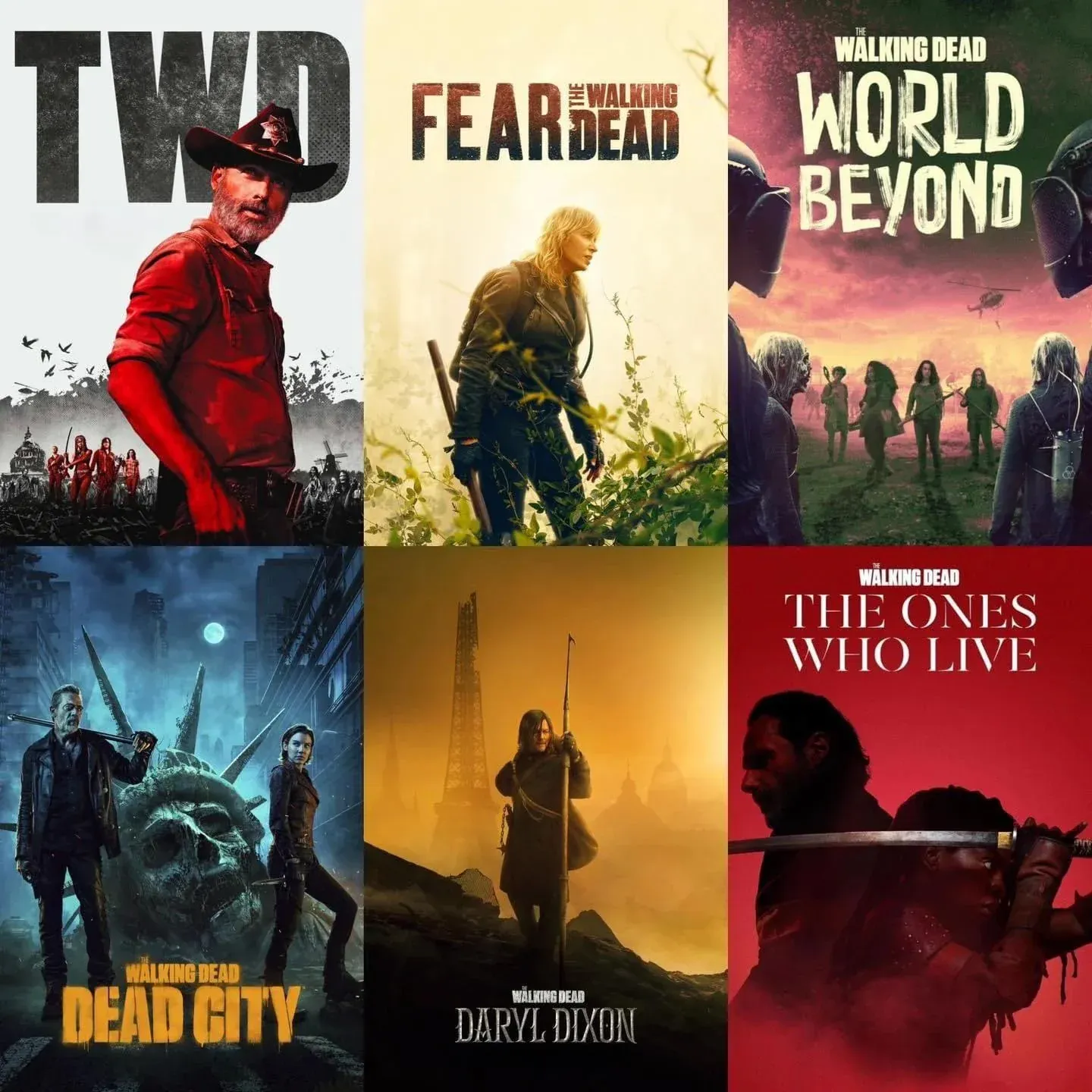
Fast forward to today, and we're bombarded by more zombies than you can drive a stake through. The most popular zombie TV franchise, The Walking Dead, alone has spun off into Fear The Walking Dead, World Beyond, Tales of the Walking Dead, Dead City, Daryl Dixon, and The Ones Who Live, with even more on the way. TWD spin-offs just won't die!
A horde of other recent zombie shows include Z Nation and its breathless spin-off Black Summer, iZombie, Helix, The Last of Us, In the Flesh, Freakish, Daybreak, Marvel Zombies, Generation Z, plus the French supernatural series Les Revenants, and its American remake, The Returned.
Before he created Black Mirror, Charlie Brooker's excellent 2008 series Dead Set saw Big Brother UK housemates oblivious to the zombie outbreak decimating Britain outside the house. Even Game of Thrones featured a risen army of the dead—the frozen White Walkers—attacking Hardhome.
The post-9/11 zombie renaissance reflects our fears of terrorism and epidemics, but zombies represent more than just societal collapse. Fast-runners in the 28 Days Later franchise and World War Z replaced Romero's shuffling Living Dead.
We’ve had Zombieland, Zack Snyder's Dawn of the Dead remake and Army of the Dead, Nazi zombies in Norwegian horror-comedy Dead Snow, an undead Jane Austen-style period drama called Pride and Prejudice and Zombies, and even Korean zombies in Train to Busan, plus hundreds more. There's even a little-known Swedish-set zombie audio drama called The Dead and Dying, written by me!
Now we live in the 21st century; we don't really believe zombies will eat our brains. So why are the living dead still at the forefront of so many films and TV shows? Well, let's take a deep dive into how zombies entered our psyches... from ancient folklore to modern pop culture.
THE ORIGINAL HAITIAN ZOMBIES
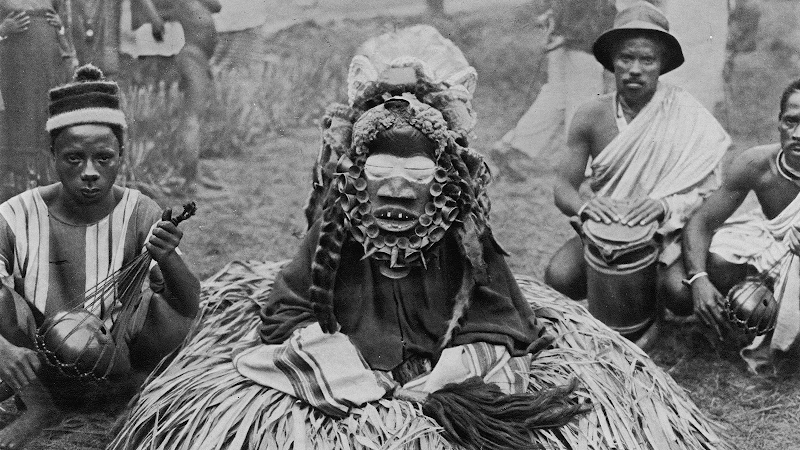
The word zombie is believed to derive from the Congolese and Angolan word "zumbi," referring to a person possessed by a spirit or someone returned from the dead. Or perhaps it comes from the Mitsogho people of Gabon's word "ndzumbi," meaning corpse.
From the early 1500s until the 1860s, European traders forced roughly 12.5 million men, women, and children from Western, Equatorial, and Central Africa across the Atlantic Ocean on slave ships to work the cotton fields of America and sugar plantations of the Caribbean. Zombie myths predate this period, but the slave trade not only explains how these stories spread, they also act as the perfect metaphor for enslavement.
As slaves brought their African diaspora religions with them, belief in zombies in the Caribbean became widespread. Blending their traditional beliefs with Catholicism, a new religion called Vodou sprang up in Haiti. And, according to Haitian voodoo beliefs, people's souls can be captured, becoming a bodiless "zombi."
Or, if a corpse was improperly treated, a necromancer called a bokor could reanimate it to do their bidding, usually by working the fields to enrich their sorcerer slavemaster. The first Haitian zombie stories were metaphor for uprooted Africans' enslavement. But back then, former slaves who came back from the dead gained sympathy as victims of white colonizers.
In 1791, self-liberated enslaved people, led by ex-slave Toussaint Louverture, began the Haitian Revolution against French colonial rule. After this revolt established Haiti as an independent nation in 1804, the nation's zombie stories slowly died away... but true to form, Haitian zombie stories came back from the dead.
MODERN HAITIAN ZOMBIES
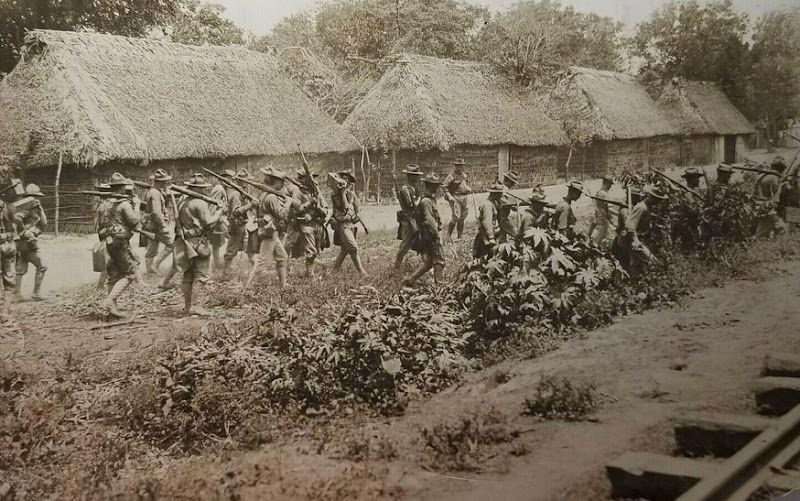
Everybody knows the United States split in half to fight a civil war over abolishing slavery in 1865. However, you may not know that just half a century later, US Marines invaded Haiti's capital, Port-au-Prince, after National City Bank of New York (now Citibank) convinced President Woodrow Wilson to take control of the country's political and financial interests. The USA occupied Haiti from 1915 to 1934, and for almost two decades, American policy and troops imposed forced labor on Haitians.
Sadly, slavery returned to Haiti in the 20th century, and during these two decades of US occupation, zombie stories re-emerged. It's no coincidence that rumors of the undead rising from their graves became popular during Haiti's two periods of enslavement, when people were forced to give up their lives, agency, hope, and souls to work for their Massas.
The second Haitian zombie phenomenon first captured the imagination of white audiences in William Seabrook's 1929 book The Magic Island. He describes "A soulless human corpse, still dead, but taken from the grave and endowed by sorcery with a mechanical semblance of life—it is a dead body which is made to walk and act and move as if it were alive."
Later the same year, pulp horror fiction magazine Weird Tales published Seabury Quinn's The Corpse Master, another early example of the zombie genre. Then, on December 6th, US troops killed 20 Haitians by machine-gunning stone-throwing protesters in the Les Cayes Massacre. However, these 20th-century zombie stories weren't being told by Black Haitians feeling simpatico with the enslaved undead. They were spawned from American racism, guilt, and shame over the brutal occupation of Haiti.
These stories re-emerged from the grave to propagate the idea that Black Haitians were devil-worshippers and human sacrificers. Stories like these often saw necromancers employing witchcraft or poison to induce deep trance-like states and turn people into mindless slaves, ripe for exploitation. But this can only happen in folklore and movies, right? Apparently not…
THE CURIOUS REAL-LIFE CASE OF CLAIRVIUS NARCISSE
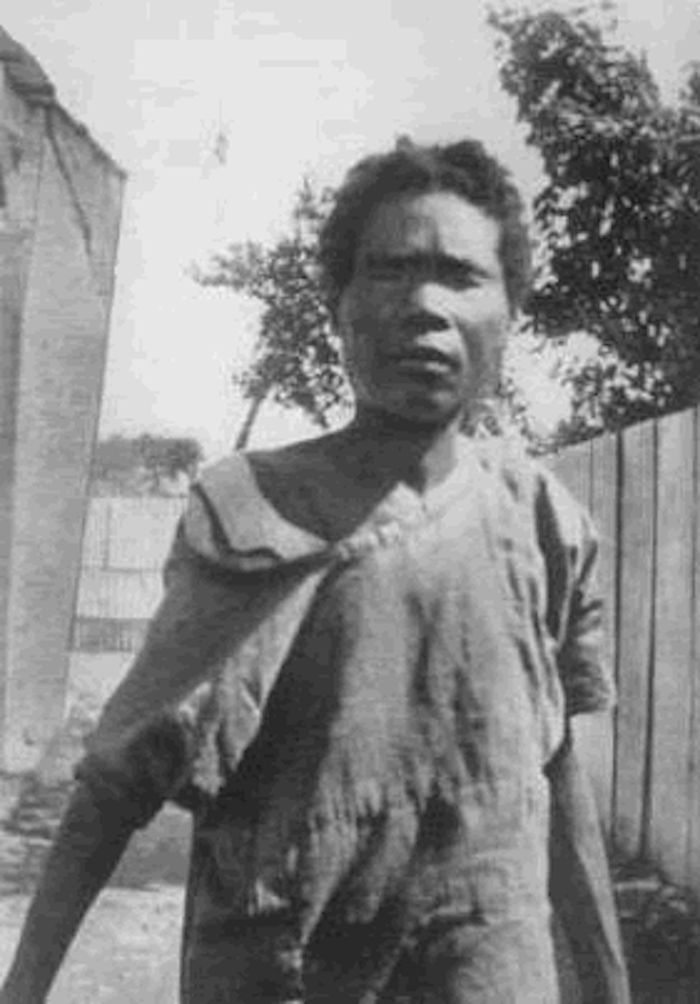
In 1962, a native Haitian man called Clairvius Narcisse admitted himself to Schweitzer Hospital in Deschapelles, Haiti, suffering from fever, fatigue, and spitting up blood. He died three days later, was pronounced dead, and was buried. Case closed, right? Wrong!
Eighteen years later, in 1980, the same man approached his sister, Angelina. She and other villagers from the city of L'Estère recognized him, and he confirmed his identity by sharing details only Clairvius could know.
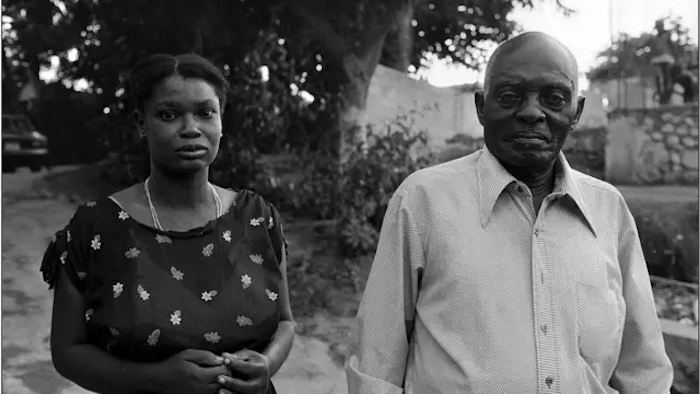
Clairvius claimed he had been turned into a zombie by a bokor utilizing Datura devil's trumpet flower or paralyzing pufferfish venom, which rendered him seemingly dead until he was raised from his coffin and forced to toil on a sugar plantation. Clairvius later explained to investigators that the unknown sorcerer had "taken his soul."
Clairvius Narcisse's story inspired Canadian cultural anthropologist and ethnobotanist Wade Davis' 1985 book The Serpent and the Rainbow, and Wes Craven's trippy 1988 Haitian zombie horror film of the same name.
EARLY ZOMBIE MOVIES
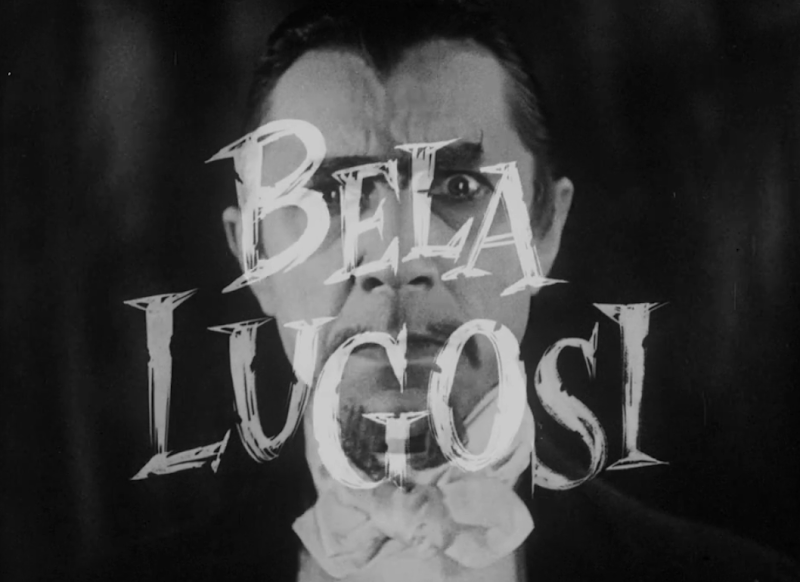
Rewinding half a century, the first feature-length zombie film was Victor Halperin's White Zombie (1932). Based on Seabrook's The Magic Island, it stars Bela Lugosi as Murder Legendre, a white Haitian who learns voodoo from a witch doctor named Ledot. Legendre uses his powers to turn Ledot and his enemies into zombies, forcing them to work as slaves in his sugarcane mill. If this plot sounds familiar, it was a way of life for Haitians.
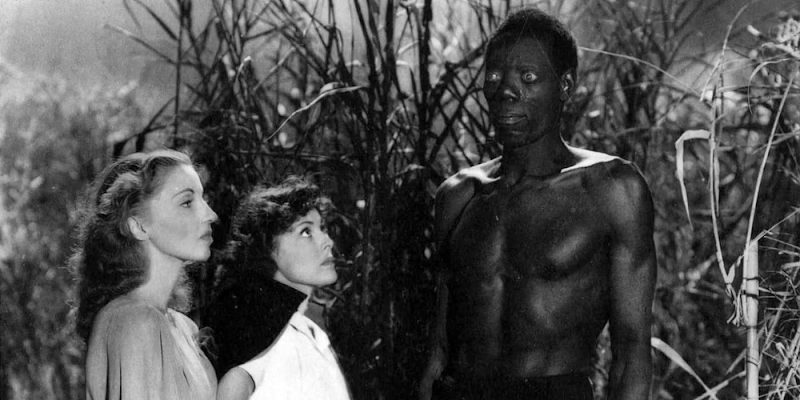
A year after he made Cat People, French director Jacques Tourneur's I Walked with a Zombie (1943). The exploitational B-movie features voodoo as Canadian nurse Betsy Connell (Francis Dee) travels to the fictional Caribbean island of Saint Sebastian to look after a sugar plantation owner's sickly wife. There, she witnesses voodoo rites and possibly encounters the living dead. However, these few, early zombie films didn't really capture the public's imagination and died their death, until…
NIGHT OF THE LIVING DEAD
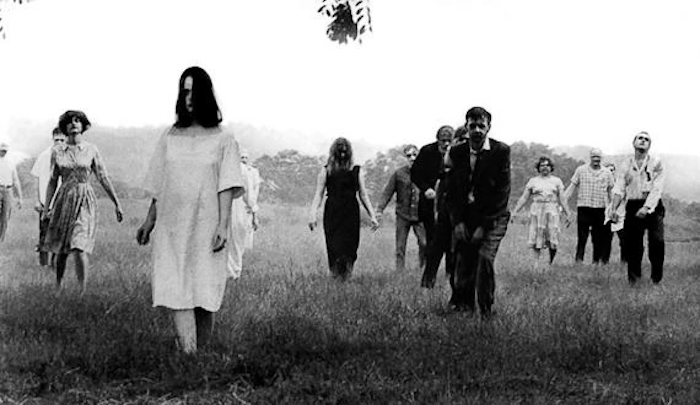
Zombie movies changed forever in 1968 when young filmmaker George A. Romero directed his low-budget, black-and-white, independent movie, Night of the Living Dead. This $6,000 indie film told the tale of seven strangers barricading themselves in a rural Pennsylvania farmhouse to escape slow-moving, flesh-eating reanimated corpses, setting the gold standard for the zombies we know and love today.
Romero's movie was the first to feature zombification through bites. Zombies were no longer reduced to the occasional, mindless Caribbean plantation slave working for a bokor; now, anyone could get bitten, even white people! This act turned the zombie film into a symbol of widespread societal decay and collapse.
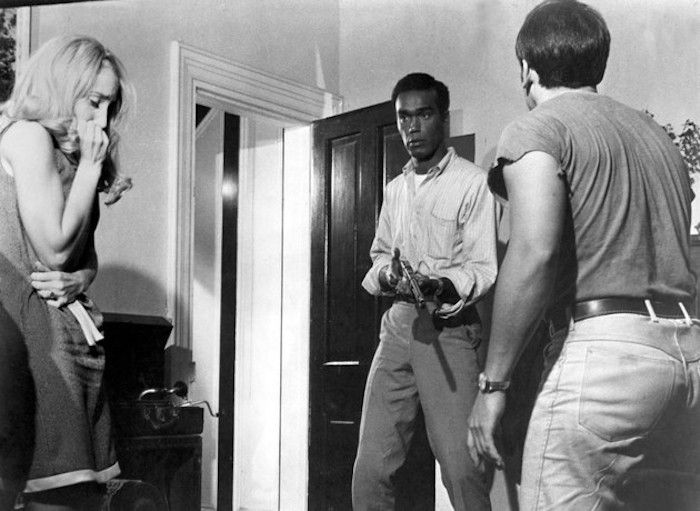
This seminal movie turned the early racism that spawned The Magic Island and White Zombie on its head. The wide-eyed, slow, lumbering, mindless, Caribbean slave zombies were gone, replaced by Virginian white folk. But that's not all; the leader of the seven strangers was an intelligent, fearless, resourceful, caring leader; African-American Ben played by Duane Jones. Night of the Living Dead was a commentary on social tensions and racism.
DAWN OF THE DEAD
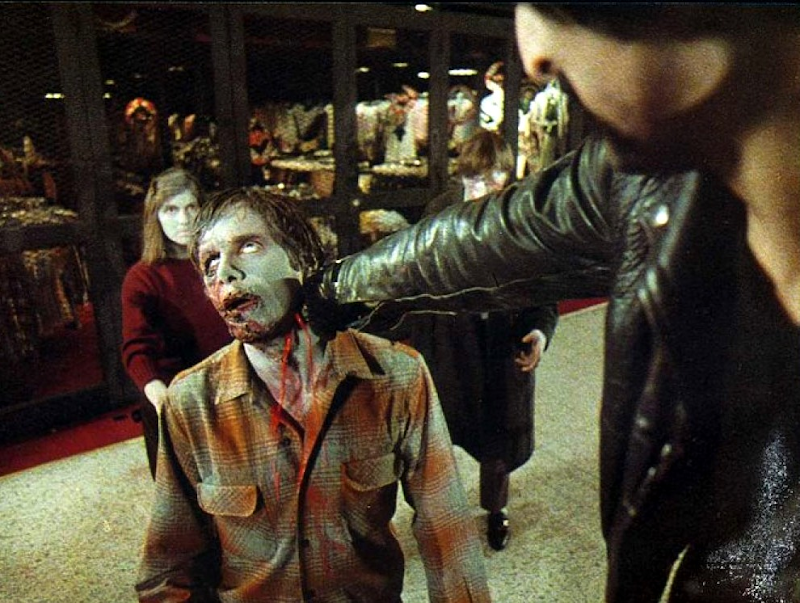
Zombies have always been mindless creatures driven by consumption, but Romero's follow-up to Night of the Living Dead, 1978's Dawn of the Dead, was the first time zombies were depicted as brain-dead consumers, forever drawn to the shopping mall where they wasted their human lives.
Romero used the increasingly popular shopping mall as a symbol of consumer culture in 1970s America. The human survivors holed up in the mall, but were ripped apart by their greedy, materialist, capitalist ideologies, demonstrating that it's not the zombies who strip people of their humanity—it's consumerism.
We've all seen hordes of shoppers blocking sidewalks in the run-up to Christmas, Black Friday, or any day now that shops open seven days a week. Brainless mobs fight to buy things they don't need but have been brainwashed into thinking will make them happy; a meaningless, monotonous life whose spell is only ended by the sweet release of death.
SHAUN OF THE DEAD
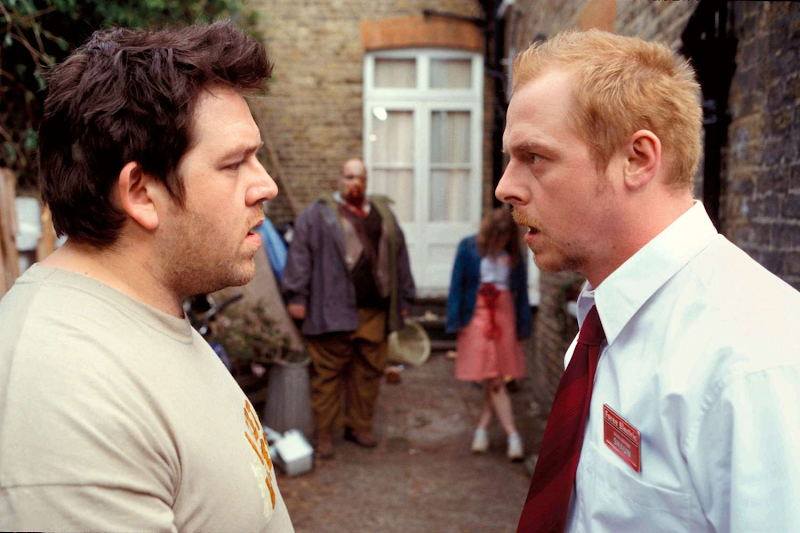
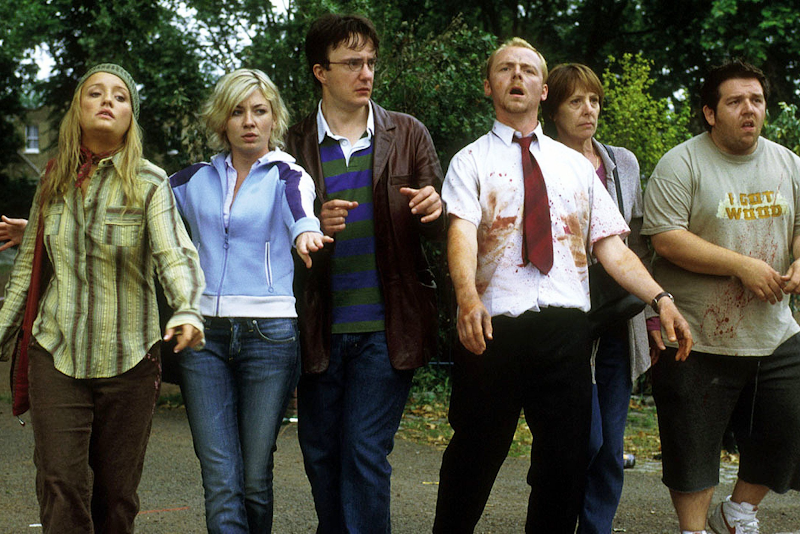
My buddy, Edgar Wright's 2004 zom-com Shaun of the Dead is nowhere near as seminal as Dawn of the Dead, but its first act expertly satirizes suburbanization, apathy, and distraction as London succumbs to a zombie outbreak. Immature, underachieving creature of habit, Shaun (Simon Pegg) goes about his mundane routine in his dead-end job as a sales adviser selling electronics, drinking, smoking, wasting his life playing computer games with his lazy, unemployed BFF Ed (Nick Frost), ignoring his girlfriend to spend every night in The Winchester.
Shaun is so blinkered, he literally sleepwalks his way through the zombie apocalypse going on around him in Crouch End, North London. But Shaun isn't just oblivious to the zombies; before the outbreak, he was a zombie. Ultimately, the crisis brings out Shaun's inner strength, but we don't all have the privilege of a zombie outbreak to kickstart our Hero's Journey.
Have you ever heard of commuters described as "zombies" or "sheep," packed like sardines on subway trains on their way to and from work? I call people giving up their lives for a job they hate for fifty years, serving a boss they loathe, and a corporation they despise, "The Little Death."
THEY LIVE
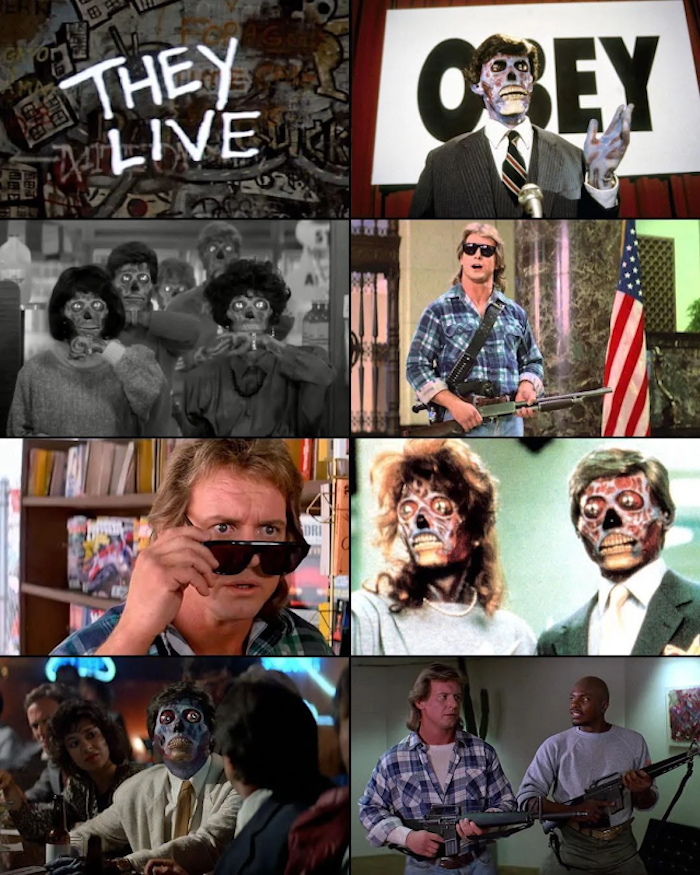
In John Carpenter's They Live (1988), Roddy Piper plays Nada, a homeless drifter who stumbles on a pair of magical sunglasses. When wearing them, he sees through the veil of illusion to view the world as it really is. The ruling classes are teleporting aliens, who conceal their zombie-like faces. Via subliminal messages in mass media and the alien-run Cable 54 news network, the aliens have been manipulating the masses to become slaves, consumers, breeders, and conformists to the status quo. Sound familiar?
Like it or not, unless you live off-grid, grow and hunt your own food, don't own a TV, use the internet, or read the news, you are not free. If you work until you drop dead for your bosses' enrichment, paying half your money in rent to greedy landlords, or a mortgage, you are a slave. We've been programmed to conform since school: get a job you hate, commute, work, eat, consume, sleep, watch TV, rinse, repeat, retire, go on a cruise, and die. We are not free; we are slaves. The corporations are our modern Massas.
WHAT DO ZOMBIE STORIES TEACH US?
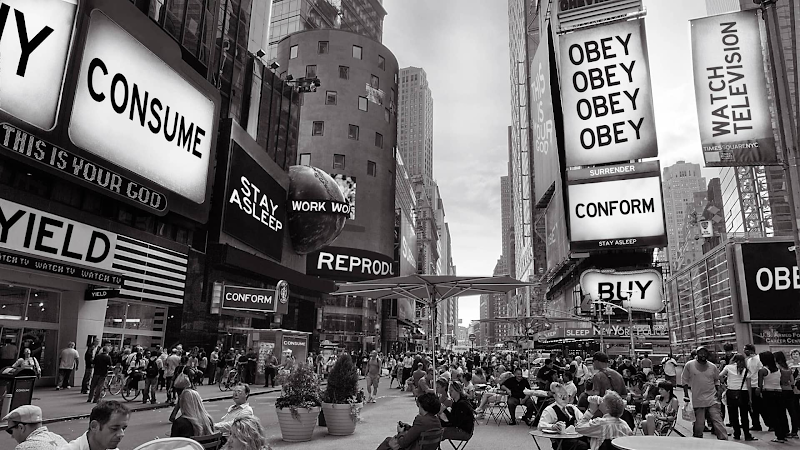
From Ishtar's threat to raise the dead in The Epic of Gilgamesh to the shores and jungles of Africa, slave ships, to Haitian bokor and George Romero's flesh-eating hordes, zombies have always reflected our fear of becoming soulless. In bygone days, the undead symbolized enslavement. Now, they represent the little death of 21st-century existence.
Most stories teach us we can either fight to be our own person or follow the crowd, being told what to do. You are the hero of your own life and must fight to stop becoming a mindless zombie. But the undead walking the streets could never really happen, could it? "I can't become a zombie," I hear you cry. Well, the bad news is… you probably already are one.
We're obsessed with zombie movies and TV shows because they represent the mindless consumerism of the late 20th and early 21st centuries. They reflect our wasted lives; billions of empty, soulless human beings roaming the earth half awake, half asleep… half alive, half dead.
We're not scared of zombies because they're monsters; they terrify us because they symbolize our lives slipping away, a mundane, hum-drum existence, working every hour God sends to enrich board members of filthy corporations while they poison, pollute, and burn us and the animals of our planet. And we happily guzzle their oil, consume their carcinogenic chemicals, drink their microplastics, swallow their sewage, and continue buying shit we don't need, achieving nothing, leaving no legacy.
Our governments, media, and the elite have done such a perfect job conditioning us to be mindless, obedient, consuming slaves that we can't even comprehend that we've been brainwashed. In his 1864 novella, Notes from Underground, Fyodor Dostoyevsky wrote, "The best way to keep a prisoner from escaping is to make sure he never knows he's in prison."
So my advice is simple: Don't get bitten by the consumerism bug. Don't become a mindless zombie. Wake the fuck up. Quit your job. Grab your boomstick. Avoid crowds. Go live in dem woods...
The undead aren't coming. They're already here… and we're all one of them!