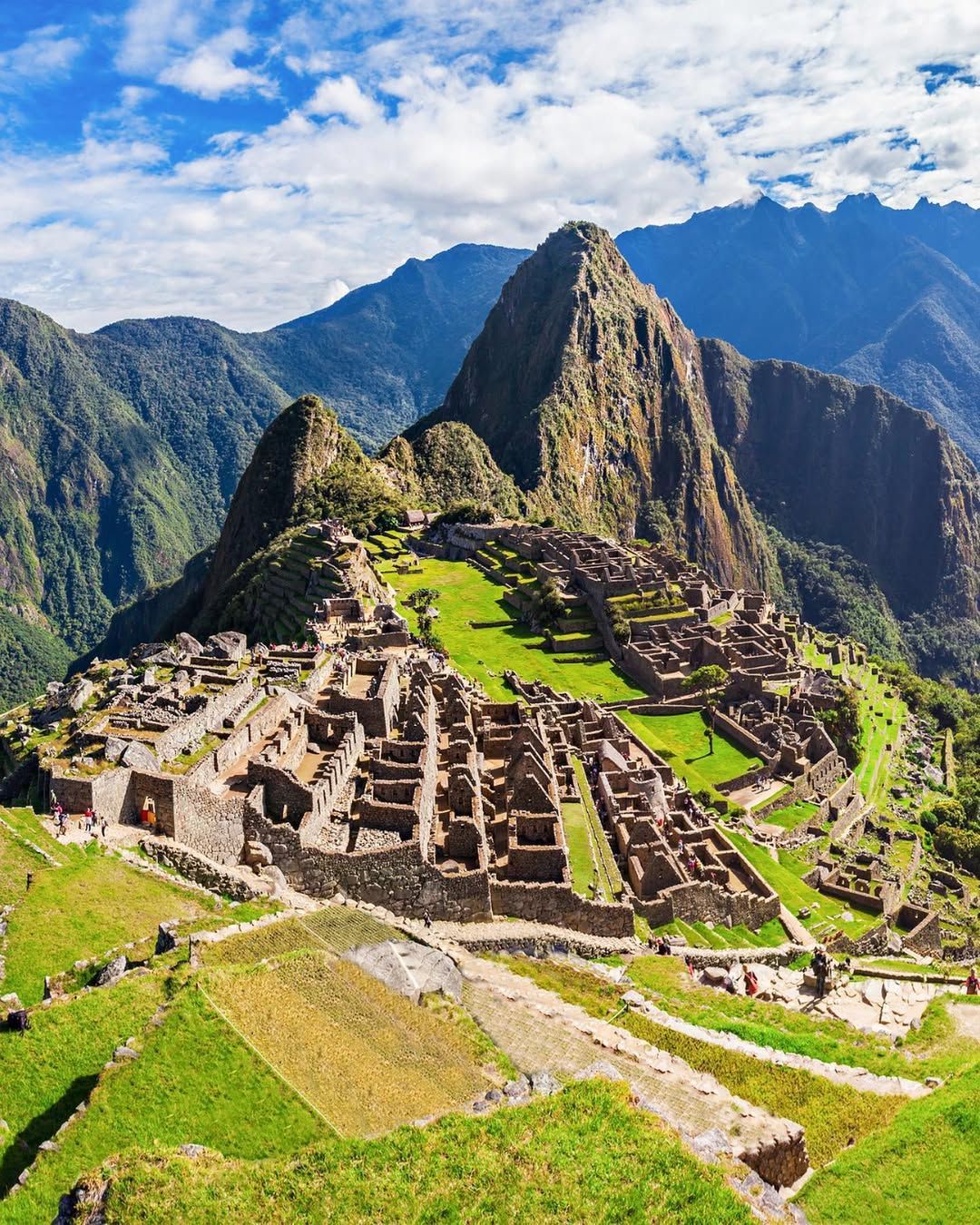
Shrouded in mist and legend, high in Peru's Andes Mountains, the stunning site of Machu Picchu draws millions of tourists every year, but its origin, purpose, terraces, and precisely cut stone ruins still baffle historians. Beneath the site's stunning beauty, artifacts reveal the religious rituals and human sacrifices of the Inca Civilization. So, what dark secrets do these ancient walls conceal?
Some say the site's technology is so advanced that it must have been built by aliens, but there's a much more likely source that taught the Inca cosmology, advanced plate tectonics, and skilled stone masonry. Here's everything you need to know about The Lost City of the Incas…
THE LOST CITY OF THE INCAS
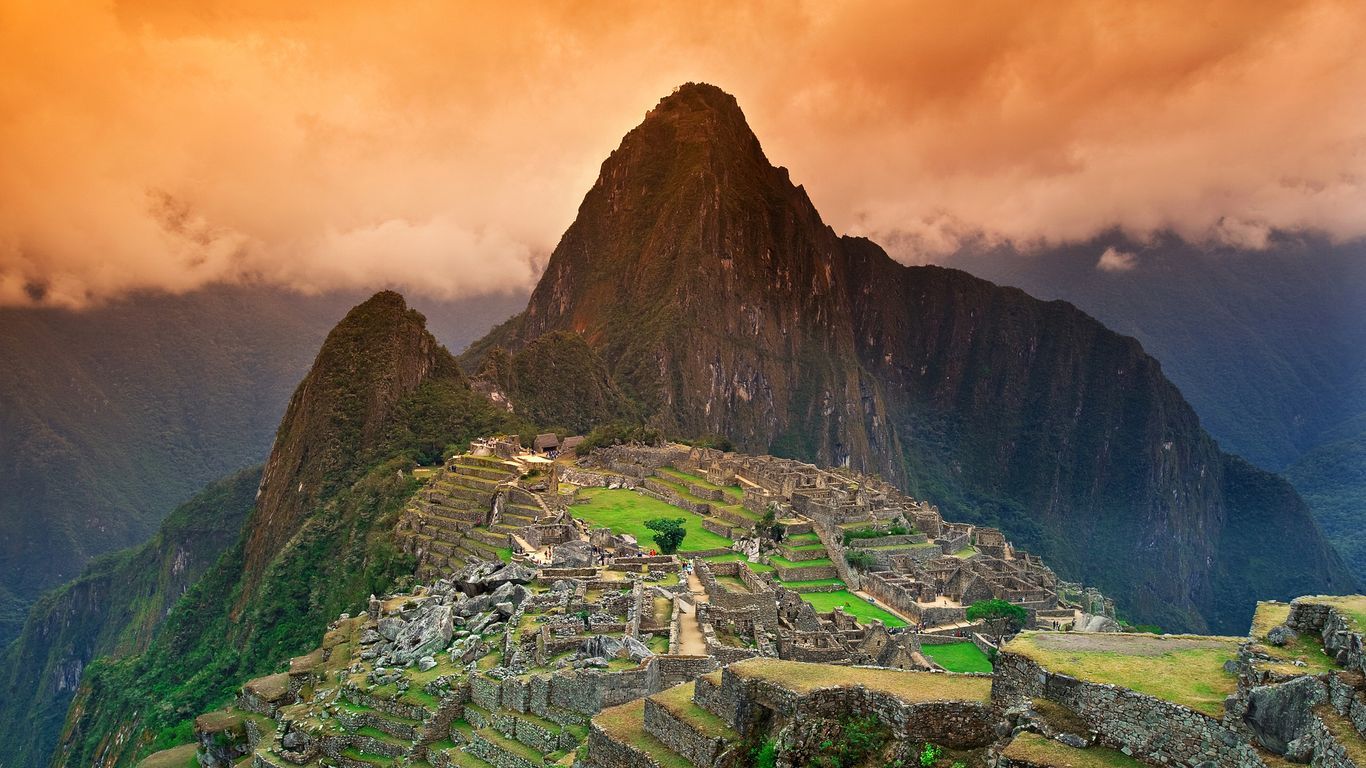
Perched high in Peru's beautiful, rugged Andes Mountains lies the remains of an ancient Inca citadel called Machu Picchu. But the ruined Lost City of the Incas isn't as old as you might think because archaeologists believe the impressive Incan citadel is less than 600 years old,
Amazingly, Machu Picchu is believed to have been built in the 15th century between 1450 and 1470. That means that when the Incas were building it, King Henry VI and Edward IV were duking it out to be king of England, and students had been attending Oxford University for 350 years!
This magnificent, sacred Inca site is located in the Eastern Cordillera of southern Peru's Urubamba Province, about 50 miles northwest of Cusco. The remains sit on a saddle between two mountain peaks, Machu Picchu and Huayna Picchu, on a ridge 2,429 meters (7,970 feet) above the Sacred Valley and the Urubamba River below.
In the native Quechua language, Machu Picchu means old mountain. Today, around 1.5 million tourists take shuttle buses up the mountainside and hike the historic site every year.
The site features 200 buildings set around the Temple of the Sun (Torreon), the Temple of the Three Windows, and the Intihuatana, all built with polished dry-stone walls in the classical Inca style. But while the stunning views make for wonderful Instagram photos, Incan life was far from idyllic.
Like many megalithic sites, the Intihuatana stone points directly at the sun during the winter solstice. But the Incas had no written language, making it impossible for historians and archaeologists to understand exactly what the site was used for. The leading theory is that Machu Picchu was an Incan royal estate belonging to...
EMPEROR PACHACUTI
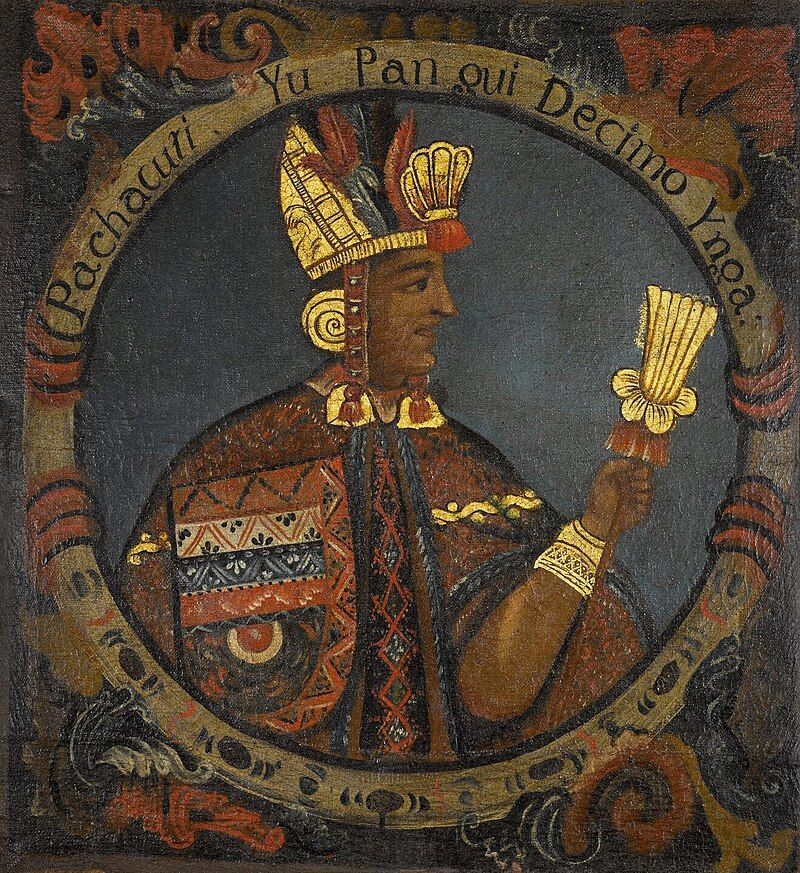
From what little we do know, it's believed that Incan expansionist warlord Emperor Pachacuti Inca Yupanqui, aka The Overturner of Worlds (1438–1472), ordered the construction of Machu Picchu around 1450. No one knows why he chose the top of a mountain, but everything was built without iron tools or wheels.
The citadel rises on steep slopes which are prone to landslides, thanks to the 80 inches of annual rainfall, and sits on earthquake-prone fault lines. For almost 600 years, the site has survived massive rainfall, storms, erosion, and earthquakes that would topple most modern structures.
Approximately 750 god-fearing people lived at Machu Picchu, mostly Yanaconas (servants) who stayed year-round to maintain the royal estate while the elite visited seasonally. Servants lived in simpler quarters, kept llamas and alpacas, and farmed maize, potatoes, grains, and legumes on the site's many hundreds of artificial terraces called Andenes.
Amautas (wise people) and Ñustas (princesses) lived in trapezoid-shaped rooms in the royal area. Daily life stopped for festive and religious celebrations like the Festival of the Sun and other solstices and equinoxes.
CONQUISTADORS NEVER FOUND MACHU PICCHU
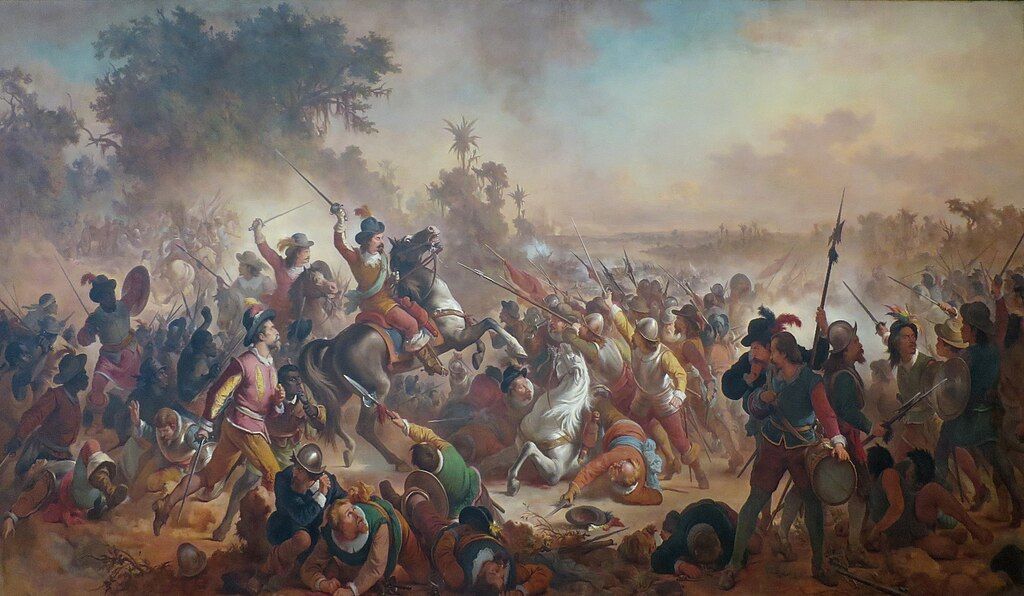
In the 16th Century, Spanish Conquistadors swept through South America, seeking gold and converting the indigenous peoples to Christianity, or killing them. Emperor Atahualpa had won a brutal civil war against his half-brother Huáscar for control of the throne, but was ambushed and captured by Francisco Pizarro's forces in November 1532.
To buy his freedom, Atahualpa offered Pizarro a ransom; he would fill a room to a height of eight feet once with gold and twice with silver. The Incas delivered the treasure, but the Spanish refused to release Atahualpa.
The Spanish put him on a sham trial, charging him with idolatry, rebellion, and assassinating Huáscar. Pizarro sentenced the emperor to be burned alive at the stake. Because Incas believed the body must remain intact for the soul to pass into the afterlife, Atahualpa agreed to be baptized as a Christian at the last moment.
But on July 26th, 1533, in the Plaza de Armas of Cajamarca, Cajamarca, Peru, the Spaniards executed Atahualpa (pictured below) by strangulation with a garrote, effectively ending the Incan empire.
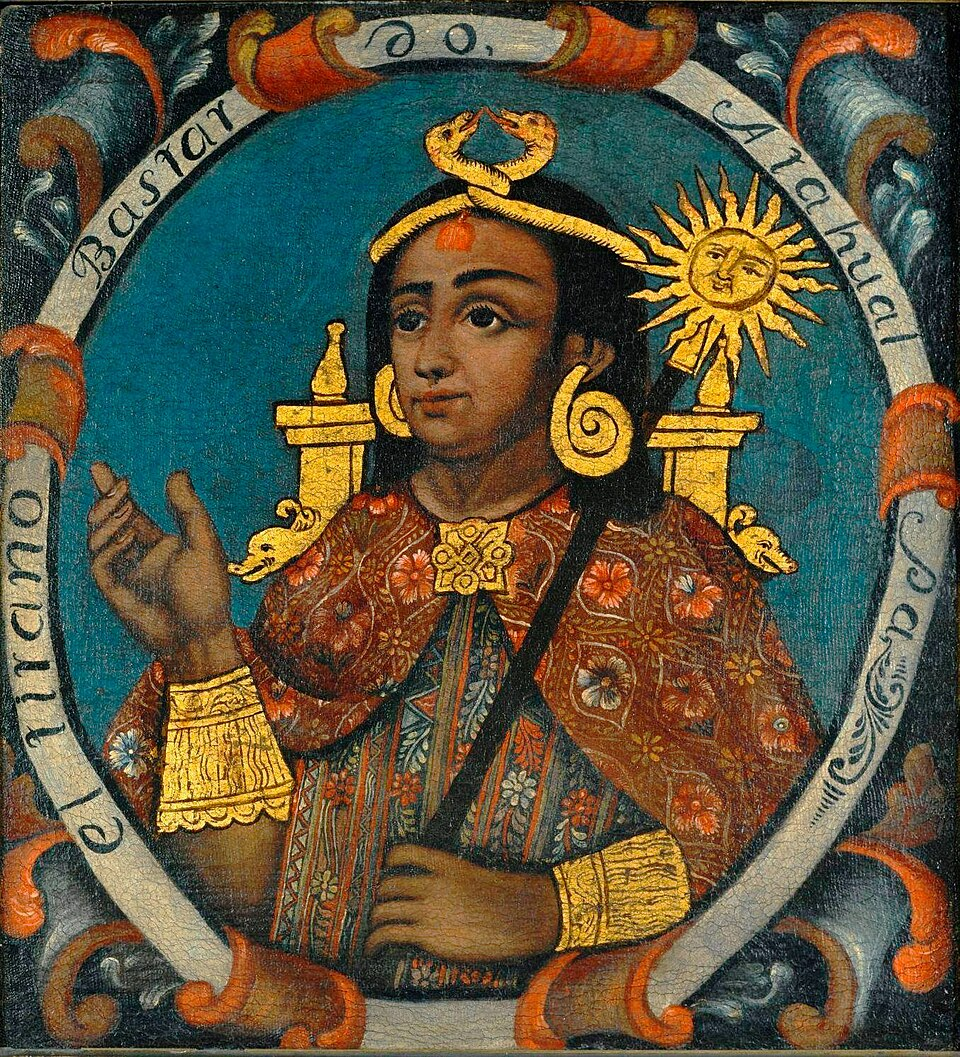
Thankfully, the Spanish never discovered Machu Picchu as locals burned forest trails and erased all paths leading to their sacred mountain retreat. And it's a good thing the locals hid their royal site from the conquistadors, as they would have looted and burned this Wonder of the New World.
Not long after the Spanish arrived in Peru, sometime after 1533 but before 1565, Machu Picchu's inhabitants mysteriously vanished. They only used the city for about 80 years before everyone just... left. Even today, nobody can say for sure why the Incas abandoned the site, but leading theories suggest the white man brought diseases like smallpox.
Other theories include a second civil war or the possibility that the city's citizens were called away to fight a war in another part of Peru. But the Incas did leave us clues… you see, unlike other Incan sites destroyed by Spanish forces, this mountain citadel remained untouched and unlooted.
For 360 long years, Machu Picchu was shrouded by the mists of time and forgotten by human memory. For three and a half centuries, trees, vines, and undergrowth covered the temples, creating a time capsule that left behind thousands of astonishingly well-preserved artifacts and unearthing a journey into the dark religious practices of the Incas.
HIRAM BINGHAM III
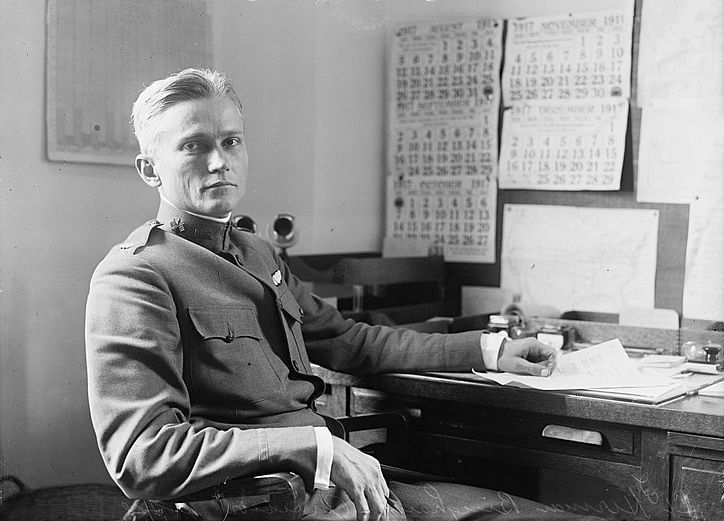
Then, in 1875, far across the Pacific Ocean, a man called Hiram Bingham III was born in Honolulu. He grew up to become a Yale history professor obsessed with finding ancient, unexplored Incan cities. And if a history professor looking for lost Incan cities sounds familiar, yes, Hiram Bingham III is one of the inspirations for Indiana Jones!
In 1911, adventure-seeker Bingham set off on an expedition to Peru. He was searching for the Lost City of Vilcabamba, but he was fifty miles in the wrong direction. His expedition set out from the ancient Incan capital of Cusco into the Sacred Valley. Bingham's crew traveled by mule and on foot to a small settlement called Mandor Pampa near Aguas Calientes.
On July 24th, they met a local farmer named Melchor Arteaga. He led Bingham's expedition across the river and up the Huayna Picchu mountainside. At the peak, they found a family of Quechua farmers tilling the original Incan agricultural terraces of Machu Picchu.
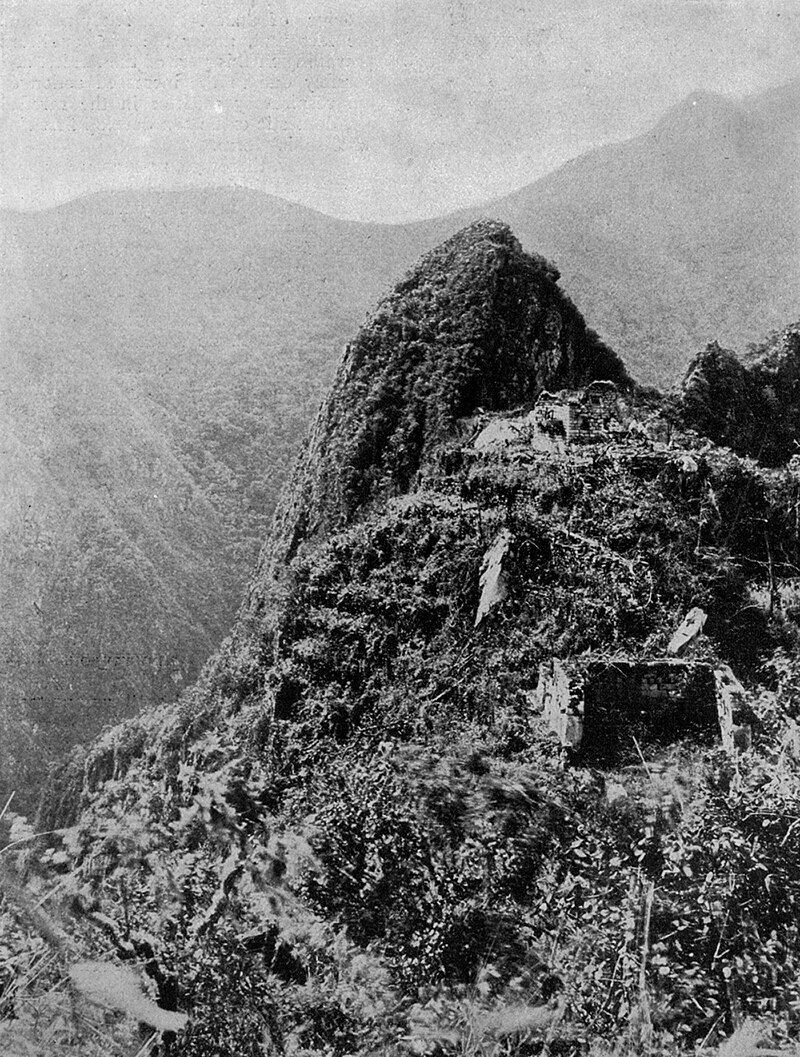
The farmers led Bingham along the ridge to some overgrown ruins known only to locals… The world had forgotten the ruins except for the small number of people living in the immediately neighboring valley. At first, the site was too overgrown for Bingham to understand just how earth-shatteringly important his discovery would be.
Thanks to all those vines and undergrowth, the ruins were perfectly preserved. He took notes, measurements, and photographs, but was unclear about the original purpose of the ruins. Eventually, he returned to the USA, convinced he still hadn't found what he was looking for…
HIRAM BINGHAM DISCOVERS MACHU PICCHU
The following year, Bingham returned to Machu Picchu, sponsored by Yale University and National Geographic magazine. With the express permission of the Peruvian president, Bingham, his team, and local laborers worked for around four months clearing the site. And what they found beneath their feet changed history forever. Bingham had uncovered one of the 20th century's most stunning archeological discoveries.
Though he didn't realize what he'd found until his second visit, he had discovered The Lost City of the Incas on July 24th, 1911. Bingham's discovery of Machu Picchu captivated the entire world. For weeks, newspapers ran front-page Boys' Own stories about the intrepid American explorer. Huge numbers bought National Geographic magazine to see the jaw-dropping black-and-white or sepia photos of the magnificent Lost Incan City.
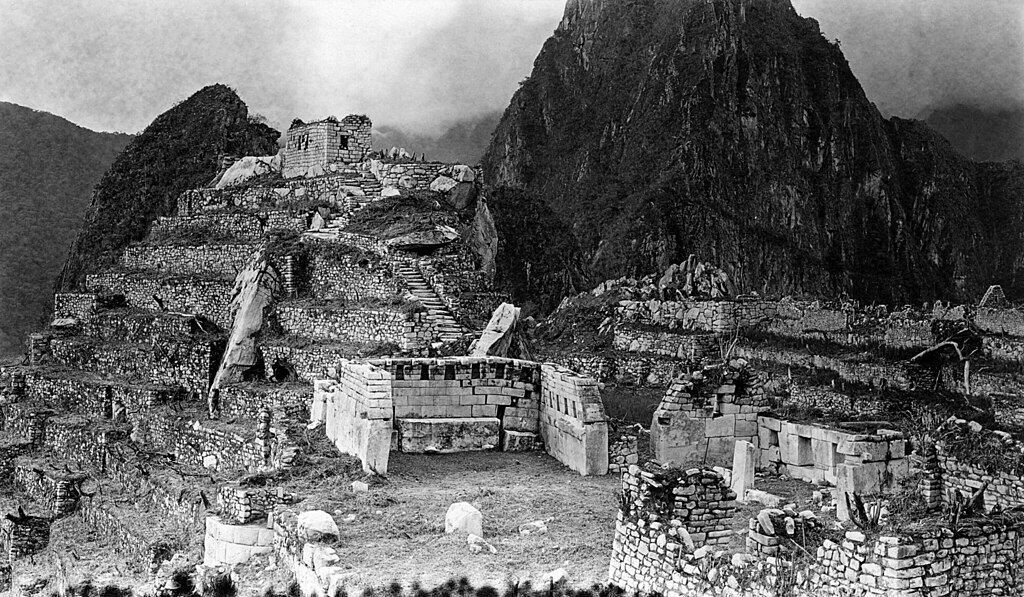
But among the architectural marvels, Bingham found artifacts suggesting ritualistic practices that challenged the romanticized views of Incan civilization. His discovery sparked investigations that uncovered evidence of offerings to gods, including human sacrifice to bloodthirsty deities.
Like the 1849 Californian gold rush 60 years prior, archaeologists and scholars flocked to Machu Picchu, eager to study this perfectly preserved city. But their excavations uncovered much more than beautiful stonework and ingenious Incan engineering. Hidden beneath the tourist-friendly exterior lay evidence of practices that would horrify modern sensibilities.
Ritual chambers, sacrificial altars, and burial sites containing human remains told of a long-lost civilization that engaged in practices involving human sacrifice to appease their gods and ensure cosmic balance.
QHAPAQ HUCHA: CHILD SACRIFICE
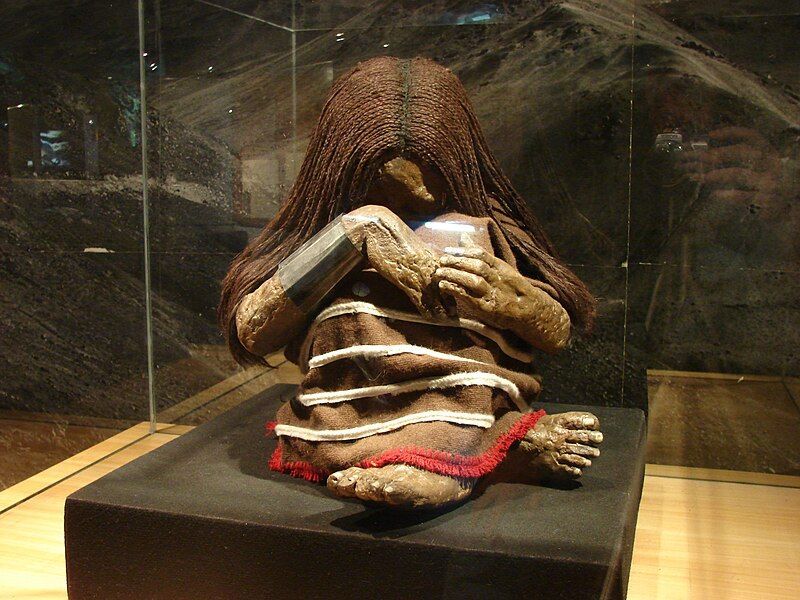
The most disturbing discovery was evidence of Qhapaq Hucha, or Capacocha, the Incan practice of child sacrifice. Archaeological digs revealed that youngsters – considered pure and untainted by the Incas – had been sacrificed as offerings during dark and desperate times. It seems these young, innocent victims underwent months of preparation, being pampered and adorned like royalty... before meeting their makers.
Children were led on ceremonial journeys to mountaintop shrines, where they were given an intoxicating concoction before being strangled, struck in the head, or just left to freeze on the mountain peak. Archaeological evidence tells the tragic tale of one young boy who didn't tiptoe into his sacrificial fate and the afterlife. Human remains show this child's restraint and struggle, indicating that not all sacrificial victims willingly accepted giving up their lives, and a haunting insight into Qhapaq Hucha practices.
The remains of one youngster show that he was tied up and seemingly made to drink a concoction (possibly coca leaves or maybe ayahuasca) before his life was given to the gods. Yet, as archaeological techniques improved over the next century, child remains weren't the only creepy thing that excavations uncovered...
Digs also turned up dozens of figurines depicting terrifyingly disfigured human beings. These tiny statues were almost always found in close proximity to human remains, suggesting their connection to religious rituals and sacrifices.
Perhaps they were offerings to appease Supay, the Incan god of the underworld, to save the Incan people from natural disasters, or to ensure more bountiful harvests.
DIVINE GUIDANCE
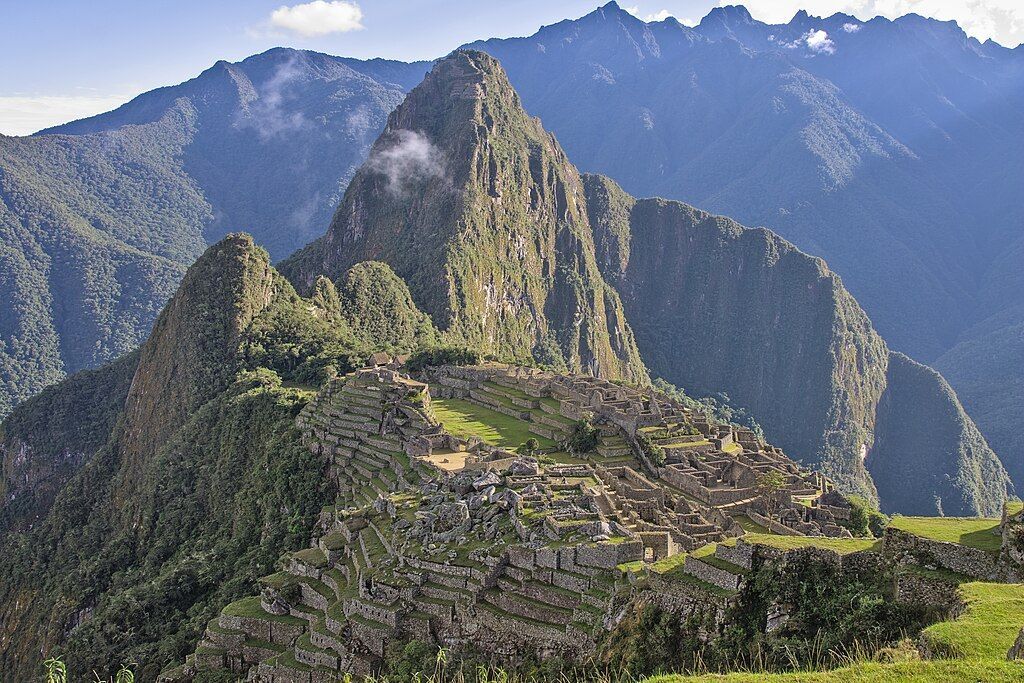
The Incan people demonstrated an uncanny knowledge of geological conditions, always selecting sites along tectonic fault lines that both provided the construction materials they needed while also ensuring structural stability.
So, how did the ancient Inca people move hundreds of giant rocks up a mountain by hand and without the wheel? Their ability to identify fractured rock zones spanning vast distances suggests advanced geological knowledge. But did they derive this knowledge from scientific observations or divine guidance from the gods?
The answers remain a mystery. The Incas deliberately inhabited regions prone to earthquakes, destructive floods, wildfires, and eruptions from the nearby Misti, Chachani, and Pichupichu volcanoes. They believed natural disasters were divine communications from their gods. To survive, they formed reciprocal relationships through offerings and sacrifices.
But when environmental disasters repeatedly struck, the Incas would have interpreted these events as demands for even more offerings and human sacrifice. Ironically, this symbiotic relationship between losing people to natural disasters led to the loss of more people through sacrifice.
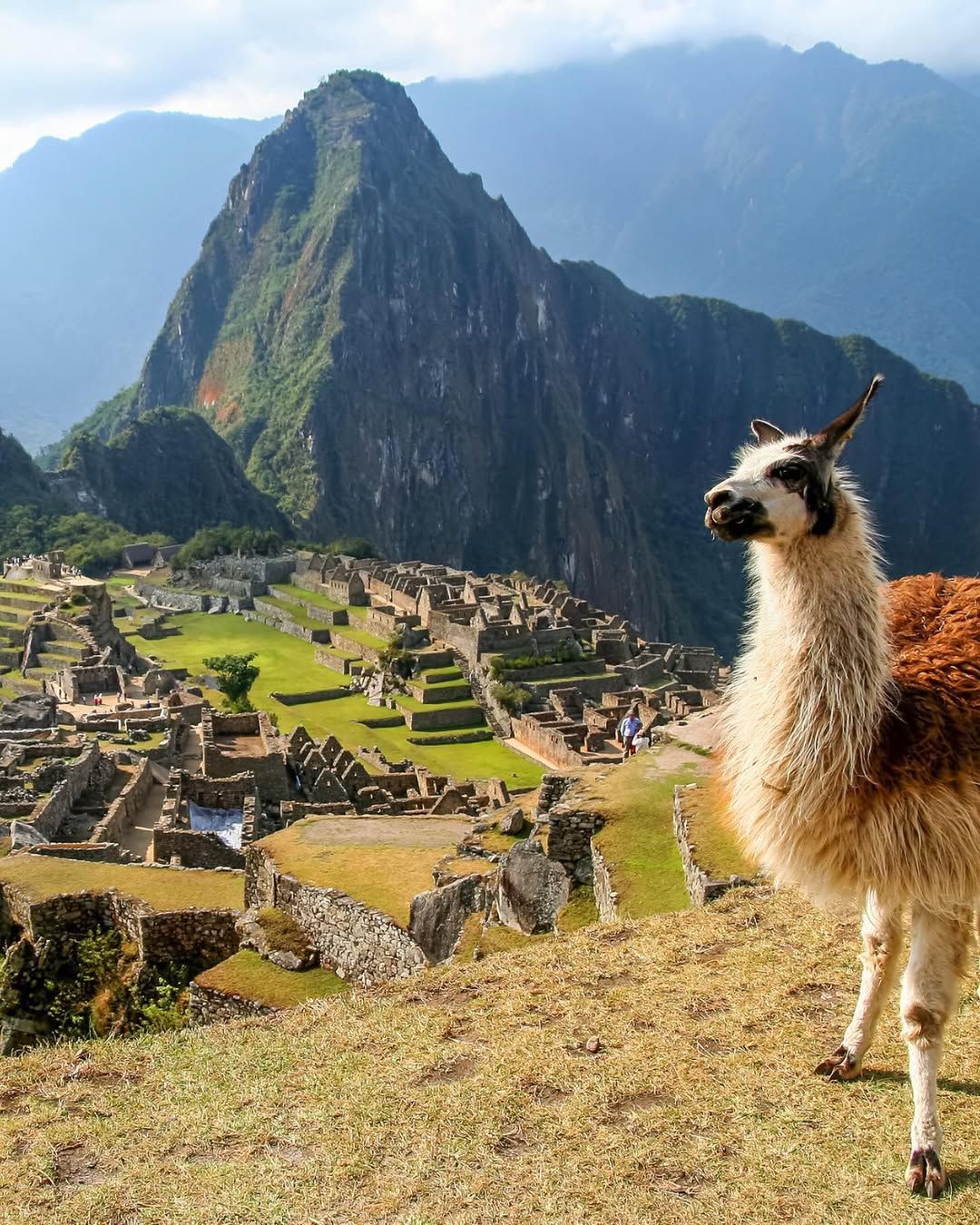
As we know, the Incas sacrificed food, livestock, farmland, and humans to their sun god, Inti, believing he controlled crops and survival. But they also sacrificed white llamas on special altars. These beasts were considered sacred due to their pure color. The colonial-period Spanish writer Bernabé Cobo chronicled that brown llamas were sacrificed to the creator god, Viracocha, and white llamas to the sun god Inti.
The white llamas' blood was then offered to Inti to guarantee favorable weather and bountiful harvests. More recent archaeological discoveries revealed mummified llamas were also buried alive as part of elaborate religious rituals. The poor animals were bound and adorned with decorative items before being buried alongside guinea pigs and other sacred objects to mark solstices and appease the gods.
While the Spanish thankfully never sacked Machu Picchu, 16th-century colonial accounts describe sacrifices involving over 100 llamas. In October, the inhabitants would sacrifice 100 llamas to promote rain, and in February, another 100 were sacrificed to stop the rain.
THE FESTIVAL OF THE SUN
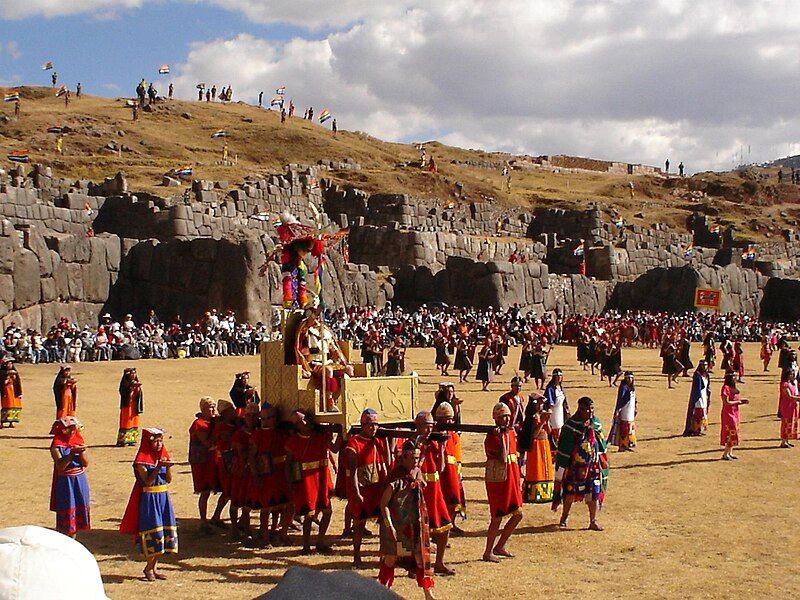
While Incan sun worship involved 15-day-long festivals where music, dances, and processions honored their solar deity Inti at the summer solstice, it was nothing like going to Coachella, Lollapalooza, or Glastonbury Festival as we do nowadays! That's because these colorful traditional ceremonies were always peppered by darker practices, including human and animal sacrifices.
If you want to visit, the Festival of the Sun, or Inti Raymi, still takes place at the Sacsayhuamán ruins, Plaza de Armas and Qorikancha Temple in Cusco, Peru, every June 24th. Just don't forget to bring your own llama!
If you do travel to Peru, you will find that local porters working on Machu Picchu's trails carry small mirrors to protect them against the evil spirits they believe still inhabit the mountainside.
These modern descendants of the indigenous Incas fear ancient supernatural forces remain just as dangerous in the 21st century as they were during Emperor Pachacuti's heyday. When the porters camp, they hide the mirrors under their straw beds to stop malevolent entities emerging from the earth in the night. You've been warned!
THE GUARDHOUSE
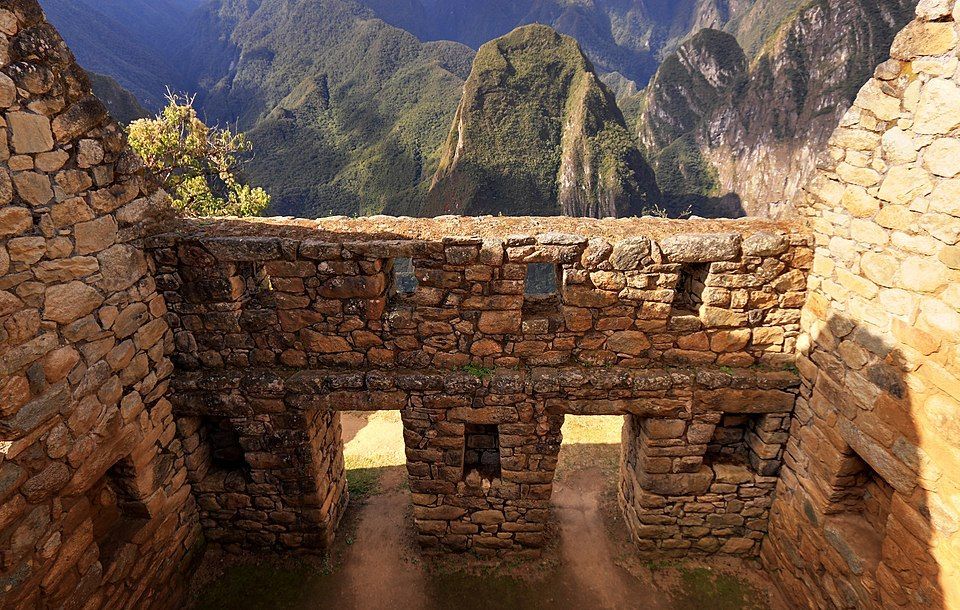
Among Machu Picchu's many impressive structures stands The Guardhouse, a three-sided wayrona-style building, with one long side opening onto the Terrace of the Ceremonial Rock and strategically positioned to oversee the entire citadel. While tourists snap selfies in front of this iconic building, its original purpose was far more creepy.
The Guardhouse was a control center for the city's ritualistic activities. Guards would have monitored ceremonial processions, sacrificial rituals, and religious observances in the sacred spaces below. So now we know that Machu Picchu was a religious and cosmological center and that thousands of human and animal sacrifices were made on that Peruvian mountaintop.
However, modern historical analysis suggests the site was also used as a luxurious spa retreat for Incan nobility. Yes, even bloodthirsty Incan warlords needed some hard-earned rest and relaxation. Elaborate residential quarters have been unearthed alongside ritual spaces, indicating pampering went hand in hand with worship.
SUPAY'S INFLUENCE
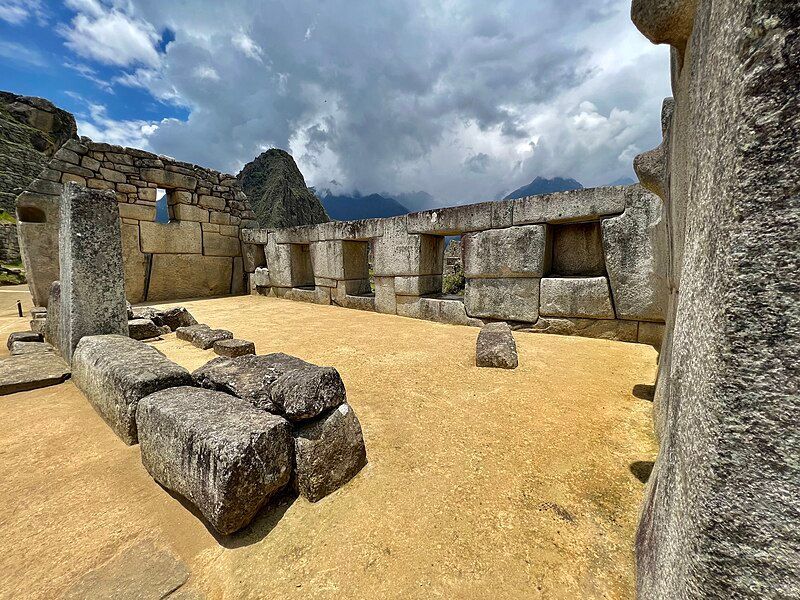
No signs of an attack or natural disaster have ever been found, so Machu Picchu's 750 inhabitants could have received word of the Spanish bringing disease and fled to preserve the site. But there is one more intriguing theory as to why they suddenly vanished without a trace.
Some believe that Supay, the Inca god of the afterlife and underworld, played a significant role in the inhabitants fleeing the city. Superstition was rife, and the Inca people deeply revered and feared the wrath Supay could unleash at any moment. Beneath the Temple of the Sun lies Inti Mach'ay cave, where sons of noble Incas as young as 12 underwent initiation rituals on their way to manhood.
During the Royal Feast of the Sun, these boys would have been separated from their mothers and subjected to ear-piercing ceremonies. The caves featured ingenious windows that only allow light to enter on the winter solstice. The boys were kept in the dark and deprived of daylight until the sun rose on the winter solstice for their journey into adulthood.
However, the blood and flesh of llamas, alpacas, guinea pigs, children, and figurines were not the only offerings that the Incas made to appease their gods. Other offerings to ward off natural disasters and ensure good harvests included food such as their favorite corn, Chicha, a fermented corn beer, coca leaves, ceramics, fine cloth, and woven textiles, as well as bronze, silver, and gold items. Other artifacts uncovered at Machu Picchu include the remains of deceased Incas, particularly mummified emperors.
GEOLOGICAL MARVEL
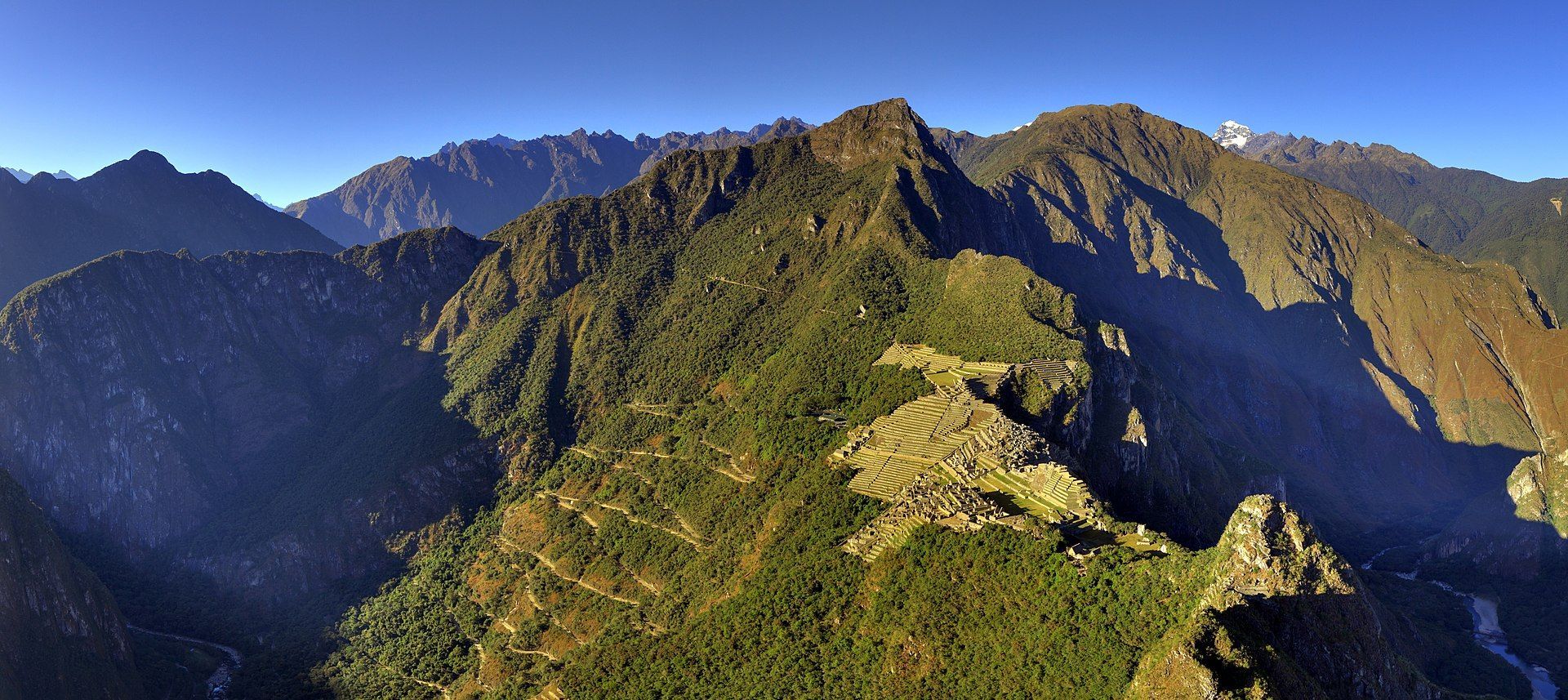
Geologist Rualdo Menegat believes the Incas deliberately chose isolated spots for their cities and wondered if the reason might have lain below ground. So, he and his team from Brazil's Federal University of Rio Grande do Sul mapped the fractures beneath Machu Picchu using satellite data combined with on-site measurements, and lo and behold; he was right!
Directly below Machu Picchu lay a literal criss-cross of fault lines. But why on earth would the Incas build their sacred city on land where earthquakes were commonplace? Well, basically, the Incas were geological wizards. In fact, their rock-reading skills were so next-level that it borders on the supernatural. Their mastery of mountain terrain, rock formations, and plate tectonics below the earth enabled them to create cities that worked in harmony with natural forces rather than against them.
In short, instead of fighting Mother Nature, they turned her to their advantage! The fractures that provided building materials also served as ingenious storm drains, protecting the citadel from devastating floods during heavy rainstorms. It turns out Machu Picchu wasn't a one-off. Rualdo Menegat discovered that other Incan cities, including Ollantaytambo, Pisac, and Cusco, were also built right above fault lines – proving the Incas had a master plan for earthquake-proof cities.
Underground cracks provided free building materials while keeping everything stable during tremors. The fractured bedrock made it easy to fit those famous perfectly aligned stones together like a massive 3D puzzle. In a nutshell, the Incas figured out geological engineering secrets that we're only now catching up to. But things get curiouser and curiouser.
X MARKS THE SPOT
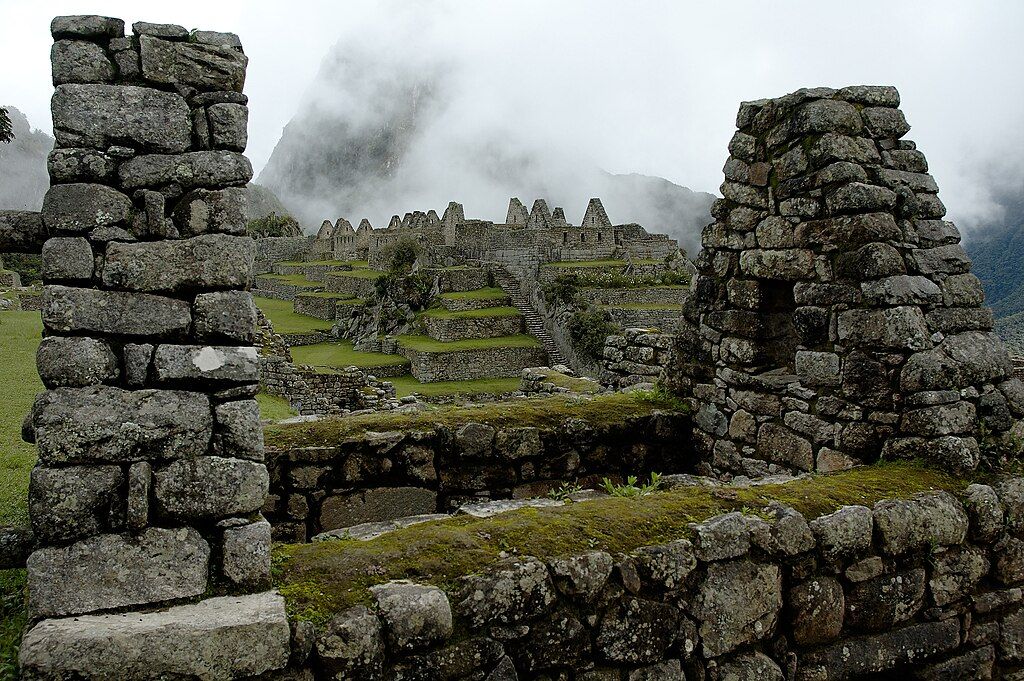
Menegat's research identified a 107-mile-long X-shaped tectonic fracture. And guess what? Machu Picchu stands directly above the convergence point. Those bafflingly clever Incas had built their sacred city right on top of the middle of the X. So, just like old pirate maps, X does mark the spot!
Yet, since we've only just discovered the technology to measure tectonic plates, how on earth did the Incas possess this knowledge 600 years ago?
Well, within Machu Picchu's walls lies evidence of sophisticated water management that remains functional to this day. Menegat's research revealed how they identified rare oases. Incan engineers harnessed hidden water sources coursing through faults and fractures and designed systems that collected the region's abundant rainfall and channeled spring water to the entire city through carefully constructed canals.
The fractured bedrock beneath Machu Picchu also served as a natural drainage system, protecting the city from devastating floods common in the high Andes due to heavy rainfall.
WHAT HAPPENED TO HIRAM BINGHAM?
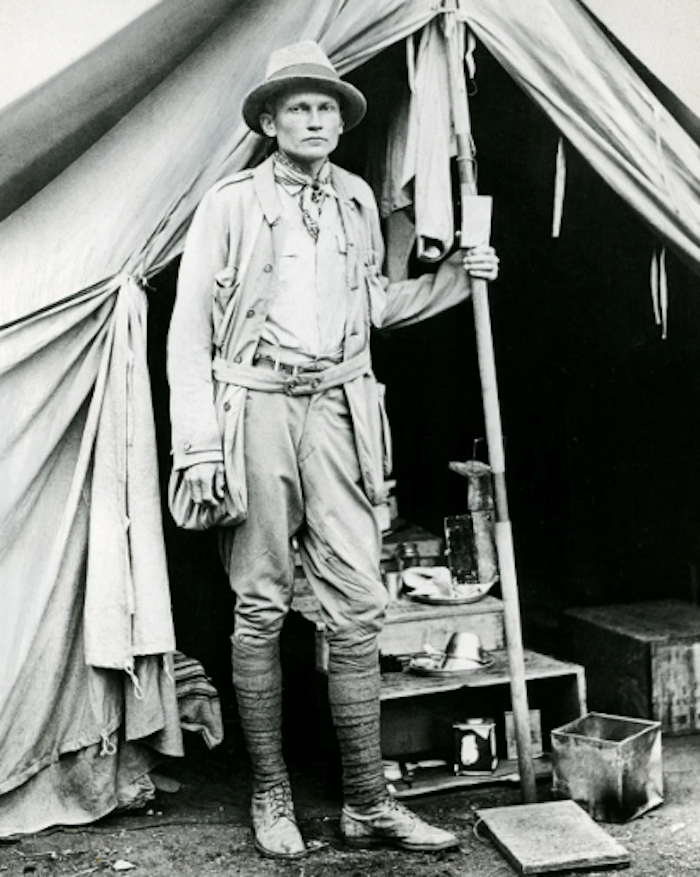
Hiram Bingham III was initially treated as a hero for discovering Machu Picchu. In 1948, he wrote a book called The Lost City of the Incas. Charlton Heston played a character based on him in the 1954 film Secret of the Incas. As mentioned, Bingham and the Charlton Heston film inspired George Lucas and Steven Spielberg's beloved history professor and adventuring explorer Indiana Jones.
After fathering seven children, Bingham became a politician and passed away at his home in Washington, DC, on June 6th, 1956. However, over the decades, the idea of Hiram Bingham as a noble, heroic explorer has changed. Just like Harvey Dent says in The Dark Knight, "You either die a hero, or you live long enough to see yourself become the villain."
In recent years, the Peruvian government declared that they wanted back the 40,000 artifacts – which included mummies, ceramics, and bones – that Bingham had excavated and exported from the sacred site. Finally, in 2012, Yale University began returning thousands of these objects to Peru.
However, Hiram Bingham wasn't the first to find Machu Picchu. In the 16th century, Spanish conquistador Baltasar de Ocampo visited the site, recording "detailed notes on the richly carved and finely dressed stone lintels." British missionary Thomas Payne and German engineer J. M. von Hassel also claimed to have seen the city first, as did another German named Augusto Berns. 1874 and 1904 maps also show the site.
In 1911, Bingham was disappointed to find the name Agustín Lizárraga and the date 1902 scrawled in charcoal on the Temple of the Three Windows.
DID ALIENS BUILD MACHU PICCHU?
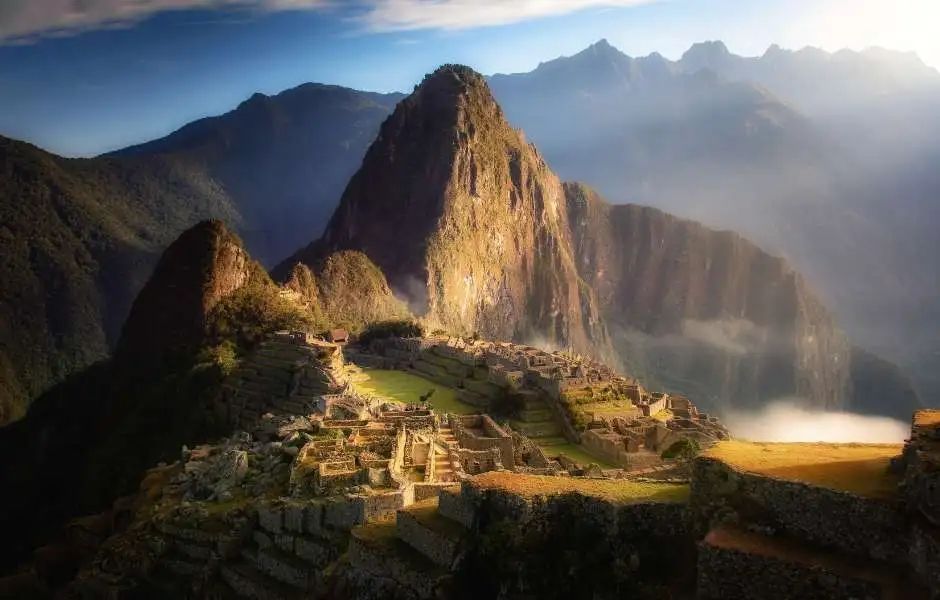
The precision of Machu Picchu's construction has long baffled historians. Massive stone blocks that had been perfectly fitted together without mortar defied explanation of how they were moved up a mountain and placed with such precision. Furthermore, the site's altars, perfectly aligned with celestial events like solstices and equinoxes, demonstrate advanced indigenous astronomical knowledge.
Some theorists claim the technology is too advanced for the Incas, and suggest that it could only have come with extraterrestrial help. Narrator's voice: It wasn't aliens! So, if it wasn't aliens, where did the Incas get their wizard-like knowledge to build Machu Picchu? Well, there's a more likely explanation than aliens...
THE GODS TAUGHT THE INCA TO BUILD MACHU PICCHU
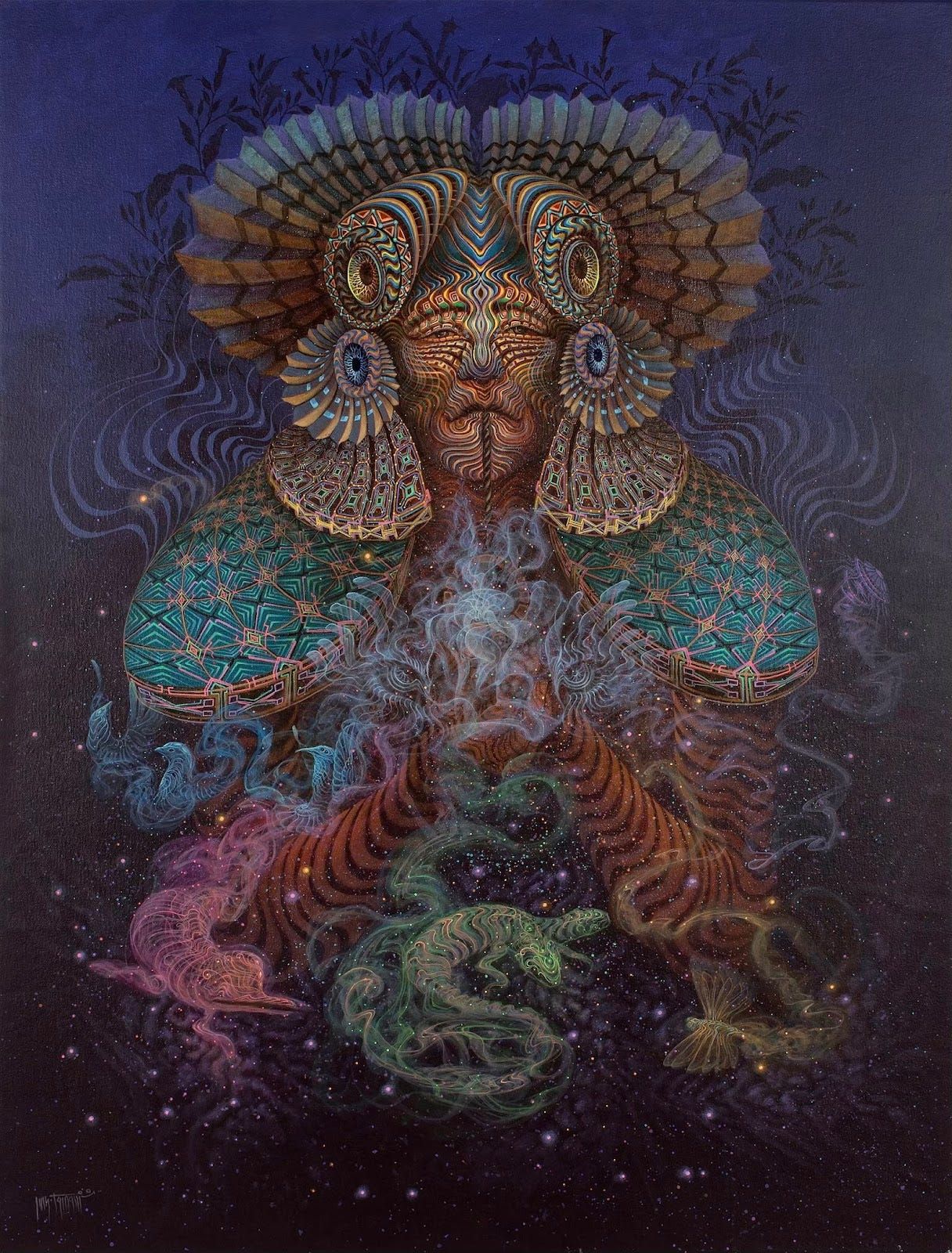
Like many South American tribes, Incan shamans have used an ancient ceremonial plant medicine called ayahuasca for centuries. Known as a plant teacher, the acrid brew is made from the DMT-containing Psychotria viridis plant. Taken alone, it has no effects. But when boiled with the Banisteriopsis caapi vine, it creates a powerful psychoactive decoction.
Those who drink ayahuasca take trips to kaleidoscopic, magical worlds, converse with the gods and spirit animals, learn impossible knowledge from long-deceased ancestors, and often find profound spiritual healing. But how did ancient indigenous peoples know to blend these two specific plants (out of tens of thousands in the Amazon area)? Well, when asked that very question, they reply, "The plants taught us."
In short, despite what the world's best historians, archeologists, and geologists believe, it's highly likely that the Incas learned cosmology, plate tectonics, advanced stone masonry, water management, canal building, and how to construct earthquake-proof cities while tripping balls!
VISITING MACHU PICCHU & THE RISKS OF TOURISM
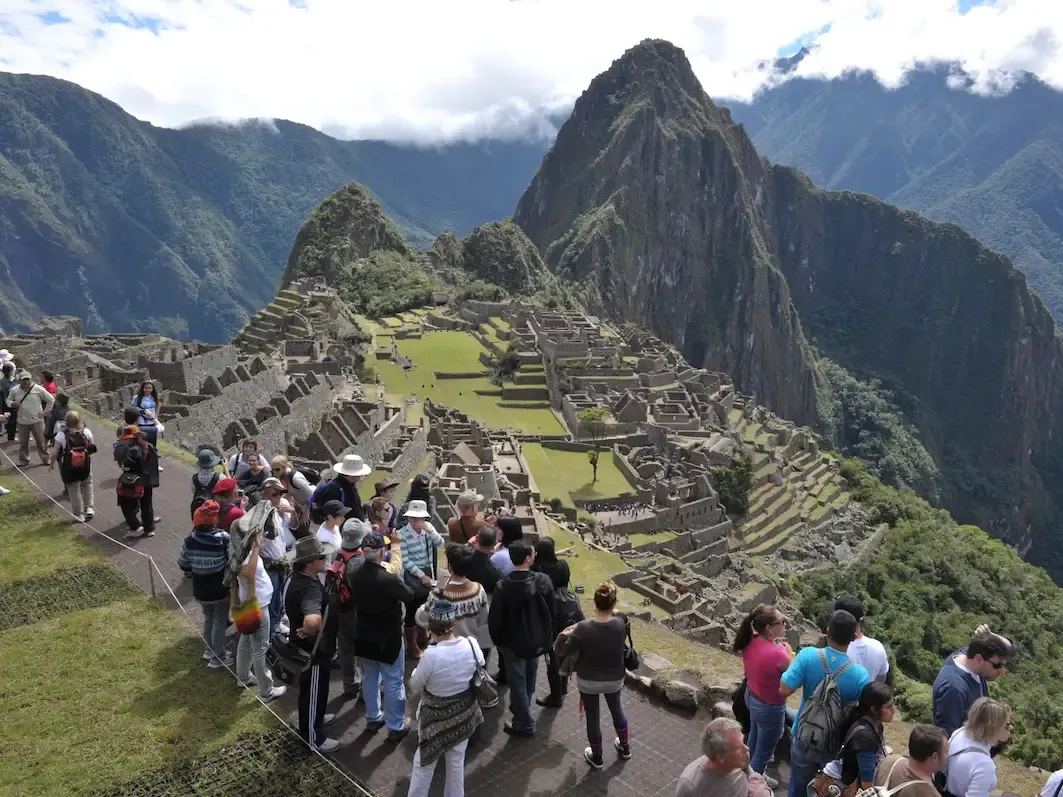
Today, most visitors to Machu Picchu take the train from Cusco to Aguas Calientes, then a bus up the Hiram Bingham Highway's switchbacks to the ruins. From December 2024, you must purchase tickets in advance and use a licensed tour guide between specific time slots from 6 am to 2 pm. The site draws over 4,000 visitors every day, so expect a bit of a crush.
Understandably, everyone in the world wants to see the marvel that is Machu Picchu. But tragically, mass tourism poses a threat to this New Wonder of the World and UNESCO World Heritage Site. The heavy foot traffic and litter from 1.5 million annual visitors erode the sacred site's delicate landscape. As it lies on a steep slope, tourists increase landslide risk. Some idiots even deface ancient stonework and take artifacts home.
The tickets only last for four hours, so if you want to stay longer, you have to buy another ticket… or sacrifice a llama!