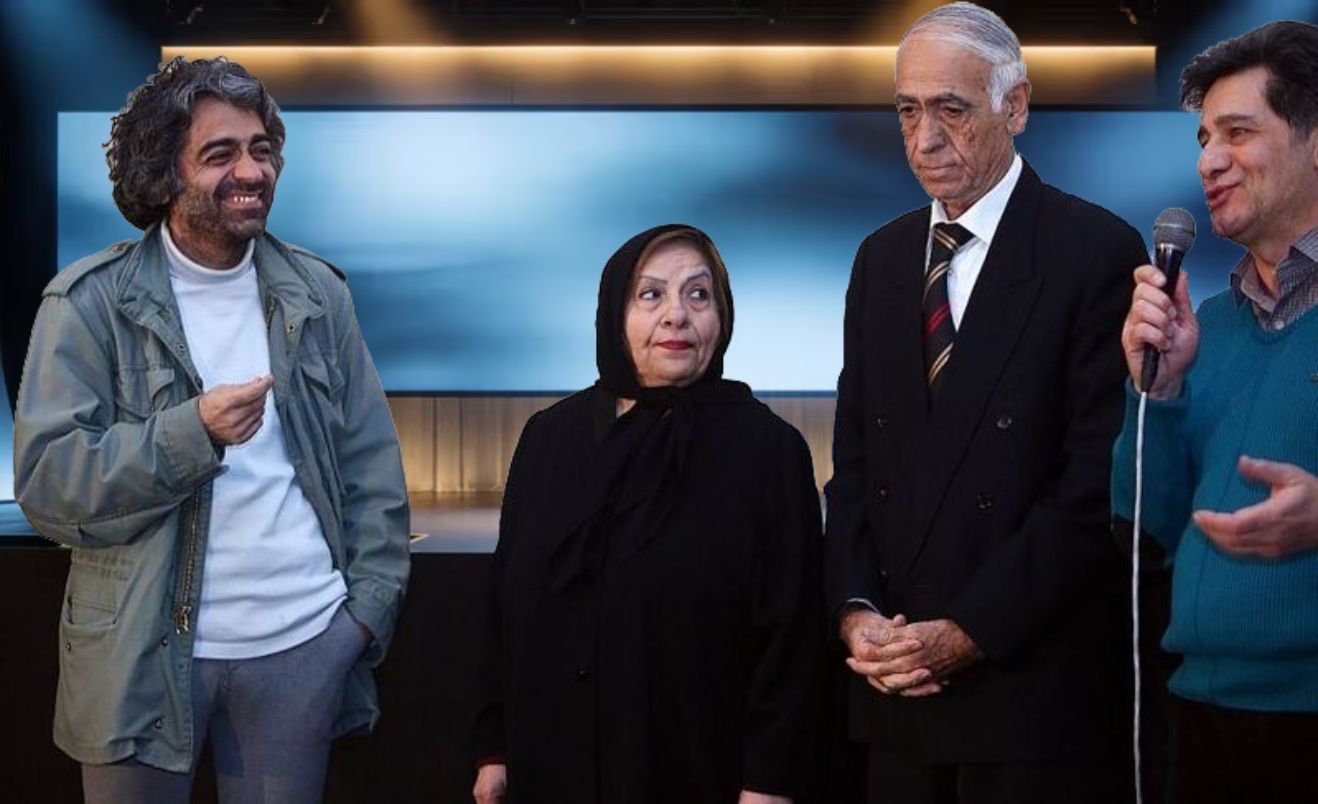
They were the lovely, elderly couple next door, but then the first body was discovered. On May 16th 2021, 81-year-old retired army colonel Akbar Khorramdin and his wife, Ms Mousavi – a 74-year-old housewife – were arrested for the brutal murder of their filmmaker son, Babak.
They had poisoned, suffocated, and stabbed him to death before cutting up his body and discarding his mutilated remains in dumpsters around their West Tehran neighborhood.
Babak’s ghastly crime against humanity? His parents murdered him as he was unmarried at 47 years old.
While honor killings are not uncommon, this chilling case has rocked Iran to its core. Yet, after they were arrested and confessed, the murder case took a surprising and even more horrific turn for the worse; this wasn’t the Khorramdin’s first murder.
WHO WAS BABAK KHORRAMDIN?
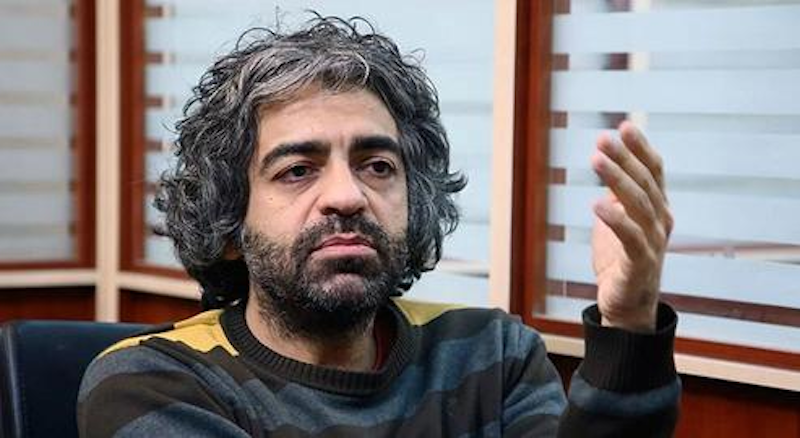
Babak Khorramdin was a relatively unknown Iranian film director. He graduated in 2009 with a master's degree in cinema from the Faculty of Fine Arts of the University of Tehran.
Then, he moved to London to study and made several features and shorts, including Oath to Yashar, which tells of a young man who moves to London but misses his parents. Ultimately, Babak returned back home to Iran to teach film to students… but it would be the death of him.
Babak's parents first had a taste of being in the spotlight five years ago when their film director son invited them up on stage after successfully screening one of his films in Tehran.
Akbar and Ms Mousavi were old, frail, humble, camera shy and looked like they wouldn’t say boo to a goose. To the outside world – and to Babak – it was an immensely proud moment. But his parents had been harboring a dark and terrible secret for the last half-decade.
Babak lived with his parents in West Tehran’s Ekbatan housing complex. On what is believed to be Saturday, 19th May, 2021, his mother tried to drug him in the family home.
She cooked chicken and poisoned it to knock her son unconscious, but he didn’t touch his dinner and went to his room and slept. So, Mrs Khorramdin placed the food in the refrigerator. Babak woke up the next day and ate the poisoned chicken that afternoon.
At around 5 pm, after Babak had passed out, his father tied his feet to a chair with a bootlace, covered his head with a black plastic bag to suffocate him, and then stabbed him multiple times with a knife. They carried their son’s dead body to the bathroom, cut it into pieces, placed the body parts in three suitcases and discarded the remains in trash cans around the city.
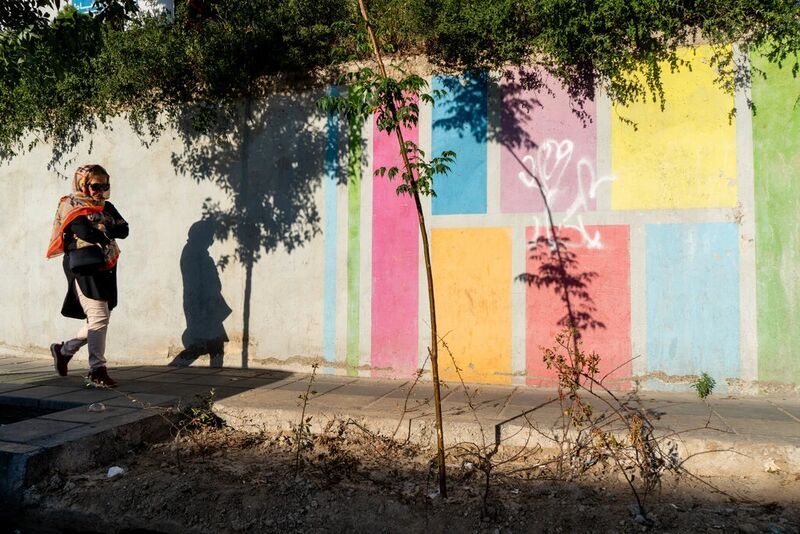
Police were called to Ekbatan after sanitation workers collecting trash discovered a bag containing body parts on the night of May 15th, 2021. During the early hours of the next day, police found human remains, including two severed hands in a dumpster next to a wall painted with pastel pink, blue and yellow colors. Khorramdin's mutilated body was identified through fingerprints.
Police found Khorramdin’s parents’ house in the sprawling, well-known Shahrak Ekbatan apartment complex. They knocked on the door and entered the dwelling, and were confronted by a mass of overwhelming, damning evidence of the terrible crime.
After being taken into police custody, Akbar Khorramdin admitted scattering his son’s remains in the neighborhood, saying: "Because of the disputes we had, I sedated him this morning [Sunday] by giving him anesthetics, then stabbed him to death. Then I dismembered his body and threw it in the nearest trash can on the street with my wife."
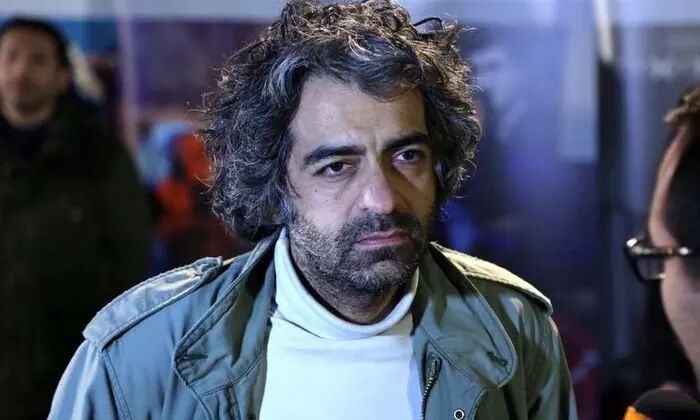
According to Tehran police chief Hussein Rahimi, the Khorramdins targeted their son because he was single and sleeping with his students. Khorramdin said they often argued with their assistant professor son who lived in London for several years before returning to Tehran.
He said he and his wife never had a single day of peace due to Babak’s "harassment.” If you think this is shocking, this is only the beginning; the elderly couple went on to make two more equally shocking confessions.
A LONG HISTORY OF MURDER
This wasn’t the first time the Khorramdins had killed a family member. The couple also confessed to murdering their son-in-law using the same sick methods. Ten years ago, the elderly couple killed their daughter’s husband, Faramarz, and now claimed he was an abusive drug trafficker.
While pretending that their bloody, decade-long but sporadic murder spree made the world a better place, they claimed they had help and didn’t act alone. They told police that their daughter, Arezou, was an accomplice to the murder. The spooky thing is, no one had seen Arezou for the last three years since she moved abroad.
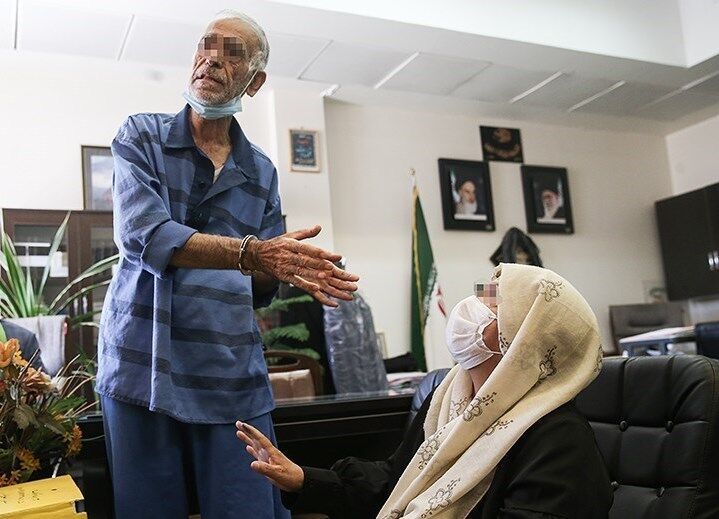
As if finding out these two monsters had murdered once before wasn’t bad enough, wait... it gets worse. Much worse. The slaying of their son-in-law wasn’t even the second time they had murdered a family member. The Khorramdins also admitted to killing Arezou three years ago in the same manner.
They maintain they killed their daughter because she became addicted to drugs and brought boyfriends home. For years, the couple covered up the crimes by saying Faramarz and Arezou had gone missing in separate incidents seven years apart by nonchalantly telling acquaintances they had run away to live abroad in Turkey.
Persian language reports cite the pair have expressed no remorse for the killings. During the court hearing, Akbar told newspaper Hamshahri that he had zero regrets over the slayings: “I don’t regret what I did with the cooperation of my wife. They were corrupted and I thank God.” He then said that he and his wife would have killed their two surviving siblings if they hadn't been apprehended by police.
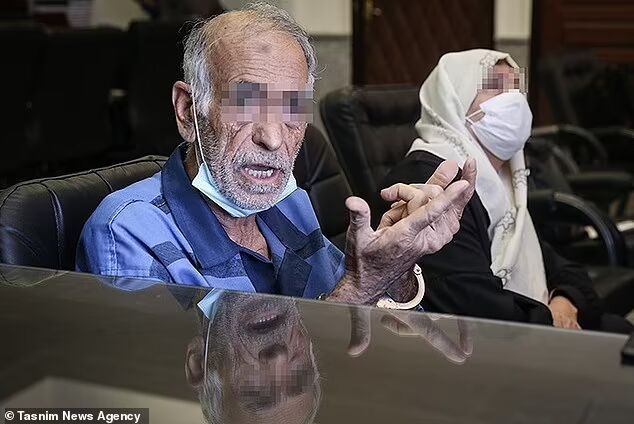
In an online video posted by Iranian news agencies, Khorramdin told reporters: "I don't have a guilty conscience for any [of the killings] … Those I killed were highly morally corrupt," the father coldly stated during an initial court appearance.
While his wife said the two had plotted together to kill Bakar, Arezou and Faramarz. "I'm not sad at all. I suffered a lot because of them," she continued. "We both [planned the murders] … My husband said it and I said, 'OK’."
In subsequent televised interviews, the Khorramdins state they killed their two children because they disapproved of their lifestyles. In addition to Bakar having sex with girlfriends, they also accused him of being physically aggressive and said that he was freeloading off them.
He reiterated: "I have no guilty conscience for any of the murders … I killed people who were very morally corrupt."
Iranian media showed photos of Mr Khorramdin flashing the V-for victory sign in prison pyjamas. Chillingly, he told authorities that ‘if he could, he would do it all over again.’But not content with that, he said if he were released, he may also kill his other two adult children, Afshin and Azar.
Murderess Ms Mousavi was no more repentant than her husband. She told TV cameras: "We decided together, the two of us. My husband suggested it and I agreed. I have a great relationship with my husband. He doesn't beat me or curse at me."
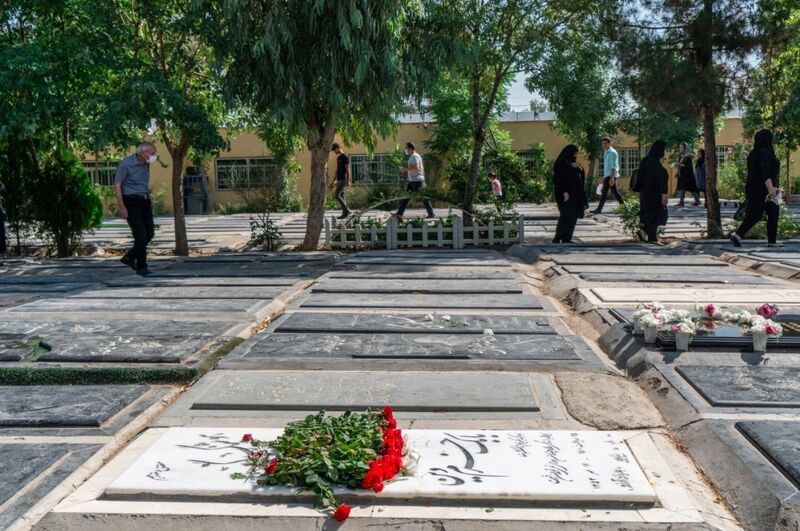
Grieving friends placed flowers on Babak’s grave and many thousands of Iranians took to social media, trying publicly to make sense of the brutal triple murder. Babak’s former Film students paid tribute, with one message reading: “Goodbye, the world’s kindest teacher … from cinema students.”
Filmmaker Shahram Mokri, who once taught Babak at Iran's Young Cinema stated: "When we read about a murder that is far from us geographically, culturally...we consider it more like fiction.
But, at least to me, this case was notable because I thought it is very similar to the situations we live in; a son who is a university professor, he's successful, calm; and a father and mother who are like other fathers and mothers." In Ekbatan, neighbors gathered outside the family home to sing mourning songs.
Residents of the popular, tight-knit Shahrak Ekbatan housing complex––where the couple had lived quietly for 40 years––are shocked, perplexed, and frightened.
Residents recall the murderous couple babysitting for neighbors, jovially chatting with shopkeepers, and taking evening strolls in the gardens. No one knows if there could be dozens more bodies buried in the grounds.
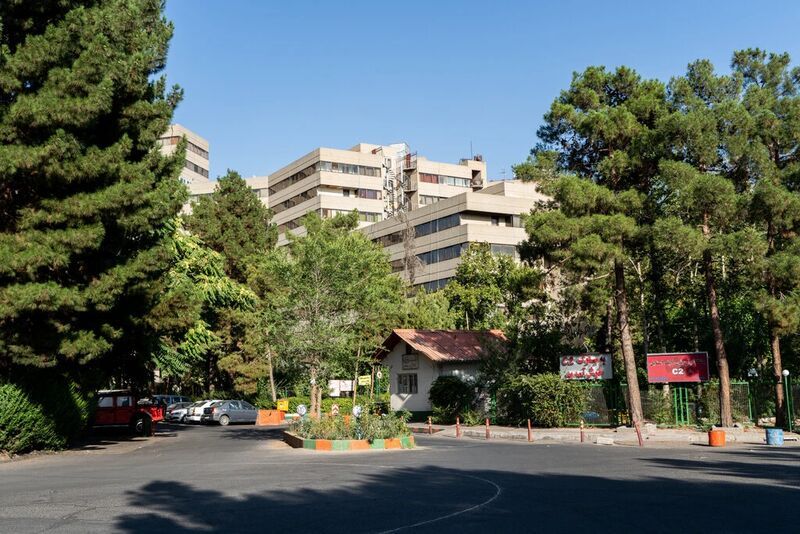
"We cannot comprehend that there were murderers living among us," said nearby resident Minoo, a 51-year-old mother of two. She wouldn't reveal her last name to reporters as she was afraid of the Khorramdin family. "We may have walked past them every day and said hello. This apartment next to us was a house of horror, and none of us knew."
The triple murder has been splashed across the front pages of newspapers with headlines including “SOCIETY IN SHOCK” and “OCCUPANTS OF TERROR HOUSE”.
Naturally, the story has rattled the psyche of Iranians all across the huge nation of 93 million people. Analyst Abbas Abdi tweeted: "The family institution is the most important refuge for Iranians … so everyone has been horrified by the brutal murder of Babak Khorramdin."
Social media has deservedly focused on why Tehran police never investigated the daughter and son-in-law’s disappearances. Finally––ten years after the gruesome first murder––Tehran police are investigating to see if any more family members have mysteriously gone missing.
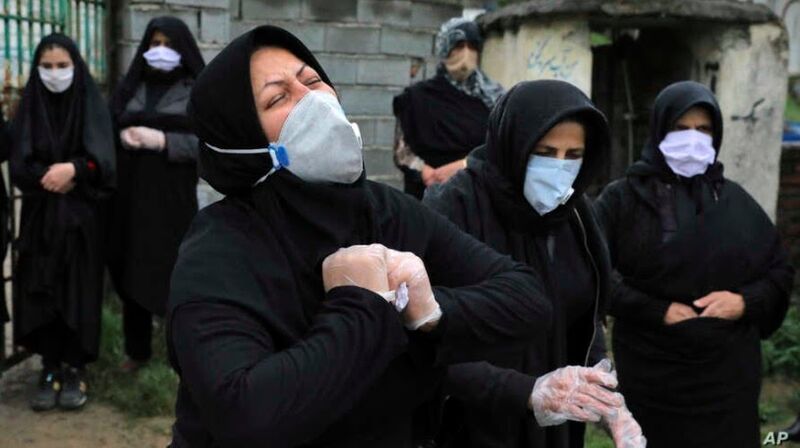
Home is synonymous with sanctuary in Iran. Elderly parents, particularly matriarchs, are revered as saint-like figures, so the accusations against the elderly couple rocked the nation.
Yet, this shocking case didn’t only affect Tehran and the Iranian psyche, it has far wider-reaching ramifications. The tragedies highlight tens of thousands of domestic crimes fueled by honor and sexual propriety within the whole country’s society.
The Iranian people had already been hit hard by COVID-19. Add to this a vaccine shortage, an economy battered by international sanctions and social repression as hard-line conservatives take over the government, and a correlation sprang up between the pandemic and a rise in domestic violence and family homicides.
Bakar, Arezou and Faramarz’s murders have spawned much needed and long overdue discussions surrounding violence perpetrated by legal guardians and eroding law protections for their victims.
When it comes to murder, drug trafficking or crimes against the state, Iran is among the world's leading executioners. The country also routinely levies harsh punishments for sexual misconduct and homosexuality.

But honor killings are treated less severely. In 2020, a man beheaded his 14-year-old daughter after she tried to elope. This was followed in 2021 by the tragic death of Ali Fazeli Monfared, a 20-year-old who was killed by family members after they discovered he was gay and trying to flee rampant homophobic persecution by emigrating to next-door Turkey.
A half-brother and cousins allegedly killed Monfared and dumped his body before telling his mother where to find his corpse.
Middle East Analyst at Iran International TV, Jason Brodsky said: “I think the horrific death of Babak Khorramdin is only the latest example of a long pattern of domestic violence that we have seen in Iran … Despite a child protection law being passed in 2020 in Iran, honour killings and domestic violence continue more broadly, and this is an area the international community needs to address with Iran.”
Sociologist Mostafa Eghlima stated: "When [leaders] issue sentences without holding public trials, execute citizens, or kill several hundred people, a father who suffers from personality disorders can believe he has the same right."
However, Iran's strict interpretation of Islamic law suggests Akbar Khorramdin could face as little as three years in jail for killing Bakar and Arezou. That said, he is exempt from capital punishment since fathers and grandfathers are considered legal guardians. However, if he is convicted of killing his son-in-law, Faramarz, he could receive the death penalty.
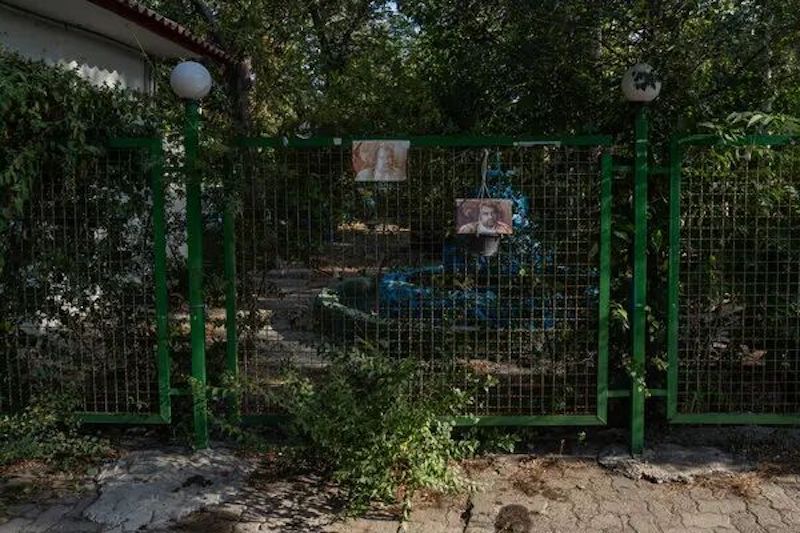
The case has prompted intense social media discussions about a justice system that lets murderers off scot-free. At the time of writing, the elderly couple remain in custody and are undergoing psychological evaluation.
Police report no other crimes have been uncovered, but investigations are still ongoing, so this lovely couple next door may still have more skeletons in the closet.