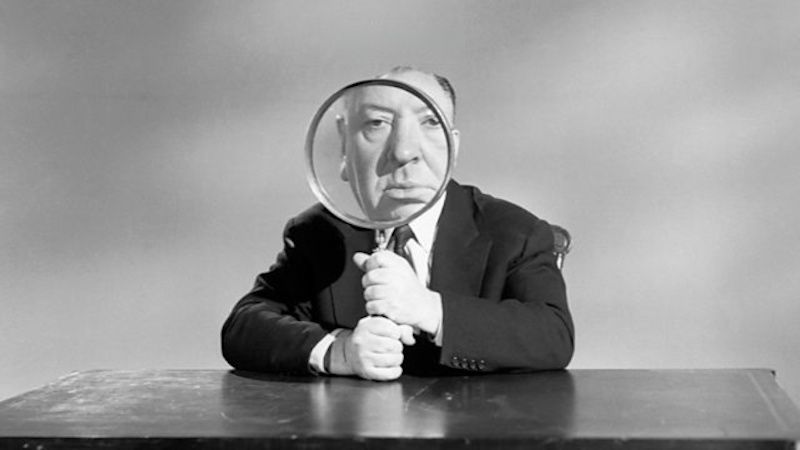
Alfred Hitchcock is perhaps the most gifted filmmaker to have ever graced the silver screen. In a forty-year career, he directed 53 movies, and his unique psychological storytelling, innovation, and filmmaking techniques arguably influenced cinema more than any other director. But how did this young boy born in Victorian England become a Hollywood legend and earn the moniker The Master of Suspense?
Hitch's story is one of turning life's troubles into art. He projected his own fears, fetishes, and obsessions onto the screen. So, today we're going to delve deep into the director's life, career, and origin story.
We'll begin with his early years and investigate the childhood traumas that created this genius, troubled filmmaker before discovering some revealing facts behind his greatest movies. Are you strapped in? Let's go!
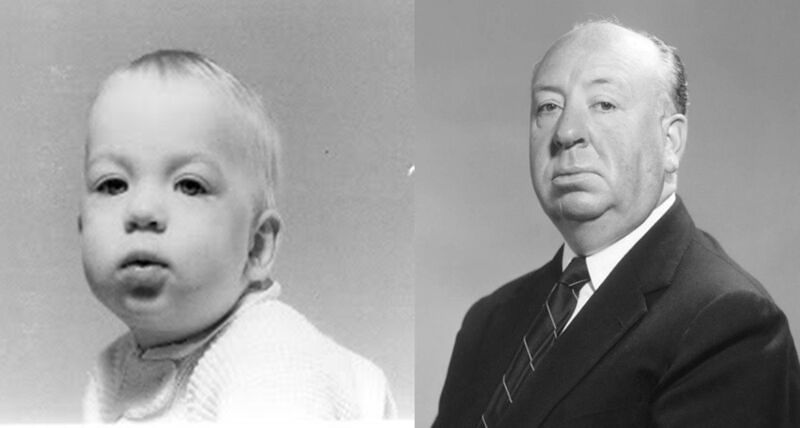
Alfred Joseph Hitchcock was born on August 13th, 1899, to Emma Jane Hitchcock – the daughter of an Irish-born police constable – and greengrocer and poulterer William Edgar Hitchcock. Alfred had an elder brother, William Jr., and an elder sister, Ellen, nicknamed "Nellie". And, yes - Hitch always had those chubby cheeks and bulldog jowls, even as a baby!
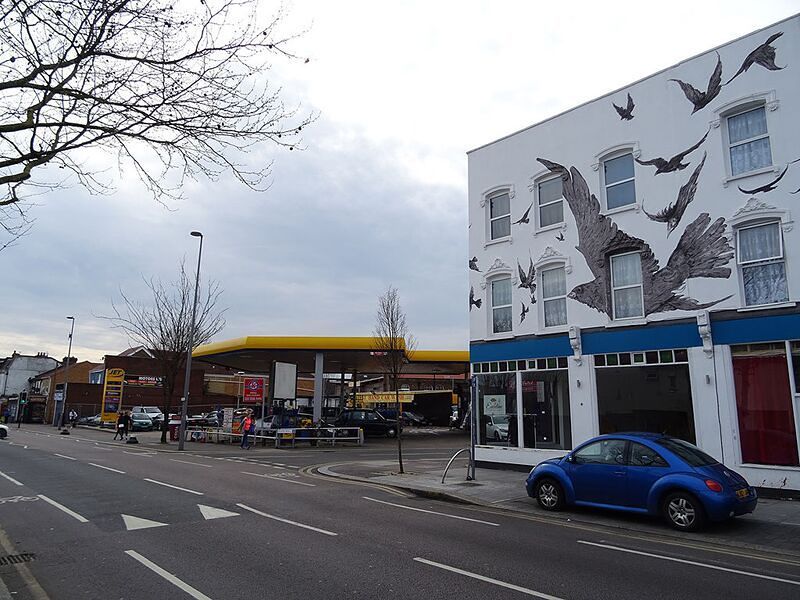
He was born in the apartment above his parents' grocery at 517 High Road, Leytonstone, East London. Nowadays, the site where he was born is a gas station, but the houses next door have been painted with a mural to commemorate one of Hitch’s most famous movies, The Birds.
Alfred grew up with few friends and was a well-behaved boy. In fact, he was so unblemished, his father called him his "little lamb without a spot". In later life, Hitch was scared of many things. In Hollywood, he refused to cross the studio floor, fearing that a stranger would try to speak to him.
He had an irrational fear of eggs, or as he himself called them: “That white, round thing without any holes… have you ever seen anything more revolting than an egg yolk breaking and spilling its yellow liquid?” And what come from eggs? More Birds!
Alfred was always terrified of sex and had a morbid fear of heights... which, of course, explains his 1958 movie Vertigo. Another lifelong fear was watching his own films. "I’m frightened of my own movies. I never go to see them. I don’t know how people can bear to watch my movies."
So where did these fears come from? Well, as a baby, Alfred was terrified by an aunt who used to put her face up against his and made cooing noises… so that also explains The Birds!
Despite being a good boy, Alfred must have been naughty at least once. When he was five, his father once sent him to the local police station to deliver a note; the policeman read the note and locked him in a cell for a few minutes, saying, "This is what we do to naughty boys." It may sound like a funny story, but imagine how terrifying it must have been.
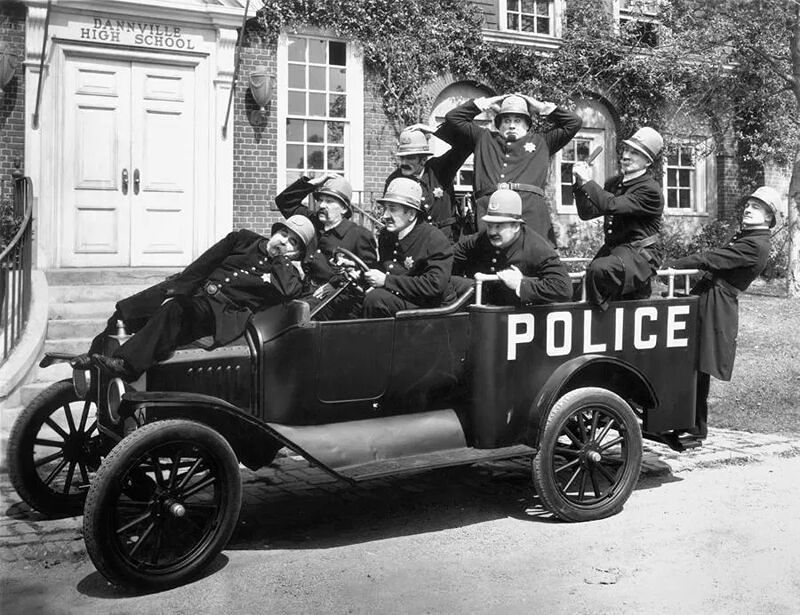
This experience left Hitch with a fear of the police; he admitted he was scared stiff of anything to do with the law and wouldn't even drive a car in case he got a parking ticket! He said, "I'm not against the police; I'm just afraid..." Say what you want about his dad’s technique - it worked. As an adult, he was asked what he would have engraved on his tombstone and he replied with the policeman’s quote, "This is what we do to naughty boys."
In 1905 or 1906, the Hitchcock family moved to Limehouse, East London, where William and Emma ran a fishmongers and fish n’ chip shop. Alfred briefly attended a convent school (which goes some way to explaining his phobia of sex) and, when he was 11, the family moved to Stepney, again in East London. In 1910, he was sent to a Jesuit grammar school.
At the end of each day, the priests at St Ignatius College beat the boys with a hard rubber cane so they always lived in fear, anticipating if they were in for a beating... which explains why he became The Master of Suspense.
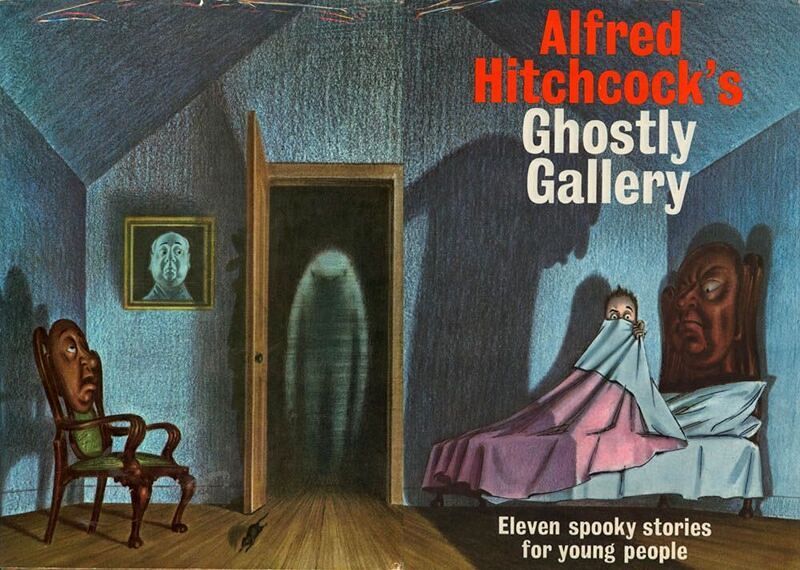
He said, "The Jesuits taught me organization, control and, to some degree, analysis through “a strong sense of fear,” how “to be realistic,” and “Jesuit reasoning power.” These principles became cornerstones of his career.
His movies dripped with fear, making audiences anticipate and raise their expectations to build tension. He took the reasoning and discipline his priest tutors thwacked into him to drive him to become one of the greatest film directors in history, with meticulous methodology.
Hitchcock’s love-hate relationship with food gave him as much horror as it did pleasure. He began secretly binge-eating as a child. Food was his comfort while he was dealing with a strict Catholic upbringing in which he was berated and ignored. He remained morbidly obese for most of his life and – while he played upon his rotund, jowly profile for Alfred Hitchcock Presents – his weight affected him greatly, both physically and mentally.
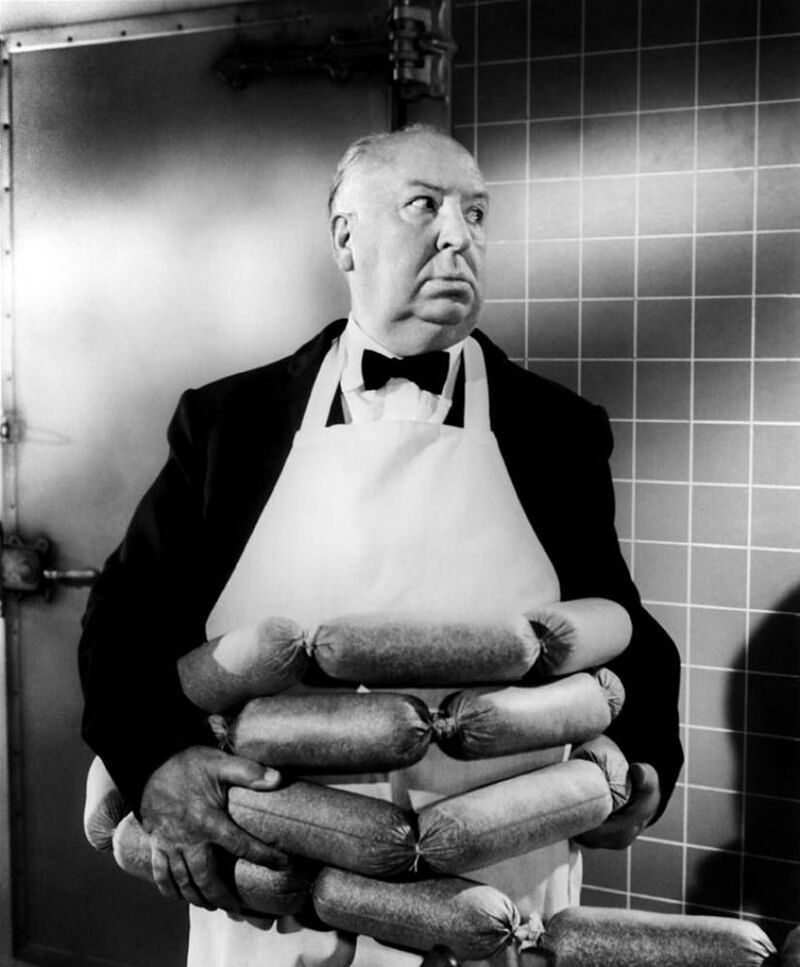
He loved cooking but was more a gourmand than a gourmet. A typical dinner for Hitchcock would consist of a roast chicken, a small ham, potatoes, two vegetables, bread, a bottle of wine, salad, dessert, and brandy. He gorged on fried fish and mounds of bacon from an early age to create “an armor of fat” between himself and the world, but his binge eating led to self-loathing and was often followed by crash diets.
Hitchcock told his parents he wanted to be an engineer, so he left St Ignatius in 1913 and enrolled in night classes at the London County Council School of Engineering and Navigation. On December, 12th 1914 tragedy struck. His father – who had been suffering from emphysema and kidney disease – died at the age of 52.
To support himself and his mother, Hitch took a job as a technical clerk at the Henley Telegraph and Cable Company and kept up his night classes in art history, painting, economics, and political science. Could having to support his mom be why many of Hitchcock's characters had troubled relationships with their clingy mothers?
After the war, he began dabbling in creative writing. In June 1919, he founded The Henley Telegraph and submitted several short stories. He was promoted to the advertising department, where he wrote copy and drew graphics for ads. He loved the job and said this was his "first step toward cinema". He loved watching films, loving Charlie Chaplin, D. W. Griffith and Buster Keaton and particularly liked Fritz Lang's Der müde Tod (1921).
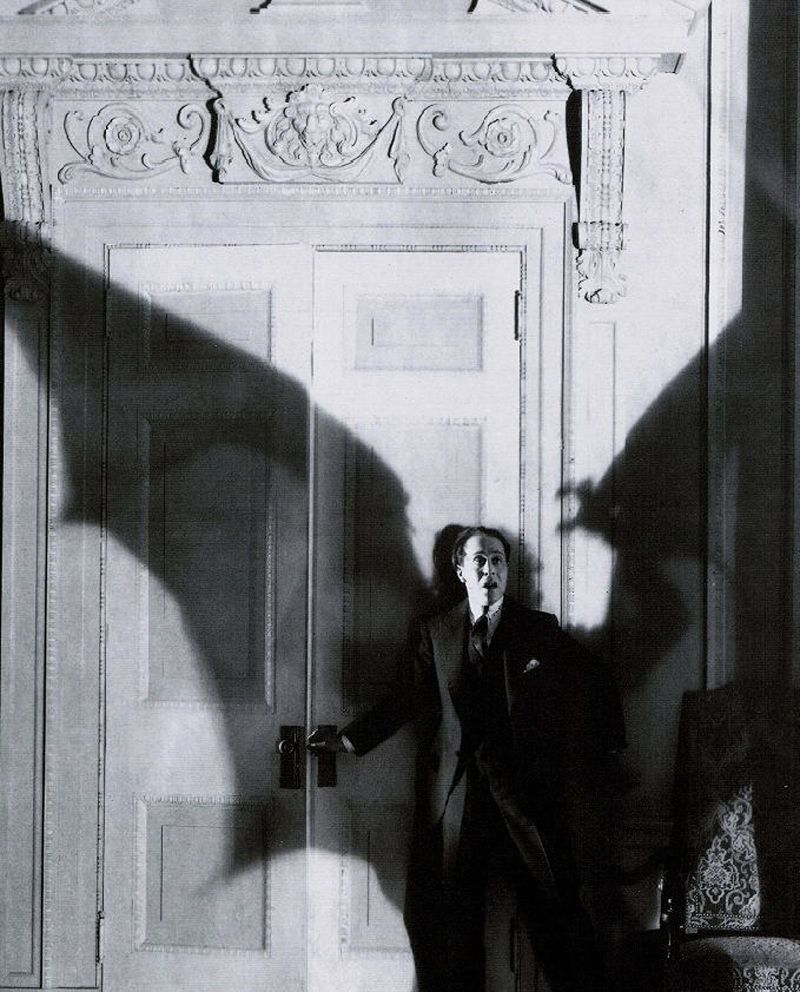
Hitch read that Famous Players-Lasky, the production arm of Paramount Pictures, was to open a studio in London. They were planning to film Marie Corelli's 1895 novel, The Sorrows of Satan, so he produced some drawings for the title cards and sent them to the studio. They hired him, and he began working for Islington Studios as a title-card designer in 1919.
Alfred gained experience as a co-writer, art director and production manager on a gaggle of silent films. In 1922, The Times of London mentioned the studio's "special art title department under the supervision of Mr A. J. Hitchcock".
His work there included Number 13 (1922) and Always Tell Your Wife (1923) with director Seymour Hicks. Hicks later wrote about being helped by "a fat youth who was in charge of the property room.”
Paramount closed down its London arm in 1922, but Hitchcock was hired as an assistant director by a new company: Gainsborough Pictures. Here, young Alfred learned all aspects of the new craft of filmmaking as Graham Cutts’ assistant. Producer Michael Balcon recognized Hitch’s emerging talent and rewarded the eager beaver by sending him to learn more at Germany’s famous Ufa Studios.
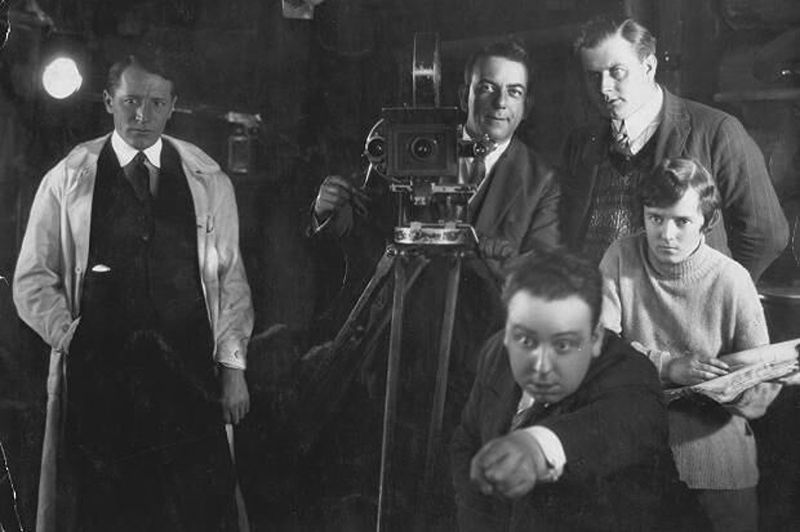
Hitchcock worked on Woman to Woman (1923), scriptwriting, producing. and set-designing. He said: "It was the first film that I had really got my hands onto." It was here that he met editor and script girl Alma Reville. Hitch also worked as an assistant director on The White Shadow (1924), The Passionate Adventure (1924), and The Blackguard (1925) which was produced at the Babelsberg Studios in Potsdam, Germany.
Hitch watched F. W. Murnau make his first film for UFA Studios; The Last Laugh (1924). Murnau tried to do away with title cards, instead letting his expressionist visuals carry the meaning. Friedrich Murnau – who made the seminal horror movie Nosferatu in 1922 – utilised heretofore unseen elaborate camera movements – a technique later called Entfesselte Kamera (unchained camera) – he focused and defocused, used close-ups, jarring cuts, montage and POV shots like never before. Hitch was hooked.
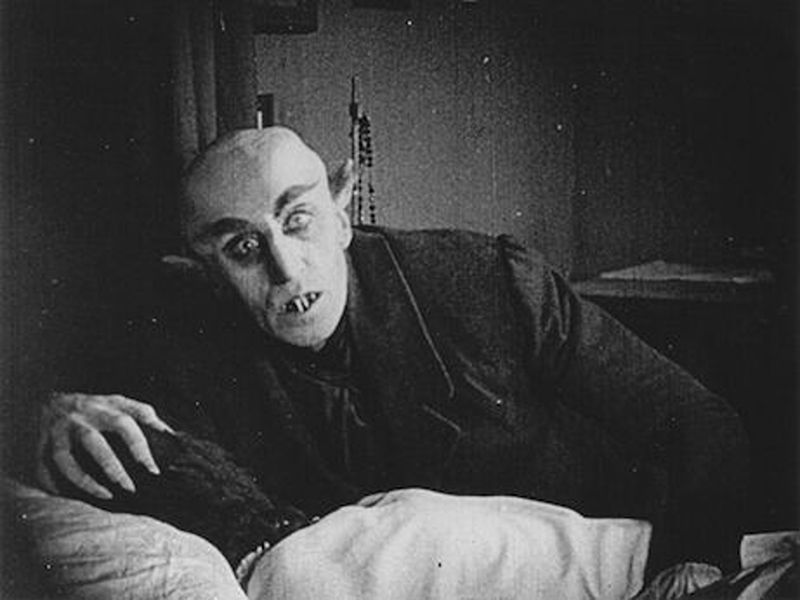
Alfred was so impressed with Murnau's work that he incorporated many of his techniques into the set design in his own productions. He returned to England to work on The Prude's Fall (1925) and, by the time Hitchcock made his first film as credited director on The Pleasure Garden (1926), he had been assistant director, title designer, art director and writer on nearly 20 feature films.
Hitchcock's directorial debut, The Pleasure Garden, flopped, but Balcon kept his faith in the "Young man with a master mind" (as a Daily Express article described Alfred at the time). Balcon assigned him a second film in Munich: The Mountain Eagle (1926), based on an original story titled Fear o' God. The film is lost, but Hitchcock called it "a very bad movie".
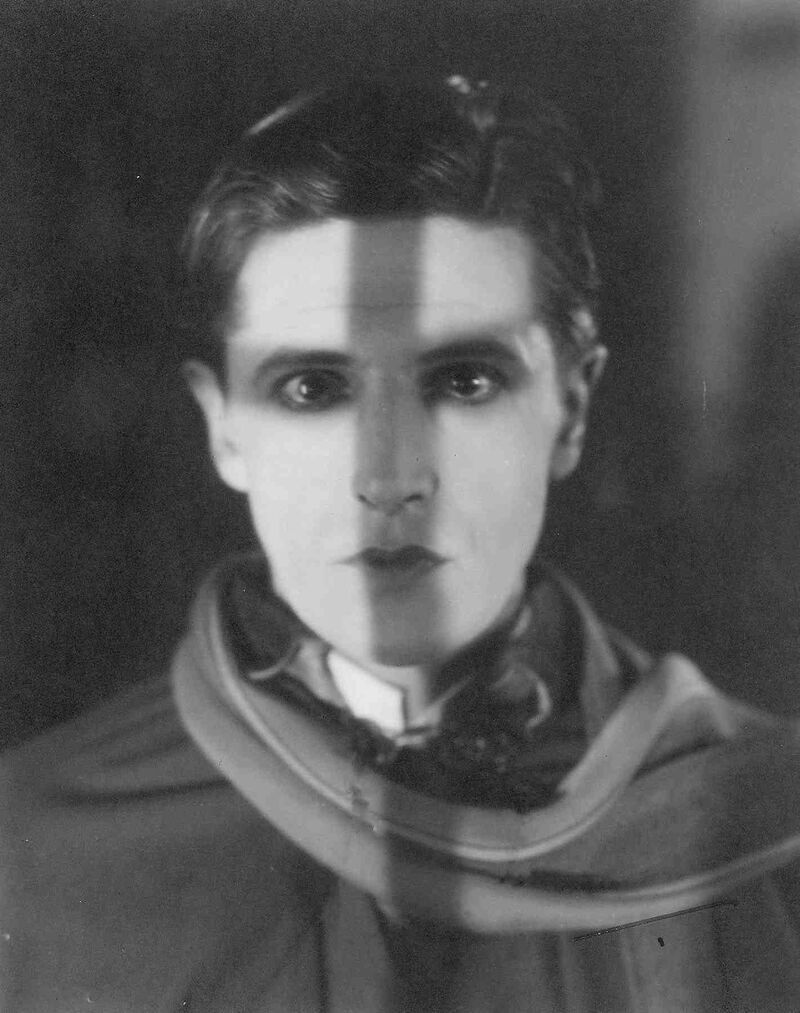
The nascent director's luck changed with his first thriller, The Lodger: A Story of the London Fog (1927). Using many German Expressionist techniques he learned from Murnau at Ufa Studios, it told the tale of the hunt for a serial killer who – wearing a black cloak and carrying a black bag – murders young blonde women in London, but only on Tuesdays!
You see, at the time, the British capital had a huge pollution problem, spawning fog and smog so bad, the locals called them "pea-soupers", as you could only see as far as looking through thick, green pea soup!
The Lodger was a commercial and critical success in the UK; Balcon’s faith had paid off, and Hitchcock had found his forte. The thriller.
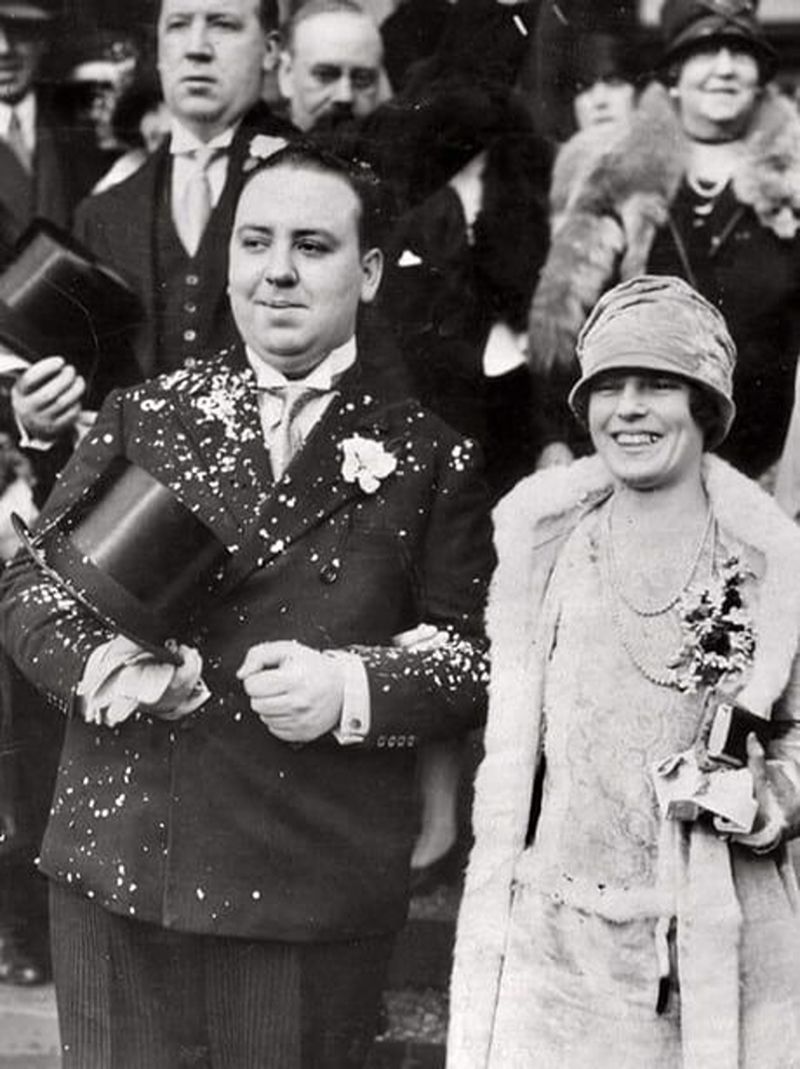
In December 1926, Alfred married his English-American assistant and screenwriter Alma Reville (1899–1982), who happened to be born a matter of hours after him. Their daughter and only child, Patricia Alma Hitchcock, was born in July 1928. Pat passed away in 2021, aged 93.
Alma became Hitchcock’s closest collaborator and wrote or co-wrote many of his films, including greats like Shadow of a Doubt, Suspicion, and The 39 Steps. Behind every great man is a great woman!
When Hitchcock accepted his American Film Institute Lifetime Achievement Award in 1979, he dedicated the award to: "Four people who have given me the most affection, appreciation, and encouragement, and constant collaboration. The first of the four is a film editor, the second is a scriptwriter, the third is the mother of my daughter, Pat, and the fourth is as fine a cook as ever performed miracles in a domestic kitchen. And their names are Alma Reville.” Awww. How sweet is that?
After 1927’s The Jazz Singer and 1928’s The Lights of New York turned silent movies into talkies, British International Pictures upgraded Elstree Studios to sound, and Hitchcock began work on Blackmail (1929). Not only was the film the first British talkie, but it also began Hitchcock’s most famous traditions. And before you all shout “Cameo!” - think again!
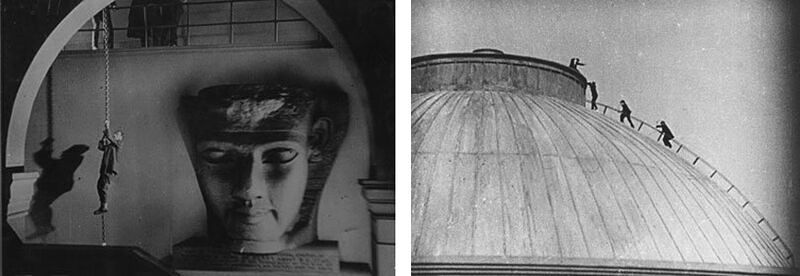
Hitch had already appeared in a cameo in The Lodger when they needed an extra background artist. Instead, Blackmail was the first time he used famous landmarks as a backdrop for action sequences.
Blackmail's utterly thrilling finale unraveled on the dome of the British Museum in Bloomsbury, Central London. This idea influenced a thousand movies. Without Hitchcock, there would be no James Bond fighting climactic battles on landmarks.
After making Number 17 in 1932, Hitchcock's first film for producer Michael Balcon at Gaumont-British was The Man Who Knew Too Much (1934). The film was a success, but his second, The 39 Steps (1935), basically invented the modern thriller, and made Hitch a star across the pond in Hollywood.
Orson Welles later remarked, "Oh my God, what a masterpiece." While screenwriter Robert Towne (Chinatown) later remarked, "It's not much of an exaggeration to say that all contemporary escapist entertainment begins with The 39 Steps".
Based on John Buchan’s novel of the same name, the movie features a dramatic sequence on the Forth Bridge (but not the steps of London's infamous Big Ben clock tower as the 1959 and 1978 remakes did). The movie also established the "Hitchcock blonde" (Madeleine Carroll) as the template for his succession of damaged, distant, ice-queen leading ladies.
The 39 Steps and Number 17 were the first films to introduce Hitchcock's famous "MacGuffin," a plot device involving an item the protagonist is pursuing but has no real narrative value; The 39 Steps' MacGuffin is the stolen blueprints.
In 1936, Hitch released two spy thrillers: Sabotage and Secret Agent. His next major success was The Lady Vanishes (1938), leading Hollywood producer David O. Selznick hitching Hitch to a seven-year contract beginning in March 1939.
Alfred, Alma and Patricia moved to Los Angeles, where Alfred began work on his first American feature, Rebecca (1940), a psychological thriller based on Daphne du Maurier's novel.
Next up were thrillers Foreign Correspondent (1940) and Suspicion (1941); his first film with fellow Brit Cary Grant. He followed up with romantic comedy Mr & Mrs Smith (also 1941), the film noir Shadow of a Doubt (1943), and Lifeboat (1944).
Featuring characters stranded in a boat, Alfred found shoehorning in a cameo difficult. His recognizable rotund profile appeared in a newspaper!
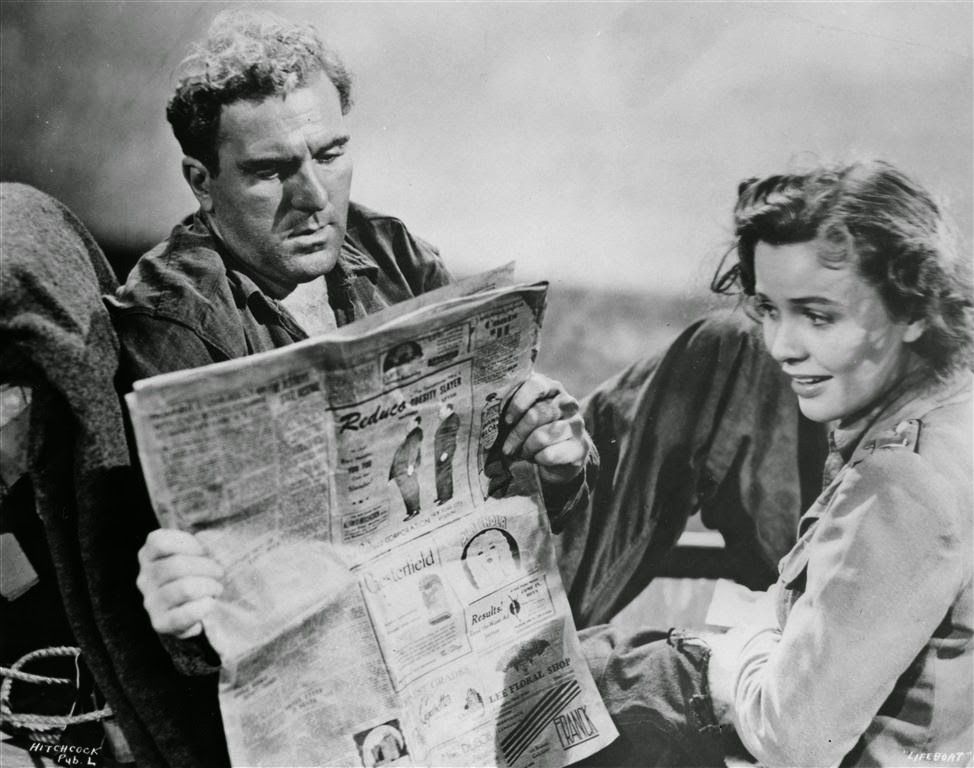
Next, Hitch returned to the UK, where he made two short propaganda films, Bon Voyage (1944) and Aventure Malgache (1944), for the Ministry of Information. They weren’t a patch on Powell and Pressburger’s British propaganda movies; check out their utterly brilliant romance A Matter of Life and Death (1946) starring David Niven to see how it should be done!
After the war, 46-year-old Alfred worked for David Selznick again, directing the seminal Spellbound (1945), which explores psychoanalysis and features a surrealist dream sequence designed by Salvador Dalí.
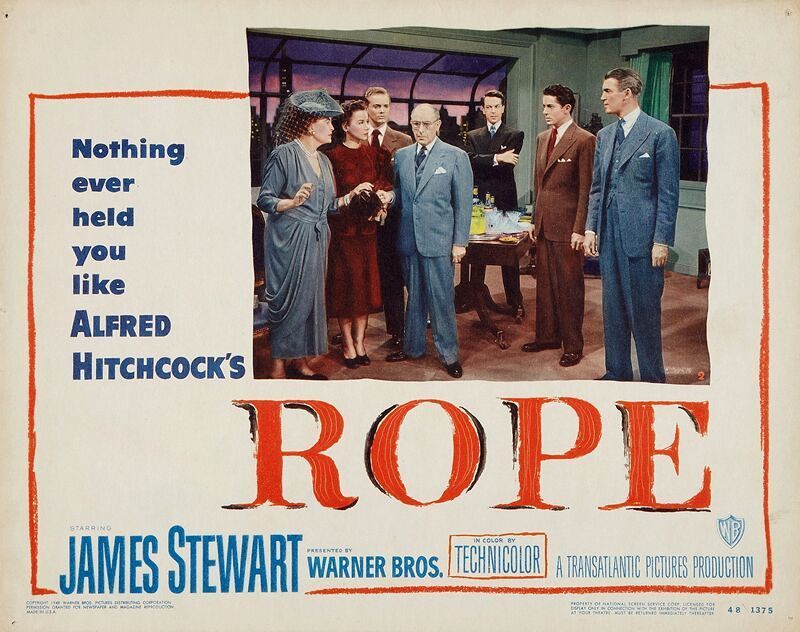
In 1946, Alfred directed Cary Grant and Ingrid Bergman in Notorious. Next up was Rope (1948), starring James Stewart and involving a technique to make the film seem as though it was one continuous shot, though it was actually ten shots seamlessly edited together.
Hitch made Under Capricorn (1949) and Stage Fright the following year, before adapting The Talented Mr Ripley author Patricia Highsmith’s Strangers on a Train (1951) and the mistaken-identity film noir, I Confess (1953), which is a forgotten, if imperfect gem.
What's with Hitch's mistaken identity trope? Well, he said, “The theme of the innocent man being accused… provides the audience with the greatest sense of danger”. Hitch always saw himself as an innocent young boy, mesmerized by The Temptress in the form of stunning blonde sirens.
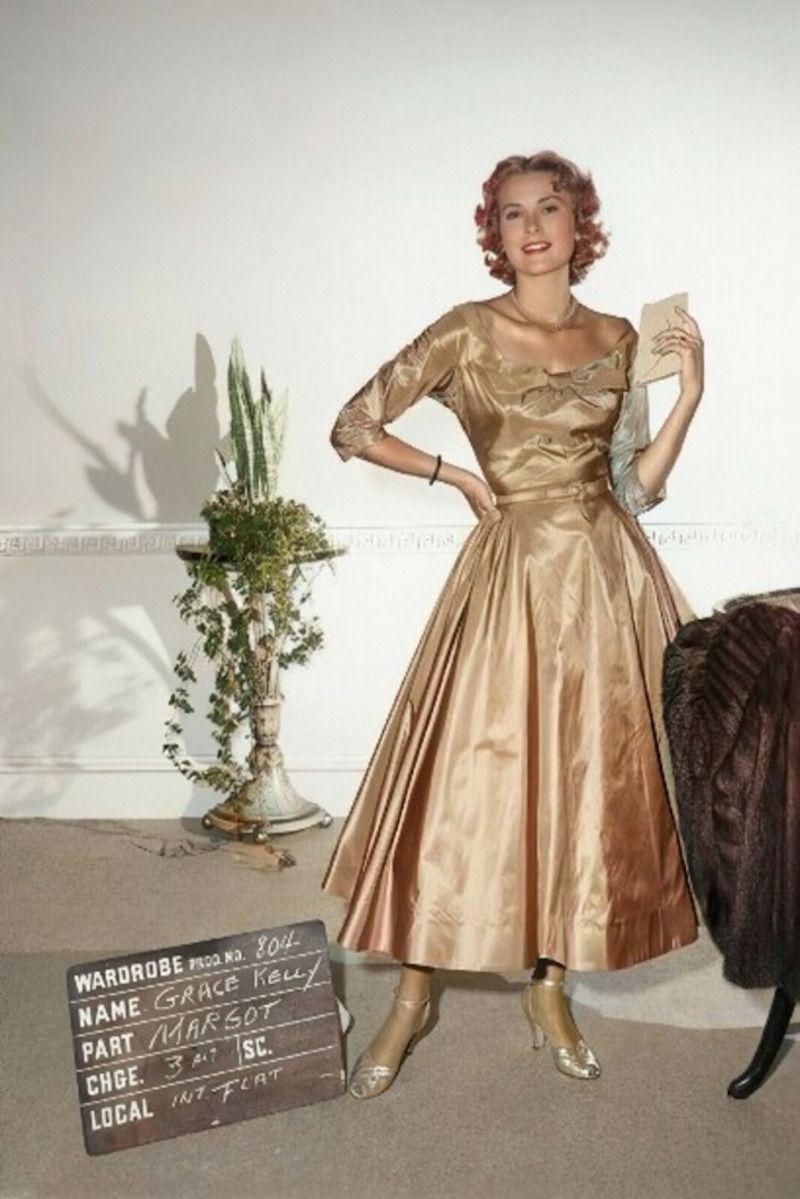
These were the movies that saw the director master his craft, hone his style, and led to his peak decade of 1955 - 1964. During this period, he made his best, most stylized, most thrilling, most Hitchcockian films.
Next, Hitch teamed up with blonde goddess Grace Kelly for three films in a row. Hitch later said that “Blondes make the best victims. They’re like virgin snow that shows up the bloody footprints.” In Dial M for Murder (1954), English professional tennis player Tony Wendice (Ray Milland) discovers his wife Margot’s (Grace Kelly) affair, so he plots to murder her, both for revenge and to get his dirty paws on her money.
Though hugely chilling and sinister, Dial M for Murder wasn’t that well received. Partly because it was shot in 3-D, but the public had quickly grown tired of the gimmick. Hitchcock said of 3-D, "It's a nine-day wonder, and I came in on the ninth day.” Luckily, Hitch was soon back to his very best and changing cinema forever with his next entry...
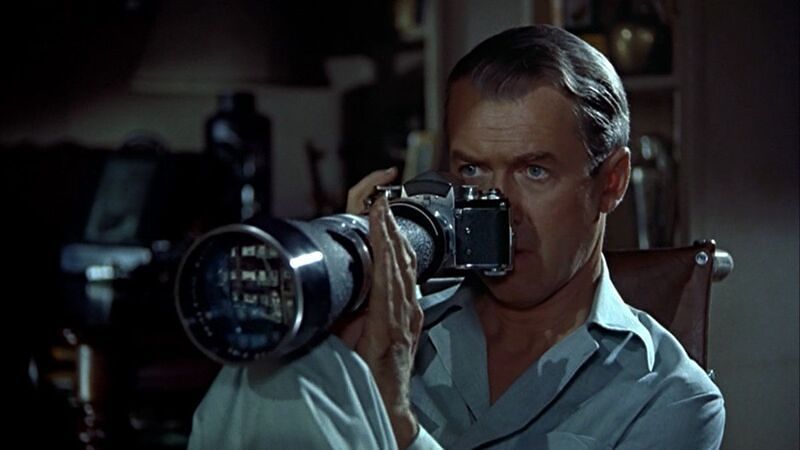
In the incredible Rear Window (1954), Jimmy Stewart plays L.B. Jeffries, a photographer who begins spying on his neighbors across the courtyard of his Greenwich Village apartment block while he has a broken leg.
The Peeping Tom/amateur detective becomes convinced one neighbor, Thorvald (Raymond Burr) has murdered his wife, so tries to convince his girlfriend (Kelly) and a cop buddy of the crime he believes he’s uncovered.
Rear Window is a masterpiece of sight and sound because Hitchcock fully immerses you in Jeff’s world. The claustrophobia, the flowing camera movements, the sound design gobble you up and leave you with no choice but to become involved in the dark conspiracy.
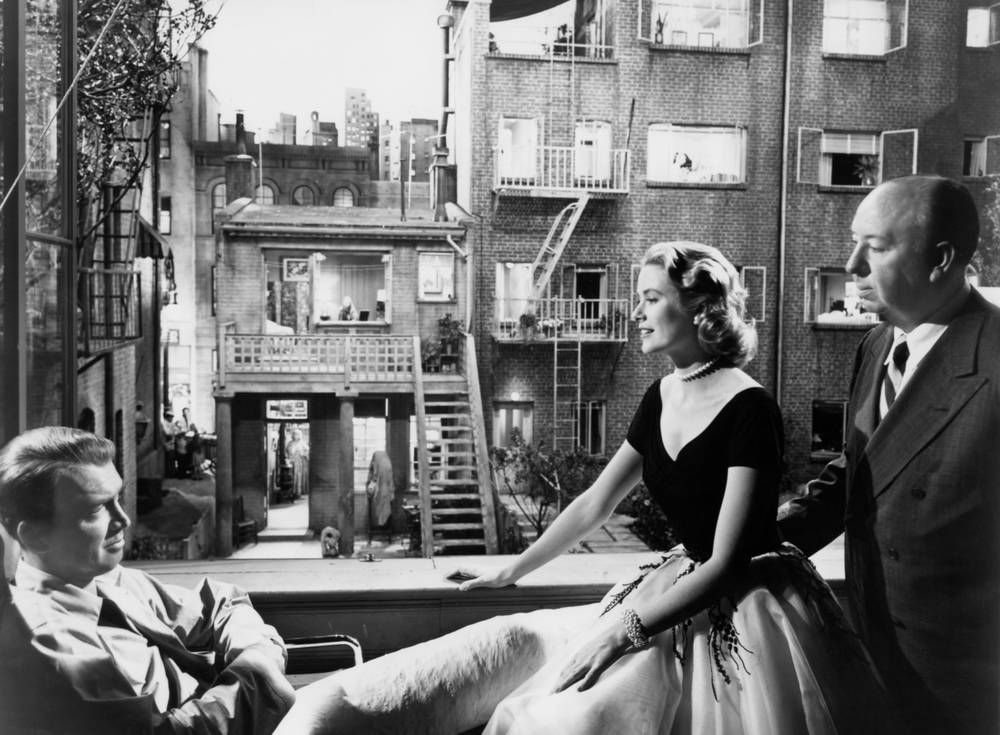
Rear Window taps into our desire to twitch those drapes and spy on our fellow humans. Watching it, you can't help but become an unwitting accomplice to Jeff’s freakish, obsessive voyeurism in one of the most compelling thrillers ever made.
In 1955, Hitch became a United States citizen. That same year, he made To Catch a Thief, with Grace Kelly and Cary Grant; who’s retired thief becomes the prime suspect for a spate of robberies in the French Riviera.
Next, he began Alfred Hitchcock Presents, a television show which ran on NBC for ten years. The title sequence pictured his own caricature of his profile, and the theme tune was Funeral March of a Marionette.
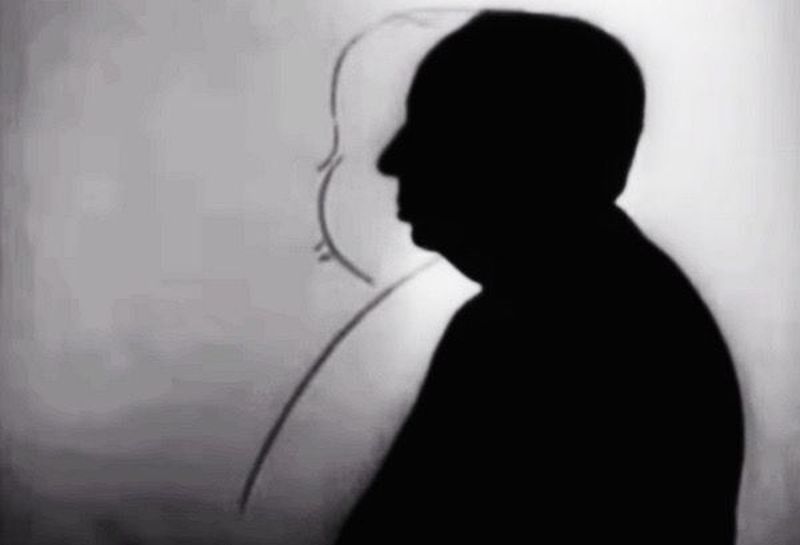
The man himself introduced each episode with his droll comedic style. He directed 18 episodes of the series which consisted of dark, twisted tales of murder. It became an hour-long show; The Alfred Hitchcock Hour in 1962, and said its last good night in May 1965. Without this show, there probably would have been no Twilight Zone, Outer Limits, or Black Mirror.
In 1956, Hitchcock remade his own 1934 film, The Man Who Knew Too Much. This time, starring James Stewart and Doris Day, the results were fantastic. They play a couple whose son is kidnapped to prevent them from putting the kibosh on an assassination.
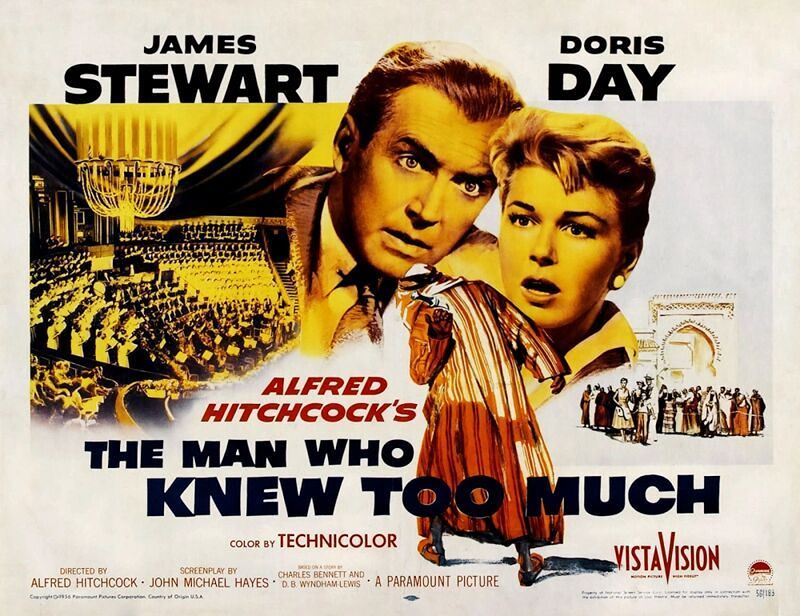
Just like his 1934 version, the climax takes place at London’s Royal Albert Hall but had the added bonus of Day singing "Que Sera, Sera", which won the Oscar for Best Original Song and became a massive hit.
Hitchcock had also used his mistaken identity trope in Spellbound and I Confess, and he would go on to use the idea again in North by Northwest and, to some extent, Psycho. However, The Wrong Man (1957) was based on a real-life case of mistaken identity reported in Life magazine in 1953.
Characterized by a grim, almost documentary-like realism, it’s one of Hitchcock’s least fun films (he didn’t even afford himself his usual winking cameo). It starred a brilliant Henry Fonda as an innocent Stork Club musician mistaken for a liquor store thief, who is arrested and tried for robbery, and the devastating toll it takes on his wife and family.
Vertigo (1958) is one of the greatest films ever made. No, don’t argue; it just is. But you don’t have to take our word for it; in Sight & Sound magazine’s 2012 poll, it was cited as the best film ever made, beating Citizen Kane out of the top spot. It’s perhaps Hitchcock’s most personal and revealing film, as he projects many of his own fears and desires onto James Stewart’s character. As well as Alfred's own vertigo, there's the Pygmalion-esque obsession of crafting a blonde temptress into the woman he desires.
In amongst Vertigo’s litany of brilliant moments, elements and techniques, perhaps the best and most memorable is Irmin Roberts’ dolly zoom.
Created by zooming in whilst dollying out, and christened the Hitchcock Shot – but also known in the industry as a trombone shot, zolly or zido – its agoraphobia-inducing distorted perspective adds so much to Scottie’s fear of heights that it’s been copied so many times.
Famous instances include Raging Bull, Goodfellas, Scarface, E.T., Pulp Fiction, excellently in Poltergeist and The Quick and the Dead, and most excellently in Jaws. But it's a Hitchcock Shot, not a Spielberg Zoom!
So how do you top a film like Vertigo? The short answer is, you don’t. But the more entertaining North by Northwest has a bloody good try!
Cary Grant plays Roger Thornhill, an innocent advertising exec everyman who’s mistaken for a secret agent. He hightails it across the USA, being hotly pursued by enemy agents, crop-dusting planes, and gorgeous blonde Eva Marie Saint, all the way to that climax on Mount Rushmore. NxNW is much more exciting than Vertigo’s somewhat confusing, dreamlike plot…
Yet despite a light, comical screenplay by Ernest Lehman, who wanted to write "the Hitchcock picture to end all Hitchcock pictures", Bernard Herrmann’s amazing score, and Saul Bass’ gorgeous opening titles (the first-ever to feature kinetic typography - that’s moving text) NxNW ever so slightly lacks the cinematic magic that made Vertigo such a home run.
But then, there was Psycho (1960). The film that changed cinema forever...
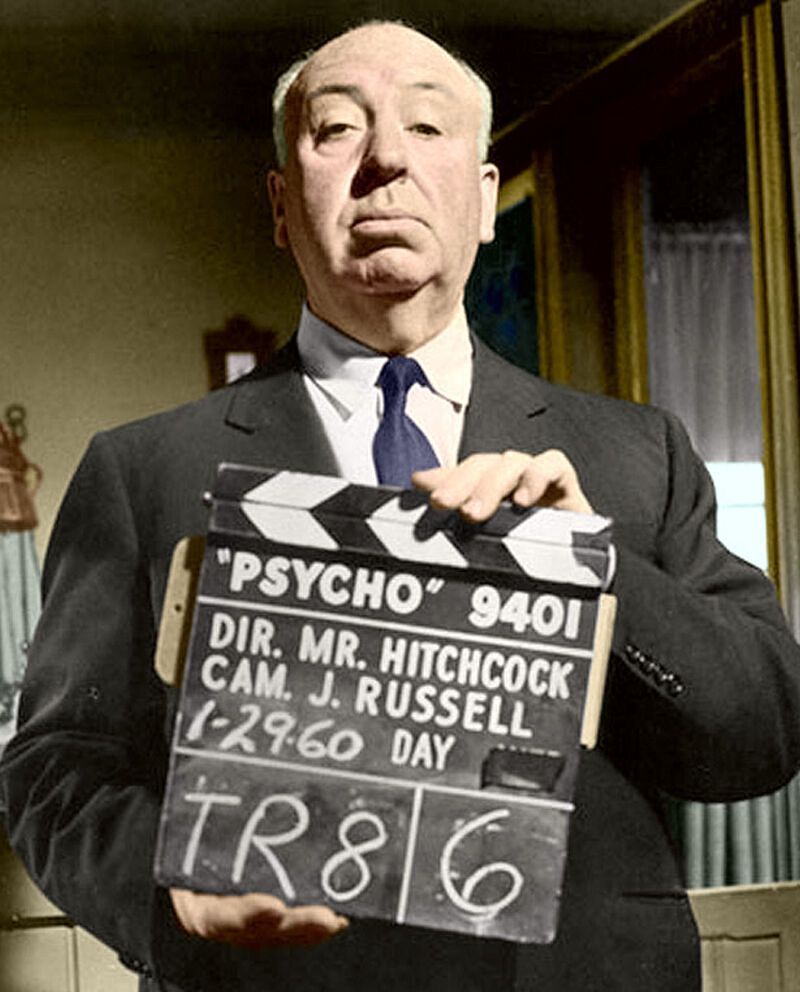
Based on Robert Bloch's 1959 novel, which was inspired by the real-life crimes of murderer and body-snatcher Ed Gein, Psycho is remarkable for about three hundred reasons.
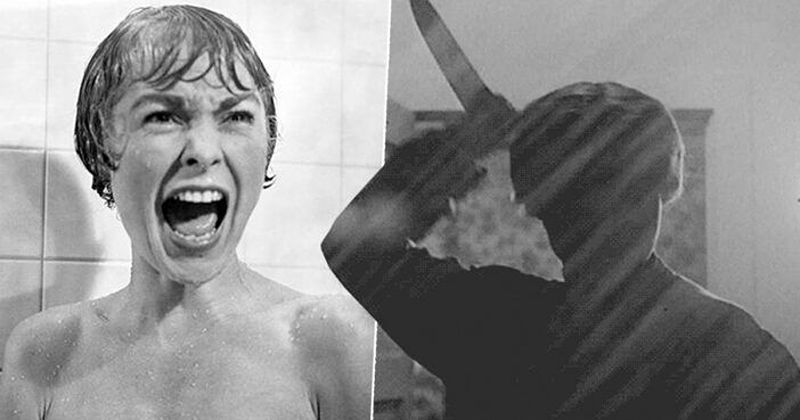
To name just a few, first, the visceral violence of the shower scene had never been seen in movie theaters before. Second, after following Janet Leigh's life for almost 40 minutes, Hitch pulls the rug from under the audience, revealing she's a false protagonist and kills her off!
Third, Psycho was the first film to ever show a toilet flushing! Think about what that tells you about the climate and the expectations of the 1950s.
Okay, the youth had rock n' roll, Chuck Berry, Elvis Presley, and James Dean's Rebel Without A Cause, but middle America was still in a time of traditional family values. Hard-working, middle-class, church-going, god-fearing, white picket-fence owning, hamburger-scoffing, milkshake-guzzling, “Hi Honey, I’m home!” nuclear family moms-and-pops raised their two-point-four children in utopian Technicolor suburbia.
So imagine that mom and pop heading to the local movie theater to meet psychopath Norman Bates and his dead, rotting mother for the first time!
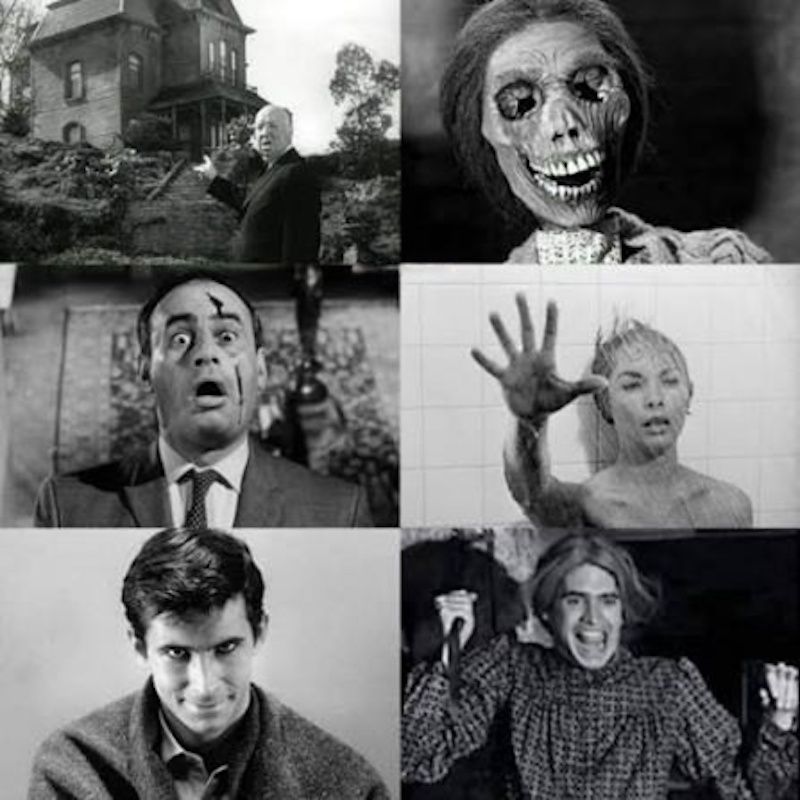
Imagine most of the country's reaction to the intense bursts of heretofore unseen violence and sexual imagery. The 45-second shower scene (brilliantly accentuated by Bernard Herrmann’s piercing violin score) is one of the most famous scenes in cinematic history. In short, Psycho is one of the most enduring, influential horror movies ever. In making Psycho, Hitch created the modern-day slasher movie. Or did he?
But groundbreaking, shocking, and influential as Psycho was, it may not have been the first horror movie of its kind. Fellow British director Michael Powell’s psychological horror, Peeping Tom, may have beaten Hitchcock to the punch. It was released in May 1960, four months before Psycho.
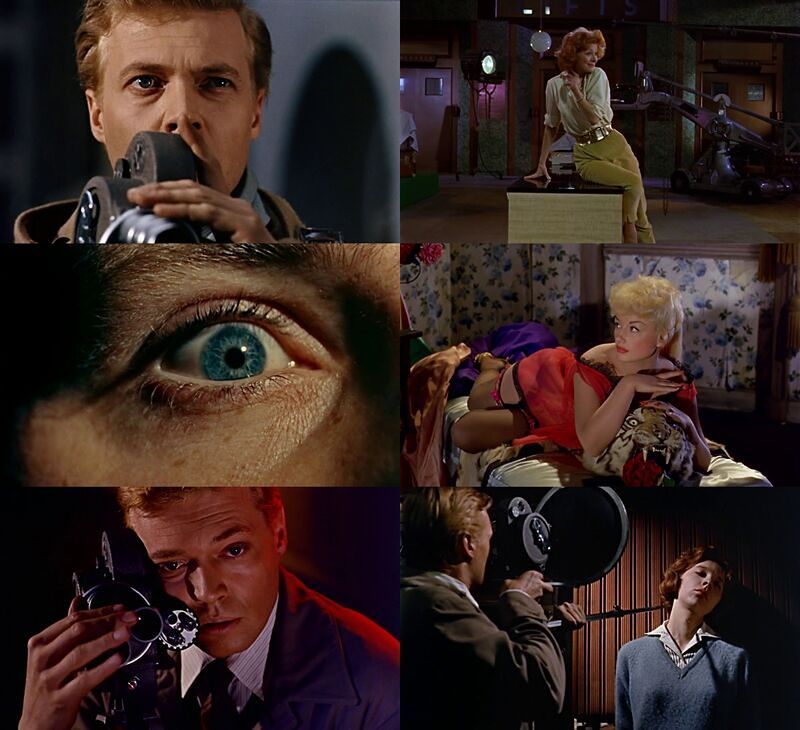
Why is Peeping Tom relevant? Well, this slasher movie shares many similar themes with Psycho; especially sex and violence. Austrian actor Karlheinz Böhm plays Mark Lewis, a psychopathic serial killer, cameraman, and documentary maker who murders women and prostitutes in London while recording their dying expressions of terror on a portable film camera.
Psycho was Hitch’s most successful film, making $32 million in the US (from a $800,000 budget), broke box-office records in the US, UK, France, and South America. However, Peeping Tom ruined Michael Powell’s career. One half of the aforementioned brilliant Powell and Pressburger duo, Powell often made uplifting, friendlier stories in the previous decades.
Peeping Tom was banned in Britain for years, not only because of its sex and violence but its themes of child abuse, sadomasochism, sexual repression, and portrayal of mental illness. If you can’t get enough of Hitch, check this movie out. It’s almost like a missing Hitchcock movie.
We can’t just opine about how good Psycho is without reveling in some delicious facts. Remember those 1950s audiences? Well, no one, not even reviewers were allowed to see the film before it was released.
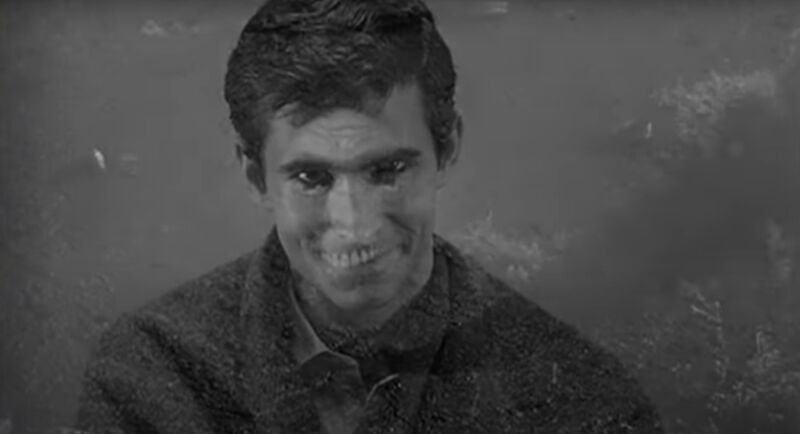
On Hitchcock’s orders, theater-goers weren’t allowed into the theater if the movie had already started. Even if they were 30 seconds late, the doors were closed. Once inside, many ran for the doors, screaming. Not only at the shower scene but also during the final scene as Hitch had superimposed a skull onto Anthony Perkins' face!
Okay, a few more quick Psycho facts: Hitch bought the rights from Robert Bloch for $9,000, then had his secretary try to buy every copy of the novel so people didn't find out the ending. He turned down directing Sean Connery's first outing as James Bond in Casino Royale to make Psycho.
Hitchcock waived his Psycho director's fee in exchange for 60% ownership of the film, which later earned him $130 million in today’s money! Bernard Herrmann's score contains only stringed instruments. Title Designer Saul Bass storyboarded the shower scene… gosh; we could go on all day!
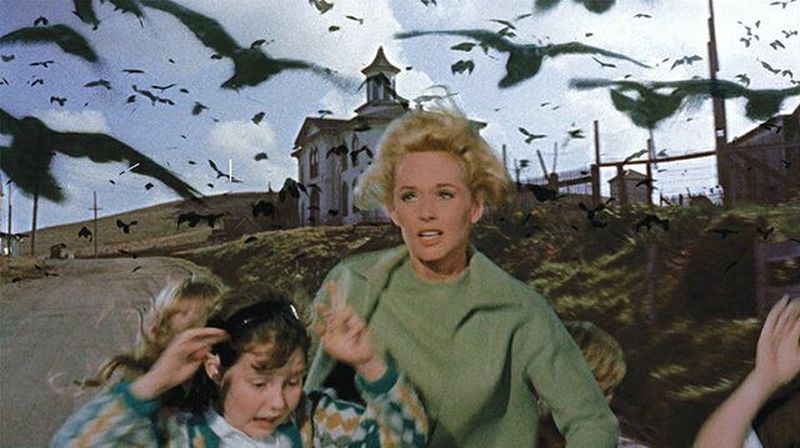
Moving on to The Birds (1963), the idea of a bunch of crows and seagulls taking over a town is not only a bizarre premise, it’s a laughable one for a psychological horror movie. But this is Hitchcock we’re talking about, so he knocks it out of the park!
Starting off with a rom-com-style meet-cute, young socialite Melanie Daniels (Tippi Hedren) meets lawyer Mitch Brenner (Rod Taylor) in a bird shop. She follows him home to play a prank on him carrying a pair of lovebirds as a gift... Suddenly, wave after wave of menacing winged denizens gather, watch, and attack the townsfolk of Bodega Bay, California.
Ridiculous premise, yes, but a bona fide masterpiece. Genuinely disturbing to this day, Hitch states it was his most technically challenging film, using a combination of trained and mechanical birds against a backdrop of wild ones. And we never do find out what all those bloody birds want!
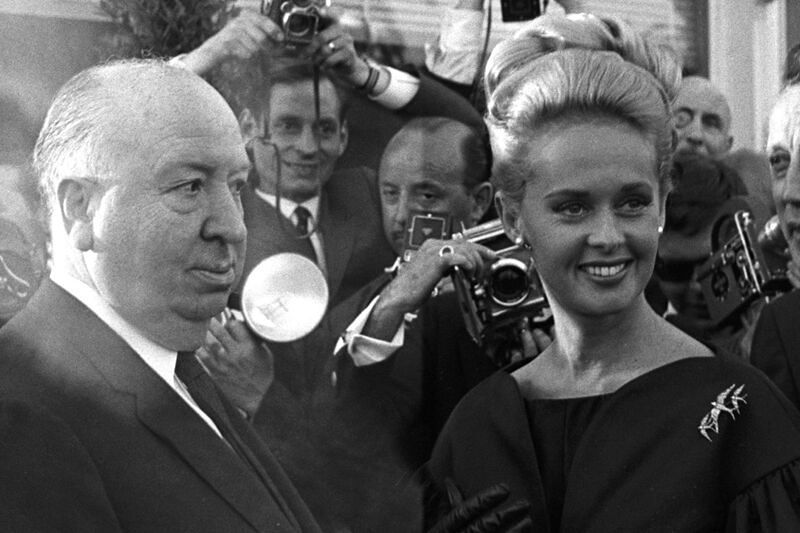
Hitchcock had cast Tippi Hedren after seeing the beautiful young (blonde, of course) model in a soda commercial. He became obsessively jealous, possessive and controlling, but Tippi wasn't playing ball.
Years later, Hedren claimed the director sexually assaulted her by throwing himself on top of her and trying to kiss her in his limo. The next day on set, she says one of the mechanical crows broke the supposedly shatterproof glass in the phone booth scene, sending shards into her face.
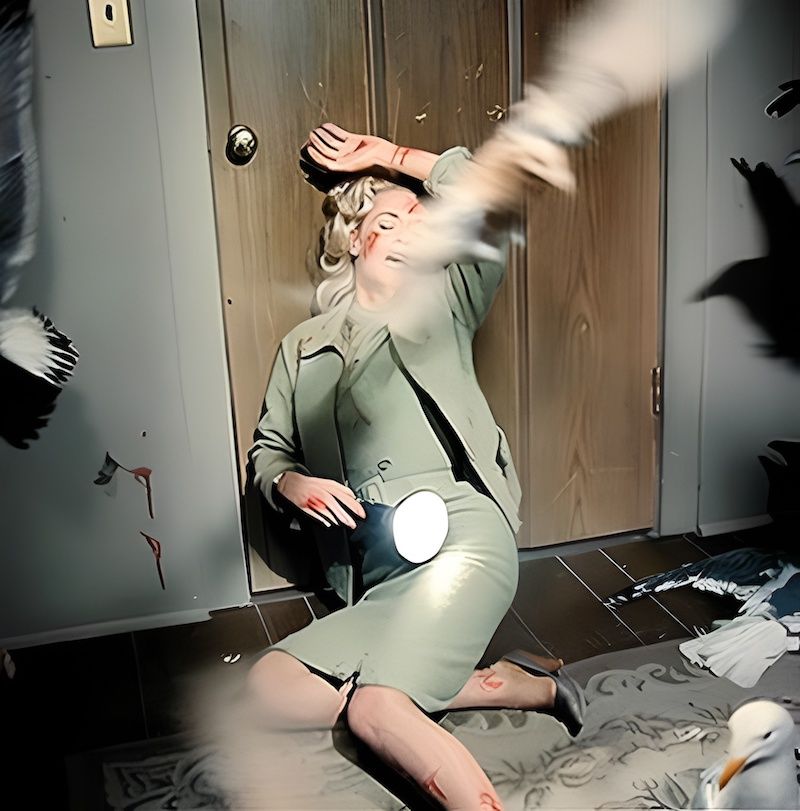
Though he had treated his actors like "cattle" in the past, his abusive behavior allegedly began with his young protégé as he'd fallen in love with her. Tippi rejected his sexual advances, so now – just like every blonde in his movies – she must be punished. Now Hitchcock was the monster.
Hedren spent a week with live birds being thrown at her and attached to her body with elastic bands. She says she broke down when a bird that had been attached to her shoulder almost pecked her lower eyelid, almost blinding her, and she spent the following week in bed, exhausted.
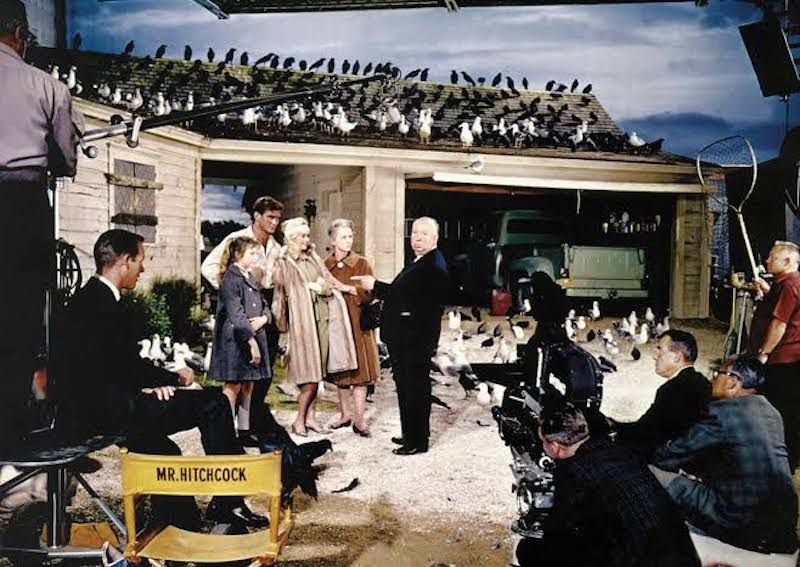
Tippi Hedren’s next film for Hitch was Marnie, which tells the tale of a kleptomaniac, Marnie Edgar who steals $10,000 from her employer and goes on the run. Sound familiar Psycho fans? It's almost as if Marnie continues Janet Leigh's storyline in another, sliding-doors timeline.
Marnie is a fascinating film, but a really hard one to watch. One New York Times review called it Hitchcock's "most disappointing film in years".
New Yorker film critic Richard Brody called the film a "story of sexual violence" inflicted upon Hedren's character. Brody continues, "The film is, to put it simply, sick, and it's so because Hitchcock was sick. He suffered all his life from furious sexual desire, suffered from the lack of its gratification, suffered from the inability to transform fantasy into reality, and then went ahead and did so virtually, by way of his art."
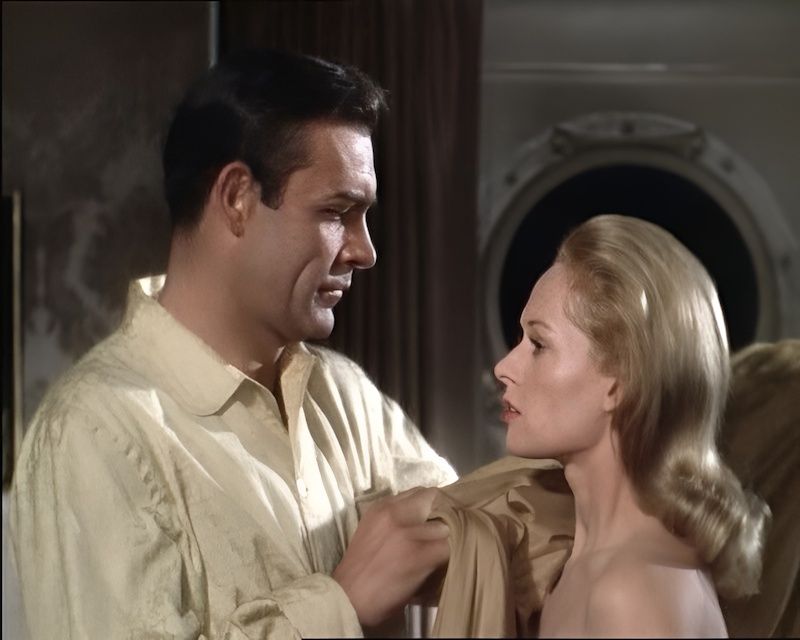
Marnie even includes a scene in which Hedren’s character is raped by her new husband, Mark (Sean Connery) on their honeymoon. The actress believes this scene was include due to Hitchcock’s fantasy about her, even though the scene appears in Winston Graham’s book of the same name.
Hitch's view of women was unnerving. He obsessively fetishised Nordic blondes. As far back as 1927's The Lodger, when he was just 28 years old, all the serial killer's victims are blonde bombshells.
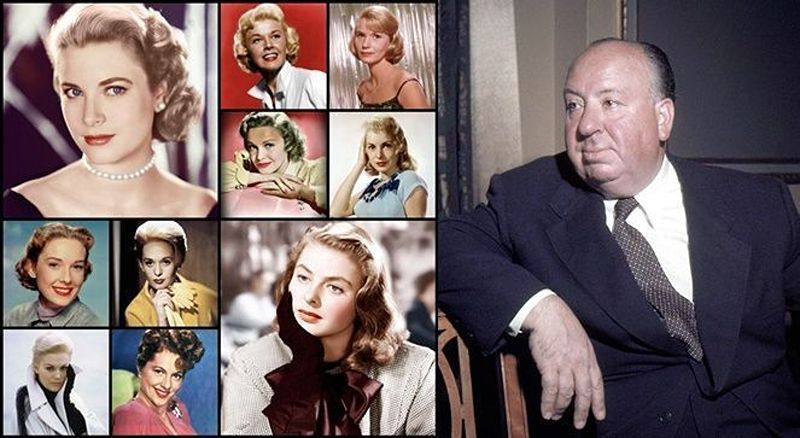
From here, through Janet Leigh in Psycho and Tippi Hedren in The Birds and Marnie, Hitchcock abuses or kills his blonde sirens throughout his 40-year career. It's almost as if he was trying to humiliate them for some unknown, past indiscretion; maybe his sexual advances being rebuffed.
His films often feature male characters struggling in their relationships with their mothers: Strangers on a Train's Bruno hates his father but is close to his mother. Norman Bates had to care for his mom before he killed her and her lover. North by Northwest's Roger Thornhill is humiliated by his mother for insisting that shadowy cabal of men are after him.
In The Birds, innocent Mitch Brenner struggles to free himself from a clingy mother. In his penultimate film, Frenzy (1972) the killer loathes women but idolises his mother. Make of all this what you will.
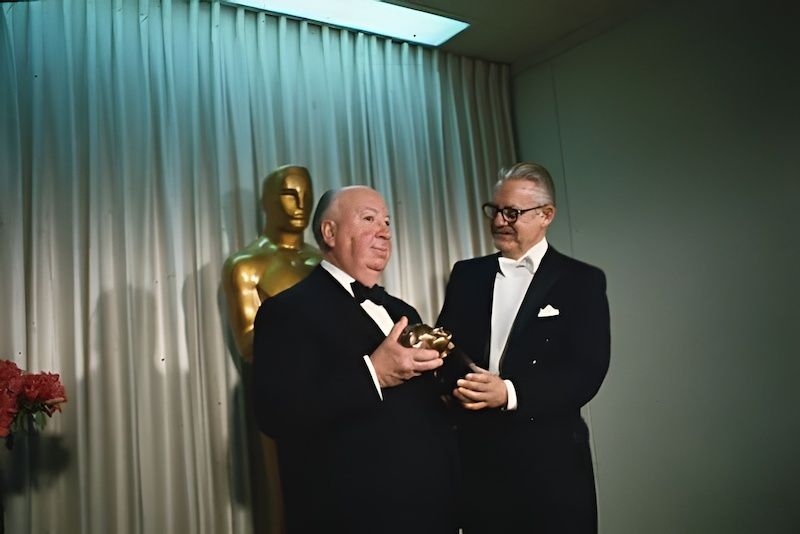
Perhaps our most shocking; nay… disturbing fact is that Alfred Hitchcock never won an Oscar for Best Director! As the man himself might have said “What a blooming disgrace!” He was, however, nominated five times for Rebecca, Lifeboat, Spellbound, Rear Window, and Psycho.
In 1968, The Academy honored Hitch by bestowing him with the mighty Irving G. Thalberg Memorial Award for "creative producers, whose bodies of work reflect a consistently high quality of motion picture production." Picking up the award he uttered five words "Thank you very much indeed."
When he received the AFI Lifetime Achievement Award in 1979, Alfred joked amongst friends that he must be about to die soon. Queen Elizabeth II making him Sir Alfred Hitchcock – a knight of the British Empire – hopefully made up for not receiving a Best Director Oscar.
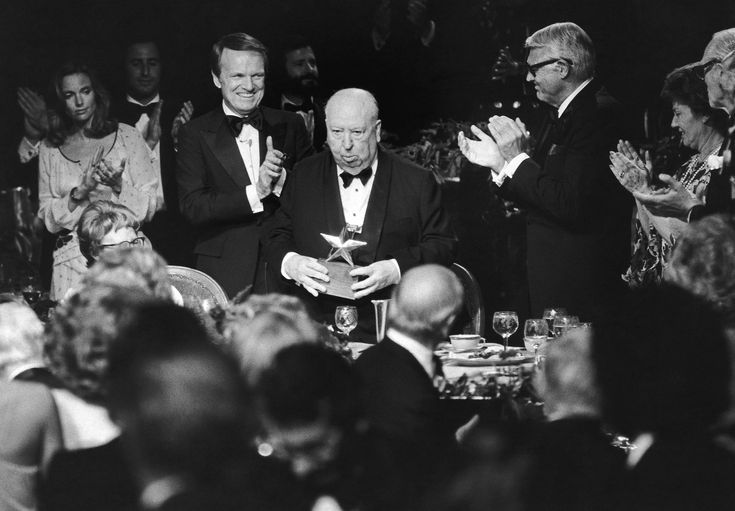
Sadly, Hitch was too ill to travel to Buckingham Palace to collect his knighthood, having recently had a pacemaker fitted. He died of kidney failure the following month, on April 29th, 1980 in Los Angeles. His wife, Lady Alma Hitchcock, joined him just two years later on July 6th, 1982.
If you want to know more about the man, read the fascinating book Hitchcock / Truffaut or watch Hitchcock (2012). It’s a biopic based on Stephen Rebello's 1990 non-fiction book Alfred Hitchcock and the Making of Psycho. That said, the plot centers on the relationship between Hitchcock and his wife Alma during the making of Psycho.
Sir Anthony Hopkins does an admirable job playing Hitchcock, as does Helen Mirren as Alma. It also stars Scarlett Johansson as Janet Leigh.
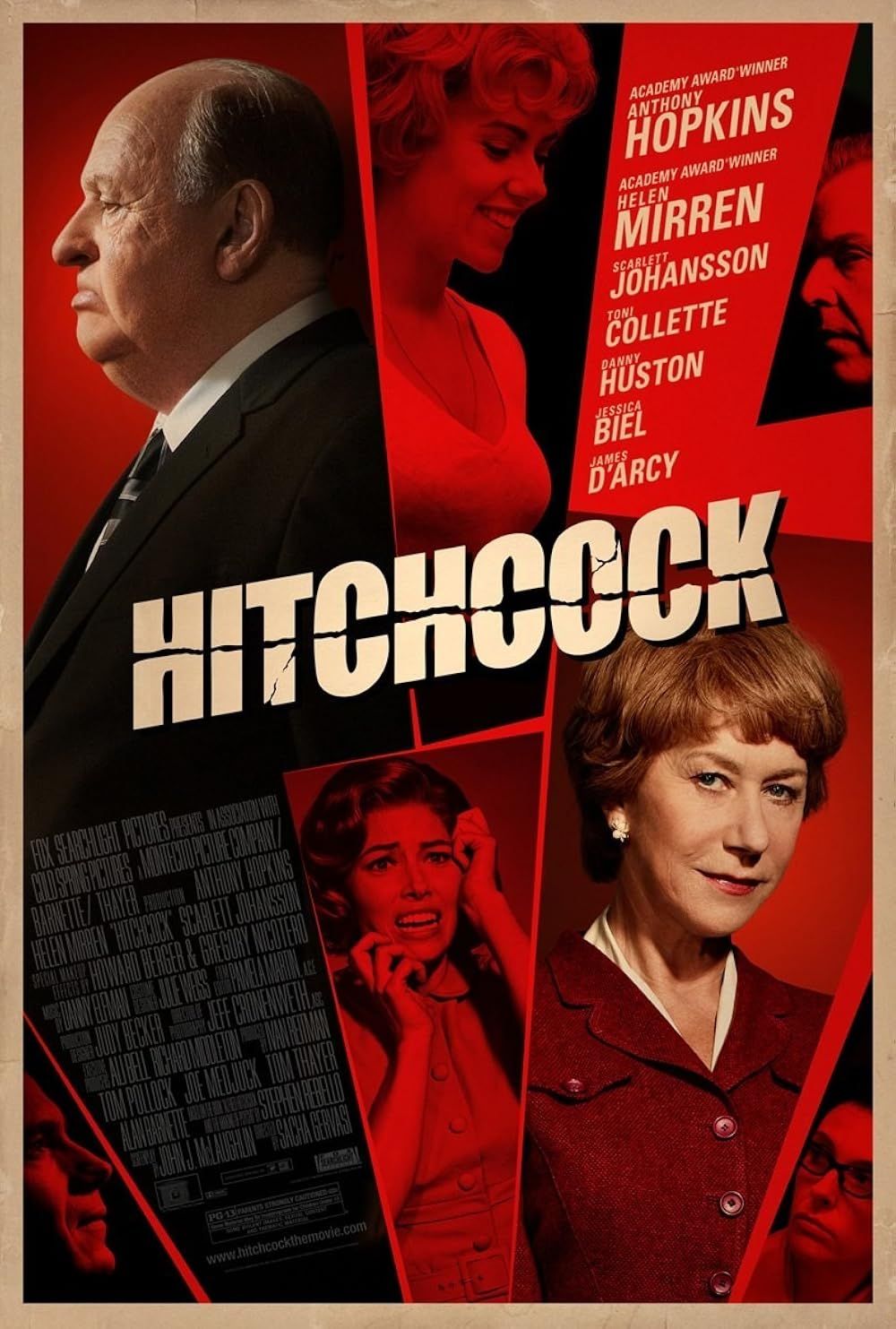
This biopic glosses over and rewrites history, as Hitch’s megalomania, abusive behavior, cruelty, obsession with his leading ladies and alleged sexual harassment are barely mentioned. Still, it's well worth a watch.
We hope you've enjoyed our deep delve into Alfred Hitchcock's life and we hope we've helped discover what made him tick. Now go watch, enjoy and be shocked silly by all his wonderful movies to find out why he really was The Master of Suspense.