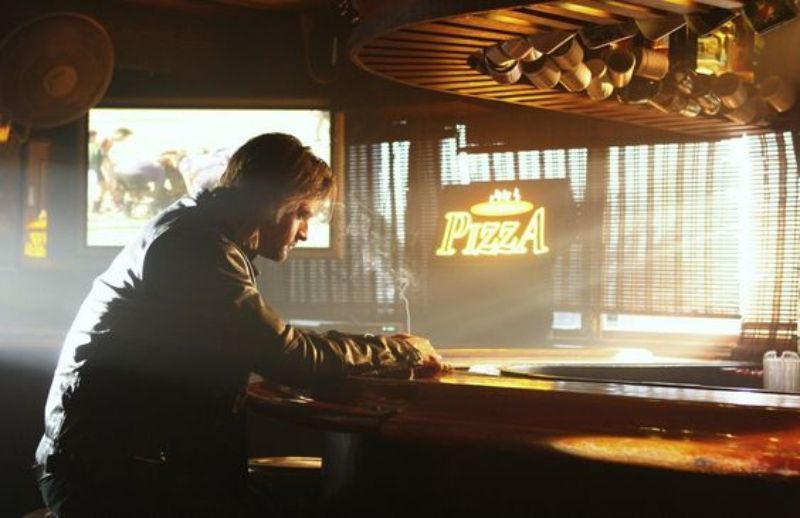
Lost revolutionized TV in many ways. The moment its $14 million pilot aired 20 years ago today, a never-before-seen army of rabid, binge-watching fans sparked the first global online TV conversation. We Losties theorized about its genre-bending, deeply serialized, interconnected storylines, mythology, and mystery-box-driven narrative, searching for secrets and clues to answer unanswered questions long after the brilliant but divisive finale. But Lost’s flashbacks also changed television forever.
Cinema first employed flashbacks or analepsis in Ferdinand Zecca’s 1901 silent movie, Histoire d'un Crime, but comic-book writer and Lost co-creator Damon Lindelof made flashbacks a vital part of every episode by delving into every major character’s past.
Lost’s characters aren’t just lost on a tropical island; they are lost in life, hence why JJ Abrams and Lindelof changed the name of Jeffrey Lieber’s laughable pilot script from Nowhere to Lost. Almost every character suffers from Complex Post Traumatic Stress Disorder, meaning their flashbacks serve as much more than your average superhero origin story.
Most of Lost’s characters’ flaws stem from daddy issues, most likely because Lindelof was experiencing a profound spiritual depression after recently losing his father. Remember that, it's important for later…
LOST'S FLASHBACKS
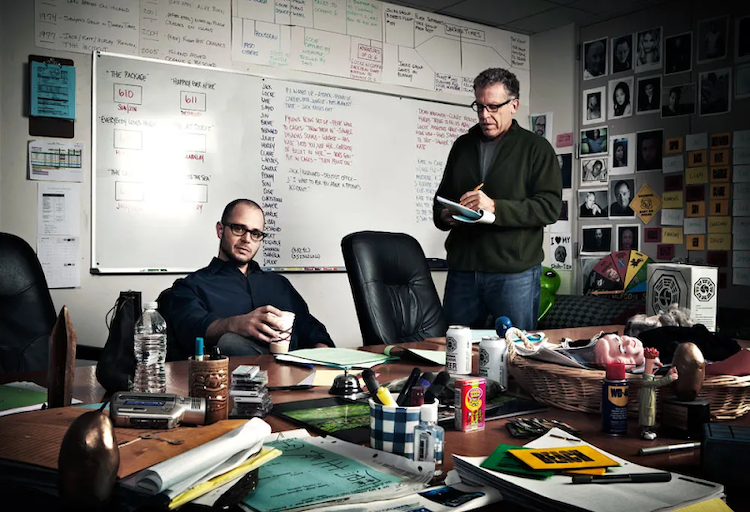
Lost’s external analepses (flashbacks to a time before the on-island narrative began, i.e., when Jack’s eye opened in the bamboo forest after Oceanic flight 815 crashed) aren’t just fixed events like being bitten by a radioactive spider. Lindelof's characters’ backstories have been shaped by trauma. These castaways became who they are and find themselves in the situation they are in because they made trauma-led decisions. But now, they’ve been given a second chance at life on Gilligan's Mystery Island.
They all grapple with their regretful pasts, but – by re-experiencing their past trauma via flashbacks – they are faced with a choice: Make the same mistakes again… or change. Will Sawyer stop taking his anger out on everyone but himself to become a good guy? Will Shannon stop being a lazy, spoiled rich kid, or will she contribute? Might Jack stop trying to save everyone to prove to his recently deceased father that he’s got what it takes? Will Kate literally stop running away from her past and play house? Shall Jack remain a Man of Science, or will he become a Man of Faith?
Is there a better definition of tragedy than George Santayana's “Those who don't learn from history are doomed to repeat it”? The lesson that Lindelof is imparting to Lost viewers is: You are not your past; it’s time to move on.
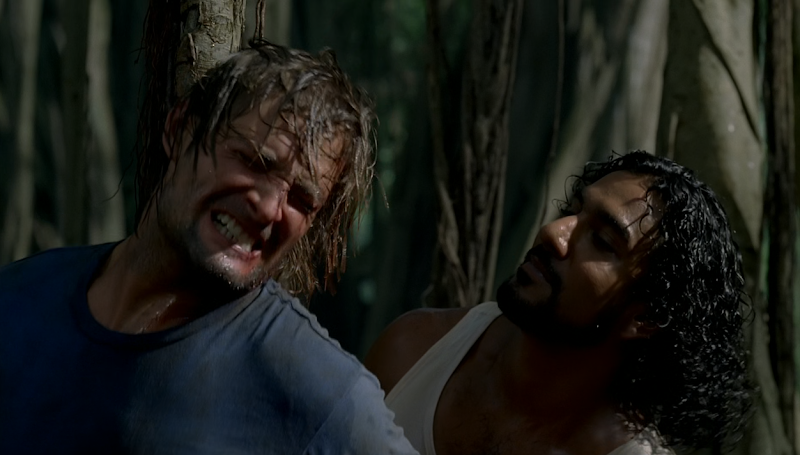
The Island serves up the characters’ worst nightmares to force them into making moral decisions. For example… in S01E08, Confidence Man, Sayid broke his promise to never torture anyone ever again by sticking bamboo shoots up Sawyer’s fingernails. Sayid’s punishment? He leaves the group out of shame and ends up getting tortured by Rousseau.
S01E12’s, Whatever the Case May Be saw Kate manipulating Jack into helping her get the key to open the sky marshal’s Halliburton briefcase, perfectly mirroring how she tricked her ex-boyfriend into robbing a bank to get the key to a safety deposit box in her flashback. By not changing, she failed The Island’s test. Kate’s punishment? In an uncontrolled emotional outburst, she accidentally reveals to Jack that she killed a man.
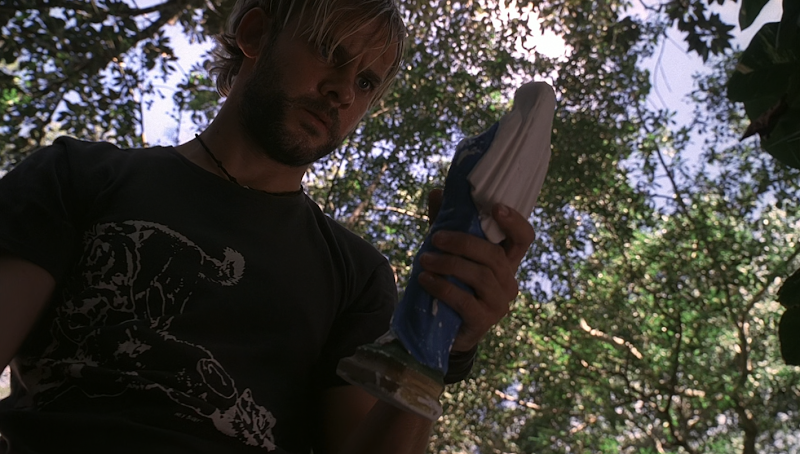
Lapsed Catholic drug addict Charlie beats his addiction only for The Island to deliver a plane-load of Virgin Mary statues filled with heroin. Hurley discovers the cursed lottery numbers that ruined his life embossed on the hatch. In short, The Island is fucking with them to test their resolve.
S01E16: OUTLAWS
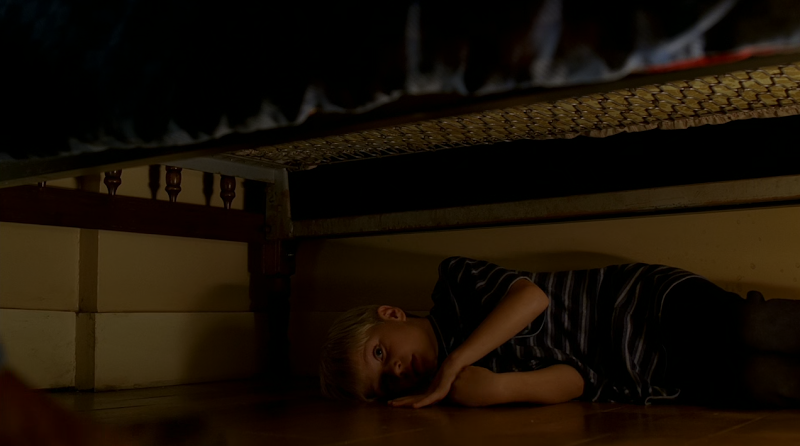
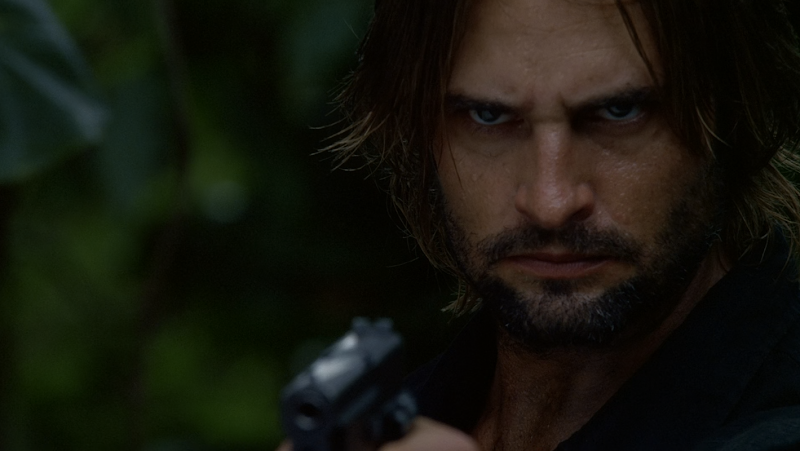
Outlaws opens with a flashback: James “Sawyer” Ford’s recurring dream of the traumatic event that shaped his life. Back in 1976, the original Sawyer – the con man whose name he later appropriated – swindled his parents out of all their money, leading to their murder-suicide. Eight-year-old James witnesses his father shoot himself while hiding under his bed.
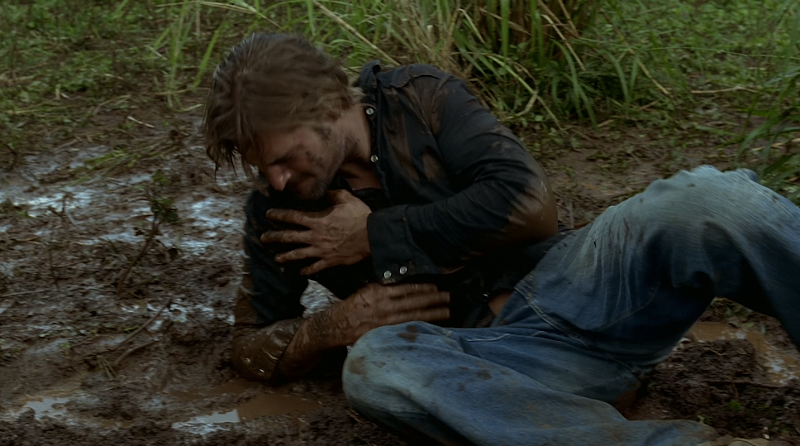
On-island, Sawyer is awoken from his nightmare by a wild boar ransacking his tent. After chasing the pig into the jungle, he hears The Island whisper: “It’ll come back around…” in the wind. After the same hog attacks him in the jungle, Sawyer convinces himself Mr. Pig is waging a personal vendetta against him, and becomes obsessed with finding and killing it. But first, he needs someone who can track the boar...
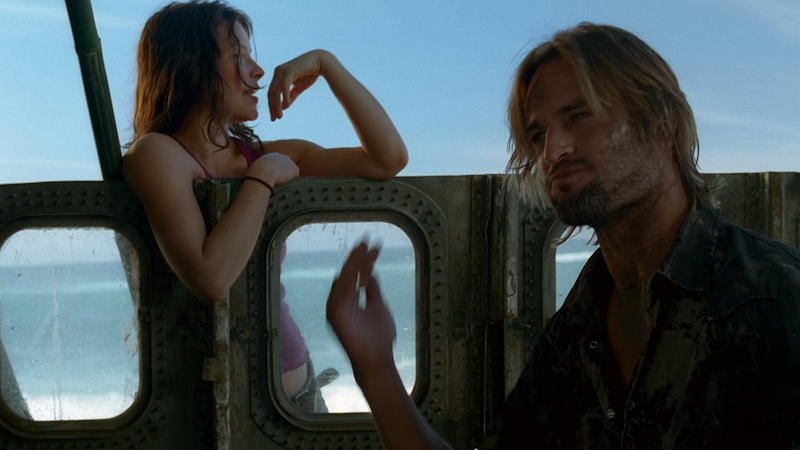
Always looking for an excuse to get the hell away from the group, Kate joins Sawyer on his often hilarious wild boar chase. In a beautifully written and acted fireside cat-and-mouse exchange, Kate and Sawyer both reveal they have killed a man while playing “I Never.”
In a series of Sydney flashbacks, Hibbs (Robert Patrick) tricks Sawyer by saying that he’s found Frank Duckett, the con man who caused Sawyer’s parents' deaths. Our favorite redneck cowboy buys a gun, but when he first visits Frank's Cajun Shrimp Truck, he can’t bring himself to shoot him.
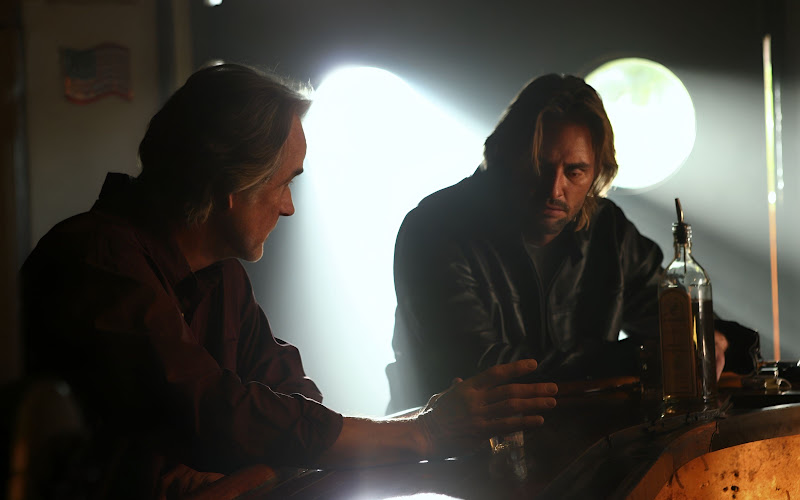
In a chance encounter with Jack’s father in a bar, Christian Shephard tells Sawyer to fix the thing that's making him feel bad. So, upon Jack’s dad's advice, Sawyer returns to the shrimp truck and shoots and kills Frank…
But when Frank reveals he's never gone by the name Sawyer, James Ford realizes Hibbs has tricked him into killing an entirely innocent man. As Duckett dies, he utters his final words: “It’ll come back around...”
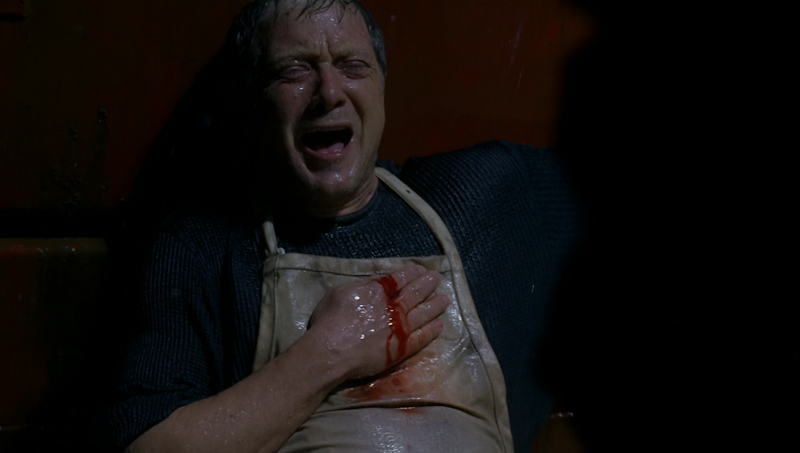
The hog storyline not only perfectly mirrors Sawyer’s past, but it also places him in a thematically similar enough situation to trigger his C-PTSD flashbacks. On-island, Sawyer is searching for the pig. In his flashback, he’s searching for the man who caused his parents’ deaths and ruined his life.
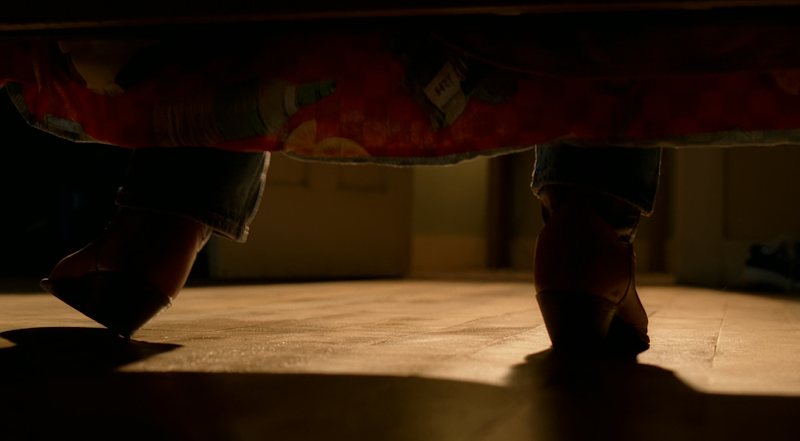
Frank is the boar. The boar is Frank… Okay, these cowboy boots in a second dream sequence belong to Sawyer’s father, but they represent the man who caused his parents' death.
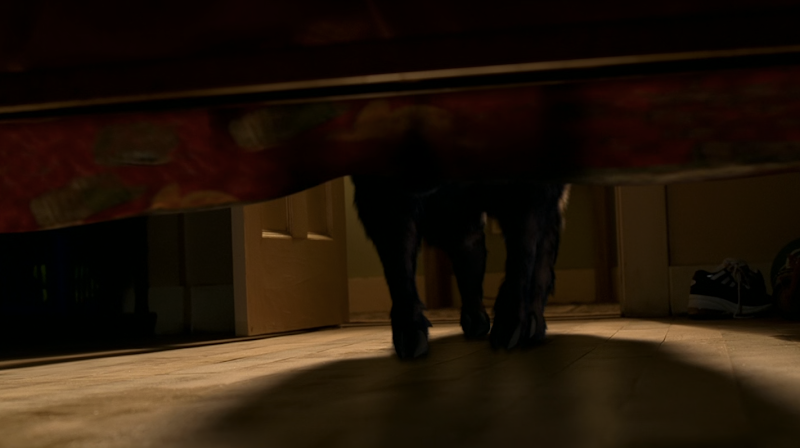
Kate is smart enough to realize that the pig is the latest victim of Sawyer’s anger transference. But Locke understands The Island enough to know it sent the boar to test Sawyer. He reinforces the idea that Sawyer is being haunted by telling the story of his sister reincarnating as a dog.
Of course, the boar isn’t really the ghost or reincarnation of Frank come back to haunt him, but it reminds Sawyer of his past deeds enough to trigger his flashbacks. The hog is metaphor for Sawyer killing Duckett.
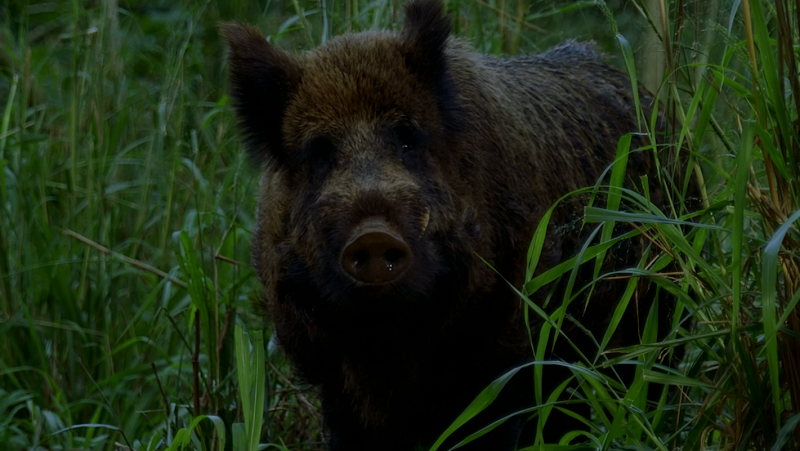
When Sawyer finally corners the boar and gets the chance to slay his metaphorical demon, he can’t bring himself to kill an innocent creature a second time. Sawyer’s flashbacks taught him not to repeat his past mistakes. He learned, grew, and changed. He moved on by dissolving part of his ego, thus passing The Island’s test. Sawyer's reward? This is the beginning of his rollercoaster redemption arc towards good guy.
Stories haven’t just existed for thousands of years to thrill and excite. Story is all about change. Fictional characters learn, change, grow, and move on because stories are blueprints to teach us all how to destroy our ego, integrate our shadow, and become the best versions of ourselves by climbing Maslow's hierarchy of needs through self-actualization.
Hindu, Buddhist, Jain, and Sikh practitioners call this journey Moksha, the final goal of extinguishing the fires of greed, hatred, and delusion to release ourselves from Samsara – literally “running around in circles” from the endless cycle of birth, death, and reincarnation, driven by karma.
Hang on, that sounds awfully like the Tibetan Book of the Dead’s Bardo-inspired season six flash-sideways and series finale. Maybe Damon Lindelof wasn’t making it all up as he went along, after all.
So, what have we learned? Well, like Pumbaa gave Simba a pep-talk in The Lion King, a hog taught Sawyer: “You got to put your behind in your past!”
Lost contains dozens more flashbacks mirroring and informing characters' decisions. Another perfect example is S01E07 The Moth. Watch and learn!