
Clara Bow's big, beautiful eyes, tomboy charms, and naive innocence took Hollywood by storm in the 1920s. After becoming an overnight sensation, her appearances as a flapper in movies like It (1929) made her the original It-Girl. Her look was so iconic that Max Fleischer based his cartoon character, Betty Boop, on her. Yet for all the glitz and glam of Hollywood, Clara had been raised in squalor and endured horrific childhood abuse.
No matter how much she partied and slept around to try to bury her pain, her haunting past always caught up with her. The fame and notoriety turned sour, and the starlet suffered a tragic breakdown.
Today, we'll get to know the dazzling enigma that was Clara Bow... and examine what events caused her to go so completely off the rails.
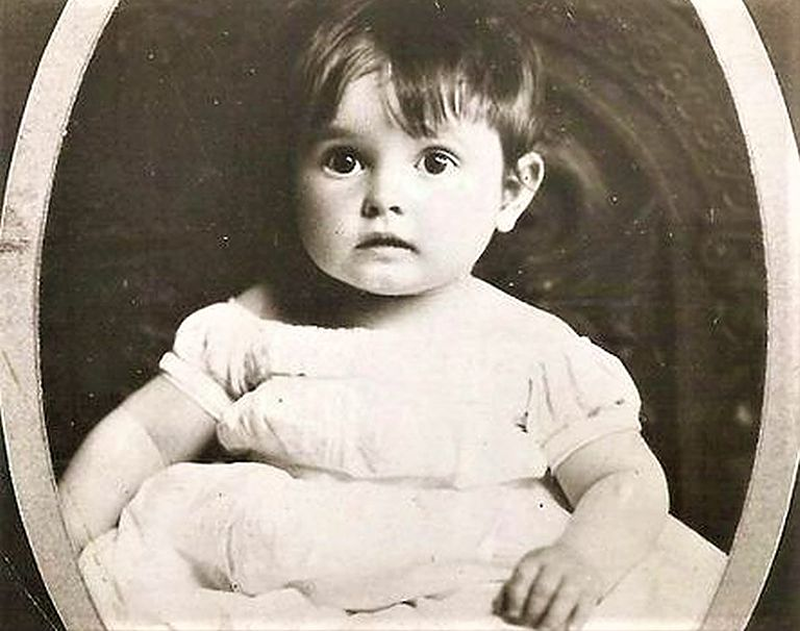
Clara Gordon Bow was born on July 29th, 1905, to Robert and Sarah Bow in Prospect Heights, Brooklyn, New York. Her two elder sisters, born in 1903 and 1904, had died in infancy, so Sarah's doctor pleaded with her not to fall pregnant again, out of fear that another infant would go the same way and possibly kill Sarah in the process.
Luckily for Clara, her mom was having none of it! When Clara was born, New York was slap-bang in the middle of a terrible heatwave, with temperatures of 100º. Looking back, Clara recalled: "I don't suppose two people ever looked death in the face more clearly than my mother and I the morning I was born. We were both given up, but somehow we struggled back to life."
However, a devastating tragedy did strike when Clara was just a little girl. One of her best friends, a young boy by the name of Johnny, who lived in the same building as her family, was somehow set on fire in an accident. The poor boy ran to Clara for help, and the young wretch could do nothing but watch on in vain as Johnny died in her arms.
As an actress, Clara became famous for her ability to cry on cue. All she needed to do was listen to "Rock-a-Bye Baby", and the floodgates would open. The lullaby reminded her of Johnny dying in her arms.
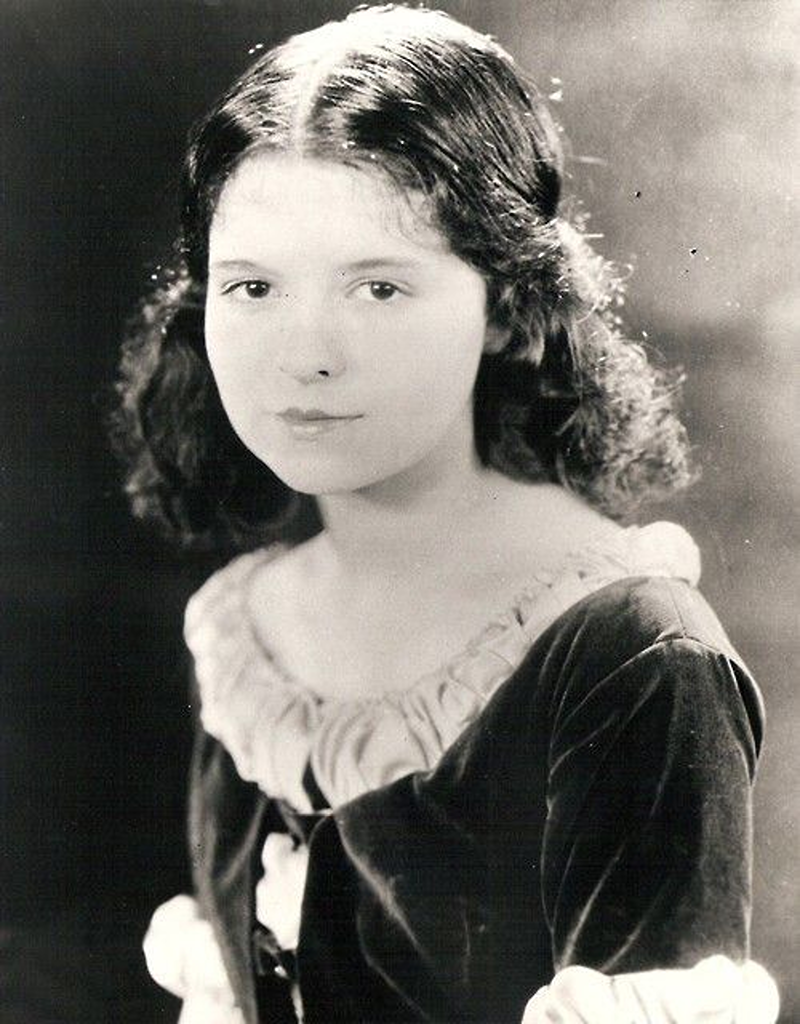
Growing up, Clara always had a beautiful, yet cartoon-like face and red hair. Her friends would tease her and call her "carrot top," and make fun of her shabby clothes as the family barely had enough money to buy food, let alone clothes. In school, she preferred hanging out with boys, saying, "I could lick any boy my size. My right arm was quite famous.”
By the age of 16, she knew she wanted to be a movie star, even though she saw herself a "square, awkward, funny-faced kid." At home, Bow's family life was dysfunctional. Her father was hardly ever around and drifted through life with an ever-present bottle in his hand.
It seems as though Robert had good reason to stay away from home: Clara even admitted, "I do not think my mother ever loved my father… he knew it. And it made him very unhappy, for he worshiped her, always." But a loveless marriage was just the tip of the iceberg.
Clara’s father may have worshipped Sarah, but don't feel sorry for him: Robert was a despicable man. When she was 16, he committed a truly heinous act. While her mother was institutionalized, Clara's father raped her in her own bedroom.
She never elaborated on this horrific attack; and we only know it happened as her biographer, David Stenn, later unearthed evidence. Obviously, this incident took its toll; it had lasting effects and she remained terrified of any form of intimacy.
With her father's support, but against her mother's wishes, 16-year-old movie-mad Clara entered Brewster Magazine's annual nationwide acting contest in the fall of 1921. The Fame and Fortune Contest was a series of screen tests which pitted wannabe actresses against each other and promised film work in the winner's future. Naturally, Clara won, and she was all ready to sign a movie contract.
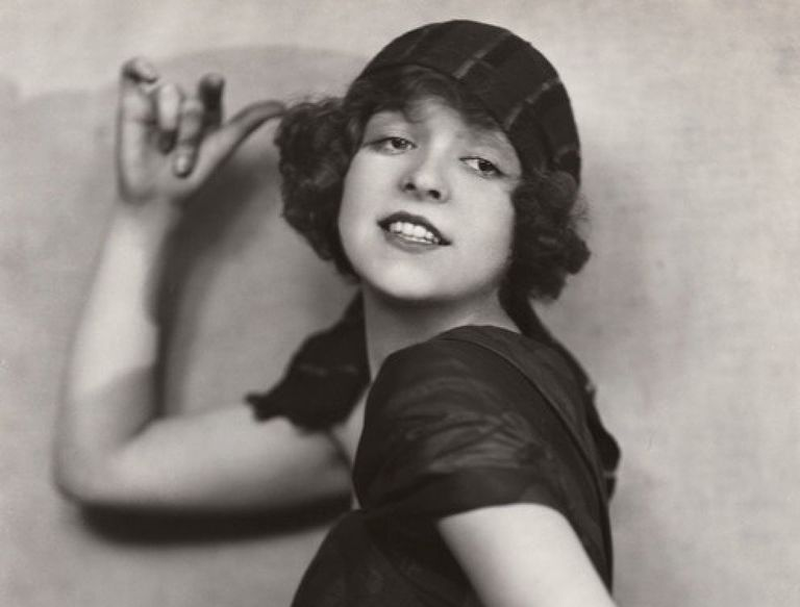
The contest earned Clara a trophy and one small film role, but no studio contract. Instead of film offers rolling in, there was tumbleweed. She touted herself around the agencies and studios, swallowing rejection after rejection. So, being a bit of a hustler, she resorted to going down to the Brewster's magazine office every day, begging for work.
Eventually, Bow's begging paid off and she landed a role in Beyond the Rainbow (1922). Desperate to impress, she knocked her five scenes out of the park and even managed to cry her famous tears for the first time on a movie set. But when the film was released and she sat down to watch it, she was devastated.
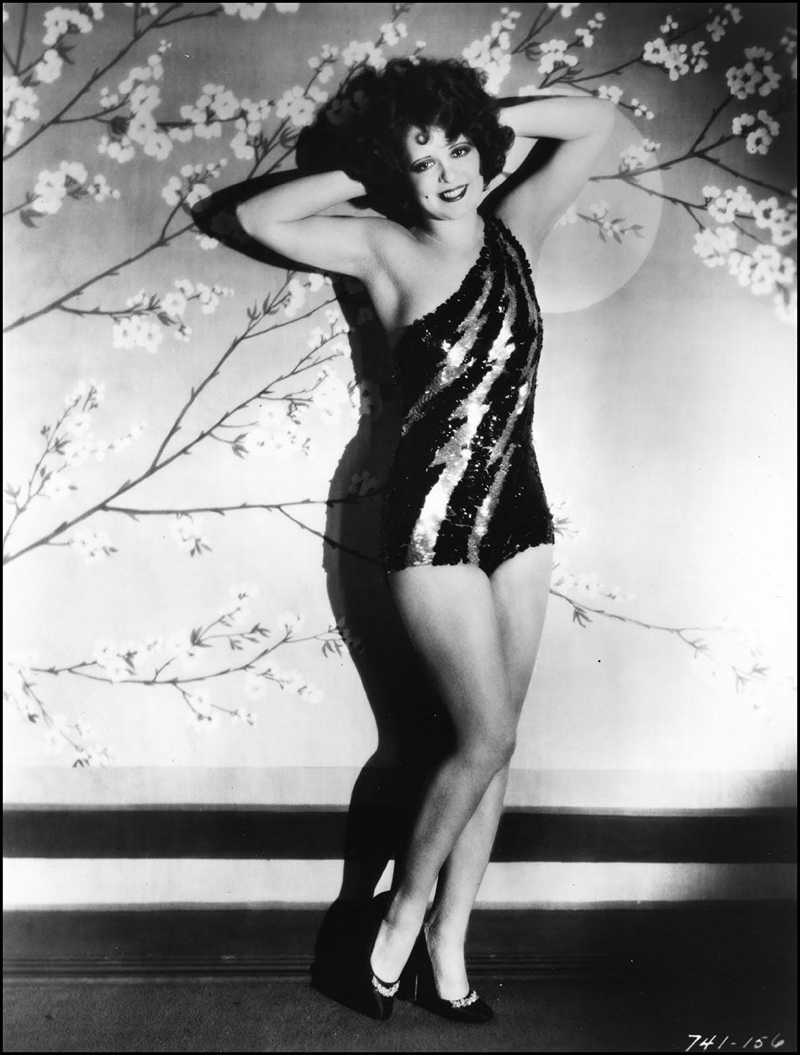
The film’s director, Christy Cabanne, had cut her scenes, so when Clara saw the final print, she felt "sick to her stomach" and nearly quit acting altogether. But no man can keep Clara Bow down… she knew she was due her big break, and she was determined to make it happen.
When Clara heard they were casting for the film Down the Sea in Ships (1922), she tried to look grown-up by borrowing a dress from her mom. This backfired horribly as director Elmer Clifton wanted a young tomboy and stated she was too old. Clara spent the rest of the audition convincing him she was just a kid after all! Finally, he gave her the part.
Her role in Down the Sea in Ships made Clara an overnight sensation, and she had to move from New York to Los Angeles. In the blink of an eye, Clara Bow epitomised all the permissiveness and joie de vivre of the jazz age, but she didn’t only play flapper roles in movies like The Plastic Age (1924), Runaway, Mantrap, or Dancing Mothers (all 1926); she also forged a reputation for being the ultimate flapper herself!
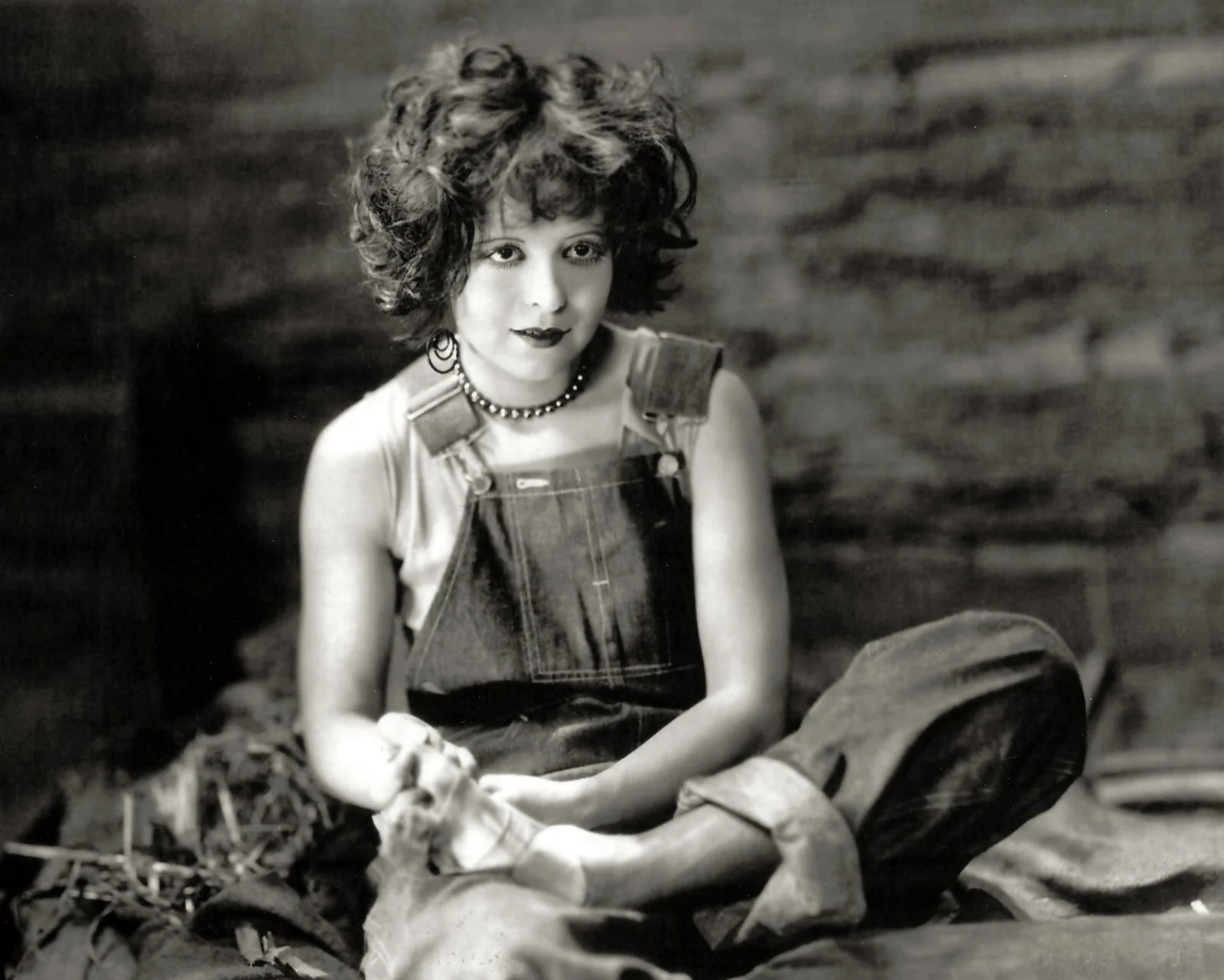
In the midst of all this fame, on January 5th, 1923, Clara's mother, Sarah, died from epilepsy in an asylum, aged just 43. How did all this affect Clara? Don't worry - all will become clear. Although she had a tumultuous, volatile relationship with her mother, Clara was always Sarah’s biggest defender, both while she was alive and after her death.
When the Bow family gathered for Sarah's funeral, Clara screamed at her relatives. She called them hypocrites for never caring about her mom. If you think that was unhinged, Clara then did something extraordinary; she tried to jump into her mother's grave!
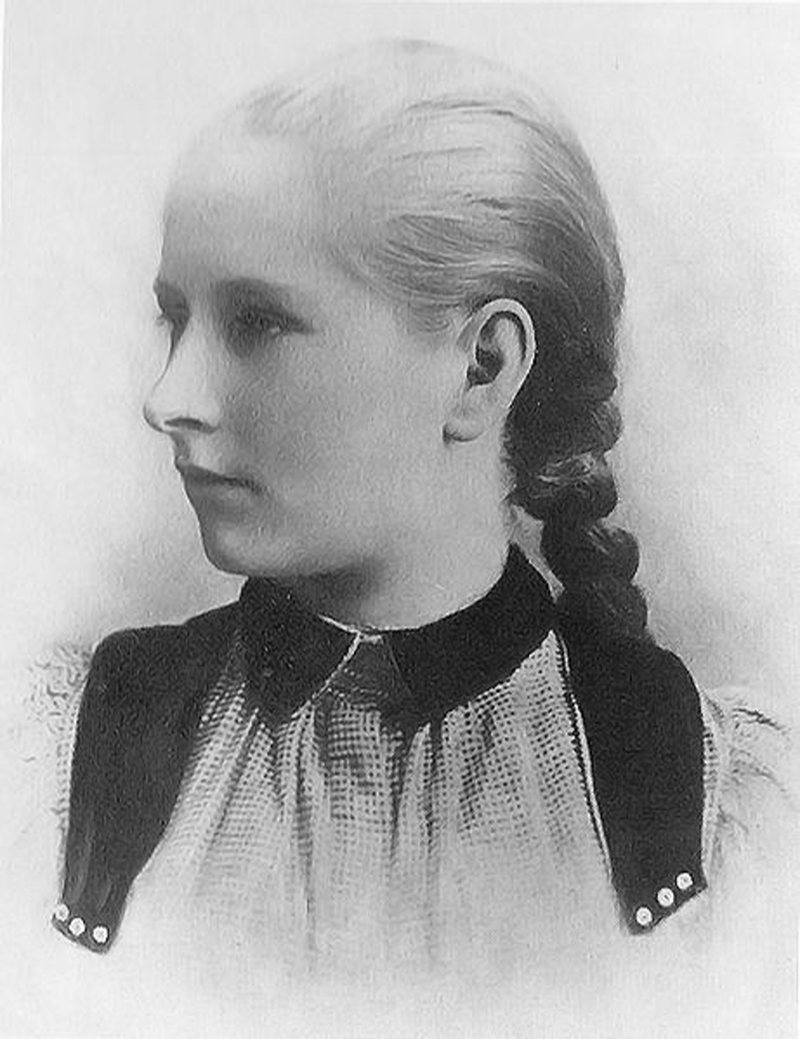
Back in Hollywoodland as it was known then, the ambitious 19-year-old was an instant icon. As well as her flaming red hair, Bow's lips were also a national treasure. She drew her lipstick in the heart-shaped style we know and love today. The style was copied so much that when women applied their lipstick, they said they were putting their "Clara Bow" on.
Her notoriety got the better of her, and she sometimes took her snobby arrogance too far. On the set of Painted People (1924), Clara was to play Colleen Moore's younger sister. But the bit part wasn't good enough for feisty young Clara, so she stormed over to Colleen Moore and told her, "I don't like my part. I wanna play yours." Moore's response was brutal.
The more famous actress refused to let director Clarence G. Badger shoot any close-ups of Bow. In return, Clara vowed to "Get that witch," but her plan backfired. Clara, you see, decided to have her acute sinusitis fixed. With her bandaged face making her look like The Invisible Man, she not only lost her close-ups… she lost her part in Painted People entirely.
As mentioned, Clara had a secret weapon when it came to acting in silent movies; she was famous for her ability to turn on the faucets by crying on cue. Director Frank Tuttle once said, "She could cry on demand, opening the floodgate of tears almost as soon as I asked her to weep." But like so many superpowers, this special ability came with a dark side…
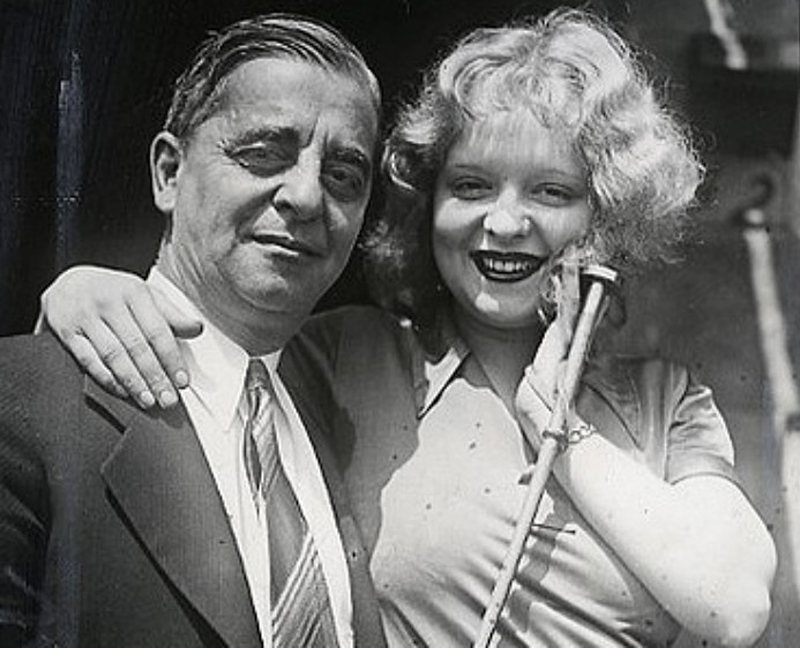
Clara was plagued by low self-esteem and emotional fragility. Frank Tuttle also noted Clara was always "full of nervous energy and pitifully eager to please everyone." This included her father, who never had any money. Robert (pictured) eventually took up a full-time job on her film sets, which seemed to consist of drunkenly teetering around trying to pick up young actresses by telling them he was Clara Bow's father.
Clara even convinced her friend and secretary, New Zealander Tui Lorraine, to marry her abusive father to secure American citizenship to avoid deportation after overstaying her visa. The marriage ended in divorce mere months later.
In 1924, she moved in with her father and her boyfriend, Hollywood cameraman Arthur Jacobson. This displeased her studio executive B.P. Schulberg, who fired Jacobson for living in sin with his star and leading her into scandal. Clara's reaction was priceless!
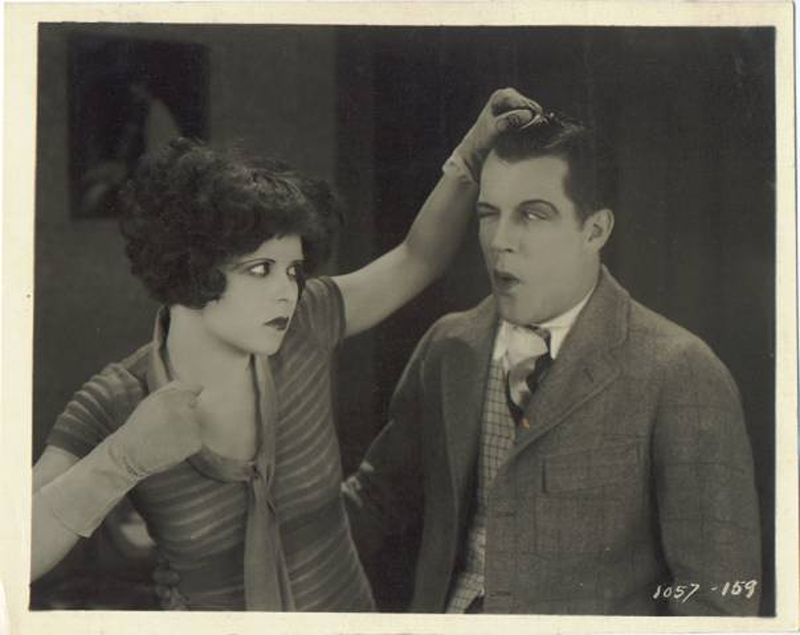
When Bow found out that her… beau had been fired, she marched over to Schulberg's office, ripped her contract in half, and threw it in his coffee mug! Next, she tore into him for trying to control her private life, and she ended by walking out the door.
Audiences and critics alike across the land gave her the fiery nickname "The Brooklyn Bonfire." For all the millions they made off the back of her good looks and charm, the studios were alarmingly damning. Directors called her "birdbrain," while one exec claimed she couldn't act, and named her the "easy winner of the dumbbell award".
Clara always hated rehearsals and needed a lot of direction and, but with coaching, she was a little pocket rocket! One of her more compassionate directors, Victor Fleming – who went on to direct The Wizard of Oz and Gone with the Wind (both 1939) – likened her to a Stradivarius violin, stating: “Touch her, and she responded with genius.”
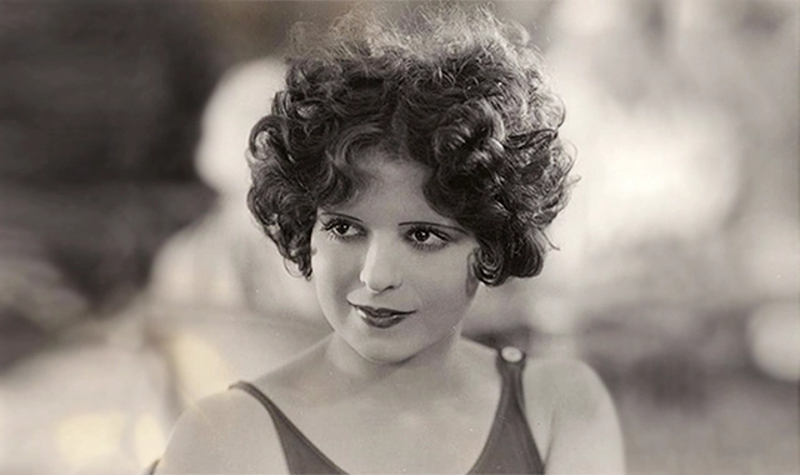
She might have been charming, but as a scruffy, lower-class kid, her manners were dreadful, and she paid the price for being brazen. High-class Hollywood society looked down their noses at her as she refused to cow-tow to them or their conservative values. She once said of her peers, "They are snobs. Frightful snobs … I'm a curiosity in Hollywood. I'm a big freak because I'm myself!"
Clara Bow starred in the first movie to ever win Best Picture at the Oscars: William Wellman's masterpiece, Wings (1927), famous for its bubbles scene, glorious tracking shot, and nudity. The director described her as "mad and crazy, but what a personality!"
Speaking about Wings, she stated "I'm just the whipped cream on top of the pie," but she later regretted the film's gratuitous nudity: "I don't want to be remembered as somebody who couldn't do nothin' but take her clothes off."
In 1927, she appeared in six Paramount movies: Children of Divorce, Rough House Rosie, Wings, Hula, and Get Your Man. But Bow wrote herself into the history books when she starred in the flapper flick "It." becoming the first "It-Girl."
She turned her Paramount contract into a five-year deal, starting at $1,700 a week, becoming $4,000 a week for the last year. By January 1929, she was receiving more than 45,000 fan letters a month. Life was sweet… until the whole movie industry changed forever.

Two years after The Jazz Singer (1927), talkies were all the rage, and the former silent film star had her first speaking part. Audiences were shocked at what they heard: sweet, innocent Clara Bow had a heavy Brooklyn accent but – contrary to the popular opinion that her career floundered because of her accent – her audiences loved her Noo Yoik twang.
Her new films like The Wild Party, The Saturday Night Kid and Dangerous Curves (all 1929) scored hit after hit. It wasn't her accent; it was her low self-esteem and mental health that led to her demise.
Clara never liked talkies, calling them "stiff and limiting" and complaining that "you lose your cuteness," and never found herself comfortable talking on screen. As confident as she was on a silent movie set, the new looming microphones and wires everywhere terrified her. On the set of The Wild Party, she needed dozens of takes as she kept nervously glancing at the microphone above her head.
According to close friends, Clara was hiding a dark secret. She was never exactly the most emotionally stable person, but the stress of talkies pushed her over the limit. Her nerves were "all shot," and Photoplay – one of the first American film fan magazines, which loved her at first – even reported sightings of bottles of sedatives by her bed.
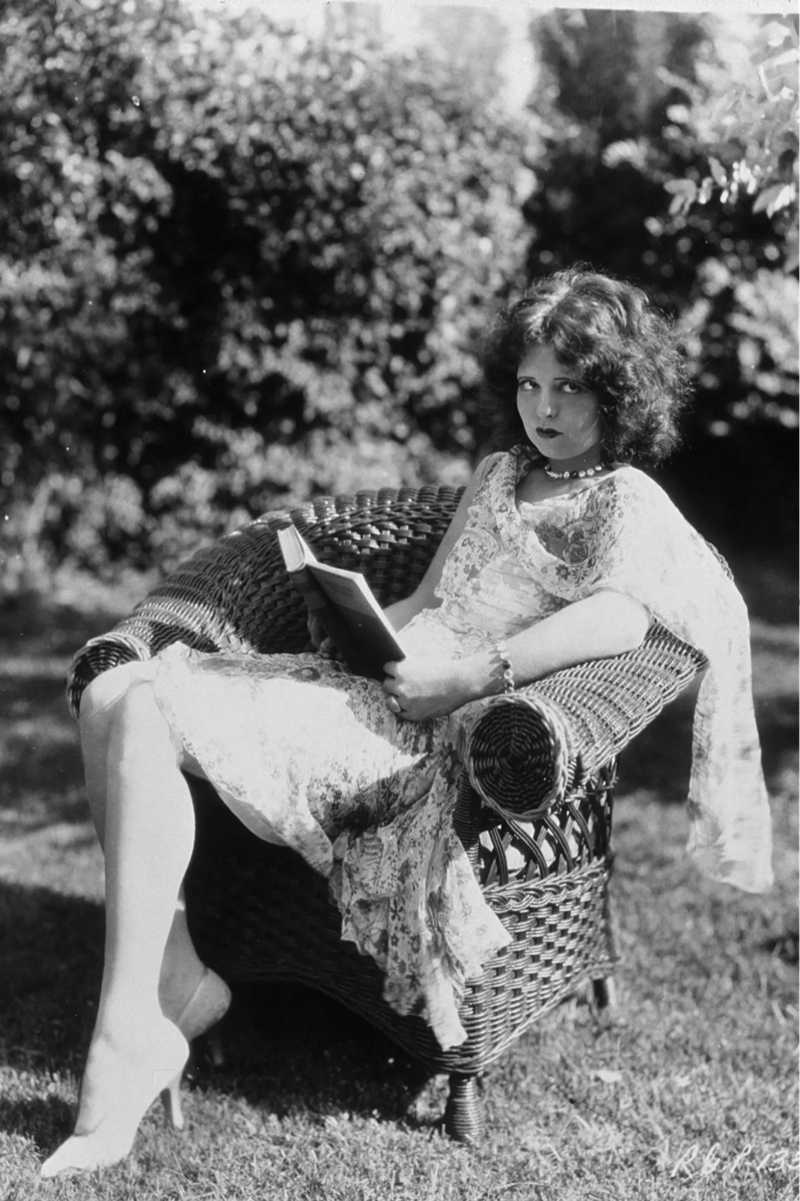
This carefree jazz baby would party late into the night taking as many lovers as she pleased, becoming a tabloid staple. Some of her most famous conquests included Gary Cooper, Gilbert Roland and Victor Fleming.
Yet underneath, she was unhappy, and a nagging disillusionment followed her like a dark cloud. She once stated: "All the time the flapper is laughing and dancing, there's a feeling of tragedy underneath."
Clara could charm the pants off any man, but thanks to her father, she was deeply damaged. Soon enough, her reckless lifestyle caught up to her. Some of her bedfellows were married men and one cuckolded wife even took Bow to divorce court for stealing her husband.
Yet it was her tryst with horror star Bela Lugosi that was the most bizarre of them all. Bow was attracted to Lugosi when he was still doing the stage version of Dracula, and sauntered down to a performance one night wearing only her mink coat and bathing suit. Needless to say, the Dracula star went bats for her.
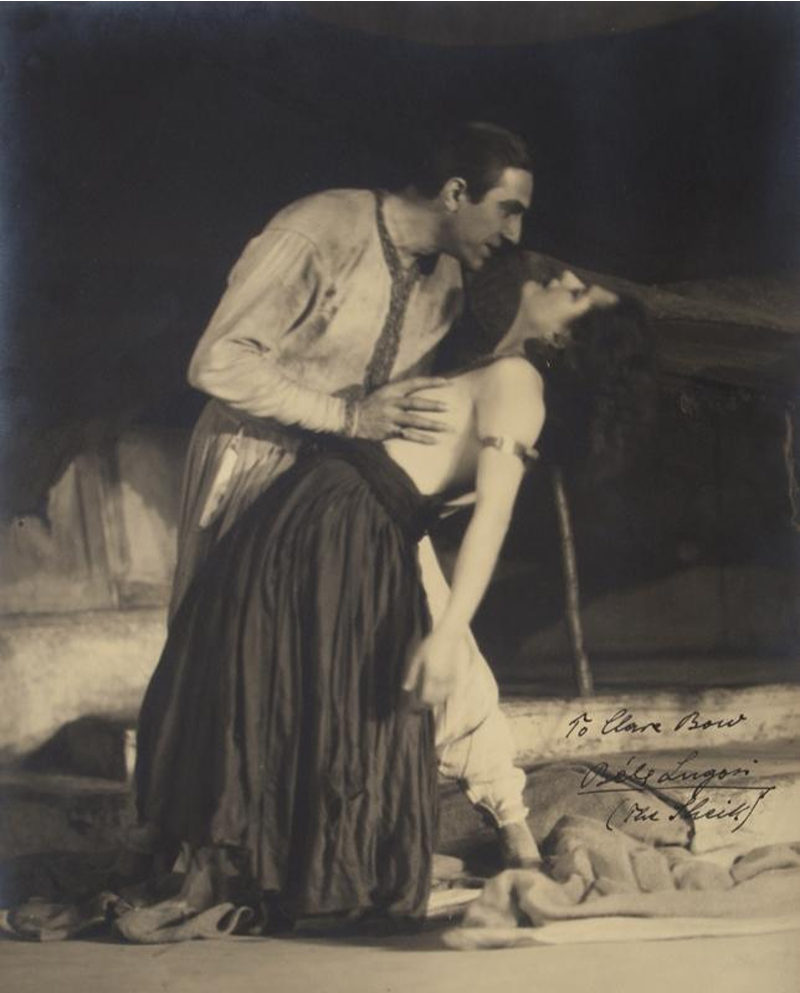
The pair became obsessed with each other, and Clara took her bad girl image into overdrive for Lugosi. But since this was Hollywood, they still saw other people. In 1929, Lugosi married wealthy socialite Beatrice Weeks. Clara was not a happy bunny, but every cloud has a silver lining...
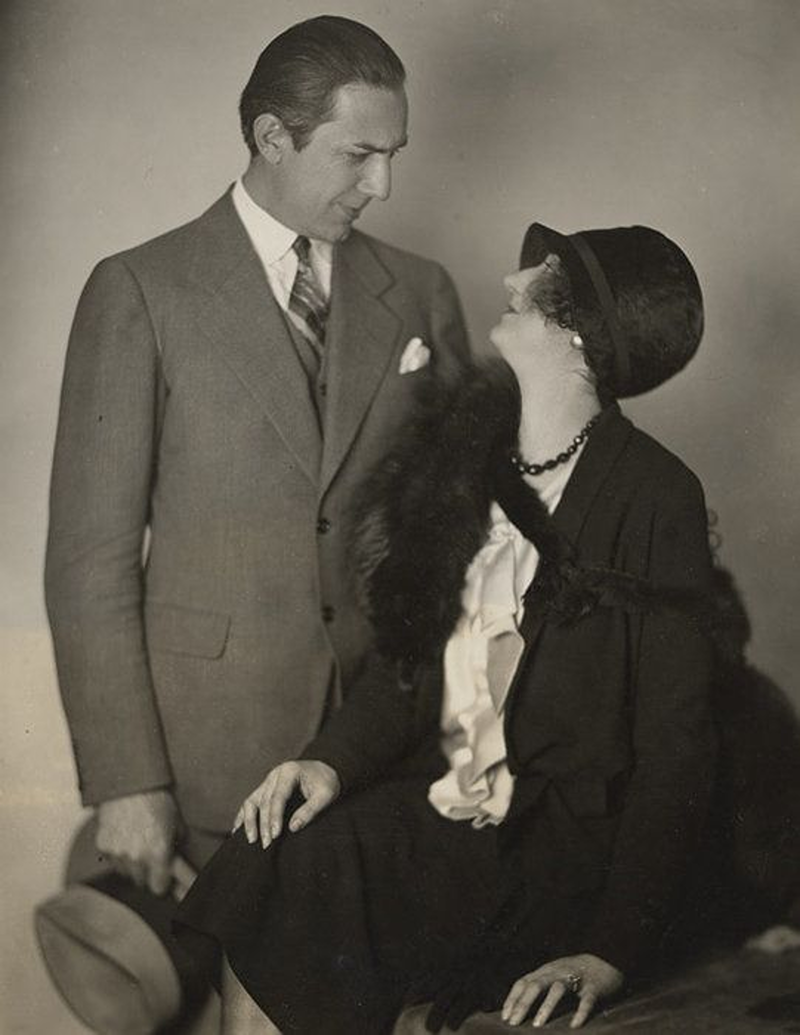
Pictured together below, Lugosi only married Weeks for her money, and their marriage lasted three days. The reason Beatrice Weeks cited for the split? Well, Clara Bow, of course!
Although Clara's love for the Dracula star soon faded, she gifted him a naked portrait of herself, which Lugosi hung above his bed for the rest of his life, including through his next two marriages.
When the original vampire finally died in real life, Clara's naked portrait was still hanging over him!
In 1931, one of Clara's best friends turned on her. The actress had discovered her secretary, friend and confidant, Daisy DeVoe, had been mismanaging her money, and took her to court. Though it was Daisy who was on trial, somehow poor Clara ended up with all the backlash when Daisy revealed all of Clara's worst secrets. DeVoe told the judge and jury many vastly exaggerated tales of Clara's fast and loose lifestyle.
Tabloid vultures like Photoplay ran vile, cruel stories, even featuring outlandish claims of all manner of unsavory acts, including bestiality. "Crisis-a-day Clara" reached breaking point.
After her trial, her nerves were so frayed she could not carry on. Aged just 25, she was exhausted and broken, so she begged Paramount to release her from her studio contract and checked herself into a sanatorium.
Clara Bow did make a comeback a couple of years later. She signed a two-picture contract with Fox Film Corporation to make Call Her Savage (1932) and Hoop-La (1933). She later admitted she only went back to Hollywood "for the sole purpose of making enough money to be able to stay out of it."
Yet, although audiences and studios were still thirsty to see more of Clara Bow, her heart wasn't in it, as the damage was already done. By the age of 28, she was at the end of her rope.
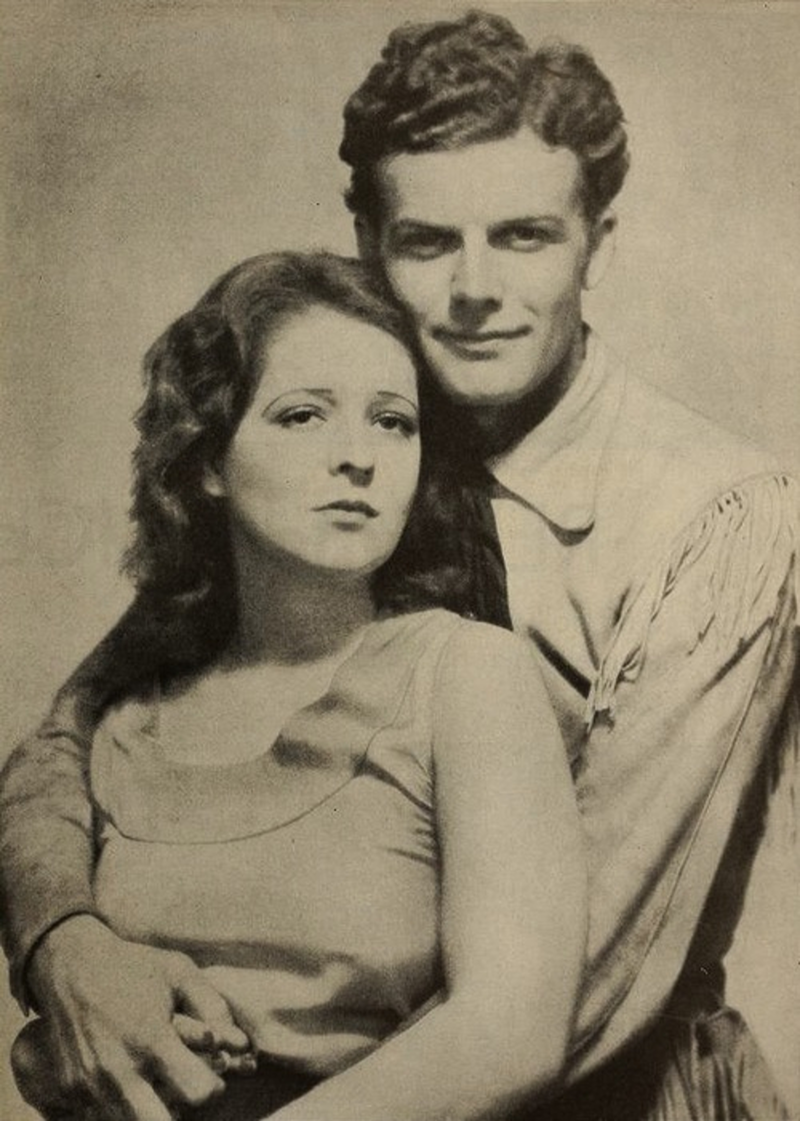
Clara retired from acting in 1933 and tried to find some semblance of normalcy, even playing house with dreamy western co-star Rex Bell (pictured). The pair had married in December 1931, and she moved into his ranch outside Hollywood. The relationship nearly worked: Together, they had two children: Rex Bell, Jr., and George Beldam, Jr. The couple were happy for a while. Yet Clara's darker days were just around the corner...
Remember when we said audiences were thirsty to see more of Clara? Well, in the second film in her short-lived comeback Hoop-La, they got to see everything. One magazine wrote her costumes were so scarce, they "wouldn't weigh two pounds soaking wet." We imagine audiences loved all the Hoop-La, but critics despised it. And no one hated it more than Clara's husband, Rex Bell, who was furious she was giving away his goods.
When Bell saw Hoop-La, Rex and Clara had an explosive fight about her scantily-clad acting. According to Clara, her husband accused her of enjoying "showing myself off." But wait til you hear Bow's perfect response! "I make the big bucks in this family, and this brought in the paycheck."
Rex seemingly got over this and in September 1937, they opened The 'It' Cafe in the Hollywood Plaza Hotel off Hollywood Boulevard in Los Angeles. It closed in 1943. Yet, just as the couple seemed to be happy, Clara started showing disturbing signs. By 1944, she refused to leave the house or socialize; she hated going out, but she hated it even more when Rex left on her own. The ex-star was suffering from deep and violent mental issues.
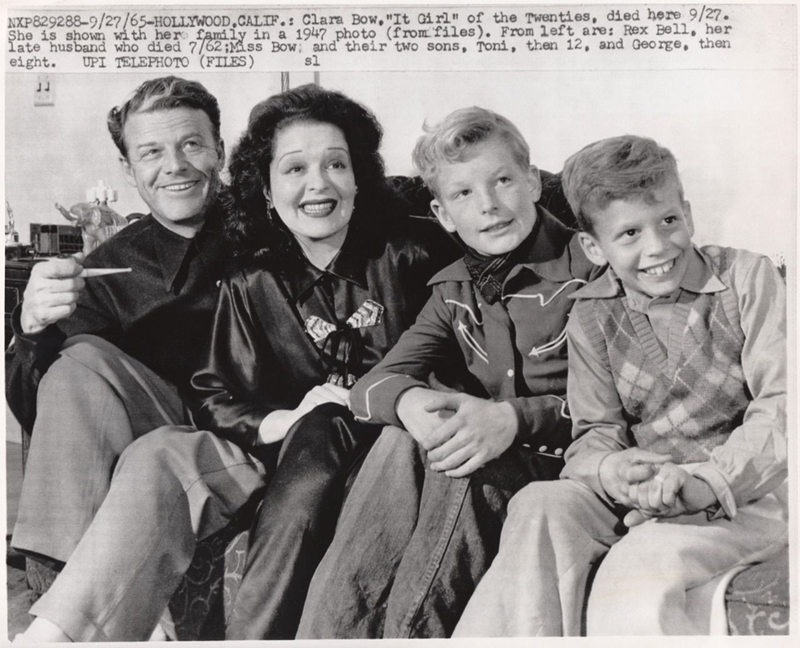
Her mental health problems were heightened by the stresses of fame and had been for some time. In 1944, when Rex ran for the US House of Representatives, and she was still only in her 30s, Clara tried to commit suicide, leaving a heartbreaking note in which confessed that she preferred the idea of an eternal slumber to always being a public figure. She also called every day "unbearable".
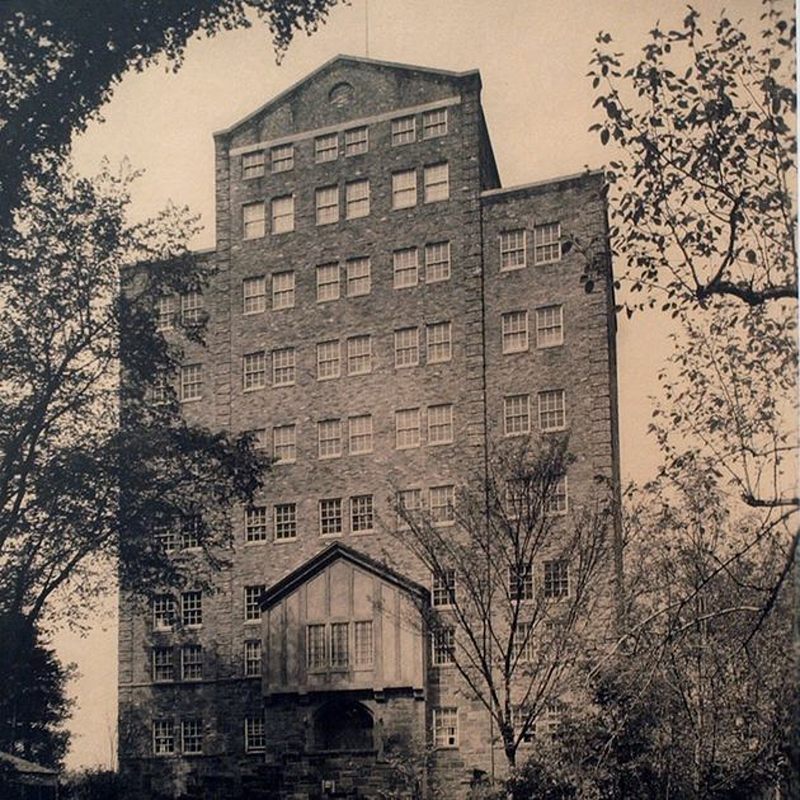
With her mental health deteriorating through the decade, in 1949, she checked into the Institute of Living sanatorium in Hartford, Connecticut, this time for chronic insomnia and abdominal pains. She underwent a slew of psychological tests, and she received shock treatment. The doctors said her pains were psychosomatic, and she was diagnosed with schizophrenia; however, she experienced no hallucinations.
In therapy, Clara told doctors about the darkest periods of her life, and she started remembering things that she'd been blocking out for years. Mental problems ran in the family, and her breakdowns and crises could be traced directly back to her mother, Sarah, who had been severely mentally ill.
When Sarah was a teenager, she had fallen from a second-story window. She was never the same afterwards. As a result of the ensuing head injury, poor Sarah suffered epileptic seizures, psychosis, and possibly even schizophrenia for the rest of her life, and young Clara had to look after her mother during her epileptic fits.
Clara confessed that her mother's mental issues often made her cruel, but as the years passed, Sarah became more and more malicious and antagonistic.
When Clara was 16, she told her mother she wanted to be an actress. Her mom's response was chilling; she told the girl she would be "better off dead" than a Hollywood star.
Sarah had repeatedly called actresses “whores” even though it turns out she had once been a prostitute herself. But then Sarah tried to make her words about her budding actress daughter being “better off dead” come true.
In February 1922, Clara woke in bed to find her mother standing over her holding a butcher's knife to her throat. Thankfully, the 17-year-old somehow managed to escape and disarm her mother before she could hurt her. The next morning, Sarah had no memory of the incident. Robert immediately had her sent to the asylum; that's how he was free to attack and sexually abuse his daughter.
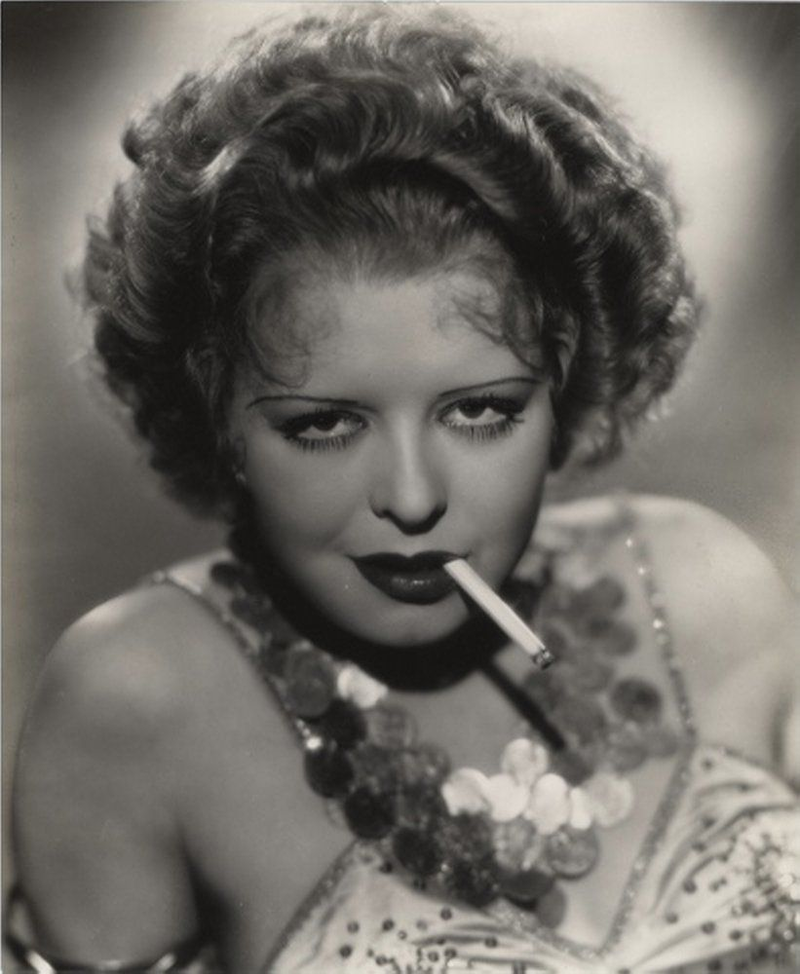
Consciously or subconsciously, Clara had buried all this abuse deep within her psyche. But when it all came out, every facet of her life – from her low self-esteem, her nervous energy, her desperate, codependent people-pleasing and attempts to impress, and her philandering – could all be traced back to her childhood trauma.
When she tried to talk about the night her mother attacked her with a knife in an interview, she stopped short, saying, "I can't tell you about it. Only when I remember it, it seems to me I can't live."
Clara refused to accept that there was a psychological explanation and even disbelieved that her mother's attack had anything to do with her mental problems so promptly left the psychiatric facility. Yet after reliving all her earlier trauma in the sanatorium, there was simply no way back to normality for Clara. She felt she couldn't cope with returning to her young family, so she lived out the rest of her days alone in a small bungalow, which she rarely left, until her final curtain.
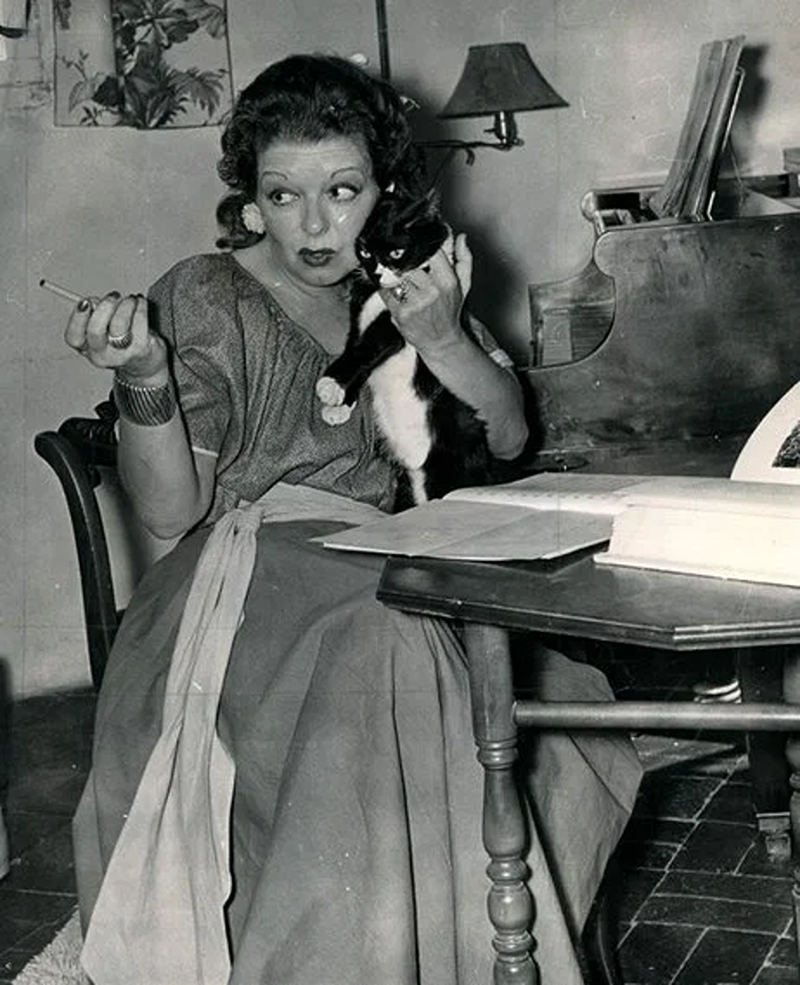
Clara's Bow's final bow did not take place on the silver screen, but on the radio, or the wireless, as it was called back then. Even though she loathed "talkies," she made a cameo as a mystery voice in the 1947 radio show Truth or Consequences in their "Mrs Hush" contest.
It was a perfectly fitting final curtain call for an actress who started her career in a national competition. Clara spent her last years in Culver City, California, in the care of nurse Estella Smith and living off an estate of around half a million dollars.
Singin' in the Rain (1952) compounded the idea that the sound era killed Clara's career and further damaged her reputation. The storyline sees Jean Hagen play talentless silent-movie flapper actress Lina Lamont... whose Brooklyn accent means she can't hack it in the talkies era. Everyone knew the idea was based on Clara.
Clara Bow passed away in September 1965 from a heart attack. She was just 60 years old. Unable to cope with the pressures of a career in the limelight – or banish the demons of her childhood – she became somewhat of a hermit. She locked herself up in her bungalow for decades, almost entirely alone. The saddest part? She didn't only lose herself… the history books nearly forgot her, too.
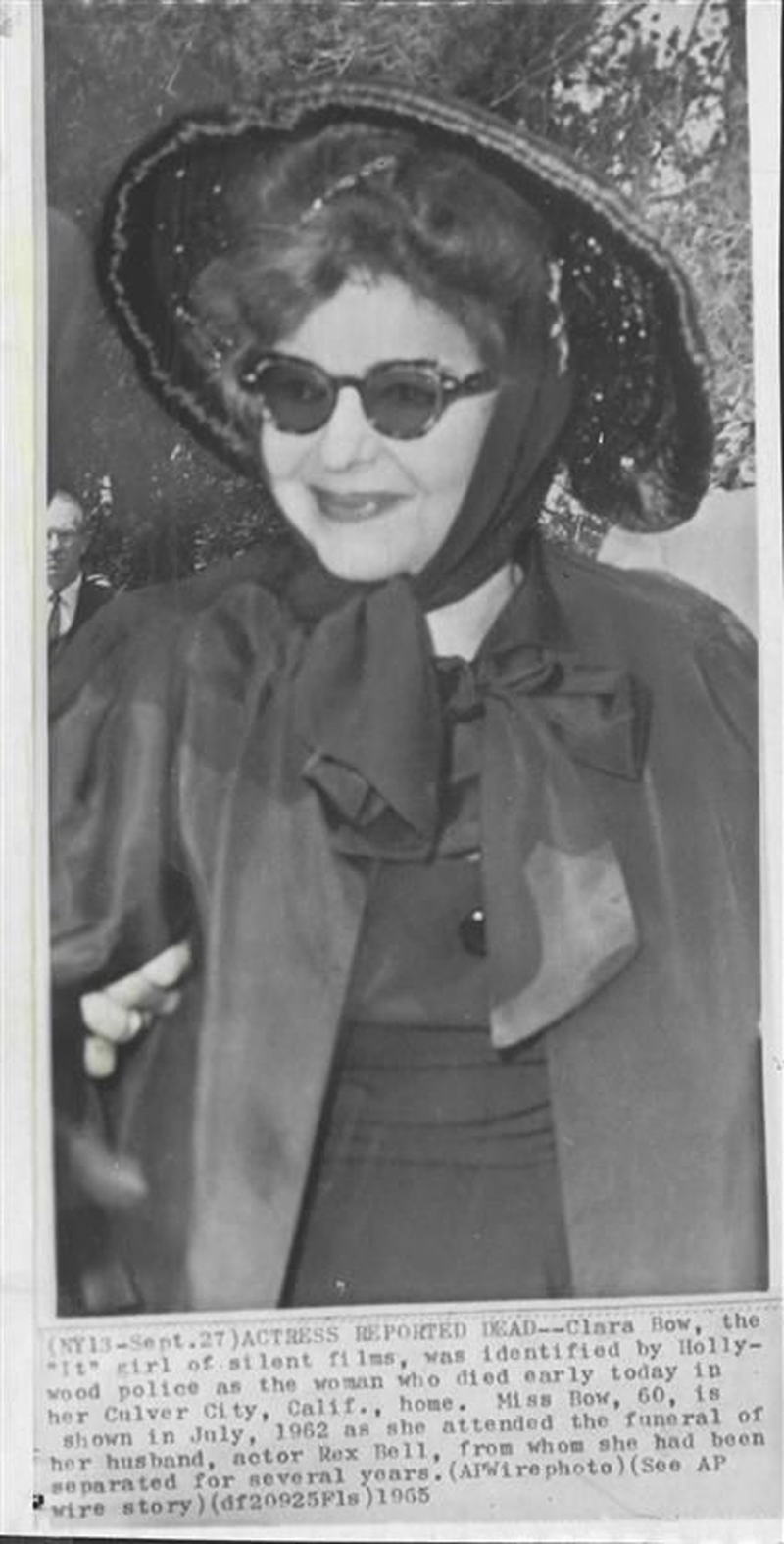
By the time Clara Bow died, the silver screen and its acolytes had all but forgotten her. She didn't even get a mention in movie historian Kevin Brownlow's book on silent film, The Parade's Gone By (1968).
Worse, The American Film Institute even left her off their iconic "100 Years…100 Stars" list in 1999. But when all was said and done, Clara Bow finally got the happy ending she deserved, and it came from an unlikely source…
After reading The Parade's Gone By, Clara's fellow silent film star Louise Brooks – the star of Pandora's Box, Diary of a Lost Girl (both 1929) and God's Gift to Women (1930) – wrote to Kevin Brownlow, giving him a proper telling off for featuring herself while omitting Clara.
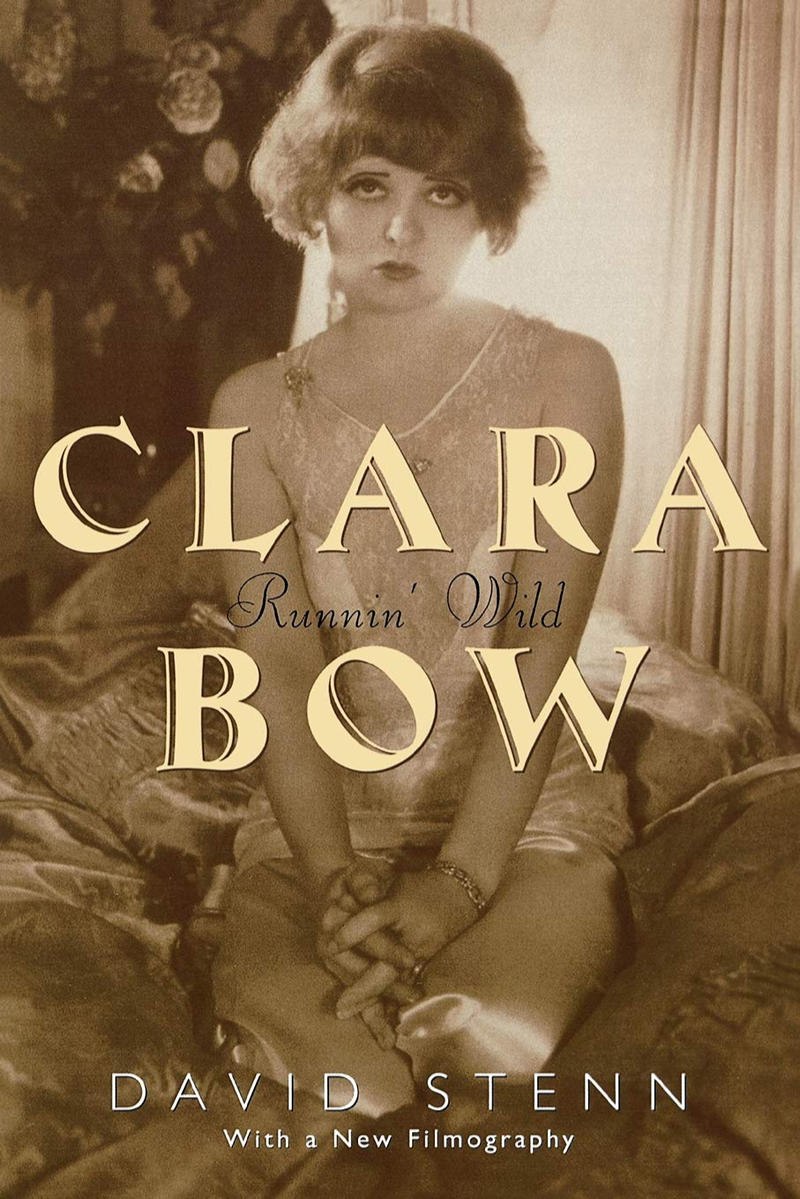
Brooks wrote: "You brush off Clara Bow for some old nothing like Brooks. Clara made three pictures that will never be surpassed: Dancing Mothers, Mantrap, and It." Kevin Brownlow remedied his glaring printed omission by featuring an entire section about Clara in his TV documentary Hollywood: A Celebration of the American Silent Film (1980). This sparked a renewed and deserved interest in her life and career.
In 2016, Silver Bullet Entertainment acquired the rights to David Stenn’s 1988 Runnin’ Wild biography and, at the time of writing, is developing a film based on the one, the only, the tragic, sometimes delusional but always brilliant, original It-Girl, Clara Bow.