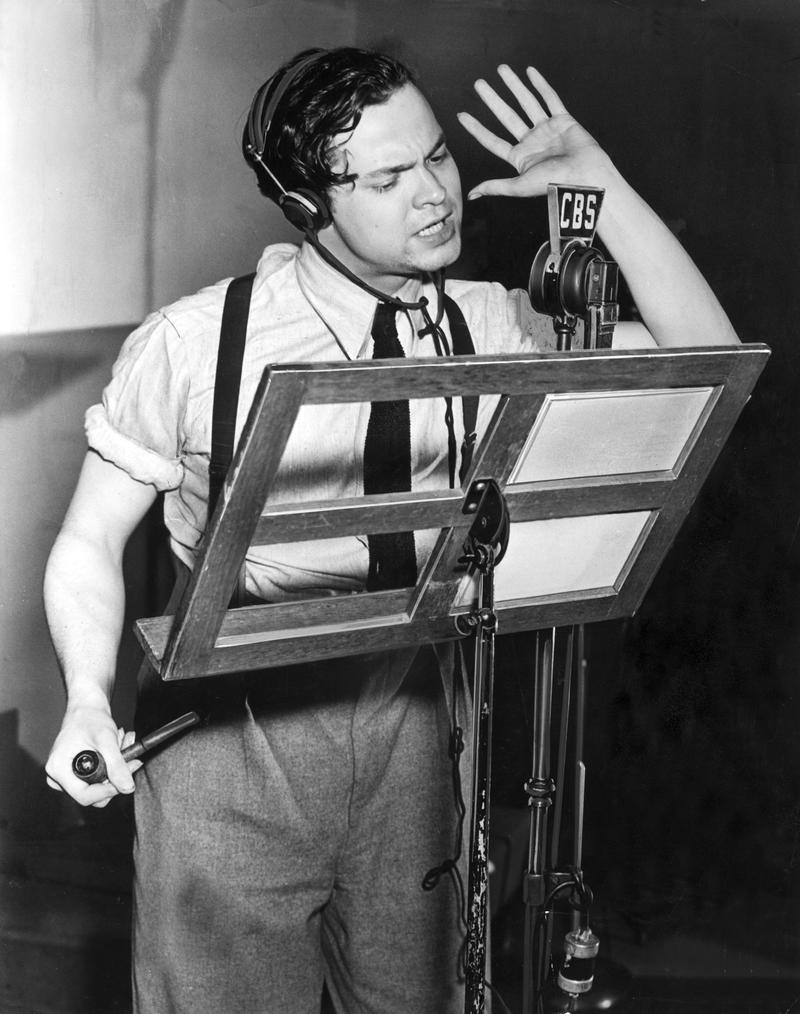
Orson Welles wasn't just a director and actor of stage and screen. He was also a writer, producer, radio star, magician, pianist, and painter. In fact, everything the genius touched turned to gold... until it didn't. This is the man who produced an all-African-American production of Macbeth aged 20, terrified America into believing it had been invaded by Martians aged 23, and directed the greatest film ever made aged 25! Unfortunately, there's only one way your career can go after peaking so high, so young.
Today, we'll delve into Orson's incredible career, from the dizzying heights of his early stage, radio, and film career to the day he died. That's the only way to see just how far this genius storyteller fell. Along the way, there'll be many tall tales as we get to know the greatest filmmaker to have been thrown out of Hollywood.
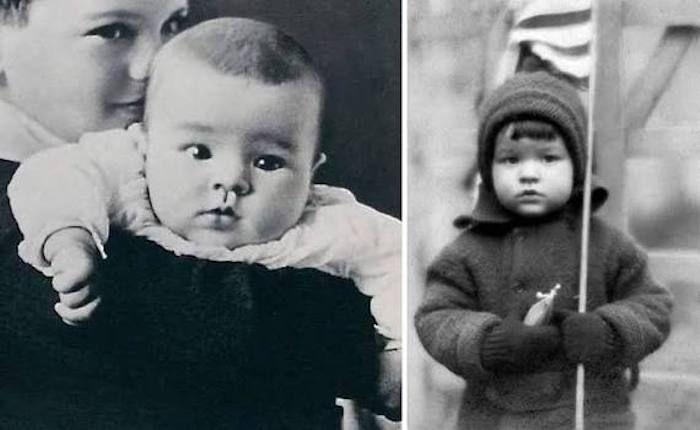
George Orson Welles was born on May 6, 1915, in Kenosha, Wisconsin. He was the son of inventor Richard Head Welles and piano player Beatrice Ives Welles (née Beatrice Lucy Ives). Sadly, his mother died when he was just nine years old, with his father passing away six years later. We've already called Orson a genius, but would you believe he was a baby genius?
According to his parents and at least one credible witness, Orson could talk like an intellectual when he was just 18 months old! When his father Richard fell down the stairs at home and cut his head badly, the one-and-a-half-year-old Orson told the doctor: "The desire to make medicine is one of the greatest features that distinguishes man from animals."
Beatrice was a skilled pianist who had studied with Polish-American-Lithuanian virtuoso pianist, composer, and teacher Leopold Godowsky. That's a bit of a mouthful; we wonder what it said on his business card! Beatrice insisted Orson take piano and violin lessons. He was so good, he was treated as a piano wunderkind in Kenosha. Because... of course.
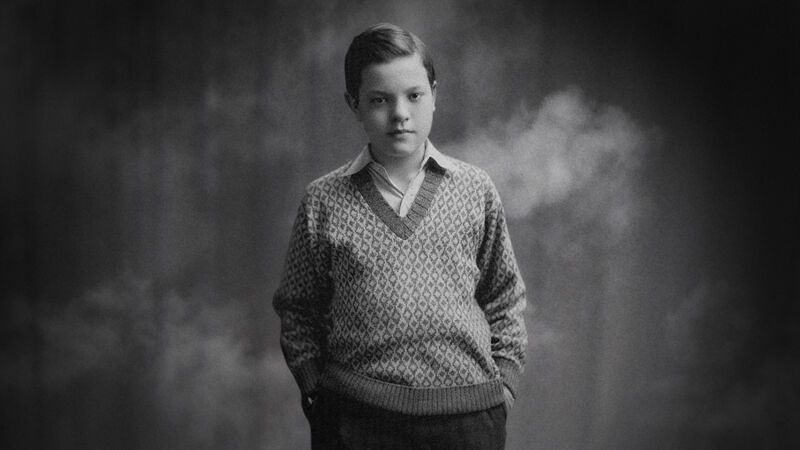
According to Four Weddings and a Funeral actor Simon Callow's book Orson Welles: The Road to Xanadu, Orson recounts that when he was young, he was so bored of practicing musical scales that he climbed onto the third-floor balcony of the hotel the family was staying in (the Ritz in Paris, he claims) and threatened to throw himself off. The terrified piano teacher ran to Beatrice, who retorted: "If he wants to jump, let him jump!"
Welles was a sickly child and suffered from a number of ailments which read like Gray's Anatomy… the medical book, not the TV show. These included asthma, diphtheria, malaria, measles, whooping cough, and sinus headaches. One of his elder brothers, Robert "Dickie", was institutionalized at an early age because he had learning difficulties.
Orson was always a larger than life character. By 13, he stood over six feet tall and weighed close to 200lbs. Because of this, he also suffered from crippling backache caused by "congenital anomalies in his spine". If all that wasn’t enough, he also had flat feet, which led to problems with his feet and ankles. He spent a large portion of his childhood bedridden... probably dreaming up ideas of what he wanted to achieve in his life.
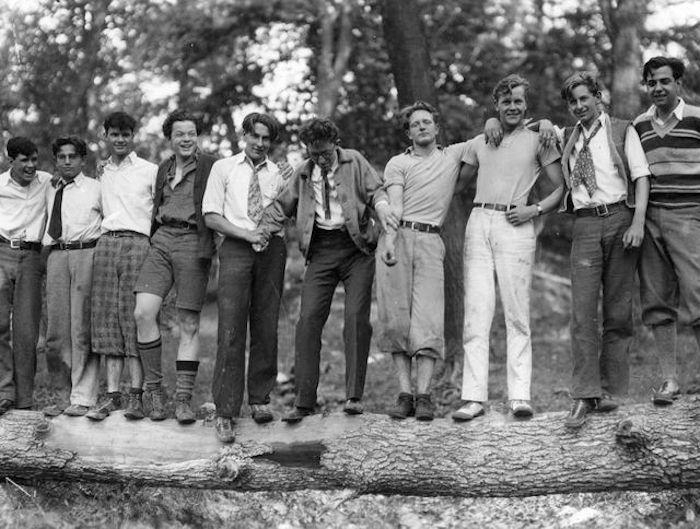
In 1926, he attended the expensive, independent Todd Seminary for Boys in Woodstock, Illinois, where teacher Roger Hill took Orson under his wing. Richard France wrote: "Todd provided Welles with many valuable experiences. He was able to explore and experiment in an atmosphere of acceptance and encouragement. In addition to a theater, the school's own radio station was at his disposal." Welles's first radio experience was on the Todd station, where he performed his own adaptation of Sherlock Holmes.
In 1930, Orson had told his father he would not see him until he gave up drinking. On December 28th the same year, when he was 15, his father died of heart and kidney failure in a hotel in Chicago, aged 58.
Orson got into Harvard, but instead, the 16-year-old used his father's inheritance to travel to Europe to embark on a painting and sketching tour of Ireland, traveling by donkey cart. That must have been where he "mastered" his awful Irish brogue for The Lady from Shanghai!
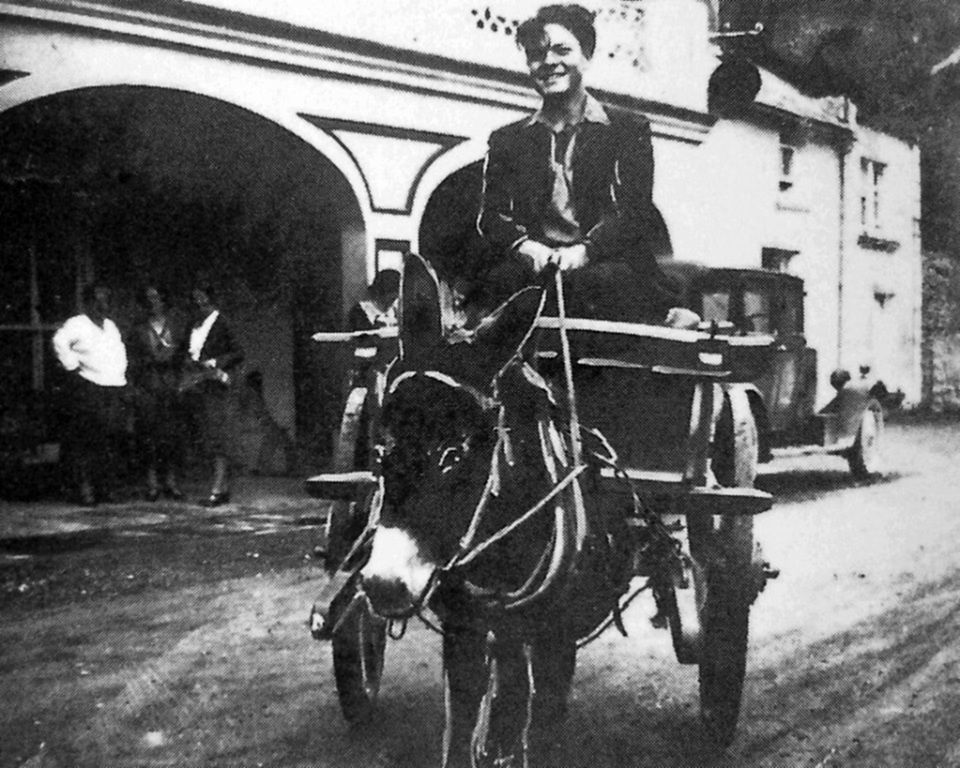
Welles lied his way into a job at Dublin's Gate Theatre; the manager knew he was lying when he said he was a famous Broadway star, but was so impressed by his brashness and audition, he gave him a job anyway.
1934 was a busy year for the 19-year-old. He'd always had a lifelong love affair with Shakespearean plays as strong as the bond between Romeo and Juliet, and he debuted on Broadway in Katharine Cornell’s Romeo and Juliet, playing Tybalt. The same year, he got his first job on radio—on CBS' The American School of the Air. That summer, Welles staged a drama festival with the Todd School at the Opera House in Woodstock, Illinois, and shot his first film, an eight-minute short titled The Hearts of Age.
In November 1934, he and Chicago-born actress and socialite Virginia Nicolson eloped. Her parents were furious, so a formal ceremony took place on December 23rd, at Virginia's godmother's New Jersey mansion.
In 1936, the 20-year-old portrayed Brutus in a unique retelling of William Shakespeare’s Julius Caesar set in Fascist Rome. Always obsessed with dictators, the modern retelling was surely Welles' idea. This version of the play became the longest-running version in Broadway history!
In later life, he went on to direct Macbeth (1948), Othello (1951), Chimes at Midnight – a mashup of six Shakespeare plays – and played Shylock in The Merchant of Venice (1969).
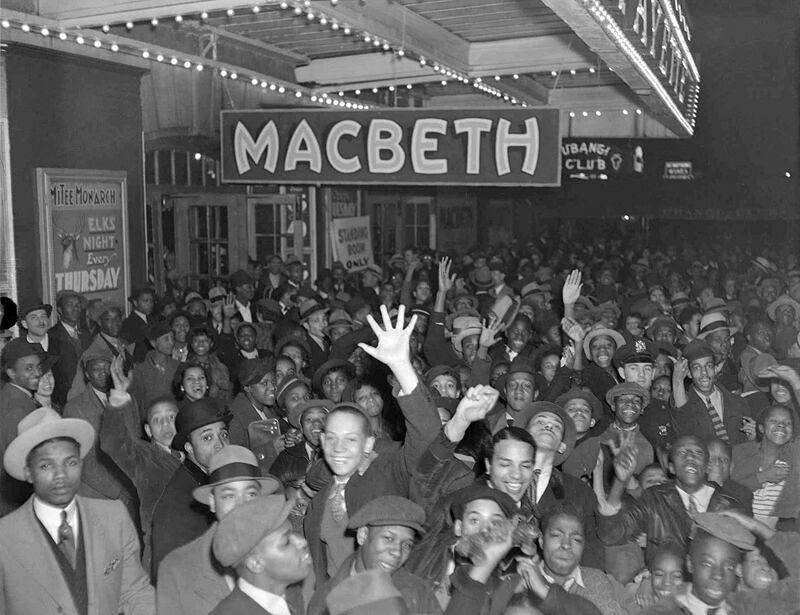
Next, Welles worked with the Director of the African-American Theater Project, or Negro Theatre Unit, John Houseman. He ploughed his own money into producing and directing Macbeth with an entirely African-American cast of 150 players. Something that was unheard of at the time.
The production became known as "Voodoo Macbeth" because Welles changed the setting to a mythical island with Haitian Voudo replacing Scottish witchcraft. The Scottish, sorry... Haitian Play opened on April 14th, 1936, at the Lafayette Theatre in Harlem. The play was rapturously received by audiences and critics alike. At 20, Welles was hailed a prodigy.
After Macbeth, Welles produced/directed, or starred in, the farce Horse Eats Hat, Faustus, and the political operetta, The Cradle Will Rock. Then he and John Houseman founded their own repertory company, Mercury Theatre, whose cast included Joseph Cotten.
Welles brought the Mercury Theater to the radio, and on the night before Halloween in 1938, he changed history again!
In an unheralded move, Welles' radio version of H.G. Wells' science fiction novel The War of the Worlds took the form of a realistic news bulletin. The audacious show started out as a regular program featuring Ramon Raquello and His Orchestra's music from the Meridian Room in the Hotel Park Plaza in downtown New York.
But things took a surprising turn when “eyewitness reports” interrupted the music to tell listeners of strange explosions on Mars, followed by a seemingly unrelated report of an unknown object falling on a farm in Grovers Mill, New Jersey.
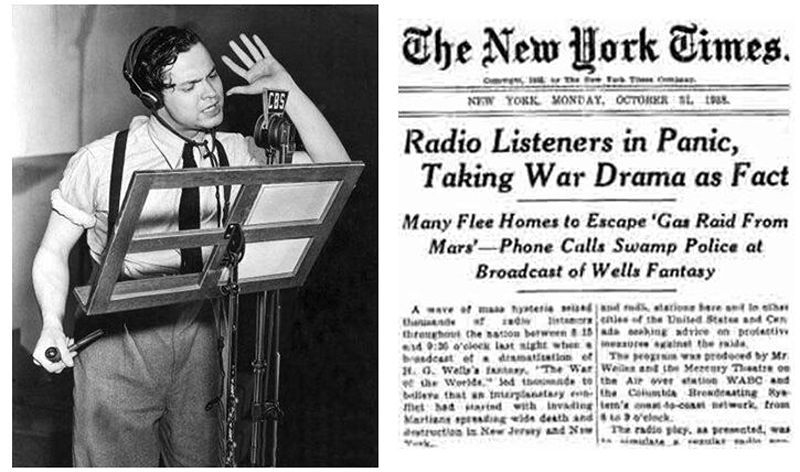
The crisis escalates dramatically when an on-scene reporter at Grovers Mill describes creatures emerging from an alien spacecraft. The aliens use a heat ray against police and onlookers, and the reporter describes the attack in increasing panic until his audio feed abruptly goes dead.
A rapid series of news updates follows, detailing a devastating alien invasion, the creatures heading for New York City, and the US military's futile efforts to stop it. The second half becomes a regular adaptation with Orson playing the protagonist, but most listeners didn't get that far...
Since it was 1938 and this had never been done before, listeners believed Earth was being invaded by Martians! Across the country, mass hysteria ensued and – believing it really was the end of the world – legendary silent film and stage actor John Barrymore (Drew's Grandfather) unleashed his dogs into the night with the command "Fend for yourselves, boys!"
After the success of War of the Worlds, Orson was now a master of stage and radio, so Hollywood came calling for the talented youngster. RKO Studios lured him to Tinseltown, but he didn't want to go, so he tied the studio to a ridiculous contract - the youngster would retain complete and utter control over any story, with RKO not even allowed to see his daily rushes. And so, in 1939, Welles relocated from New York to Los Angeles.
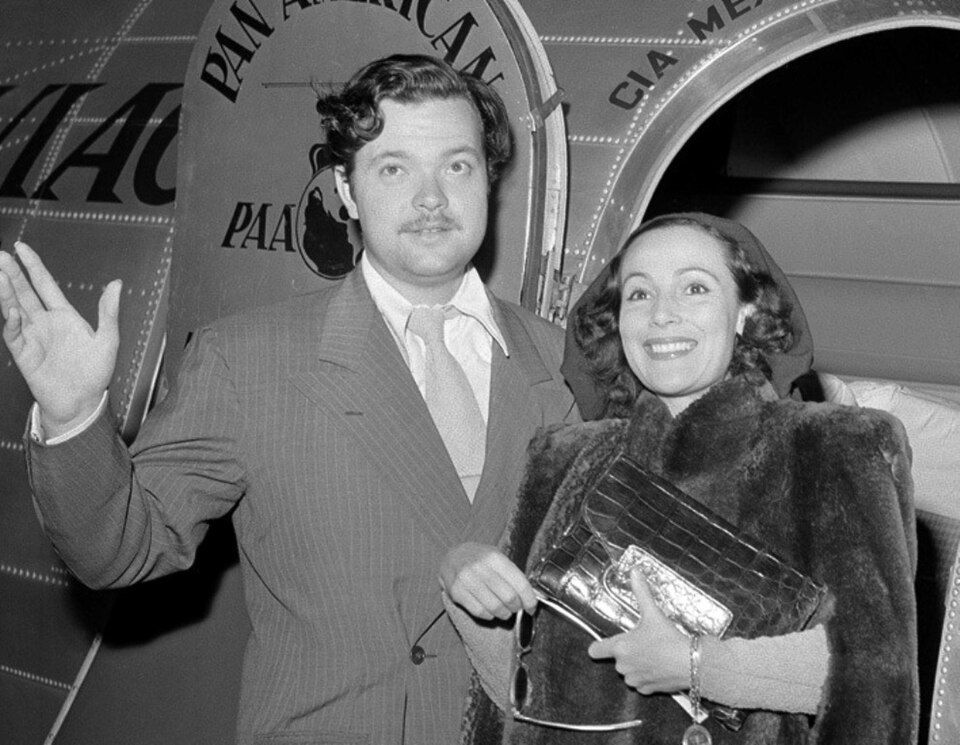
Almost as soon as he moved to Hollywood, Welles met Mexican actress Dolores del Río at producer Darryl Zanuck's ranch. The truth was, Orson had been infatuated with the Latin beauty since adolescence.
Orson's wife, Virginia Nicholson, had let him get away with affairs in New York, but when she found out her husband had fallen in love with another woman, she left him in December 1939, divorcing him three months later.
Orson and Dolores kept their relationship secret for two years, until del Río filed for divorce from her second husband...
Having never made a feature film before, Orson watched John Ford's incredible 1939 western Stagecoach 16 times the weekend before filming began so he could learn to make a movie. And boy, what a movie he made!
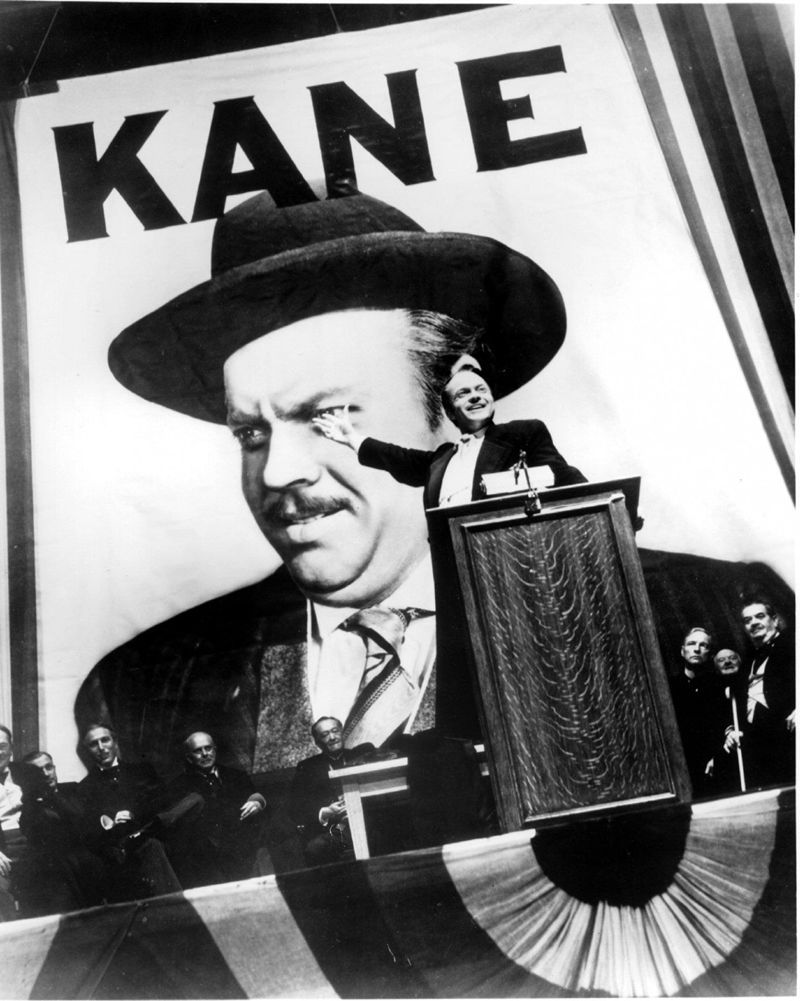
Although it wasn’t that well-received by critics, Citizen Kane has gone on to become recognized as the greatest film ever made. It was Welles' first attempt at filmmaking. He was 25. So much is written about his directorial feats that his acting – playing newspaper mogul Charles Foster Kane across many decades – is often forgotten.
Despite Citizen Kane bombing at the box office, it deservedly garnered nine Academy Award nominations, with Welles and lead co-writer Herman J. Mankiewicz winning Best Screenplay. Welles not only starred in the film, but also co-wrote, directed, and produced it, and was recognized for inventing many brilliant new filmmaking techniques.
Part of the genius in Kane's direction is down to Welles (self-confessed) ignorance. He thought the camera was capable of doing anything the human eye could do. They couldn't, so Orson invented ways they could!
Cinematographer Greg Toland told the young director there was nothing that he couldn't teach him about cinematography in half an hour. More than enough time for Orson to master anything! Together, he and Toland invented the technology needed for deep-focus cinematography, and high and low-angled shots, which make Kane seem so high and mighty.
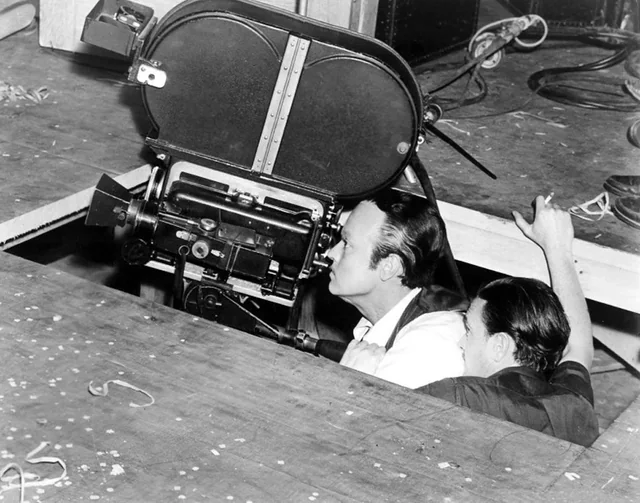
As well as the impressive flyaways, some film historians say that a huge proportion of Kane is made up from almost invisible superimpositions. And although the technique is known as the Rashomon effect, Welles and Mankiewicz also invented telling the story from more than one point of view... all of these techniques are now commonplace in movie-making.
Kane is where the genius cultivated his distinctive directorial style, featuring nonlinear narrative forms, dramatic lighting, unusual camera angles, radio sound techniques, deep focus photography, and long takes.
Welles' masterpiece was a thinly veiled, unflattering portrait of powerful media tycoon William Randolph Hearst. The real-life Charles Foster Kane used his massive media empire to suppress the film, threatening theaters and boycotting coverage, which severely hurt the movie's box office and made studios nervous about working with Welles going forward.
The enfant terrible also possessed an abrasive personality, unapologetically arrogant, impatient with studio politics, and was fiercely outspoken. His demand for absolute creative control and expensive risk-taking clashed directly with the studios' conservative, profit-driven assembly line.
Studios labeled him as a director whose artistic ambitions went over budget and failed to yield safe, mass-market profits. To make matters worse, executives deeply resented a young outsider receiving such freedom without having first paid his dues in the industry.
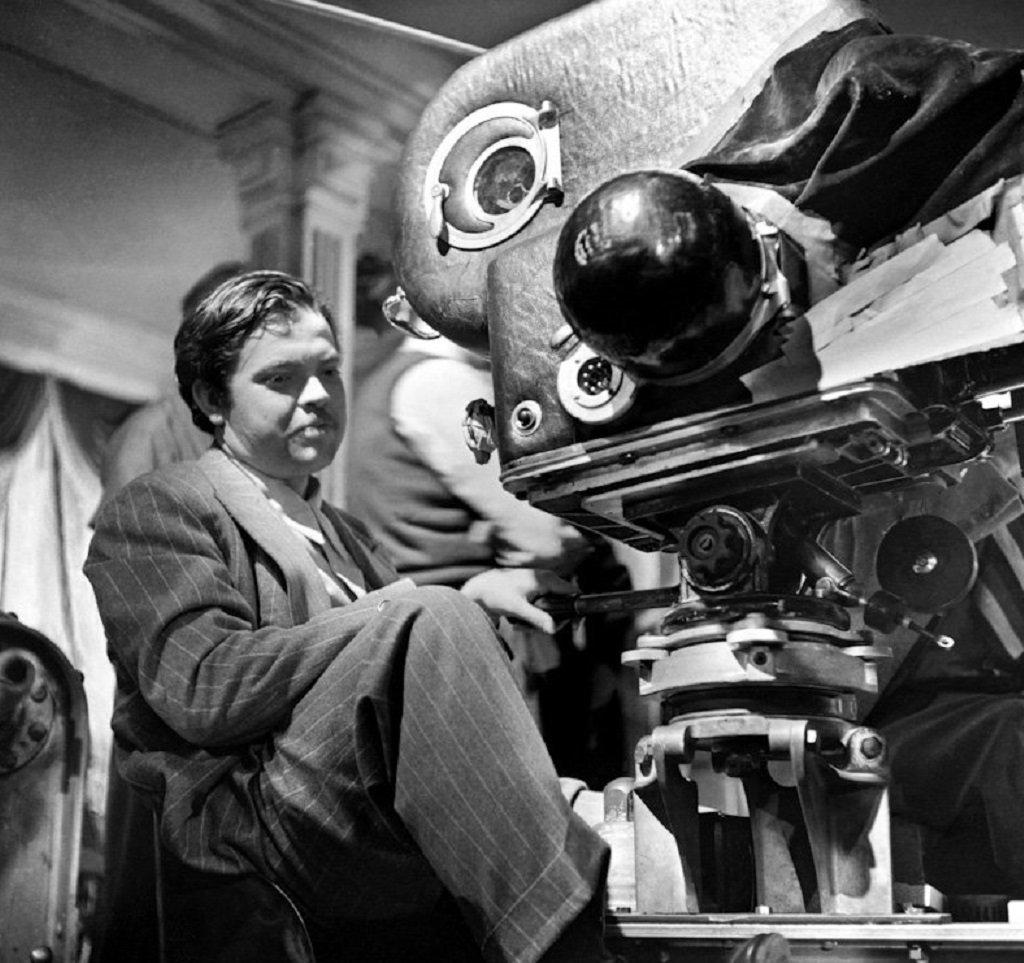
Nevertheless, Orson made his next movie, The Magnificent Ambersons, for RKO. But the studio butchered his film, cutting his 131-minute version down to 88 minutes and tacking on a happy ending... infuriating Welles.
Despite this, the 88-minute, studio-butchered version of Ambersons is still considered one of the greatest films ever made! RKO spread stories that Welles was difficult to work with, but he stayed in Hollywood a few more years before going into self-imposed exile.
Although Welles kept extensive notes for his own vision of the film – including trying to reshoot parts with the original actors who were still alive in a 1970's precursor of HBO's "Snyder Cut" of Justice League – all of the excised footage was destroyed. Rumors persist that the original footage is still out there somewhere and that, one day, we may get to see The Welles Cut. Check out the documentary The Legend of the Lost Copy.
In late 1941, Nelson Rockefeller made Welles a Goodwill Ambassador to Latin America. The next year, the director traveled to Brazil to film an (unfinished) movie called It's All True, a docufiction about four Brazilian fishermen and labor-conditions protesters. The documentary helped write them into Brazilian folklore and changed the way the country perceived impoverished and racially stereotyped northeastern Brazil.
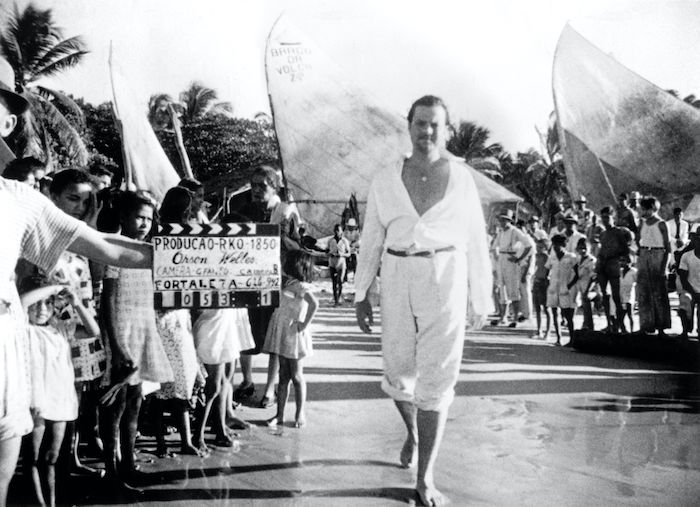
However, the Curse of Orson Welles struck when one of the fishermen died after they were tipped into the sea when a towline connecting their sailboat to a motor launch broke. Orson also narrated a film called Mexico City, Old and New. In addition to spreading diplomacy, Welles was also rumored to be a spy, gathering intelligence for the American government.
Welles had a close relationship with President Franklin D. Roosevelt and even wrote speeches for the 32nd President. The US Treasury Department had Welles on its payroll in 1944, and Roosevelt and Secretary of the Treasury Henry Morgenthau convinced the charismatic Hollywood star and director to help encourage Americans to donate to war funds.
Like comic book hero Captain America, Welles earned the government over $16 million in bonds to help US Forces who were fighting the Nazis. That way, Orson helped the Allies win World War Two. His further loan drives earned the government an additional $20 million in bonds.
Though an atheist, Orson always tried to politely keep religion out of the conversation. Yet he never took the same approach to politics! With an IQ of 185, he had a brilliant mind and was a deep thinker. He was often highly engaged in politics and trying to make the world a better place.
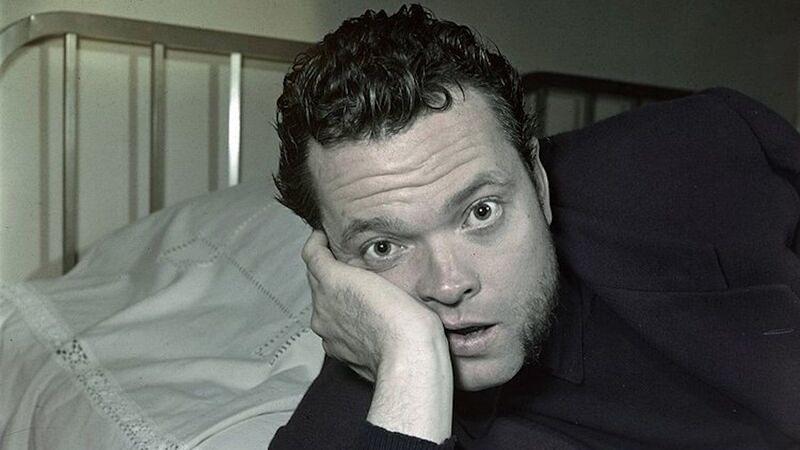
In the fall of 1944, he campaigned for Roosevelt’s continued presidency, even funding tour stops himself and visiting almost every state. He spoke to 40,000 people at Fenway Paaaark – home to the Boston Red Sox – on Roosevelt’s last campaign stop, where Frank Sinatra sang “America the Beautiful”. The night before the November 1944 election, Welles broadcast live across four networks to garner support for FDR.
When the ever-ailing Roosevelt died the following spring, Welles took to the air to talk about his friend and encourage Americans to keep going. “He has no need for homage, and we who loved him have no time for tears,” Welles said. “Our fighting sons and brothers cannot pause tonight to mark the death of him whose name will be given to the age we live in.”
Allegedly, Roosevelt often told Welles he should run for Senate in California or Wisconsin. The actor-director once recalled a conversation in which FDR said, “Orson, you and I are the two greatest actors alive today.” The President's comment, Welles said, was “tongue-in-cheek".
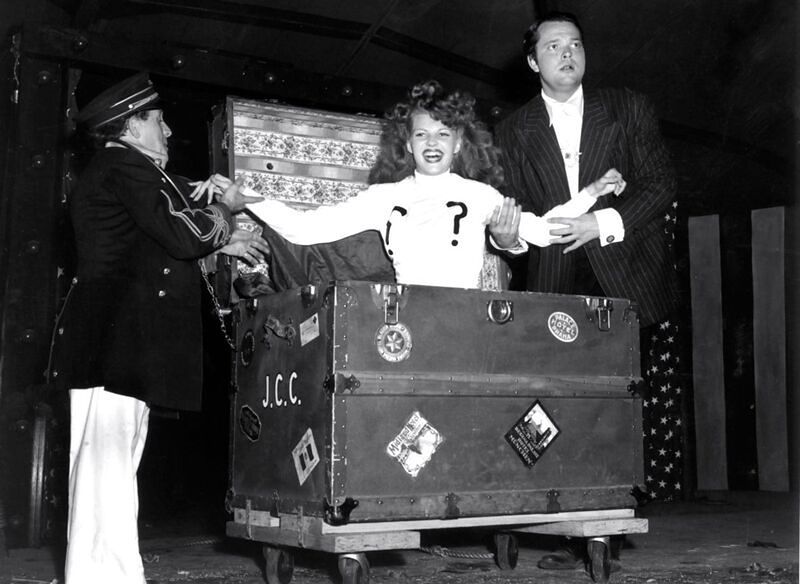
As well as acting, writing, radio, stage, directing, and producing, Orson was also a talented magician. He was a member of the International Brotherhood of Magicians and the Society of American Magicians, and always saw magic as a backup plan in case his acting career turned sour.
He learned magic from the one and only Harry Houdini. The famed escapologist taught him his first tricks when Welles was young. Orson would eventually graduate from basic sleight-of-hand to sawing a woman in half. During WW2, he went over to Europe to help entertain the troops, bringing actress and pin-up Marlene Dietrich to saw in half!
Next, Orson appeared with frequent collaborator Joseph Cotten and his lover, Dolores del Río, in Journey into Fear (1943). But like Virginia before her, Dolores became bored with Welles's infidelities. So she ended their relationship and returned to Mexico later that same year.
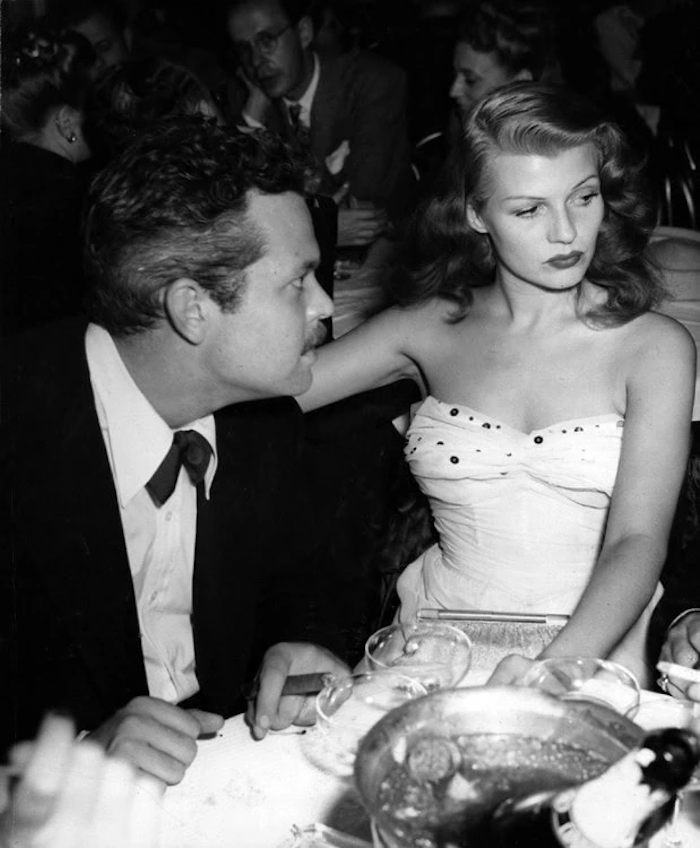
Orson always had a wandering eye and had become captivated by actress, sex bomb, and movie star Rita Hayworth's iconic pin-up photograph on the cover of Life magazine. He first met the flame-haired stunner on December 29, 1941, when she appeared as a guest star on his CBS radio show. Orson later recalled that he fell instantly in love with her.
On September 7, 1943, Orson became the luckiest man in the world when he married Rita Hayworth. The gorgeous actress was famous for her beautiful, long red hair, which he controversially made her cut short and dye peroxide blonde for his 1947 film noir, The Lady from Shanghai.
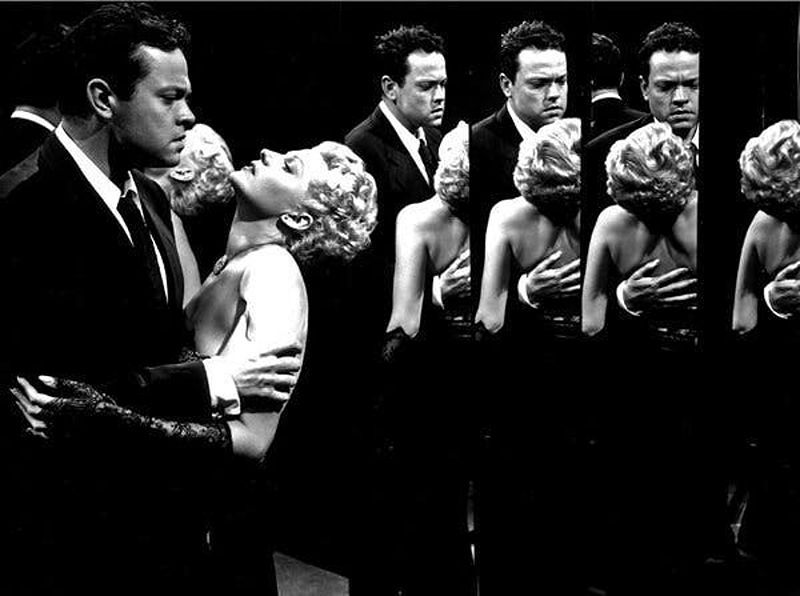
Though their marriage only lasted four years, Orson only ever had good things to say about Rita, recounting she was “one of the dearest and sweetest women that ever lived.” He went on to say that he “was lucky enough to have been with her longer than any of the other men in her life.”
In 1949, he played spy Harry Lime in Carol Reed's The Third Man. Although a competent director with 20 feature films under his belt – and despite the movie winning the Grand Prize of the Cannes Film Festival, the BAFTA for Best British Film, and Reed being nominated for an Academy Award for Best Director – The Third Man has Orson's directorial pawprints all over it!
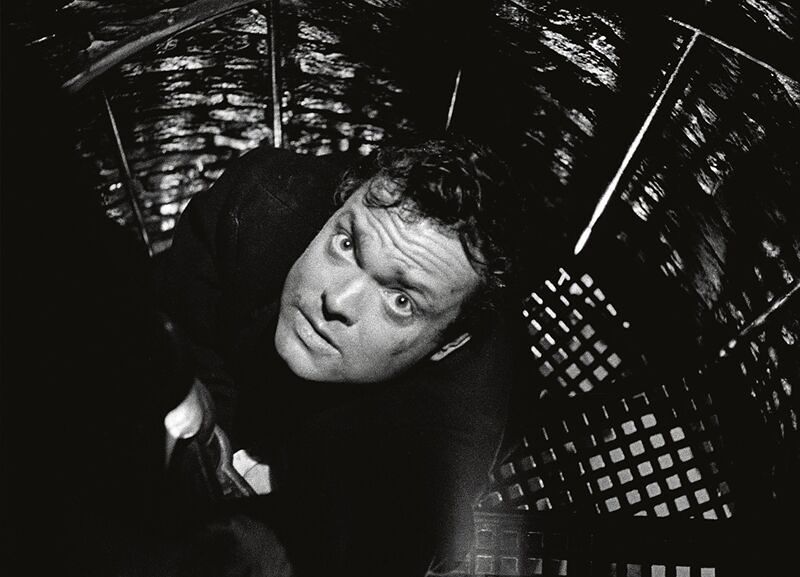
Orson's trademark Dutch tilts and Chiaroscuro, from Italian (chiaro meaning "clear/bright" and oscuro meaning "dark") bring the film much gravitas as his character lurks in the Vienna tunnels and shadows... set to Anton Karas' famous zither music. Harry Lime hardly appeared in the movie, but Orson, as always, stole the show... most notably for one scene...
The most notable story surrounding The Third Man is that Orson rewrote a scene he didn't like, so he half-rewrote, half-improvised the dazzling, infamous, and beloved cuckoo clock speech. It went on to become one of the most famous speeches in film history!
"In Italy, for thirty years under the Borgias, they had warfare, terror, murder and bloodshed, but they produced Michelangelo, Leonardo da Vinci and the Renaissance. In Switzerland, they had brotherly love; they had five hundred years of democracy and peace – and what did that produce? The cuckoo clock."
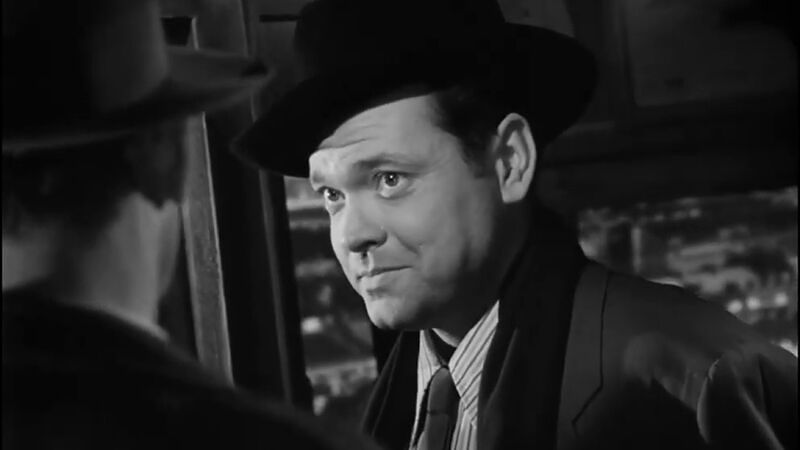
For a hastily rewritten speech by an actor, only Quint’s USS Indianapolis speech from Jaws beats it!
Harry Lime wasn't the only man on the run. At home, Orson had already been under FBI investigation as a potential Communist and political subversive, targeted due to his progressive political stances. But in the early 1950s, suspicion intensified: “The evidence before us leads inevitably to the conclusion that the film Citizen Kane is nothing more than an extension of the Communist Party’s campaign to smear one of its most effective and consistent opponents [anti-Communist news mogul William Randolph Hearst] in the United States,” one FBI report read.
While the Feds never found any evidence Welles was a Communist, they still added him to their list of people believed to be national security threats. His name later appeared in the 1950 “Red Channels” pamphlet. Luckily, he'd already exiled himself to Europe. Otherwise, Senator Joseph McCarthy and the House Un-American Activities Committee would have had him up against the wall along with Charlie Chaplin, Dalton Trumbo, Arthur Miller, Elia Kazan, Dorothy Parker, and many more,
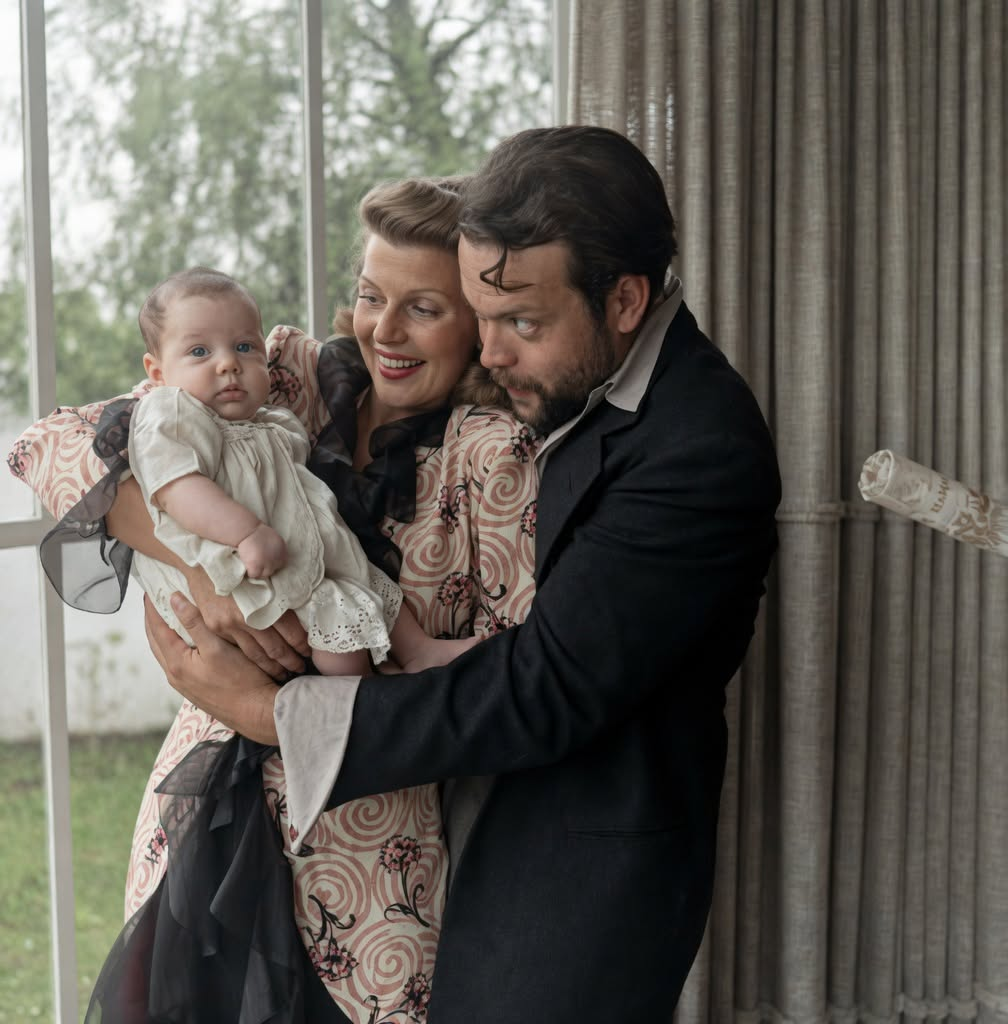
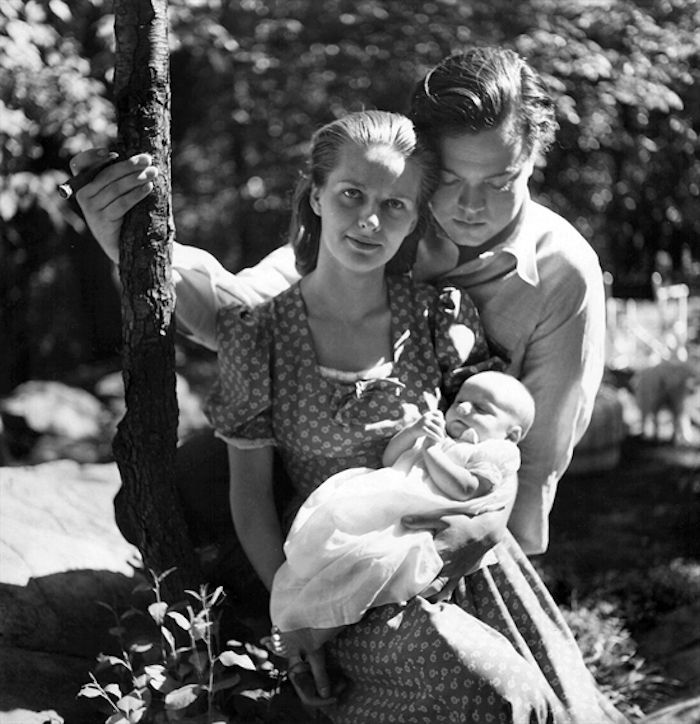
Orson was an incredibly passionate man and seemingly had a lot of love to go around. He fathered four children with four different women. Daughter Christopher Welles Feder (that's not a typo; Christopher was his daughter's name, born in 1938) with his first wife, Virginia Nicolson.
It's long been rumored that British music video director Michael Lindsay-Hogg (born 1940) is Orson's son from an affair with Irish actress Geraldine Fitzgerald. Michael went on to direct music videos for The Beatles and The Rolling Stones.
Next came Rebecca with Hollywood bombshell Rita Hayworth in 1944, (pictured above in the color photo.)
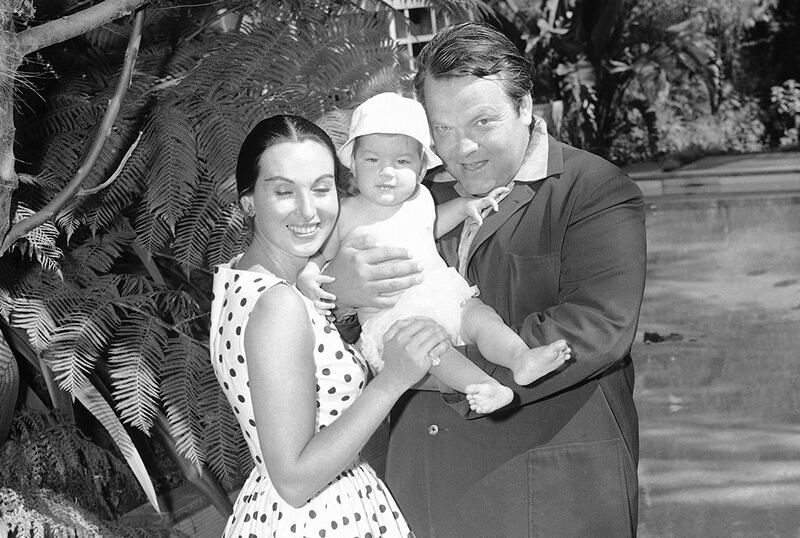
His last daughter was named after his mom, Beatrice Welles, whom he had with Italian actress and aristocrat Paola di Gerfalco, Contessa di Gerfalco.
They were married from 1955 for thirty years until his death, and she followed him the next year. Orson split his final 20 years between Paola di Gerfalco and another lover. More on her in a moment...
Frustrated by studio interference in Hollywood, mounting debts, and political investigations in the United States, Welles left America and departed for Europe in 1947. He returned to direct Macbeth in 1948, but soon returned full-time to Europe to star in The Third Man in Vienna.
Over the next two decades, Orson took on fewer American film projects as he lived abroad, working independently on his own iconic projects. He produced, directed, and played Othello the Moor in Othello (1951). In 1955, he made Mr Arkadin, aka Confidential Report.
The same year, Welles hosted six shows for the BBC; a series of talks accompanied by sketches he'd made over his lifetime from... you guessed it – his sketchbook. He recounted stories of his life and career, dropping bombshells and funny capers surrounding filming movies like It’s All True.
Later, he also hosted a travel show for the BBC where he traveled around his beloved Europe, interviewing, adding his own commentary and observations. Knowing Orson, he probably squandered half the budget on all the local delicacies he could find!
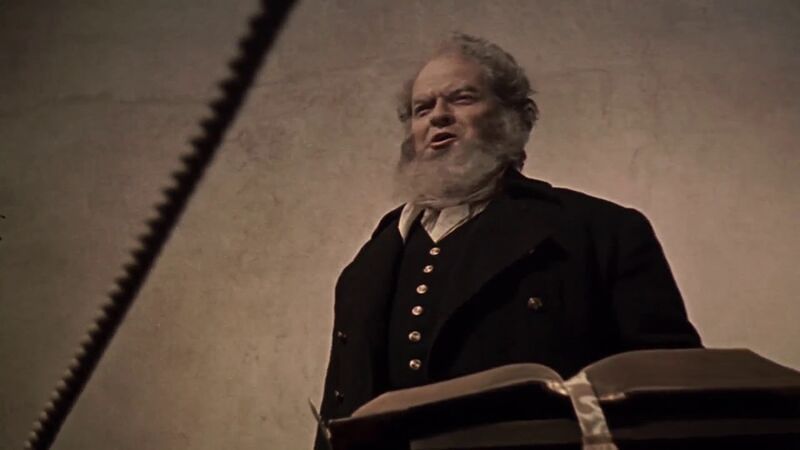
In 1956, he played whaler-turned-preacher Father Mapple in Moby Dick, delivering a virtuoso five-minute Jonah and the Whale sermon. He suffered from a bad case of stage fright prior to the scene, so director John Huston gave him a bottle of grog for Dutch Courage. Welles performed the scene perfectly in one take and managed to steal the show (again) even from Gregory Peck's Captain Ahab and Richard Basehart's Ishmael.
In 1958, he portrayed Police Captain Hank Quinlan and directed the Mexican-border film noir thriller Touch of Evil. Famous for its six-minute opening tracking shot, it starred Charlton Heston, Janet Leigh, and both halves of Marlene Dietrich, the magician's assistant he used to saw in half!
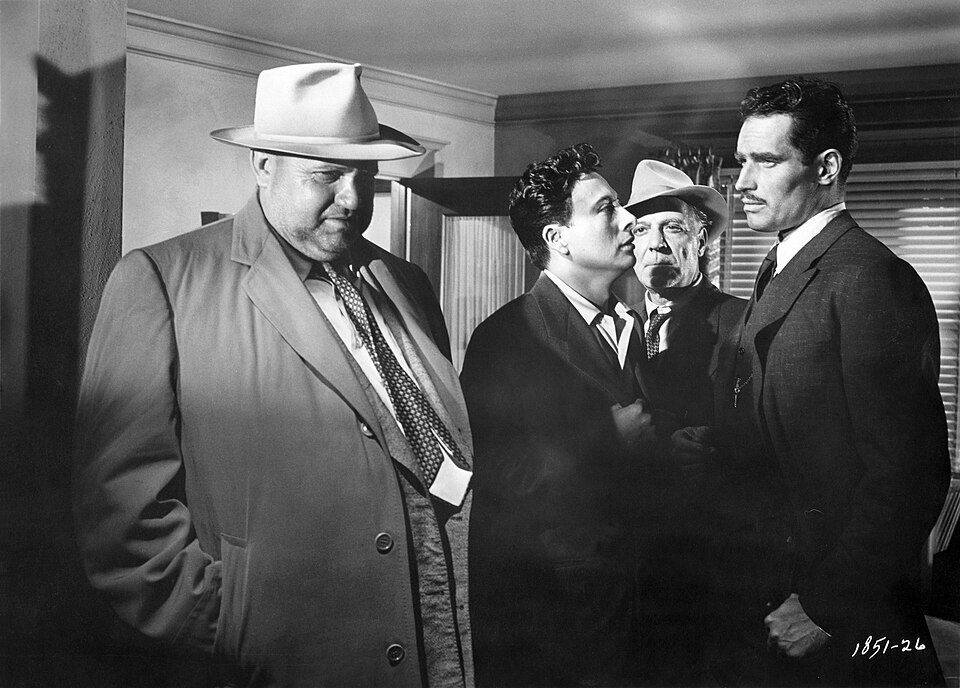
One of the last examples of film noir in the genre's classic period, Touch of Evil's reputation has grown over time - like most of Welles' works. The movie is now widely regarded as one of his best. Some even say he invented film noir (not so much the private detective storylines, but the light and shadow) in Citizen Kane and ended the genre with Touch of Evil.
In 1962, Welles directed his adaptation of Franz Kafka's The Trial, and it's an underrated masterpiece. The cast included Anthony "Psycho" Perkins, Jeanne Moreau, Romy Schneider, and Orson's third wife, Paola Mori. While filming exteriors in Zagreb, the producers ran out of money, so he filmed the interiors in the Gare d'Orsay, an abandoned railway station in Paris.
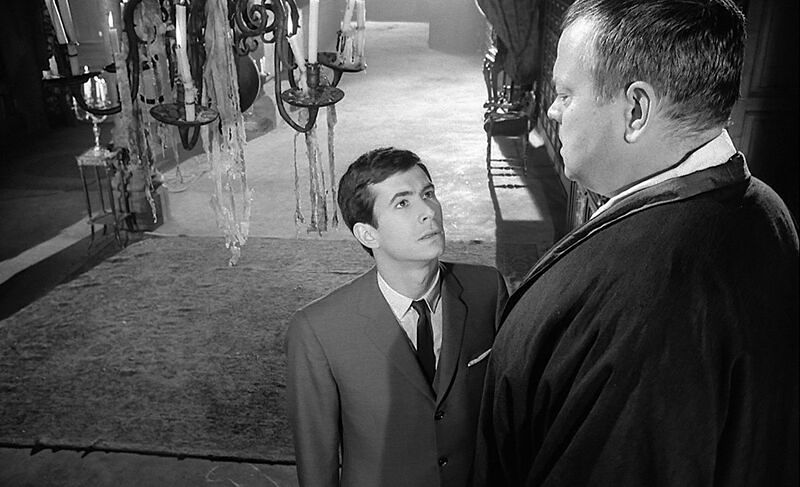
The bizarre, nightmarish film sees Josef K arrested for a crime, but no one will tell him what his crime is. Eventually, K goes on trial. Orson must have known what Josef K felt like, having been thrown out of Hollywood for no good reason. Welles once told a BBC interviewer that it was his best film.
While filming The Trial – which, remember, co-starred his wife – 46-year-old Welles took a shine to 20-year-old Croatian actress Oja Kodar. He described Oja as "dark, beautiful and exotic-looking," and she later became his mistress and collaborator for the last 20 years of his life.
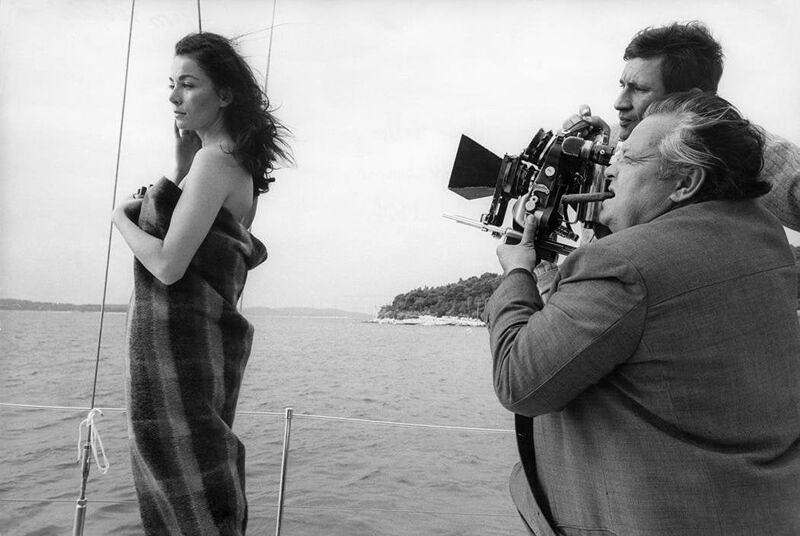
The Italian media broke the news of Welles's affair with Kodar in March 1970, though his wife Paola Mori said she was unaware of it until 1984. In his final years, Welles divided his time between a home in Las Vegas, which he shared with Mori, and a Hollywood house with Kodar.
Peter Sellers worked with Welles on the 1967 James Bond spoof Casino Royale (not the 2006 Daniel Craig one) and was allegedly scared stiff of him. Now, this may be an urban legend which grew out of plain old rivalry, but the extraordinarily gifted English actor, comedian and ex-Goon Show member was also a kook and heavily into astronomy, the paranormal, and the occult. He even believed he contacted Napoleon using a Ouija board.
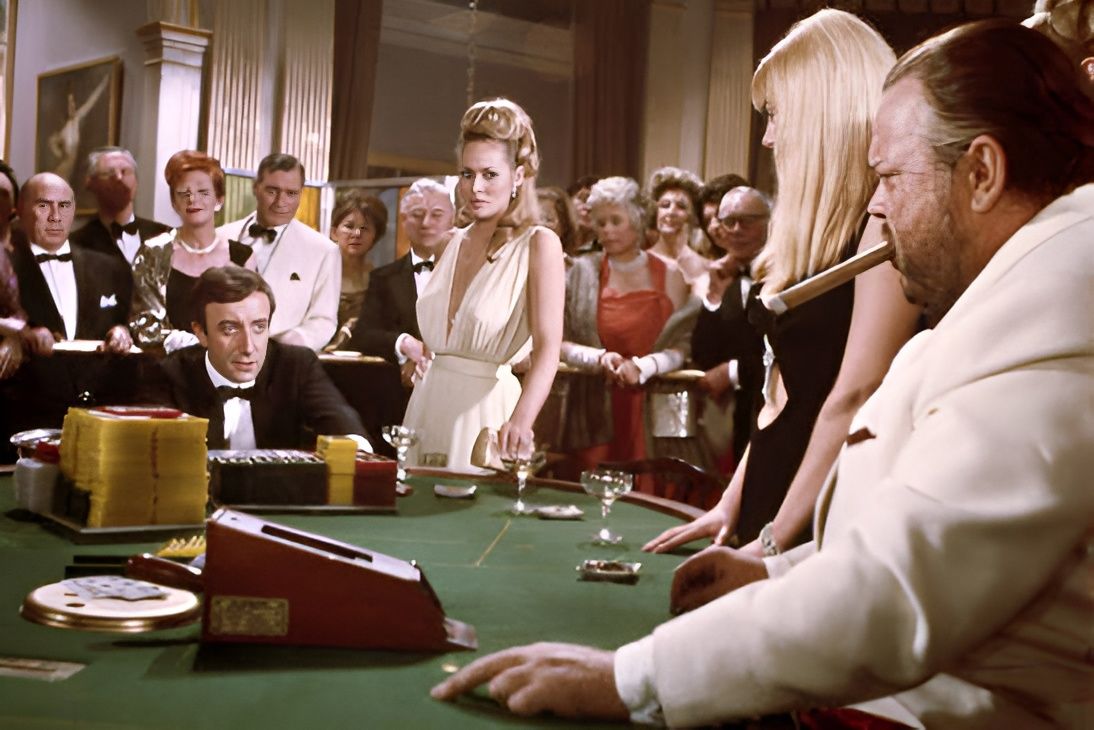
Thanks to Orson's gift as a magician and fortune-teller, Sellers believed he was a master of the dark arts, so he wouldn't be in the same room as him. Director Blake Edwards had to utilize a set with mirrors and editing trickery so the two actors could appear to be sitting at the same gambling table. Sounds like Sellers was more into the dark arts than Orson!
Orson's last film as director was the 1973 docudrama, F for Fake. He co-wrote, co-directed, and starred alongside François Reichenbach, Oja Kodar, and Gary Graver. The plot sees real-life professional art forger Elmyr de Hory recount his career selling over a thousand art forgeries to reputable art galleries all over the world. The film becomes a rambling investigation into authorship and authenticity, fakes and frauds.
Far from serving as a traditional documentary on Elmyr de Hory, it's more like a film essay which incorporates Welles's mistress Oja Kodar, notorious "hoax-biographer" Clifford Irving, and Orson Welles as his magician self.
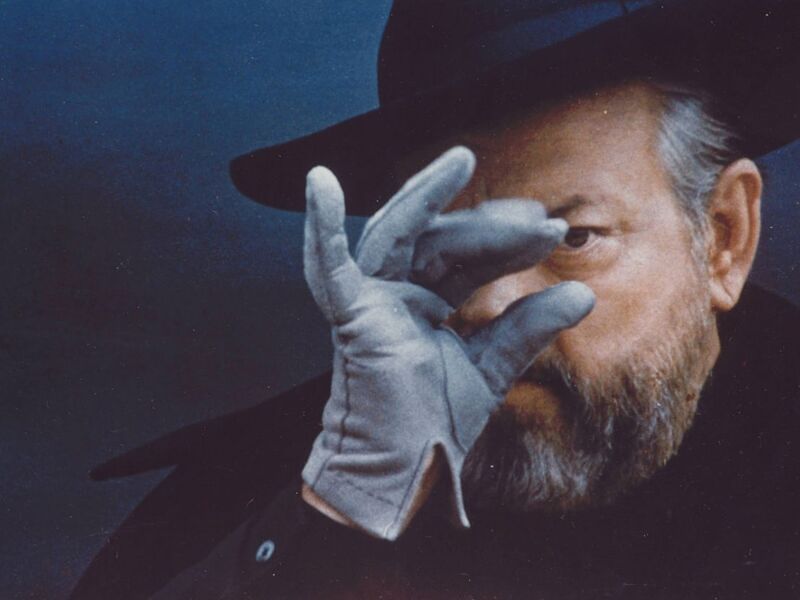
In the mid-1970s, George Lucas wanted Welles to voice Darth Vader in Star Wars. Although Lucas had him pegged as his number one choice, he also knew that Welles’ rich, rolling baritone voice was too familiar for audiences. He was dead right. Instead, Orson narrated the trailers.
James Earl Jones said in a later interview, “I understand that George did contact Orson Welles to read for the voice of Darth Vader before he contacted me... I was out of work, and he said, ‘Do you want a day’s work?’” We hope he got paid more than a day's pay!
The bigger they come, the harder they fall, and we're not talking about Orson's mighty weight. When the first film you ever make – with next to zero experience – is the greatest film ever made, there's only one way for your career to go from there - downhill!
From being the darling of Hollywood, Welles was forced to take roles for the money. In 1979, he appeared in The Muppet Movie, and in 1985, he voiced the character of Unicron in Transformers: The Movie, which was released shortly after his death. He said, “I play a big toy who attacks a bunch of smaller toys.” How the mighty fall.
Remember that Oscar that he won for Citizen Kane? Well, the statuette ended up in the hands of cameraman Gary Graver. Who he? Well, as well as appearing in F for Fake, Graver was the cinematographer for Welles’ experimental film The Other Side of the Wind, which was finally cobbled together and released by Netflix in 2018 after more than forty years in development. Welles couldn’t afford to pay Gary, so he gave him the cherished bronze bust instead!
Decades after they worked together and Orson's death, Graver tried selling that award in 1994. Welles’ youngest daughter Beatrice found out and wasn't a happy bunny! In 2011, the award sold for $861,000 at auction.
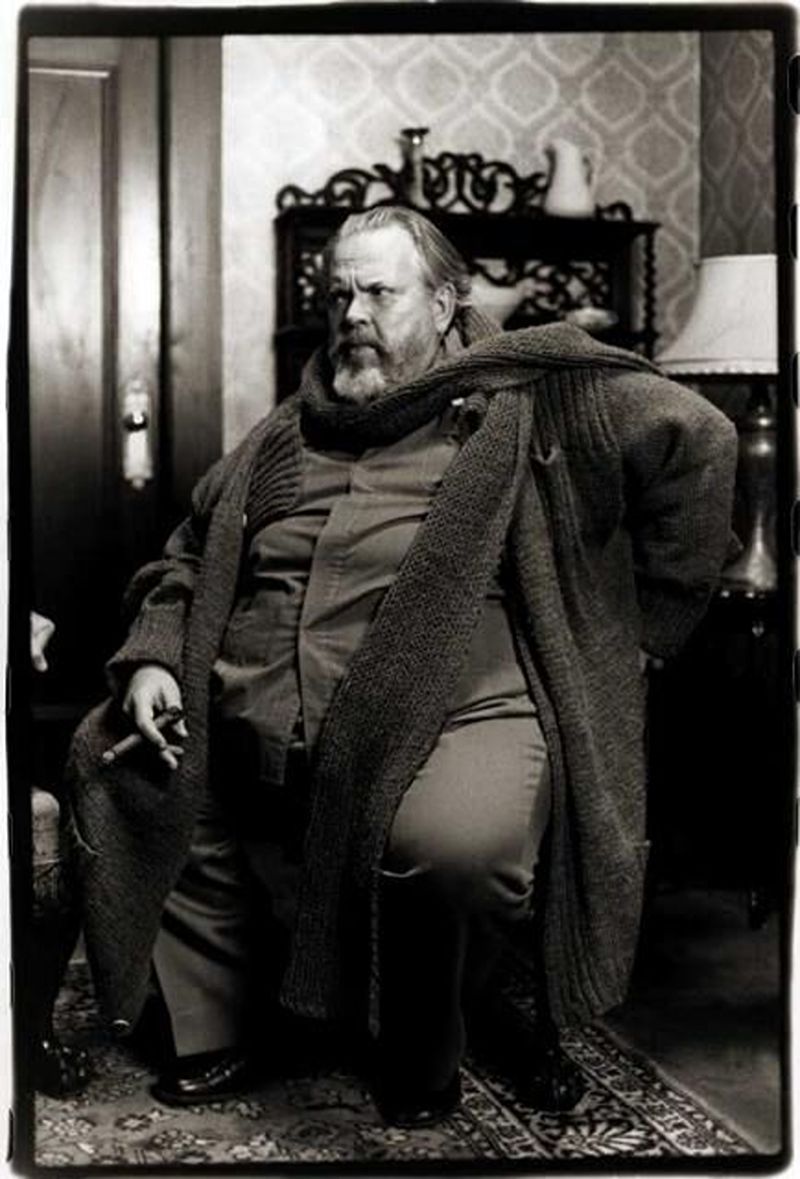
Orson Welles would never have possessed that booming voice without the mighty stature to back it up. With that in mind, there was always debate about Orson's official height. Various reports put him anywhere between six feet and six feet three inches.
Biographer Barton Whaley summed up the portly actor/director's health well: “Crash diets, drugs, and corsets had slimmed him for his early film roles,” he said, “then always back to gargantuan consumption of high-caloric food and booze. By summer 1949, when he was 34, his weight had crept up to a stout 230 pounds. In 1953, he ballooned from 250 to 275 pounds. After 1960, he remained permanently obese.”
At one stage, he reached a massive 400lbs. He didn't dine like a king; he dined like all four kings in the deck! Most nights, he'd eat two rare steaks along with a nice glass of scotch. He once stated, “My doctor told me to stop having intimate dinners for four. Unless there are three other people.”
Even though he had a reputation for being difficult to work with, 99% of the time, Orson was as jolly as Falstaff, highly self-aware, and – considering his mercurial talent – humble to the core.
Legend also says that later in life, penniless when he lived in his beloved Spain, he would invite his friends out for massive, slap-up meals and gorge himself. Then, he'd go to the restroom, disappear, and leave his friends to pay the check. One thing's for sure, he didn't climb out of the restroom window because wouldn't have fit through!
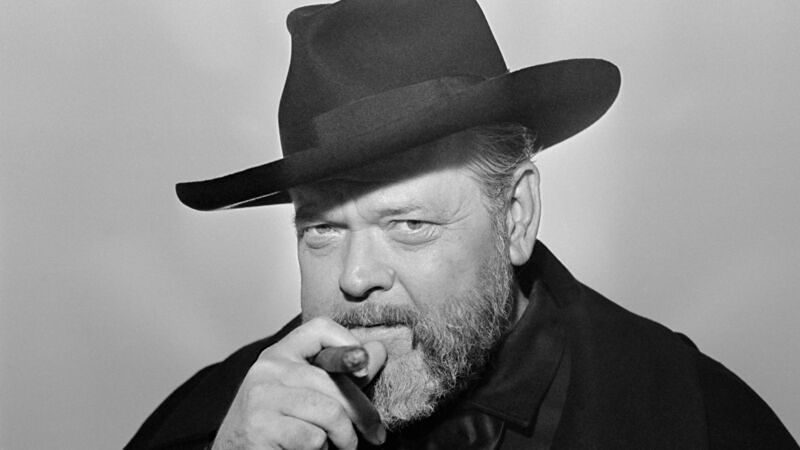
Orson won awards from school right up until he died. Since we haven't got all week, highlights include: his stage production of Twelfth Night winning first prize at the Todd School for Boys. Kane winning that screenwriting Oscar, Ambersons being nominated for four Oscars, and Othello winning the Palme d'Or at the 1952 Cannes Film Festival. He also won several Grammys for his voice work.
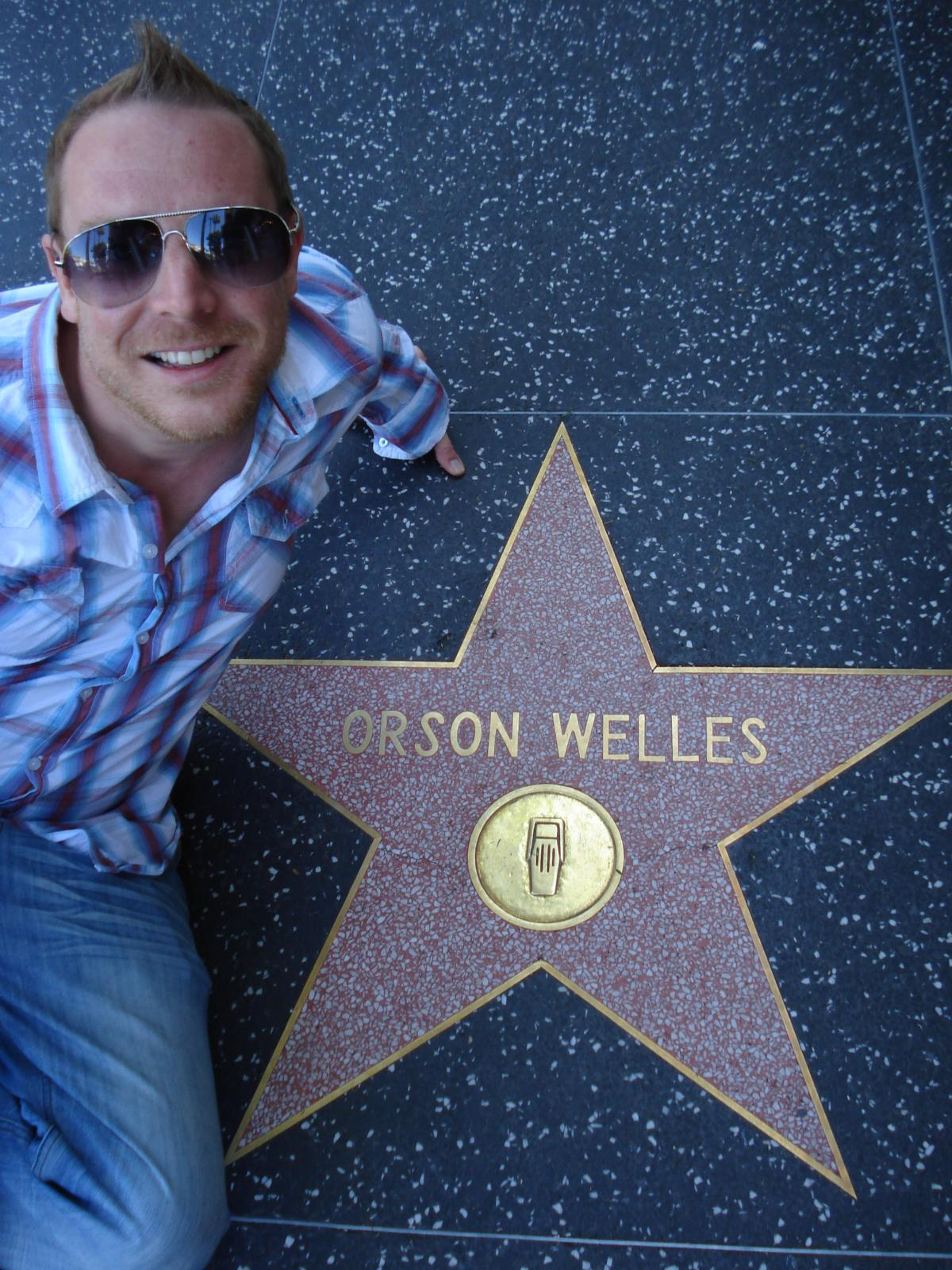
Despite Welles’ bitter relationship with Hollywood, he received two stars on the Hollywood Walk of Fame. He also received a Lifetime Achievement Award from the American Film Institute in 1975 and was given the Directors Guild of America’s highest honor the same year he died.
Hours after an interview on The Merv Griffin Show, Welles died of a heart attack on October 10, 1985, aged 70. It’s been said that when Welles died – alone and penniless in his cottage in the Hollywood Hills – he was working on notes for a shooting session the next day and had a typewriter on his lap. So he died doing what he loved – no, not eating for four; writing.
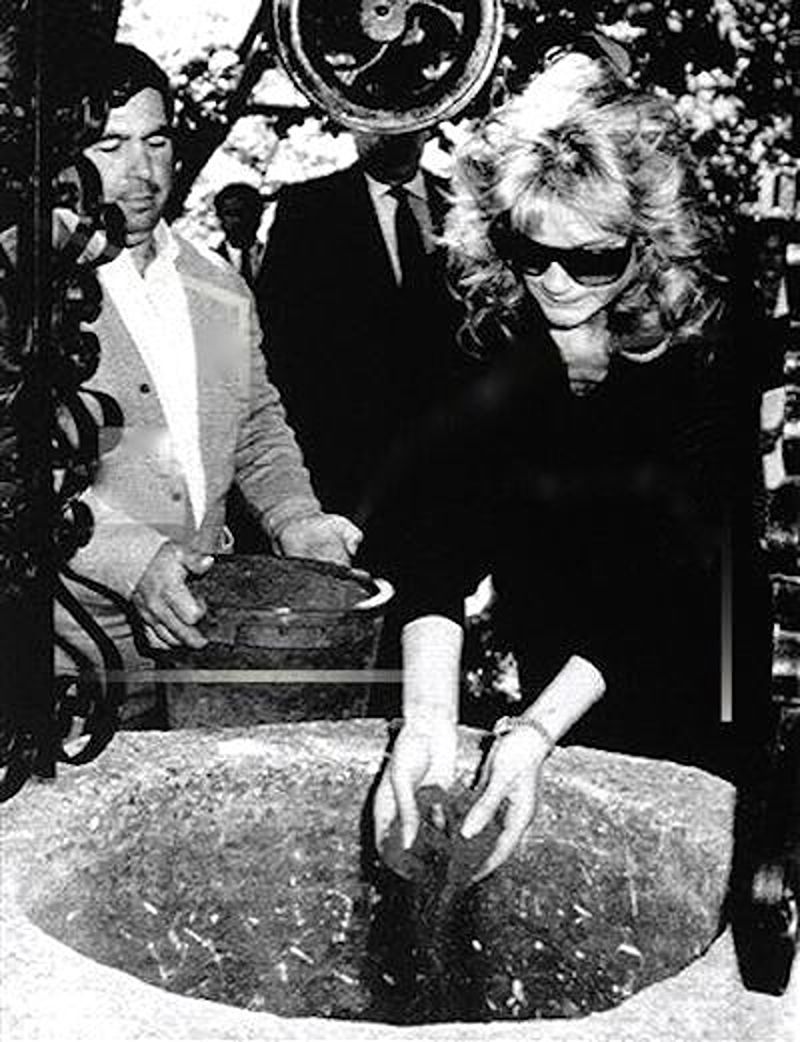
He had often said he wanted Spain to be his last resting place so – on what would have been his 72nd birthday – his ashes were buried inside a flower-covered well on his friend, legendary matador Antonio Ordóñez's property in Ronda, southern Spain.
Orson is almost as famous for the films he never finished, and died with a plethora of unfinished projects. For 15 years, he had been working on and off on adapting Spanish literature's greatest book – Cervantes' Don Quixote – but the final film was never released because the film is cursed - just ask Terry Gilliam, whose attempts to make the movie were thwarted for twenty years; the gods even intervening to destroy his sets in Biblical-sized floods.
Welles had completed a version of Shakespeare's The Merchant of Venice, playing Shylock himself, but reels of the final negative were stolen from his office. He also wanted to turn his 1946 Broadway musical Around the World in 80 Days – with lyrics by Cole Porter – into a movie.
His biggest vision, a screen version of Heart of Darkness, was an obsession. He had broadcast an audio version of Joseph Conrad's 1899 Congo-based novella on November 6, 1938 (the very next week after The War of the Worlds), so when RKO first tempted him to Hollywood, he presented an audacious 174-page script adaptation – shot in first person, so the audience sees only what protagonist Marlow sees...
After months of wrangling, Orson's vision proved to be unfilmable. So, he made Citizen Kane instead... not a bad Plan B! But he spent half his life yearning to bring the book to the silver screen. Presumably, until Francis Ford Coppola made such a great version with Apocalypse Now in 1979.
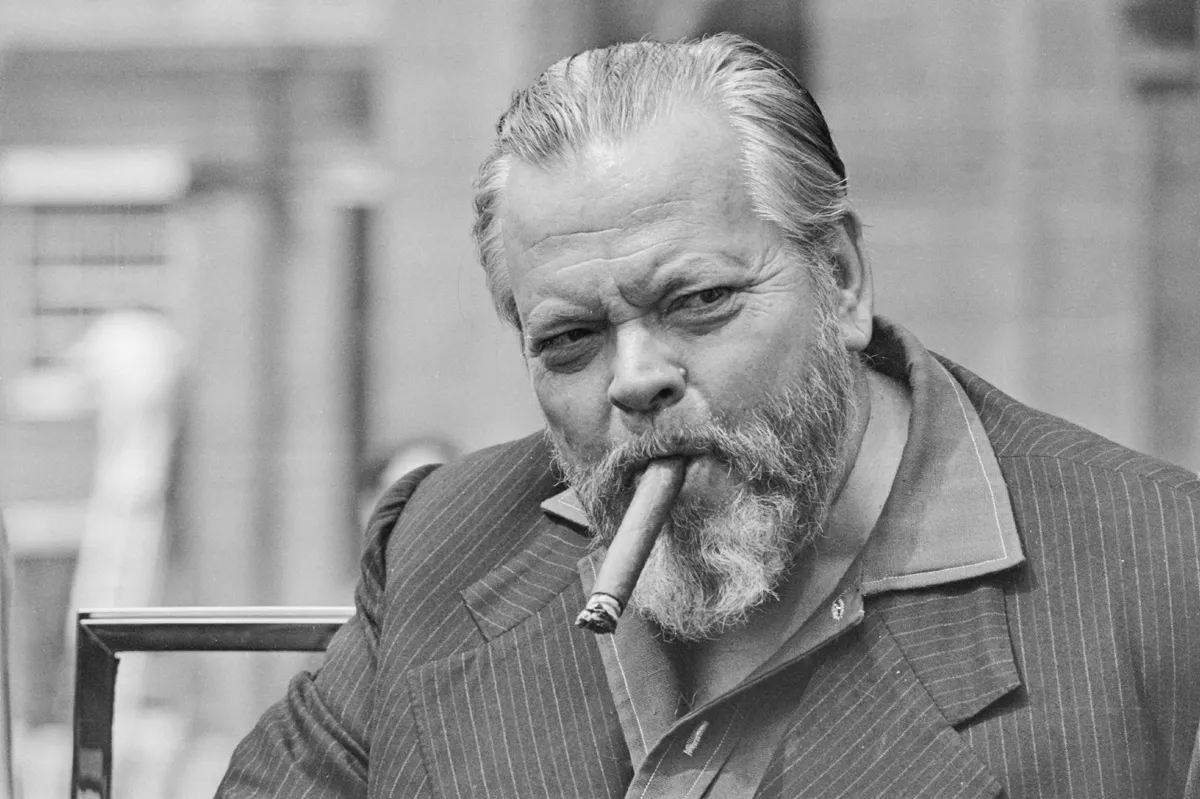
For a 1970 Findus frozen peas radio commercial, Orson famously became difficult when the producers wanted him to audition for the role. He allegedly made them chase him from across Europe for ten days with a tape recorder in revenge.
The hilarious frozen peas blooper reel has been parodied often, especially in animations like Animaniacs and Futurama. Pinky and the Brain parodies the peas commercial, and The Brain realizes he's Orson Welles' son...
In summary, Orson Welles was the most maverick genius film director of them all, the ultimate auteur. He scared America to death aged 22, and made the greatest film ever made at 25. But his talent and ambition were too much for Hollywood. In short, he was too good for Tinseltown, so he exiled himself to Europe to make independent masterpieces like The Trial.
Barring the lost Magnificent Ambersons, his films are available to watch, meaning his legacy lives on many decades after this great artist's death.
Thank you for your art, Orson, America's greatest ever filmmaker.