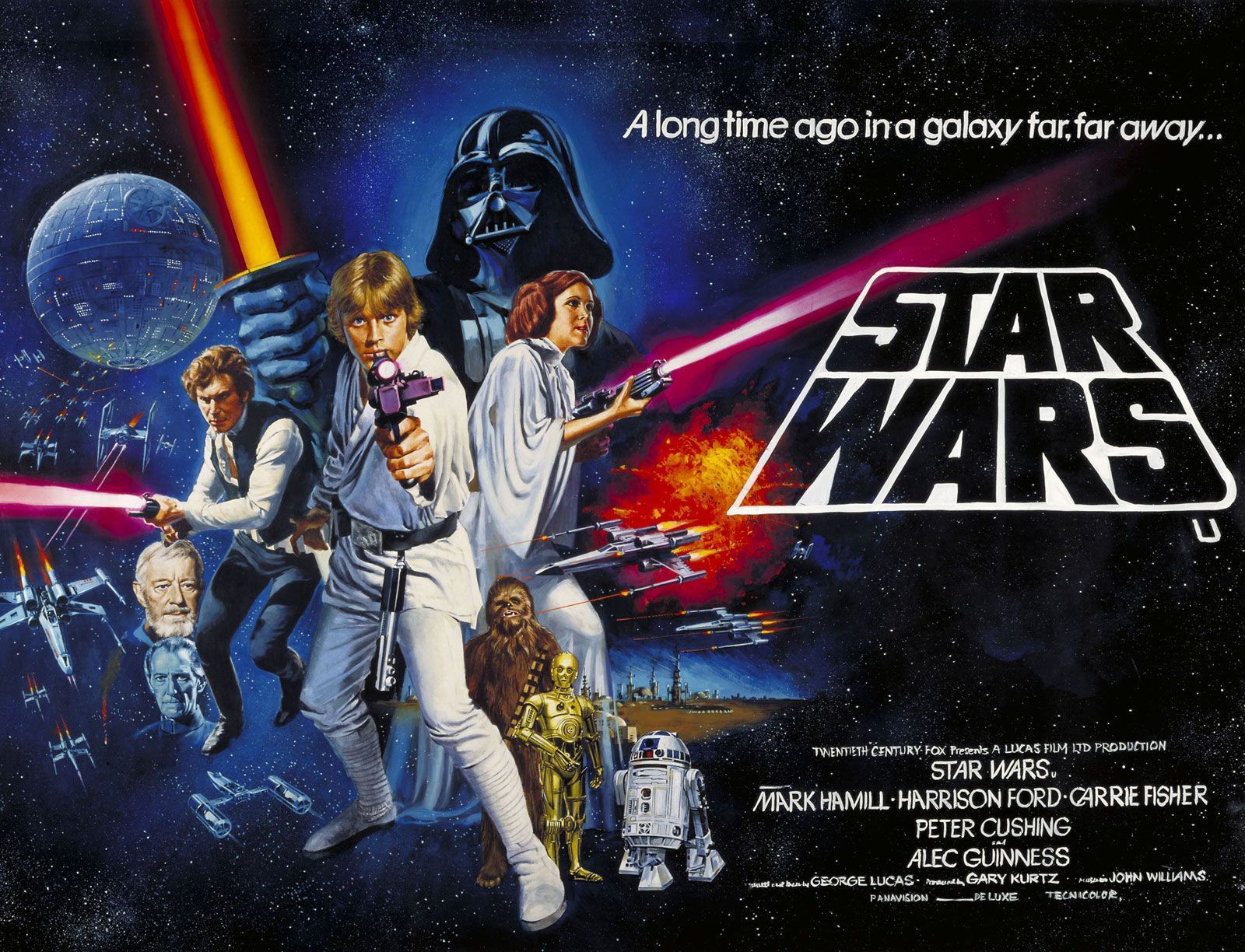
I'm sorry; I hate to do this to you, but I'm about to destroy your childhood because many of your favorite films are plagiarized. Yes, folks, from your beloved sci-fi space operas to action thrillers and Disney cartoons, your most beloved storylines and characters - from swashbuckling loveable rogues to nightmarish monsters - were stolen.
Back in ancient times - when stories were passed down orally - borrowing storylines, characters, and formulae without attribution was de rigeur, but all that changed when people started writing stories and poems down. In fact, the word plagiarism actually comes from the first recorded use of someone thieving another artist’s work.
Rome. 80 AD. The poet Martial accused his rival, Fidentinus, of publicly reciting and passing off his poetry as his own. In the ancient Roman equivalent of a gangsta rap diss track, Martial wreaked his revenge by writing a satirical epigram on a stone tablet, comparing Fidentinus to a plagiarus; Latin for a child or slave abductor. So, Martial said Fidentinus stole his literary offspring or baby… and the word stuck to this day.
Fast forward 2,000 years, and we’re going to be looking at movies that have stolen, plagiarized, or at least borrowed without the correct accreditation. So let’s start with fanboys’ most loved and celebrated film of them all in a galaxy far, far, away.
STAR WARS
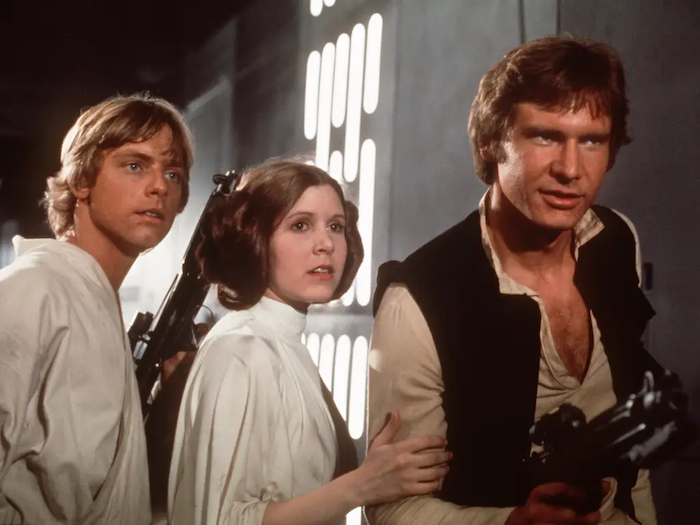
Despite a young Harrison Ford telling a young George Lucas, "George, you can type this shit, but you can't say it!" and a bemused Alec Guinness describing the director’s vision as “fairytale rubbish,” Star Wars went on to become the highest-grossing film franchise of all time.
A lifelong fan of Joseph Campbell’s The Hero With A Thousand Faces, Lucas borrowed heavily from his mentor’s oeuvre of storytelling, folklore, and mythological studies. Using Campbell’s analysis as a blueprint is in no way plagiarism - in fact, it’s the opposite; most stories from every culture follow Campbell’s The Hero’s Journey narrative formula, from the first story ever written down, the 3,800-year-old Mesopotamian poem, The Epic of Gilgamesh, to crap like Michael Bay’s Transformers.
But in setting out to recreate the rollicking excitement of the Saturday morning TV shows he grew up watching - shows like Buck Rogers - George Lucas cribbed from a host of other sources. But did you know just how much of Star Wars fell off the back of an AT-AT?
DUNE
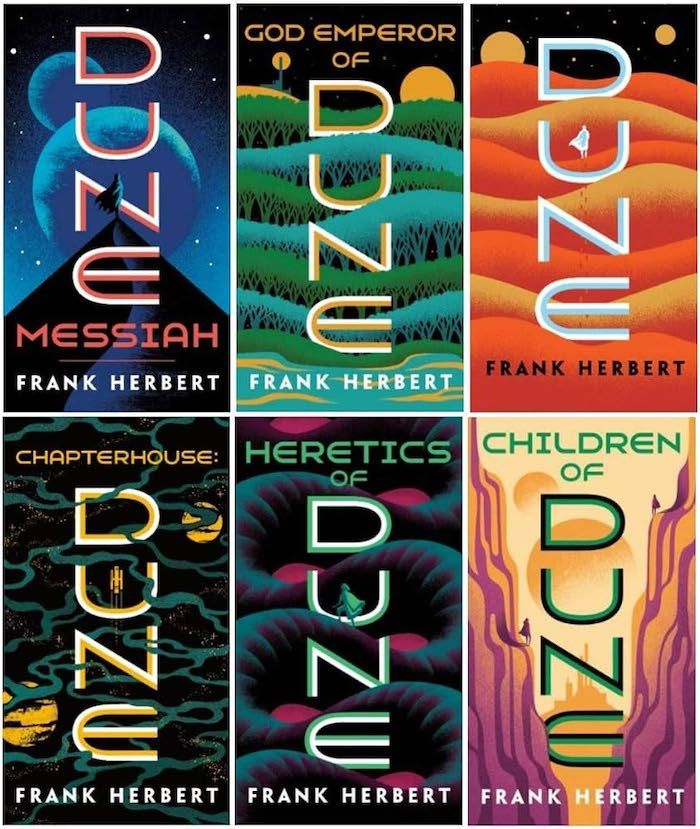
When creating his Star Wars universe, Lucas borrowed heavily from Frank Herbert’s epic 1965 science fiction novel Dune. Both stories feature remote, almost inhospitable, arid planets made of sand: Arrakis and Tatooine. The first is lit by twin moons, the latter by twin suns. Both planets are inhabited by sand monsters, moisture farms, dew collectors, and hermetically sealed natives who’ve learned to live in the harsh desert environment: the Fremen and Tusken Raiders.
Both are coming-of-age stories featuring young boys. Paul Atreides and Luke Skywalker both become the chosen one after learning to harness the power of a magical force from an order of space monks, the Bene Gesserit and the Jedi. Both lead a band of freedom fighters against an evil, totalitarian Empire/Imperium.
Both sagas feature the shock twist that the chosen one is a descendant of the villain: Atreides is Baron Vladimir Harkonnen’s grandson, and Luke is Darth Vader’s long-lost son. Just like Paul, Luke also has a psychic link to his sister. But at least Dune’s inciting incident isn’t Paul Atreides seeing a hologram of his sister and wanting to bone her! So, apart from lifting half of his ideas from Dune, everything else in Star Wars came directly from George Lucas’ imagination, right? Oh, hang on a minute…
THE HIDDEN FORTRESS
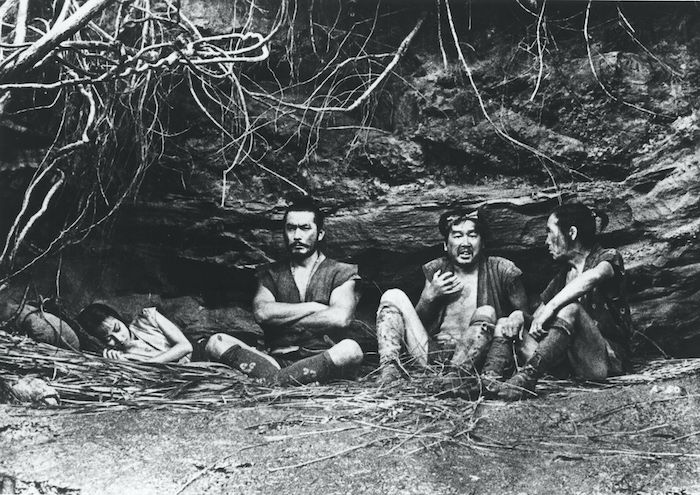
A New Hope’s storyline is also heavily inspired by Japanese film god Akira Kurosawa’s The Hidden Fortress. His 1958 masterpiece is told from the perspective of two bumbling idiots who flee the scene of a battle. They get separated after arguing and later reunited, before being thrown headfirst into the heart of a war, and searching for the Evil Empire's hidden fortress.
Together, the comical pair - one tall, Tahei (Minoru Chiaki), and one short, Mataschichi (Kamatari Fujiwara) - must help a bearded Shogun general (Toshiro Mifune) escort Princess Uki (Misa Uehara) back to her homeland. If that hasn’t explained enough, let’s spell the similarities out.
George Lucas replaced the two quibbling, idiotic peasants with belligerent droids; one short, R2-D2, and one tall, C-3PO. They team up with Eastern mystical warrior Ben "Obi-Wan" Kenobi to help Princess Leia back to the rebel base after being captured by Darth Vader, leader of an Evil Empire, so she and her rebels can discover the location of a hidden Death Star.
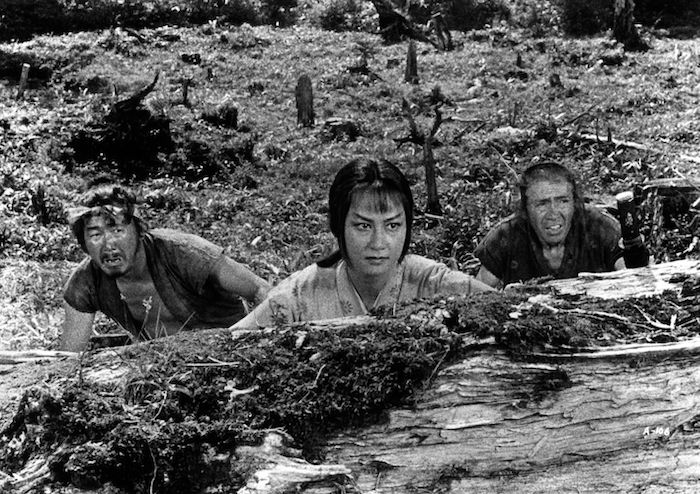
The finale of The Hidden Fortress sees our heroes saved by a facially scarred villain who has a last-minute change of heart, much like Darth Vader/Anakin Skywalker’s at the end of The Return of the Jedi. But the storyline isn’t the only element George lifted for Star Wars. Kurosawa’s forest settings became Endor, and Lucas’ famous hybrid and horizontal wipes come directly from the Japanese filmmaking master, too.
In JJ Abrams The Force Awakens (2015), Rey wields her staff and lightsaber just like Akira Kurosawa’s duelling generals, while the colour palette of The Last Jedi’s planet Crait and Throne Room duel pays homage to Ran and Kagemusha (both 1980).
Oh, and if Rian Johnson's clashing, contradictory storytelling perspectives of Kylo Ren and Luke Skywalker seem familiar, this unreliable narrator narrative device comes directly from Kurosawa’s groundbreaking 1950 film Rashomon, hence its name, the Rashomon Effect. However, Frank Herbert and Akira Kurosawa aren't Lucas’ only influences. Remember those rip-roaring Saturday morning 1950s TV shows George grew up watching? Well, Star Wars’ iconic opening crawl is lifted straight from Flash Gordon.
JOHN WILLIAMS' MUSIC
As Star Wars’ opening crawl reveals the Death Star and Princess Leia for the very first time, John Williams’ revered score plays in the background. He lifted the score almost note-for-note from a 1942 Ronald Reagan western called King’s Row, featuring music by Czech composer Erich Wolfgang Korngold.
Williams's Star Wars score also extensively borrows elements from English composer Gustav Holst’s The Planets Suite - namely Mars: Bringer of Death, Neptune: The Mystic, and shades of Jupiter: Bringer of Jollity. He also lifts motifs from Igor Stravinsky’s The Rite of Spring.
Incidentally, Hans Zimmer's Gladiator score hugely rips off Holst’s Mars: Bringer of Death even more than the plot rips off Ben-Hur (1959) and Spartacus (1960). No, I'm Spartacus!
JAWS
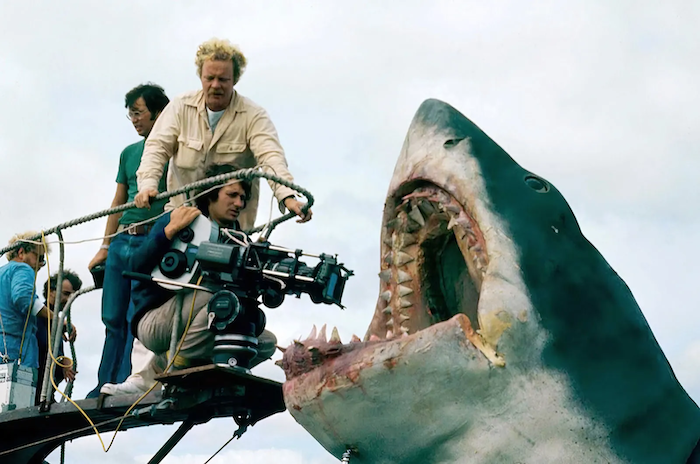
While we’re on the subject of John Williams, now be a good time to tell you that his two-note score for Steven Spielberg's Jaws (1975) - perhaps the most ominous and possibly most famous film score ever recorded - was ripped note-for-note from Czech composer Antonín Leopold Dvořák’s Symphony Number 9 From the New World.
The film itself is basically a modern retelling of Herman Melville’s 1851 Great American Novel, Moby-Dick. Both salty seamen Captain Ahab and Quint are consumed by a vengeful obsession and deep psychological trauma at the hands of the beast. Ahab is after revenge against the same white whale that took his leg, while Quint is on a mission to kill all sharks after they ate half of his USS Indianapolis crewmates.
Quint and Hooper comparing scars comes straight from Melville’s book, as does the sea shanty Spanish Ladies. Spielberg's Jaws might be heavily influenced by Moby-Dick, but it’s still one of the greatest films ever made.
RAIDERS OF THE LOST ARK
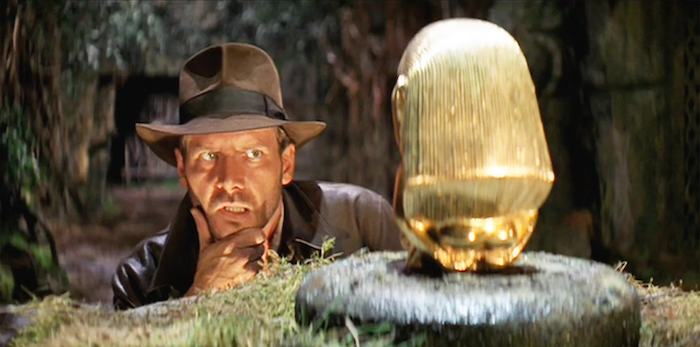
What? Indiana Jones was stolen? Noooooooo! This can’t be true! Just as with Star Wars, it’s no secret that George Lucas wanted to recreate the swashbuckling antics of the films and TV he and Spielberg grew up watching. So, it’s with a heavy heart that we tell you that one of the most iconic roles in cinema is straight off the pages of The Secret of the Incas (1954), which you watch in its entirety on YouTube.
Charlton Heston plays a cocky adventurer named Harry Steele who, sporting his trademark brown leather jacket and fedora, heads to Machu Picchu to locate an ancient Incan artefact but is double-crossed by an unscrupulous associate and a defecting Eastern European.
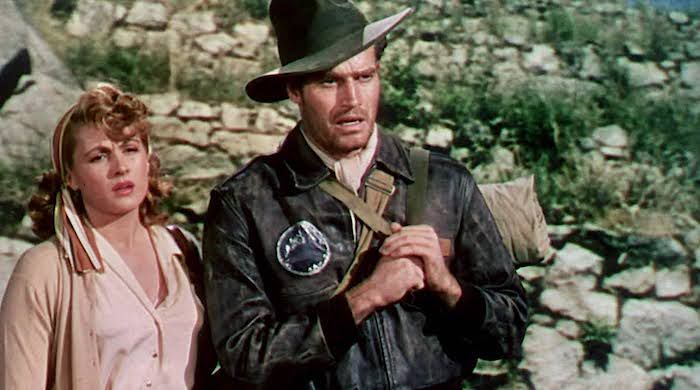
Raiders' costume designer Deborah Nadoolman Landis has gone on record saying, "We did watch [The Secret of the Incas] together as a crew several times, and I always thought it strange that the filmmakers did not credit it later as the inspiration for the series."
In The Secret of the Incas, Harry Steele infiltrates an archaeological dig using his sidekick girlfriend to distract the villainous archaeologist, and uses a beam of light to locate the treasure, before being apprehended.
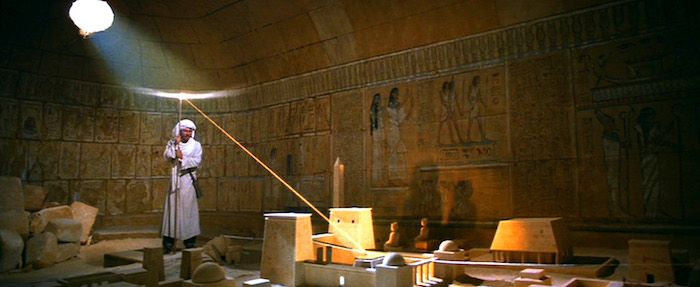
Lucas and Spielberg said: “And we’d have gotten away with it if it weren’t for you pesky kids meddling in our treasure.” But who cares? Raiders is still the best action adventure ever made.
ALIEN
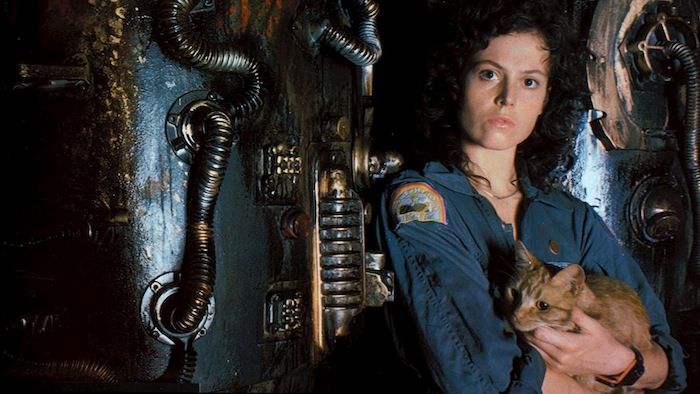
Ridley Scott’s seminal sci-fi movie, Alien (1979), truly is a masterpiece. But did you know it’s basically a mash-up of two different B-movies from the not-so-golden era of science fiction? The two films it borrows from are It! The Terror from Beyond Space (1958) and Planet of the Vampires (1965).
The latter’s crew is forced to land on a desolate planet where they find a crashed spacecraft containing the corpse of a mysterious giant alien inside. The same event occurs in Alien, but John Hurt’s character, Kane, becomes infected by a facehugger, and they return to The Nostromo.
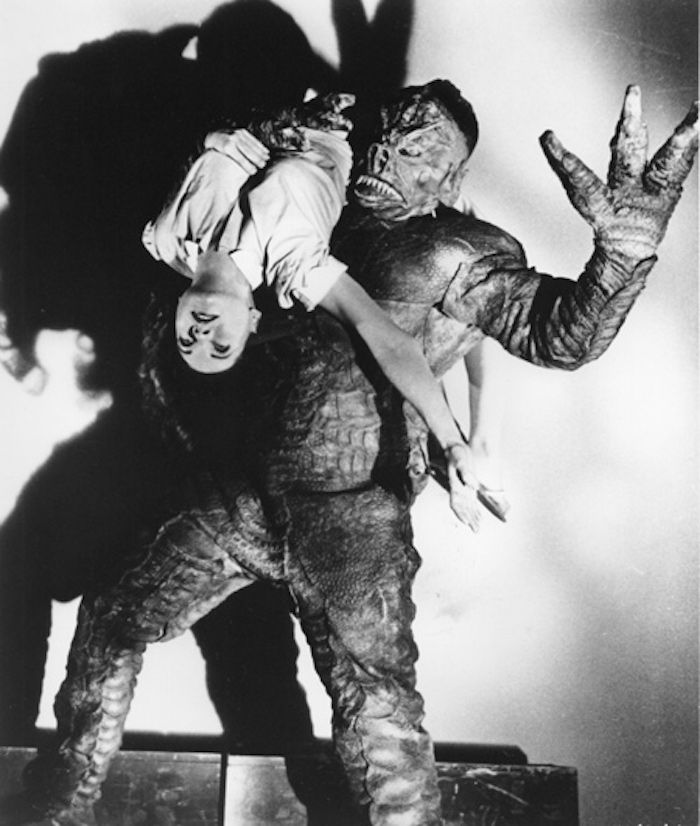
Which is where Alien starts to look a hell of a lot like It! The Terror from Beyond Space, sometimes shot-for-shot. The creature even uses the ship's ventilation shafts to take out the crew one-by-one until the survivors try to kill the monster by locking it in an airlock. Alien scriptwriter Dan O’Bannon was also heavily influenced by A.E Van Vogt’s sci-fi short story The Black Destroyer.
THE TERMINATOR
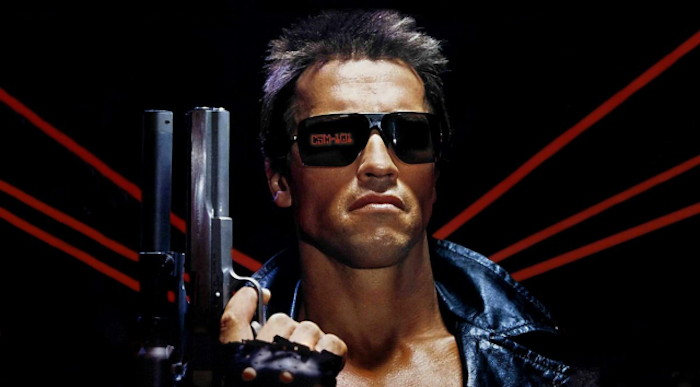
James Cameron famously attributes his 1984 film, The Terminator, to a real-life fever dream in which he was chased by a terrifying robot. Years later, he was chased in real-life by a lawsuit from beloved sci-fi writer Harlan Ellison for plagiarising an episode of The Outer Limits he wrote called Soldier, which was, in turn, adapted from his own 1957 short story Soldier from Tomorrow.
Both plots revolve around a soldier from the future who goes back in time, materializes in an alley, and must save the life of a woman from an enemy soldier from the future. On this evidence, it’s pretty clear that James Cameron had more than a fever dream to thank for Terminator.
Orion Pictures settled The Terminator plagiarism lawsuit for an undisclosed amount, and the acknowledgement "The Producers Acknowledge the Works of Harlan Ellison" was added to home video releases of the 1984 film. More recently, a Chechen author accused Cameron of plagiarism again, claiming that 2009's Avatar used parts of his 2002 novel, Secret Weapon.
HARRY POTTER
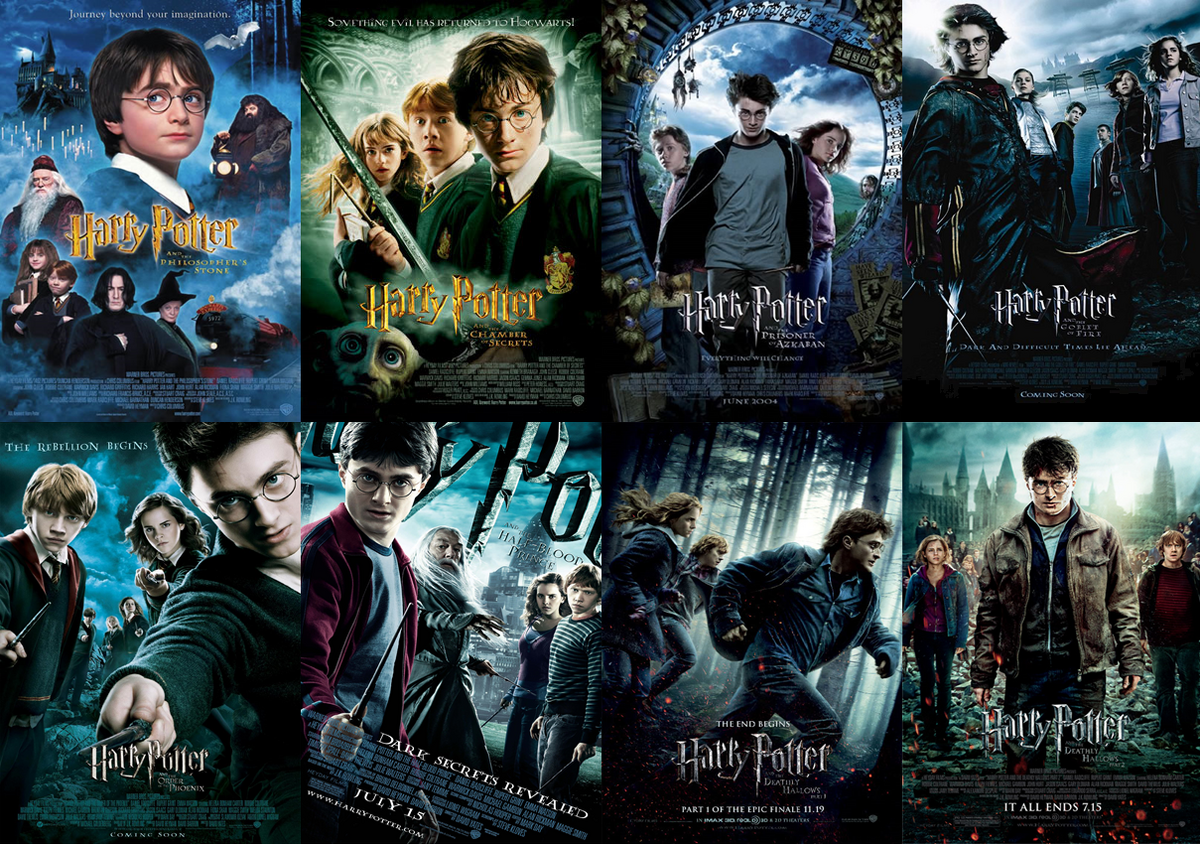
While the world's first billionaire author, JK Rowling, was cleared of plagiarism, many aspects of her Harry Potter series seem to be derivative. Neil Gaiman's 1990 DC Comics miniseries, Books of Magic, tells the tale of a bespectacled teenage wizard named Tim Hunter - who is the chosen one - with messy brown hair and a pet owl. Ursula K. Le Guin's 1968 book A Wizard of Earthsea sees a powerful young wizard join a school of wizardry.
But that’s not all… the 1986 film Troll tells the tale of Harry Potter Sr., Anne Potter, and their teenage son Harry Potter Jr. being abducted by a troll. In 1999, American author Nancy Kathleen Stouffer alleged that Rowling stole elements from two of her 1984 works, The Legend of Rah and the Muggles and Larry Potter and His Best Friend Lilly. In 2009, the estate of Adrian Jacobs alleged that Rowling had used elements from his 1987 book Willy the Wizard. Both cases against Rowling were unsuccessful.
TOY STORY
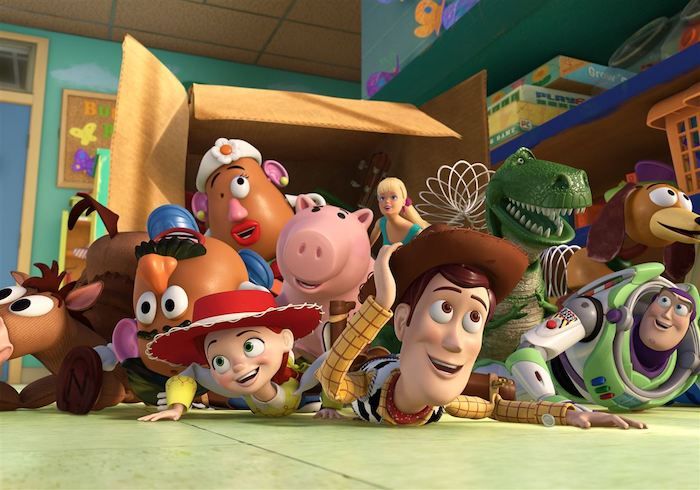
In 1995, before they were Disney Pixar, a small but well-funded animation company (they were the graphics department of Lucasfilm and funded by Steve Jobs) released the first feature-length CGI movie; Toy Story. And it’s a work of genius. In fact, thanks to Christopher Vogler - who streamlined Joseph Campbell’s 17-stage Hero’s Journey down to 12 steps, and wrote The Writer's Journey: Mythic Structure for Writers - Disney Pixar became storytelling masters, but that doesn’t mean their work is original.
In 1986, ABC aired a one-hour TV Christmas Special from The Jim Henson Company called The Christmas Toy. Okay, it’s not the first story about toys that come to life when humans aren’t looking, but the similarities go waaaay beyond that.
The Christmas Toy’s protagonist is a stuffed tiger called Rugby who - you guessed it - grows insecure when he discovers his human owner is receiving a Christmas gift that could usurp him. Sounding familiar yet? His Christmas competitor happens to be an overly confident character from outer space called Meteora, Queen of the Asteroids. Oh, and Meteora is hugely disillusioned and has trouble telling reality from make-believe. Also present in The Christmas Toy are Little Bo Peep, a rocking horse and a threadbare old bear who becomes the de facto leader of the group.
Six years later, Pixar were up to their old tricks again for follow-up Monsters Inc. which borrowed heavily from the 1989 live-action movie Little Monsters, starring Fred Savage from The Wonder Years. Check out the above video to see the dozens of similarities. Swap John Goodman’s Sully for Howie Mandel’s Maurice, and you essentially have the same film.
THE LION KING
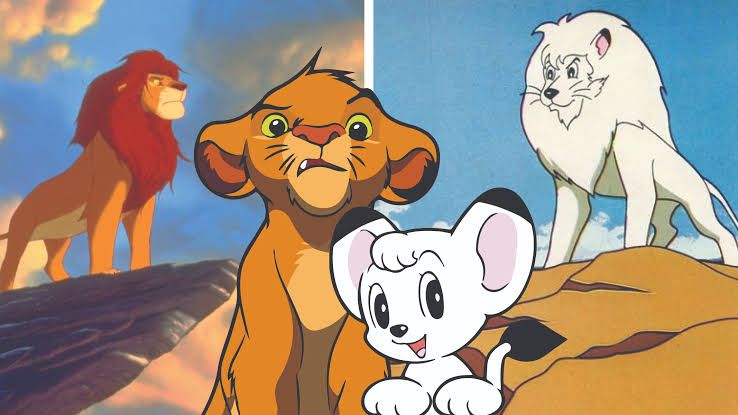
As the animators over at Pixar were busy cribbing, across town at Disney, the animators had been busy borrowing from a 1965 Japanese shōnen manga series called Kimba The White Lion, created by Osamu Tezuka. While The Lion King’s storyline is a reworking of William Shakespeare’s Hamlet (so is AMC’s biker series Sons of Anarchy, by the way), many characters, events, and artistic similarities keep cropping up in The Lion King, including the overarching circle of life theme.
Character similarities include the protagonist lion cubs Kimba and Simba, one-eyed evil lion Claw became Scar, baboon shaman Dan'l Baboon became Rafiki, bird-brained sidekick Zazu was based on Pauley Cracker, plus there were even a pair of hyena sidekicks.
Still not convinced? Well, long before Black Panther recycled King T'Chala meeting his afterlife father on the plains from Simba’s dead father, Mufasa appearing in the clouds - Kimba saw his dead mum in the stars.
If the news that The Lion King and Toy Story were not wholly original ideas didn’t ruin your day, and your childhood, what about the fact that The Mouse House often plagiarized itself by recycling animation from previous films; two examples being 1973’s Robin Hood, which reused dancing scenes from Snow White, The Jungle Book, and The Aristocats, while Winnie The Pooh contains whole scenes traced from The Jungle Book. Boo!
THE MATRIX
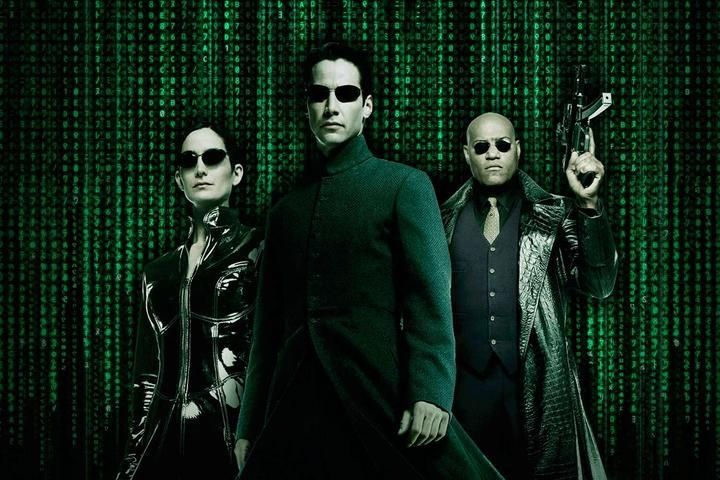
Staying with Japan, the seminal 1999 movie The Matrix may have paved the way for breakthroughs in special effects and wirework stunts (a staple of Hong Kong filmmaking), but the Wachowskis borrowed heavily from Japanese anime. This borrowing was quite purposeful as the siblings wanted to create live-action manga, but they didn’t need to hijack everything from reality being an illusion, jacking in via neck/head portals and implanted false memories.
Even the falling green computer code, fight sequences, and entire frames/pages are lifted from the comic books. The irony is, when Hollywood whitewashed Ghost in the Shell by casting Scarlett Johansson in the 2017 live-action adaptation, it was accused of copying The Matrix! Writer Thomas Althouse thought the Wachowskis plagiarized his screenplay The Immortals which he pitched to Warner Brothers in 1993 and sued them for $300 million for stealing his ideas. He lost.
INCEPTION
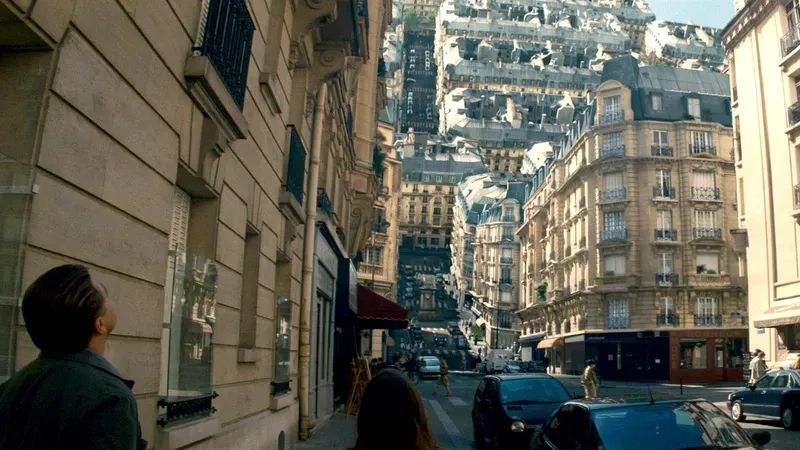
Christopher Nolan is known for his highly imaginative and wholly original, mind-bending, high-concept movies, but where does he get his ideas for movies like 2010's Inception? Japan. That’s where. If you thought Hollywood had stolen enough from Japanese culture, we ain’t finished yet!
Paprika is a 2006 anime film directed by Satoshi Kon and based on Yasutaka Tsutsui's 1993 novel. In the book and animated movie, a research psychologist uses a "DC Mini" device that permits therapists to help patients by entering their dreams. Using her alter ego “Paprika,” our heroine enters Detective Toshimi Konakawa’s recurring dream, and their real and oneiric worlds become indistinguishable. Consciously or subconsciously, Inception also borrows heavily from 1984's Dreamscape.
RESERVOIR DOGS
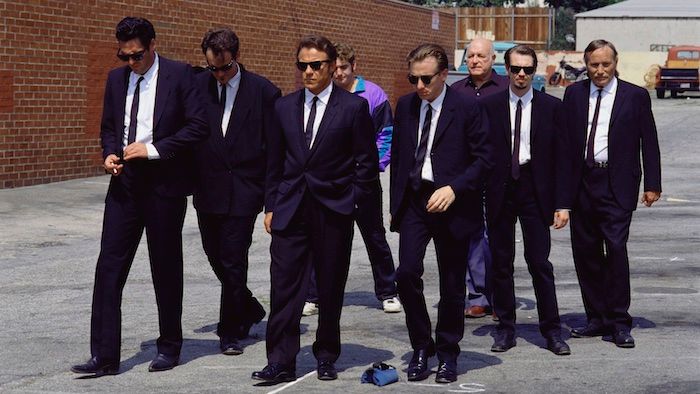
Staying in Asia, but skipping across the Sea of Japan and South China Sea to Hong Kong, where we learn that all the great filmmakers steal their ideas. Yes - even the greats plagiarize. Quentin Tarantino’s dazzling debut; Reservoir Dogs is essentially a remake of director Ringo Lam’s City On Fire, a 1987 Hong Kong film about a heist gone wrong because an undercover cop has infiltrated the crime gang.
We understand that all of Tarantino's movies are hugely influenced by, and littered with homages to previous works, but Reservoir Dogs is 100% nicked from Ringo Lam, even down to the Mexican Standoff.
PULP FICTION
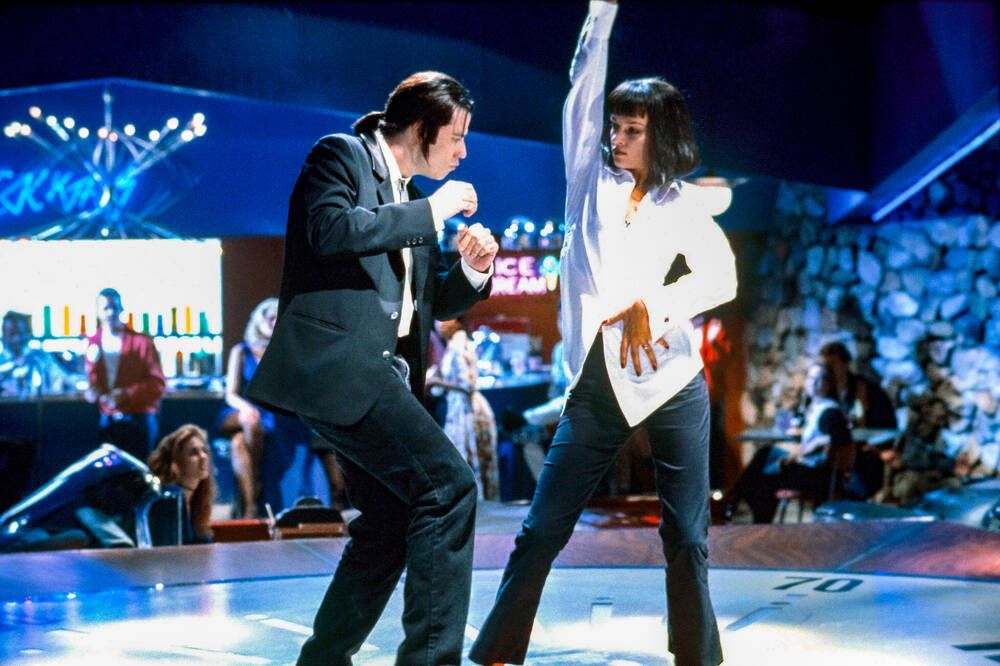
Tarantino famously said, "I steal from every single movie ever made... Great artists steal, they don't do homages." In Quentin’s second film, Pulp Fiction, he borrowed Bruce Willis’ story of boxer Butch Coolidge from his video-store colleague Roger Avery’s script Pandemonium Reigns.
Quentin gave his friend a Story By credit, although they did share the Best Screenplay Academy Award. John Travolta and Uma Thurman’s famous twist contest dance scene is directly lifted from Jean-Luc Godard’s 1964 French New Wave film Bande à part.
TARANTINO’S OTHER MOVIES
Quentin’s script for Tony Scott’s True Romance (1993) was heavily influenced by Terence Malick’s Badlands (1973), and the film even uses the same glockenspiel theme. Inglorious Basterds was inspired by Enzo G. Castellari’s 1978 original The Inglorious Bastards (1978) with a touch of The Dirty Dozen (1967). Jackie Brown was inspired by blaxploitation cinema, specifically Jack Hill’s 1974 film Foxy Brown starring Pam Grier.
Kill Bill: Vol. 1 & 2 (2003/2004) stole its revenge plot, snow-covered duel, themes, and visuals from the Japanese exploitation film Lady Snowblood (1973) and Francois Truffaut's The Bride Wore Black (1968). Quentin’s Django Unchained (2012) was a tribute to Sergio Corbucci’s spaghetti western Django (1966) but also borrowed plot beats from Mandingo (1975).
A FISTFUL OF DOLLARS
Sergio Leone’s celebrated spaghetti western, A Fistful of Dollars (1964), starring Clint Eastwood as The Man with No Name took its entire plot, character arc, and structure - sometimes shot-for-shot - from Akira Kurosawa’s samurai classic Yojimbo (1961). Kurosawa wrote to Leone directly, saying, "Signor Leone, I have just had the chance to see your film. It is a very fine film, but it is my film. Since Japan is a signatory of the Berne Convention on the international copyright, you must pay me."
Kurosawa and Toho (yes, the studio behind Godzilla) sued Leone for plagiarism. The Italian director ignored the lawsuit, but later settled out of court, reportedly for 15% of Fistful’s worldwide receipts, totalling over $100,000, more than Kurosawa made from Yojimbo!
ROCKY
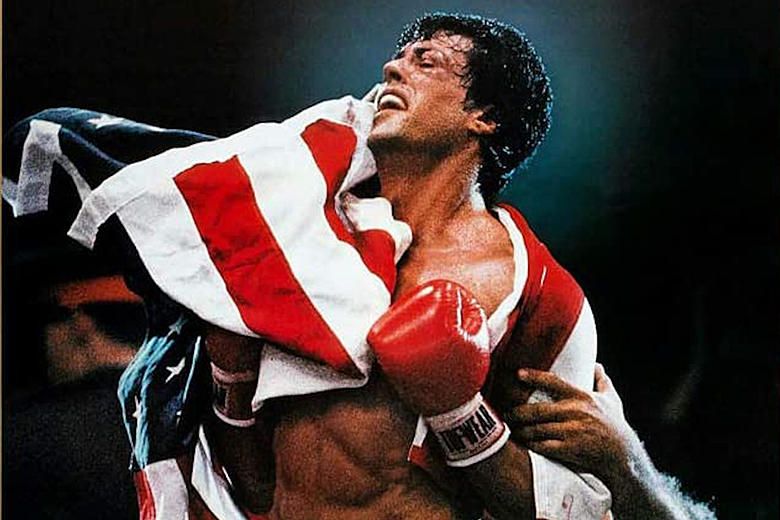
Sly Stallone famously wrote the script for Rocky (1976) in just two weeks, even selling his beloved dog, Butkus, to raise funds. What the history books leave out is that Sly wrote the script after watching boxer Chuck Wepner, go within 19 seconds of lasting 15 rounds with Muhammed Ali.
Yes, folks - Rocky is the story of Chuck Wepner. Chuck sued Stallone for damages, not paying royalties, nor acknowledging his role in the story. The lawsuit was settled with an undisclosed settlement.
TWILIGHT
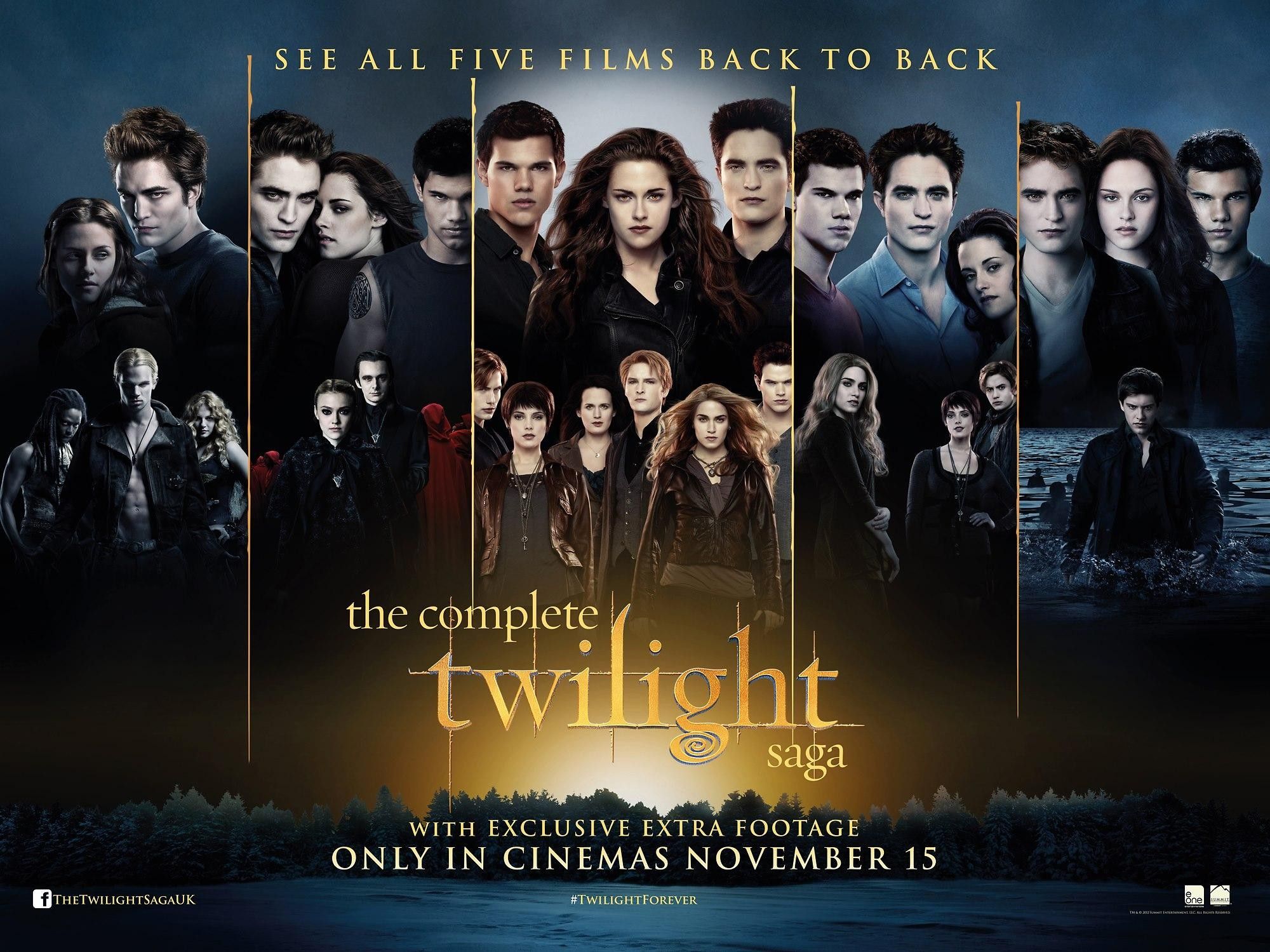
Stephenie Meyer’s Breaking Dawn, the fourth and final instalment in her Twilight saga, apparently lifts elements, including plot lines and developments, from Jordan Scott’s 2006 supernatural novel, The Nocturne.
MTV quoted Scott as saying, "From the main characters getting married and the description of the ceremonies, the feelings the characters are going through... these are not things you typically see in the vampire genre." However, United States District Court Judge Otis D. Wright II dismissed Scott's claim in 2009.
CITIZEN KANE
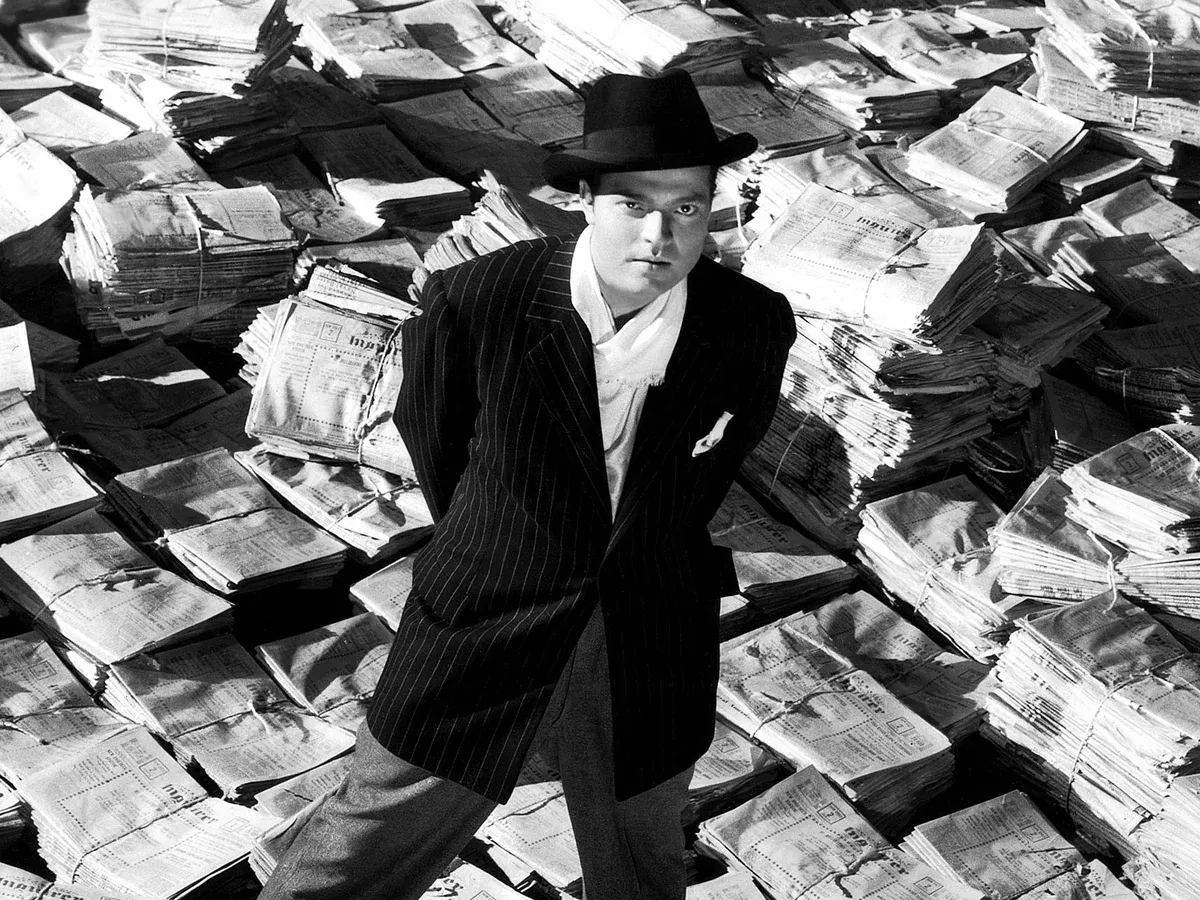
Even the greatest film ever made, Orson Welles’ Citizen Kane (1941) was stolen! Back in 1933, Kane scriptwriter Herman J. Mankiewicz’s good friend Preston Sturges wrote a film called The Power and the Glory. Told through a series of flashbacks by the dead main character’s best friend, it tells the tale of business mogul Tom Garner’s (Spencer Tracy) rise from track walker to president of the railroad. Sturges based Garner’s character on C. W. Post, his second wife's grandfather, who worked his way up from nothing to found the General Foods empire.
Larger-than-life Tom Garner bulldozes anyone who gets in his way, drives his wife to suicide, dabbles in fascist politics, and even dies alone uttering the name of his true love on his deathbed, though his true love was a girl called Sally, not a sledge called…
Legendary film critic Pauline Kael was one of the first to cite The Power and the Glory as a prototype for Kane’s narrative structure in her controversial 1971 book-length essay Raising Kane. She cut Orson Welles down to size, arguing he wasn’t as solely responsible for everything in Kane (script, cinematography, etc,.) as he liked to make out.
Orson’s friends jumped into action to defend him. His best buddy, director Peter Bogdanovich, wrote an October 1972 Esquire article called The Kane Mutiny in response. However, Bogdanovich later acknowledged that Welles made “significant contributions” to his essay, while film critic Jonathan Rosenbaum claimed Orson ghost-wrote Bogdanovich’s entire article. That’s like Fidentinus writing a diss track in response to Martial’s diss track… then saying Cicero wrote it!
So, there we have it. Childhoods ruined. Dreams shattered. Expectation dashed on the rocks. Darlings killed. You’re welcome! Of course, while many of your favourite films are plagiarized, we’re not saying any of these films are worth any less. With a few exceptions, they’re all brilliant works of art that the world needs. Part of creating art will always include borrowing elements from the past to build and improve upon existing ideas. We can’t blame Lucas, Spielberg, Tarantino, Cameron, et al., for borrowing elements from other movies. They brought joy to millions of children and adults around the world, including this one.
In fact, one could say that all these artists have done an excellent job of recycling. Especially when you consider the fact there is only one story, and we’ve been telling it over and over again for thousands of years...