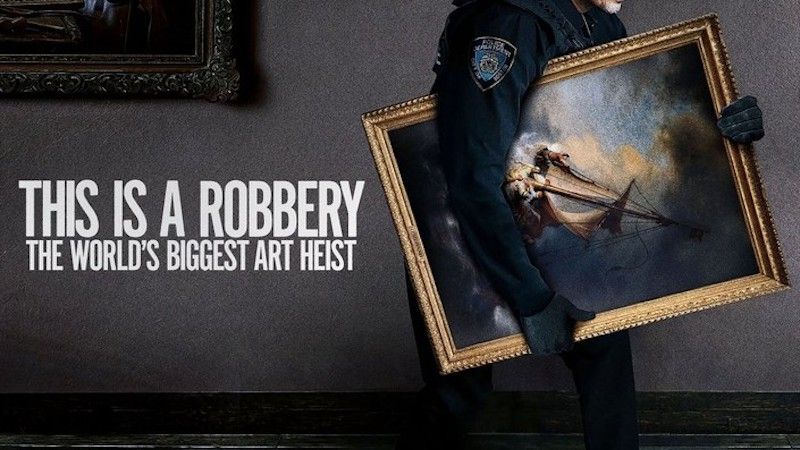
As Boston's raucous St. Patrick’s Day celebrations finally petered out in the early hours of Sunday, March 18th, 1990, two men, dressed as police officers, talked their way into the Gardner Museum. Once inside, they overpowered and handcuffed two security guards and made off with works of art by Rembrandt, Vermeer, Degas, and Manet worth an estimated billion dollars in today’s money. Thirty years later, the Gardner Museum Heist remains America's most lucrative art heist. The invaluable paintings have never been recovered, and the case has never been solved.
Today, we bring you the lowdown on what really occurred that fateful night and name the most likely culprits in a rogues’ gallery that ranges from the Boston Mafia to Irish gangsters with ties to the IRA and a mobster whose name you surely already know. Strap yourself in; it’s gonna be one hell of a ride!
ST. PATRICK’S DAY
If you want to plan the perfect crime in Boston, there’s only one night of the year to carry it out… Saint Paddy’s Day. Picture the scene: The whole city has gone crazy; dyeing everything they can get their hands on green, dressing as leprechauns, drinking Guinness, singing Danny Boy, river dancing, and generally having a good craic into the wee hours.
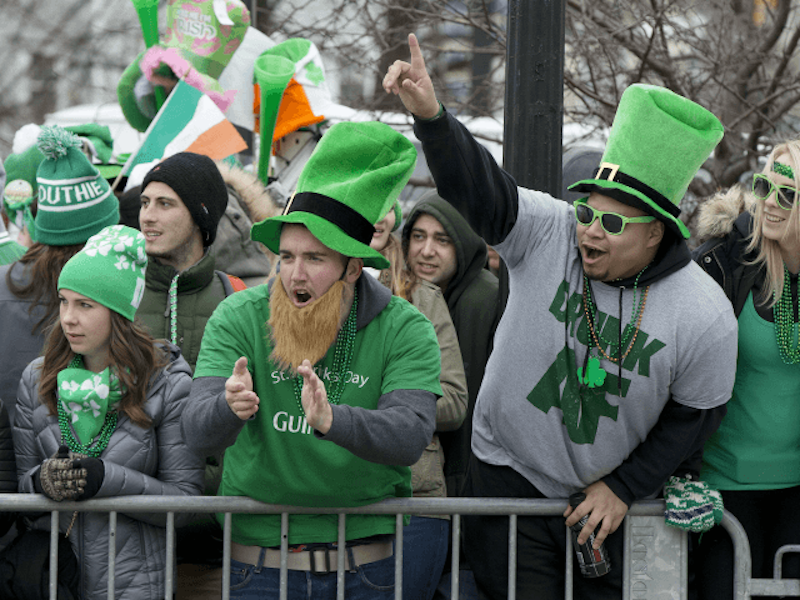
That’s when you strike; when half the town is three sheets to the wind, and all of BPD's boys in blue are busy rounding up tipsy revellers dressed as ginger, bearded Gaelic imps dancing through the streets shouting, “You'll Never Get Me Lucky Charms!” St. Patrick's Day is the one night of the year that Boston’s police vehicles become literal paddy-wagons!
Just south of Fenway Park – home to the city’s beloved Red Sox baseball team – sits a 15th-century Italian Renaissance palazzo-style house built by flamboyant socialite Isabella Stewart Gardner. She built her Venetian palace at the end of the 19th century to display her treasure-trove of artwork “for the education and enjoyment of the public forever.”
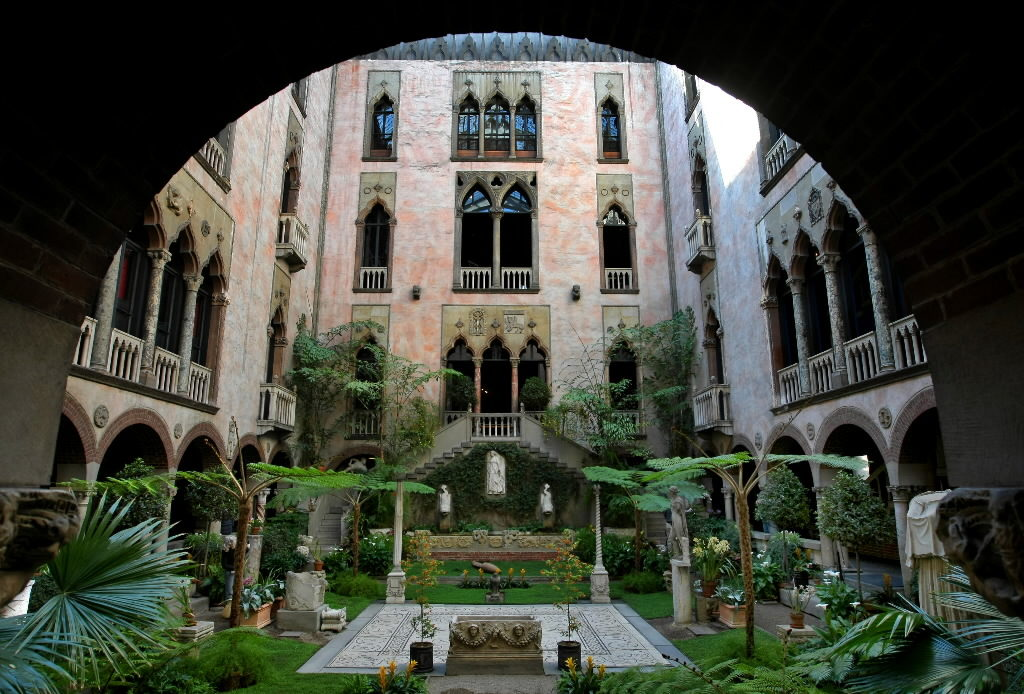
Isabella died in 1924, and in her last will and testament, she stated the collection must remain exactly as she left it. Until the robbery, not one of the museum’s 2,500 works had even been moved, let alone been stolen.
At 1:24 a.m. on Sunday, March 18th, 1990, as drunken St. Paddy’s Day stragglers teetered and see-sawed their way home, a small red hatchback pulled up near a side entrance of the Gardner Museum. From the vehicle emerged two men dressed as Boston cops. An innocent-sounding buzzer buzzed inside the museum. The men told the security guard they had been called to investigate a disturbance within the grounds.
So, one of the museum’s two security guards, 23-year-old Rick Abath, went to answer the door. Discerning what he believed to be two of Boston’s finest at the Palace Road entrance, he broke every protocol and opened the door... on American history's biggest-ever art theft.
The two “cops” asked young Rick Abath if there were any more security men on duty. Rick called the second guard to come down. With both guards in one room, the thieves calmly announced: "Gentlemen, this is a robbery." You see, those cop uniforms – complete with hats and badges and fake mustaches – turned out to be stolen. Well, they'd probably bought the mustaches from a joke shop, but the uniforms were stolen.
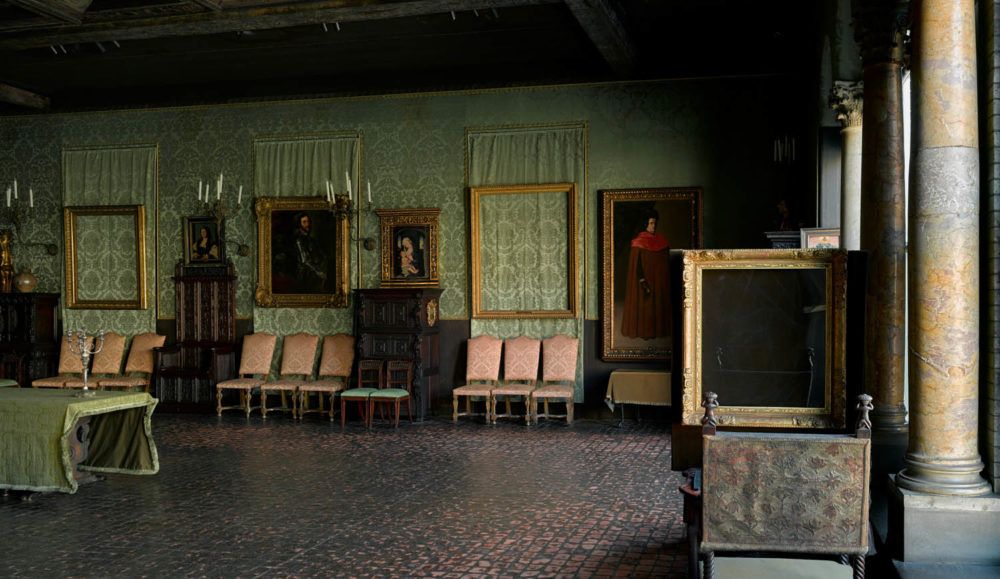
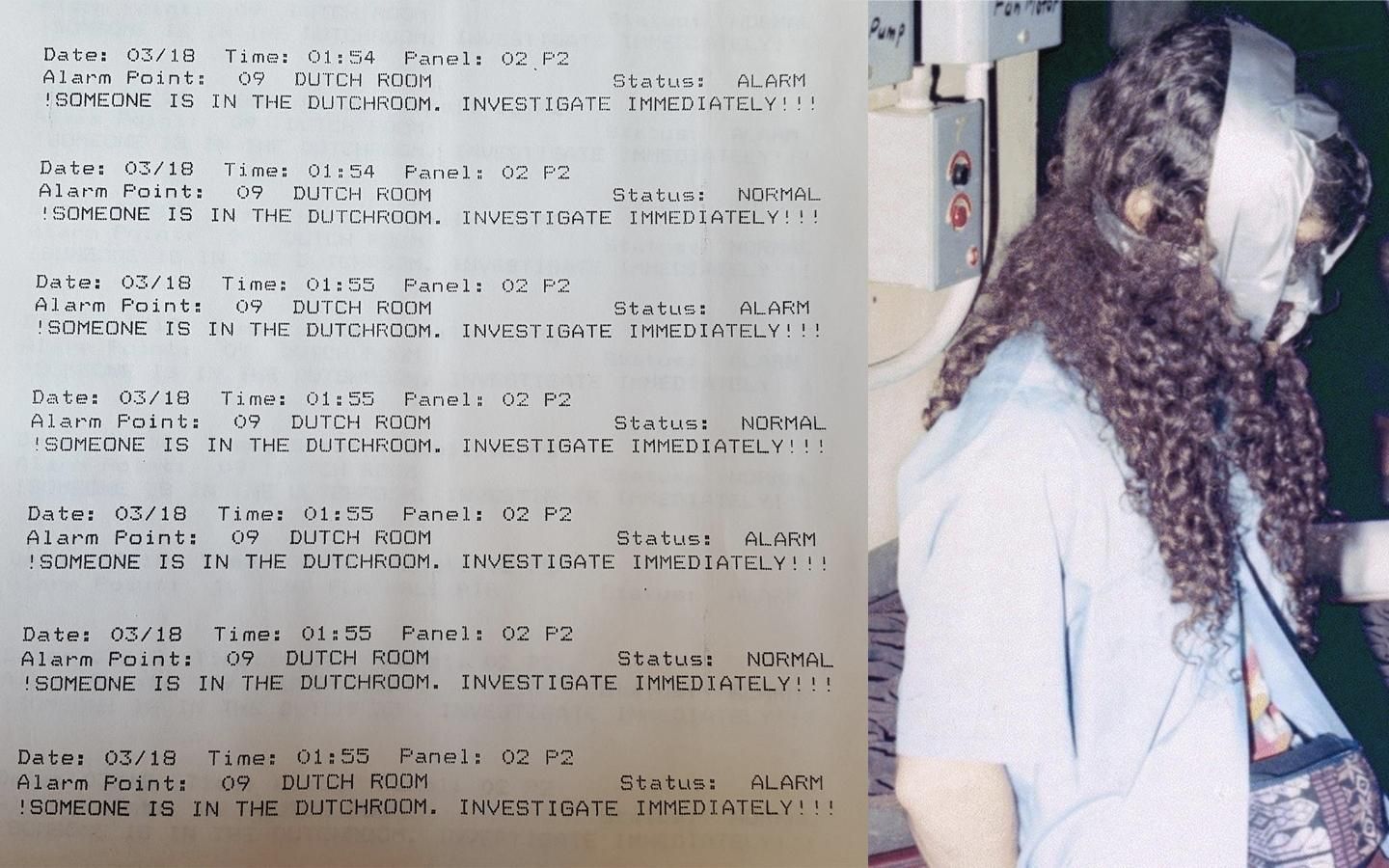
These two men disguised as BPD were art thieves. They overpowered the hapless men and duct-taped both guards' eyes shut, taped one guard’s chin to the other guard's head, and handcuffed him to an electrical box.
They were considerate enough to leave holes for their noses so they could breathe. Next, the thieves disarmed the museum’s CCTV video cameras and set about ransacking one of America’s finest private art collections.
THE DUTCH ROOM
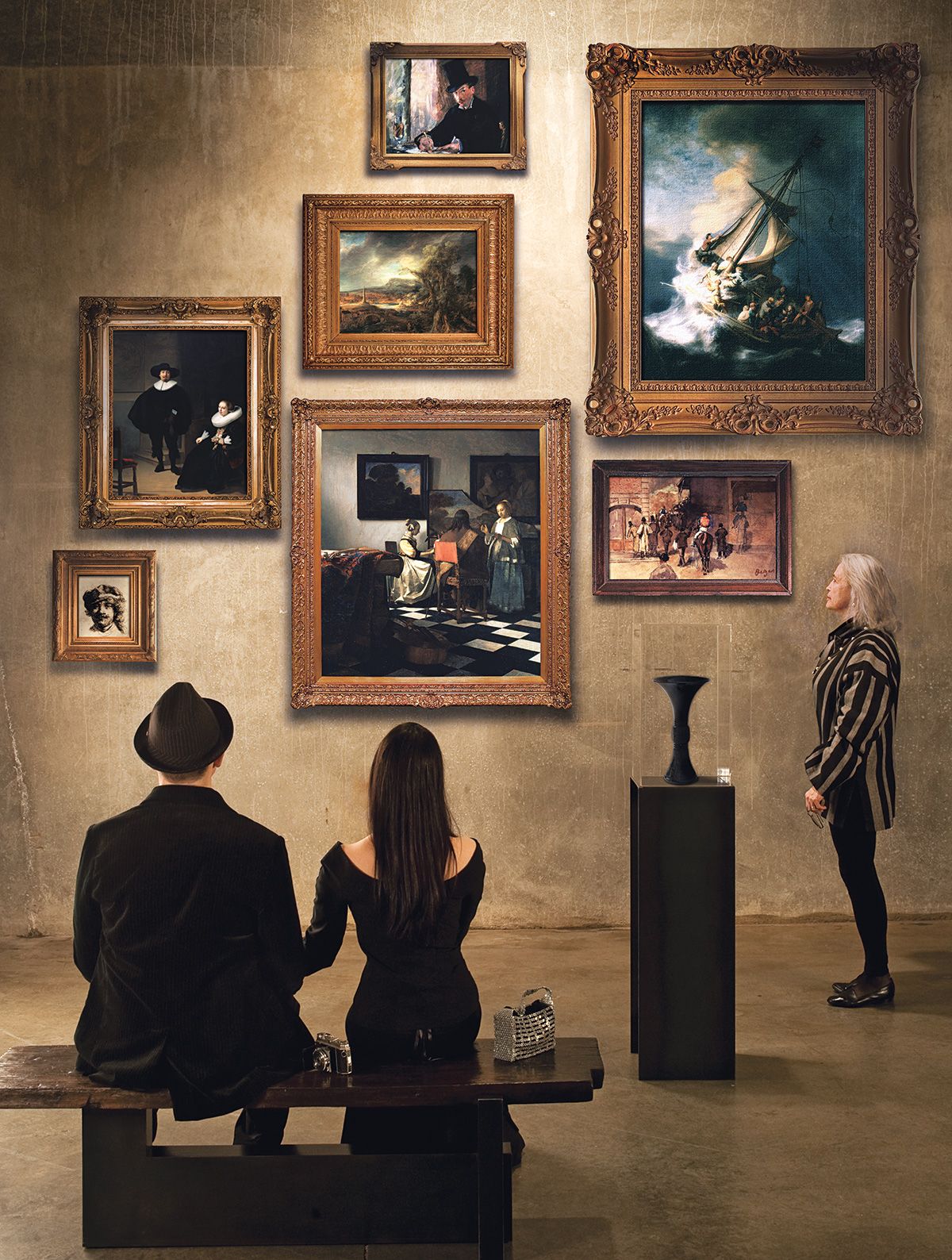
The audacious art thieves made their way up a grand flight of marble stairs to the second floor and the aptly named Dutch Room. There, the intruders set about ripping one of Rembrandt’s earliest self-portraits from 1629 off the wall. They tried in vain to pry the wooden panel from its heavy gilded frame, but when Mr Rembrandt wouldn’t budge, they left him on the floor.
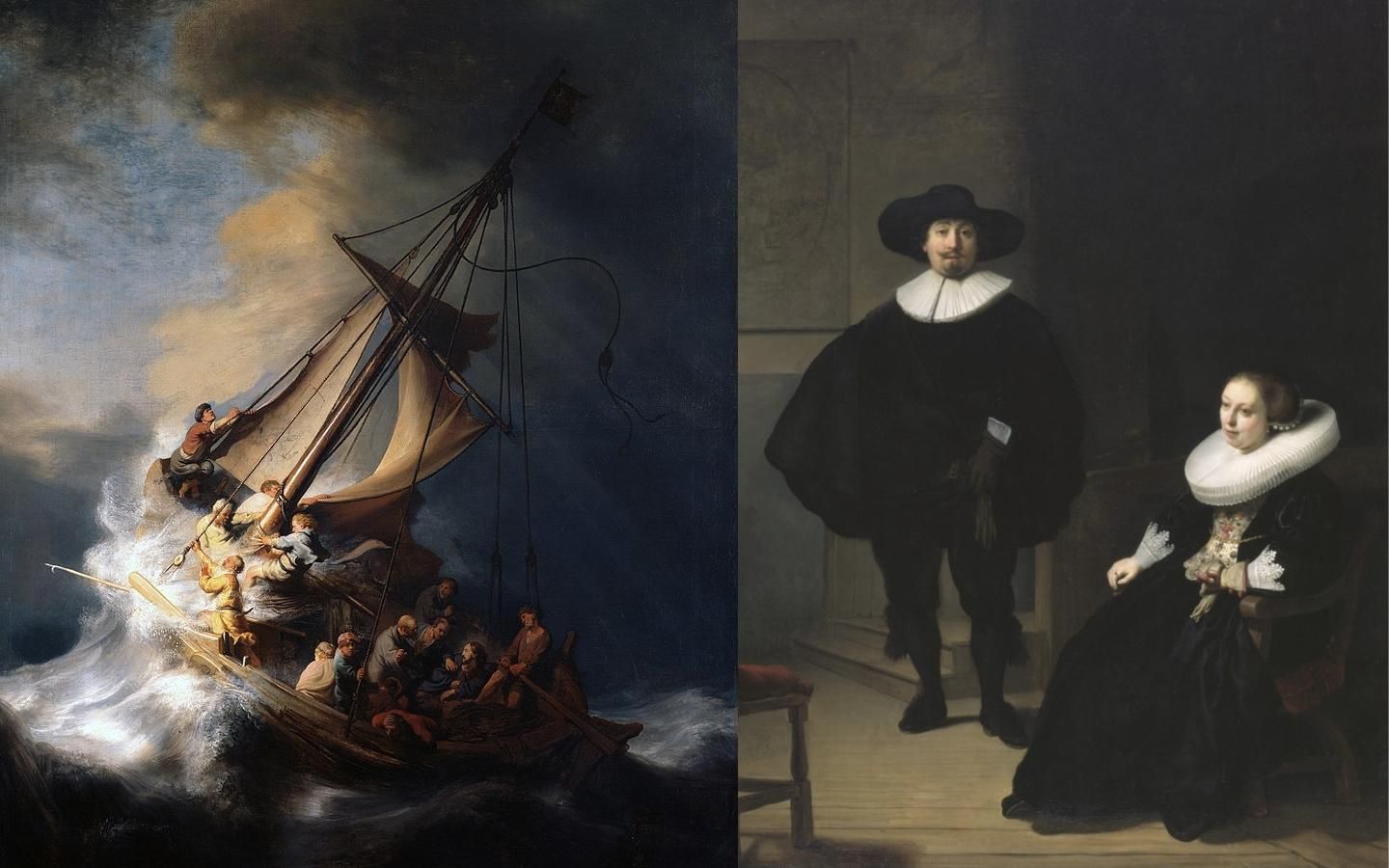
Moving to the Dutch Room's south side, they cut two more priceless Rembrandt canvases from their frames. The first was Storm on the Sea of Galilee, which depicts Christ and his disciples struggling to keep their fishing boat afloat in a torrid tempest.
The oil painting is the Dutch master’s only known seascape, created in 1633 and worth countless millions. The second was a double portrait titled A Lady and Gentleman in Black, again by Rembrandt and thought to be from the same year.
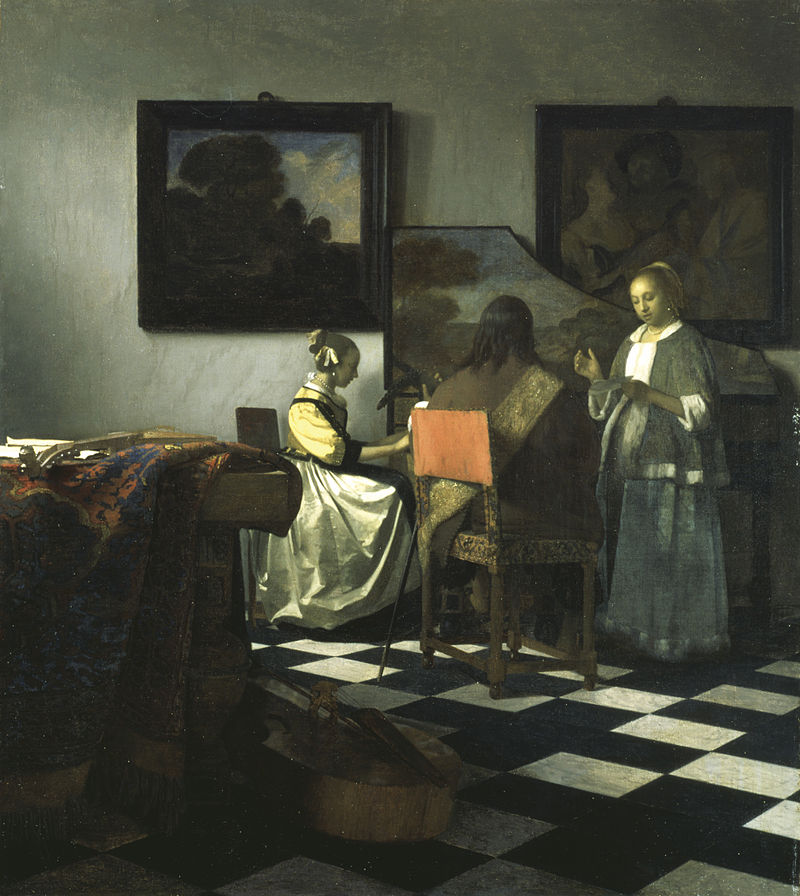
Next, they helped themselves to The Concert; Johannes Vermeer's beloved painting of a man and two women performing music from circa 1660. If you recognize the name, Vermeer painted the infamous The Girl With The Pearl Earring (1665). Isabella Stewart Gardner had bought The Concert at an auction in Paris in 1892 for $5,000. It is now valued at US$250 million and is thought to be the most expensive object to have ever been stolen.
Next in their swag bag went Landscape With Obelisk by Govaert Flinck (1638), which was long believed to have been another Rembrandt van Rijn, but whose monogram had been forged.
They also bagged a bronze Chinese Gu beaker from the Shang Dynasty (1200-1100 B.C.) and snagged another Rembrandt from the side of a chest. This time, it was a tiny, one-and-three-quarter-inch-by-two-inch, postage-stamp-sized self-portrait etching titled Portrait of the Artist as a Young Man (1633), before they moved on to...
THE SHORT GALLERY
Thankfully ignoring two galleries full of Botticelli and Raphael’s Renaissance-era paintings, the burglars’ next port of call was The Short Gallery. There, under the disapproving eyes of Isabella Stewart Gardner’s own portrait, they helped themselves to five drawings by French Impressionist Edgar Degas.
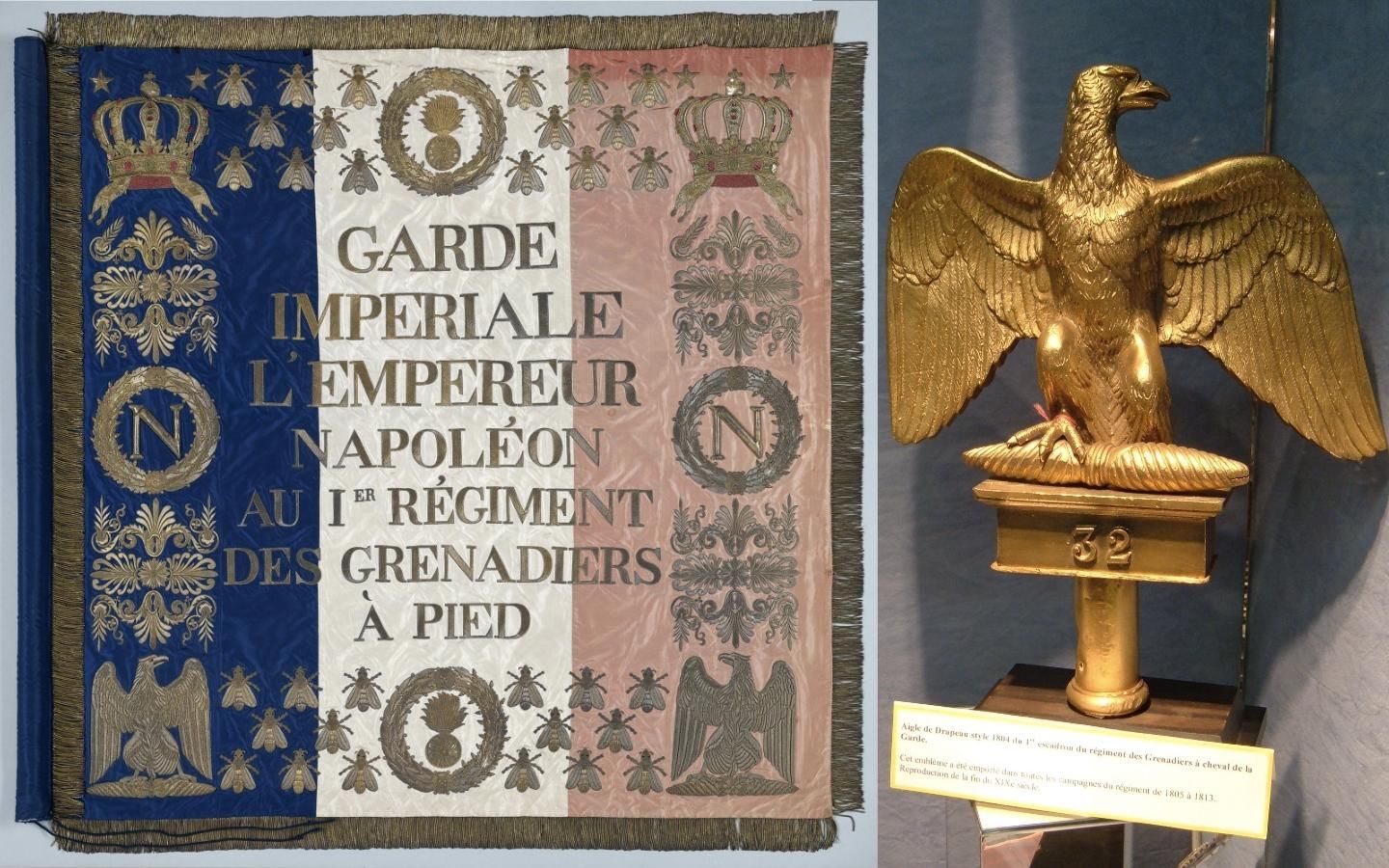
Somewhat bafflingly, they next attempted to wrestle the silk Insignia of the First Regiment of Grenadiers of Napoleon’s Imperial Guard (1813-1814) from its frame. Because where else are you gonna find Napoleon artefacts if not the short gallery?! But, like Mr Rembrandt a few minutes before, Napoleon wouldn’t budge, so they had to settle for the flag's bronze eagle finial.
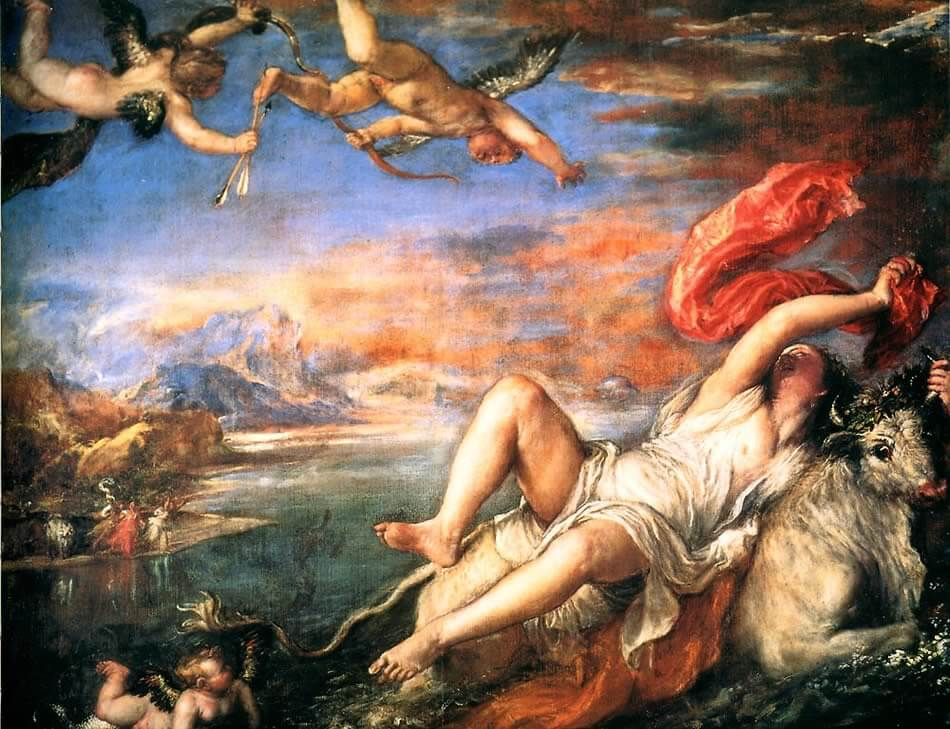
If the two burglars had only ventured up one more flight of stairs to the third floor, they would have found perhaps the most valuable painting in the building, Titian’s The Rape of Europa, which the Venetian Renaissance master painted around 1560. Miraculously, it was left untouched.
THE BLUE ROOM
Instead, they made their way back down to the ground floor’s Blue Room, where they bagged a 10 x 10-inch Manet oil portrait of a man wearing a top hat and sitting in the Café Tortoni de Paris, titled Chez Tortoni.
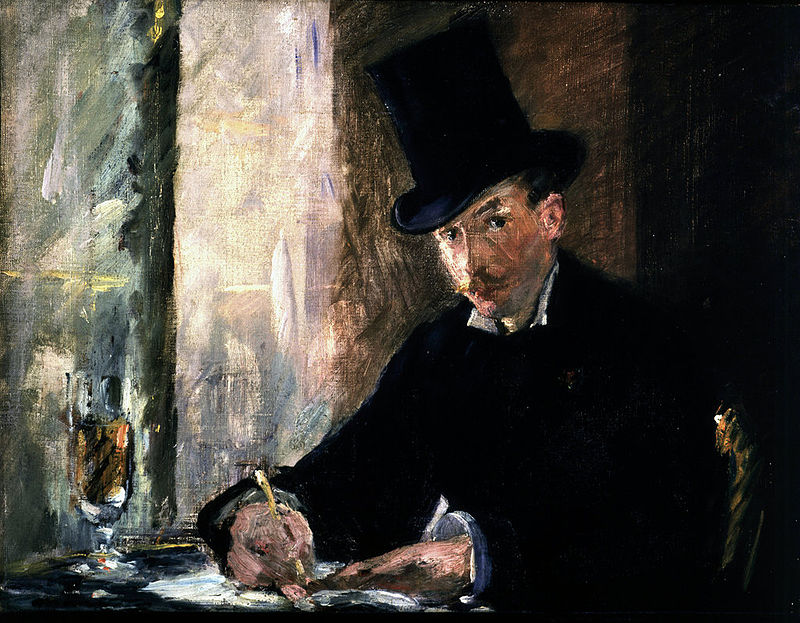
When they ventured too close to one painting, the two burglars set off an alarm. Figuring they were rumbled, they smashed it to smithereens. Job done! Now, as a budding art detective, the first question on your lips should be ‘Why did they ignore much more valuable works of art?’ We'll make a sleuth out of you, yet!
This was no The Thomas Crown Affair (1968), Ocean’s Eleven (2001), or The Italian Job (1969). An expertly planned, timed-to-the-second, in-and-out heist this was not! It seemed too haphazard; too lackadaisical. Or was it?
Were these two art thieves just two opportunistic, bungling burglars or were they purposefully ignoring more valuable works like Titian’s Europa (pictured, below) and sticking to the Dutch Masters because they were stealing to order for a Rembrandt fan who liked eagles?
Making two separate trips to their small red hatchback, the raiders spent a mind-boggling 81 minutes going about their burglary business; almost an hour and a half where anything could have gone wrong... like the tied-up security guards raising the alarm.
Speaking of whom, as the thieves left the building, they told the guards: “You’ll be hearing from us in about a year.” They disappeared into the night with 13 priceless paintings and were never heard from again!
THE ROBBERY IS DISCOVERED
At 8.15 a.m., a full seven hours after the raid began, the real Boston police showed up. Apparently, they'd taken so long because they were buying kwaffee and donuts. The two security guards were found bound and gagged. Rick Abath told Boston’s finest that: "They had hats, badges, they looked like cops, and I let them in."
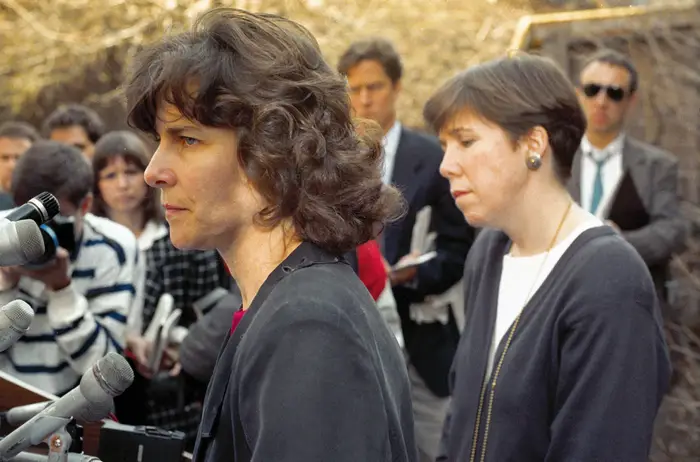
Later that day, the museum’s curator and director – Karen Haas and Anne Hawley – held a joint news conference telling reporters the stolen art was worth "more than $200 million." You can multiply that by five today. Yet, it was impossible to put an exact value on the stolen art because they had been purchased decades earlier, so there were no comparable sales. Anne Hawley suggested it was a made-to-order crime… an art thieves' hit list.
Despite doing very little, reports in The New York Times suggested that the two men who had just carried out the most lucrative art heist in the history of the USA had zero clue just how valuable the art was.
The Times' evidence was that the men had cut the art from the frames with knives, and no art aficionado would dare do that. But amateur or pro, they left detectives very little to go on: Aside from a few fingerprints, there were no footprints, no CCTV footage, no nothing. Perhaps these two bungling burglars knew exactly what they were doing, after all.
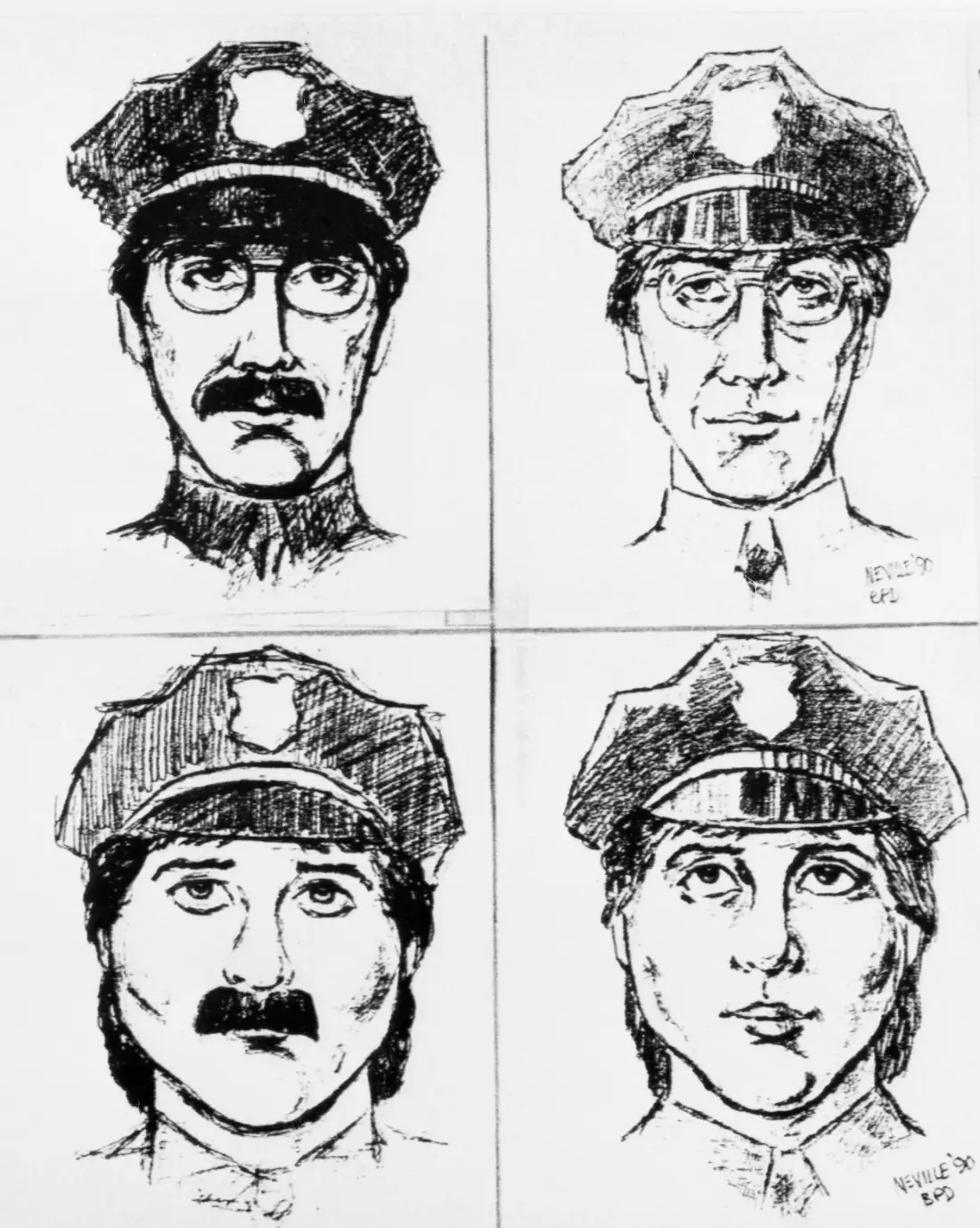
The only thing they did leave behind was a “cascade of 360-year-old paint chips” and the usual, laughable police sketches. The FBI provided these drawings of the two men – with and without mustaches – and let's just say, they ain’t exactly Rembrandt portraits!
One suspect was a white male of medium build, with dark hair and eyes who wore wire-rim glasses AND A FAKE MUSTACHE. The other suspect was a larger white male in his early 30s, with dark hair and eyes AND A FAKE MUSTACHE!
THE USUAL SUSPECTS
The FBI joined the robbery task force and began following leads. The New York Times reported that four days after the robbery on March 22nd, “agents were interviewing almost anyone with even a remote tie to the museum, including caterers and repairmen." Yet Hawley was dismayed that the first FBI agents on the case seemed a little green behind the gills.

Years later, Hawley (pictured, above) told Ulrich Boser, a journalist who wrote a book about the theft: "Why didn't the FBI have the capacity to assign a senior-level person? Why was it not considered something that needed immediate and high-level attention?"
Negativity aside, within days of the theft, one-time member of a famous Boston art theft ring, William P. Youngworth III, became, and remains, a focus of the FBI investigation. Remember that name; it’s important.
Another of the first names to spring to mind was Brian McDevitt, a well-known but rather inept Bentley-driving Bostonian conman with the ludicrous alias Paul Stirling Vanderbilt. He had previously attempted and failed to steal a Rembrandt painting from The Hyde Collection in Glens Falls, New York, in 1981... which he served time for.
During his botched robbery, McDevitt had disguised himself as a FedEx driver and carried handcuffs and duct tape. Furthermore, he was also known as a flag collector. Oh, and besides his thinning red hair, he fit the description of the larger art thief to a T.
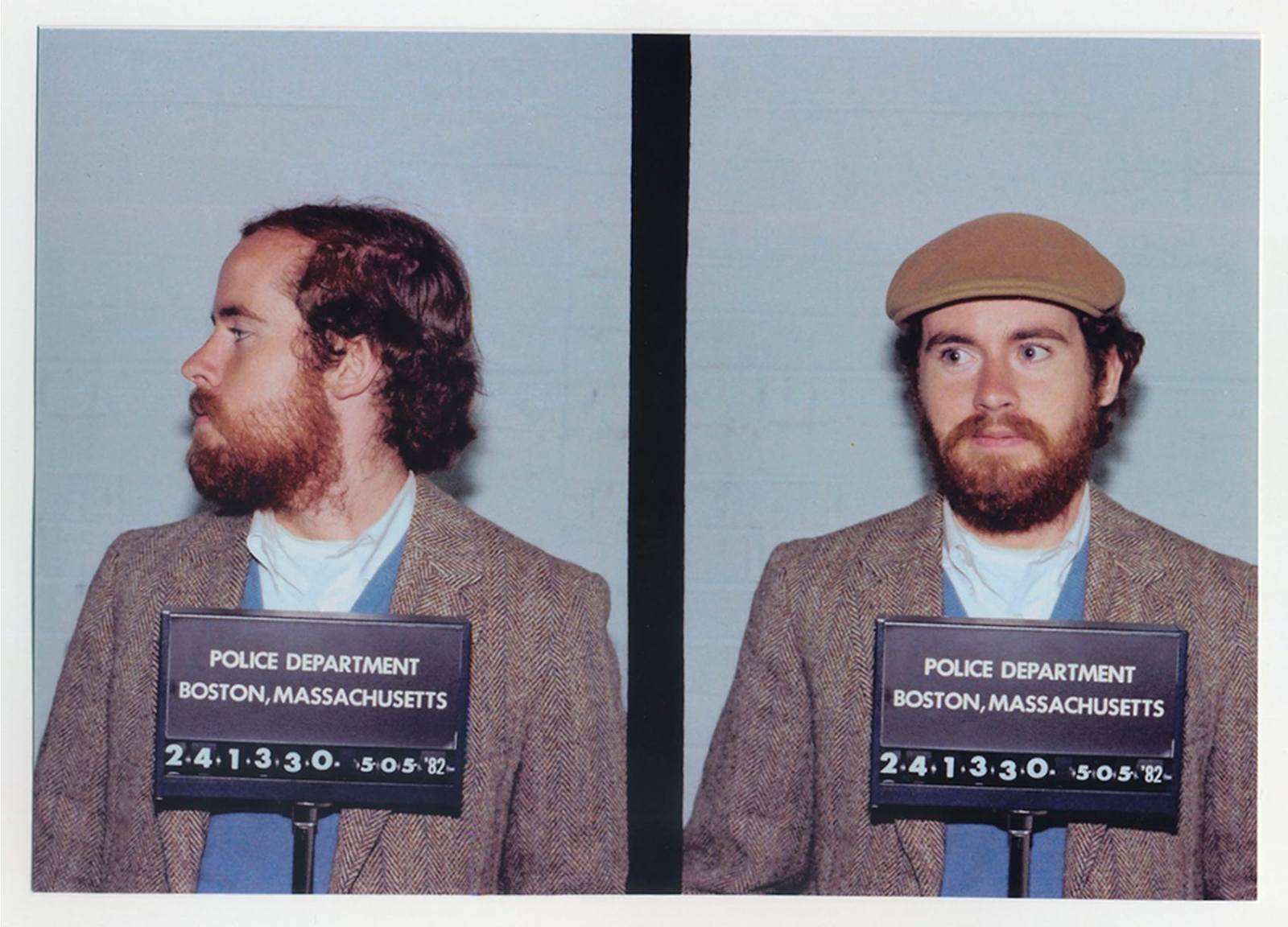
All these similarities to the Gardner Museum Heist caught the FBI’s attention, so they hauled McDevitt in for an interview in late 1990. He denied any involvement but refused a polygraph test.
His fingerprints didn’t match those at the crime scene. Later, McDevitt moved to California and somehow conned his way into being a film and TV writer, stating he wrote for The Wonder Years. He died in 2004.
Often, High Art theft is a victimless crime; what we mean is it’s rarely a matter of life or death. Art thieves generally have enough honor not to maim or kill; the owners who lose the art are multi-millionaires, and the art is always, always insured to the hilt, right?
Ah… well, now you come to mention it… there was one massive, glaring problem. Despite being home to 2,500 priceless pieces of art, the Isabella Stewart Gardner Museum was not insured against theft.
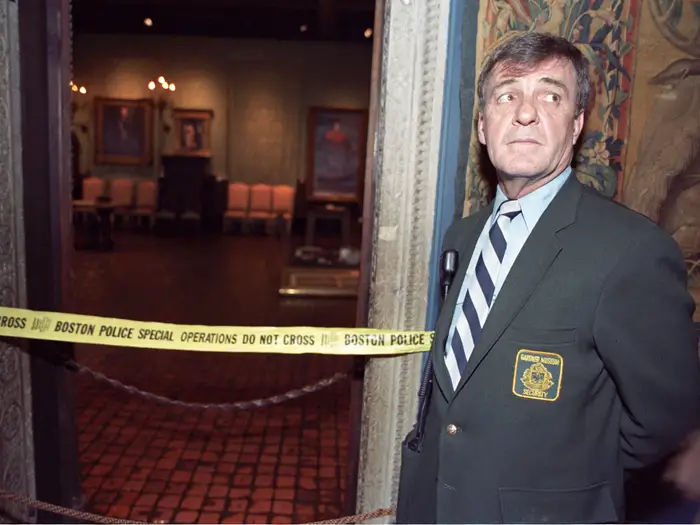
So, the museum offered a $1 million reward for the safe return of the works, but that prompted next to no leads. Director Anne Hawley was working hard to try to get the stolen paintings back.
At one point, WBUR radio station even reported that she had requested the Vatican to issue a papal appeal to recover the artworks. Nowadays, the reward stands at $10 million; the largest bounty ever offered by a private institution. But if you’re thinking of trying to uncover the lost loot, you won’t be the first…
After hundreds of tip-offs and one botched FBI mission to Japan in 1992, the first seemingly bona fide lead turned up in 1994. Anne Hawley received an anonymous letter written within New York.
The letter stated the stolen paintings would be returned for a ransom of $2.6 million, plus full immunity for both the thieves and the handlers who were keeping the paintings in another country. What country might that be? Well, you'll have to read on to be sure... to be sure.
Like the Zodiac Killer, the letter writer asked that The Boston Globe place the number 1 into their currency box if the museum wanted to accept this deal. Hawley took the letter straight to the FBI, and then the newspaper.
As asked, The Globe ran the numero uno amongst the Italian Lira's value. Next, Hawley received a second letter saying the author had concerns about the FBI’s involvement, and she never heard from them again.
The FBI urged the museum to up the reward to $5 million in July 1997, and lo and behold… shock and awe... within weeks, antique dealer/petty criminal William P. Youngworth III came out of the blue to make a stunning announcement from outside the Boston court, where he was about to face firearm and drug possession charges.
He said he could retrieve eleven of the artworks but, in exchange, he wanted the $5 million reward, immunity from prosecution, and one notorious art thief to be released from prison three years early.
That notorious art thief was one Myles J. Connor Jr. He had the perfect alibi; he was in prison when the heist took place on St. Patrick's Day in March 1990. Still, authorities had suspected he was somehow involved, since – according to The New York Times – he had previously "scoped out" the Gardner Museum.
Incidentally, the museum was well-known as a soft target among art thieves. Also, Myles J. Connor Jr. had previously assisted Boston's Museum of Fine Arts to recover a different stolen Rembrandt painting.
A week after his first press conference, Youngworth took intrepid Boston Herald journalist Tom Mashberg to a warehouse lock-up and showed him Rembrandt's painting of Jesus and his disciples on the fishing boat.
In a Vanity Fair article called "Stealing Beauty", Mashberg described seeing the painting: "Gingerly, he extracted a large, rolled-up canvas, which he unfurled before me. It was, I am certain, Rembrandt's Storm on the Sea of Galilee, arguably the most famous missing painting in the world."
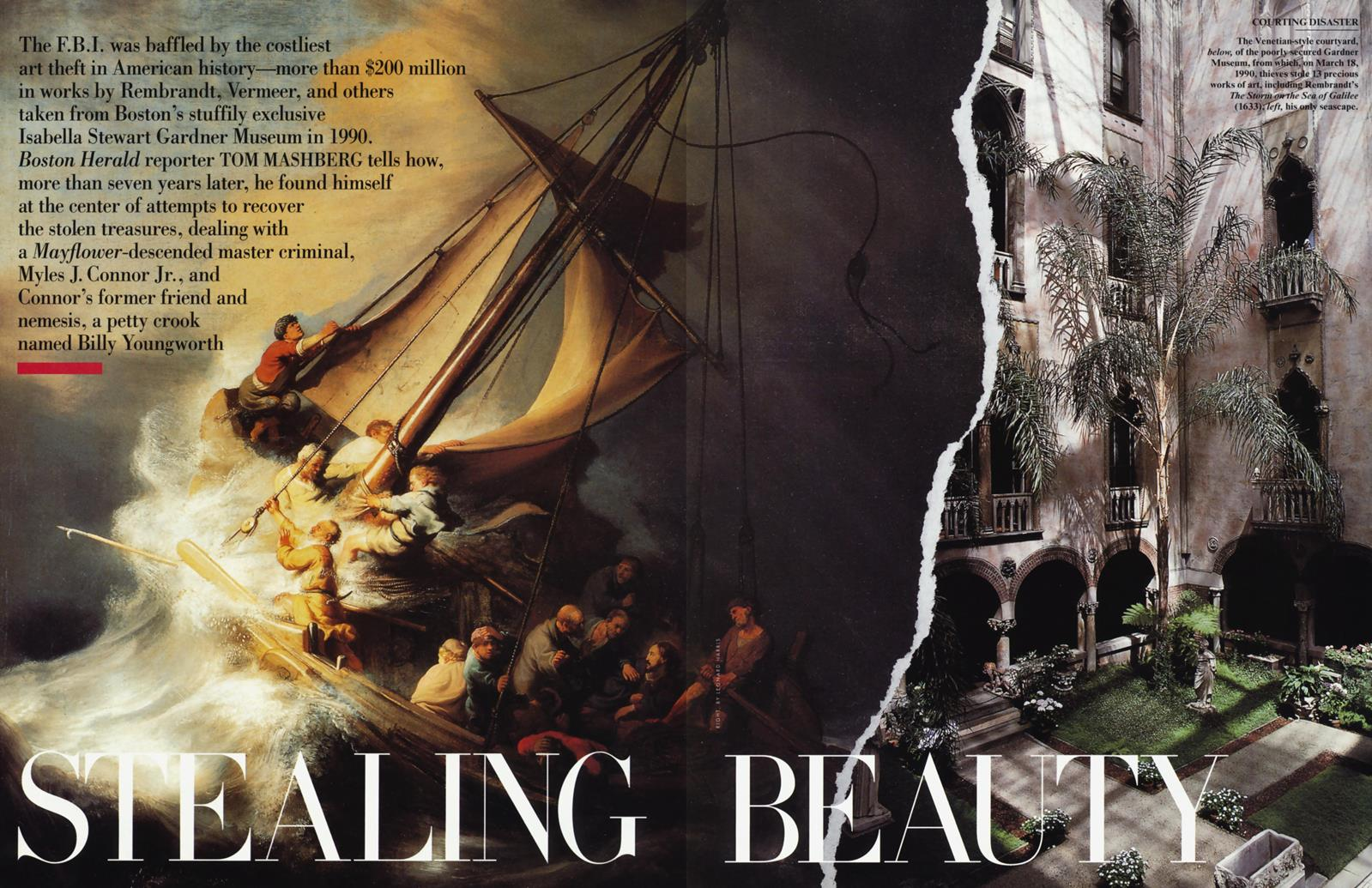
"I saw frayed edges, where the painting had been cut from its frame on the night it was stolen, and I was shown, in the flashlight's beam, Rembrandt's signature," he wrote. Mashberg also wrote that Youngworth was frequently the person who looked after goods stolen by his former friend and accomplice turned nemesis... Myles J. Connor Jr.
In August 1997, Youngworth appeared on ABC News' Nightline show, saying he could probably facilitate the artwork's return. He also clarified he couldn’t have stolen the paintings, as he too was in prison in Memphis, Tennessee, in March 1990.
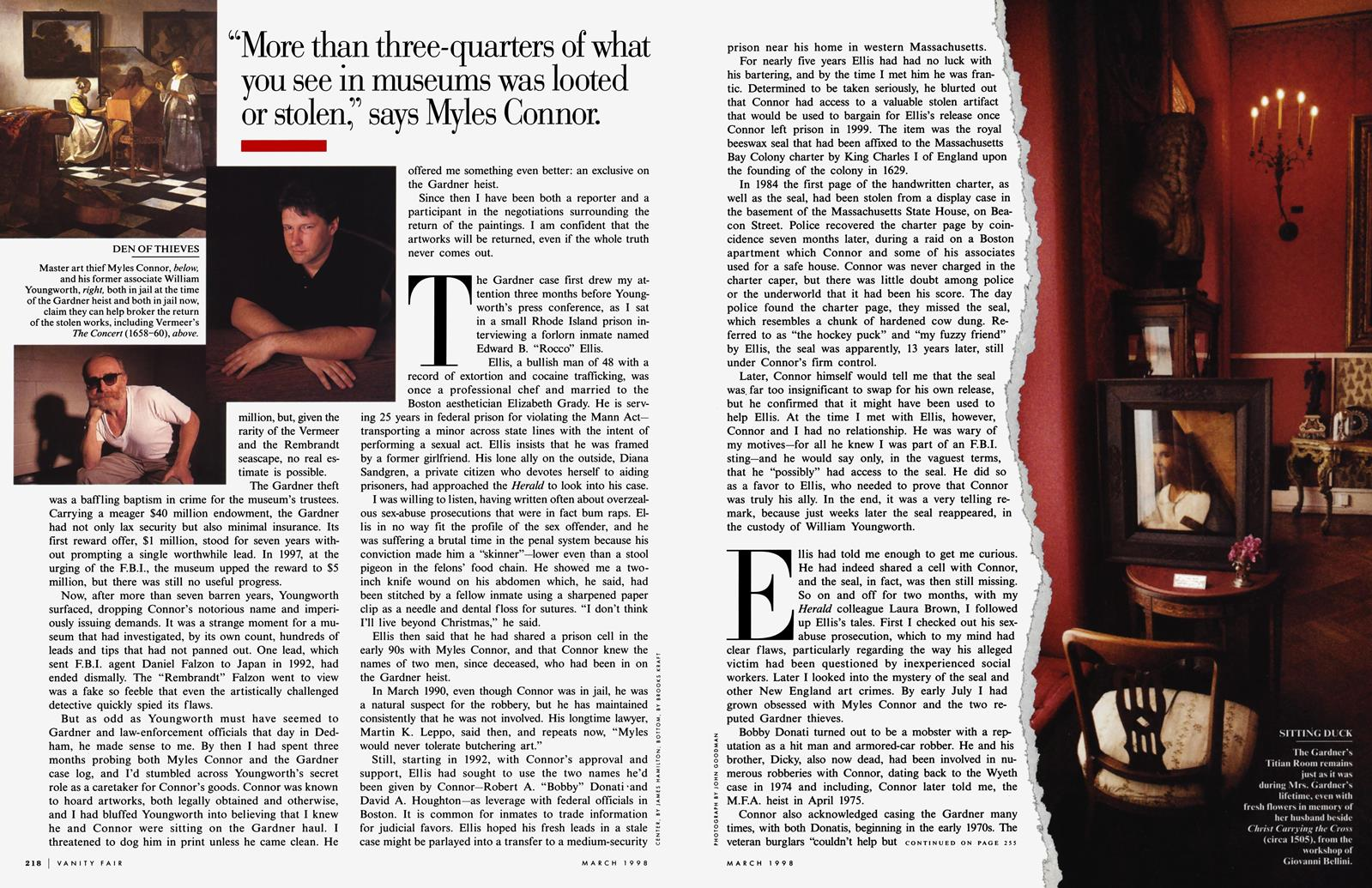
And so began a high-stakes, cat-and-mouse battle of wits between Youngworth and the FBI. He wanted to prove he could get the art back without giving the Feds proof to put him back behind bars. Youngworth told Nightlife the art could still be returned safely, but only if he wasn't forced to snitch. "Make the choice," he taunted the FBI: "Do you want to put somebody in a cell, or do you want the art back?"
Well, the museum wanted the art back, but the FBI’s only concern was an arrest as they didn’t want the thieves to get away with a deal. They weren’t going to let a petty convict like Billy Youngworth be the hero to recover the art. Youngworth went to jail again for his firearms and possession charges, and the trail went cold until...
THE MEETING
Billy Youngworth was released from prison in 1999, whereupon Anne Hawley and President of the Stride Rite footwear company (and wealthy Gardner Museum board member) Arnold Hiatt sat down with Youngworth at the Hotel Plaza Athenee in New York's Upper East Side to try and strike some kind of deal so they could get the missing paintings back. They handed over $10,000 in good faith and said the museum could use its political influence to get the FBI and federal prosecutors off his back.
On a tape obtained by ABC News, Hiatt states that influential Edward Kennedy, then-Democratic Senator for Massachusetts and brother to JFK and RFK, was a friend of the museum and strongly inferred he was the one person who could intervene to help Billy’s case. Senator Kennedy’s people, of course, denied he would get involved, and the deal dried up.
Youngworth stated: "Everybody was looking for it," he said. "And I don't mean the police… Somebody was just extremely clever and quiet and was sitting on it for several years until things cooled off."
He claimed that sometime later, the 13 stolen pieces of art somehow found their way to a Boston underworld boss named Joe Murray. He'd been convicted in 1987 for drug smuggling and gun-running for the Irish Republican Army (IRA), a terrorist group that carried out bombings.
Those involved in the case believe Joe Murray bought the stolen art off the original thieves for a paltry $300,000! Some investigators believe the art had been stashed at Murray’s home in Maine, but after Murray had been shot dead by his wife in 1992, the art was then passed into Youngworth’s care to keep it out of the hands of rival Boston underworld families. Speaking of whom…
WHITEY BULGER
At one point, James “Whitey” Bulger, one of the most powerful crime bosses in Boston, and played by Johnny Depp in the Hollywood gangster movie Black Mass (2015), was investigated for the crime by FBI agent Thomas McShane.
Two of Whitey's associates, the aforementioned Joe Murray and Patrick Nee, both claimed they “had access to the stolen paintings in the early 1990s”. Yet, Bulger claimed he had nothing to do with the robbery and had, in fact, sent his goons out to try and find out who did it, as the crime took place on his turf and he wanted his “tribute” payment.
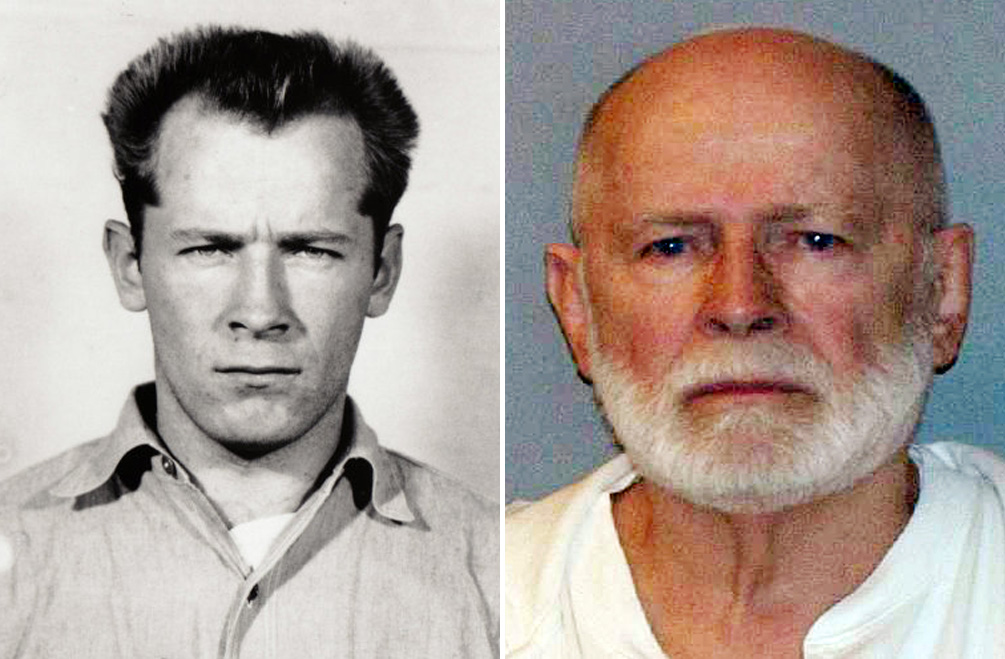
Bulger had strong ties with the Boston Police, which could explain how the thieves got their hands on real police uniforms (and fake mustaches!) Whitey also had relations with the IRA.
McShane identified that the IRA were known for carrying out similar robberies and the fire alarm being tripped bogusly before the heist as one of their well-known calling cards. McShane's investigation, however, did not produce any evidence tying the Irish terrorist group to the robbery, but there is certainly a strong connection to The Emerald Isle.
THE MERLINO GANG
In 2013, the Federal Bureau of Investigation announced a significant development in the 23-year-investigation. They reported "with a high degree of confidence" they’d identified the thieves, whom they believed were Merlino Gang members. Yet, the FBI stopped short of actually, you know… doing their job and naming names.
That said, the two men are believed to be Robert Guarente and Robert Gentile. Their gang pledged fealty to Boston Mafia boss Frank Salemme and ran their operations out of a car repair shop run by Carmello Merlino.
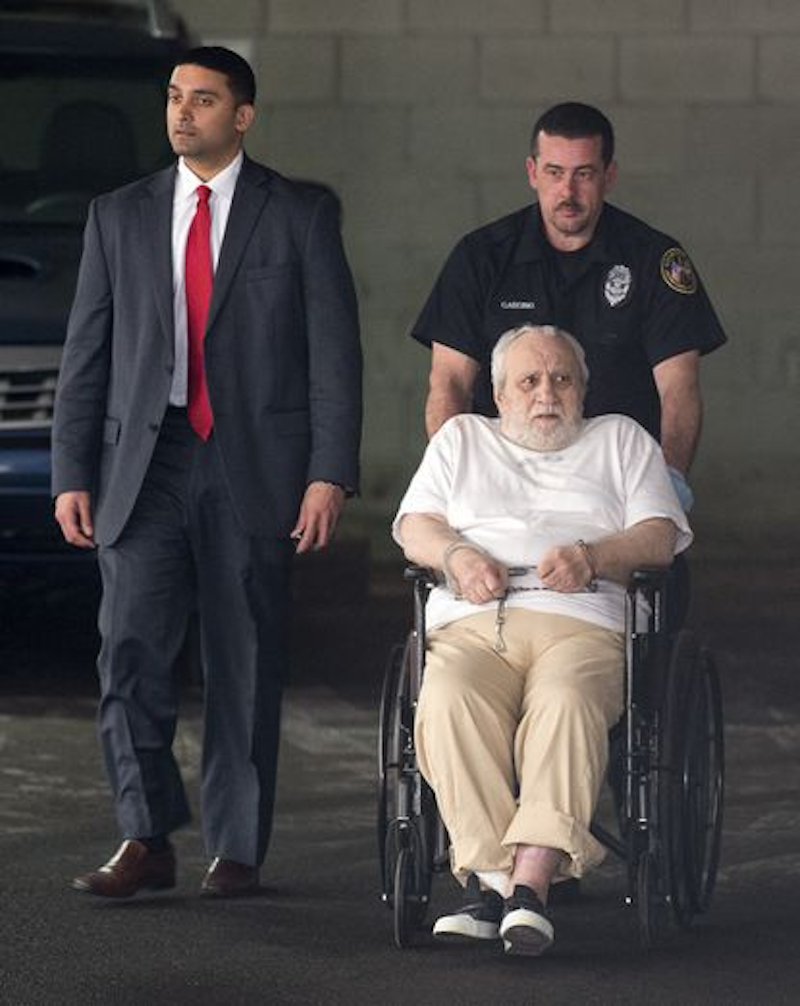
Guarente died from cancer in 2004 but, in 2010, his widow Elene told the FBI that her husband had owned some of the stolen paintings. She claimed that when he first had cancer in the early 2000s, he gave the paintings to Robert Gentile for safekeeping.
After Gentile (pictured) was arrested on drug charges in 2012, the Feds raided his Manchester, Massachusetts, home and found a secret ditch under a false floor in his backyard shed. The ditch was empty, and Gentile has always denied he played any part in the robbery.
THE BOSTON MAFIA
The FBI suspected two more with Merlino Gang connections. The first was David Turner. Investigations into him began way back in 1992 when a source told them Turner had access to the paintings. Turner denied involvement, but the FBI believed he may have been one of the culprits.
That same year, Carmello Merlino was arrested for trafficking cocaine, and he quickly tried to strike a deal, saying he could return the paintings for a reduced prison sentence. In 1999, the FBI again arrested Merlino, David Turner, and others on their way to rob a Loomis Fargo vault.
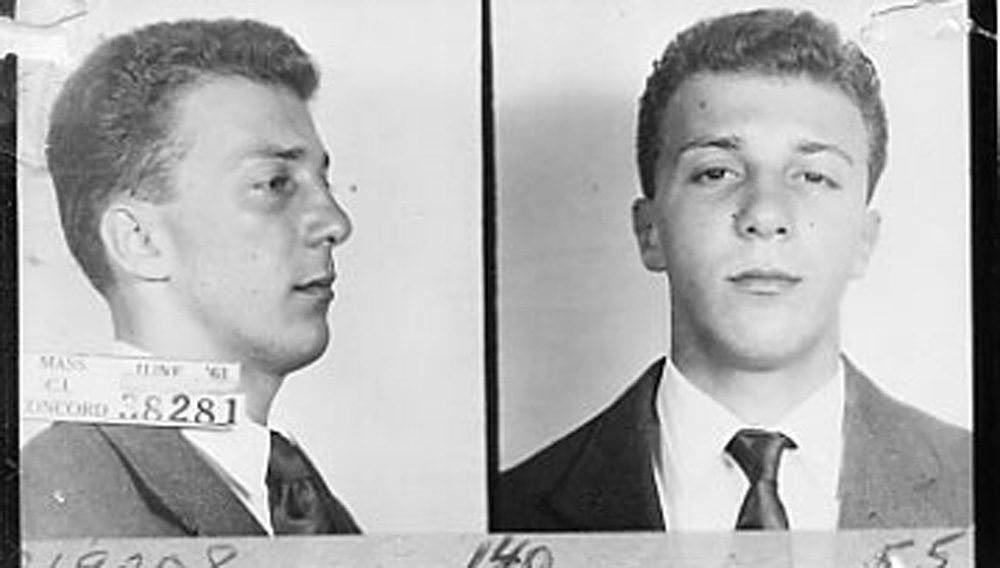
The next suspect was white-collar criminal, gambler, and wannabe mobster, Bobby Donati (pictured, above), who had been snitched on by Myles J. Connor Jr. The two had worked together on past art heists, and they had even cased out the Gardner Museum together.
Informant Connor also claimed that a criminal called David Houghton visited him in jail after the heist and said that he and Donati organized it and were going to use the paintings to get Connor out of jail. Donati was killed in a gang war within the New-England-based Italian-American Patriarca crime family, the real name behind the Boston Mafia.
GEORGE REISSFELDER & LENNY DIMUZIO
In 2015, two more suspects with close connections to the Merlino Gang were outed as the two culprits in the art world. They were George Reissfelder and Lenny DiMuzio, and you can definitely see a resemblance to the police artist's sketches. Lenny was even allowed to wear his fake mustache in the police lineup!
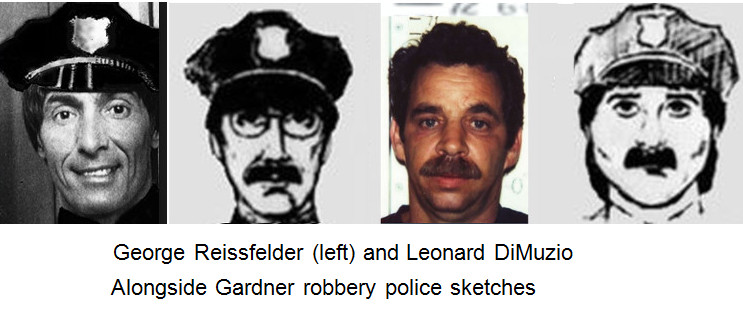
However, neither can confirm nor deny their involvement because, in 1991, just one year after the raid, George Reissfelder died from a drug overdose. Police raided his home and found no evidence of a connection, but his siblings recall seeing a painting similar to Édouard Manet's Chez Tortoni in his bedroom. The same year, Lenny DiMuzio was murdered, possibly because Carmello Merlino discovered he was planning a coup against him.
THE BILLION DOLLAR ART HUNT
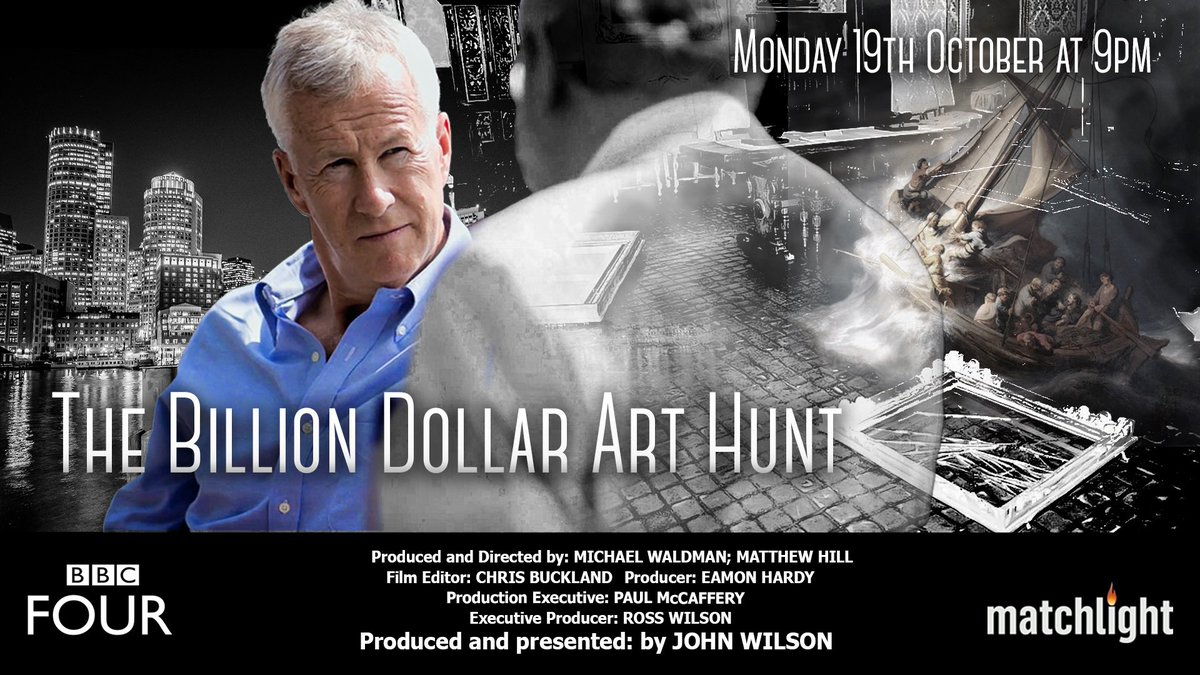
In 2020, the BBC broadcast a documentary on the trove of stolen artworks called The Billion Dollar Art Hunt. The show follows the investigations of Charley Hill, a former detective in London’s Metropolitan Police Art Squad. Charley received a tip-off from a notorious Irish gangster revealing that the 13 stolen works were shipped to... you guessed it; Ireland.
If Irish gangsters and/or the Irish Republican Army were involved, that might help explain why the heist took place on St. Patrick's Day, right?
The Observer newspaper went even further, naming notorious Irish gangster as Martin “The Viper” Foley, a well-known criminal with ties to gangland political violence in the Republic of Ireland for five decades.
In 2019, Foley steered Hill towards striking a deal with the surviving gang members he claims stashed the stolen artwork in a Dublin house 30 years ago. But just as it looked like a deal was on the cards, after attracting some early publicity in Ireland in 2020, Foley, who’s also wanted for unpaid taxes to the tune of €738,449 ($920,000), vanished off the face of the earth.
Rumors say he went into hiding after receiving a warning from the Irish police, who had credible evidence of a serious threat to his life from fellow gang members. Charley Hill is convinced the paintings are in Ireland.
With so many suspects, coincidental deaths and murders in such quick succession, and the Gardner Museum heist becoming criminal folklore, perhaps we'll never truly know who the two robbers with fake mustaches were. That said, the most likely culprits were Guarente and Gentile or Reissfelder and DiMuzio. And as for who ordered the heist, it's a mystery.
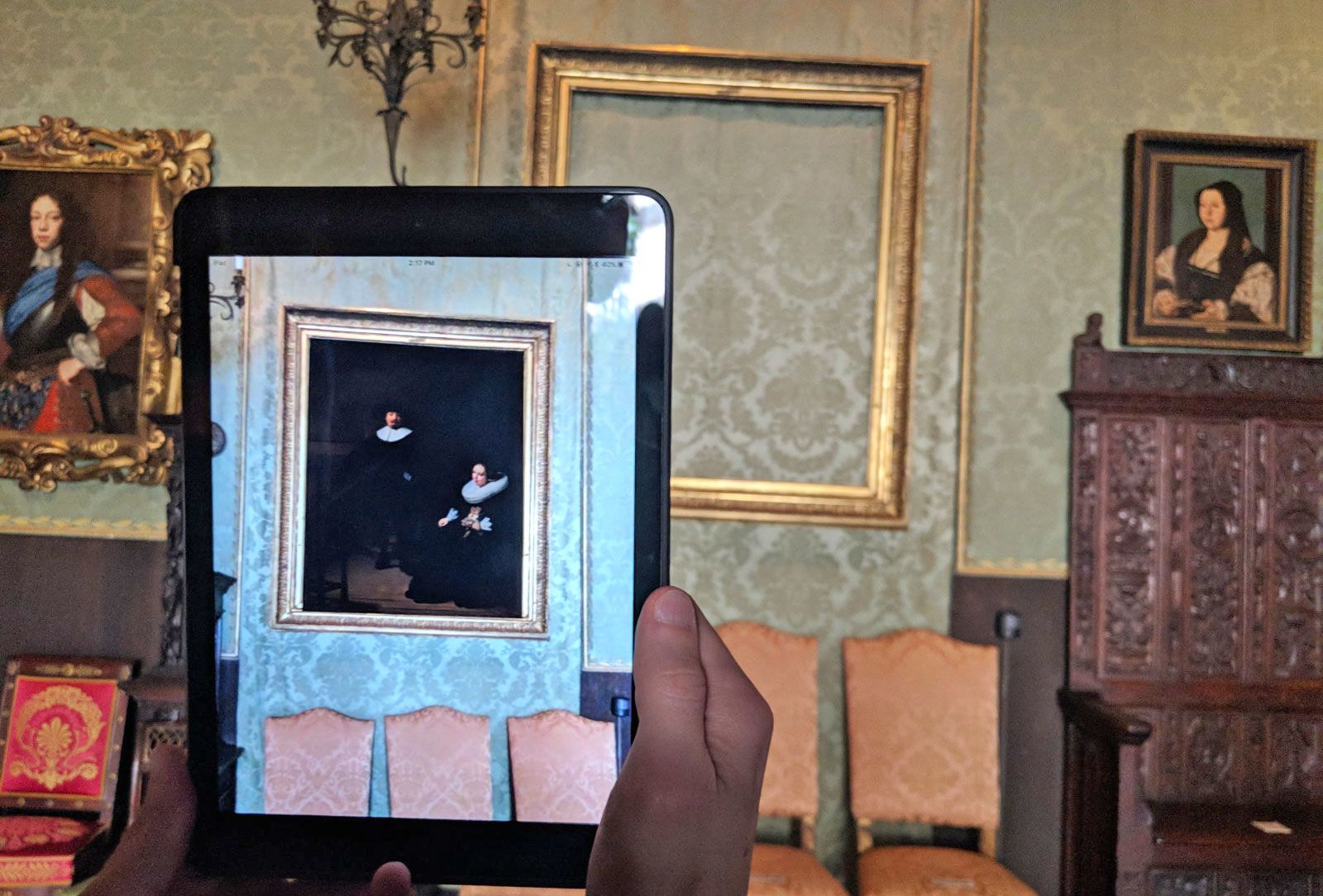
Anne Hawley stepped down from her role as museum director in 2015, having never recovered the missing art. Even today, sad-looking, empty gilded frames still hang as placeholders for the missing works; memento mori for what was lost, yet also symbols of hope, pining for their return.
However, there is good news: An Augmented Reality app has (virtually) returned the paintings to their rightful frames in the Gardner Museum. As for that reward, it still stands: $10 million for information leading directly to the recovery of all 13 works, so long as they are in good condition.
So, if you happen to see any Rembrandt paintings on one of your neighbor's walls, or your boss using Napoleon's eagle as a doorstop as he twirls his fake villain's mustache, you know who to call!
You can watch the wonderful four-part documentary This Is a Robbery: The World's Biggest Art Heist on Netflix from April 7th, 2021.