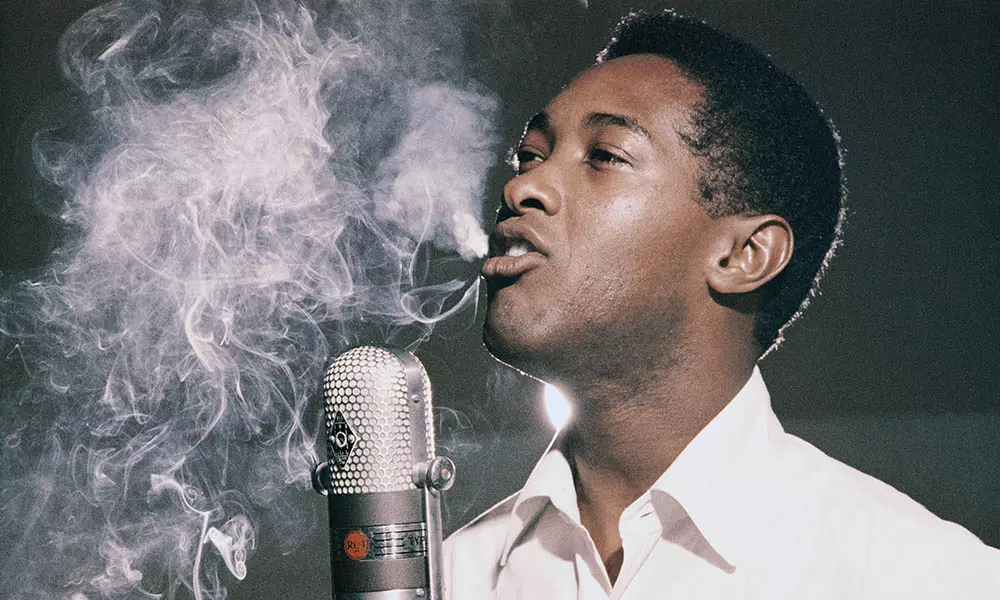
Sam Cooke was the greatest and most influential soul singer of all time. With his effortless, smooth, and silky vocals, he basically invented soul music and inspired countless other legendary singers. But musicians weren’t the only people he inspired; Sam was also a fearless Civil Rights crusader, an African American hero who broke down racial barriers, refused to kowtow to The Man, and helped make the world a better place.
On December 11th, 1964, at the height of his popularity and power, Sam was murdered in mysterious and highly suspicious circumstances. Today, we’ll take a deep, soulful look into the life, career, and death of the Father of Soul Music and try to find out what really took place that fateful night.
On January 22nd, 1931, Samuel Cook – for he added the ‘e’ later – came into the world in the right place at the right time to become a soul singer. As his most famous song attests, he was born by the river in the heart of the Mississippi Delta in Clarksdale, Coahoma County, Mississippi. This little town was unremarkable except for one very, very special claim to fame. Clarksdale, you see, was the birthplace of Blues music.
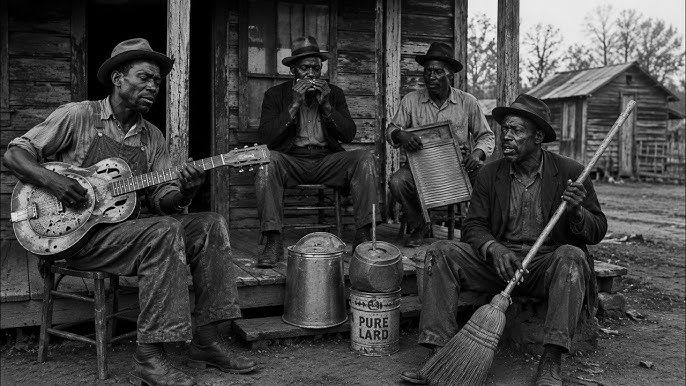
Samuel was born into the Great Depression when poverty and Jim Crow laws were still rampant and devastating the Deep South. Lynchings were commonplace, and slavery lived on in the residual memory. Indeed, Sam's maternal grandmother had been a slave. Sam was born right around the time Robert Johnson sold his soul to the devil at the crossroads where Highway 49 intersected Highway 61 in Cook’s hometown of Clarksdale.
Sam was the fifth of eight children. He had four brothers – Willie, Charles Jr., L.C., and David, and three sisters, Mary, Hattie, and Agnes. Their mother was Annie Mae, and their father was Baptist minister Reverend Charles Cook Sr. The tiny tot and his siblings all developed their early interest in music from the Gospel choirs – which, in turn, were inspired by slaves singing in the fields – at their father’s Chicago Heights church.
In 1933, Sam’s father moved the family away from Mississippi’s enforced racial segregation to somewhere they could thrive. Charles Sr. chose Chicago and soon found work as a minister. Before long, the Cook family became respected members of an upwardly mobile yet still proudly striving community of Bronzeville. They brought their blues roots with them, and the kids formed a musical group called The Singing Children.
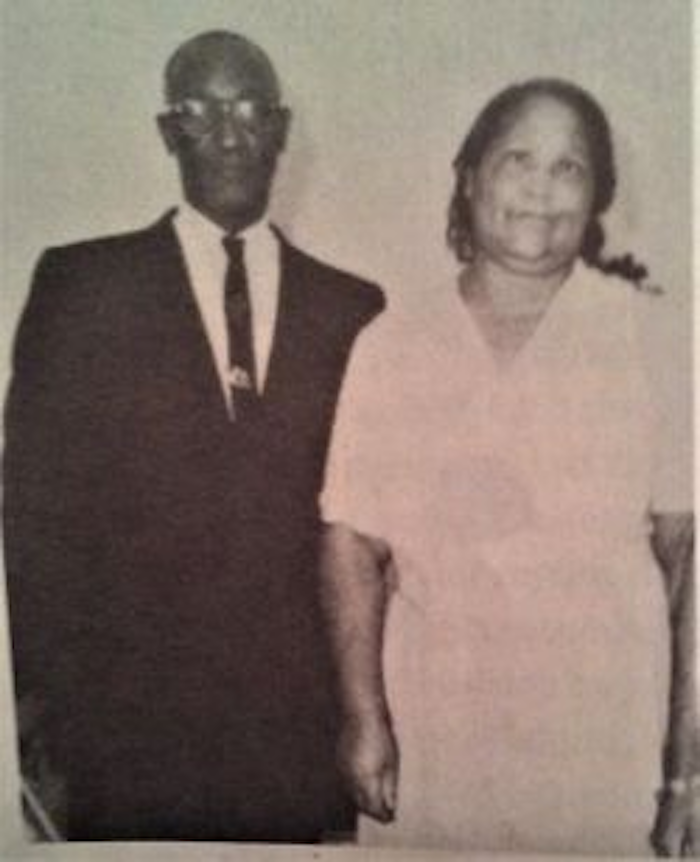
The Reverend had ambitions for all his children, but especially for mischievous, inquisitive golden child, Sam. On the plus side, “Papa Cook” was a huge influence and instilled the values of hard work. Sam explained: "My father told me it was not what I sang that was important, but that God gave me a voice and musical talent, and the true use of His gift was to share it and make people happy."
But Charles Sr. also taught his kids to stand up for themselves and what they believed in. They should respect their elders and authority figures. However, if they were in the right, they should never, ever back down. Not for the white man. Not even for the police. So, when bullies blocked Sam's way to school, he told them he would fight them every day if he had to.
On the downside, their father was also a strict disciplinarian. He forbade his children from watching movies and sports. Instead, school, homework, and singing were the order of the weekday, while church took up all day Sunday. His congregation was mostly made up of local Ford assembly plant workers, and Rev. Charles insisted they sing his favorite song, "This Little Light of Mine,'' before he preached. From the age of six, Sam sang tenor, and everyone commented he was "something special," for Rev. Charles’ flock knew divinity when they heard it.
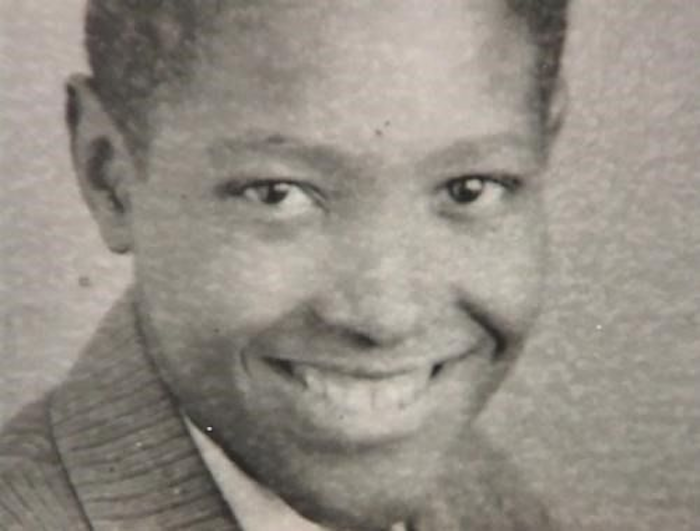
The most important lesson the Reverend taught his brood and his flock was that their ultimate reward would come in heaven. Most toed the line, but one young family and congregation member was having none of it. Sam wasn’t prepared to wait for heaven. Nor did the little rapscallion want to live in a world of fear, his life forever ruled by superstition. Samuel always knew what he wanted; he was going places.
Even as a child, Sam was an ambitious maverick and determined to live life by his own rules. The little entrepreneur would convince other youngsters in the neighborhood to rip down picket fences he could sell for firewood! That might sound serious, but that’s just how you rolled in Chicago back in the day. Everyone had to be a hustler to survive... even the kids.
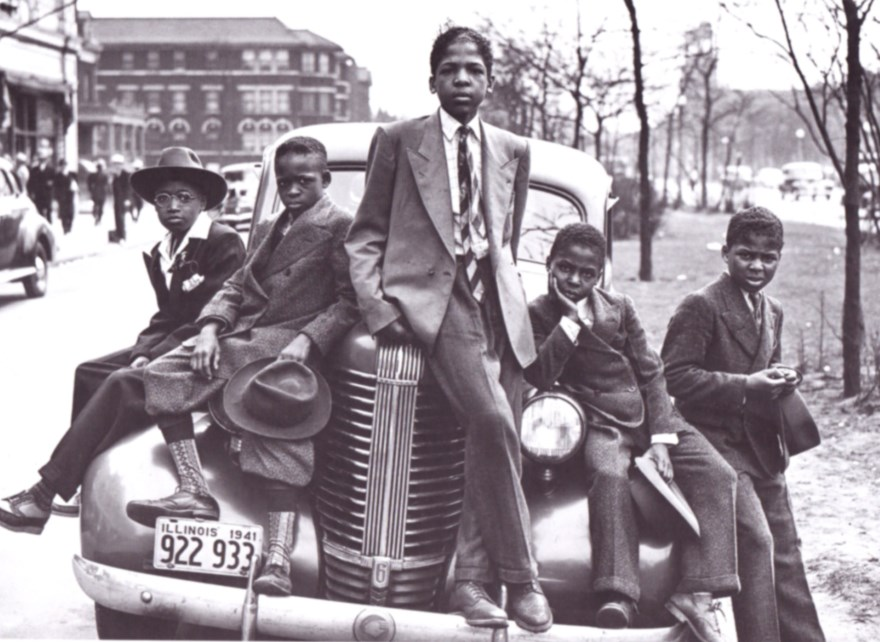
Nine-year-old Sam told his younger brother he would never have a nine-to-five job because: “Man, I figured out the whole system … It's designed, if you work, to keep you working; all you do is live from payday to payday ... at the end of the week; you broke again … The system is designed like that." When L.C. asked how he’d get by, Sam replied, "I'm gonna sing, and I'm going to make me a lot of money." Furthermore, Sam wasn’t going to be told what to do by no one. Not even the white man. And this would become an important theme in his life, and perhaps even his death.
In 1942, eleven-year-old Sam accepted Christ, but he was never a pious individual. As Papa preached and the children toured churches all over Chicago, the group’s heart and soul – second oldest son, Charlie – grew tired and disillusioned. Waiting in the wings was Sam, who was already showing signs of impatience to be under the spotlight. When Sam was 14, he became the lead singer of a Gospel quintet named The Highway QC’s.
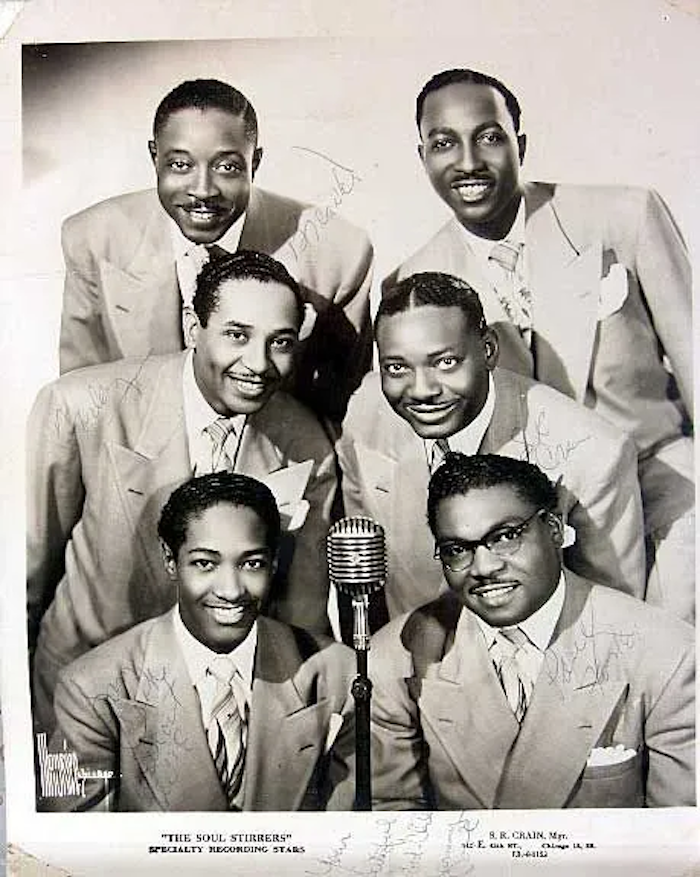
After graduating high school, The Soul Stirrers tapped Cooke to replace R.H. Harris. Their first recording was "Jesus Gave Me Water." With his smooth yet powerful vocals and handsome good looks, Sam almost single-handedly brought Gospel to a wider audience of younger listeners. When Sam Cooke and the Soul Stirrers came to town, churches turned into religious rock venues with youths lining up around the block, and girls would rush to the front row to worship at the altar of Sam Cooke.
Attention-craving Sam loved every minute of it. The ladies loved him, and he loved the ladies. In fact, Sam's Achilles’ heel was the fairer sex, as he was a massive womanizer. Yet, in 1953, he married singer-dancer Dolores Elizabeth Milligan Cook, aka "Dee Dee Mohawk." Sam's story is much mythologized, but he was by no means perfect. During his time with the Soul Stirrers, he’s said to have fathered three children out of wedlock… with three of his girlfriends pregnant at the same time!
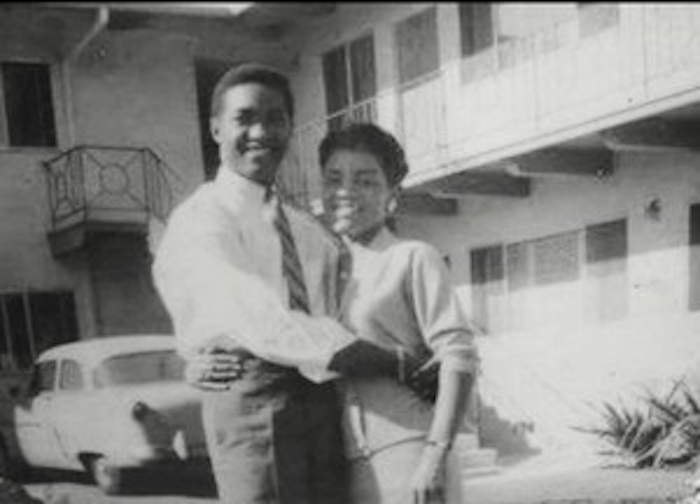
In 1958, a Philadelphian woman named Connie Bolling claimed Sam was the father of her child, and he paid her an out-of-court settlement of $5,000. He and Dee Dee eventually divorced that same year. In 1959, Dee Dee was sadly killed in a car wreck in Fresno, California. Sam paid for her funeral. This would be the first of several tragic deaths in the seemingly cursed Cooke family.
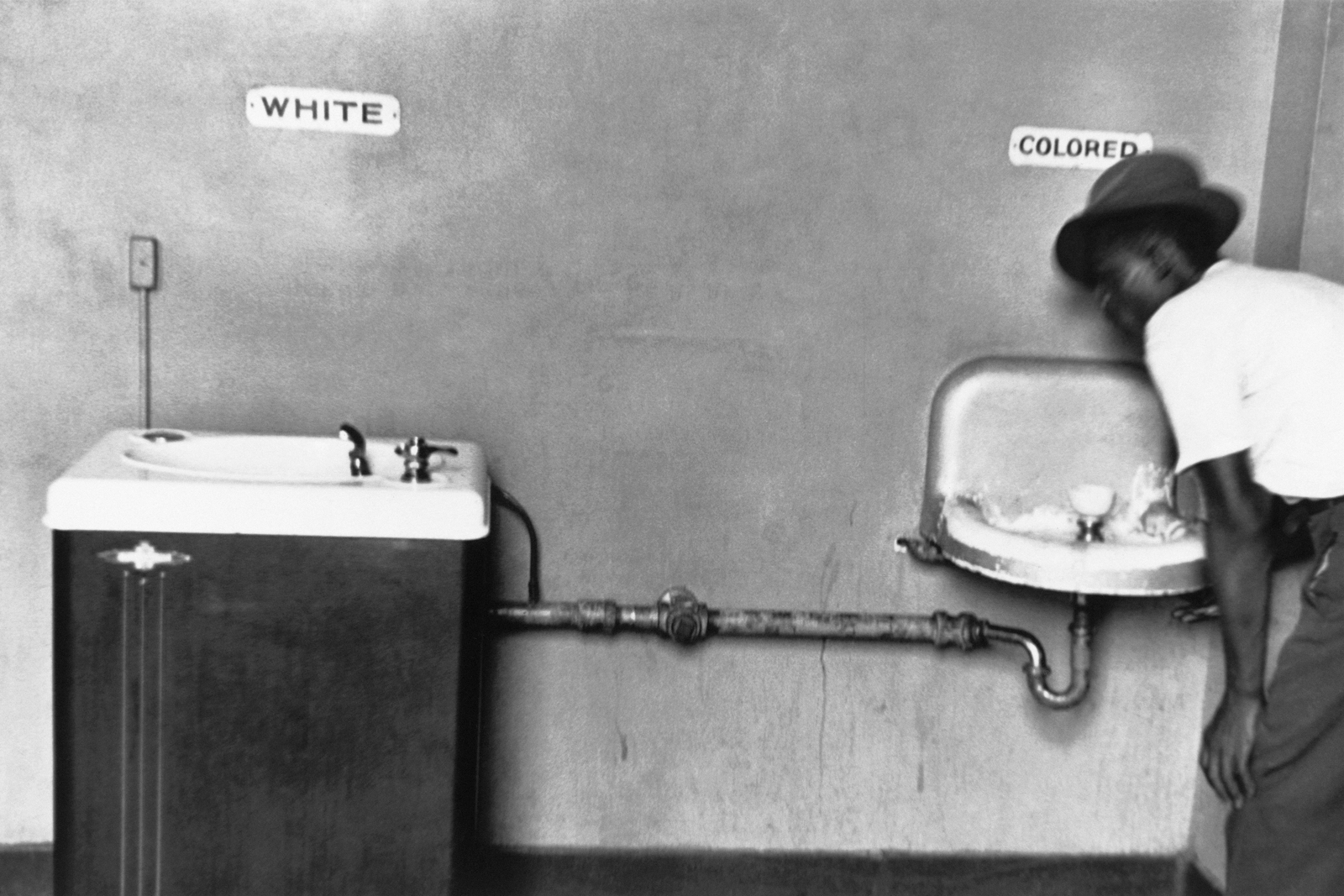
Soon, The Soul Stirrers toured further afield: New York, New Jersey, Indiana. Then, in his early twenties, Sam visited the land of his birth. for the first time. As he toured the “Chili Route,” Sam saw enforced segregation with his own eyes. Of course, he’d experienced racism in Chicago and on tour, but it was a whole other level down in the Deep South. Racism was inescapable and reared its ugly head on almost every storefront, hotel, restroom, bar, and bus. Even worse – as Billie Holliday put it – Strange Fruit hung from the trees.
In 1955, 14-year-old Emmett Till was lynched and hanged from a tree for whistling at a white girl in Deal, Mississippi. All this pained him deeply, especially as it was just 30 miles from where he was born, and Emmett Till hailed from Chicago. The poor young boy's death was the spark that ignited the Civil Rights movement, and from this point on, Sam was determined to help his people. And being Sam Cooke, he was not only all-aboard, he was driving the bus and handing out tickets.
Back in the studio, Sam experimented with mixing traditional music like traditional Gospel and Delta R&B with jazz and new-fangled pop and rock ‘n’ roll. In mashing his favorite genres, Sam created what we know as soul music. Gospel singers were forced to choose between the Devil’s Music and God’s music. Cooke hesitated as he knew if he played rock n’ roll, he’d never be accepted back into the fold to sing in church again. Papa Cook told his son he could lose his soul... but Sam wanted to conquer the world.
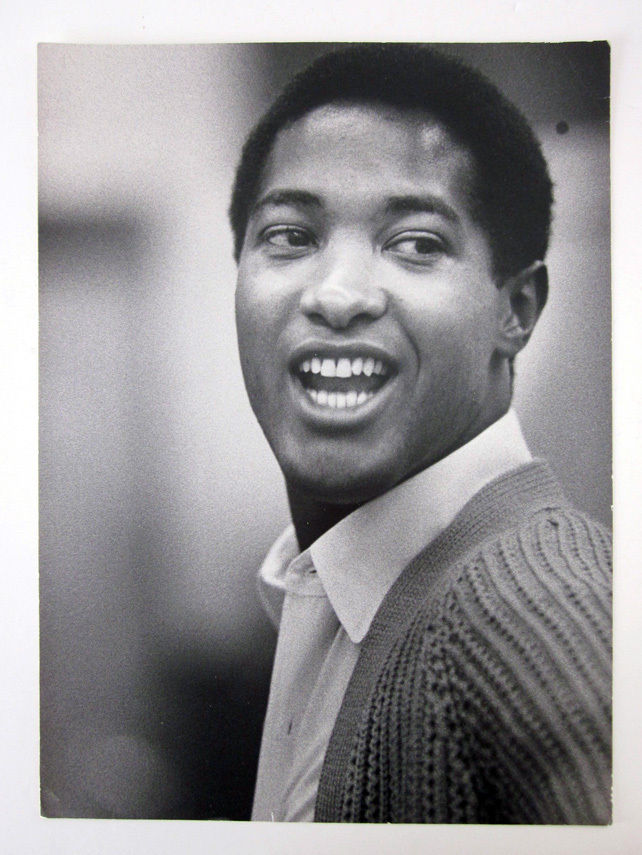
After six years honing his talent with The Soul Stirrers, Sam went solo. In 1956, he crossed to the dark side and remade the Gospel song [God is so] "Wonderful" into a love song, [She’s so] "Lovable." While he released this first single under the alias Dale Cooke, his vocals were unmistakable. The next year, "You Send Me" crossed doo-wop with rhythm and blues. The uplifting ditty was so popular it knocked Elvis Presley's “Jailhouse Rock” from the number one slot. The times, they were a changin'.
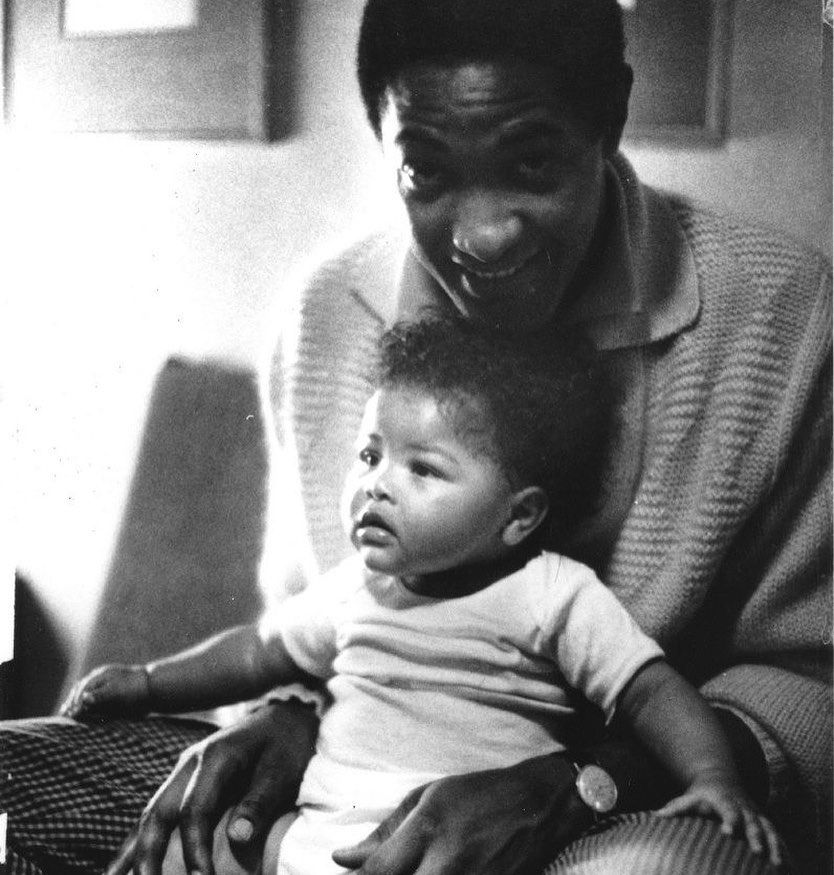
In the space of a year, Sam Cooke had invented soul music and brought it to the masses, even appearing on The Ed Sullivan Show. Now a superstar, he married his second wife, high school sweetheart Barbara Campbell, in Chicago in 1958. Papa Cook performed the ceremony. Sam and Barbara moved to glitzy Los Angeles and had three children––daughter Linda, and two sons Tracey and Vincent. Sadly, Vincent fell into the family swimming pool and drowned when he was just 18 months old. The tragedy changed Sam. Afterward, he worked harder, played harder, drank, and philandered.
The same year, Sam was involved in a car accident en route from St. Louis, Missouri to Greenville, South Carolina. His chauffeur, Edward Cunningham, was killed, while Sam, guitarist Cliff White, and singer Lou Rawls were all hospitalized. Bad luck seemed to follow Sam around so much; he must have wondered if he’d sold his soul to the Devil like Robert Johnson. That would certainly explain his magical voice.
Against the grain, he started wearing his hair in an afro, and soon after––in the words of Smokey Robinson––“all the Black guys started getting ‘fros.” In addition to being a talented singer-songwriter, Sam was a rapacious reader and always encouraged his peers to educate themselves with the likes of radical writer, thinker, and activist James Baldwin.
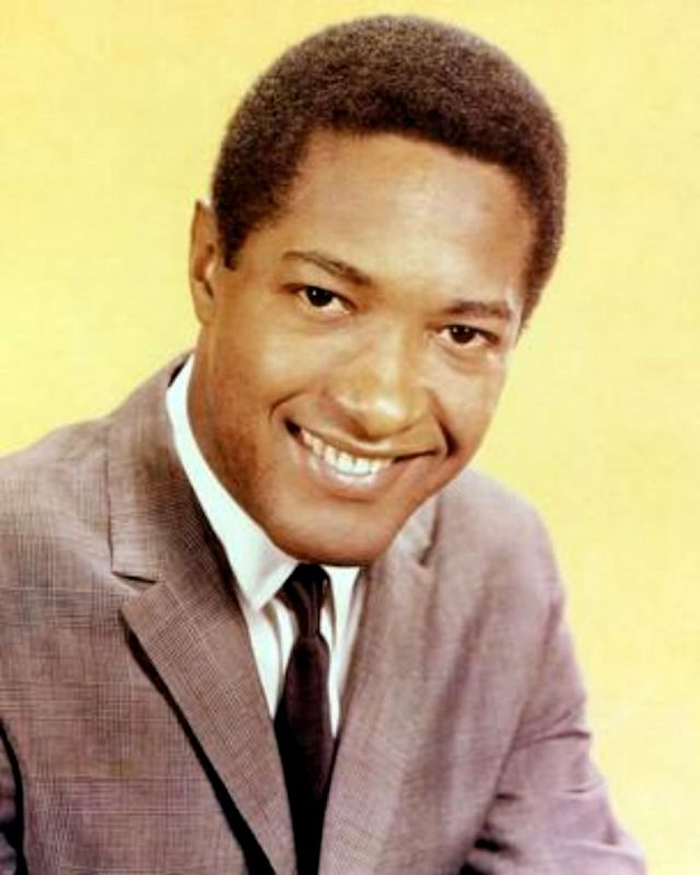
Sam may have been a handsome devil, but he wasn’t just a pretty face, he was also blessed with business acumen. In 1959, he became one of the first black artists to establish his own music publishing company. Then, on February 6th, 1960, Sam played Arkansas’ first non-segregated show with Jackie Wilson, Marv Johnson, and Jesse Belvin. Hecklers twice interrupted, shouting racist epithets and urging white youths to leave. In the car park, white supremacists had slashed Jesse Belvin’s car tires. Jesse, his wife, and three others were killed in a head-on collision driving home. After this, Sam started rallying Black artists to boycott segregated venues.
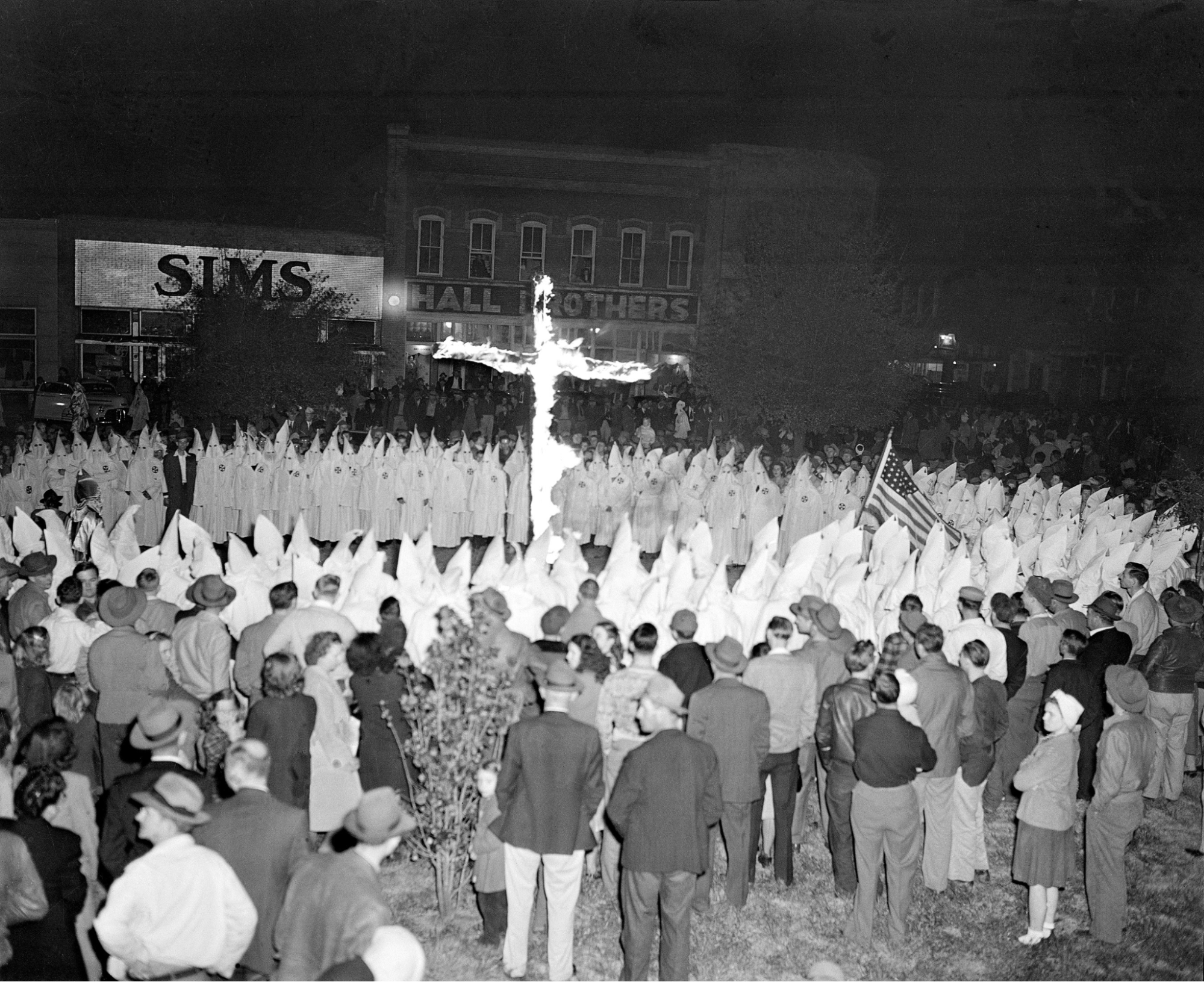
When Sam played the Dick Clark Show in Atlanta, he received death threats from the Ku Klux Klan, who were burning crosses and Baptist churches and had recently blown up a local synagogue. But Sam wasn't afraid of no one––not even the KKK. He performed while the National Guard patrolled the streets outside.
Another time, the NAACP sent Sam a telegram saying a Memphis audience was to be so heavily segregated that African Americans would only make up a quarter of the numbers. Sam sent Charlie to check out the venue. When word came back that the info was good, he immediately canceled and released a statement, saying it was: “against his policy and the policy of his promoter to play to a forced segregated audience.”
Record execs must have rubbed their hands in glee that Sam’s colorblind music crossed the racial divide. These modern-day masters were raking in millions––but they suppressed Sam’s politics and stopped him from speaking out. They just wanted another Frank Sinatra, but Sam wouldn’t play by their rules. As Cooke unionized Black musicians, the mob started threatening him... even Sammy Davis Jr. tried to warn Sam off his crusade, but he wasn’t afraid of anyone, not even The Mob.
By 1960, Sam had negotiated an impressive contract with RCA Records, including a huge advance and ownership of his master recordings after 30 years. But it turns out RCA was ripping off Sam’s royalties. Until, that was, New York accountant Allen Klein swooped in, bought RCA, and started redressing the balance by paying artists more money. He achieved this by acting as an intermediary between the artists and the record company. Together, Klein and the artists jointly owned the copyright, and he paid clients royalties in the form of cash advances.
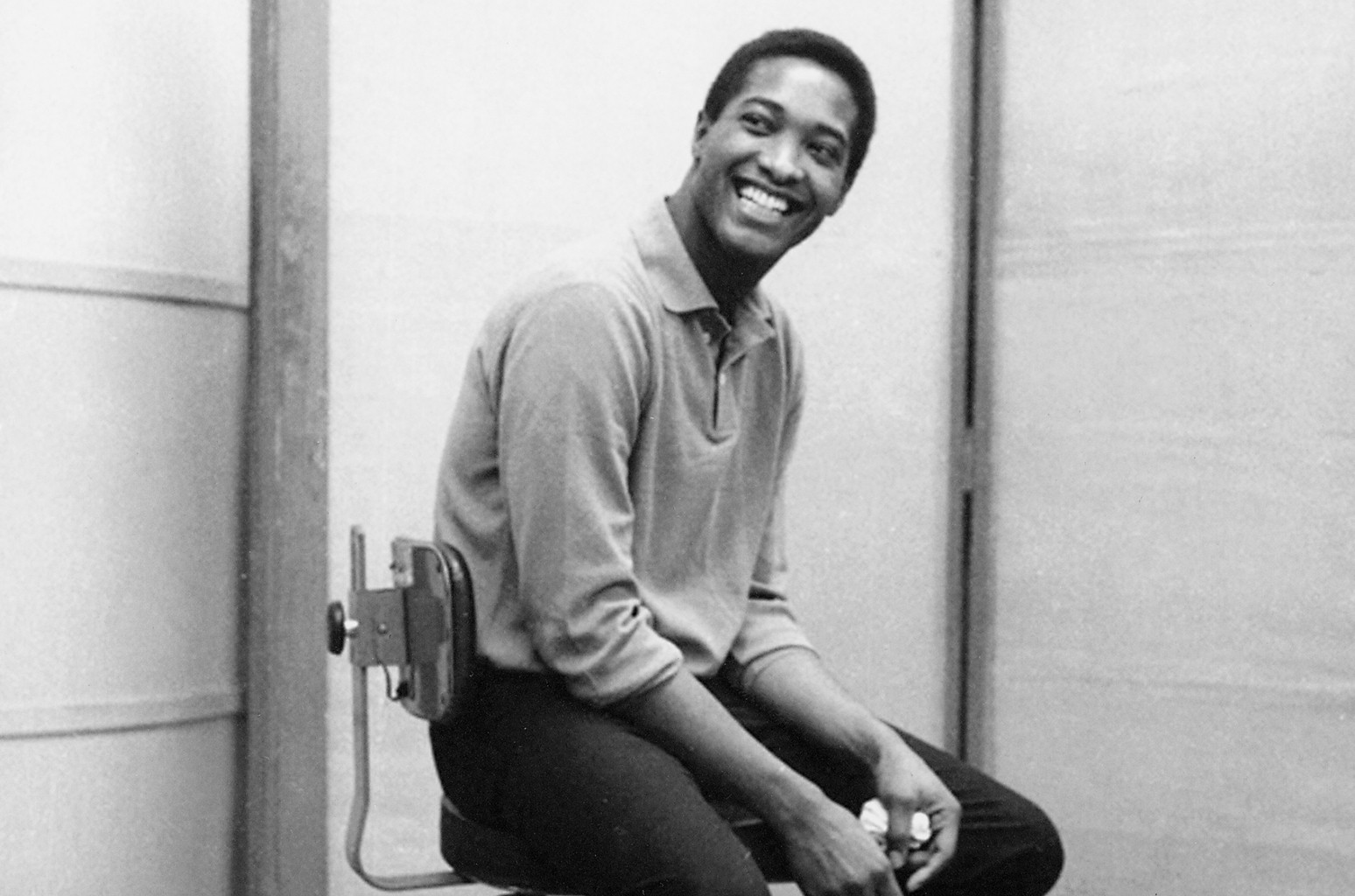
With his extra royalties, Sam founded SAR Records and signed latter-day Soul Stirrers Johnnie Taylor, Mel Carter, and Billy Preston. In paying Black artists their due, Sam was changing the music industry, and record companies were scared other artists would want to be paid fairly. Another group he signed was The Valentinos, which consisted of Bobby Womack and his brothers. Sam took Bobby under his wing as a protégé. After Sam died, Bobby Womack would betray him in the most unimaginably sick way.
After swinging from Gospel into Soul, Sam flourished and started cranking out the hits. After seeing a chain gang from his passing train, he wrote 1960's "Chain Gang," a commentary on America’s prison-industrial complex which featured a catchy beat to mimic the sound of prisoners breaking rocks. Every year, Sam toyed with musical genres. Between 1960 and 1963, he released a smorgasbord of genres, from ballads "Wonderful World," to poppy love song “Cupid,” and up-beat "Twistin' the Night Away," to an ode to loneliness, "Another Saturday Night."
As the Sixties swung, Sam kept visiting the South, where the Civil Rights movement was gaining traction. Cops chased his tour bus after Dionne Warwick told a rude waitress to shove her order where the sun don’t shine. When they caught up, Sam politely sent the boys in blue packing, for he wasn’t afraid of no one––not even the police. Each racist encounter only made him more forthright. Eventually, the songwriter channeled his experiences into his magnum opus.
In October 1963, Sam wrote “A Change Is Gonna Come” after he and his entourage were turned away from the Holiday Inn North in Louisiana. Not releasing the motel’s whites-only policy, Sam had telephoned ahead to make a reservation. However, when the group arrived and the desk clerk saw the color of their skin, they were told no rooms were available.
Charlie protested, but Sam became furious, raising his voice and demanding to see the manager. Barbara calmed him down, but––when the entourage finally left––they blew their car horns and shouted insults. Downtown, the police were waiting for them at the Castle Motel. Sam was arrested for disturbing the peace. When calming her husband down, Barbara had told him, "They'll kill you," Sam replied: "They ain't gonna kill me because I'm Sam Cooke." He was wrong.
The New York Times headline read: "Negro Band Leader Held in Shreveport,” and African Americans (and white folk) were outraged. As a result, Sam became ever more involved in Civil Rights. He became friends with boxer Cassius Clay, unstoppable quarterback Jim Brown, and political giant Malcolm X. This meeting of minds consisted of the best musical, sporting, business, and political heroes who went on to spearhead a social and cultural revolution. And do you know what? Many young white people were right behind them.
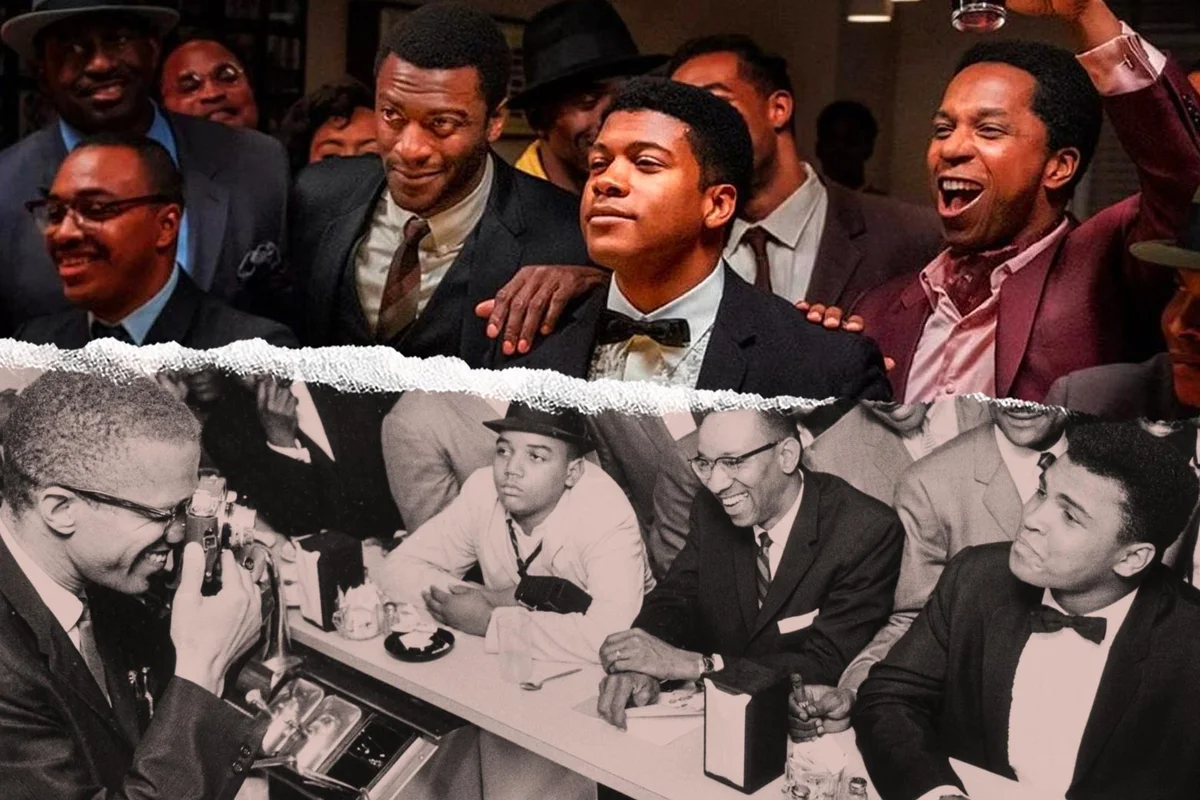
Be sure to check out Regina King’s riveting directorial debut, One Night in Miami (2020). The film chronicles their meeting after Cassius Clay beat Sonny Liston to become World Heavyweight champion in 1964. In one scene, Malcolm argues with Sam that successful Black artists should use their talent and status to advance their cause, not court white approval.
The F.B.I. was listening to every word as they were surveilling both Malcolm X and Cassius Clay, who the next day dropped his slave name and adopted his Muslim name, Muhammad Ali. Director J. Edgar Hoover also kept a file on Sam Cooke and believed that he may also have converted to the Nation of Islam through association.
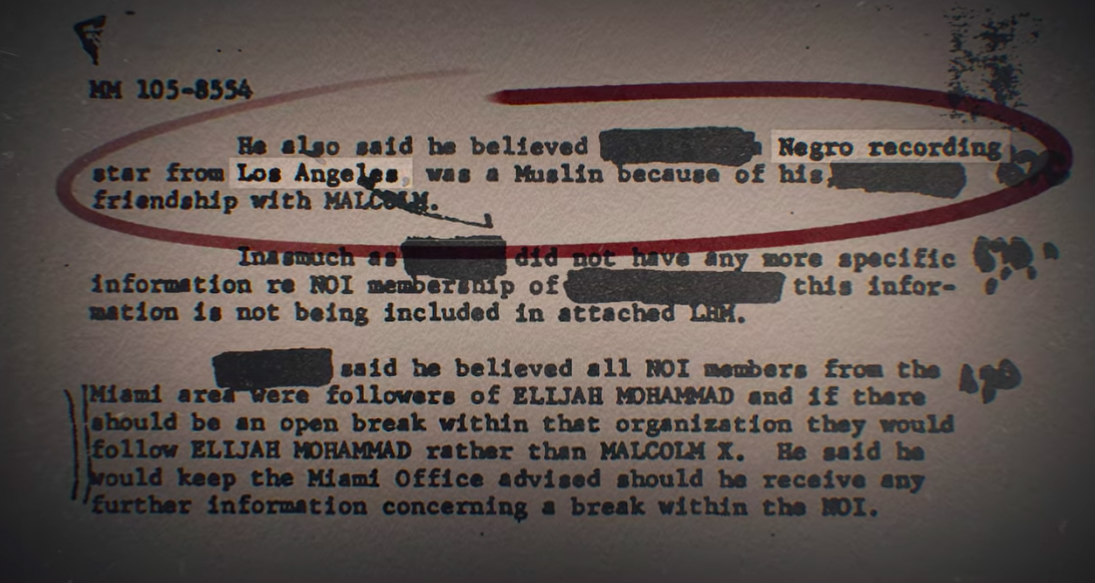
To the Feds, Sam was potentially even more dangerous than Brother Malcolm, as the soul singer was already in white American living rooms and winning over the hearts and minds of young folk. This was a huge threat to the foundations of white America. And we all know what the F.B.I. does when they encounter a threat. They eliminate it as if it were a tumor. But Sam wasn’t afraid of no one––not even the F.B.I.
Emphatic that social reforms will one day come for long-suffering African Americans, "Change" is as defiant as it is hopeful. Sam was inspired to write the song by Martin Luther King Jr.'s "I Have a Dream" speech. Uncannily, the song's composition came to him in a dream. Another inspiration for the song came from a surprising source…
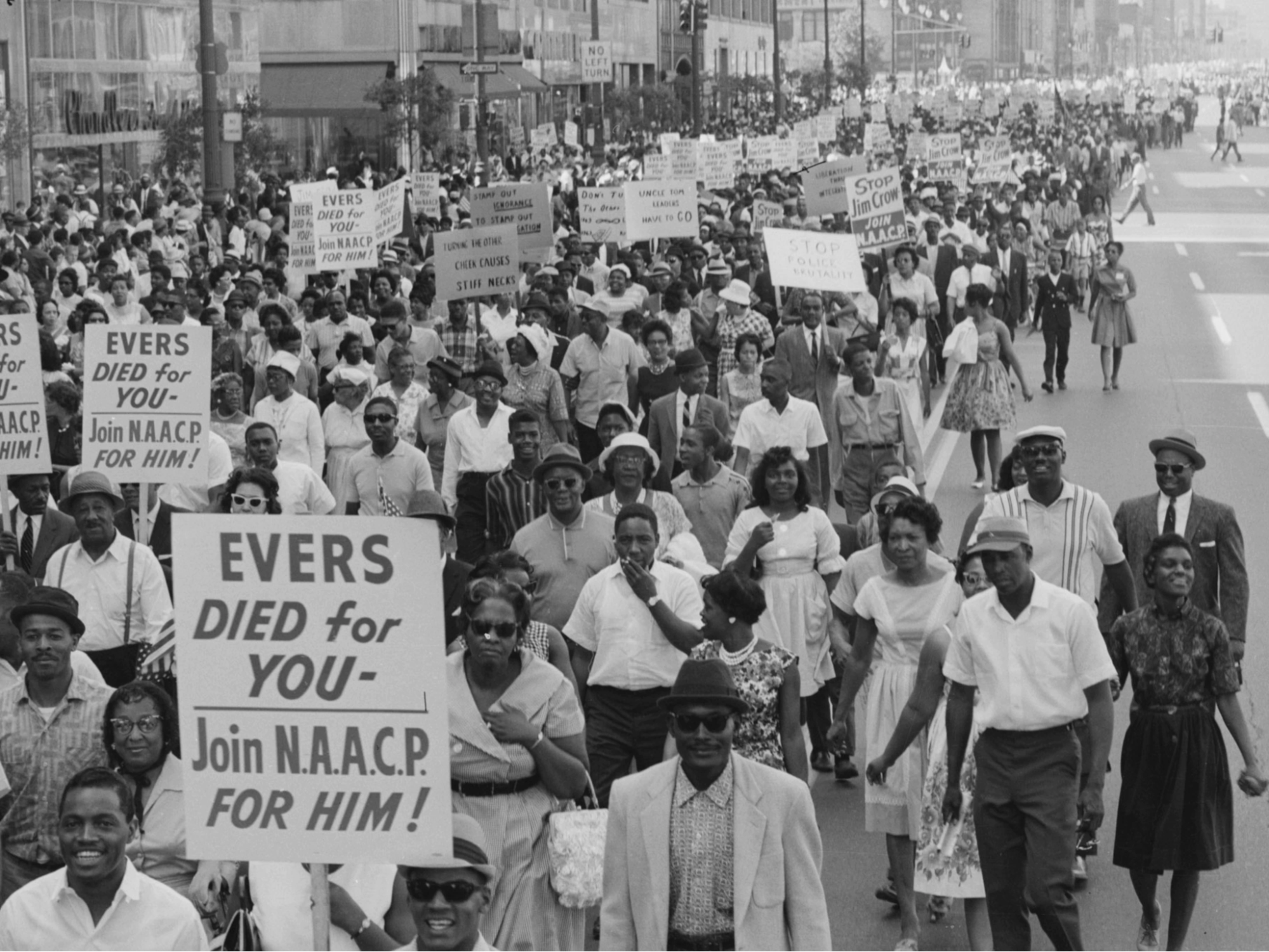
In 1963, NAACP activist Medgar Evers was murdered in Mississippi. The same year, Bob Dylan released "Blowin' in the Wind," and Cooke was incredibly moved that a white man could write such a powerful song about racism in America. Sam covered Dylan’s song but was ashamed he’d never written such poignant lyrics.
As Brother Malcolm suggested, his lyrics could do more to highlight their people’s struggles. Ironically, one of the things stopping him was the fear of alienating his predominantly white fan base. He was never more wrong.
“Change” was recorded on January 30th, 1964. Arranged by Renê Hall, it features 30 contributing artists, including a full string section, a full brass section, five backing vocalists, and four guitars. The result was breathtaking. The song’s message was so undeniably powerful; it would help tear down color barriers and go some way toward achieving Dr. King’s dream of "little black boys and girls holding hands with little white boys and girls." Cooke told his producer, J.W. Alexander, that he hoped the song would make his father proud. It did, Sam. It did.
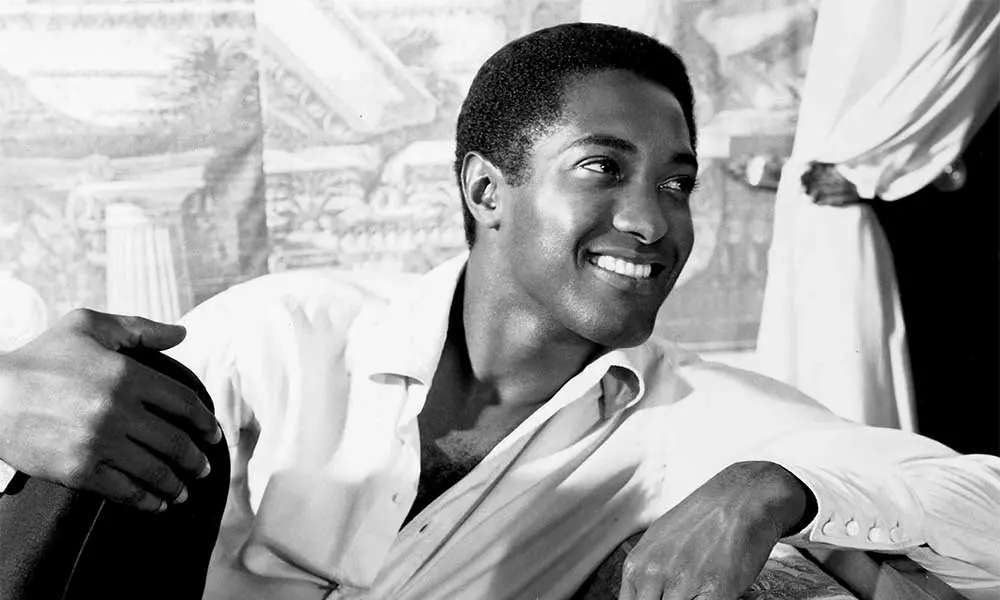
He only ever performed the song live once – when he debuted it on Johnny Carson‘s Tonight Show – on February 7th, 1964. Sam’s great friend and protege, Bobby Womack, said the song sounded “like death.” Cooke responded, “Man, that’s kind of how it sounds like to me. That’s why I’m never going to play it in public.” He was true to his word, and before the song could be released as a single, Sam Cooke would be dead.
One day in late 1964, when Sam was sick with a cold at home in Los Angeles, he read through the five-year contract he’d signed to make Allen Klein his manager the previous year. He also reviewed their holding company – Tracey Ltd, named after Cooke's daughter – which he was told he co-owned with Klein. But Sam soon discovered there was something rotten in Denmark...
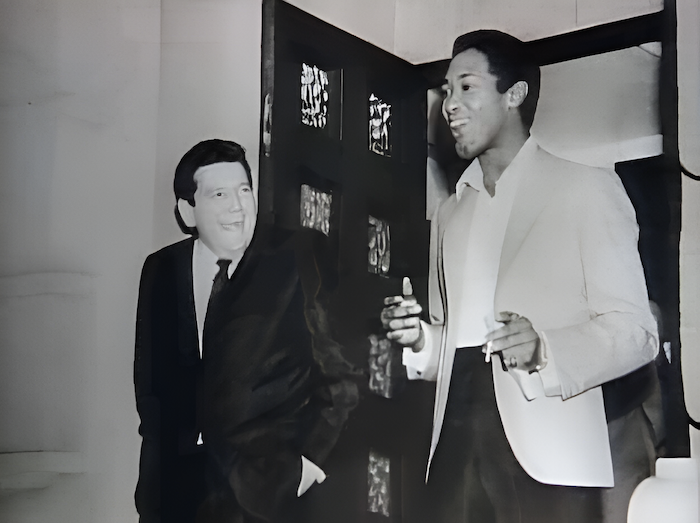
It turned out one-time savior Allen Klein was a wolf in sheep’s clothing. Klein’s holding companies had undoubtedly increased his client’s income, but buried in the small print, instead of being listed as a co-owner of Tracey Ltd., Cooke was listed as Klein’s employee. The soul singer was furious. On Thursday, 10th December 1964, he told friends he was making many changes, including flying to New York on Monday to fire his “a**hole” manager. Sam didn’t survive the weekend.
Only a handful of people truly know what unfolded in the early hours of Friday, December 11th, 1964. Sam met friends at Martoni’s Italian restaurant in Hollywood and supped Martinis. After waving goodbye to his friends, he introduced himself to Elisa Boyer, who had been giving him the eye from the bar all evening. Sam drove her in his Ferrari to the Hacienda Motel in Watts, South L.A., and within minutes he was dead. What we do know is that the official account of Sam Cooke's final night on earth definitely didn't happen.
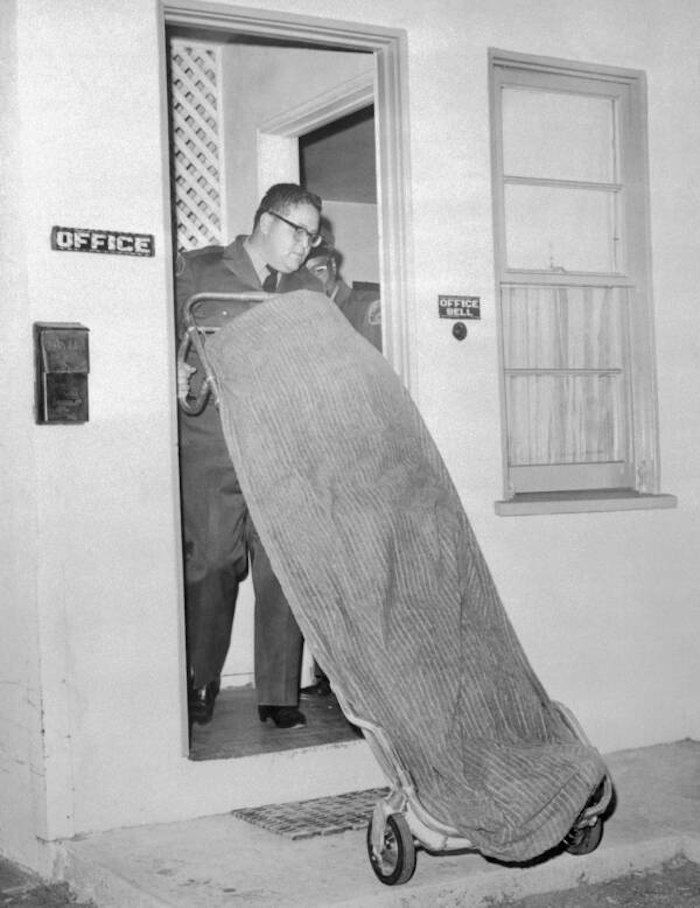
Elisa Boyer told police that Sam Cooke had kidnapped and tried to rape her, but she had escaped... stopping along the way to pick up his pants containing his wallet. Sam searched for her and banged the reception door, demanding to know where the girl who’d taken his money had disappeared to. She was on a pay phone, telling the cops her cockamamie kidnapping story.
Elderly motel manager Bertha Franklin says a man attacked her, so she shot him in self-defense. According to Franklin, he quietly said, "Lady, you shot me," before attacking her again. Finally, she hit him in the head with a broomstick, and he fell to the floor. Sam Cooke – the King of Soul, and champion to the people – was dead. He was 33.
As the world mourned, 200,000 lined Chicago’s streets to see Sam’s body, and an investigation was called. However, the two women’s stories were strewn with inconsistencies, contradictions, and red flags. First, Elisa Boyer was a Hollywood sex worker with a long criminal record, while the elder Bertha Franklin was an ex-pimp with mob connections. In short, these women had nothing to lose and everything to gain from a large cash pay-off—exactly the kind of way powerful men often recruit lackeys to do their dirty work.
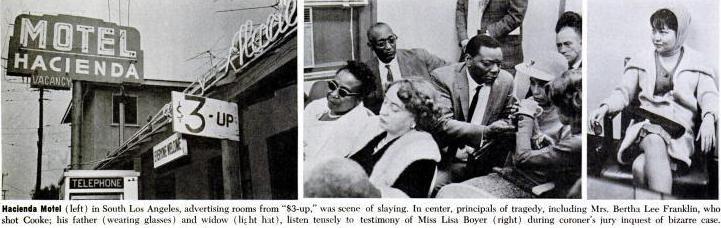
On the witness’ stand, the two women’s accounts bore no relation to reality, and even by Boyers’ own account, she had plenty of opportunities to escape her so-called kidnapper. Eventually, Sam Cooke's death was ruled a justifiable homicide. No one who knew Sam believed he could be a rapist, and these women’s lies sullied Sam’s good name. Nor did anyone buy the trial’s outcome. Not even Elvis Presley. The King of Rock of Roll believed someone murdered Sam as he’d become too powerful, a belief echoed by the Black community. Suddenly, a conspiracy was afoot.
It's alleged Sam had also been badly beaten. And not by an old woman. Singer Etta James saw his body before his funeral and wrote: “His head was nearly separated from his shoulders, his hands were broken and crushed, and his nose mangled.” Did the F.B.I eliminate this threat to white America before his anthemic, uniting song could be released? It's entirely feasible. Or did the Mafia just not want artists taking their fair share of the money they made from the music industry? Were they hand-in-glove? The Feds and the mob often overlap and––conspiracy or no––were both involved in JFK's assassination.
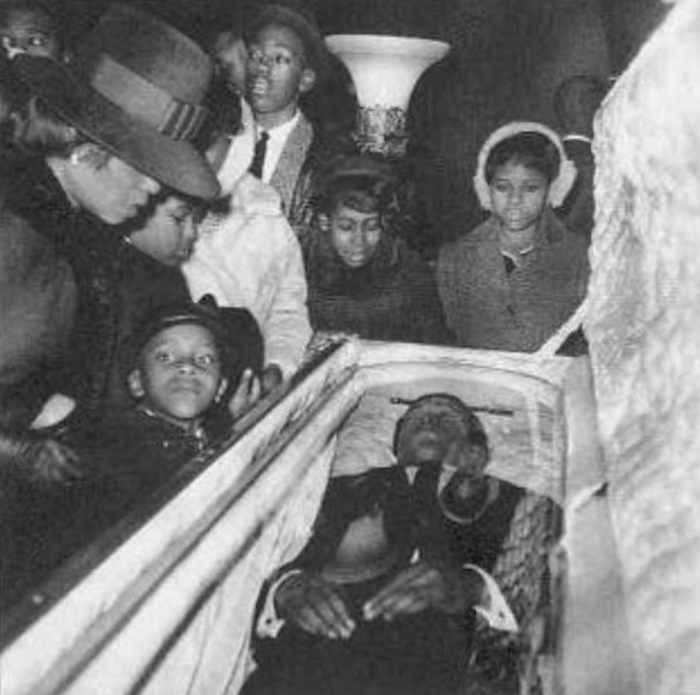
Within two months of Sam’s death, Malcolm X was also murdered by an unknown assassin. A month after that, Sam’s widow, Barbara, married Bobby Womack. The Cook family were so outraged, Sam’s brothers gave Womack a beating. If they knew Bobby would go on to sexually abuse Sam’s daughter, Linda, Sam's brothers might have become assassins themselves.
Whoever was responsible, they targeted and exploited Sam’s weakness for women by luring him into a honey trap, then got away with murdering one of America’s most famous musicians without proper scrutiny. The LAPD was involved in the cover-up insofar as they ensured the botched investigation stayed brief and superficial before going the way it was supposed to. Justifiable killing. To them, Sam Cooke was just another Black man, or more likely, that other word.
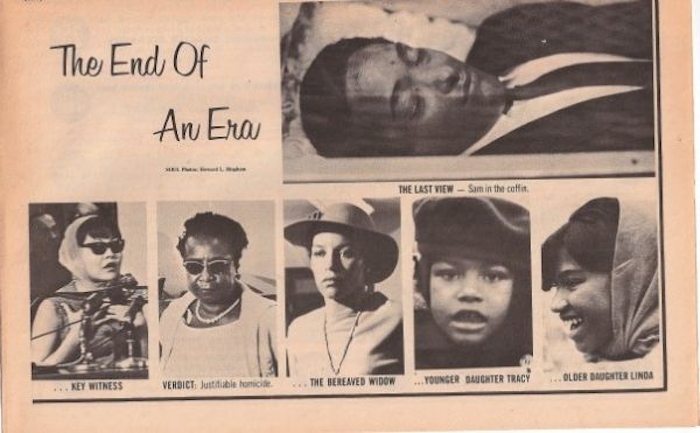
Yet another theory suggests Allen Klein had Sam murdered. He certainly had motive after his client discovered his lies and thievery, and he was about to be fired and disgraced that coming Monday. Klein also had a lot to gain; with Sam dead, he inherited SAG records and Tracey Ltd. As of 2019, Sam Cooke's family has never received a penny in royalties from his music. Klein went on to rip off The Rolling Stones and played his part in breaking up The Beatles.
"A Change is Gonna Come" was released on December 22, 1964, two weeks after his death. Had he lived, who knows how different the world would be today. Instead, his musical legacy lives on as he influenced Aretha Franklin, Al Green, Dionne Warwick, Marvin Gaye, Otis Redding, Stevie Wonder, Curtis Mayfield, James Brown, and thousands more. His bravery united cultures and helped Black communities lift themselves up by proving they could fulfill their potential.
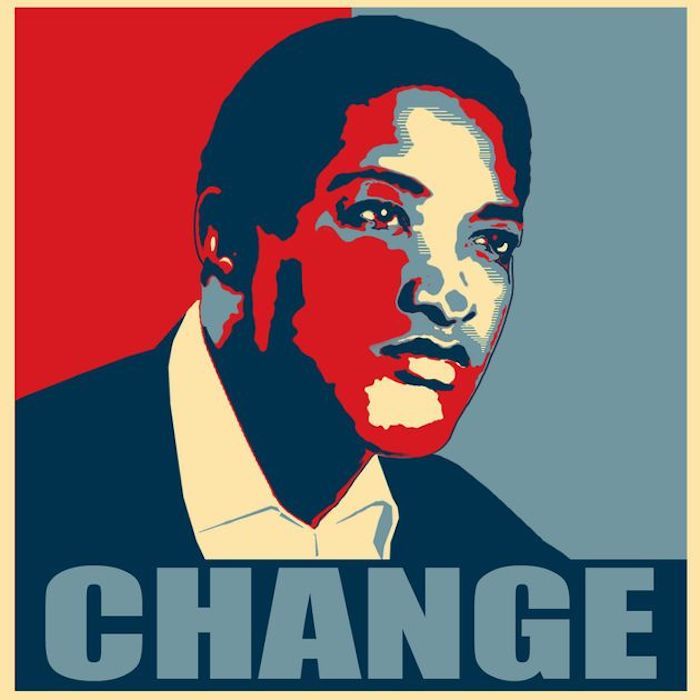
Sam didn’t live long enough to see the social reforms he believed in so firmly. While the Civil Rights Act of 1964 overturned Jim Crow laws mere months before he died, he never witnessed the Voting Rights Act of 1965, the effects of the end of racial segregation in the South, or the Watts riots in Los Angeles. It's a sad indictment that Sam's most famous song is still relevant today. The majority of us live in hope that a change really is gonna come, but – sixty years later – it's still a long time coming.