
Many of us dream of being marooned on a desert island à la Lost, Survivor, or Lord of the Flies. That's all fine and dandy when you imagine beaches, waterfalls, plentiful supplies of fresh mangoes and papaya, a sea full of fish, and a harem of air-stewards and stewardesses to populate the island with. But the reality was an entirely different tale for Brazilian pilot Antônio Sena when his plane went down in the middle of the Amazon jungle, where everything wants to eat or kill you!
Today, we’ll learn all about Antônio’s fight for survival in the harshest environment on the planet. How he trekked through the jungle for a month through crocodile and snake-infested swamps, eating fruit and surviving on bird’s eggs. To find out if he made it out alive, you’ll have to read to the end!
DESPERATE TIMES NEED DESPERATE MEASURES
Even before his plane crashed, it was an unforgettable day for Antônio Sena. The 35-year-old pilot had been hired for his maiden assignment working for illegal “wildcat” miners. His first solo mission was to ferry supplies to an outlawed gold mine in Pará state. Known as the "California", the remote mine featured a newly created landing strip, smack-bang in the middle of the Amazon jungle.
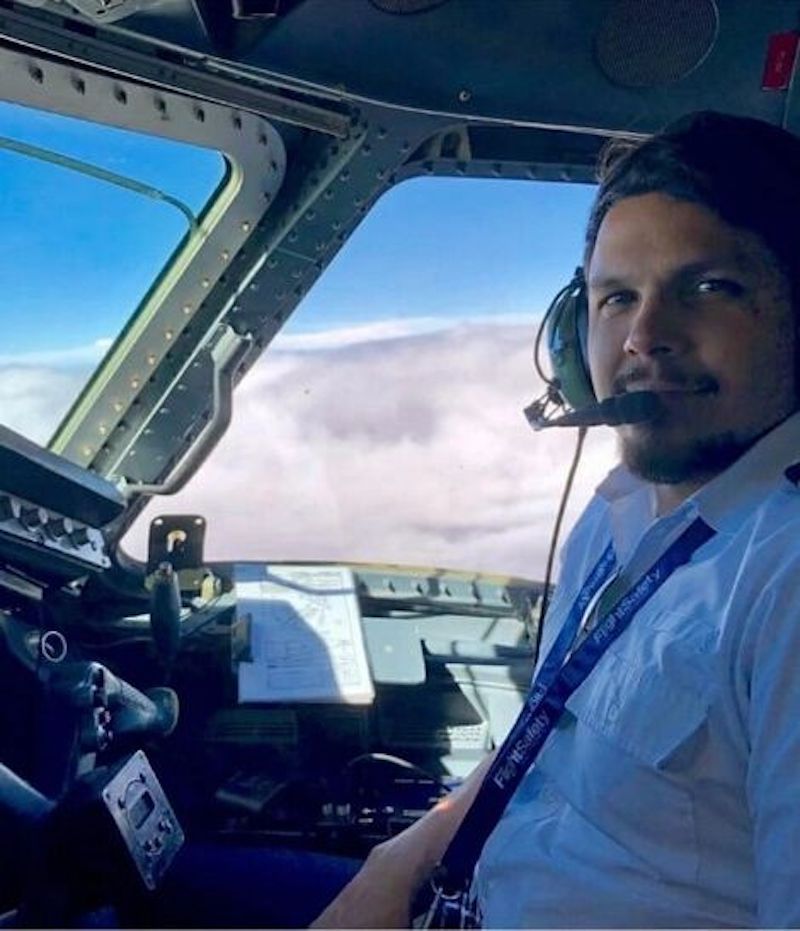
Born in Santarém – a small city where the Amazon and Tapajos rivers meet – Antônio trained to be a pilot and racked up 2,400 hours of flight time. But, several years ago, looking for a change of pace, he opened a small restaurant in his native city. That is, until COVID-19 restrictions forced him to close his bar. Desperate for work, when he was offered the job of ferrying cargo for illegal miners, Toninho reluctantly accepted. Desperate times call for desperate measures.
MAN AND MACHINE IN PERFECT HARMONY
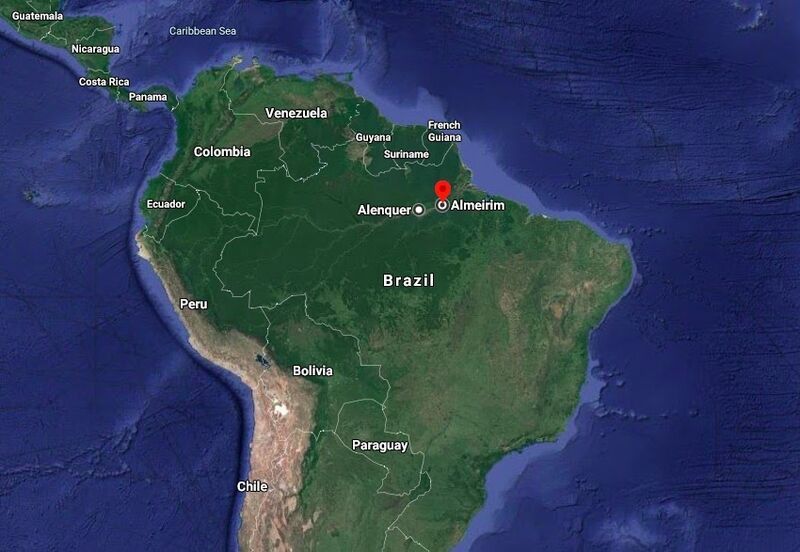
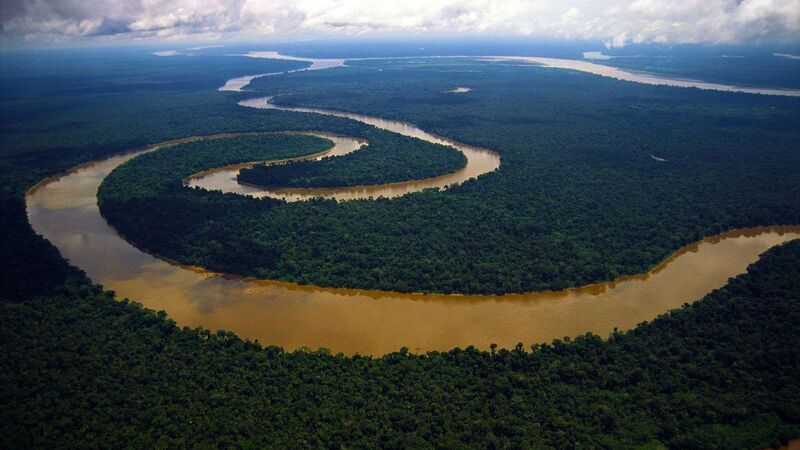
On the morning of January 28th, 2021 – two days before his 36th birthday – 'Toninho' took off in a 48-year-old, single-propeller, Cessna 210L from the Brazilian town of Alenquer on the northern banks of the Amazon. His route took him many miles north of the river, but he followed a similar west-to-east route to the gigantic, meandering, milk chocolate-colored waterway. As he flew over the rainforest, everything was hunky-dory.
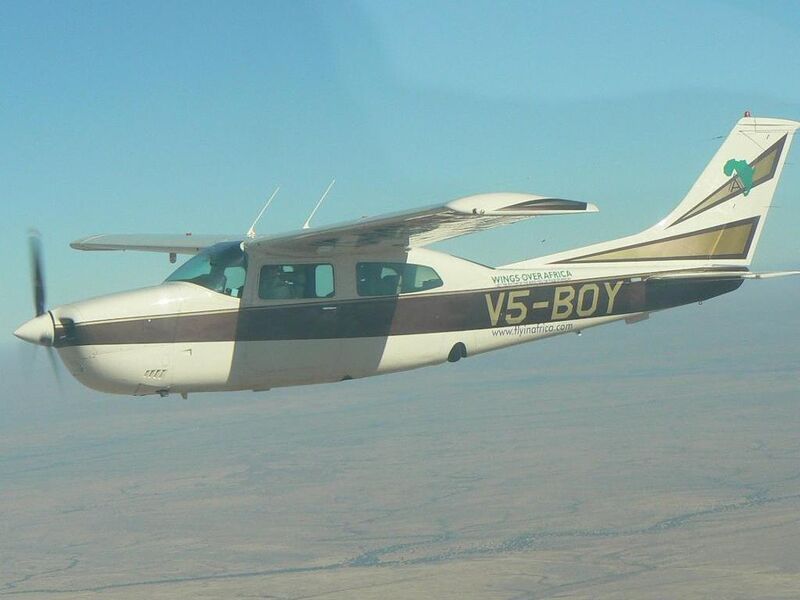
Cruising effortlessly at 3,000 feet, it’s safe to say that Antônio would have been in a buoyant mood. He was being paid for his first piloting gig in a while, the sun was shining, and there was an infinite expanse of blue sky above the horizon while lush, verdant green rainforest whizzed past below. This was the life! Every pilot’s dream - man and machine in perfect harmony... until – without warning, from out of nowhere – the Cessna’s lone engine suddenly cut out.
QUICK THINKING
Faced with life and death, Antônio had to think quickly. He scanned the endless expanse of green below for somewhere––anywhere to attempt a crash-landing. He reckoned he had about five minutes in the air before he and the plane would be embedded in the red earth and overcome with flames.
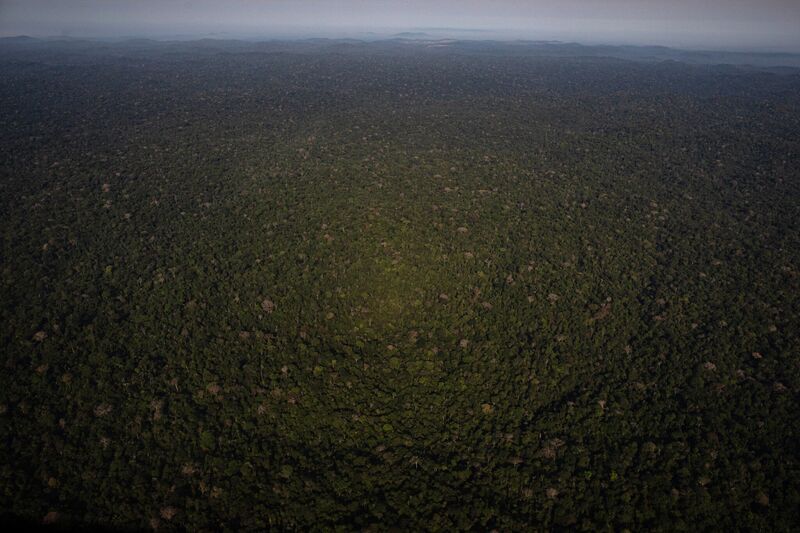
You see, in addition to the whole crashing in the middle of the most immense jungle on the planet, Antônio faced a more immediate problem. The cargo he was carrying was a highly flammable 160 gallons of diesel. He was sitting inside a giant, crashing Molotov cocktail.
MAYDAY! MAYDAY!
As the Cessna hurtled towards the ground, Antônio scanned for a clearing where he could attempt a crash-landing. Then, a glimmer of hope appeared as he saw a suitable spot. “There! … Palm trees mean there is water, perhaps a river,” he thought to himself. So, he pointed his light aircraft towards the small valley lined with trees and prayed like he’d never prayed before.
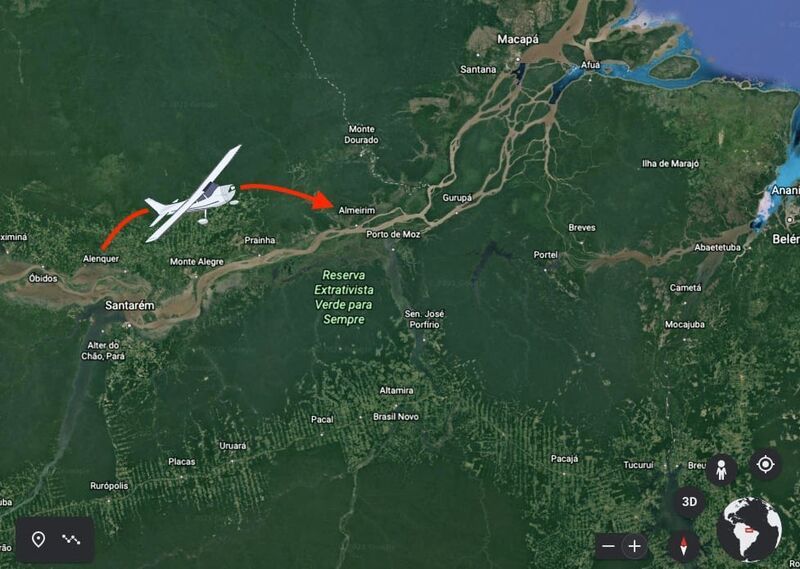
On his way down, Tohinho sent a Mayday message over his portable radio, including his soon-to-be crash site. He hoped someone––anyone might be listening. He managed to blurt out that he was about halfway to his destination, and then he braced for impact as the plane fell out of the sky.
SHE'S GONNA BLOW!
Scraping the tops of trees and landing violently, the Cessna came to a halt amongst those palm trees and red clay earth. Antônio was alive but dazed. No sooner had the plane stopped came his next problem; he was covered head-to-foot in gasoline, and the aircraft was about to blow any second!
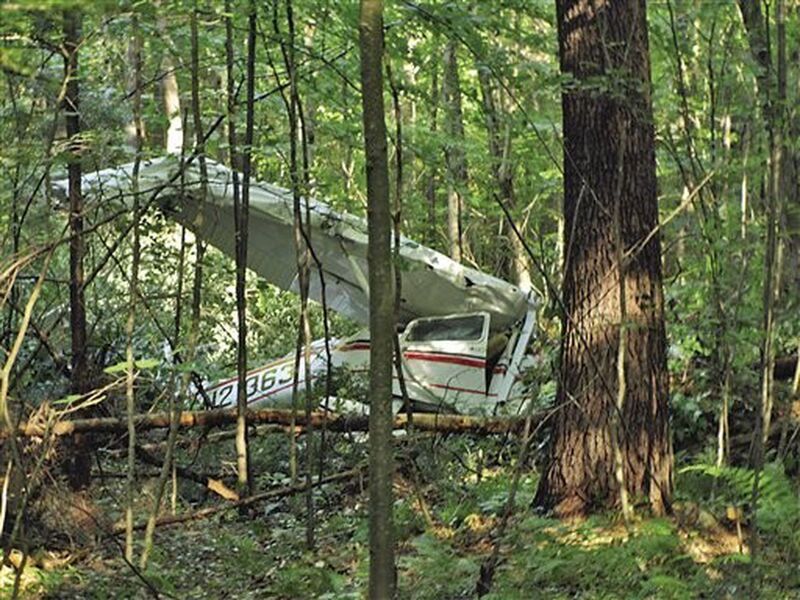
Antônio managed to unhook himself from his seat and grabbed whatever he could lay his hands on: a backpack, three bottles of water, four soft drinks, some bread, a pocket knife, some rope, an emergency kit, a flashlight, two lighters and his phone - and got the hell outta there! The plane burst into flames minutes later.
NO-ONE'S COMING
Not only had Antônio survived his quickly ‘improvised’ landing, but he had also escaped relatively unscathed. Soon, it dawned on him that he was stranded in the middle of the world's largest rainforest - Population: one. So, he took a deep breath and settled down to wait for his rescuers. Only, they didn’t come...
For the first week, Antônio made a makeshift camp next to the remains of the ancient, wrecked Cessna. He believed staying near the wreckage would be his best chance of being spotted. Antônio was right. Well, half-right; search and rescue pilots did indeed circle the area for several days — but always buzzed on past.
NEEDLE IN A HAYSTACK
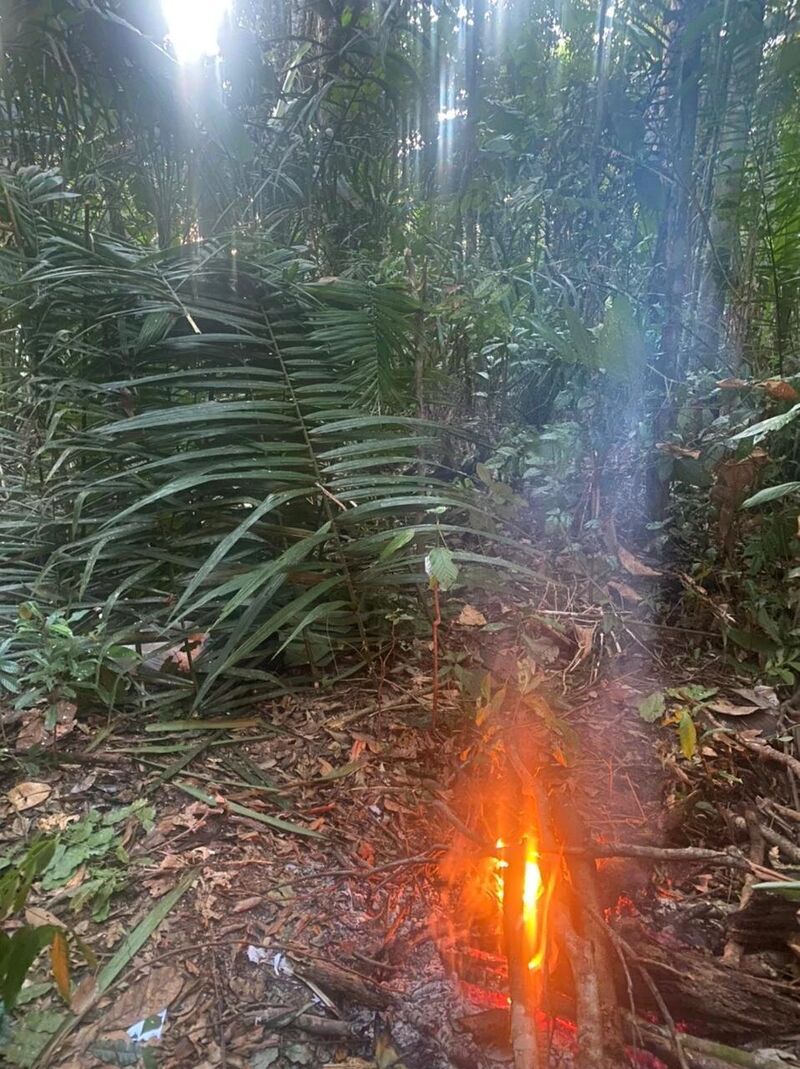
Our intrepid hero made fires from damp wood and waved and screamed – presumably like a lunatic – every time he heard the whir of overhead propeller planes. Unfortunately, all his efforts were in vain. Whenever search and rescue planes circled overhead, the undergrowth proved so dense the rescuers couldn't spot him. “They flew right over but couldn’t see me,” Antônio reported.
The Amazon jungle is 5.5 million km². It contains half the world’s rainforest and is almost the size of the entire contiguous United States. So the phrase ‘like finding a needle in a haystack’ may spring to mind. But, in this instance, perhaps it's necessary to invent a more appropriate phrase, like 'finding an atom in a haystack'.
DAWNING REALISATION
After an entire week, it dawned on Antônio that the search and rescue mission had been called off. After that, he didn’t hear the buzz of any more planes and assumed they had given him up for dead. “I was emotionally devastated when I realized the search operations were over. It’s the only time I thought I wasn’t going to make it... that I was going to die,” said the sports-loving, fitness-mad pilot.

When it became abundantly clear help was not coming from the sky, Toninho knew he had to rely on Mother Nature. He told himself his "priorities were always to look for water and try to look for food... I knew I was facing a life or death situation."
TAKE A WALK ON THE WILD SIDE
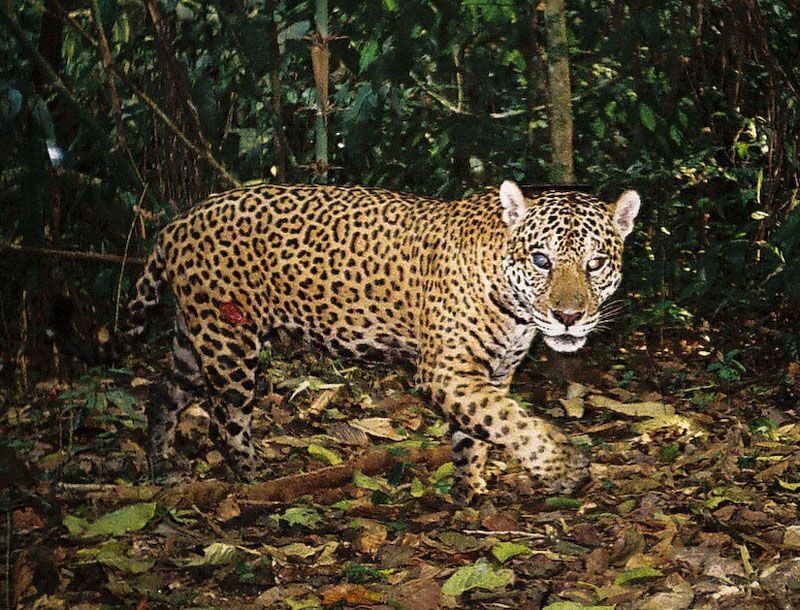
He made the somewhat surprising decision to start walking east towards where he had spotted two airstrips from the plane. He was certain an area by the Paru River – approximately 60 miles (96 km) away – was inhabited. Yeah - inhabited by jaguars!
Antônio turned on his dying phone one last time. Using the very last dregs of the battery, he launched a geolocation app, memorized the map, and took off into the unknown, like Marlow into the Heart of Darkness.
UP THE CREEK WITHOUT A PADDLE
Remembering what he could from a survival course he had once taken, Antônio walked for days. At first, he walked only in the mornings, using the position of the morning sun to stay on course and head back east toward the Paru River, and hopefully civilization.
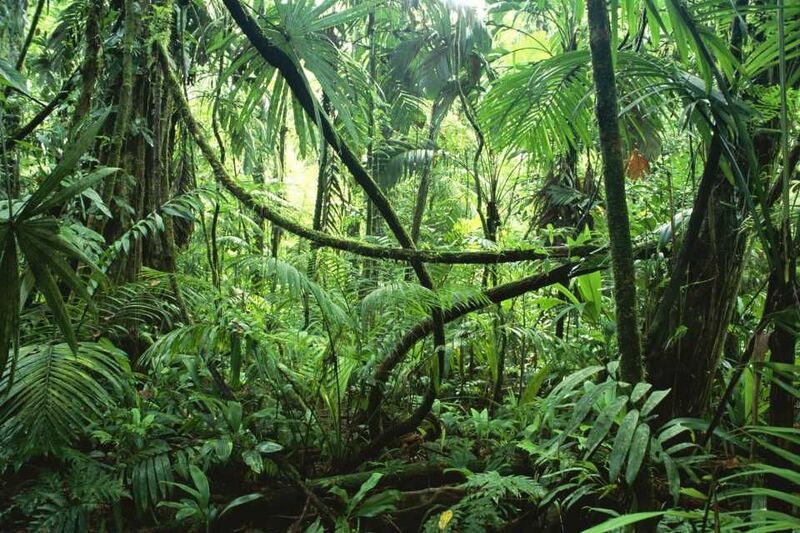
Armed with his trusty pocket knife, he waded through the snake, crocodile and mosquito-infested swamps. Without the requisite machete, he was forced to duck and weave through thick vines for hours at a time. Where the canopy is so dense, the forest floor is almost completely dark. So, in the afternoons, he would stop walking and set up a campsite, using palm trees and branches to shelter him from the rain. Yes, folks, the Amazon rainforest is one of the wettest places on earth, so even the elements were against Antônio.
FLORA AND FAUNA
Worse, Antônio was at the mercy of predators. Ten per cent of all species in the world can be found in the Amazon rainforest, and most of them will eat, bite, sting, poison or electrocute you. "There was water, but no food. And I was vulnerable - exposed to predators''. He knew only too well that animals most often hunt near water, where prey is most abundant.
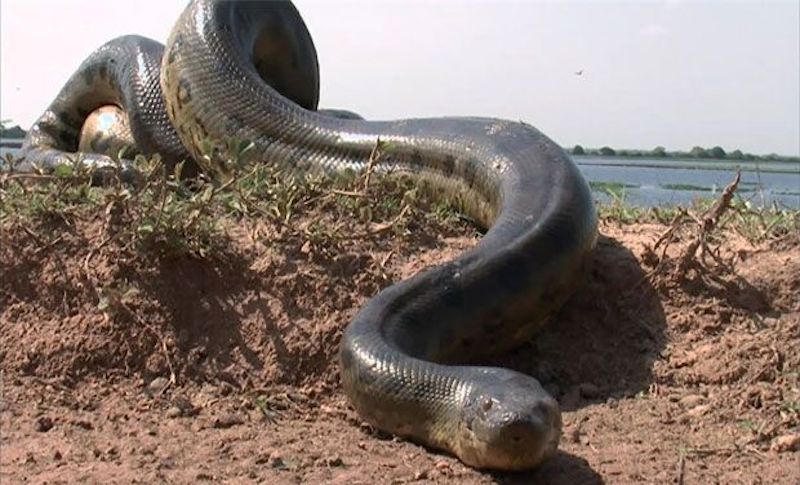
Having become ‘prey’ himself, he wisely slept on hills away from water to avoid jaguars, rattlesnakes, boa constrictors, deadly wasps, stinging bullet ants, and bird-eating tarantulas as large as dinner plates. Then there are the poison dart frogs, Brazilian wandering spiders – thought to be the most venomous spider in the world – and more poisonous plants than you can shake a stick at. The Amazon is still also thought to contain up to 50 uncontacted tribes, which may be friendly or might cook and eat you. And that’s just on land…
OUT OF THE FRYING PAN INTO THE FIRE
The waters of the Amazon and its thousands of surrounding tributaries are even worse. The magnificent river is the largest by volume in the world and can reach a staggering 120-miles in width during the rainy season. That's the reason there's not one single bridge across the Amazon. In short, that's 4,345 miles by 120 miles of nightmarish monsters, and every single one of them wants to end you!
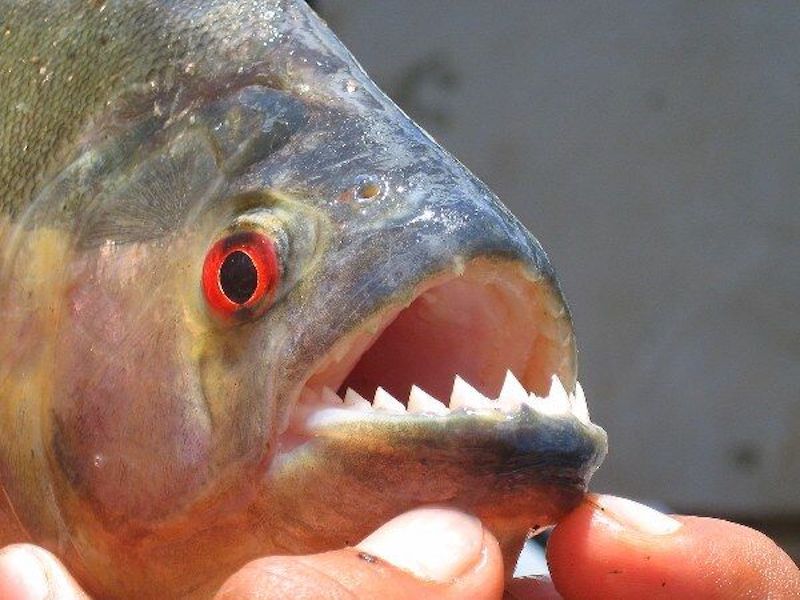
The muddy brown waters are chock-full of giant anacondas that can inhale and digest you whole, electric eels who gang up to shock you to death, and flesh-eating red-bellied piranha fish that can turn you into a chicken carcass in minutes. Mercifully, there are stretches of the river without Amazonian bull sharks, but only because the crocodiles ate them all.
SPIDER MONKEYS
Day after day, Antônio continued trekking on through the blistering hot jungle. He protected himself from the elements by building lean-to shelters, yet was often besieged by packs of howling spider monkeys, who were hell-bent on destroying his shelters. “They are very territorial,” he said. “I never want to cross their path again.” Still, at least he avoided the jungle’s worst predators––the radioactive spiders whose bite turned those regular monkeys into Spider-Monkeys!
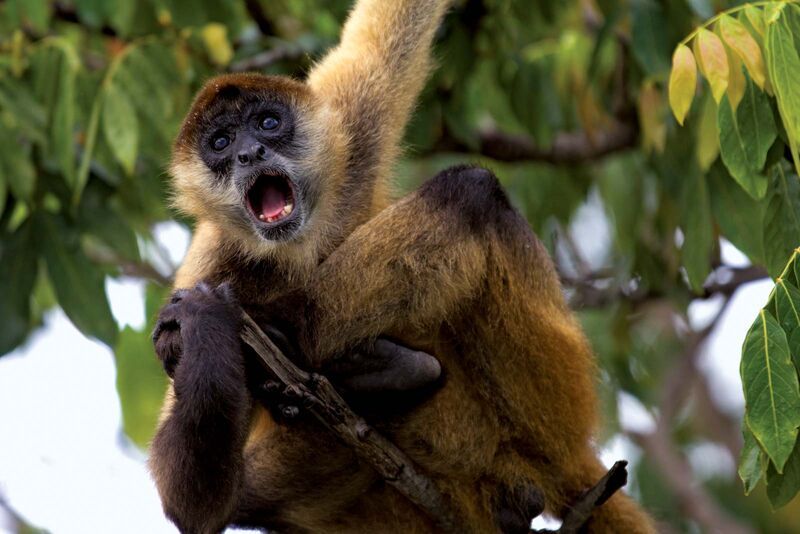
As annoying as they were, meeting the spider monkeys was a blessing in disguise. In fact, the cheeky monkeys actually helped save Antônio’s life! After watching the simians eat a bright pink fruit called breu, Tohinho knew it must be safe for humans. The small wild fruit became his primary source of food. With no crew to cannibalise and losing weight by the hour, he also survived on small, white-throated tinamou bird eggs – a kind of Amazonian moorhen – as his only source of protein.
MUSIC TO MY EARS
Starved to within an inch of his life, Tohinho had walked alone in the jungle for more than a month. He had only covered 17 miles (28 km) through the densely forested world, but he was still alive... just. Late in the afternoon on his 35th day – having gone three days without any food – he heard a buzzing noise that stopped him dead in his tracks. Was it a bird? Was it a plane? No, it was the sound of a chainsaw! And that could mean only one thing; humans were nearby. Unless it was cicadas. Or tinnitus.
Antônio was thrilled to the point of euphoria but decided it best to stay where he was. You see, he was worried he might get lost trying to locate the source of the chainsaw as dusk fell. It was yet another huge gamble. Would the people still be there the next morning? Only the Almighty knew the answer. “God, make them use this chainsaw again,” he prayed before bedding down and going to sleep.
THAT OLD CHESTNUT
Surprisingly, his gamble paid off. The next morning, Antônio heard a buzzing chainsaw again, but only momentarily. With his sights set on the river, he kept heading east. At around 3:30 or 4:00 pm on the afternoon of March 6th, 2021, he stumbled across something extraordinary. First, he spied a tarpaulin, and what he saw next was a sight for sore eyes. “I was walking in the jungle and spotted a white tarpaulin which I pulled back to find a basket with chestnuts in by some tools and water.”
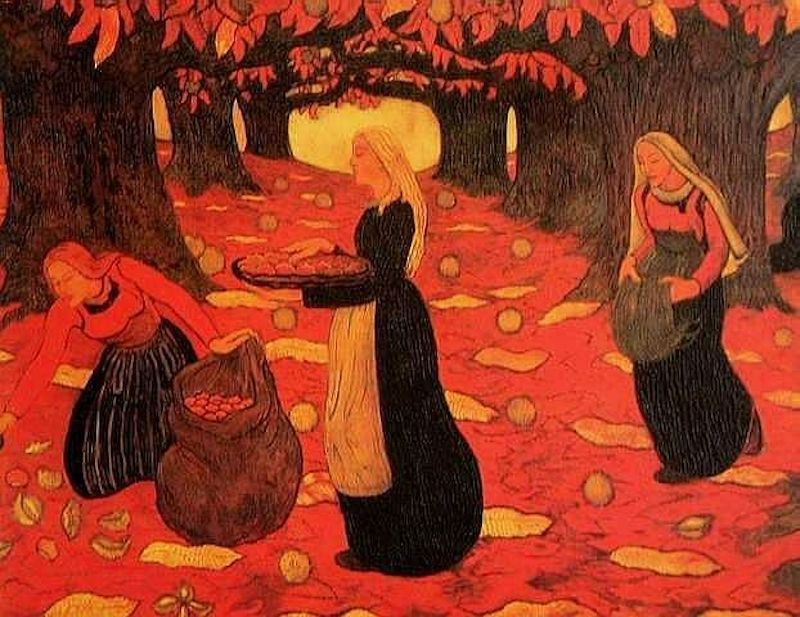
Like a scene reminiscent of Georges Lacombe’s 1894 Chestnut Gatherers painting, Antônio had miraculously stumbled right into a chestnut collectors’ campsite. Not too far from the tarp was a man cracking nuts: “I followed the trail until I came across the people who raised the alarm." Finally, after five weeks surviving alone in the harshest environment imaginable – and with next to no food – Antônio was rescued!
MIRACULOUS COINCIDENCE
The matriarch of the chestnut collectors was 67-year-old Maria Jorge dos Santos Tavares. She and her family have been gathering nuts from the forest to sell for five decades. Amazingly, the group had not ventured so deep into the rainforest for three years. Sadly, Maria’s husband had died in the pandemic, and as she and her family mourned and their debts grew and grew, they were forced deeper into the jungle to search for nuts.
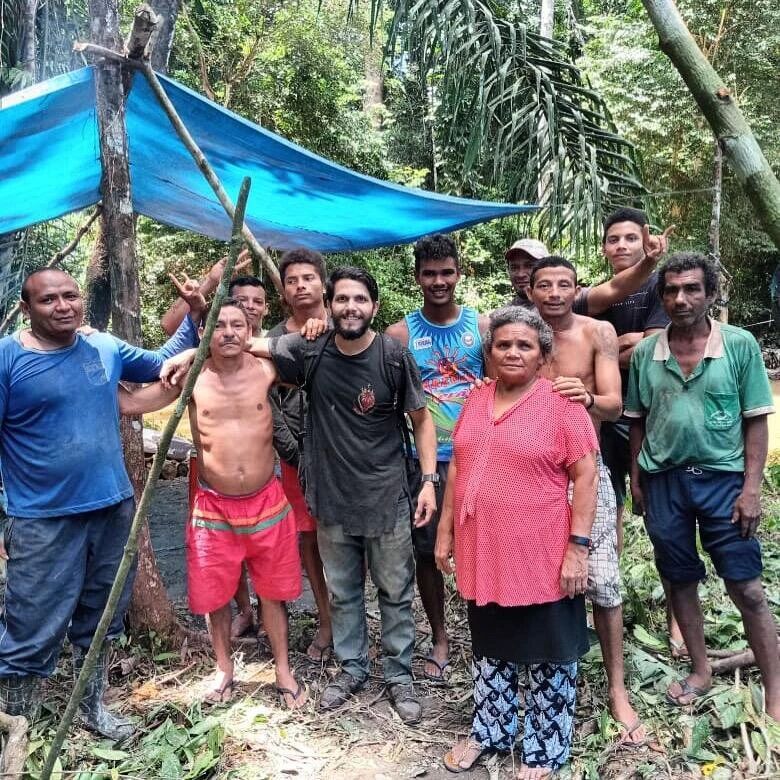
Maria's family and Antônio had been brought to the same part of the jungle by the same set of circumstances: coronavirus, the lack of money, and desperation. It was divine intervention that allowed their paths to cross.
EL ESPÍRITU SANTO
Maria and her family fed and watered this lithe, bearded, long-haired apparition who had walked out of the jungle. Next, she gave him clean clothes and provided shelter. Then, she used a radio to call her daughter, Mirian, who lives in a nearby town, asking her to contact Antônio’s mother, Rolene.
Mirian had some trouble convincing Rolene that her son was still alive, but eventually, she got the message across. Then Mirian talked of her own family’s struggle. “We lost a life, and you gained one,” she told Antônio’s relatives. “I suppose that’s the way God wanted it.” Maria delivered Antônio to safety before she and her family ventured back into the forest, where she spent the next month collecting nuts.
A STORY OF LOVE AND FAITH
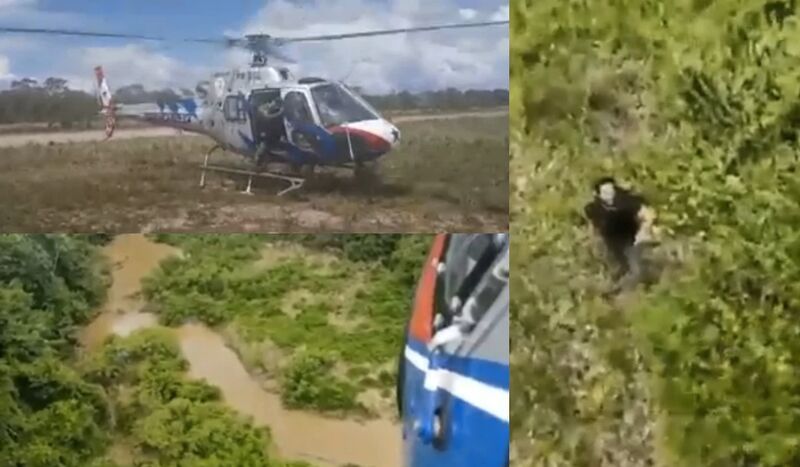
After 36 hellish days in the jungle, Antônio was airlifted out of the jungle by a police helicopter. In scenes caught on video, he is shown boarding the helicopter before being tearfully reunited with his family. The reunion was broadcast on Brazilian TV before Tohinho was taken to hospital for a check-up. He was soon released after treatment for dehydration and a few minor injuries he sustained during his five long weeks in the wild. He had lost 55 lbs (25 kg) during his ordeal.
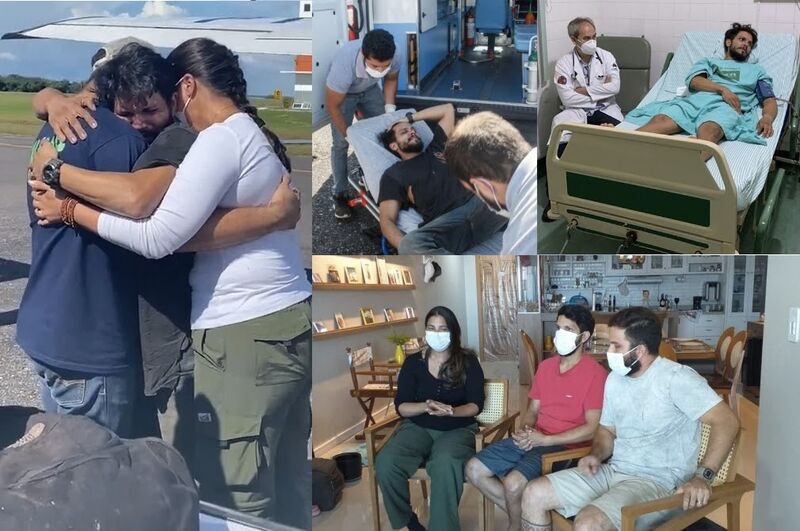
He confessed to the cameras: “The only thing that kept me strong and enabled me to come out of that situation alive was the love I have for my family, the desire I had to see my parents and my brother and sister again … It's a story of love and faith.” Locals described his survival as a 'true miracle.'
THE BIGGER PICTURE
He added: “I had never been in an area where the forest was so pristine, so untouched. And there what I discovered is that the Amazon, it is not a single forest, but it is four or five forests which mingle.” Antônio’s story highlights Brazil’s illegal mining industry, which has flourished in recent years in Indigenous territories that are supposed to be sanctuaries. California – the illegal mine he was flying to – lies deep in the Maicuru Reserve, where human activities are banned apart from those which protect the forest.
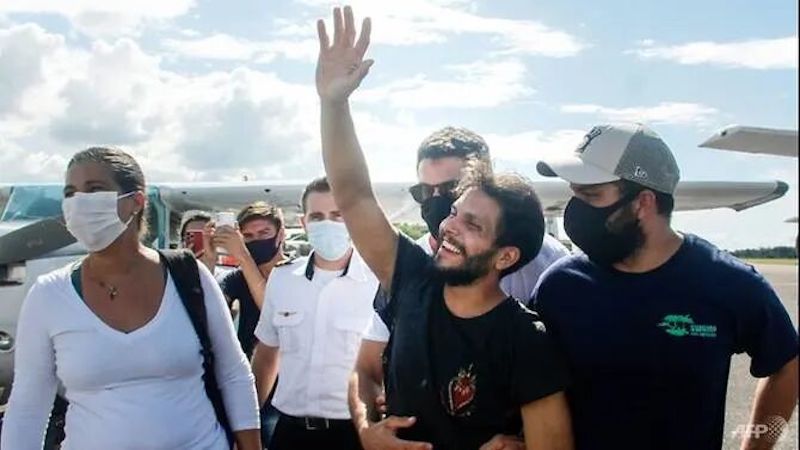
The Amazon is often referred to as ‘the world’s lungs’ as it provides a third of the planet’s oxygen, yet 17% of the jungle has been lost to deforestation in the last 50 years. That’s 935,000 km², an area the size of Nigeria. In recent years, the rate of deforestation has slowed but thousands of illegal gold mines have popped up, scarring the greenery and flooding many rivers with poisonous mercury.
REGRETS, I'VE HAD A FEW
Even before his fantastic adventure, Antônio called himself a native "Amazonian" and lover of the rainforest. Afterwards, he stated, “If I had fallen somewhere in a deserted plantation site, I wouldn’t have water, shelter, or what to eat,” adding: “The Amazon is so rich.” He walked away from his arduous odyssey with a newfound spiritual connection with the rainforest that is being destroyed by the self-same illegal miners he worked for. The message was not lost on Antônio.
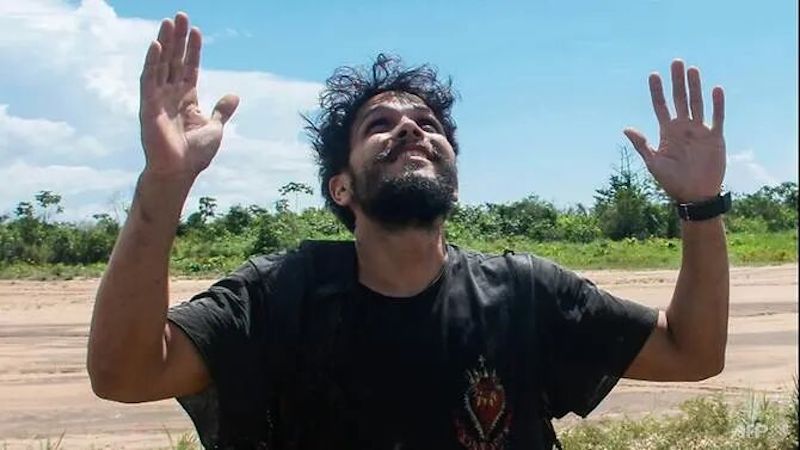
Like Saint Paul on the Road to Damascus, Antônio sums up his epiphany: “I was found precisely by a family of nut pickers. They are people who live in harmony with nature, people who do not harm the forest in any way. They live in community, it’s wonderful. It was magic for me.” On the tricky subject of working for illegal miners, Antônio proffered: “I had to let go of my own standards to try to support myself through this tough period … I would never fly for wildcat mining again.”