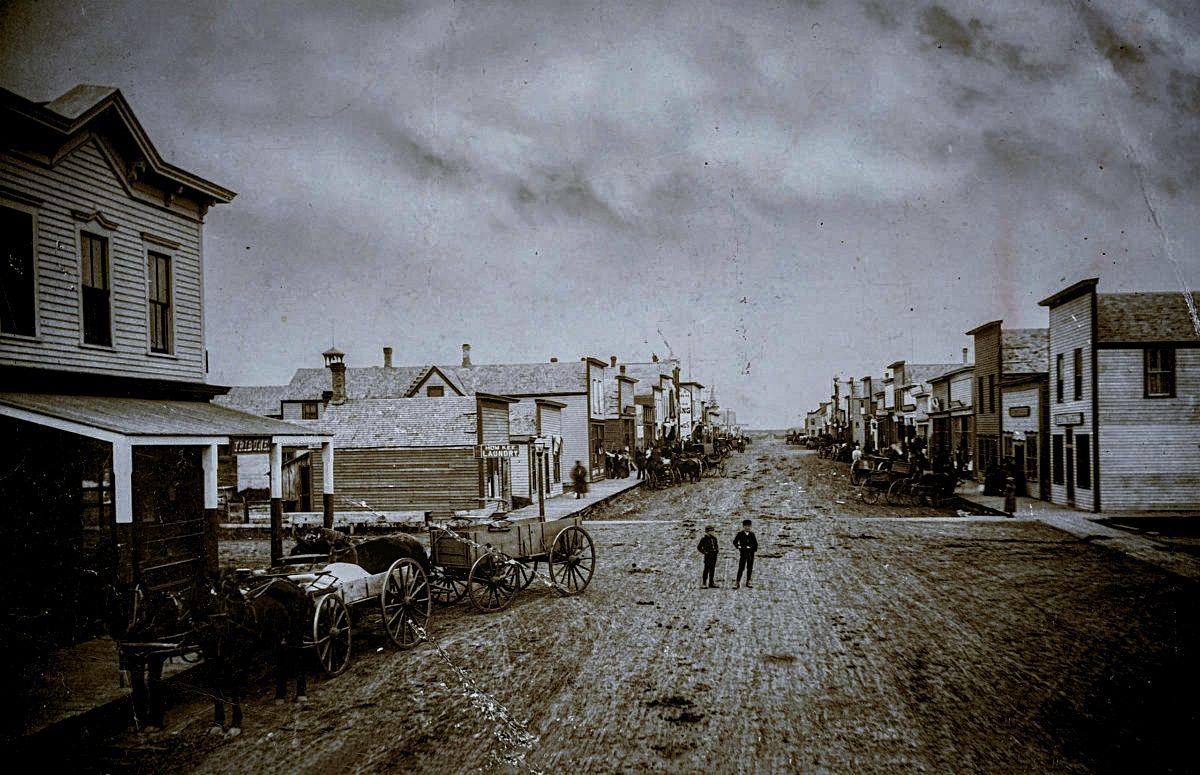
Even Paulson was a Norwegian immigrant who left behind his parents and waved goodbye to his small town in Norway, seeking the American Dream. He eventually settled in Mayville, in the Prohibition state of North Dakota, and became a police officer.
One night in September 1893, he interrupted burglars stealing alcohol from a pharmacy warehouse. The two men brutally murdered Paulson, rocking and angering the small community. The killers' sensational trial, imprisonment, and early release played out in newspapers for two decades. Cowboys and cowgirls, welcome to the strange case of Even Paulson and his murderers.
SCANDINAVIAN DIASPORA
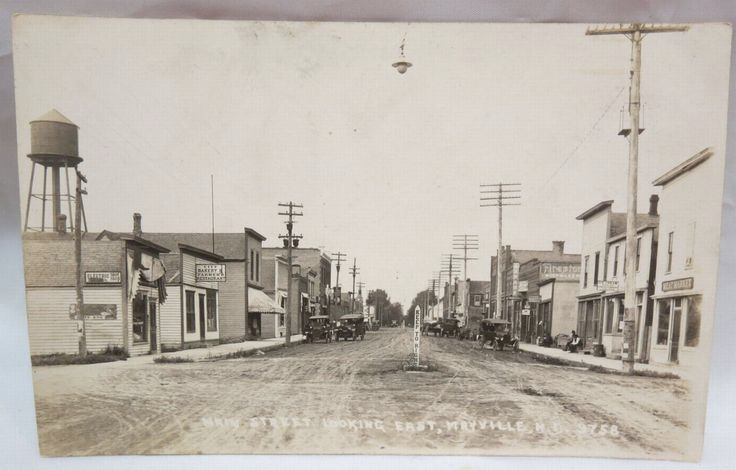
The year was 1893. The place was Mayville, North Dakota. For reference, that’s about 17 years after Wild Bill Hickok, Calamity Jane, et al., frequented Al Swerengen’s famous saloon in Deadwood, South Dakota.
In those days, the northern Midwest was a mecca for Scandinavian immigrants. Hardy folk from Sweden, Norway, and Denmark flocked to the region in droves, loving the temperatures and topography they had grown accustomed to back home.
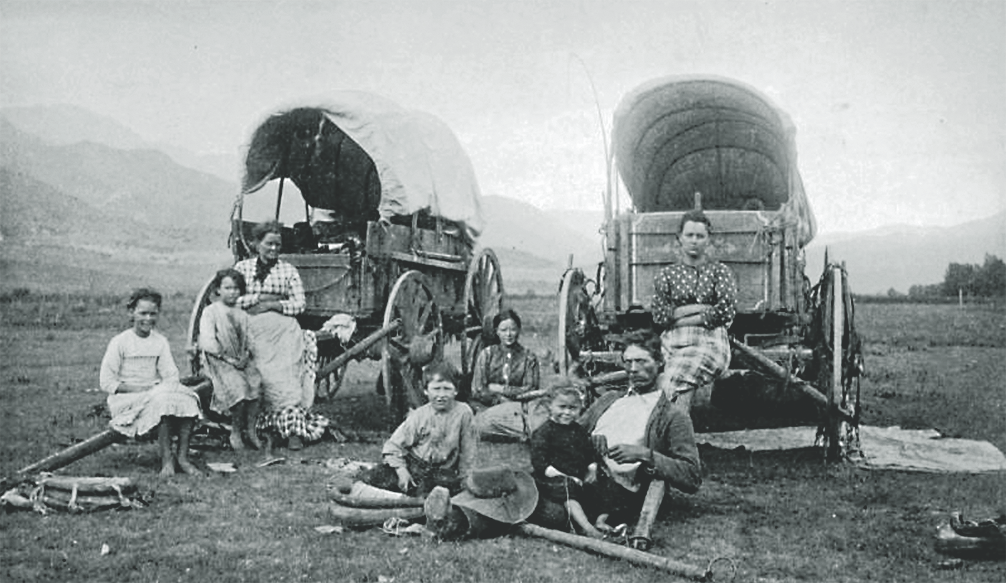
In the century between 1820 and 1920, more than 2.1 million Scandinavians emigrated to America. One of them was a young Norwegian named Even Paulson. He traveled to the United States seeking a new life in the land of the free and the home of the brave. But Paulson’s new life in the Home of the Brave would be the death of him.
THE LAND OF THE FREE
In 1864, Even Paulson was born in Seljord, Norway, just over a hundred miles west of the capital, Oslo. The municipality of Seljord was (and still is) surrounded by mountain slopes, pristine blue lakes, and Norwegian spruce forests. It’s safe to say that the Paulson family lived off the land and were probably farmers, as there’s little else to do in the region.
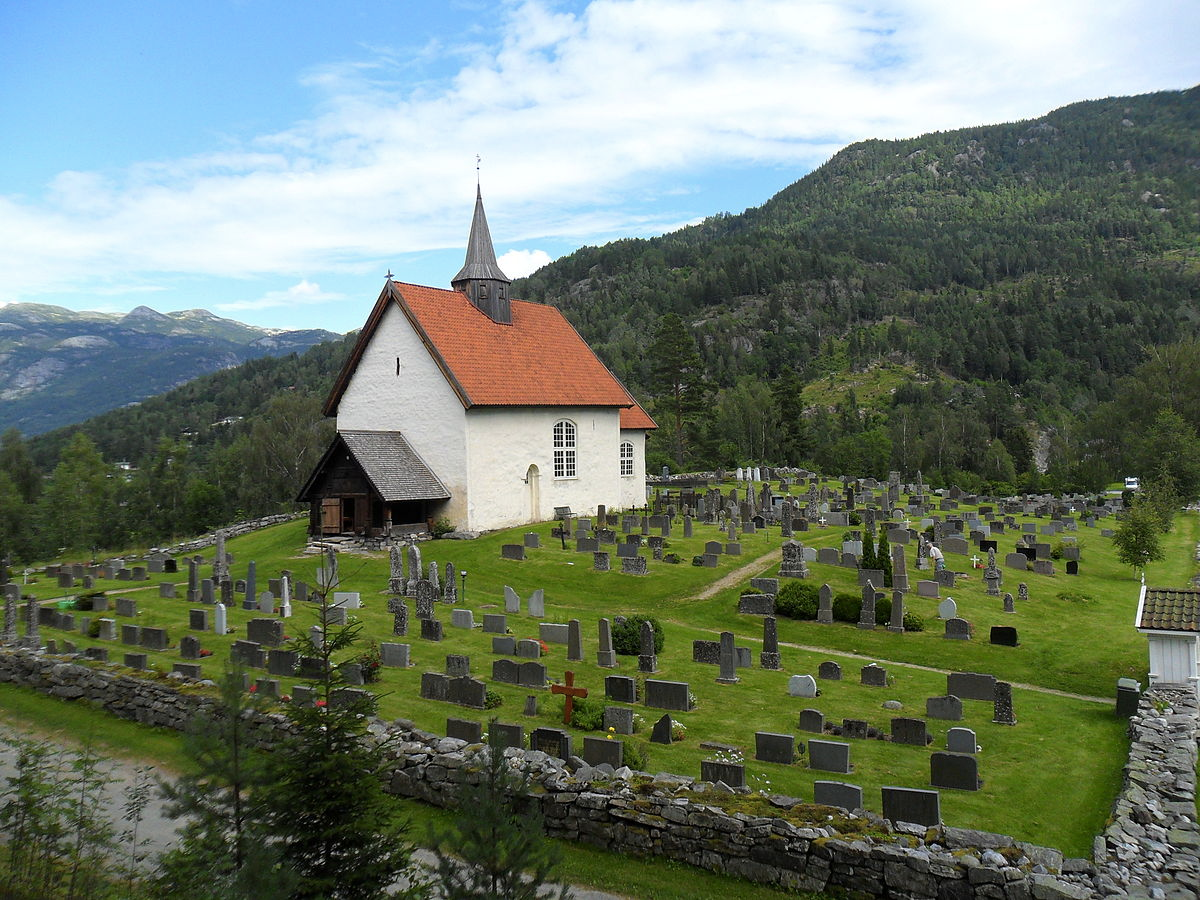
Next to nothing is known about Even’s early life in his home country, but we can say for sure that he sought a new life––a life less ordinary. One filled with hopes and dreams. So, in 1884, 21-year-old Even Paulson waved goodbye to his parents in Seljord, headed to Oslo, and boarded a ship bound for Quebec, Canada.
THE HOME OF THE BRAVE
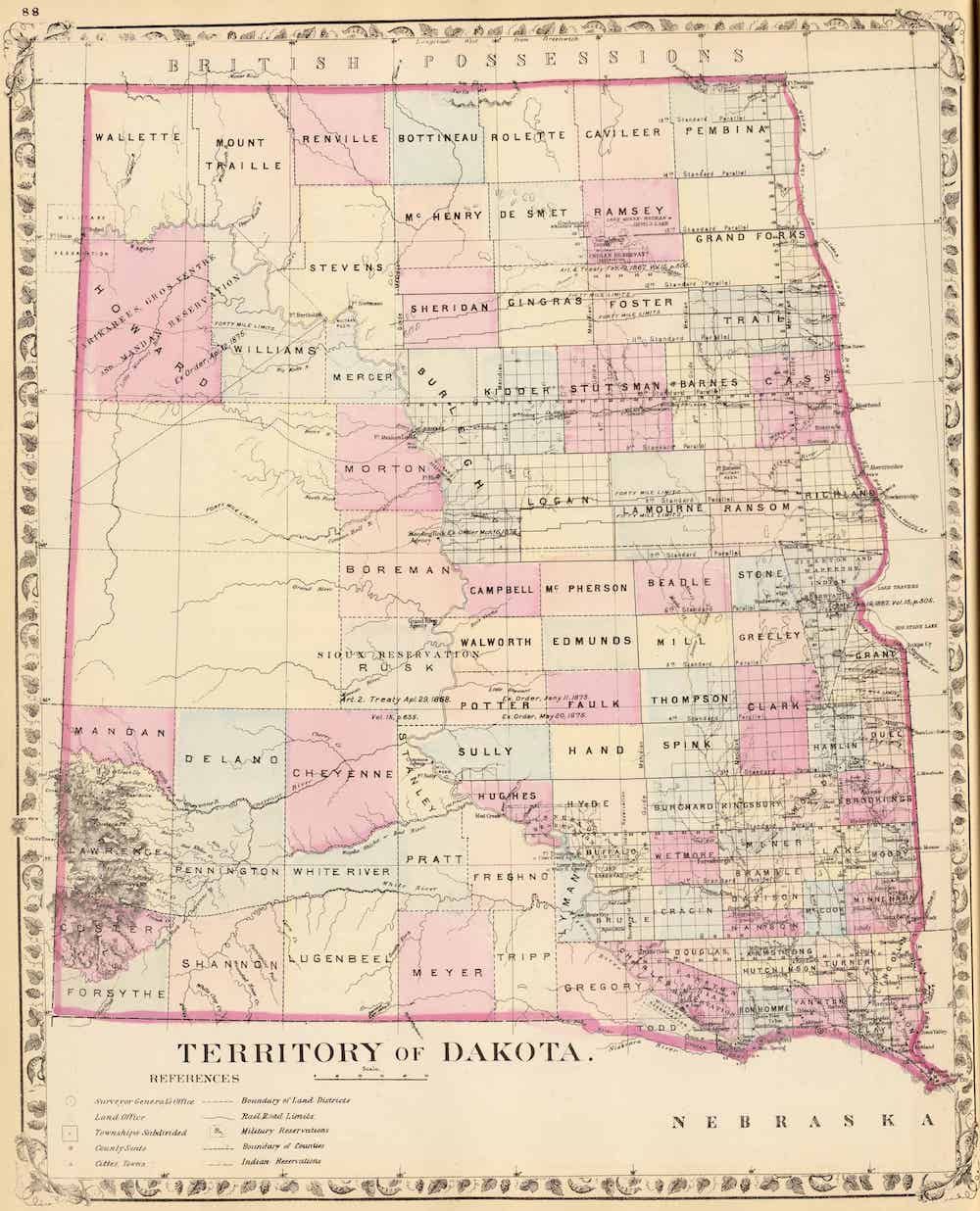
Even made his way south of the border to Granite Falls, Minnesota. Within two years, he filed Declaration of Intention papers in Yellow Medicine County; his first step toward becoming a naturalized citizen. Next, he headed to Trail County, North Dakota.
Eight years after he left his home and parents behind in Norway, Judge William McConnell signed Even’s citizenship papers. Paulson had successfully created a new life for himself as a US citizen. By the age of 30, he had turned his dream into reality.
Mayville’s Deputy Marshal Paulson was “well-known, universally trusted, and immensely liked… his personality was so engaging," writer Ellen Notbohm noted. Paulson believed police officers should be visible in their communities.
As such, he became a regular fixture in Mayville, talking to children, parents, and business owners. "He could talk unruly toughs and drunks into voluntarily accompanying him to the city jail," Ellen penned.
NORTH DAKOTA
If you’ve seen HBO’s excellent TV series Deadwood, you’ll know what life was like in the last decades of the 19th Century. This was the wild, wild Midwest. Not the hot, dusty, desertous Wild West made famous in countless cowboy movies, but the cold, wet, muddy, and midge-infested hills, valleys, mountains, lakes, forests, and wetlands of the Dakotas. It must have felt like a home from home for Norwegian Even Paulson.
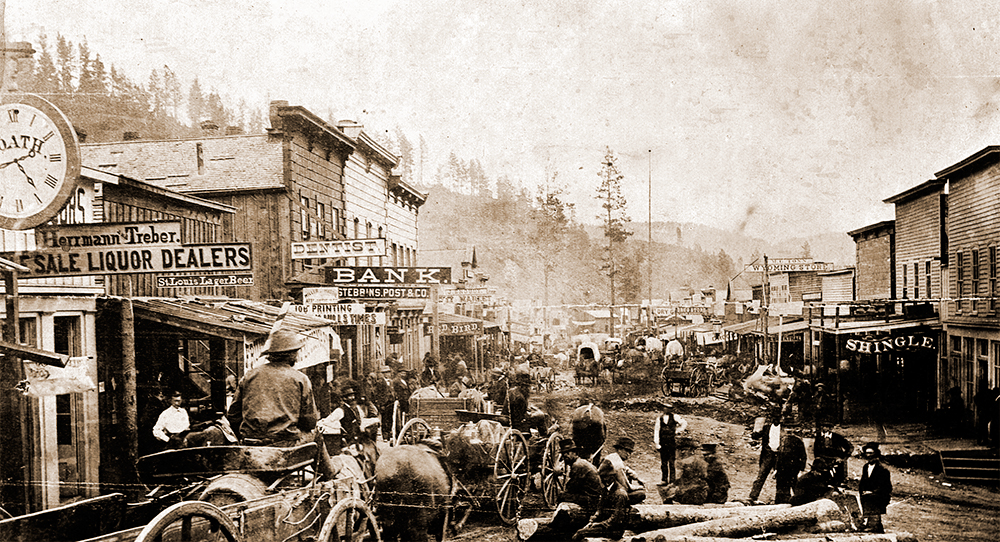
North Dakota only joined the Union as a prohibition state in 1889. Despite its good intentions, this meant bootleggers, moonshiners, blind piggers (speakeasy proprietors), pimps, gamblers, and sex workers were never far behind. Violence was a way of life.
The ne’erdowells, drunks, burglars, thieves, and cutthroats often came into conflict with sheriffs and police or fell foul of the Women’s Christian Temperance Union. Even had no idea, but all the chess pieces were in play for the most atrocious crime in Traill County's history…
WHO WATCHES THE WATCHMEN?
North Dakota was dry, but pharmacists were allowed to use alcohol in medications. Sometime after midnight on September 3rd, 1893, 30-year-old policeman Even Paulson was doing his rounds as a night watchman when he was surprised by burglars stealing alcohol from a warehouse behind the R.L. Kenney & Co. drugstore.
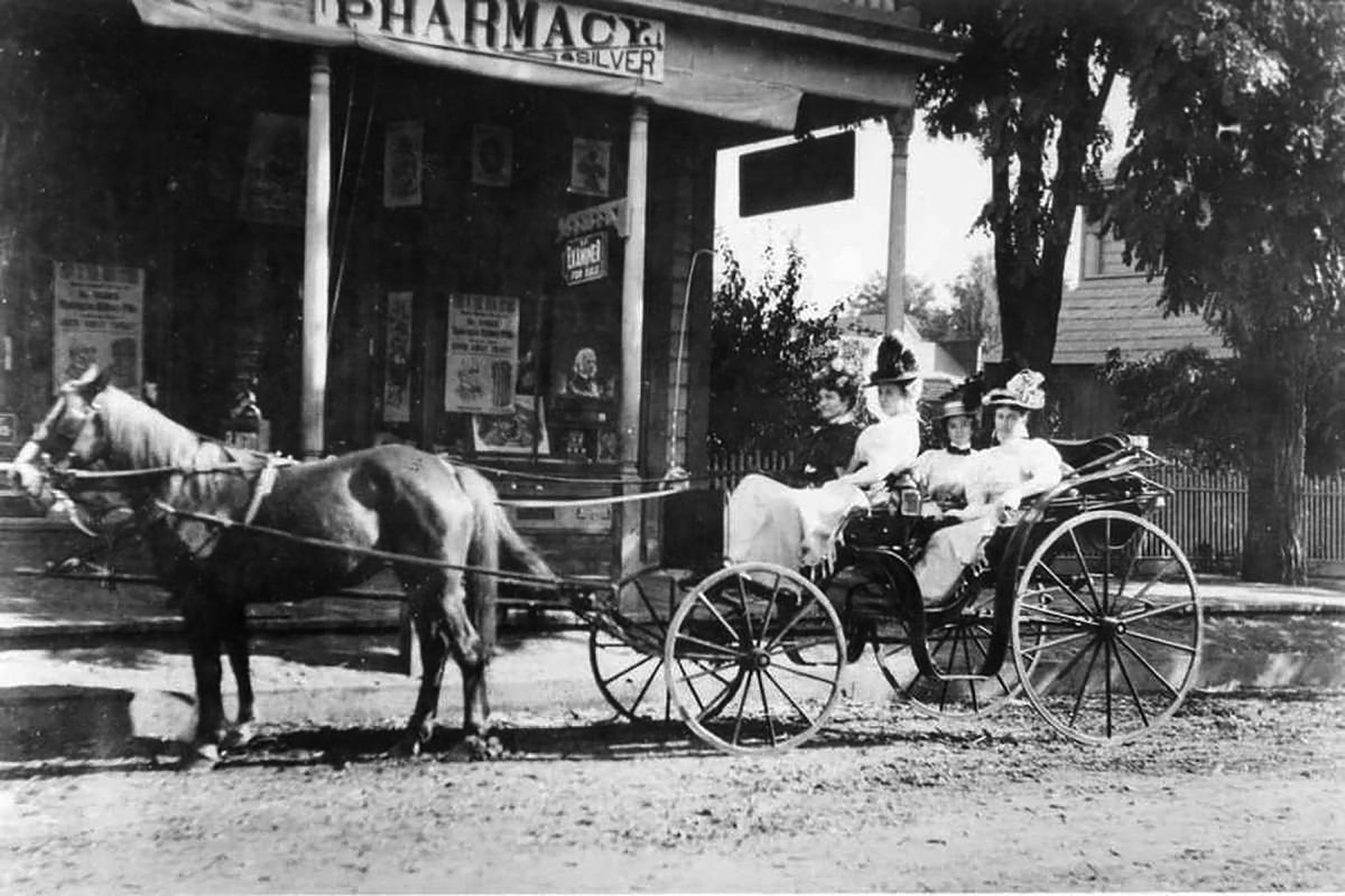
The burglars were, of course, after the medicinal alcohol to sell as bootlegged booze. When Paulson caught them red-handed, they responded in the only way they knew––with quick and exact violence. Two or possibly three shots rang out in the dark alley behind the pharmacy and warehouse.
A MURDER MOST FOUL
The first shot hit Paulson in the abdomen, and he fell to the ground in agony. The night watchman screamed for help, but no one heard his cries nor arrived in time to save him. Seconds later, the Norwegian policeman was put out of his misery by a second and possibly third bullet to his forehead at point-blank range. His life had been snuffed out in an instant.
Even had left Norway seeking a new life in America, but his hopes and dreams died like a dog in an alley four thousand miles away from his home, his poor parents, and those who loved him.
The burglars bolted in opposite directions, but Even’s loyal dog remained beside his owner’s stricken, dead body. The dog was the only eyewitness to the crime.
ROUND UP THE POSSE
Moments after the shots had rung out and echoed around the Mayville streets, a local resident heard a loud bang against his house and witnessed a man jumping over a fence. When news of Nightwatchman Paulson’s death spread, half the population of Mayville formed an impromptu posse and set off in search of his killers.
Soon, the angry posse apprehended a man named James Kelly; he was found cowering in the crawl space beneath the train station. The mob carried the drunk killer to the city jail.

The following morning, officials discovered a .44-caliber Winchester rifle belonging to a local butcher named John William Law. When officials searched Law's room, they found a 10-gallon cask of port wine stolen from the pharmacy warehouse.
The Scandinavian Sheriff had interrupted when the burglars returned in search of whiskey. Life was cheap in the Wild Midwest, and the cost of Even Paulson’s life was a measly barrel of wine.
ANGRY MOB
An angry mob of 700 locals took to the streets, baying for blood and threatening to lynch the two men and hang them from a tree in an act of hillbilly justice. The local Hillsboro Banner newspaper described the crime as "one of most unusual cruelty" and reported: "It was with greatest difficulty that lynching was prevented."
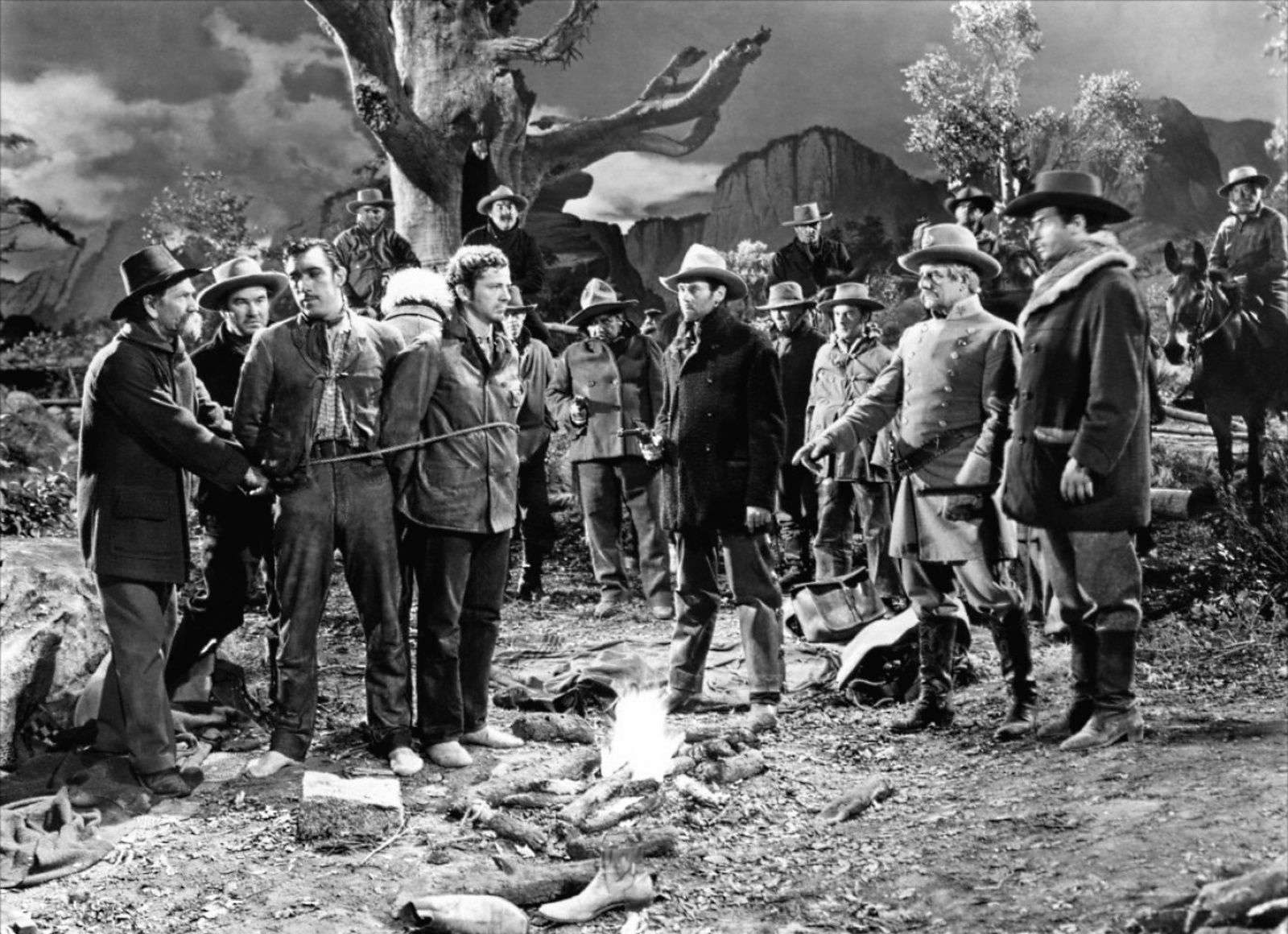
The town’s rage was subdued by rational individuals long enough for County Sheriff William K. Seaver to detain prisoners Kelly and Law. One day later, the authorities transported the two prisoners to the Cass County Jail in Fargo, North Dakota.
There, these "two well-known town toughs" (as described by the Hope Pioneer newspaper) awaited trial during the next term of court at Hillsboro, the Traill County seat.
A COMMUNITY GRIEVES
Even was a widely trusted and popular law enforcement officer in Mayville, known for his friendly, engaging personality. His funeral was said to have been the largest gathering the North Dakota town had ever seen.
Hundreds of black-clad local well-wishers lined the thoroughfares and wept as the solemn line of horse-drawn carriages, pallbearers, and Even’s casket snaked a mile through the streets.
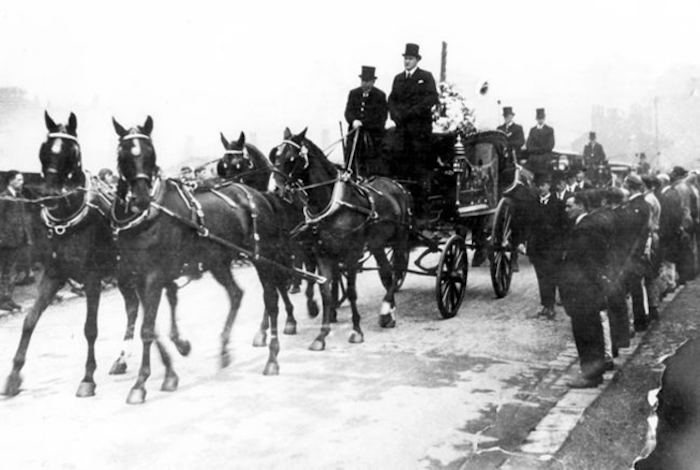
Funerals are always a somber affair, but this was especially grueling for the close-knit community of Mayville. While crime was rife, the god-fearing townsfolk were good people, and a beloved young deputy who only ever wanted to serve and protect his new community had been cut down in his prime. Reverend George Curtiss delivered a sermon in English, while Reverend Jens Lonne delivered his speech in Norwegian.
THE COWARDS JAMES KELLY AND WILLIAM LAW
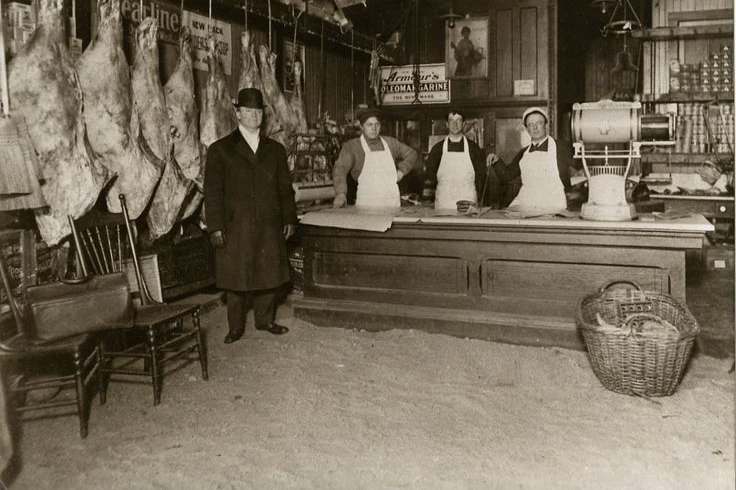
John William Law, known as William, was a 28-year-old native of Maryland and had only recently arrived in North Dakota in the months before Even Paulson’s murder. William found work as a butcher in Fargo. However, he fell in with the wrong crowd and eventually moved to Mayville. There, Law met Kelly, a laborer who worked at the butcher shop. Kelly wasn’t even paid for his labor; instead, he worked in exchange for offcuts of meat.
Despite being the same age as Even, 30 years old, James Kelly had graying hair, was going bald, and had a crooked nose. Despite their claims of a third accomplice, who they said was responsible for the murder, both men admitted to the robbery but denied killing Paulson. Law and Kelly claimed they only ever referred to this unlikely third accomplice as Murphy.
THE THIRD MAN
Despite an extensive search and a handsome reward, no evidence of this man Murphy or any other third person has ever been uncovered. Kelly and Law were both indicted on four counts of murder and burglary by a grand jury in Hillsboro, North Dakota.
While awaiting trial in jail, James Kelly suffered a severe lung hemorrhage, but luckily he survived long enough to face justice for his crimes.
Whether or not a third person was involved in the crime remains a mystery known only to James Kelly, William Law, Even Paulson, and his dog. All we have to go on are scant public records and English and Norwegian newspaper accounts, splashed across front pages for many months across five states, from Iowa to Minnesota.
JAMES KELLY'S TRIAL
As the trials of Kelly and Law approached, the Grand Forks Herald expressed concern about Hillsboro’s ability to accommodate the influx of trial watchers and urged the Great Northern Railway to offer fare incentives to encourage people to stay in Fargo or Grand Forks.
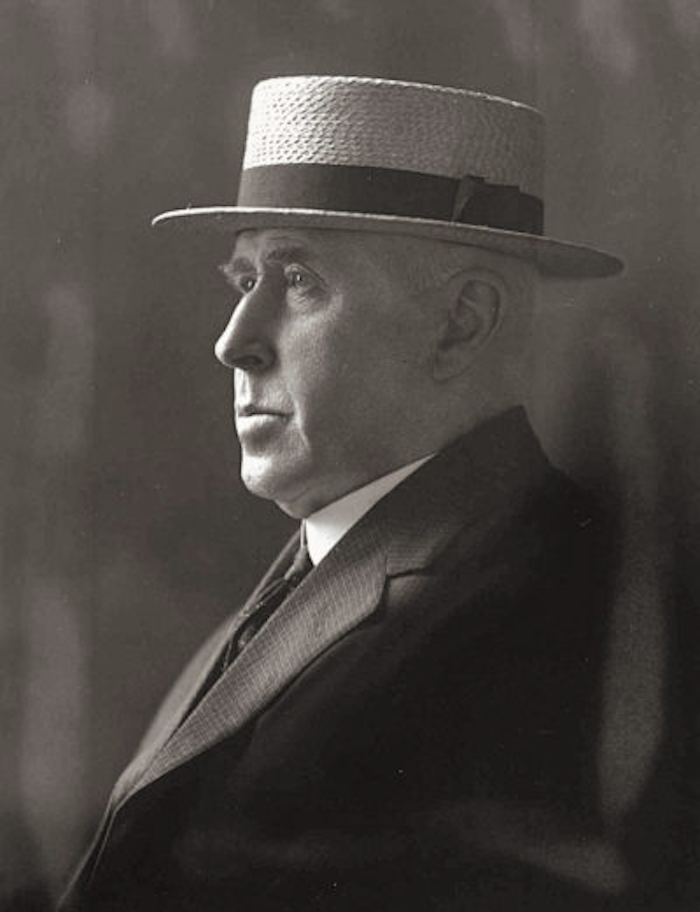
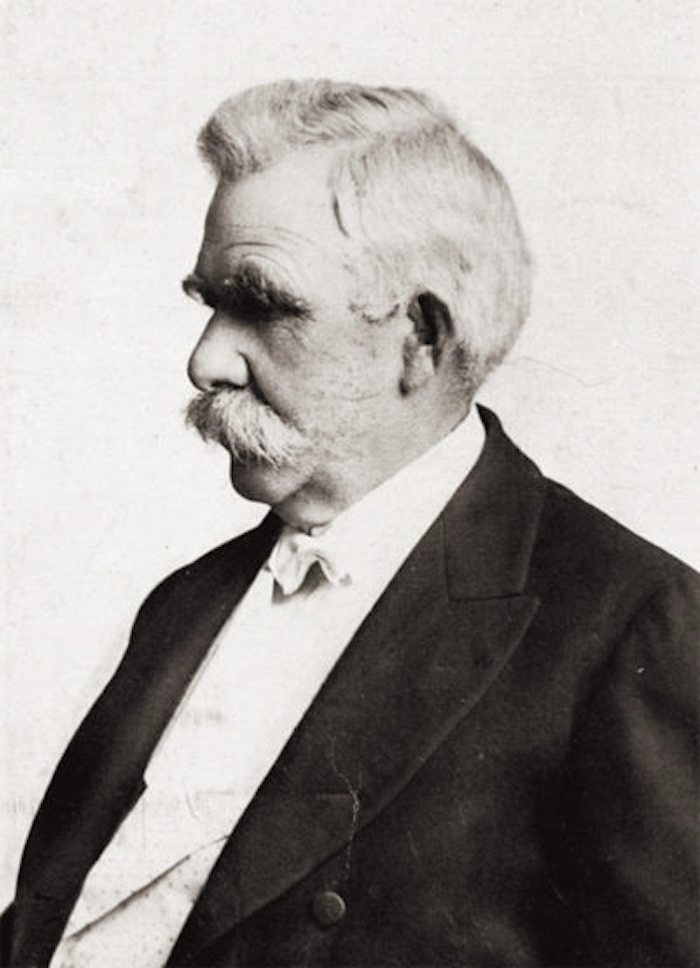
Defense attorney Francis W. Ames (pictured) requested a change of venue, which was denied. The jury was empaneled on January 20th, 1894, and James Kelly's confession to the coroner's inquest was central to his trial.
While he admitted to the robbery and implicated William Law and the elusive third man, Kelly always denied being present at Paulson’s murder.
However, in a bitter twist of ironic fate, he contradicted himself on the stand, and the jury returned a guilty verdict after nine days. As the jury was allowed to choose between the death sentence or life in prison, Kelly was sentenced to be imprisoned for life.
WILLIAM LAW'S TRIAL
With Kelly found guilty and imprisoned for life at Bismarck’s North Dakota State Penitentiary, William Law's trial got underway. Traill County State's Attorney John Carmody (pictured) portrayed him as the ringleader in Even’s murder.
Carmody produced evidence demonstrating that Law had threatened to shoot Paulson before the murder and had the means, motive, opportunity, and Winchester rifle to carry out the crime.
The lack of proof over who pulled the trigger spared William Law from the gallows, and he, too, received life imprisonment. Law and Kelly were delivered to the state penitentiary on February 13th, 1894.
The Bismarck Weekly Tribune described the two murderers as “evil-looking villains, whose faces were made to grace a rogue’s gallery or adorn the space behind prison bars.” However, our story doesn’t end with their imprisonment...
JUDGE WILLIAM McCONNELL
Presiding Judge William McConnell, who had granted Even Paulson his American citizenship two years earlier, tore into the killers as he handed down their sentence. “Did you hope that the jury might waver in their duty and extend an avenue of escape through sympathy for you?
If so, stop and consider whether or not you showed Even Paulson any sympathy or mercy. Did you stop to consider that he was an honorable citizen, a faithful officer, and in the performance of his duty?”
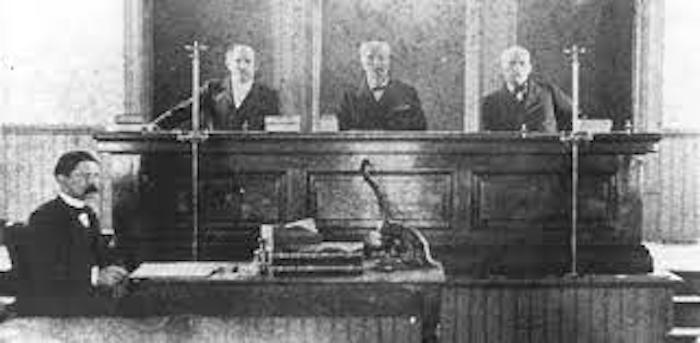
McConnell continued booming: “Did you consider his father and mother in Norway and his sisters here and how your act must so cruelly wound the love and affection they had for this son and brother?
It is indeed a sad spectacle to see one of your years receive the sentence of banishment for life, from all the objects, hopes, anticipations, and pleasures of life, and to think you merit such a desperate penalty.”
THE KNIGHTS OF PYTHIAS
Despite William Law’s degenerate ways, he had been a member of Washington's fraternal organization, the Knights of Pythias. In May 1896, the Bismarck Weekly Tribune reported: “A movement is afoot to get a new trial for Lowe [sic].…K.P.’s are said to be interested.”
In May 1899, Governor Frederick B. Fancher heard Law’s application for pardon. Needless to say, most of Traill County lost their collective minds.
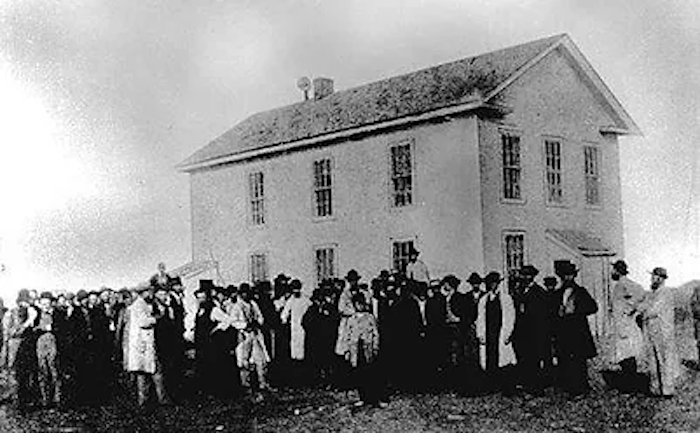
“They had their trial,” reported the Hillsboro Banner, and their life sentence “was considered lenient for such red-handed murderers.” Mayville’s mayor unleashed a strongly worded protest signed by “everybody” in Mayville and Hillsboro.
After deliberating several weeks, Governor Fancher denied the petition, declaring himself “unable to [find] sufficient cause why I, as executive of this state, should interfere with the decision of the court.” But the efforts to free William Law pressed on…
COMMUTED SENTENCE
The Knights of Pythias continued their efforts to have William Law’s sentence lessened. Bizarrely, Judge William McConnell endorsed Law’s early release, much to the chagrin of many Mayville residents and various newspapers. Surprisingly, their petitioning worked.
On December 21st, 1901, against the wishes and fervent resistance of hundreds of Mayville citizens, the state Board of Pardons commuted Law’s sentence from life imprisonment to 15 years.
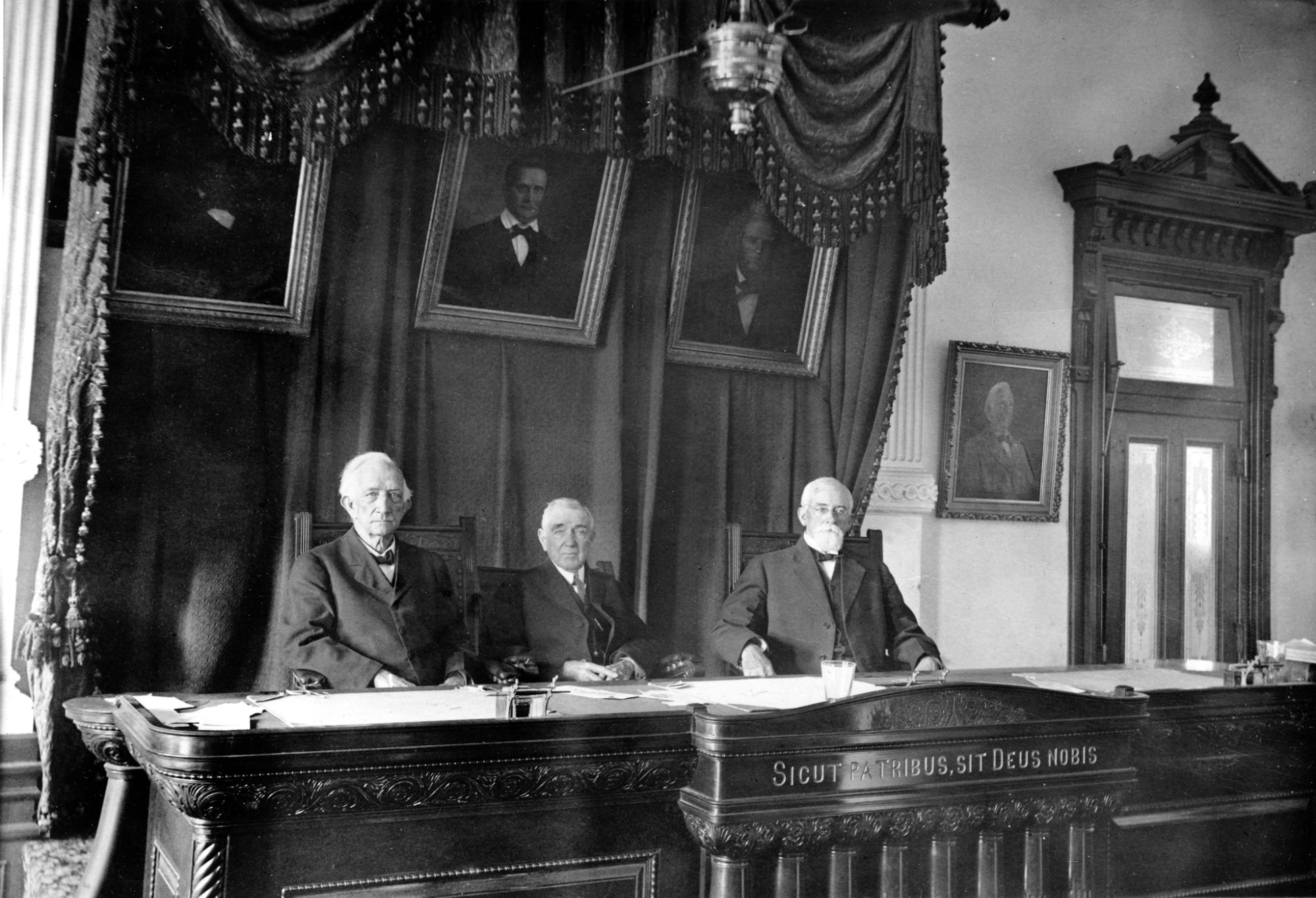
Traill County coroner Thomas Harrison released a statement blasting the board’s decision: “While there remains not a shadow of a doubt that Law was the arch-criminal of the two, his sentence has been commuted, while Kelly, who is friendless and unknown, is still condemned to end his days in a felon’s cell.
If murderers are to be pardoned because they have fraternal friends who persistently press the matter…the wisdom of the law creating the [pardon] board must be doubted.”
LAW GETS AWAY WITH MURDER
Law had survived a botched burglary where he shot and killed Deputy Sheriff Even Paulson and narrowly avoided being lynched by an angry posse. He avoided swinging from the gallows, a court trial, the ensuing media frenzy, and a lengthy stretch in jail.
Then, in 1907, John William Law walked free from the North Dakota State Penitentiary, having served just 13 years for the brutal slaying of Even Paulson.
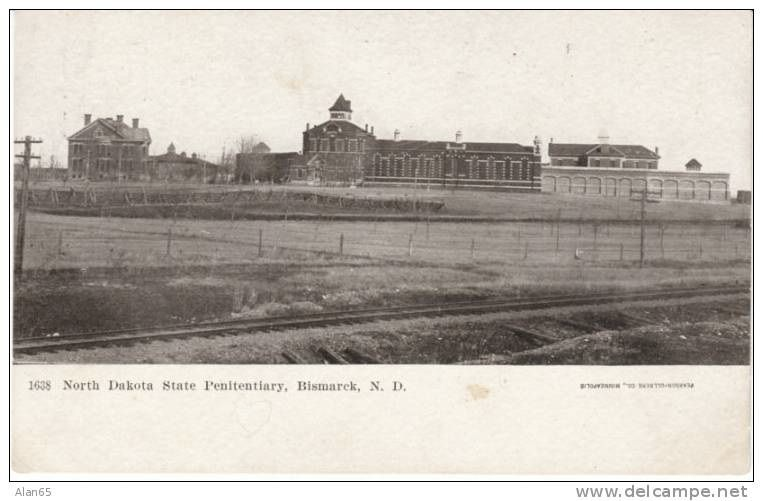
Not long after his release, William Law met a woman and married her; they moved to Minneapolis, and he resumed work in the meat industry. John William Law died in 1945, "leaving nothing that I could find suggesting anything other than an unremarkable life," author Ellen Notbohm wrote.
KELLY'S RELEASE
In 1911, James Kelly’s life sentence was commuted to 26 years, provoking the Mayville Tribune to scathingly suggest he “Join Mr. Lowe [sic] in Minneapolis and talk over old times.” Taylor Crum, the lawyer who applied for Kelly’s release, suggested he might make a good handyman at a local hospital.
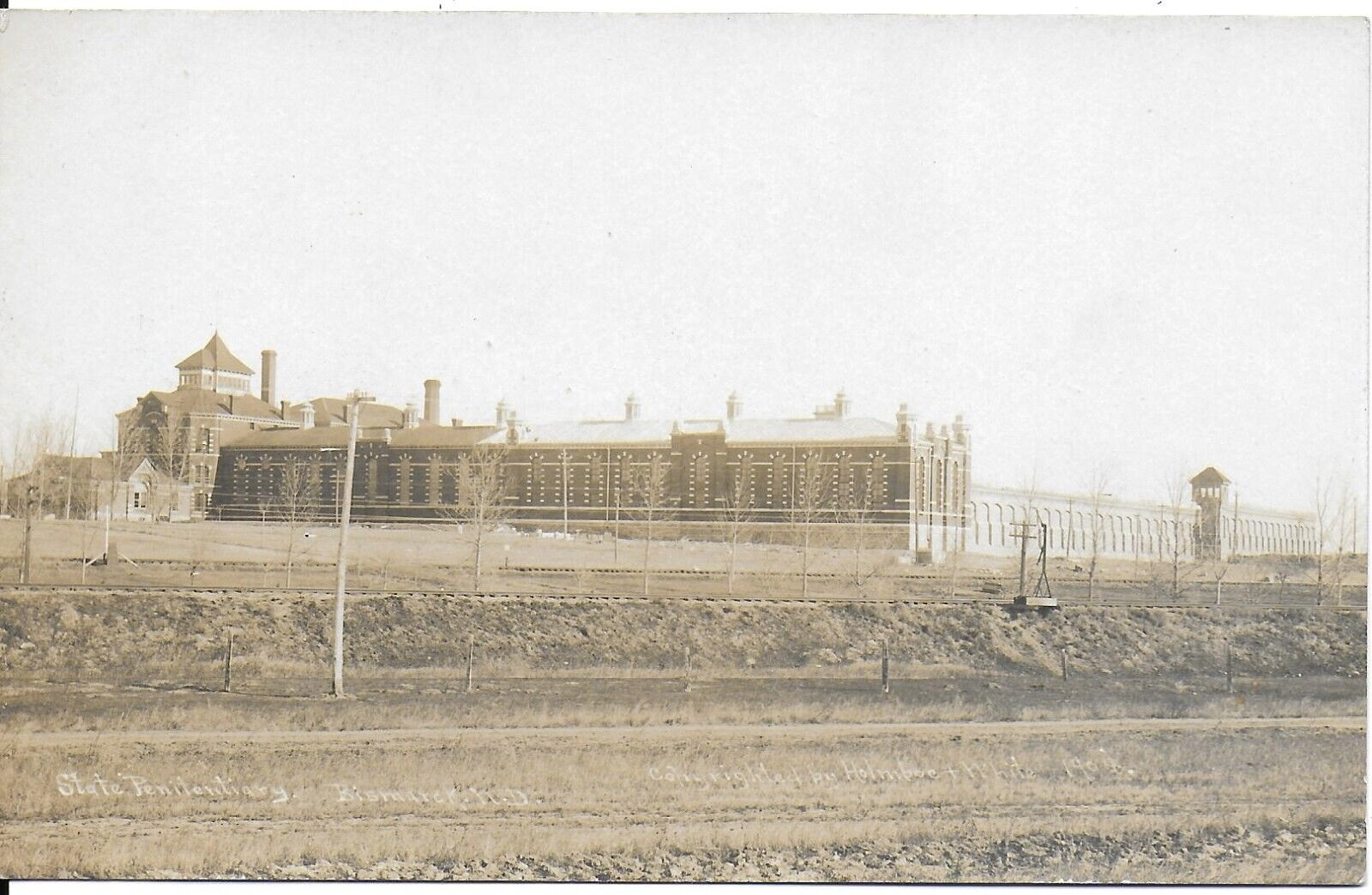
Crum wrote to a doctor, suggesting Kelly “might almost be better off to stay where he is than be sent adrift among the hobos of the Northwest …
It would be much better for the old man than to be sent adrift looking for jobs in railroad and lumber camps…until he is invariably recognized and kicked from pillar to post. Don’t you agree?” James Kelly was released from prison in May 1912, whereupon he slid out of history. He was never heard of again.
EVEN PAULSON'S FINAL RESTING PLACE
After leaving his native Norway and arriving in the United States via Canada, Even Paulson achieved the American Dream. He became a well-liked and trusted Deputy Sheriff serving his community.
But the American Nightmare of gun violence led to his untimely death as he walked his rounds that fateful September night in 1892. He was buried in the local cemetery in Mayville, North Dakota. His tombstone reads:
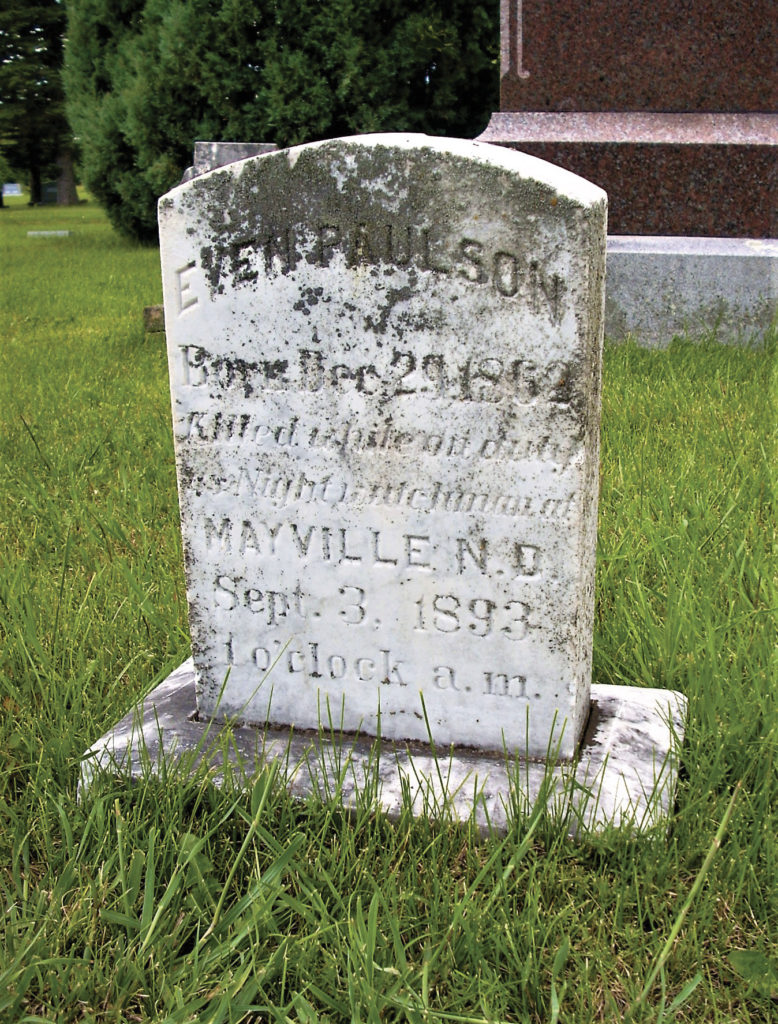
As well as the unusual name, date of birth, and date of death, Paulson’s grave marker states the time and manner of the night watchman victim’s gruesome murder.
His tombstone still sits, gathering moss in that lonely Mayville graveyard, just as it has done through sun, wind, rain, sleet, and snow for over 130 years. You can visit Even’s grave to pay your respects in English or Norwegian. He’d like that.