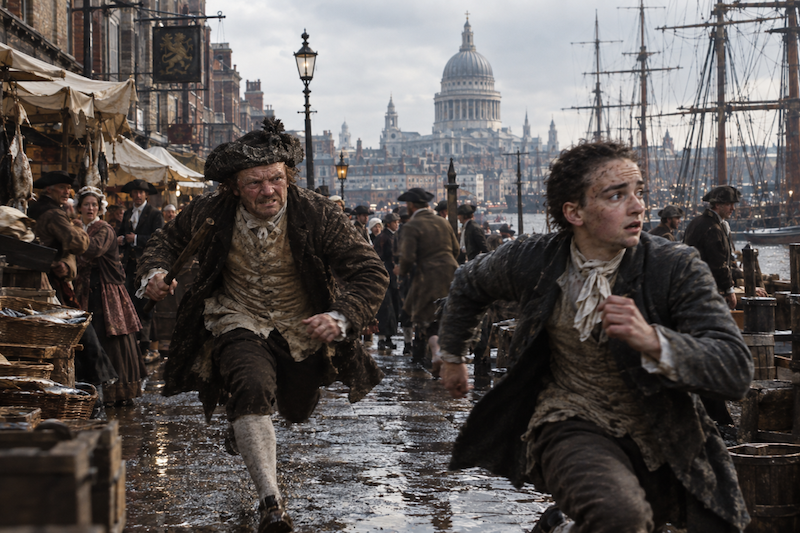
The streets of London have long been associated with crime. From Jack the Ripper stalking Whitechapel in 1888 to 1960s East End gangster twins Ronnie and Reggie Kray. But the English capital city’s criminal gangs go back much further. London's first real crime lord was Jonathan Wild.
He ran a vast criminal empire, but was also a crime-fighting vigilante. This is the story of the Thief-Taker General and his arch-nemesis, the elusive burglar Jack Sheppard, in a fight to the death...
The year is 1682. King Charles II is entering his final years on the English throne. Sir Christopher Wren is rebuilding St. Paul's Cathedral after the Great Fire of London. Halley's Comet leaves a fiery trail in the night sky, for this is the year astronomer Sir Edmond Halley named the heavenly body. While Sir Isaac Newton was trailblazing a scientific renaissance, most of the population would have seen the comet as a portent of doom.
In Exeter, Devon, three women are among the last to be hanged for witchcraft. In Wapping, East London, a most dreadful fire made 1,500 people homeless, forcing them onto the crowded, rat-infested streets.
Two days’ ride to the north, on the outskirts of Birmingham, lies a town called Wolverhampton. Since Anglo-Saxon times, the borough had been a market town selling wool, but, more recently, the hardy townsfolk had started mining and selling coal and iron. Today, the region is still known as The Black Country due to its coal mining.
And it's here in Wolverhampton, or perhaps the nearby Shropshire village of Boningale, that Jonathan Wild is born in 1682... or perhaps 1683.
JONATHAN WILD
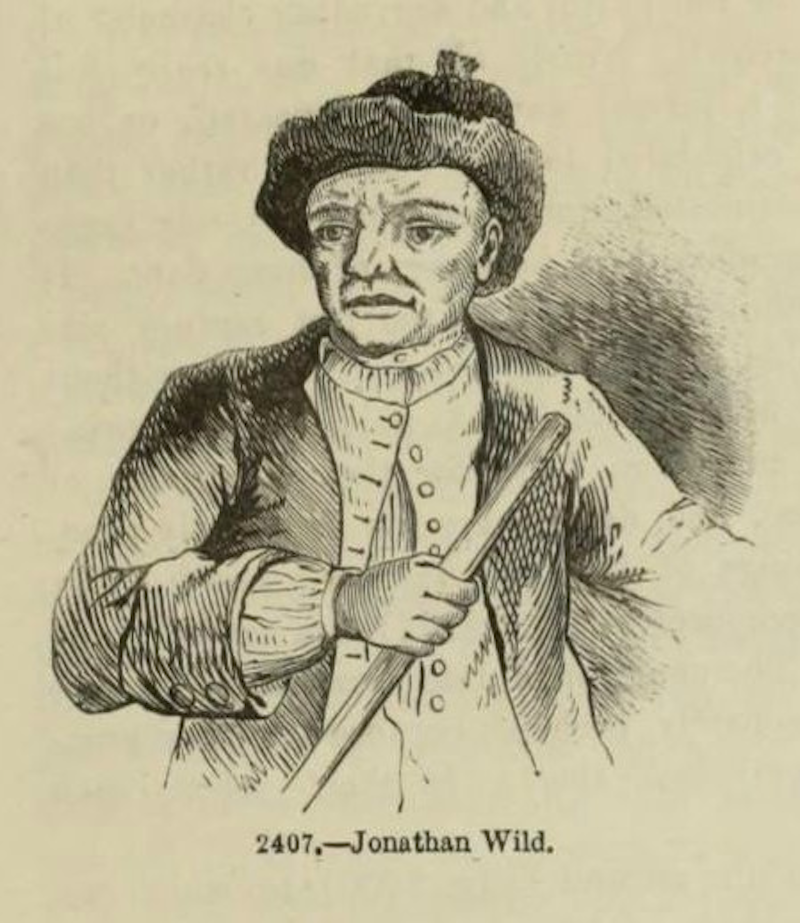
Jonathan is the first of five born into a humble, penniless family. His father, John Wild, was a carpenter, while his mother sold herbs and fruits in the local market. Despite crippling poverty, the boy was lucky enough to attend the Free School in St John's Lane, Wolverhampton.
Upon leaving school, young Jonathan Wild opted to become an apprentice to a local buckle-maker. In his teens, he married a local lass, and they had a son, but Jonathan soon abandoned them both in search of a wilder life.
Our story picks up in 1704 when Wild first ventures to London. With a population circa 600,000, London was England's largest city, so it must have been an overwhelming culture shock for a 22-year-old from a small market town. Wild quickly found work as a servant, but – as his name suggests – he wasn't exactly cut out for running around after masters.
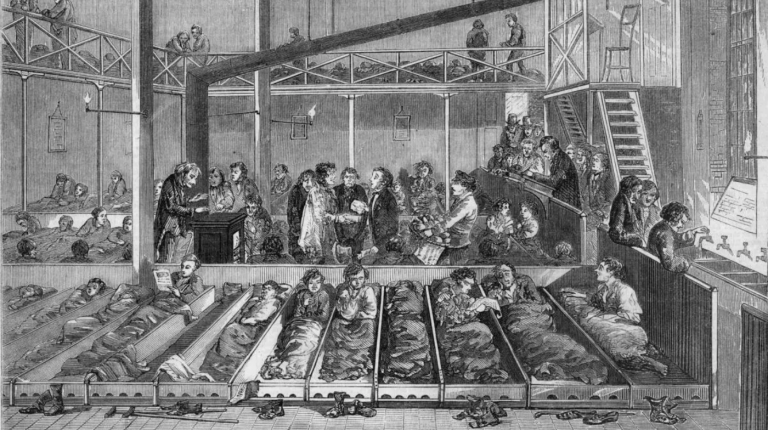
After getting himself fired, he returned to Wolverhampton. In 1708, he returned to London but within two years was arrested for running up debts and sent to Wood Street Compter. Debtor's prisons weren't normal jails; they were workhouses where people worked off their debts. But gaols were corrupt places, run by gaolers who demanded bribes, aka garnishes, from prisoners who wanted minor comforts or wished to avoid a beating.
Jonathan Wild took to jail like a duck to water, using his cunning ways to quickly become a popular inmate. He knew he had to stay on the right side of his brutal jailers, so he ran errands for them in addition to working off his original debts and prison costs. Yep, back in those days, you had to pay to be in jail! Next, Wild set up a racket lending money to other prisoners.
Eventually, he was given The Liberty of the Gate, meaning he was allowed to venture outside the gaol at night. This perk came with one condition: that he helped the authorities arrest London's spiraling number of thieves, brigands, cut-throats, footpads, blackguards, and pickpockets.
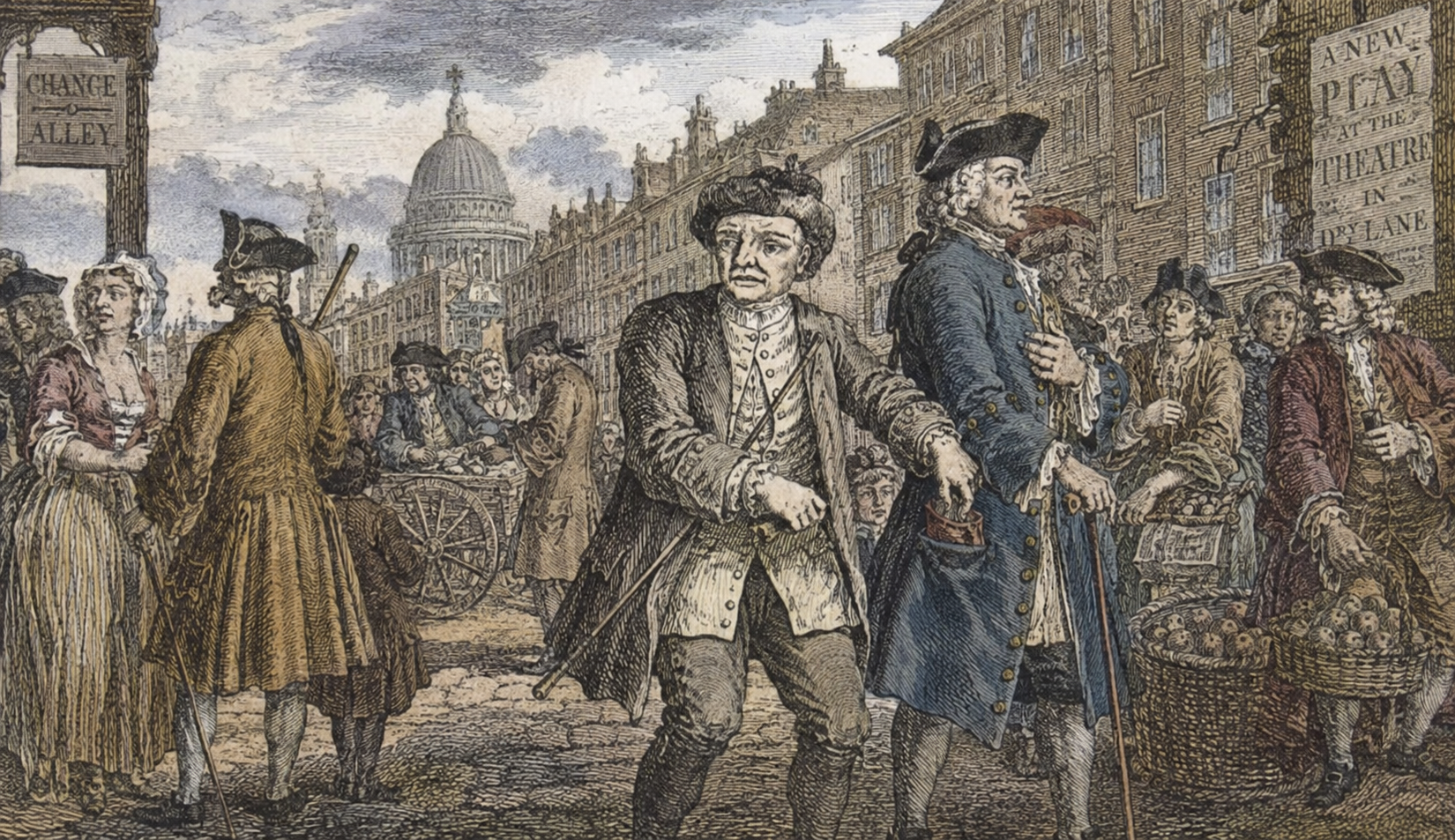
One night, while patrolling London's dangerous, foggy streets, he met Mary Milliner, aka Mary Mollineaux. She was a prostitute and notorious pickpocket, and they soon became as thick as thieves. Mary began to teach Wild her criminal ways and, according to novelist, journalist, and Robinson Crusoe scribe Daniel Defoe, Mary "brought him into her own gang, whether of thieves or whores, or of both, is not much material."
By day, Jonathan worked off his many debts in the workhouse. By night, he learned a wide range of nefarious skills from London's criminal underclass while pretending to police them. He soon turned to the dark side, robbing and pimping until he was living a double life. While his jailers thought he was working for them as an unofficial policeman, he was actually a thief.
When Mary went street-walking, Jonathan acted as her bodyguard. In the labyrinth of lanes and alleyways, he quickly learned criminal tradecraft from London's underworld. His and Mary's business relationship soon developed into Mary luring unsuspecting men down dark alleys while Jonathan robbed them at knifepoint.
Mary became a madame, pimping out other prostitutes, while Wild sold stolen goods. Paying bribes to jailers to help get his fellow thieves out of prison, Jonathan was eventually released in 1712. After his release, he shacked up with Mary in Covent Garden, and they bought a pub.
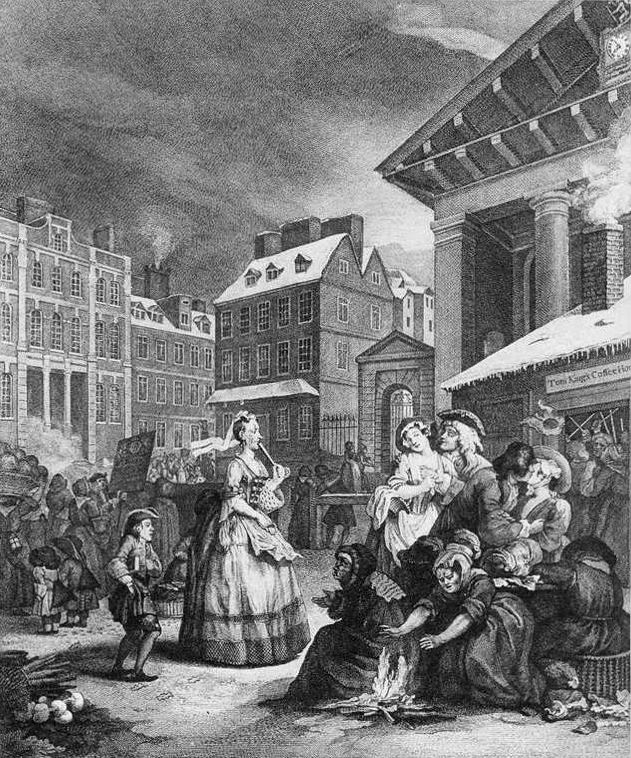
The King’s Head became a wretched hive of scum and villainy for the couple's large and ever-growing network of felons, rapists, and murderers, and many shady deals were planned within its four walls.
London depended entirely upon local policing and had no citywide police force, so if you were new in town, The King's Head was the place to find all manner of criminal jobs. But if you think Jonathan Wild and Mary Milliner were a loved-up, olde worlde Bonnie and Clyde with an "us against the world" motto, think again.
The lovers had a volatile relationship. Instead of looking after their customers, the two firebrands could often be found drunkenly brawling and rolling around in the muddy streets. After months of violent fights, Wild had had enough of Mary, so he parted ways with her. And he left her with a permanent reminder to never cross him, cutting off his lover's ear with a sword to mark her as a prostitute.
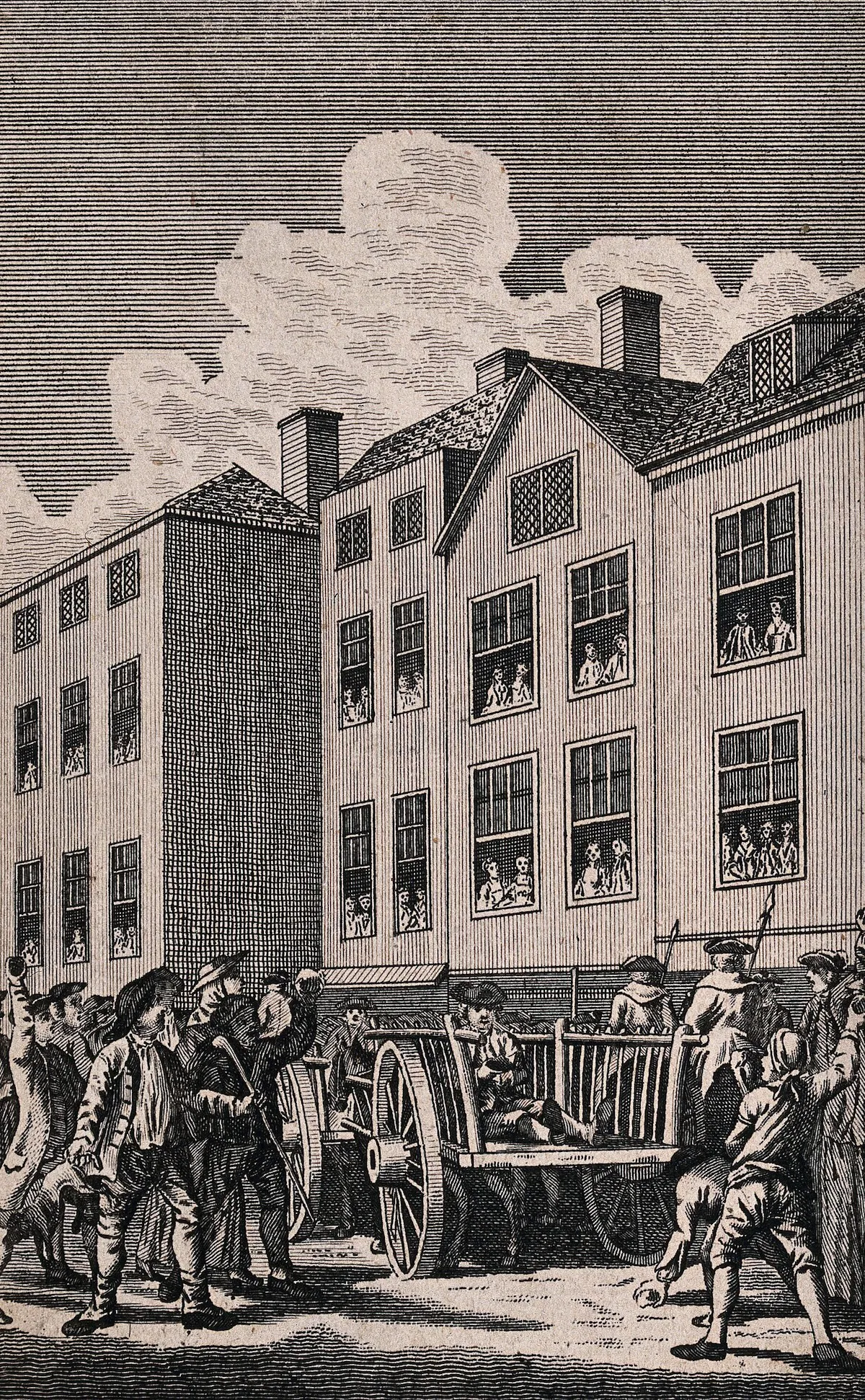
Crime was rife in the capital and had been spiraling out of control for decades. In 1712, a man named Charles Hitchen obtained public office as the City's Under Marshal. Though policemen, "peelers" or "coppers" weren't officially introduced by future Prime Minister Sir Robert Peel more than a hundred years later, Charles Hitchen was effectively London's top policeman or Thief-Taker.
However, it turns out that Hitchen was notoriously corrupt and extorted many bribes and backhanders from those he arrested. A year after taking office, Hitchen came to hear of Wild and offered him a job. Jonathan jumped at the chance to become a thief-taker because the government paid the princely sum of £40 for every felon arrested. That's around £6,000, or $7,200 in today's money.
Around this time, daily newspapers were first printed and sold. Like true crime podcasts today, the public loved reading about murder and crime. The few Londoners who could read loved to be entertained with stories of the notorious thief and prison escapee Jack Sheppard and the escapades of the upper-class Mohock criminal gang. However, Londoners also lived in fear, and that's where thief-takers like Hitchen and Wild come in...
Exploiting strong public demand to curtail a major crime wave, Hitchen and Wild teamed up, but their partnership only lasted one year. In 1714, Hitchen was suspended when his corruption was uncovered, and Wild soon replaced his rival as Thief-Taker General.
Opening an office in the Blue Boar Tavern in the Old Bailey criminal courts, he continued to call himself Hitchen's "Deputy," patrolling the streets with a sword to demonstrate his self-appointed rank.
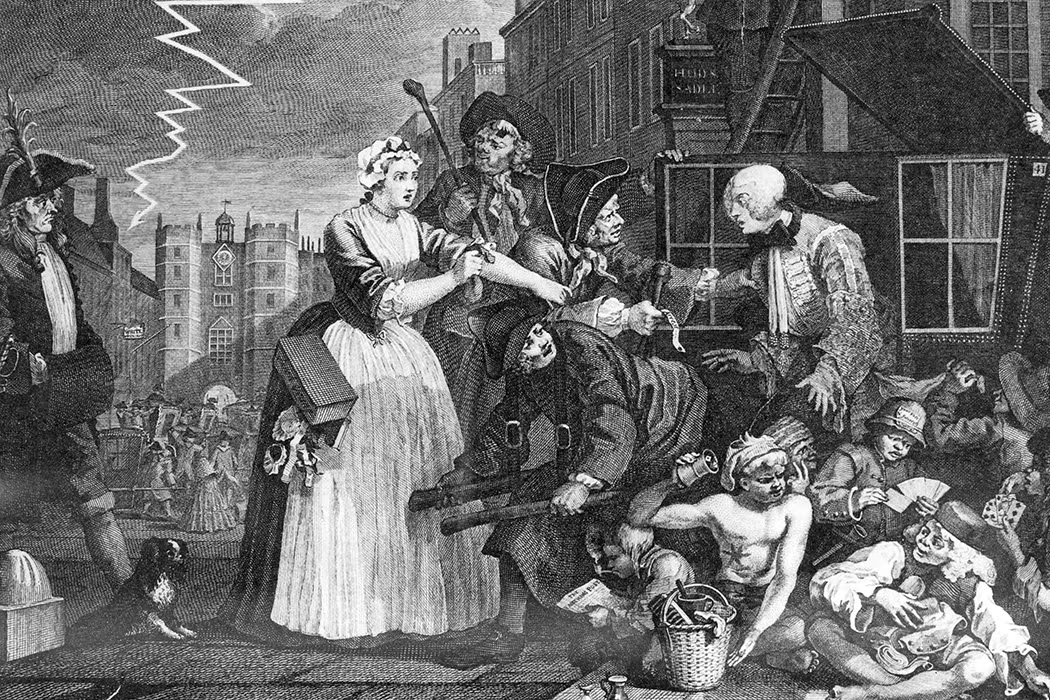
However, Wild was acting as both poacher and gamekeeper. Think of him as an olde worlde Batman and The Joker rolled into one! He ran a gang of thieves and kept the goods they stole hidden. Next, he ingeniously waited for the crime to be announced on the front pages of the newspapers.
He’d announce that he and his band of merry bounty hunters had miraculously recovered the stolen goods, return the stolen merchandise to its rightful owners, and then collect the reward. Sometimes, he'd blackmail the owners into getting their property back. Other times, he would arrest thieves who had nothing to do with the crime and who were, in fact, members of rival gangs, and throw them in jail! How genius is that?
Yet Wild's nefarious ways went even deeper and were even more ingenious. If any of his criminal gang members didn't pay him, he would simply have them arrested and thrown in jail. But when Hitchen was released from his suspension, he found that Wild had all but taken over his criminal enterprise.
Hitchen must have rued the day he took Jonathan Wild in as his assistant, because, just like apprentice Sith padawans always betray and kill their master, Charles Hitchen had created a monster who then usurped his master. But Hitchen wasn't going down without a fight...
Hitchen immediately reinstated himself to the unofficial role of Thief-Taker General, and a fierce rivalry developed between the two men. In 1718, Hitchen attempted to expose Wild's all-encompassing corruption by releasing a pamphlet named A True Discovery of the Conduct of Receivers and Thief-Takers in and about the City of London.
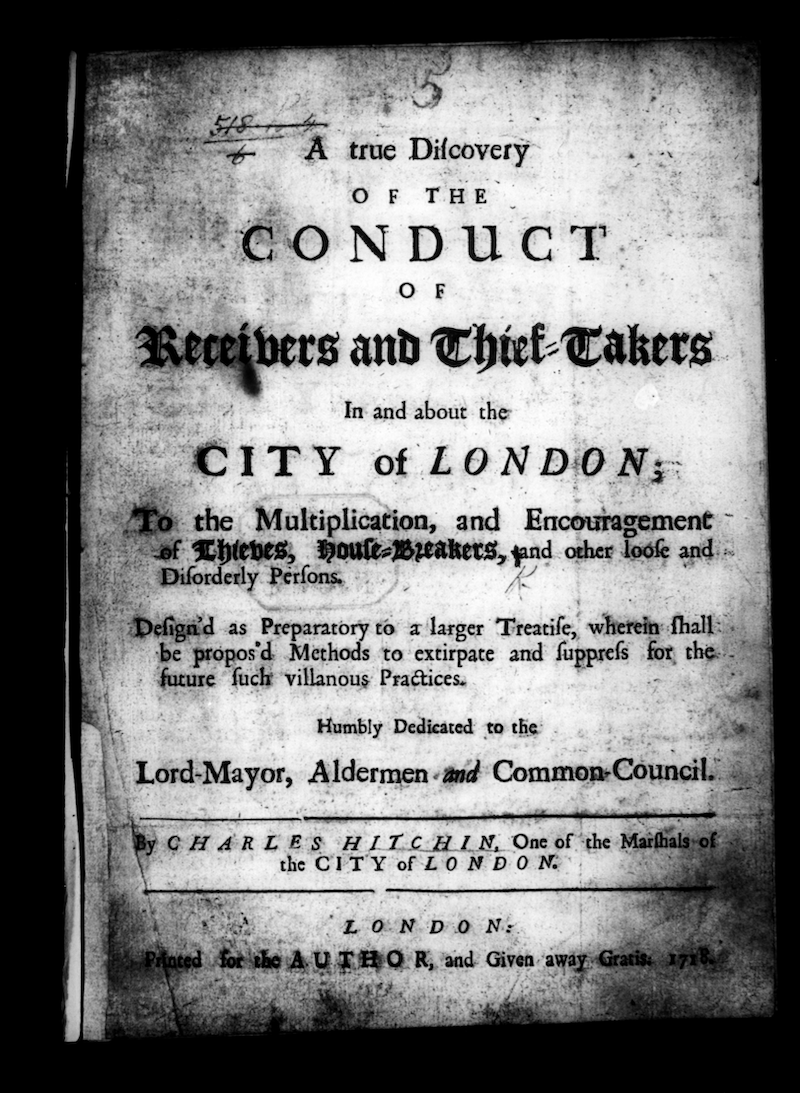
The pamphlet told of a grand conspiracy taking place on London's streets and affecting every citizen. Apparently, a master crime lord was running London, but Hitchen's made one huge omission... he forgot to mention Jonathan Wild's name!
Nevertheless, Wild came out fighting with his own pamphleteering, An Answer to a Late Insolent Libel, in which he explained Hitchen often frequented "molly houses," which is what Londoners called homosexual brothels back in the day. It turns out trash-talking and making up spurious claims about political rivals are nothing new!
The two men's rivalry took a step further when Hitchen rebuffed Wild with a pamphlet entitled The Regulator, a damning (and probably all true) characterization of Wild. However, it was too late – Hitchen's prior suspension and Wild outing him as a homosexual eliminated him as a threat to Wild. With his main rival dead and buried, Jonathan Wild had a monopoly on crime in London. No burglary, mugging, or murder took place on the streets of London without his say-so.
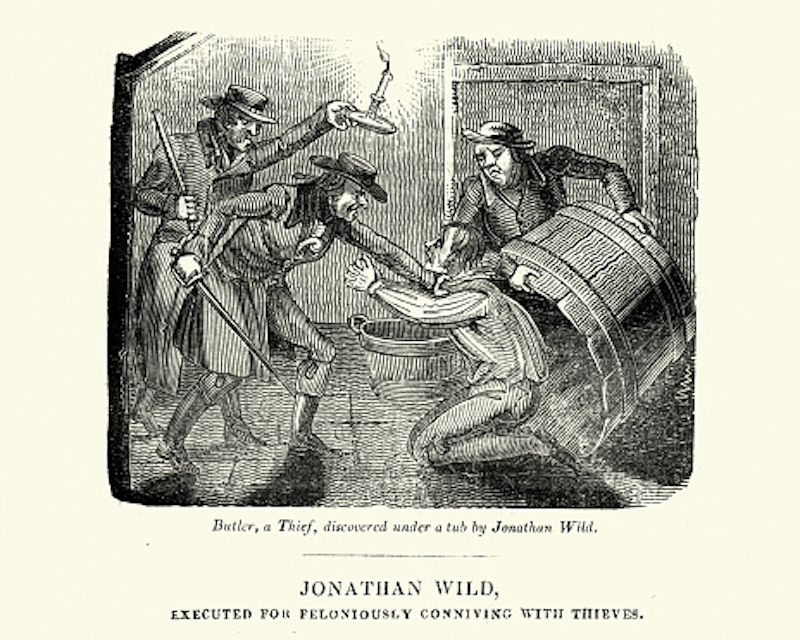
Legends arose of his criminal empire. Some say Wild kept detailed records of every one of his thieves, muggers, and pickpockets and every robbery and theft they carried out. If employees crossed him or outlived their usefulness, he would send them to the gallows… always making sure to collect the £40 reward.
When a thief crossed Wild, he would mark his notebook with an X to the thief's name. If they crossed him again, he would place a second cross by their name, condemning the man to be sold to The Crown for hanging. Kerr-ching, that's another £40, please! Some scholars believe this is where the phrase "double cross" comes from.
In 1718, Tory politicians attempted to stop Wild's profiteering by tightening laws on receiving stolen property. Yet, however well-intentioned, these new laws backfired and only strengthened Wild's hand, for the laws made it more difficult for thieves to fence stolen goods through anyone but Jonathan Wild.
By the time the South Sea Bubble burst in 1720, Wild's fame reached so far and high that England's Privy Council hired him as a consultant. His job was to come up with ways to control crime. Talk about putting the fox in charge of the henhouse! Unsurprisingly, he recommended the government should increase their reward for catching thieves from £40 to £140.
As well as being a master crime lord, Wild was a genius at PR, approaching journalists with tales of his bravery and derring-do. The journalists lapped up every word; hook, line, and sinker, and their newspapers turned Wild into a crime-fighting vigilante hero. Headlines declared: “Londoners can be safe, headlines decreed, with Thief-Taker General Jonathan Wild looking out for them.” But nothing could have been further from the truth.
In 1724, newspapers told the tale of Wild's heroic effort in apprehending 21 members of the notorious Carrick Gang. For dobbing in men who worked for him, he collected a reward totaling £800, which is £133,000 or $168,600 in 2024. When one of the members of the Carrick Gang was released, Wild chased him down and had him arrested again, collecting a second bounty. But the one man he couldn’t catch was Jack Sheppard.
JACK SHEPPARD
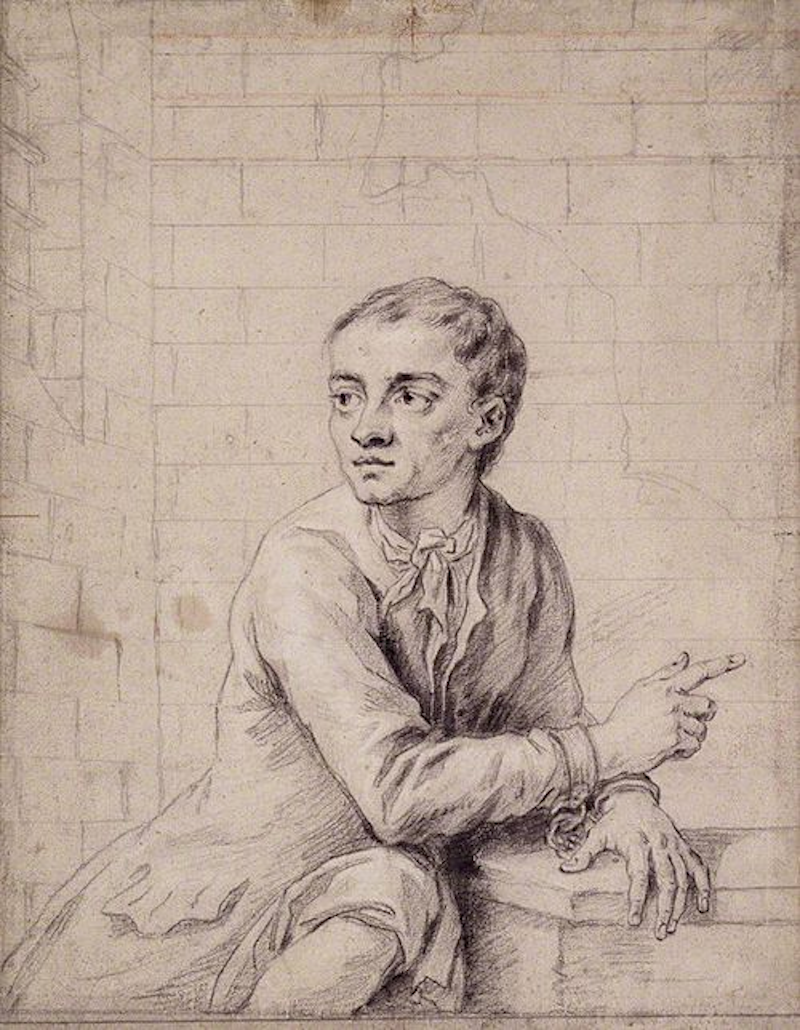
And here's where London’s most famous burglar enters our story. Twenty years Wild's junior, Jack Sheppard was born in East London's Spitalfields in 1702. As a youth, he served five loyal and unblemished years as a carpenter's apprentice but eventually had his head turned to crime.
Standing just 5' 4", his tiny frame made him the perfect burglar and jailbreaker. Within just one year of going rogue, Jack Sheppard was known around London as the capital's most famous housebreaker.
Initially, Jack worked in cahoots with Jonathan Wild, but branched out on his own. Of course, Wild could not stand for such subordination within his ranks of criminals, so he made Jack Sheppard public enemy number one in the newspapers… however, Londoners were having none of it.
Everybody loves an underdog, especially the Brits, who still lap up stories of maverick Robin Hood-type criminals. That's one reason Cockney gangster films are so popular to this day.
The 18th century was no different. Newspaper readers loved reading about Honest Jack's burglaries and jailbreaks... as long as it wasn't their houses being burglarized. Jack soon became a popular, lovable rogue.
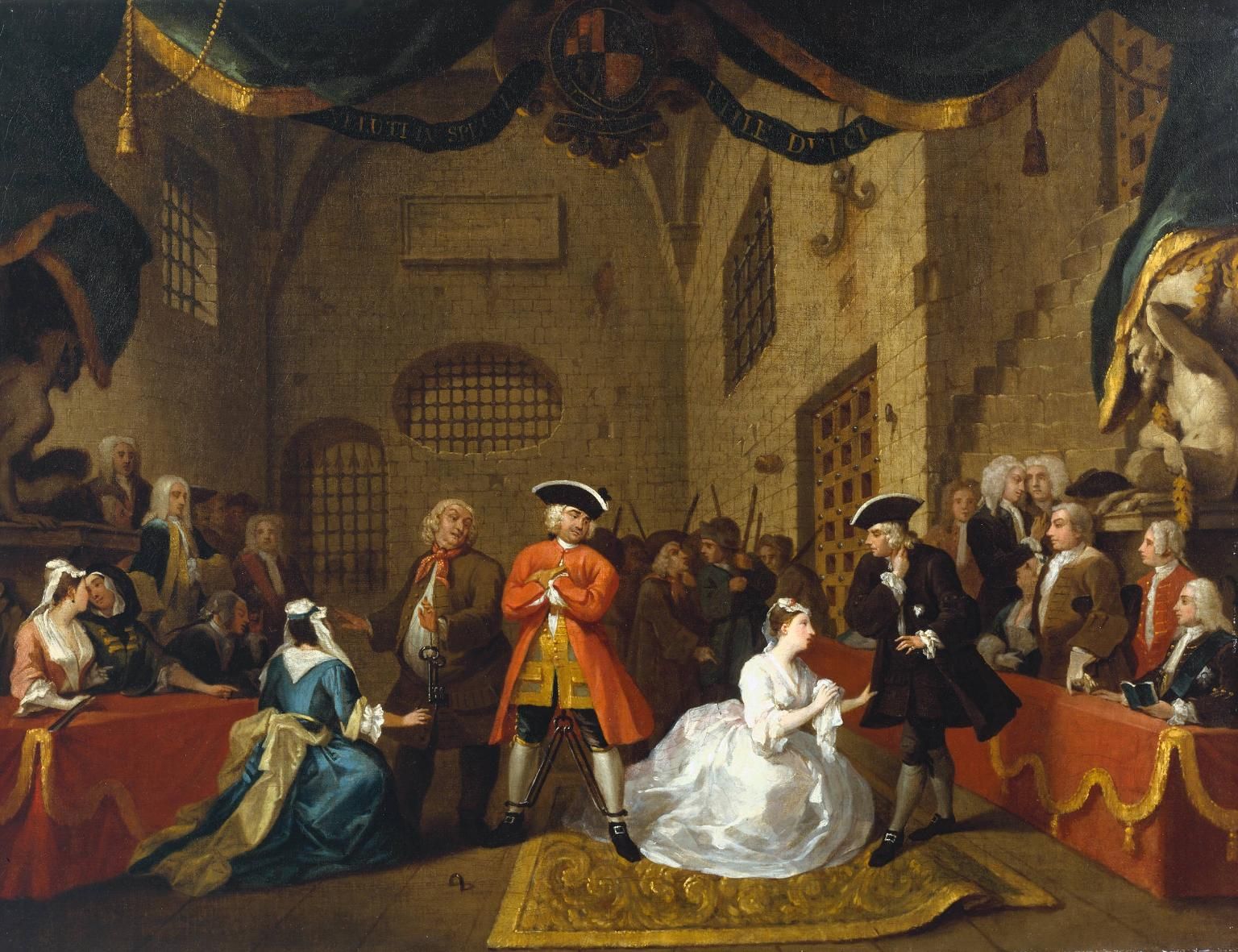
John Gay's The Beggar's Opera (1728) even features a burglar named Macheath, who was based on Sheppard. Jack was apprehended and branded on his hand in the fall of 1723. Then, in April 1724, as his notoriety rose in the newspapers, his brother and co-burglar, Tom Sheppard––fearing he would be hanged––informed on his brother.
On April 24th, one of Wild's most trusted bounty hunters, James "Hell-and-Fury" Sykes, arrested Jack Sheppard for a burglary he had committed two months earlier in Clare Market. Sheppard was immediately sent to prison at St Giles's Roundhouse between Charing Cross and Holborn.
But within three hours of being locked up, Jack escaped by breaking through the timber ceiling and lowering himself down using the old bedclothes tied into a rope trick. Still shackled in irons, he joined a crowd of onlookers, distracted them by pointing out the shadows on the building, and slipped away like a thief in the night… which is exactly what he was!
After his daring escape, Jack committed a string of burglaries. With each housebreak, he became more and more popular with Londoners. The great unwashed loved to hear stories of Honest Jack evading the Thief-Taker General's bounty hunters. On May 19th, Wild's men arrested Jack for pickpocketing and placed him in the more secure St. Ann's Roundhouse in Soho. The next day, his wife, Elizabeth Lyon, visited him in jail.
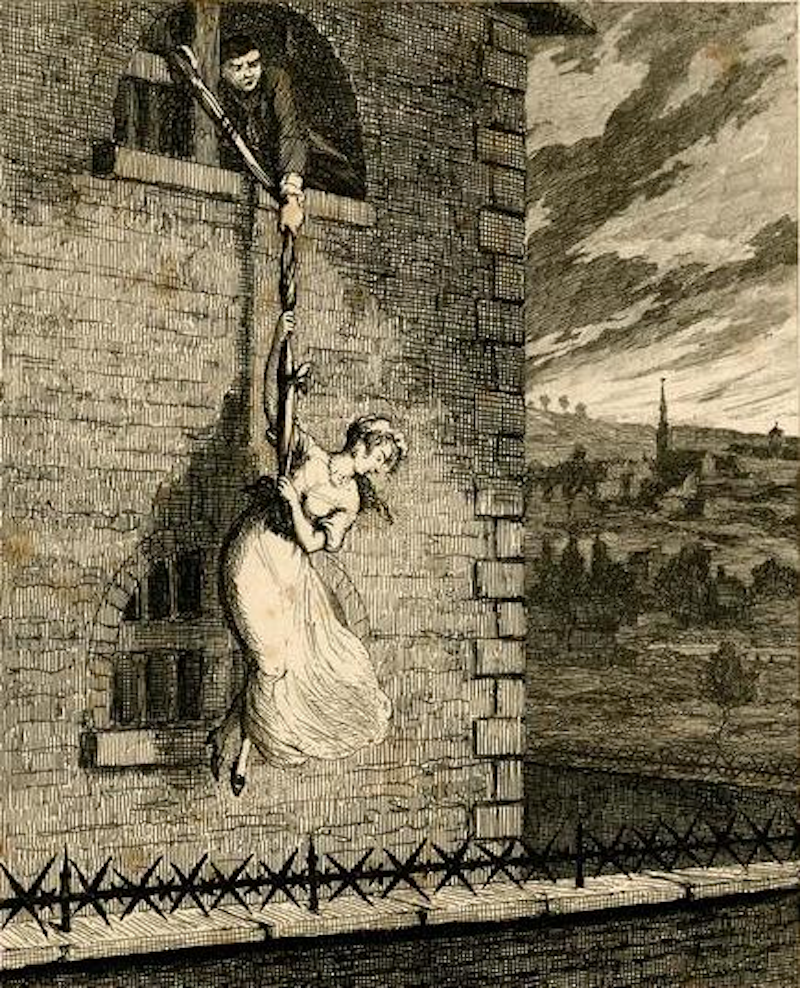
"Edgworth Bess" was a well-built, masculine prostitute famous for drinking men under the table. When jailers recognized Elizabeth as Jack's wife, they arrested her and transferred them both to the ultra-secure New Prison in Clerkenwell. Five days later, they both escaped by filing through their manacles, removing a bar from the window, descending on another bedcloth rope, then clambering over the 22-foot-high prison gate.
After his second daring escape, Jack threw his lot in with a fellow burglar called Joseph "Blueskin" Blake. On Sunday, 12th July, they burgled Jack Sheppard's former master, William Kneebone's house. The next weekend, London's newest crime duo tried their luck at being highwaymen, demanding: "Stand and deliver, your money or your life!" as they robbed carriages on the Hampstead Road.
Sheppard and Blueskin's reign as dandy highwaymen lasted just two days. Like a big game hunter grows to respect the lion, Jonathan Wild admired Jack's crime spree, but he couldn't allow this felon to keep getting away. Loved by the masses, Wild no doubt felt humiliated. Unfortunately for Jack, the man who fenced stolen goods for him, William Field, was hand-in-glove with Wild's men.
Wild demanded Jack surrender his stolen goods to William Field to fence on Wild's behalf, but Jack knew this was a ruse and refused. So, on 22nd July, Wild invited Jack's wife, Elizabeth Lyon, to a brandy shop near Temple Bar. There, he plied her with alcohol until she betrayed her husband.
The next day, Wild sent one of his henchmen to arrest Sheppard a third time. Just as the inebriated Elizabeth had promised, henchman Quilt Arnold discovered Jack Sheppard drinking at Blueskin's mother's brandy shop in Rosemary Lane, just east of the Tower of London.
NEWGATE PRISON
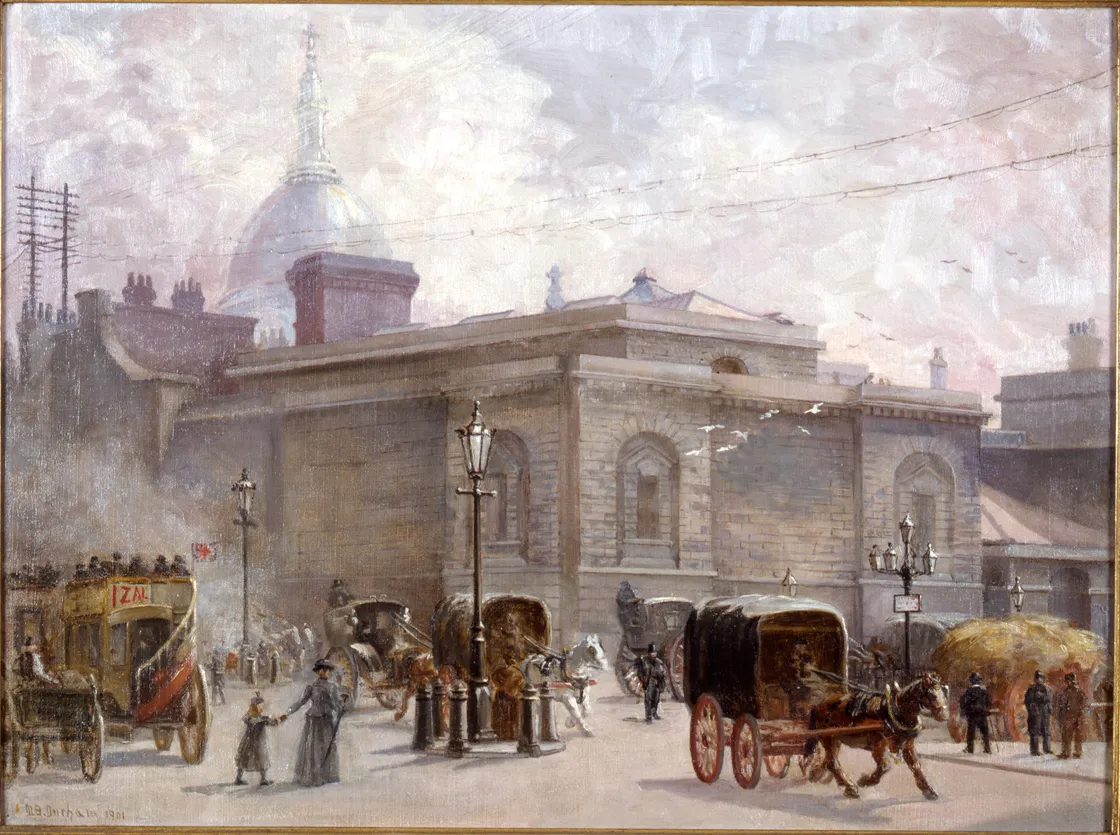
The Thief-Taker General sent Jack to Newgate Prison to await trial on three counts of burglary. On August 12th, he was acquitted on the first two charges due to a lack of evidence. However, Jonathan Wild, William Field, and Sheppard's former master gave evidence of the burglary of Kneebone's property. Finally, Honest Jack was convicted, sentenced to death, and placed in the condemned hold of Newgate Prison.
Now, Newgate wasn't nearly as secure as the previous two prisons – there were fewer guards, and wives were allowed to stay overnight. On August 31st, Jack's death warrant arrived from the court in Windsor, setting September 4th as the date for his execution. And you'll never guess what happened next...
Yup, you guessed it. Jack escaped again! This time, while his visitors – wife Elizabeth Lyon and Poll Maggott – distracted the guards, Honest Jack loosened an iron bar in a window and climbed through the gap in the grille. Next, he changed into women's clothes that Lyon and Maggott had provided and was smuggled out of Newgate Prison dressed as a lady.
Taking a coach to Blackfriars Stairs, Jack took a boat up the River Thames to Westminster's horse ferry, near the warehouse where he stashed stolen goods to complete his escape. He spent a week or two hiding out at a friend's house in Chipping Warden in Northamptonshire, but soon came back to London to burglarize more houses.
By the time news of his third daring escape reached the seething masses, Jack was a bona fide hero to most Londoners. The public admired the handsome, local cockney boy because his crimes were non-violent, and they adored his ability to walk through prison walls. But most of all, they loved the way he kept slipping through the Thief-Taker General's clutches. However, Jack's latest time on the run didn't last long.
Eventually, a posse of Wild's men found him hiding out on Finchley Common. They arrested him for a fourth time on September 9th. He was placed in The Castle, a strong room in Newgate Prison. After two more escape attempts were thwarted when the guards discovered files in his cell, he was shackled to the ground with leg irons. This time, escape was surely impossible.
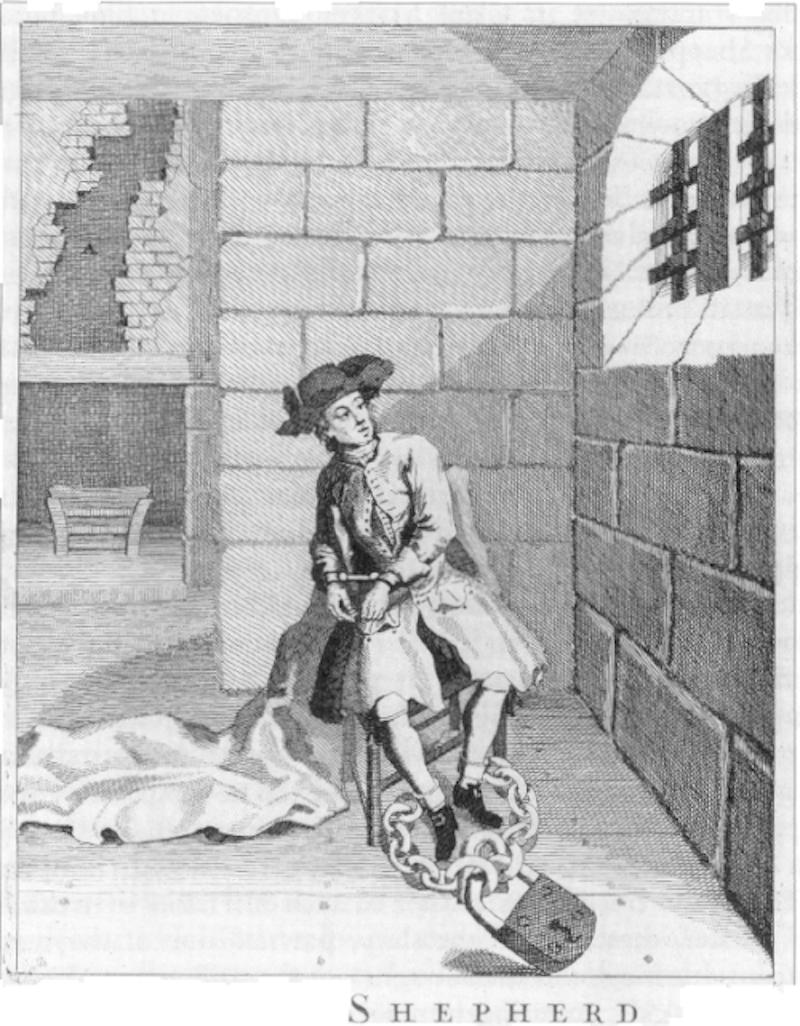
With Jack safely shackled to the floor in Newgate's inescapable Castle, Jonathan Wild and his men arrested his accomplice Joseph "Blueskin" Blake on October 9th. Blueskin was tried on October 15th, with Jonathan Wild again giving evidence. His account differed wildly from the evidence he'd given at Sheppard's trial, but Blueskin was convicted anyway.
Enraged at his conviction, Blueskin lunged at Wild, attacking him in the courtroom with a concealed pocket knife, severely slashing his throat. The Thief-Taker General was lucky to survive. So, you remember we said escape was impossible? Well... Jack used the furor caused by his mate Blueskin slashing Wild's throat as a distraction and escaped a fourth time!
This time, Jack unlocked his manacles, removed the chains, and shimmied up the chimney, only to find his way blocked by a huge iron bar. He removed the bar and used it to break through the ceiling into the room above. Still in leg irons, he broke through six barred doors into the prison chapel, then made it onto the roof, where he found himself stuck.
So, he silently ventured back to his cell to retrieve a blanket and used it to reach the roof of an adjacent house. He broke in and made it down the stairs and onto the street without waking the occupants. He headed northwest and hid in a cowshed in Tottenham.
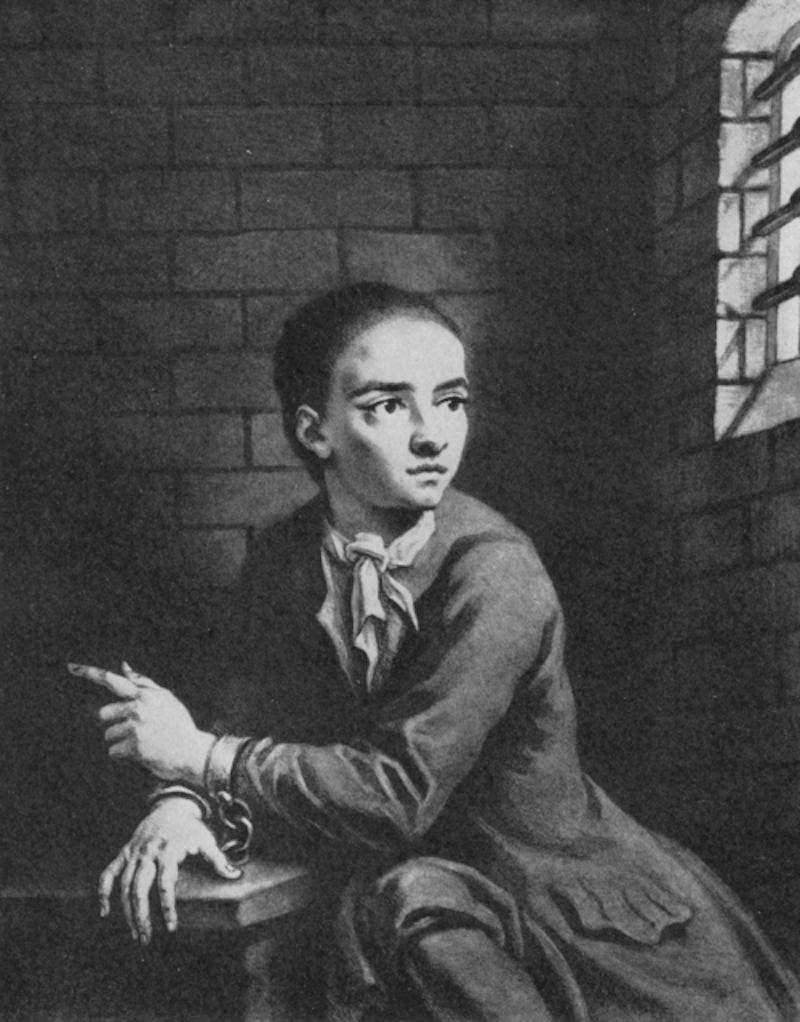
Knowing his game was up, Jack thought if he was going to swing from the gallows, he was going to bow out in style! Disguising himself as a beggar, he broke into a pawnbroker's on Drury Lane. He stole a black silk suit, a wig, a silver sword, rings, and watches. He dressed himself as a dandy gentleman, fenced the stolen goods, and spent his ill-earned winnings painting the town red while entertaining mistresses.
In the early hours of November 1st, 1724, he was found drunk, "in a handsome Suit of Black, with a Diamond Ring and a carnelian ring on his Finger, and a fine Light Tye Peruke," and arrested. This time, Sheppard was placed in Newgate's inescapable Middle Stone Room, where guards could watch his every move. Even if he escaped his 300-pound chains, there really would be no escape this time.
The judge offered to reduce Jack's sentence if he informed on his associates, but he refused, so he received a death sentence. The next day, Blueskin was hanged. Then, on November 16th, 1724, Jack Sheppard was taken to Tyburn at the west end of Oxford Street to be hanged. He almost escaped a fifth time by cutting the ropes binding his hands on the journey, but a guard found his pen knife as he left Newgate.
As Sheppard's cart made its way along Holborn, one-third of London's population – 200,000 people – lined the route to see him off and celebrate his life. The procession halted at the City of Oxford Tavern on Oxford Street, where Sheppard downed a pint of Spanish "sack" sherry to cheers from the crowd, who had turned what could have been a morose event into a carnival atmosphere.
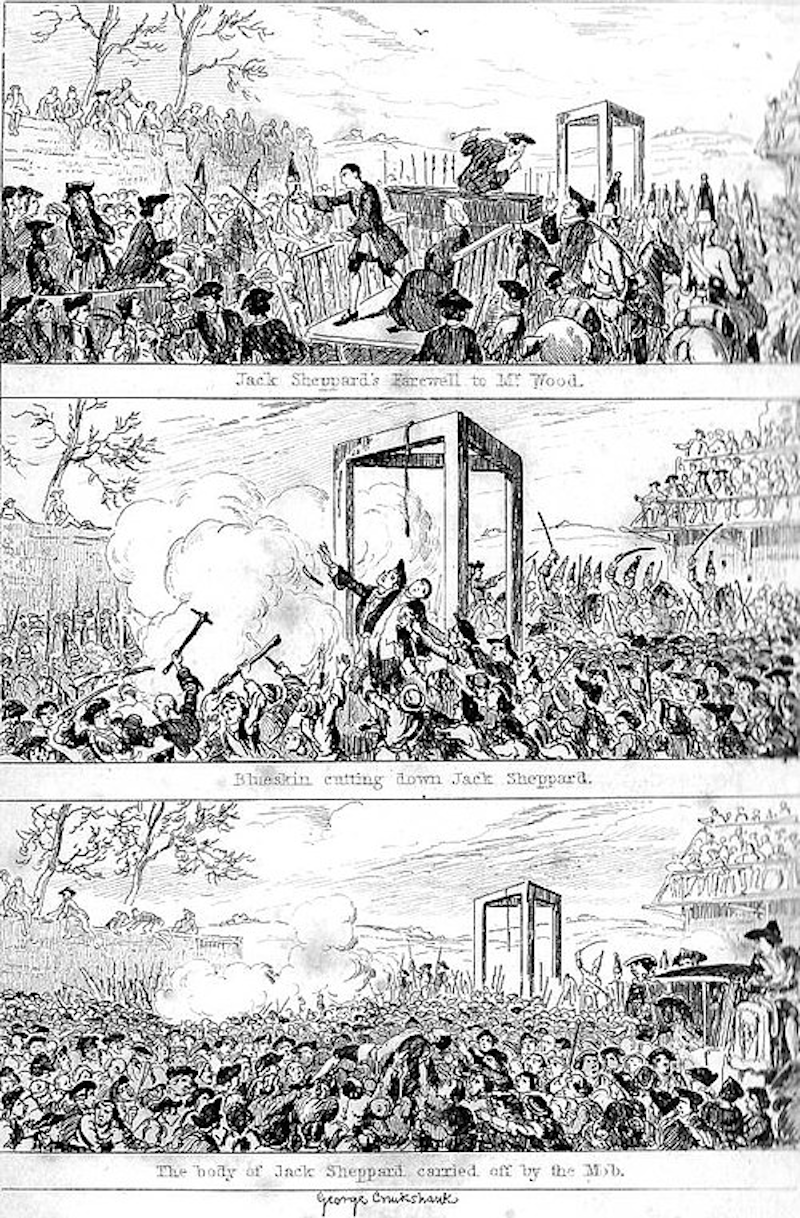
Jack's slight build was the perfect aid to his many burglaries and previous prison escapes. But after the hangman tied the noose around his sparrow-like neck, his tiny body and light weight meant he was strangled to death much more slowly than normal-sized men. After hanging for the requisite quarter of an hour, his body was cut down.
At this point, the mob pressed forward to stop his body from being removed, fearing surgeons would dissect his corpse. But the actions of the partying crowd inadvertently stopped Jack Sheppard from making his most daring escape yet.
You see, Jack's friends had planned to rush his body to a nearby doctor to revive him. The partying mob put a stop to that idea. Instead, his remains were buried in the churchyard of St Martin-in-the-Fields in Covent Garden later that evening.
With his nemesis finally out of the way, you might expect Jonathan Wild to become more powerful. Instead, at a time when politicians were falling like flies for corruption, Londoners viewed his inability to catch and contain their working-class hero as a weakness. Jack's execution and the injury Blueskin applied to his throat eventually led to the Thief-Taker General's downfall.
As Wild spent months convalescing after Blueskin slashed his throat, he lost control of his criminal gangs, who eventually turned on him. He did make a comeback of sorts, and after his recovery, Wild violently broke one of his henchmen out of jail. An arrest warrant was issued, and he went into hiding. Believing the problem had blown over, within weeks, he went back to his old racketeering ways.
On February 15th, 1725, Jonathan Wild was arrested for his part in the jailbreak and placed in Newgate Prison. Evidence was presented against him for the violent jailbreak and for having stolen a number of jewels during August's installation of Knights of the Garter. When his vast array of gang members realized their boss's number was up, they began testifying against him.
Eventually, his years as a crime lord, blackmailer, extortionist, fencer of stolen goods, bribery of public officials, and arresting and hanging thieves to collect £40 bounties were laid bare for the world and his wife to see.
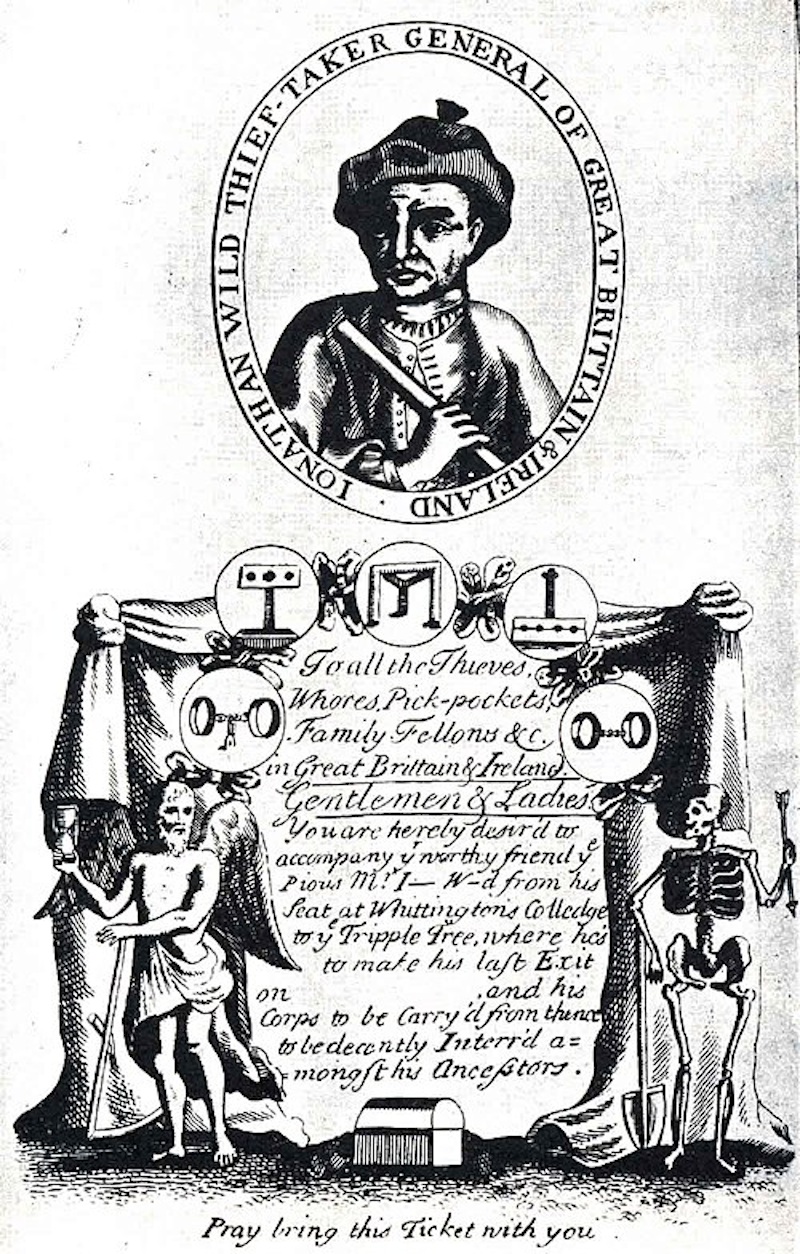
Jonathan Wild's trial was held at the Old Bailey on May 15th, 1725. He was tried on two charges of stealing 50 yards of lace from lace-seller Catherine Statham, who may very well be one of Cockney gangster actor Jason Statham's ancestors.
Wild was acquitted of the first charge, but with Catherine's evidence, he was found guilty on the second indictment and sentenced to death. Within ten days, this Thief-Taker General – the brute who sent so many thieves to the gallows – would himself be swinging from a rope in Tyburn.
The once-feared despot, tough guy, and self-proclaimed vigilante hero Jonathan Wild begged for a reprieve from hanging but was refused. Terrified of death, in his last nine days, he suffered from insanity and gout. He could not eat and couldn't even make it to church.
On the morning of his hanging, May 24th, 1725, Wild attempted to take his own life by drinking a large dose of laudanum. However, because his body was so weak from not being able to eat, he violently vomited and sank into unconsciousness. No one could arouse him from his coma.
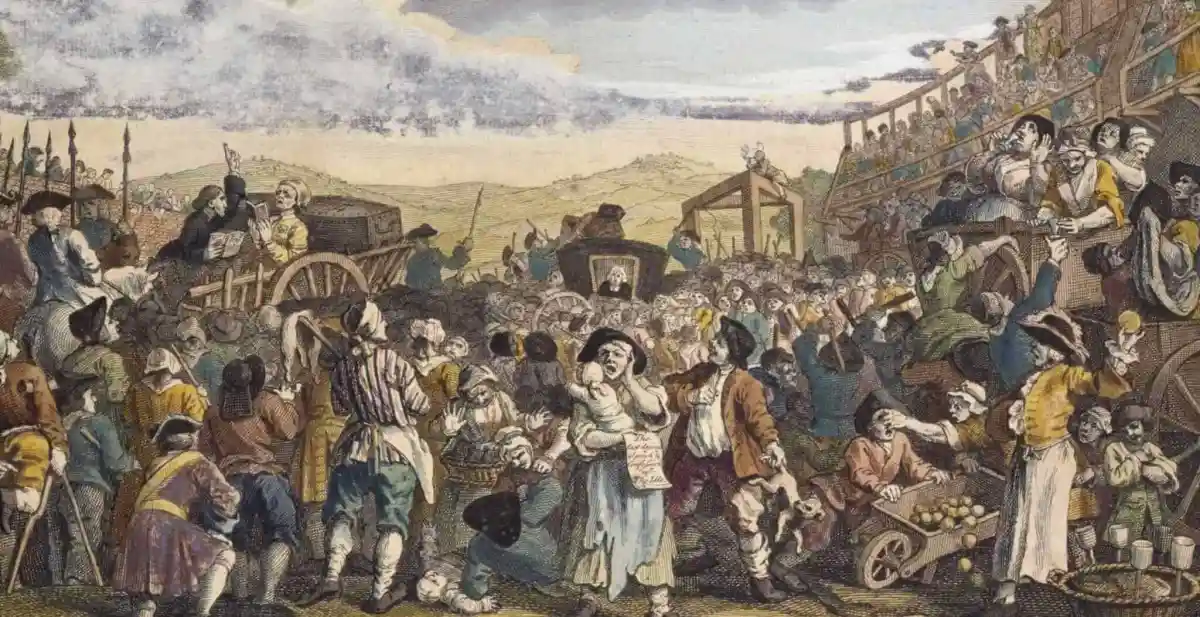
Again, Londoners lined the streets between Holborn and Tyburn, and Daniel Defoe remarked that the crowd was far larger than any London had seen before, even for Jack Sheppard six months before.
But there was no carnival atmosphere nor celebration or commiseration for the condemned man. Defoe wrote, "Wherever he came, there was nothing but hollowing and huzzas as if it had been upon a triumph."
Wild was accompanied by three other prisoners. But because he had been drugged almost to unconsciousness, he was the last to die. That night, Wild's body was buried in secret at St Pancras Old Church, but he didn't get to rest in peace, as he didn't stay buried for long!
Back in the old days, notorious criminals' remains were often exhumed by grave robbers, who sold the bodies to surgeons for autopsies. Not long after he was laid to rest, the ex-Thief-Take General's body was dug up and sold to the Royal College of Surgeons for dissection, and we still have it!
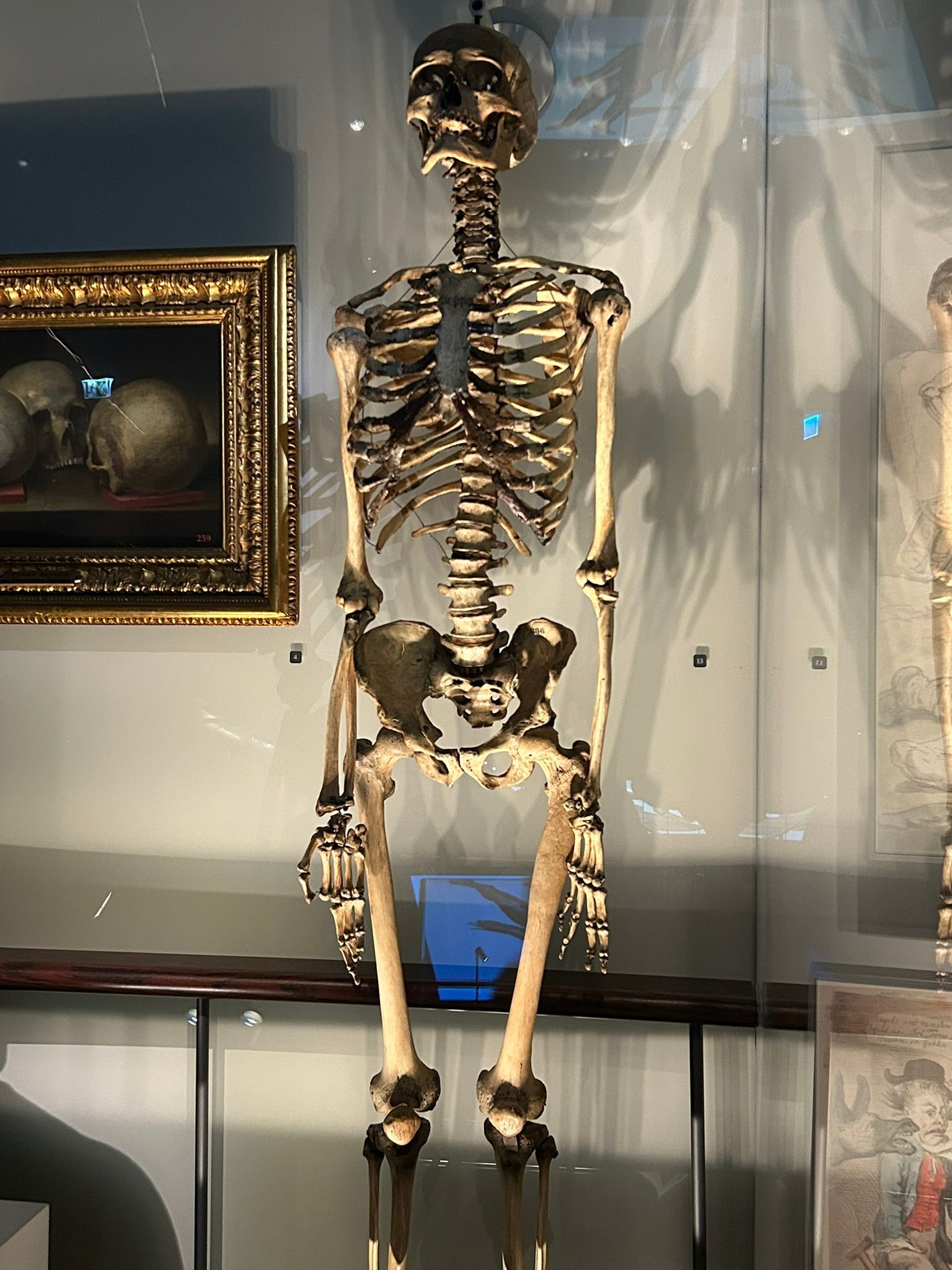
If you want to see Jonathan Wild's skeleton, it's on public display at the Royal College's Hunterian Museum in Lincoln's Inn Fields. So, why is his skellington still displayed? Well… Londoners have always loved the macabre... and tales of Cockney gangsters.