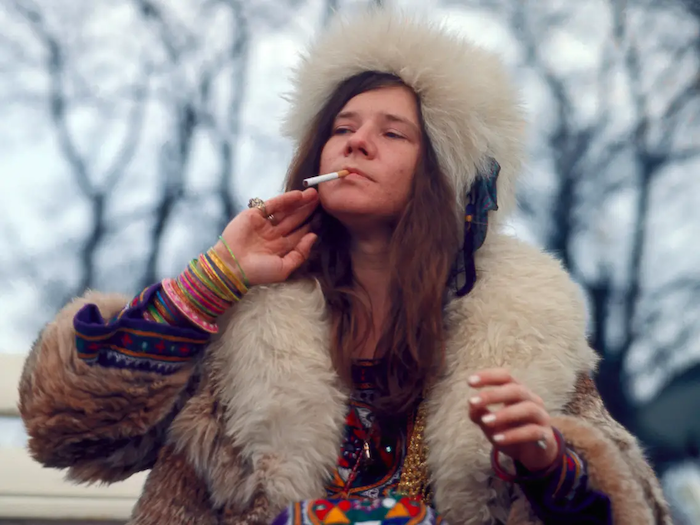
Bullied as a teenager in Port Arthur, Texas, Janis Joplin grew from a rebellious outsider into one of the defining voices of 1960s hippie counterculture. With her raspy, powerful vocals, she fused blues, rock, and soul into an intensely emotional style that made her performances unforgettable, from the raw energy of “Mercedes Benz” and "Piece of My Heart," to her electrifying live shows.
Yet behind the fame was a troubled and turbulent life, marked by the pressure of becoming a cultural icon, loneliness, drink, and drug addiction. Joplin’s extraordinary rise was cut tragically short when she died of a heroin overdose in 1970 aged just 27, leaving behind a powerful musical legacy that continues to influence generations. So let’s take a deep dive into Janis Joplin’s origin story; her early life, family, education, and career to see what made her tick.
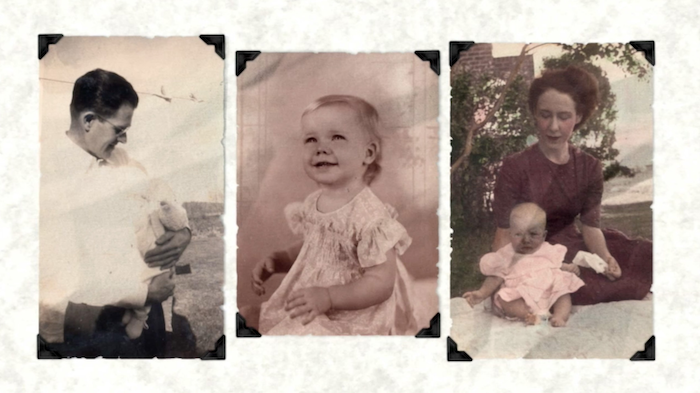
Janis Lyn Joplin is best remembered for her Haight-Ashbury years, but she was actually born in Port Arthur, Texas, on January 19th, 1943, to Dorothy Bonita East (1913–1998), a registrar at a business college and Sunday school teacher, and Seth Ward Joplin (1910–1987), who worked as an engineer for Texaco. She had two younger siblings, Michael and Laura.
Exceptionally curious and bright, her first taste of singing came at the First Christian Church of Port Arthur choir when she was just a little girl. Her strict, traditional mother expected Janis to conform to rules and wear dresses, but as the church-going little singer got older, their relationship became turbulent, often becoming a battle of wills.
Janis’ father Seth was the opposite of his wife. He was an intellectual who enjoyed reading and was much more liberal and tolerant than Dorothy. Seth would sometimes take young Janis and down to the post office to look at the pictures of wanted men as a form of entertainment. That’s the kind of dad and role model we all wanted, right? It’s a wonder Janis Joplin didn’t end up going out in a hail of bullets like Bonnie and Clyde!
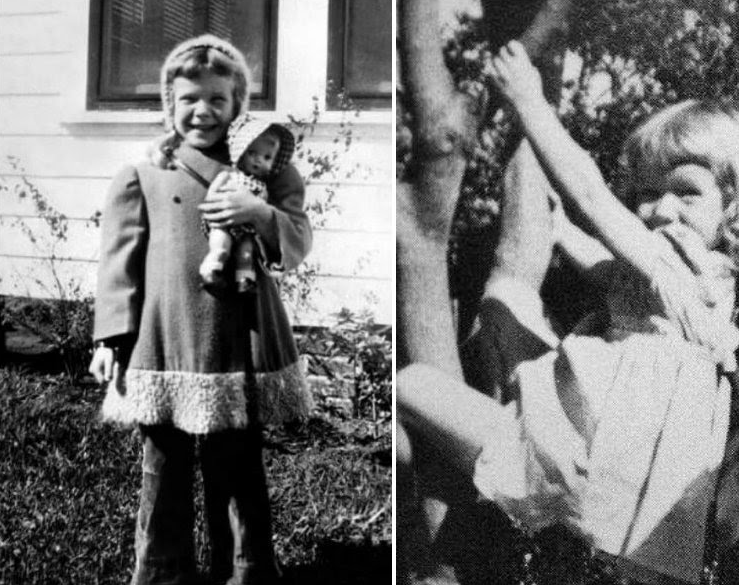
With the mixed messages from her mother’s nagging and high expectations plus her father’s love of outlaws, it’s no wonder Janis became a rebel. Probably in response to Seth and Dorothy’s differing parenting styles, Janis developed a complete and utter disregard for fitting in, etiquette, convention, the laws of the land and all that baloney!
Soon, she started wearing pants, climbing trees, and acting like one of the boys. Which goes some way to explaining her many masculine qualities and bisexuality. As a teenager, she befriended a group of misfits at Thomas Jefferson High School and began listening to and singing the blues and folk music. Remember that school; it’s a vital part of Janis’ origin story.
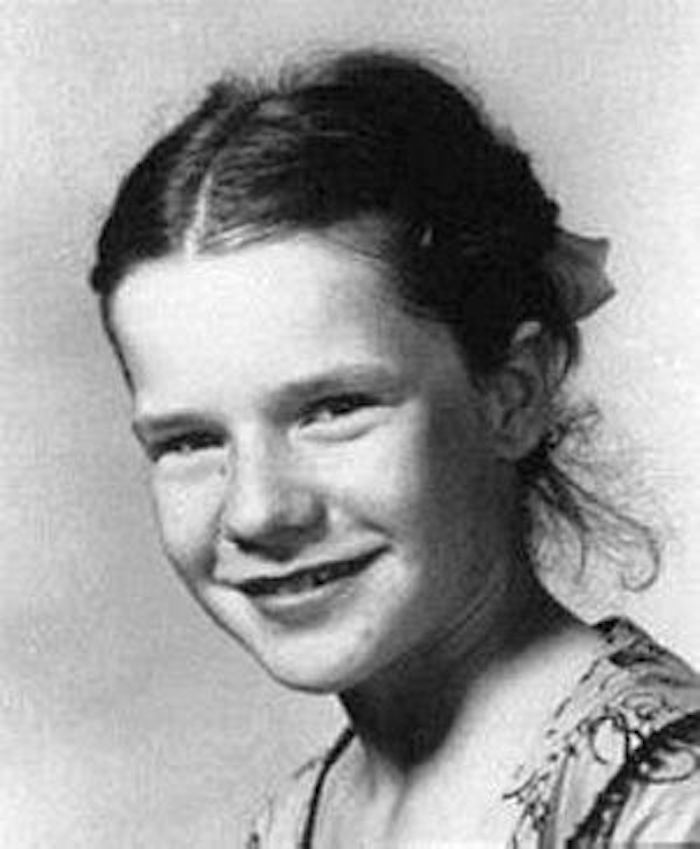
Despite her rebellious, artistic nature, Janis spent her early years torn between embracing her wild, artistic identity and desperately wanting to be accepted as “normal.” The loneliness and rejection she experienced in Texas created a tortured soul, yet she still longed for the approval of her mother, who had rejected her.
Poor Janis recalled she was bullied and ostracized in high school. Her fellow students would tease her by calling her a ‘freak’ or a ‘pig.’ In her own words, "The whole world turned on me". As a teen, she became overweight and suffered from acne, leaving deep scars that required dermabrasion. Her hair was frizzy and, unlike most of her 1950s Texas school peers, she got along with African Americans.
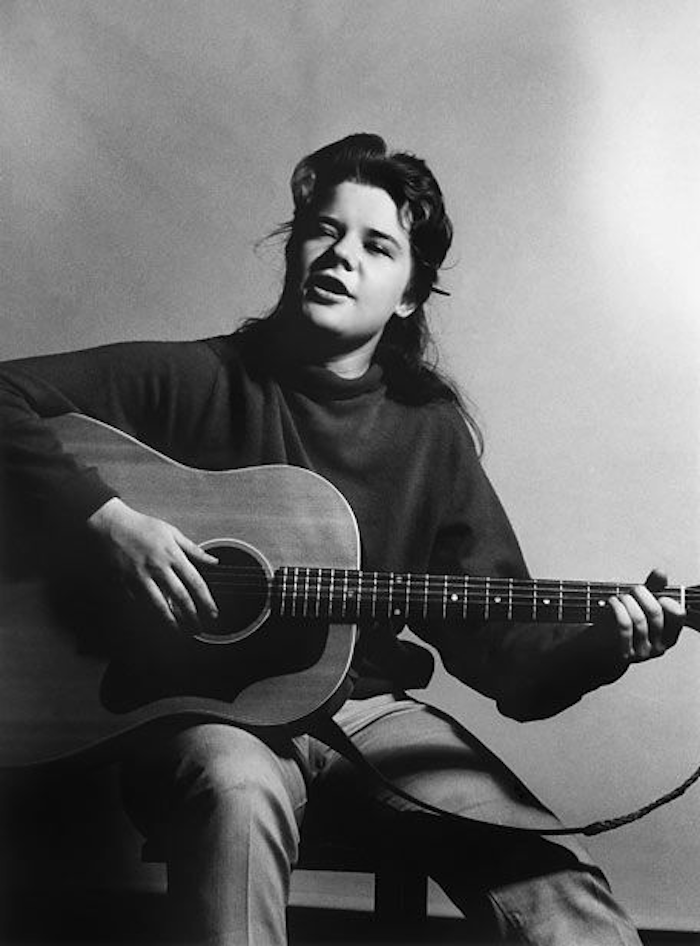
Joplin once said, “I was a misfit. I read, I painted, I thought. I didn’t hate Black people.” During her time at the University of Texas, some mean-spirited boys campaigned – and succeeded – to have Joplin named “Ugliest Man on Campus.”
Janis never actually graduated from college, but she attended both Lamar State College of Technology and the University of Texas at Austin. On July 27th, 1962, the campus newspaper, The Daily Texan, ran a profile of her, the headline reading: “She Dares to Be Different.”
The article began, "She goes barefooted when she feels like it, wears Levis to class because they're more comfortable, and carries her Autoharp with her everywhere she goes so that in case she gets the urge to break into song, it will be handy. Her name is Janis Joplin." How cool is that?
In 1962, during her time at the University of Texas, Joplin often performed with a folk band called The Waller Creek Boys. She played her trusty Autoharp, while Lanny Wiggins played guitar, and Powell St. John played the harmonica. The two boys shared singing vocals.
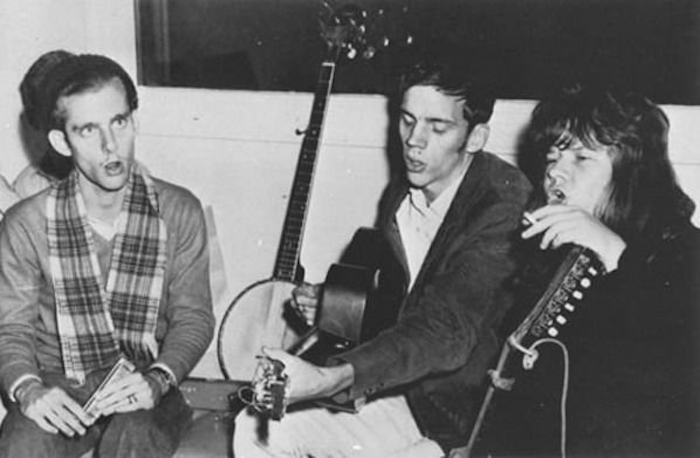
Joplin styled herself after her favorite blues heroines and the Beat poets. Her first song, "What Good Can Drinkin' Do", was recorded on tape in December 1962 at the home of a fellow University of Texas student. She herself admits, “This is a song called 'What Good Can Drinkin' Do', that I wrote one night after drinkin' myself into a stupor."
Joplin left Texas in January 1963 "Just to get away… because my head was in a much different place" and hitchhiked with her friend Chet Helms to San Francisco, chasing music, the Beat scene, and looking for something she’d never find in Texas. In North Beach, she found an authentic, tight-knit community of Beatniks, poets, artists, musicians, and misfits. She started singing at coffee houses and recorded her first tape. Finally, Janis had found somewhere she belonged, where no one would bully her.
But scratch beneath the surface of that community, and you find something darker, the wrong crowd, heavy drug use, chaos, dealers, sex, depravity, squalor, and violence. And she fitted right in, because in her first few months in San Fran, the 20-year-old got herself arrested for shoplifting, crashed a motorbike, and got beaten up in a street brawl!
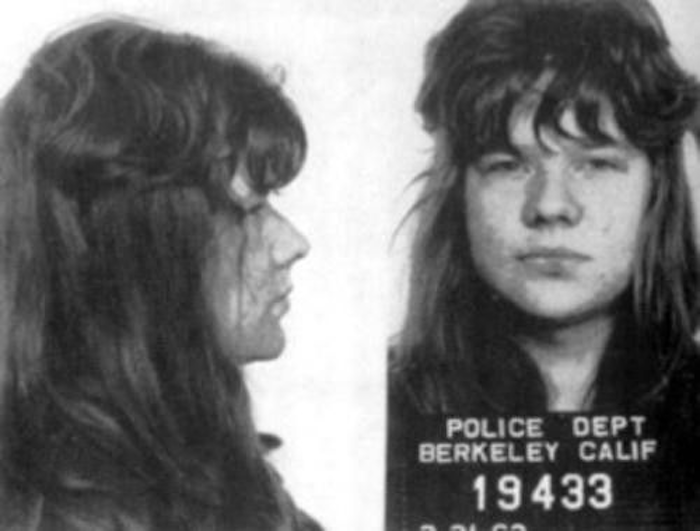
Even before she was famous, drugs took their toll on this brilliant young woman’s life. Over the next two years, she made a name for herself as a "speed freak”, Southern Comfort’s best customer, and occasional LSD and heroin user. Janis and the blues were a match made in heaven. Her lyrics showcased the trials and tribulations of love, heartbreak, loneliness, alienation, addiction, injustice, hopelessness, and being a down-and-out deadbeat but longing for a better life associated with singing the blues.
In 1964, in San Francisco, Joplin and future Jefferson Airplane guitarist Jorma Kaukonen recorded a collection of blues songs. One session included seven tracks: "Typewriter Talk", "Trouble in Mind", "Kansas City Blues", "Hesitation Blues", "Nobody Knows You When You're Down and Out", "Daddy, Daddy, Daddy", and "Long Black Train Blues". These tracks were released long after Joplin's death as the bootleg album The Typewriter Tape.
By 1965, Joplin’s health was spiraling downward, ravaged by her heavy methamphetamine use. She had become so dangerously thin that friends said she looked skeletal. Fearing for her life, they threw her a bus fare party, pooling enough money to send her back to Texas. Their hope was simple: get her home to her folks, let her get the monkey off her back, and give her a chance to recover.
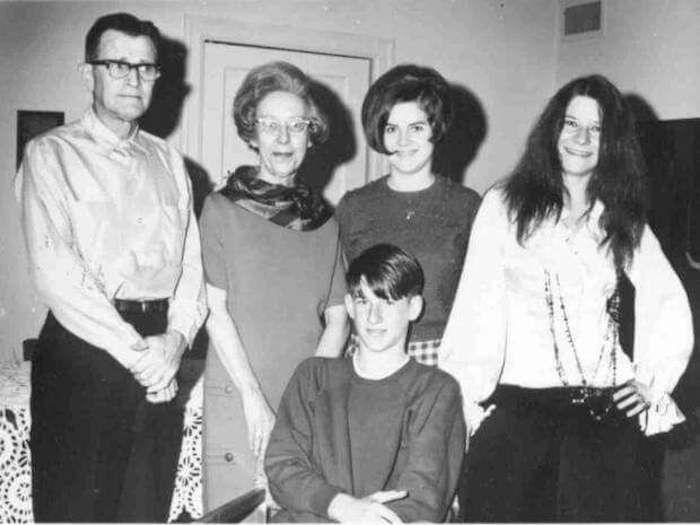
Back in Port Arthur, Texas, during spring of 1965, after her parents grew concerned about her weight of 88lbs (40kg), Janis changed her lifestyle for the better. Surprisingly, she managed to stay clear of drugs and alcohol, and enrolled as an anthropology major at Lamar University in Beaumont, Texas. She commuted from Beaumont to Austin to sing solo in bars, while sporting a beehive hairdo like Amy Winehouse would decades later.
Then, seemingly out of nowhere, Janis got engaged in the fall of 1965. The lucky man was Peter de Blanc, whom she had dated toward the end of her first stint in San Francisco. By then, de Blanc was living in New York and working for IBM. He flew out to visit Janis and formally asked her father for her hand in marriage.
For a brief moment, it looked like Janis was headed for a very different life. She and her mother eagerly began planning the wedding, but the engagement didn’t last. De Blanc’s demanding job kept him constantly on the road, and before long, he called off the wedding.
A few years later, Janis stated she had no interest in just being a secretary or being a wife like all the other women she knew at the time. So, while he took another little piece of her heart, it’s a good job Peter didn’t tie her down.
Through 1965 and 1966, Janis had regular therapy sessions with psychiatric social worker Bernard Giarritano in Beaumont, Texas. Interviewed by biographer Myra Friedman after Janis’ death, he described his patient as “diffused”. Friedman went on to call her “spewing, splattering, splaying all over, without a center to hold…”
One of the things that most bothered Janis was how she could possibly have a successful career in music without being tempted back to drugs. Giarritano tried his best to reassure her that she did not have to use drugs to be a successful artist.
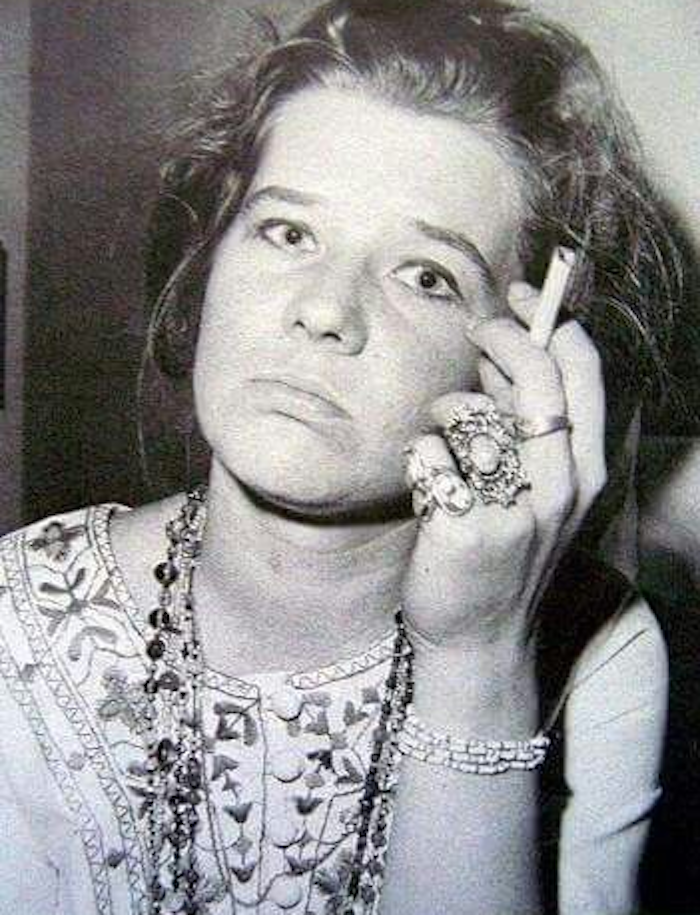
Janis faced the age-old artists' crossroads. Become a secretary, and then a wife and mother, like all the other women in Port Arthur… or become a singer and risk relapsing into drug use. Which life would you choose? A long and comfortable but unfulfilled life as a secretary, or a short life in the fast lane, becoming a rock music icon?
If she had stayed in Texas, instead of Porsches, she may have sung “Oh Lord, won’t you buy me a Mercedes Benz, my friends all ride horses, I must make amends.”
In 1965, Janis recorded seven studio tracks with her acoustic guitar, including her original composition of the song “Turtle Blues” and an alternate version of “Cod'ine” by Buffy Sainte-Marie. You can listen to these demo versions as they were later released as a new album in 1995, called This is Janis Joplin 1965 by James Gurley.
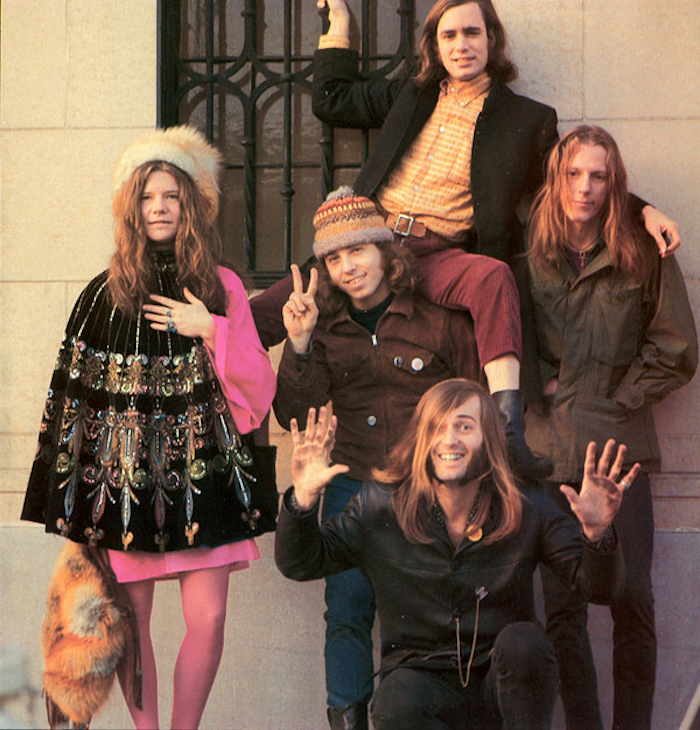
On June 4th, 1966, Janis Joplin’s life changed forever. Her raspy, soulful, bluesy style and powerful mezzo-soprano voice and three-octave range attracted the attention of the San Francisco-based psychedelic rock band Big Brother and the Holding Company. They were popular among the LSD-taking hippie community in Haight-Ashbury.
Janis' old friend Chet Helms had recruited to the band; the same guy she’d hitchhiked to San Fran with three years prior. In that time, he’d become a hot-shot promoter and Big Brother’s manager. Chet sent his friend Travis Rivers to find Janis in Austin, Texas, where she had been performing with her acoustic guitar, and to accompany her to California.
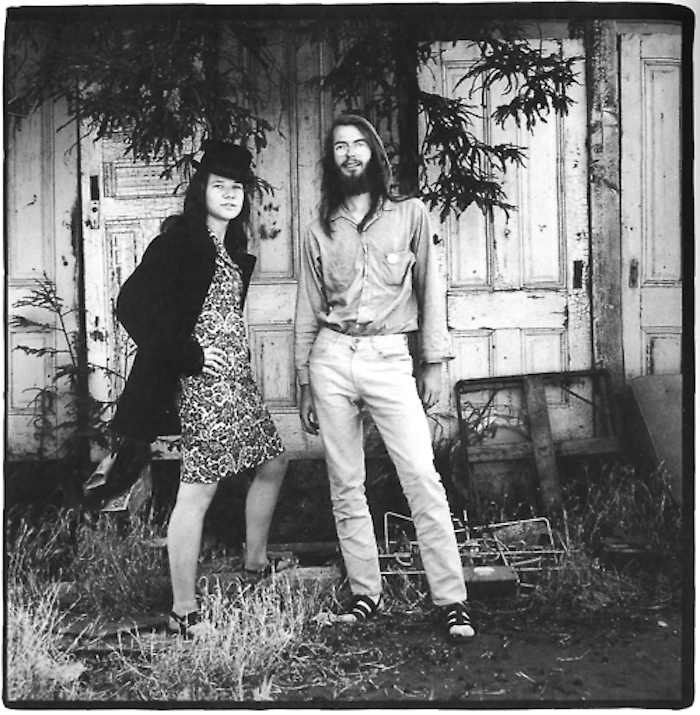
Aware of her previous addiction, Helms and Rivers insisted she inform her parents face-to-face of her plans, and Helms drove her home to Port Arthur – waiting outside in his car while she told her mom and dad the good news. No sooner had they arrived, then they were off again, on the long drive to California… where global stardom and heavy drugs awaited.
Due to the persuasive powers of keyboardist and friend Stephen Ryder, Janis managed to avoid drugs for several weeks. She made Travis Rivers, with whom she shared an apartment in San Francisco, promise that using needles was banned in the house. However, when her new Big Brother bandmate, drummer Dave Getz, drove her home one night, Travis was not at home, and the guests he’d invited were injecting drugs…
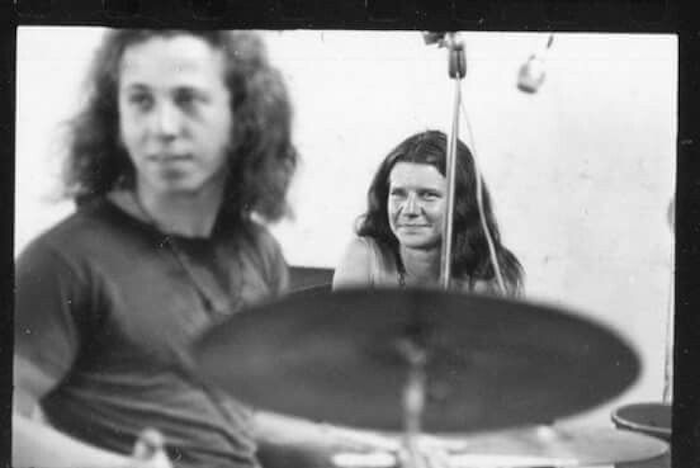
"One of them was about to tie off," recalled drummer Getz. "Janis went nuts! I had never seen anybody explode like that. She was screaming and crying and Travis walked in. She screamed at him: 'We had a pact! You promised me! There wouldn't be any of that in front of me!' I was over my head and I tried to calm her down. I said, 'They're just doing mescaline,' because that's what I thought it was. She said, 'You don't understand! I can't see that! I just can't stand to see that!'”
In July 1966, all five bandmates - that’s Janis, guitarists Sam Andrew and James Gurley, bassist Peter Albin, and drummer Dave Getz - plus James Gurley's wife Nancy moved to a house in Lagunitas, Marin County, California, to a house that had been originally built by the ethnologist Clinton Hart Merriam. The band often partied with fellow psychonauts, The Grateful Dead, who lived nearby, and Janis even had a short relationship with founding member Ron "Pigpen" McKernan.
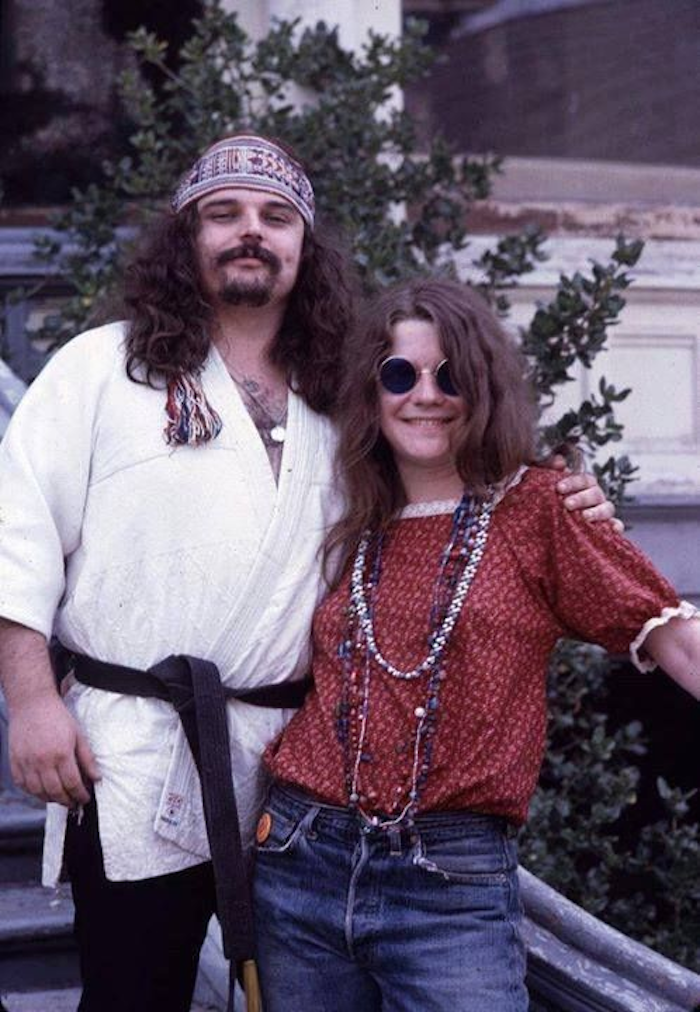
Janis had always loved her methamphetamine, but folklore says guitarist James Gurley was the one who got her heavily into heroin. A few years later, in 1969, his wife, Nancy Gurley, died of a heroin overdose. James was charged with murder for injecting his wife with drugs, but only sentenced to probation after fighting the charges for two years.
In Mid-December, 1966, Big Brother travelled to Los Angeles to record ten tracks including “Down on Me”, “Bye Bye Baby”, “Call On Me”, and “Coo Coo”. These tracks appeared on the band's debut album.
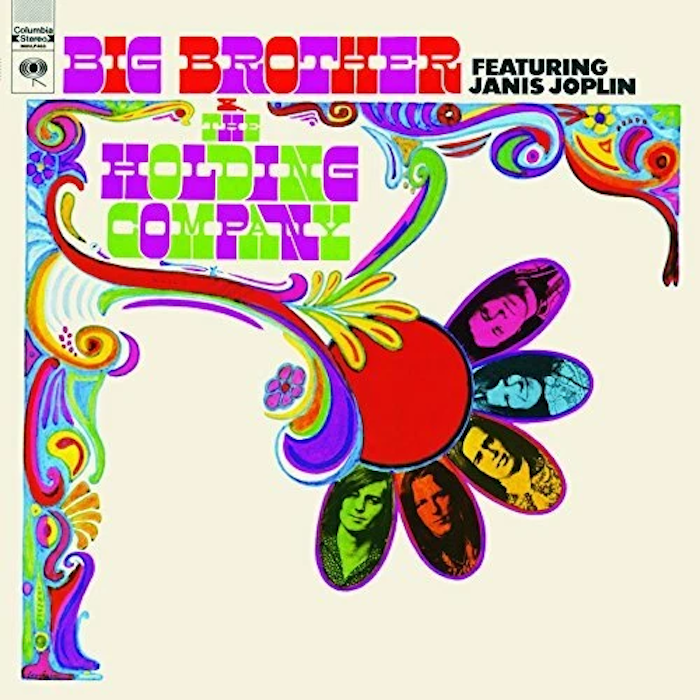
In early 1967, Janis’ lover, Country Joe McDonald, moved into her Lyon Street apartment. In August, Mainstay Records released the band’s eponymous LP, shortly after the group's breakthrough appearance at the Monterey Pop Festival, bringing them to national and international attention. Now a global hit, Columbia Records took over the band's contract and re-released the album, adding two extra tracks and Janis Joplin's name to the cover.
Janis was wild and not easy to be around. She once told Rolling Stone about her first years in San Francisco: "I didn't have many friends and I didn't like the ones I had.” Journalist Kim France reported in her 1999 New York Times article, Nothin' Left to Lose, that "Once she became famous, Joplin cursed like a truck driver, did not believe in wearing undergarments, was rarely seen without her bottle of Southern Comfort, and delighted in playing the role of sexual predator."
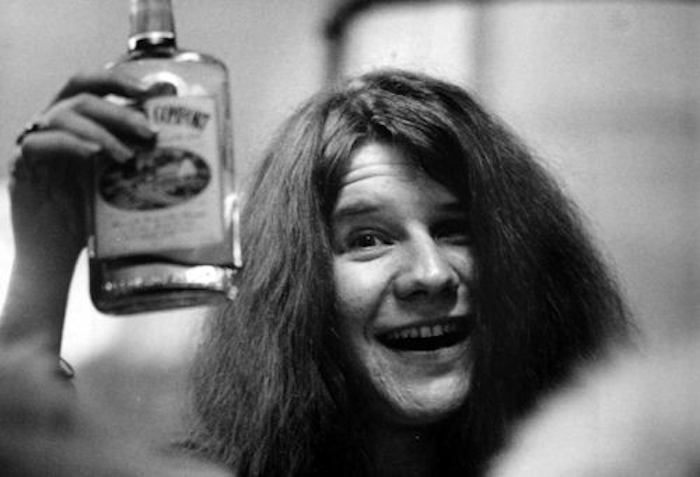
Janis was bisexual but, in 1970, once told her friend, Grateful Dead road manager Richard Hundgen: “I hear a rumor that somebody in San Francisco is spreading stories that I'm a dyke. You go back there and find out who it is and tell them that Janis says she's gotten it on with a couple of thousand cats in her life and a few hundred chicks and see what they can do with that!”
In April, 1968, Big Brother recorded their infamous Live at Winterland '68 album at the Winterland Ballroom, SF. On July 31st, 1968, Joplin hit the big time when she and the band made their first national TV appearance on This Morning with Dick Cavett who, it’s rumored, was among Janis’ long list of lovers! Soon after, the band changed their name to Janis Joplin and Big Brother and the Holding Company, which rankled her bandmates. They were green with jealousy that diva Janis was hogging the limelight.
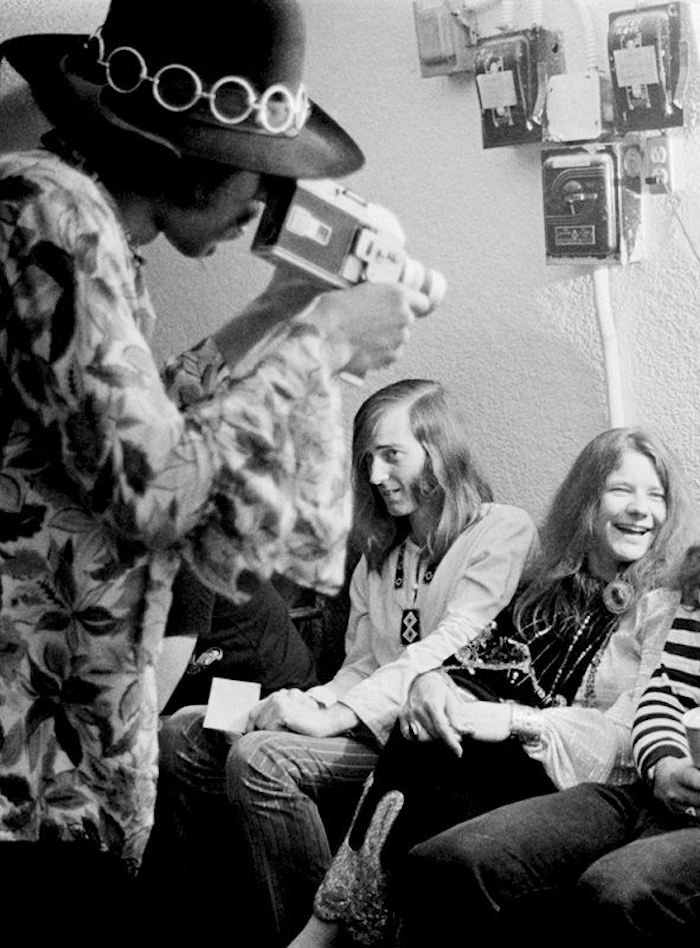
In August ‘68, Big Brother and the Holding Company released their second and last album with Joplin, Cheap Thrills. But behind the scenes, people were whispering in Janis’ ear that she ought to dump them as they were “a terrible band”. Joplin's last performance with Big Brother was at a Chet Helms benefit in San Francisco on December 1st, 1968.
Janis went solo with a new backing group, the Kozmic Blues Band, which she spelled with a K in honor of Franz Kafka. They were session musicians like keyboardist Stephen Ryder and saxophonist Cornelius "Snooky" Flowers, ex-Big Brother and the Holding Company guitarist Sam Andrew and future Full Tilt Boogie Band bassist Brad Campbell. The Kozmic Blues Band incorporated horns and were funkier, poppier... more influenced by Stax-Volt R&B and soul bands of the '60s, like Otis Redding and the Bar-Kays than Big Brother and the other psychedelic bands around at the time.
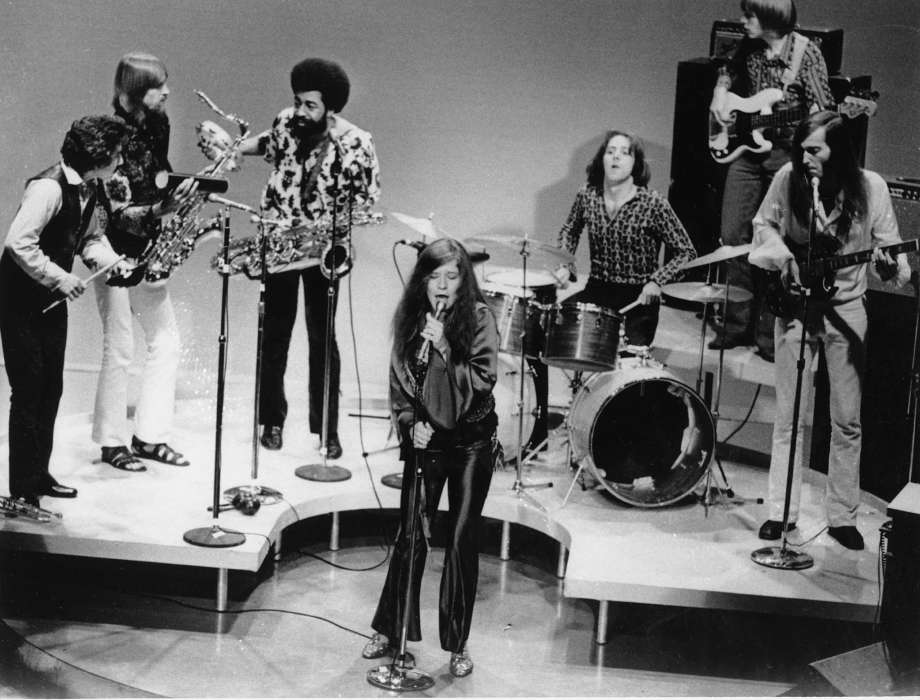
On the surface, her life was going well, but scratch beneath and Joplin was a hot mess. By early 1969, she was shooting $200 of heroin a day despite everyone’s best efforts to keep her clean while recording I Got Dem Ol' Kozmic Blues Again Mama! Janis had lived in producer Gabriel Mekler’s Los Angeles house during the June 1969 recording sessions at his insistence specifically so he could keep her away from drugs and her junkie friends.
In 1969, while performing in Tampa, Florida to a restless crowd, the police asked Joplin if she would help them calm down the crowd. Joplin instead shouted at the police, cursing at them and calling them everything under the sun! The funny thing is; it worked! The raucous crowd actually calmed down. Reverse psychology.
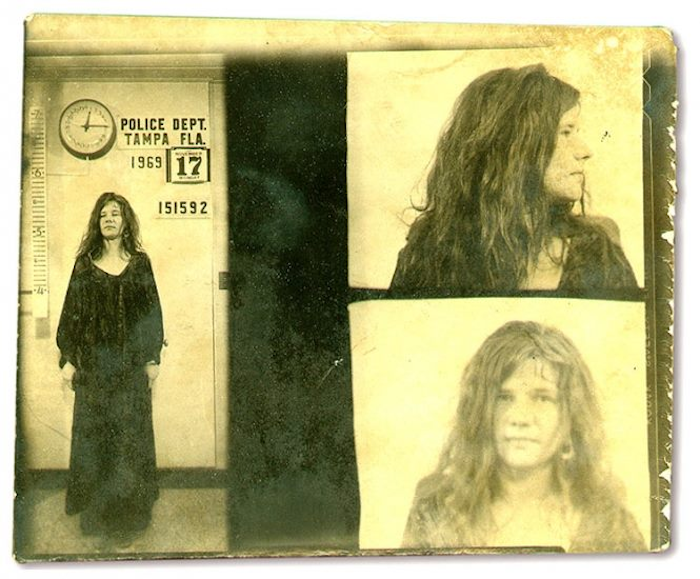
Not unsurprisingly, the cops didn’t particularly like being screamed at so they arrested Janis as soon as the show came to a close. The singer spent the night in Sing Sing but all charges were dropped when the presiding judge decided she was just practising her freedom of speech. Please note, don’t take that as permission to go and shout expletives at the cops!
Joplin took to the Woodstock stage around 2:00 in the morning on Sunday, August 17th, 1969. She informed her band that they would be performing at the concert as if it were just another gig… but when she saw the size of the estimated 400,000 crowd from her helicopter taxi, she became unusually anxious. Faced with a ten-hour wait backstage, she and on-and-off groupie/girlfriend and all round bad influence, Peggy Caserta shot up heroin and drank Southern Comfort. By the time Janis went on stage, she was "three sheets to the wind".
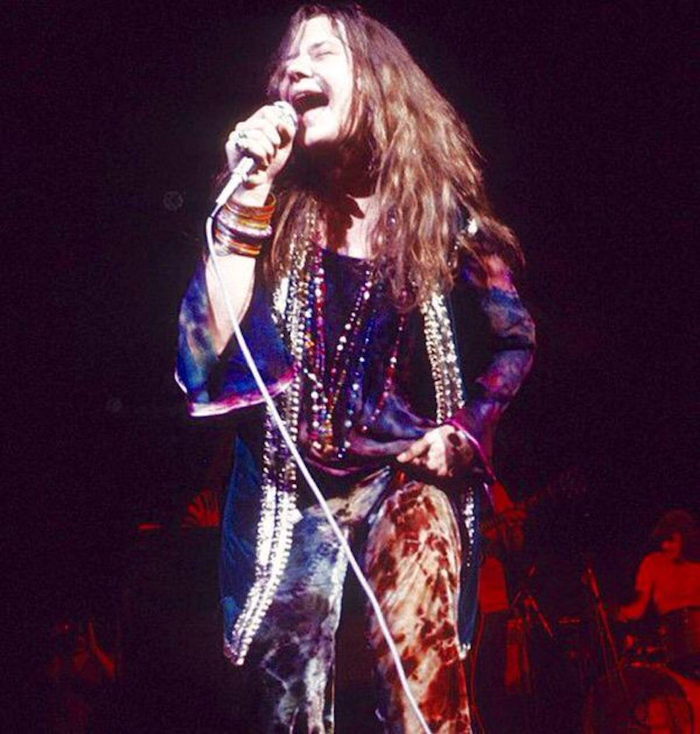
Her voice was hoarse, and she could barely dance, but she pulled through. The audience cheered for an encore, so Janis sang “Ball and Chain”. The Who’s guitarist Pete Townshend said in his 2012 memoir: "She had been amazing at Monterey, but tonight she wasn't at her best, due, probably, to the long delay, and probably, too, to the amount of booze and heroin she'd consumed while she waited. But even Janis on an off-night was incredible.”
A film crew filmed the festival for the Woodstock documentary, but Joplin didn’t feel her performance was good enough to be preserved for future generations and refused to let her set be part of the documentary.
Columbia Records released Kozmic Blues as a single on September 11th, 1969. Containing hits like “Try (Just a Little Bit Harder)”, “Little Girl Blue”, and “To Love Somebody”, the album I Got Dem Ol' Kozmic Blues Again Mama! was poorly reviewed on release, due in part to its shift towards soul/R&B and away from Big Brother’s hard rock/psychedelic sound.
The Kosmic Blues album only made it to number 41 on the Billboard Hot 100, but reached number five on the Billboard 200. Thankfully, sales soon picked up, and the album went gold within two months.
As her career progressed, Janis was influenced by contemporaneous male and female singers like Aretha Franklin, Otis Redding, and Tina Turner. She even joined Tina Turner on stage at Madison Square Garden in 1969.
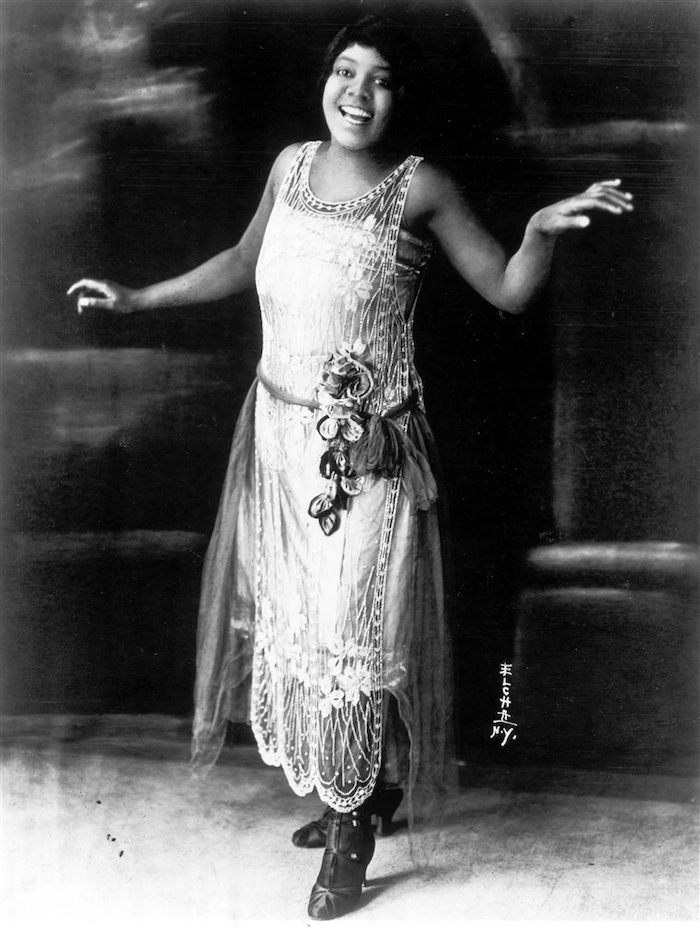
Yet she was more influenced by a host of other extraordinary musicians. From an early age, even before she knew she wanted to be a singer, young Janis loved to listen to the blues. Her early influences included blues singers like Bessie Smith, Odetta, Big Mama Thornton, Billie Holiday and iconic Mississippi Delta folk and blues musician Leadbelly.
Joplin often mentioned she was inspired by and felt a kinship with blues singer Bessie Smith (1894–1937). The Empress of the Blues rocked the 1920s and ‘30s jazz era. When Janis found out her favorite singer had been laid to rest in an unmarked grave, she set about making things right. She and Juanita Green, who worked for the Smith family, split the cost of a headstone and made sure everyone could pay their respects to Bessie.
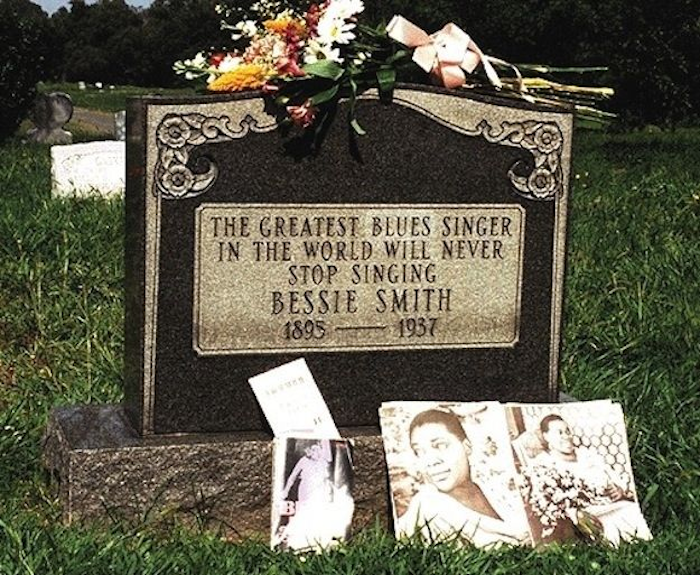
On August 8th, 1970, as news circulated about her involvement with Smith's new gravestone, Janis sang at the Capitol Theatre in Port Chester, New York, where she performed "Mercedes Benz" for the first time.
With that in mind, what car do you think Janis drove? A Mercedes Benz, right? Wrong, after seeing a Porsche navigating San Francisco’s steep hills, she bought a 1964 Porsche 356 C Cabriolet in 1968 in Beverly Hills. Her roadie Dave Richards did the paint job.
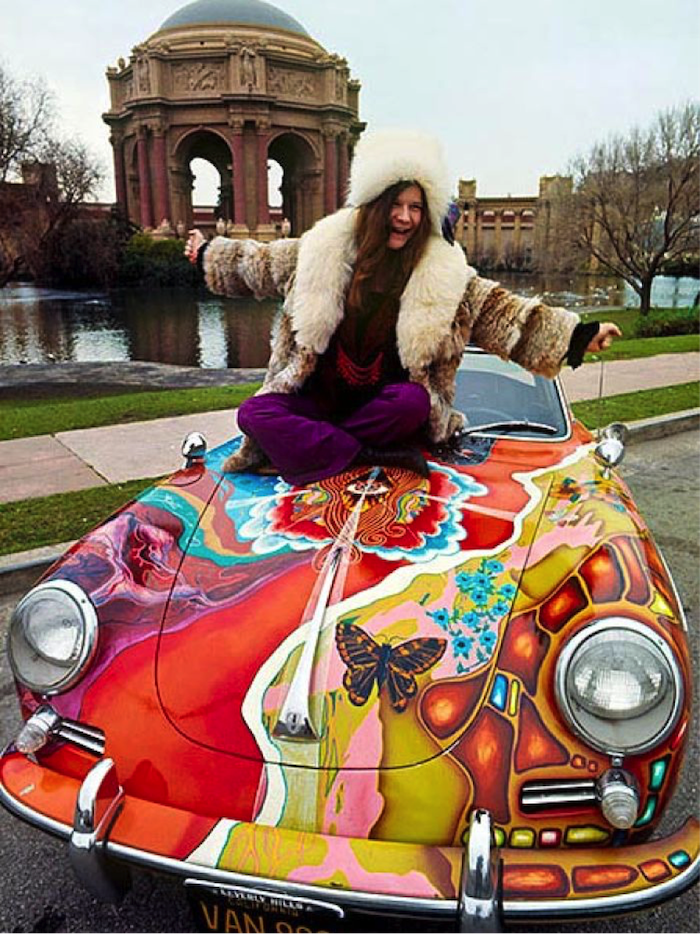
After she died, the Porsche was found in the garage of the Hollywood motel where she passed away. Her family took ownership and returned the car to its original Dolphin Gray color, but through extensive photographic records, the car was eventually returned to her bright colors.
After spending 20 years on the main floor of the Rock and Roll Hall of Fame, the car was finally sold at auction in 2015. The initial estimate was $400,000 to $600,000 but Janis’ Porsche 365 was sold for a whopping $1.76 million. Hopefully, the auctioneer told the winning bidder: "You know you've got it, and we hope it makes you feel good".
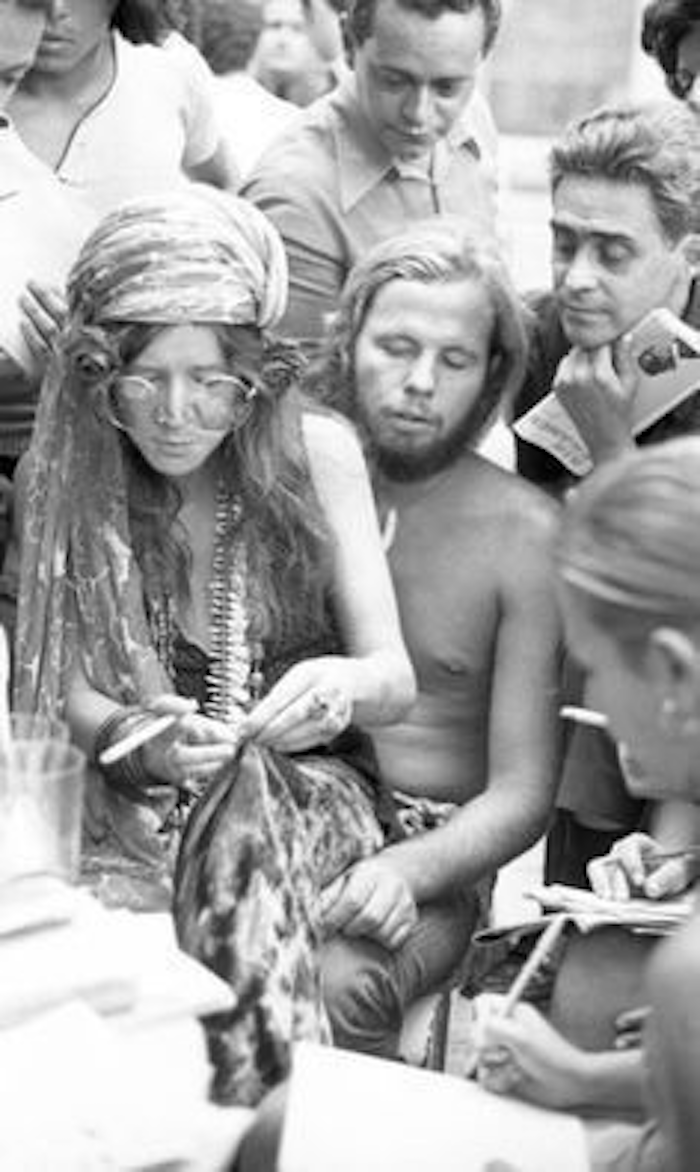
By early 1970, everyone could see that Janis’ heroin abuse and heavy drinking was adversely affecting her music. In February, she traveled to Brazil to get away from it all. Amazingly, she overcame her drug and alcohol addiction after starting a relationship with clean-cut, drug-free backpacker David (George) Niehaus.
The couple were photographed at Rio Carnival “like a carefree, happy, healthy young couple having a tremendously good time." But when Joplin returned to the U.S., she began hanging around with on-again-off-again junkie girlfriend Peggy Caserta (pictured) and started using heroin again.
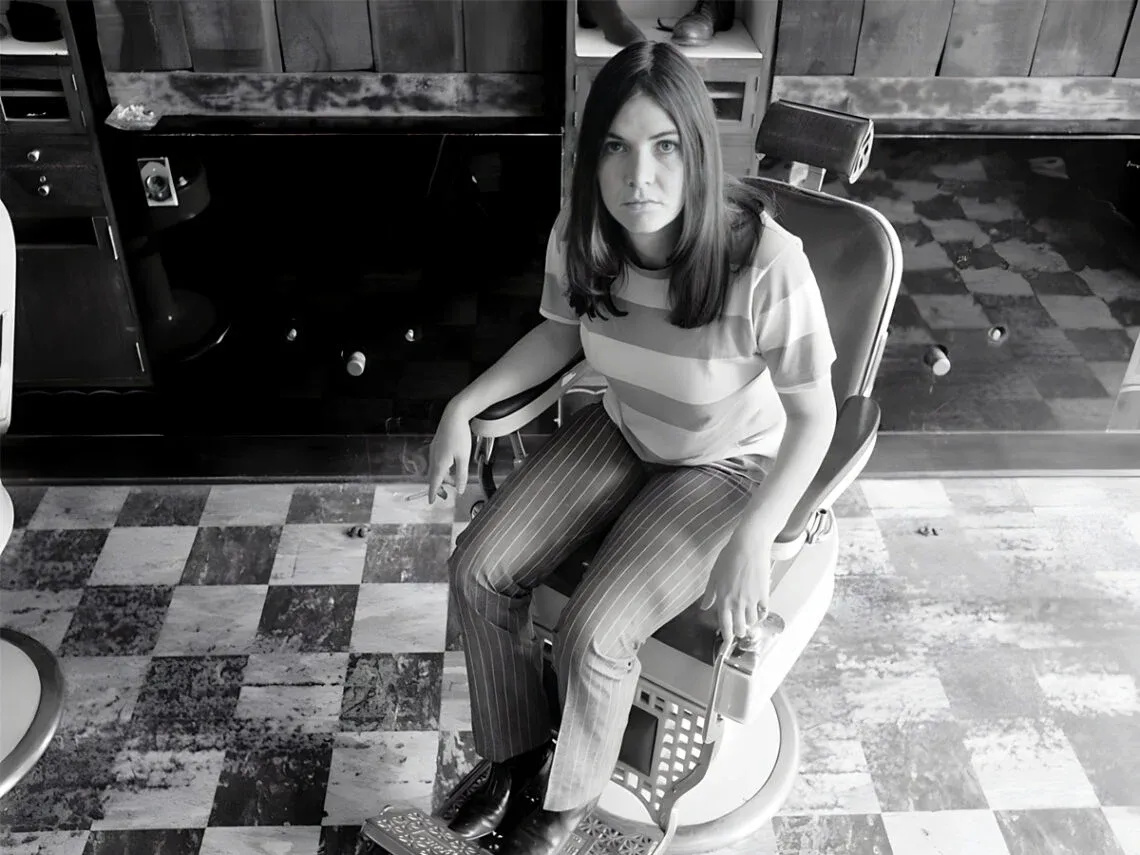
When George Niehaus caught his lover shooting drugs at her new home in Larkspur, California, he ended the relationship. Niehaus had wanted Janis to take some time off and travel the world with him. Who knows, if she did, she might still be alive.
Realizing that the Kozmic Blues band was not working, in the last year of her life, Janice formed her final band... known for a short time as Main Squeeze, before they settled on the name Full Tilt Boogie. For a while, she was happier, her new band was well-received by fans and critics alike.
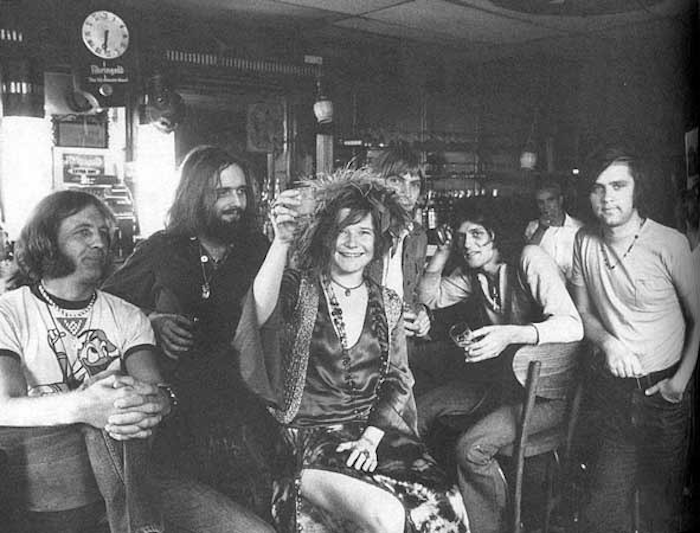
Around this time, she met Kris Kristopherson who would eventually become her lover, and who also wrote her hit, “Me and Bobby McGee”. During these last few months of her life, Janis began calling herself "Pearl" which, to her, represented the tough-talking, hedonistic, highly sexed, dyke truck driver side of her nature.
In the late 1960s, rock ’n’ roll had few bigger names—or wilder personalities—than Janis Joplin and Jim Morrison. The Doors frontman was determined to take Janis out, but there was one problem: she wasn’t interested. Morrison, however, apparently wasn’t used to hearing no.
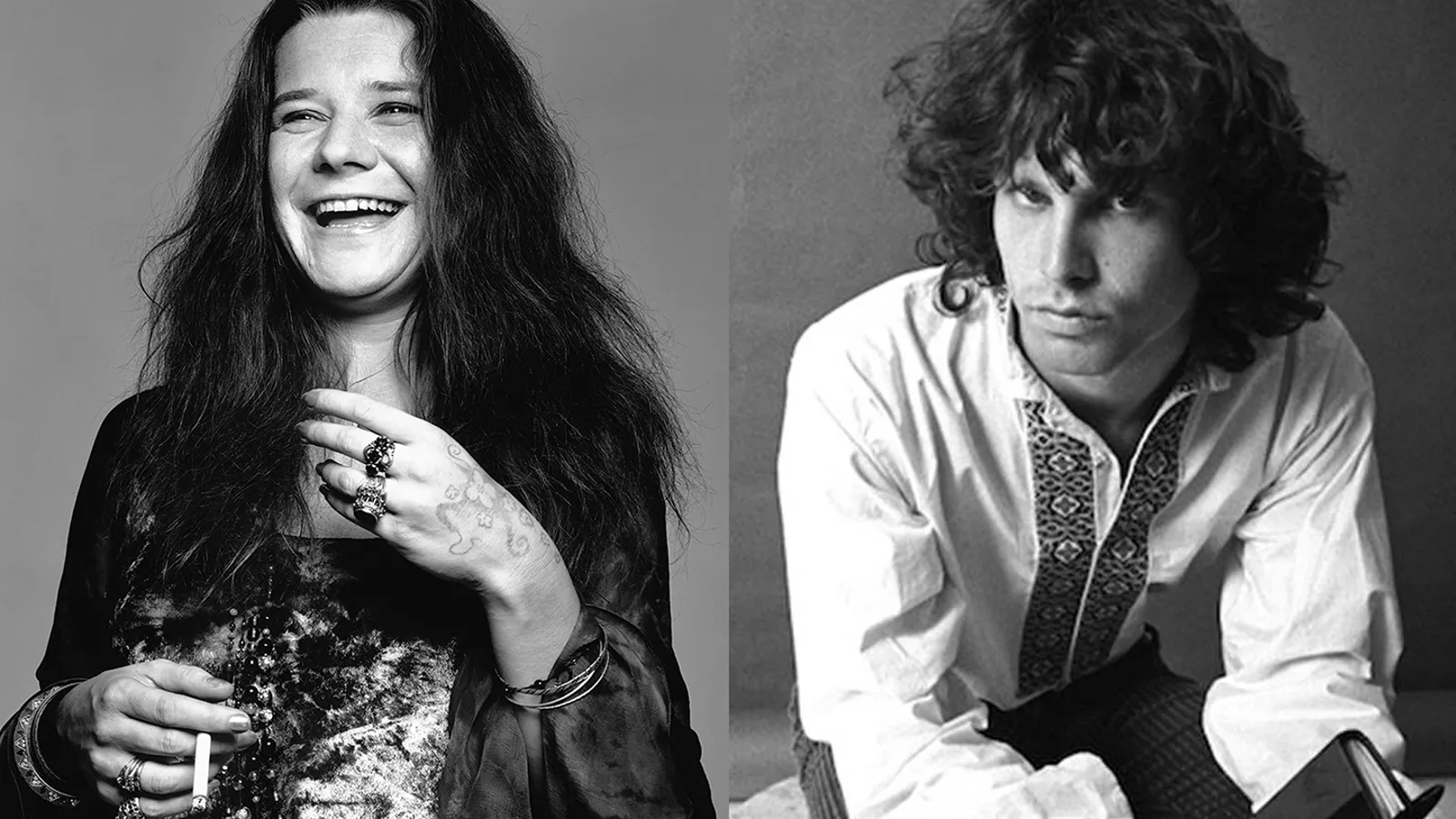
After a party at Hidden Hills in Los Angeles, Joplin was preparing to leave with record producer Paul A. Rothchild when Morrison reached into the car, grabbed Joplin by the hair, and tried to pull her out. Joplin reacted instinctively, grabbed a bottle of Southern Comfort and promptly hit Morrison across the head, sending him sprawling to the ground.
Yet, that still wasn’t enough to change Jim’s opinion of Janis. Even after the incident, he was quoted as saying, “What a great woman! She’s terrific!” In fact, he seemed all the more obsessed with her following her heroic stand. Joplin, however, was unimpressed by The Lizard King’s behavior and refused to let Rothchild give Jim her number. The pair never reconciled.
Appearing on The Dick Cavett Show, Janis announced her plans to attend her high school reunion on August 14th, 1970. Now, this may sound like a mere trifle, some fluff to fill time on the chat show, but this reunion was hugely important to Janis. She told Cavett that during her time at high school in Port Arthur her classmates "laughed me out of class, out of town and out of the state, man".
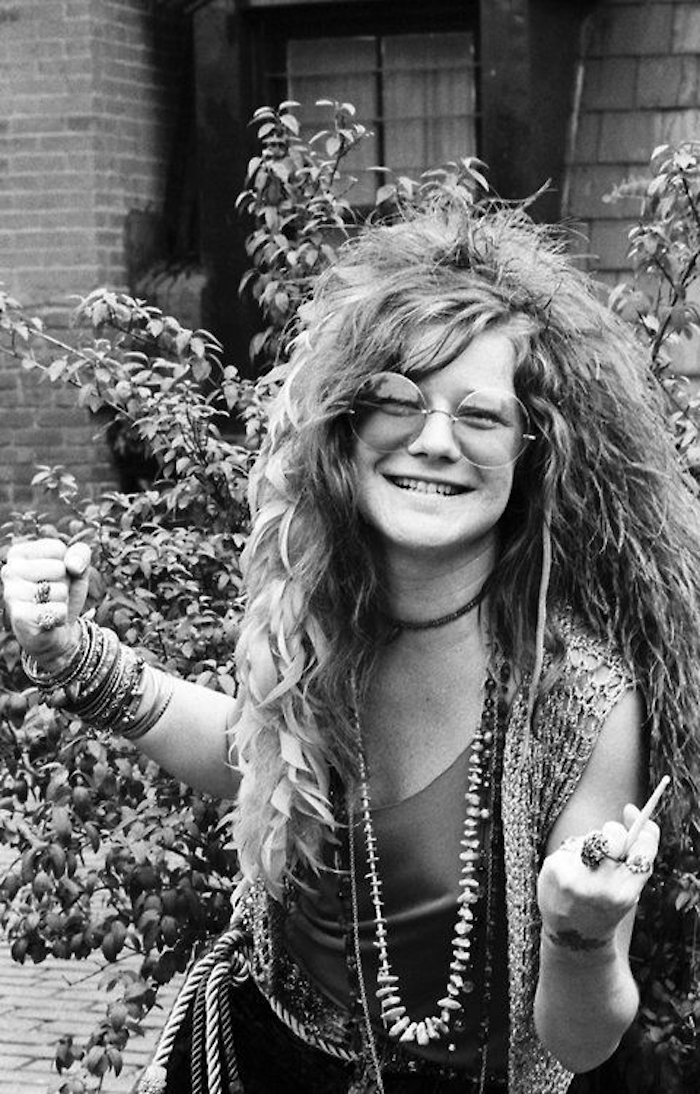
The soulful chanteuse wanted to return to Texas to sock it to those who had bullied and ostracized her. She wanted to show them that she had made it after all. She might have had the fame and fortune, but the truth was her fragile inner child still craved acceptance from her hometown.
But true to form, Janis spent the reunion drunk. Worse, she made several disparaging remarks about the town in the national press, which didn't exactly rub the townsfolks’ noses in it as she’d hoped. Not for the first time, she left Port Arthur feeling rejected, unapproved and unloved.
Returning to San Francisco, Janis' heroin usage increased significantly. In July 1970, she met Seth Morgan; a 21-year-old UC Berkeley student, coke dealer, and future novelist from a wealthy East Coast family. He assured her he wasn't after her money, and even signed an agreement to say so.
Seth seemed like one of the popular football jocks Janis had always sought approval from. He also happened to share Janis’ father’s name – read into that what you will. Oh, and he was also a dead ringer for Tony Danza!

Perhaps trying to deal with the feelings of inferiority that her disastrous high school reunion brought to the surface, this was her final attempt to find the belonging and a more ordinary life that she so desperately craved. Janis and Morgan were engaged to be married in early September.
Janis had checked into Landmark Motor Hotel in Hollywood on August 24th, 1970, while she recorded her Pearl album. Her friends had given her the moniker Pearl, and she eventually embraced it fully. She explained she used the name as a coping mechanism and to shield herself from outside pressures, saying, “I'm tired of being Janis, call me Pearl.”
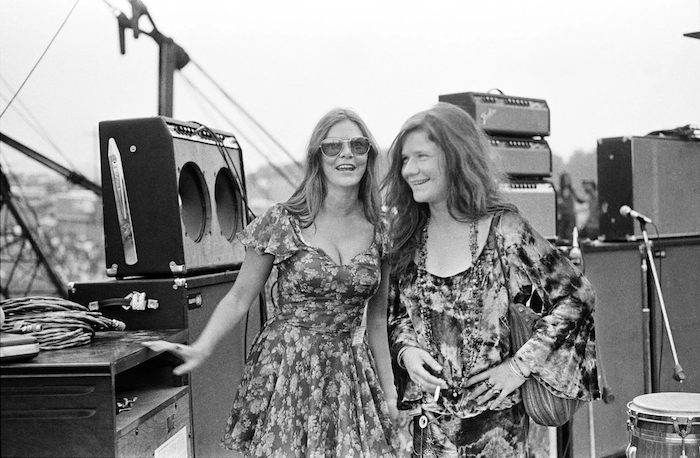
Her fiancee Seth had been staying at Janis’ Larkspur home. Despite making a pact to stay away from each other, Joplin begged her ex-lover Peggy Caserta (pictured, left) for heroin, and when Caserta refused to provide it, Joplin admonished her, saying, "Don't think if you can get it, I can't get it.” Within a week, Joplin was a regular customer of Caserta’s heroin dealer.
Janis recorded “Mercedes Benz” on October 1st, 1970. It was the last recording she ever made. On Saturday, October 3rd – saddened that both Peggy and Seth failed to show up at the Landmark as planned the previous night – she visited Sunset Sound Recorders to listen to the instrumental track for Nick Gravenites's song "Buried Alive in the Blues", which the band had recorded earlier that day for the Pearl album. The track was great. Janis was on a high, and legendary producer Paul A. Rothchild agreed she would record the vocal the following day.
Janis and Seth had been planning their wedding, but on that same Saturday, she discovered by telephone that Seth had met a group of women at a Marin County restaurant, and invited them back to party at the home they shared. Needless to say, she was heartbroken.
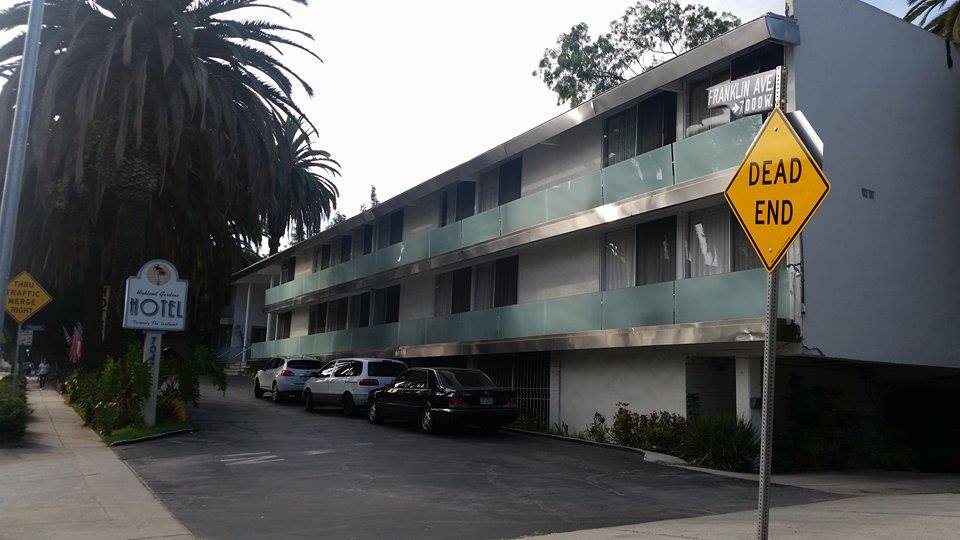
Joplin and Full Tilt Boogie Band keyboardist Ken Pearson left Sunset Sound Recorders together, and she drove him and a male fan in her Porsche to Barney's Beanery in West Hollywood, where she drank two vodka and oranges. As Joplin and Pearson pulled up to the Landmark Motel, she expressed her fears that he and the other Full Tilt Boogie musicians might stop making music with her. Aside from the night shift desk clerk, Ken Pearson was the last person to ever see Janis Joplin alive.
In the late afternoon of Sunday, October 4, 1970, producer Paul Rothchild became concerned when Joplin failed to show up at Sunset Sound Records. In the evening, he phoned the Landmark Motor Hotel and reached Full Tilt Boogie's road manager, John Cooke, who was also staying at the motel.
Rothchild expressed his concern over her absence from the studio and asked Cooke to search for her. Cooke and two of his friends noticed her psychedelic Porsche in the hotel parking lot. Upon entering her room, John Cooke found his friend Janis’ lifeless body on the floor beside her bed. Janis Joplin was dead, aged 27.
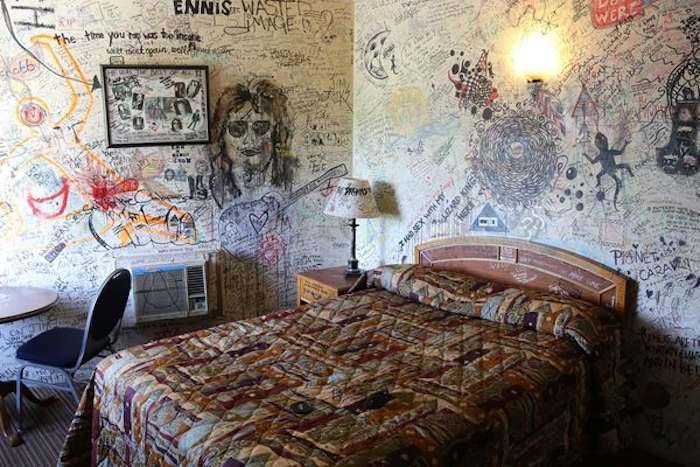
Newspapers reported that no drugs or paraphernalia were found in the room but, according to a 1983 book by Joseph DiMona and LA County coroner Thomas Noguchi, evidence was removed from the scene by a friend and later replaced after they realized that an autopsy was going to reveal that narcotics were in her system. The autopsy determined the cause of death was a heroin overdose, possibly compounded by alcohol.
The friend who found her, John Cooke, believed she had been given much stronger heroin than she was used to, as indicated by overdoses of several of her dealer's other customers during the same weekend. Janis’ death was ruled accidental, not suicide.
Joplin didn’t want a big fussy funeral. She left money in her will for a party. According to party-goers, everyone got as drunk as possible, which might have been the best way to honor Janis’ farewell, just so long as the drinks were her favorite tipple, Southern Comfort.
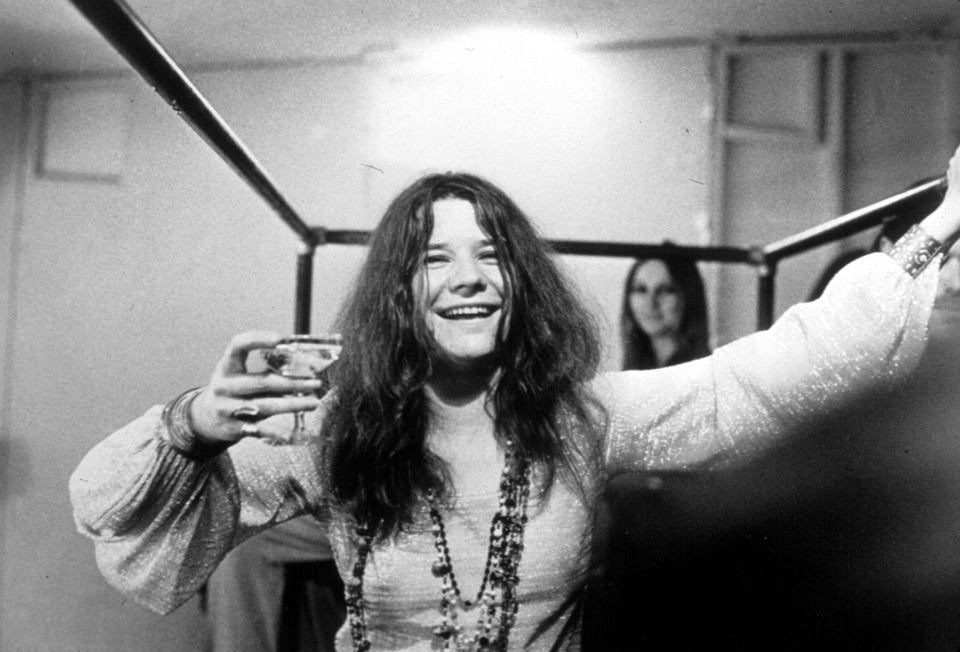
Her funeral service was much more understated. Somewhat surprisingly, only three people attended; her parents and her aunt. Her family scattered her ashes into the Pacific Ocean along Stinson Beach, Marin County, California.
Janis became yet another member of the prestigious 27 Club; a group of artists – usually musicians – who died tragically at the tender age of 27. Janis passed away weeks after Jimi Hendrix died of a drug overdose on 18th September, 1970. Less than a year later, poet, psychonaut, and lead singer of The Doors Jim Morrison was also found dead, at the same age... again by the foul hand of narcotics.
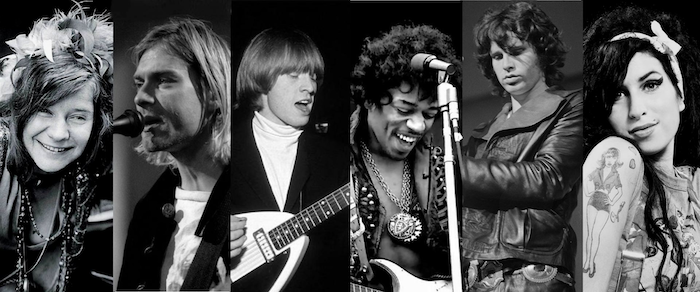
The Lizard King died two years to the day after The Rolling Stones guitarist Brian Jones died, also aged 27. Three years after Jim passed, his girlfriend Pamela Courson also died at the age of 27. The 27 Club includes more recent members like Amy Winehouse and Kurt Cobain. You can read all about them, and other musical greats who were taken too soon here…
On or around October 4th, 1970, Joplin’s ex-boyfriend, David Niehaus, sent her a telegram containing the words, “Love you Mama, more than you know…” Tragically, the telegram never reached her. She died before being able to read his words.
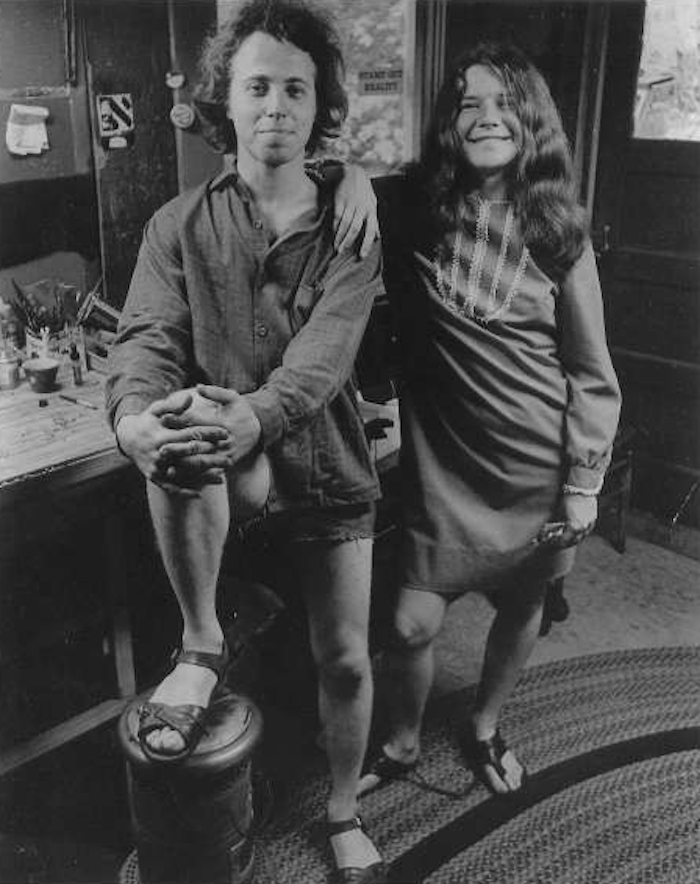
Despite the fact he ended their relationship when she started on the heroin again after she arrived back in the USA from Brazil, it seemed Niehaus still had feelings for Joplin. He had been a bit of a guardian angel, helping get her off the drugs once before. If only that telegram had arrived a few days earlier, things might have turned out very differently.
Joplin completed her second solo album, Pearl, which was released in January 1971, three months after her death, and reached number one on the Billboard 200. She never knew it went on to be her best-selling album, nor that her song “Me and Bobby McGee”, would become her first number one. Janis Joplin was the original rock queen, and there will never be anyone quite like her.
In the years since she died, 18.5 million albums have been sold and she finally received the recognition she deserved. She inspired Bonnie Raitt, Florence Welch of Florence and the Machine, Stevie Nicks of Fleetwood Mac fame, Melissa Etheridge, pop star Pink, and Amy Winehouse, who tragically joined the 27 Club in 2011, and many more artists. In 1995, Janis was inducted into the Rock and Roll Hall of Fame, and in 2013, she was honored with a star on the Hollywood Walk of Fame.
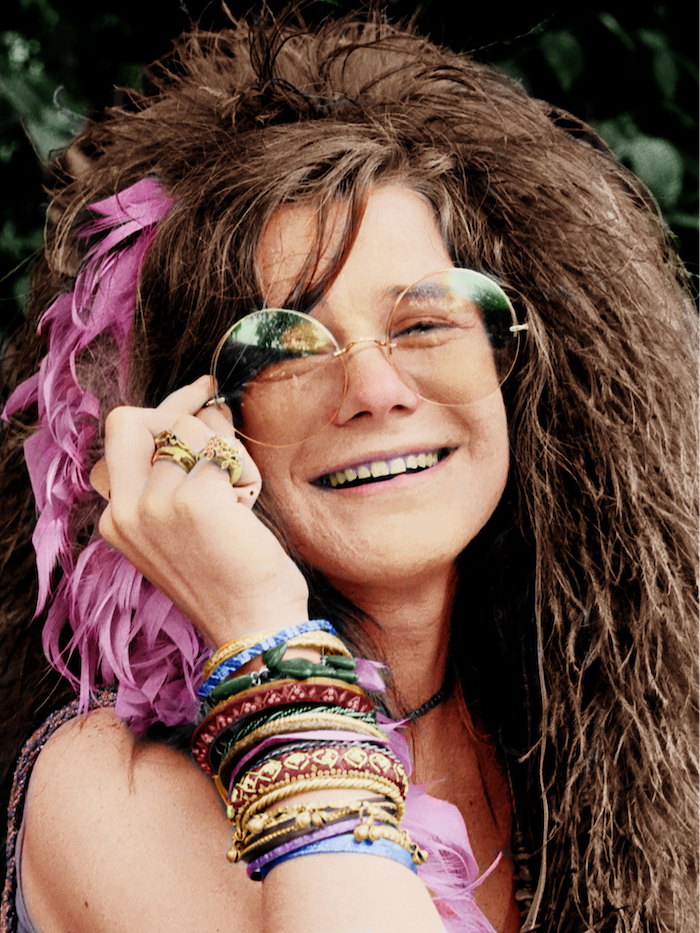
While several biopics have been rumored, we’ve never been treated to a Janis Joplin biopic. Over the years, many actresses have been ready to play Janis including: Amy Adams, Courtney Love, Reese Witherspoon, Zooey Deschanel, Renee Zellweger, Laura Theodore, Lili Taylor, Brittany Murphy, and singer Melissa Etheridge.
In 2016, Michelle Williams signed on to play Joplin in Sean Durkin’s biopic, Janis. The project was based on the book Love, Janis by the singer's sister, Laura Joplin, but the film got stuck in Development Hell. Then, in 2024, Shailene Woodley announced she would star in Janis Joplin: Get It While You Can, another biopic that’s been in development for almost a decade. Let’s hope these Hollywood producers try... just a little bit harder!