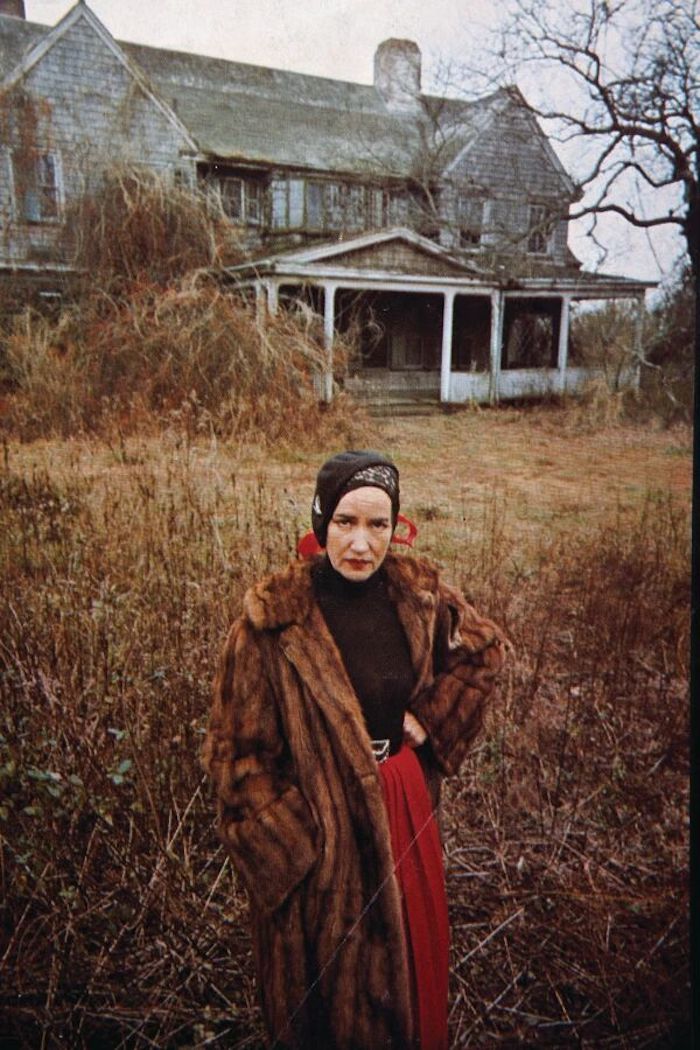
Welcome to the strange tale of Grey Gardens and its two eccentric, reclusive owners: Edith Ewing Bouvier Beale and her daughter, Edith Bouvier Beale. This spooky dwelling and its inhabitants form an eldritch triumvirate in an epic American Gothic tale. But how did this wealthy aunt and cousin to JFK’s wife, Jackie Bouvier Kennedy, fall from high society into ruination and squalor? Could it have been the infamous Kennedy Curse?
Made famous by the Maysles brothers’ sumptuous 1975 documentary, Grey Gardens contains an indescribable mythic quality. It's a rags-to-riches fairytale told backward, an over-the-top gothic horror of dizzying heights, manipulation, mental illness, and destitution. Today, we’ll delve into the tragic lives of Big and Little Edie and explore every nook and cranny of Grey Gardens as we take you on a journey into The Twilight Zone!
ONCE UPON A TIME
The year is 1895. The place is Long Island, New York. Architect Joseph Greenleaf Thorpe begins designing houses in East Hampton, including one which would become known as Grey Gardens... it was perhaps his finest. A grand, imposing, shingle-style 14-room, 7-bedroom summer cottage, it still stands at 3 West End Road and Lily Pond Lane in the Georgica Pond neighborhood of fashionable East Hampton.
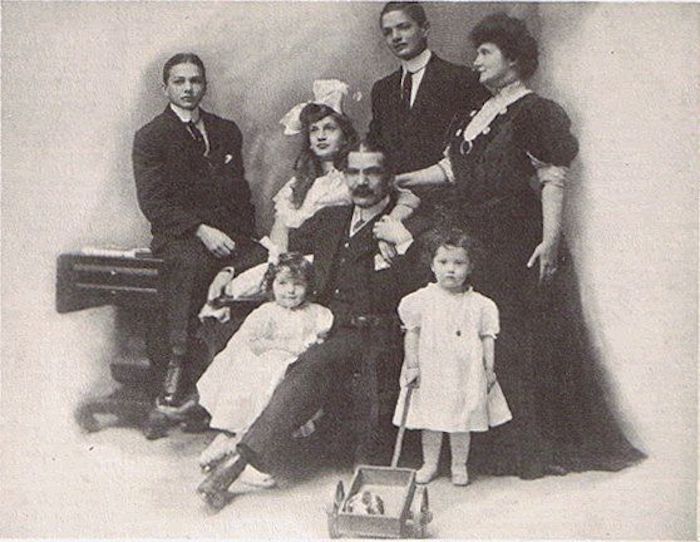
Across town, in Nutley, New Jersey, a baby girl, Edith Ewing Bouvier, was born to wealthy parents. They were Wall Street lawyer and stockbroker John Vernou Bouvier Jr. and Maude Frances Sergeant. Edith had two brothers: William Sergeant "Bud" Bouvier and John Vernou Bouvier III, who would later father Jacqueline Bouvier. You may know her as Jackie Kennedy, the tragic wife and widow of President John Fitzgerald Kennedy.
MEANWHILE, BACK ON THE RANCH
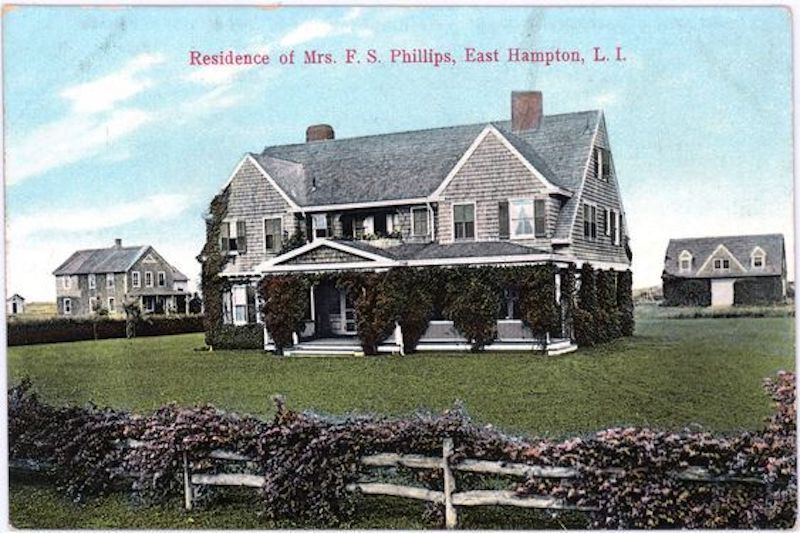
Grey Gardens was completed in all its pastel gray beach cottage splendor in 1897. The first occupier was the Detroit Free Press editor’s daughter, Mrs F. Stanhope Phillips. In 1913, Mr. and Mrs. Robert C. Hill bought it as a summer cottage. He was president of the Consolidation Coal Company. Grey Gardens may have been designed, built, and paid for by men, but the property was about to be transformed into a sanctuary for women.
The property was about to become a refuge full of feminine energy and, dare we say… a certain muliebral magic. The property's most infamous inhabitant later described the property as “oozing with romance, ghosts, and other things.”
GREY GARDENS OR GRAY GARDENS?
Anna Gilman Hill was a passionate horticulturist and writer. She and her landscape gardener, Ruth Bramley, designed and built a beautiful walled garden. They imported ornate concrete walls from Spain “to enclose the garden and temper the fierce winds and sea spray of eastern Long Island.” All that gray turned the arts-and-crafts style house into a veritable fortress against the elements and gave it a slightly more gothic feel.
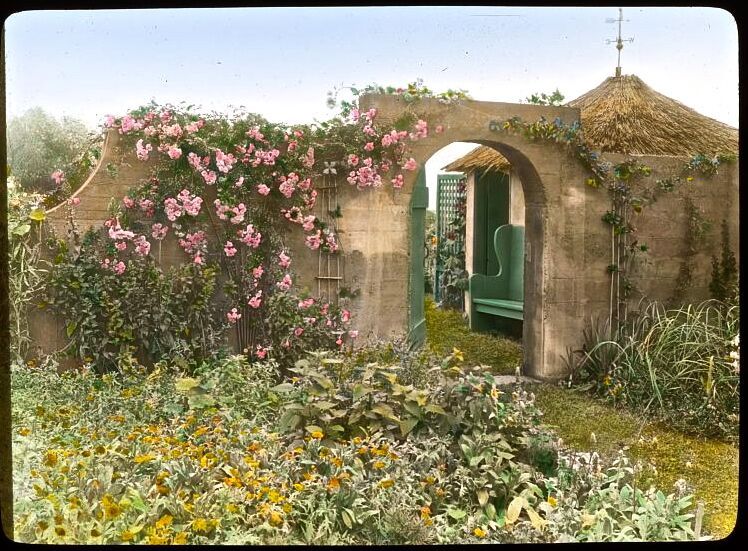
With the walls and wooden arbors in place, Anna and Ruth next planted pale-colored flowers: pink climbing roses, lavender, phlox, and delphinium. “It was truly a gray garden,” Anna wrote. “The soft gray of the dunes, cement walls, and sea mists gave us our color scheme as well as our name.” Why the name of the house is spelled the English way; “grey” and not the American way; “gray” is unknown. Answers on a postcard, please.
BIG EDIE
Edith Ewing Bouvier grew up to be a dashing socialite and pursued a career in singing. On January 17, 1917, she put her dream of being a musician on hold to marry her father’s future law partner, Phelan Beale. The wedding ceremony was a lavish, high-society affair at New York’s St. Patrick's Cathedral. Phelan was 14 years her senior. The couple had a daughter on November 7, whom they also named Edith. Now, there was Big Edie and Little Edie.
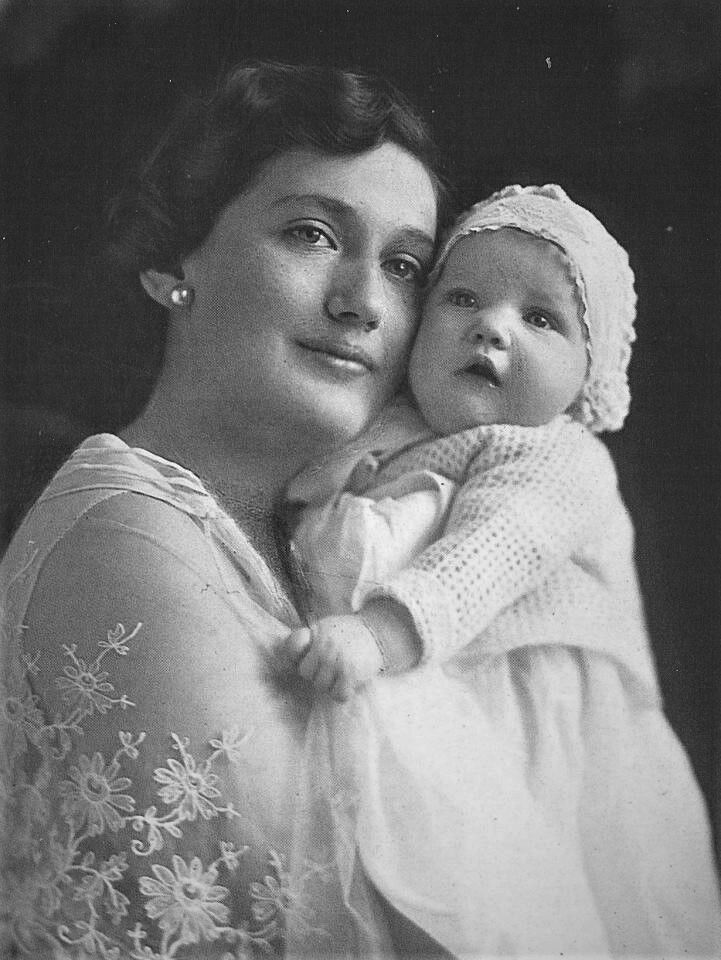
Little Edie was followed by two boys, Phelan Beale, Jr., in 1920 and Bouvier Beale in 1922. Despite the nationwide alcohol ban, by the height of the Golden Twenties, everybody partied like they were in The Great Gatsby. In 1924, Phelan Beale acquired Grey Gardens for his wife, Big Edie, because her parents owned a place just three miles up the road at Lasata, where Jacqueline Bouvier Kennedy Onassis would later become a frequent visitor. For a while, at least, everything was just peachy...
ON THE ROCKS
While Grey Gardens was just a block from the Atlantic Ocean, Edith and Phelan’s marriage had been on the rocks for some time. Like most everyone, financier Phelan lost vast amounts of money in the 1929 Wall Street Crash. Those Gatsby dancing days were gone in a flash; replaced by the 1930s Dust Bowl Depression era more evocative of John Steinbeck’s Grapes of Wrath.
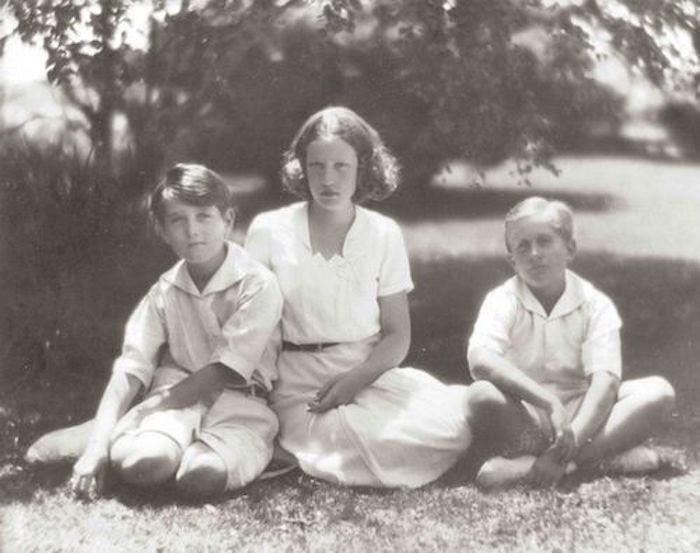
Yet, even in a sunny, smart-set Hamptons summer cottage, it never rains, but it pours. Phelan and Big Edie separated in 1931, with Edie retaining Grey Gardens. Phelan paid her a monthly allowance of $300 ($4,000 today) to maintain the property and keep herself and the children. Big Edie continued pursuing her singing career, performing at home and local functions.
LITTLE EDIE
Little Edie attended the exclusive private Spence School in New York until her mother suddenly and mysteriously took her out. Between the ages of 11 and 12, Big Edie kept Little Edie out of school for two years, blaming a respiratory illness. However, the real reason seems to have been far darker, unhealthier, and more manipulative. Her smothering mother was lonely and needed company.
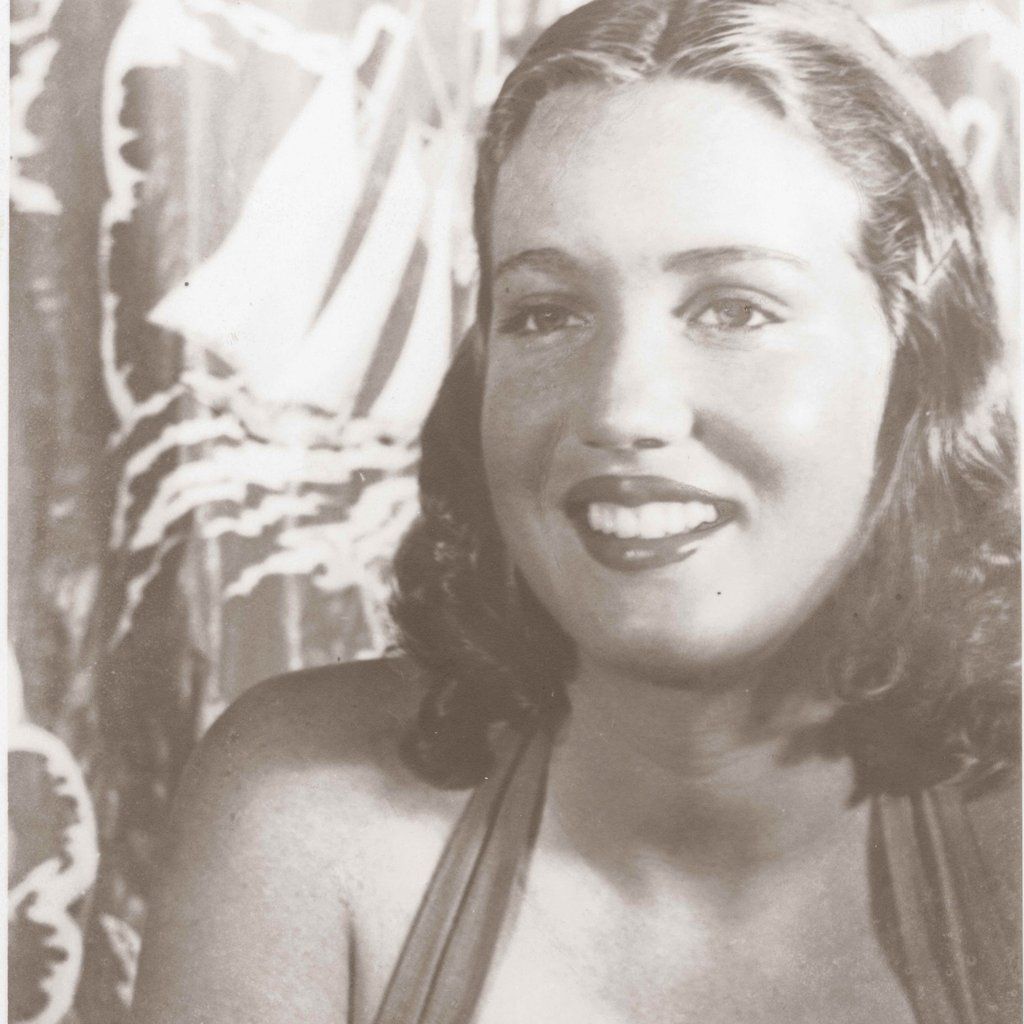
While off school, Edith accompanied her mother to movies and plays nearly every day. As the Twenties gave way to the Thirties, the feisty young girl grew up living the lifestyle her wealthy family could afford. She was joined to her mother at the hip, accompanying her to ladies’ luncheons and high-brow functions. For a while, the misfit mother and dutiful daughter rolled like the Rockefellers.
THE BELLE OF THE BALL
In 1935, Little Edie graduated from a highly selective Connecticut finishing school for ladies called Miss Porter’s School. Her debutante debut took place at the Pierre Hotel on Fifth Avenue, New York, on New Year’s Day, 1936.
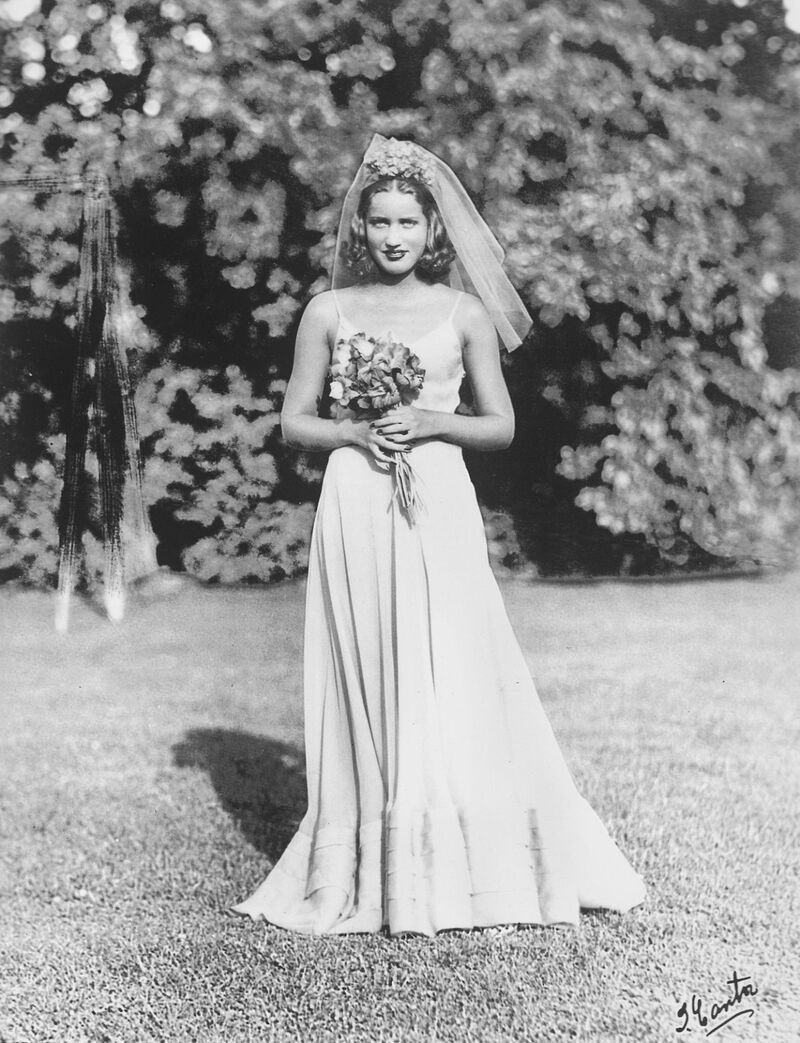
The New York Times wrote she wore “a gown of white net appliqued in silver with a wreath of gardenias in her hair”. Tall, long-legged with an athletic figure, Little Edie sported alluring blue eyes, blonde hair, and the bonniest of faces. She was definitely the belle of the ball. The Bouvier’s family historian––cousin John Davis––described Edie as one of the reigning beauties of East Hampton society, “surpassing even the dark charm of her cousin Jacqueline Bouvier Kennedy.” Hollywood screenwriters of the time would have said she had "gumption".
NEW YORK, NEW YORK
Smart set darling and friend to the rich and famous, Body Beautiful Beale (as Little Edie was known) was the talk of the town. The debutante fashionista was beginning to get noticed, professionally speaking. Eventually, the beautiful, beguiling, and slightly bonkers young woman began picking up odd jobs as a model in New York… much to her father, Phelan Beale’s chagrin.
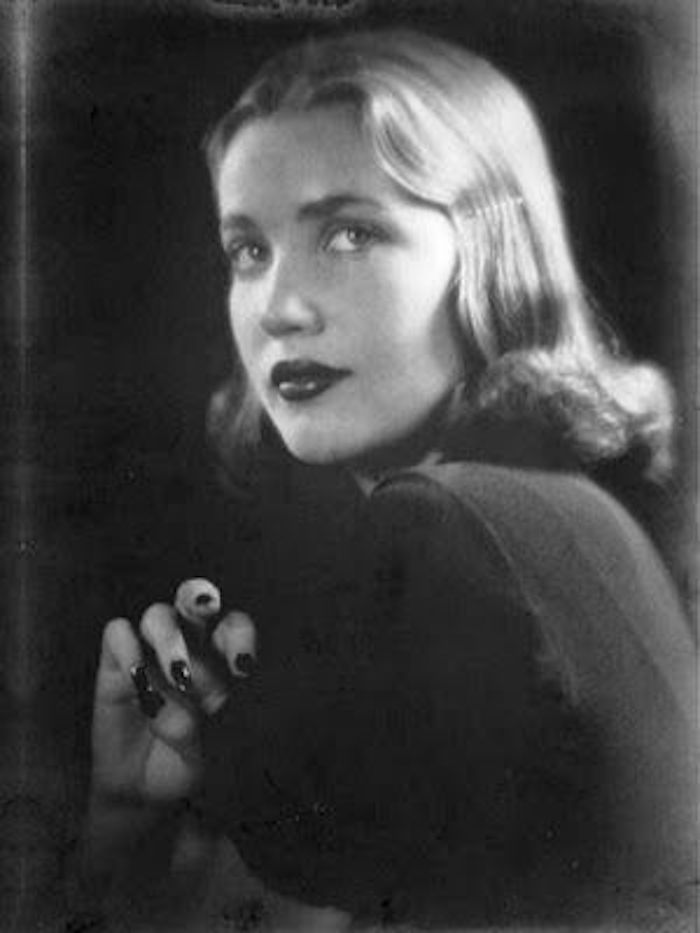
In anger, her father smashed a famous photographer’s window because a member of the Bachrach family had prominently and proudly displayed one of Edie's photos. Another unauthorized photo hung in the Macy’s elevator in Manhattan for years.
MANY SUITORS
Edie the younger began turning men’s heads. She had a long list of admirers, boyfriends, beaus, dalliances, and suitors. Though never married, she claims to have received proposals from such world-beaters, jet setters, and empire-builders as billionaire Howard Hughes, J. Paul Getty, and Joseph P. Kennedy Jr.
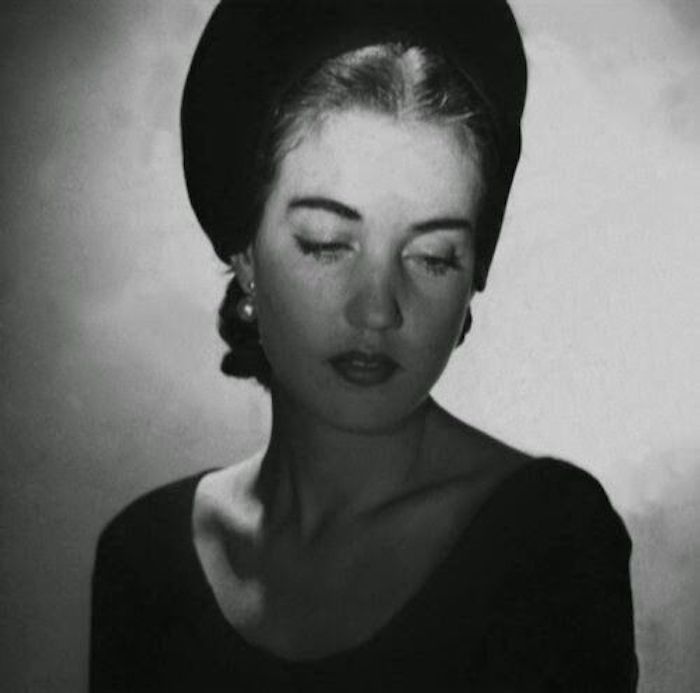
Young Edie had been the debutante of the year and a newspaper-published poet. But when her cousin Jackie married John F. Kennedy, the green-eyed monster reared its ugly head. During JFK’s inauguration, Little Edie told Joe Kennedy Sr. that if his fighter-pilot son, Joe, had lived through WWII, she would have become First Lady instead of Jackie.
A LIFE LESS ORDINARY
In 1942, Big Edie fell out with her father and husband at her son Bouvier’s wedding. She swanned in 25 minutes late, dressed like an opera star. Disgusted by her behavior, her husband Phelan changed his will two days later. He decimated her inheritance from $825,000 to $65,000, meaning she only had her $300 monthly stipend to support herself, her daughter, and Grey Gardens. Then, in 1946, Phelan notified Big Edie he had divorced her via telegram from Mexico. He soon remarried.
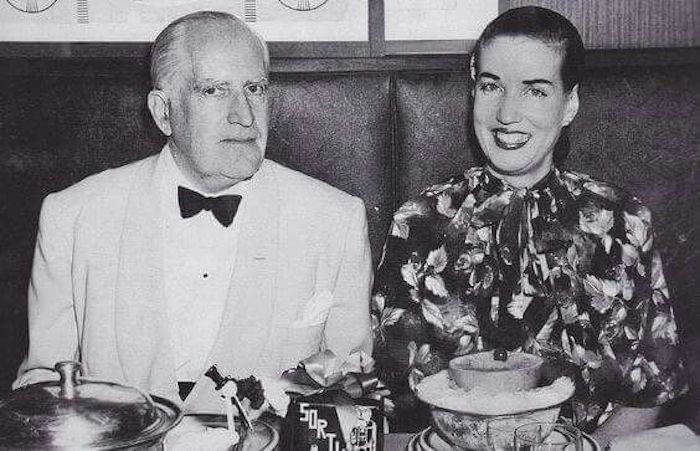
Between 1947 and 1952, Little Edie lived at New York’s Barbizon Hotel for Women - an exclusive residence for budding actresses where no men were allowed above the lobby floor! She wished she’d land her big break, but movie offers were always just around the corner. In 1952, Broadway producer Max Gordon saw Edie’s potential and invited her to audition for the Theatre Guild. But the universe, or rather her mom, had other plans.
COME ON HOME
In 1952, 57-year-old Big Edie sent for her 34-year-old daughter and ordered her home to look after her. Having fallen on hard times, she could no longer afford to send her daughter money for groceries. Other than sporadic modeling jobs, Little Edie had no way of supporting herself. Being summoned home must have felt like hearing the words, “No, Cinderella - you shan’t go to the ball,” from a wicked stepmother in a pantomime.
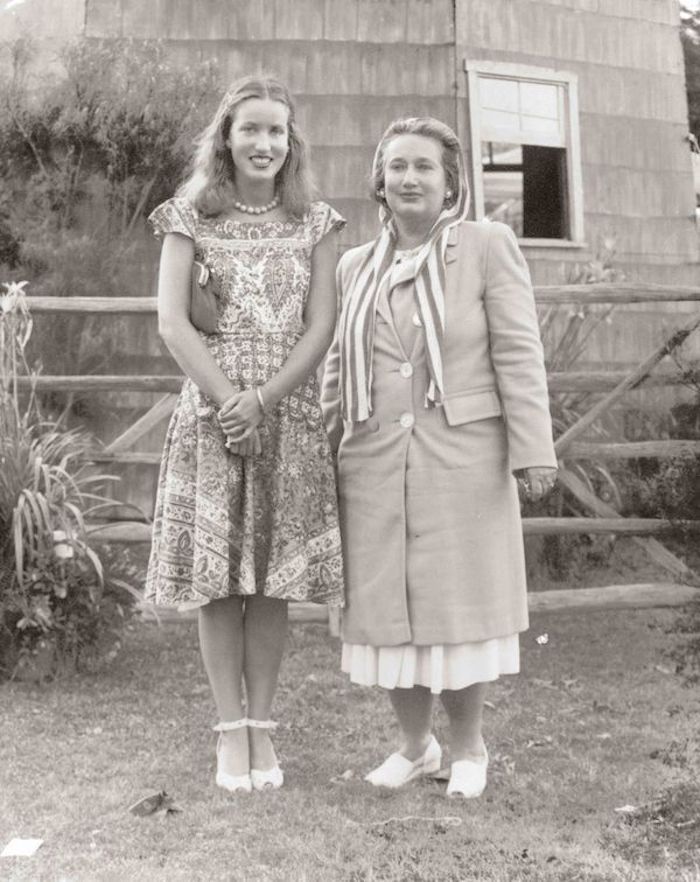
So, on July 29, 1952, Little Edie dutifully returned to Grey Gardens permanently. She later revealed that she felt her mother had always held her back and admitted she became her mother’s prisoner for 20 years.
LITTLE EDIE HAD A SOULMATE
Little Edie did find love. Her one true love was Julius Krug, who served as Secretary of the Interior under President Harry S. Truman between 1946 and 1949. She had a love affair with an already-married Krug while she was living in New York. Legend says she never ever got over him.
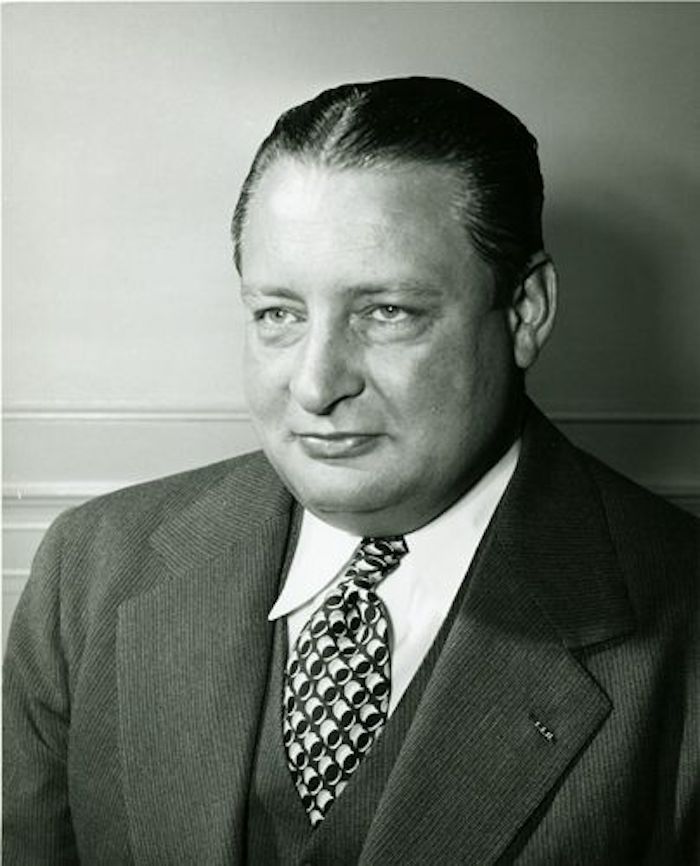
The ghost of Mr Krug prevented Edie from dating other men, but we'll never know how much of that was due to true heartbreak and how much was due to her interfering mother’s manipulation. Her jealous, possessive mother scared off every single suitor Little Edie brought home because she feared she’d be left alone with no one to care for her.
REGRETS, I'VE HAD A FEW
Living with her mom was not easy. When Little Edie was in her late thirties, she developed alopecia totalis, which caused her body hair to fall out and prompted her to wear her signature headscarves. Her biographer cousin, John Davis, claims she actually caused her own baldness by setting fire to her own hair… while up a tree she had climbed at Grey Gardens. We told you it was a strange story!
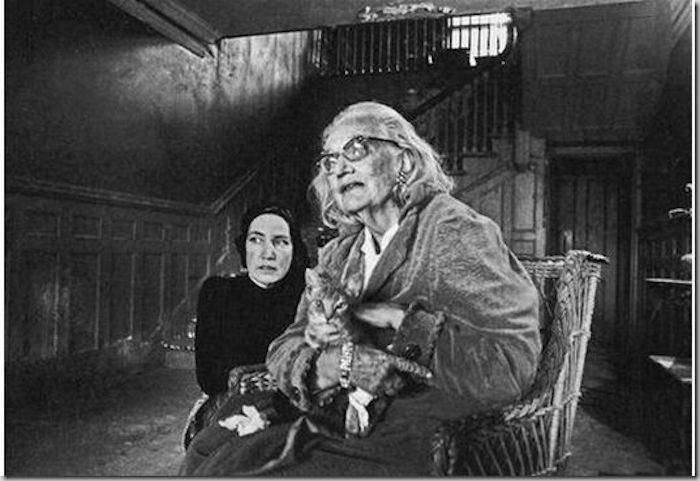
Big Edie wistfully regretted not taking her chances to become a singer. She lived in the past, pining for the nostalgia of her heyday in the Jazz Age of the Roaring 1920s. However, instead of encouraging her daughter to appear on stage—and living life vicariously through her success—Big Edie wanted Little Edie all to herself.
RICHES TO RAGS
These two free-spirited, misunderstood artists were denied their dream to express their artistic passions because of their lofty position in society. Alone, they started taking out their frustrations on each other. Months turned to decades, and they became more detached from reality and more toxic by the day. The eccentric cohabitants developed a co-dependent, love-hate relationship which included daily squabbles, reconciliations, singing, dancing, performing, and recitals.
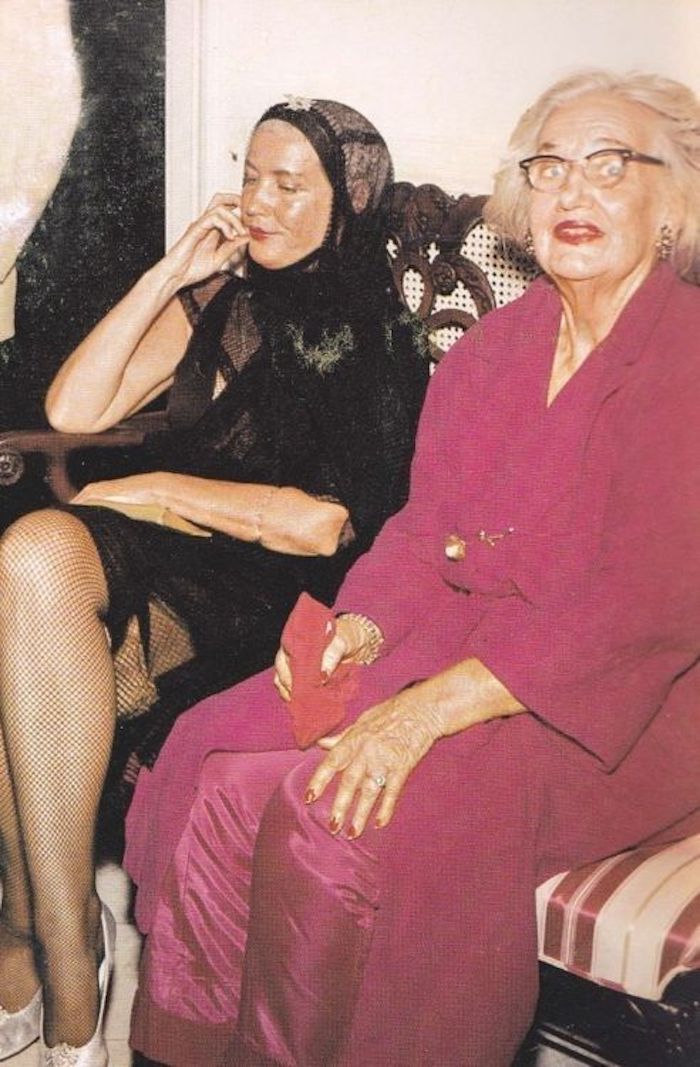
However, it wasn’t only their relationship that decayed: Without money or the inclination to maintain their sprawling estate, this mother-and-daughter team slowly let Grey Gardens fall into ruin. This expensive Hamptons house began to look more and more like The Munsters’ 1313 Mockingbird Lane home.
RACK AND RUIN
Mother Nature did her worst, and the glorious garden walls and structures were hidden under thick vines and years of overgrowth. The once-glorious house fell into rack and ruin. The pair rarely received visitors from the fashionable village, and they didn’t give one hoot.
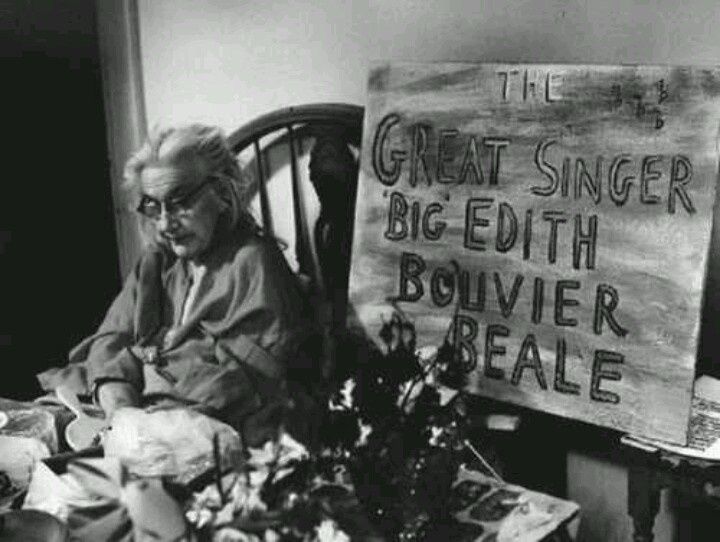
Whereas once, they lived the Life of Riley, now they had become a pair of misfits; reclusive precursors to Thelma and Louise. A pair of mavericks who’d never be tied down nor conform to the polite society they were born into. A couple of hundred years ago, they would have been burnt as witches.
TEMPUS FUGIT
Phelan Beale died in 1956, leaving little to his ex-wife or daughter. The seasons changed. Rock n’ Roll came and went. JFK was assassinated. The world changed. The Civil Rights Movement arose. War raged in Vietnam. The Beatles, Hendrix, and MLK came and went, but the Beales of Grey Gardens weren’t going anywhere. As they escaped further into shared delusional fantasies, these two artists became increasingly isolated. By the time the Summer of Love swung around in 1967, they were hermits living in their own filth.
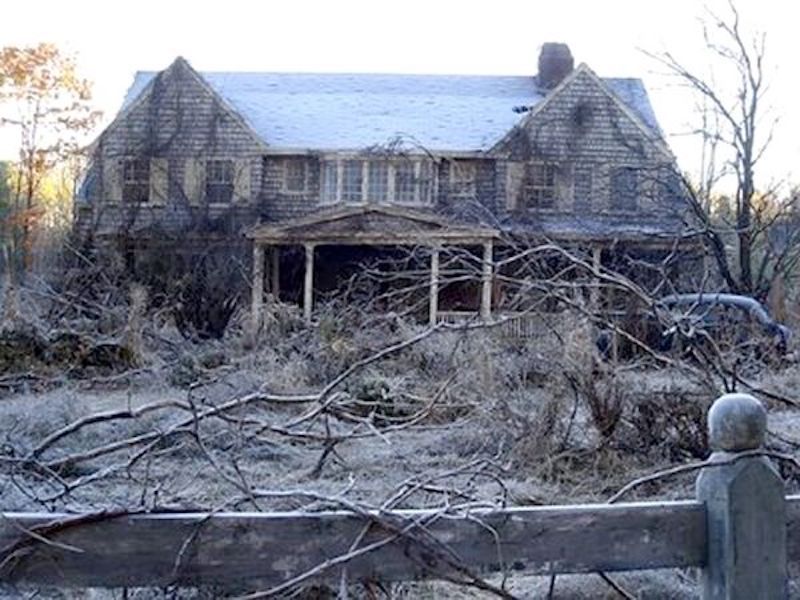
In October 71, police raided the derelict dwelling. The cops – together with an accompanying ASPCA investigator, veterinarian, public health nurse, building inspector, fire marshal, and a representative of the East Hampton Village attorney’s office – were greeted by an ungodly stench of ammonia. The authorities quickly realized the pungent, acrid stink of urine came from an army of feral cats and raccoons the women had been feeding.
A LIFE OF SQUALOR
Squalid room after squalid room was strewn floor-to-ceiling with litter; literal mountains of empty cat food cans, and fetid cat feces. Worst of all, they found human waste. Grey Gardens had not been hooked up to sewage pipes for years. Suffolk County Board of Health prepared to condemn Grey Gardens due to its unsafe condition. The pair faced eviction if they did not clean up their act and their home by complying with local building codes.
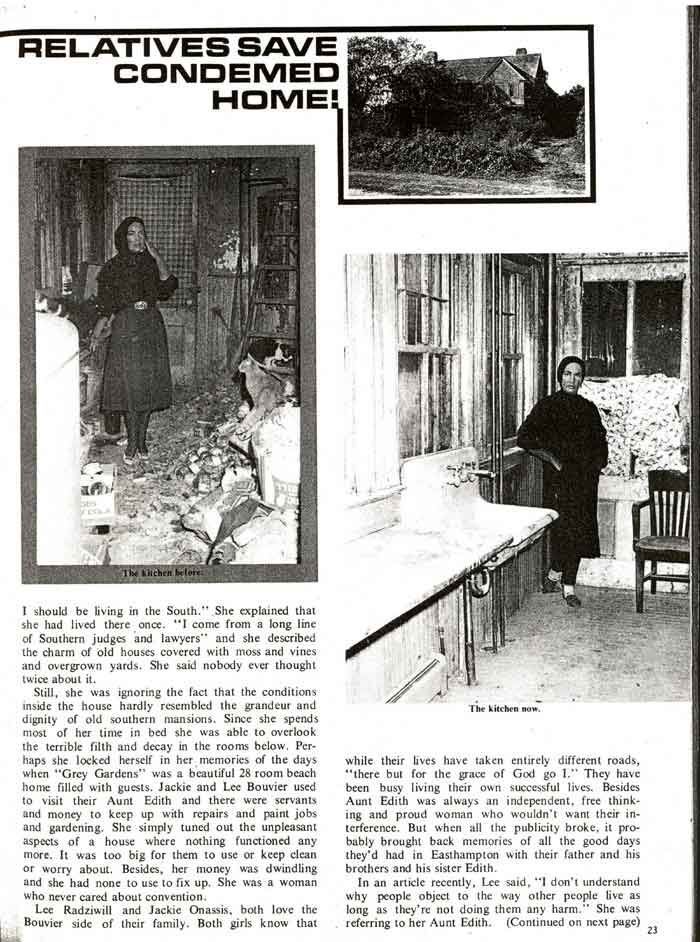
Recently married to Aristotle Onassis, cousin Jackie was horrified by the unwanted publicity Grey Gardens was drawing from the National Enquirer. So, she and her sister Lee Radziwill stumped up $30,000 to refurbish the property, settle back taxes, and provide the girls with a stipend. Finally, Suffolk County dropped the eviction proceedings. When Jackie turned up, she was shocked to see the hellish conditions her relatives were living in.
GREY GARDENS DOCUMENTARY
In 1973, Lee Radziwill asked Albert and David Maysles to make a film about the Bouvier family's visits to The Hamptons during their youth. The project was ultimately canned, but the brothers were fascinated by the Beales. In 1975, the cinéma vérité filmmakers respectfully chronicled The Beales’ shocking, pitiful, can’t-tear-your-eyes-away story on celluloid. HBO’s Grey Gardens became a cult classic and is hailed as one of the most outstanding documentaries ever made.
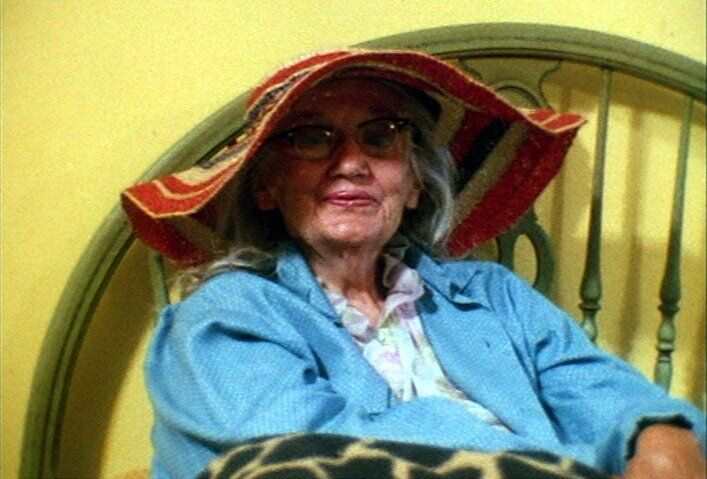
The 80-minute film showed the magnificent Beale ladies at their very best and very worst. Sometimes, they huddled under comforters eating cake in bed, or sat on the stoop in rocking chairs. But whether they were pouring out their hearts to the camera or bitchily sniping about each other’s shortcomings and failures, they were always candid, uninhibited, and authentic.
SHOW-STOPPING TURN
Little Edie absolutely steals the show. Equal parts dazzling, vulnerable, mercurial, delusional, and always sporting a variety of upside-down flamboyant outfits, headscarves, fur coats, leotards, and dancing shoes. Big Edie insisted her daughter change costumes ten times a day. The younger Beale sings, dances, and makes naïf-savant observations on life in her bizarre, florid, looping, and lilting accent.
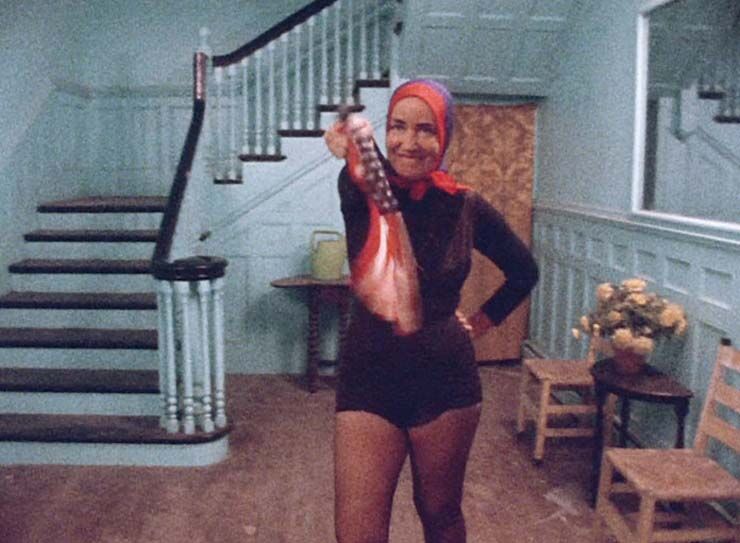
One minute, she’s prim and proper like a posh, Transatlantic English aristocrat. The next, she’s assumed Noo Yoik’s non-rhotic patois; dropping her R’s like a Brooklyn hawt-dawg seller’s goil-friend. Another New York minute later, and she’s elongating her vowels hahhhd like a Bostonian Southie in Good Will Hunting. There are even occasional twangs of a southern drawl in there; her accent is all over the place and from every social spectrum. Yet somehow, she emerged from the documentary as a camp philosopher, "STAUNCH" iconoclast, and gay idol.
FINAL DAYS
Little Edie scanned Variety magazine every week to check whether the documentary had become a roaring worldwide success. This wasn’t down to her overinflated or fragile ego; she was simply waiting for the 20% of the profits she was promised. They never arrived. Big Edie lived out her autumn years behind the decaying walls of Grey Gardens. After the raid, she rarely left the estate for fear that it might be taken from her.
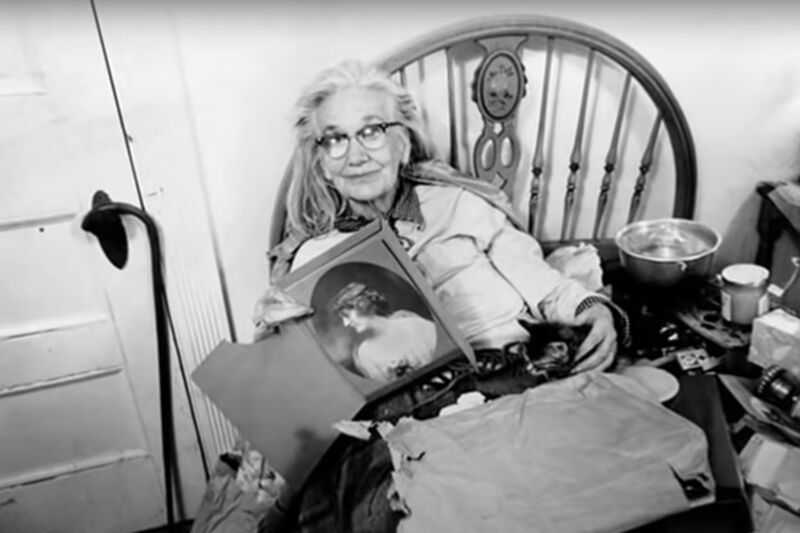
In 1976, she suffered a fall that confined her to a wheelchair and spent her final days in Southampton Hospital. She died from pneumonia on February 5, 1977. On her deathbed, she told Little Edie she had nothing left to say because "everything she wanted to tell the world was already in the Maysles documentary." She was buried at the Bouvier family plot at the Most Holy Trinity Catholic Cemetery in East Hampton.
IF THEY COULD SEE ME NOW...
Finally free from her mother’s shackles, on New Year’s Day 1978, 66-year-old Little Edie began an eight-show stint at the Paradise Room in Reno Sweeney; a cabaret venue in Greenwich Village. After 25 years practicing dance routines and honing her voice under her mother's "watchful eye", she finally had her chance to shine on stage in front of a packed crowd of friends and fans of the 1975 documentary. If legend is to be believed, Andy Warhol and Truman Capote were in the crowd.
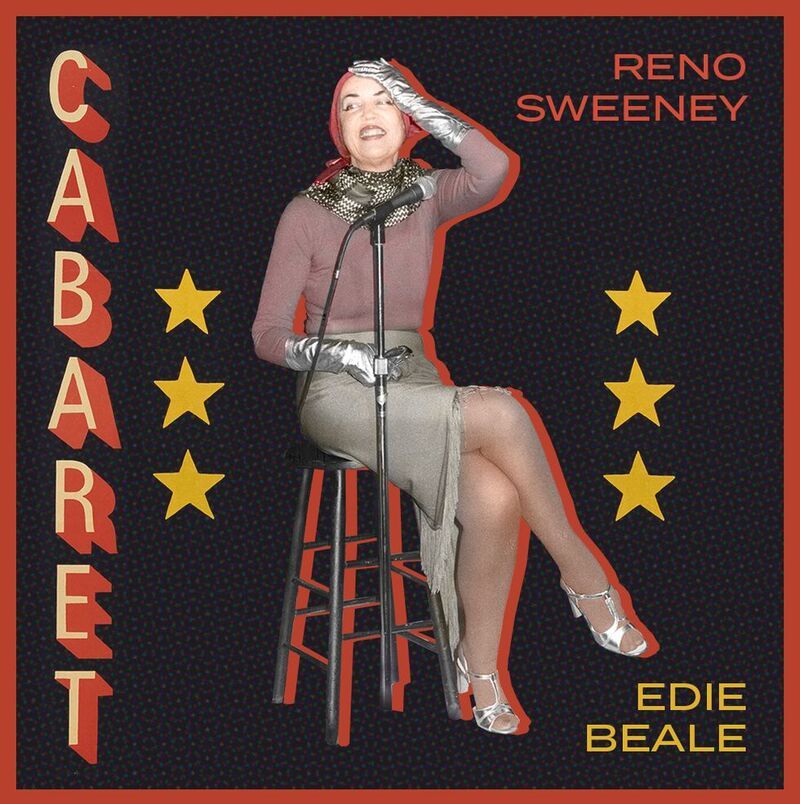
Enthusiastic patrons paid $7.50 to watch Edie croon cabaret songs like "Tea for Two", "Play It Again Sam", and "As Time Goes By". She danced and answered questions, while sporting a patch over one eye and a riot of red feathers atop her head. Fearing further embarrassment at what family secrets Edie might drop, Jackie O had her attorneys threaten the nightclub with a lawsuit unless they immediately terminated Edie’s contract.
A FRESH START
With a little encouragement from the Onassis side of the family, Edie left New York for Florida to indulge her idealized vision of The Sunshine State. As she admitted in the 1975 Grey Gardens documentary, “I only care about three things: The Catholic Church, swimming, and dancing.”
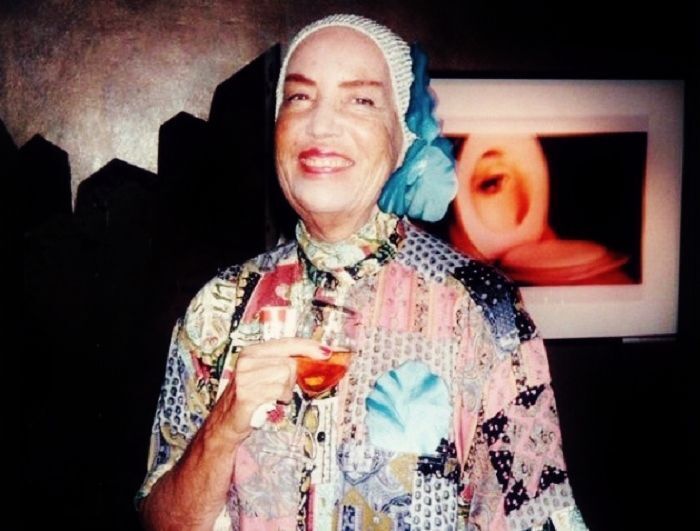
Florida fitted Edie like one of her velvet gloves. During the 1980s, she hung out with old friend Lee Schrager, who had opened a gay bar. She loved it there as she was afforded a celebrity-like status by adoring barflies. For a while, Little Edith Bouvier Beale found some semblance of what she was always so desperately looking for; love and admiration.
THE KENNEDY CURSE
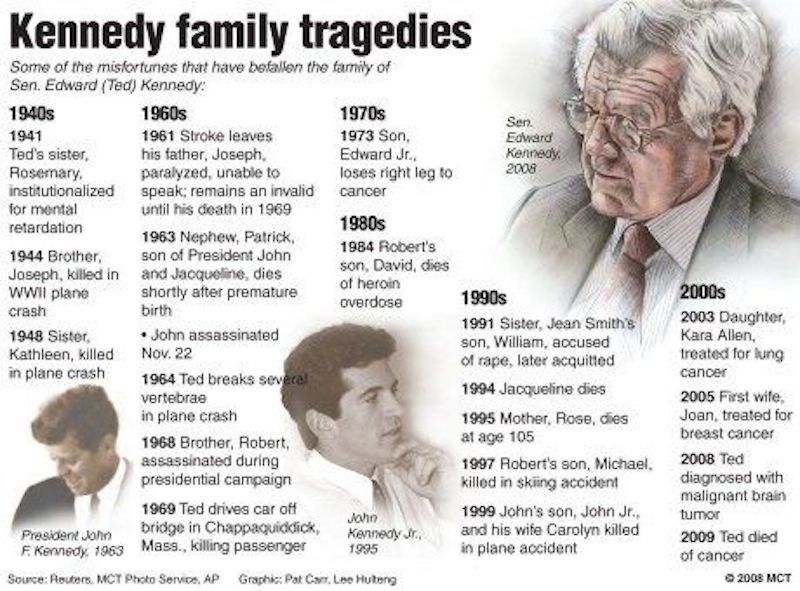
By the 1990s, Little Edie’s physical and mental health were deteriorating fast. In addition to the Kennedy Curse killing Joe in 1944, JFK in 1963, RFK in 1968 (and a host of other unfortunate or suspicious deaths, plane crashes, skiing accidents, heart attacks, suicides, overdoses, and scandals), Edie’s brother Phelan Jr. died in June 1993. He was followed by her other brother Bouvier and cousin Jackie, who both died in May 1994. In Edie’s disordered mind, there was only one explanation: A grand conspiracy.
According to Pam Beale, who married Edie's nephew Chris: “Edie got a little paranoid about that and thought that maybe somebody was killing them all. Actually, she thought the Kennedys were doing it... She decided to go to Montreal because they spoke French, and she liked cities, and it was cosmopolitan.” Canada didn’t fit like a glove, so she moved back to Florida to live out her final years.
END OF AN ERA
When friends didn’t hear from Little Edie on New Year’s 2002, they became worried. They had the manager send someone up to her Los Angeles condo, where Little Edie was found dead. Her body had been lying there five days. She was 84. Below is the last photograph of her with her niece Eva. The inscription on her gravestone reads: "I came from God. I belong to God. In the end, I shall return to God." Amen to that!
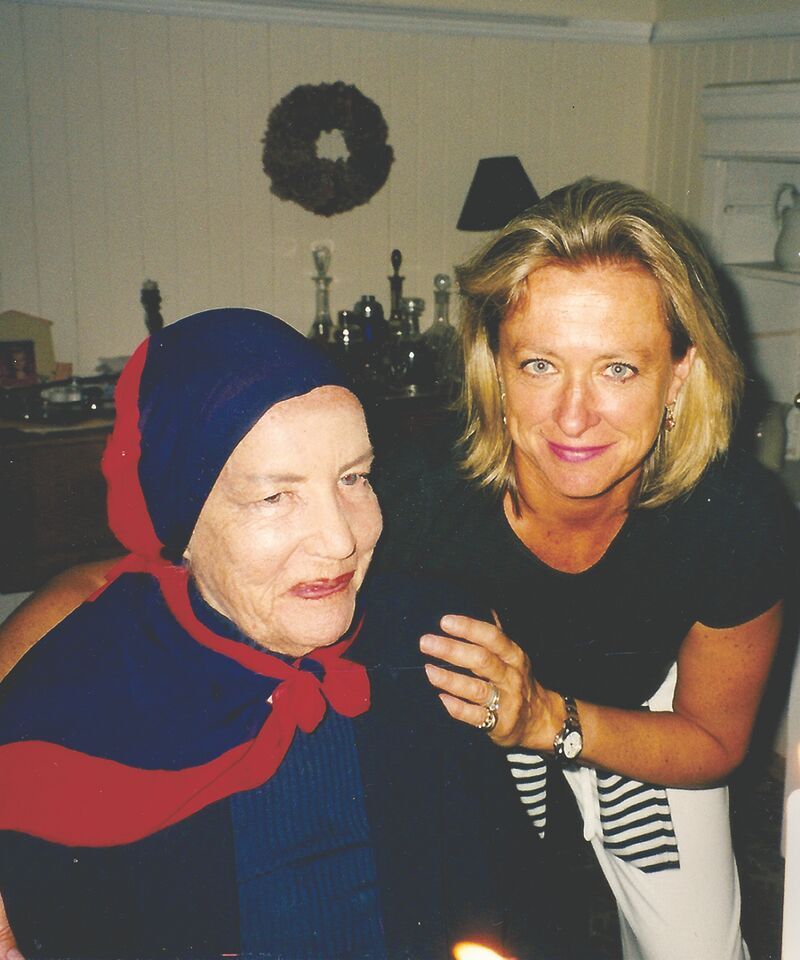
The Beales might have been born in splendor, but they existed on their own terms; they lived and died in chaos as legends. "They refused to live a life that was a lie. Even though they were living in squalor, they didn’t see that. The women just felt like they could finally do what they wanted. They weren’t forced to be debutantes and society matrons.” They might have been 100% mad, but they were 100% staunchly authentic.
THE BEALE GIRLS' LEGACY
The Beales and their house left their legacy in the 1975 documentary. Albert and David Maysles and Ian Markiewicz released a follow-up documentary, The Beales of Grey Gardens in 2006. However, Big Edie and Little Edie’s dreams finally came true when they were immortalized in a 2005 Broadway stage play about their lives. Then, in 2009, HBO made a perfectly cast biopic called Grey Gardens. The girls would have adored seeing themselves portrayed by Drew Barrymore and Kathleen Turner.
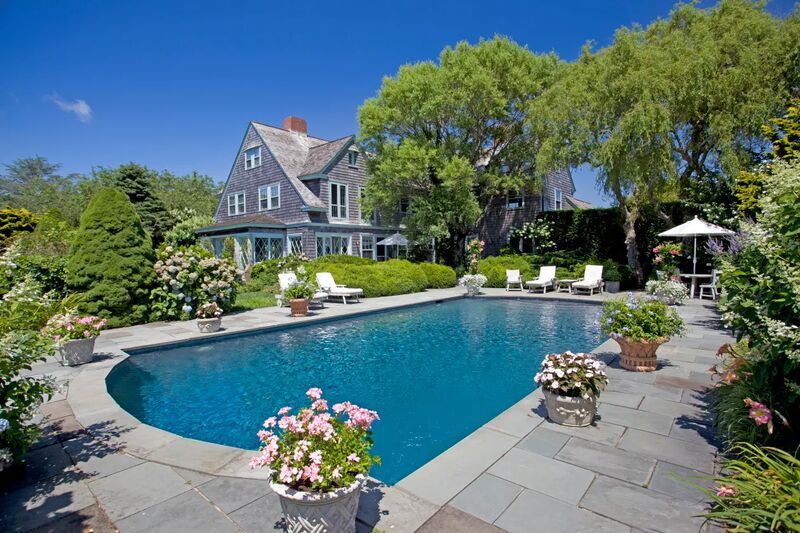
Edie sold Grey Gardens to Ben Bradlee and Sally Quinn for $220,000 in 1979 on the proviso they didn't tear it down. “All it needs is a coat of paint,” Edie quipped. The journalists restored the property back to its former glory. After Ben died in 2014, Sally listed the property for $19,995,000. She eventually sold it to American fashion designer Liz Lange for $15.5 million. And before you ask, yes, apparently, the funk of cat piss lingers to this day!
AMERICAN GOTHIC
Like many gothic stories, Grey Gardens is, at its heart, a story of mental illness. It may be a classic case of narcissism and co-dependency, Asperger Syndrome, or toxic mold sending the mother and daughter pair insane. Perhaps they suffered from folie à deux; “madness for two,” psychosis, or shared delusional disorder (SDD), where delusional beliefs are transmitted from one to another. Or were the Beales jinxed by the Kennedy Curse?
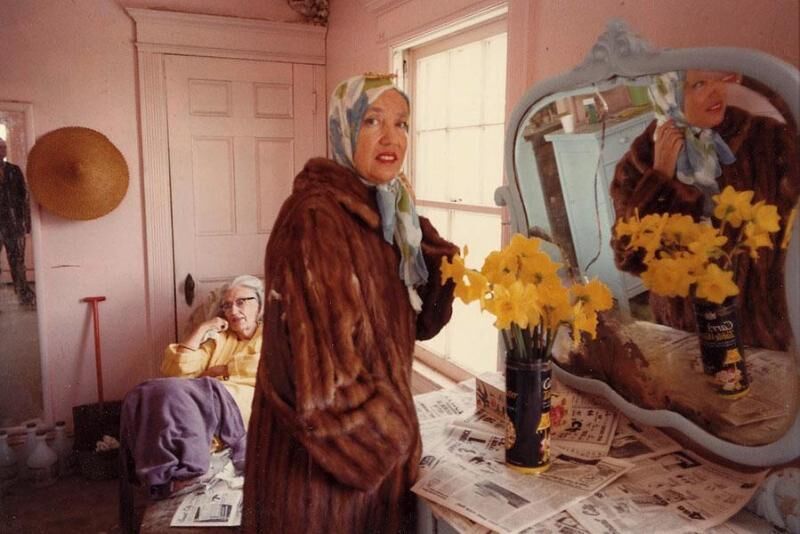
Grey Gardens is the third character in this story: A living, breathing entity like a grand, gothic haunted house from Henry James’ The Turn of the Screw. As for the Beales, they went from F. Scott Fitzgerald’s The Great Gatsby to Tennessee Williams’ The Glass Menagerie. Today, you can visit Grey Gardens and buy all sorts of memora-Beale-ia. And if you're really lucky, you may even see the ghosts of Big Edie and Little Edie appear as all-singing, all-dancing, argumentative apparitions in what we like to call The Haunting of Grey Gardens.