
The History Channel's excellent four-part documentary/drama miniseries Barbarians Rising tells the tales of Rome’s most feared foes. History’s greatest warriors. Hannibal, Spartacus, Viriathus, Arminius, Fritigern, Geiseric, and Attila the Hun commanded armies that killed hundreds of thousands of invading Roman soldiers across the ever-expanding, brutal, and authoritarian Roman Empire. But the standout story by a Roman mile doesn't belong to a man; it belongs to Britannia's warrior queen, Boudica.
When the Iceni tribe's king, Prasutagus, died in 60 AD, he left his lands to his daughters, and his wife, Boudica, became queen. But Britannia's Roman occupiers reneged on their pre-existing deal and seized his lands. Then, they publicly flogged Boudica and raped her and her daughters.
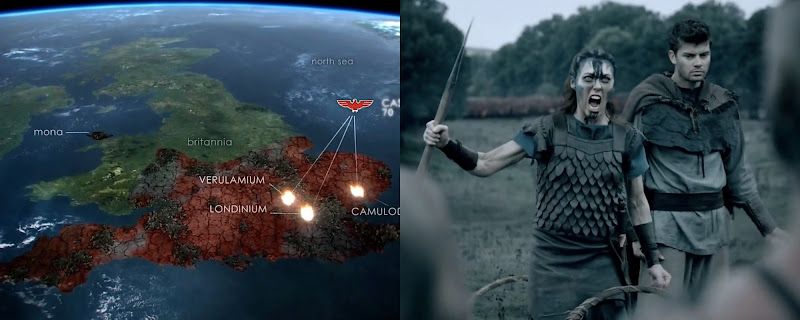
So, Boudica wreaked her revenge by raising an army of 120,000 Iceni and Trinovante tribesmen. They headed to Camulodunum, Londonium, and Verulamium to slaughter 80,000 Romans and burn their cities to the ground. Today, we’ll examine her ultimate avenger story and how the Iceni queen became a long-lasting symbol of British and female strength.
The History Channel's Barbarians Rising sees Boudica played in all her beautiful, bloodthirsty, fearsome, vengeful violence by the most fierce actress you'll ever see - trained ballet dancer, former Miss Scotland, and BBC Casualty regular - the amazing Scottish actress, Kirsty Mitchell. And trust me, her electrifying performance has to be seen to be believed!
THE ROMAN EMPIRE SPREADS TO BRITAIN
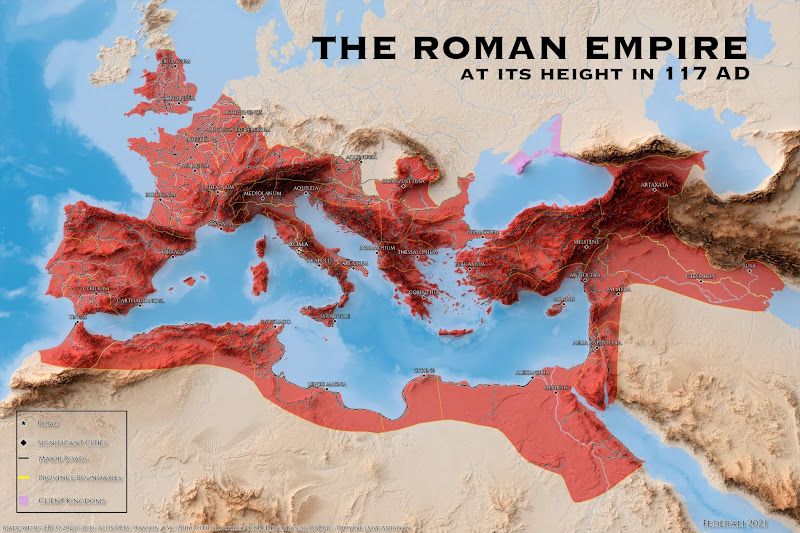
The year is 43 AD. The Roman Empire encompasses vast swathes of Europe, the Middle East, and North Africa. Stretching out from Rome in every direction, they ruled as far west as Spain and Portugal, as far east as Turkey, Azerbaijan, and Arabia, and as far south as Morocco and Egypt.
Heading north, the Romans had already taken all of Gaul (France) and most of Germania by force, founding colonies, building road networks and outposts, stealing minerals, crops, and slaves, and ruling with an iron fist. Those under Roman occupation had to pay high taxes to their oppressors.
However, one of the few lands that had so far evaded Roman clutches was Britannia, or as we know it today, the British Isles.
The wild, untamed, forested nation across the channel from Gaul was shrouded in fog, mystery, and superstition. The scattered tribes of ancient Celtic Britons might have worshiped pagan gods and goddesses, and been led by the Druids, but they were also savage Iron Age warriors who were ruled by fierce warlord chieftains.
Emperors Julius Caesar, Augustus, and Caligula had all tried to invade Britain, and some chiefdoms had even fallen in line to become allies. But mostly, the Britons sent the Romans packing. When Caligula’s forces tried to invade in AD40, they returned to Rome with nothing but a few seashells.
Caligula’s successor, Emperor Tiberius Claudius Caesar Augustus Germanicus, aka Claudius, needed to prove he was a worthy leader by expanding the Empire into the British Isles. So, in 43 AD, his well-armed fleet, including elephants, invaded three south coastal towns.
This time, the Roman army was successful because the tribes had been weakened by infighting before the invasion. The tribes fought valiantly but were forced to make peace with the invading Romans or perish.
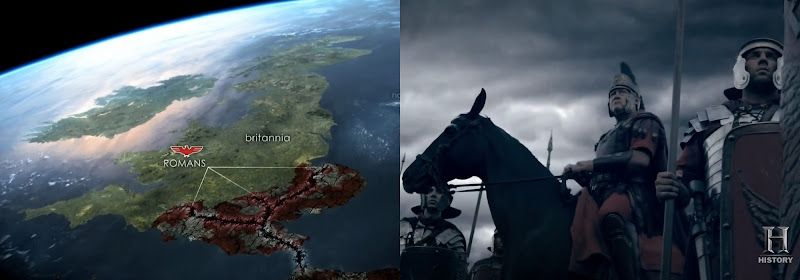
Over the next several decades, the Roman interlopers slowly took control of Britannia. By the time Emperor Claudius was poisoned by his wife, Agrippina, in 54 AD, and her son, Nero, became Emperor, Rome ruled the British Isles from Cornwall to the borders of Caledonia (Scotland). The invaders built their capital at Colonia Victricensis, or Camulodunum, and founded large outpost towns at Londonium and Verulamium.
Despite building stunning Roman Baths, like the ones you can still visit in the aptly named Bath, Somerset, British tribes hated life under their Roman captors. But so long as they kept in line, paid their taxes, and chiefs left their lands to Rome, everything was cool.
When tribes rose up against their conquerors, Roman legions' superior tactics, formations, military intelligence, and war machines, such as trebuchets, would swiftly crush rebellions. Until, that is, the Romans came up against a fearsome warrior queen named Boudica, Queen of the Iceni.
WHO WAS BOUDICA?
Like her native country, Boudica’s life is shrouded in mystery. We believe she was born between 25 and 30 AD in Camulodunum, which is now Colchester, in Essex. There have been many different versions of her name, and she’s been called Boadicea or Boudicea in Latin chronicles, Buddug in Welsh, and Buaidheach in Gaelic. But we’ll call her Boudica.
The meaning of the ancient Celtic name has been traced back to the word Boud, which means victory, while the -ikapart might make it an honorary title meaning Victorious Woman.
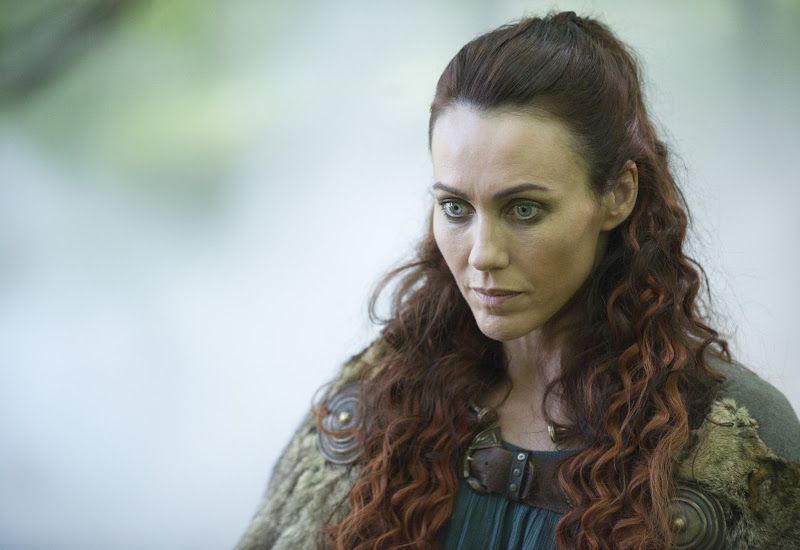
There’s no contemporary description of Boudica, but writing a century after her reign, the Roman historian Dio Cassius left a remarkable description of the Iceni Queen: "In stature, she was very tall, in appearance most terrifying, in the glance of her eye most fierce, and her voice was harsh; a great mass of the tawniest hair fell to her hips.”
“Around her neck was a large golden necklace, and she wore a tunic of diverse colors over which a thick mantle was fastened with a brooch. This was her invariable attire." In short, Boudica was not to be messed with!
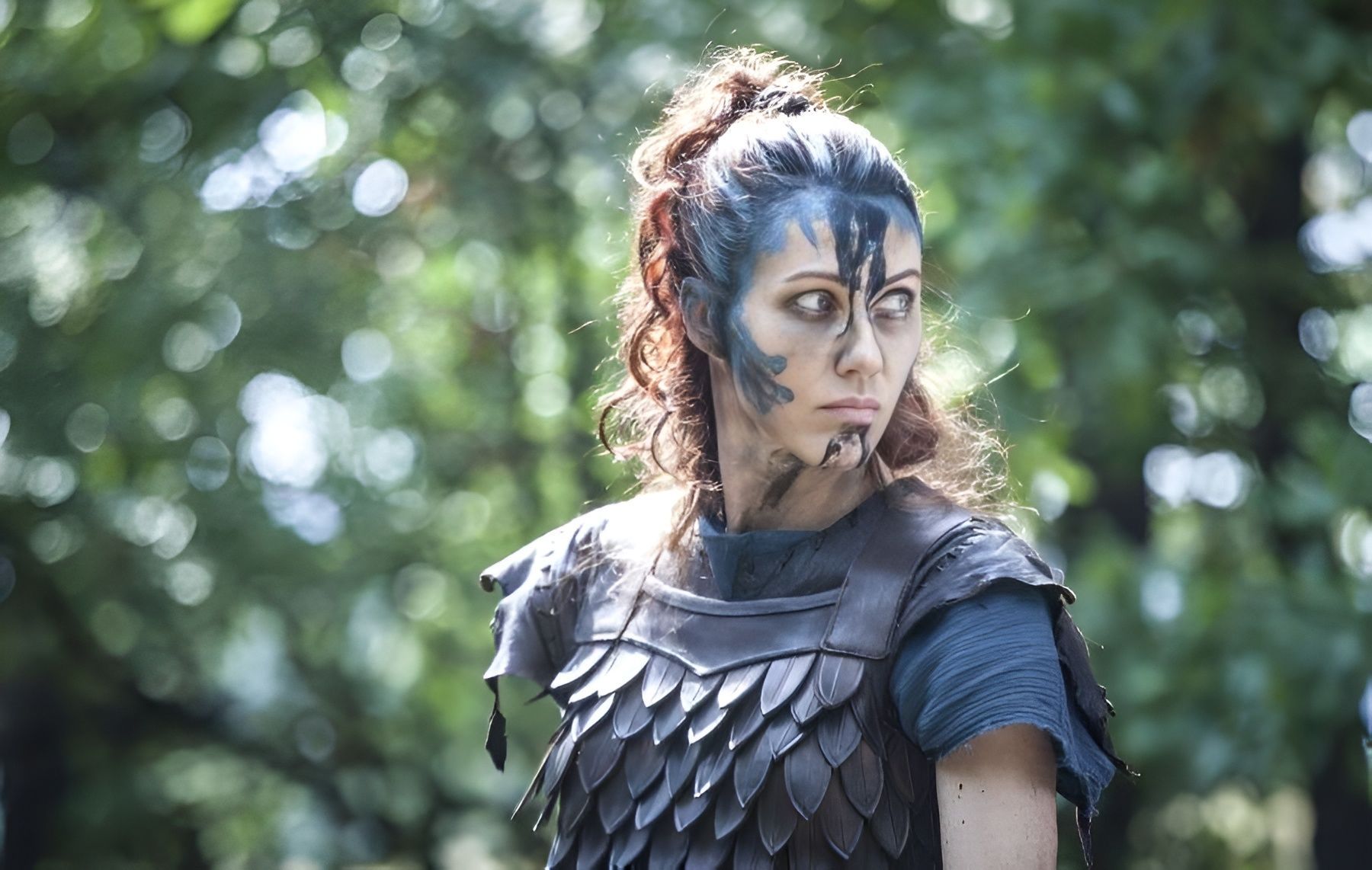
Historians believe Boudica was born into a prominent family of a tribal chief, perhaps the nearby Trinovantes, who lived near Londonium, north of the River Thames estuary in Essex, Hertfordshire, and Suffolk.
When she was 18, she married Prasutagus, King of the Iceni. Not long after, in 47 AD, Prasutagus and his tribe of war-painted, brutal, bearded warriors led a revolt against the Romans. But Prasutagus’ revolt was swiftly put down, and the Iceni fell in line, like most tribes up and down the country.
THE ICENI TRIBE
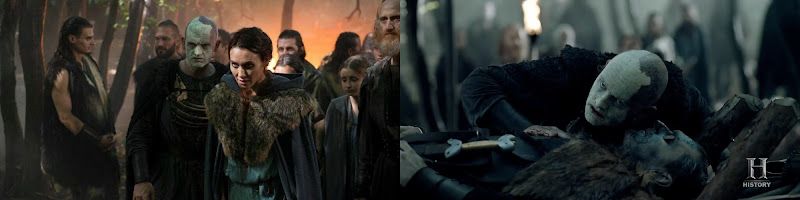
The Iceni inhabited East Anglia, named after the Angles, a Germanic tribe from Angeln, a region in modern-day Germany and Denmark, who made Britain their home in the fifth century, after the Romans had left. Now, East Anglia comprises Norfolk, Suffolk, and parts of Cambridgeshire and Lincolnshire; think the top of the ear that sticks out of the east of England.
Their leader, Prasutagus, had settled a treaty with the Romans. If he didn’t cause trouble and promised to leave his lands to Emperor Claudius, they would leave him and his disarmed people alone to get on with their lives in relative peace. However, when Prasutagus passed away in 60 AD, he divided his kingdom equally between his daughters and Emperor Nero.
But Rome had other ideas. They annexed the Iceni kingdom and pillaged Prasutagus’ lands and property. His dominion was absorbed into the province of Britannia, and Catus Decianus, Procurator of Britain, was sent to secure the Iceni kingdom for Rome.
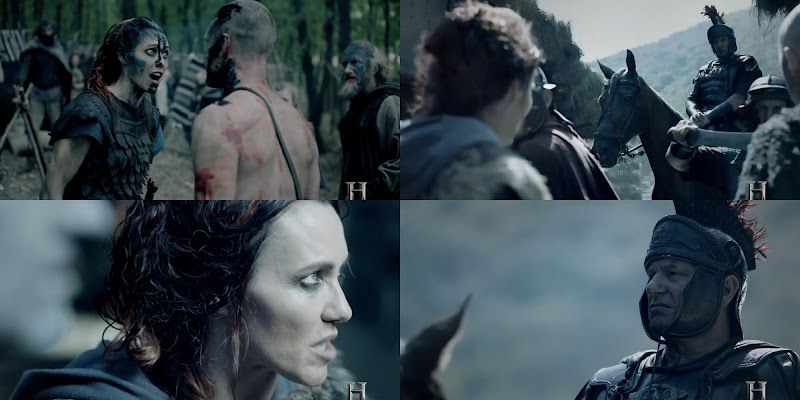
Rome was running out of money, and according to Roman historian Dio Cassius, their commanders confiscated the imperial donations they had been making to influential Britons. Roman philosopher and financier Seneca also called in all the loans he’d forced on the reluctant Britons.
Another Roman historian, Tacitus, wrote that Prasutagus’ recently widowed wife, Queen Boudica, was imprisoned and publicly flogged. Worse, she and her two daughters were raped by Roman soldiers. This was a huge mistake. To the Roman generals, Boudica was just another lowly wife of a tribal leader who would disappear into the fog and be forgotten.
Yet, they had totally underestimated how cunning, intelligent, powerful, fierce, and respected Boudica was. She was a seasoned politician, a skilled orator, a ferocious warrior, and a master military strategist.
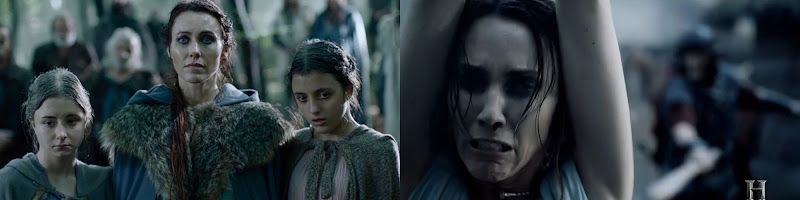
In the eyes of the Romans, Boudica was just another hysterical chieftain’s wife who didn’t know her place. But to the Celtic British tribes, she was a warrior queen. Similarly, the Iceni and their neighboring tribes were not a group of disorganized heathen peasants; they were fearsome, noble warriors. And together, they were about to teach the Romans a lesson.
A lesson the like of which Rome hadn’t seen since Hannibal and his army and elephants crossed the Alps in 218 BC in the first episode of Barbarians Rising.
Boudica called a massive meeting with her local Iceni people and their neighboring tribes. She showed off her wounds to the horrified chiefs and their subjects, who all looked on in horror as she presented her battered daughters.
She demanded revenge, not only for her own sake or that of her daughters, but for all Celts under Roman rule. When they stole Iceni lands, whipped Boudica, and deflowered her daughters, their actions damned tens of thousands of Roman soldiers.
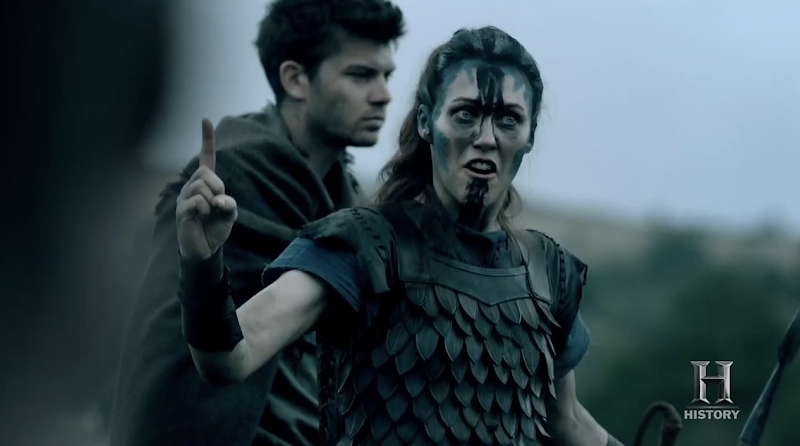
Boudica made an unforgettable rallying speech to the gathered tribes. She told them that life had been better before the Romans arrived. According to Tacitus’ Annals, she asked: "Have we not been robbed entirely of most of our possessions, and those the greatest, while for those that remain we pay taxes?” Besides pasturing and tilling for them all our other possessions, do we not pay a yearly tribute for our very bodies?”
Boudica described the Romans as marauding savages who'd stolen the Celts’ land, money, harvests, and dignity, and demanded to know what had happened to their honor and decorum. She asked why they should tolerate conquerors on their soil.
And when this tall, formidable, red-haired female warrior spoke... men, women, and children from all the assembled tribes listened to her powerful, commanding voice. By the time she threw her spear into the earth, she had every tribes' loyalty.
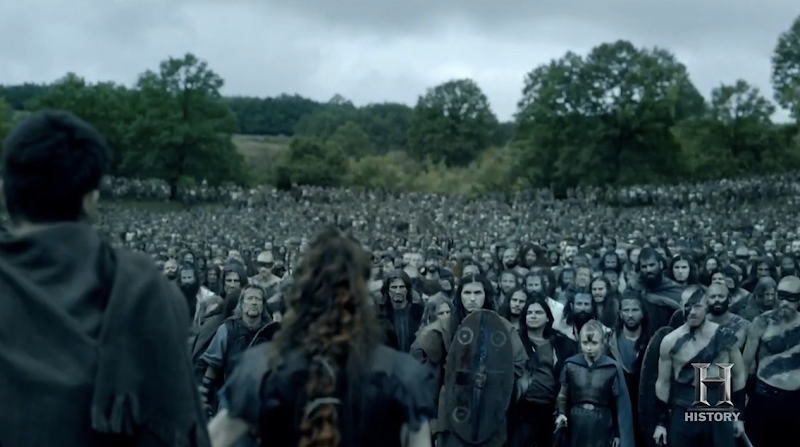
Next, Boudica and her assembled tribes prepared for war. Within weeks of her rallying speech, she had assembled an army of 120,000 Celts, mainly Iceni and the neighboring Trinovantes. A masterful tactician, she had also established fortified supply lines to feed, water, and arm them. Then, she called on Andraste, the Celtic goddess of victory, to aid her army.
Roman scouts had gathered intelligence, but their reconnaissance came too late to understand what was happening. Before they could react, Boudica’s army was already on the move toward Camulodunum, an ill-equipped colony with only 200 retired soldiers to defend the city. Colchester was completely unprepared for what was coming…
BOUDICA RAZES CAMULODUNUM
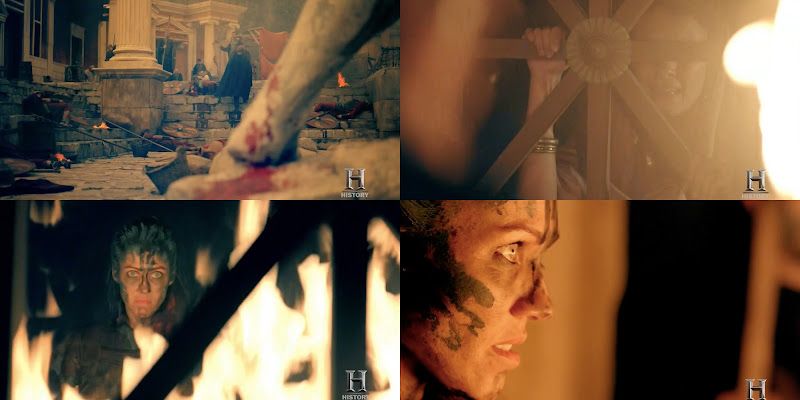
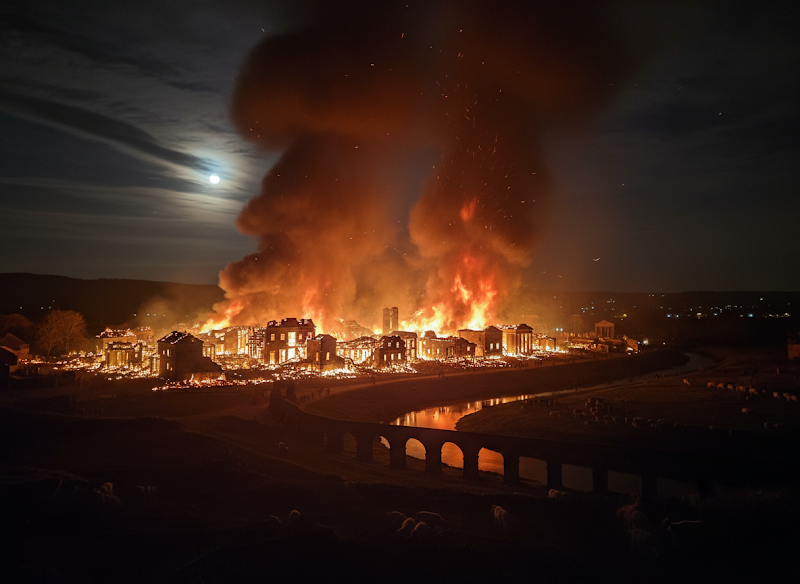
Boudica’s 120,000-strong army swept into the town under cover of night, burning, slashing, and maiming everyone they came across. Legend says the streets ran red with blood in a massacre known today as The Slaughter of Camulodunum.
Colchester sent word to Londonium, begging for help, but there were no Roman legions in the area. All London could do to help was send a small battalion of 200 soldiers to defend Camulodunum. Boudica’s army cut down all 200 men in minutes.
Those Romans who weren't killed in the initial battle took refuge in the Temple of Claudius. After trapping the survivors for two days, Boudica’s men set fire to the temple, sending every man, woman, and child inside to the Elysian Fields.
Next, Boudica’s army set fire to the entire town. Fast forward to today, and archaeologists have found thick layers of ash in Colchester, proof that Boudica’s army burned the city to the ground.
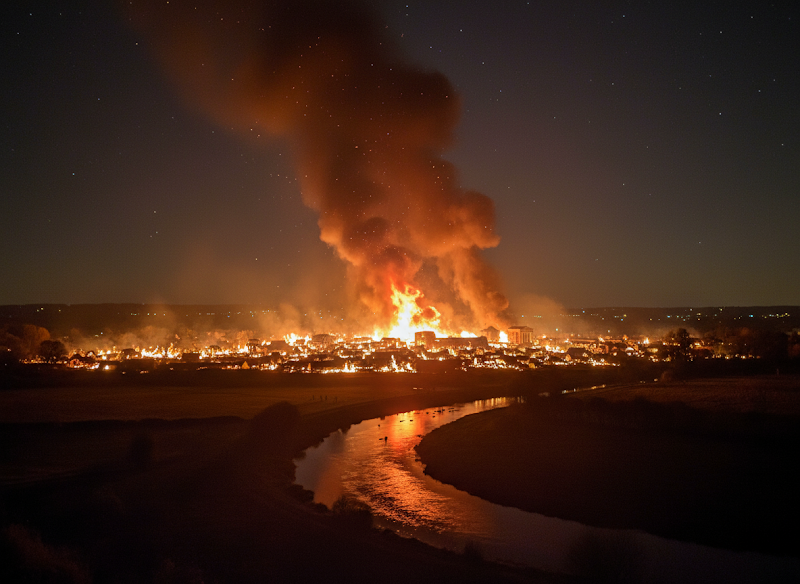
Quintus Petillius Cerialis, Commander of the Legio IX Hispana (Ninth Iberian Legion), arrived too late to relieve Camulodunum. Every Roman had been slaughtered in cold blood. Procurator Catus Decianus – who Tacitus wrote had provoked the rebellion – was so horrified by The Slaughter of Camulodunum that he fled back across the English Channel to Gaul.
Camulodunum wasn’t a battle; it was a revenge massacre to send the Romans a firm message that they were no longer welcome in Britain. However, Boudica and her huge army were only just getting started…
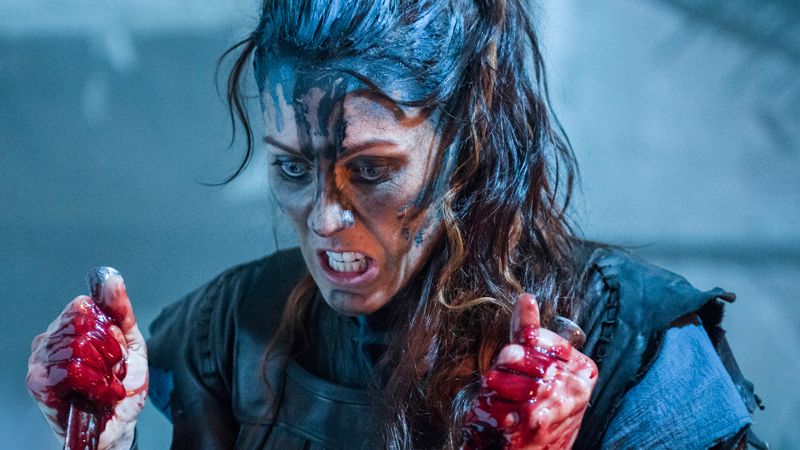
Next, the queen and her fearsome, painted, animal-fur and skin-clad army of Iceni and Trinovante warriors made their way on foot and by chariot and wagon from the burning city of Camulodunum to Londonium.
Now might be a good time to explain that the Iceni were skilled charioteers, using horse-drawn war chariots with sharp, Achilles-tendon-severing blades attached to the wheels.
They also wielded huge two-handed broadswords, axes, slingshots, javelins, spears, and shields. It’s believed Boudica was a skilled charioteer and her preferred weapon was the spear.
BOUDICA’S ARMY AMBUSH THE ROMAN IX LEGION
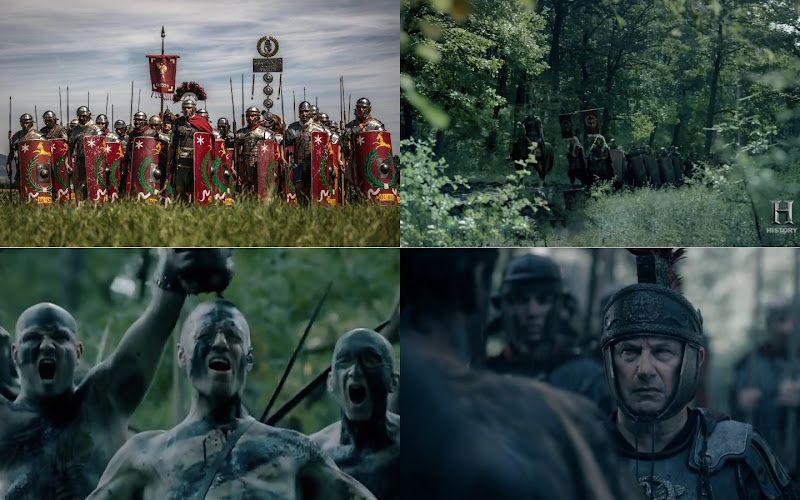
On the way to Londonium, Boudica’s scouts spotted General Cerialis' IX Legion on Watling Street. So, her armies found a suitable patch of ground and lay in wait until his platoons of Roman infantry and cavalrymen marched on by.
Then, the Iceni and the Trinovantes ambushed Cerialis’ men, taking them completely by surprise and totally annihilating them. Meanwhile, in the southwest of Britannia, word reached Poenius Postumusin Isca Dumnoniorum (Exeter), but the terrified Commander of the II Legion refused to send any reinforcements to London.
At the same time, Roman Provincial Governor of Britannia, Gaius Suetonius Paulinus, led a campaign against the island of Mona, present-day Anglesey, a tiny island off the coast of North Wales.
Mona was an ancient religious site for the Celtic Druids and home to productive copper mines, making it a center of strong resistance to Roman rule. So, Paulinus and his XIV Legion crossed the Menai Strait to wipe out the Druids once and for all and plunder the island’s copper.
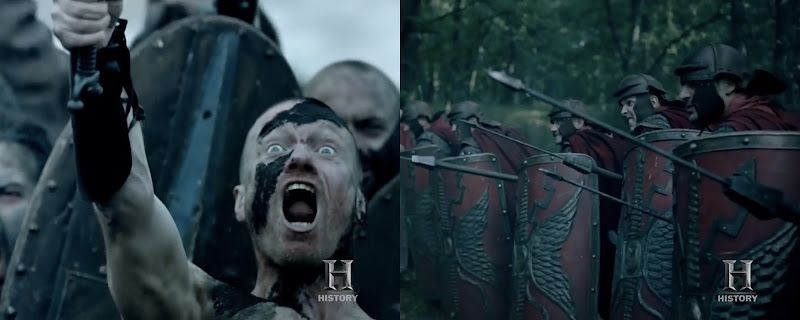
When the news of the Iceni uprising reached Paulinus on Mona, he left a garrison and returned to the mainland to deal with Boudica’s army. Advancing ahead of his XIV Legion, with detachments from the XX Legion and auxiliary infantry and cavalry, he arrived in London before Boudica’s army.
Paulinus realized that, with no walls to protect them and fewer than 10,000 troops, defending Londonium was a hopeless cause. So, he evacuated the city and abandoned London to its fate.
After Governor Paulinus left Londonium to its own devices, the city’s soldiers and citizens who could leave retreated and rejoined his army. Women, children, the elderly, and the infirm were left to fend for themselves. Just like Camulodunum, when Boudica’s army arrived, they tortured and slaughtered every man, woman, and child. Then, they burned the prized Roman city of Londonium to the ground.
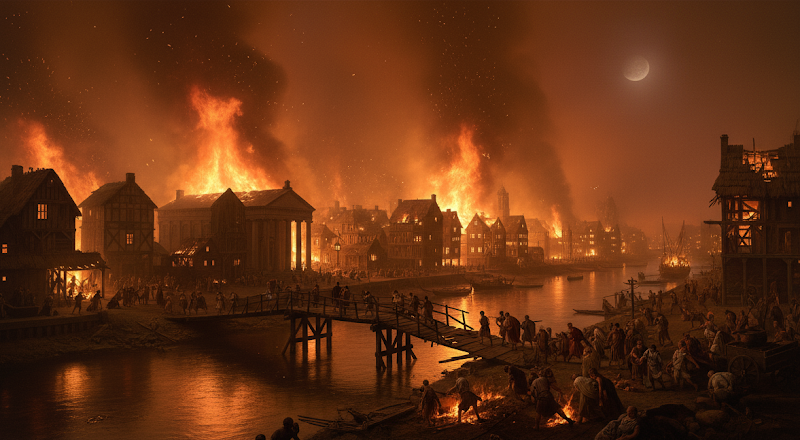
Boudica’s army mutilated and impaled their victims on stakes and celebrated with “sacrifices, banquets, and wanton behavior" in sacred groves to offer thanks to their goddess of victory, Andraste. Historian Dio Cassius wrote, “The worst and most bestial atrocity committed by their captors was the following.
They hung up naked the noblest and most distinguished women. Afterwards, they impaled the women on sharp skewers run lengthwise through the entire body.” But Boudica’s thirst for blood wasn’t sated yet; she was only halfway through her revenge…
BOUDICA’S ARMIES SACK VERULAMIUM
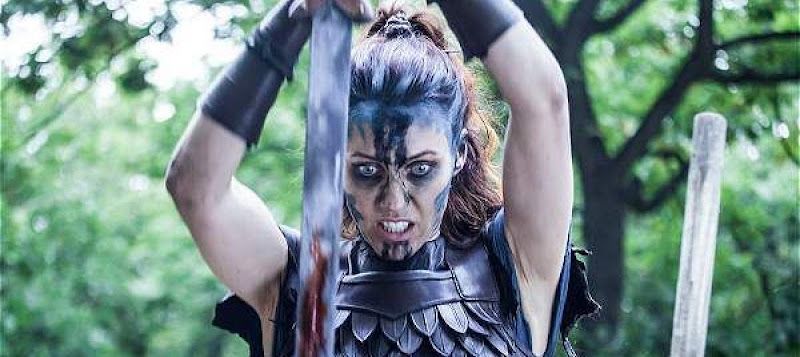
After sacking Londoninium, Boudica’s raucous army made their way to the municipium (free town) of Verulamium, modern-day St Albans in Hertfordshire. Located 20 miles northwest of London, it was the first city heading north out of Londonium on the old Roman road, Watling Street.
The Trinovantes held particular hatred for Verulamium as the town was the center of Catuvellaunian power, a tribe that had seized Camulodunum from them and enjoyed a special alliance with Rome.
Verulamium suffered some of the worst treatment due to its pro-Roman sentiments. Once again, Boudica’s army’s rage was so bloodthirsty that they didn’t even bother to loot the town; they just slaughtered every inhabitant, impaled their bodies on spikes, and burned the city to the ground.
Tacitus wrote: “Like ruin fell on the town of Verulamium, for the barbarians, who delighted in plunder and were indifferent to all else, passed by the fortresses with military garrisons and attacked whatever offered most wealth to the spoiler and was unsafe for defense.”
According to Tacitus, Boudica and her army showed no interest in taking prisoners. Instead, her army slaughtered men, women, and children by "gibbet, fire, or cross" and did unspeakable things, cutting off body parts and arranging the victims on spikes so it looked like they were eating their private parts.
Tacitus estimated the number who lost their lives at Camulodunum, Londonium, and Verulamium at 70,000. Dio Cassius estimates 80,000. Boudica had brought the Roman army to its knees.
And speaking of numbers, while the Iceni and Trinovante armies had lost men in battle, they picked up many more tribal warriors along the way. After seeing their Roman occupiers defeated so easily, more tribes joined Boudica’s army as they marched through England, like the Cantiaci from Kent, the Regnensis, the Belgae, the Catuvellaunian, and the Corieltauvi in the Midlands. By the time the Romans faced them in a final battle, Dio Cassius estimates there were 230,000 Britons in Boudica’s army.
Boudica must have been shocked at just how easy it was to slaughter 70-80,000 Romans. Her army had walked into three cities and massacred the inhabitants. Had she settled for razing Camulodunum, Londonium, and Verulamium to the ground, she and her armies could have gone back to their lives in peace.
However, Boudica got cocky: Instead of resting on their laurels, her army went after the retreating General Paulinus. So, after sacking Verulamium, they followed his legions north up Watling Street.
THE ROMANS AMBUSH BOUDICA’S ARMIES
After retreating from Londonium, General Paulinus regrouped with the XIV Gemina and the XX Valeria Victrix legions and amassed 10,000 infantry and cavalrymen at an unidentified location somewhere along Watling Street. They lay in wait for the Britons in a narrow gorge in a nearby forest.
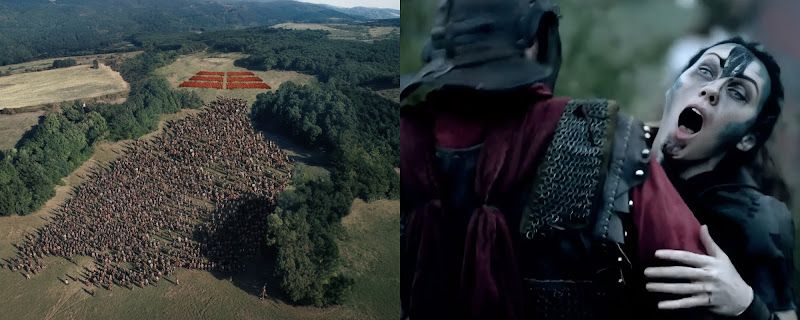
When Boudica’s army passed through the valley, the Romans utilized the terrain to their advantage, launching a surprise attack of spears and arrows from the woods. Vast swathes of Britons fell, and Boudica’s army was cut down in their thousands.
Having lost many warriors to the hail of javelins and arrows, the Britons circled their wagons on the edge of the battlefield to protect their families. Fatally, their own wagons impeded their ability to fight. Although they were heavily outnumbered, General Paulinus ordered his forces to charge the remaining Britons in a wedge formation.
Soon, Boudica’s army was surrounded. Next, Paulinus deployed his cavalry, which crushed Boudica's army. Paying back her bloodlust, the Romans massacred 80,000 Britons. Not one man, woman, child, or animal was spared, including Boudica.
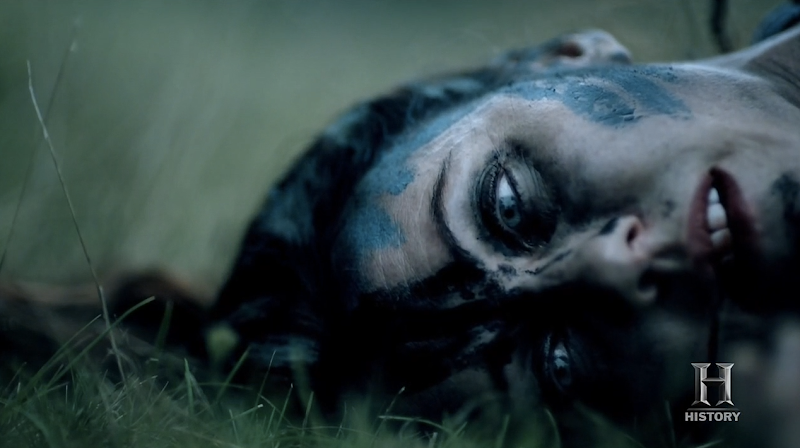
The fate of Boudica, Queen of the Iceni, remains unknown to this day. It’s safe to say the fiery, flame-haired female warrior fought courageously and led her army of men well while protecting the women and children. She most likely killed many Roman soldiers with her spear and sword, on foot or from her chariot. Tacitus states that Boudica poisoned herself, while Dio says she fell sick and died before being given a suitably lavish burial.
No one knows the precise location where Boudica fell or where she was buried. Historians and archaeologists aren’t even sure when her final battle took place.
The site is probably in the West Midlands, along Watling Street. Some say it was at Cuttle Mill, in Towcester, Northamptonshire, in front of a narrow gorge that fits Tacitus’ topographical description; human bones have been found there. Other historians say Boudica fell at High Cross, Leicestershire, or Manduessedum near Atherstone, Warwickshire.
After Boudica’s defeat, the occupying Roman forces gripped Britannia with an even mightier fist. They took over the country, taxing the Britons, stealing their resources, and putting down rebellions until they left the island nation in 410 AD. No one ever rebelled like Boudica again.
Well, apart from maybe the Scottish. The Romans never took Caledonia because its clans of barbarian ginger warriors were even more savage than Boudic’s Iceni. In 122 AD, Emperor Hadrian built the 73-mile fortified Hadrian’s Wall to keep the Scots out of Britannia. Perhaps Kirsty Mitchell is so fierce because she was born in Scotland's toughest city, Glasgow.
BOUDICA: BRITISH HEROINE
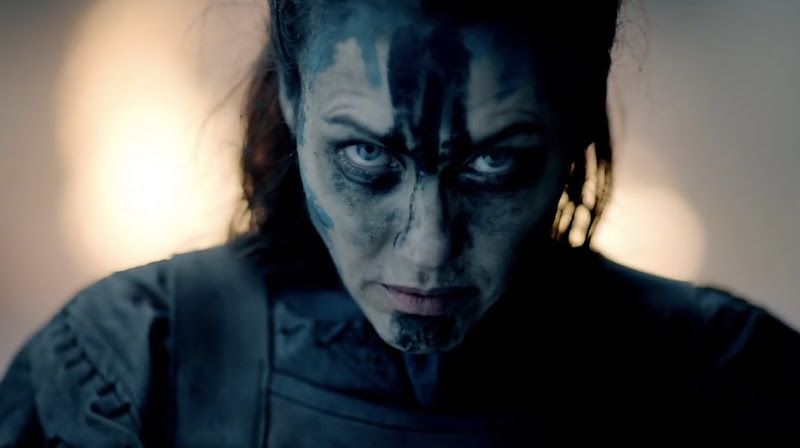
The legend of Boudica fell into the mists of time. Within 40 years of the Romans leaving Britannia, the Angles and Saxons arrived from Germany and Denmark in 449 AD. Then, in the 6th century, British monk Gildas Badonicus wrote a history of the Britons before and during the Anglo-Saxon era.
In his book, De Excidio et Conquestu Britanniae, he called Boudica a "treacherous lioness" who "butchered the governors who had been left to give fuller voice and strength to the endeavors of Roman rule.”
In the late eighth century, the Vikings arrived from Scandinavia to conquer northern Britain, forever changing the bloodline. Seriously, northerners are blond and a foot taller than their southern, Latin and Norman-sired fellow Englishmen. Then, in 1066 AD, William the Conqueror and his Normans arrived from France, further diluting British DNA and culture.
The story of Boudica fell further into the realms of folklore, and she was largely forgotten. However, during the Renaissance, the works of Tacitus and Dio Cassius became available. Historians, poets, and playwrights recounted her story, calling her Voadicia. She soon became associated with Britannia, a helmeted female warrior.
When another fiery, flame-haired English Queen, Elizabeth I, went to war with Spain, England used Boudica’s story as much-needed propaganda. English poet Edmund Spenser wrote of a British heroine called Bunduca in his poem The Ruines of Time.
In 1612, she appeared in John Fletcher’s Jacobean tragicomedy play Bonduca. In 1695, English composer Henry Purcell set Fletcher’s play Bonduca, or the British Heroine, to music. In 1782, William Cowper published his poem Boadicea: An Ode, and she started to be viewed as a symbol of the British Empire’s expansion.
MODERN REVIVAL
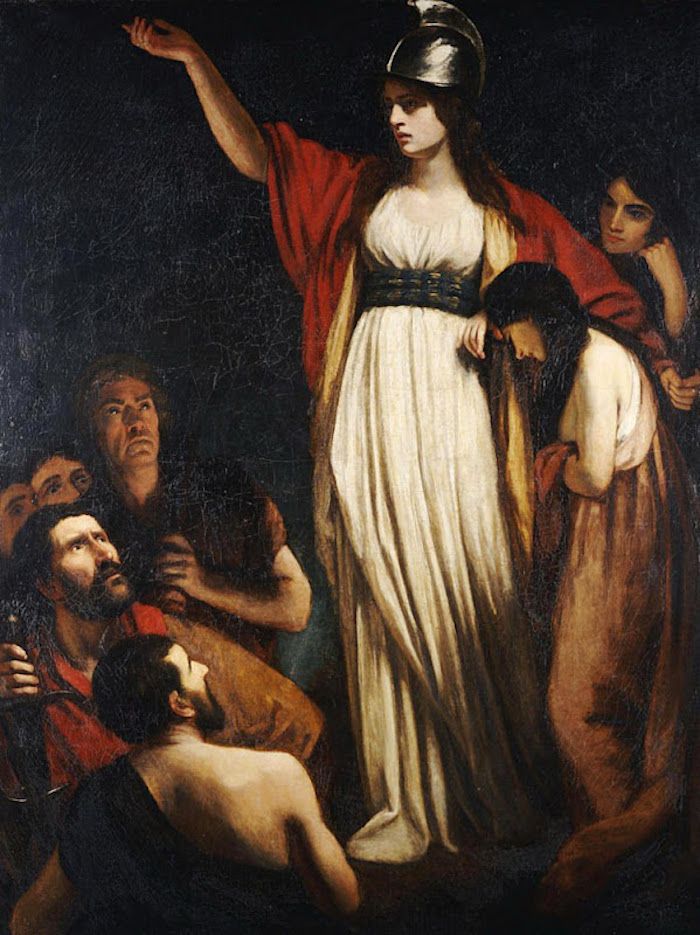
Alfred, Lord Tennyson's poem Boädicéa depicted the Iceni queen as a violent and bloodthirsty warrior. By the time Queen Victoria took the throne in 1837, Boudica had become a beloved British cultural icon.
Poems, songs, plays, paintings, and illustrations of Boudica were published, and statues of the woman who vanquished Rome were erected.
In the 20th Century, the Suffragette Movement adopted Boudica, and women carried Boudica Banners in marches against suffrage. Over the centuries, she wove her way into the British consciousness as a fierce warrior queen and a symbol of female strength.
Today, Boudica remains a lasting icon of rebellion, courage, Britishness, and girl power. Enya named a song after her, and she has appeared in numerous films since the 1927 silent movie Boudicca. But no one comes close to Kirsty Mitchell’s wonderful, fierce portrayal in Barbarians Rising.
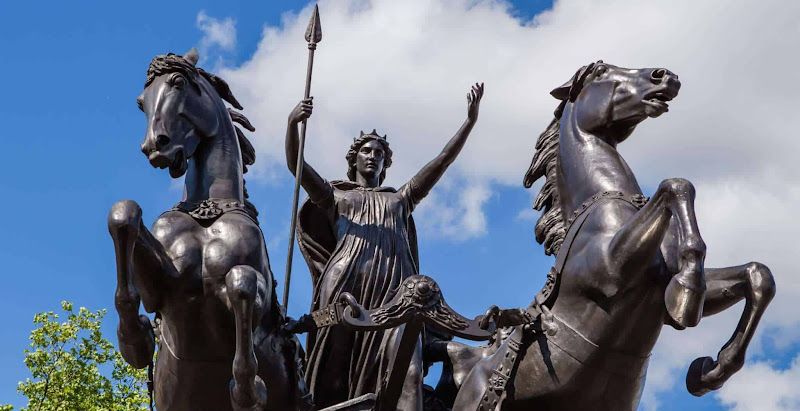
If you head to London’s Westminster Bridge, you can see Thomas Thornycroft’s 1902 statue Boadicea and Her Daughters, which features Britain's most fiery heroine standing on her war chariot in all her glory.
The History Channel’s bloody, brilliant, brutal Barbarians Rising is available on AppleTV+.