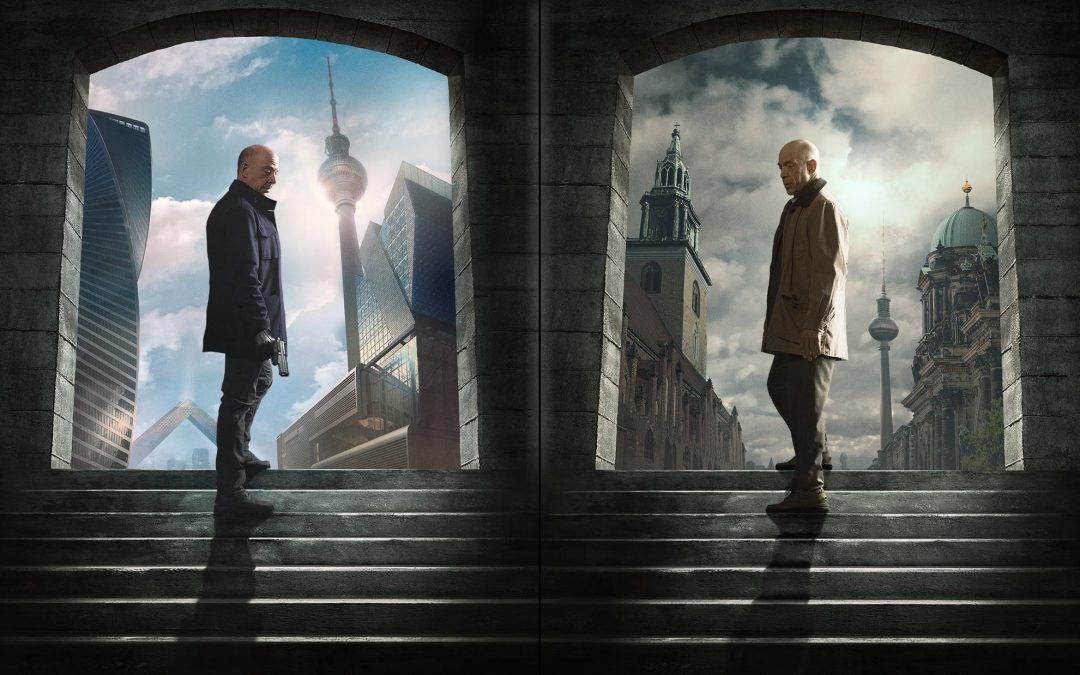
When Counterpart launched its first episode on Starz two full months before we’d get to see the second, it seemed a fresh and original concept. A gripping idea of an alternate universe accessible only from a subterranean door under a gray, Kafka-esque Berlin government building.
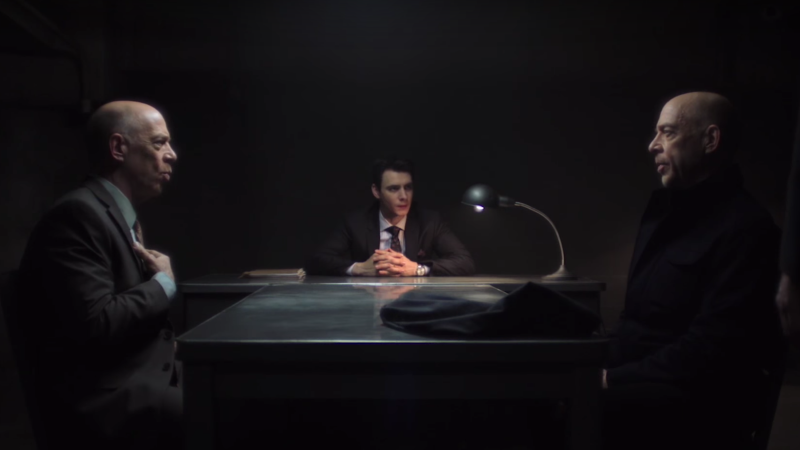
Justin Mark’s pilot hit the necessary beats very well. I felt genuine shock as J.K. Simmons’ Howard Silk met his more ruthless counterpart from the other world. I empathized with him when visiting his wife’s hospital bedside, and I physically dodged the bullets when Baldwin tried to kill her.
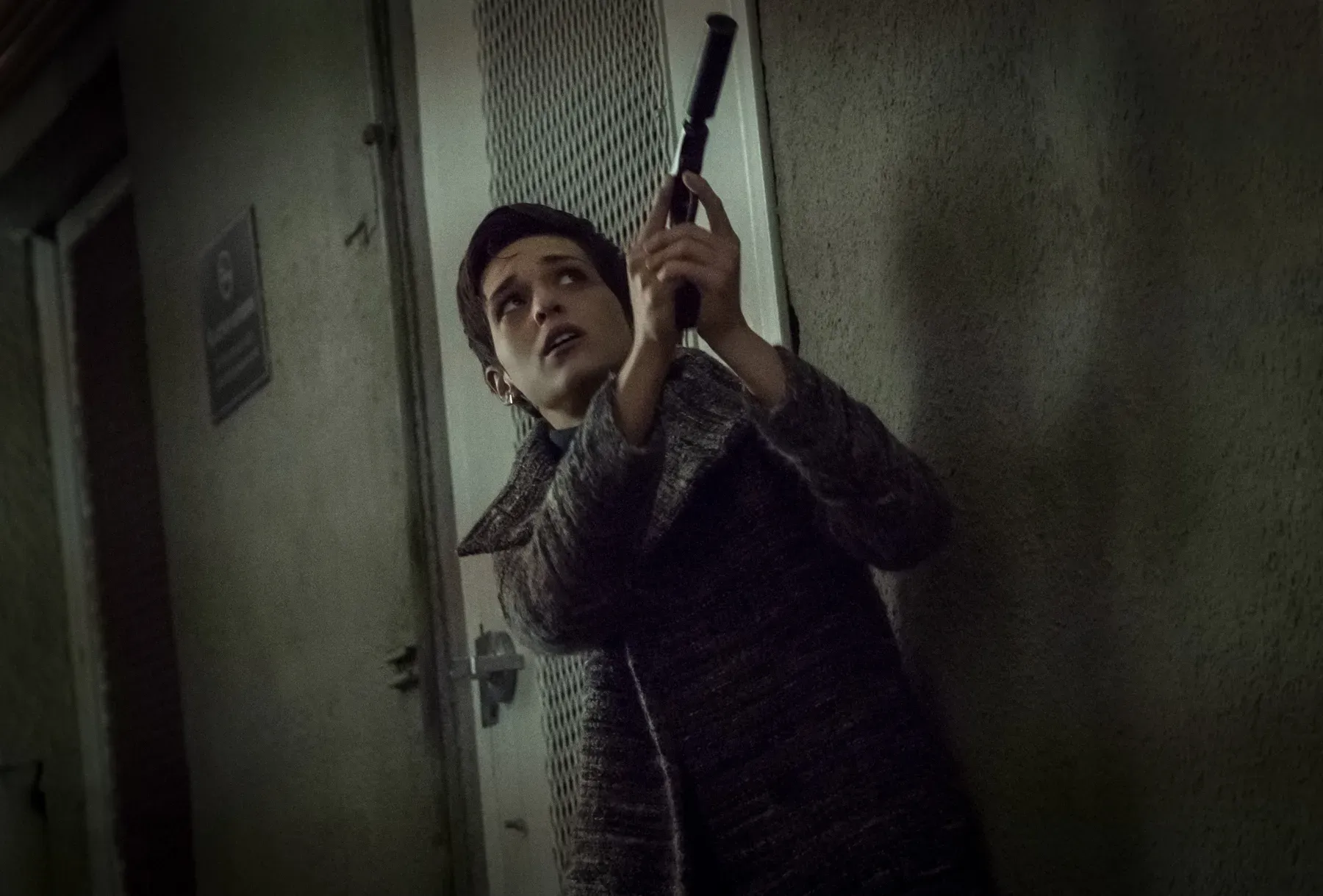
Episode two was an exciting, emotional rollercoaster that concentrated on the aforementioned beautiful, leather-clad assassin Baldwin and her even more beautiful violin-playing counterpart, Nadia Fierro, from our world, both played by Sara Serraiocco.
Two episodes in, and Counterpart had successfully set up an incredibly interesting thematic question: What happened to Howard in each timeline to make him so meek and mild in our world yet such a ruthless, cold motherfucker in the other? It also raises many philosophical ideas surrounding nature or nurture and destiny versus free will.
As promising as the set-up premise was, as we followed J.K. Simmons between the two mirror universes, Counterpart became more and more confusing. At one point during episode three, I realized that I was only still watching due to Simmon’s acting clout (plus stylish direction and intelligent editing) as he switched between the two Howard Silks.
Then the reason I was so confused and slightly bored struck me. Aside from the mirror world’s citizens being more prone to disease (an afterthought, somewhat lazily only introduced in episode three), there was no difference between the two inter-dimensional locations.
The only real, tangible variable between our world and the mirror world was… Howard Silk.
SO, WHAT’S WRONG WITH COUNTERPART’S UNIVERSES?
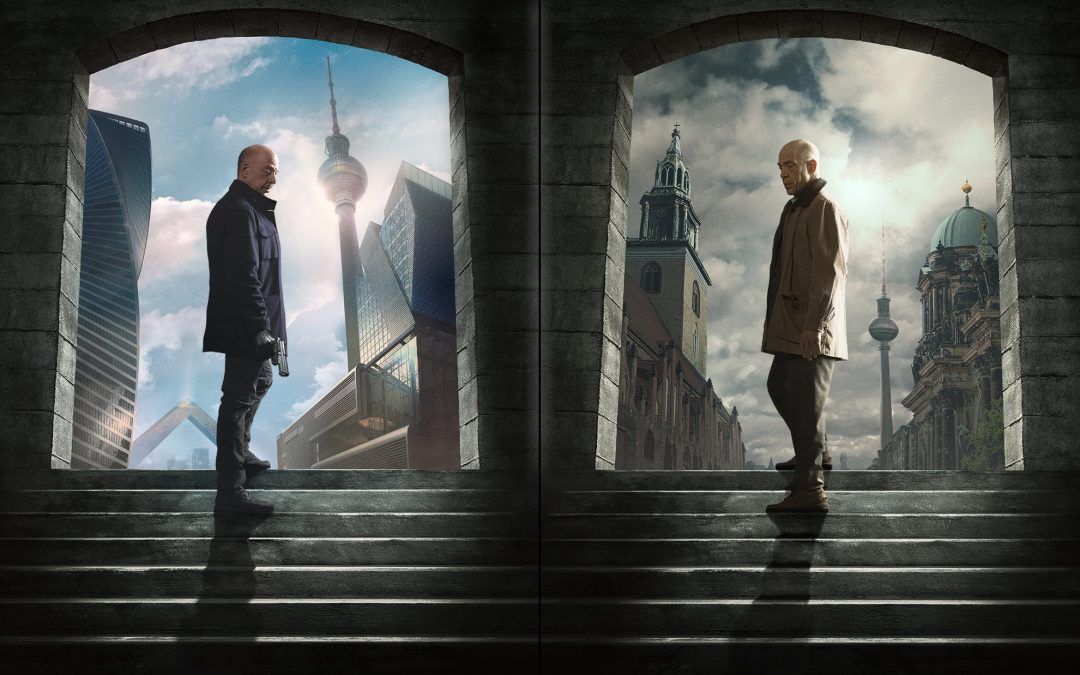
Instead of the New Berlin / Old Berlin imagery suggested by these two promo posters, both televisual worlds were as flat, gray, and moribund as each other. Yes, the cityscape was slightly different watching one universe – the telecom tower way off in the distance is omnipresent, and a couple of modern CGI buildings punctuate the mirror world’s skyline, but that’s not nearly enough difference for viewers to tell the two worlds apart.
Counterpoint has the audience asking a question they should never be asking, “Hang on, which universe are we in right now?”
The lesson to be learned here is this: If your story features two mirror universes, they must be distinct enough so the audience can always tell which world we’re in. Television is an audio-visual medium, but Counterpart’s producers have made zero use of color and light or sound to differentiate between the two universes… and that is a Crime Against TV.
HOW TO FIX COUNTERPART’S UNIVERSES
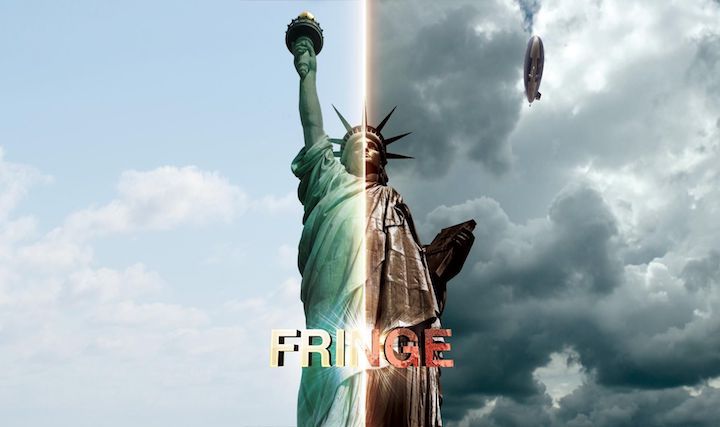
Make one universe bright and sunny and the other drab and rainy. Ideally, make the world we know gray and boring. Then, make the mirror world bright. It doesn’t have to be The Wizard of Oz’s monochrome Ordinary World and Technicolor Magical World or Tron: Legacy’s excellent 2D to 3D transition, but you’ve got to make it more clear.
Learn from the creatives in your marketing department because their above Counterpart promo posters perfectly demonstrate two polar-opposite worlds. Go and watch J.J. Abrams’ excellent Fringe as an example of perfect mirror-world building. Use differing modes of transport to suggest worlds that have split. Get creative, experiment, have fun!
Deploy The Prisoner-style Mini Mokes, Zeppelin airships, swear in Chinese like Firefly, hell – use orange filters as Breaking Bad did for New Mexico doubling as bona fide Mexico. Show, show, show... don't tell, tell, tell!
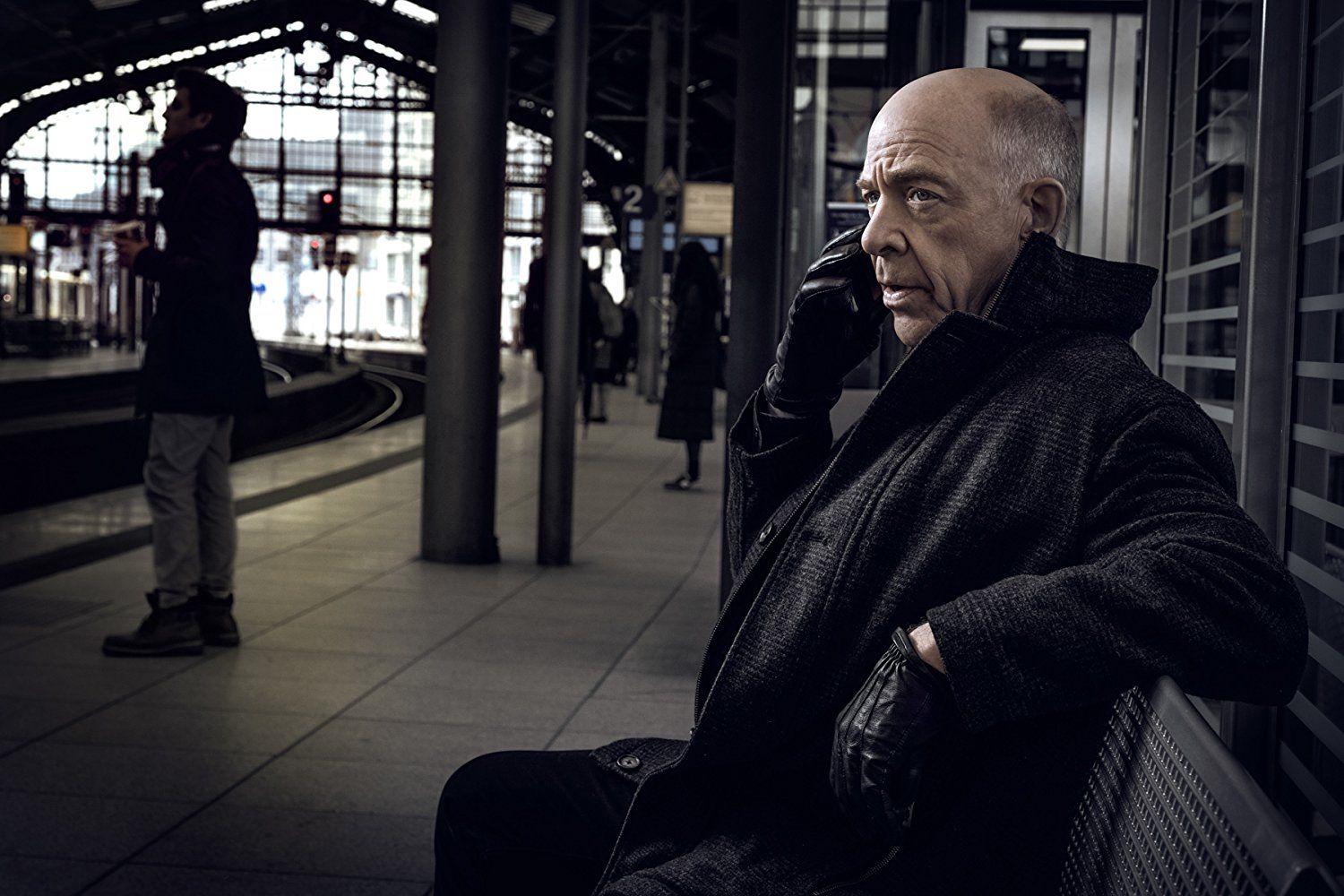
Sadly, Counterpart’s night scenes contain even fewer differences. Here, one trick could be making one universe loud and fast and exciting, dripping with sexy imagery, neon clubs and Euro techno. Instead of two grey, dystopian-looking worlds, making the Magical World more desirable than the Ordinary World would add another layer to the story – specifically that Howard would want to stay in that more tempting universe and not return to his drab home. Hey, presto – right there is a B-story or three-episode mini-arc that writes itself. You’re welcome.
Worse, the self-same mistake has been made with the characters. I’m not even sure how many characters from both worlds we’ve been introduced to – not just because they looked and dressed the same in each world, but because their personalities are EXACTLY THE SAME in both worlds.
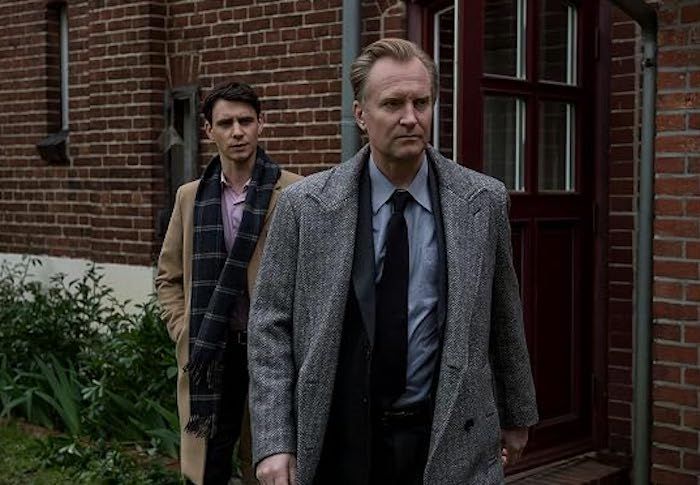
Just as the Berlin skies are perma-grey, every mid-thirties male character in Counterpart has the same brown hair and wears the same suits, leading my puzzled internal monologue to ask, “Is that the same dude as before?” Surely each character needs to have “diverged” (just like Howard did) to become a different, diametrically opposed personality. Isn’t that the point?
Compare and contrast to Olivia Dunham and her doppelgänger in Fringe.
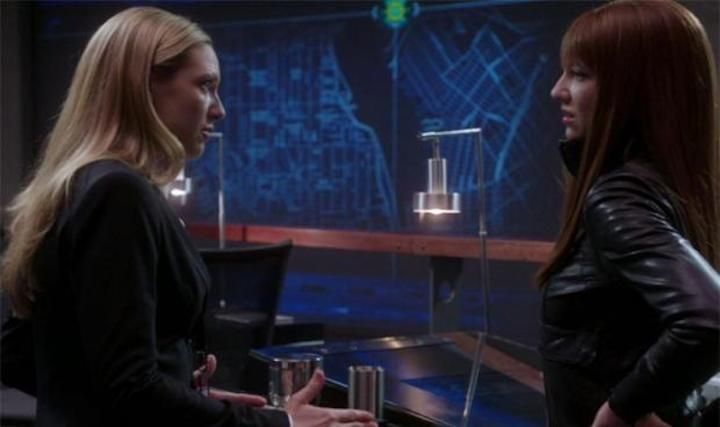
No confusion here. We don’t even spend one second asking which Olivia is our Olivia because it’s been made so intuitive. From the red hair, the sexy leather clothes, the attitude problem tattooed across her visage – blonde pragmatic Olivia is our Olivia, and sassy redhead Olivia is from the mirror world. This is how you do it. Watch and learn.
I always say that a director's first and most fundamental job is to convey to the audience where and when we are, geographically e.g., within a city or a building or a room, and also within each frame. In terms of physical geography, Counterpart is well directed and cut; we always know where characters are in relation to each other (particularly impressive editing trickery going on here when the two Howards interact and the necessary superimposition, OTS, reverse and reaction shots, etc.)
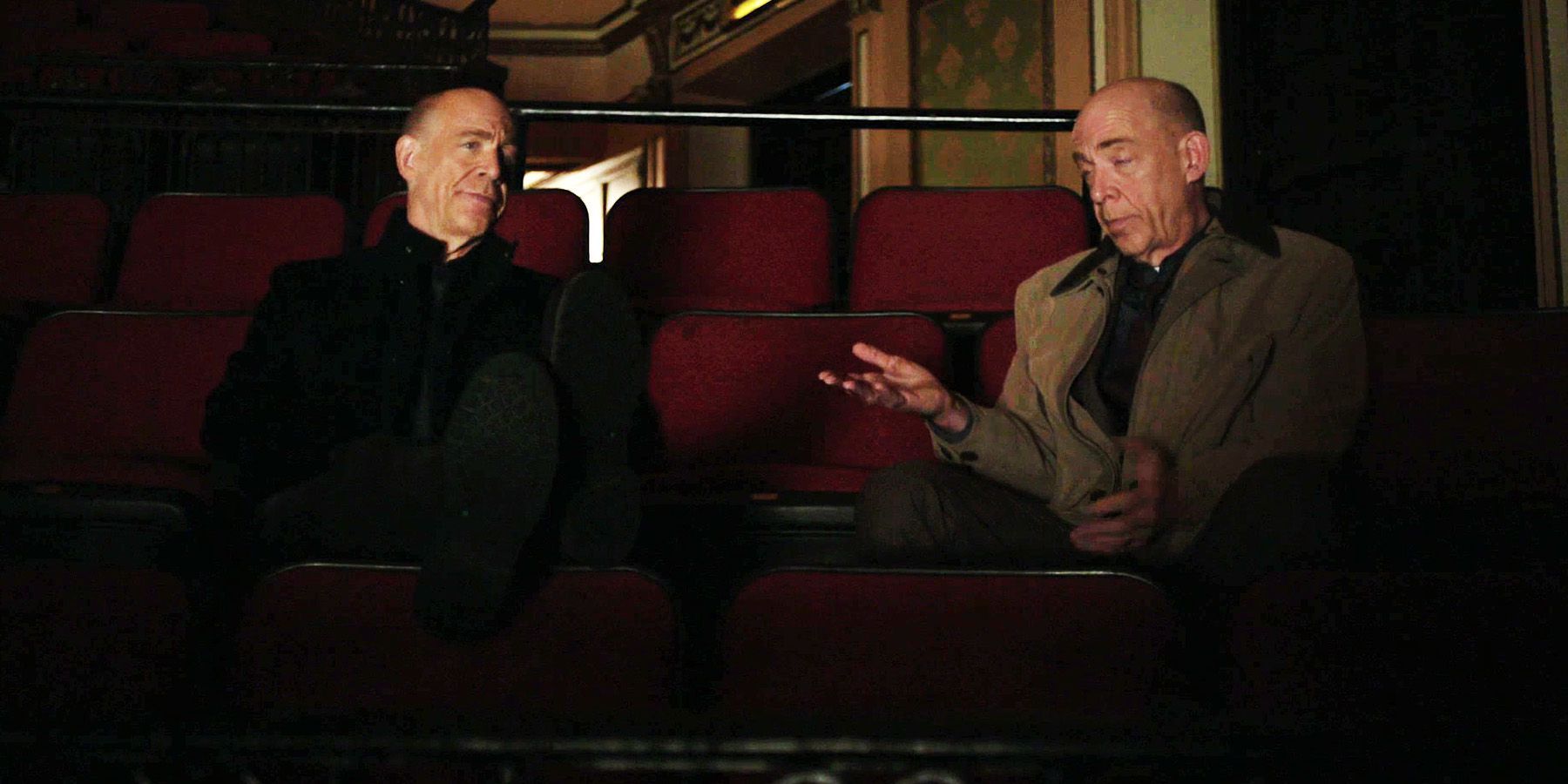
But what good is that if we don’t know which frigging universe we’re meant to be in? It’s basic visual storytelling. Get that wrong, and you’ll lose your audience’s interest… no matter how fresh your idea is.
Sorry, Counterpart, you lost me at “Hällo”. I know Germany is bland; I used to live there, but all Justin Marks needed to do was hire a competent director to fix this, like Euros Lyn. He could have helped us tell our Euros from our Deutschmarks, Justin.
Counterpart continues on Starz and will produce an equally confusing second season.