Maybe I’ve been approaching it all wrong, but hiking mountains doesn’t cut the mustard for me. I need that extra adrenaline kick of joining some of the world's best volcano hikes. Yeah, young adrenaline junkies will show off about the time they bungee jumped in New Zealand, but facing the fact that your life could instantly end in an apocalyptic, hellish fireball at any moment is far more dangerous and takes ten times as much courage.
Unlike rigorously safety-tested bungee jumps, volcanoes can kill you in more ways than a batsman can be out in cricket; bowled over by lava, run out by a pyroclastic flow travelling at the speed of sound, caught out by a lahar, or stumped by noxious, sulphuric gases. You can also get hit for six by half-ton lava bombs travelling half a mile after being hurled at terminal velocity from Vulcan's underworld blacksmith's forge inside the earth.
If you go off the beaten track, always climb with a volcanologist or local guide, whose advice you must always heed. Safety is paramount, so grab your compass, flask, torch, and gas mask, and tie those hiking boot laces up tight as you can as we take a tour of the world’s best volcano hikes, across five different continents.
VOLCÁN DE FUEGO, GUATEMALA
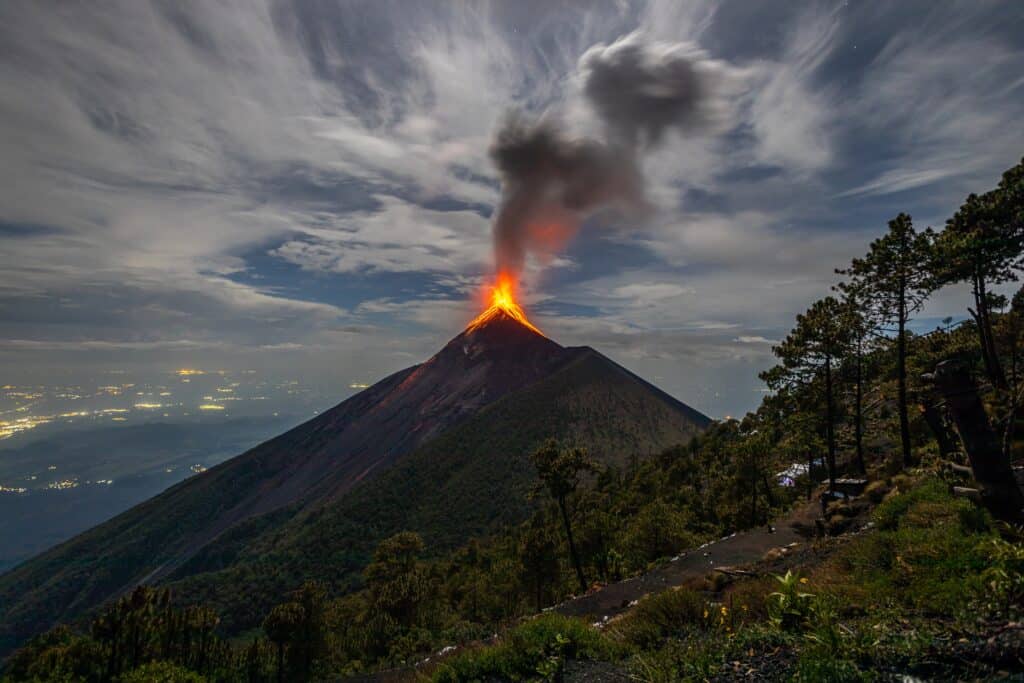
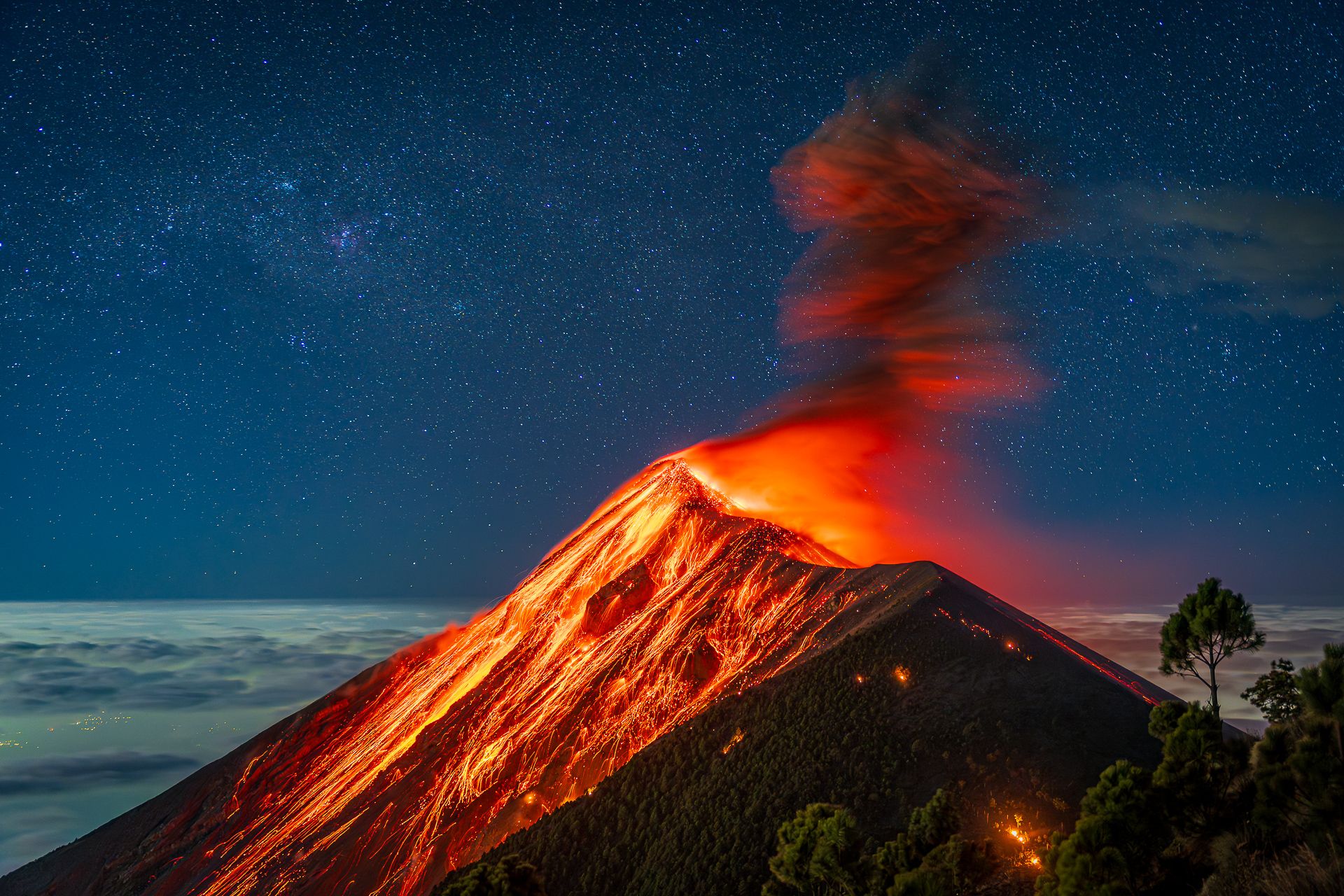
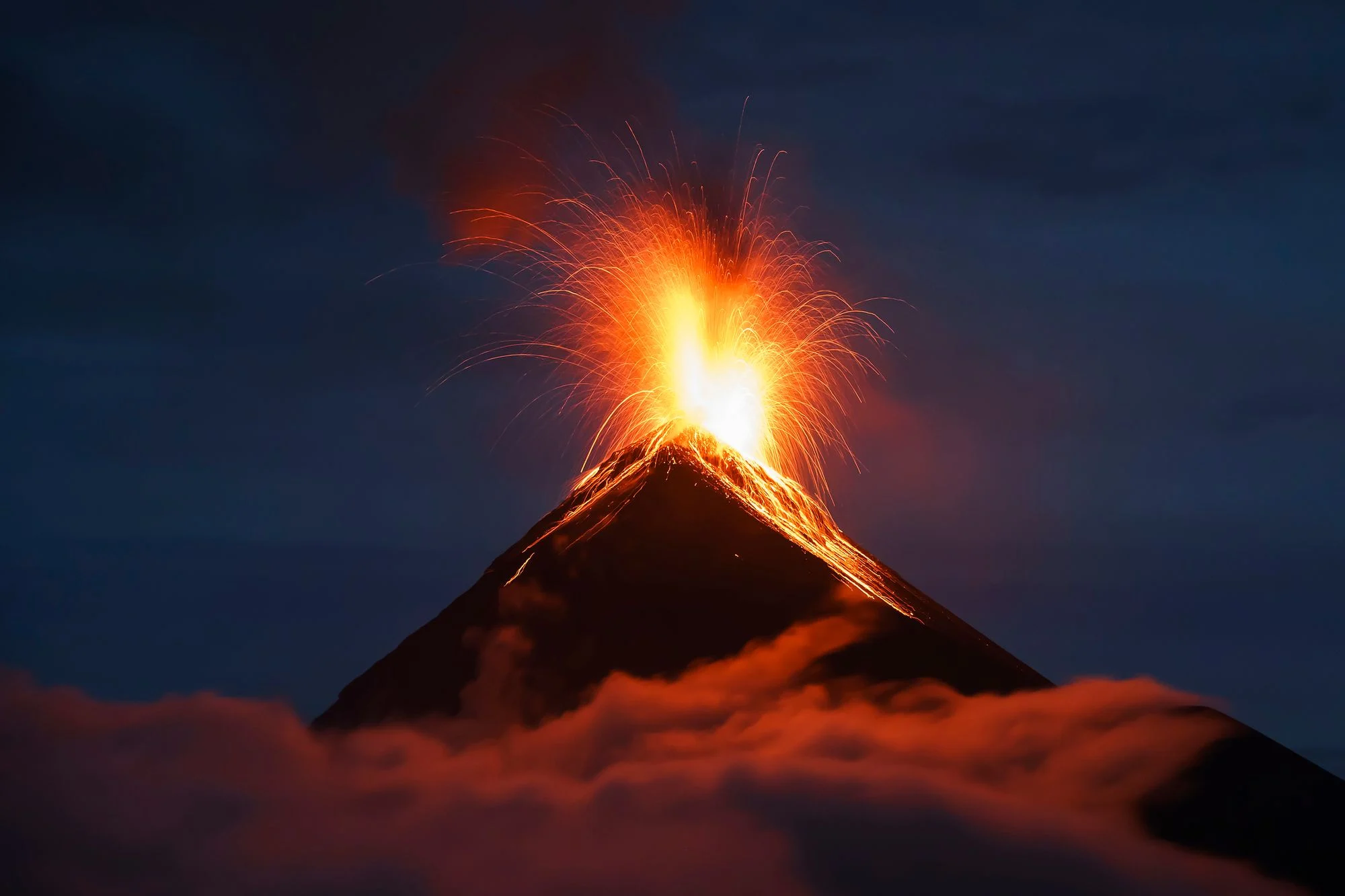
Standing 3,763 meters (12,345 feet), Volcán de Fuego is one of the region's most active volcanoes and dominates central Guatemala's skyline. The 1717 eruption destroyed the city of Santiago de los Caballeros, but the Volcano of Fire has been relatively calm over the last three centuries, so larger eruptions are less frequent. The good news is that small gas-and-ash explosions occur every 15 to 20 minutes. The bad news is Chi Q'aq' erupted in May 2023 and June 2025, forcing locals to evacuate.
The route offers not just a physical challenge but also a sensory feast, ash-grey slopes, the whiff of sulfur, and magnificent, sweeping vistas of the valleys below. Evening ascents are best because they offer views of incandescent lava glows under a blanket of stars and a cooler climb.
The most common starting point is the nearby town of San José El Ídolo, with a local guide who should check with Guatemala's national monitoring agency, INSIVUMEH, as the volcano can erupt without notice. The climb is steep and arduous, so serious hiking boots are a must as you will be scrambling over loose volcanic scree. But the effort is worth it for an unforgettable experience - standing on the flank of an active volcano, witnessing the forces of nature that shaped it over millions of years.
MOUNT IJEN, INDONESIA
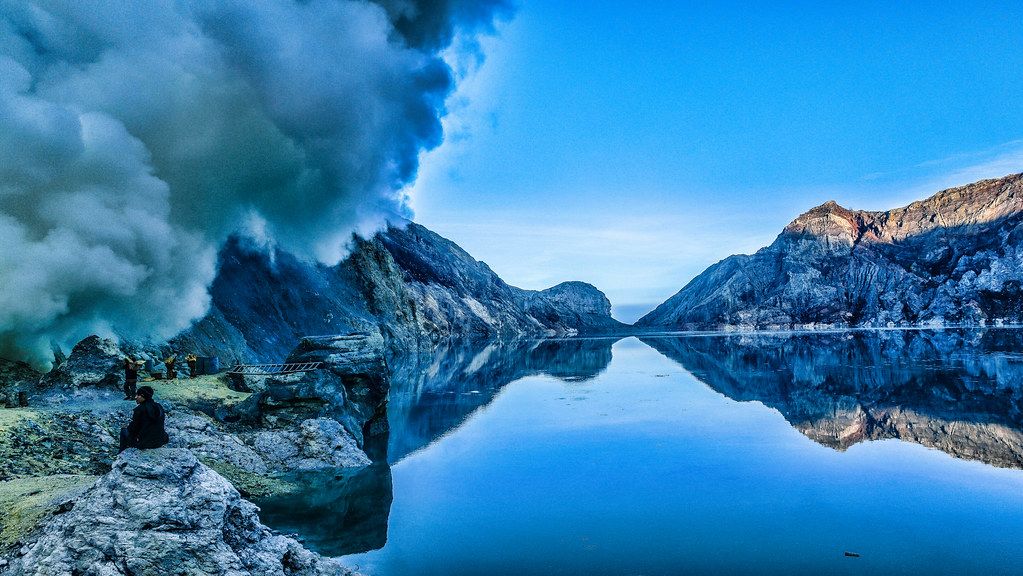
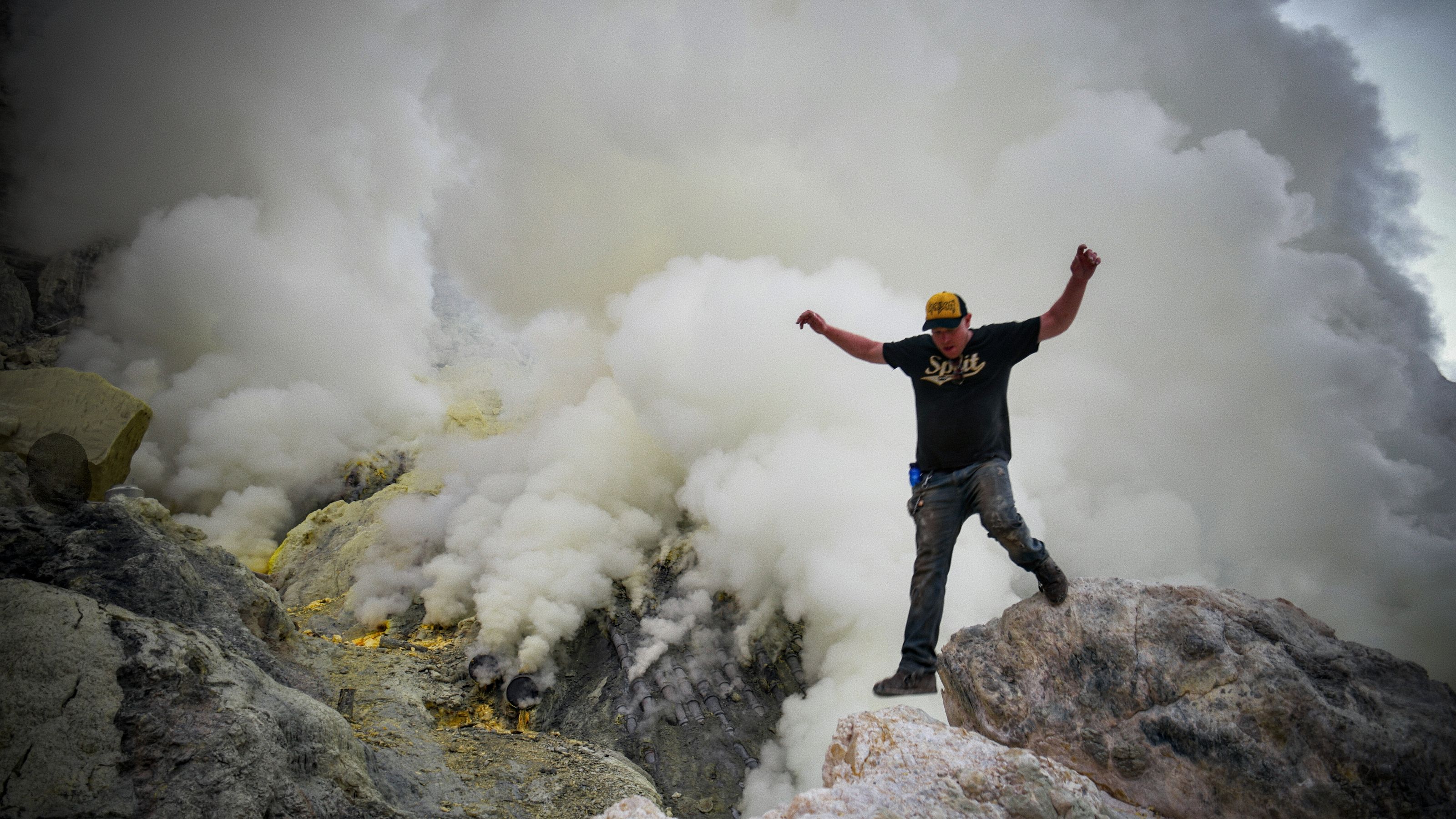
If, like me, it takes a kilo of Javan coffee to taser you awake every morning, there are few sights you’d venture out of bed at 01:30 for. But trust me, Mount Ijen in Banyuwangi province, East Java, Indonesia, is one of them. After being roused from your slightly damp, freezing Alpine dorm room, you'll make your way to the foot of the volcano and pay your $6 or $9 entry fee at the weekend... or get in for free with a faked Kitas card, photoshopped by your crazy Polish graphic designer mate, Konrad, (pictured here on the right with Piotr).
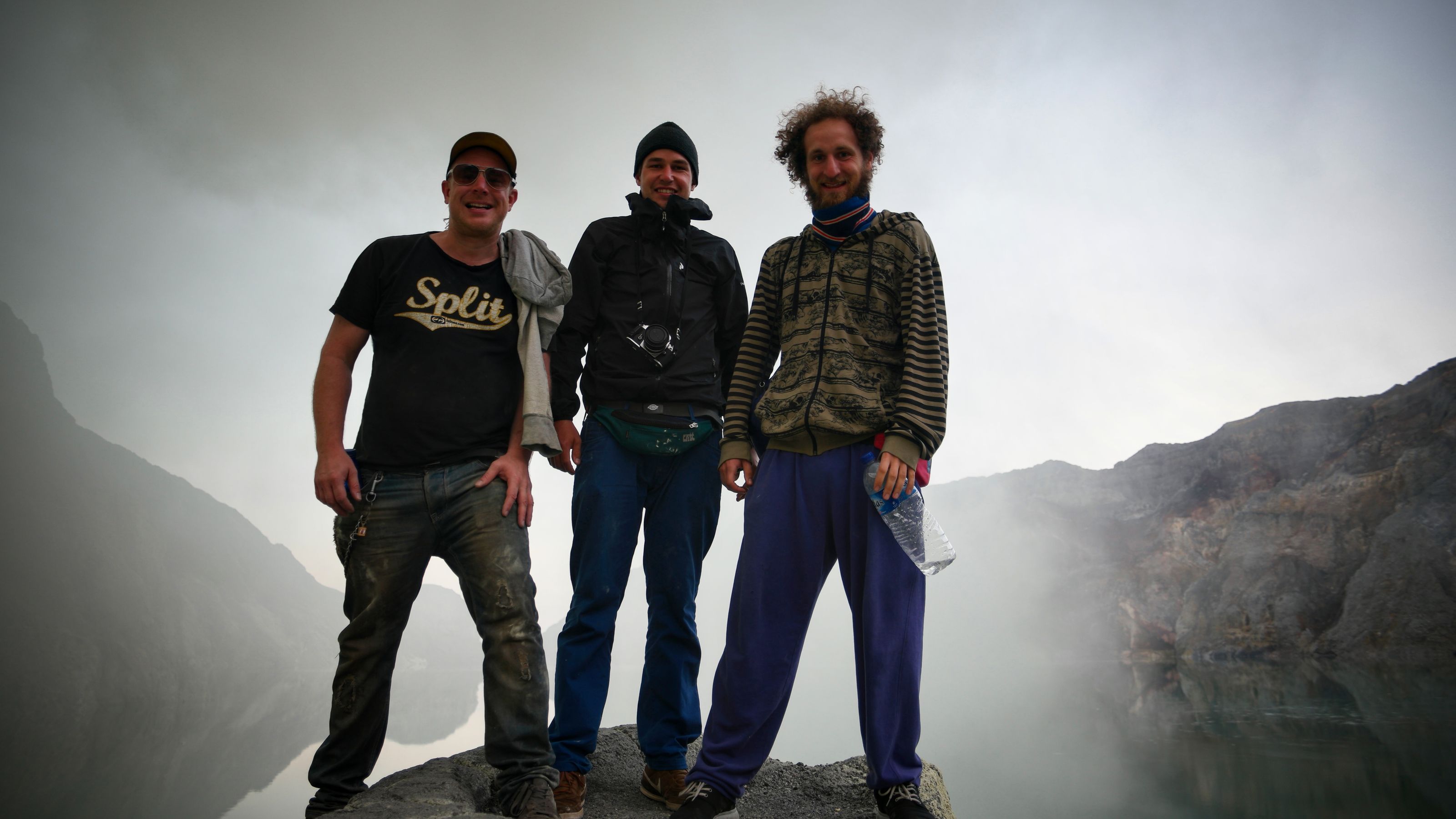
This easy, non-technical climb will see you and a gaggle of giggling pot noodle-scoffing Javan tourists climb the twisty mountain paths in the pitch dark. Definitely pack a torch, as navigating the rocky descent can be hazardous and slippery, but the wonder that awaits you is well worth the two-hour hike up and 45-minute hike back down into the crater.
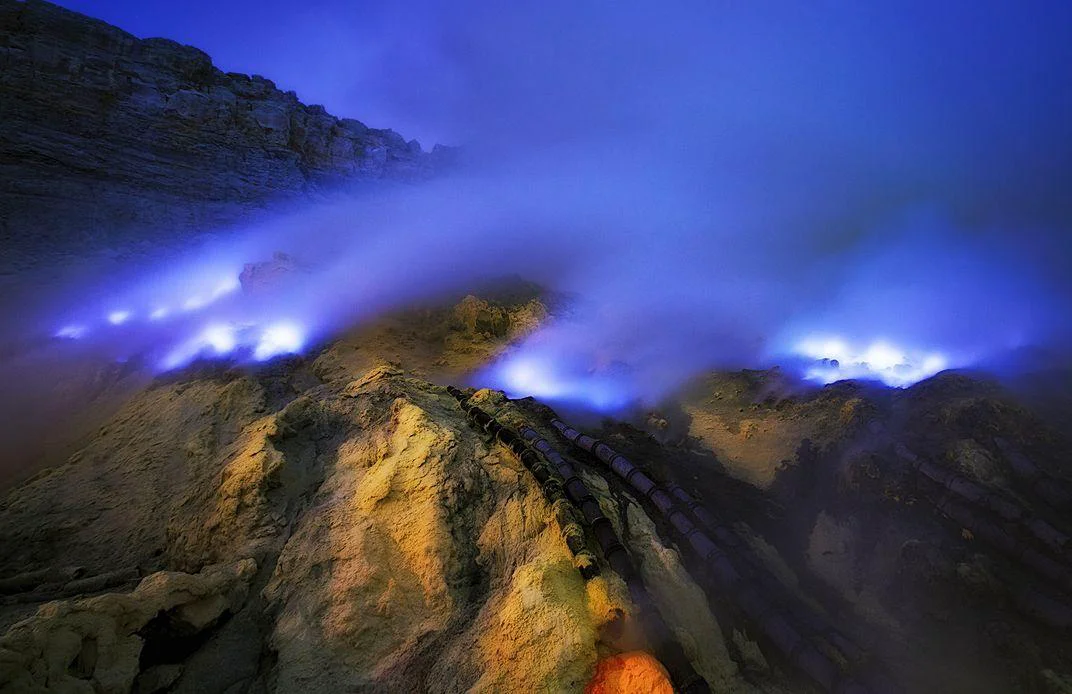
Every night, just before sunrise, Mount Ijen ejects its famous “blue lava” - technically not lava but ignited sulphuric gas, which spills out from cracks and cascades, phantom-like, over the rocks as an otherworldly blue fire.
When the sun rises over the caldera, a different blue world is illuminated: the crater houses an impossibly still, turquoise-blue lake, but no skinny-dipping or wading like the idiot tourists I shouted at, as it is highly acidic.
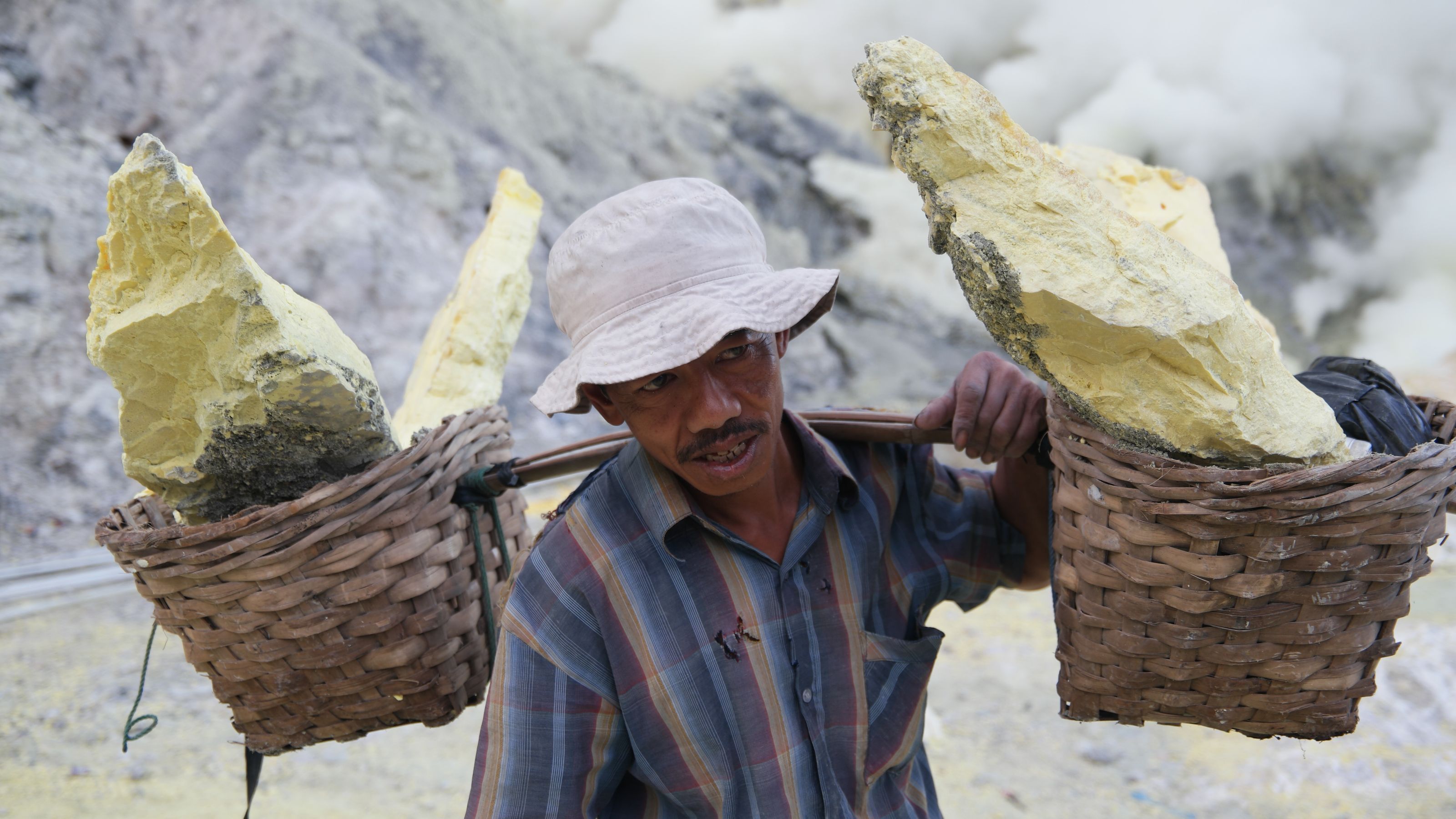
The volcano is still mined to this day; pipes capture the noxious, bilious clouds of yellow gas, and superhuman men with unbelievably muscled shoulders risk and shorten their lives carrying up to 80kg of solidified sulfur in wicker baskets up and down the steep mountain trail for $6 a day.
MOUNT YASUR, VANUATU
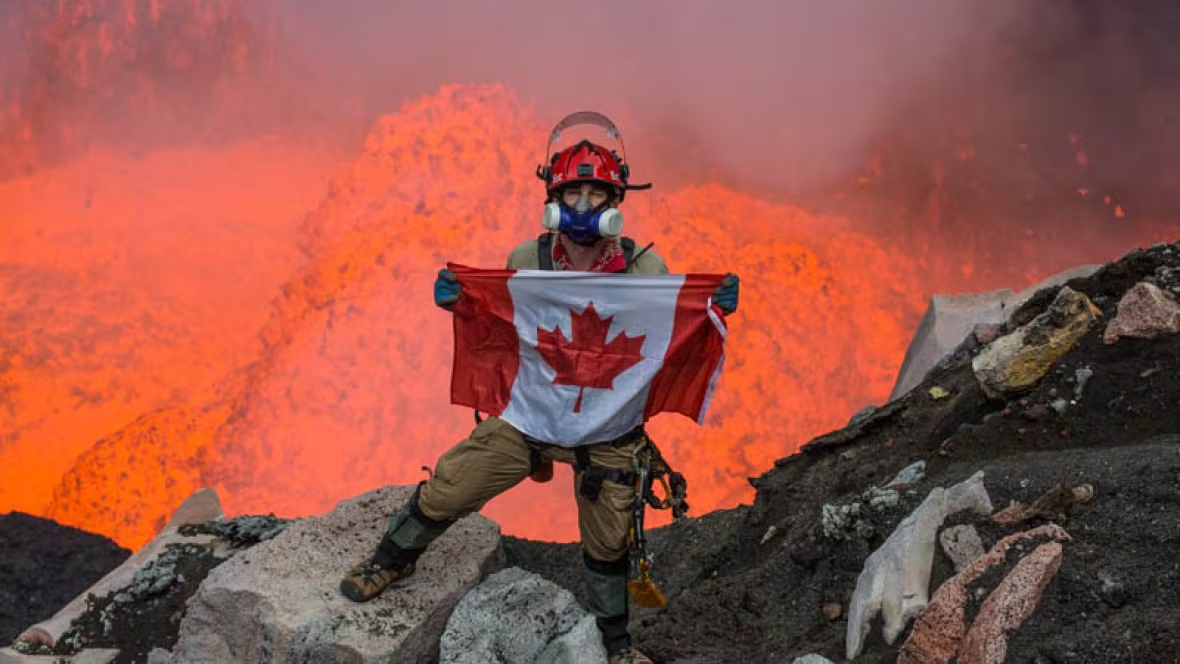
Located in Oceania, in the middle of the Pacific Ocean, lies the island nation of Vanuatu. And on one of those islands, Tanna, lies the entrance to hell itself. The glow from this stratovolcano led Captain Cook to make landfall at Sulfur Bay and, almost 250 years later, another explorer - my Canadian buddy, George Kourounis - got up close and personal with the devil as he abseiled down into the crater itself. You may even have seen the famous footage on George's TV show, Angry Planet.
At just 361 metres, (1,184 feet) Mount Yasur isn’t exactly a difficult climb, in fact after a drive from Sulphur Bay across the paying the 2,250 Vatu ($18) admission fee, it’s not even a hike - all you need do is climb a series of steps of the world’s most accessible volcano, but what awaits you at the top is why Mount Yasur makes this list.
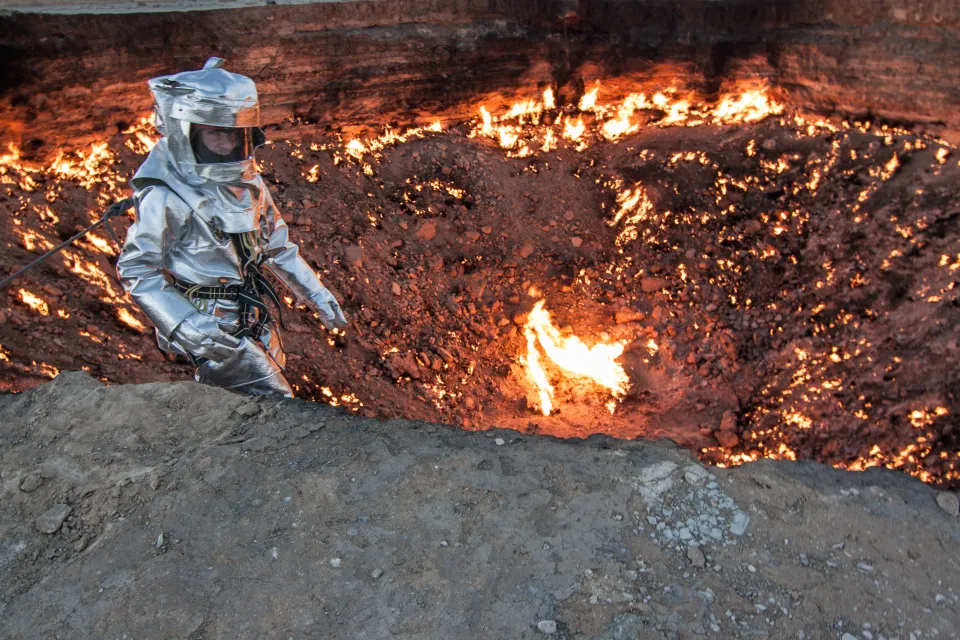
From the crater rim, you will witness one of the most incredible wonders of the natural world - a Dantean maelstrom of swirling, bubbling lava and a constant stream of strombolian eruptions emitting fireballs all around you. Unfortunately, you won’t be able to don a fire-retardant, silver suit and abseil down into the vent like George, but you will be able to say you’ve been to hell and back and lived to tell the tale… so long as the lava bombs don’t fling themselves as far as the observation point. If that doesn't sate your adrenaline fix, you can volcano board back down (the outside!)
MOUNT ST. HELENS, USA

Onto our second North American volcano, as Guatemala is not part of South America. The USA's most famous volcanic eruption occurred on May 18th, 1980, when Washington State’s Mount St Helens erupted with a volcanic explosive intensity of 5. The cataclysmic eruption sent a plume of ash 80,000 feet into the air, creating a 670 mph pyroclastic flow, which flattened hundreds of square miles of forest and land, killing 57 people.
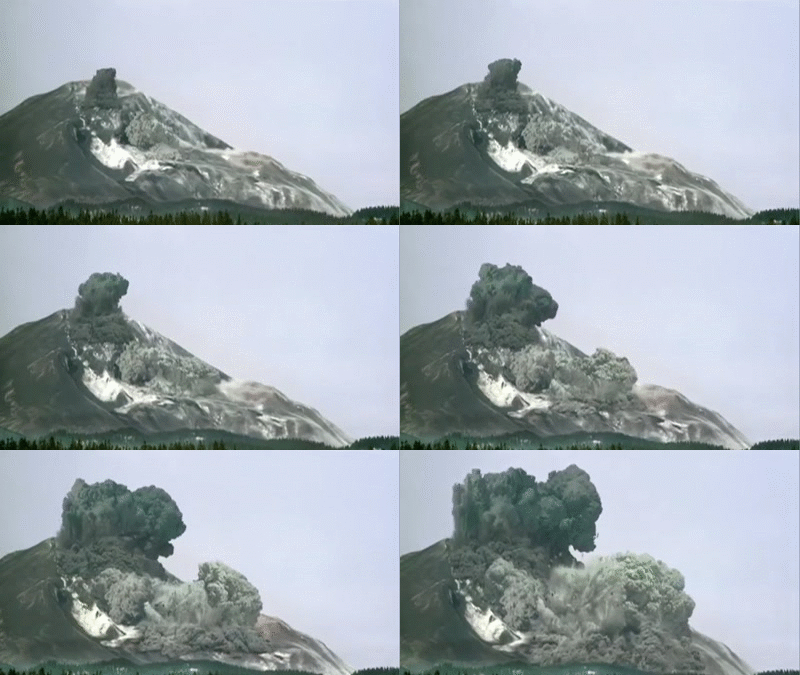
When the smoke cleared, the mountain had a one-mile (1.6 km) wide horseshoe-shaped crater. The accompanying earthquakes also created a lahar (that’s an Indonesian word meaning “cold lava”; essentially a giant volcanic mudslide) that stretched 50 miles. After surveying the apocalyptic damage the following month, President Jimmy Carter said, "The moon looks like a golf course compared to what's up there."
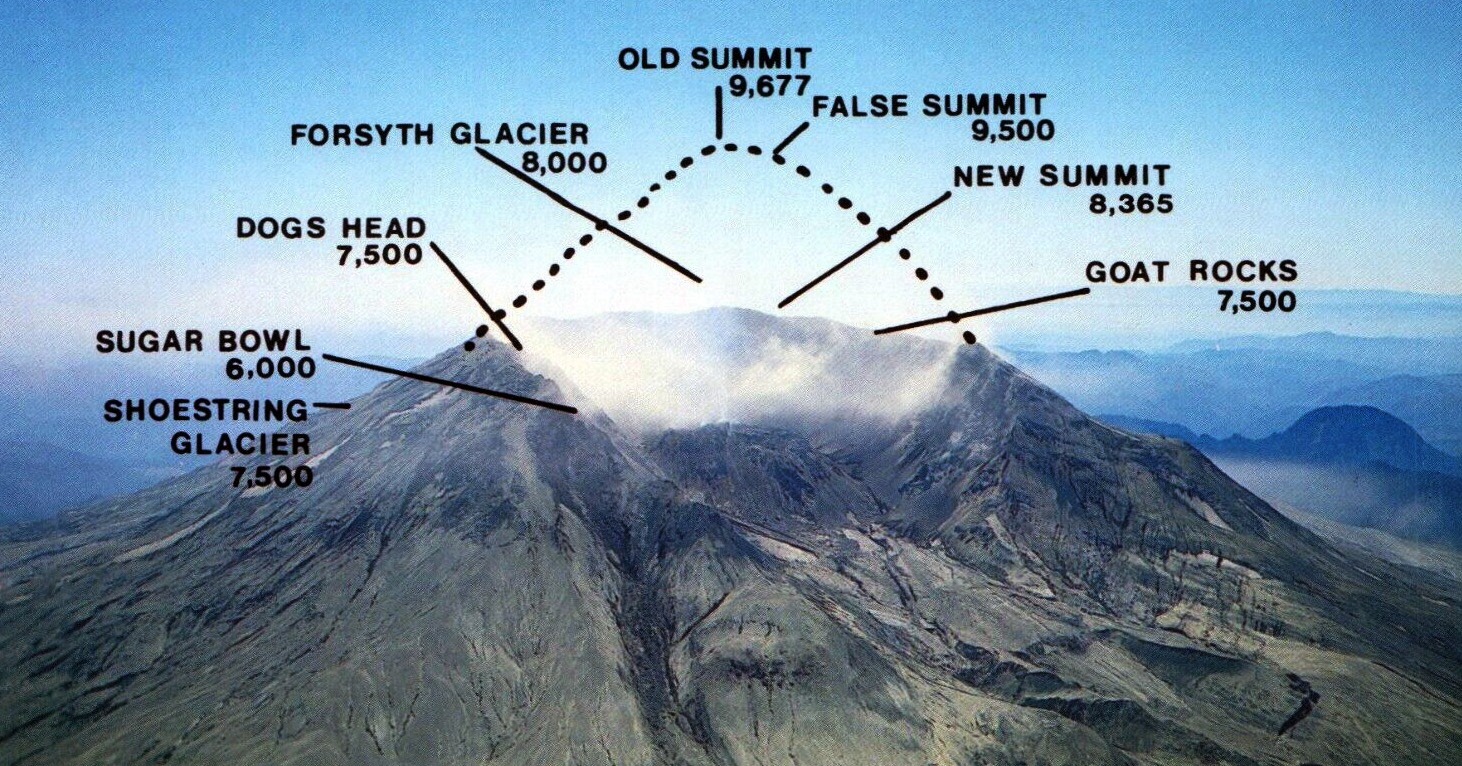
Nowadays, Lawetlat'la or Loowit, to use her Native American Cowlitz and Klickitat names, is a much more inviting place. You’ll need a permit to climb above 4,800 feet (1,500 m), and only a limited number are issued each year. Beginners should start with the five-mile (8-12 hr round trip) Monitor Ridge Route between late spring and early autumn.
While it is a non-technical climb, it is pretty strenuous, and the occasionally icy path is rugged, so expect to scramble around hazards like loose boulders. More experienced hikers can take the higher, more direct Worm Flows Route year-round. Once you ascend Mount St Helens, a glorious reward awaits: an ever-growing crater dome and surrounding horseshoe glacier, from which you’ll experience awe-inspiring views of the Cascade Range’s other behemoths… Mount Hood and Mount Rainier.
EYJAFJALLAJÖKULL, ICELAND
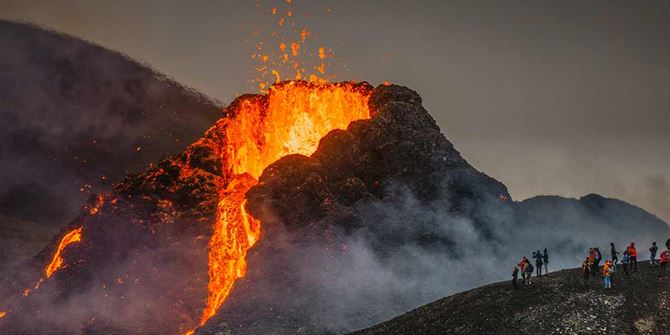
Iceland is the only country in the world that's split in half by two continental tectonic plates pulling in opposite directions, making volcanic islands like Surtsey surprisingly appear overnight. The Land of Fire and Ice boasts dozens of impossible-to-pronounce volcanoes. Eyjafjallajökull - which made global headlines by grounding thousands of planes in 2010 - is its most active and most dangerous. So, you will defo need an experienced guide for the 8-hour round trip to the 1,666-meter (5,466-foot) summit.
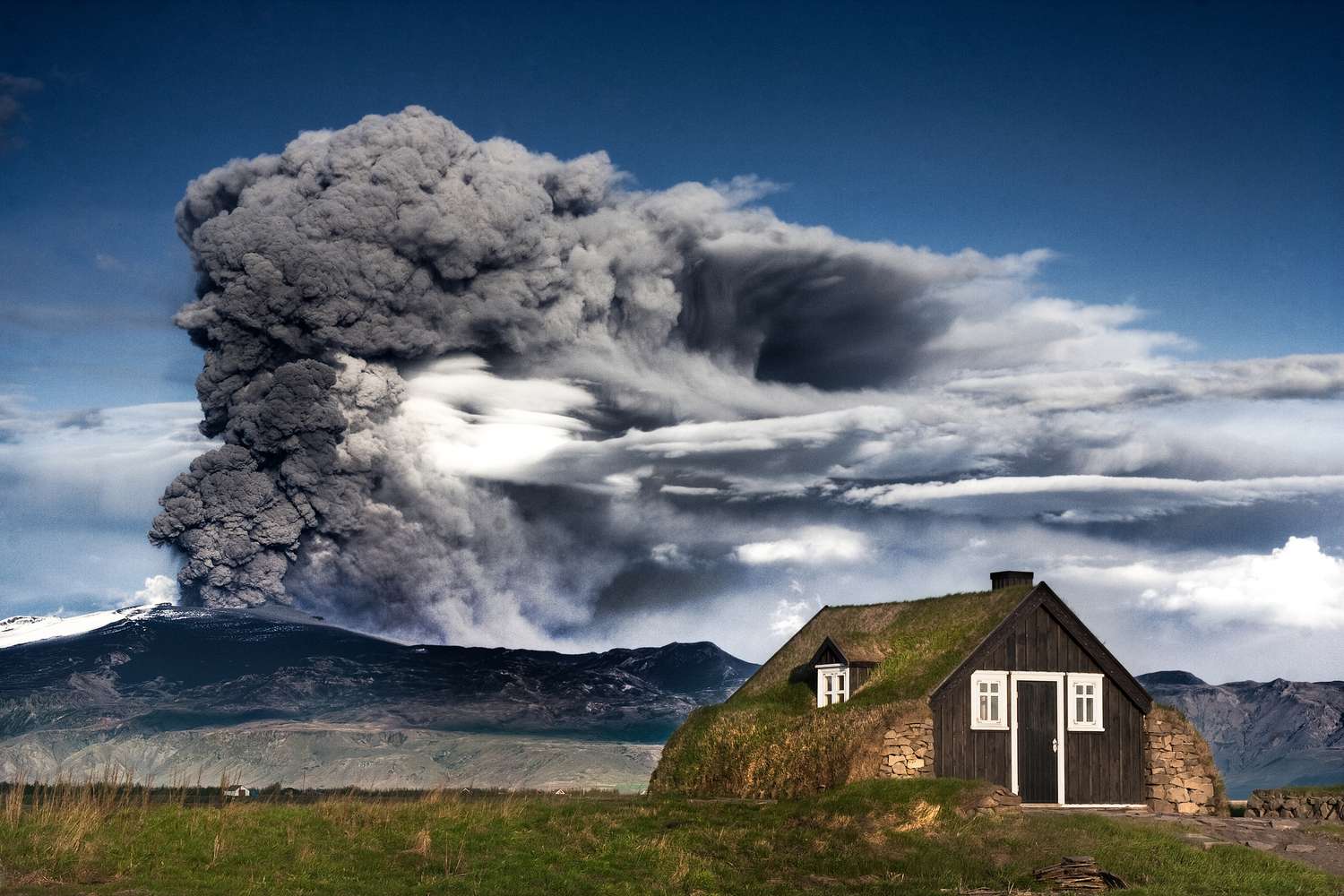
While not ruling out beginners, this steep climb is usually reserved for the fitter or intermediate hiker, because once you reach the glacier line, it’s time to strap on your crampons and pull your ice axe out as you crunch your way over the crevasse-riddled glacier to the top.
Once at the summit, the crater will still be spitting lava and, on a clear day between spring and autumn, will provide magnificent views over glaciers, the nearby Katla volcano, and as far as the Vestmannaeyjar Islands. Well worth the climb and deserved reputation as one of the world's best one-day volcano hikes. Don’t forget your marshmallows and a long stick!
ERTA ALE, ETHIOPIA
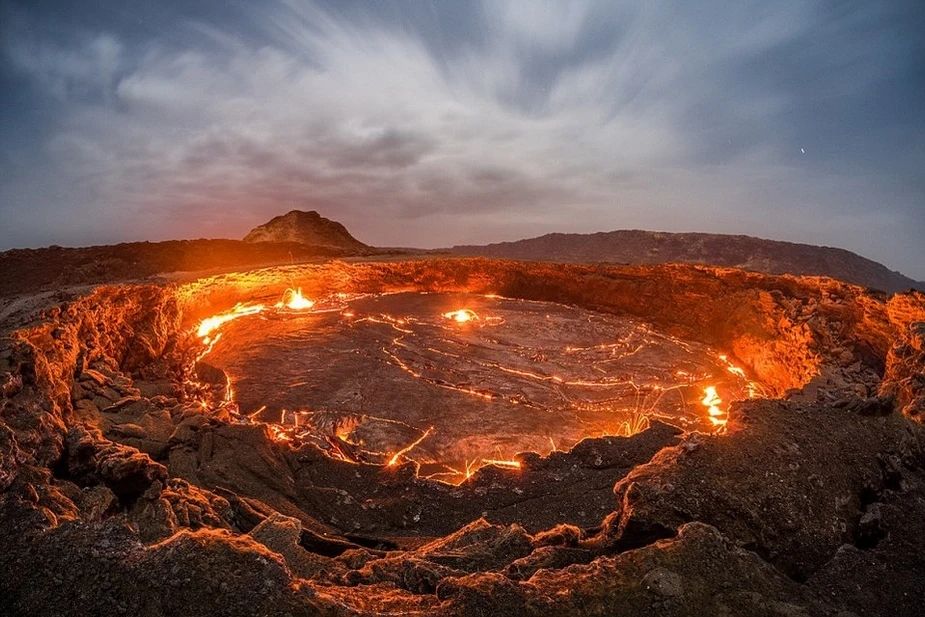
Let’s end our tour where life began - in Africa, more specifically, Ethiopia’s badland desert, where temperatures regularly reach 46 degrees Celsius. Near the border with Eritrea, at just 613 meters (2,011 feet), stands what locals call Erta Ale or "Smoking Mountain."
The volcano is a basaltic shield volcano, meaning it was formed almost exclusively of low-viscosity mafic lava flows, which translates to easy, gentle hiking. I mean, you could climb Mount Kilimanjaro, but that’s for mums and students on charity hikes - yes, the dormant Tanzanian volcano is a harder climb, but its last major eruption was 300,000 years ago… and where’s the fun in that?
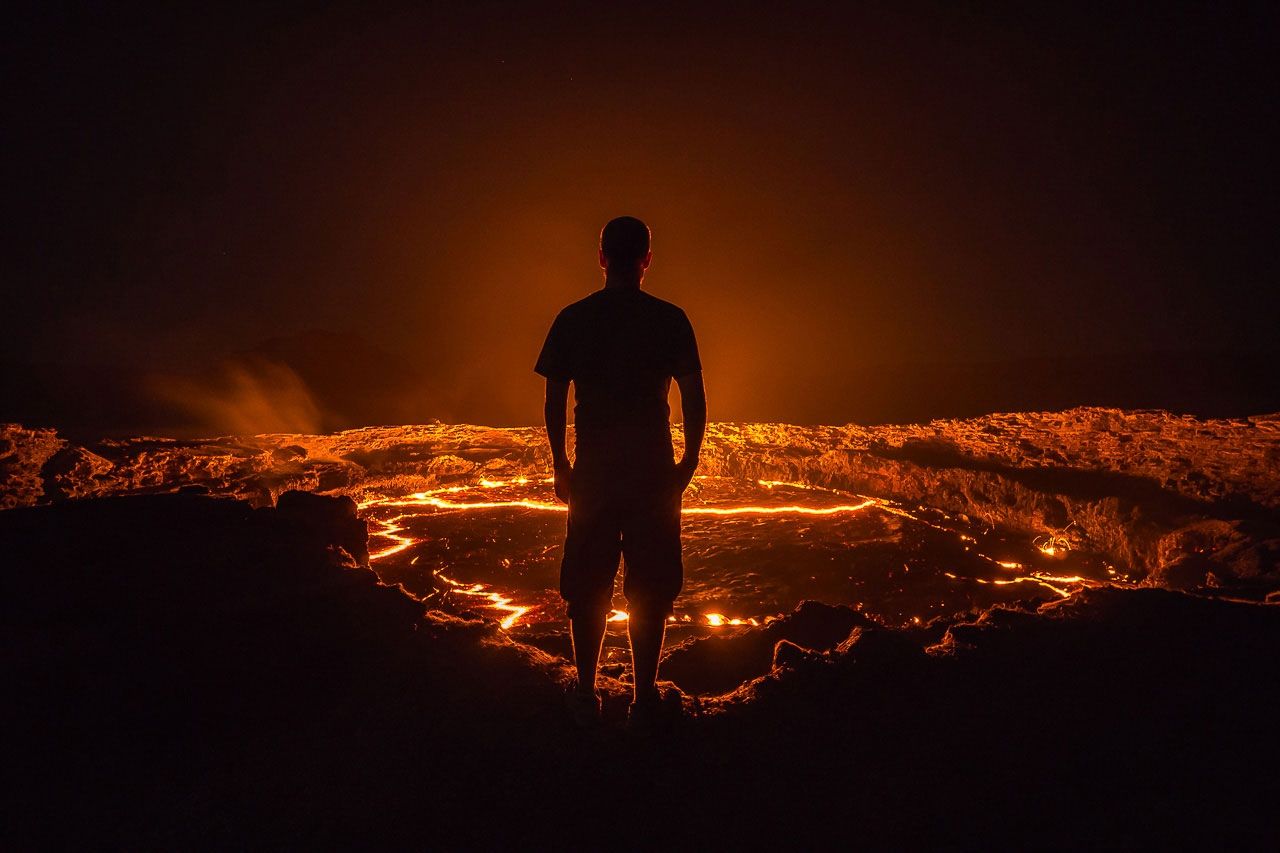
Erta Ale has been erupting continuously since 1967 (possibly even 1903) and is the world’s longest-existing lava lake. The southernmost pit is known locally as "The Gateway to Hell" as it spits lava, noxious gases, fire, and brimstone, so it’s literally the devil’s playground. In 2005, an almighty eruption killed 250 livestock and sent locals running for their lives. To add to the danger, this area is politically unstable. In one isolated incident in January 2012, a group of scientists and tourists, who were camped on the crater rim, were taken hostage by terrorists, and five of them were killed. You have been warned.
There are many more ferocious volcanoes to visit, like New Zealand's Whakaari White Island, which erupted in 2019, killing eight, or Anak Krakatau, which erupted when I was standing on it years before it collapsed, also in 2019.
But with its desert, heat, and political situation, the Erta Ale volcano is probably the most dangerous volcano hike in the world. Bring it on, I say!