Turmeric
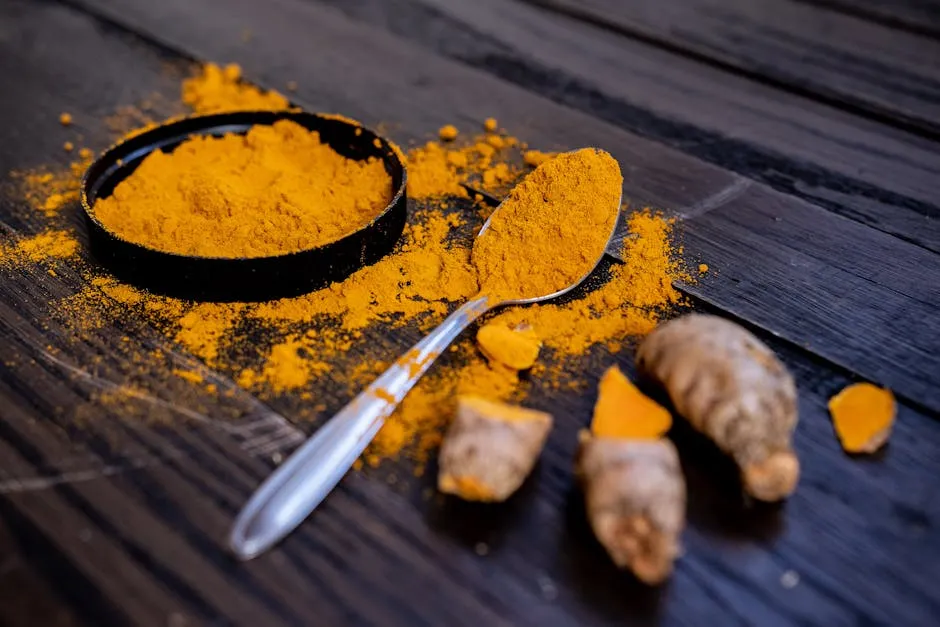
Vibrant, golden turmeric is rich in curcumin, a compound which contains potent anti-inflammatory and antioxidant effects. Research has shown that it can significantly reduce markers of inflammation in the body such as C-reactive protein (CRP). Try using it as a savory seasoning or have it in a hot beverage.
Green tea

Green tea is packed with antioxidants which helps to fight painful inflammation. Not only that, but it can also help to tackle other health issues such as obesity and Alzheimer’s. Swap your daily morning coffee for a matcha green tea to see if your pain eases.
Berries

Whether you opt for blueberries, raspberries, or strawberries, all have anti-inflammatory effects on the body when consumed regularly. This is because they're rich in antioxidants such as polyphenols, which protect against inflammation. Previous research has also shown that eating berries regularly can reduce your CRP levels.
Ginger
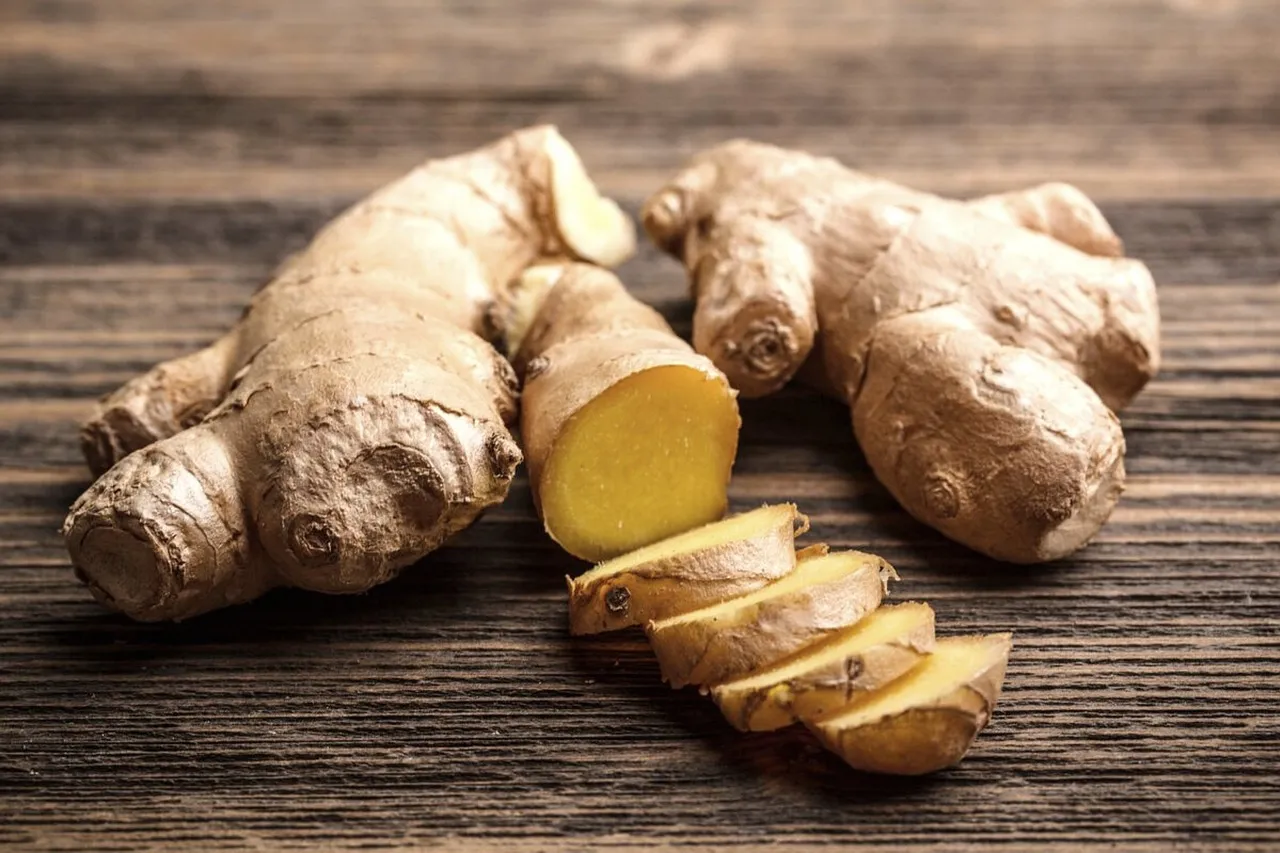
Ginger is best known for treating nausea, but did you know that it's also excellent for calming chronic inflammation in the body? It can ease symptoms such as joint pain, stiffness, bloating, and fatigue. Try brewing fresh ginger in hot water to make tea or grating it into stir fries and sauces for a zesty kick.
Avocado
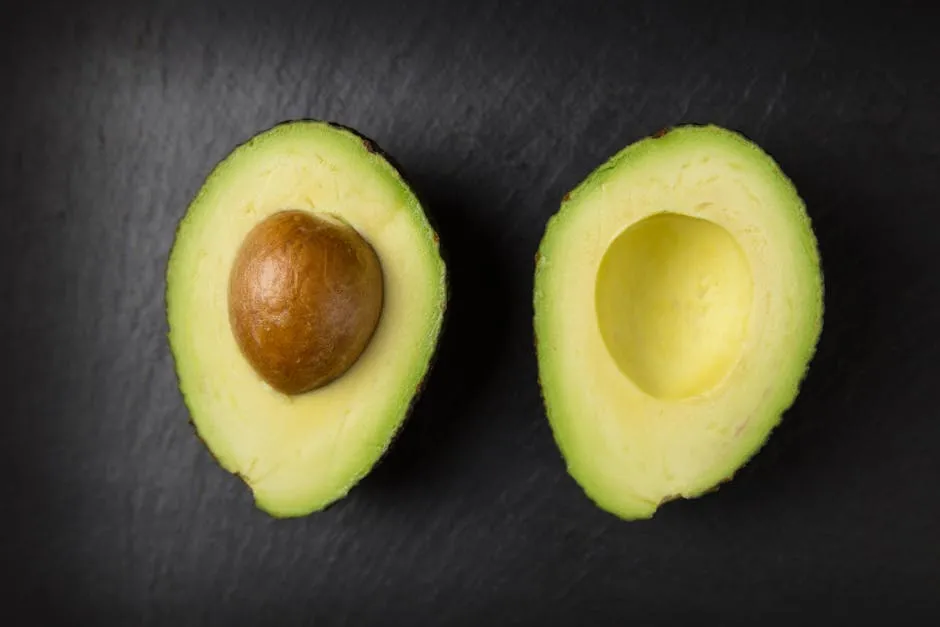
Mild, earthy avocados are an excellent source of vitamins and healthy fats, which can help to reduce painful inflammation. They support healthy muscle and nerve function while also protecting against other health issues such as heart disease. Try adding a few slices of avocado to your salads or spreading it over toast.
Chia seeds
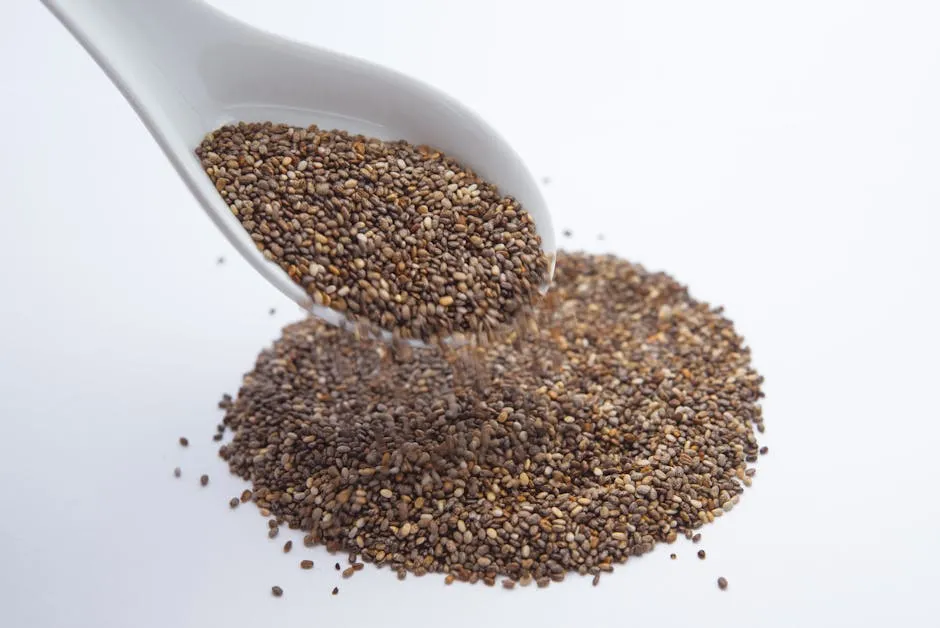
These seeds might look tiny, but they can be surprisingly effective at reducing painful inflammation. Chia seeds are high in protein and, when digested, these proteins work to calm inflammation and protect your cells from harmful free radicals. Sprinkle some over oatmeal and salads or try making a chia pudding.
Garlic
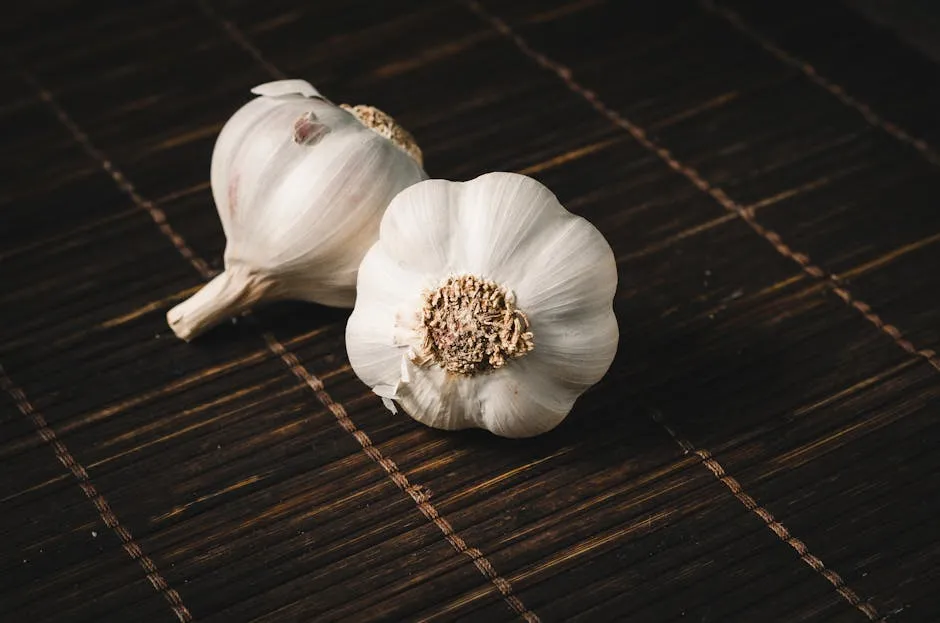
This food doesn’t only add delicious flavor to your meals, but it can reduce pain from inflammation fast. This is because it contains sulfur compounds which help to inhibit inflammation. Crush or chop garlic to release the compounds before adding it to your savory dishes.
Sweet potatoes

Sweet potatoes are rich in polyphenols which have been shown to have an anti-inflammatory effect on the body. Not only that, but they’re an excellent source of fiber and support a healthy digestive system. Roast them with herbs and a drizzle of extra virgin olive oil or try using them to create a mash.
Salmon and other oily fish

Salmon and other oily fish such as mackerel and sardines are all rich in omega-3 fatty acids. Omega-3s are known to have strong anti-inflammatory effects when consumed - this can help to ease pain caused by inflammatory issues such as rheumatoid arthritis. Aim for around two servings of oily fish per week.
Spinach
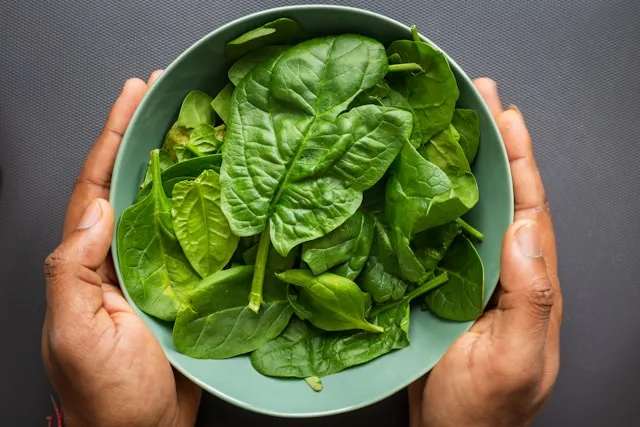
Leafy greens such as spinach are fantastic for treating painful inflammation. Spinach is particularly rich in a plant compound called quercetin. This works as an antioxidant in the body, helping to fight inflammation and ward off infections. You can mix a handful of spinach into practically every savory dish, including stews and salads.
Black pepper
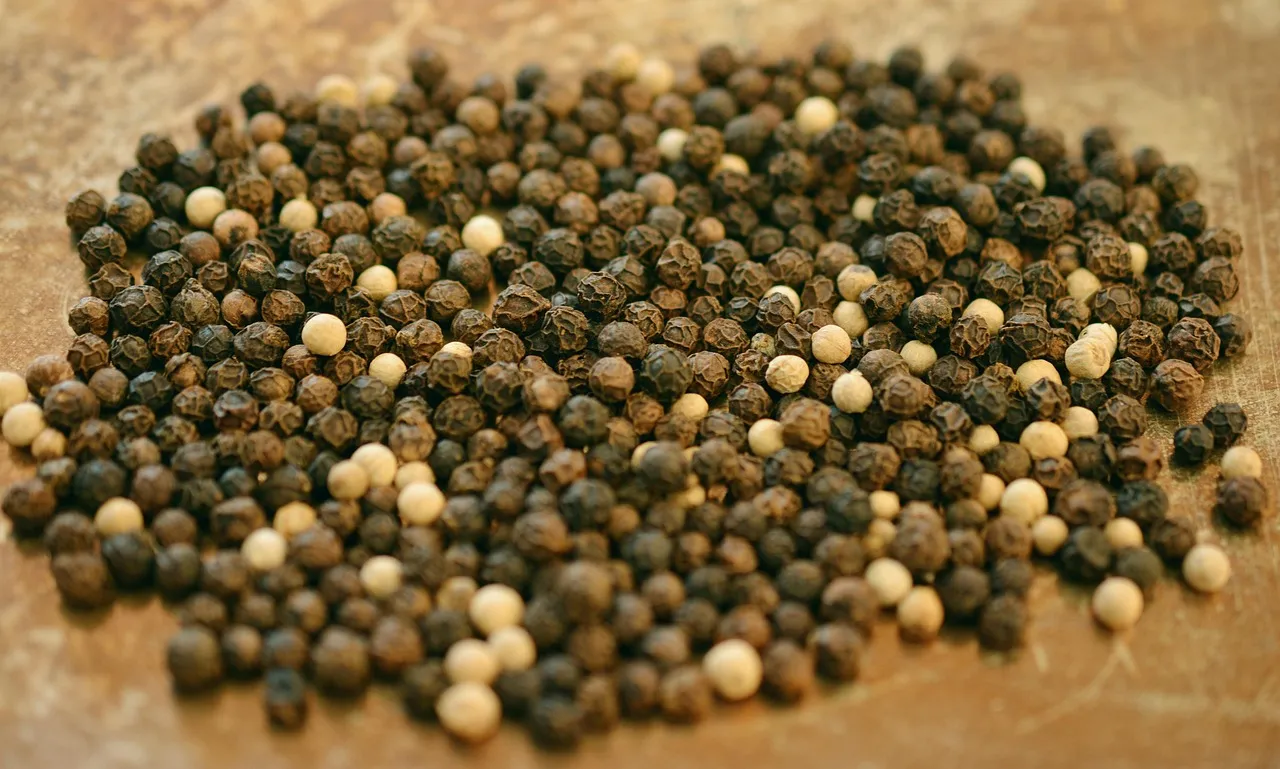
Black pepper contains an active compound called piperine which has been shown to exhibit anti-inflammatory properties. This means it could reduce pain for people who suffer from health conditions like Alzheimer's, inflammatory arthritis, and Parkinson's disease. Pair black pepper with turmeric to further enhance the health benefits!
Carrots
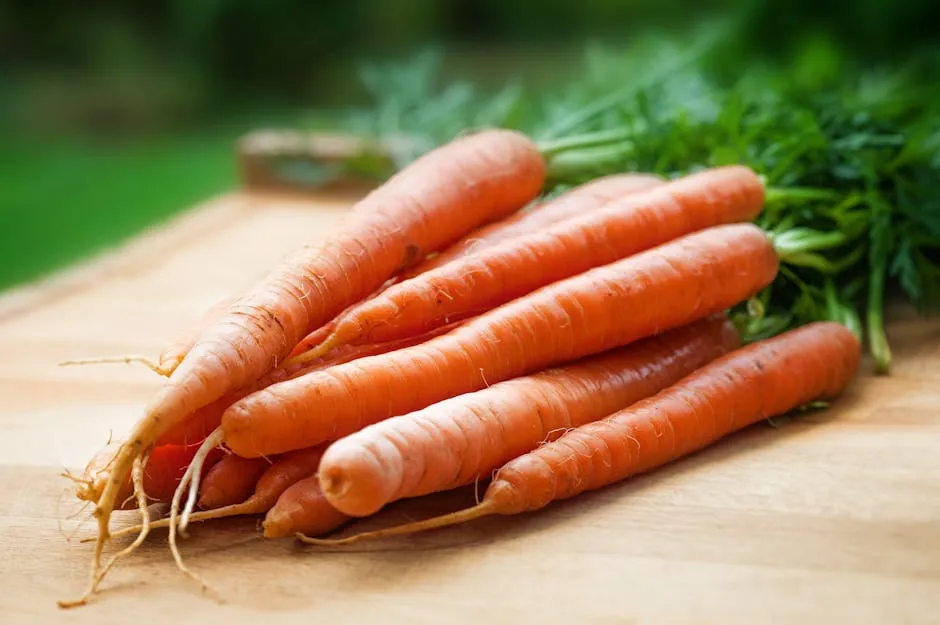
Carrots are rich in carotenoids which are powerful antioxidants that can reduce inflammation. In fact, it’s these carotenoids that give the vegetable its vibrant color! Research has shown that the combination of antioxidants and fiber content in carrots can help to lower inflammation markers in the body.
Nuts
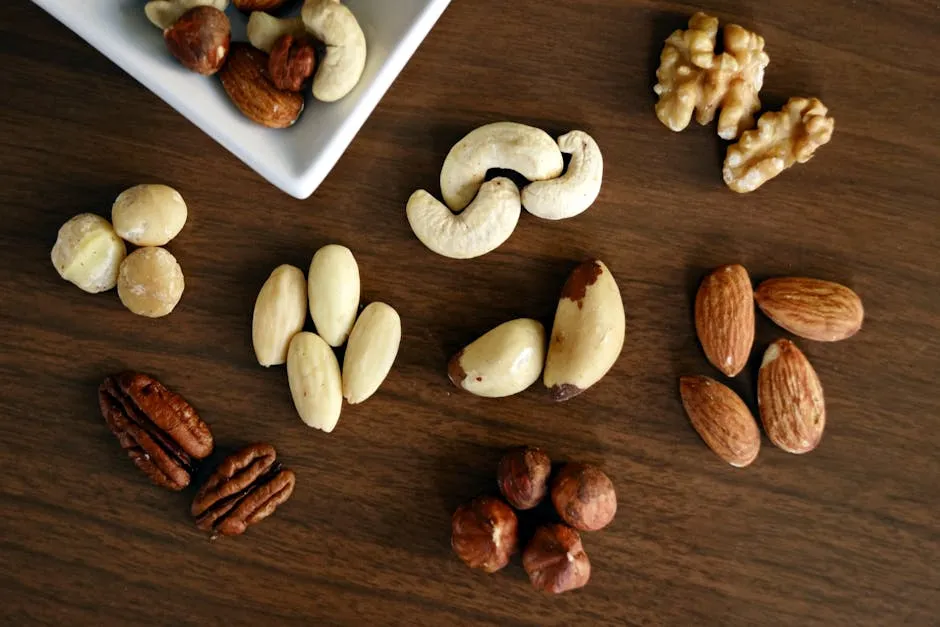
Nuts like walnuts, almonds, and pistachios are all excellent for helping to treat chronic inflammation. They’re rich in omega-3 fatty acids and are a good plant-based alternative to oily fish if you are vegetarian or vegan. Not only that, but nuts are an excellent source of vitamins and antioxidants.
Broccoli
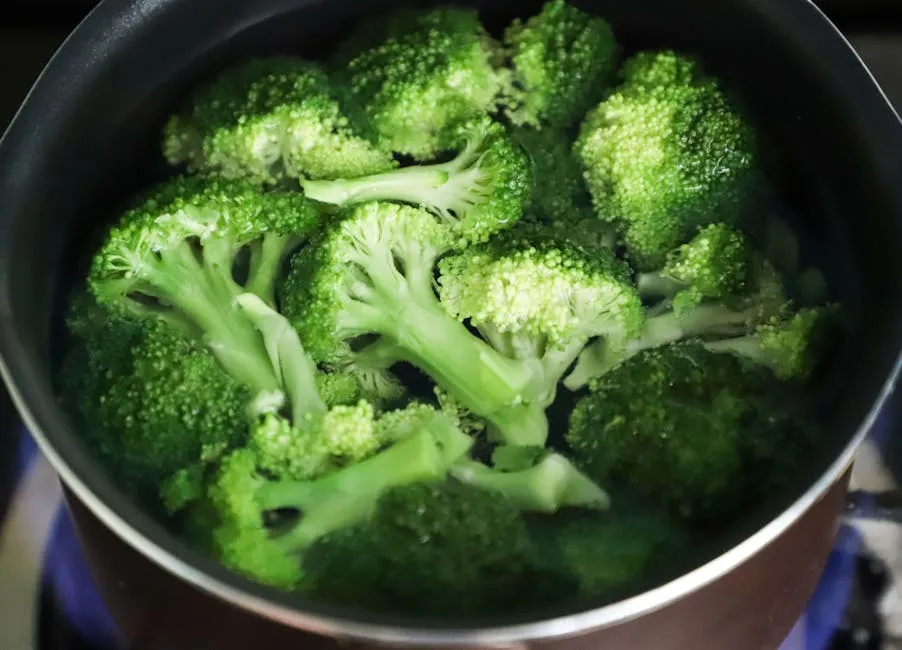
This cruciferous vegetable is highly nutritious and high in antioxidants, providing anti-inflammatory effects on the body when consumed. Broccoli is especially rich in an antioxidant called sulforaphane, which works to reduce molecules that drive inflammation in the body. Try adding broccoli to soups and stews or use it as a side dish.
Flaxseeds

Flaxseeds are packed with nutrients and are classed as a superfood for good reason! They’re rich in a plant compound called lignans as well as omega-3 fatty acids. Regular consumption helps to reduce inflammation and improve your overall digestion. Enjoy these seeds sprinkled over oatmeal, yogurts, or salads.
Kale
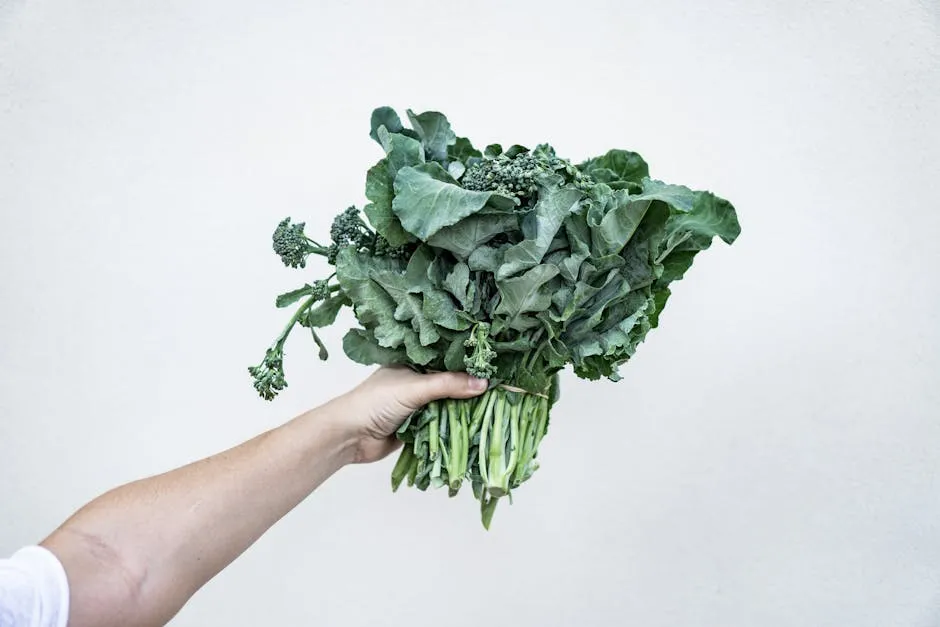
Kale is a great choice of leafy green if you want to reduce painful inflammation. This is because it contains valuable phytochemicals and promotes a health gut microbiome. Try adding kale to salads or make crispy kale chips in the oven to enjoy as a light snack.
Extra virgin olive oil
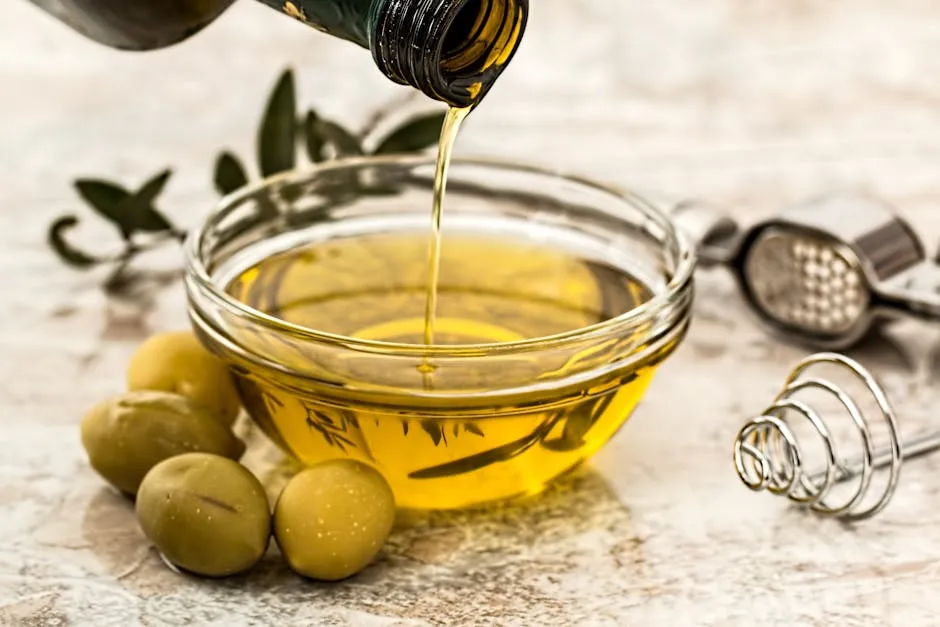
Extra virgin olive oil contains healthy fats and compounds that can reduce inflammation in the body. One of these compounds, oleocanthal, has been shown to have anti-inflammatory effects on the body similar to ibuprofen! Just ensure that you opt for extra virgin olive oil over refined olive oils to reap the full benefits.
Mushrooms
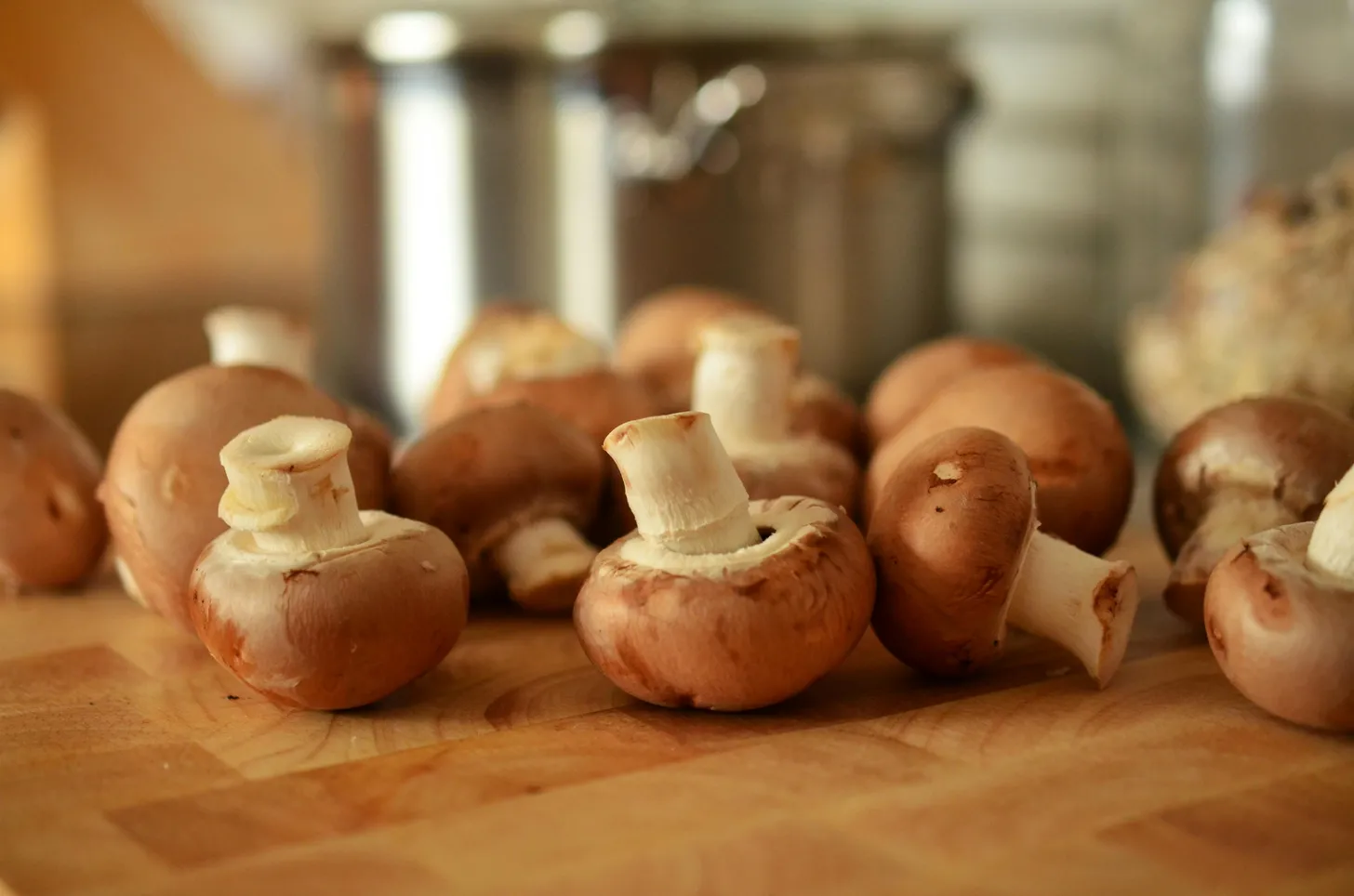
Mushrooms contain protective antioxidants such as phenols that may help to reduce inflammation. Not only that, but they’re packed with additional nutrients including selenium and B vitamins. If you have no idea where to start, experts often recommend shiitake and reishi mushroom varieties for treating inflammation.
Dark chocolate

While milk chocolate and white chocolate offer few nutritional benefits, good quality dark chocolate contains flavonoids which work as antioxidants to lower inflammation. This may help to reduce pain and prevent further health issues from developing. Go for varieties that contain at least 70% cocoa solids.
Beans
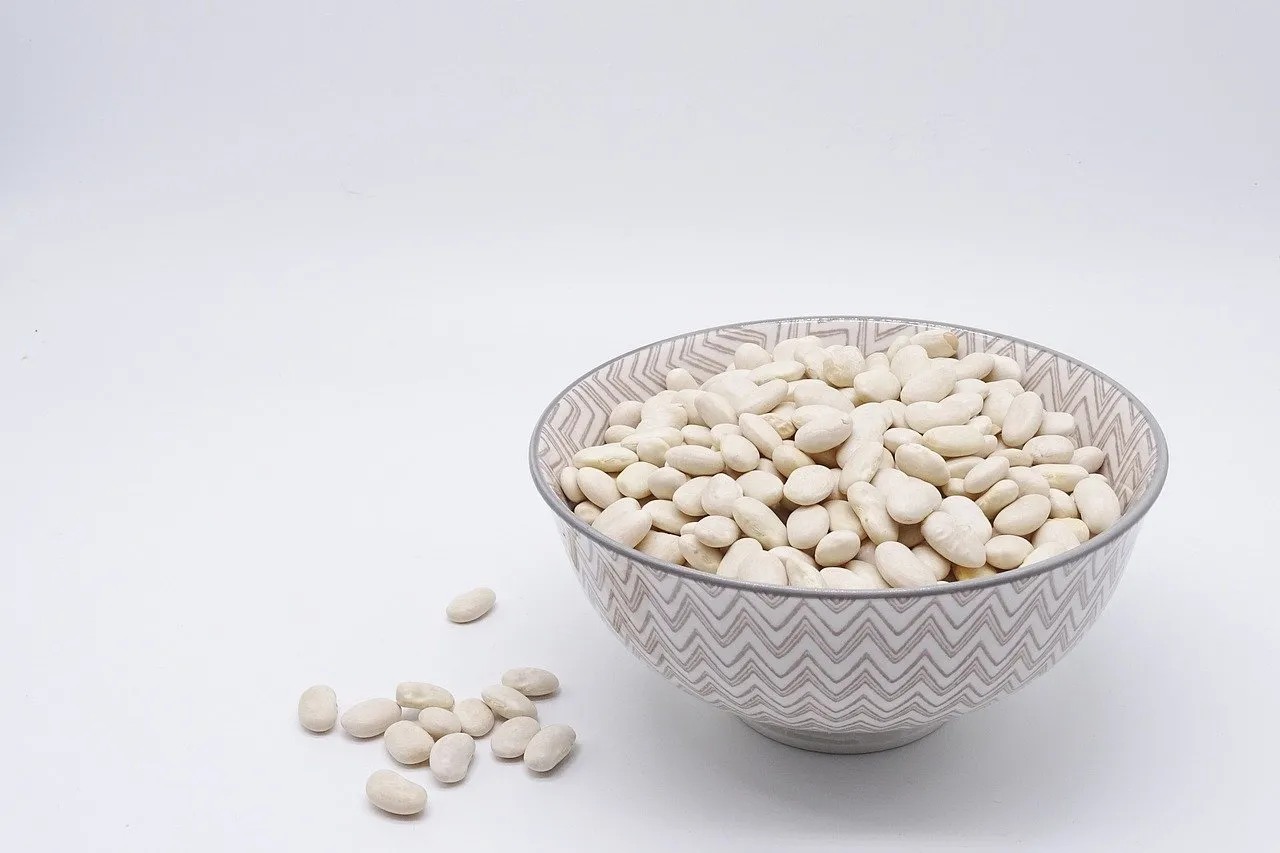
Beans are an excellent and inexpensive source of protein and fiber. They help to balance your gut microbiome which, in turn, reduces inflammation. Many types of beans also contain antioxidant and anti-inflammatory compounds – kidney beans and pinto beans are among the most beneficial for health.
Onions
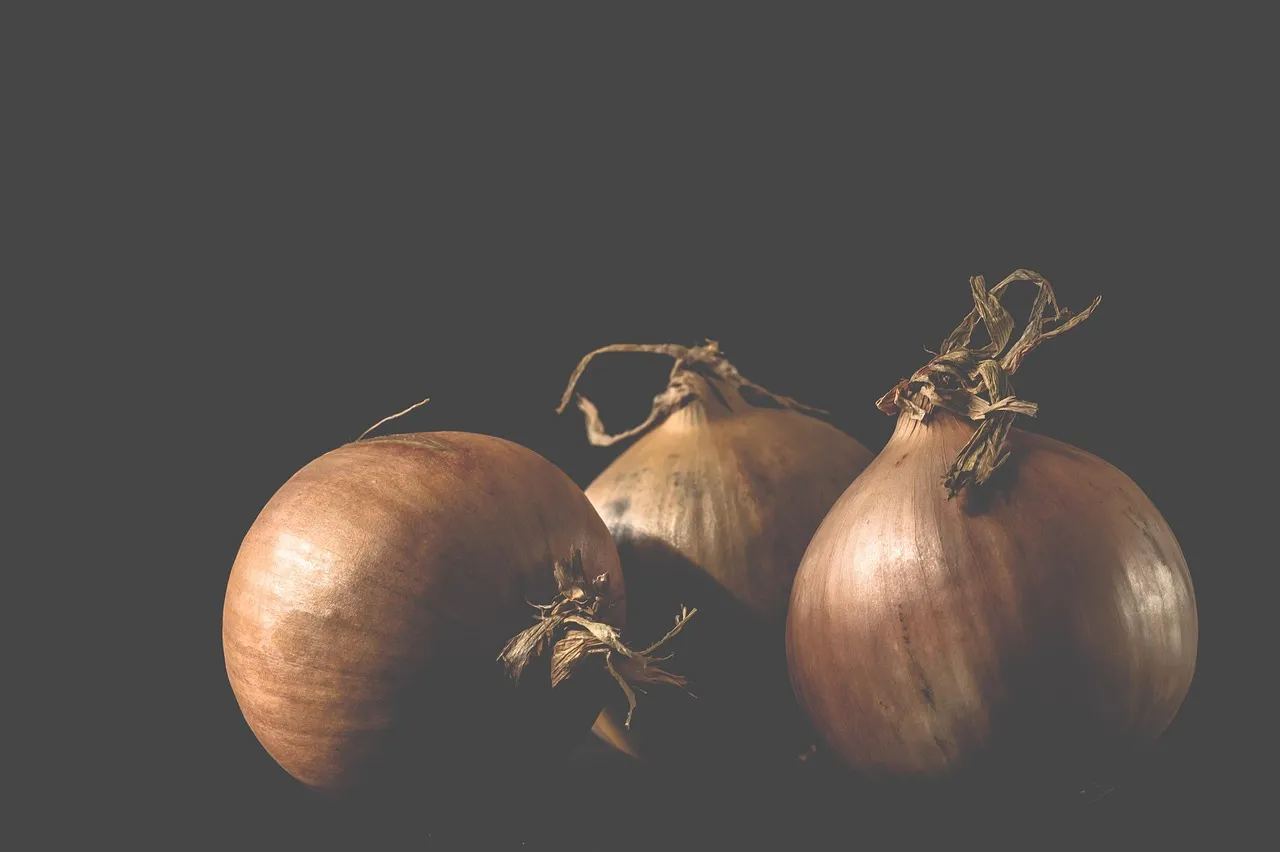
This staple vegetable contains anti-inflammatory compounds, including quercetin, which can help to reduce painful inflammation. Onions are also packed with antioxidants, which work to protect against cell damage and help prevent further flare-ups. They can be added to countless recipes, including stir fries, soups, and stews.
Lentils
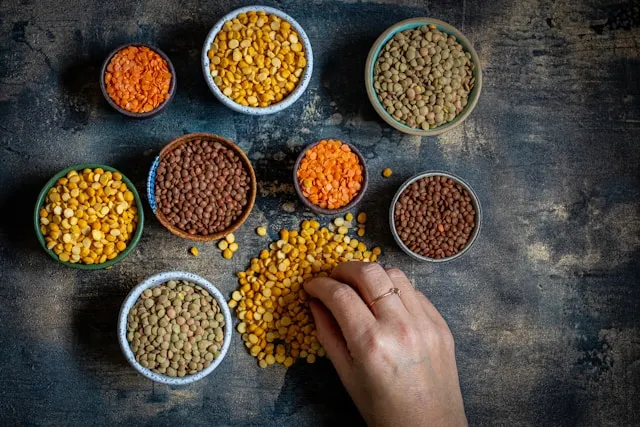
Legumes such as lentils are a good source of anti-inflammatory nutrients and compounds (including polyphenols), which can help to reduce pain. Rich in fiber, they also keep your gut healthy which could potentially lower inflammation. The best part is that they are inexpensive to buy and suitable for all dietary types.
Swiss chard
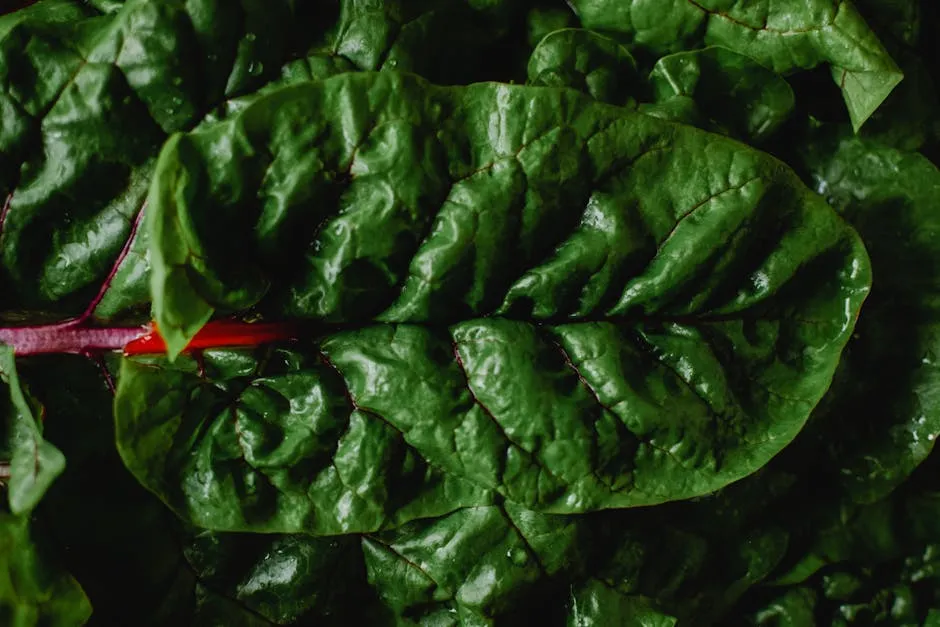
Swiss chard is another fantastic choice of leafy green vegetable if you want to lower inflammation. It’s loaded with vitamins and antioxidants which protect your body against harmful free radicals. Swiss chard also contains magnesium which supports healthy muscle function – this may help to reduce the effects of painful effects of inflammation.
Avocado oil
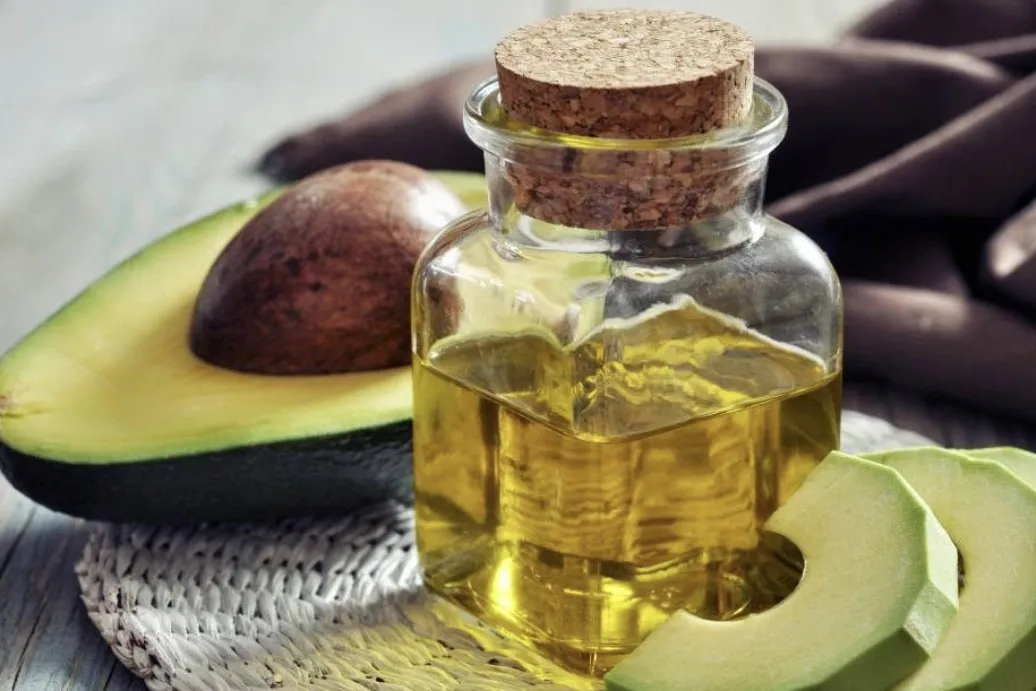
As avocados are an anti-inflammatory food, it makes sense that avocado oil also contains anti-inflammatory properties. This is a great choice if you don’t enjoy the taste of whole avocados. Avocado oil is an excellent source of monounsaturated fatty acids and vitamin E, which works as an antioxidant. It also has a high smoke point, making it a versatile cooking ingredient.
Oranges and other citrus fruits
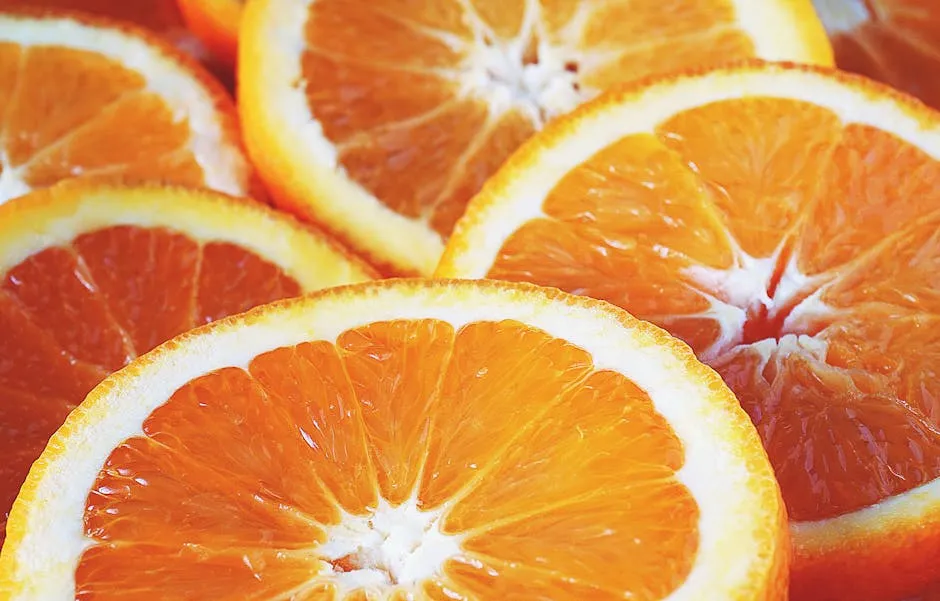
All citrus fruits including oranges, grapefruits, lemons, and limes are rich in vitamin C. Vitamin C helps to maintain healthy joints and prevents painful inflammation from flaring up. These fruits are also packed with flavonoids which work as protective and anti-inflammatory antioxidants in the body.
Quinoa
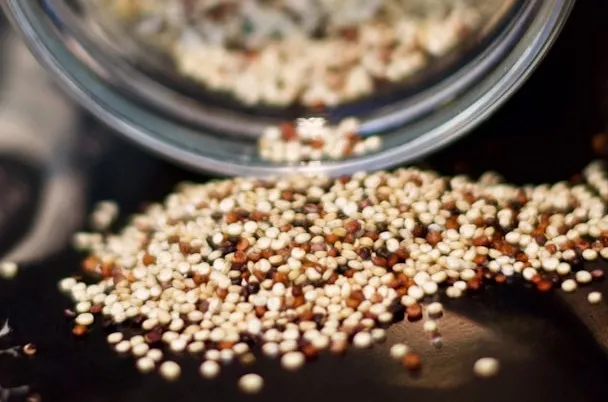
Consider swapping pasta and rice for quinoa if you want to try an anti-inflammatory diet. Quinoa is a whole grain, and its fiber content can help to lower your CRP levels. It also contains various compounds like flavonoids, saponins, and phenolic acids, which all have anti-inflammatory properties.
Olives
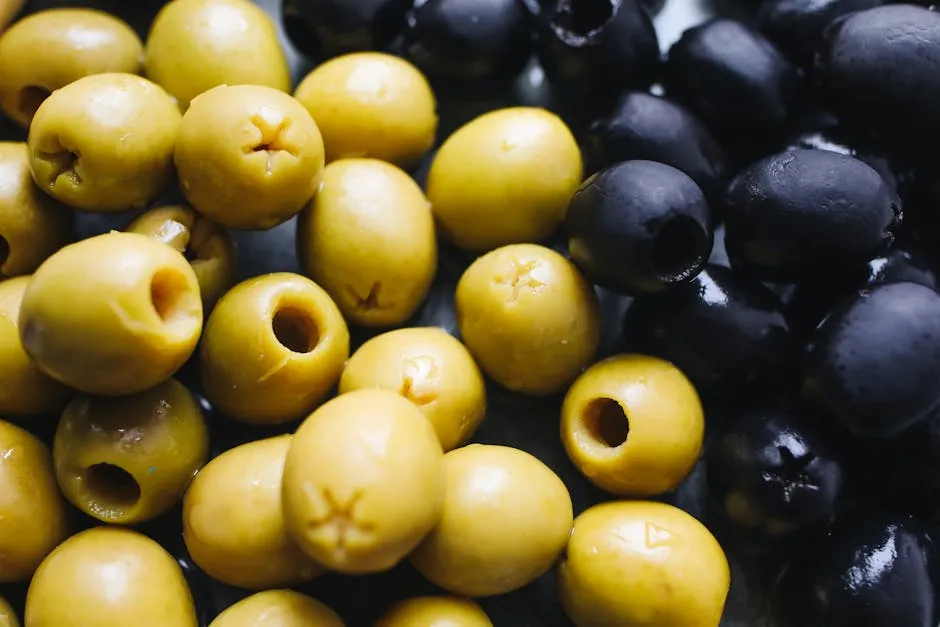
These little gems are a rich source of healthy monounsaturated fats. This means they help to reduce inflammation in the body and reduce your risk of developing further inflammatory health diseases. They’re also known to promote wound healing! Incorporate them into salads and pasta dishes or simply enjoy them as a snack.
Red bell peppers

Nightshade vegetables, such as red bell peppers, are a low-calorie option that may help to fight painful inflammation. Red peppers contain the antioxidant quercetin, which can have anti-inflammatory effects on the body. While scientific research is limited, it’s worth giving this food a try to see if you notice any improvements.
Water

You don’t necessarily need fancy foods to lower inflammation – simply staying hydrated with water can help. Ensure that you drink at least six to eight cups each day. This helps you to maintain healthy tissues and also wards off dehydration which can worsen symptoms of inflammation.
Scallops
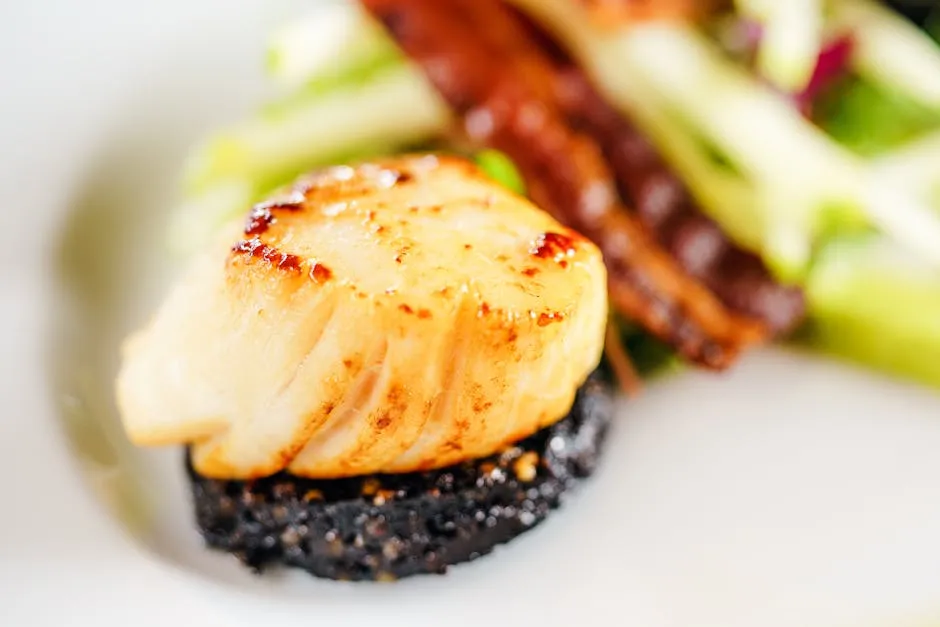
If you want an excuse to indulge in seafood, here’s one – scallops are a great source of omega-3 fatty acids and have been shown to have an anti-inflammatory effect on the body. They’re also rich in zinc, which promotes overall healthy immune function and may protect against inflammation as a result.
Brussels sprouts
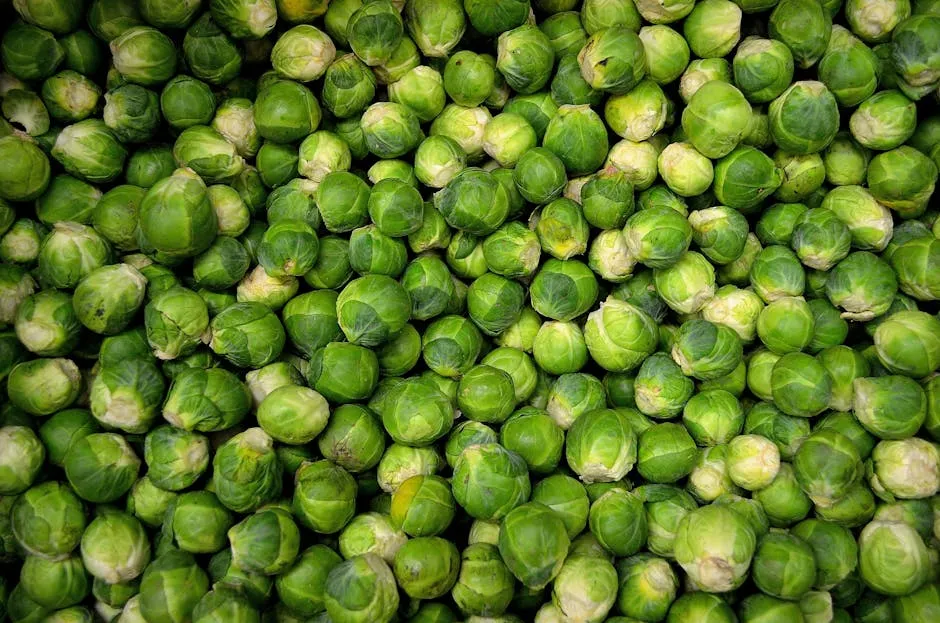
Brussels sprouts aren’t for everyone, but if you like the taste, they’re an excellent way to reduce painful inflammation! This is because they’re packed with antioxidants. Try frying or roasting them for an easy side dish. They’re widely available and inexpensive to buy when they’re in season during fall and winter.
Brown rice
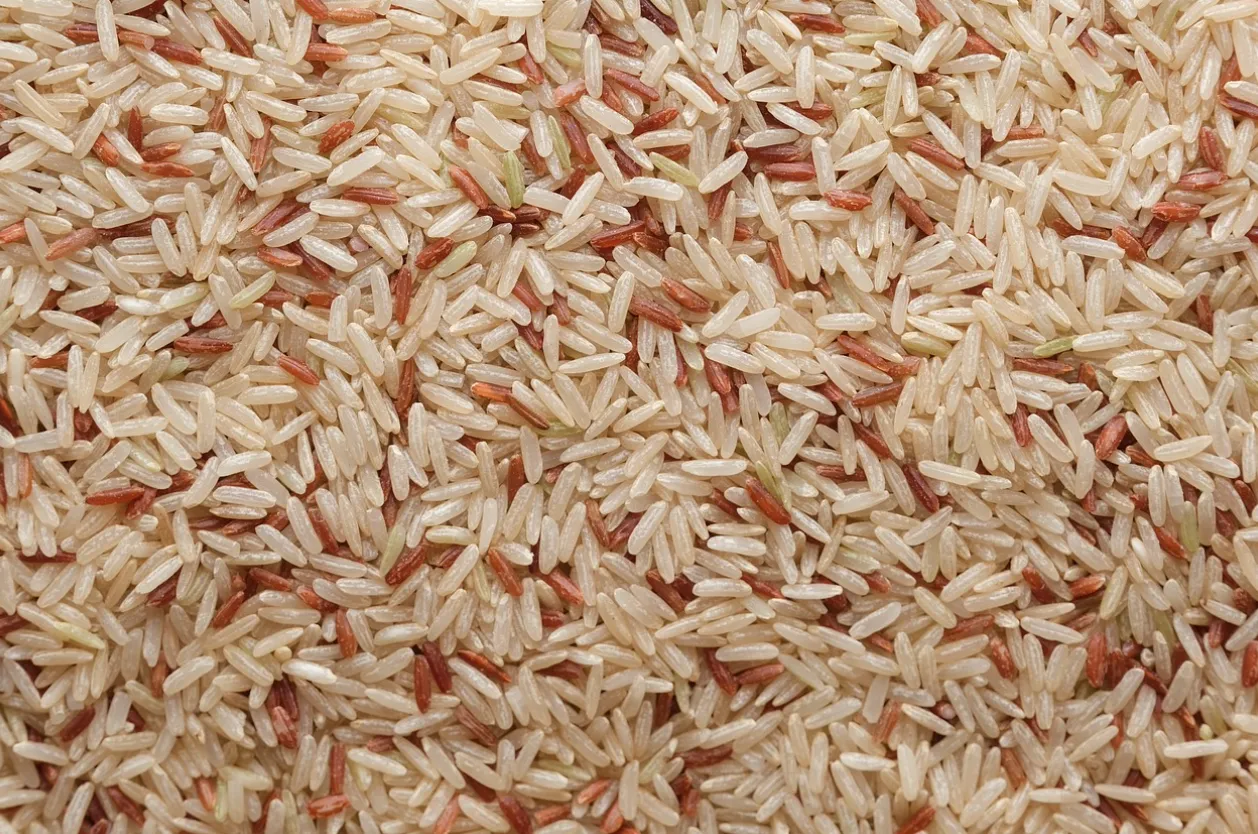
Swap your white rice for brown rice and you might just notice your painful inflammation easing. This is because brown rice is higher in fiber which supports healthy digestion and can help to reduce inflammation. Brown rice also contains a compound called ferulic acid, which combats oxidative stress.
Grapes
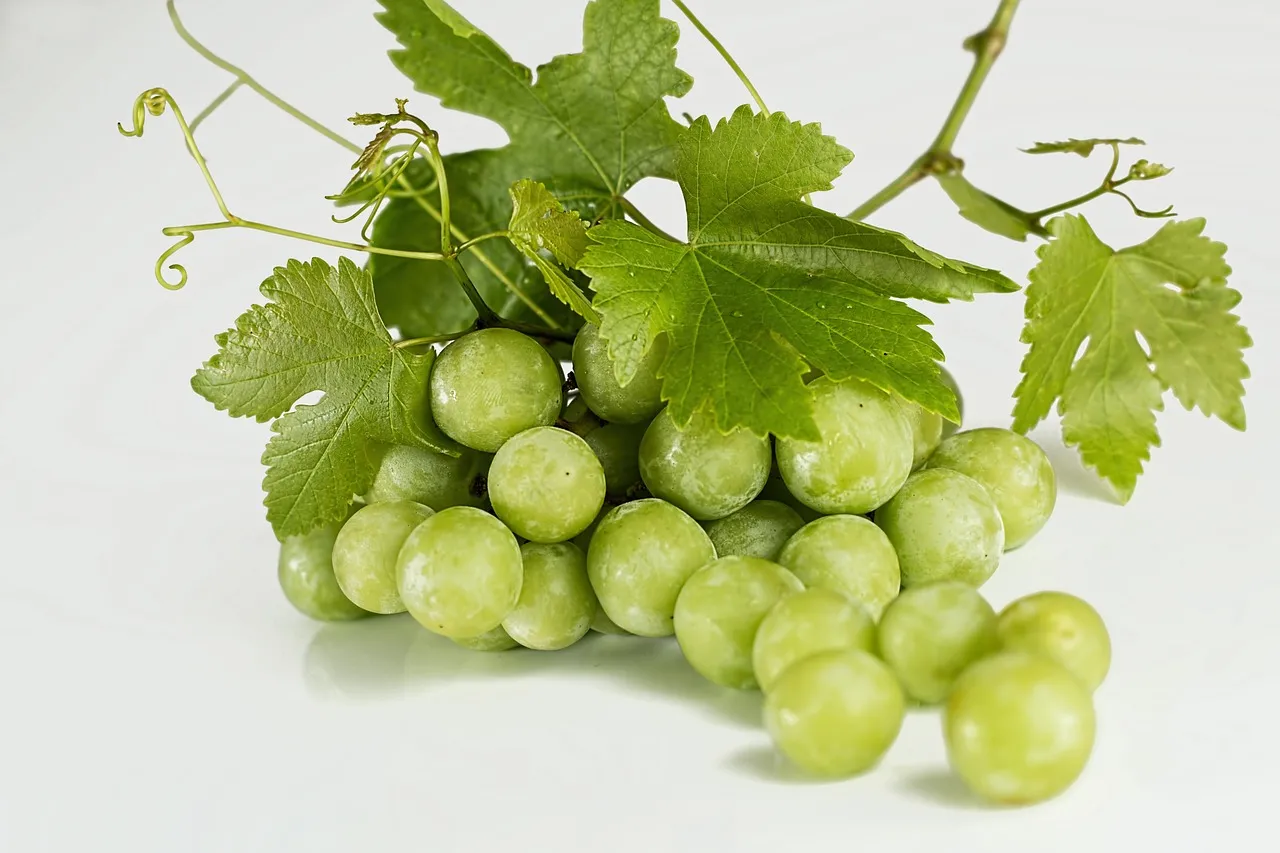
Grapes can help to reduce inflammation because they contain several antioxidant compounds like resveratrol and anthocyanins. Eating them regularly can help to prevent symptoms of arthritis and Alzheimer’s disease from worsening - previous studies show promising results in grapes having an anti-inflammatory effect on participants.
Bone broth

You might be sceptical of trying bone broth, but it’s very popular for good reason! Bone broth is loaded with various nutrients, including amino acids that have anti-inflammatory properties. This can help to reduce painful symptoms. Bone broth also promotes good joint health and a healthy gut microbiome.
Eggplant
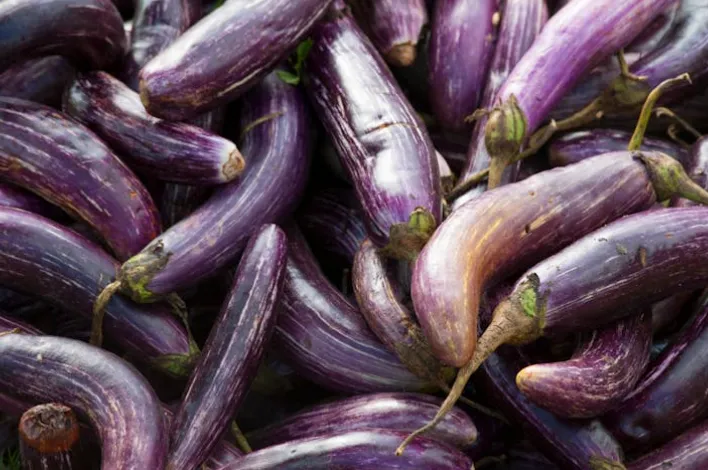
Eggplant is a nightshade vegetable that may also help to reduce inflammation in the body. It’s a good source of fiber and antioxidants, which are key in fighting symptoms of inflammation. While there is little scientific evidence to link eggplant with lowered inflammation, it’s worth trying this food if you haven’t done so already.
Cinnamon

This sweet spice has naturally anti-inflammatory properties and is easy to incorporate into your diet. It’s rich in antioxidants and has historically been used in traditional medicine to treat various ailments. Stir some into your oatmeal or hot drinks for extra flavor. You can also use it in desserts.
Cherries
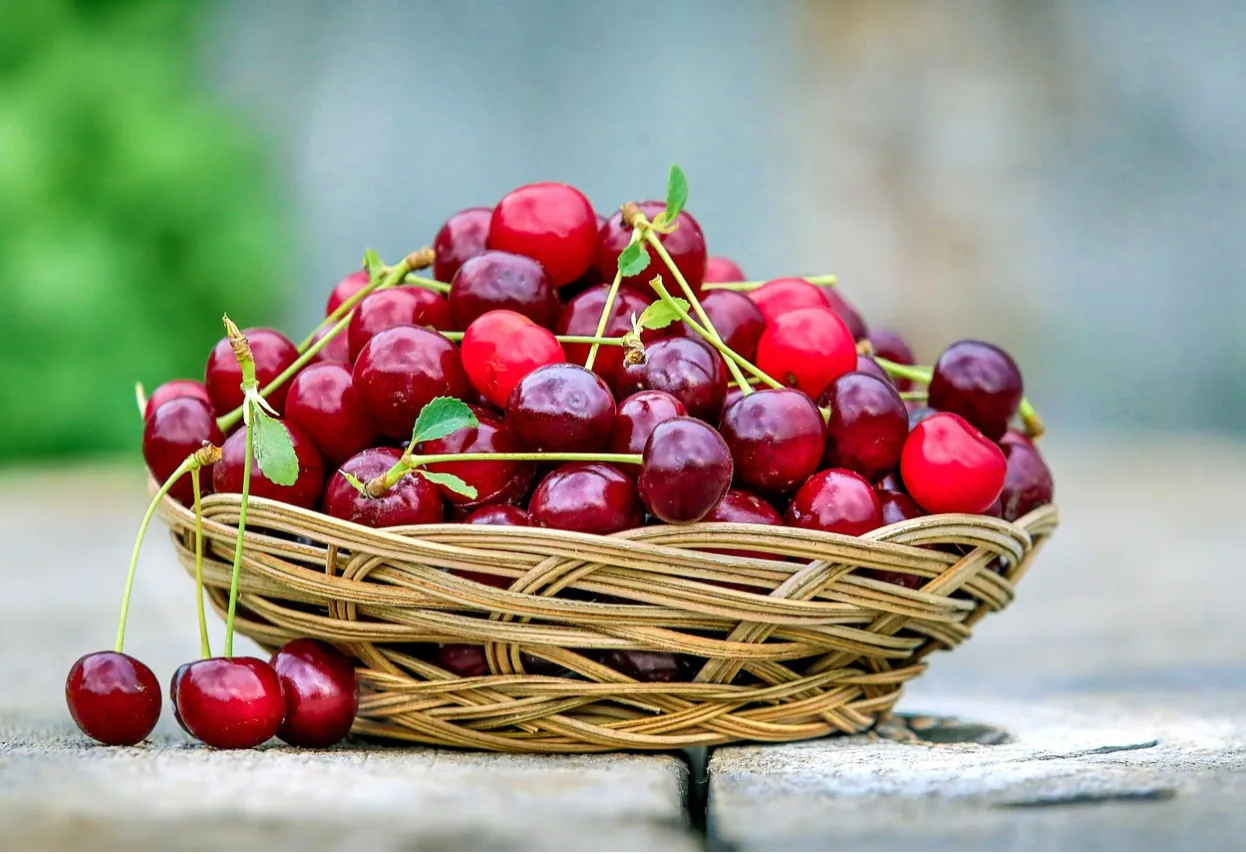
Surprisingly, eating cherries may also help to decrease chronic inflammation. These fruits are naturally rich in antioxidants such as catechins. The only caveat is that tart cherries may provide more health benefits than sweet varieties. Try incorporating them into your diet to see if you notice any improvements over time.
Oats
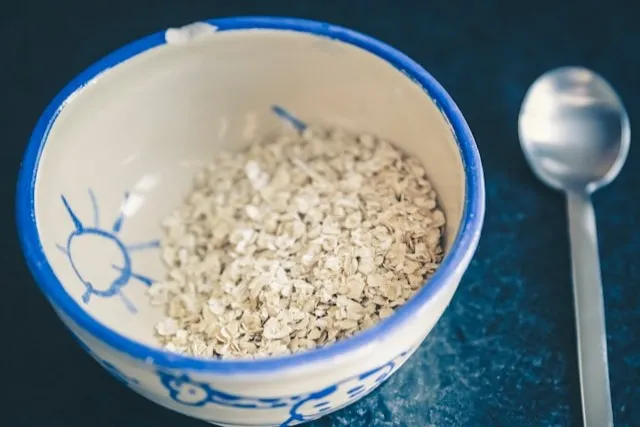
Oats may help to reduce inflammation due to their rich fiber content – fiber helps to lower cholesterol levels, which in turn lowers inflammatory responses in the body. Oats also promote a healthier gut microbiome, further reducing inflammation. Just ensure that you are buying plain oats rather than flavored instant oatmeal packets.
Beets
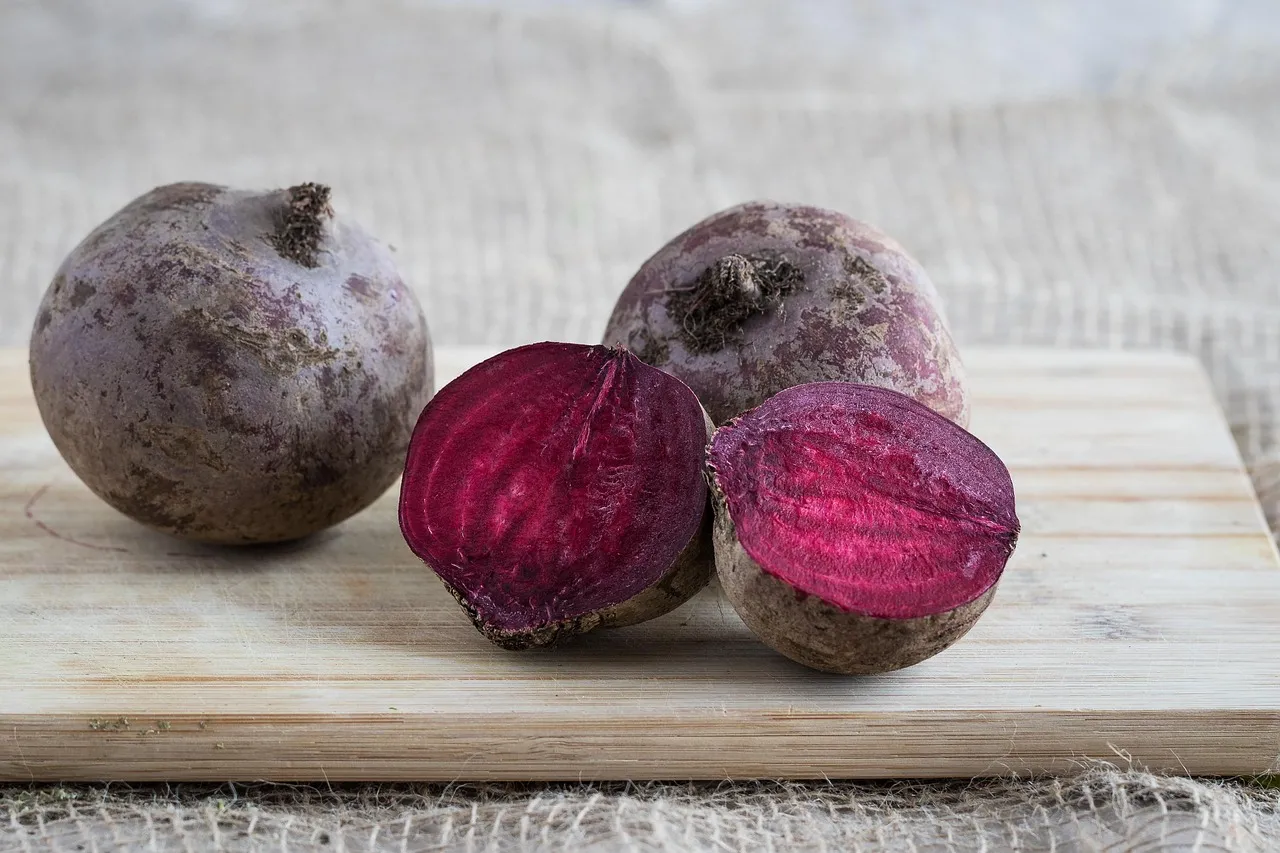
Beets contain powerful antioxidant compounds including betalains which help to reduce inflammation and prevent further diseases from developing. Try grating raw beets into salads to add extra color and flavor, or roast and add them to winter soups. Their sweet, mild flavor even works in brownie recipes!
Red wine

While we don’t recommend overindulging, there are some anti-inflammatory benefits to drinking red wine. This is because red wine contains a compound called resveratrol, which works as an antioxidant to reduce inflammation and oxidative stress. Just make sure that the alcohol doesn’t interfere with any existing medications that you may be taking.