Aromatherapy

Aromatherapy is well-known for promoting stress-relief and relaxation. Some studies also suggest that it can improve sleep quality. Try adding essential oils such as lavender and clary sage to an essential oil diffuser before bed if you are struggling to fall asleep. A lavender-scented pillow spray can also work.
Read before bedtime

Reading a book is a relaxing activity at any time of the day but doing so before bedtime can help you to fall asleep more easily. Previous studies have also shown that reading before bedtime can improve the quality of your sleep. The only caveat is to avoid books that elicit a strong emotional response, such as thrillers!
Avoid e-books
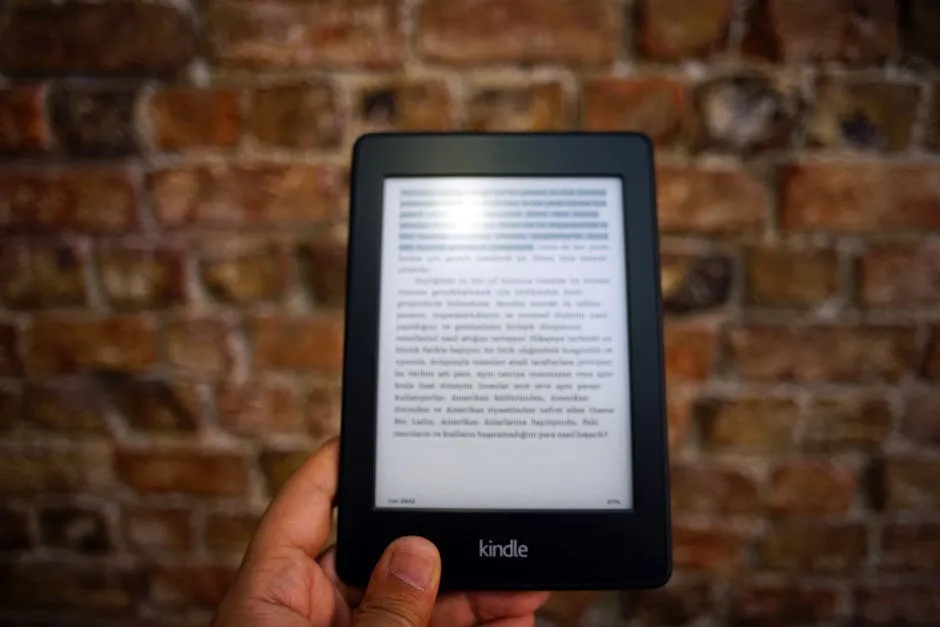
While reading before bedtime is recommended, avoid e-books such as Kindles if you can. These devices are undeniably convenient, but they are still classed as electronics with backlit screens. This means you might take longer to fall asleep after reading from an e-book than a printed book.
Adjust the thermostat
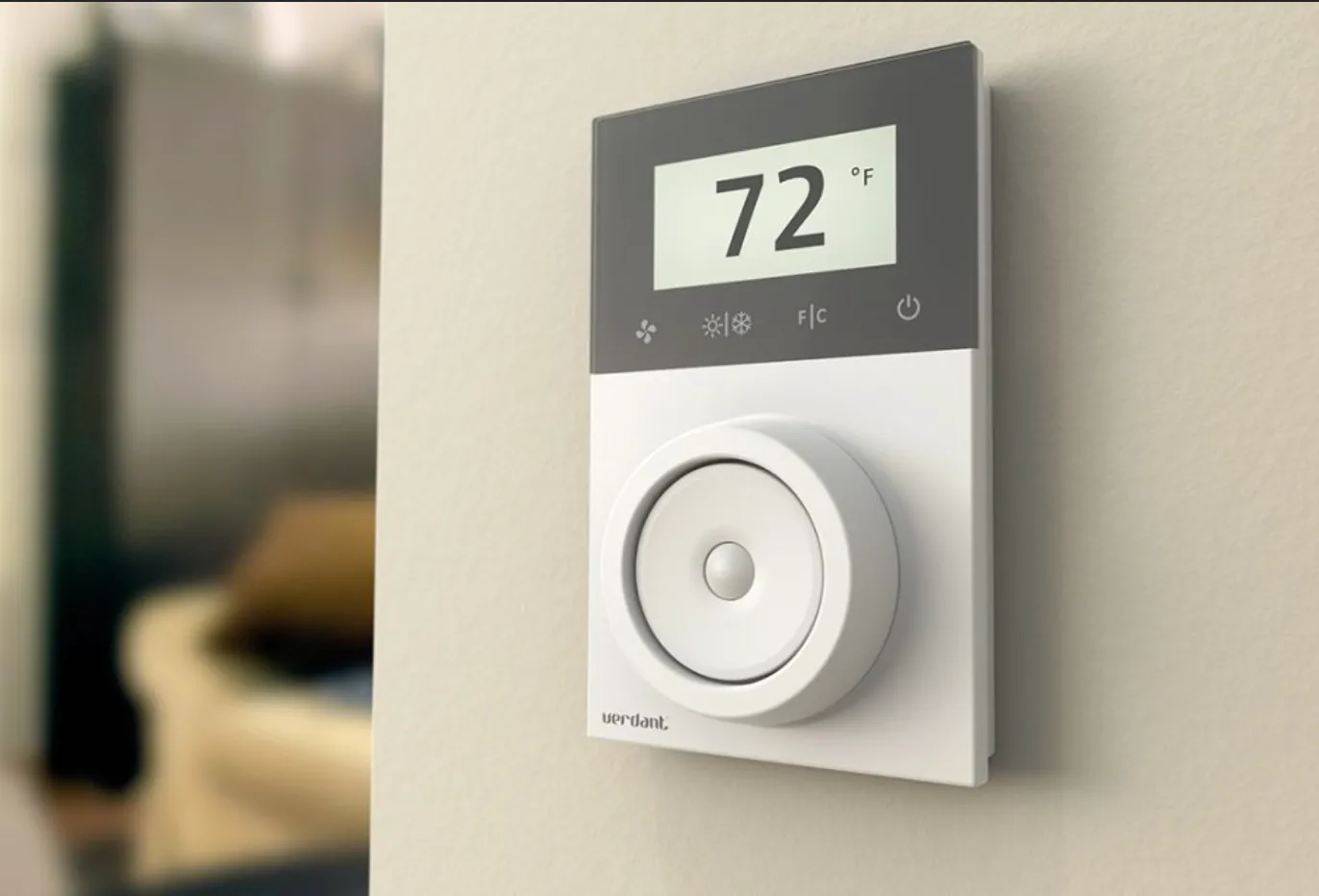
Ensure your bedroom is a comfortable temperature before attempting to fall asleep. Being too hot or too cold can cause discomfort, reducing your chances of falling asleep quickly! The National Sleep Foundation typically recommends that a temperature of 60–67°F (16–19ºC) is optimal for promoting sleep.
Count sheep

Counting imaginary sheep to fall asleep quicker might sound like an old wives’ tale, but there is some logic to it! It's classed as a technique called "paradoxical intention." When you intentionally try to stay awake (by counting sheep), you reduce the level of stress you might feel from being unable to fall asleep. Ironically, you then drift off as a result!
Avoid alcohol

You might reach for alcohol to make you feel drowsy before bedtime, but even if you do fall asleep quicker, it won’t last for long. Drinking alcohol is commonly associated with disrupted sleep and poor sleep quality. If you are already struggling with insomnia, it could just make things worse.
Listen to relaxing music
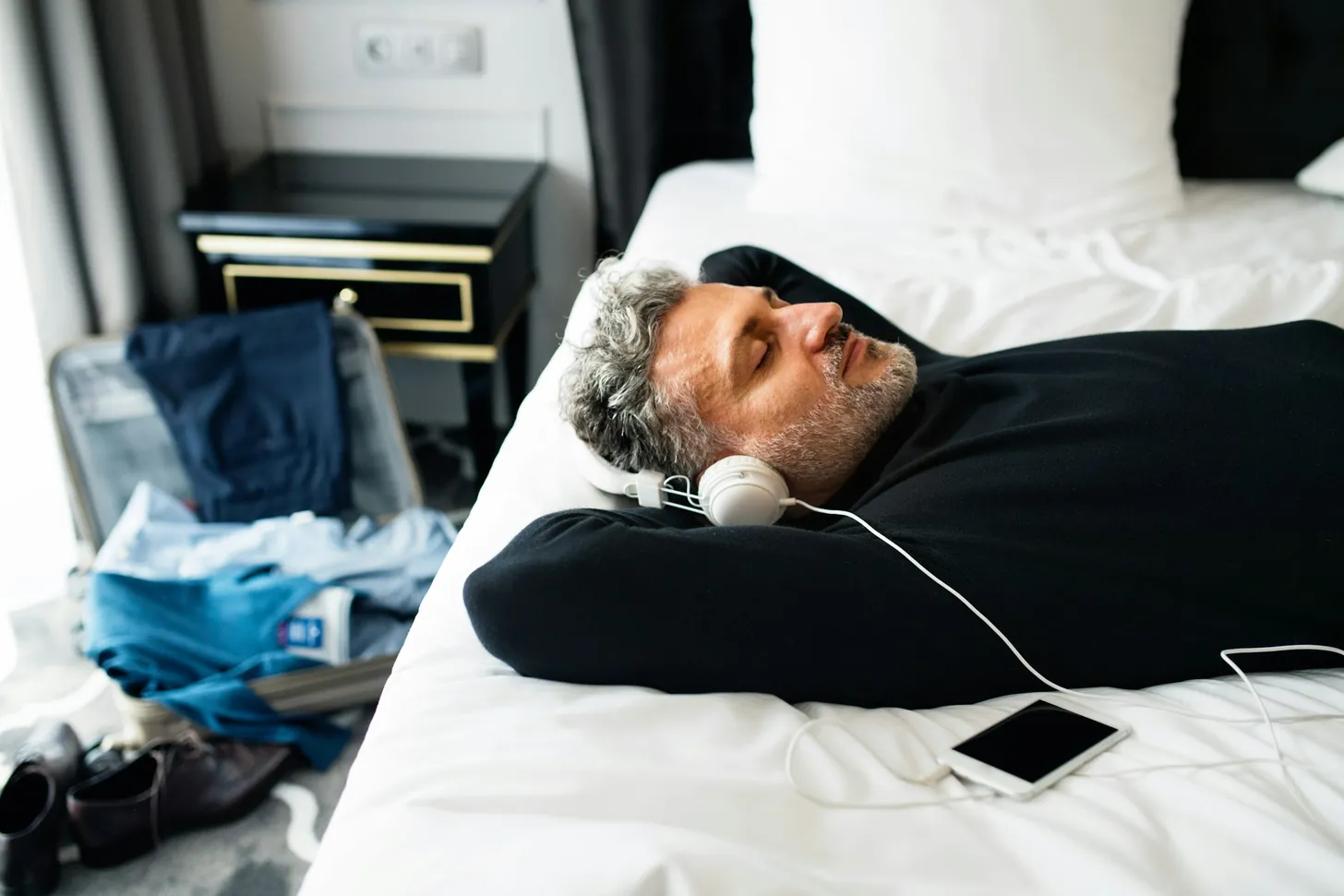
Listening to music before bedtime can help you to drift off to sleep more quickly because it promotes comfort and relaxation. Just ensure that you keep the volume low and don’t go for anything too stimulating. The song Weightless by Marconi Union is an excellent choice – it was developed in collaboration with sound therapists and is scientifically proven to reduce anxiety!
Have a relaxing bath before bed

If you have the time, drawing a relaxing bath in the evening could be all you need to nod off more quickly. A warm bath helps to regulate your body temperature and ultimately prepares you for sleep. If you don’t have a bathtub, a warm shower works too.
Drink cocoa or herbal tea

Sipping hot cocoa before bedtime might sound stereotypical, but it really does help you to doze off more easily! Both cocoa and cacao contain tryptophan, which has been shown to promote better sleep. Herbal tea is another option. Go for chamomile, lavender, or valerian – these can help to calm and relax your body before bedtime.
Go to bed at the same time every night
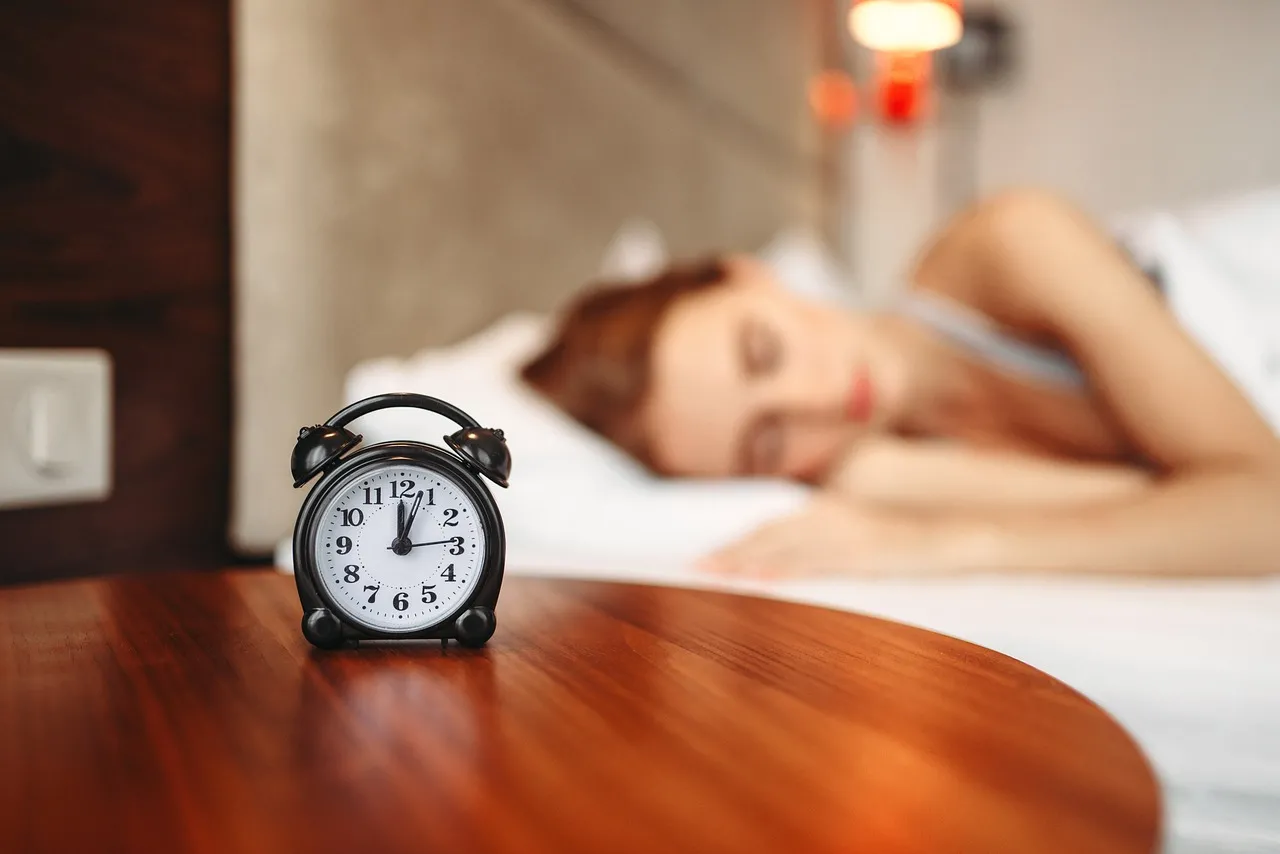
Prepare your body for sleep each night by establishing a consistent sleep routine - even on the weekends. This is known as good sleep hygiene. If your sleep schedule is regularly inconsistent, this can interfere with your body’s natural circadian rhythm, causing issues each time you try to fall asleep.
Turn out all the lights

Keeping lamps or lights on while trying to sleep can confuse your body, making it harder to nod off. Ideally, you want a completely dark sleep environment. If outdoor lights are shining through into your bedroom, consider investing in blackout blinds or an eye mask to block them out.
Avoid screen time before bed

Put away your electronic devices (such as phones, tablets, and computers) and avoid watching TV at least one hour before bedtime if you want to fall asleep quickly. These screens emit blue light which may interfere with melatonin production (and your ability to sleep). Not only that, but these devices are typically designed to keep your mind engaged and alert which is the opposite of what you want before bed!
Practice deep breathing and muscle relaxation
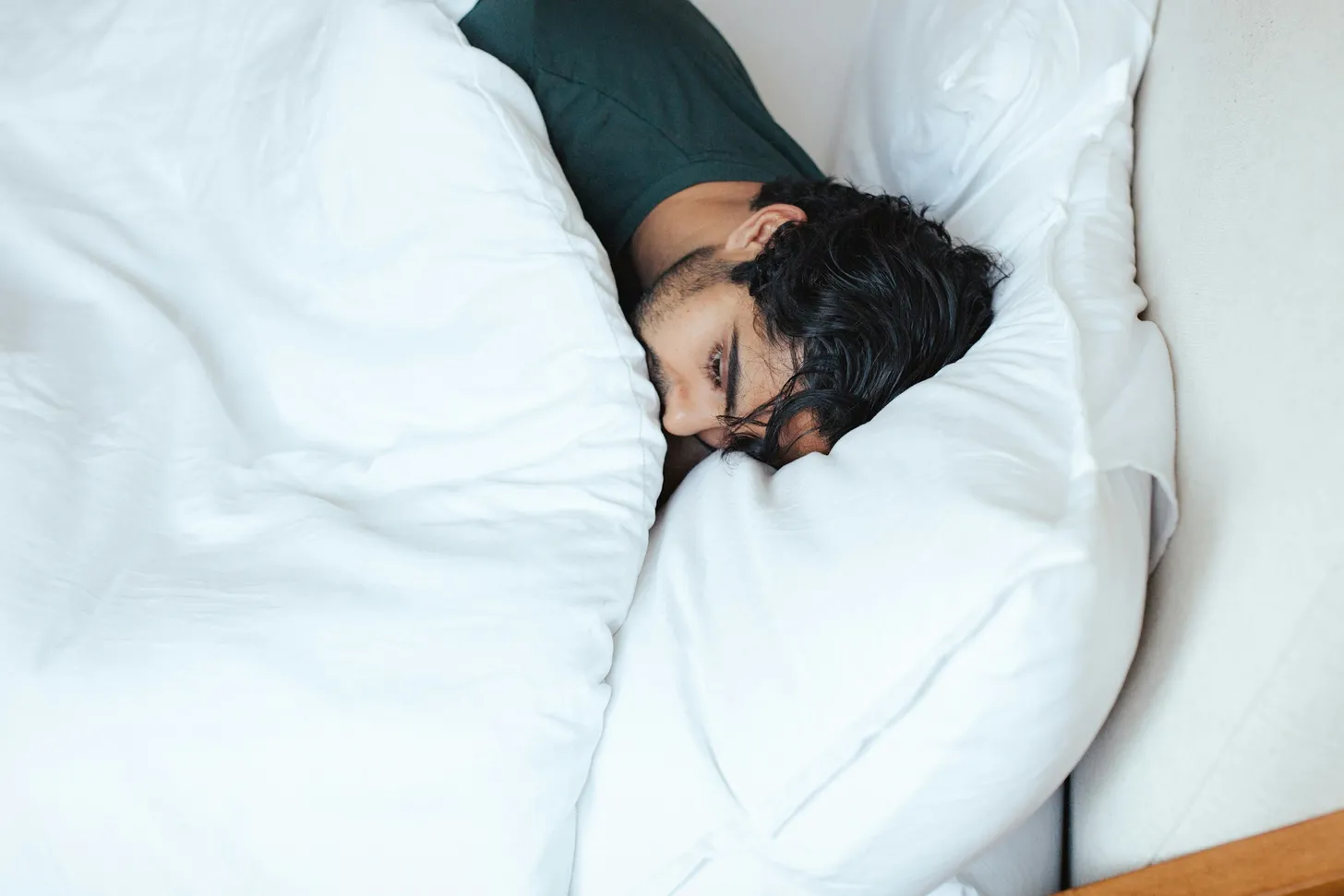
If you’re struggling to sleep, try following a specific breath pattern such as box breathing. Box breathing is when you inhale for four seconds, hold your breath for four seconds, and exhale for four seconds. Doing this repeatedly helps with stress management and relaxes your body. Tensing and relaxing each muscle group in turn can also help you to fall asleep quicker.
Avoid heavy eating and drinking before bed

Eating heavy meals right before bedtime isn’t recommended because your body struggles to digest food when you’re lying down. This typically results in bloating and discomfort. Aim to have your last meal of the day around two hours before trying to sleep. If you must eat later, try to keep the meal light.
Invest in soft, comfortable bedding

Something as simple as changing up your bedding could help you to fall asleep more quickly! Feeling scratchy fabrics against your skin is sure to interfere with your ability to sleep peacefully. Invest in soft, comfortable sheets and pillowcases to increase your chances of getting a restful night’s slumber.
Meditation
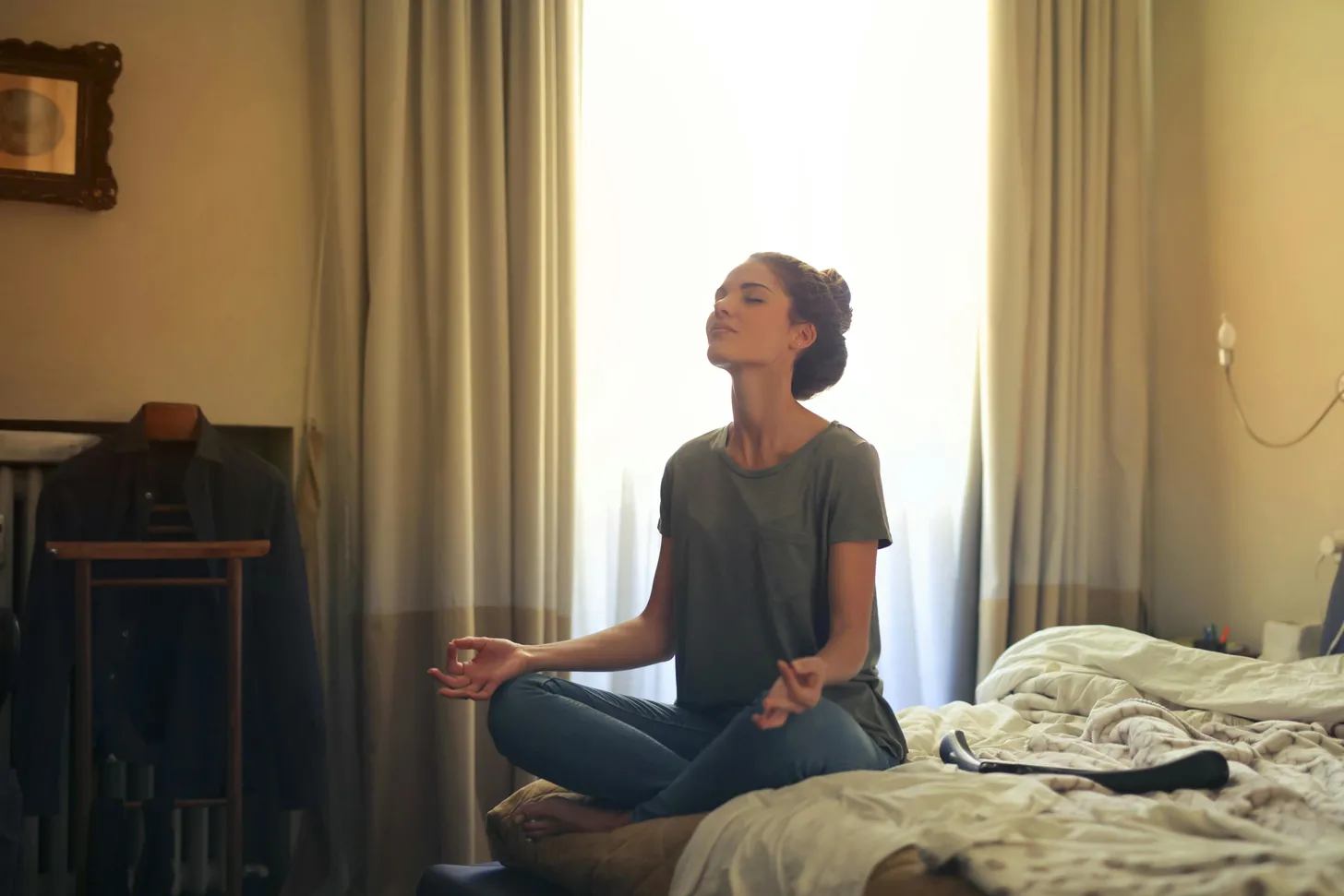
Using meditation techniques can also help you to doze off more quickly. Try a simple body scan meditation – there are plenty of versions available online to help you get started. Meditations such as these help you to practice mindfulness, keeping anxiety and racing thoughts at bay. As a result, you can fall asleep more easily.
Avoid napping during the day

Your difficulty in falling asleep at night could be down to excessive daytime napping. Napping isn’t inherently bad but overdoing it regularly can disrupt your overall sleep cycle. Of course, it can be tempting to have a long nap after a restless night but try to avoid becoming trapped in a vicious cycle!
Minimize loud noises

Many people fall asleep more quickly when their environment is silent. If you regularly find yourself distracted by external noises, consider wearing earplugs to fall asleep faster. It’s also a good idea to change your phone settings to silent so that you aren’t woken up by noisy notifications.
Use visualization techniques

Don’t knock visualization techniques until you’ve tried them! This is when you close your eyes and visualize specific calming settings or memories to help you drift off to sleep more easily. If you have no idea where to start, try looking up guided imagery soundtracks online.
Ensure your mattress is comfortable
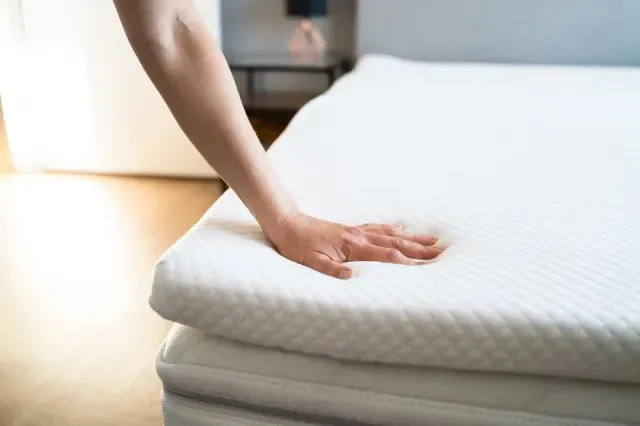
To fall asleep easily and stay asleep throughout the night, it’s a good idea to ensure that your mattress is suitably comfortable and supportive. Many people make the mistake of hanging onto decades-old mattresses that don’t suit their needs! Treat yourself to a new one if you suspect that your mattress is doing more harm than good.
Take a magnesium supplement

Taking a magnesium supplement before bedtime could do the trick if you want to fall asleep quicker. Magnesium helps to ease muscle tension and regulate your nervous system, which could result in a better night’s sleep. If you have any concerns about taking a supplement, it’s worth chatting with your doctor first.
Limit caffeine intake in the afternoons and evenings

Avoid caffeine in the afternoons and evenings if you struggle to fall sleep at night. Caffeine is classed as a stimulant and promotes wakefulness which is the last thing you need when you’re lying in bed! Even if you have a final cup of coffee at around 7pm, be mindful that caffeine can take around five to ten hours to leave your system!
Get regular physical exercise throughout the day

Previous research has shown that exercising in the daytime can improve your sleep quality at night. If you suffer from insomnia, try exercising for one hour around four times a week - this might just be the solution to your sleep issues. Either way, exercise has multiple health benefits so you have nothing to lose!
Don’t force yourself to fall asleep

If you find yourself laying wide awake at bedtime, a good tactic is to simply get out of bed instead of trying to force yourself to fall asleep. Move to another comfortable spot and engage in a relaxing activity like reading or even picking an adult coloring book. As you begin to feel drowsier, you can then return to bed.
Invest in a weighted blanket

While this is not for everyone, some people swear by using a weighted blanket to help them fall asleep faster. The soft pressure of the fabric weighing down on them can feel cozy and comforting. Weighted blankets have also been linked to numerous benefits such as stress reduction and better sleep quality.
Shower and brush your teeth an hour before sleeping

While experts might recommend that you shower and brush your teeth at night, engaging in these activities (often in a brightly lit bathroom) can feel over-stimulating right before bedtime. Instead, try completing these activities no later than one hour before getting into bed so that you don’t feel too alert when trying to fall asleep.
Avoid eating stodgy, processed foods before bed

What you choose to eat in the evening can have a surprising impact on your ability to sleep well. Some researchers even believe that eating processed foods and refined carbohydrates can trigger insomnia. To maximize your chances of getting a good night’s sleep, stick to eating low glycemic index (GI) foods before bed.
Experiment with different sleeping positions

Finding a comfortable sleeping position is essential for falling asleep peacefully. There are three main options – on your back, on your side, or on your front. Most people typically prefer to sleep on their side for a good night’s sleep, as this allows for easy breathing.
Take a melatonin supplement

If you’re really struggling to fall asleep at night, then taking a melatonin supplement might help. Melatonin is hormone that is closely associated with sleep. Taking a supplement could therefore help to induce drowsiness and increase your chances of a great night’s sleep. It can typically be taken in pill, patch, or liquid form.
Journal or write a to-do list before bedtime

Often, the thing that prevents us from falling asleep quickly is stress about our daily lives. If you think is the case for you, consider writing your thoughts down in a notebook or scribbling a quick to-do list for the following day before attempting to sleep. This can put your mind at ease and help you to feel more relaxed.
Get outside during the day

Making the most out of the daylight can help to regulate your circadian rhythm, making it easier to fall asleep when nighttime comes. In fact, some researchers believe that the more time you spend outdoors during the day, the earlier you are likely to fall asleep in the evening!
Avoid staring at the time

There’s nothing worse than laying awake in bed, staring at the time, and calculating exactly how much sleep you are missing out on! Research suggests that the act of clock-watching only exacerbates feelings of anxiety and increases brain stimulation. Prevent this by putting your phone away and turning your alarm clock the other way round!
Practice yoga and mindfulness regularly

Incorporating yoga and mindfulness into your daily life can increase your chances of falling asleep quickly. Yoga combines deep breathing with physical exercise, both of which are conducive to a good night’s sleep. Mindfulness, which involves focusing on the present moment, may also reduce stress levels and release tension in the body.
Find a pillow that works for you
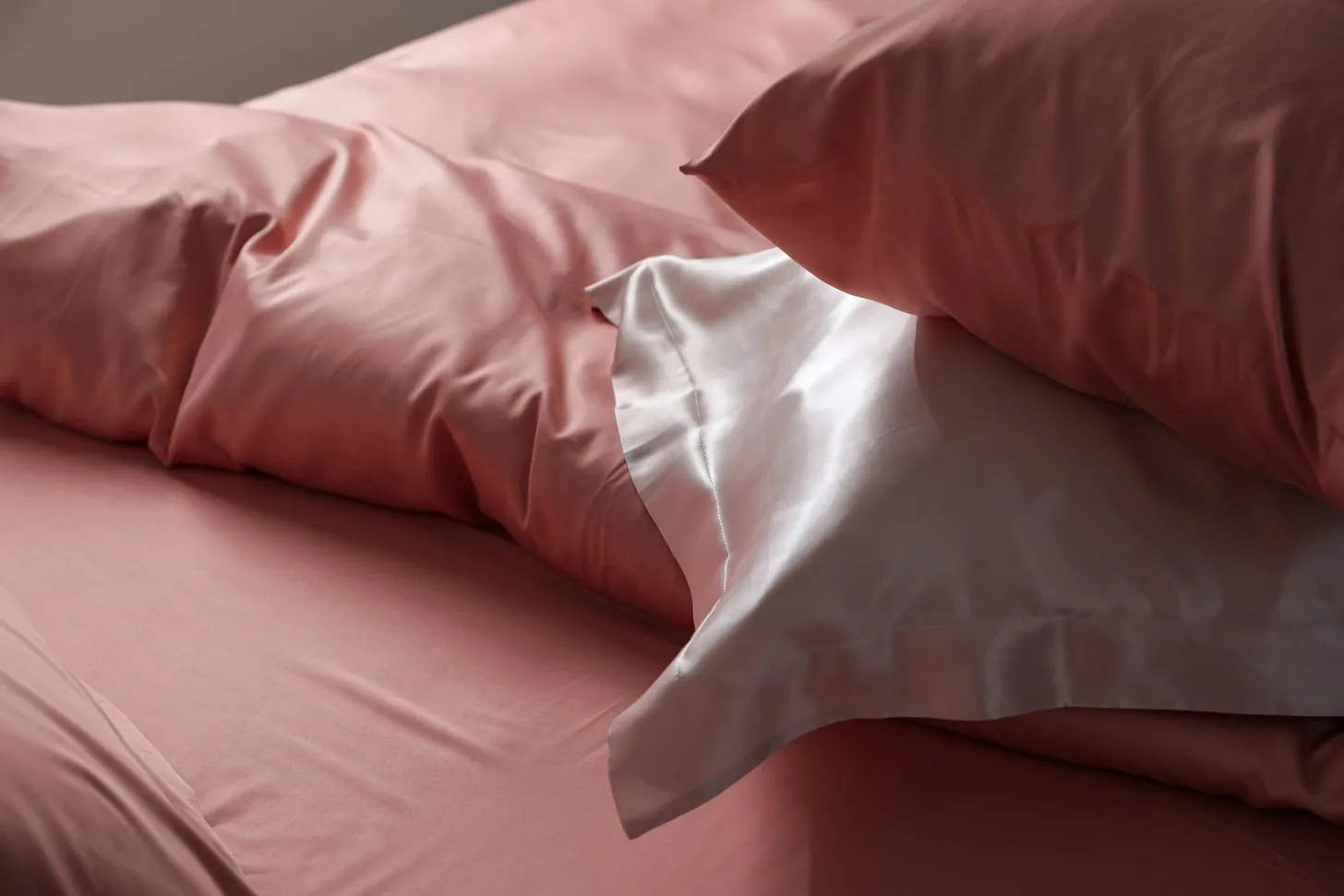
It’s not just your mattress and bedding that can lead to a poor night’s sleep – your pillow could also be the culprit. Make sure that your pillow adequately supports your neck and the curve of your spine. A pillow that’s too soft or too firm can cause discomfort, preventing you from falling asleep soundly.
Wear suitable pyjamas to bed

Could your clothing be preventing you from getting a good night’s sleep? It’s important to wear comfortable, breathable clothes in bed. If your pyjamas are irritating your skin, you’re bound to struggle with falling asleep. Additionally, thick fabrics can cause you to feel too hot and stuffy.
Work out in the mornings instead of at night

While getting physical exercise is important, experts suggest working out in the mornings instead of at night if you're struggling to sleep. Exercising too close to bedtime can decrease your ability to fall asleep alter, especially if you’re in a brightly lit gym environment. On the other hand, getting outside in the daylight for your workouts helps to establish your body’s circadian rhythm.
Cuddle with your pet

While pets can be disruptive at the best of times, some experts believe that cuddling with your pet in bed can help to ease stress and provide comfort. As you feel more relaxed, your cortisol levels are lowered, and this could just result in falling asleep faster!
Try the miliary method

The military method is a technique that was specifically designed to help soldiers fall asleep in two minutes! Lie comfortably in bed, close your eyes and begin breathing slowly and deeply. Focus on relaxing each of your muscles one by one, from head to toe and from right to left. Try to clear your mind completely. Repeat the process until you doze off!
Guided sleep hypnosis

This one might sound “out there,” but it’s worth a try if you are really struggling to sleep. There’s some solid logic behind guided sleep hypnosis – the point is to calm your mind of racing thoughts and focus on relaxing visualizations instead. Work with a professional or try listening to free resources online to get started.
Seek professional help

If it seems like you’ve tried everything to fall asleep and had no luck, it’s worth seeking professional help. Consult with a doctor or a sleep specialist for more advice. Together, you can identify any underlying issues and work together to come up with a treatment plan.