Toad doctor

This one might seem very strange, but it really was a job in 19th century England! In the past, toads were believed to have medicinal properties. Toad doctors dealt exclusively with toads and would treat sick people regularly using live, dried, and powdered toads. For example, some patients would wear a toad in a muslin bag around their neck to cure their illness.
Lector
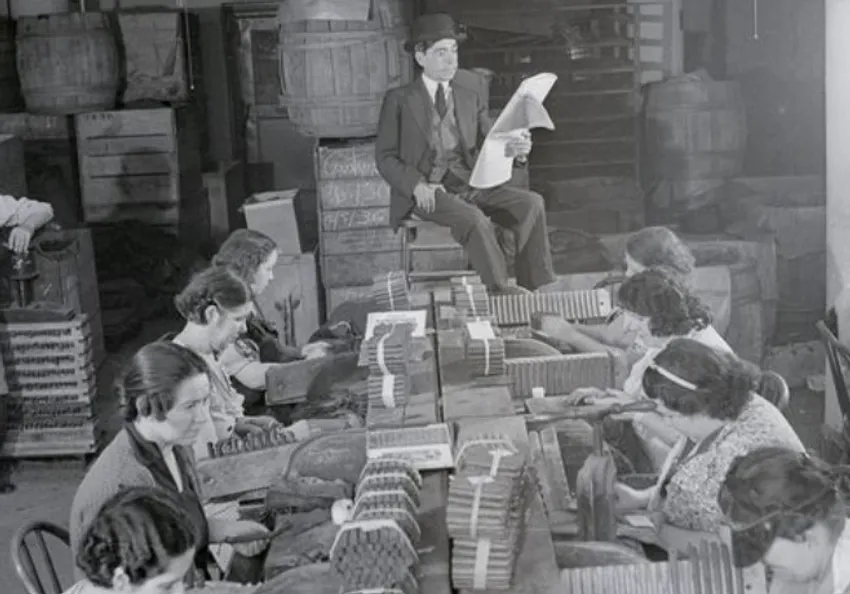
Like many jobs on this list, you might be asking yourself, “what is that?” Well, in the early 1900s, lectors were people who were employed by factories. Their sole purpose was to read books or newspapers out loud to keep factory workers entertained. Lectors would commonly sit high up above the workers so that the entire factory could hear.
Knocker-upper
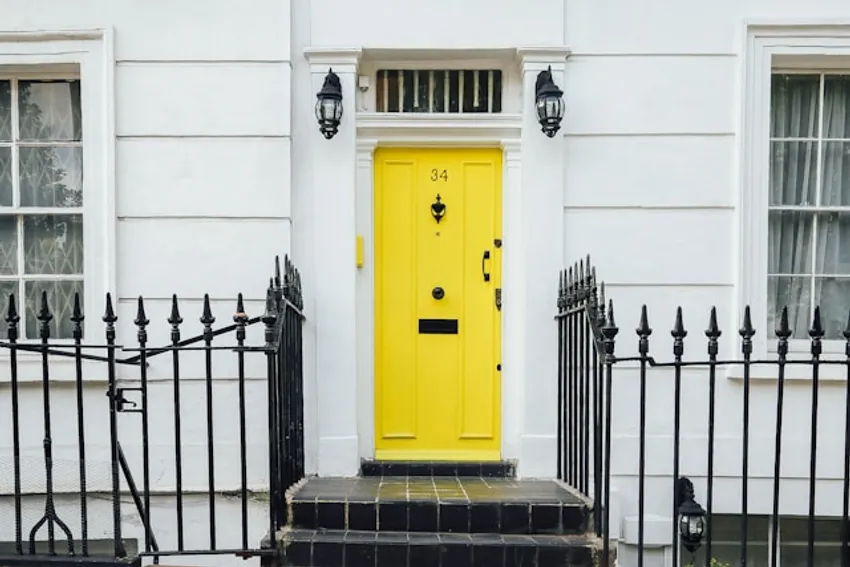
A knocker-upper, or knocker-up, was a common job during the Industrial Revolution. These workers were paid to go door to door, knocking at people’s homes to wake them up. They’d often throw small items at windows or make loud noises for extra effect. The rise of electronic alarm clocks has meant that this job no longer exists.
Crossing sweeper
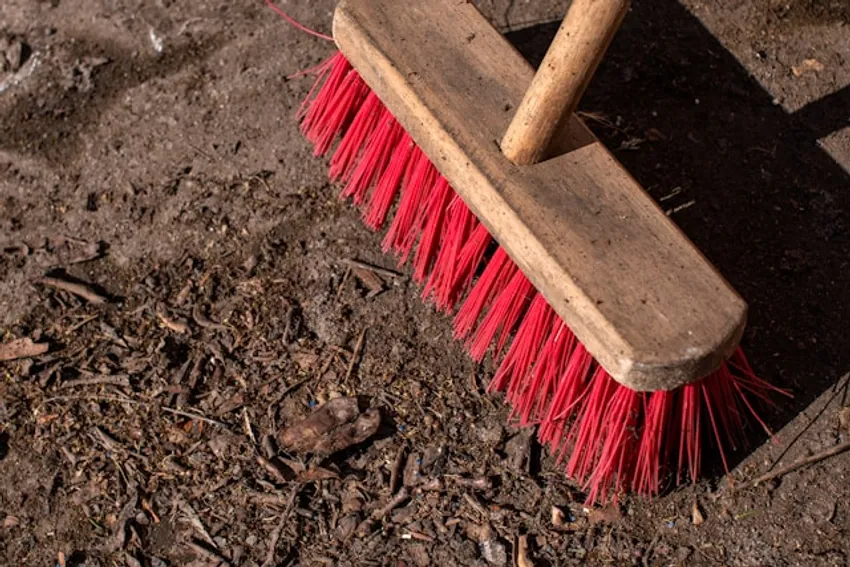
A crossing sweeper was a person who would sweep dirt out of people’s way before they crossed their chosen path. Often, they were hired by wealthy people – the crossing sweepers would help to protect their long skirts and other garments from getting dusty and dirty.
Leech collector

Toads weren’t the only animal thought to be of medicinal use in the past. Leeches were also commonly used for their blood-sucking properties. As leeches were in demand, there came a need for leech collectors. A leech collector’s job was to track down and retrieve leeches from their natural habitat for doctors to use.
Soda jerk

The role of a soda jerk was common among young people in the 20th century. These workers would handle spigots to dispense soda to customers. They’d commonly wear bow ties and white paper hats to serve sodas to order, much like a bartender, but minus the alcohol.
Herb strewer

Rewinding all the back to the 1600s, you can probably guess that it wasn’t the most hygienic of times. Herb strewers were commonly appointed by wealthy royal residences to combat this lack of hygiene. Their job was to scatter fragrant herbs and flowers throughout the royal chambers to mask any bad odors. Basil and lavender were among the herbs regularly used.
Ice cutter

Did you know that cutting and distributing ice used to be a job? Before refrigerators and freezers were invented, ice cutters would manually collect ice from rivers and lakes for selling. This allowed people to keep their foods and drinks cool. It was a risky job, requiring work in cold weather and freezing waters. The job no longer exists, though some people work as ice sculptors for artistic purposes nowadays.
Link boy

Working as a link boy was common in London during the Middle Ages, before streetlights were around. The purpose of link boys was to light the way for pedestrians (or whoever employed them) by carrying hand-held flaming torches along the streets at night. This kept people safe, though the job was not very well-paid.
Groom of the Stool
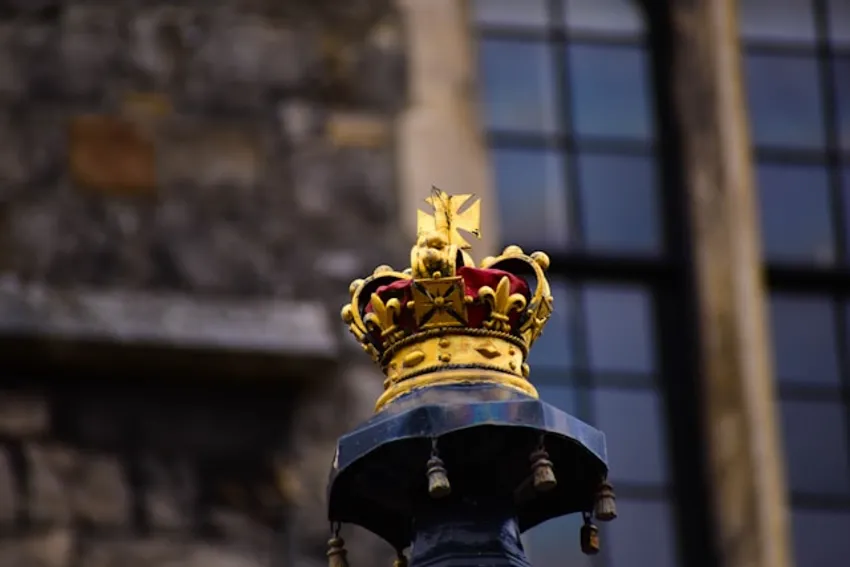
Historically in Britain, the royal family would hire a specific worker to perform the role of Groom of the Stool. This unique job was exclusive to males and involved assisting the King with personal tasks such as going to the bathroom, washing, helping to take taking elaborate clothing off, and putting it back on again. The position was well respected but no longer exists today.
Alchemist
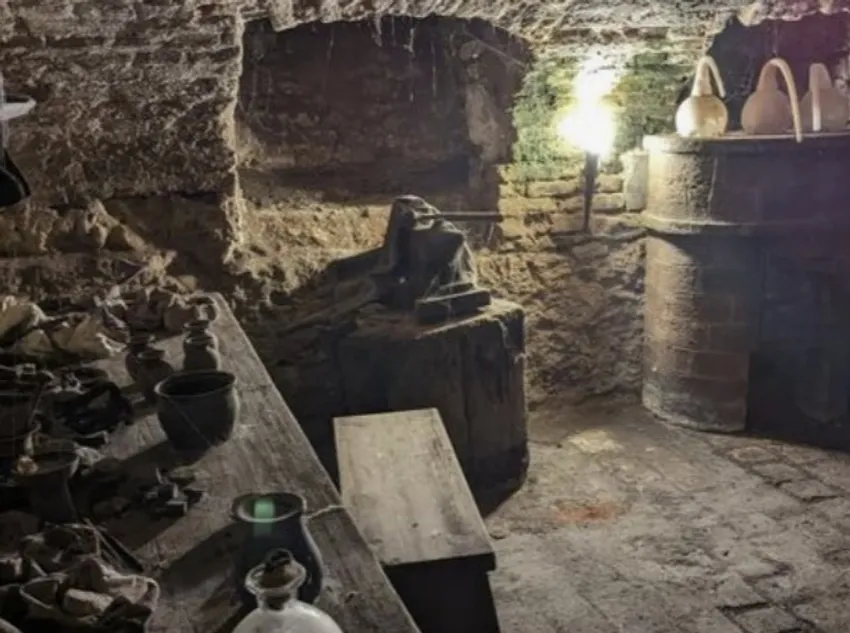
Believe it or not, alchemists aren’t just characters from fantasy novels like Harry Potter – they really used to exist! They were philosophers who tried to transform various substances into gold. Alchemists would also frequently try to create healing elixirs to treat illnesses and provide immortality.
Phrenologist
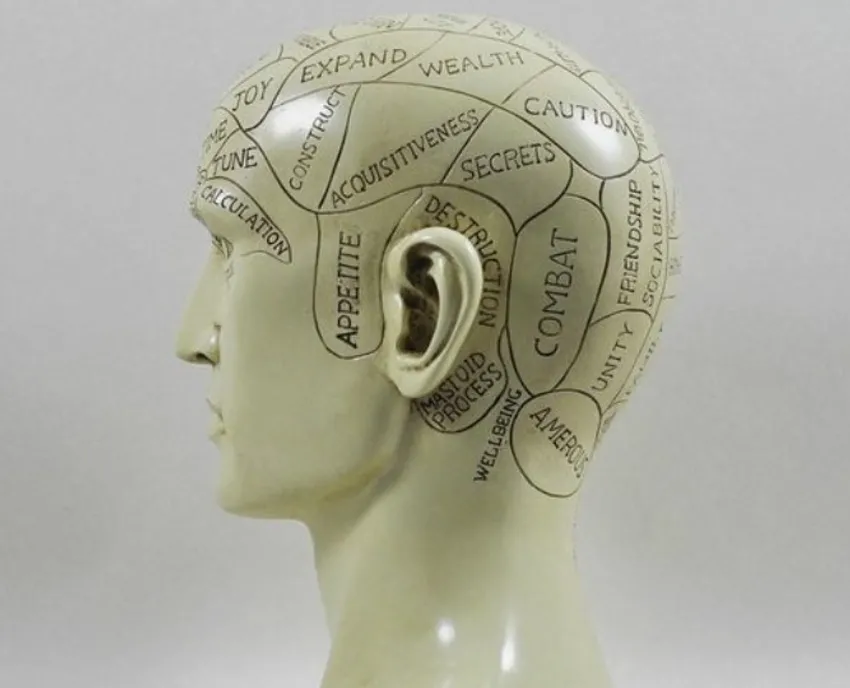
Phrenology was the study of the human mind based on the size and shape of a person's head. Though it’s now been dismissed as pseudoscience, phrenologists used to believe that the shape and bumps of people's heads were linked to their intelligence and other mental traits! They often used mechanical devices to explain their theories.
Human computer
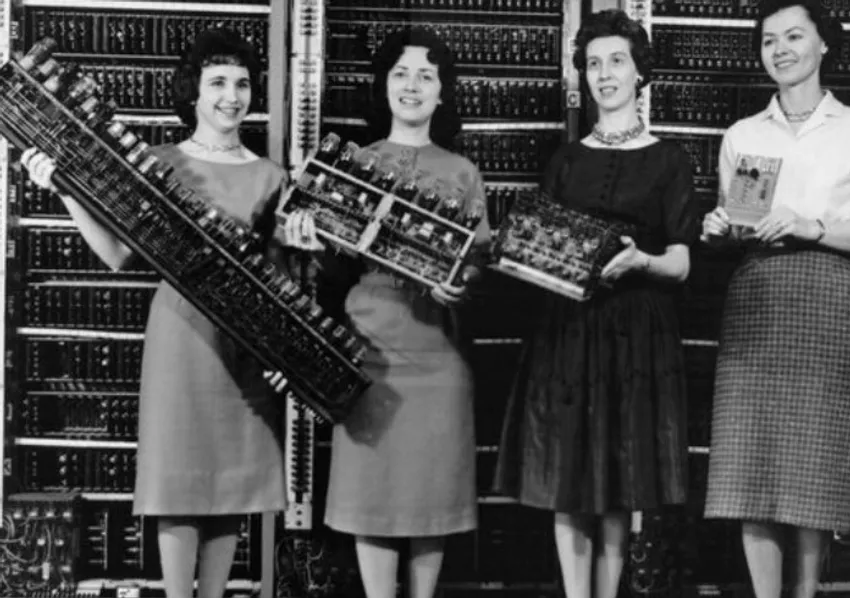
Way back before PCs and laptops ever existed, people (often women) were employed to work as human computers. The job involved figuring out lengthy mathematical calculations, the sort that electronic computers can do today. Human computers would make calculations for all sorts of organizations, from trigonometry to astronomy.
Breaker boy
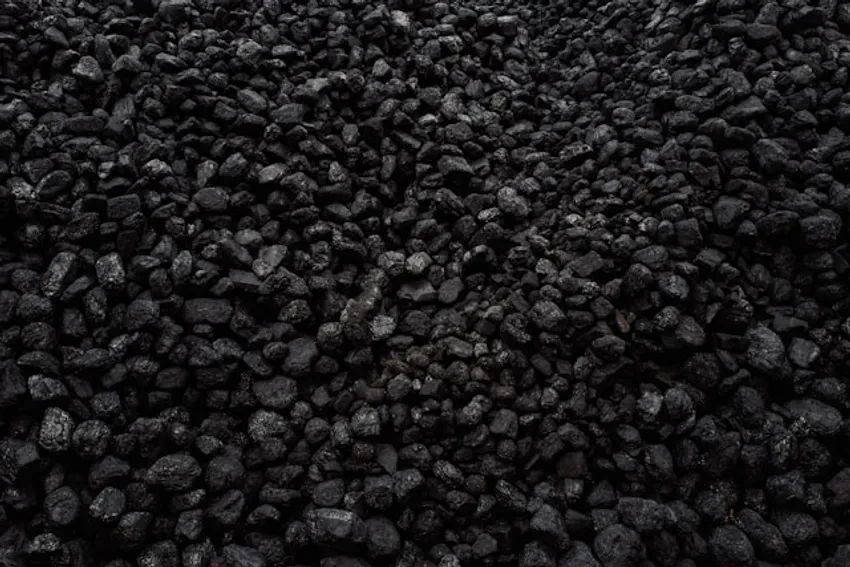
In America, coal breakers hired employees known as “breaker boys” to help them separate impurities from the coal. These workers were always boys, and they were controversially young, typically no older than 12 years of age. It was a difficult, labor intensive job. Luckily, child labor laws were later updated and more strictly enforced, alongside advancements in technology for coal separation.
Pinsetter
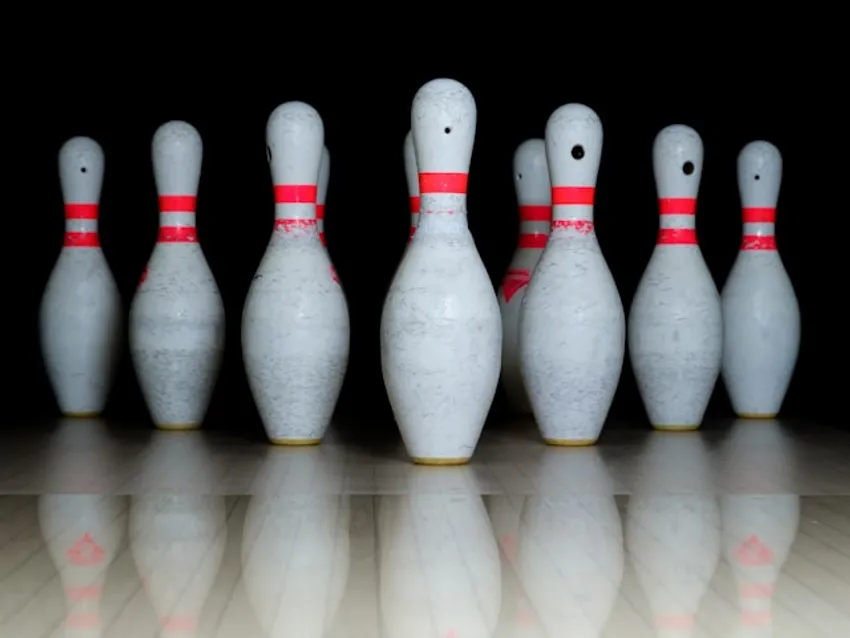
Bowling alleys didn’t always have automated pin retrieval and set-up machinery! Before this technology was invented, it was the job of a pinsetter to manually remove and replace pins between each player’s turn. Pinsetters (also known as pin boys) typically stood and waited at the end of bowling lanes. Automatic pinsetters took over this role in the 20th century.
Water carrier

Water carriers had an important job before indoor plumbing became widespread. These workers would literally carry large buckets or bags of fresh water from the source to the residents of their town. Slowly over time, fresh tap water has meant that the job is no longer a viable profession.
Dispatch rider
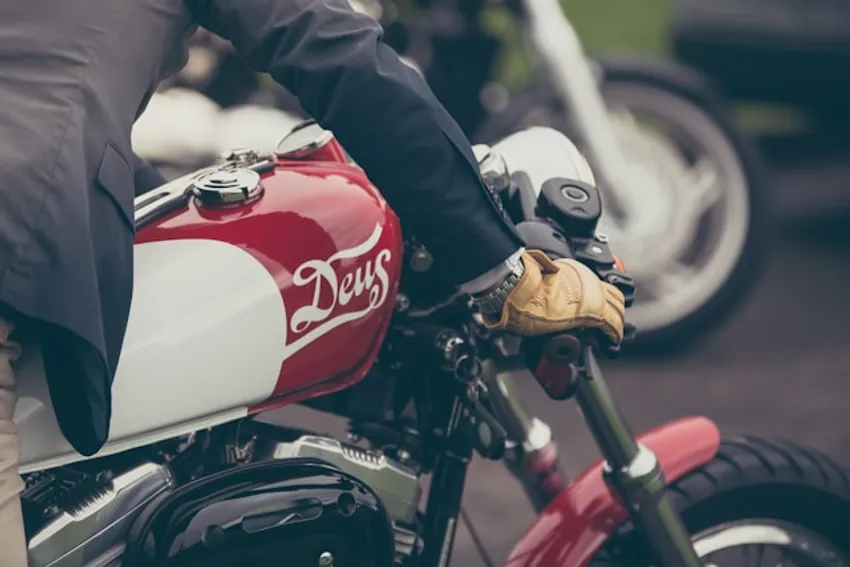
Riding a motorcycle to make deliveries certainly isn’t unheard of nowadays; however, dispatch riders were motorcyclists that specifically worked around World War I and II. They were responsible for delivering urgent messages between militaries. This was seen as the most efficient method of communication at the time, since radio transmissions were at risk of instability and interception.
Book peddler
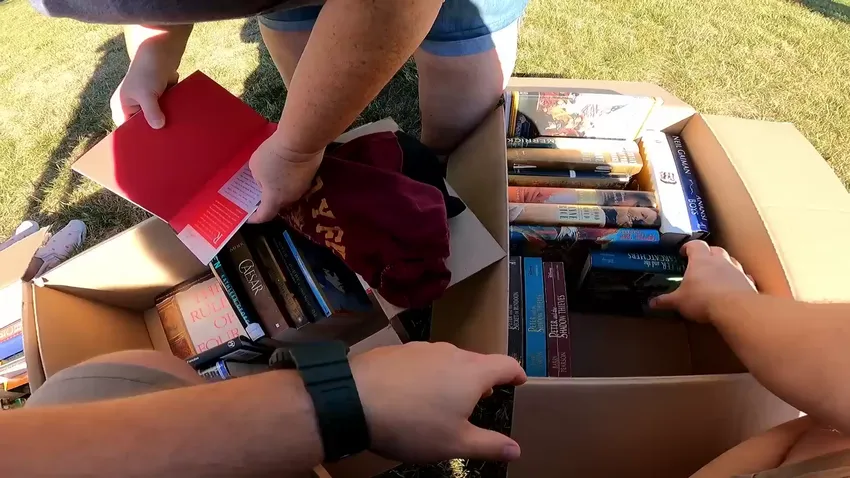
Being a bookseller at a store is a common and respectable job today, but before that, we had book peddlers. Book peddlers were on-the-go book salesmen who would travel door to door during the 18th and 19th centuries. They’d transport book samples and illustrations to promote their products.
Switchboard operator
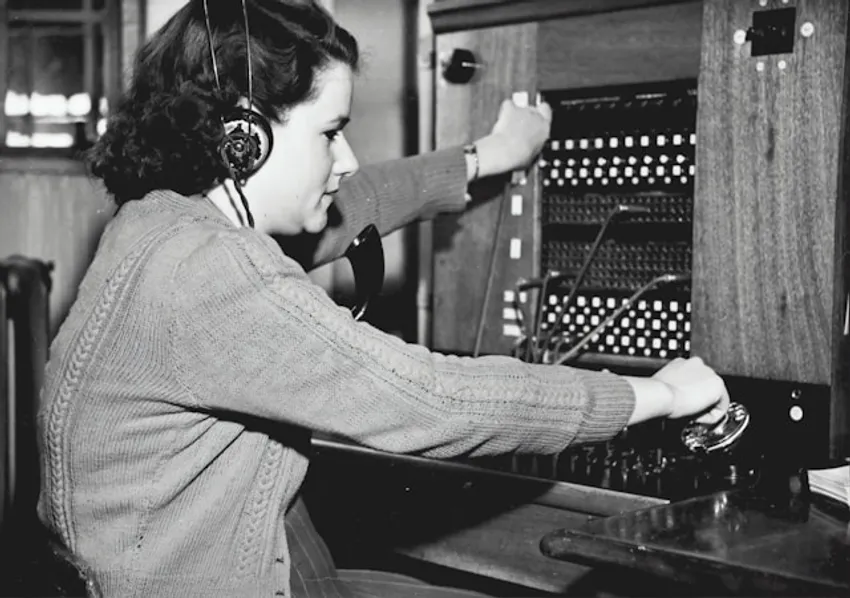
Switchboard operators aren’t completely unheard of nowadays, but it’s a job that’s slowly fading into obscurity. When the telephone became a mainstream method of communication, operators were needed to connect callers to each other using a switchboard machine. The profession has since evolved and become obsolete with the advancement of technology.
Video rental associate
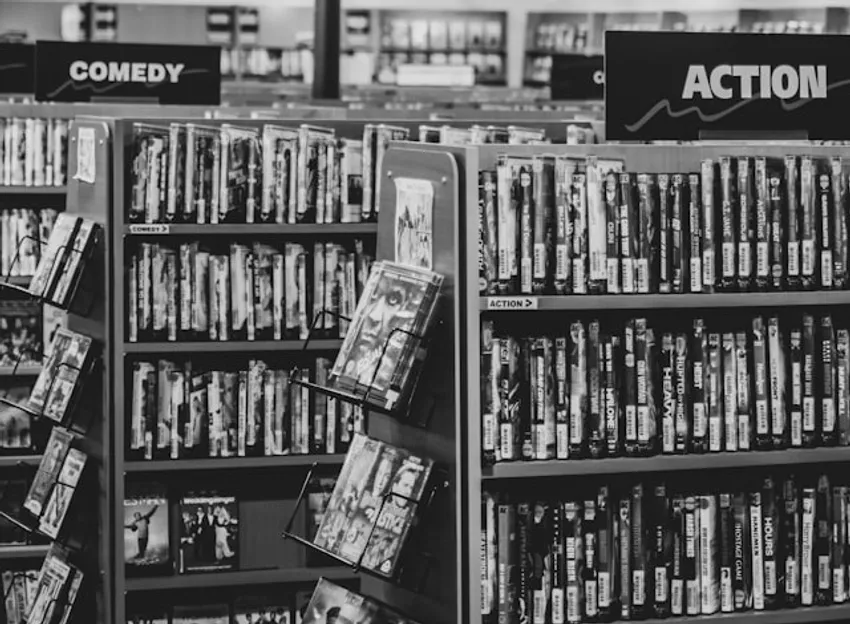
Video rental associates were essentially store workers, but they specifically worked in stores that were dedicated to VHS tape and DVD rentals. Think of these as the Netflix of stores, or as libraries, but for movies instead of books. Associates would routinely stock the shelves, direct customers to movies, and process transactions. Since streaming has gained popularity over recent decades, physical media is no longer in demand.
Daguerreotypist
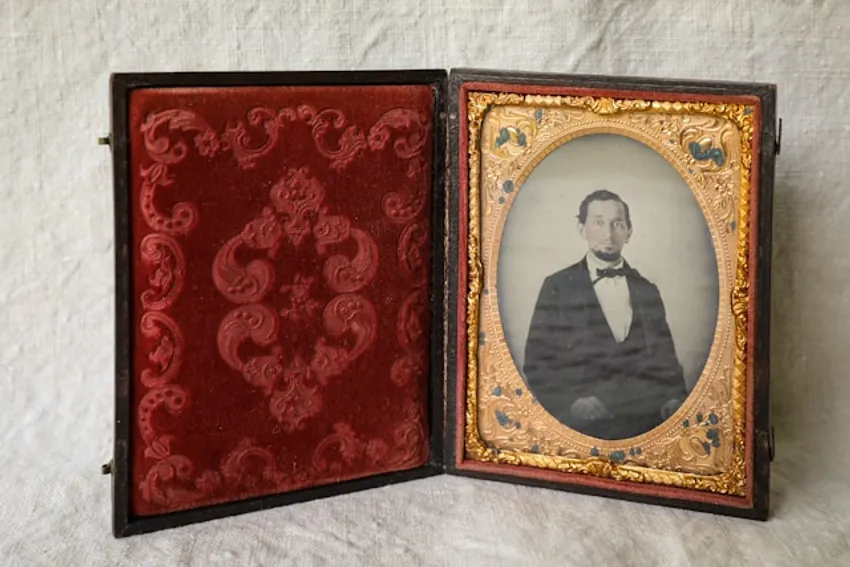
We don’t blame you if you’ve never heard of this job before! The word comes from “daguerreotype,” which was the first type of camera to be made available to the public. Throughout the mid-19th century, these cameras were very popular. The job of a daguerreotypist was to capture photos using their camera and develop them using a chemical process. Slowly, film and digital cameras took over, rendering this job non-existent.
Telegraphist
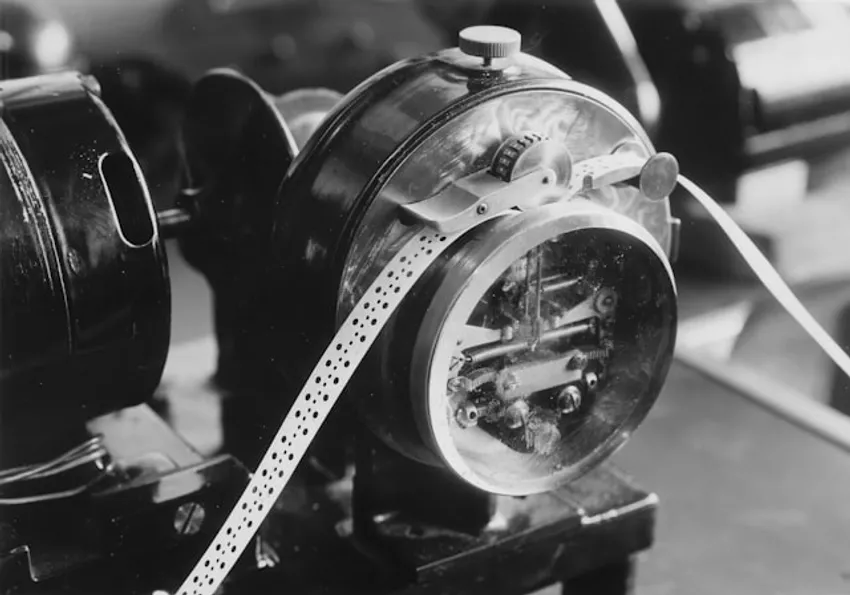
Telegraphs were a popular method of communication around the 19th and 20th century, and with that, telegraphist jobs became very desirable. Telegraphists were responsible for sending and receiving Morse code messages to radio and landlines using telegraph equipment. As communication technologies evolved, the telegraph (and telegraphists) were no longer needed.
Cavalryman
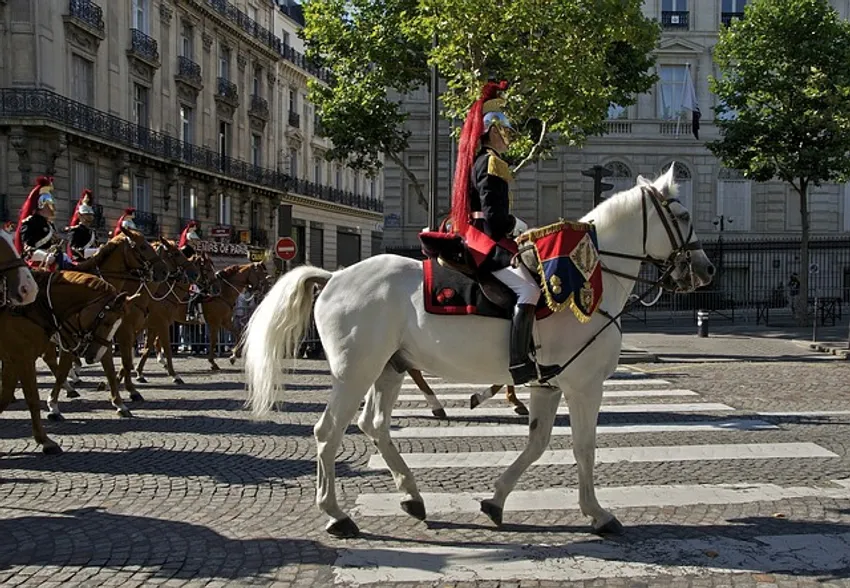
Cavalrymen were soldiers who would commonly ride on horseback. This gave them a tactical edge, as they had enhanced mobility, height, and speed atop a tall animal. Both World War I and World War II relied on cavalrymen. Today, they’re used much less, as reliance has increased on the technology of vehicles, aircraft, and modern weaponry.
Radio actor
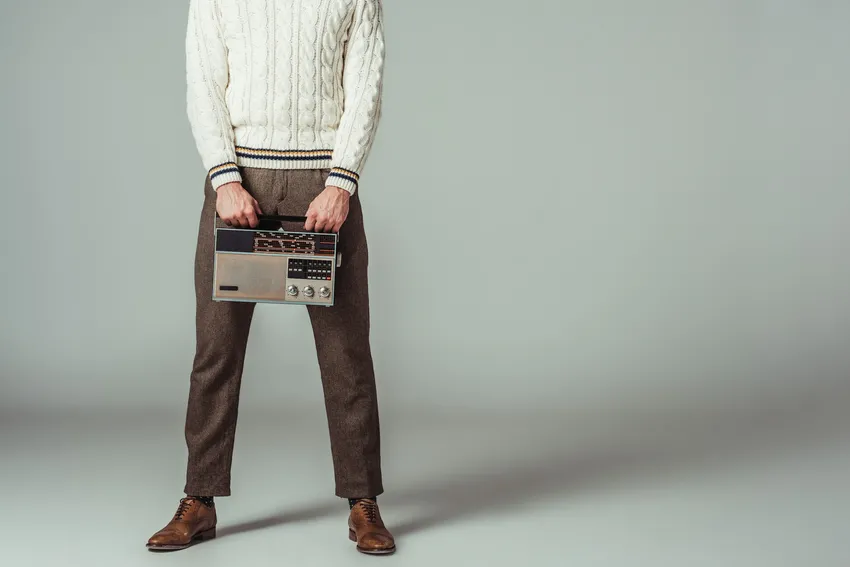
Before television, radio dramas were a leading form of entertainment. These shows would use sound effects, music, and dialogue to convey storylines, and were very popular in the early 20th century. Now that television has taken over, radio actors are no longer in high demand.
Court jester
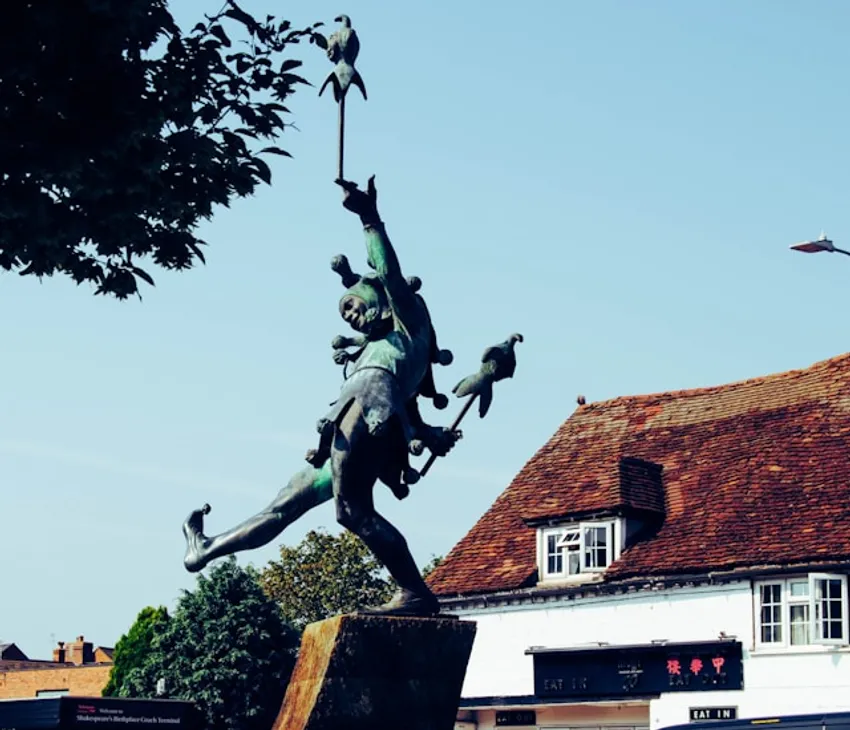
You’ve probably seen illustrations of jesters (or jokers) over the years, especially on playing cards! They did once exist in real life, too. Court jesters were entertainers who were hired to perform for royal households and public crowds during the medieval and Renaissance times. Comparable to modern clowns, jesters would typically sing amusing songs, tell funny stories, perform acrobatics, and wear colorful clothing.
Film projectionist
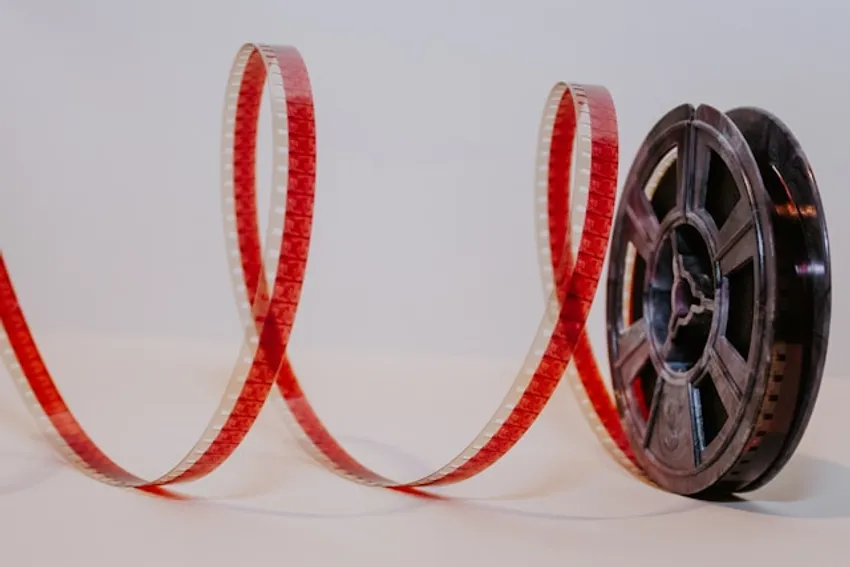
We know that movie theaters still exist, but one job that has faded into obscurity is that of a film projectionist. Theaters rarely use physical strips of film as a method of projecting movies now, opting for digital projection instead. In fact, a lot of people no longer know how to work with film!
Lamplighter
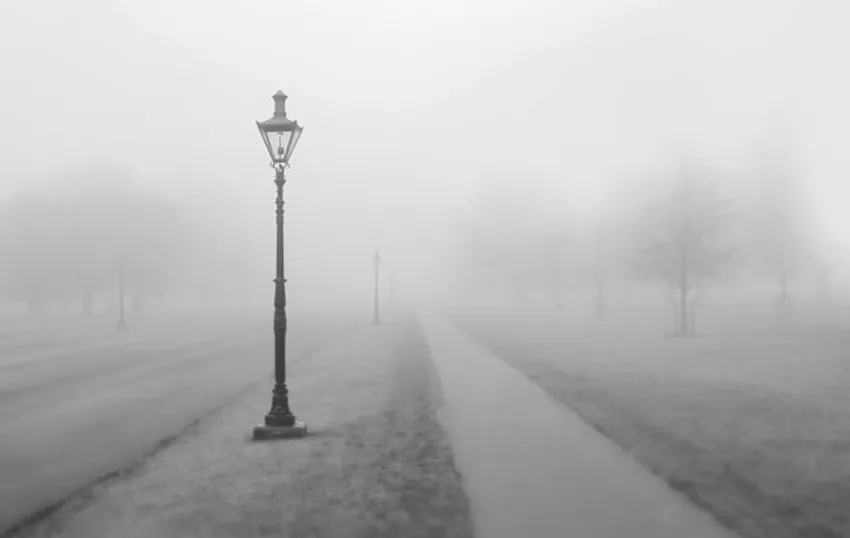
Before electric streetlights became popular, lamplighters (also known as gaslighters) would travel around town to manually extinguish and light gas-burning streetlamps and gas lamps. The job no longer exists thanks to the invention of electric lightbulbs. And gaslighting carries a very different meaning in modern times!
Clock-keeper
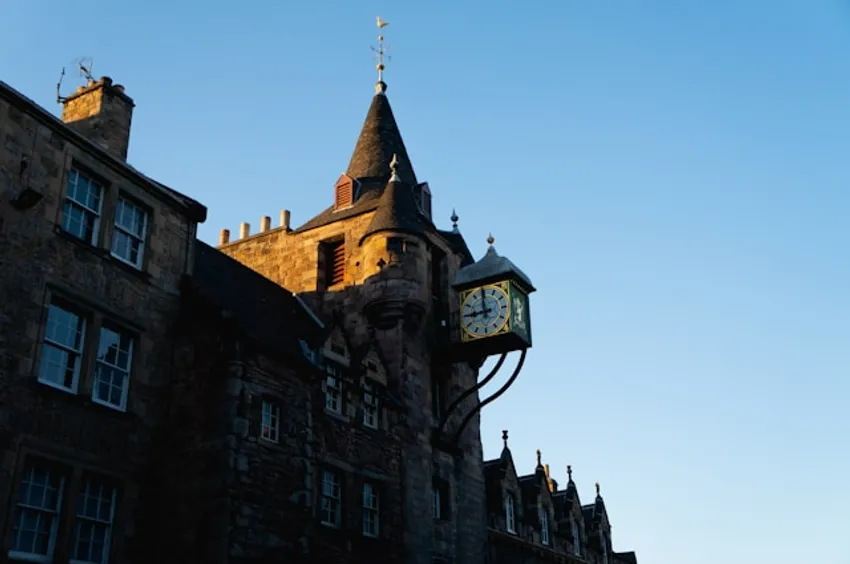
The job title of clock-keeper isn’t entirely obsolete now, but the role is no longer what it used to be. Historically, the role involved ringing a large, centralized clock bell multiple times a day at specific times. When the mechanical clock was invented, clock-keepers would instead work to wind the clock and ensure that the city's clocks remained accurate.
Elevator operator
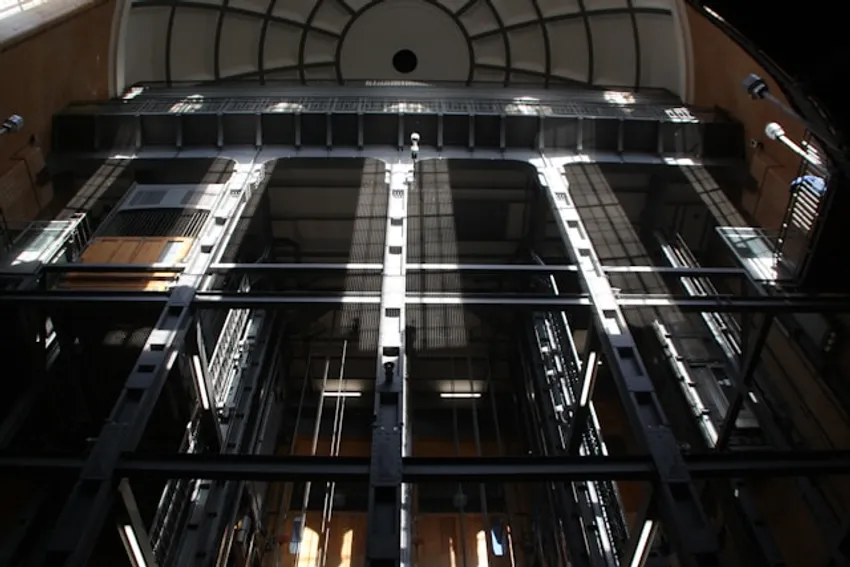
Elevators weren’t always as slick as they are today. In the past, they were still largely manual contraptions that required a trained operator to work. Instead of electronic buttons, elevators used to have a lever. The elevator operator would control this lever, using it to regulate speed and to land on the correct floor. They would also open and close the elevator doors manually.
Aircraft listener
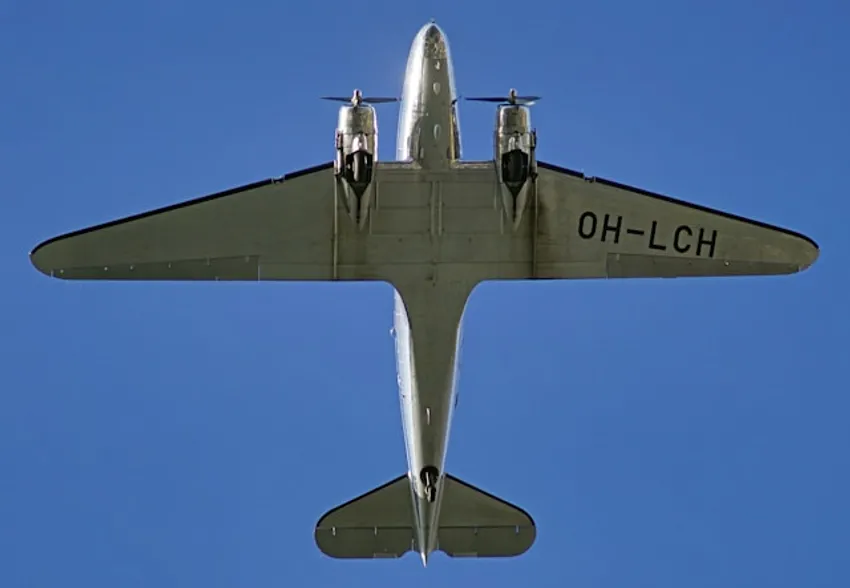
Before World War II, Britain used workers called aircraft listeners as a method of air defense. Aircraft listeners utilized concrete acoustic mirrors to detect the sound of incoming enemy aircraft engines. Since then, the invention of radar technology has effectively changed the way that militaries work.
Carriage maker
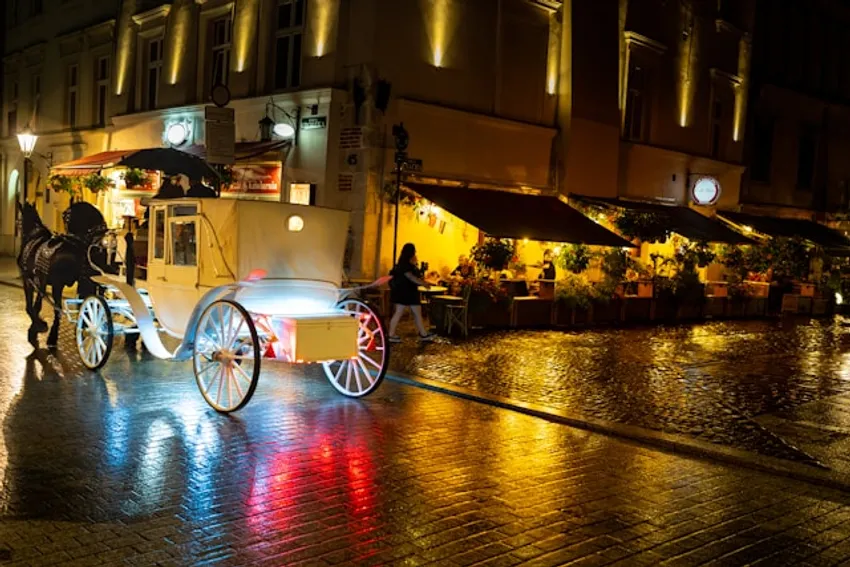
In the past, riding by horse and carriage was a common way to get around town. Of course, with that came the need for skilled carriage makers. These craftsmen were responsible for constructing the carriages that were towed by horses. Over time, carriages were replaced by automobiles and trains, and carriage makers were no longer required.
Town crier
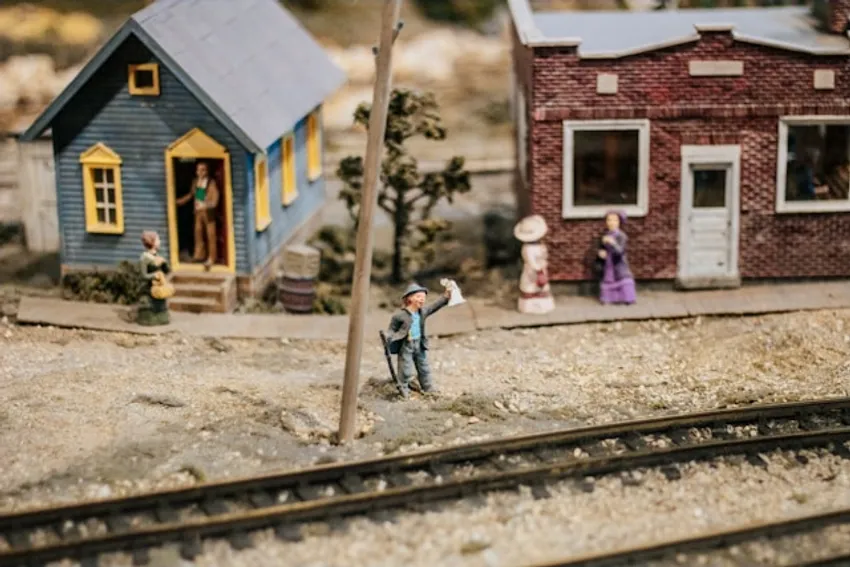
The job of a town crier was to walk around the streets with a large handheld bell, announcing news updates to residents. Town criers would often be used to publicize court orders, for example. In England, they would commonly wear ornate clothing and fancy tricorne hats.
Vivandière

Vivandières were women who served alongside the French army during war times. They’d typically follow troops and tend to their needs, acting as a cross between a medic and a maid. Duties included tending to wounds, sewing, and cooking food. It was seen as honorable to be a vivandière, but the job itself ceased to exist long ago.
Caddy butcher
General butchers definitely still exist today, but caddy butchers don’t! Caddy butchers used to specialize in the processing and sale of horse meat. While horse meat isn’t considered a popular meat today, it was commonly consumed in both the UK and the US until around the 40s.
Signalman
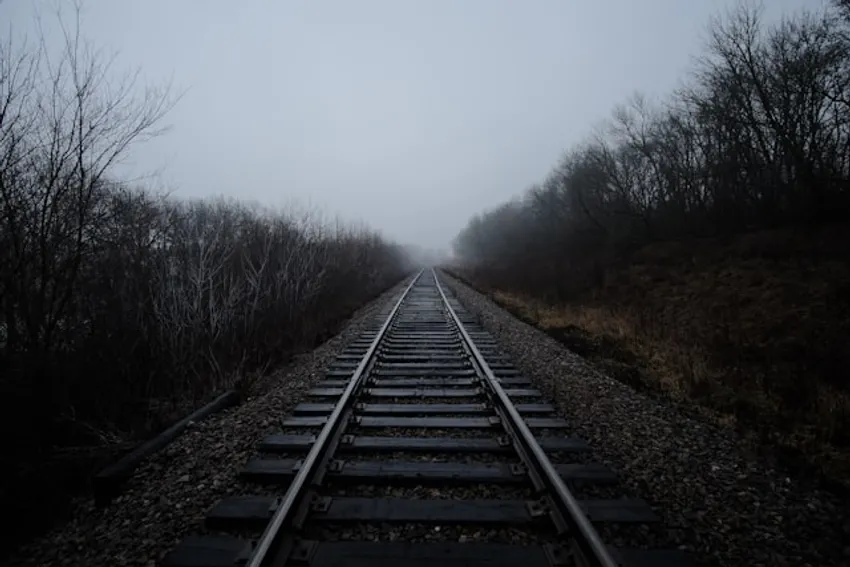
Signalmen used to have pretty straightforward, though important, jobs. They worked on railways and would commonly use signals, flags, and lights to ensure the smooth running of railway services and help to prevent accidents. Nowadays, though, trains use automated systems to do the same job. Signalmen do still exist today, but in a different capacity than before.
Scribe
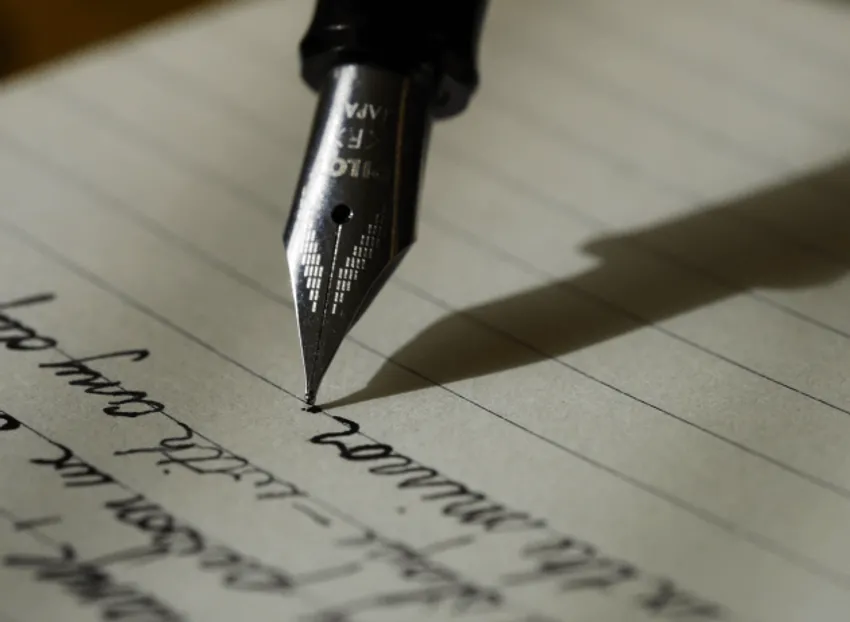
Long before the invention of printing, scribes were needed to copy text from books and other historical documents word for word. This was no easy task! Scribes would also carry out general secretarial and administrative duties such as taking dictation and record-keeping. Of course, these general tasks are still required today, but technology has significantly changed the nature of them.
Punch card operator
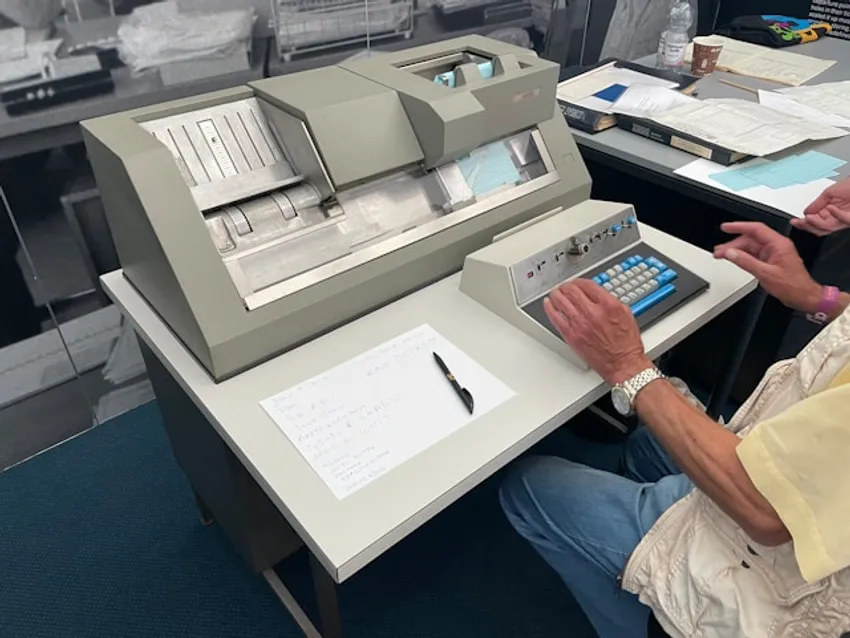
Before modern computers took over the workplace, many businesses used paper punch cards to record and store their data. These were small cards used to keep track of things like accounting and payroll records. Punch card operators had an important role, responsible for inputting data on these cards.
Wheelwright
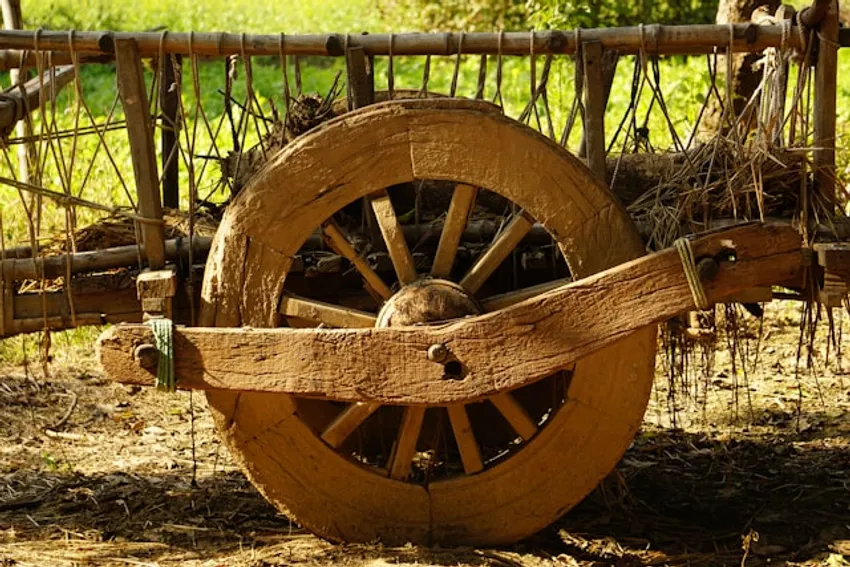
A wheelwright was a handyman who made and traded wooden wheels. The wheels were then mainly used for farm equipment and steam-powered machinery. The job is no longer needed now, since wooden wheels have lost popularity over time – wheelwrights became less and less from the late 20th century onwards.
Typist
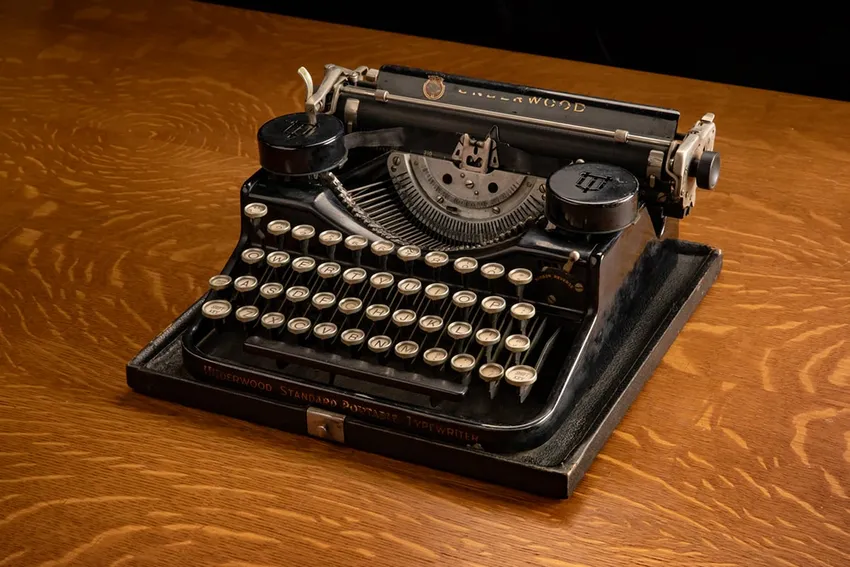
Typists are still in-demand today, but less so than in the past. The nature of the job was also different. Before, a typist would use a typewriter to carry out their work. It was a popular position in publishing, administrative, and clerical industries and many people worked as typists in the 40s. Nowadays, the job can be done more easily with the use of computers.
Stoker

A stoker (also known as a fireman) was not an ideal job back in the day, but a necessary one. These workers were tasked with tending fires in the boilers of steam trains and ships. The job involved shovelling coal in extremely high temperatures. Thankfully, the evolution of transport has meant that the job is no longer needed!