Not getting enough sleep

Let’s get the obvious out of the way – getting enough good quality sleep is crucial for feeling fresh and alert during the day. Although you might think that cutting down on sleep increases productivity, the opposite is often true. Try viewing sleep as a necessity rather than a luxury. Experts recommend getting between seven to nine hours of sleep each night.
Having an unhealthy diet

What you eat can have a big impact on how tired you feel. Avoid processed foods and drinks that are high in sugar – these cause spikes in your blood sugar levels, leading to erratic energy crashes. Not only that, but they can potentially disrupt sleep, keeping you awake at night. Instead, aim to fuel your body with as many whole foods as possible.
Working irregular shifts

Shift work is notorious for disrupting sleep patterns, resulting in fatigue. And night shift workers are particularly likely to feel tired. This is because working shifts requires you to get up and go to sleep at different hours every day, interfering with your body’s natural circadian rhythm. Unfortunately, this is unavoidable for many people, but maintaining a somewhat consistent sleep schedule should help.
Not getting enough physical exercise

Being idle throughout the day can, ironically, lead to feeling fatigued. On the other hand, consistently staying active helps to energize the body and decrease feelings of tiredness. You don’t need to overdo it, though. Consider aiming for around 30 minutes of physical activity every day – research indicates that this is enough to encourage a good night’s sleep.
Staying up late every night

Whether you’re binge-watching TV or playing video games, regularly staying up late at night is likely to result in a sluggish start to your mornings. It also means that you’re unlikely to get enough sleep, resulting in feeling tired all the time. Try implementing a relaxing bedtime routine to break the cycle, like drinking a herbal tea and reading.
Consuming too much coffee

You might think that consuming cup after cup of coffee will keep you feeling fresh; however, overdoing it can worsen your fatigue. Drinking too many caffeinated beverages can affect your ability to fall asleep at bedtime and lead you to wake up more often throughout the night.
Not getting enough iron

If you've been feeling consistently exhausted over weeks or months, it’s worth speaking to a healthcare professional. You may be deficient in iron (which can lead to a condition called anemia). This is typically more common in women than men, but it can affect everyone. Luckily, mild anemia is easily treatable.
Being underweight

Diet plays an important role in your energy levels. If you're underweight, you are likely lacking in essential nutrients and sufficient calories. This leads to feeling tired and depleted of energy throughout the day. Prioritize nourishing your body with a balanced, varied diet and see if your symptoms improve.
Having your sleep constantly interrupted
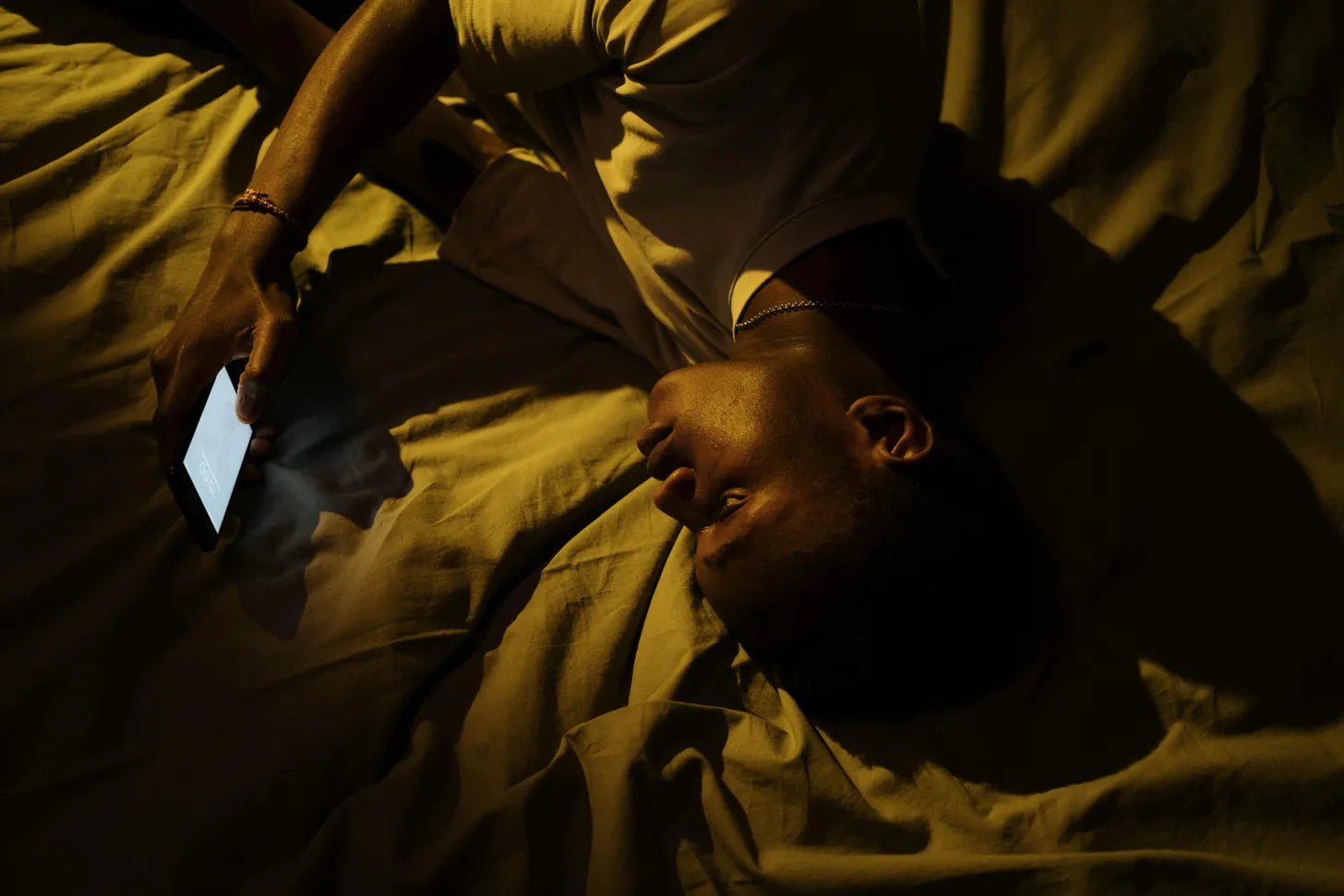
Even if you spend hours in bed, you’re unlikely to get enough deep sleep if you're dealing with constant disruptions throughout the night. Maybe you have a newborn baby, a partner who snores, or a phone that won't stop going off, for example. This is bound to lead to feeling tired all the time.
Being under a lot of stress

Chronic stress is a common culprit when it comes to determining the cause of fatigue. While short-term stress can have you feeling on high alert, feeling consistently stressed over a longer period can lead to exhaustion disorder, also known as burnout. Try finding ways to manage stress, such as getting regular exercise or speaking to a health professional.
Not staying hydrated enough

Staying hydrated throughout the day is extremely important for staying energized. The body loses water all the time (through urine and sweat, for instance). Failing to replace this lost water leads to dehydration, which in turn leads to lower energy levels and feeling tired. Drinking six to eight cups of water a day should be sufficient for warding off lethargy.
Forget to breathe properly throughout the day

This may sound silly, but it’s common for people to neglect their breathing throughout the day. When you lead a busy lifestyle, you may unconsciously be taking shallow breaths all the time. Shallow breathing means your body gets less oxygen, which can result in feeling tired. Instead, try filling your lungs with oxygen by practicing deep breathing.
Having vitamin deficiencies

Being deficient in certain vitamins can also lead to feelings of fatigue. B vitamins play a particularly important role in body, supporting metabolism and the immune system. Look for foods that are high in vitamin B such as eggs and leafy green vegetables. Supplements are another option if you don’t get enough B vitamins through your diet.
Being overweight
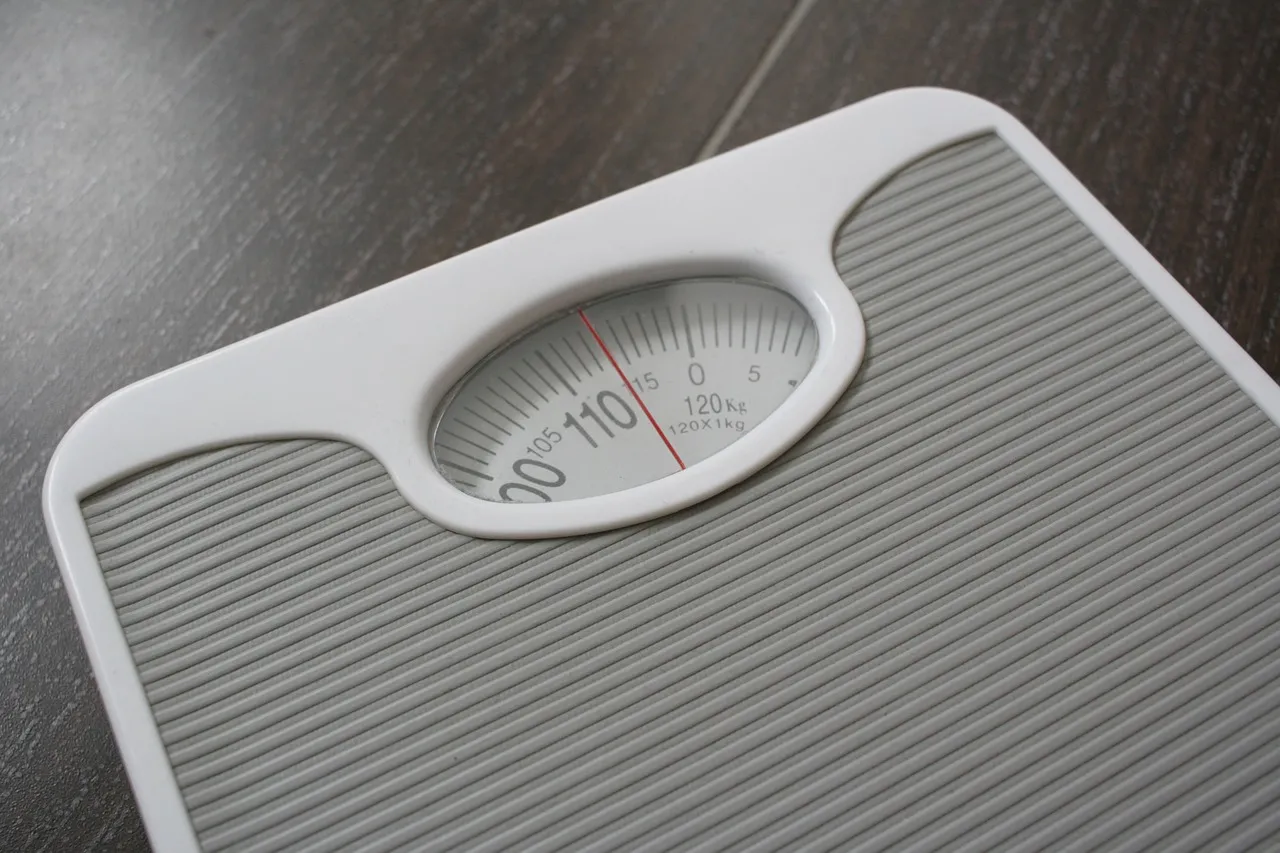
Being underweight can lead to feeling tired but so can being overweight! Those who are overweight or obese are more likely to develop obstructive sleep apnea, a disorder that affects breathing at night. This inevitably leads to poor quality sleep and feelings of fatigue during the daytime.
Drinking too much alcohol

One drink a day won't do any major harm to your body but avoid becoming overly reliant on alcohol over time. Not only is this terrible for your overall health, but you are more likely to experience fatigue. This is because drinking alcohol is known to interfere with sleep quality. Alcohol is also a depressant which can result in feelings of sluggishness.
Taking medications that make you feel drowsy

You may not realize that your medications are the cause of your persistent drowsiness. Some drugs, including steroids, antihistamines, and antidepressants, commonly list increased tiredness as a side effect. This means you could feel exhausted regardless of how much sleep you’re getting. It’s worth speaking to your doctor if you suspect this could be the issue.
Regularly working late into the night

Working late into the night doesn’t just hinder sleep but it is unlikely to result in good quality output. Instead, switching off at a reasonable hour helps your body to recover and your brain to refocus. If your workload is overwhelming, consider asking for assistance before you experience burnout.
Ignoring potential underlying health conditions

If you’re getting enough sleep, eating a nutrient-rich diet, and exercising, the cause of your exhaustion may be due to an underlying health condition. Don’t hesitate to speak with your doctor – they can conduct tests to investigate. You may have thyroid issues, for example, which can affect your metabolism.
Napping during the daytime

You might think nothing of having a nap during the daytime, but tread carefully! Doing so might make you feel even more tired than before. This is because napping can hinder your ability to fall asleep at night. If you must nap, try to do so early in the day and avoid napping for over 30 minutes at a time.
Not getting enough protein

Not consuming enough protein is another classic mistake that can lead to feeling tired all the time. Protein is key for sustaining energy, so you may feel physically weak if you’re not getting enough. Incorporate more meat, eggs, and nuts into your diet and see if your energy levels improve – all these foods are high in protein.
Being a chronic snorer

Even if your own snoring doesn’t keep you awake at night, it can still lead to poor quality sleep and tiredness the next day! Snoring is often caused by sleep apnea which affects your breathing while you sleep. Your doctor may recommend that you use a CPAP (continuous positive airway pressure) device to relieve your symptoms.
Setting your thermostat too high

According to experts, rooms that are overly warm can make you feel sleepy during the day. If you find yourself wanting to doze off at work, for example, try simply lowering the thermostat or cracking a window open. This helps you to stay refreshed and energized!
Ignoring symptoms of anxiety and depression

Try to avoid burying your head in the sand when it comes to mental health. People who suffer with anxiety and depression often feel emotional exhaustion, which has a knock-on effect on the body. Anxiety can overwhelm people with worry – the brain goes into overdrive leading to feelings of fatigue. Depression, on the other hand, is characterized by feeling sadness and hopelessness, which can also feel incredibly draining.
An undiagnosed allergy or food intolerance

Making this mistake is less common but worth investigating, nonetheless. You may have an undiagnosed allergy or food intolerance if you find yourself tired after eating specific foods. Sleepiness can occur as your body goes in overdrive to digest and process the food in question. And if you continue to eat the food, the fatigue continues. Speak to your doctor – they can run an allergy test if needed.
Neglecting personal hobbies and interests

Living an unfulfilling, dull lifestyle is sure to make you feel tired all the time! Set aside time each week for your passions and do things you enjoy. This helps with skill development and gives you a sense of purpose (as well as a much-needed energy-boost)!
Forcing yourself to work through boring tasks without a break

It’s no secret that boredom can lead to feeling tired! If you are constantly pushing yourself to work through dull tasks without a break, then you’re bound to feel sleepy as a result. Tackle this issue by alternating boring tasks with more engaging ones. For example, after a long computer-based task, you could get up and do some dishes or go grocery shopping.
Having an inconsistent sleep schedule

Having an inconsistent sleep schedule is often a cause of tiredness during the day. Though it may sound boring, the best thing you can do for your body is to prioritize a regular sleep routine. This means going to sleep and getting up around the same time every day, even on weekends!
You have undiagnosed chronic fatigue syndrome

It’s worth reading up on chronic fatigue syndrome if you’ve never heard of it before – it could just be the reason for your exhaustion! This health condition causes strong feelings of fatigue, often occurring very suddenly. Sufferers may feel so tired that they are unable to carry out basic daily errands, or tire very easily after simple tasks.
Staring at screens all day

Staring at the screens of your electronic devices all day is likely to leave you feeling tired. Many people work on computer screens all day only to scroll on their phones and watch TV in the evenings. This is bound to leave your eyes feeling fatigued. You may even find yourself distracted by your devices long after you should have gone to sleep.
Not getting outside often enough

Staying cooped up indoors all day is likely to make you feel much less energetic than getting outside. Even going outside for ten minutes each day exposes you to sunlight, which helps you to feel more awake and provides you with valuable vitamin D to boost energy levels.
Suppressing your emotions

Regularly bottling up your emotions can be draining, eventually leading to both mental and physical exhaustion. Though you may not realize it, avoiding your feelings takes effort. You might find yourself tired from holding tension in your body, whether it’s from clenched muscles or a churning stomach. Talking therapy may be a more suitable solution than sleep in this case.
Trying to bounce back too quickly after illness

It’s understandable to crave normality after a bout of illness; however, avoid doing too much too fast! Experiencing fatigue is common as you recover from viruses and infections – you might even have post-viral fatigue syndrome. Take things easy and be kind to your body as you ease back into your daily routine.
Not eating often enough

Not eating often enough commonly results in tiredness since you’re not fueling your body sufficiently. While this ties into being underweight, you should also be wary of eating large, heavy meals sporadically. This can result in drowsiness (informally known as a food coma)! The key to beating fatigue is eating little and often. This is easier on your digestive system while still allowing you to get enough nutrients.
Not realizing you are pregnant

Many women of child-bearing age don’t realize they are pregnant right away. The first clue may be unexplained fatigue which is a common symptom throughout the first trimester. This is usually down to hormonal changes in the body. Don’t delay if you suspect pregnancy could be the reason for your exhaustion.
Smoking

Aside from being terrible for your overall health, did you know that smoking could also cause insomnia? Cigarettes contain nicotine which is a stimulant. This means it activates the brain and speeds up heart rate, making it harder to fall asleep at night. Those with a nicotine addiction may even experience cravings throughout the night which can also affect sleep.
Consistently working in the dark or under fluorescent lighting

Interestingly, previous research has indicated that working under fluorescent lighting may result in higher levels of fatigue than working in natural daylight (or lighting that replicates daylight). And it goes without saying that working in the dark won't do you any favors! Maintain your body’s natural circadian rhythm by exposing yourself to natural sunlight during the day and resting when it’s dark.
Sleeping too much

Surprisingly, sleeping too much can also make you feel tired throughout the day. Avoid falling into the habit of hitting the snooze button every day – this interferes with your natural sleep cycle, leaving you feeling off balance. You may even experience headaches and muscle aches alongside your fatigue.
Regularly eating salty snacks

Did you know that those salty potato chips could be the cause of your fatigue?! Consuming foods that are high in salt can interfere with the electrolytes in your body, eventually leading to feelings of lethargy. Try eating these foods sparingly rather than daily to combat your symptoms.
You never nap

Napping can be somewhat of a minefield - while excessive napping can cause you to feel overly tired, never napping at all could also be a mistake! For example, if you never get a good night's sleep, a well-timed nap during the day might be just what you need to recharge.
Not realizing you are perimenopausal

Women may experience symptoms of tiredness if they are perimenopausal. This is because perimenopause (the transition to menopause) causes hormonal changes in the body. In fact, both perimenopause and menopause are commonly linked to fatigue. If you think this may be the root of your symptoms, it’s worth speaking to a healthcare professional.