Oatmeal
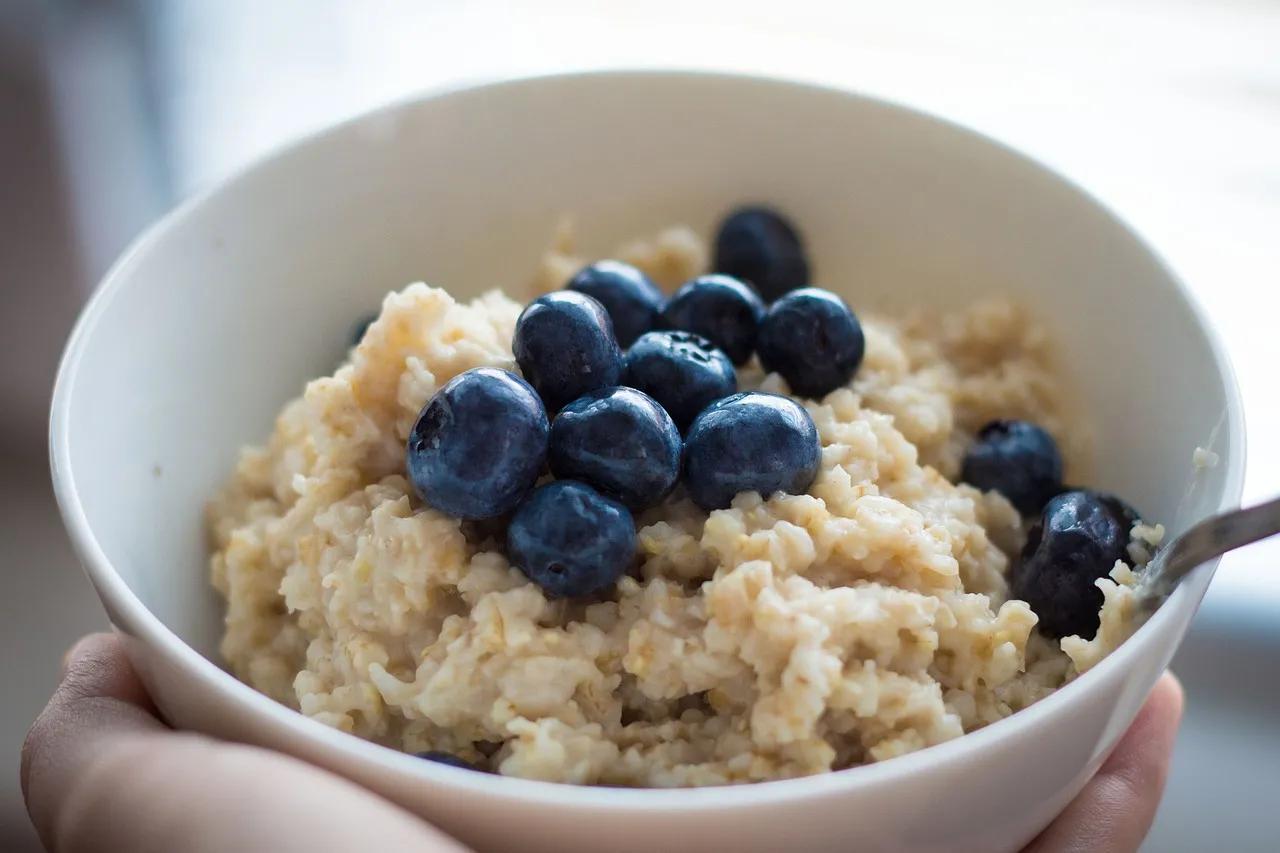
Ask any nutritionist what they typically eat for breakfast and the answer will often be oatmeal. Oatmeal is an excellent source of fiber and helps to keep blood sugar and cholesterol levels low. Not only that, but oats are filling enough to keep hunger at bay until lunchtime. Just remember to buy plain oats over pre-packaged, flavored varieties.
Garlic

Garlic not only seasons savory dishes to perfection, but it has a myriad of health benefits as well. It supports joint and heart health while helping to reduce overall inflammation in the body. Garlic is also rich in vitamins and minerals including vitamin C and selenium (which works like an antioxidant)!
Cucumber
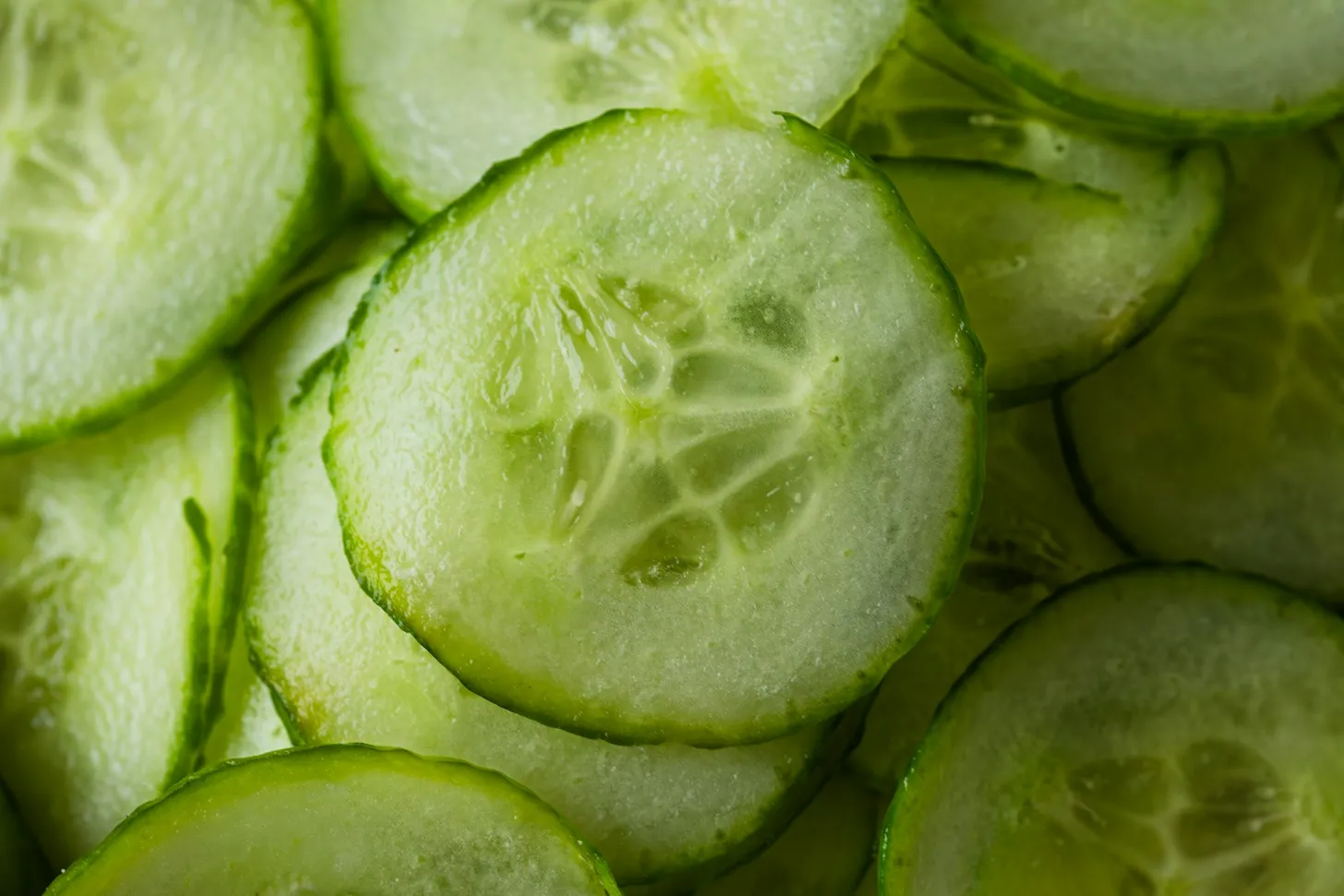
Cucumber is a mild-tasting, low-calorie, vitamin-rich addition to any meal! As it consists of around 95% water, consuming this food is also an excellent way to stay hydrated throughout the day! Dice and toss cucumber into a salad or simply enjoy a few slices as a topping or side dish.
Eggs

Eggs are an excellent source of choline, a nutrient that supports healthy cognitive function and heart health. Not only that, but they are also high in protein, healthy fats, and packed with vitamins and minerals. Nutritionists often opt for eggs at breakfasts over sugary, processed cereals.
Chia seeds
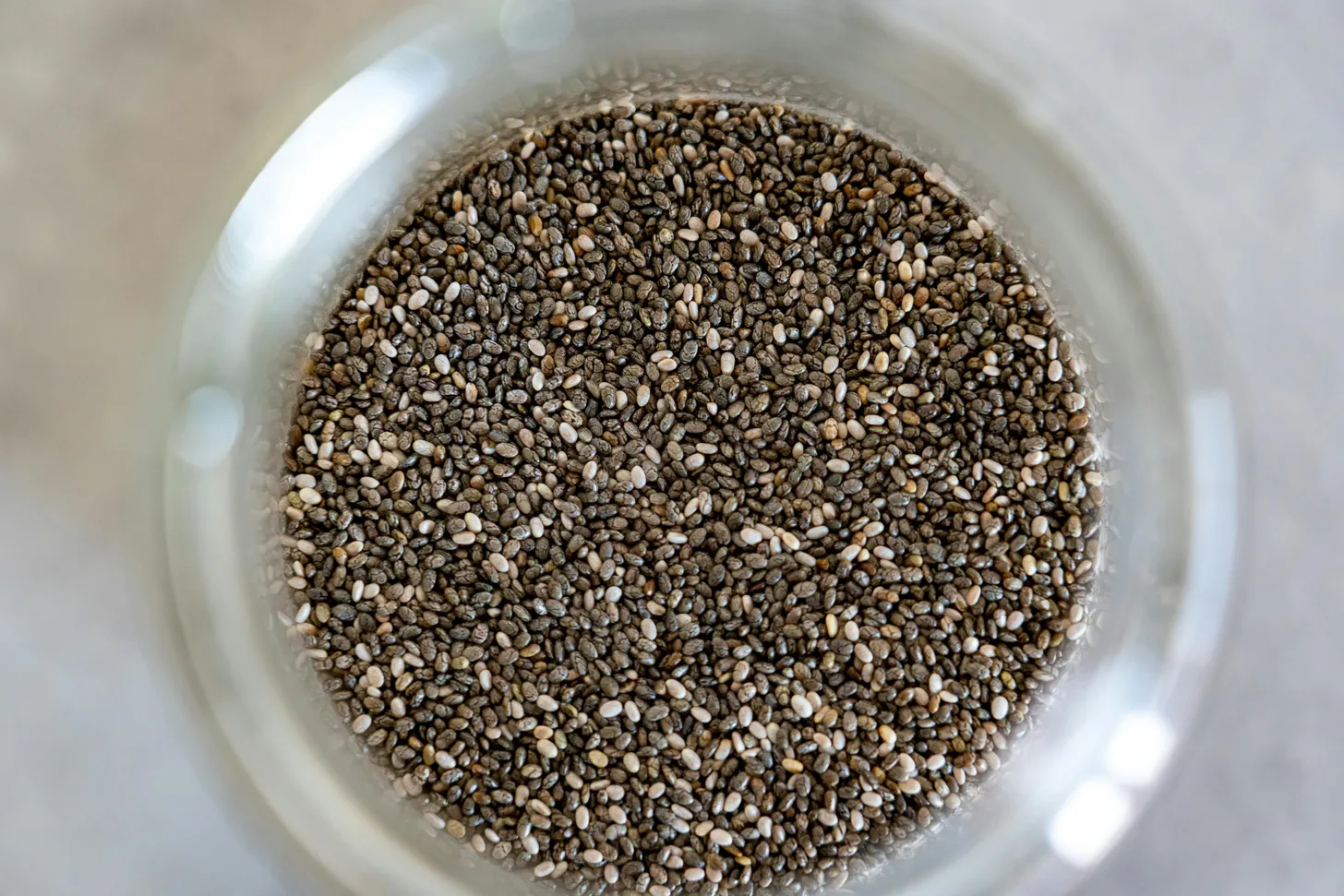
Chia seeds might look tiny, but they pack in multiple health benefits. They’re excellent sources of protein, especially for vegetarians and vegans who want a plant-based alternative to meat. They also contain valuable omega-3 fatty acids. Sprinkle them into salad dressings or stir them into sweet desserts!
Avocados
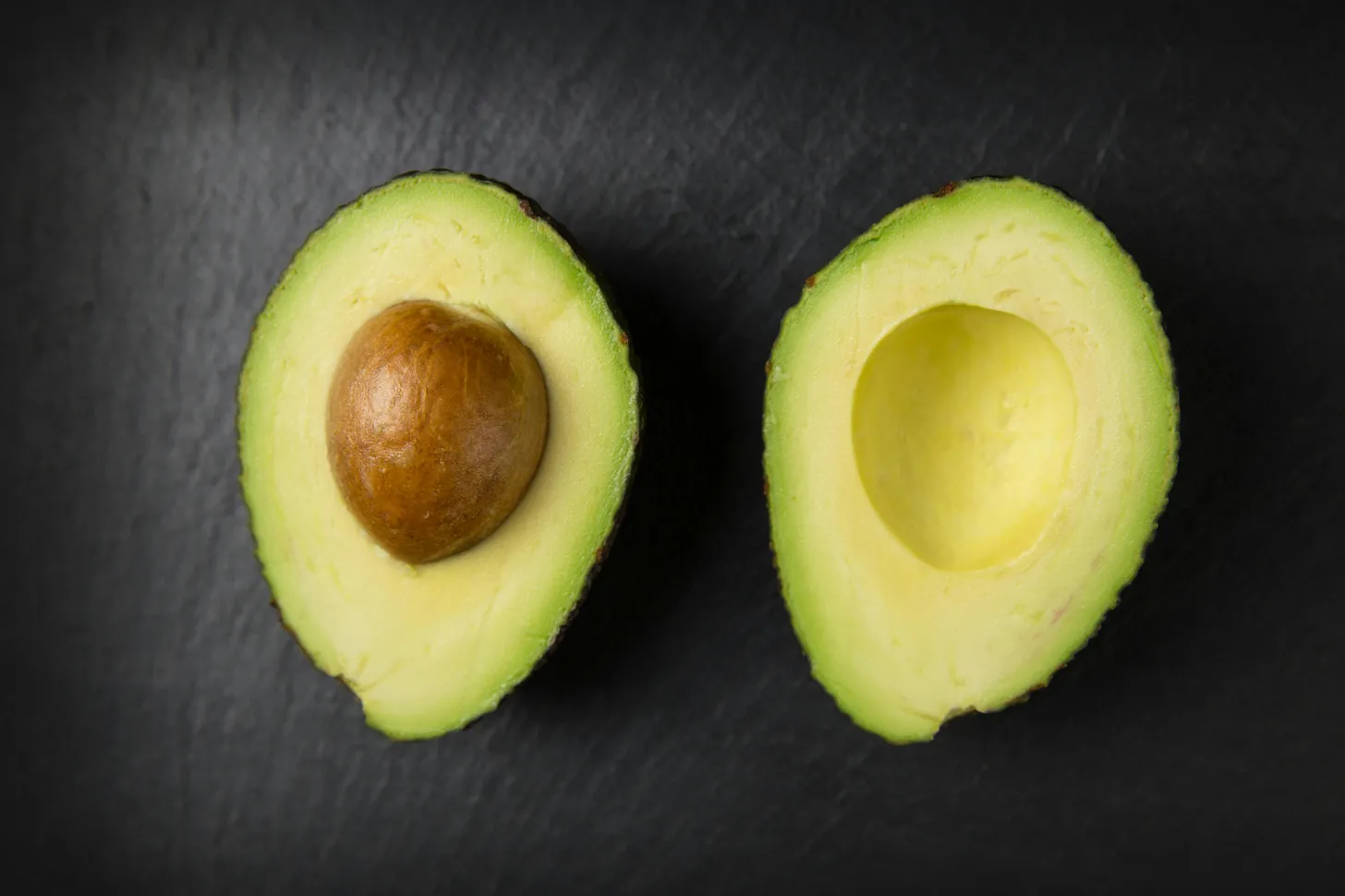
These green fruits aren’t just a trend – they provide valuable nutritional benefits! Firstly, avocados are loaded with vitamin C which helps boost the immune system. They're also a good source of healthy fats and fiber. Avocados are wonderfully versatile – enjoy them with eggs, spread into sandwiches, or chop them up for salads.
Greek yogurt
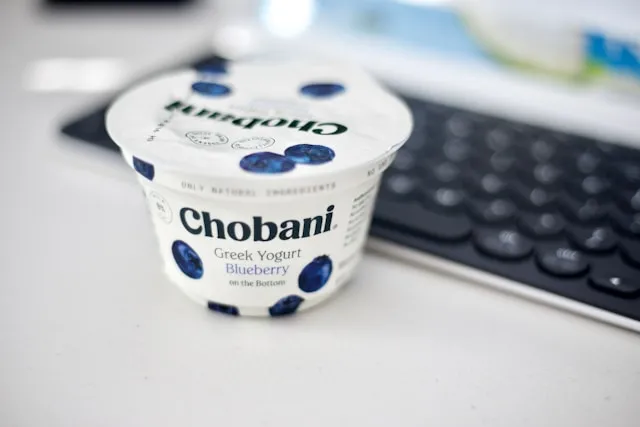
Eating plain Greek yogurt every day is a fantastic way to ensure that you are consuming enough probiotics for a healthy and happy gut. The creamy treat is also high in protein and calcium to help maintain muscle mass and support bone health. Pair with chopped fruit for a sweet treat or use it as a healthier alternative to sour cream.
Apple cider vinegar

Apple cider vinegar might not look appealing at first glance, but it’s something you should consider as a pantry staple if you want to improve your health! Research has shown that it is naturally antibacterial. It can also help to fight fatigue, inflammation, and even acne! Drizzle it into sauces and salad dressings or, if you’re feeling braver, you can dilute it with water and drink it as a beverage.
Olives

Whether you opt for green or black olives, these little gems are a rich source of healthy monounsaturated fats. This means they help to reduce inflammation in the body and reduce your risk of developing heart disease. Incorporate them into salads and pasta dishes, or simply enjoy them as a light snack.
Watermelon
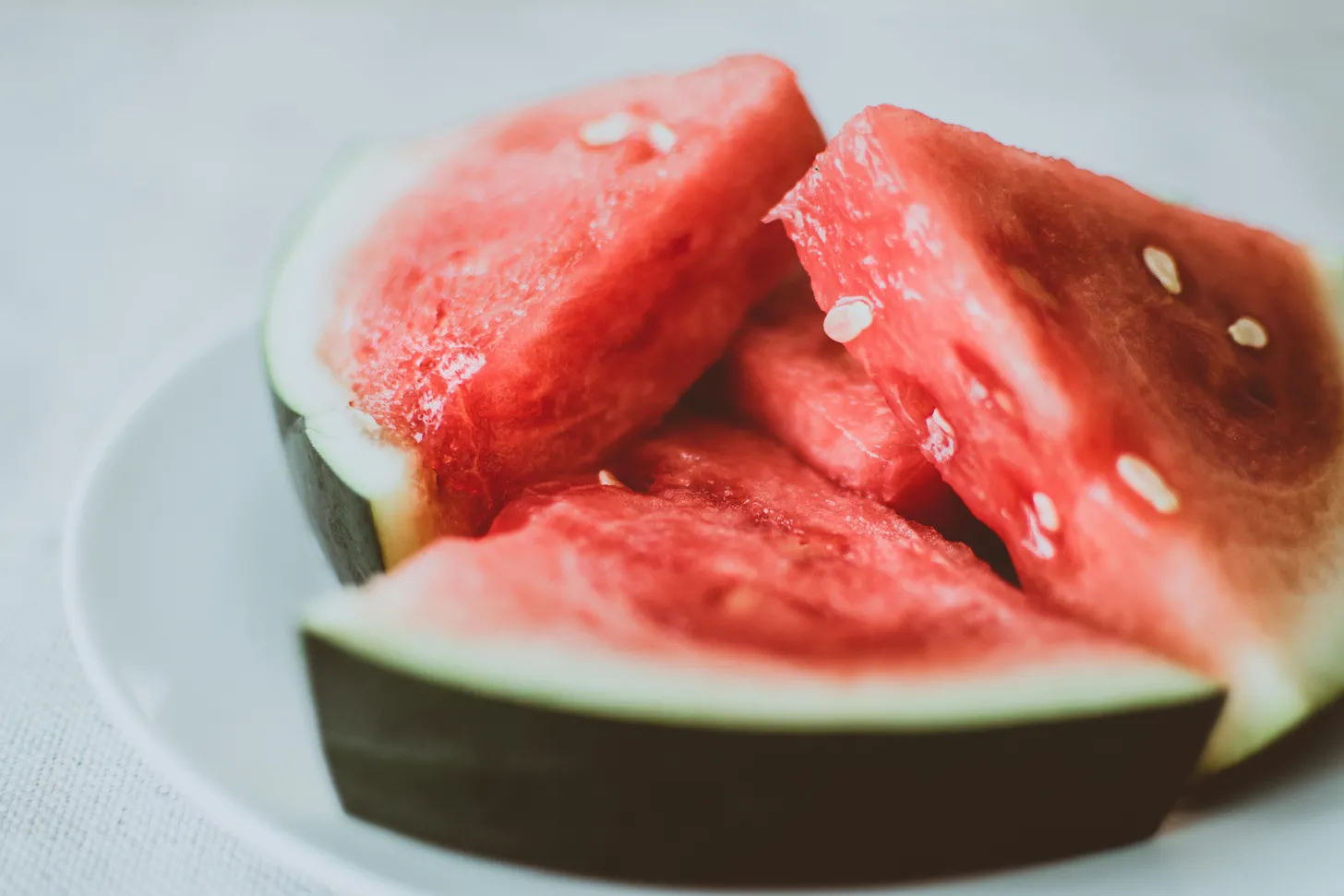
Like cucumber, watermelon consists mostly of water and is therefore a great source of hydration without having to drink liquids. It’s rich in electrolytes such as potassium, as well as antioxidants like lycopene. Nutritionists recommend eating this fruit if you want to protect your skin and maintain a healthy weight.
Swiss chard

If nutritionists were to opt for any leafy green vegetable, Swiss chard would be a popular choice. It’s one of the healthiest greens around – eat it if you want to boost your cardiovascular health and keep your bones healthy. It’s also packed with Vitamin K, which helps your bones to absorb calcium.
Quinoa
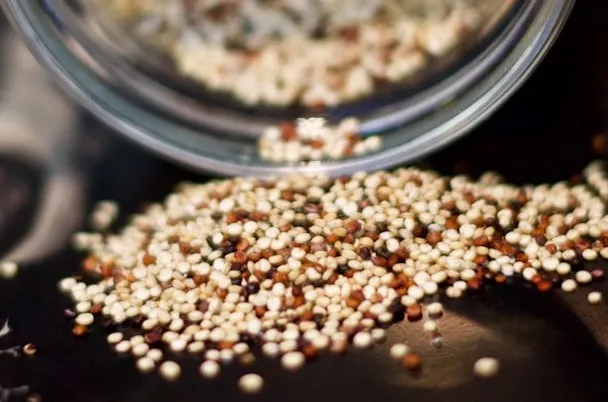
Quinoa is a popular grain among nutritionists – many eat it in place of white rice and pasta. This is because it’s a great source of protein and fiber, as well as containing essential amino acids. If you’re feeling creative, quinoa can even be combined with chocolate and incorporated into baked goods!
Broccoli
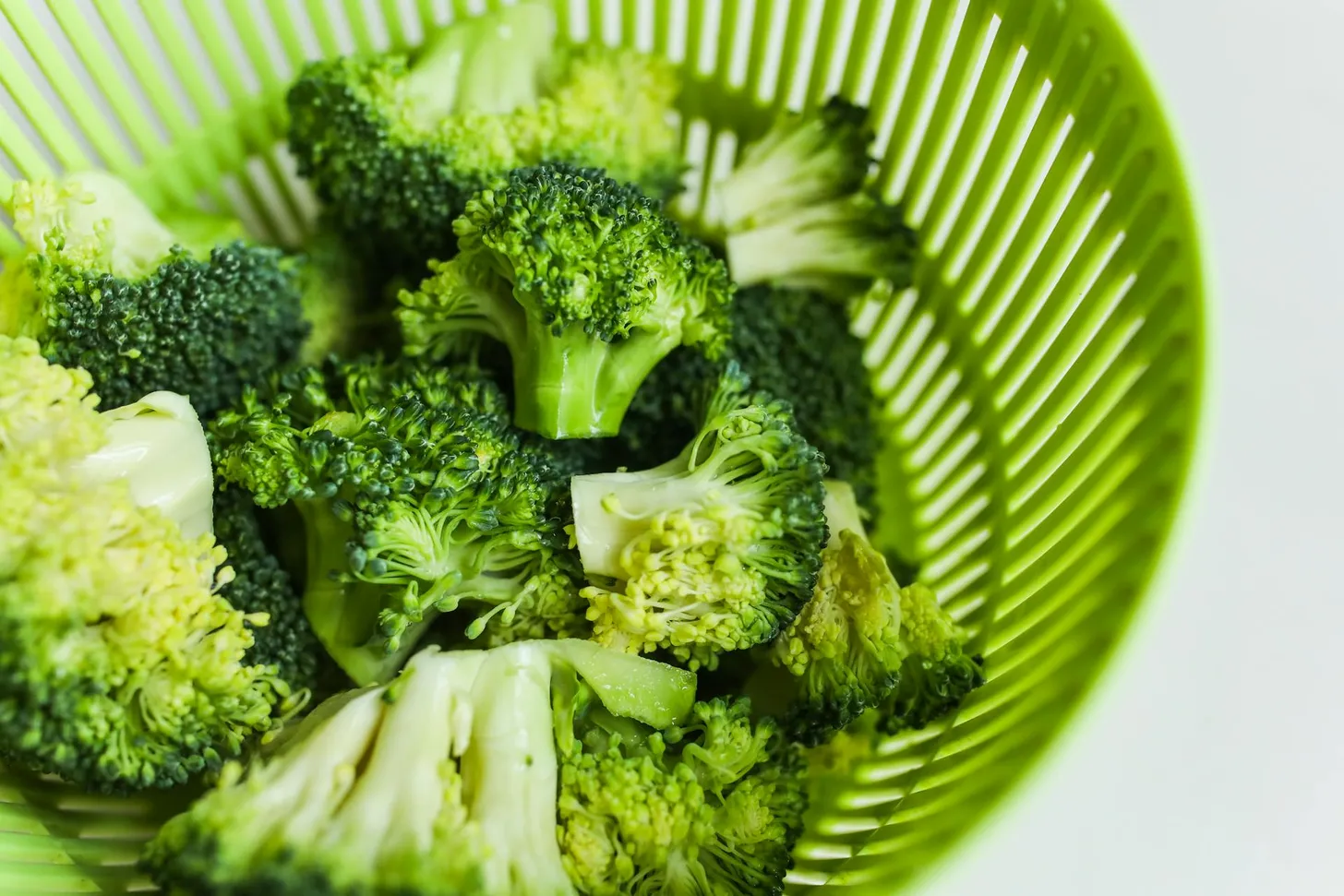
It’s no secret that broccoli is good for you! Load up on this cruciferous vegetable for a healthy boost of vitamin K, calcium, fiber, and magnesium. Broccoli is a particularly great choice if you want to strengthen your bone health. Add it to a wide variety of dishes such as soups, pastas, and stir-fries.
Ginger
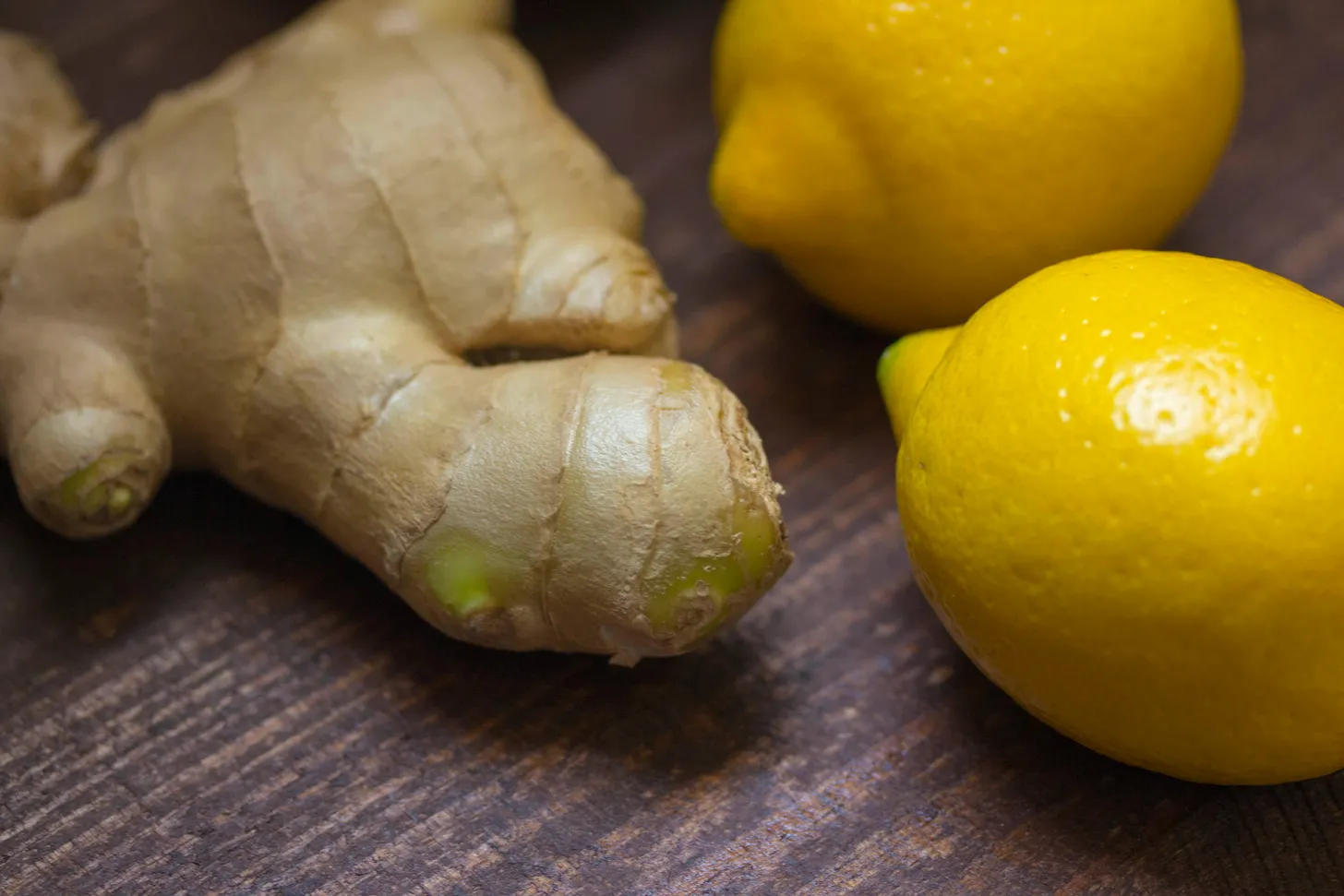
Ginger is a go-to ingredient for nutritionists since it contains anti-inflammatory properties and helps to soothe the digestive system. Reach for a ginger tea if you're suffering with indigestion or nausea (or simply chop some up and add to a stir-fry for a tasty dinner)!
Extra virgin olive oil

Most nutritionists cook using extra virgin olive oil over options like sunflower or canola oil. This is because olive oil has proven anti-inflammatory properties and supports good heart health. Drizzle some directly over your salads or use olive oil to make your own homemade vinaigrettes.
Sweet potatoes

As well as being delicious, vibrant sweet potatoes are extremely nutritious. They’re rich in beta-carotene, which supports good skin and eye health. Sweet potatoes are also high in fiber which keeps you feeling fuller for longer. Add them to casseroles, mash them up as a side dish, or experiment with making sweet potato fries.
Kale
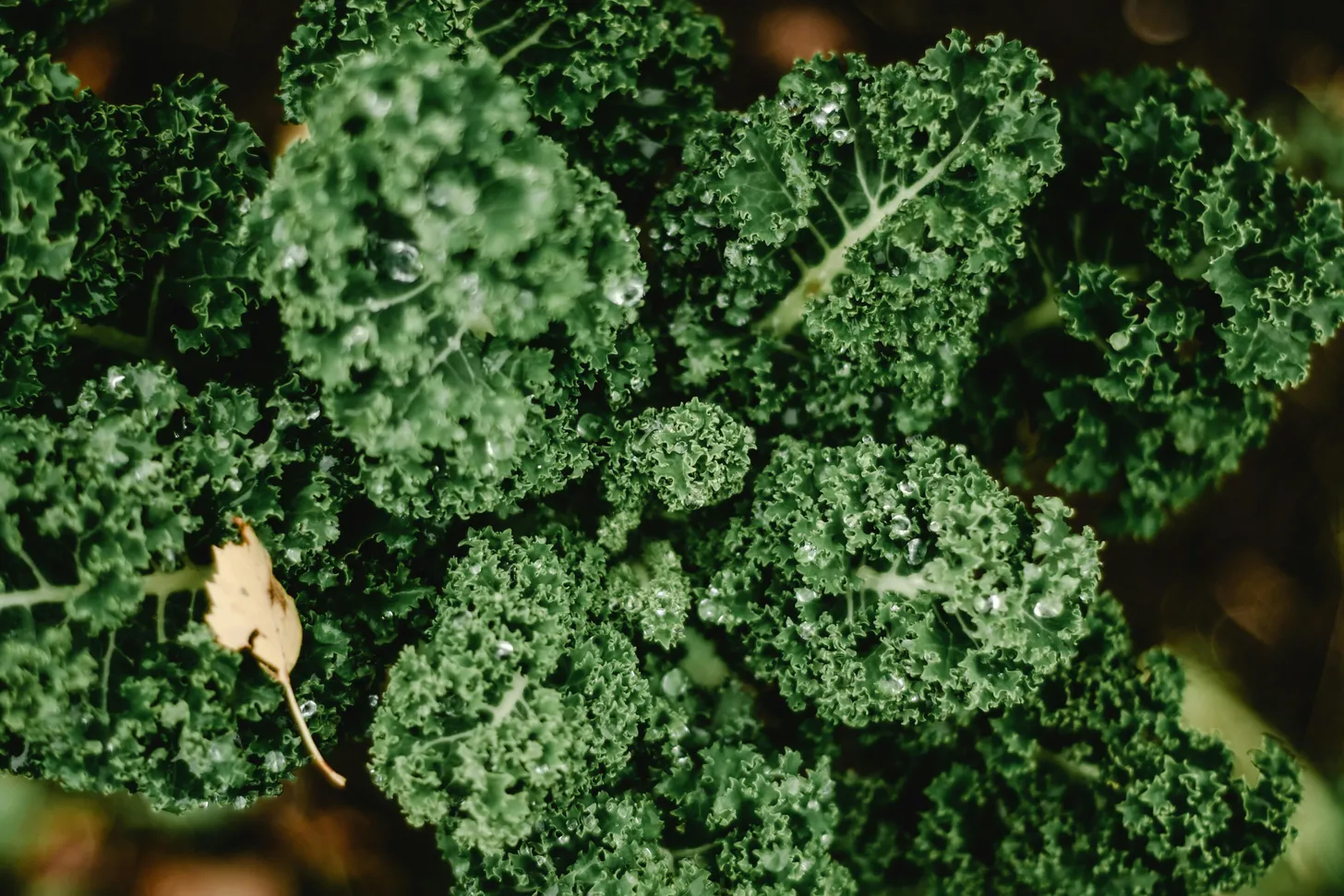
Kale is classed as a superfood for good reason! This leafy green vegetable is full of vitamins and minerals. It also contains phytonutrients, a plant-based substance that helps to promote healthy cell function and a strong immune system. You can toss kale into practically every savory dish, from soups to pastas to grain bowls.
Blueberries
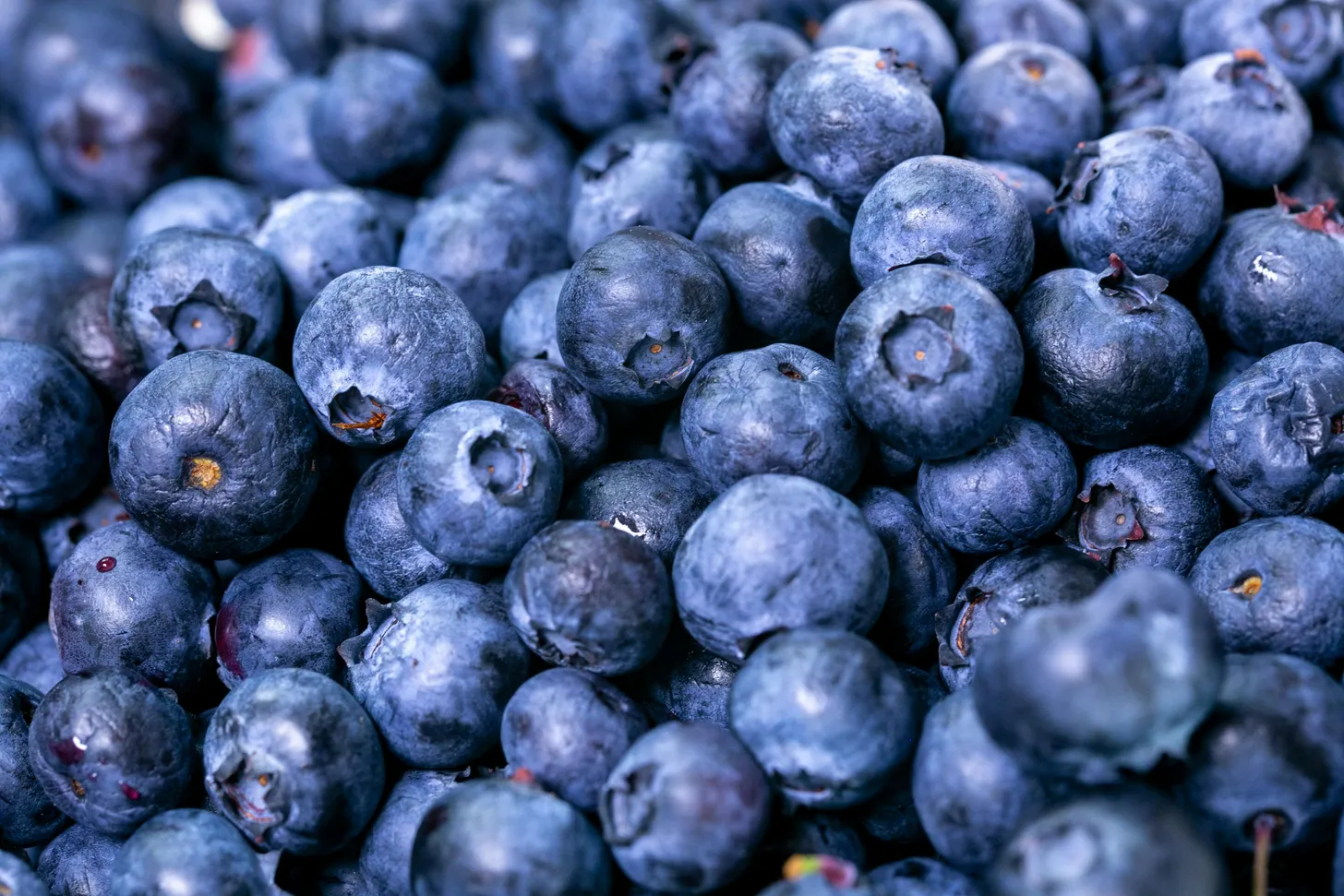
If you have no idea which fruit to opt for, you can’t go wrong with blueberries. The humble blueberry is perfectly bite-sized, low in sugar, high in fiber, and rich in vitamin C. Nutritionists recommend eating blueberries to support a strong immune system and to help protect your body from harmful free radicals.
Hemp seeds
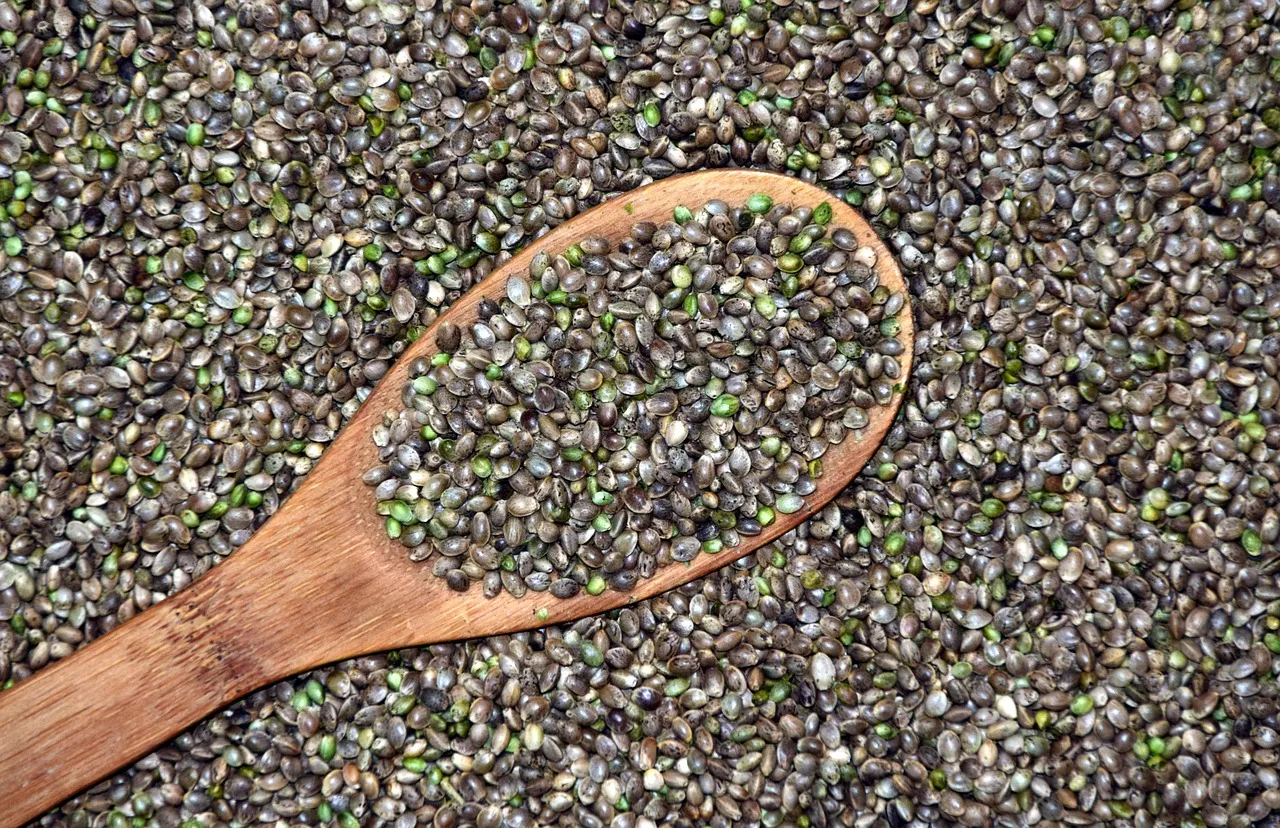
Hemp seeds are worth incorporating into your diet if you’ve never tried them before. They're a fantastic source of plant-based protein and rich in fiber to support healthy digestion. Not only that, but they're rich in omega-3 fatty acids (which help to reduce inflammation). Try baking hemp seeds into muffins or sprinkling them over oatmeal.
Salmon

Any type of oily fish is beneficial to health, including salmon! Salmon is high in protein and a great source of omega-3 fatty acids and antioxidants. This helps to lower inflammation in the body. Salmon is also a smart choice if you have skin concerns such as a weak skin barrier and visible aging.
Coconut oil

Coconut oil is another popular food choice among nutritionists. It's super versatile since it can be used in both sweet and savory recipes (it may even be applied directly to the skin for extra moisture)! While coconut oil is high in saturated fat, it is often considered a healthier alternative to traditional butter and lard. This is because it contains lauric acid, which has antibacterial and antiviral properties.
Butternut squash

When fall comes around, butternut squash is a firm favorite among nutritionists. The hearty vegetable can easily be roasted and incorporated into warming soups, salads, and curries. It’s also loaded with vitamins A, C, and E, making it an excellent choice if you want to support your eye health.
Green tea

Many nutritionists have swapped coffee for green tea in the morning. While coffee isn’t necessarily unhealthy, green tea helps the body to absorb caffeine more evenly over time, preventing those dreaded coffee jitters. Green tea is also known for its anti-inflammatory and antioxidant benefits which support overall good health.
Hummus

When it comes to healthy snacks, hummus is undoubtedly near the top of the list for nutritionists. Made with chickpeas, tahini, and lemon juice, the dip is loaded with protein, fiber, and nutrients. Try using carrot batons, crunchy bell peppers, or rice cakes as vehicles for your hummus.
Spinach
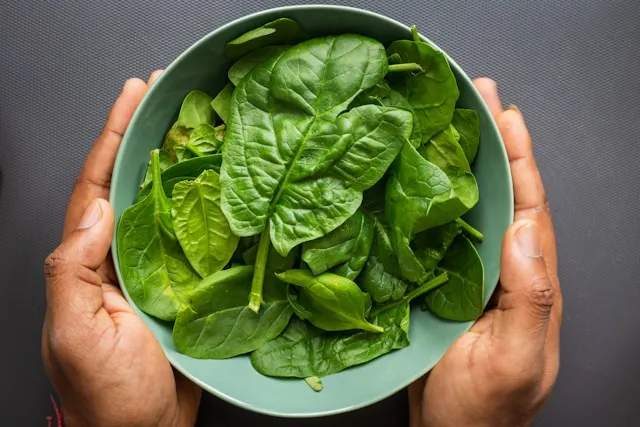
If you find most leafy green vegetables too bitter, try opting for spinach instead. This lightweight, mild-tasting veg is surprisingly nutrient-dense. For instance, it’s rich in folate, which helps reduce the risk of heart disease and stroke. Spinach also contains antioxidants which may help to prevent the development of certain cancers.
Nuts
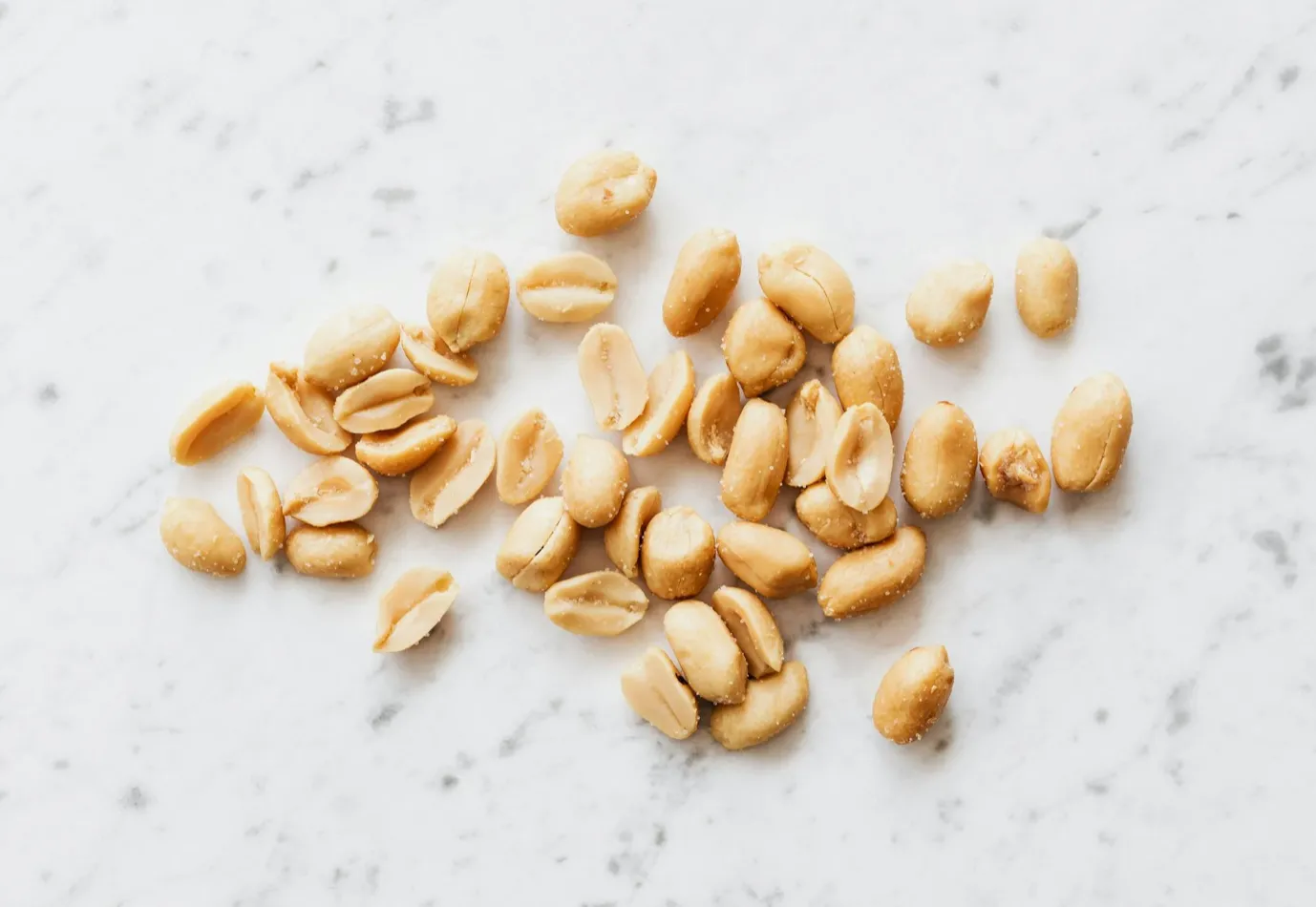
All nuts are rich in protein, fiber, healthy fats, and minerals. Though they can be calorie-dense, the health benefits of nuts are undeniable when eaten in moderation. Walnuts are particularly rich in omega-6 and omega-3 essential fatty acids which help to promote healthy cholesterol levels and reduce inflammation.
Beans
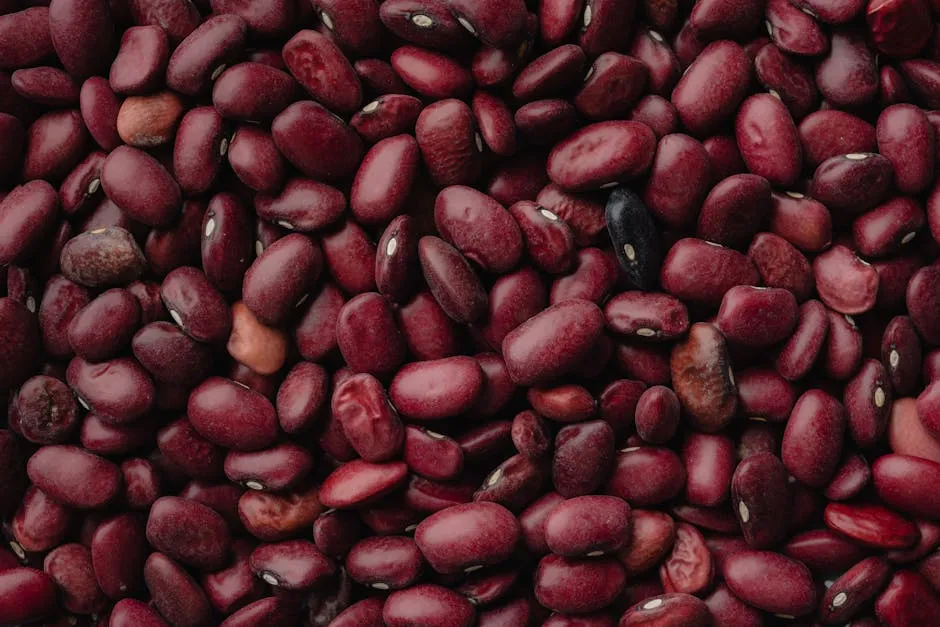
If you’re vegetarian, vegan, or simply on a budget, beans are a fantastic food choice. They’re not only high in fiber and protein, but they're also affordable and environmentally friendly. Use them to bulk up salads and stews or enjoy them as a side dish.
Goji berries

Goji berries are another superfood to consider adding to your diet. Herby and tangy in taste, these berries are packed with antioxidants like vitamin C which help to boost the body's immune system. Previous research has even suggested that goji berries can play a part in healthy weight loss. Try sprinkling them over salads and oatmeal.
Beets
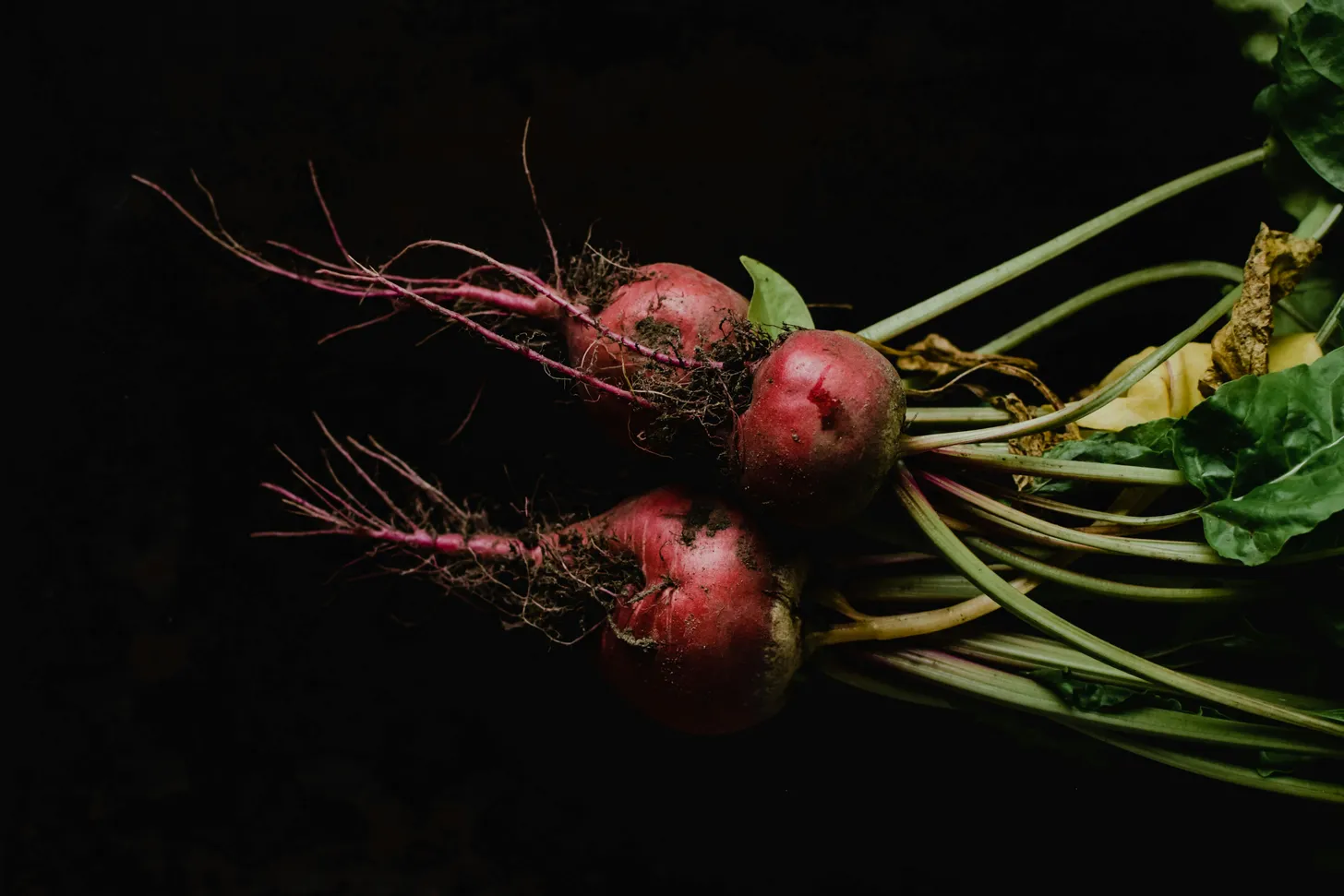
Beets are rich in phytonutrients which have anti-inflammatory and immune-boosting properties. It’s also thought that the vegetable can play a part in eliminating toxins or “detoxifying” the body. Beets can be eaten raw or cooked – either way, they’ll add a healthy dose of color to your meals!
Flaxseeds

Tiny flaxseeds are easy to incorporate in your daily diet and they have multiple health benefits. They’re a rich source of lignins, which may help to lower blood pressure and reduce the risk of breast cancer. Flaxseeds are also excellent sources of essential omega-3s, keeping inflammation and heart health in check.
Nut butters

Instead of reaching for chocolate spread or strawberry jelly, most nutritionists opt to eat nut butters. This may include peanut butter, almond butter, or even cashew butter. Like whole nuts, these spreads are low in sugar and are great sources of fiber, protein, antioxidants, and healthy unsaturated fats.
Water

This one may sound obvious, but nutritionists always try to ensure that they are consuming enough water each day to stay sufficiently hydrated! Forget sugary sodas and energy drinks – plain old water is calorie-free and best for fighting dehydration. If you’re not a fan of plain water, try infusing some flavor using fruit slices and herbs.
Cinnamon

Cinnamon isn’t just for the festive season – nutritionists love to eat this spice all year round! Cinnamon has many benefits, such as helping to reduce blood pressure and maintain good cardiovascular health. It also has naturally anti-microbial and anti-inflammatory properties. Incorporate cinnamon when baking sweet treats or try stirring it into your hot drinks.
Homemade smoothies
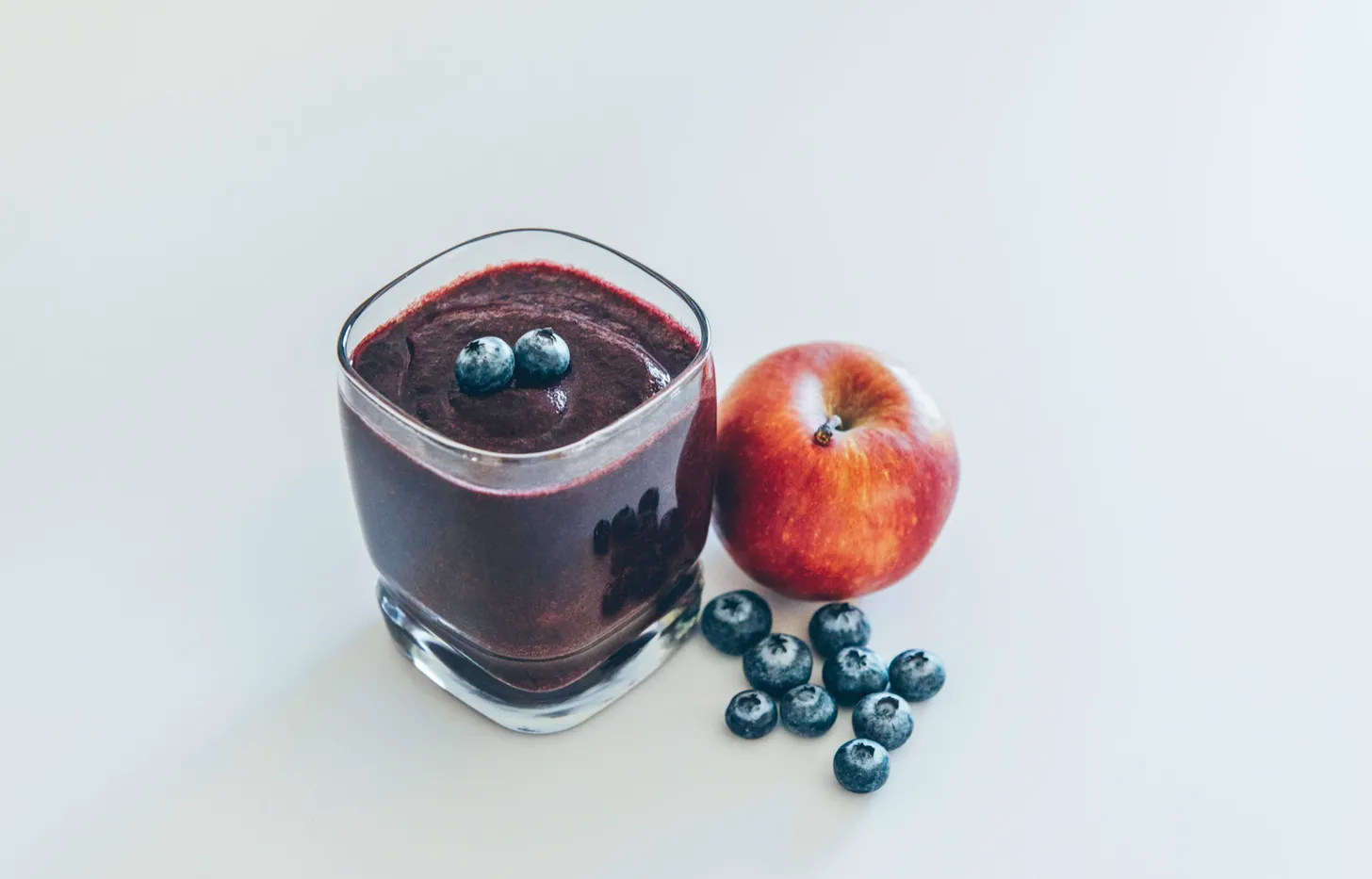
Homemade smoothies are a brilliant way to pack lots of nutrients into one handy beverage. Many nutritionists enjoy making their own smoothies using whichever ingredients they have in the fridge. Coconut water is a popular base, while foods like berries, spinach, beetroot, and turmeric provide extra nutrients, flavor, and color!
Chickpeas
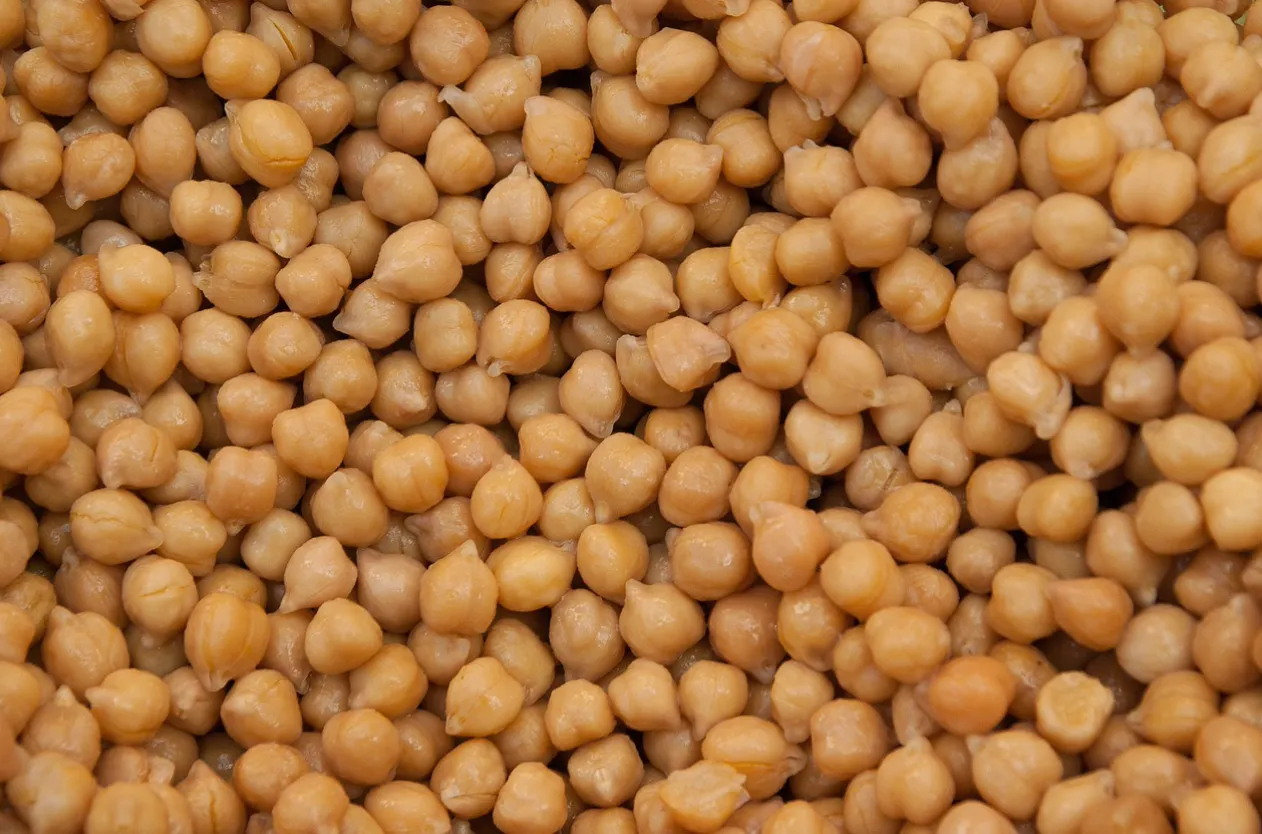
Chickpeas are another extremely affordable health food. They’re rich in protein and fiber, as well as valuable minerals like iron and zinc. Experiment with adding them to curries, soups, and salads in place of meat. You can even use them to whip up your own homemade hummus.
Tofu

Tofu is a great, budget-friendly alternative to meat since it’s high in protein. Not only that, but it contains essential amino acids, minerals, and vitamins to support overall immune health. Tofu is particularly high in vitamin A (which promotes healthy vision) and manganese (which benefits the bones).
Dark chocolate

Nutritionists still enjoy a sweet treat just like typical humans! But they’re unlikely to snack on ultra-processed, artificially flavored candies. Dark chocolate, containing a high percentage of cocoa solids, is a smarter choice. This is because dark chocolate is known to contain antioxidants as well as minerals such as magnesium and zinc.
Turmeric

Bright, vibrant turmeric is popular around the globe for its anti-inflammatory and antioxidant properties. The superfood carries many health benefits – it may help to relieve pain, ease symptoms of arthritis, and help to fight infections, to name just a few! It’s best enjoyed in curries, soups, and rice dishes; you can even combine the spice with milk to make a turmeric latte.
Potatoes

Sweet potatoes are colorful, delicious and nutritious, but don’t dismiss plain old white potatoes just yet. White potatoes are a healthy, versatile ingredient that nutritionists often cook with – they’re easy on the wallet as well! The vegetable is rich in potassium, an electrolyte that supports the heart, muscles, and nervous system.
Cheese

Fermented dairy products, including cheese, contain many health benefits due to their calcium and protein content. Hard cheeses such as cheddar and parmesan are particularly beneficial for supporting bone health. While cheese can often be high in saturated fats and sodium, it is perfectly healthy to eat in moderation.