Get physically active

Burn off anxious energy by moving your body! Keeping your emotions bottled up can lead to serious health issues like chronic stress and high blood pressure over time. If you don’t feel comfortable talking openly about your feelings, release pent-up emotions through physical activity - this is sure to provide you with some relief.
Cook and eat a healthy meal

Many people find the act of cooking therapeutic so it’s worth giving a go to de-stress and enhance your mood. Pick a healthy recipe, go grocery shopping, and mindfully prepare and combine the ingredients for your meal. This forces you to slow down and act mindfully instead of instinctively reaching for fast food.
Take a walk

Exercise doesn’t always have to be strenuous and exhausting. Take a relaxing walk outdoors and let the fresh air clear some of your brain fog. This is a perfect activity to try first thing in the morning. Alternatively, consider squeezing in a few steps during your lunchbreak at work.
Try aromatherapy
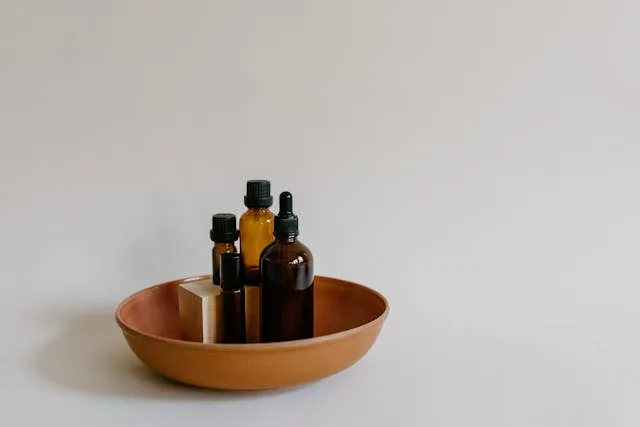
Don’t knock aromatherapy until you’ve tried it! Soothing scents such as lavender can encourage relaxation and promote a restful night’s sleep. Consider investing in an affordable essential oil diffuser for your home or rub essential oils on the pulse points of your body to release fragrance when you’re on the go.
Call or message a loved one

Even if it’s the last thing you feel like doing, picking up your phone and chatting with a loved one can be a real mood-booster in times of stress. Sharing your worries with each other can help to redefine stress and prevent your mind from spiraling.
Have a laugh

Laughter really is one of the best medicines - research shows that it can release feel-good endorphins in your body. After a long, stressful day, why not try watching a comedy show or having a laugh with friends? Some holistic practitioners even offer laughter therapy and laughter yoga as part of their services!
Meditate
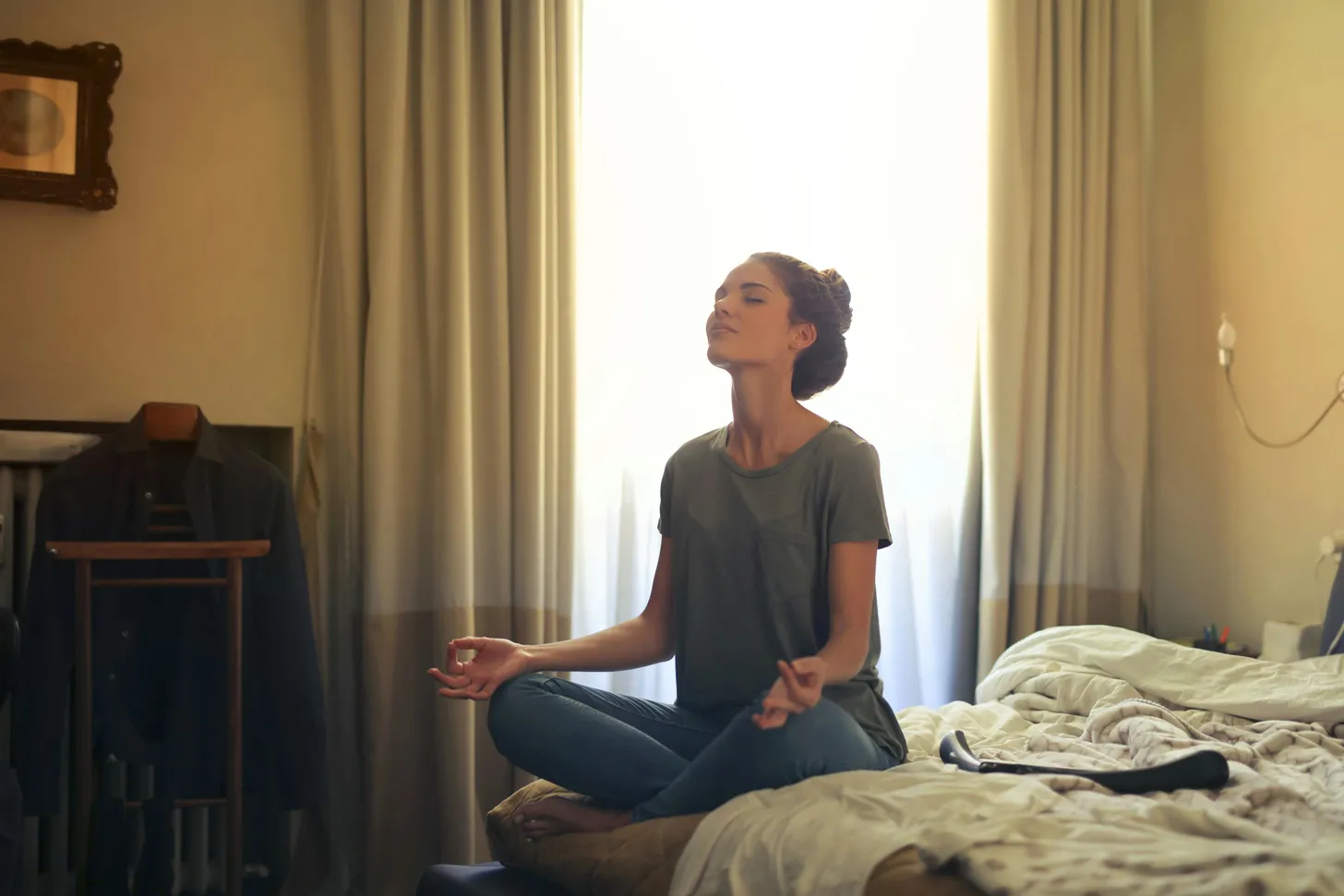
When your mind is racing and you feel overwhelmed, try hitting the pause button by meditating. Meditation can take many forms – you don’t necessarily need to be sitting cross-legged on the floor in silence! Try a free, guided meditation online if you don’t know where to begin. There are many options available depending on the specific source of your stress.
Read a book

Escape the real world by diving between the pages a great novel! This is a fantastic way to wind down and relax your body before bedtime instead of browsing mindlessly on your electronic devices. Your local public library should have plenty of different books to choose from.
Bake something

Baking isn’t for everyone, but it can be a great way to de-stress for many people. The act of stirring and kneading forces you to stay in the present, helping to take your mind off other concerns. The best part is that you’ll hopefully have a delicious, sweet treat to enjoy afterward!
Spend time in nature

When you’re stressed, it can feel tempting to curl up in bed and stay there! However, spending time outside in nature can work wonders for your mind and body. Visit your local park or try taking up gardening, for example. Some researchers believe that sounds in nature like birdsong and running water can help reduce stress.
Practice gratitude

It might seem cavalier to suggest being grateful instead of stressing out, but there’s growing research that supports the health benefits of practicing gratitude. While it’s impossible to deny or ignore the existence of stress, take time to count your blessings every time something does eventually go your way. You might just feel happier and healthier as a result.
Reduce your screen time

It’s common for people to scroll on social media whenever they have free time, but this habit is likely to worsen stress. This is because it’s impossible to predict what’s going to pop up on your screen – you could end up experiencing a rollercoaster of emotions in just a few minutes. Additionally, these apps are designed to keep you hooked. Consider setting yourself time limits to avoid going overboard.
Journal

It can often be difficult to talk openly about emotions with other people. If this is the case, the next best thing you can do is journal. This gives you an outlet to pour your heart out without judgement. You could even write down all your worries on paper before triumphantly ripping them to shreds!
Draw or doodle

If you’re not one for writing or talking at length, why not try drawing, painting, or doodling your stress away? This can be a calming activity to help quiet your mind, rather like a basic form of art therapy. If you don’t know where to start, perhaps you could even start with an adult coloring book.
Give or receive a hug

Close physical contact like giving or receiving a hug is an excellent way to quickly de-stress. The act of hugging slows down the heart rate and triggers the release of the hormone oxytocin, which promotes connection. At the same time, it can decrease levels of the stress hormone, cortisol, in your body.
Try sound therapy
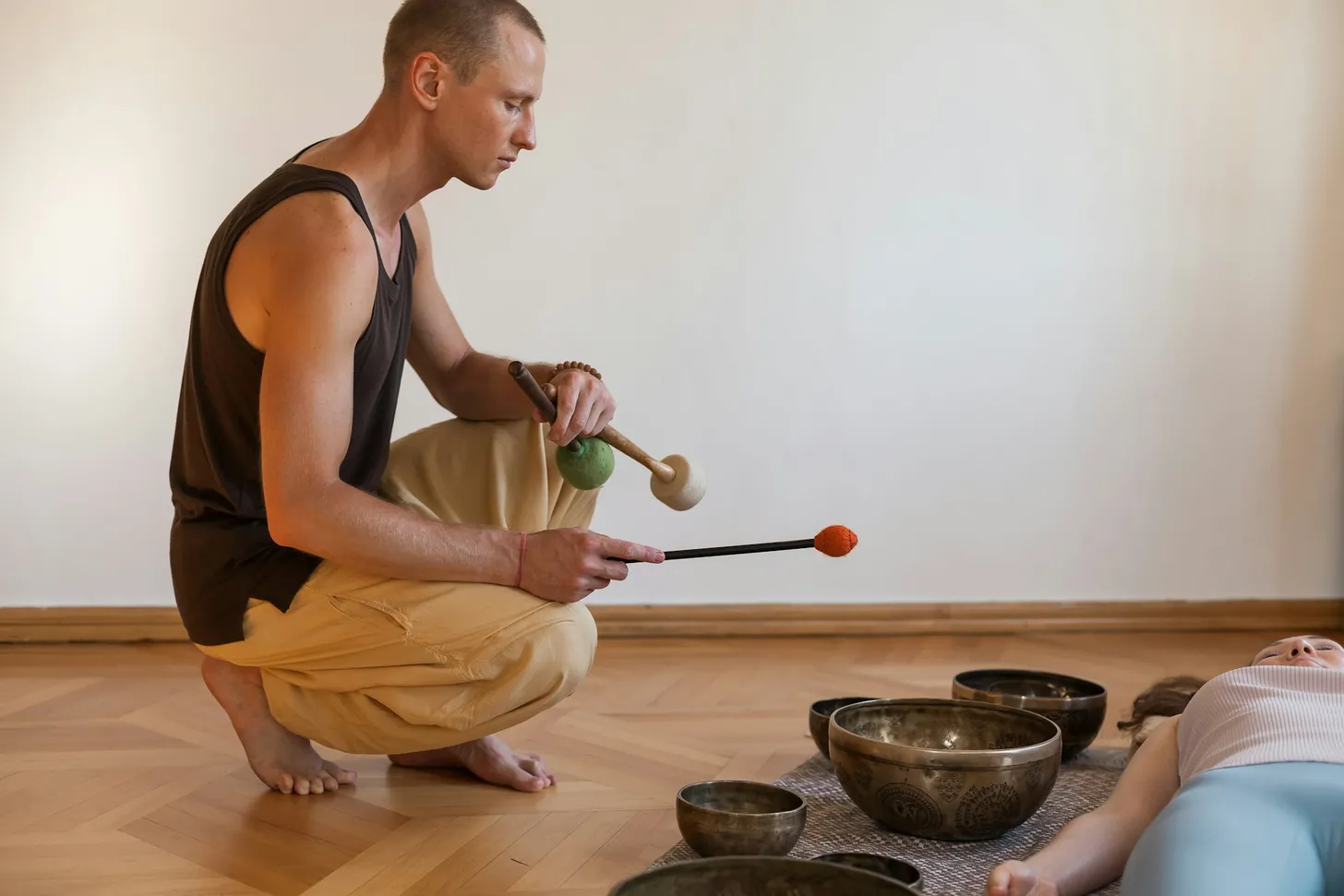
If you don’t know, sound therapy (also known as sound healing or a sound bath) uses the vibration of sounds at different frequencies to promote rest and reduce stress. Specialist instruments such as gongs, chimes, and singing bowls are played by a practitioner while you lie back and relax! If you have other existing medical conditions, however, you might want to run this idea past your doctor first.
Set boundaries and learn to say no
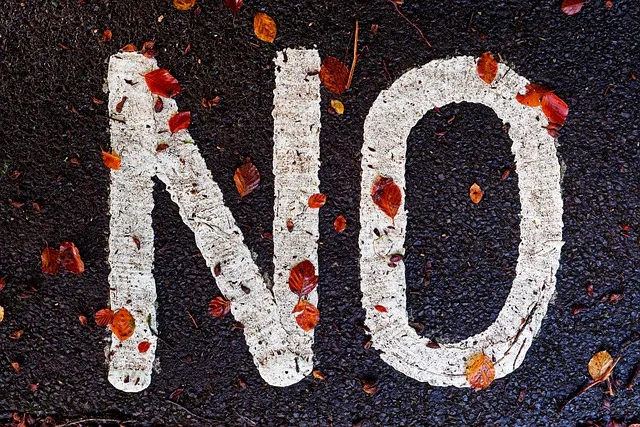
It’s all very well trying different tips and tricks to de-stress, but you’ll fall right back into the cycle of stress unless you change your behavior in the long-term. That’s why it’s important to redefine your boundaries and learn to say no when things become overwhelming for you. Learn how to communicate assertively – you don’t necessarily need to be aggressive!
Get a massage

When you’re stressed, you hold tension in your body without even realizing. Loosen those tight knots by treating yourself to a relaxing massage. There’s no better feeling than switching off and letting a massage therapist work their magic. You can also choose which area you want to focus on, whether it’s your head, back, or shoulders.
Clean and declutter your space

A messy, cluttered space can lead to a cluttered mind. If everything else in your life seems to be spiraling, one thing you can control is how clean and tidy your home is. Decluttering can provide a sense of accomplishment, as well as helping to relieve visual and mental overload. The best part is that it keeps you physically active at the same time.
Try yoga
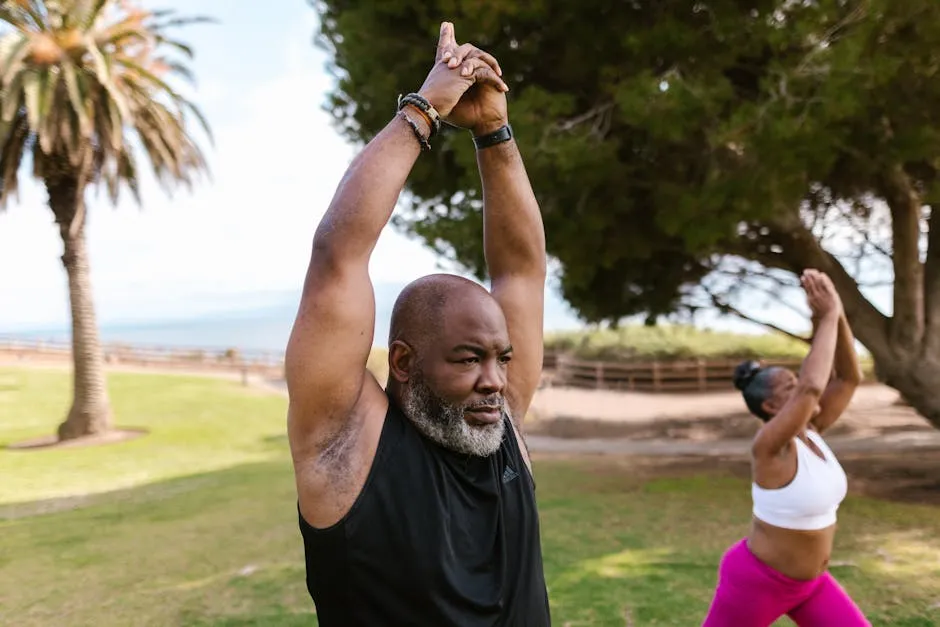
Yoga is a practice that’s well-known for effectively reducing stress by promoting relaxation and improving mental focus. You might think that’s it’s only for young, flexible people, but the key focus is on breathing technique and releasing tension rather than contorting your body into shapes. Try an online video at home or consider joining a beginner’s class to get started!
Dance it out

Dancing is a physical activity that gets you moving, just like regular exercise. That’s why it can be great for releasing stress stored in the body. Try joining a fun dance class or, if you’re a little more self-conscious, just dance it out when you’re alone at home.
Get more sleep
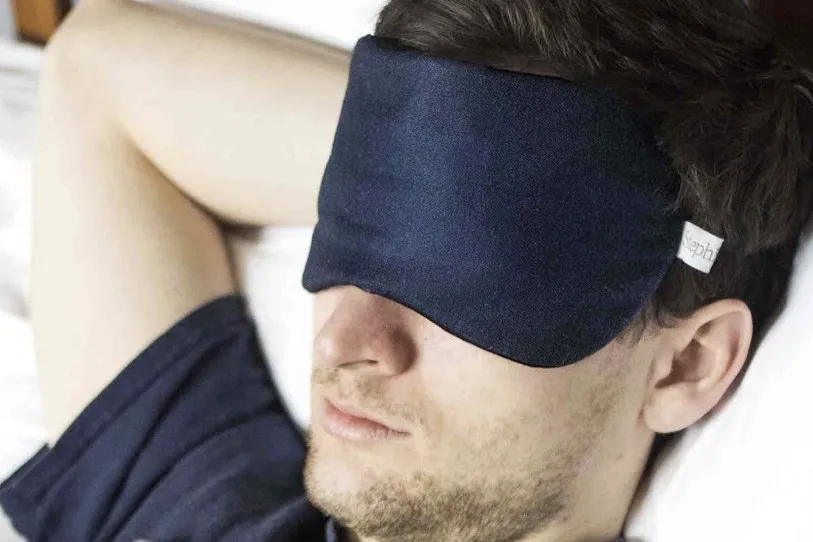
It might seem like there’s never enough hours in the day, but you’ll ever stay productive if you don’t prioritize rest and recovery through sleep. Aim to get at least seven hours of a sleep each night – your body uses this time to regulate stress hormones such as cortisol and adrenaline.
Deep breathing

It’s common to neglect your breathing throughout the day when stressed. People who lead a busy lifestyle often unconsciously take shallow breaths. Shallow breathing means your body gets less oxygen throughout the day, triggering a stress response (also known as “fight-or-flight”) in your body. Calm yourself by filling your lungs each time you inhale.
Try a jigsaw puzzle

If you’re not a fan of traditional meditation, try getting stuck into a jigsaw puzzle instead! These can be very beneficial for reducing stress because they crucially get you away from your electronic devices. Puzzles require you to focus your attention, which can feel therapeutic and calming.
Create something

Many people work full-time hours at a desk job where there’s little opportunity for creativity. Therefore, using your free time to create something meaningful allows you to use your brain in a different way! For example, you could try your hand at something like pottery or woodworking. This gives you an outlet for emotional expression and may help to balance your stress hormones.
Take a long, relaxing bath

A long, relaxing bubble bath is perfect for relieving stress in several ways. Firstly, the sound of running water is known to have a soothing effect. Baths also promote muscle relaxation by activating your parasympathetic nervous system. You can also use calming scents to introduce an element of aromatherapy to the experience!
Revisit a hobby

Are you so stressed that your personal passions have taken a back seat? Fall back in love with your hobbies by revisiting one of them! Consider the type of activities you loved doing as a child, for instance. Hobbies help to break up stressful daily routines while giving you a sense of achievement and purpose.
Play with your pet

After long, stressful days, pets can help to soothe you and balance your mood. Stroking your cat or dog can lower blood pressure just through touch and movement. Research has also shown that stroking a purring cat can be particularly healing. Engaging with your pet through toys also keeps both of you active – and they’re sure to appreciate the bonding time!
Practice mindfulness

Practicing mindfulness is all about focusing your attention on the present moment. What sounds do you hear? What colors do you see around you? Staying mindful can work wonders for stress as it prevents you from ruminating on the past and worrying about the future. It’s easier said than done, of course, but a little practice goes a long way.
Listen to your favorite music
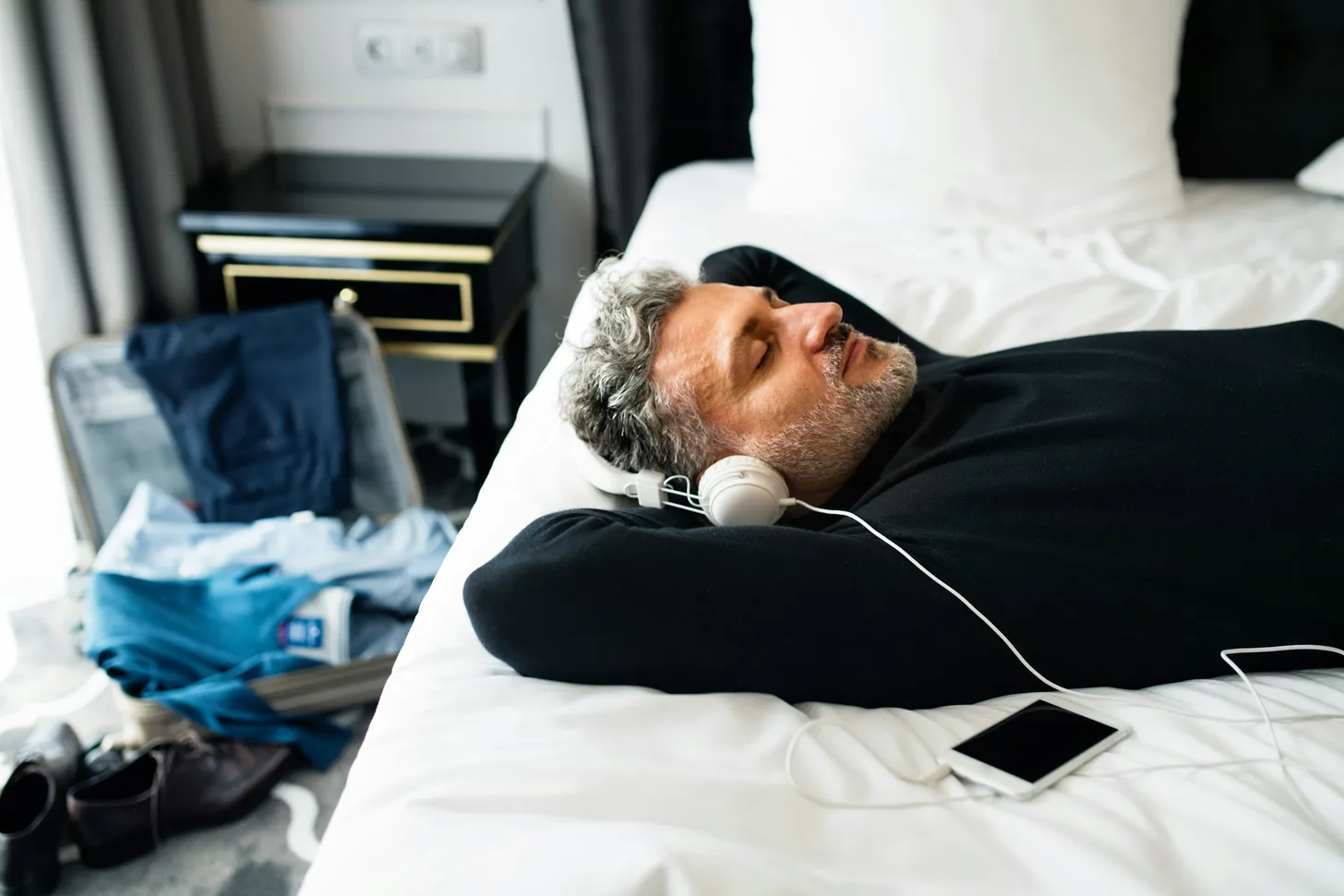
Music is an underrated tool for managing stress, but it's great for simply distracting you from worrying! Calming music promotes relaxation, especially if you’re struggling to sleep. And listening to any of your favorite tunes can evoke feelings of joy and comfort. This helps to lower your stress hormones and heart rate.
Have a full-body stretch
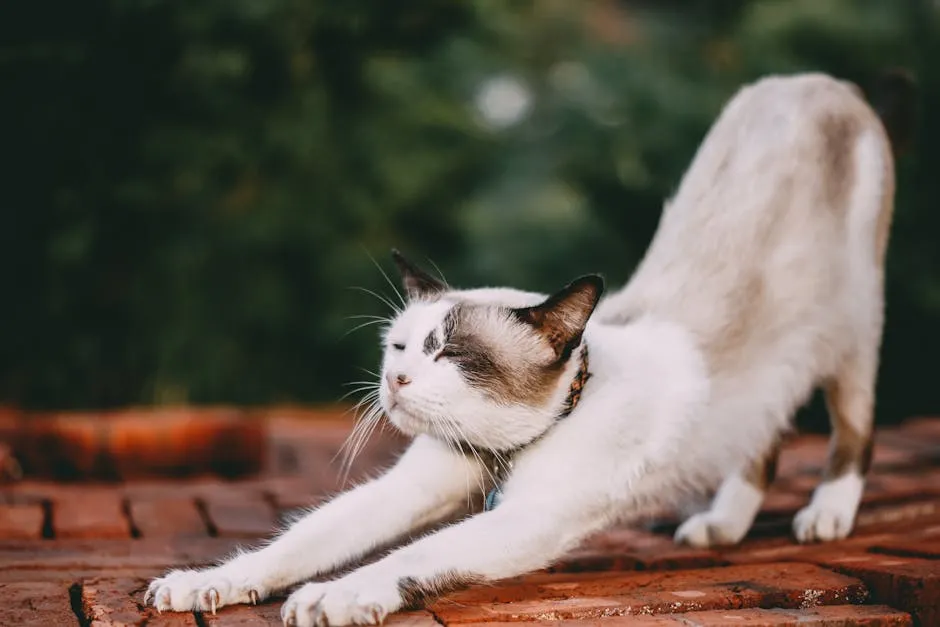
One stretch isn’t going to cure chronic stress, but it’s a quick trick to utilize whenever you’re feeling particularly tense. Stretching promotes muscle relaxation and reduces tension in the body. This activates your parasympathetic nervous system and gives you a quick boost of stabilizing serotonin.
Re-watch your favorite childhood movies

If you’re feeling stressed and overwhelmed, a positive coping mechanism is to revisit simpler times through movies. Rewatching your childhood favorites can offer a sense of comfort as you know exactly what to expect! Movies also provide a sense of feel-good escapism, allowing you to take a short break from reality.
Seek support from others

Don’t hesitate to reach out for support when you need it! You might avoid asking for help out of fear or pride but just remember that people tend to love lending their advice and expertise. You might even gain a different perspective on your problems that you had never considered before.
Sit by a window and people-watch
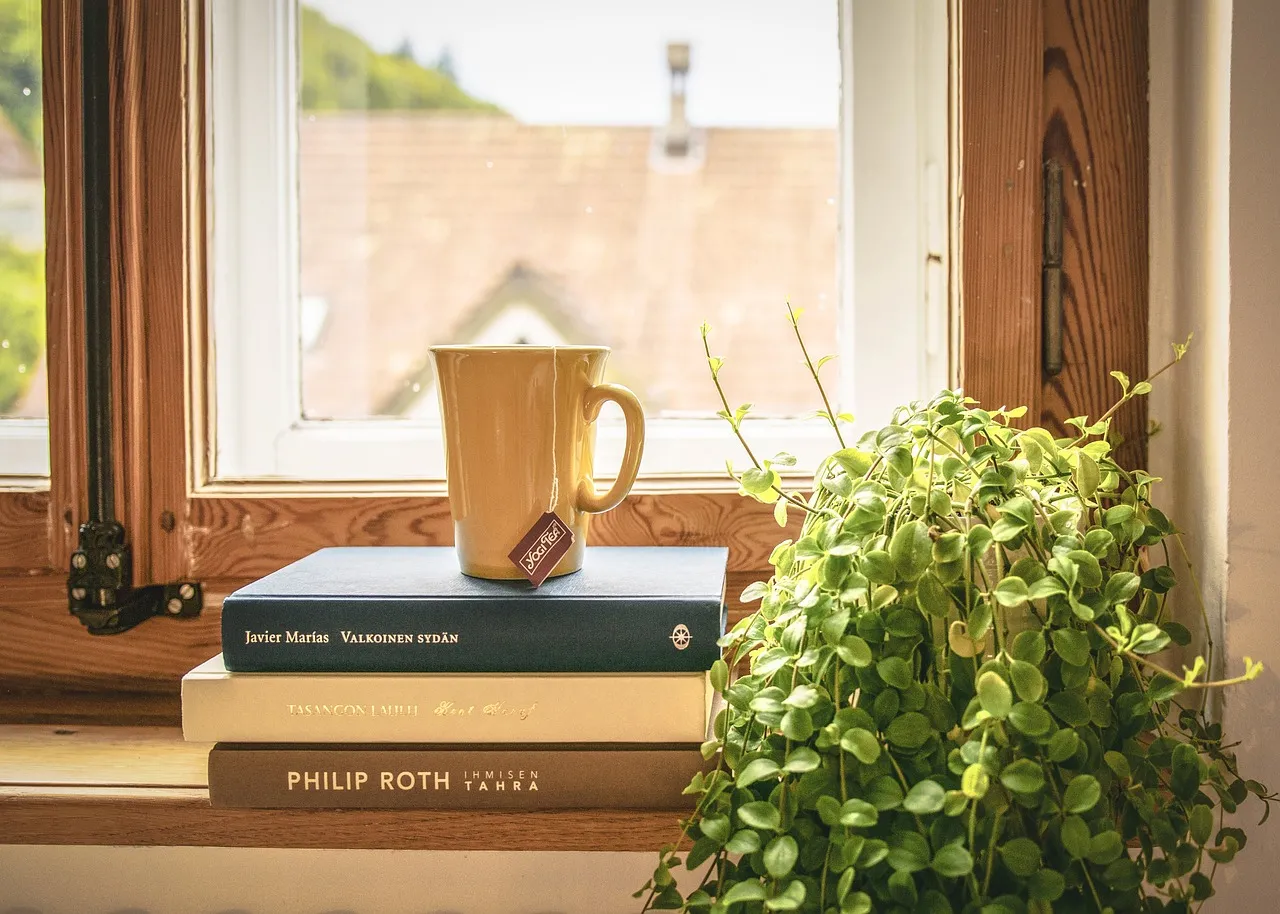
People-watching doesn’t have to be creepy! In fact, quietly sitting by a window and watching the world pass by can provide stress relief. This is because it encourages mindfulness and helps put things into perspective. You may feel a reduced sense of anxiety by observing other human experiences.
Recite affirmations and mantras

If you’re feeling stressed about a particular situation, for example, an upcoming event, it is worth exploring affirmations and mantras. These are short words or phrases that you can repeat to yourself when you feel overwhelmed. This may help to calm any nervous energy. One example could be, “I am safe and secure.”
Keep your hands busy

Stress is known to affect the hands and fingers, so you might regularly find yourself twiddling your thumbs and feeling fidgety. This is why keeping them busy with something like a jigsaw can help. Even squeezing a stress ball can help to relieve some tension.
Light some candles

The last thing you need to be faced with when stressed is the glare of harsh lighting. Try dimming the lights at home and create a cozier atmosphere using lamps and candles. Previous research has suggested that the gentle flicker of candles can help to relieve feelings of stress. Scented varieties can also further promote relaxation.
Try a cold plunge

This one’s not for the faint-hearted but it can give you a much-needed jolt of energy! Cold water therapy, such as cold plunges, have been shown to decrease stress levels and increase mood. Just remember to try this one in a safe and controlled environment if it’s your first time. Those with existing health conditions should also be wary.
Cook and eat your favorite meal

Eating healthily is important, but don’t put too much pressure on yourself if you’re going through a hard time. Consider taking some time to cook and eat your favorite comfort meal. This encourages you to slow down and do something nice for yourself, working wonders for your mental health.
Scream at the top of your lungs

If you have a moment alone, a fantastic way to temporarily de-stress is to simply scream at the top of your lungs! This can have a cathartic effect, allowing you to quickly release pent-up tension. It also triggers the release of endorphins, making you feel more alert.