Washing chicken before cooking it

Washing bacteria off raw chicken meat is unnecessary and more unhygienic than not washing. When you rinse meat in the sink, you risk the germ-infested water splashing back in your face and onto your worktops. You might later touch these surfaces without realizing, spreading the bacteria further. The heat of cooking is enough to “disinfect” chicken – just make sure it’s cooked fully all the way through!
Flushing with the toilet lid open
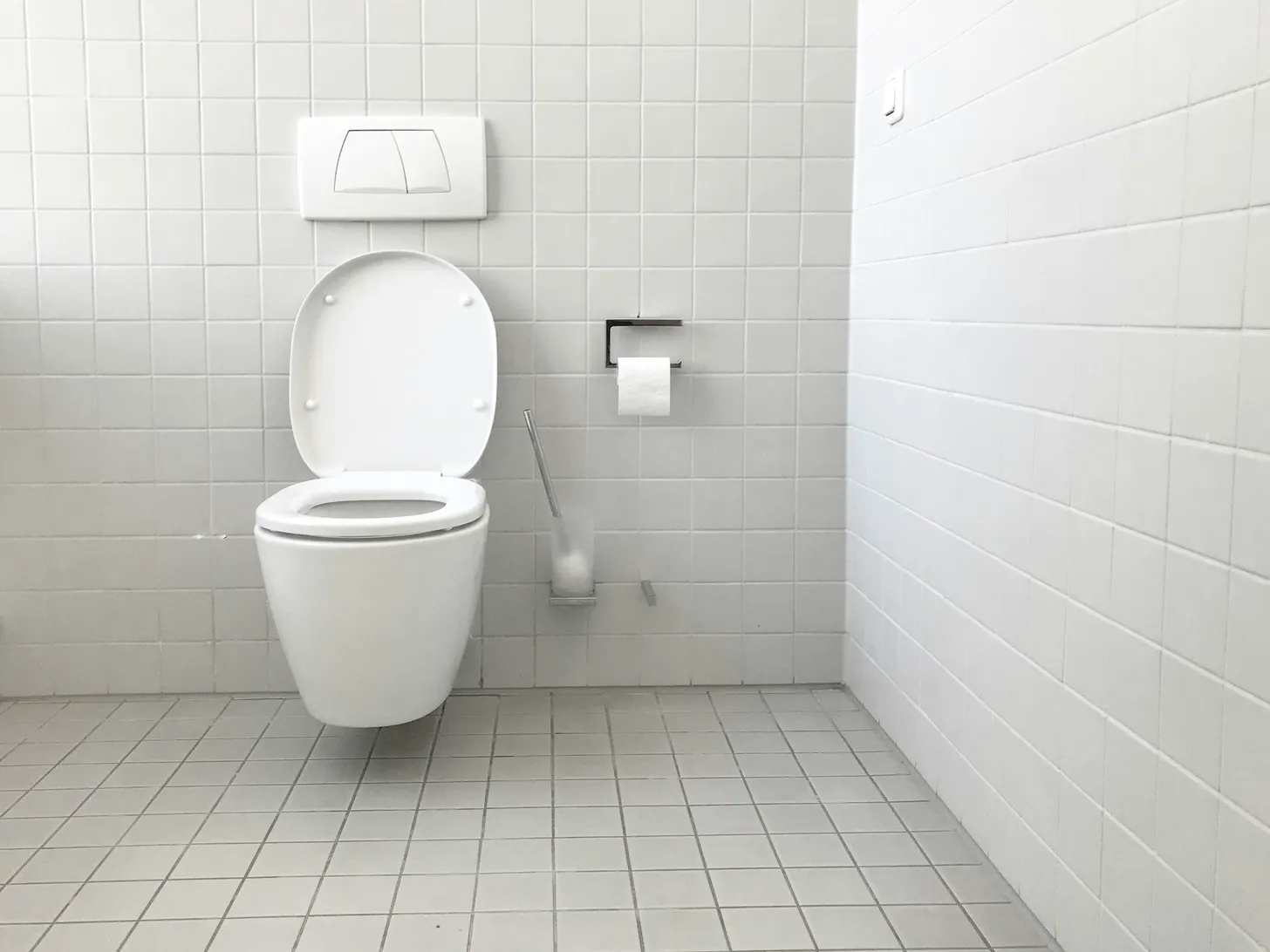
Many people have never been taught to flush the toilet with the lid closed. But did you know that this is the most hygienic thing to do? When you flush with the lid open, splashes of water mixed with bacteria can be propelled up into the air. If your toothbrush is nearby, who knows what nasties could end up lurking on its bristles!
Blowing on your makeup brushes
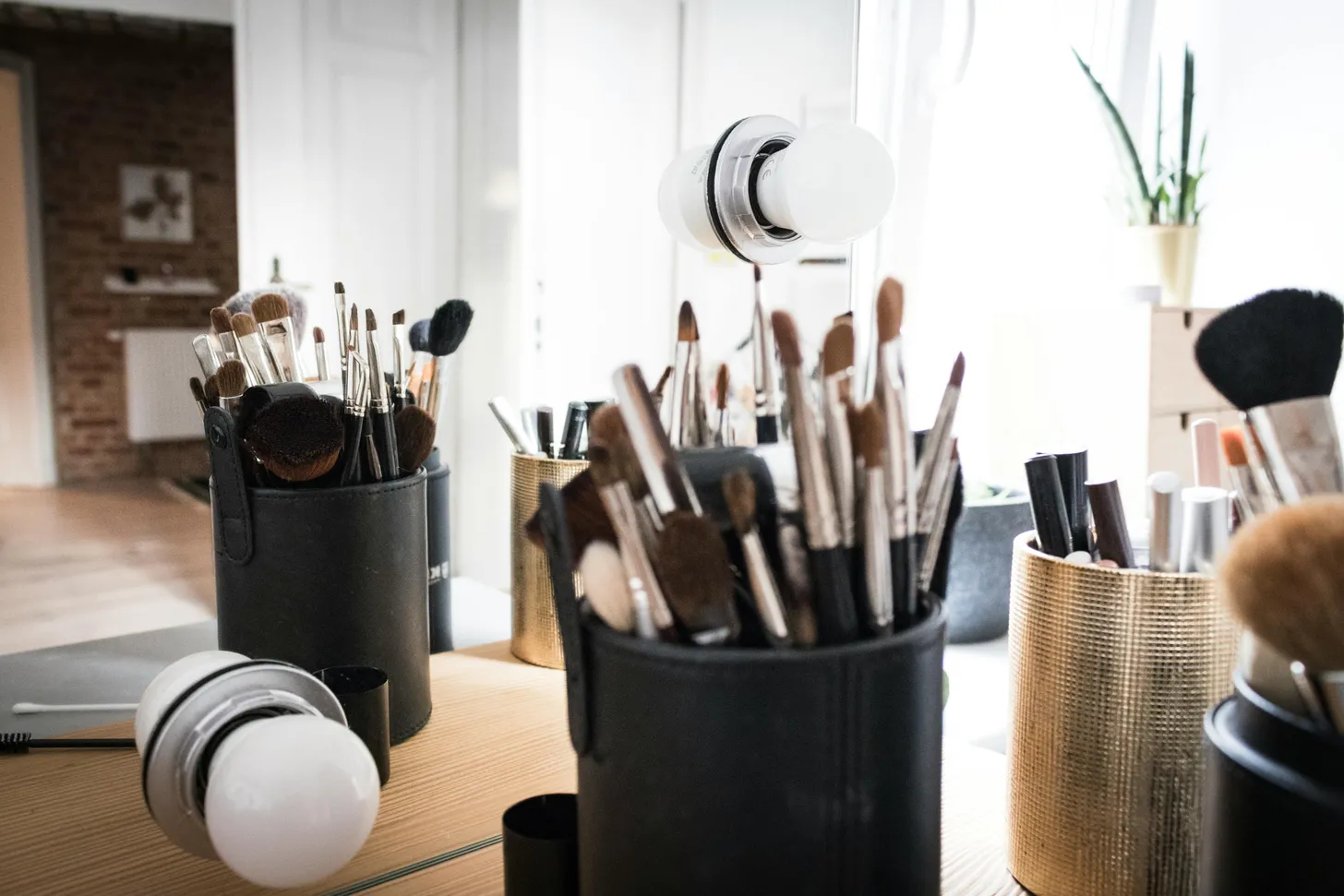
You might not think twice about blowing on your makeup brushes to remove excess product before application. However, remember that your mouth is filled with bacteria! Blowing on your brushes transfers the bacteria from your lips to the bristles. Steer clear of doing this if you rarely ever clean your brushes, and especially if you’re applying makeup on someone else.
Not showering at night
There’s an age-old debate about whether it’s best to shower in the morning or at night. In terms of hygiene, though, it’s a no-brainer. As you go about your day, your skin naturally collects pollen, dirt, sweat, and bacteria. If you go to bed without showering, this grime stays on your skin and is transferred to your bedsheets while you sleep.
Leaving your dirty dishes to soak in the sink
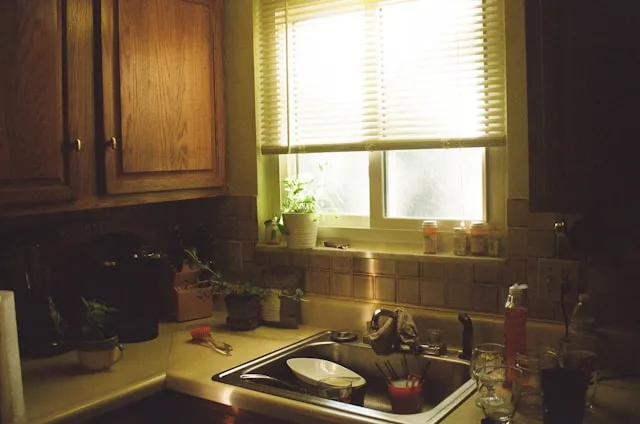
Did you know that your kitchen sink might be less sanitary than your toilet bowl?! Leaving dirty dishes soaking in water might seem convenient, but it can actually act as breeding ground for dangerous bacteria like E. coli and salmonella. It’s best to do your dishes right away after eating.
Letting your pet sleep in your bed

We know that pets are like family members, and you wouldn’t dream of restricting their access to your bedroom. But just think, your adorable little cat could use their litter tray one minute and then hop right into bed with you the next. Outdoor pets can also spread all sorts of bacteria from their paws to your sheets.
TV remotes
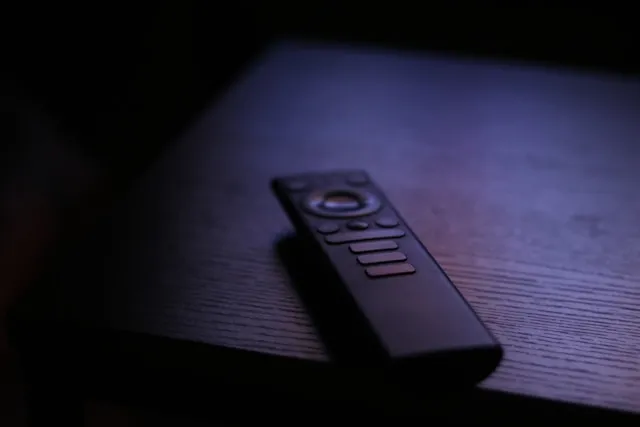
When was the last time you cleaned your TV remote?! These can be a breeding ground for bacteria since people often forget about them. But just think how often you touch those tiny buttons with dirty hands, especially if you watch TV while snacking. Dust and crumbs can also get lodged in the tiny crevices.
Eating breakfast before brushing your teeth

It’s not a pretty image, but while you sleep, bacteria in your mouth multiplies. It’s therefore a good idea to brush bacteria out first thing in the morning, before eating, to prevent plaque and protect your tooth enamel. When you choose to eat breakfast first and then brush straight after, you could actually end up covering your teeth in remnants of acidic food.
Sleeping naked
Sleeping naked isn’t bad, but it’s definitely less hygienic than sleeping with pyjamas on. When you sleep without clothes on, the bacteria on your skin is more easily transferred to your bed linen. Even fecal matter can spread to your sheets more easily! Those who sleep naked should be washing their sheets at least once a week, and more often than those who don’t.
Wiping away cleaning sprays too quickly
You might think you’re being incredibly hygienic by spraying antibacterial cleaning products religiously around your home or at the gym. However, there’s no point in doing it if you’re wiping the product away too quickly! Enzymes in these cleaners often need time to kill bacteria. By wiping too soon, you’re essentially wasting the product.
Taking your phone to the toilet
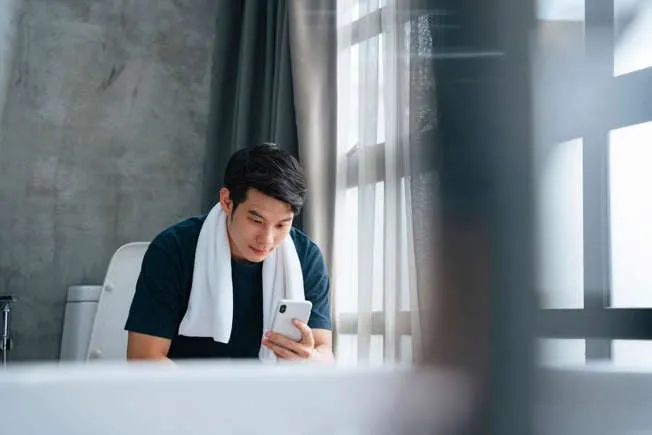
Who isn’t guilty of browsing on their phone when sitting on the toilet?! This one wouldn’t be so bad if your phone was cleaned thoroughly afterward, but we can bet that hardly anyone does. That dirty phone could then end up sitting on your kitchen worktop or your pillow…
Pressing your phone to your ear to take calls

If you regularly take phone calls, consider using speakerphone or another hands-free method. Our phones go with us everywhere nowadays, and can harbor huge amounts of bacteria. Holding your phone to face each time means that you risk spreading these bacteria from your phone screen to your face.
Not washing your towels and bedding frequently
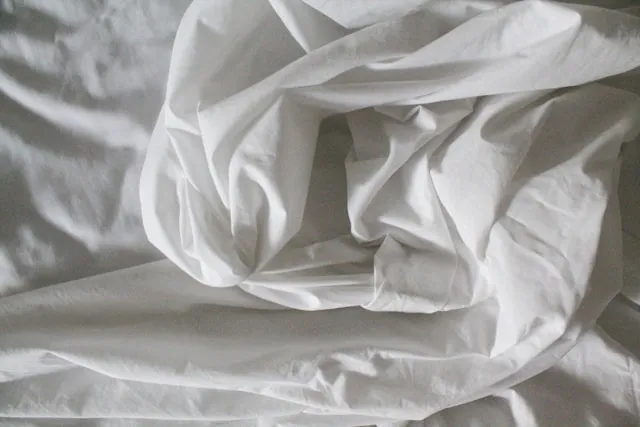
Laundry is a chore that’s tempting to put off, but it’s important to stay hygienic. This advice doesn’t only apply to clothes! Many people forget to regularly wash their towels and bedding as well. Bacteria, fungus, dust mites, and more can gather on unwashed bedsheets and damp towels. If left long enough, the worst case scenario is that you could develop a nasty staph infection.
Pet toys
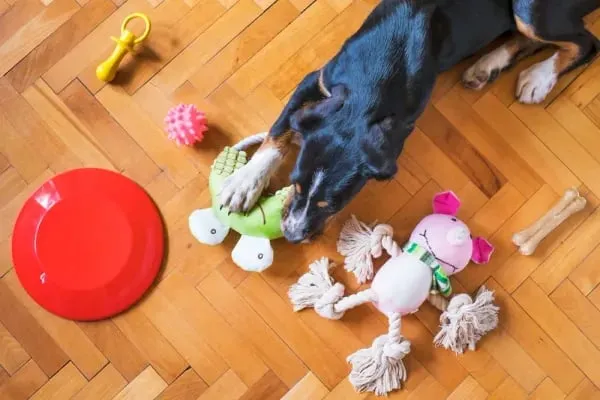
Well, you could probably guess that those well-loved pet toys aren’t exactly clean, but who actually washes them on a regular basis? It turns out that you should really be aiming to wash these used toys at least once a week. They carry a massive amount of dirt, drool, and saliva.
Biting your fingernails
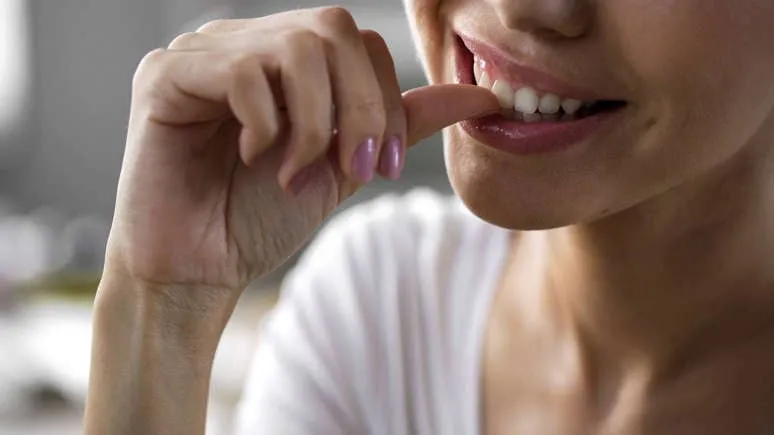
Biting your fingernails is a habit that's difficult to let go of, but what if we told you that it’s seriously unhygienic? Chronic nail biting can leave you vulnerable to getting infections. This is because harmful bacteria and viruses can end up being passed from your mouth to fingers, and vice versa. Keep your nails trimmed short and neat to prevent this.
Never cleaning your kitchen sink

Did you know that even if you clean your kitchen sink once a week, it's still likely to be pretty gross? Many experts suggest that kitchen sinks may contain more germs than toilets. It’s therefore important to make sure that you regularly clean your kitchen. Many of these surfaces, including the sink, can be contaminated by harmful bacteria like E. coli.
Passing a drink to someone by the rim of the glass

It’s always a nice, polite gesture to serve someone’s drink to them, but try to avoid holding the rim of the glass when you’re passing it over. The bacteria on your fingertips will end up on the exact spot where they’ll be drinking from, leading to a nasty finger to mouth transfer.
Fans
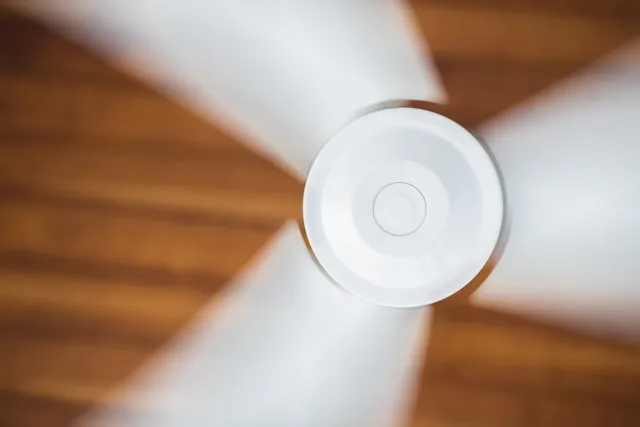
All types of fans are susceptible to gathering dust and bacteria because of their unique shapes, whether it’s desk fans or ceiling fans. Dusty, dirty particles then end up being circulated in the air each time the fans are switched on. In extreme cases, this can lead to coughing and respiratory issues.
Not washing your hands when you get home
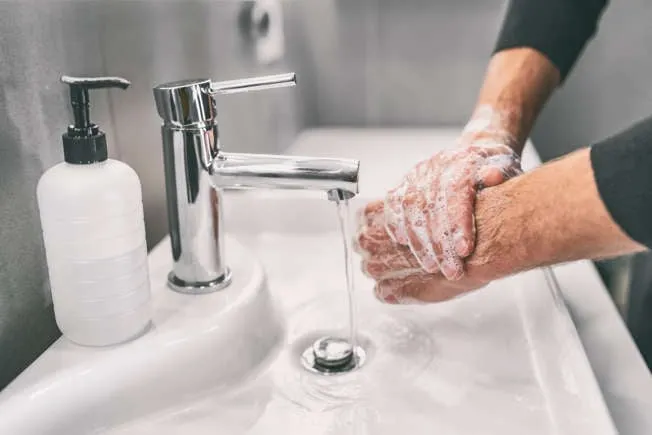
Just think of all the germs you pick up as you go about your daily life! You might be shaking hands with people at work, touching car door handles, or browsing products in stores. If you don’t wash your hands upon getting home, you risk spreading those germs around the house, which could potentially make you sick.
Eating lunch at your desk

Eating food at your desk while working is certainly convenient sometimes, but it’s also unhygienic. Small crumbs are likely to spill, landing right in between the keys of your keyboard, never to be seen again. Desks also contain a huge number of bacteria as it is – adding food particles to the mix will make matters worse and could even attract pests.
Following the “five second rule”

The famous “five second rule” is when you drop food on the ground but deem it still edible – as long as you pick it up within five seconds. Well, it turns out that there’s no scientific basis for this rule. The moment that food hits the floor, the bacteria is transferred all over it. It’s therefore best to just let it go.
Chewing on pen lids
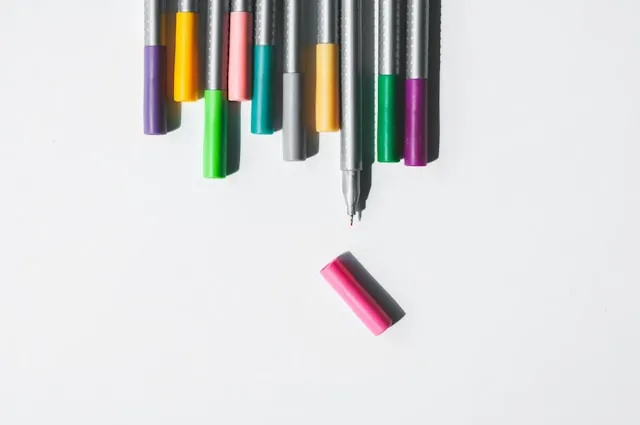
Chewing on pen lids isn’t a good habit to get into, no matter how tempting it might seem! Each time you do it, you’re inadvertently ingesting the germs that are lurking on those caps. The sharp edges of a pen lid could even scratch your mouth, leading to an infection.
Rarely replacing your kitchen sponge
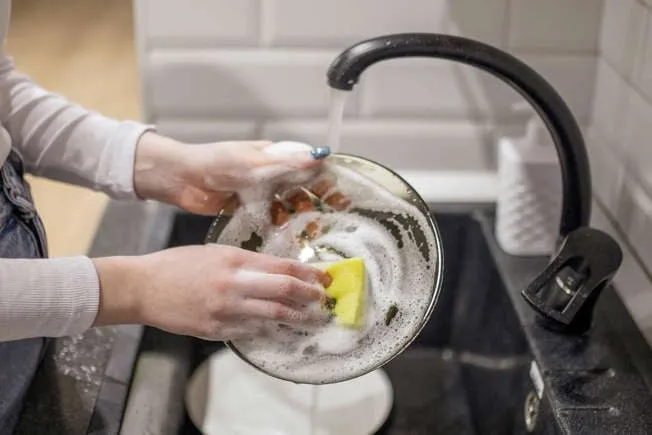
Are you one of those people who only replaces the kitchen sponge when it’s physically falling apart? Though you might think they're clean, sponges are actually huge germ magnets. Reusing the same one over and over could make you sick. Be sure to replace them regularly to stay hygienic.
Handling cash

Cash basically gets passed through the hands of strangers every day and there’s no way of knowing where it’s been before it reaches you. It’s stuffed into wallets, cash registers, dusty pockets, and so on. Each coin and note is teeming with tiny microbes! You won’t necessarily get sick from handling cash, but at the same time, it’s not exactly clean.
Light switches and door handles
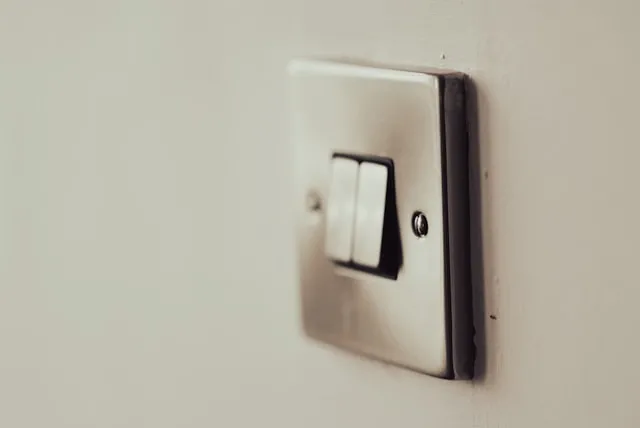
Light switches and door handles are also commonly rife with bacteria. These areas are often forgotten when it comes to household cleaning, even though they’re used every day. In fact, the same can be said for drawer and closet handles as well. Remember to give these a good wipe down next time you’re cleaning around the house.
Not removing your shoes when you get home
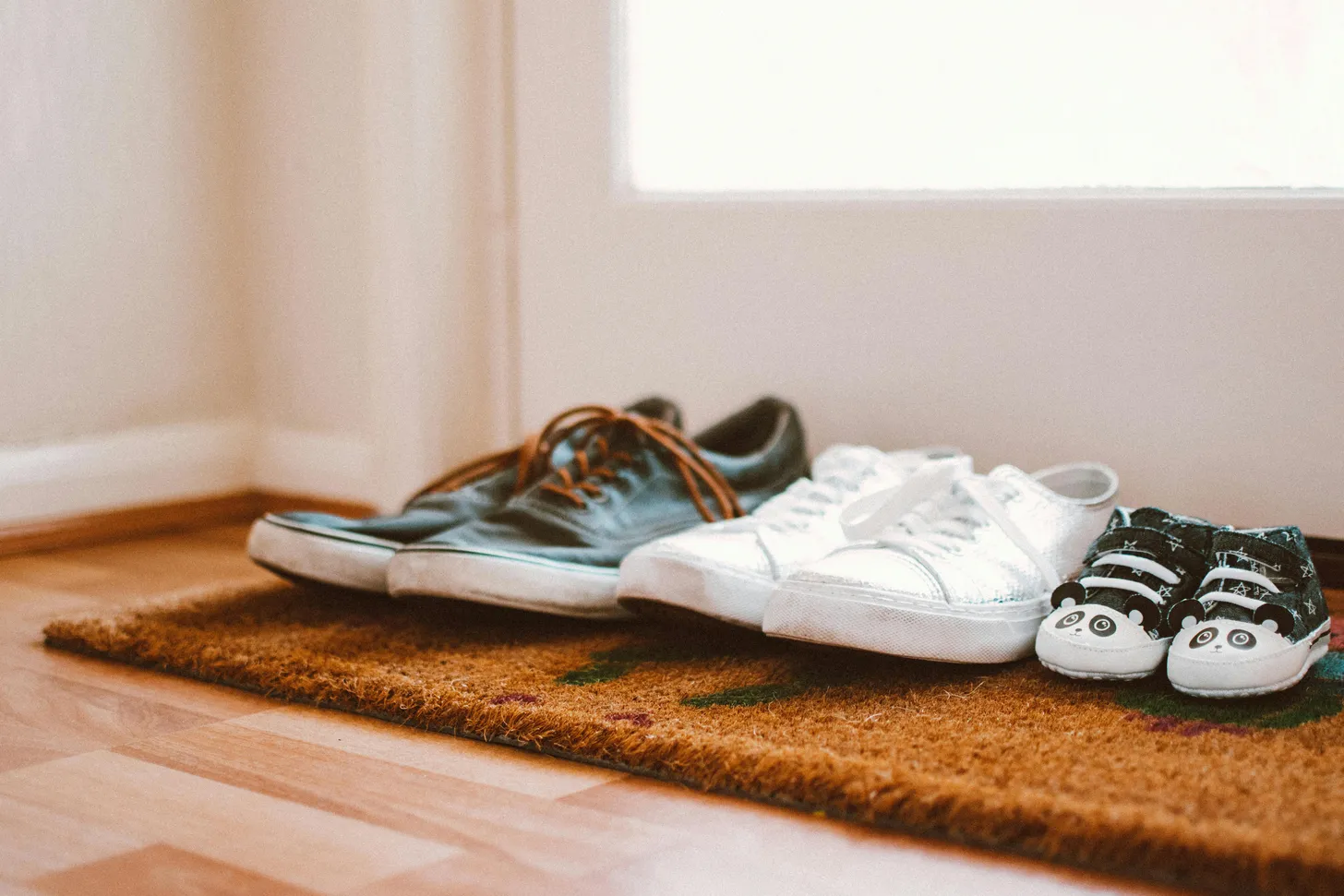
It’s not only your hands that gather dirt when you go out for the day – your shoes also pick up whatever you’re stepping on. Even if you wipe your shoes on the doormat, this isn’t enough to get rid of all that grime. Your shoes might look clean, but you’ll end up leaving an invisible trail of bacteria on the floor behind you.
Sharing towels
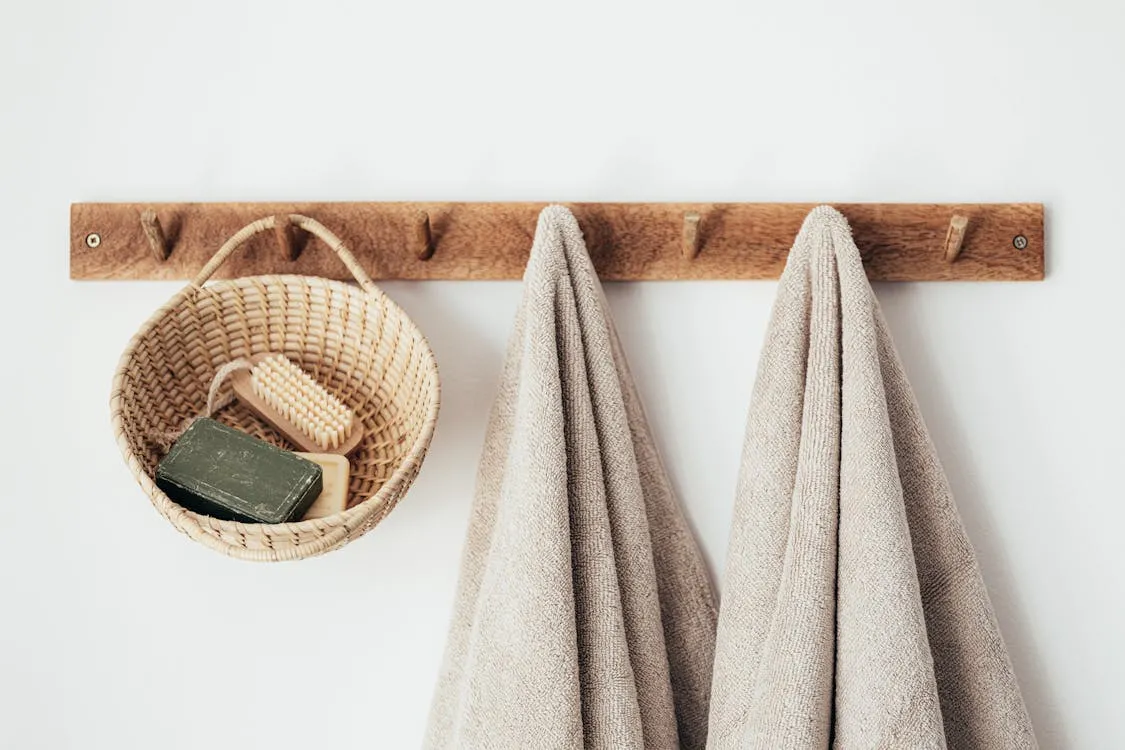
Using the same towel as your family can expose you to all sorts of nasties. Everyone’s skin flora is unique, so messing it up by sharing towels could trigger skin conditions like acne or eczema. It’s best to stick to one towel per person and avoid getting them mixed up!
Having a cluttered desk
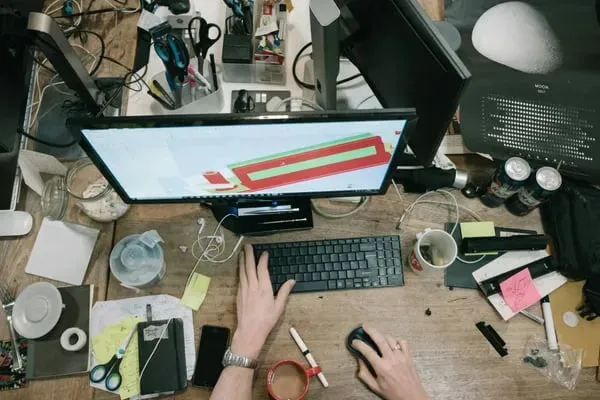
Having a messy work desk isn’t just unsightly and stressful, it’s also unhygienic! It’s near impossible to properly clean a desk surface that’s cluttered with various objects. This means that the entire area will be ridden with bacteria. If you share a desk with your work colleagues, this also increases the risk of sickness.
Never washing your dishcloths

Do you ever wash your dishcloths? It turns out that these seemingly innocent household staples can be heavily contaminated with bacteria. Experts generally advise to wash them at least once a week! Even if a dishcloth used to dry something that’s already clean, bacteria and fungi can still grow on it since it’s a moist environment.
Sleeping with your phone under your pillow
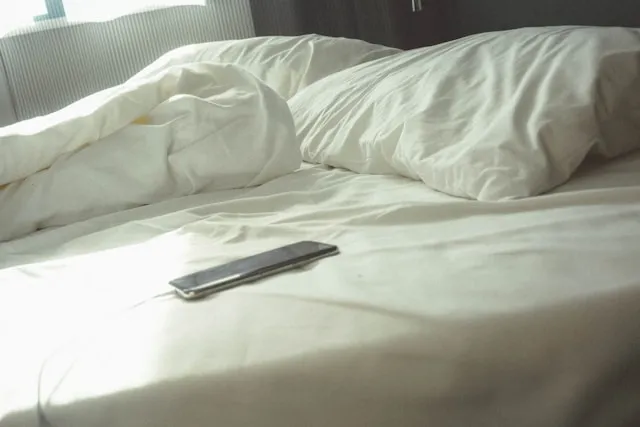
This one isn’t an issue if your phone is clean, but let’s be real. We guess that many people take their phone to the bathroom, fail to clean it, and then slip straight into bed. Your phone is a hotbed of dust and bacteria, and you risk spreading these germs to your pillows and bedding when you sleep next to it.
Not drying yourself properly after washing
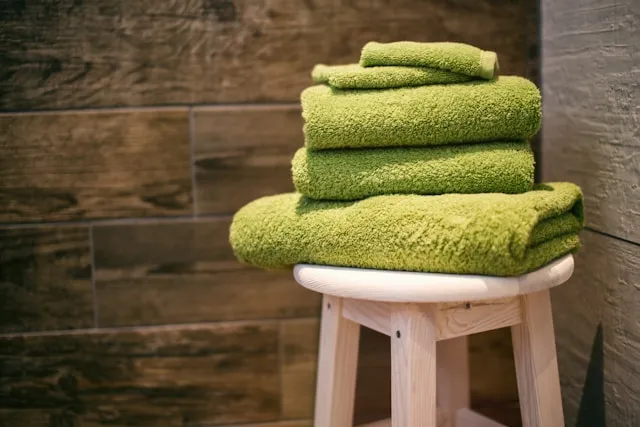
Germs thrive in warm, moist environments, so it’s essential to dry yourself thoroughly after you bathe. Not drying off properly is an unhygienic habit that can lead to the spread of fungal spores and bacteria. Be mindful of areas that get particularly sweaty like the armpits and groin.
Kids sharing toys
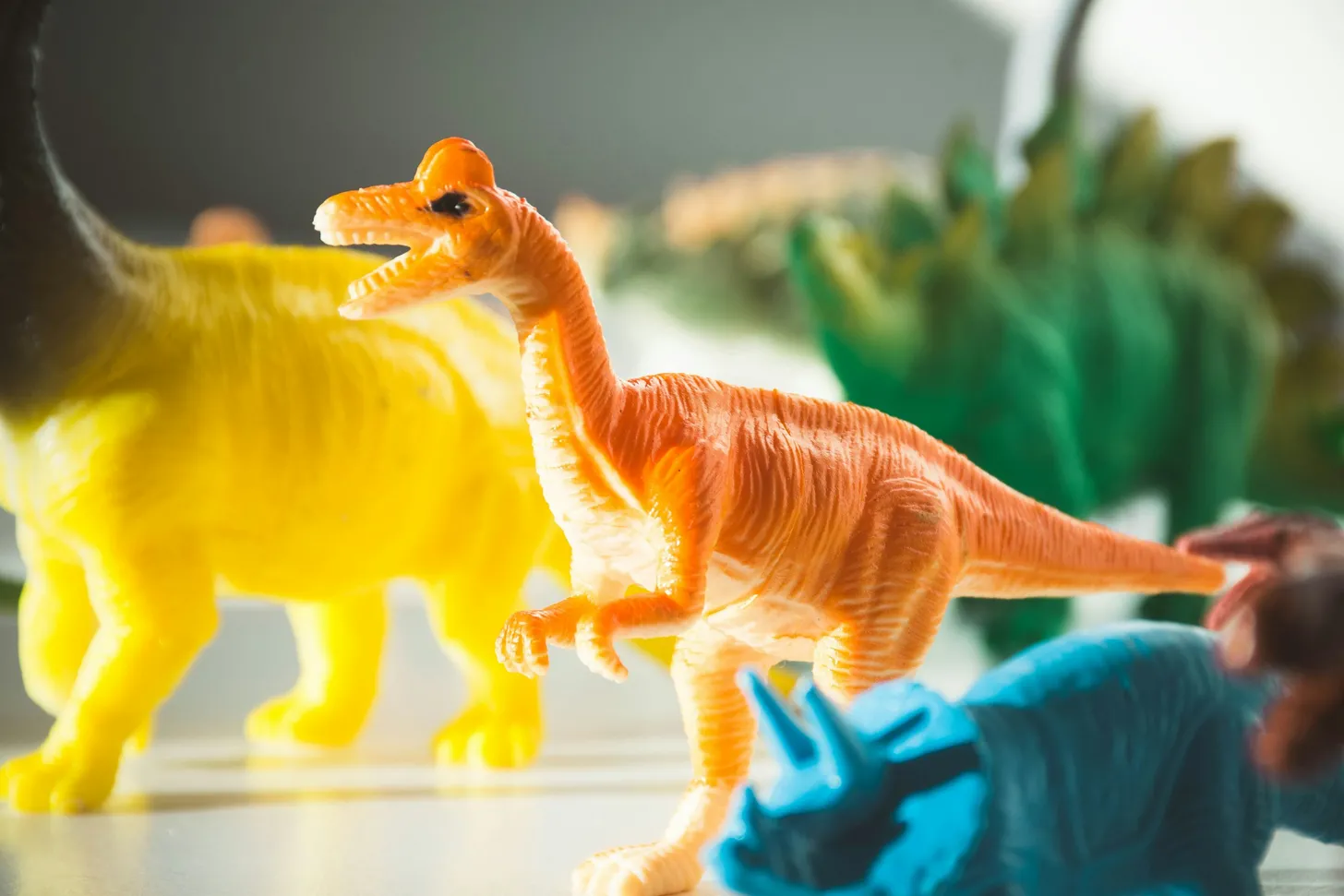
Sharing is caring, of course, but not when it comes to hygiene! Kids are notorious for spreading germs – they’ll openly cough in your face with no hesitation. The risk of getting sick is worsened when they share the same playthings. Kids often have germy, sticky fingers, meaning that bacteria can be passed around via the surface of these toys.
Eyelash extensions
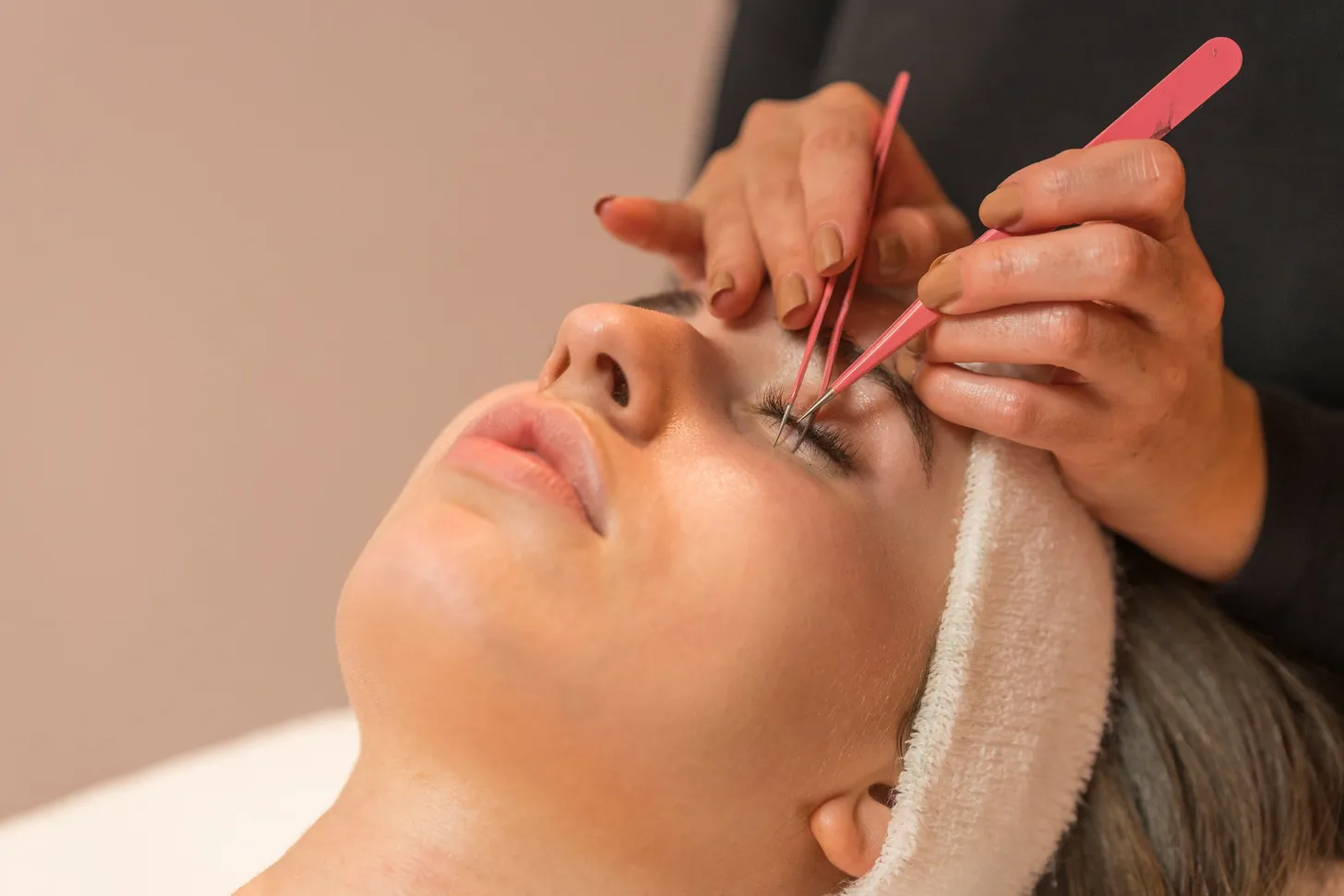
With good care, many people will have zero issues with eyelash extensions. But there will likely be repercussions if you don’t follow aftercare guidance properly. If you don’t clean your lashes regularly, they can gather fluff, dust, bacteria, or even mites! This results in inflammation around the eye area.
Cooking or eating without washing your hands first
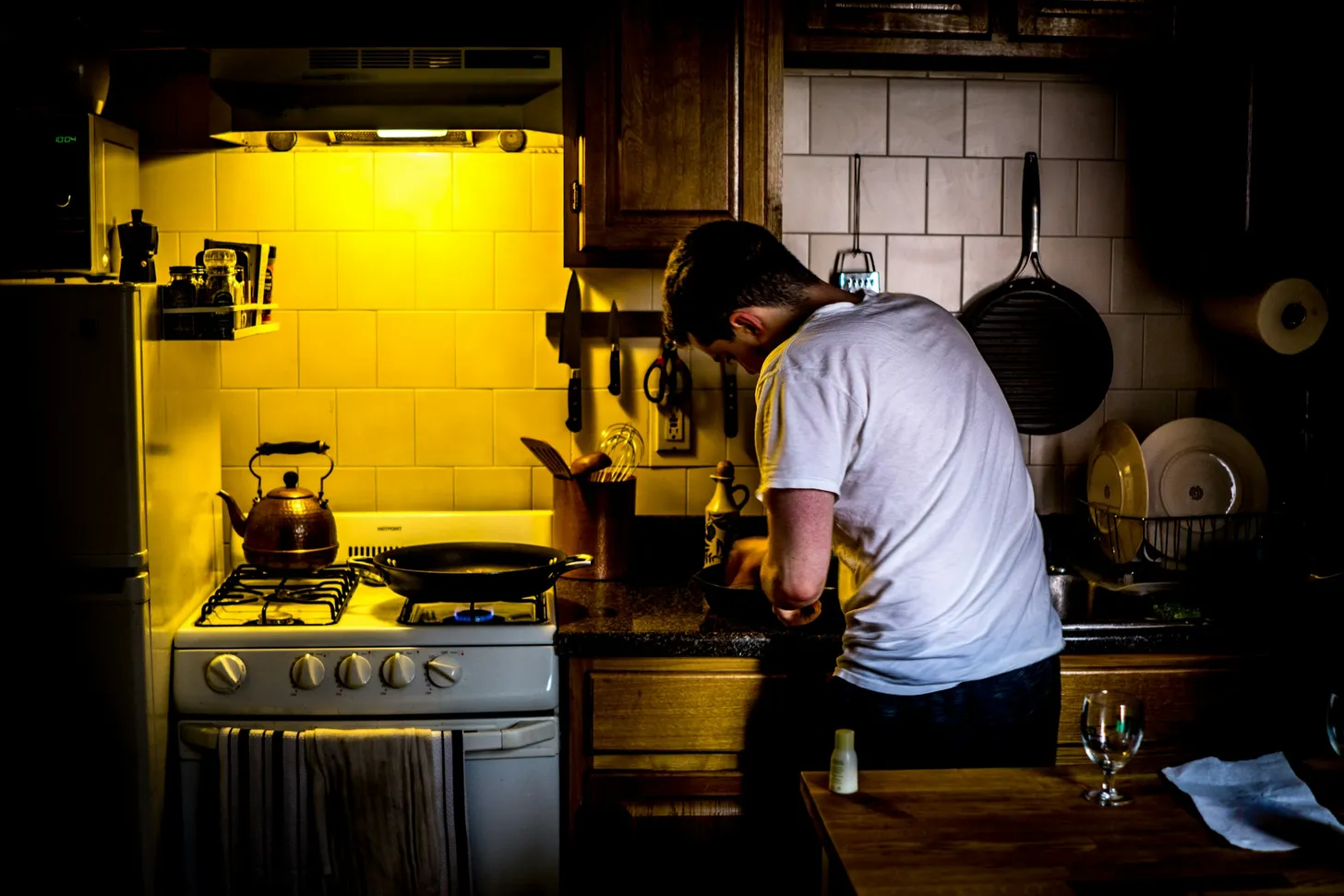
Failing to wash your hands before preparing food can potentially lead to food poisoning! If you touch food with germy hands, you risk transferring the germs to your food, which is a form of cross contamination. It’s important to wash your hands before, during, and after cooking, especially if you’re handling raw meat or poultry.
Never washing your hair

Some people believe that regularly shampooing hair – or even rinsing it with water – isn’t necessary. From a hygiene standpoint, though, we can say that it definitely is! If you don’t wash your hair, your scalp will start to smell. Bacteria builds and clogs your hair follicles, which could result in yeast, dandruff, or a skin infection.
Not disinfecting devices like laptops and keyboards regularly
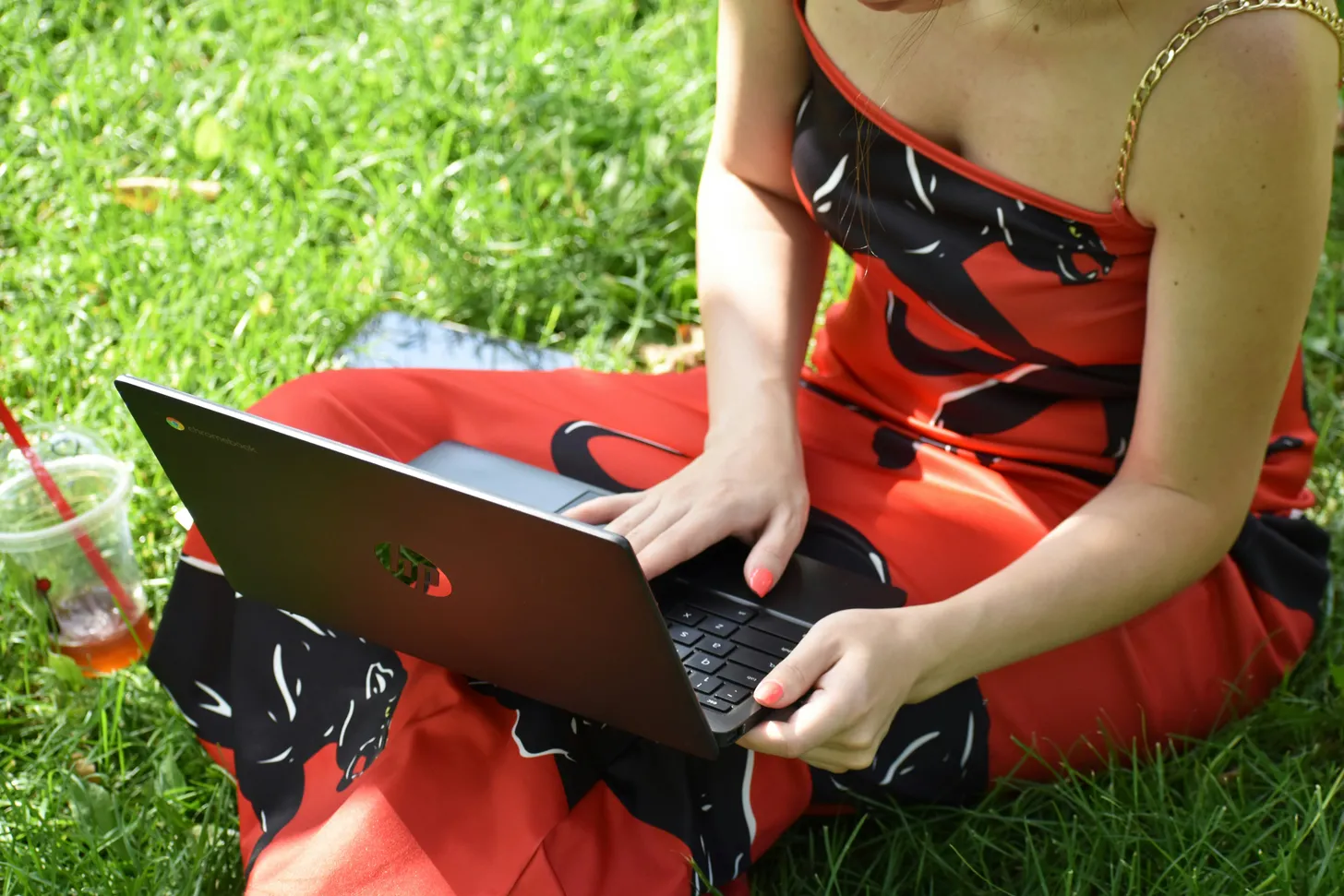
Like TV remotes, we probably use our laptops and keyboards every day without bothering to clean them regularly. All of the bacteria from our fingers spreads to the keys, the screen, and mouse. Disinfect these surfaces regularly with a wipe to prevent germs from multiplying rapidly.
Drinking milk straight from the carton
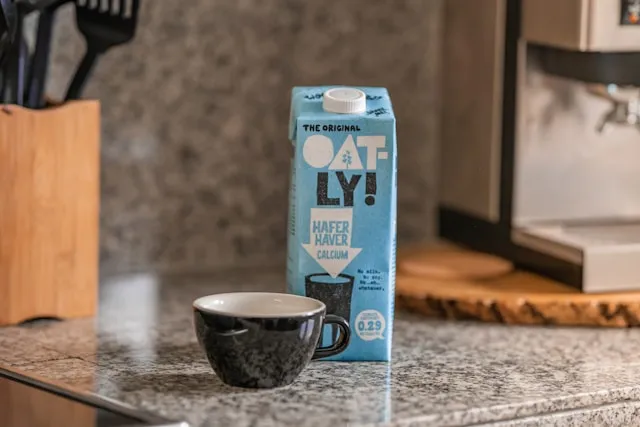
It’s not recommended to drink milk straight out of the carton, even if you live alone. Doing so means that you end up introducing bacteria from your mouth into the milk carton. This can cause the milk to turn sour faster (and we know that drinking sour milk is a health hazard in itself!) Avoid backwash by pouring yourself a glass every time you want a drink.
Reusing a water bottle without washing it
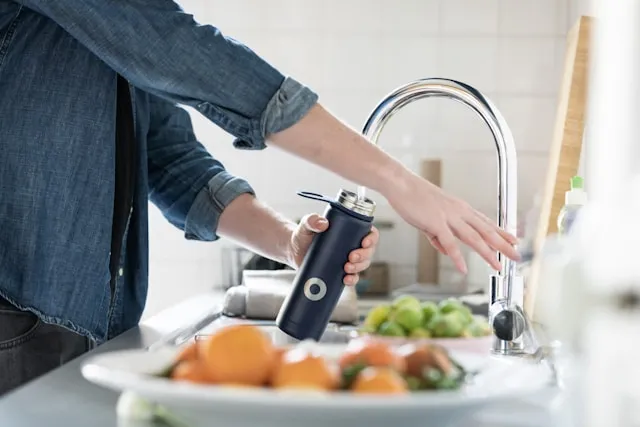
Staying hydrated is important, but refilling your reusable water bottle without ever washing it is very unhygienic. You might not think there’s a need to clean it if you only ever drink water; however, harmful microorganisms and dust can still build up on the surfaces. You might start noticing a bad mildew smell, especially if you leave water sitting in your bottle for long periods of time.
Not washing your hands after using public transport

Public transport must be one of the most unhygienic places where you could pick up a sickness bug. Trains, buses, planes, and subways all play host to a hotbed of bacteria. Services are often crowded, meaning that people are packed tightly together with poor air circulation. They all touch the same surfaces, including buttons, seats, and handrails, with no time for cleaning during the day.
Not flushing the toilet
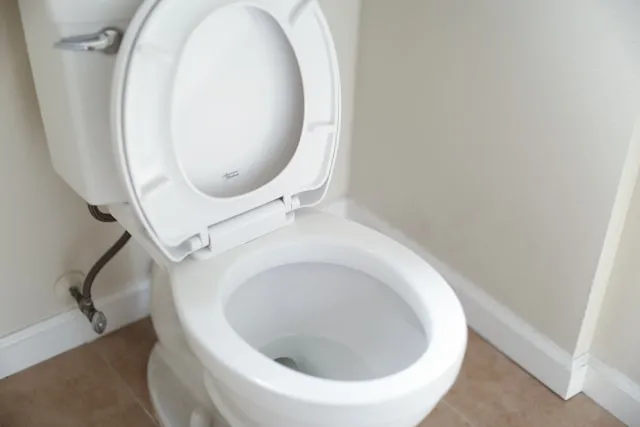
Not flushing the toilet after doing your business may save water, but it’s not very hygienic. Not only is the lingering smell of stale urine unpleasant, but it also indicates bacterial accumulation and growth. If you live with others, it’s best to flush, and especially if it’s more than just urine. Nobody wants splashback.