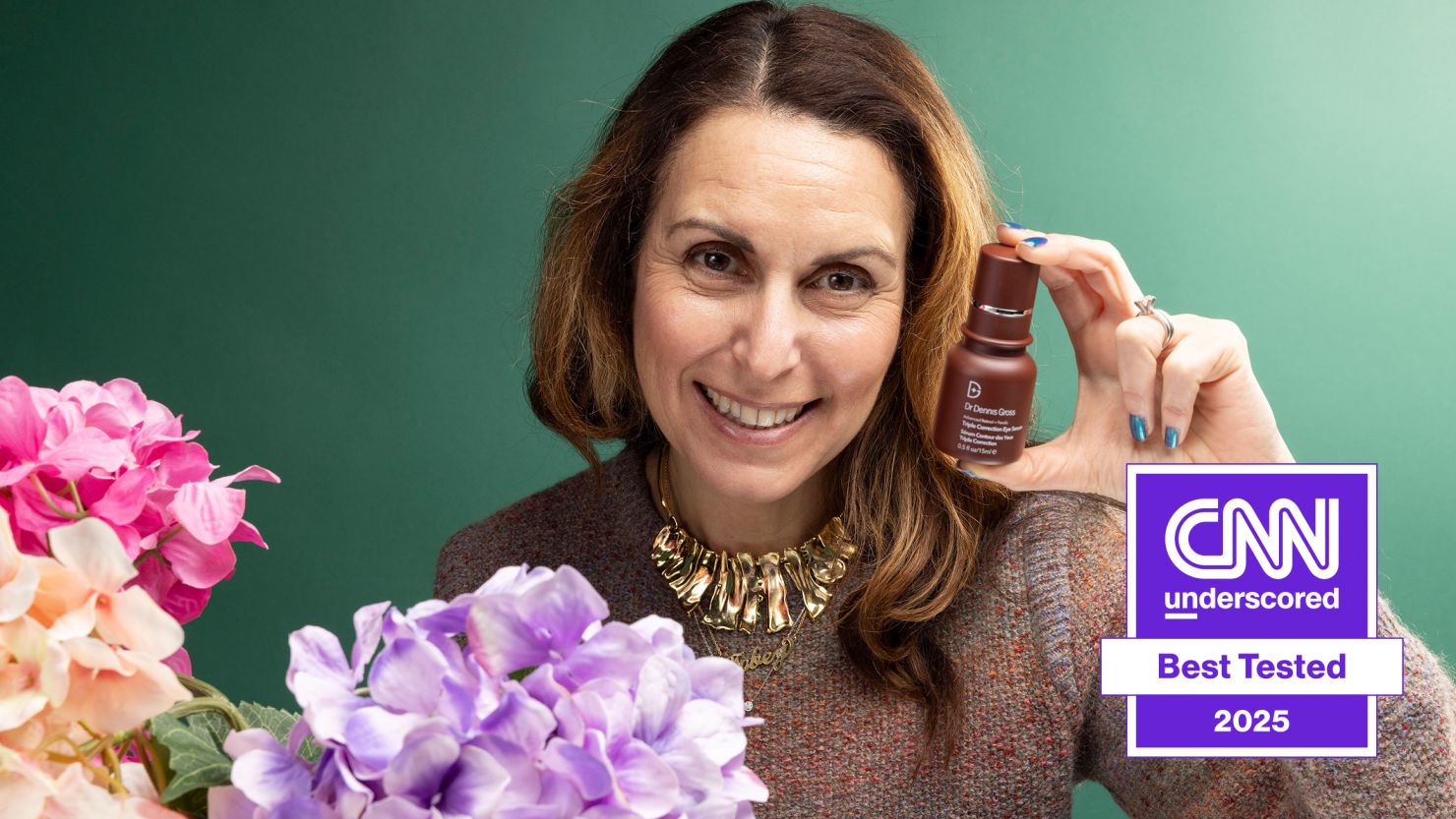
The best eye creams we tested
Best eye cream for anti-aging: Dr. Dennis Gross Triple Correction Eye Serum
Best hydrating eye cream: Esteé Lauder Advanced Night Repair Gel Cream
Best eye cream for color correction: Biossance Marine Algae Eye Cream
This article is a part of CNN Underscored’s Guide to Age-Defying Beauty, a weeklong focus on the essential products, tips and tricks to enhance your glow at any age. We’ll be featuring editor-tested skin care and beauty tips from experts over 40, so check back to see what’s new.
Our eyes are the first indicators of everything from how much sleep we’ve gotten to our mood — and they can even be a telltale sign of our age.
The thin skin, wrinkles and dark circles we’re gifted with as we celebrate more trips around the sun are, frankly, inevitable. It all boils down to science. The skin around our eyes is notably more delicate than the rest of the face, thus more susceptible to common concerns such as dryness, puffiness, hollowness and fine lines. No matter how much sleep we try to squeeze in to our busy schedules, it’s impossible to defy the laws of gravity and time.
Even though we shouldn’t regret the years we spent laughing, making memories and, along the way, creasing our skin, it’s only natural to want to improve these pesky skin care issues. Luckily, eye creams exist in abundance and can be the next closest solution to under-eye fillers or more drastic anti-aging treatments.
With so many lotions and potions available, however, finding the right eye cream for your unique concerns can feel daunting. That’s where we step in. We gathered a team of five writers and editors over the age of 38 to test eye creams, from a range of brands and price points, for an entire month. Each tester documented their notes along the way to evaluate if the eye creams could alter the appearance of hardworking eyes glued to a screen. Here’s what they discovered.
Dr. Dennis Gross Advanced Retinol and Ferulic Triple-Correction Eye Serum
Best eye cream for anti-aging
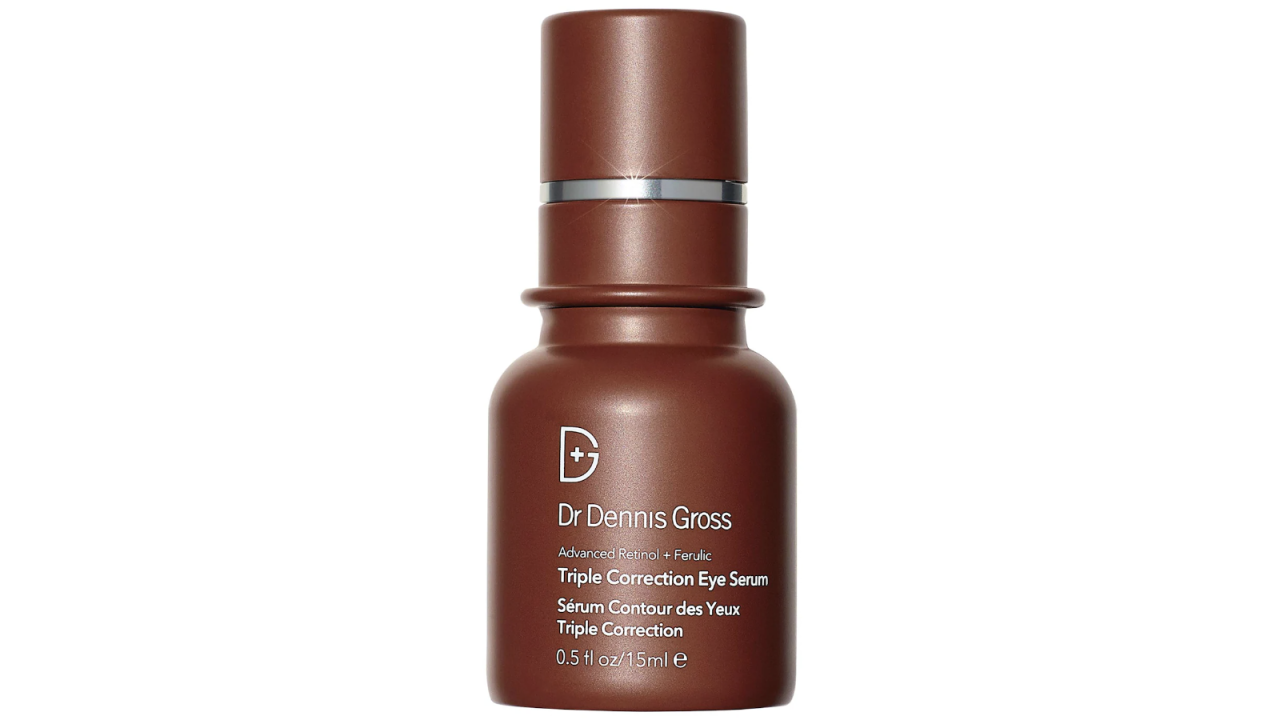
Dr. Dennis Gross’ fast-absorbing eye serum is clinically proven to treat aging eyes by firming skin, boosting hydration and reducing wrinkles and crepey skin.
Estée Lauder Advanced Night Repair Eye Gel Cream
Best hydrating eye cream
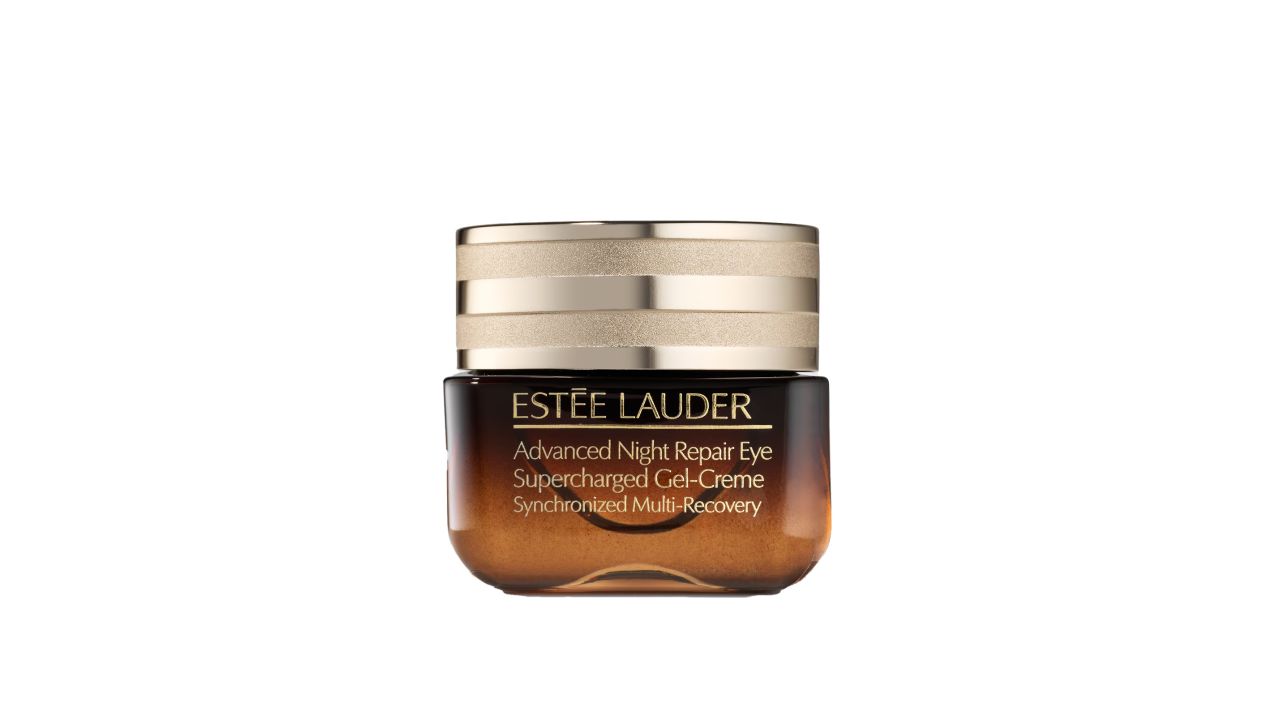
This Estée Lauder winner is a silky eye treatment designed to brighten dark circles in just two weeks while addressing visible signs of free radical damage.
Biossance Squalane and Marine Algae Firming and Lifting Eye Cream
Best eye cream for color correction
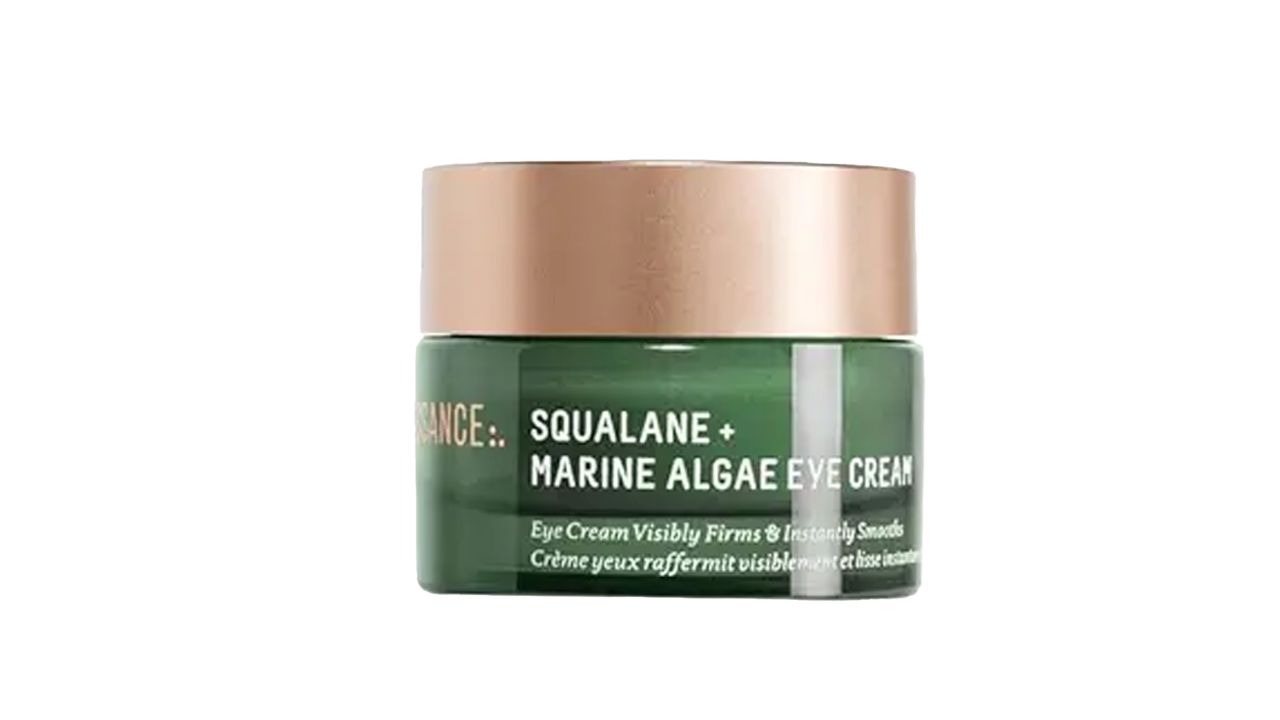
Biossance packs a whole lot in one tiny green jar. Its Squalane and Marine Algae Firming and Lifting Eye Cream is a powerful skin care product designed to instantly firm, lift and brighten the eye area while smoothing fine lines and wrinkles.
Related article The best primers for mature skin, tried and tested
Best eye cream for anti-aging: Dr. Dennis Gross Advanced Retinol and Ferulic Triple-Correction Eye Serum
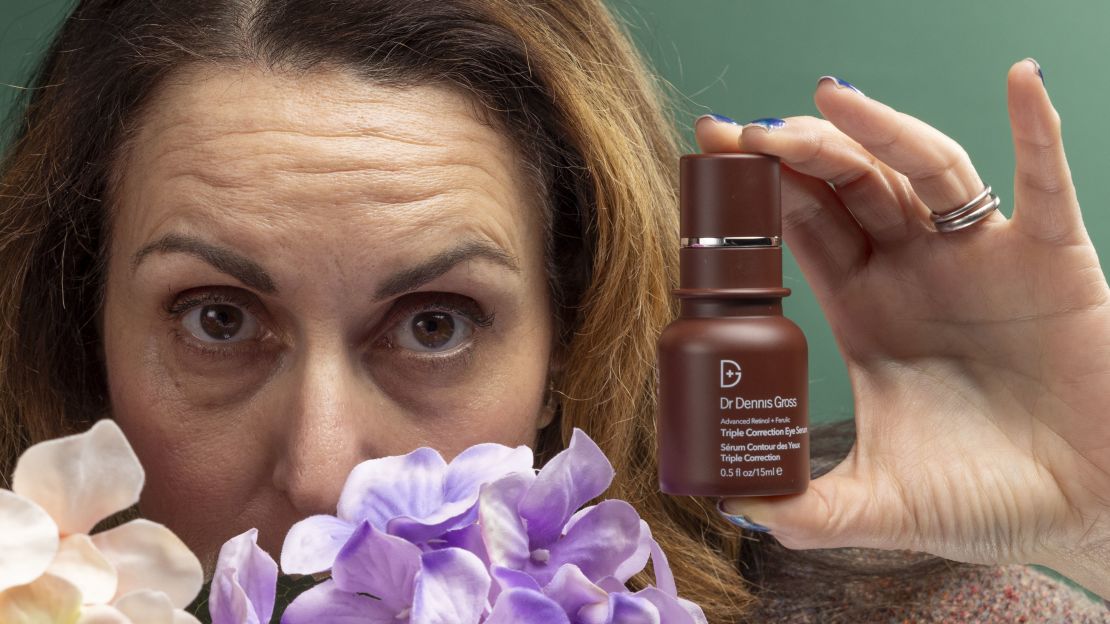
Our top winning eye cream is Dr. Dennis Gross’ butter-smooth eye serum. It features key ingredients like retinol, which supports collagen production and reverses signs of aging. It’s also made with bakuchiol, a gentle alternative to retinol that diminishes fine lines and wrinkles without irritation. The serum is vegan, gluten-free, cruelty-free and comes in recyclable packaging. It’s safe for daily use on sensitive skin and should be applied in the morning and followed with SPF 30 or higher.
From health, fitness and food editor Tobey Grumet Segal’s perspective, Dr. Dennis Gross’ eye cream earned a star-studded rating. Before testing, she struggled with eye bags and had difficulty concealing fine lines. While she says, “I did not see a difference after the month. At least not one I could discern,” she still valued the experience of using the lush eye cream daily. “It feels really nice to put on every day. It’s not greasy, it doesn’t make me break out and it looks extremely natural under my under-eye concealer,” she says.
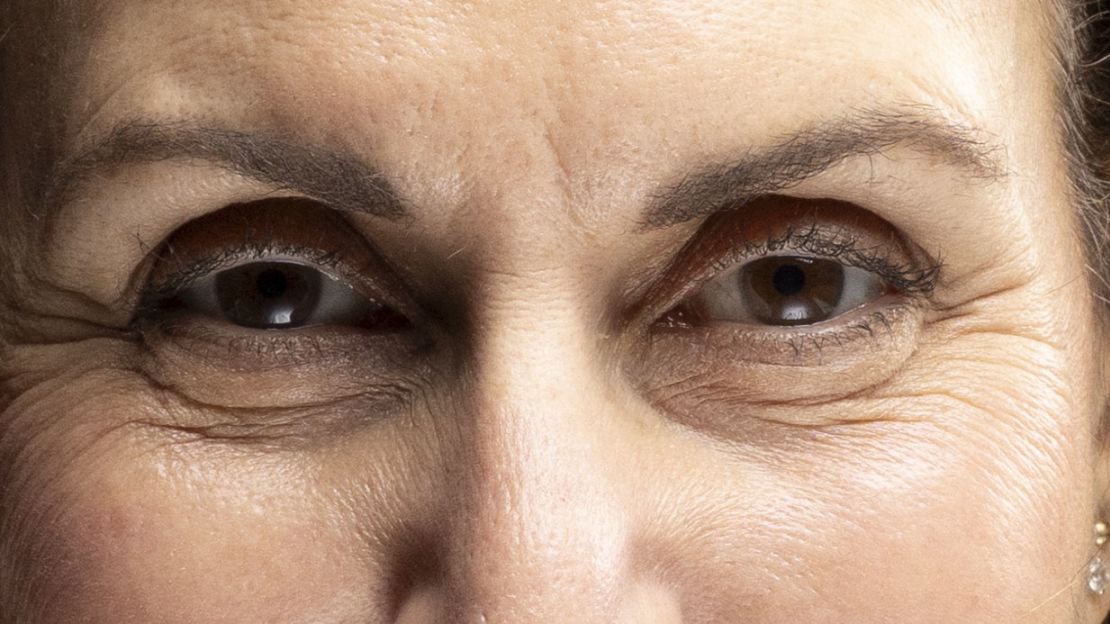
One particular feature stood out to Grumet Segal, making it the winning pick: The cream’s moisturizing and creamy texture is “well worth it,” especially since it didn’t look shiny or cakey under makeup. She enjoyed using it both day and night, appreciating it more and more with the ever-changing winter weather. “I have been appreciating its creamy weight more now that it’s so cold out and I’m much drier,” she says.
Managing editor Rachel Quigley enjoyed testing Dr. Dennis Gross’ eye cream as well. She loved the serum and found it improved smoothness in her under-eye area, with some fine lines around the corners of her eyes becoming less pronounced. She also mentioned that a little goes a long way, making the price seem worth it.
Best hydrating eye cream: Estée Lauder Advanced Night Repair Eye Gel Cream

Esteé Lauder’s luxurious night repair cream convinced senior testing editor Rick Stella to wear eye creams for a month. Although Stella, who says he has sensitive skin, was not particularly concerned about eye bags or wrinkles before testing, after a month of wear he found this eye cream to be an easy addition to his current skin care routine.
The small pot of gold contains key ingredients like hyaluronic acid for hydration, vitamin E to fight free radicals and FR-Defense technology to protect against environmental irritation. The formula is free of pesky parabens, phthalates, mineral oil and sulfates and contains less than 1% synthetic fragrance, which is an important feature for someone with sensitive skin. The eye cream is recommended for use in the morning and night around the eye area.
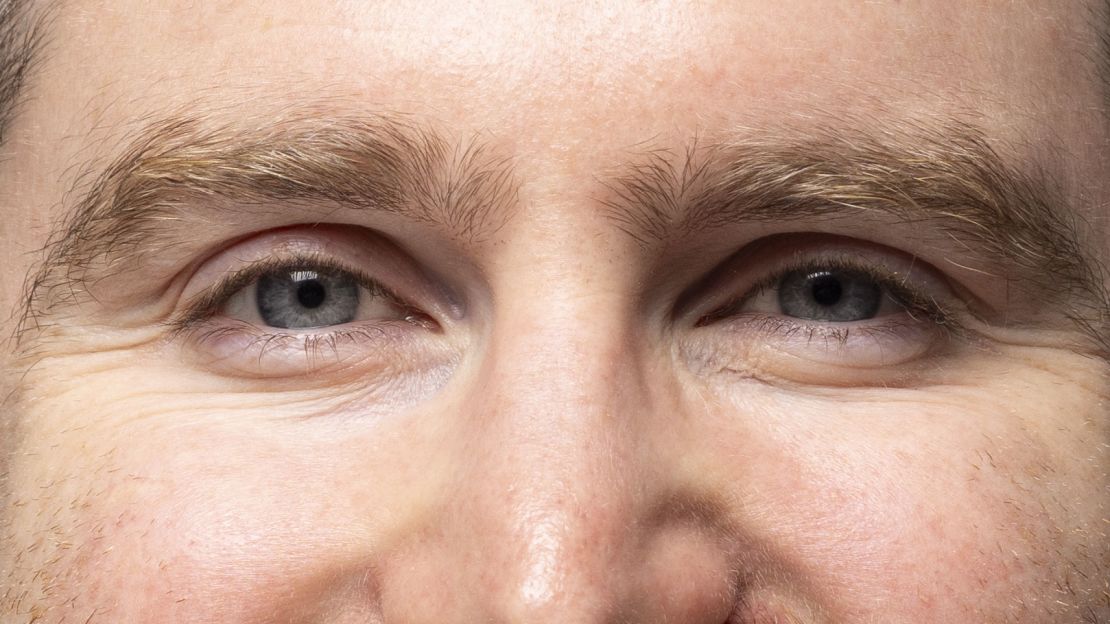
What were Stella’s final thoughts? He felt the eye cream was “great, but not exactly life-changing.” He noticed some color correction and said his “before and after pics are entirely different,” although the change wasn’t dramatic. He found it easy to apply and appreciated that it wasn’t super oily. Initially, it “tended to sit on the skin,” but after a few hours, he discerned his under-eye area felt moisturized without being oily.
Overall, he rated it 3.5 out of 5, explaining it “never wowed me but wasn’t a total waste” and that he did notice some improvement in color correction and eye bag reduction after about three weeks. Stella adds that “$74 is a bit expensive. You could spend $40 to $50 on something that would perform similarly to this.” Nevertheless, the hydration factor of Estée Lauder’s night cream did indeed help with eye bags, hefty price tag and all.
Related article The best face moisturizers for every skin type, tested and reviewed
Best eye cream for color correction: Biossance Squalane and Marine Algae Firming and Lifting Eye Cream
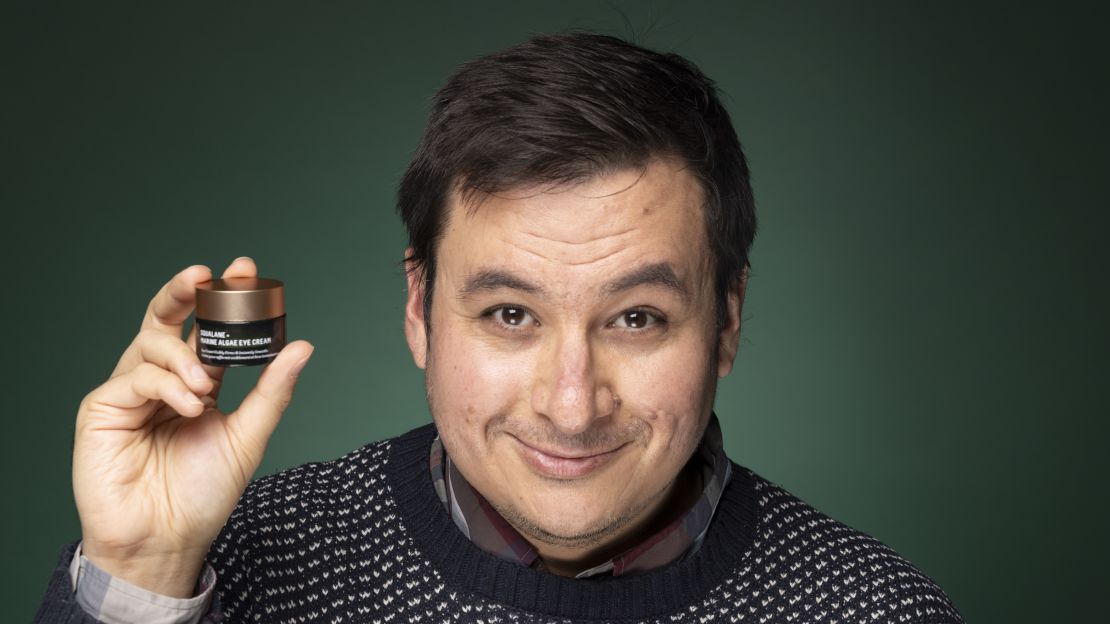
Biossance is an underrated powerhouse in the skin care world. Its main focus is using squalane, a skin-identical hydrating molecule made from fermented sugarcane, to biodesign high-performing products. What does this mean? This eye cream features the ever-so-powerful squalane, in addition to lesser known but key ingredients like paracress extract to firm, pink marine algae to reduce fine lines and jojoba to lock in moisture. The vegan, cruelty-free cream has a whipped texture that hydrates deeply and creates a smooth base for makeup. It’s recommended to use twice daily after cleansing and before applying serums and moisturizers.
When we first asked electronics writer Henry T. Casey to test eye creams, he had celebrated the major milestone of turning 40. That said, he already had an impressive skin care regimen lined up, chock full of toner, barrier-intensive creams and probiotic sunscreen in the morning coupled with low-pH Korean skin care at night. He’s used to the good stuff and was pretty consistent with his skin care, applying nearly everything except eye creams.
As a first-time eye cream user, Casey went in “a tad bit skeptical.” Admittedly, he didn’t think his eye bags were a major concern. He also found the application process confusing and wasn’t sure where the eye cream should be rubbed in. He trusted the advice of beauty and fashion editor Sophie Shaw, who recommended massaging the eye cream around the eye, out to the temple and underneath the brow bone. “The eyelid itself is super delicate, so you want to avoid irritation,” Shaw says, stressing not to rub it into eyelids.
Casey noted that sometimes he “would get watery eyes hours after applying,” which made him think the browbone technique wasn’t working. “These companies have a long way to go to make this product more accessible to newbies,” he says, after seeking the advice of a few other experts and even a TikTok tutorial. Alas, he felt he shouldn’t have to rely on a TikToker to understand how to apply the cream. He also mentioned struggling with the amount of cream to use.
Still, after a month of using it, he gave the cream a 4 out of 5 rating. “I’m not really able to see any cons; it did help a little, and I’m not sure I needed much,” he says. Did he notice a difference by the end of the last week of testing? In conclusion, yes. “I’ve noticed wrinkles on the bottoms of my eyelids that aren’t there anymore,” he says.
How we tested
We asked five editors over 38 to weigh in. To be more specific, we had one editor in his late 30s, another writer who turned freshly 40, another editor in her 40s and two editors in their 50s to test eye creams for an entire month. Each tested came with unique skin care concerns and goals but bravely bared their skin and kept an eye on whether these products actually worked.
They began by describing their skin and current skin care routine, including the products they regularly use and swear by. They also shared specific skin care concerns, like the condition of the skin around their eyes or other struggles, and previous experience with eye creams. Over one month, they applied the eye cream daily, ideally following a regular nighttime routine, with a thin layer on bare skin before other products.
During the month, they documented their observations weekly, noting how the product felt, absorbed and impacted the skin around the eyes. They paid close attention to the following criteria:
- Formula: How did the formula feel? Did it feel silky smooth or oily on the skin? Was there a matte finish, or did it make skin shiny?
- Absorption: Did the eye cream absorb into the skin overnight? Or did it sit on the skin?
- Texture improvement: Did the eye cream help reduce the appearance of fine lines and uneven texture?
- Color correction: Did the eye cream make a difference in under-eye circles?
- Eye bag reduction: Did the eye cream help reduce eye bags, inflammation and puffiness around the eyes?
- Value: Is the eye cream worth the price? Would you purchase it again?
What is an eye cream?
Although an eye cream sounds self-explanatory, there’s more to this skin care product than the obvious. “Eye creams are products specifically formulated to moisturize and treat the thin, delicate skin around that eye that is prone to age-related changes, such as crepiness, fine lines, dark circles and hollowing,” says double board-certified dermatologist Dr. Brendan Camp of MDCS Dermatology.
All eyes experience changes at some point. But why? “Dark circles are related to several factors, which include reduced collagen production, shrinking of underlying fat pads, increased visibility of underlying blood vessels, increased melanin or pigment in the skin and genetic predisposition. Puffiness can be related to fluid retention, underlying atopic or allergic predisposition and fat herniation in the lower eyelid area,” Camp says.
Other eye creams we tested
SkinCeuticals A.G.E. Advanced Eye Cream
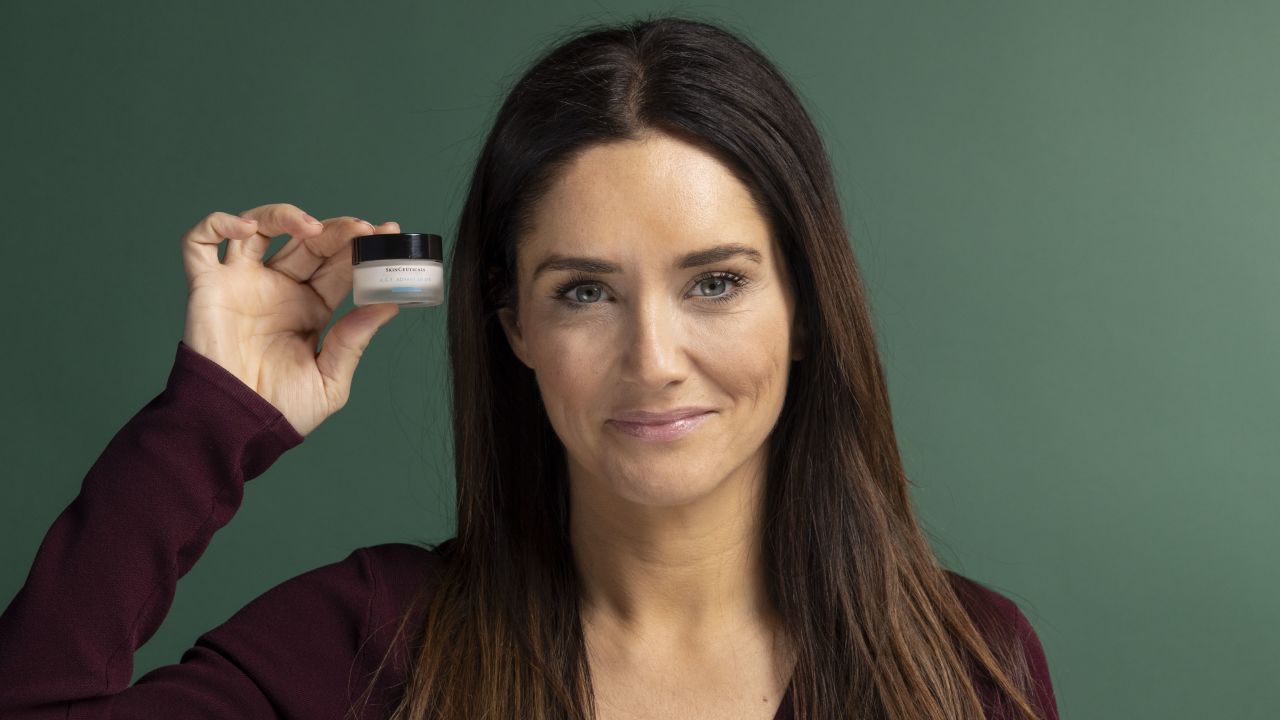
Throughout testing, Quigley thought SkinCeuticals A.G.E. Advanced Eye Cream was a nongreasy, fast-absorbing product. She noted small improvements in her skin's texture, likely due to the caffeine and rich peptides. It was the most expensive eye cream we tested at $116, which she felt was a splurge — one she most likely wouldn't invest in again.
The silky eye cream includes proxylane to support skin and reduce visible signs of aging, all in a wild fruit flavonoid blend to protect against free radicals. It also features high-powered Matrixyl 3000 to enhance skin firmness and elasticity, combined with glycyrrhetinic acid to brighten dull skin.
Unlike other eye creams, the A.G.E. Advanced also uses a unique ingredient: optical diffusers, an unlikely ingredient that reflects light to improve radiance. The pricey eye cream also features caffeine to reduce under-eye puffiness. It’s recommended for use twice daily, following the natural curve of the cheekbone and browbone. Quigley found that “a little goes a long way,” a stark difference from Casey’s Biossace eye cream experience. Overall, Quigley thought the eye cream was nongreasy and fast-absorbing, with a mild scent. But the elephant in the room was the triple-digit price.
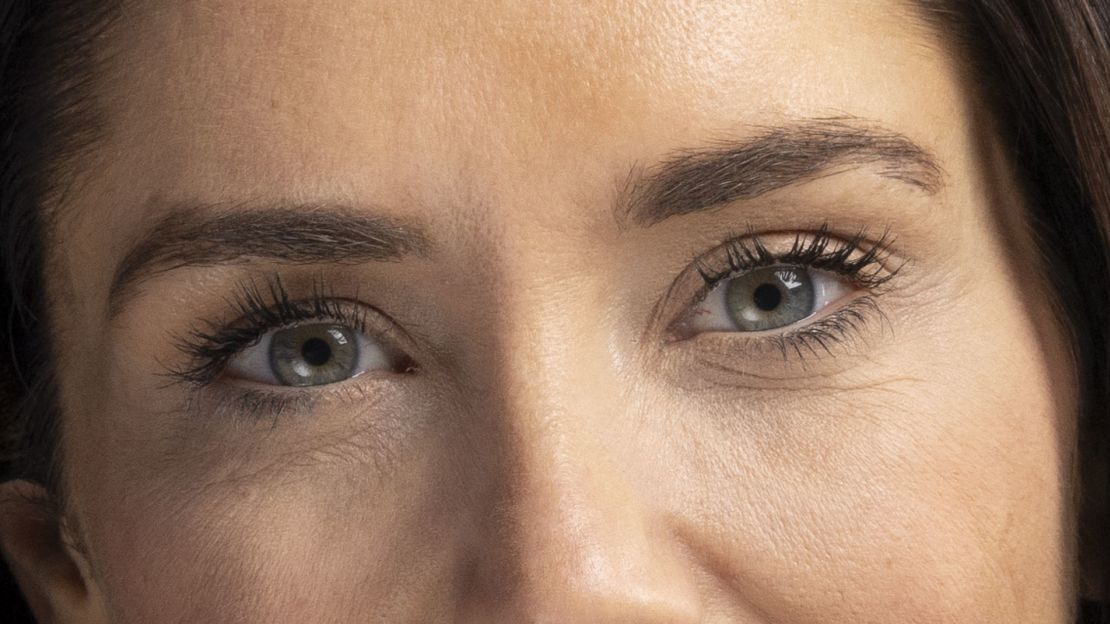
Was this eye cream worth over $115? After a month of use, Quigley says, “It wasn’t life-changing,” although she did notice some differences. The lofty price tag was her main concern. “I would use it again if it weren’t so expensive,” she says, adding she would reconsider if there was a significant discount. She also wondered if continued use would show more noticeable results, considering those brave enough to shell out over a hundred dollars would want to skimp on using the eye cream considering the price.
RoC Retinol Line-Smoothing Anti-Wrinkle for Dark Circles Eye Cream
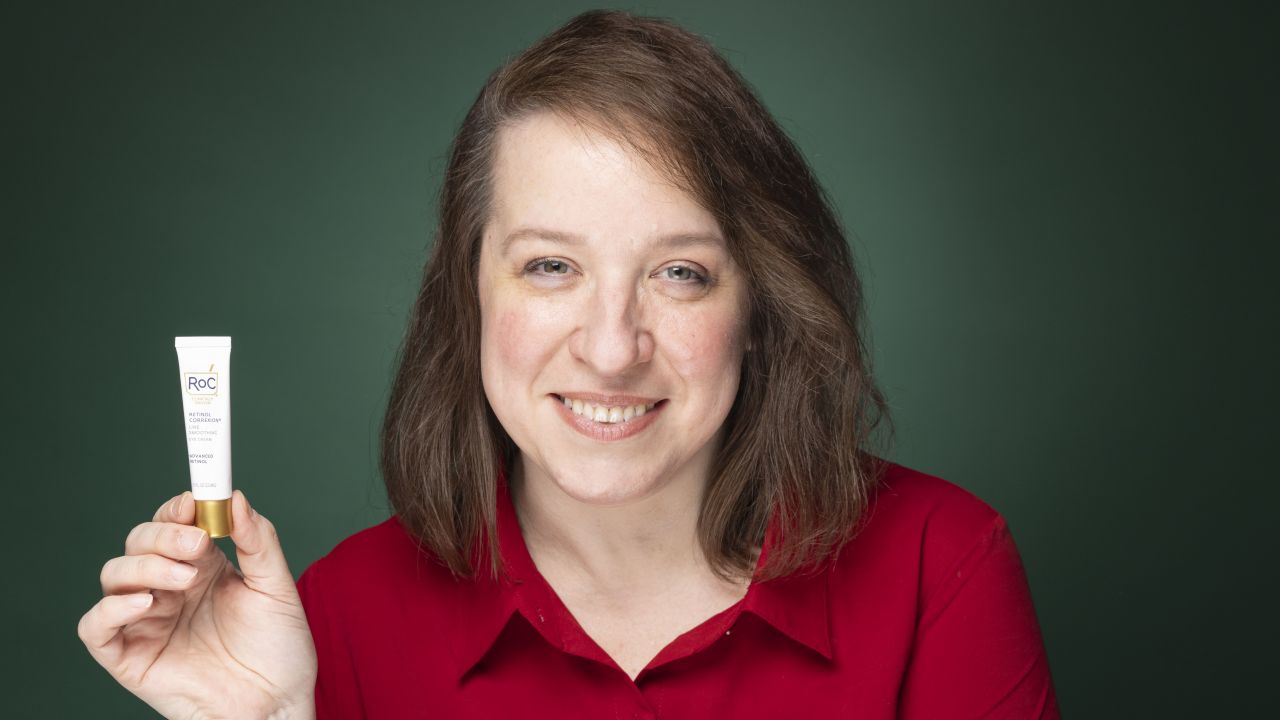
Testing editor Suzanne Kattau thought RoC's Retinol Line Smoothing eye cream was "silky smooth" and, more importantly, nonirritating on her sensitive skin, at a great price of $30. The most cost-effective cream of the testing pool, Kattau found the eye cream comparable to other pricier products she's used and noted she would use it again after seeing improvement in the fine lines around her eyes.
The cream is nongreasy, hypoallergenic and noncomedogenic (meaning it won’t clog pores), making it safe for daily use. It promises to brighten and depuff eyes in one month, with noticeable fine line reduction after 12 weeks. It’s recommended to be applied alone or under makeup in the morning and evening, avoiding direct contact with the eyes.
She found RoC’s eye cream a new but welcome addition to her skin care routine. “My skin used to be combination oily,” she says, adding that over time, her skin has become drier. “The skin around my eyes has accumulated many more fine lines in the past year than in all my previous decades of life combined,” she says. That being said, she was concerned about dark circles. “My genetic predisposition is still winning,” she said at the end of the second week of testing, though she noted less puffiness around her eyes.
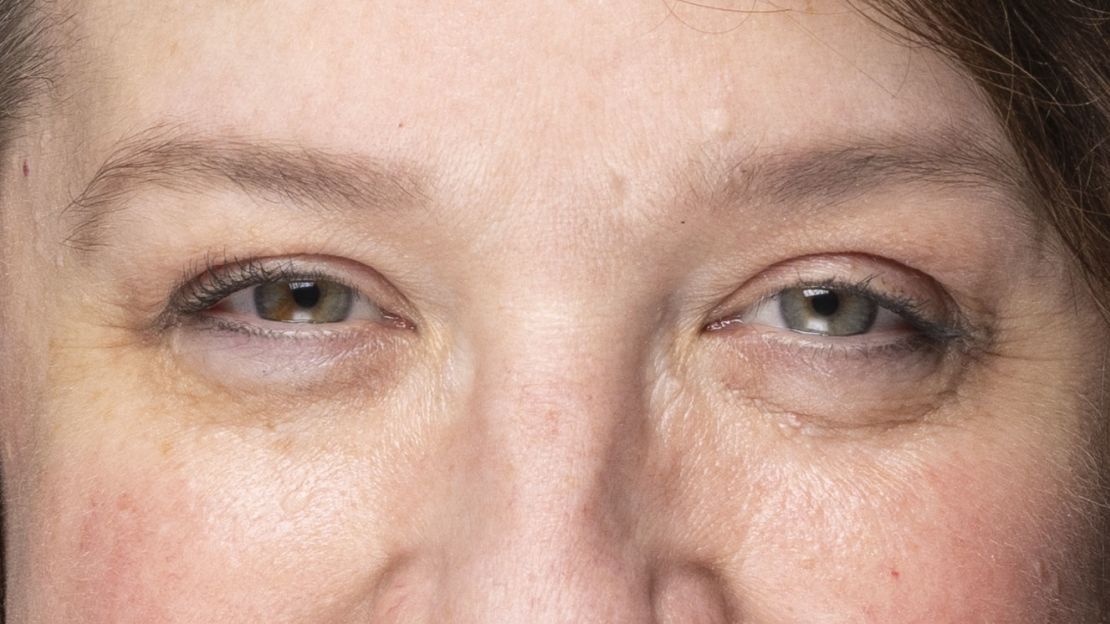
Kattau did find the overall formula to be a delightful addition to her nightly routine. “This formula always felt silky smooth as I applied it,” she says. “Its nice, thin consistency never felt oily, nor did it ever irritate my skin. It absorbs within a couple of minutes naturally.” Though her dark circles didn’t budge, she appreciated the extra self-love and saw a subtle change in fine lines.
At the end of the fourth week, Kattau noticed a slight (and emphasis on slight) difference. “It improved the appearance of fine lines ever so slightly,” she says. “I don’t look in the mirror and immediately think I have the world’s worst case of crow’s feet on the sides of my eyes anymore.”
FAQs
The following FAQs have been answered by board-certified dermatologist Dr. Brendan Camp.
Meet our panel
- Electronics writer Henry Casey just turned 40 and struggles with oily skin and eye bags. He is dedicated to his skin care regimen of cleanser, moisturizer, retinol and lactic acid.
- Product testing editor Suzanne Kattau is “older than a teenager and younger than a great-great-great-grandmother.” Her main skin care issues revolve around fine lines and dry skin, though she has a skin care routine consisting of moisturizers, retinol and serums.
- Managing editor Rachel Quigley is 41 and says she struggles with dull skin, fine lines and crow’s feet. However, she’s a true skin care pro who has invested in good skin care like cleansers, moisturizers, retinol, serums, masks and peels.
- Reviews editor Tobey Grumet Segal is 53 and is mainly concerned about fine lines and wrinkles, eye bags and sun damage. You would never know it, considering she has a retinol and serum-infused regimen she swears by, along with neck creams.
- Senior testing editor Rick Stella is 38 and while he’s new, but open, to eye creams, his current skin care routine consists of cleansers and moisturizers.
Meet our expert
For this article, we consulted the following skin expert to gain their professional insights on eye creams.
- Dr. Brendan Camp, double board-certified dermatologist at MDCS Dermatology in New York
Why trust CNN Underscored
CNN Underscored editors thoroughly test all the products we cover and provide full transparency about how we test them. We have a skilled team of writers and editors with many years of testing experience and ensure each article is carefully edited and products are properly vetted. We talk to top experts when relevant to make certain we are testing each product accurately and speaking about the pros and cons of each.
For this guide, Underscored editors and writers, all with unique skin care concerns and goals, used different kinds of eye creams for an entire month to evaluate their pros and cons.
Carolina Gazal Associate Writer, Testing
Carolina Gazal is an associate testing writer for CNN Underscored, where she writes best-of reviews in the lifestyle realm. When she's not testing products in the kitchen and home space, you will most likely find her on a coffee run or baking sweet treats.