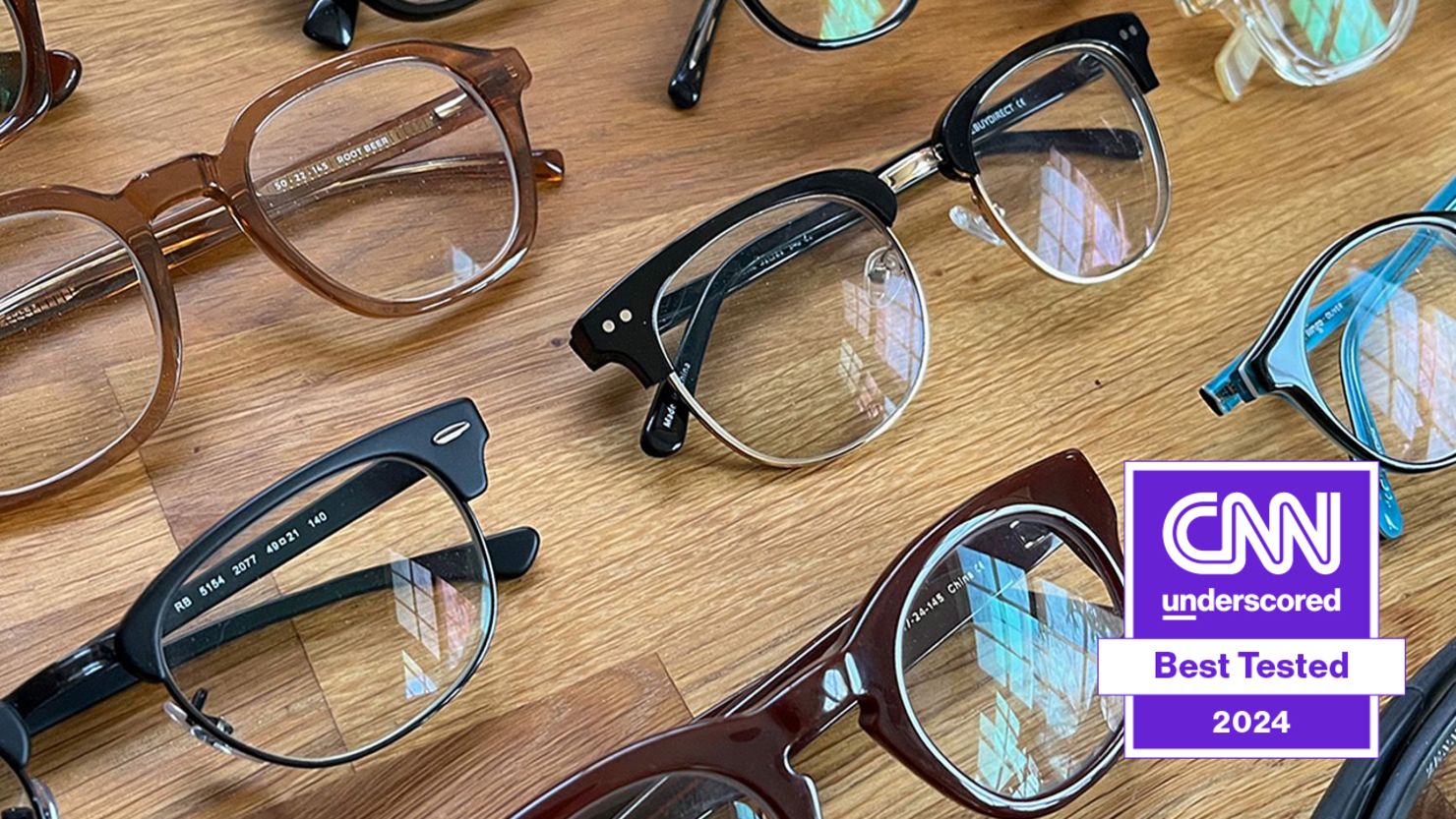
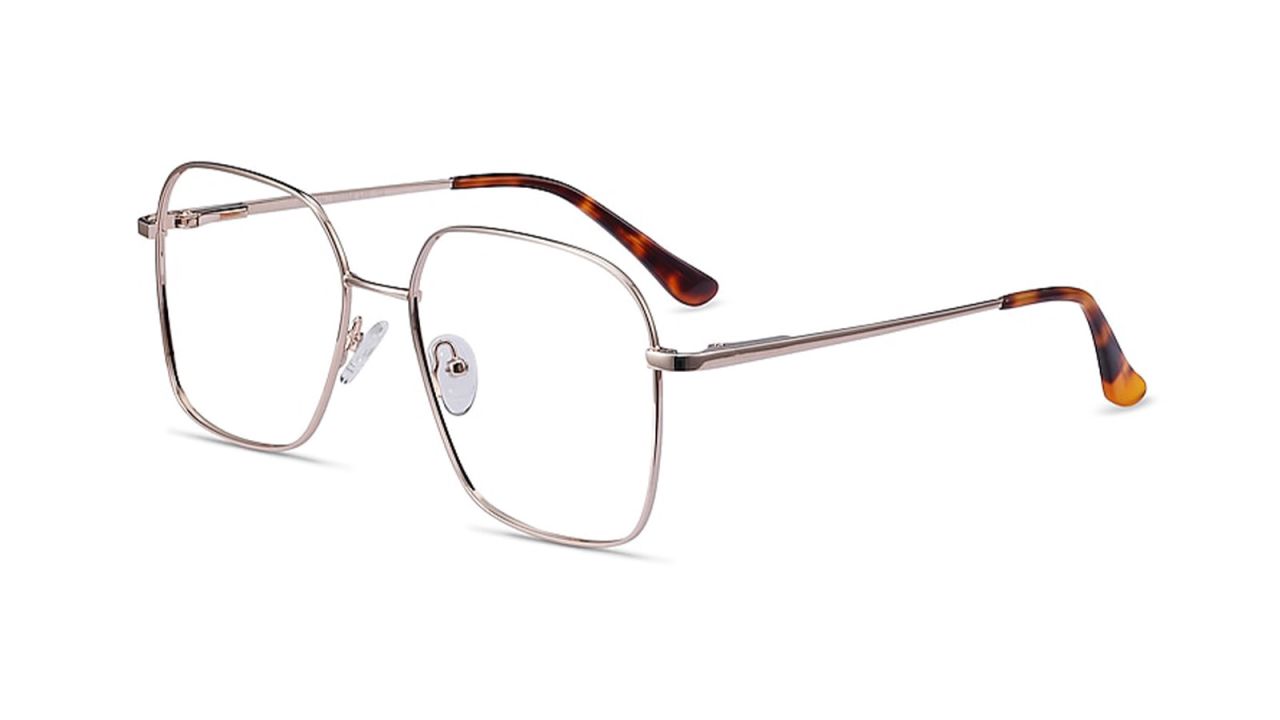
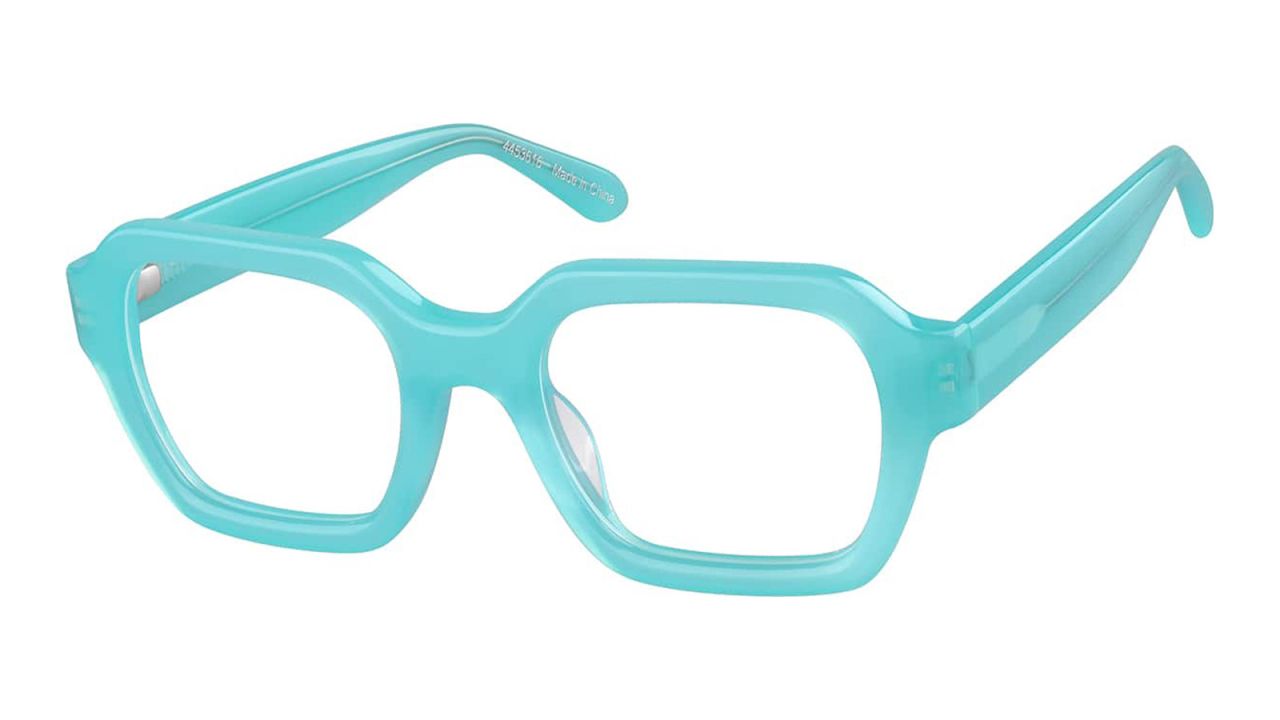
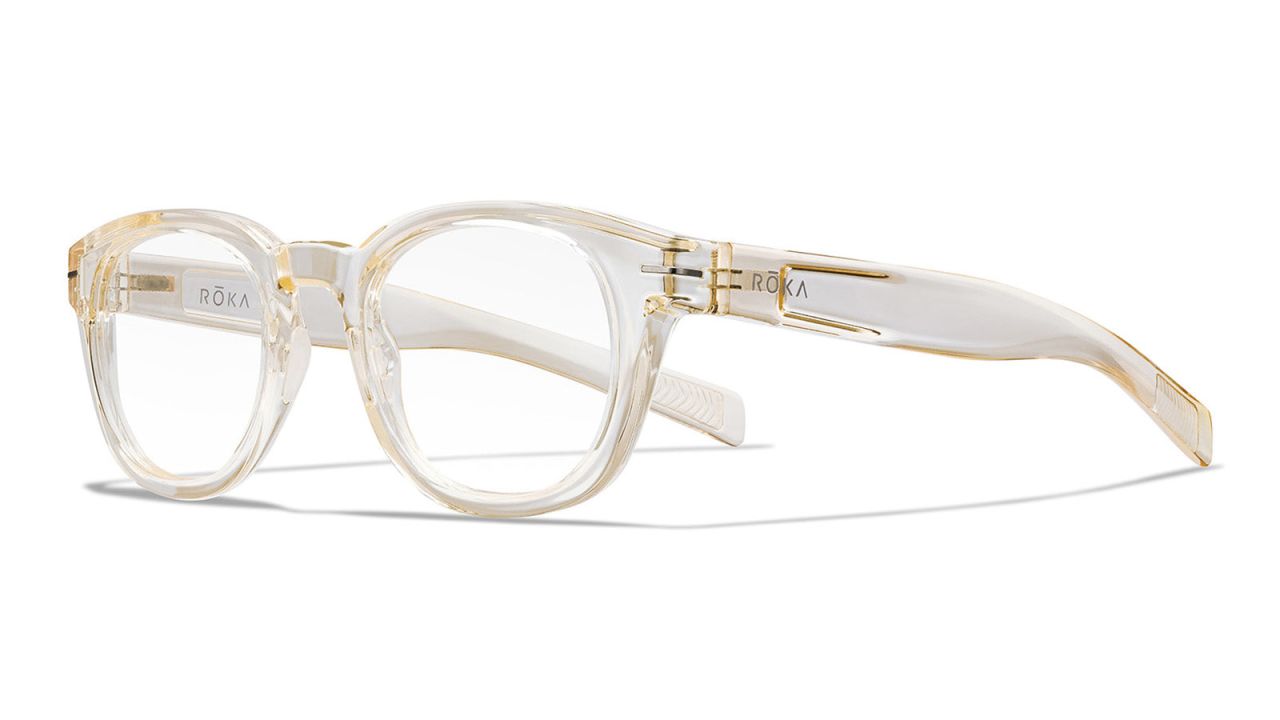
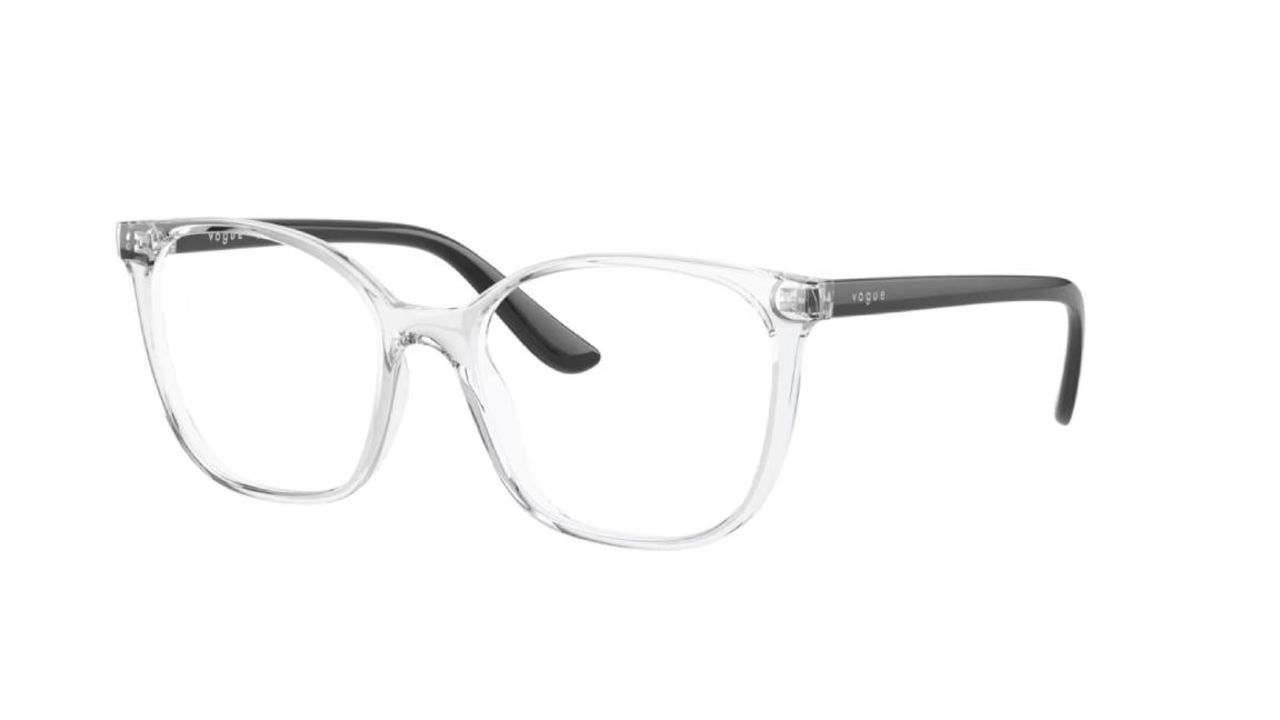
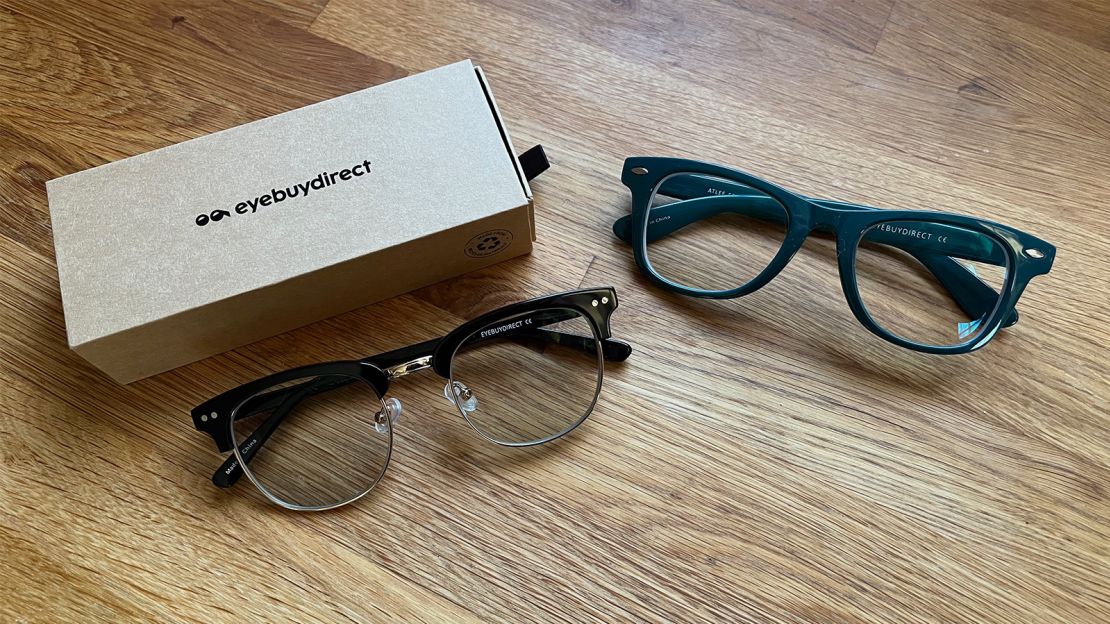
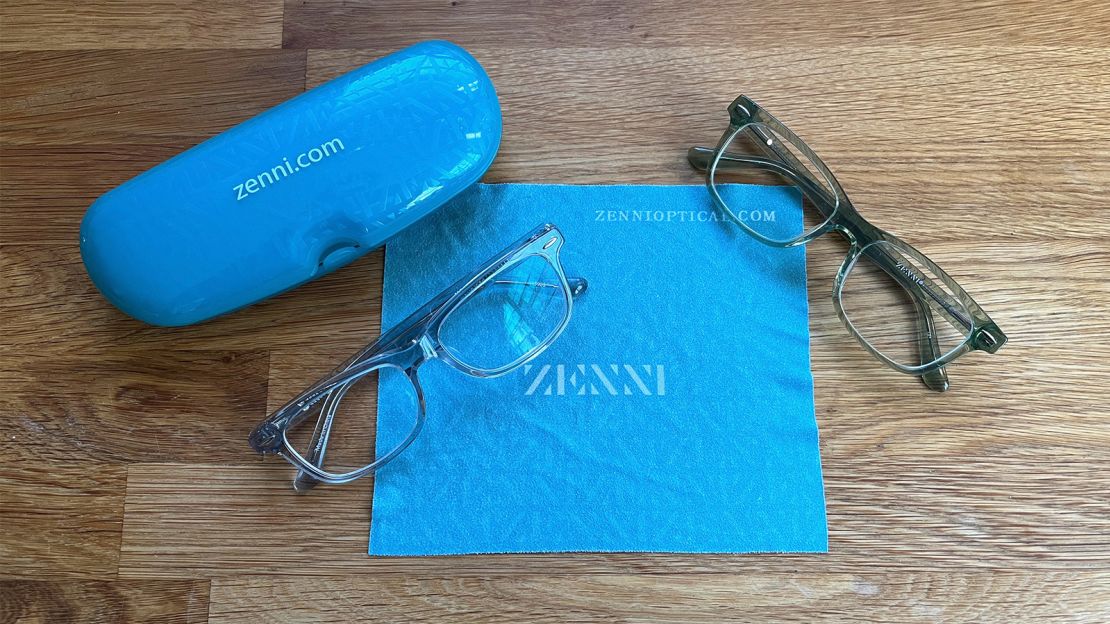
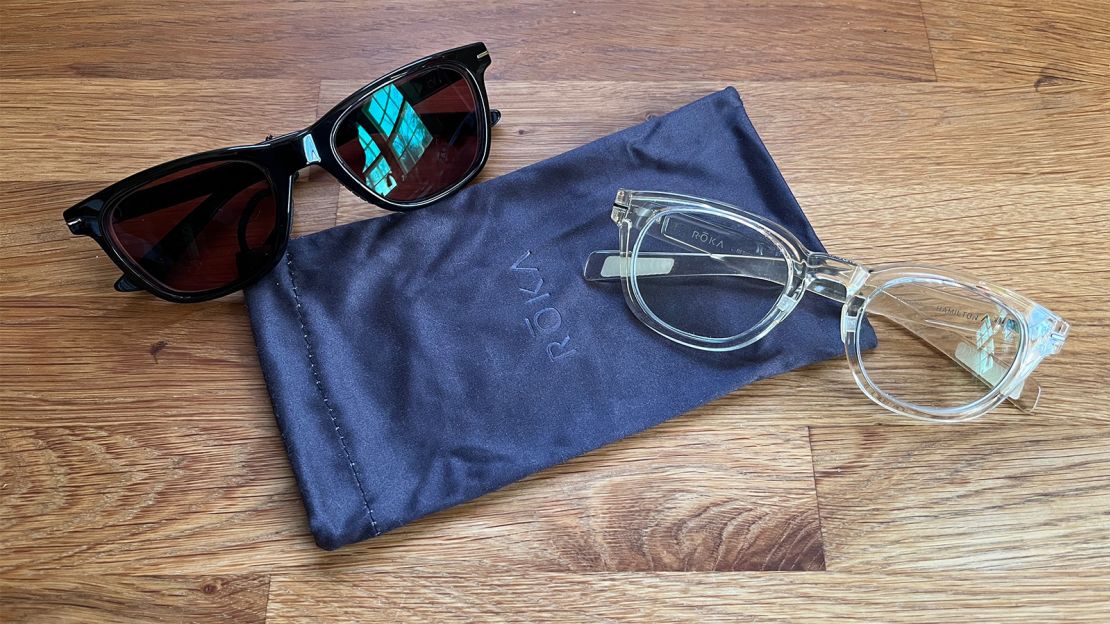
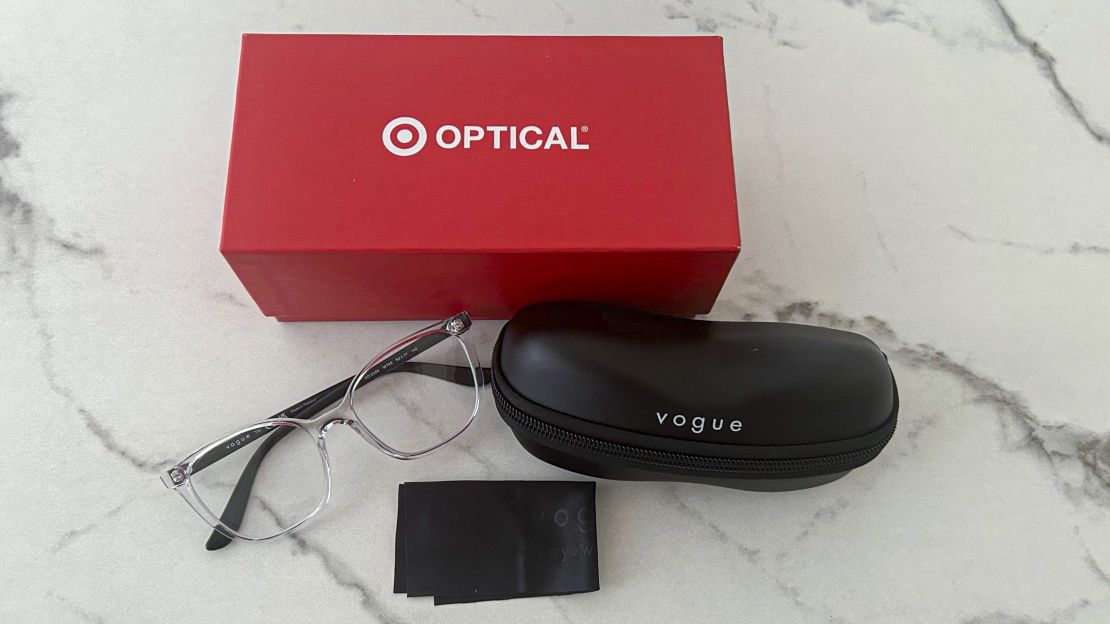
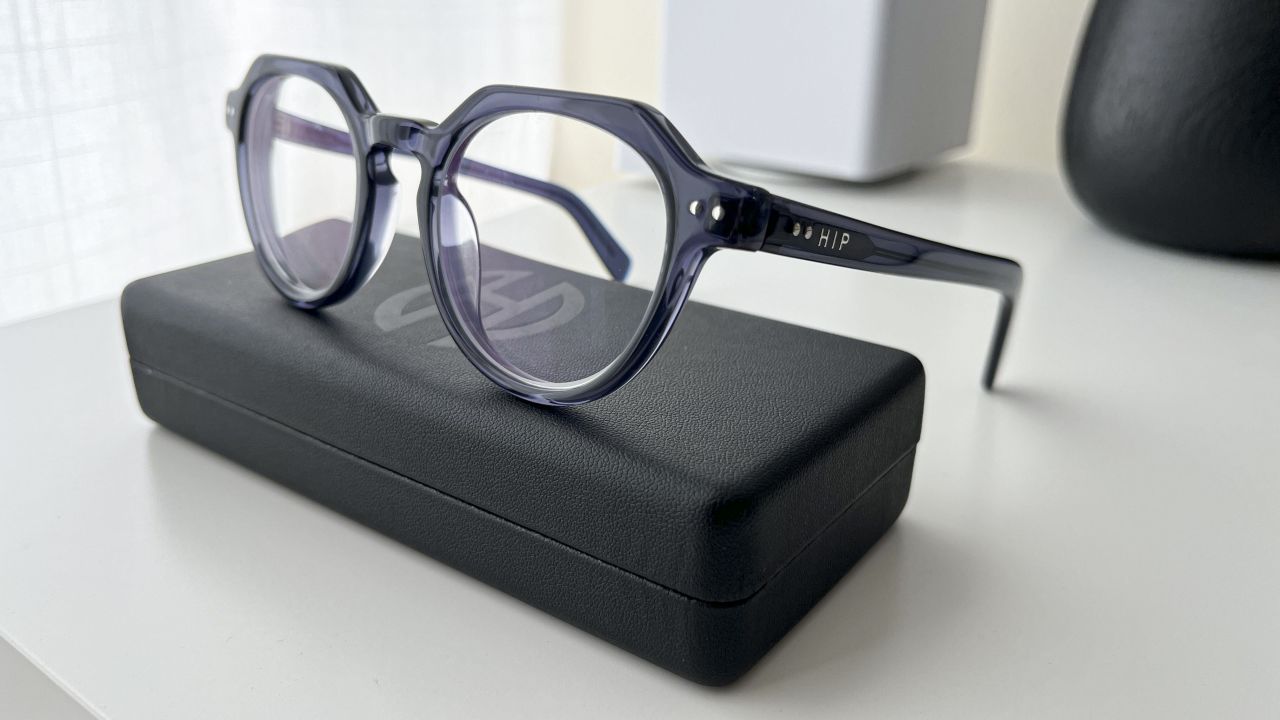
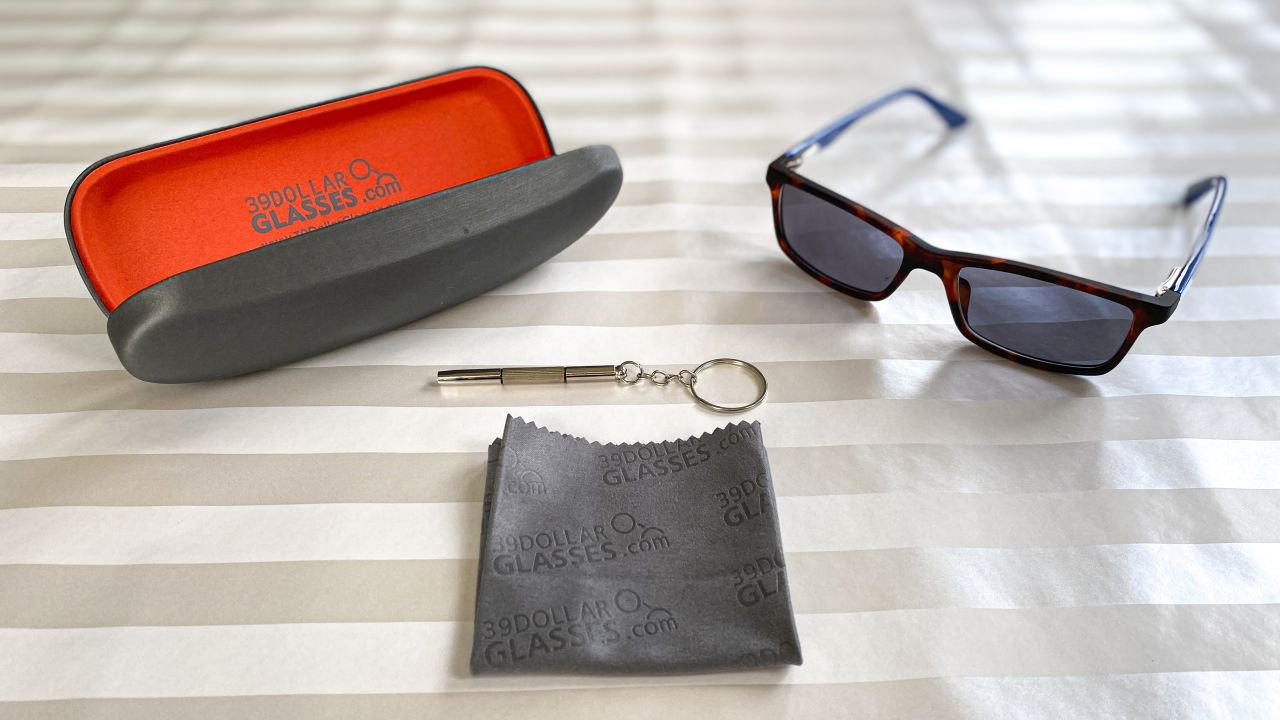
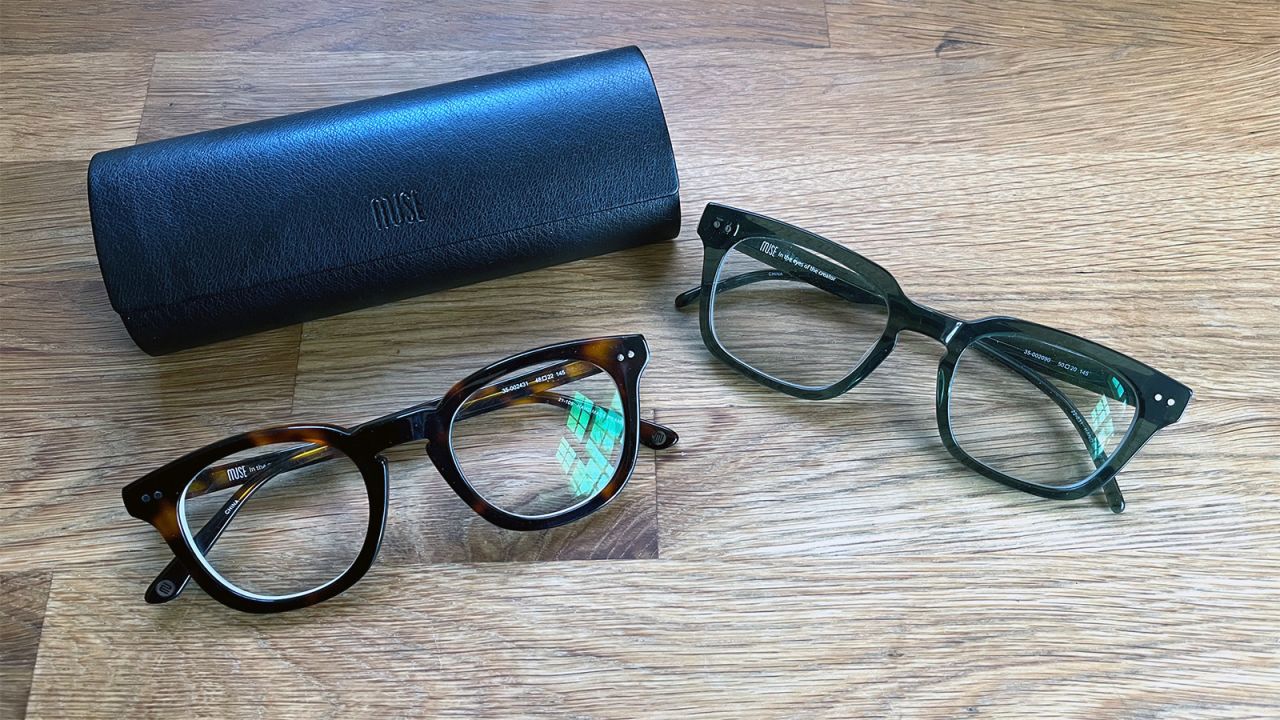
We received our pairs in two weeks, about on average for the retailers we tested. We liked the glasses from GlassesUSA as the fit and finish were excellent overall and the prescriptions were cut accurately. The sizing was exactly in line with the virtual try-on too.
If you sign up for an account, GlassesUSA is very persistent about getting your business. At one point after browsing while logged in, a representative called us on the phone to offer a coupon — it was a good offer, but some shoppers may find such policies overly aggressive.
With great virtual tools and useful search, GlassesUSA has made it very easy to comparison shop its huge selection, and it’s easy to find a great pair of glasses whether you’re interested in house brands or premium names. Abundant discount codes keep the prices low, but you’ll get a lot of them.
Warby Parker
At-home try-ons and fun styles
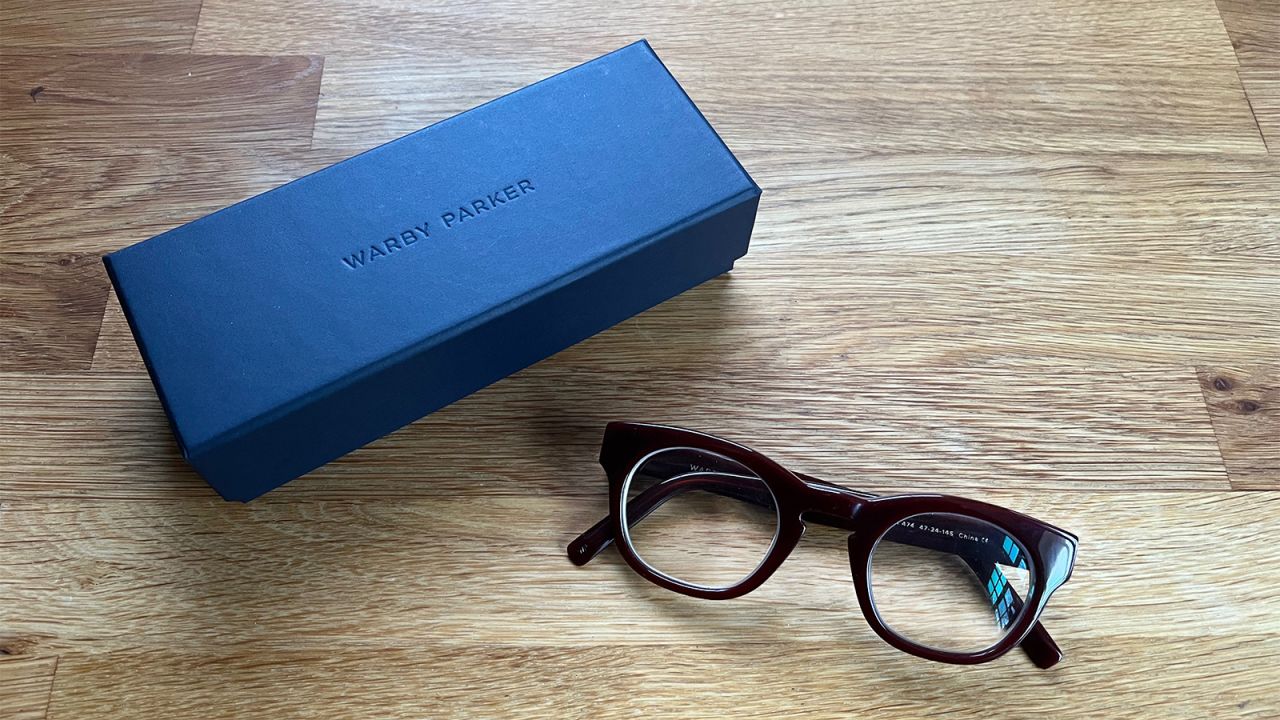
The brand most people think of when they think of buying glasses online, Warby Parker is an independent online retailer (with an expanding brick-and-mortar presence) that offers a range of house-branded stylish frames. The overall look tends toward retro styles — if you’re into chunky acetate, there’s a lot to choose from.
Warby Parker built its reputation on its home try-on program: Before the practice was widely adopted the company made it easy to try things on in person even if you don’t live near a Warby Parker location. Once you’ve found some frames you’re interested in (you can follow the site’s advice about finding the best width for your face to begin narrowing things down) you put together a list of up to five frames, place a no-cost order, and the company will send out a home try-on kit of frames with clear lenses for you to check out (you can repeat the process once you return them if nothing ends up working out).
The virtual try-on tool in the Warby Parker app (this one is much better than the tool available on the desktop site, which is fairly limited) gave us a good idea of what might work for us, so we requested a home try-on kit of five likely candidates aiming for a range of sizes that would give us an idea of the overall dimensions of Warby Parker stuff, then picked one and went ahead and placed an order. Warby Parker doesn’t do any photo-based fitting based on the home-try-on; the samples are strictly intended to give you a better idea of what fits and how it’ll look.
Warby Parker is an in-network provider for many insurance plans and provides links to apply for out-of-network reimbursement for many others. The company estimates you can save an average of $100 on a pair of glasses each year by using insurance, bringing its average prices down significantly, especially for single-vision prescriptions.
Like most of the retailers we checked out, pricing ranges from inexpensive (especially for basic single vision) to middle of the pack if you need anything more elaborate. A complete pair of glasses with a single-vision prescription with standard coatings costs roughly $100. If you order a high-index progressive prescription with the full suite of coatings and a photochromic lens you’ll probably come in a bit over $400.
Warby Parker’s design approach is minimal to a fault, and the site’s clean look does a nice job setting off the frames visually and is in keeping with the overall aesthetic, but makes some important information a little more obscure than we’d like.
Also, the shopping approach is very much mobile-first: the desktop browser version of the site’s virtual try-on tools can give you a general idea of how a frame might look, but they are much less developed than those within the Warby Parker mobile app (which does a pretty good job). We’d love to see these features brought more in line (the company has plans to do this in the coming year), and fuller information for each frame supplied in both the browser and mobile versions of the shop.
As the pioneering independent direct-to-consumer online glasses brand, Warby Parker continues to maintain an interesting curated selection of stylish frames, at fair prices relative to bigger chains. Shopping tools are minimal, though the impact is offset a bit by its very useful home try-on kit and the option of visiting a store for fittings if you like.
LensDirect
Retro looks at a reasonable price
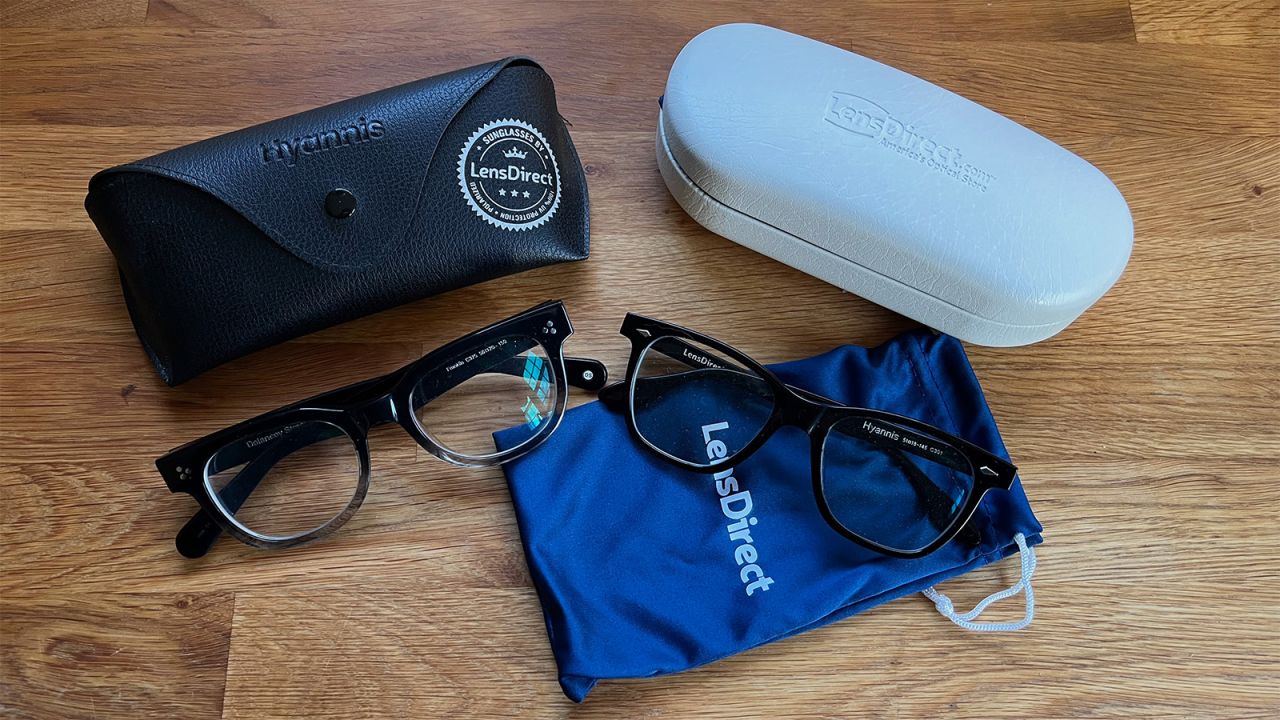
LensDirect is an independent retailer best known as an online contact lens retailer (the company has been in that business for decades) but it’s moved into glasses as well, offering a small, well-curated lineup of house-branded frames tending toward chunky, retro styles.
Both pairs of glasses we got from LensDirect — a retro-styled chunky acetate frame and a Wayfarer-like sunglass frame — were of very high quality throughout (though the first pair arrived damaged and needed replacement — more on that below). Lenses were accurately cut, the finish of the frame was excellent and fit corresponded reasonably well with what we expected from given sizing and virtual try-on tools.
Pricing is middle of the range for online shops; a basic pair with single-vision lenses, no tints and standard coatings starts at $74; progressives with high-index photochromic lenses will end up in the $400 to $500 range depending on style and specifics — at least before discounts. As with many of the shops we looked at, you’ll want to look out for special offers, sales and coupon codes — the savings can be pretty significant, knocking $100 or more off the final cost.
LensDirect also offers a lens replacement service; the company will take a frame you own (with some limitations) and replace the lenses (costs range from $59 up to just over $300, depending on prescription type, tints and coatings). Although we didn’t test this, they’re an alternative if you own expensive frames you already like that aren’t overly worn.
Since we received a damaged frame, we did need to deal with LensDirect’s customer support, and we were impressed with its handling of the situation. Every representative we interacted with was very responsive and helpful.
We didn’t love LensDirect’s prescription upload system — you upload a PDF or photo of your prescription, and once you’ve placed the order, an optician contacts you by email to confirm. There’s not a good way to look back at your order to confirm that the order’s gone through with the data you intended, however. (Zenni and Eyebuydirect, for example, make all the information you’ve entered available at every point in the process.)
This led us to making an error as we initially tried to place an order for two separate pairs of glasses with two different prescriptions and managed to order both with the same prescription, leaving no record anywhere of the second Rx.
LensDirect has a great range of styles and offers great-looking vintage looks at a very reasonable price once discounts are rolled in. The shopping experience is a little clunkier than our top recommendations, but we were easily able to find frames that really suited us and felt the resulting glasses were among our favorites of the group.
Liingo
Easy returns and at-home try-ons
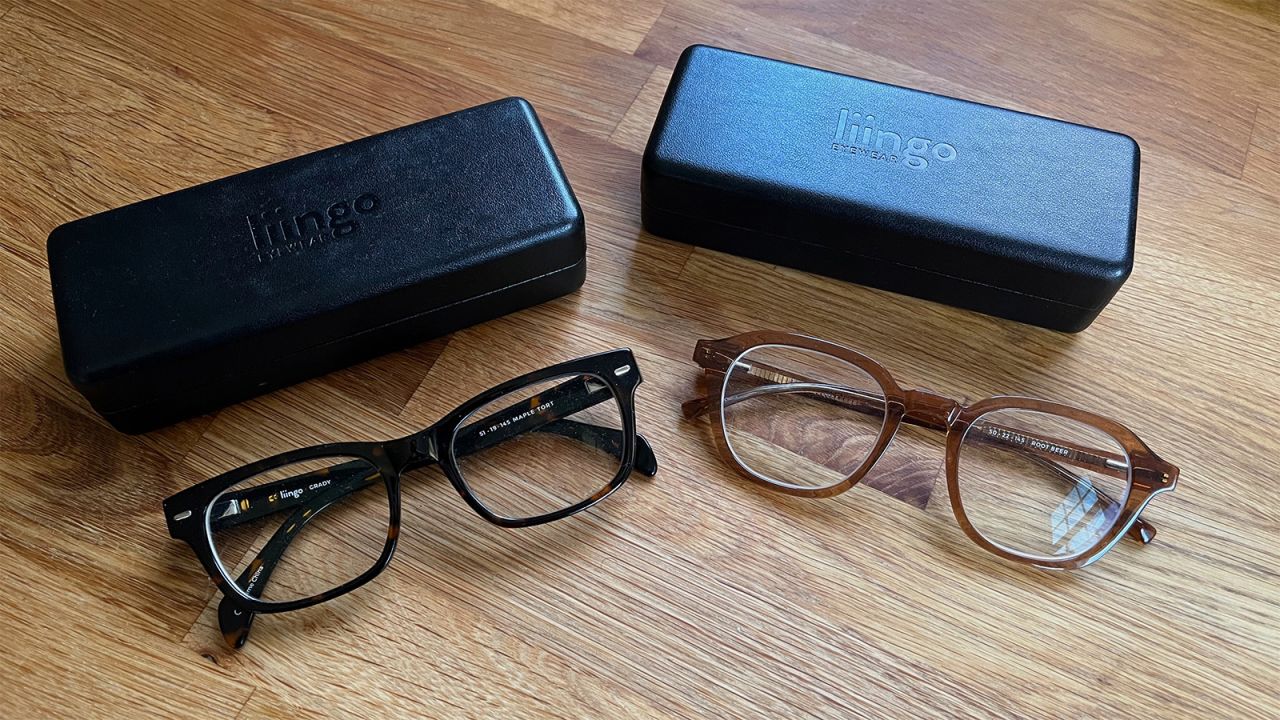
Liingo offers an excellent home try-on program, and we felt it was a great option that gave us a good idea of what we wanted. Plus, if you’re unhappy, it has a generous return policy of 60 days, which is twice as long as most online glasses retailers, and they cover shipping.
Liingo has solid search and shopping features, a well-thought-out virtual try-on tool that provides useful feedback on fit as well as a general guide to what size ranges will work (this was accurate in our testing, recommending a “medium” width in our case — a general recommendation but certainly correct in the company’s sizing). A smartphone app lets you scan your current glasses (assuming you’re happy with them) to generate a prescription if you don’t have one.
We requested a sample kit and ended up ordering three pairs from it, though after checking out the sample kit we decided on different frame colors. The pairs we received were very high quality (on par with Warby Parker’s offerings and GlassesUSA’s house brand Muse lineup), with spring hinges, securely fitted lenses and a solid finish save for a couple of barely perceptible tooling marks.
Prices are relatively low. Basic pairs including single-vision prescriptions start at well under $100, and fully decked-out progressives with photochromic lenses will run you in the neighborhood of $400.
Liingo isn’t in-network with any insurance provider, but the company will assist you with the proper forms and an itemized receipt to submit for out-of-network reimbursement (of course you’ll want to check to make sure what your vision coverage includes).
Liingo gives you a 60-day return period, with full refunds — the longest of any of the retailers we looked at, which should give you more freedom to experiment with the frames on offer.
Tifosi
High-performance glasses at a low price
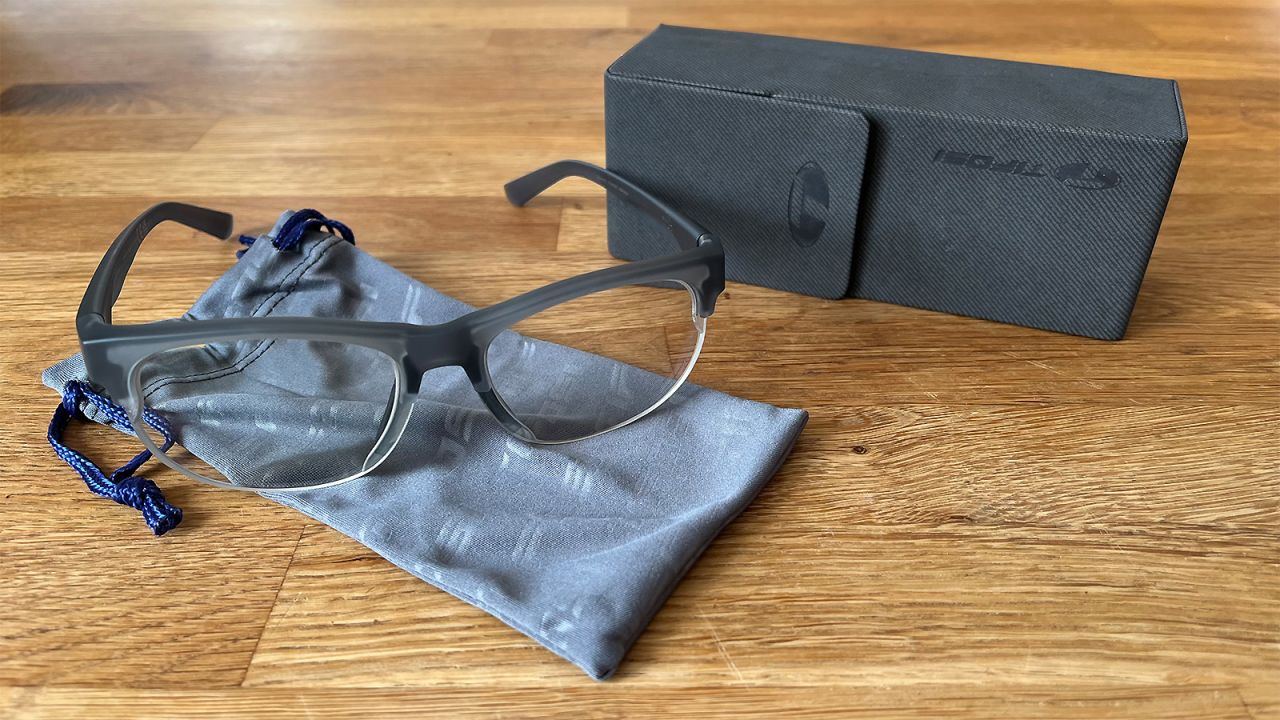
Tifosi has supplied affordable performance glasses to athletes for the past two decades, and their high-value, durable sunglasses and prescription pairs have been favorites of cyclists, runners and golfers. While the brand has typically sold via specialty sporting goods stores and some optical shops, it has recently branched out into direct-to-consumer sales and, recognizing the limited range of options available to those looking for corrective sports glasses online, has recently begun selling prescription pairs online.
Most importantly for many buyers, Tifosi can produce good-quality performance eyeglasses at a lower cost than most. Single-vision glasses start at $90, while single-vision sunglasses start at $120.
Our order — with progressive prescription, Fototec photosensitive lenses and antifog and antireflective coatings — was a little pricier, coming to $370 in total, mostly due to the prescription itself. It’s not quite as inexpensive as Zenni (though Tifosi’s glasses are of noticeably nicer fit and finish), but it’s cheaper than Roka (albeit not as stylish or quite as well built).
Ordering is simple and straightforward — you choose from the range of options (mostly sunglass color choices, though Fototec lenses are only available in a gray tint).
It’s difficult to make wraparound-style curvatures work with a strong prescription (in excess of +/-4.00, which is what this reviewer wears — a reasonably good test for the limits of lens manufacturing), so we went with the most curvature we could get. The site does indicate clearly the range of prescriptions curved styles can handle, most of which top out as expected around +/-4, aside from the Swick, which can handle a broader range of corrections, from +6.00 to -4.00.
Styles tend toward generous coverage — totally appropriate given that these are intended for active use before fashion — and the SLs were very effective running and cycling in windy, misty and rainy conditions. The half frames and well-cut optics gave us a clear view of the road surface and various fitness trackers, watches and computers, and the frame design directed sweat out of the way very effectively.
While we wouldn’t hesitate to recommend Tifosi to anyone looking for an inexpensive performance-oriented prescription sunglass, there are some things to keep in mind.
First, while Tifosi offers a wide range of styles in nonprescription sunglasses, only a limited subset of those — 12 models — are available for prescription order. That said, the available styles should cover the needs of most people looking for sports sunglasses.
The customer experience is bare-bones compared to competitors who specialize in direct-to-consumer glasses. There aren’t any virtual try-on tools or fitting guides here. There’s not that much to direct you beyond basic measurements (which are not accessible directly from the prescription page — you’ll have to look for each frame’s non-RX page to find them) and indications of the range of pupillary distances appropriate for each pair (three of the available RX styles are meant for smaller faces).
Delivery time is slow compared to competitors. Tifosi estimates three weeks for orders; ours arrived in four — on the long side for online prescription glasses in our experience, with most competitors delivering in two weeks or less.
Caddis
Cool looks for grown-ups
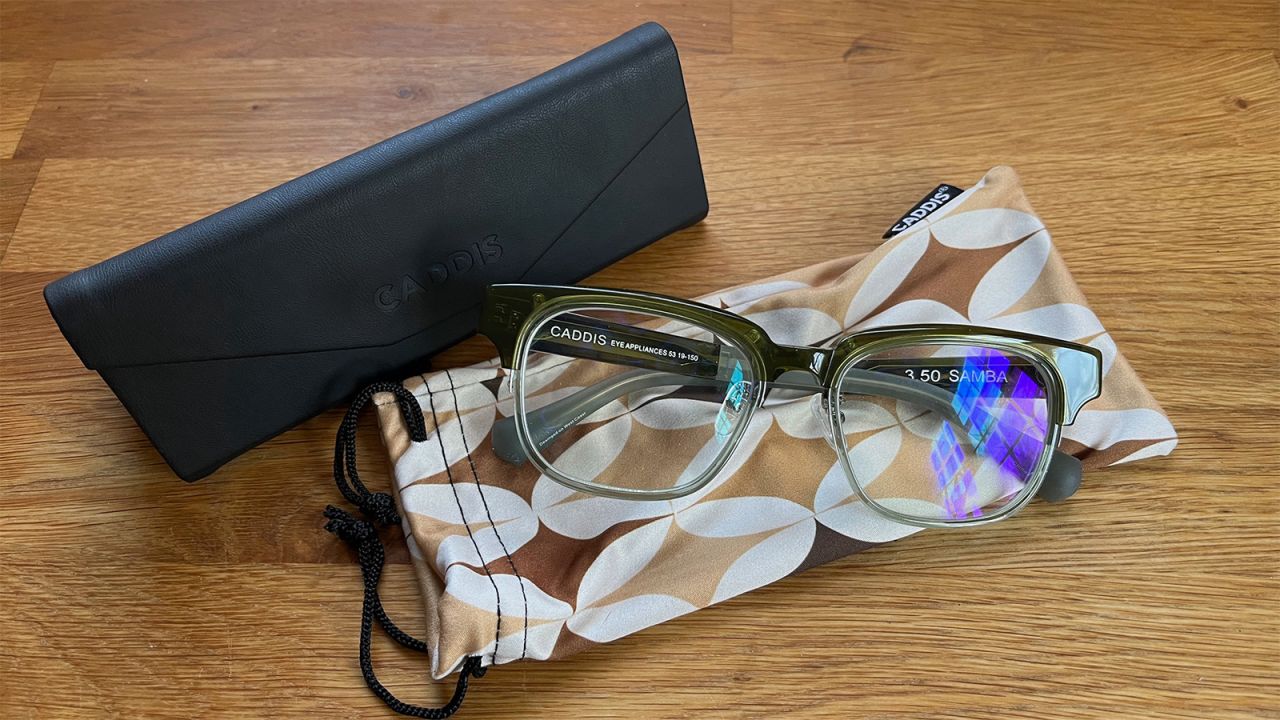
Caddis has, in the past, addressed the needs of fashionable Gen Xers and Boomers with a line of quirky readers, and introduced prescription lenses more recently. The overall aesthetic is chunky, oversized and fun, with bright colors and fanciful touches — extreme coastal grandmother, if your grandmother promoted indie shows in Portland.
We liked that once we ordered our frames, we were sent a sample along with instructions for taking a photograph for proper fitting (this is, as mentioned above, particularly helpful for setting segment height for progressive lenses). The resulting glasses we received were of very high quality and smooth finish, with a premium feel compared to frames that cost much more. The lenses were well-cut, with a wide field of vision from distance to reading (the oversized lenses are nice for reading).
As befits the older crowd Caddis addresses, the company’s single-vision pricing is high. It’s more favorable on the high end: high-index photochromic lenses, even with a progressive prescription, top out at just over $500. If you like Caddis’ style, you’ll get your money’s worth.
Caddis has an impressive range of styles and colors, but the great majority run towards the chunky and oversized; if you’ve got a small or narrow face, you might be out of luck. The Caddis site features a ton of beautiful product photography, but the shopping experience is still a work in progress. If you browse the prescription glasses collection you won’t find any measurements — they’re only given for readers. Luckily the same frames are used for both sides of the operation, which you might not realize at first unless you do some poking around.
The brand doesn’t try to be all things to all people, so options are somewhat limited, but if you like the aesthetic you can’t really go wrong with Caddis’ frames, which back up their looks with solid builds and quality optics.
LensCrafters
A huge range of options with in-store backup
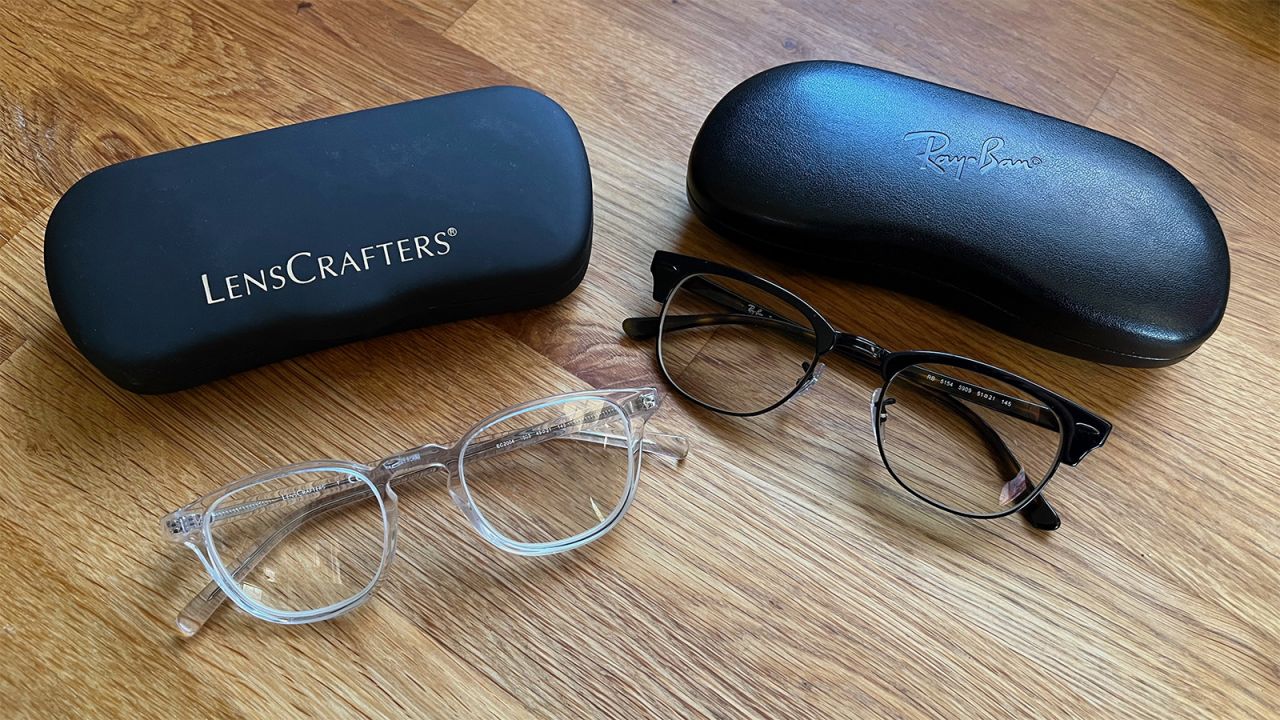
As one of the biggest optical chains in the US, LensCrafters probably needs no introduction. If you’ve ever purchased glasses, you’ve probably bought a pair from the Luxottica-owned brand. It’s moved into online retail now, providing an overall similar experience to its sibling online-only brand Glasses.com, but with the bonus of a hybrid approach that takes advantage of its brick-and-mortar locations to get you an exam or a fitting. The site seems built more as an entry to LensCrafters’ in-person shopping than a standalone experience (which, of course, is why Glasses.com exists).
Shopping tools are very complete and usable. The site has a wealth of informational content on pretty much every aspect of eyewear and eye care, along with the full suite of things we like: clear, easy-to-find, complete measurements for each frame; virtual try-on tools; a tool to mark favorites while shopping for easy comparison; and more. And while the company doesn’t offer samples for try-on, for many frames it will direct you to a local LensCrafters shop where you can try on in person
LensCrafters is big on options. As you might expect given how big LensCrafters is, you get a ton of options for lens types, coatings, tints and such. Where some smaller retailers offer two choices of Ray-Ban lens tints, you’ll find five at LensCrafters.
Pricing is in line with what you’d expect in store. Basic prescriptions in house-brand frames are available for $100, while premium-brand frames with progressive prescriptions and all the fixings can run in the $600-$800 range. Discount codes are readily available, however.
LensCrafters is one of the few online retailers we checked out that is in-network with a number of vision insurers, including sibling brand EyeMed. This makes it easier to save around $100 on one pair per year (the typical allotment via vision coverage), since you won’t have to apply for reimbursement as with most online opticians.
LensCrafters’ site gives you a ton of options, but it’s a little clunky considered on its own. But it makes a lot of sense as a tool for getting set up to visit a brick-and-mortar LensCrafters shop with a clear plan of action.
Glasses.com
LensCrafters styles for the online-only shopper
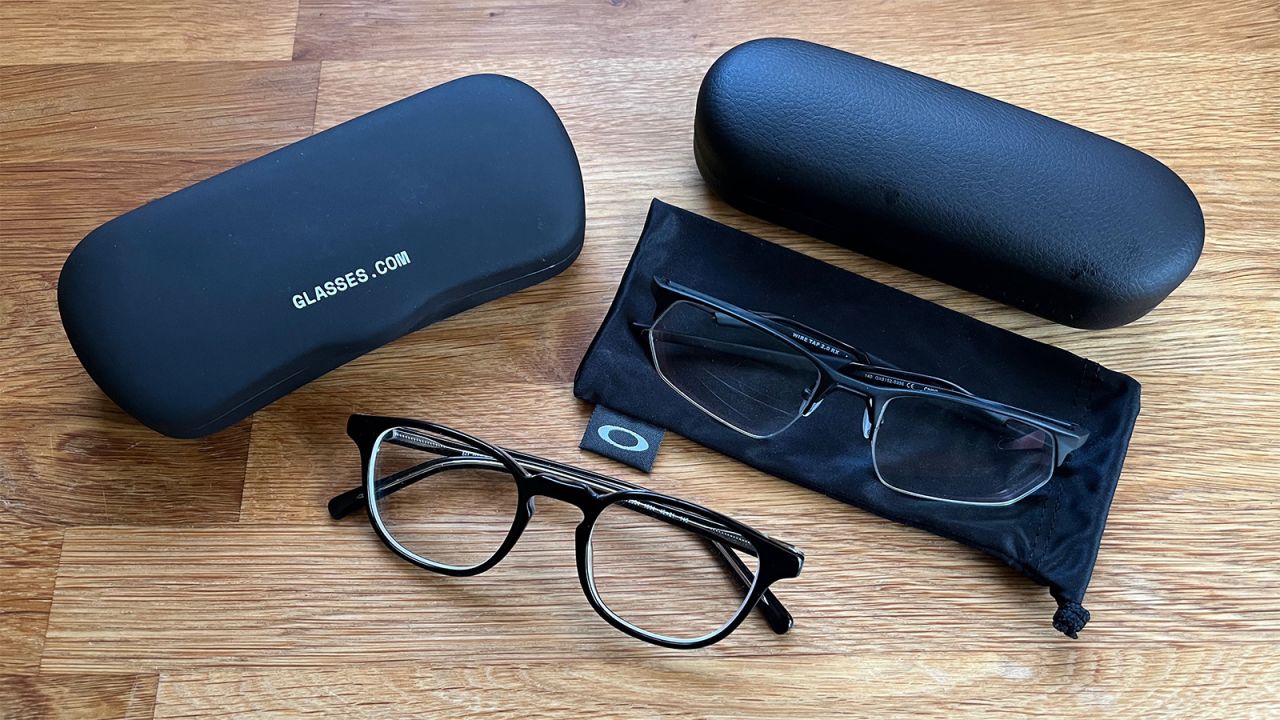
Glasses.com is the web-only retail storefront for the Luxottica brands. The offerings are similar to LensCrafters’, though you’ll find a more streamlined experience and different models on sale between the two shops.
As you shop, you’ll want to pay attention to sales and special offers, which can reduce prices by a significant amount. We waited for a 50% off lenses offer, which we were able to couple with a 20% off total coupon, bringing the price of a pair of Ray-Bans with all available options down to a very reasonable price — not quite in the Zenni range, but competitive with online-first retailers like GlassesUSA and Warby Parker.
Glasses.com is an in-network provider for a range of major insurance plans (including EyeMed, its sibling Luxottica company). so depending on your coverage you may be able to save without having to put in for reimbursement.
If you like LensCrafters’ selection, don’t plan on visiting a physical store and want a slightly slicker online shopping experience, Glasses.com gives you that, along with a discount structure more like other online-only direct-to-consumer brands.
Eyebobs
Cheeky, chunky styles and straightforward pricing
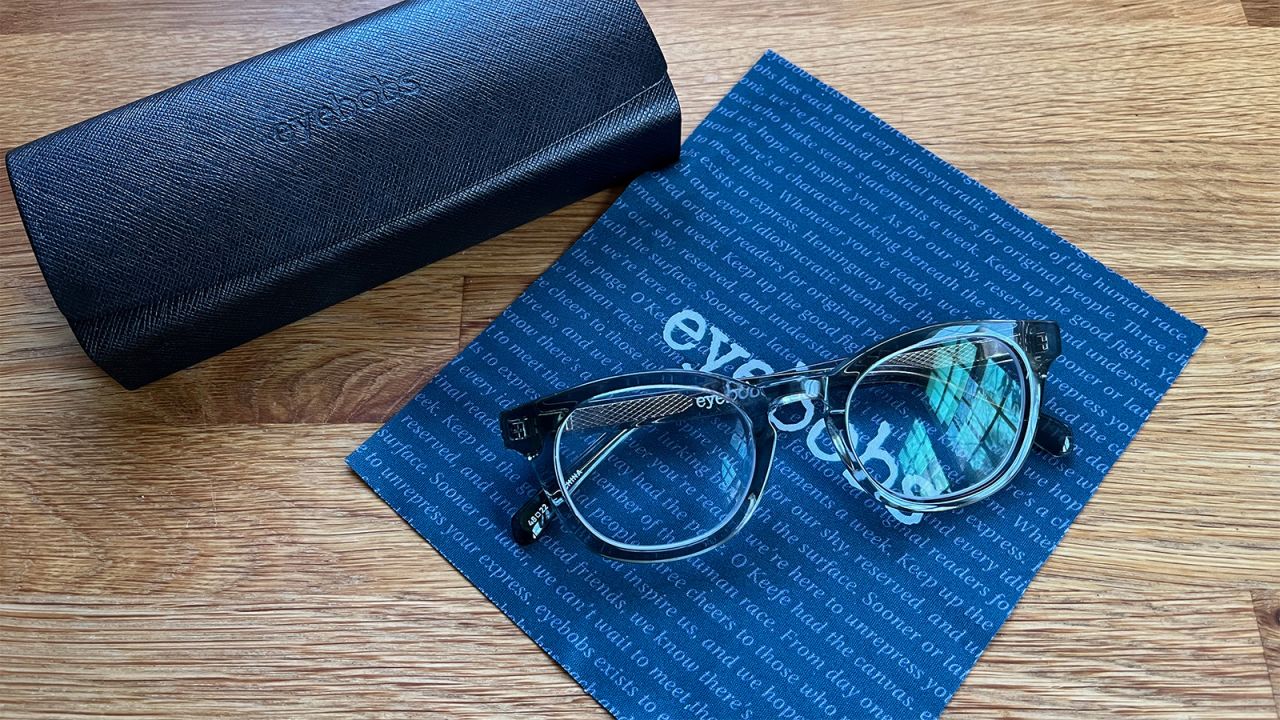
The quirky Minneapolis shop — which came to national attention as the supplier of heroic host Bernard’s readers on the Westworld series — offers a range of interesting styles with high-quality material, great fit and finish and refreshingly straightforward styles.
Like Caddis, Eyebobs dug in on quirky, fun looks, with a selection of frames ranging from the chunky to the downright sculptural in a broad spectrum of colors to match (or clash productively) with any ensemble. Even the names are fun.
Since the looks on offer can be fairly extreme, Eyebobs has plenty of assistance to walk you through the process. A quiz gets you in the ballpark, and a virtual try-on tool (a little clunky on the site, but very accurate via the mobile app) gives you a preview of how the frames might look on your face.
If that’s not sufficient, Eyebobs has a team of personal stylists to assist you. During the shopping process, you can set up a free appointment to talk through some frames that might suit your tastes (even if you might not think so at first).
Pricing is simple and reasonable, if not cheap. All of Eyebobs’ frames (save for designer collaborations like the current Lake & Harriet line) are priced the same: Readers are $95, sunglasses $135, basic single-vision pairs start at $245 and pairs made with all of the possible options (high-index photochromic progressives) top out at $485.
Eyebobs’ personal stylist service has some scheduling glitches and we found it impossible to actually get in touch with a stylist. It’s not clear from the email invitation that you need to log into the site and confirm your appointment, or where to obtain the meeting address itself. It’s a great idea, but the implementation needs work.
If you’re looking for something that grabs attention, whether with bright colors or sculptural shapes, Eyebobs has you covered. Good shopping and fit tools, fair pricing and a simple process make it easy to experiment.
Pair
Endless colors and customizable frames
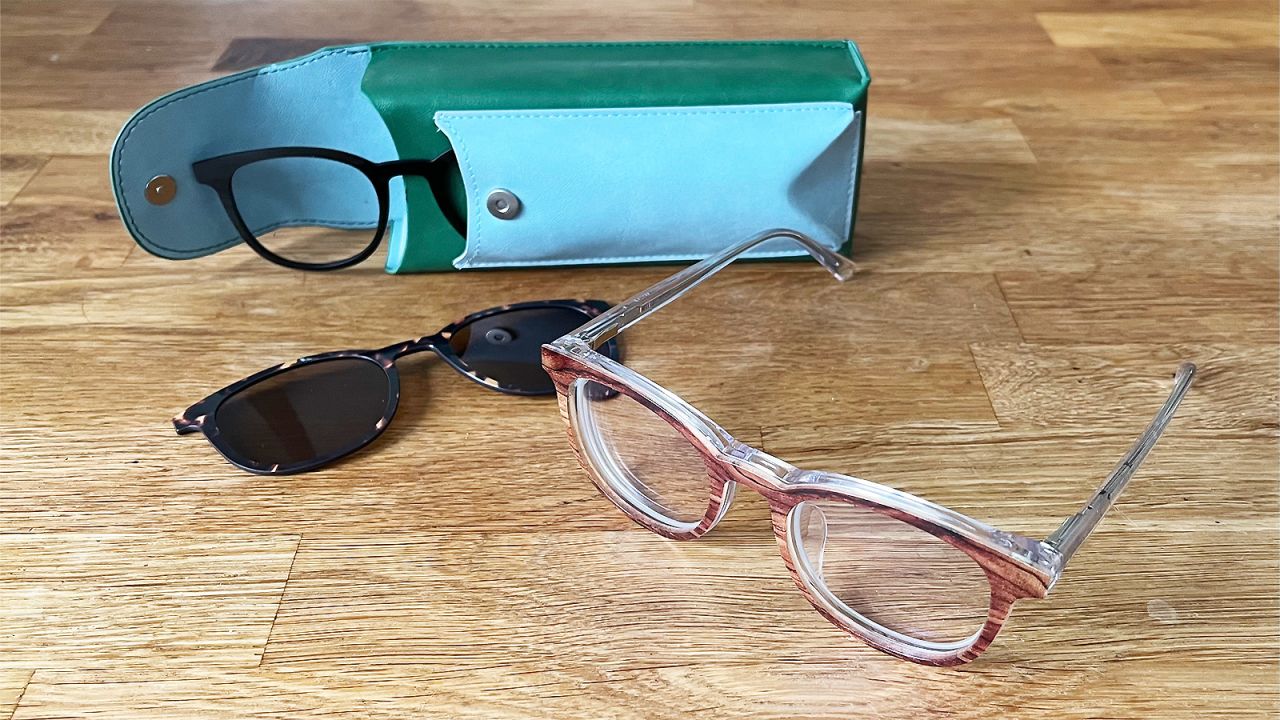
Pair takes a modular approach to style, catering to those who like to change things up with a limited number of “Base Frame” styles that can be dressed up with a larger variety of affordable, magnetically attached “Tops” (including everything from plain-vanilla sunglass clip-ons to comics and brand tie-ins).
Pair’s glasses are very affordable: Base Frames are $60, and Tops start at $25. The Tops, which attach magnetically to the Bases, don’t alter the basic look of the frames but give you a fun, affordable way to experiment with colors and patterns or to match your eyewear to the rest of your outfit, even if you change things up significantly every day.
Since there isn’t a huge variety of choices on offer for the frames (13 variants, three of which are only available in smaller sizes for kids), selection is pretty simple. Sizing and frame measurements are clearly indicated, and the process of choosing a frame, selecting lens type and coatings and adding as many Tops as you like with your order is clean and straightforward. After we ordered, turnaround time was speedy; we received our finished pair in 11 days.
You won’t find much in the way of interesting frame shapes or weights — the overall aesthetic of the Base Frames is pretty vanilla, and the visual interest comes mostly from the colorful Tops. Pair offers only a baker’s dozen base frames. Three are kid-specific, and the other 10 cover traditional men’s and women’s styles — square, rectangular and rounded styles, plus a couple of semi-cat-eye shapes).
Moscot
Luxurious retro-cool classics and great customer service
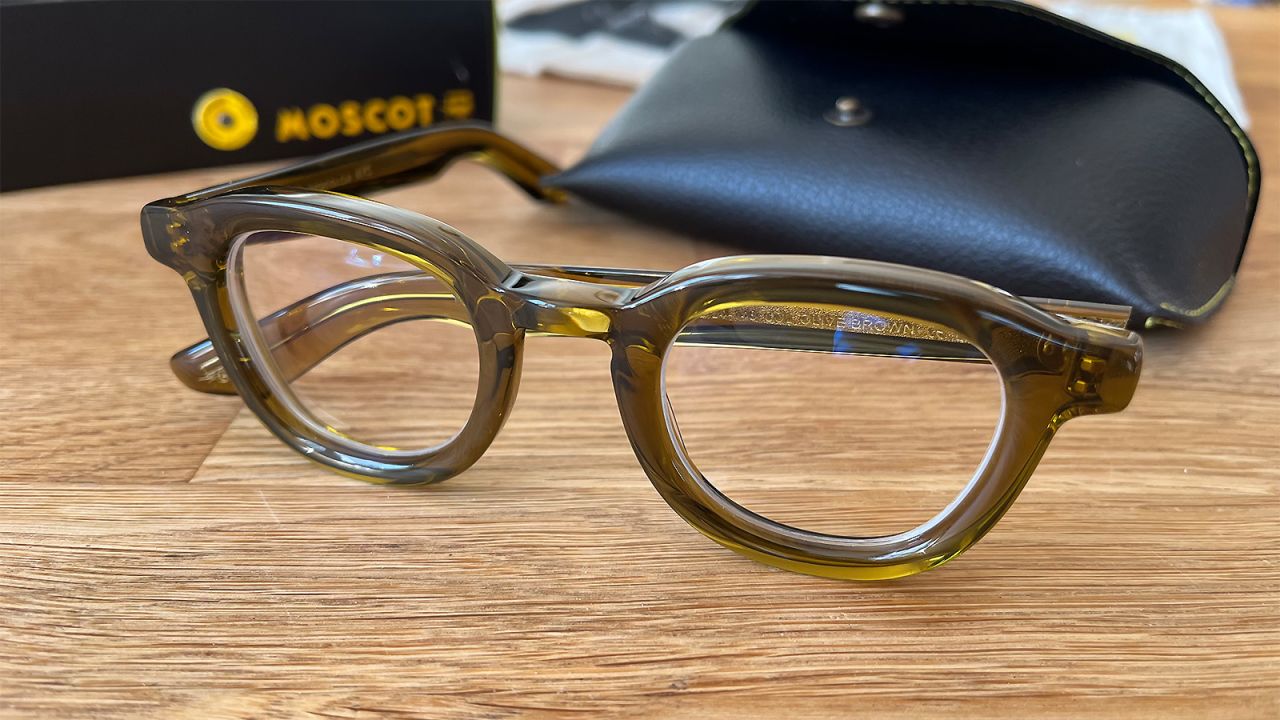
Moscot is a New York City institution and its quirky, chunky retro glasses have long been favorites of actors, musicians, influencers and other celebs. Like many brick-and-mortar brands, the company has turned its attention to online sales, and now its frames are available direct to consumers, with a fully built-out shopping experience that rivals some online retail specialists.
Moscot’s frame styles tend toward classic, retro looks, though typically at heavier weights than you might expect — if you like chunky frames you’ve come to the right place. Most frames are available in a range of interesting earth tones, tortoiseshell finishes and translucents, most of them in the company’s signature heavyweight acetate, though some wire styles are available as well.
But back to our sample pair. The Dahven’s build quality is impressive. There’s not a rough edge to be found anywhere on the heavy acetate frames, the hinges are smooth and the careful build is evident in the way the arms lay perfectly flat when you fold the glasses — no slight misalignments as you might find on cheaper glasses, and everything is fitted perfectly, without creaking or rubbing. The lenses are accurately cut and of perceptibly high clarity and optical quality.
Moscot’s online shop combines some of the best features of remote shopping with the kind of personalized attention you’d get at a good optician. Onsite, you get fitting tools including a well-executed 3D virtual try-on (on iOS), a handy sizing guide, tons of images of each frame in multiple sizes on a diverse set of models and plenty of measurements to work from.
What’s even better, however, is the personalized service. Online chat is staffed with actual human beings — the company’s “Frame Fit Specialists”’ — who get back to you quickly with answers to questions. This is something we didn’t see everywhere, and that makes a difference in negotiating the range of styles on hand.
You can also schedule a virtual style and fit consultation via video call. While the quality of these calls varied considerably among competitors, the specialist I worked with at Moscot was helpful — even surprisingly so. I provided a bunch of information on what I thought I was looking for and he recommended a frame, color and size I wouldn’t have considered, which turned out to be perfect. This was the best, most in-store-like experience of any “online” retailer we looked at for this review.
Plus, the turnaround time for our order was speedy — we had our sample pair of glasses in seven business days, the fastest of the online retailers we tried.
However, these can be expensive glasses. Single vision pairs with standard lenses start at around $420, and if you need a progressive prescription and want photosensitive lenses, a fully spec’d pair can cost around $1,100 — about what you’d expect to pay in a good optical shop (largely because Moscot is a good optical shop).
Jins
Elegant looks to fit almost anyone
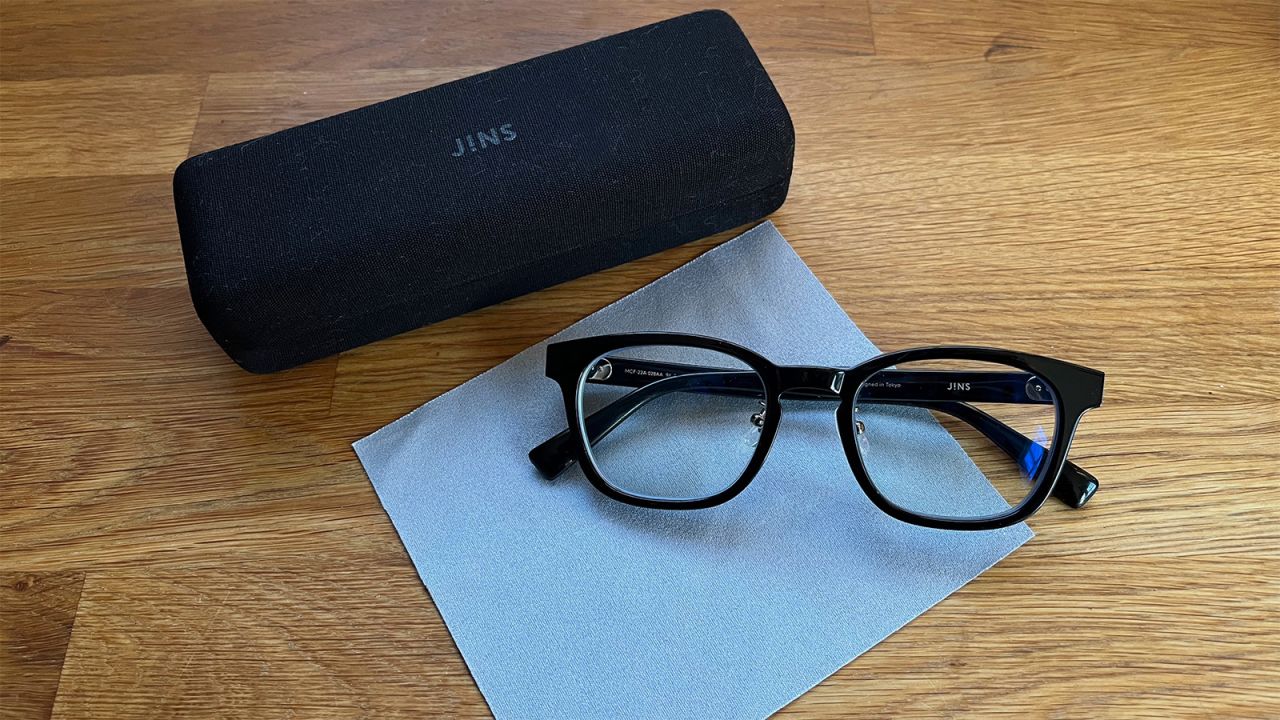
Jins, a Japanese brand with Los Angeles and Santa Clara retail stores, concentrates on classic looks in wire and plastic, generally offering similar styles in standard and oversized versions. While more and more brands offer low-bridge fits nowadays, Jins has focused on flexible, inclusive fitting more than any other brand we ran across. Many of its acetate frames have adjustable nose pads and several others are offered in multiple fit options.
Jins’ range of fit is impressive. While our acetate frames fit out of the box without adjustment, they offered a lot more range than many similar models we looked at from other manufacturers given the addition of large adjustable nose pads as used on many wire and browline styles. This makes the frames a little bulkier, but if you’ve had trouble finding a good fit, it is likely worth it and the streamlined styles are very accommodating.
Pricing is relatively inexpensive, with single-vision pairs available starting at $90; progressive photochromics can run between $330 and $430, depending on frame selection. They also come with a 30-day warranty.
If you’re in need of stylish frames with a low nose-bridge fit, you’ll find a treasure trove of options at Jins. Just be aware that frames go out of stock quickly and be flexible on colors and styles and you’ll likely find a frame you’ll like.
Alexander Daas
High-end luxury styles from home
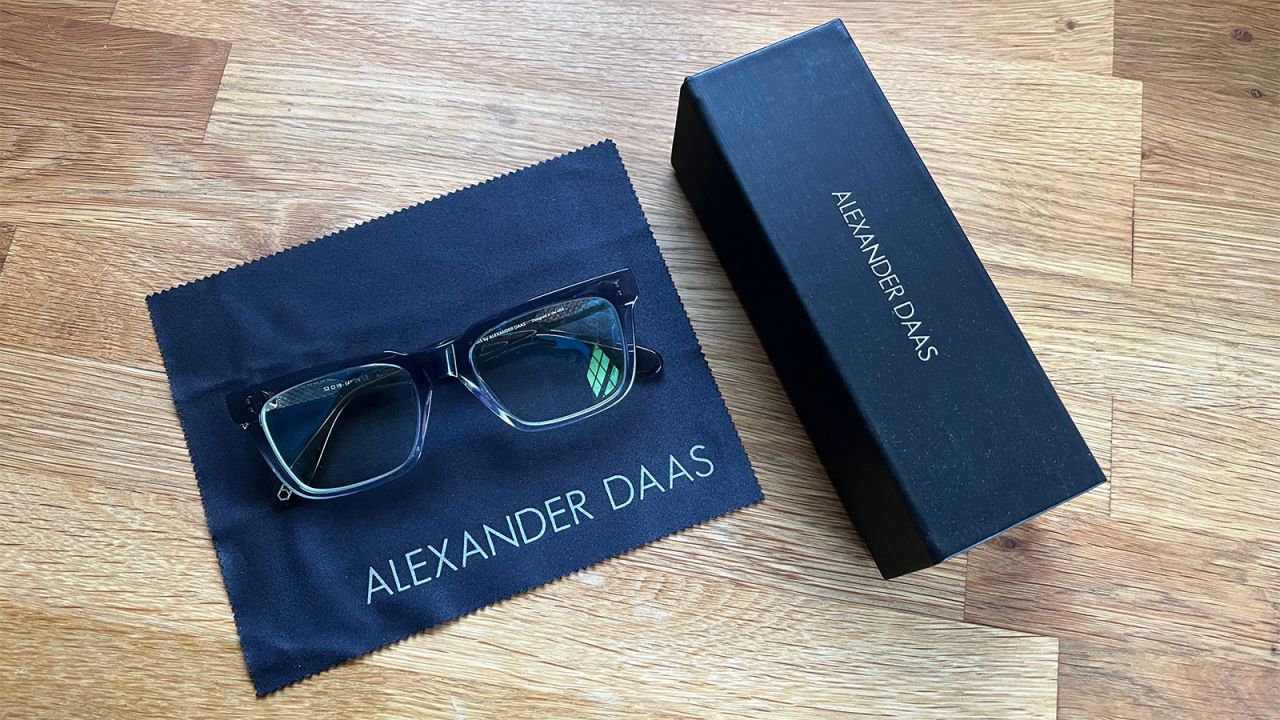
Alexander Daas, a California-based high-end optician with a celebrity following, has moved into full-service online retail, offering its house brand and a full range of other luxury brands. It’s not cheap and is about as expensive as you’d expect given the lineup — but it makes a great pair of glasses. If you’re interested in high-fashion brands and your local doesn’t carry them, Alexander Daas can provide those options at a distance. It isn’t for everybody, but it’s an interesting option for high-quality frames.
While the site experience is minimal, ordering is straightforward, with clearly laid-out options for choosing lens materials, coatings and so forth. Prescription entry is via upload of an image — not our favorite sort of system, but customer service is very responsive and followed up by email to confirm within a day.
Also, once we placed our order, we received a pair of sample frames of the style we’d ordered, along with instructions on taking a photo to set segment height (we ordered a progressive prescription). We followed the directions, submitted photos and got a confirmation from an optician the same day. The finished glasses arrived in just over a week.
The shopping experience is mostly basic. You don’t get elaborate search tools, just filtering by brand, material and style. The idea is that you’ll be choosing primarily on aesthetics. Given the brand’s emphasis on carrying a range of fits (and they advertise their broad selection of frames with narrow sizes meant for people with smaller faces), it would be nice to see full measurements and a tool to search by size (or better yet, a virtual try-on feature).
Pricing is on par with high-end brick-and-mortar opticians. Frames begin at around $240 before lenses and range up past $700, so once you add your prescription and whatever tints and coatings you need, it’s easy to end up north of $1,000.
Overnight Glasses
When you need new specs in a hurry
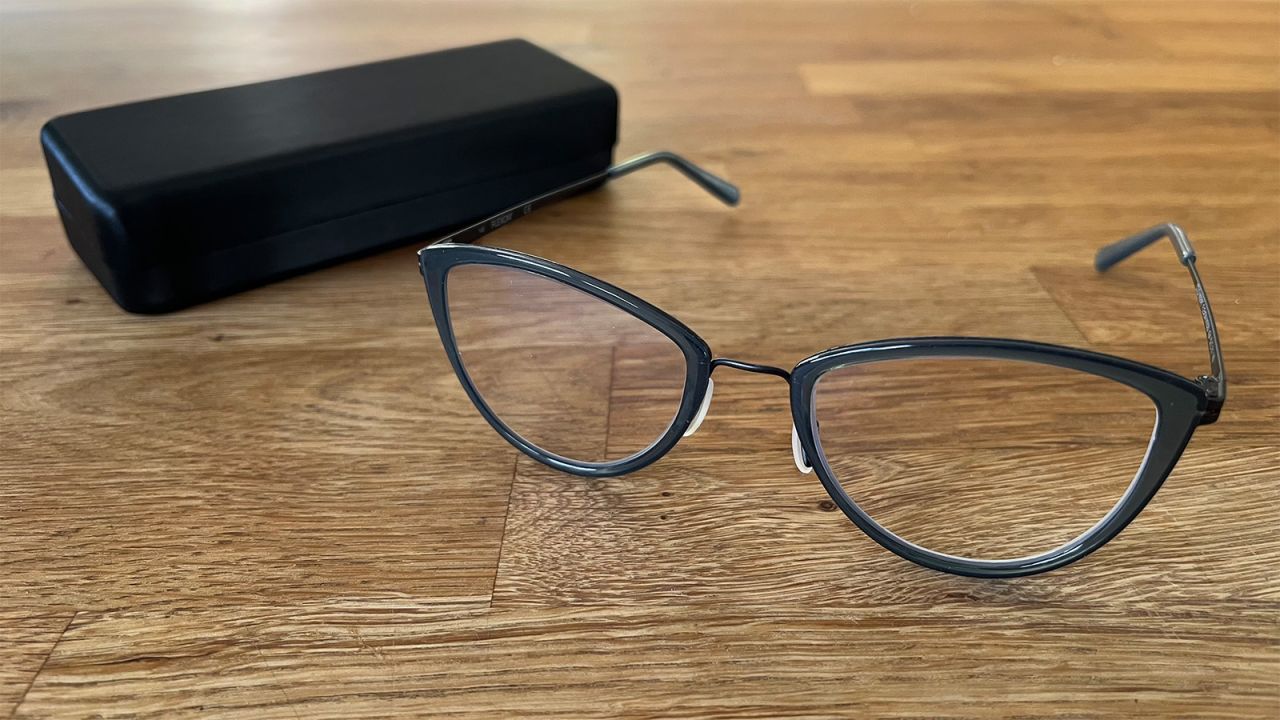
Prices vary at Overnight Glasses
As the name implies, Overnight Glasses promises prescription glasses on an incredibly tight turnaround — as fast as 24 hours — along with significant discounts. It’s a compelling proposition for anyone who needs glasses in a pinch (and what glasses-wearer hasn’t found themselves in such a situation?).
The Overnight Glasses site has a clean, structured checkout process with good information provided all along the way. Visually the store is quite basic, but the company does a great job presenting the available options. And you’ll find tons of options, including four choices — in 4-, 6.5-, 13- and 19-foot optimized focal distances for various activities ranging from fine detail tasks on up — for midrange “desktop” office progressives, where other online vendors typically offer only a single option.
Prices are average — simple single-vision complete glasses can be had for under or around $100, though our order, which included brand-name frames and premium progressive lenses with blue light coatings — came in at $435 total.
As for the overnight delivery part, overnight shipping is available for single vision; ordering progressives (as we did in testing) gets you a production estimate with overnight shipping once the production process is done.
You’ll find a range of of Luxottica-associated major brands here — Ray-Ban, Oakley and so forth — though it’s not as broad a selection as you would at LensCrafters or Eyeconic (as you’d expect from a site that emphasizes quick shipping, the catalog is somewhat more focused than at larger retailers). That said, you’ll find a solid range of mainstream styles in popular shapes and colors, though if you’re looking for something out of the ordinary you might have a more difficult time.
While the shopping and ordering process was smooth, we had an issue with Overnight Glasses once our order was in. A manufacturing issue held up our order and we got the glasses later than expected.
Initially, our progressives were estimated at a four-day turnaround, with overnight shipping. Several days after ordering, however, we were notified that the company had encountered a manufacturing delay. We did get a prompt communication from the site regarding the delay, and several days later, we received a note that our order was ready for shipping. Once shipped, we received the order a day later than expected.
While it’s impossible to guarantee ship dates these days and we understand that (and it is probably impossible to generalize from our experience), the extended timeframe turned out to be around the 7-10 days we’ve encountered with most manufacturers.
That said, communication was clear, and after we received the order we got an offer from the company that they would be glad to offer a backup pair (single-vision) to make up for the delay, which is appreciated.
Eyeconic
A range of brands and an easy way to use vision insurance
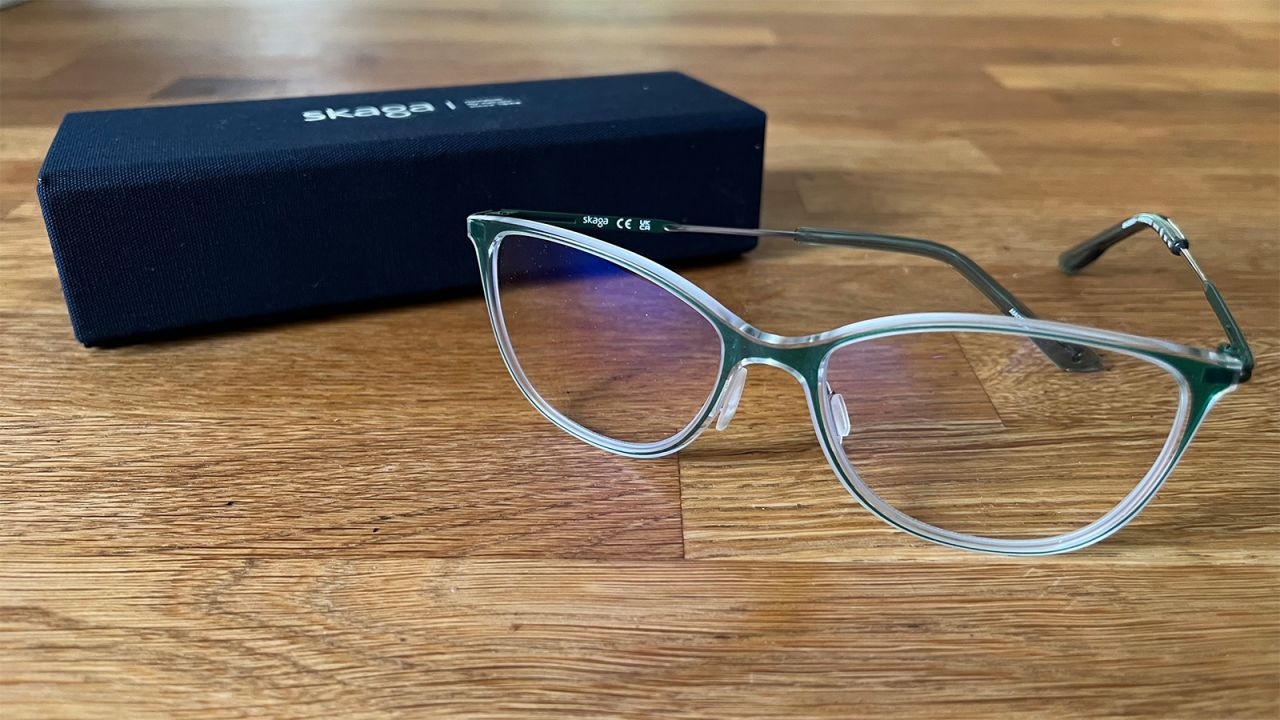
Eyeconic is the online retail brand of vision care giant VSP; meaning you’ll get access to a huge range of VSP-associated brand-name frames — and if you have VSP, MetLife, or Cigna vision coverage it’s easy to use your insurance to get your new glasses. So if you have a vision plan and your tastes run towards major brands, Eyeconic is worth a look.
The shopping experience is smooth, with a well-designed search by pretty much any criterion you’d want to consider, from frame shape and color to brand, material, price and so on. A speedy and cleanly designed virtual try-on tool that works well on desktops (a bit of a rarity) is available for various frame types.
Since Eyeconic is a VSP brand, you’ll find offerings for tons of big-name frames, from vision specialists like Ray-Ban to Persol to designers like Tom Ford and Lanvin and Paul Smith, sportswear names such as Nike and Oakley along with lots of house brands and smaller names. You’re likely to find frames to suit a range of tastes, though if you’re looking for more of a statement frame — whether in-your-face, avant-garde or retro — you might not come across exactly the look you want.
The sample we received — in 9 business days, a day ahead of our projected delivery date, always a nice surprise — was very well made, with cleanly cut lenses precisely to our wearer’s prescription, feature and coating specifications. Fit was accurate and matched expectations given fitting tools (the specific sample we ordered was not included in the virtual lineup, but other similar frames with near-identical sizing from the same brand were, so we resorted to those when testing to get a sense of what to expect from the brand (in this case, Skaga).
Pricing is on par with what you’ll find at major brick-and-mortar retailers as an average single-vision complete will cost somewhere in the neighborhood of $100 to 200. Our test pair with advanced progressive lenses and blue light coating came in at just over $500 — but we’ve found throughout testing that if your prescription is at all challenging (progressive, corrections for astigmatism, etc.), you do seem to get what you pay for in stepping up from the budget brands in terms of lens quality.
Gunnar
Gamer-inspired styles and a focus on blue-light protection
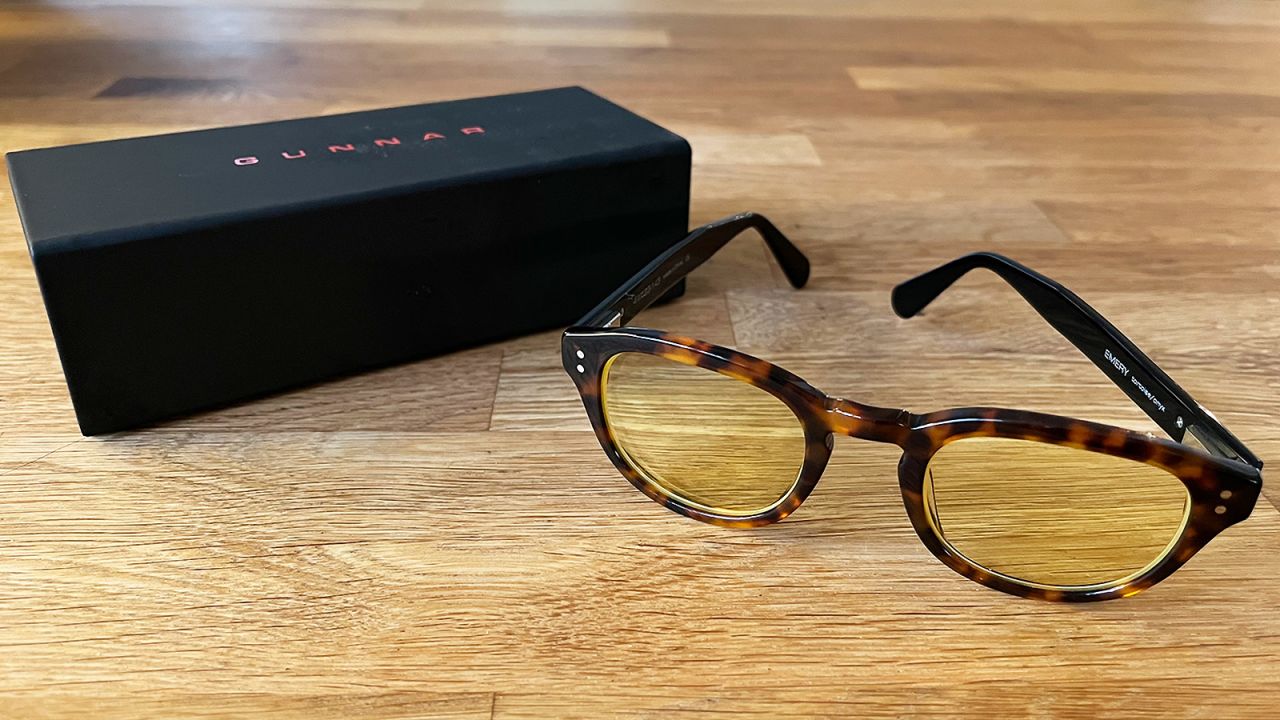
Initially making a splash on “Shark Tank,” Gunnar has since offered a line of glasses featuring blue-light-blocking coatings aimed squarely at gamers, tech folks and similar digital power users. Styles run toward the techy and nerd culture, so you get a lot of futuristic shapes.
The Gunnar site is well laid out, with virtual fit tools and lots of information on the company’s lens technologies. It’s easy to find what you want and everything is clearly illustrated. If you’re into blue-blockers, you won’t have any trouble finding what you like here.
We selected the company’s most popular lens, an amber tint designed to block 65% of blue light at a wavelength of 450 nanometers — you can also get a clear blue-blocker that cuts out a claimed 35% of blue light at the same wavelength — in a prescription meant for computer use. We wore them for a month of computer-related tasks — so for the better part of every workday. Gunnar is interesting in that it offers a choice of blue-light tinting like this; we didn’t come across any other direct-to-consumer brand that provided these options.
The prescription was accurate and the glasses were comfortable once we adjusted them to preference. They were reasonably lightweight for acetate, were good-looking and had convenience features like spring hinges, which are always good to see in an everyday pair.
The lenses are nice and contrasting, and they give everything a sunny, warm look with a distinct yellow cast. The blue-blocking effect is quite noticeable when looking at the glasses but it’s pleasant as long as you’re good with the look. And while in actuality the tint is reducing the amount of light you’re getting, the perceived effect is that your surroundings are brighter.
Pricing is value-focused, though not bargain basement, so Gunnar is on par with other direct-to-consumer prescription glasses offering similar quality and products. Pricing begins at just under $200 for a complete pair, while our test sample (a pair of progressive lenses with 65% tint) came in at $343.
Diff Eyewear
Bold, stylish frames and a focus on giving back
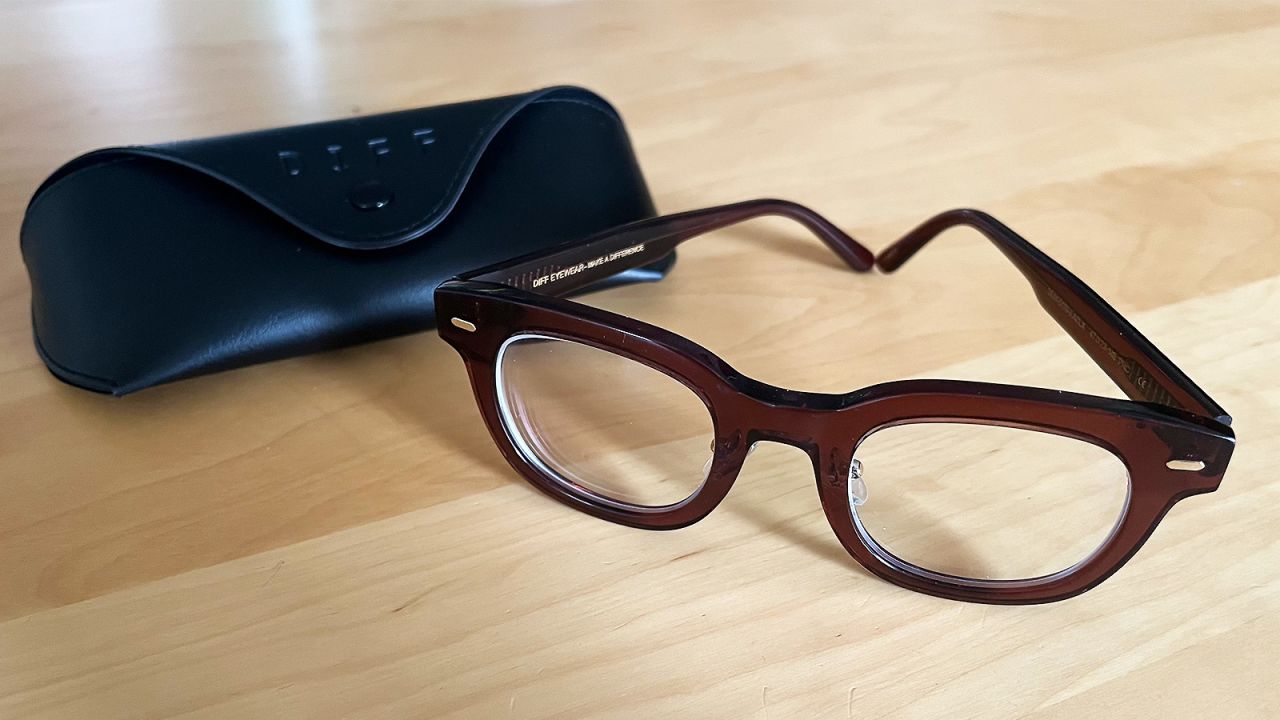
Diff Eyewear is a stylish, direct-to-consumer glasses brand built on a charitable-giving approach, similar to that taken by sneaker brand Toms: Diff contributes a percentage of each sale to vision-focused charities. Currently, the company works with Sightsavers, which provides eye examinations, surgery, glasses and medication to the developing world. It’s a good mission, so we checked the styles on offer to see if they’re as attractive as the company’s efforts.
Diff offers a wide range of good-looking frames in up-to-date styles, mostly in chunky acetates. Diff has an even broader selection of sunglasses, so the styling tends toward the big and bold, with lots of big cat eyes and geometric shapes. If you’re looking for special-occasion frames or the sort of glasses wearer who likes to switch it up, you’ll find a lot to choose from.
Women’s selections are much more plentiful than men’s (the latter get mostly updated vintage through 1980s looks), though everything comes in a lot of colorways. Several frames we looked at came in a half dozen finish choices, which is more than we’ve seen from most online retailers.
Pricing is on the reasonable end, with many frames priced in the $119 to $139 range and complete pairs starting at just under $200. Our test pair, which had progressive lenses, came in at $374 — around average for the retailers we’ve been looking at. Delivery time was around average as well; we had our finished pair in hand 12 business days after ordering.
The site is relatively basic compared to most of the retailers we’ve looked at. There aren’t any virtual try-on tools, though each pair is well photographed and shown worn by models in representative poses that make it easy to see what you’re getting. That said, at this point in time, potential purchasers probably expect more in terms of shopping ease, though given that a lot of the styles on display are oversized and may make more sense as an accent or special-occasion pair than a daily driver, that’s probably OK.
On a similar note, checkout is simple. There’s no tool during the process to collect your prescription info and store it for future or multiple orders. Rather, you upload a PDF of your prescription for review by a Diff optician. While this works fine in our experience (we were contacted quickly by a representative to confirm details), we’d prefer to see an online tool that lets us enter our data and check it ourselves. Even if someone follows up, it’s nice to feel confident that you’ve gotten the data right the first time.
More recommendations
We tested bidets for 3 months — we’re never going back to standard toilets
The best paper shredders in 2024, tested by editors
The best wallets for men in 2024, tried and tested
New iPad (2021) hands-on review
Best plant identification apps for mobile in 2024, tested by our editors
I tried the new Hoka Ora Recovery Slide 3 sandals and they’re bliss for tired feet
Best bug sprays in 2024, tried and tested
The best robot vacuums of 2024, tested by editors
Note: The prices above reflect the retailers' listed price at the time of publication.