
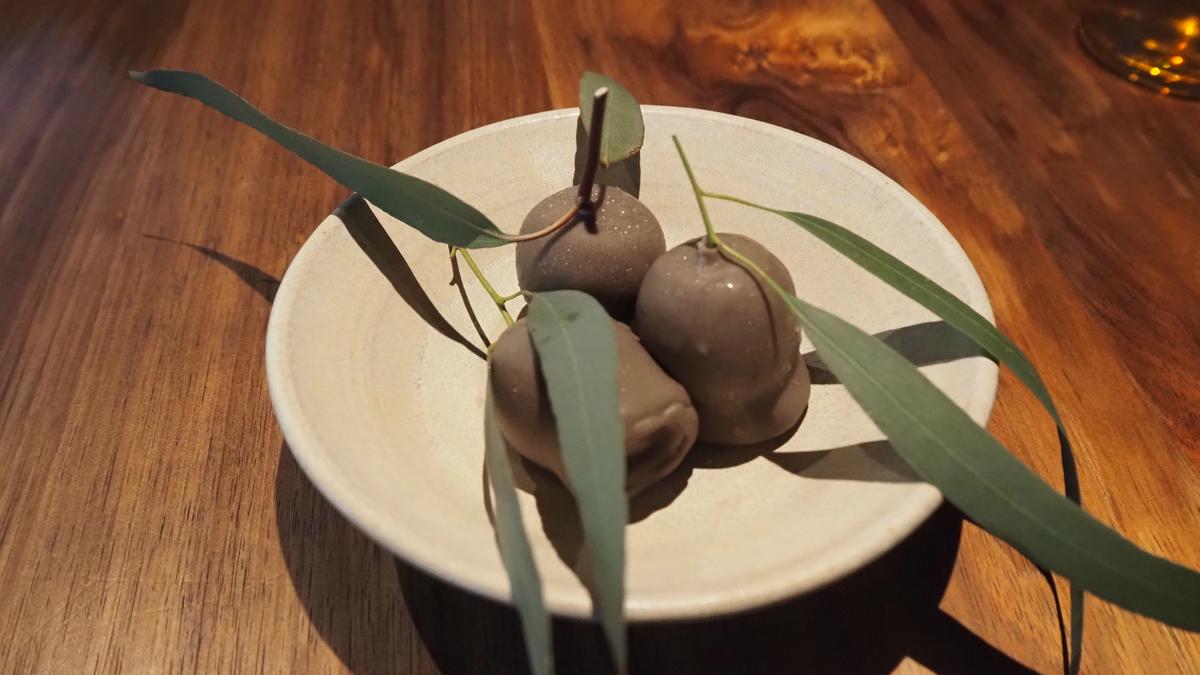
“Is it on this side of the road, or the other side?” My rideshare driver asks me, looking for Yiaga, one of Australia’s most awarded and written-about new restaurants. As a first-time visitor, the most I can muster is “it’s in the park”. I hop out and continue my journey into Melbourne’s Fitzroy Gardens on foot. En route, I come across a tiny model Tudor village that has been part of the gardens since 1948. Unless you’re a foodie, you might not know the intimate three-hatted Yiaga is discreetly nestled among the trees. It feels somewhat fitting not to be sure where Yiaga is. Located on the traditional lands of the Wurundjeri peoples, the name means “seek and find”. It’s acclaimed chef Hugh Allen’s first venue as co-owner, a joint-venture with Singapore-based property and hospitality developer Far East Organisation. You may know Hugh as the executive chef of three-hatted Vue de Monde and from appearances on MasterChef Australia. Yiaga was six years in the planning before making its debut in the spring of 2025, but isn’t the first hospitality venue to occupy the site. A tearoom first opened in 1908 and expanded to become a dining room in the 1920s. That building was irreparably damaged by fire in the 1960s. A new building replaced it, hosting weddings, parties, dinners, and then, as it fell into a decade of disrepair, possums and other wildlife. Much of the old pavilion shape and roof was retained, and local artisans were commissioned to create a truly Australian restaurant, from the exteriors and furniture to the cutlery and crockery. Filtered sunlight and garden vistas add to the appeal at lunch. The texture and grout of external terracotta tiles have been shaped to echo the bark of the magnificent elm trees, some more than 150 years old. Architect John Wardle enlisted the team at Robert Gordon Interiors to handcraft more than 15,000 tiles that warmly hug the interior in a continuous wall. The carefully selected food and beverages on the multi-course seasonal menu celebrate Australia’s farmers, fishers, growers and makers. Television shows might give the impression restaurant kitchens are like something from The Fast And The Furious, all heat and noise. Yiaga’s open kitchen is anything but. Walking past to take my seat, staff are calmly going about their business, led by Hugh, who is moving between the kitchen, entry, and tables. Kitchen staff join floor staff delivering dishes and explaining their provenance. I’ve deliberately avoided reading anything too specific about the food so I can enjoy the surprises as they unfold. A delicate lettuce tart. Tender Blackmore Wagyu with steamed bread and a scattering of green ants. The umami hit of coconut, macadamia and N25 Oscietra caviar. Our group agrees the celeriac, tilsit and lemon thyme is the highlight, like scooping into a delicious cloud of cheese soup. As the staff approach the table with what I think is a new floral display for the table, I learn it is Yiaga’s famous banksia pop. Dark chocolate, black sesame caramel and roasted macadamia and wattle seed ice-cream combine to form an edible banksia cone on a stick. Staff explain each course as the meal unfolds, and the menu is presented at the end, wrapped in textured paper with an A5 print inside. The $320 multi-course tasting menu becomes $350 from January 1, with a la carte drinks or non-alcoholic Australian wine, and prestige pairings available. Yiaga recently won the One To Watch Award at the World’s 50 Restaurants, meaning it will likely become harder to secure one of its 44 seats. Reservations open three months ahead. For example, bookings for February 2027 go live on November 1 at 7am WA time. To best experience Yiaga, set aside at least three hours, and wear nothing that restricts the waistline, and depending on where you get dropped off, comfortable shoes. The restaurant website suggests the best access is from the Clarendon Street side of the park, between Gipps and Hotham streets.