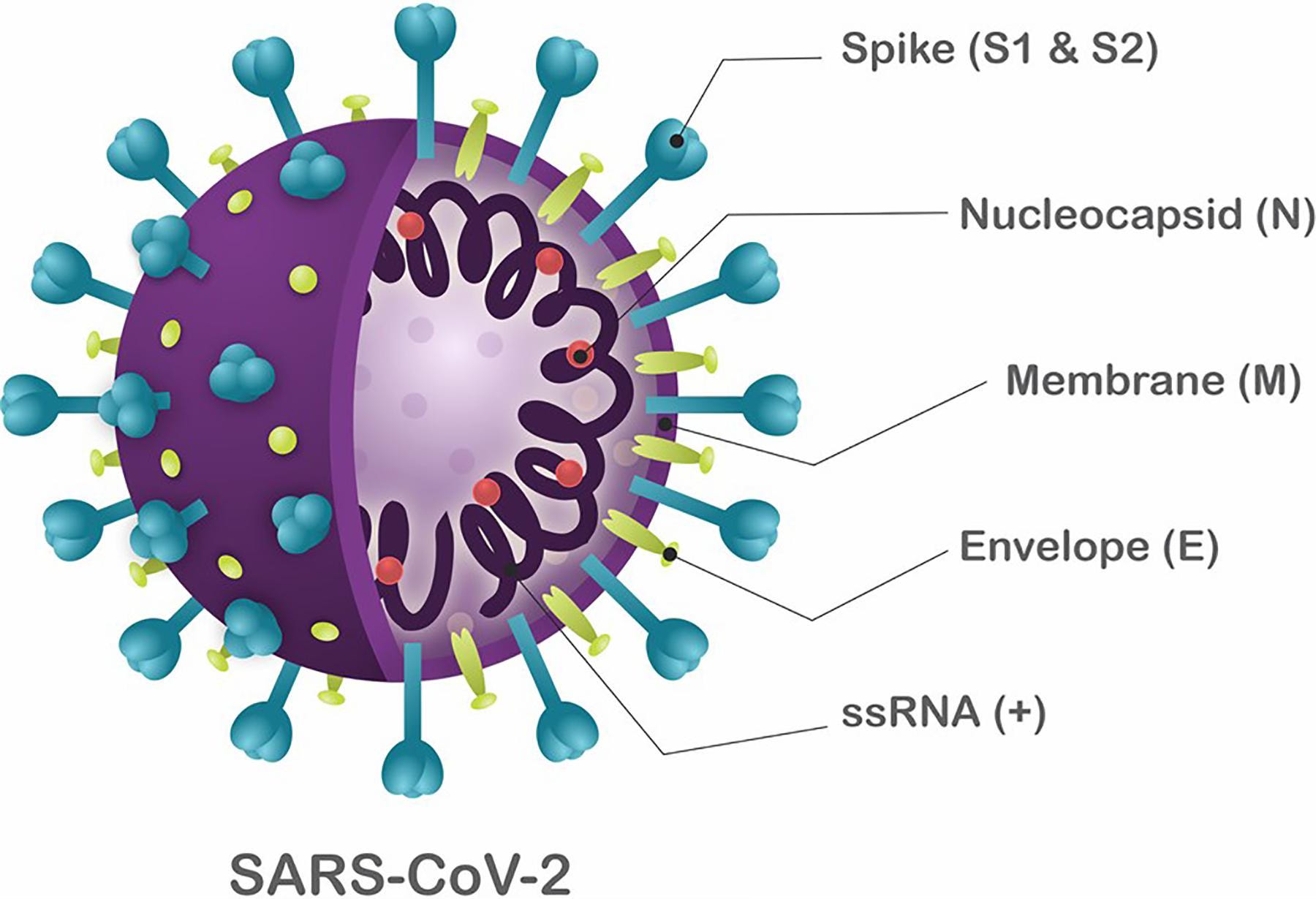
COVID-19 infections affect our health long after we’ve recovered from the infection, according to multiple studies.
You might have forgotten about COVID-19, but COVID hasn’t forgotten about you.
— Dr. Ziyad Al-Aly, a global leader in COVID-19 at Washington University School of Medicine in St. Louis.
More than five years of research now show that the Covid-19 virus (SARS-CoV-2 virus) damages our immune systems, causes ongoing inflammation, and damages cell tissues, leading to a wide range of impacts.
Need to Know by Stephen Leahy is a reader-supported publication but remains free to all.
Need-to-Know: New Covid-19 variant causing major outbreaks
COVID-19 infections have been way up in recent weeks in the U.S., Canada, the U.K., and elsewhere. This is due to a new variant called “Stratus” that is highly infectious, as well as reduced vaccination rates.
Need-to-Know: COVID-19 infections have increased our vulnerability to viral and bacterial infections
Health impacts from previous infections include increased vulnerability to viral and bacterial infections, a higher incidence of heart attacks among people under the age of 40, and the reactivation of dormant cancer cells, among others.
Need-to-Know: The virus can linger in our bodies for years.
The changes to our immune systems caused by a COVID-19 infection likely explain the recent global surge in non-COVID infections, such as RSV, walking pneumonia, and the flare-up of dormant viruses, including Epstein-Barr.
This includes “children landing in hospital with diseases not usually seen in young, healthy people”, according to a new article in The BMJ (The British Medical Journal). I recommend reading this article, which includes links to many studies.
Need-to-Know: COVID-19 is caused by a novel virus that no human had ever been exposed to before 2019
COVID-19 is caused by a novel virus called SARS-CoV-2. No one had pre-existing immunity or exposure to this novel pathogen when it emerged in 2019, which is why it triggered a global pandemic. (The flu virus (influenza) has been around for thousands of years.)
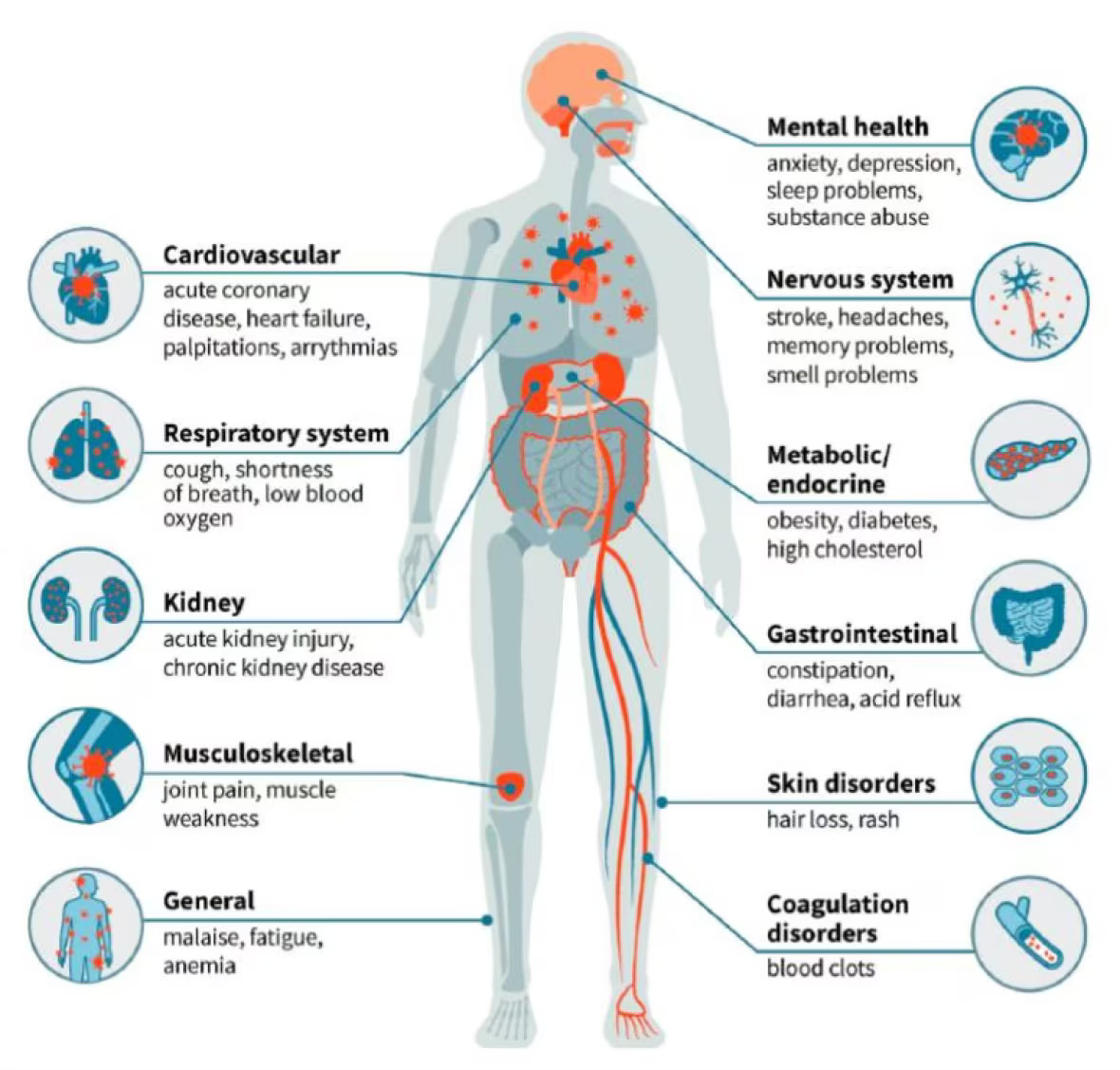
There is no such thing as a COVID-19 infection without consequence.
—David Putrino, COVID-19 researcher at the Icahn School of Medicine at Mount Sinai, New York
The spike protein on the SARS-CoV-2 virus can damage blood vessels and red blood cells. Even people with mild cases had stiffer arteries than those who had not been infected as a result, according to a new study published in theEuropean Heart Journal.
This is akin to accelerating the aging of your arteries by about five years. Women are particularly impacted, the study found.
Need-to-Know: COVID can make underlying health conditions worse long after an infection.
Most people are living with increased inflammation due to COVID-19 infection. Persistent inflammation of the heart and lungs brings an elevated risk for future cardiac and pulmonary conditions.
Immunologists say there is a continuum of post-infection effects ranging from very minor to debilitating, often characterized as long COVID, to life-threatening
Don’t expect your doctor to know all this, and particularly that COVID can make underlying health conditions worse long after an infection.
How to protect yourself:
Get an updated vaccine every six months
Wear an N95 mask in crowded situations with poor ventilation
Push for HEPA air filtration in schools and workplaces. (These should have been in place years ago.)
Need-to-Know: The impacts of the COVID-19 pandemic appear to be intensifying rather than diminishing over time.
Until next time. Be well.