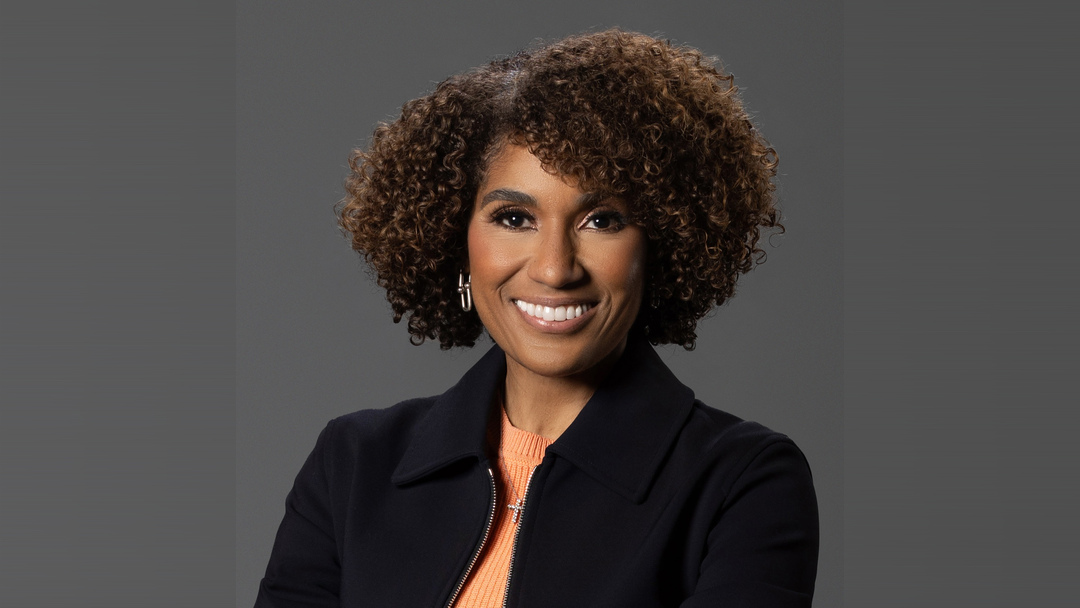
As one of just 0.6% of Black women neurosurgeons in the U.S., Dr. Sonia Eden brings a unique perspective to brain health. The Root spoke with Eden, a neurosurgeon at Semmes Murphey Clinic in Oxford, Mississippi, and an associate professor at the University of Tennessee Health Sciences Center, about daily habits she follows to protect brain health and what she’d never ignore.
Never Ignore the Things You Can Control
Eden prioritizes lifestyle choices, starting with movement. “Movement is key to longevity and a healthy life,” she said. She’s also mindful of what she eats and aims for eight hours of sleep. Sleep is especially important for recovery and clearing byproducts like tau proteins, she said, which may contribute to Alzheimer’s disease if they accumulate.
RELATED: What Black Americans Need to Know About Brain Aneurysm Risks
But healthy habits aren’t a reason to ignore a diagnosis. Feeling fine or getting one normal reading doesn’t mean high blood pressure or type 2 diabetes don’t need to be managed, Eden warned. Both can affect the brain, including stroke risk. She also wants people to know that research has shown lifestyle changes can help bring type 2 diabetes into remission and improve A1c.
Acknowledging that medical mistrust can complicate treatment plan adherence, Eden urges people to find a provider they trust, “whether they look like us or not.” If a prescribed medication causes side effects or is unaffordable, she encourages talking to your trusted doctor about alternatives rather than stopping medication on your own. The aim is to help people “lead a long life with the best quality of life possible,” she said.
Don’t Separate Stress From Brain Health
Never assume health habits are the only factors affecting the brain. Chronic stress can also take a toll, Eden said. “Weathering,” a term coined by Dr. Arline T. Geronimus, describes how ongoing stress and discrimination can contribute to health problems, especially for Black people and other marginalized groups. Eden connected weathering with conditions such as high blood pressure, which can affect the brain.
While you can’t control every source of stress, you can give your brain space to recover. Eden suggested a daily reset that can include taking five deep breaths with your eyes closed, using meditation apps, or simply praying.
Never Assume Your Brain Stops Changing With Age

Don’t believe the myth that the brain stops adapting with age. Eden described “neuroplasticity” as its ability to rewire itself, and “reserve” as its capacity to cope with damage before signs of decline appear.
Challenging your mind with new activities, like learning an instrument, practicing a foreign language, playing word games or making pottery, helps build new neural connections.
She added that socializing with others and avoiding isolation are also important for brain health.
Don’t Follow Dietary Advice You Can’t Sustain
For Black people raised with traditional Southern foods, Eden said healthier eating can mean finding different ways to prepare familiar favorites. For example, instead of giving up fried chicken, she suggested trying an oven-baked or air-fried version. That can make healthier choices feel more practical and culturally relevant.
“If you don’t like something, you’re not going to do it long term, right?” Eden said.
Never Assume a Change Is ‘Just Aging’
Protecting your brain also means recognizing when something has changed. Don’t dismiss new stumbling, balance problems or changes in hand function as age-related. Eden explained that pressure on the spinal cord can cause subtle neurological symptoms, including these changes in movement. However, tingling or dropping things with just one hand may instead be a condition like carpal tunnel. Rather than guessing the cause, talk with a doctor about what’s changed.