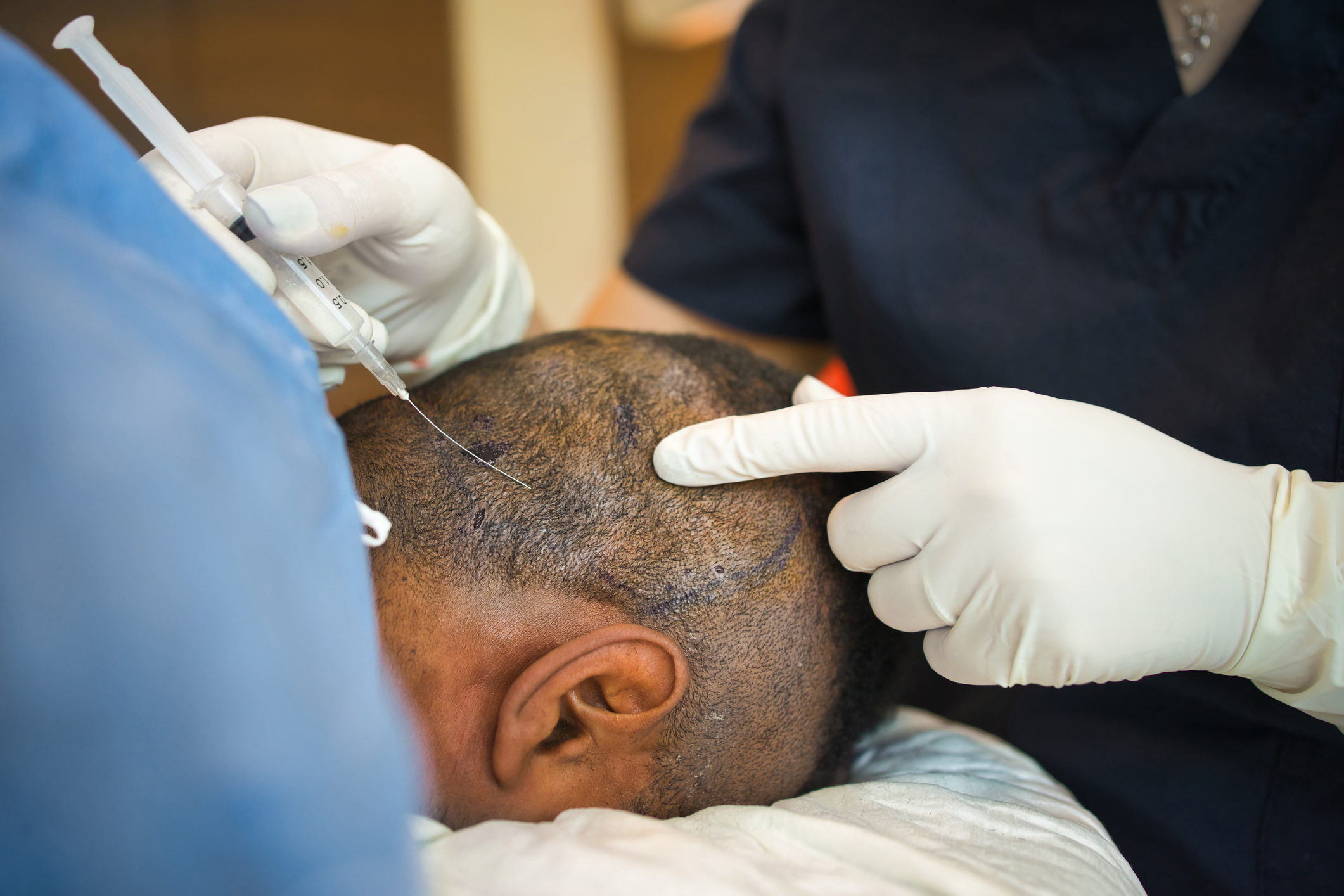
Hair transplant tourism has exploded, with Turkey emerging as a top destination for Americans seeking a full hairline at a fraction of the cost. Many Turkish clinics offer all-inclusive packages that can include airfare, VIP transportation, luxury hotel accommodations and even sightseeing tours, making the prospect of restored hair and an international getaway an enticing two-for-one deal.
The Root spoke with Dr. Achiamah Osei-Tutu, a New York dermatologist, hair-restoration specialist and global lecturer, who warns that people of African descent should be careful about booking a hair transplant abroad.
Why Turkey?
Medical tourism isn’t new. Black people have traveled overseas for liposuction procedures, Brazilian butt lifts (BBLs) and porcelain veneers. But how has Turkey managed to become the destination for hair transplants?
Social media promotions increasingly feature Black patients and textured hair, and more Black people are sharing their experiences on platforms like TikTok and Instagram.
Then there’s the price tag. In 2025, USA Today reported that hair transplants in Turkey started at around $3,000, while transplants in the States cost between $10,000 and $30,000.
“People are going to try to get the best quality for the least amount of money,” Osei-Tutu told The Root.
Vet Your Clinic
As you research clinics, it’s important to note that they aren’t equally credentialed or regulated, and a language barrier could be a factor. Osei-Tutu suggested starting with the International Society of Hair Restoration Surgery (ISHRS) to find reputable physicians globally. She also advised patients to review a surgeon’s results with textured hair, ask about donor evaluation, and confirm a care plan for before and after surgery.
“There are great surgeons all around the world,” she said. “I have colleagues from all around the world who are phenomenal, amazing. They do great work in Turkey.”
Patients should clarify who will perform the procedure, as technicians, not doctors, may handle part of the surgery abroad.
Understand the Techniques
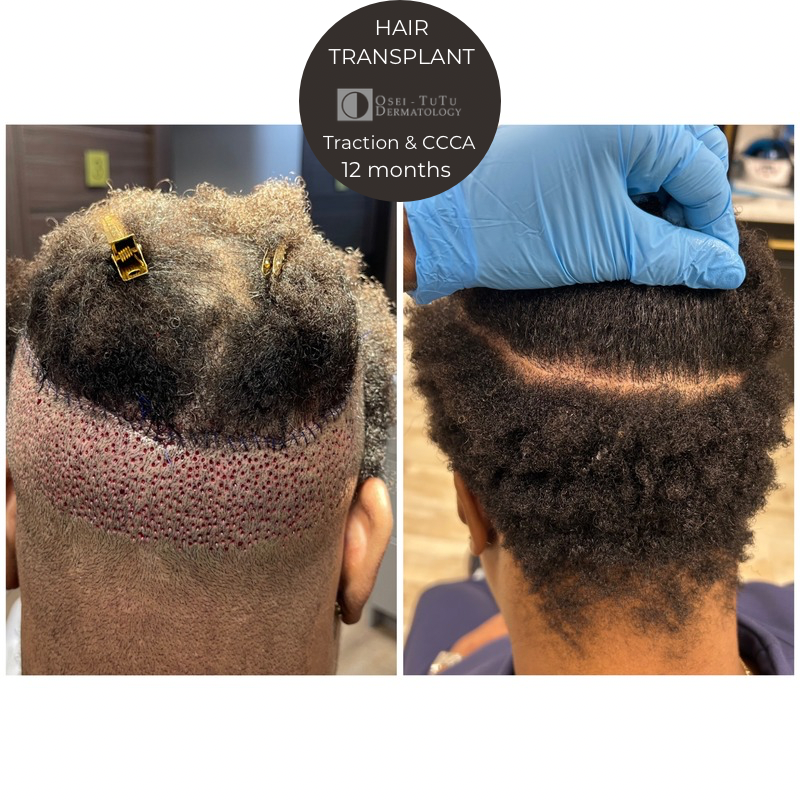
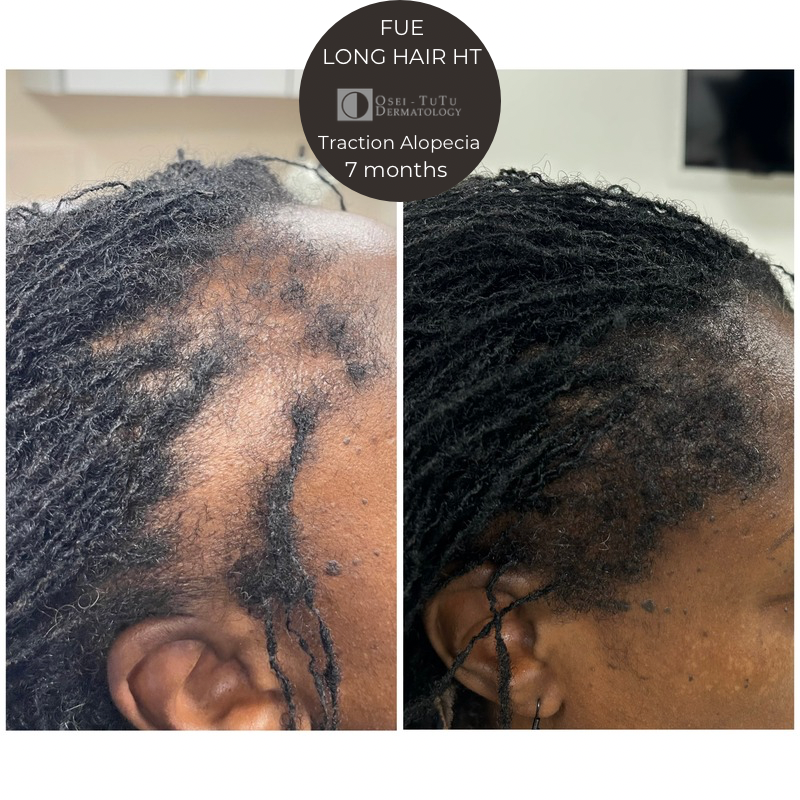
There are two common types of hair transplants: Follicular Unit Transplantation (FUT), which removes a strip of scalp from the donor area, and Follicular Unit Excision (FUE), which removes individual follicles and usually leaves less noticeable scarring. Osei-Tutu noted that clinics overseas commonly advertise shaved follicular unit excision, though the procedure can also be done without shaving the hair, which may cost more.
The Overharvesting Risk
Osei-Tutu describes hair transplantation as a math problem, noting that the available donor supply has to meet the amount of coverage needed. “Overharvesting,” which occurs when too many follicles are removed from the donor area – typically at the back of the scalp – is a major concern for Black patients, she explained. Many Black patients have lower follicular density, although their hair type can provide the appearance of fuller coverage.
Donor-area density, the number of hairs growing from each follicle and the size of the area being treated all affect how many grafts can be safely taken. Clinics should not promise a high graft count without examining the patient in person, Osei-Tutu said. “You can doom that person to having a very choppy-looking posterior scalp.”
Don’t Skip a Scalp Evaluation
According to Osei-Tutu, a pre-surgery dermatologic evaluation is essential before transplant, particularly for Black patients. Inflammatory scalp diseases and scarring alopecias could be missed or mistaken for other forms of hair loss.
“If you do a transplant on somebody with an undiagnosed inflammatory scarring alopecia, the grafts end up not growing very well,” she said. The procedure could also reactivate inactive scalp disease.
An evaluation can include a clinical scalp exam, dermoscopic imaging or a scalp biopsy. Osei-Tutu said she typically treats patients first. Transplant plans may involve smaller, staged procedures and continued monitoring.
It’s Not a One and Done
If you think transplant follow-up only means waiting for hair to grow, think again. Depending on the diagnosis, long-term care can include medications such as minoxidil, platelet-rich plasma or other regenerative procedures. Some treatments have side effects, while going without treatment can cause grafts and surrounding hair to thin over time.
According to Osei-Tutu, a lot of patients will need multiple transplants in their lifetime, meaning that you should budget beyond the initial investment.
Safety Is Key
Osei-Tutu said U.S.-based providers face more legal safeguards, and patients may have more recourse if something goes wrong. She has treated patients who traveled overseas and experienced complications.
She offers sound advice to anyone considering a hair transplant outside of the United States. “If you’re going to go overseas, you just have to really do it very, very, very carefully,” she said. “Have a plan, have your pre-plan and then have a follow-up plan.”