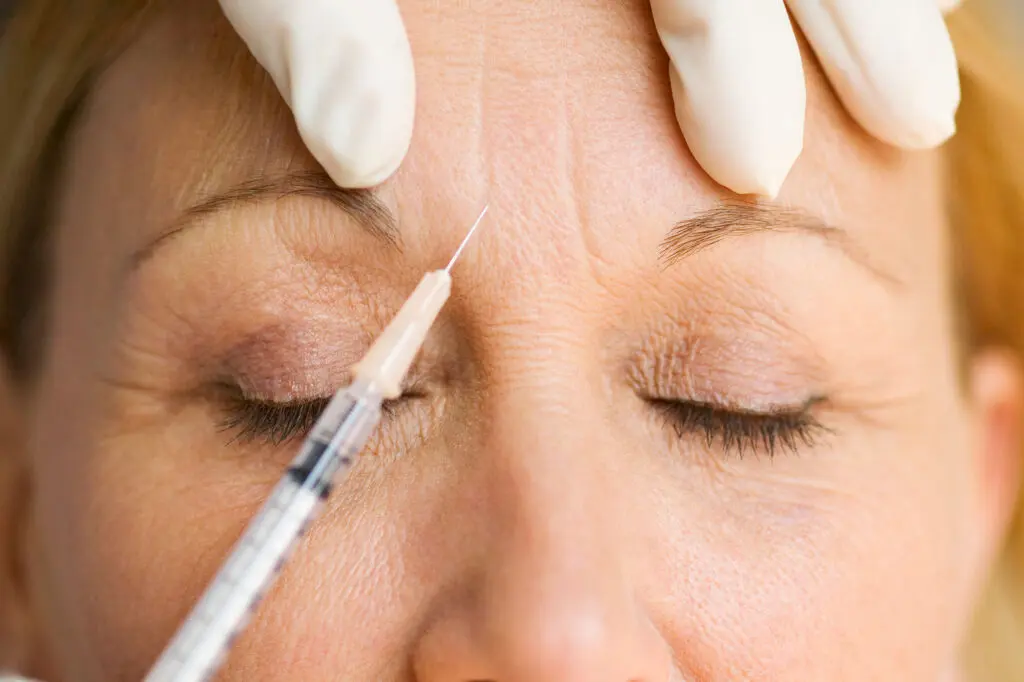
Or do Botox and fillers give you more for your money?

Are facial tools — like gua sha stones, jade rollers, LED masks, dermarollers and all the other inventive gizmos that promise to make us look younger — worth it?
Two top dermatologists weigh in on which, if any, facial tools are worth the money or if it makes more sense to just save up for Botox and filler.
Are LED masks worth it?
LED masks offer different spectrums of light that promise varying results, such as red light for anti-aging and blue light to treat acne.
They are considered safe, though consumers should make sure the mask has been cleared by the FDA and take precautions to protect their eyes.
“If someone has eye issues, they may want to run it past their ophthalmologist just to be sure. But for the most part, the light wands and masks that we find over-the-counter are OK,” Cheri Frey, M.D., and is board chair of the dermatology section of the National Medical Association, tells The Messenger.
The long-term effects of LED tools and the safety for darker skin tones have been studied less extensively, but LED masks have been shown to offer moderate results.
- New HIV Case Linked to Controversial ‘Vampire Facial’ at New Mexico Spa
- Can police use facial recognition as probable cause? Probably not, but some are doing it anyway
- This Artificial Intelligence Tool Can ‘Hear’ The Health of a Forest
- New Orleans Police Used Pricey Facial Recognition Tech For Nearly a Year-And Made Zero Arrests
- New Study Reveals Cats Make Over 300 Facial Expressions
- Grocery Stores Protest NYC’s Proposed Restrictions on Facial-Recognition Software
“The red light may help with some collagen stimulation and inflammation reduction,” Michelle Henry, M.D., a board certified dermatologist and cosmetic surgeon based in New York City tells The Messenger. “The blue light can help with acne.”
Studies have shown the effectiveness of red and blue light therapy, but some LED products also include yellow light to help with redness, and green light to help with hyperpigmentation. However, there is little scientific evidence to back up these claims.
The bottom line:Red light can help with fine lines, but both dermatologists conclude it will not be as effective as Botox or other wrinkle reducers. Blue light can improve acne, though results may vary.
The product: Dr. Dennis Gross Skincare DRx Spectralite Pro Although expensive, it’s regularly chosen by beauty insiders as the best LED mask. Plus, Dr. Dennis Gross Skincare DRx Spectralite Pro is FDA approved. $455; drdennisgross.com.

Are Gua Sha stones and jade rollers worth it?
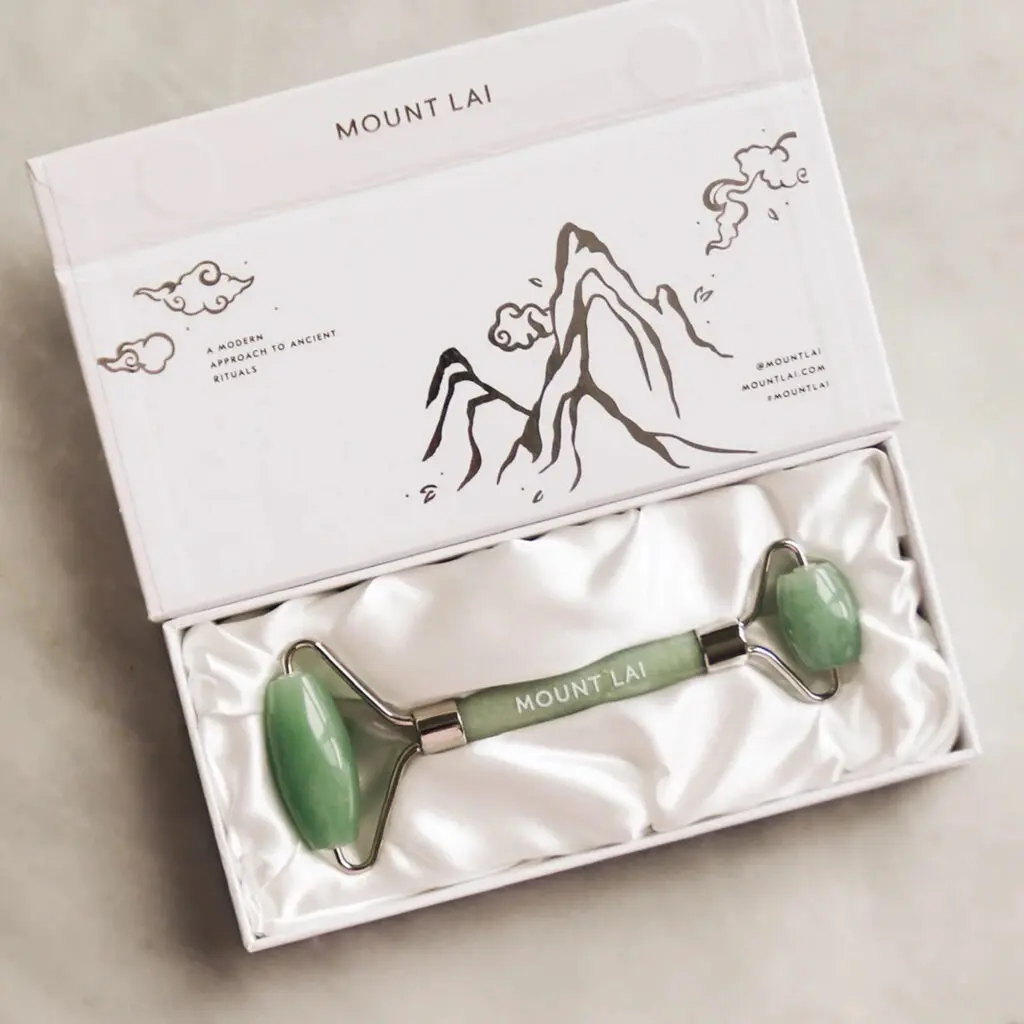
Gua Sha stones and jade rollers can provide temporary improvement to the skin, but are not making any structural, long-term changes to the skin. “They push fluid out of the skin, which can be temporarily beneficial,” Dr. Frey says.
“They just provide assistance with draining the lymphatics, which are the vessels that carry fluid away from the organs and kind of recycles the fluid so we don't get out swelling and puffiness,” she says.
“I think they're pretty good about that, but we are not stimulating collagen. We're not stimulating elastin, which are the structural proteins, and the dermis, the second layer of skin, which really gives the skin its integrity. We're not refining the surface of the skin to make your skin look brighter or smoothing out any wrinkles.”
The bottom line:Gua sha stones and jade rollers don’t sculpt the face, but can help reduce puffiness by helping to drain lymphatic fluid.
The product: Mount Lai De-Puffing Facial RollerTypically inexpensive by comparison, gua sha stones and jade rollers may be worth it if you tend to retain fluid in your face.$40; mountlai.com.
Are dermarollers worth it?
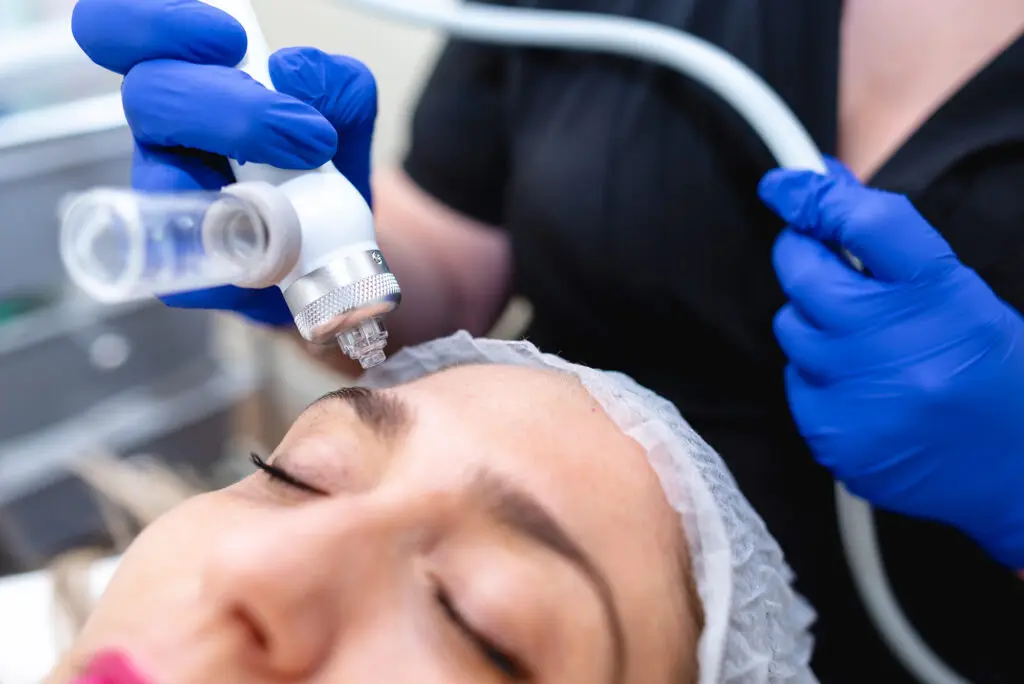
A dermaroller allows you to do a version of microneedling at home, but consumers should be very cautious about the product they buy, which should not have needles larger than 0.25-0.5 millimeters.
“When you're getting above a quarter of a millimeter, you're getting to 0.5, to one millimeter, now you're getting deep enough that you can get bleeding, you can get scarring and you can get infection,” Dr. Henry says.
“Any real microneedling should be done by a dermatologist,” she adds.
Dr. Frey agrees. “You'll see some dermarollers online, and they're smaller and shorter than 0.5 millimeters, and I think those are okay, but anything automated or mechanic as a microneedling device should be left again to the office.”
The bottom line: Dermarollers with small needles are fine, but many of the products out there have larger needles that can cause scarring and infection. It’s better to go to the dermatologist for this treatment.
The service: Dermarollers can be expensive, costing between $200-$300, and have serious risks. The cost of microneedling depends on where you live, but a board certified dermatologist performing the procedure is going to give you good results. The range for a single session varies widely, but the average is around $300.
Botox and dermal fillers
Botox and dermal fillers are going to have the most noticeable effects, both dermatologists say.
“There’s nothing you can do at home that’s going to work that same magic,” Dr. Henry says. “Not at this point.”
“Botox stops the muscle from contracting and dragging the skin. It's the actual wear and tear of your muscle, a lifetime of smiling and raising your brows and all these things that causes this sort of wrinkling. So just taking something that may help to stimulate some collagen is really just not going to do the job,” she says.
Dermal fillers help plump areas of the face that have lost volume during the aging process. An expert should administer Botox and fillers to avoid overfilling and other complications.
“You can get fillers, believe it or not, like hyaluronic acid fillers online. That's an absolute no-no, you definitely don't want to do that at home,” says Dr. Frey.
“I’ve seen horror stories with people blocking their blood vessels and causing skin breakdown. If the filler were to get in the blood, it can cause a whole host of problems, including blindness and even stroke in rare cases. But we have seen it. We've seen people doing that at home, believe it or not. It's crazy.”
The bottom line: Botox and fillers are going to give you the most noticeable results, but go to an expert.
The service: Botox and fillers are often charged per area of the face or per unit. Price varies depending on where you live, but wrinkle reducers cost about $300-$500 per area and last 3-4 months. Fillers cost $500-$600 per syringe and last six to twelve months.