The European Medicines Agency and U.K. health officials are investigating weight loss drugs like Wegovy for their risk to mental health, after some patients have reported suicidal thoughts.
The Medicines and Healthcare products Regulatory Agency (MHRA) in Britain received five reports for semaglutide — which is the generic form of drugs like Ozempic and Wegovy — associated with "suicidal and self-injurious behaviour" as a side effect between 2020 and July 6 this year, Reuters reports.
But in fact, the medication itself is not likely to be a singular cause, says Disha Narang, M.D., an endocrinologist and director of obesity medicine at Northwestern Medicine Lake Forest hospital.
"Obesity carries a lot of mental health strain,” Dr. Narang tells The Messenger. “And one of the things that the medication can do, is that it can decrease pleasure. People equate food sometimes with joy, and eating is a pleasurable activity.”
While Narang acknowledges that suicidality is an obvious extreme, she says it’s important to understand the baseline of a person’s mental health prior to them starting one of these extremely popular weight loss drugs.
"It's really, really important to address mental health in the people that you are treating for weight. It's not as easy as just giving someone a weight loss medication and sending them on their way," she adds.
- Ozempic Does Not Cause Stomach Paralysis, Expert Says
- Mental Health Care Providers Are Struggling With Mental Health Now, Too
- Health Care Workers Face Growing Mental Health Crisis
- What Drugs Like Ozempic Can — And Can’t — Do for Your Health
- 10 Ways to Prioritize Your Mental Health This Year
- Does Eating Turkey Really Make You Sleepy? Experts Explain
Dr. Narang says weight management should be a multifaceted approach, since patients are often struggling with multiple issues like high blood pressure and cholesterol, diabetes, sleep apnea and mental health concerns.
"The mental health aspect of it is significant. Most people who have come into my clinic have been shamed or judged for their weight, and a lot of people deal with depression," she says. "If you look at a comprehensive weight management center, there's always going to be a mental health piece."
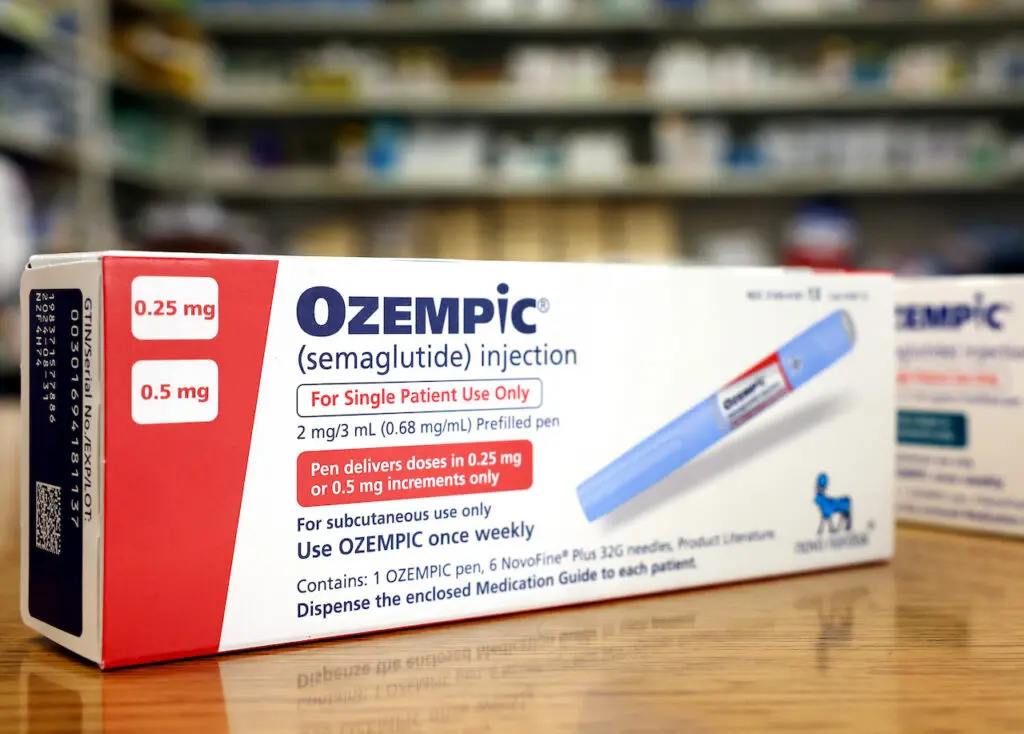
Since many people use food as a coping mechanism, patients need to discuss with a professional the way that the medication will affect their mental health. "You're changing the way that hormones work with your brain, so not discussing weight management from a mental health standpoint is dangerous," she adds.
The sudden popularity of semaglutide for weight loss has resulted in many patients getting the drug from clinics that may not offer mental health counseling along with a prescription. The Food and Drug Administration (FDA) has received 71 reports of suicidal thoughts from patients taking semaglutide, according to the agency's public reporting system and confirmed by an FDA representative to The Messenger. However, the agency says that these consumer reports don't prove that a reported event was due to the drug.
Dr. Narang explains that all GLP-1 agonists, like semaglutide, work in both the gut and the brain.
"In the gut, [these drugs] slow down gastric emptying for patients with diabetes. It helps to lower blood sugars. At the level of the brain, it works at the appetite center of the brain to make people feel fuller faster," she says.
The most common side effects include nausea, diarrhea, vomiting or constipation. Suicidal behavior and ideation have been reported in clinical trials for other weight loss drugs, so drugmaker Novo Nordisk included a warning on Wegovy for these mental health side effects.
Although the change in appetite may impact mental health in a negative way, Dr. Narang says many of her patients have the opposite experience.
"This morning I saw a patient who has dealt with severe obesity, uncontrolled diabetes and all these complications from it like high blood pressure and cholesterol,” Dr. Narang says. But after starting Ozempic just over six months ago, the patient is off all other oral medications, including insulin. She’s also lost 20 to 25 pounds, Dr. Narang says. “She feels great. And what a quality of life change where you don't have to take four shots of insulin a day, and now you're only on one injection a week."