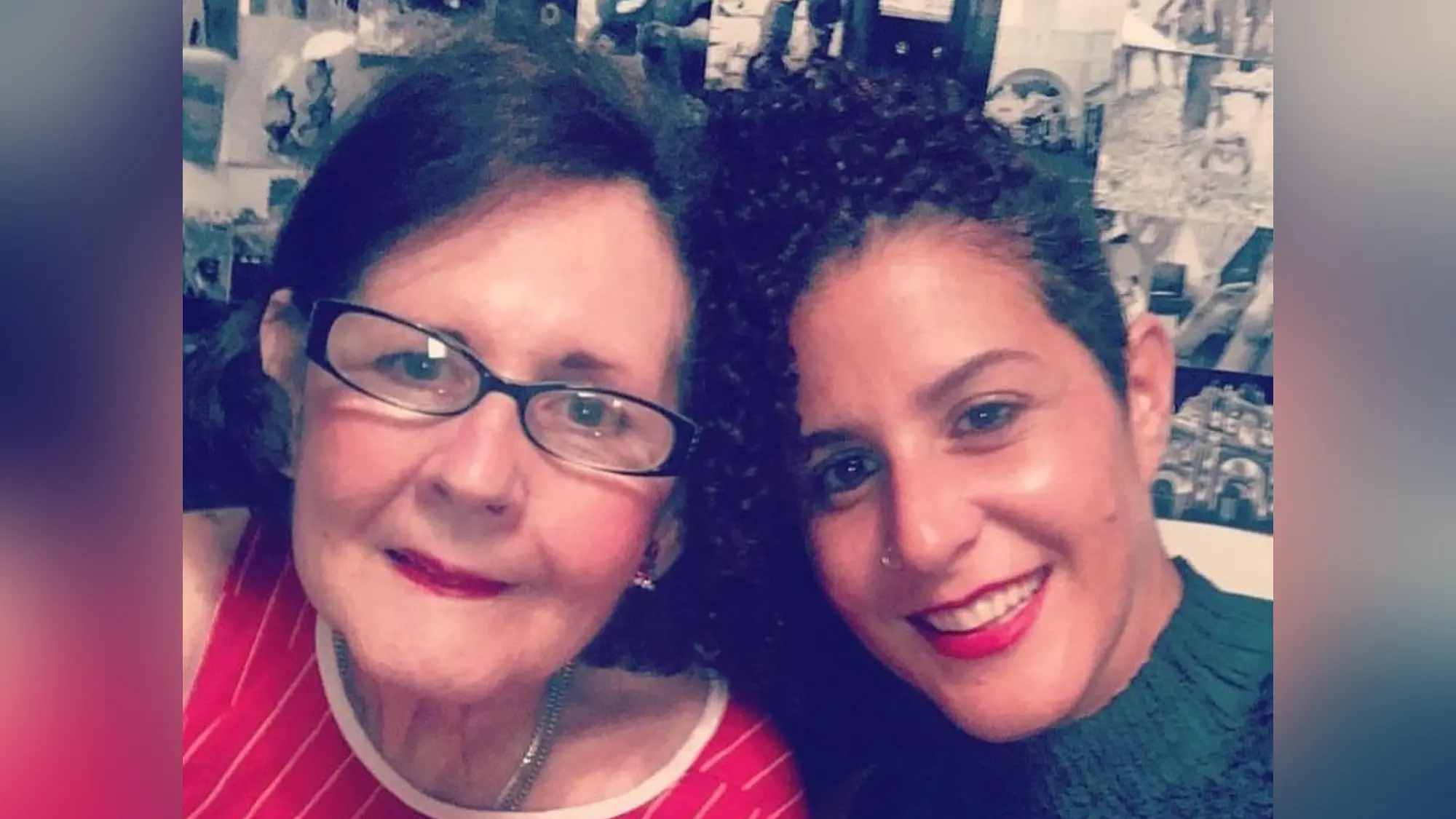
Adrienne Glusman Marioles and her mom, Hetty, were best friends. Growing up, Hetty raised Marioles alone after her father left them, and worked hard to give Marioles a life of abundance.
“It was my mom and I against the world,” Marioles tells The Messenger. “My mom was the absolute best mom that I could have ever asked or wished for. She did everything and worked so that I could have everything. She barely had a life because she was so focused on my life, and giving me the things that I wanted and needed to be able to succeed, to be able to grow and mature as a person.”
Eventually, those tables would turn, and Marioles would give up everything, too.
Marioles, who now hosts the Young Life Interrupted podcast for other young caregivers, recognizes just how much of a growing group she’s part of, due to the aging population and increased cost of health care.
“It's super hard because you're seeing all of your friends around you who are getting married, they're starting to have kids, they're buying houses, they're getting more established in their careers, and you're seeing everybody just move forward,” Marioles says.
A Life-Changing Diagnosis
- How to Protect Your Mental Health as a Caregiver, According to a Psychologist
- All the Health Benefits of Seeing Friends and Family Over the Holidays
- How to Talk to Your Employer If You’re a Caregiver
- Can a Test Really Tell You Your ‘Biological Age’?
- 6 Ways To Approach the Difficult Conversation on Caregiving With Loved Ones
- Here’s Another Reason to See Your Friends and Family This Holiday Season
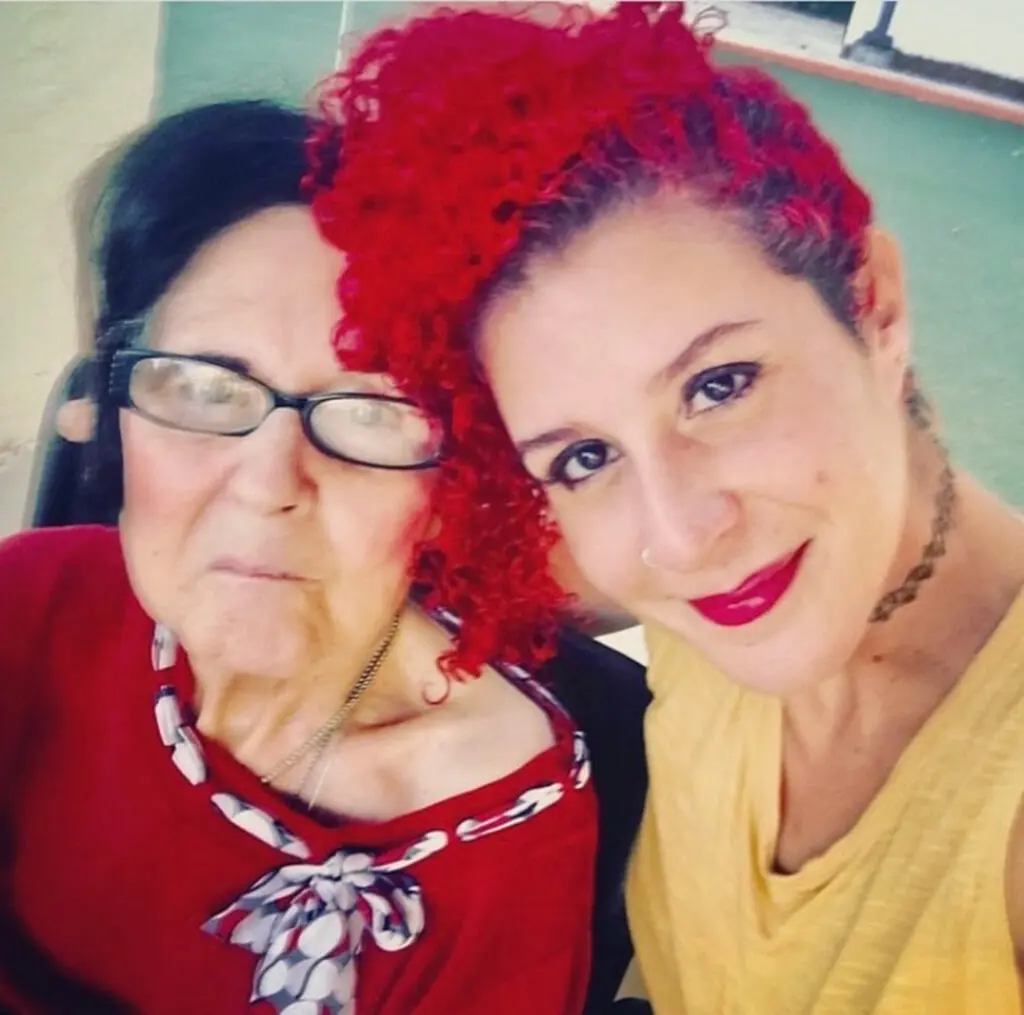
Hetty was diagnosed with Parkinson’s when she was 67 and Marioles was 29 and living in New York City.
“I had a huge friend group,” she says. “The city is where I established my identity.”
At first, Hetty was fine, and Marioles would check in on her daily by phone. A few years went by that way, and then every once in a while, Marioles would have trouble reaching her.
“Sometimes it was because she left the phone in the other room and couldn't hear it,” Marioles says. “But there were other times when she fell — she was preliminarily diagnosed with Parkinson's, but later diagnosed with a rare version called multiple system atrophy, and one of the side effects of the disease is imbalance.”
Multiple system atrophy is a progressive neurological illness caused by an overproduction of a specific protein in the brain. It can cause difficulties with movement and fine motor skills along with dizziness and blurred vision.
“She was having a lot of fainting spells, and that was because she was exhibiting orthostatic hypotension. It was a drastic, immediate drop in blood pressure. So out of nowhere, she would just pass out, and that was super scary because she would fall, and because she didn't have the strength, a lot of times she would try to crawl to her bed or wherever she was, a chair, the sofa to get up.”
The disease progressed to what Marioles calls a turning point, and once when Hetty was alone, she passed out and no one could reach her. She was still on the ground when a friend discovered her.
“It was that point that I knew that everything was about to change,” Marioles says. “There was a whole new layer and I was going to have to step in and step up a lot more than I had before.”
A Difficult Decision
Marioles put various resources in place to keep her mom safe, including a life-support call button and a home health care aid. She arranged to move her mom into an independent living facility, and ultimately, five years after Hetty’s initial diagnosis, she moved back to Florida to be close to her.
“I never in a million years thought that I was going to be moving back to Florida,” Marioles says. “I knew there was going to be a day that I was going to have to care for my mom as an only child. I saw my mom care for her parents, but I didn't think that day was going to come until maybe I was in my fifties or I was at least married, and hitting all those milestones that you generally think you're going to hit before stepping into this larger role of caring for a parent. Not when I was in my now-thirties and I was single.”
Marioles had been offered her dream job in New York, but knew she needed to pass it up and move to Florida. She moved close to job opportunities and friends in South Florida, and for the first year, would drive four hours to Tampa each weekend to see Hetty.
“I didn't want to uproot my mom until I knew [Miami was where] I wanted to stay. Once I decided that, then I decided, ‘I need to move mom down here. She needs to be closer to me.’”
Touring assisted living facilities was difficult for Marioles. “I would walk out hysterically crying, and everybody's like, ‘What is this young girl doing in here and taking tours?’ They're thinking, I'm doing it for a grandparent,” she says. “Just seeing the residents there, and compared to my mom, people were so much older, and it was just terrifying that I was already having to move my mom into a facility.”
Marioles found a skilled nursing facility that she really liked, and thankfully, Hetty had set up a long-term care plan during her career that would pay for it.
“My mom was very fiscally responsible,” Marioles says. “Fortunately, through a combination of the long-term care plan, my mom's pension and her social security, I didn't have to worry about the financial burden that a lot of caregivers have to deal with … my care journey would've looked much different if my mom hadn't set up all these things, not knowing obviously this was going to happen to her.”
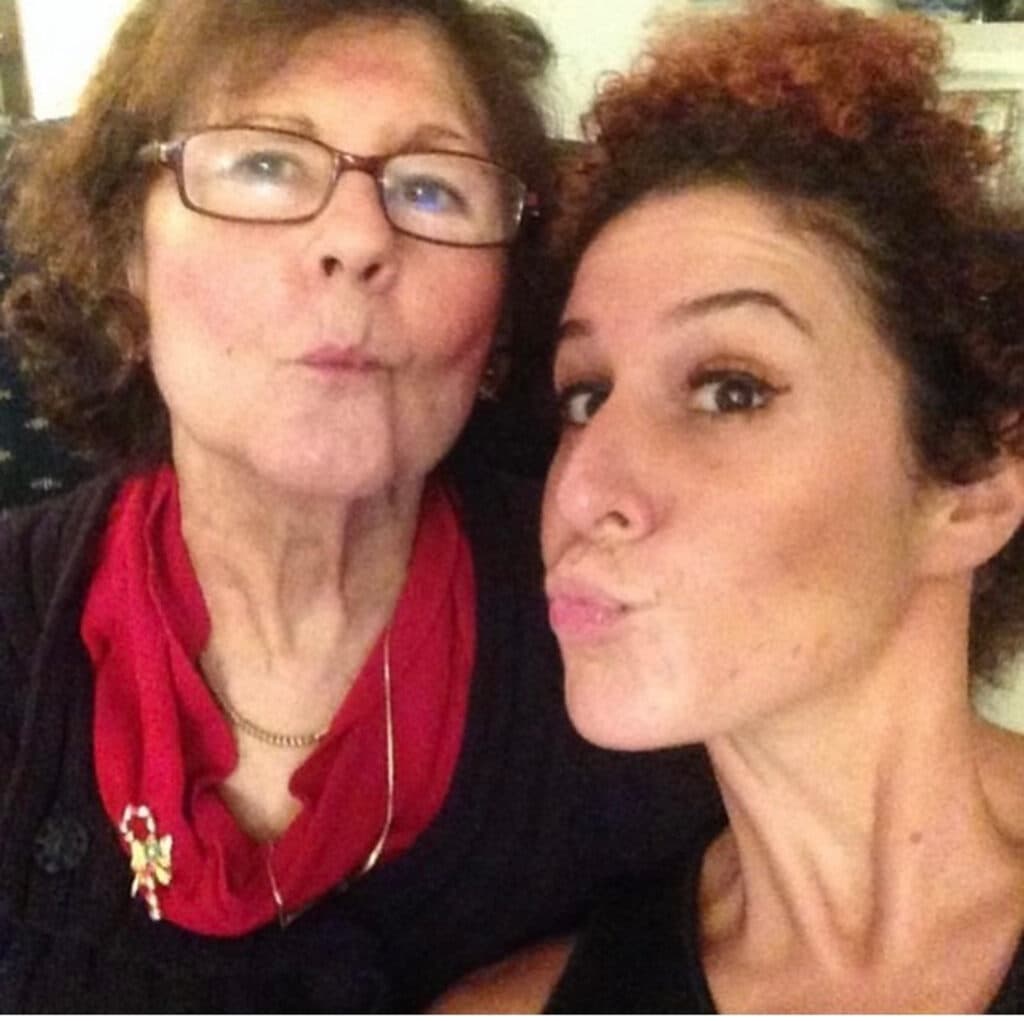
Finally, about six years after her mother’s initial diagnosis, Marioles was living close to her mother who had quality care. She was relieved. But she still experienced “a massive change.”
She went to the facility every day after work and stayed for about six hours to make sure Hetty, who needed round-the-clock care, was doing as well as possible.
Eventually, Marioles started her own business as a virtual assistant so that she could more easily help care for her mother. “I wanted to work virtually because trying to hold down a traditional 9-to-5 while caregiving just seemed impossible,” she says.
She also had thoughts of starting her podcast, something that would not materialize until after Hetty had passed.
Marioles experienced a contradiction many caregivers talk about: feeling both resentful and grateful for the caregiving role.
“There were times where I would be crying in front of her because I was so stressed out and I would say, ‘I just want my old mom back. Why can't things just go back to the way they used to be?’ And I hated myself for doing that, but we're only human,” Marioles says. “And my mom would say, ‘I wish we could go back too. Do you think I want to be this way? Do you think I want to see you having to do all of this?’
Marioles says her mother felt guilty to have her young daughter care for her, “but on the other hand, I feel like it made her so happy that she had her daughter who she trusted and knew was going to take the best care of her.”
Life Beyond Caregiving
After living in the facility for four years with Marioles at her side, Hetty died in 2020.
“It was strange, I always thought when my mom died I would be inconsolable. I was extremely sad — but I was surprised I didn’t feel this way,” she says.
“It wasn’t until after she passed that I learned the term anticipatory grief. Basically the decade I cared for my mom I felt grief at every decline she had, so unbeknownst to me, I was grieving all the while I was caregiving. It was also a huge adjustment not to be a caregiver anymore as that was such a HUGE part of my identity. Having to navigate life without my best friend and the responsibility took a lot of adjustment.”
Marioles, who got married in 2022, decided to launch the Young Life Interrupted podcast to honor her mother. “There were other podcasts on caregiving, but there was nothing specific to the experiences that a young caregiver goes through,” she says.
Different episodes highlight her various experiences, including anticipatory grief, dating and caregiving, or the holidays and caregiving.
“Everything that I had gone through, I was just pulling out a microphone and just talking about it, and I was getting so much great response from people who were listening to the podcast,” Marioles says.
Young caregivers have specific difficulties that Adrienne addresses, like the feelings of isolation or inability to relate to others.
“It's not like we can turn to our friends and say, ‘Hey, so when this was happening with your mom, what did you do? Or How did you navigate this?’”
She hopes her work will help other caregivers feel less alone. “I personally think that's the hardest part, just trying to understand, ‘Why am I so different? Why isn't this happening to anybody else?’ [That] was another reason that it's really big for me to foster this sense of community where young caregivers feel like they can finally be seen and heard, because nobody understands.”