
Katerina Klawes was born with a rare blood disorder that caused her to be hospitalized multiple times while growing up in rural northern Wisconsin. The disorder causes reduced blood platelets and can lead to increased bleeding from an injury or surgery, among other issues.
Then, in 2019, she was diagnosed with cervical cancer, just three days after turning 26 years old, the age when young Americans can no longer use their parents' health insurance. She had immediately enrolled in an Affordable Care Act health plan, but the deductible and out-of-pocket costs were high.
“I grew up with a single mother, and both my brother and I were born with a lot of genetic issues related to our blood disease, so I was no stranger to medical debt. I've always been aware of the inequity of health care and the high cost that it had,” Klawes tells The Messenger.
When she was diagnosed, Klawes was making about $30,000 a year at the Milwaukee Chamber of Commerce, which had four employees and did not offer health insurance.
“It was really hard for me. As somebody who was working full-time, and I had a bachelor's degree, but I had no other debt, and I was literally going to food banks just because of my medical debt alone — because I couldn't afford groceries and the copay for my medication,” Klawes says.
“I do not have family members who can help me pay bills. I'm sure they would if they could, but they can’t. I'm a first-generation college graduate and a first-generation high school graduate,” she says.
After she got the cancer diagnosis, doctors encouraged her to act fast out of concern that she had a quickly-spreading cancer. “The doctor said, ‘I don't know this for a fact, but generally we're not seeing people at age 26 or 27 with cervical cancer. When we do, it's usually a more aggressive type.’”
- Breakthrough Treatment Could Cut Cervical Cancer Deaths by 35%
- Women Pay $15.4 Billion More Than Men Every Year in Out-of-Pocket Healthcare Costs
- More Americans Are Surviving One of the Deadliest Cancers
- Average Annual Health Insurance Premiums Cost as Much as a New Car
- New Cancer Drug Will Cost 30-Times More in US Than in China
- Mom of 4 Raises $600K for Her Own Funeral After Terminal Cancer Diagnosis: ‘I Have Fought So Hard’
“It was imperative that I get seen right away,” she says, but the doctor that diagnosed her was out of her network. By this time it was early 2020, and the COVID-19 shutdown had begun. “I called 50 other doctors, but I could not find another doctor who could do the procedure I needed for at least six months. So I was forced to go to a doctor that was out-of-network, because you don't want to be waiting six months for a procedure to remove cancer.”
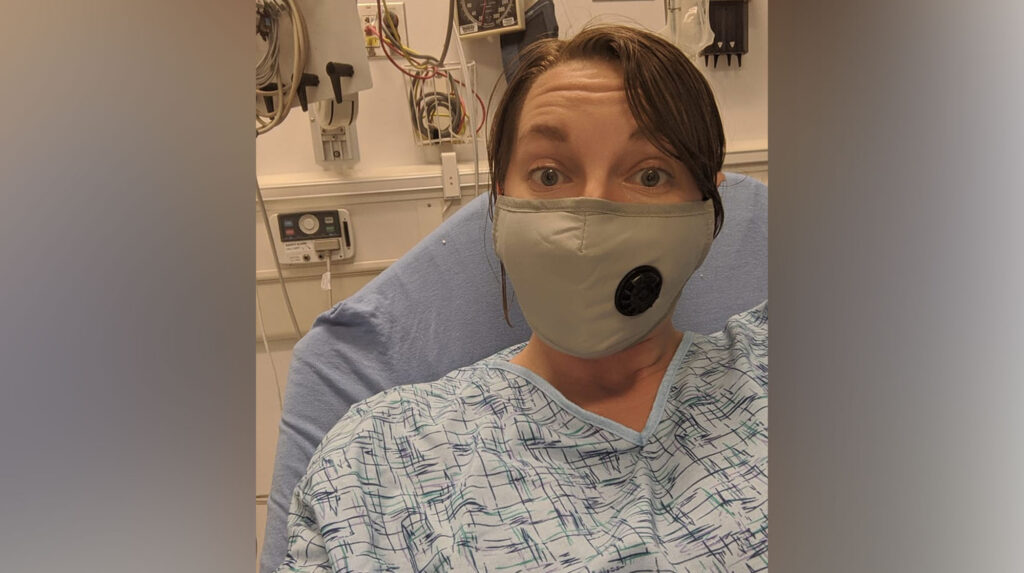
Klawes, now 29, went forward with the procedure, but just before she was brought into the operating room for surgery, they asked her for her credit card because of their concerns that her insurance would not cover it.
“I’m getting ready to go in, and obviously feeling a lot of emotions because, even though the surgery is minor, I'm still getting cancer removed and it's still a very scary emotional experience. And they say, ‘Hey, could you go up front, and could we swipe your credit card for a thousand dollars?’”
Dealing with medical debt
Klawes is now cancer free, but her genetic blood disorder requires regular monitoring and can cause kidney issues. In recent years, she has had additional surgeries and emergency room visits, and her condition has also caused hearing loss, requiring special hearing aids that cost around $10,000. At one time she had $80,000 in out-of-pocket medical expenses, which she has paid down to $8,700.
Sometimes hospitals negotiate the debt with Klawes, and she pays what she can. “But not all hospitals have those programs,” she says.

Klawes has become something of a medical billing expert after all the hours she has spent on the phone with debt collectors and hospitals.
“I always ask for itemized bills, and sometimes when I ask for an itemized bill, they will remove thousands of dollars in charges, which tells me that billing is that kind of weird magic formula or it's just kind of guesswork,” she says. “I was charged $25 for one pill of acetaminophen once, you know, basically a Tylenol. And after I asked for those bills, I negotiated it down to 62 cents, which I thought was fair.”
Despite her dedication to paying down her medical debt and keeping on top of the flurry of hospital bills that come her way, she fears it will still impact her future.
“I'm a renter and my medical debt is absolutely preventing me from buying a house,” she says. “My continued medical needs mean I may never be able to buy a house because of the cost of healthcare.”
The Cost of Care
- $30,000: Salary at the time of diagnosis
- $11,000: Out-of-pocket for LEEP procedure for cervical cancer
- $10,000: Out-of-pocket cost for specialized hearing aids
- $80,000: Out-of-pocket cost for diagnostic testing, physical therapy, hospitalization, doctors visits
- 8 years: Estimated time to pay off medical debt