Taking up the Mahuru Māori challenge
Stuff reporter Joel Maxwell, who spoke only te reo Māori for the month of September, heads out to kōrero with people in Pōneke. (Video first published October 2022.)MONIQUE FORD / STUFF
Sarah Sparks is a communications consultant, and works with wāhine toa across Aotearoa.
OPINION: Now is not the time to backslide – it is the time to build up, when you look objectively at the positive progress points of the relationship between Māori and the Government over the past three to six years.
We must continue to prioritise improving outcomes and wellbeing for Māori to keep moving the dial in the disproportionate and disheartening data shown by social indicators.
When the covenant was signed between Crown and Māori, just like an enduring marriage, Te Tiriti required fidelity, forgiveness, and fortitude to commit to cultivating a rightful relationship.
That means working together collectively and collaboratively as equals, supporting indigenous self-determination, acknowledging tikanga, respecting whakapapa and acting in the spirit of partnership.
That is the litmus test and ultimate wayfinder to system and societal transformation.
One that is underpinned by valuing the strong indigenous approach to environment, social and sustainable governance.
Abigail Dougherty / Stuff
Yes, there will be sacrifice on the way, possible pessimism and healthy doses of critical debate, however the virtue of hope counters doubt as all things are possible.
Historical claimant briefs of evidence at the Waitangi Tribunal or even current High Court litigation like the Nelson Tenths identify Crown breaches and injustices against Māori ad infinitum.
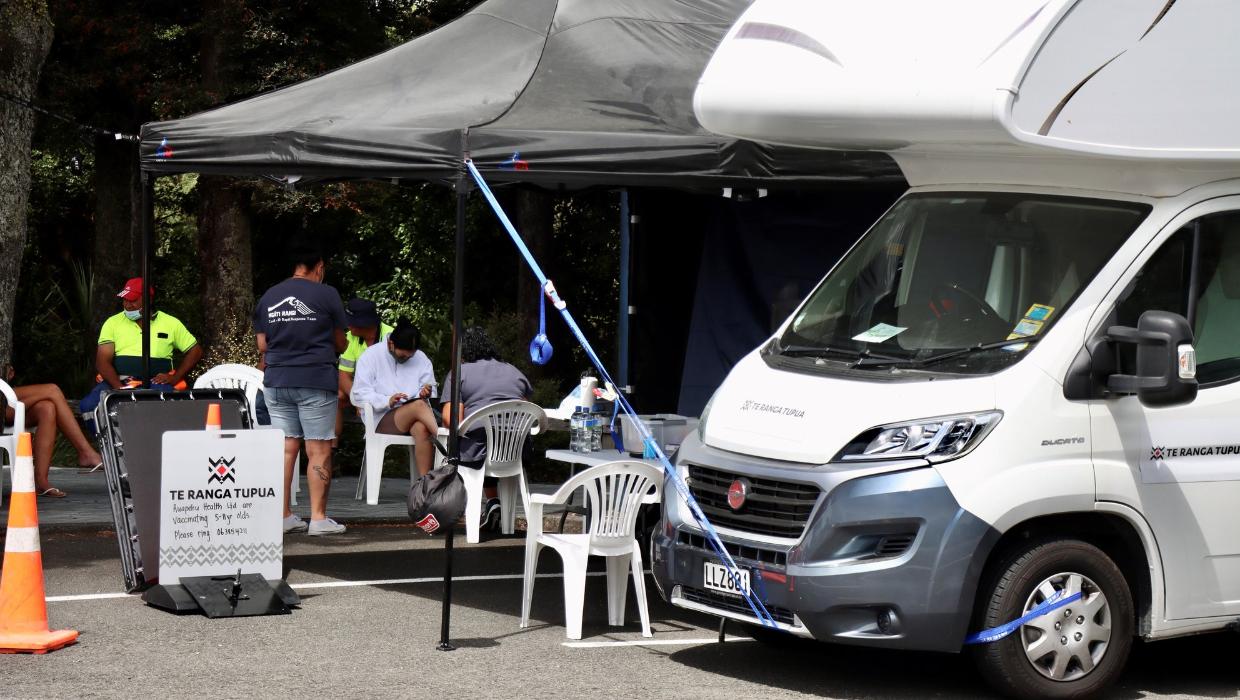
However, one seed of hope for structural change was in the Covid-19 response, recovery and rebuild funding.
We saw the Crown expedite resources to Māori for them to determine what health, social and economic support looks like for our whānau.
We saw iwi, hapū and urban Māori organisations innovatively work together with government agencies or independently steer their own waka given regional nuances, which was for the collective good.
Moana Ellis / Local Democracy Reporting
No-one can dispute the agility, flexibility, and prowess of how Māori communities looked after their own effectively and efficiently – as well as many other diverse groups in their community.
The Herenga Waka report documents an incredible outreach to 400,000 individuals by a backbone of Māori NGOs, showing there’s room for mana motuhake to operate alongside government support.
We can come together to integrate, not dominate or assimilate.
That’s just one example proving the social return on investment in holistic wraparound services delivered by those trusted voices of hapori who get the job done.
May Te Tira Ārai Urutā, the NZ Royal Commission of Inquiry into Covid-19, value this formidable force so we are equitably well-prepared for the next pandemic.
On the world stage others were learning off our tangata whenua-led responses at the Healing Our Spirit Worldwide gathering in Vancouver this week hosted by First Nations whānau.
Riana Manuel, chief executive of Te Aka Whai Ora Māori Health Authority, is a keynote speaker alongside a contingent of rangatira and kaimahi from across the motu, including Crown agencies.
MONIQUE FORD / Stuff
Our indigenous relations and cultural cohesion rate highly in comparison to many other countries.
The US News & World Report, a rival of Time and Newsweek, ranks Aotearoa sixth overall in the area of social purpose and eighth in its annual 2023 Best Country list (Sweden topped the table).
While we don’t yet have an indigenous parliament like Finland’s Sámi self-government body - legislated in 1996 - brick by brick there have been in-roads in our aspirations.
Public purse investment using informed policy scaffolded with Māori advice is building capacity and capability that deals to entrenched inequity and outcomes for Māori. Let’s not stop those gains.
While there is always room for improvement, there are wins judging by the May report of the Office of the Auditor-General. Powerful shifts have come thanks to public funding, education, inclusion, and legal and systemic reform.
Look at te reo Māori revitalisation, the establishment of Te Aka Whai Ora Māori Health Authority, 21 Treaty settlements and partnership agreements in the last six years, how Whānau Ora maintained social capital especially during Covid-19, Maihi Ka Ora unlocking capacity and iwi prototype solutions in Māori housing, and the cultural recognition of Matariki as a public holiday, to name but a few.
Regardless of who ends up in power after October 14, we need to keep future-focused and steer the course for our next generations of mokopuna.